Review Summary
Expert Rating
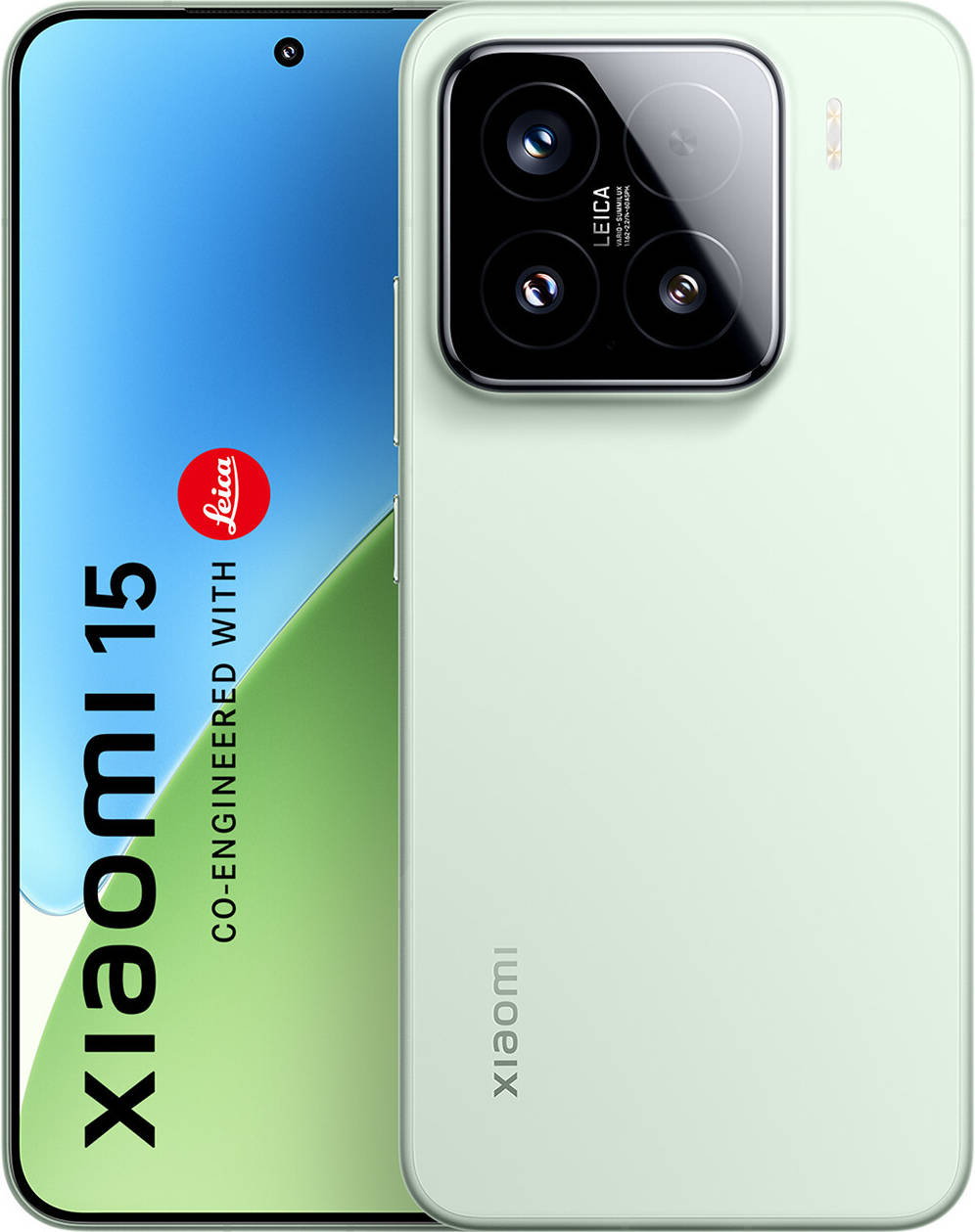
Typically, a brand-new flagship is priced the same as or higher than its predecessor. But Xiaomi made a surprising move by launching the Xiaomi 15 at Rs 64,999 – roughly Rs 5,000 cheaper than the launch price of the Xiaomi 14 (review). No complaints here, as you’re getting a successor with the latest top-tier Qualcomm chipset, impressive Leica cameras, and a bigger battery than its predecessor, all while maintaining the same handy form factor. A sweet deal indeed!
Table of Contents
Verdict
The Xiaomi 15 is easily the best compact flagship in the market right now. Not only does it retain the same compact form factor as its predecessor, but it also manages to house a larger battery while being slightly lighter. Additionally, it offers fast performance with the Snapdragon 8 Elite chipset, a reliable set of Leica cameras, solid battery life, and fast charging. That said, you may encounter occasional camera-related issues and performance throttling, but the pros outweigh the cons.
Design and display
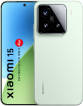
The most attractive aspect of the base Xiaomi flagship model is its handy form factor. The phone feels great to hold, and you can perform most tasks like adjusting the volume, texting, and pulling down the control panel with just one hand. Its compact size makes it look sleek in your pocket. And despite its size, the screen doesn’t feel it’s too small for general usage like web browsing, checking emails, texting, and so on.
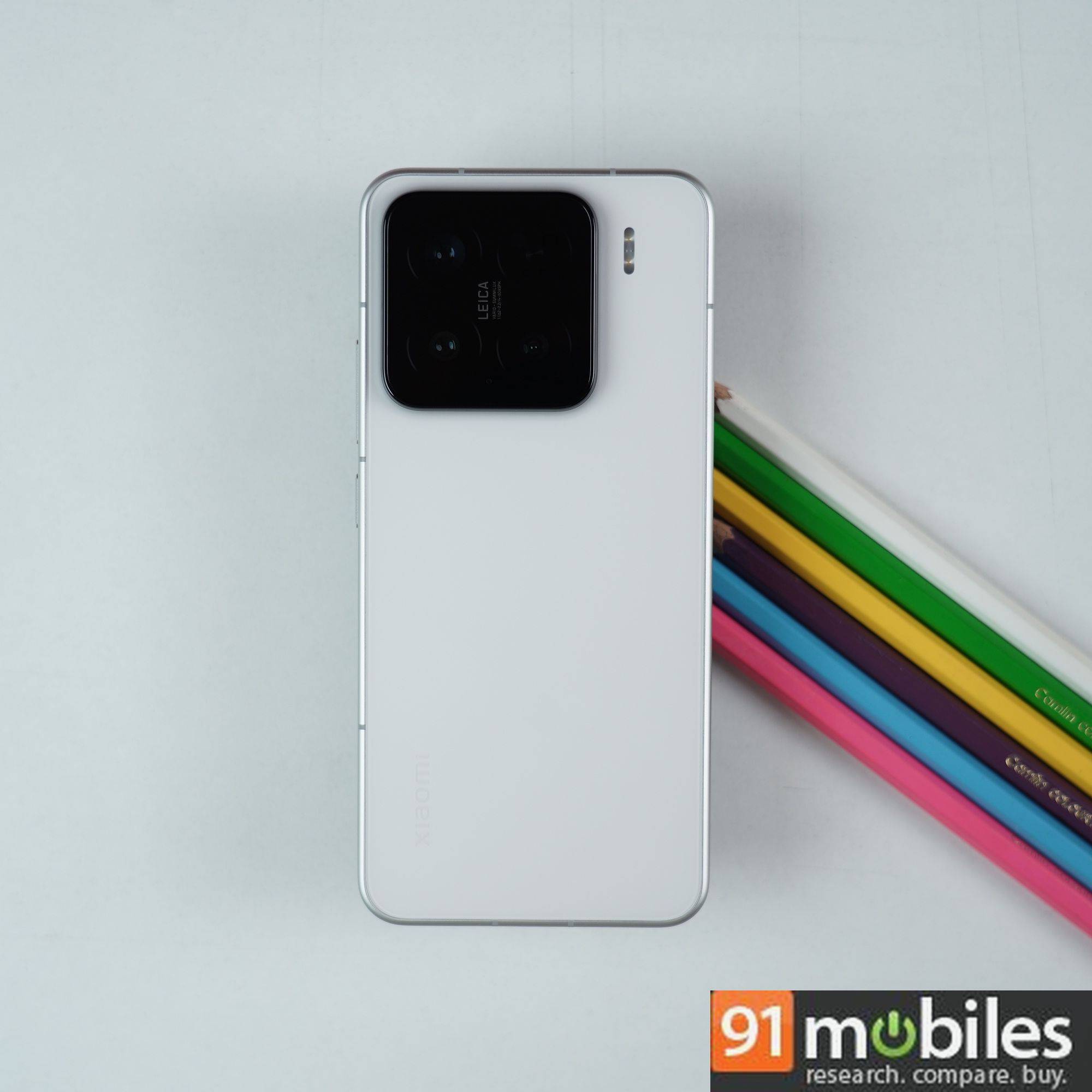
The Xiaomi 15 is similar in height and width to its predecessor. However, what’s impressive is that it is now slightly slimmer (8.08mm) than the Xiaomi 14 (8.20mm) and lighter by a couple of grams – 191g instead of 193g – all while packing a bigger battery.
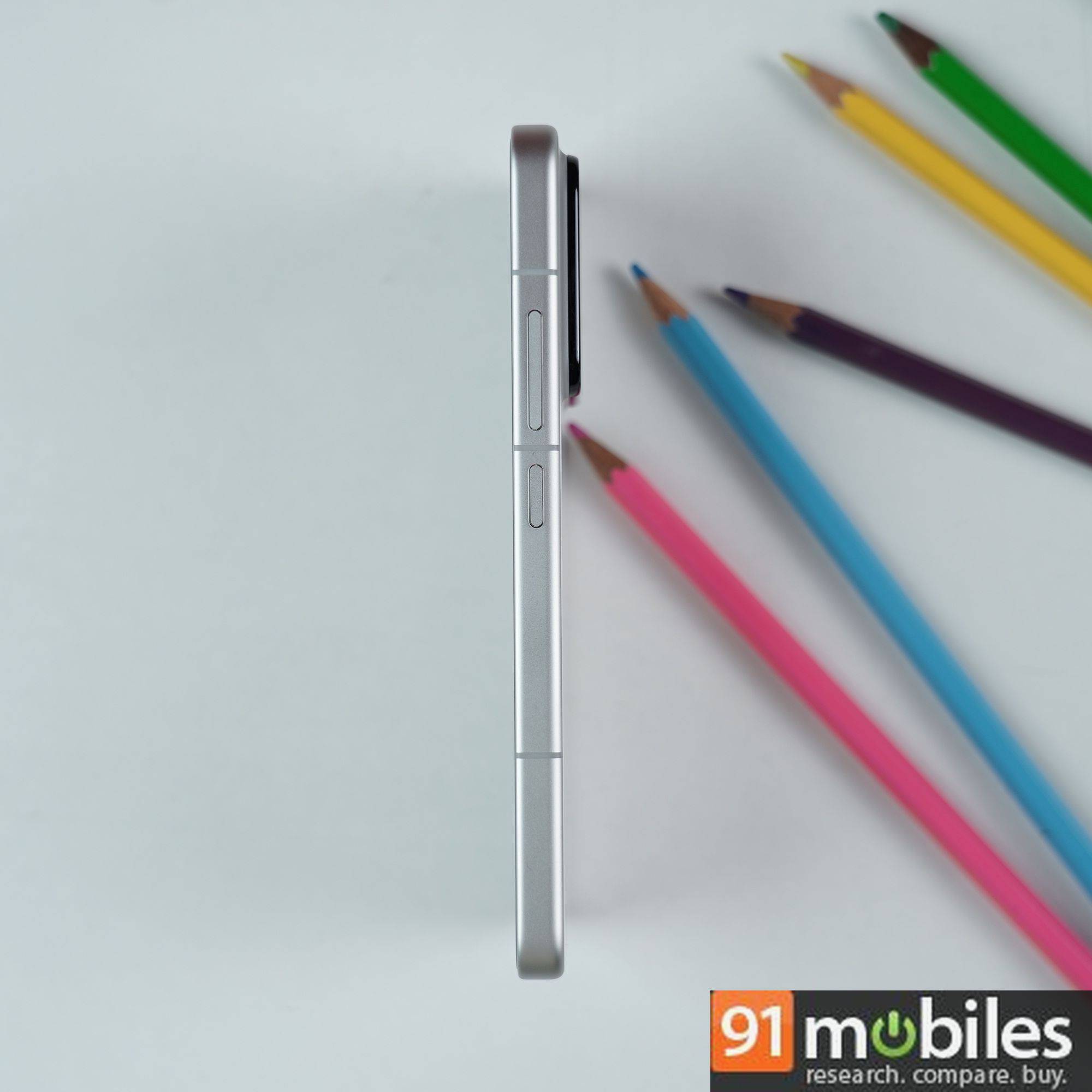
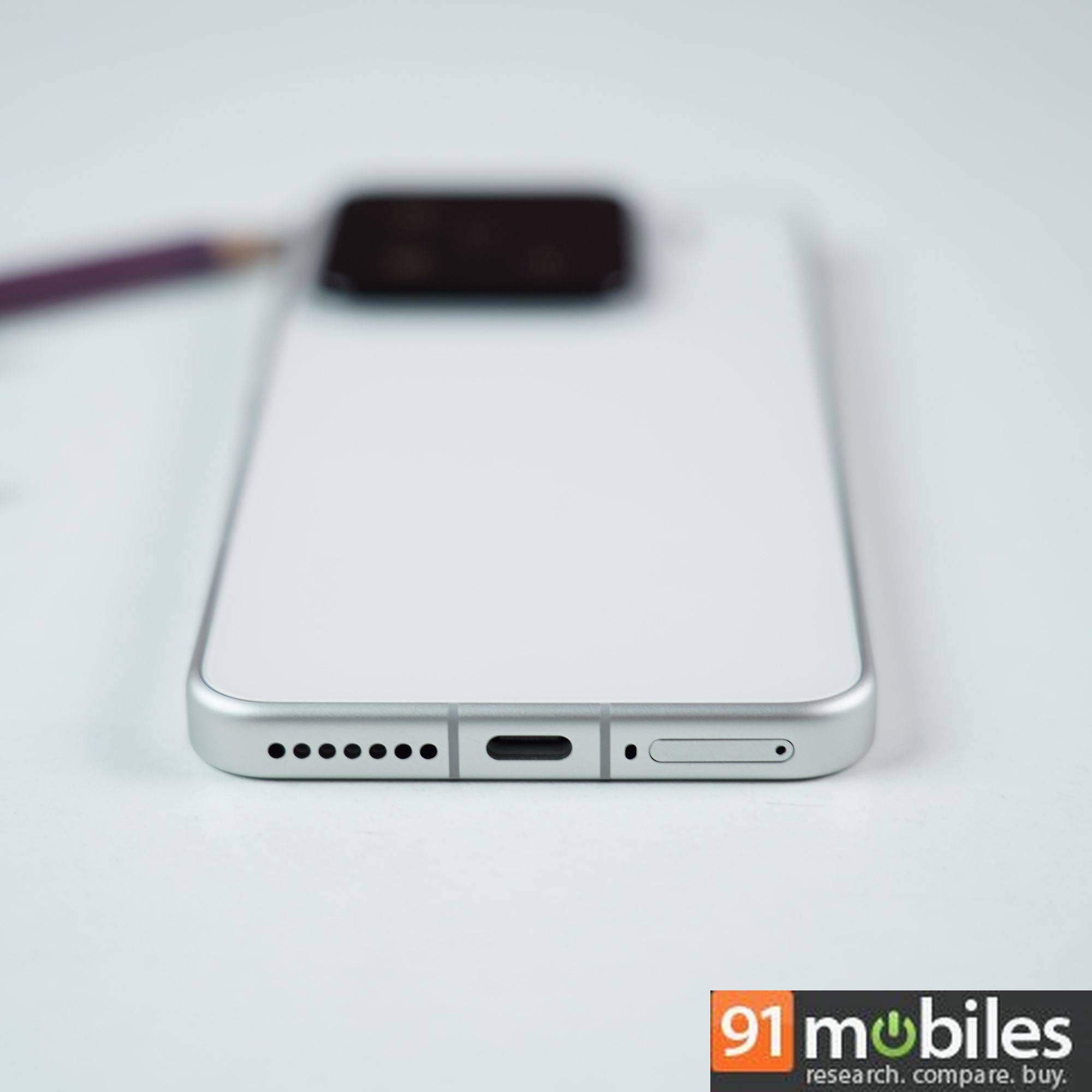
The finish is just what you’d expect from a flagship phone. The metal frame has a soft matte finish, as does the rear glass panel. While this gives the phone a premium feel, it also makes it slightly slippery in hand – but a good cover can easily fix that.
| Smartphone | Thickness | Weight | IP rating |
| Xiaomi 15 | 8.08mm | 191 grams | IP68 |
| Xiaomi 14 | 8.20mm | 193 grams | IP68 |
| OnePlus 13 | 8.50mm | 210 grams | IP68 and IP69 |
| OPPO Find X8 | 7.90mm | 193 grams | IP69 |
| Vivo V200 | 8.00mm | 197 grams | IP69 |
The Black, White and Green colour options this time around are a shade lighter than what you got on the Xiaomi 14. We received the White variant for review, which looks elegant. The Green one would be the one to buy if you want a splash of colour.
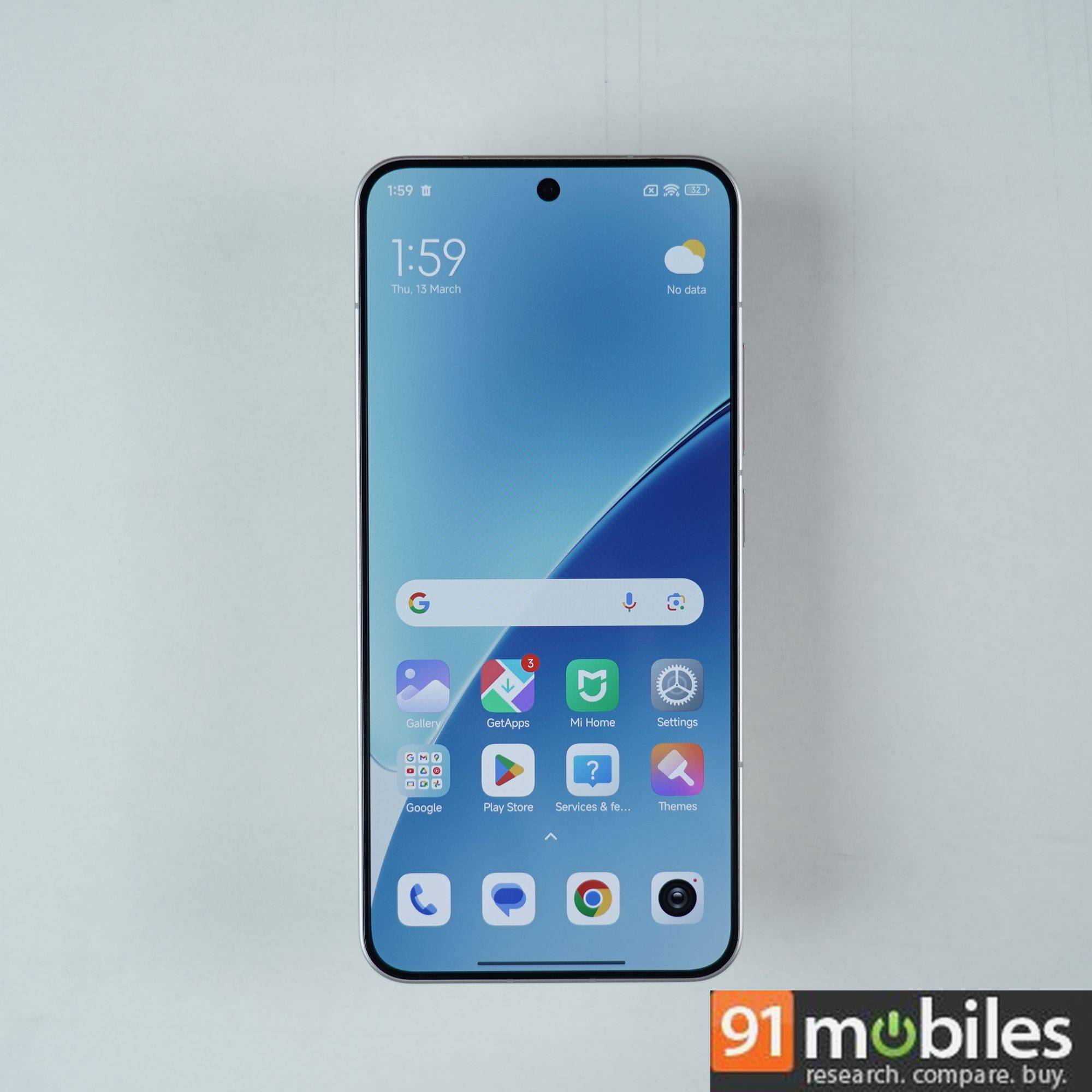
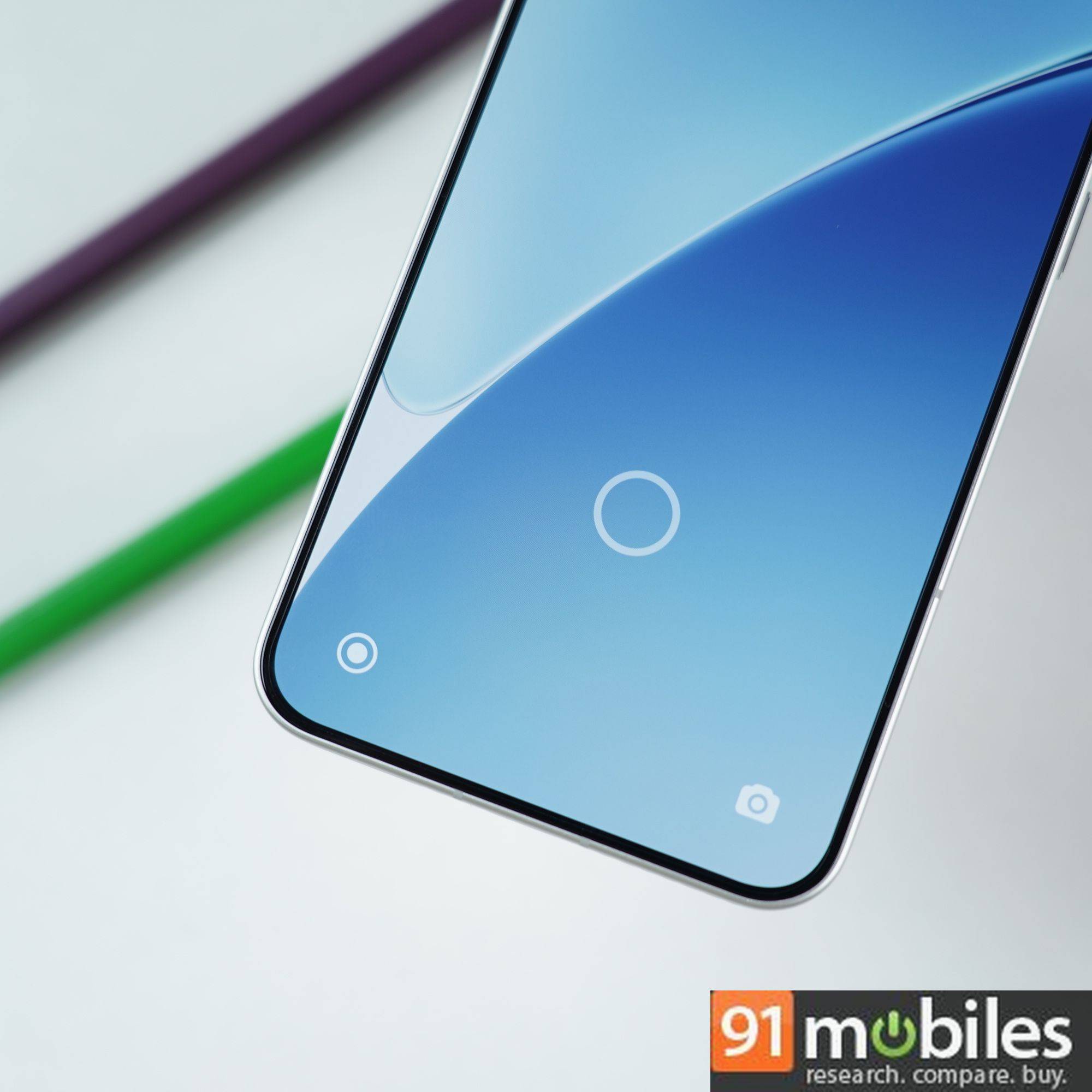
Coming to the display, the Xiaomi 15’s screen size is the same as its predecessor at 6.36 inches. Xiaomi is using a CrystalRes AMOLED panel with 2,670 x 1,200 resolution and up to 120Hz refresh rate. Peak brightness gets a slight bump from 3,000 to 3,200 nits and you get support for HDR10, HDR10+, and Dolby Vision, among other things. Suffice it to say that the display has all the right ingredients along with uniformly slim bezels and a fast and responsive ultrasonic fingerprint sensor.
| Smartphone | Display size | Peak brightness |
| Xiaomi 15 | 6.36-inch AMOLED | 3,200 nits |
| Xiaomi 14 | 6.36-inch AMOLED | 3,000 nits |
| OnePlus 13 | 6.82-inch LTPO AMOLED | 4,500 nits |
| OPPO Find X8 | 6.59-inch LTPO AMOLED | 4,500 nits |
| Vivo X200 | 6.67-inch AMOLED | 4,500 nits |
Cameras
The camera configuration on the Xiaomi 15 is similar to what you get on the Xiaomi 14. The rear camera system has three 50MP cameras, so you can expect some form of consistency across regular, telephoto and wide-angle shots, as far as sharpness and colour profile are concerned. The 50MP primary camera uses a Light Fusion 900 image sensor with OIS. You get a 50MP floating telephoto lens which also gets OIS support, and lastly, a 50MP wide-angle lens. Up front, there’s a 32MP camera to handle selfies.




The Xiaomi 15 offers a versatile camera system, which is great if you’re someone who loves taking portraits as much as regular shots. You’ll get sharp and colourful photos that look great in daylight. However, I found issues with contrast and exposure multiple times, which required me to take multiple shots of the same scene, especially any scene with backlight. You can see below the difference between the two shots captured within seconds of each other.


Daylight
Daylight photos taken on the Xiaomi 15 look great with a lot of contrast, impressive details and colour reproduction. If you look at the comparison shot below with the OnePlus 13, you’ll see that the Xiaomi 15 delivers impressive dynamic range, capturing shadows and highlights better than the OnePlus 13, the latter leaning towards brighter-looking photos.


While the Xiaomi 15 delivers good dynamic range, the OnePlus 13 offers better clarity. Take a look at the zoomed-in shot below, where the text appears sharper and more legible on the OnePlus 13.


Portrait
We compared the telephoto lens with that of the Vivo X200 and the difference is quite dramatic. The Xiaomi 15 captured an overall brighter portrait at 35mm with a lot of exposure and attractive colours (see the yellow flowers glowing like fairy lights in the background). The Vivo X200, on the other hand, delivered more muted colours.


However, a closer look at the above portrait shot shows the Vivo X200 doing a better job of capturing the finer facial and clothing details.

Low light without night mode
We were not too impressed with the default low-light performance of the Xiaomi 15 as the camera failed to handle light sources well, often blowing out the scene. The Vivo X200, in comparison, did a better job with highlights and light sources, as you can see in the shot below.


Low light with night mode
Things improve with night mode enabled on the Xiaomi 15, although it takes a few steps to enable the mode as it doesn’t kick in automatically. With night mode enabled, the Xiaomi 15 is able to control light sources much better and it doesn’t turn the sky unusually blue the way Vivo X200 does.


Selfie
Selfies look great on the Xiaomi 15. The front camera captures selfies with good colour reproduction and you can expect good background blur and edge detection in portrait selfies.


When it comes to videography, the Xiaomi 15 is capable of recording videos at up to 8K resolution at 30fps. However, you’re likely to get the best results when shooting at 4K 30fps. While the videos generally look good with crisp visuals and stable footage, we did notice occasional contrast and exposure issues similar to those seen in still photos.
Performance
Xiaomi hasn’t held back in the performance department with the Xiaomi 15. It gets the same Snapdragon 8 Elite chipset that powers the Ultra model. You get 12GB of RAM and 512GB of internal storage which is plenty for this smartphone. Its benchmarks put it on the same lines as other Snapdragon 8 Elite phones like the OnePlus 13, Xiaomi 15 Ultra, and Samsung Galaxy S25.



The Xiaomi 15 effortlessly handles daily workload, such as website browsing, texting, scrolling through social media, and more, without lags or stutters. The phone was also cool throughout the review period as my daily driver, getting only slightly warm under intense workloads or when out in the sun.
While the Xiaomi 15 can run games like Call of Duty, BGMI, and more, the gaming experience isn’t as smooth as on flagships like the OnePlus 13 or OPPO Find X8 in the same price segment. It doesn’t deliver the same high frame rates as its rivals and tends to heat up more, leading to quicker battery drain.
Software and HyperAI
The Xiaomi 15 ships with Android 15 with HyperOS 2.0 on top. While Xiaomi’s software does come with a host of pre-loaded apps (50 by our count), which can seem cluttered upon setting up, you can uninstall the ones you absolutely don’t use. HyperOS is extremely customisable, allowing you to change the theme, wallpaper, app icons, and more to your individual taste.
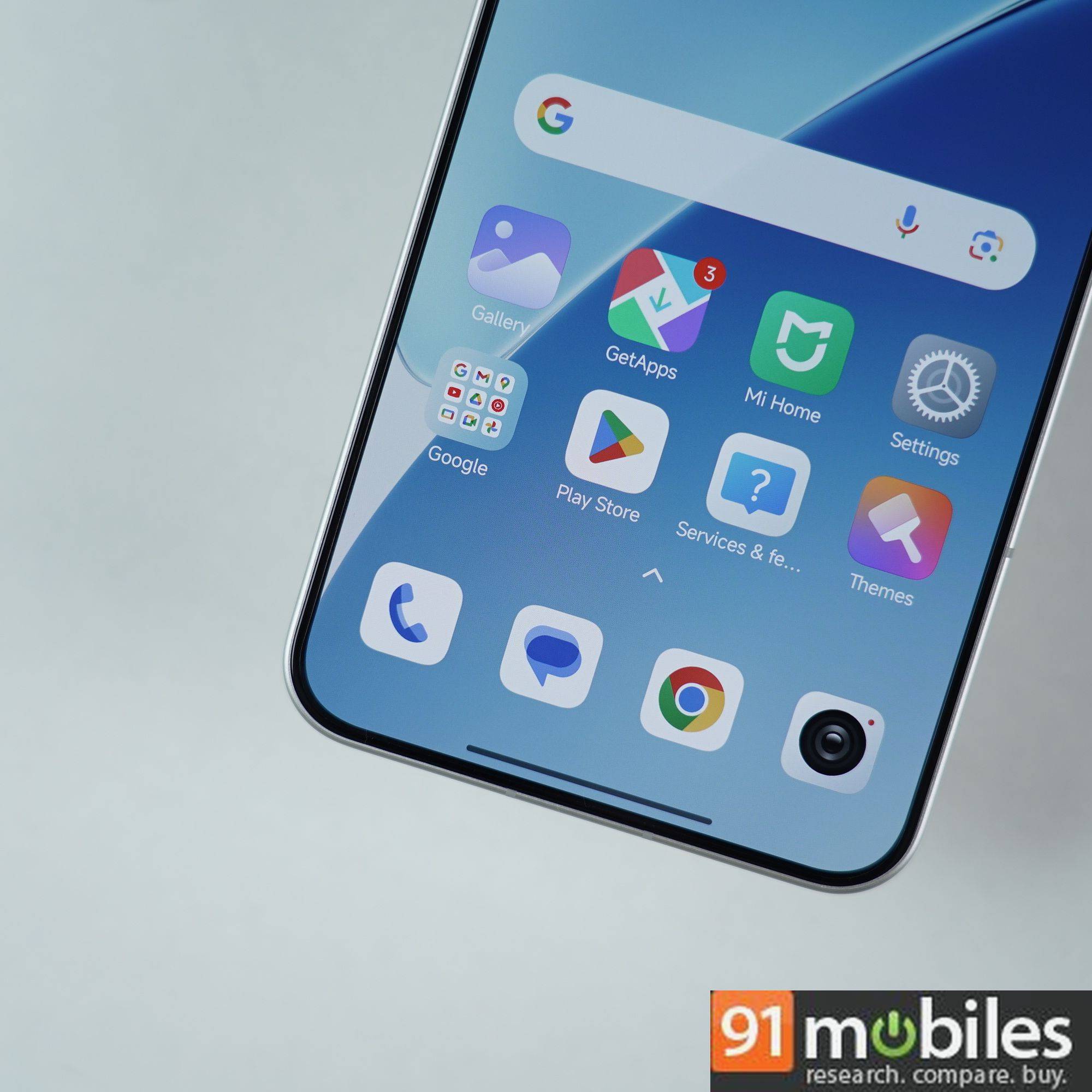
Xiaomi is promising an impressive four years of major OS updates and six years of security updates, similar to what OnePlus and OPPO are offering for the OnePlus 13 and Find X8, respectively.
| Smartphone | Pre-installed apps | Software updates |
| Xiaomi 15 | 50 | 4 years OS + 6 years security |
| OnePlus 13 | 44 | 4 years OS + 6 years security |
| OPPO Find X8 | 58 | 4 years OS + 6 years security |
| Vivo X200 | 53 | 4 years OS + 5 years security |
Xiaomi is also offering a suite of AI functionality under the HyperAI umbrella. At the core is Gemini, which can be triggered by long pressing the power button. You can ask Gemini for suggestions on any number of topics, create prompt-based images, help you write or plan, and more. You also have access to Gemini Live, which lets you have a natural, free-flowing conversation with Gemini.
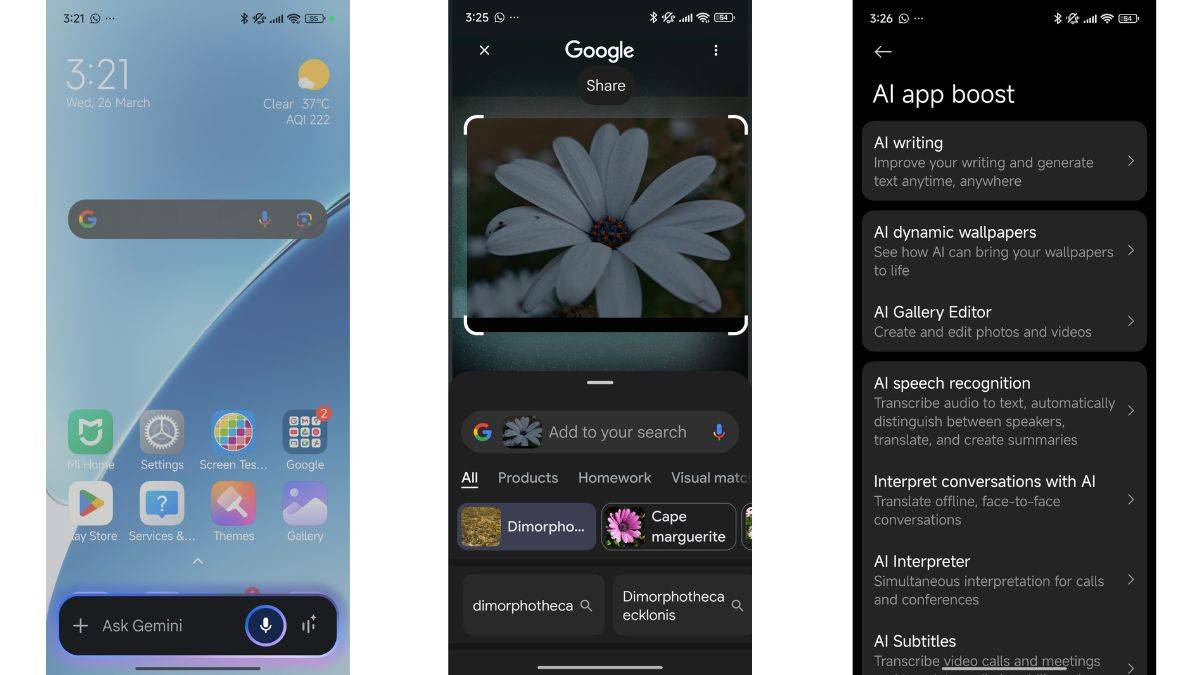
Apart from Gemini, HyperAI comes with other features baked in like Circle to Search anywhere on the screen on any content you’re viewing by long-pressing the navigation bar at the bottom of the screen, AI writing tools like summarising and proofreading in the Notes app, AI Erase Pro and Image Expansion in Gallery app, AI translate in recorder app, and more.
Battery and charging
The Xiaomi 15’s battery life is definitely an upgrade. The 5,240mAh battery inside the flagship is a significant improvement over the 4,610mAh unit found in the Xiaomi 14. Impressively, Xiaomi has achieved this without increasing the phone’s thickness or weight. A larger battery does translate to better battery life, as I was able to comfortably get through an entire day of general usage – including messaging, social media browsing, and some streaming – while still having enough battery left by the end of the night.
In our PCMark battery test, the Xiaomi 15 lasted 13 hours and 44 minutes from 100 to 20 percent, outscoring phones like the OnePlus 13 and OPPO Find X8 Pro that come with bigger batteries. The Xiaomi 15’s size does play a role in battery consumption.
The Xiaomi 15 retains the 90W wired charging speed, which is great because the phone tops-up from 20 to 100 percent in just 38 minutes.
| Smartphone | Battery and charging speed | Charging (20-100%) |
| Xiaomi 15 | 5,240mAh (90W) | 38 minutes |
| Xiaomi 14 | 4,610mAh (90W) | 32 minutes |
| OnePlus 13 | 6,000mAh (100W) | 38 minutes |
| Vivo X200 | 5,800mAh (90W) | 38 minutes |
| OPPO Find X8 | 5,630mAh (80W) | 42 minutes |
Final verdict
The Xiaomi 15 is a terrific compact flagship that’s well worth its asking price. Not only is it more affordable than the Xiaomi 14, but the brand has packed in several meaningful upgrades, such as a faster Snapdragon 8 Elite chipset and a bigger battery. What makes this package even more appealing is that the phone retains the same compact form factor. To round things off, you get a reliable and versatile set of Leica cameras – though there are some niggles that could be addressed via future software updates – along with some neat AI features under HyperAI.
Given that there aren’t too many compact flagships in the market right now, the Xiaomi 15 does enjoy a certain sense of uniqueness. That said, if you’re looking for an equally reliable compact flagship with superior performance and cameras, the Samsung Galaxy S25 (review) is worth considering, although it is priced higher than the Xiaomi 15. Alternatively, if you’re after a compact iPhone, the new iPhone 16e might fit the bill. While it offers excellent performance with the A18 chip, its single rear camera lacks the versatility provided by the Xiaomi 15.
Rating: 8 / 10
Reasons to buy:
- Despite packing a larger battery, the Xiaomi 15 remains thinner and lighter than its predecessor.
- The Snapdragon 8 Elite chipset ensures buttery smooth performance.
- The 50MP Leica cameras offer versatility and consistency.
- A bigger battery now offers better battery life along with impressive fast charging.
Reasons to not buy:
- Stills and videos occasionally see contrast and exposure issues
- The CPU tends to throttle under heavy load