


Review Summary
Expert Rating
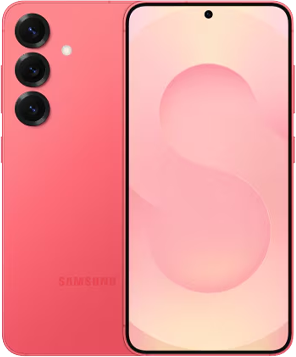
The Samsung Galaxy S25 may not be a radical departure from its predecessor, but it still turns heads. As the most powerful compact smartphone yet, it introduces several AI-driven features designed to enhance usability. Additionally, Samsung’s long-term software support ensures your purchase remains relevant at least until 2032. But do these upgrades—along with subtle refinements in camera performance and design—make the Galaxy S25 a worthy choice? Read this review to find out.
Table of Contents
Verdict
The Samsung Galaxy S25 is a promising flagship smartphone that delivers on most counts. Powered by Snapdragon 8 Elite, the handset’s performance outshines the iPhone 16 (review), whereas its versatile camera system, featuring a dedicated telephoto lens, captures vibrant and detailed photos. The display is a visual treat, and extended software support is enhanced by practical AI-driven upgrades. However, its upgrades, although thoughtful, are mostly incremental. Faster charging speeds and a larger battery would have made a meaningful difference.
Design and display
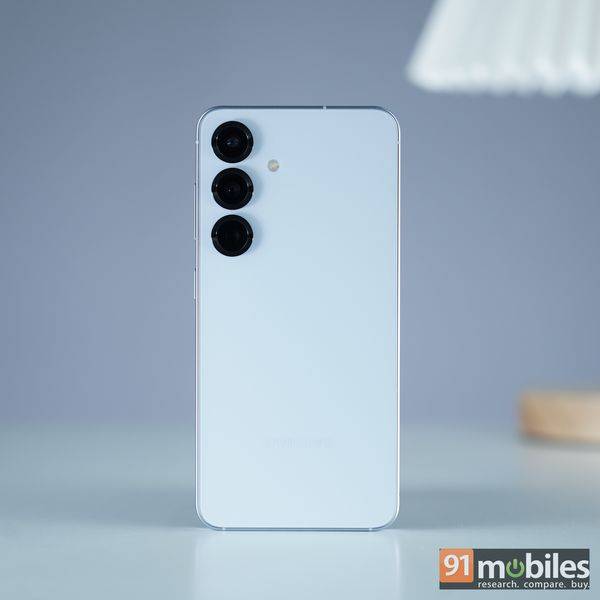
For the Galaxy S25, Samsung has retained the flat-edge design language from last year, featuring individual camera rings with subtle refinements. The camera rings now resemble those on the Galaxy Z Fold6 (review), incorporating a patterned edge for added flair. The device is also marginally slimmer, measuring 0.4mm thinner than its predecessor, and lighter by approximately 4 grams compared to the Galaxy S24 (review). These refinements make the S25 more comfortable to hold and easier to carry in your pocket.
| Smartphone | Weight | Thickness | IP rating |
| Samsung Galaxy S25 | 162 grams | 7.2mm | IP68 |
| iPhone 16 | 170 grams | 7.8mm | IP68 |
| OnePlus 13 | 196 grams | 8.1mm | IP69 |
While the smartphone comes with the same IP68 rating as last year, its durability has been improved with the latest Corning Gorilla Glass Victus 2 protection. Additionally, the phone features an armour aluminium frame for its premium look and feel. The S25 comes in seven colour variants: Blue Black, Coral Red, Pink Gold, Navy, Icyblue, Silver, and Mint. We received the Icyblue colour variant for review, which is quite subtle and does a good job of hiding the fingerprints and smudges to an extent.
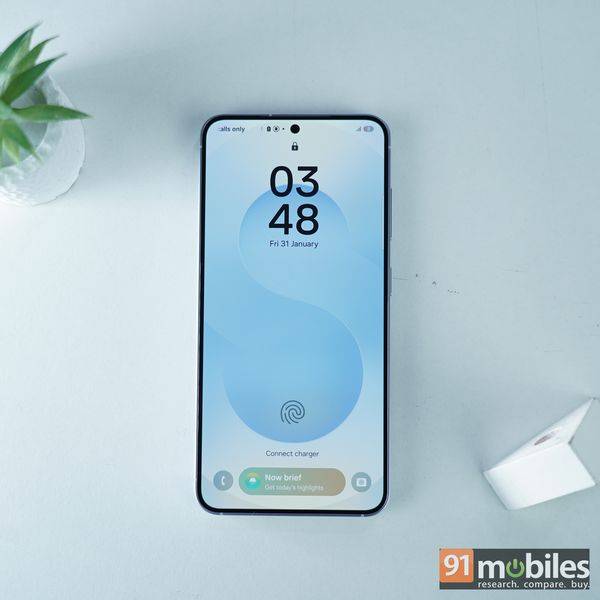
Everything else on the Galaxy S25 remains identical to its predecessor, including the display. Mind you, this does not mean the experience is poor by any metric.
The handset sports a 6.2-inch Dynamic AMOLED 2X LTPO display with FHD+ resolution, HDR 10+ support, and an adaptive 120Hz refresh rate. The peak brightness is also similar at 2,600nits, offering decent visibility outdoors under direct sunlight. You get crisp visuals with vibrant colours and a high contrast ratio. Additionally, the Galaxy S25 supports HDR on YouTube, Netflix, and other OTT platforms.
| Smartphone | Display size | Peak brightness |
| Samsung Galaxy S25 | 6.2-inch Dynamic AMOLED | 2,600 nits |
| iPhone 16 | 6.1-inch OLED | 2,000 nits |
| OnePlus 13 | 6.82-inch AMOLED | 4,500 nits |
To complement the viewing experience, the phone offers stereo speakers. The speaker got 79.2 decibels loud in our dB meter test, which was respectable for a smartphone of this size. For security, the handset features an in-display fingerprint scanner, which unlocks the device accurately and quickly even with a deft touch.
Cameras
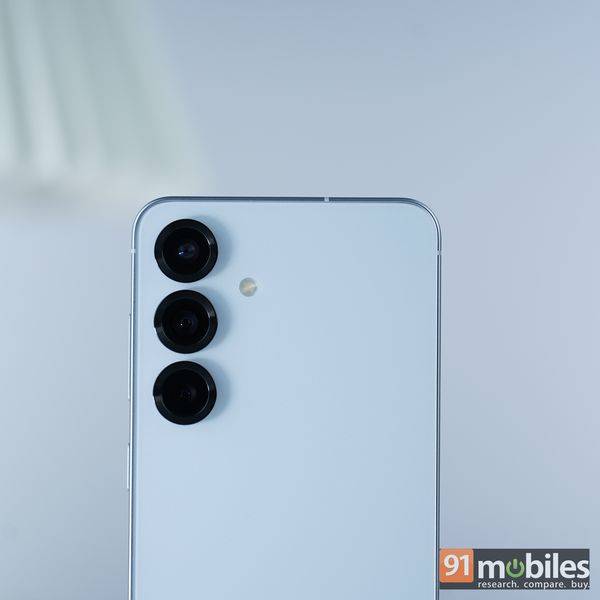
The Samsung Galaxy S25’s camera setup remains unchanged as well. The handset boasts triple rear cameras, comprising a 50MP primary sensor, a 12MP ultrawide sensor, and a 10MP 3x telephoto lens. The front camera is a 12MP sensor in the punch-hole setup.
While the hardware remains unchanged, Samsung has focused on optimisation to enhance image quality. Compared to the Galaxy S24 that I reviewed last year, the S25 delivers images with crisp details that remain intact even when zoomed in. The colour reproduction is also much better, keeping it close to reality. Moreover, the camera app is super responsive, and there is no discernible lag in the shutter speed and autofocus. Other improvements include a new slider to adjust the zoom and depth effect for portraits, as well as more controls over the filter and a range of pro features.









To further assess its cameras, we compared the performance against the iPhone 16 (review) and OnePlus 13 (review).
Daylight


The Samsung Galaxy S25 tends to capture images with warmer tones, while the iPhone 16 leans toward cooler tones. This difference results in slightly overexposed shots from the Samsung device, as seen in the image above. In bright outdoor conditions, the Galaxy S25 struggles to retain finer details in areas with harsh sunlight, such as tree leaves and textured surfaces, whereas the iPhone 16 preserves these details more effectively. Additionally, the iPhone’s portrayal of the sky appears more accurate, maintaining better tonal balance and superior detail in shadowed areas.

Compared to the OnePlus 13, the Samsung Galaxy S25 stands out in both colour accuracy and detail retention. The Galaxy S25 captures finer details and maintains tones that are closer to reality, whereas the OnePlus 13 tends to produce brighter images, often at the expense of colour fidelity and subtle details.
Ultra-wide


Both smartphones carry forward the same colour science from their primary cameras to their ultrawide lenses. However, the iPhone 16 offers a wider field of view (FoV) and captures sharper textures in the corners of the frame. The Galaxy S25, on the other hand, does a better job of preserving shadow details, particularly in dimly lit portions of the frame, where the iPhone 16 tends to crush blacks slightly. While the iPhone 16 prioritises clarity, the S25’s slightly more dramatic contrast makes images pop, which may appeal to many users.

The Samsung Galaxy S25 once again outshines the OnePlus 13. The latter tends to oversaturate colours, leading to a slight loss of detail, while the Galaxy S25 preserves those finer details and maintains more accurate colours.
Portrait


As the iPhone 16 lacks a telephoto lens, we used the primary camera with 1x zoom to capture portraits on both devices with the same aperture. The Samsung Galaxy S25 produces a more contrasty image with superior edge detection, while the iPhone 16 excels in capturing more detail and true-to-life colours. The bokeh effect is also more consistent on the iPhone, whereas Samsung’s bokeh appears softer.


These two portraits were taken from the 3x telephoto camera of the respective smartphones. The Samsung smartphone better represents skin tones, colours, and facial detailing than the OnePlus 13. The latter might excel with edge detection, but its bokeh doesn’t appear as natural as the Galaxy S25. The OnePlus smartphone also tends to oversharpen the images.
Selfie


The Samsung Galaxy S25 offers sharper selfies than its counterpart. That said, the iPhone 16 excels in exposure, preserving background details and shadows. While the skin tones appear natural on the Samsung smartphone, they are not as natural as the iPhone.

Unlike the Galaxy S25 and iPhone 16, the OnePlus 13 captures mirrored selfies by default with its front-facing camera. Additionally, background details tend to be overexposed on the OnePlus 13. In comparison, the Samsung Galaxy S25 delivers superior results, preserving both facial and background details more effectively. It also produces skin tones that are closer to reality while maintaining shadow details for a more balanced image.
Low-light
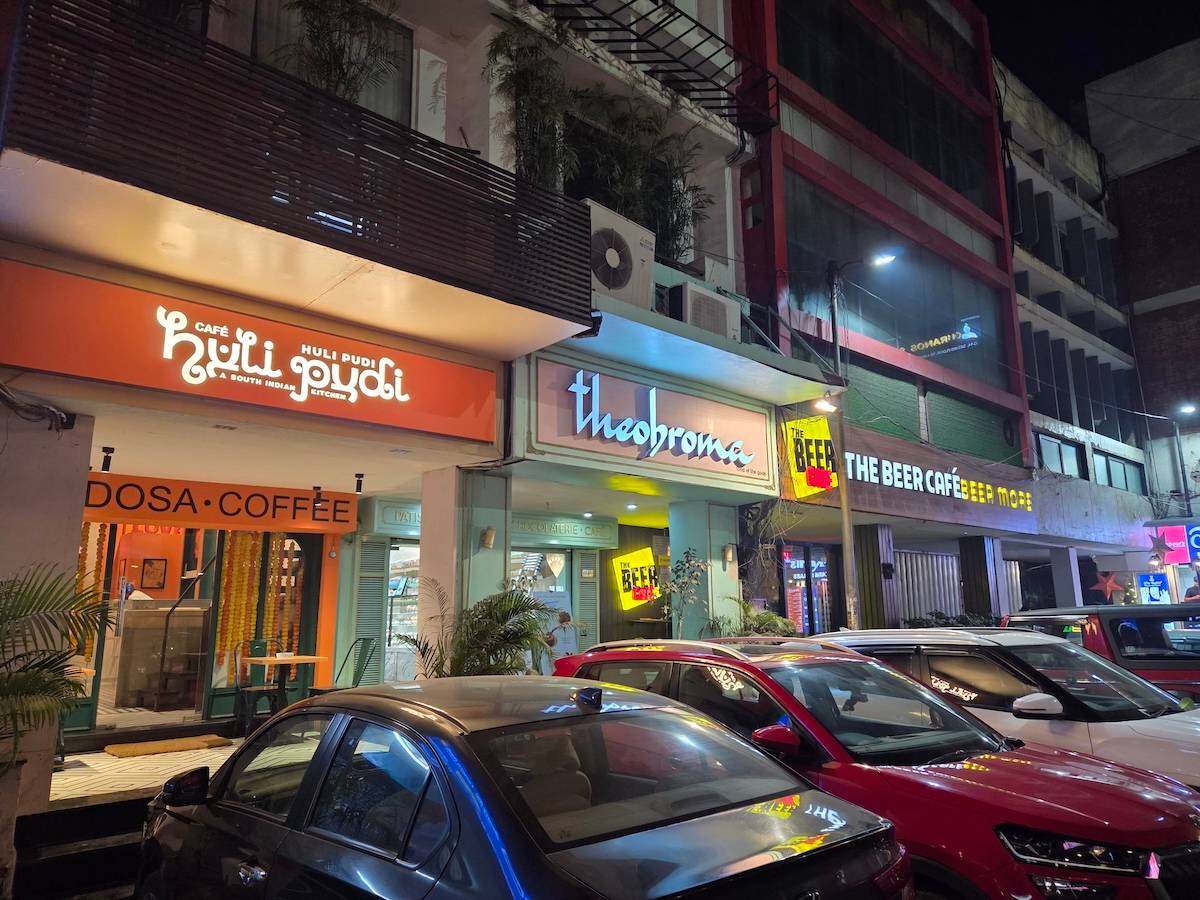
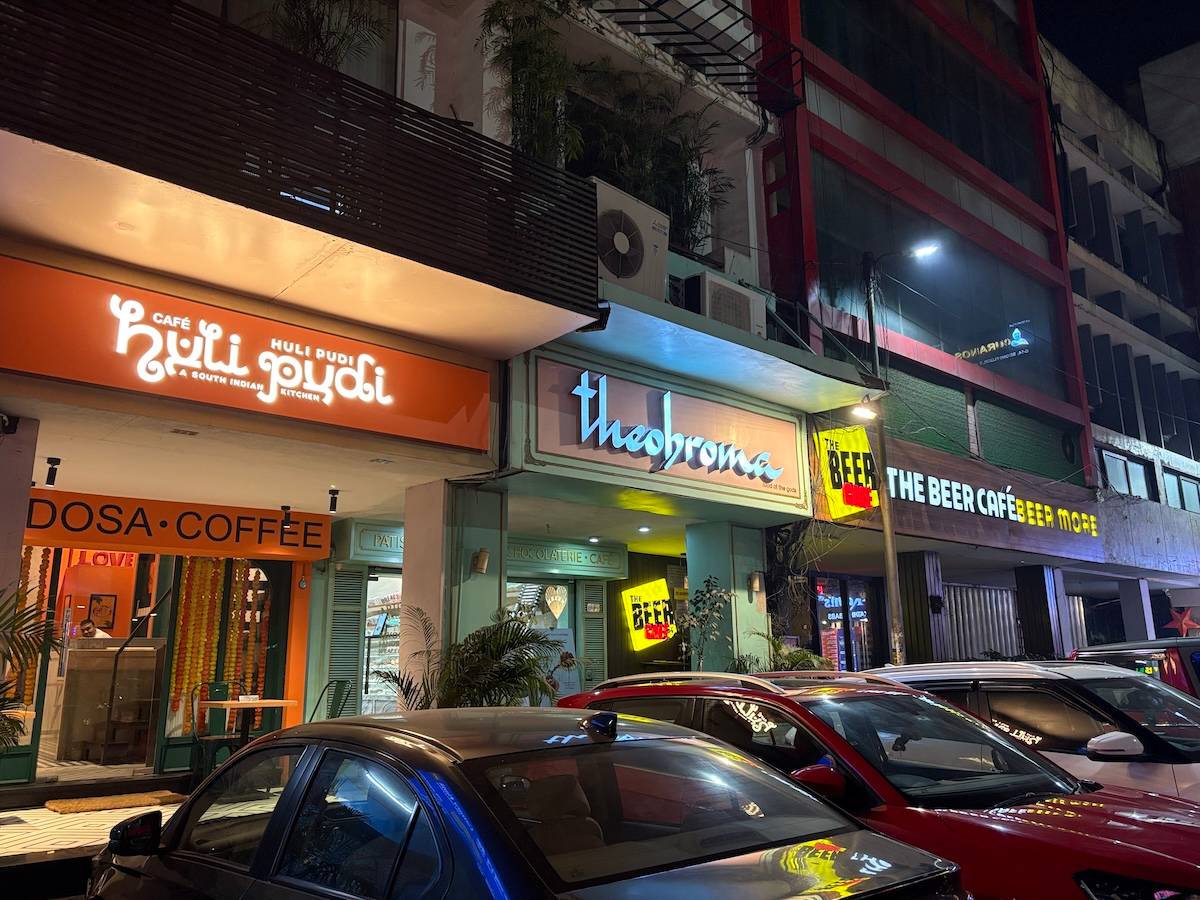
In low-light scenarios, the Galaxy S25 captures cleaner images with less grain and reduced light bloom compared to the iPhone 16. The Samsung smartphone maintains better definition in illuminated areas and signboards, whereas the iPhone 16 sometimes introduces excessive highlights. However, the iPhone 16 excels in maintaining texture in darker areas, such as the border around the text and brick patterns, while the Galaxy S25 smooths out some of these details.
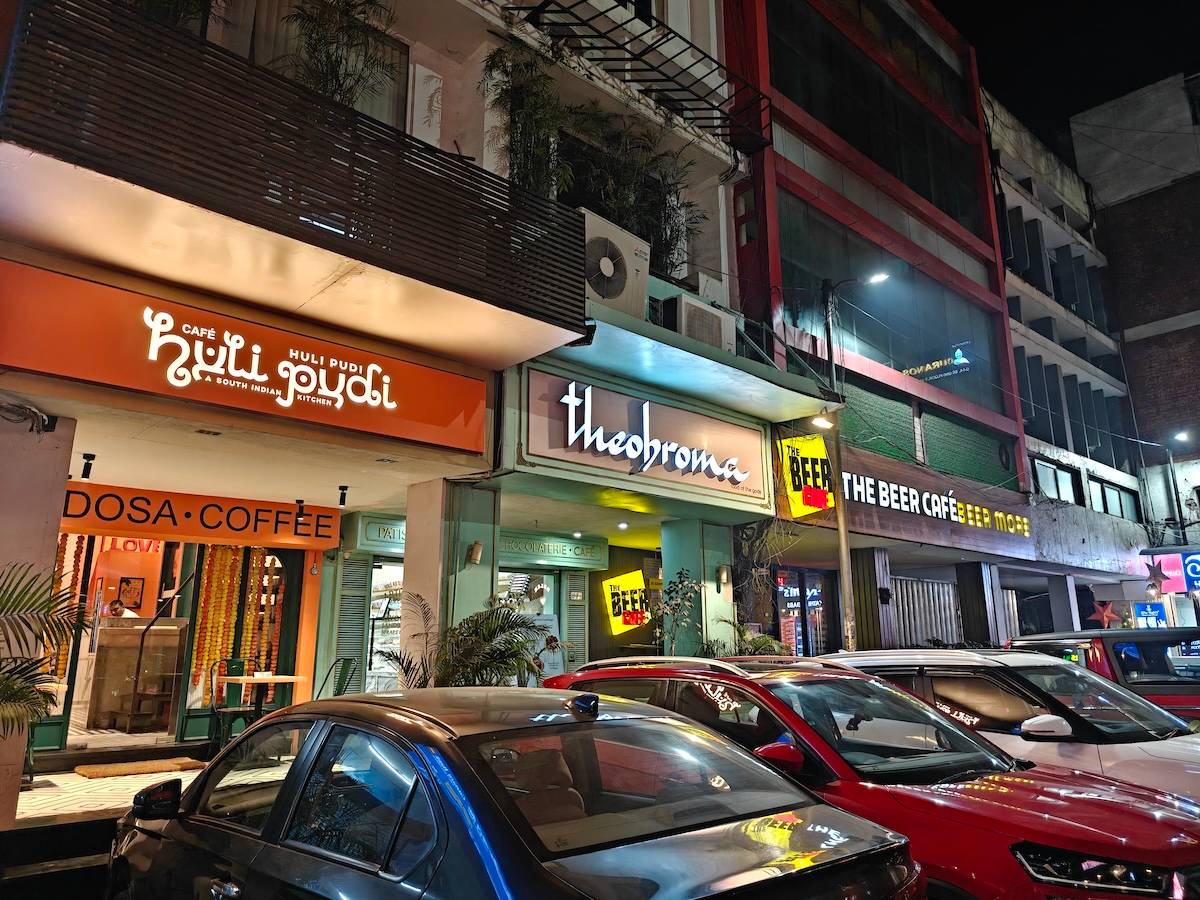
Against the OnePlus 13, the Galaxy S25 delivers more natural-looking images. The OnePlus 13 applies aggressive sharpening, which enhances finer details but makes the image look artificially processed. While this sharpening helps highlight intricate textures, it comes at the cost of colour accuracy and natural contrast. The Galaxy S25, in contrast, balances detail retention and realism more effectively, making its low-light images look more natural.
Performance and software
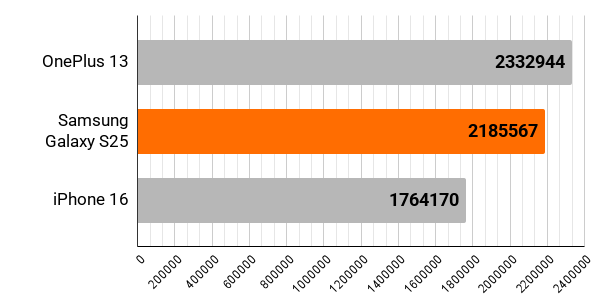
Unlike its predecessor, the Samsung Galaxy S25 is powered by Snapdragon 8 Elite SoC instead of the in-house Exynos chipset. This custom Snapdragon 8 Elite SoC for Galaxy has been overclocked, which is noticeable in the synthetic benchmark tests. The handset achieved 21,85,567 on AnTuTu, which analyses the overall performance of the smartphone. This is roughly 20 percent more than the iPhone 16’s performance. Moreover, on Geekbench, the Samsung smartphone clocked over 10,000 in the multi-core test which is the highest ever for a smartphone yet.
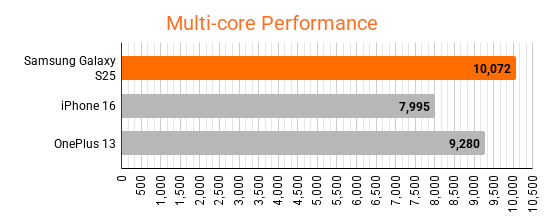
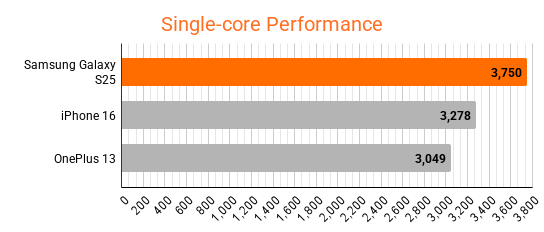
The smartphone’s impressive benchmark performance seamlessly translates into real-world usage. It feels exceptionally snappy in both everyday tasks and demanding applications, delivering swift responsiveness, smooth multitasking, and outstanding graphics performance. The handset showed no noticeable lag or weakness while playing games such as BGMI, Call of Duty, and Real Racing 3 at high graphics and frame rate settings. Furthermore, the Samsung Galaxy S25’s AI capabilities also felt relatively swift at handling multiple tasks, enhancing the overall user experience.
The phone comes with 12GB of RAM and a couple of storage options: 256GB and 512GB. The storage isn’t user-expandable, so calculate your user needs before investing in the smartphone. The 512GB variant is currently Rs 12,000 costlier than the 256GB storage variant.
| Smartphone | Pre-installed apps | OS updates |
| Samsung Galaxy S25 | 48 | 7 years major + 7 years security |
| iPhone 16 | 41 | 6 years major + 6 years security |
| OnePlus 13 | 44 | 4 years major + 6 years security |
Software-wise, the Samsung Galaxy S25 boots OneUI 7 layered atop Android 15 out of the box, with a promise to receive seven major OS and security upgrades down the line. The interface has been tweaked a little to make it more user-friendly. For example, the notification page can be accessed by swiping from the top left part of the screen, while the quick toggles page can be expanded from the top right part – similar to the iPhones. This is by default, but users can revert to the traditional layout through the settings menu.
Galaxy AI features
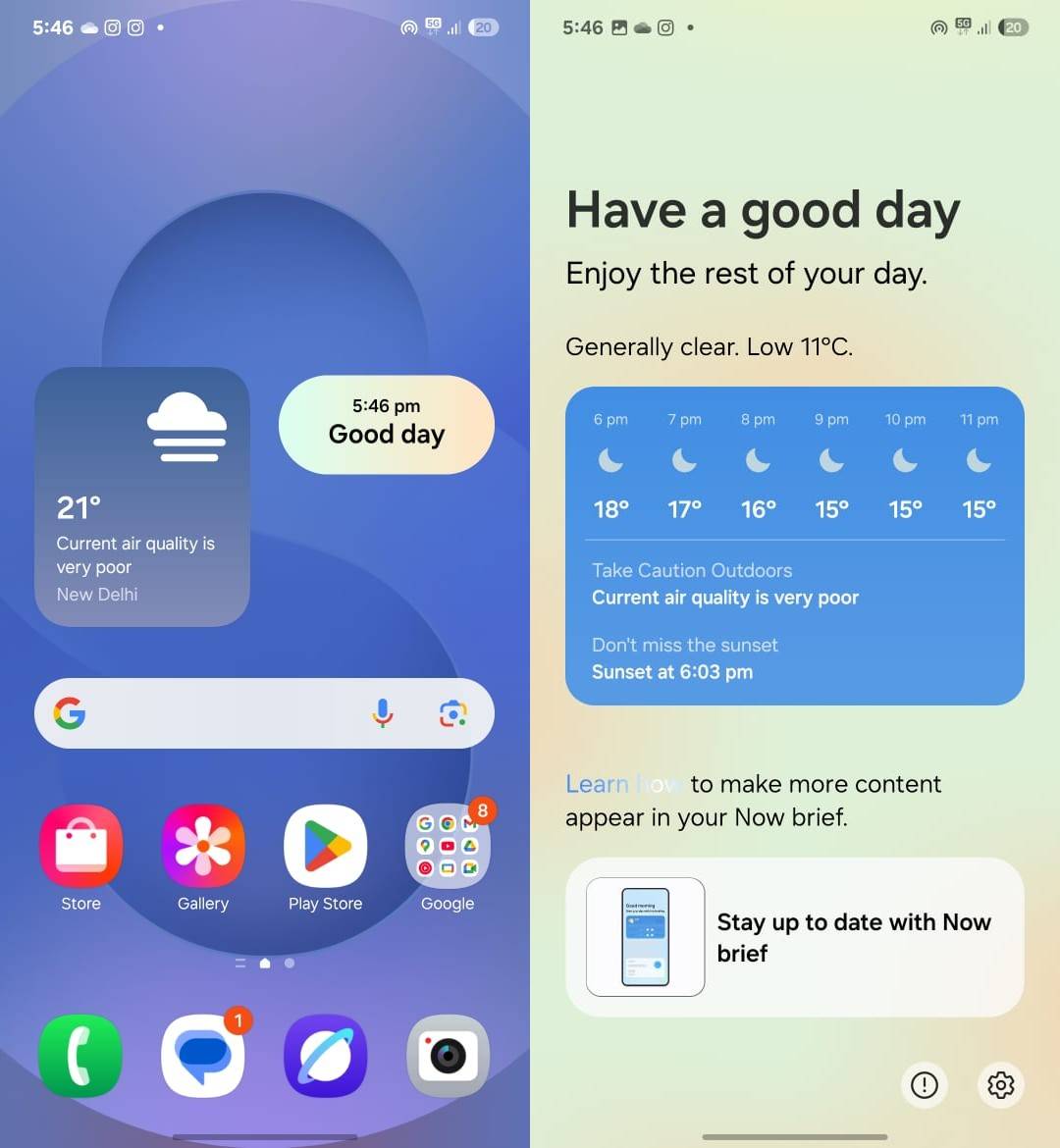
Samsung has also introduced several Galaxy AI-powered features, including Now Brief and Now Bar, which provide contextual information directly on your home and lock screens. Now Brief summarises your day by displaying weather updates, upcoming events, and daily activities. Meanwhile, Now Bar offers real-time insights, such as currently playing music, turn-by-turn navigation with estimated departure times from Google Maps, and live sports score updates for your favourite teams. This works on-device, along with other Galaxy AI features.
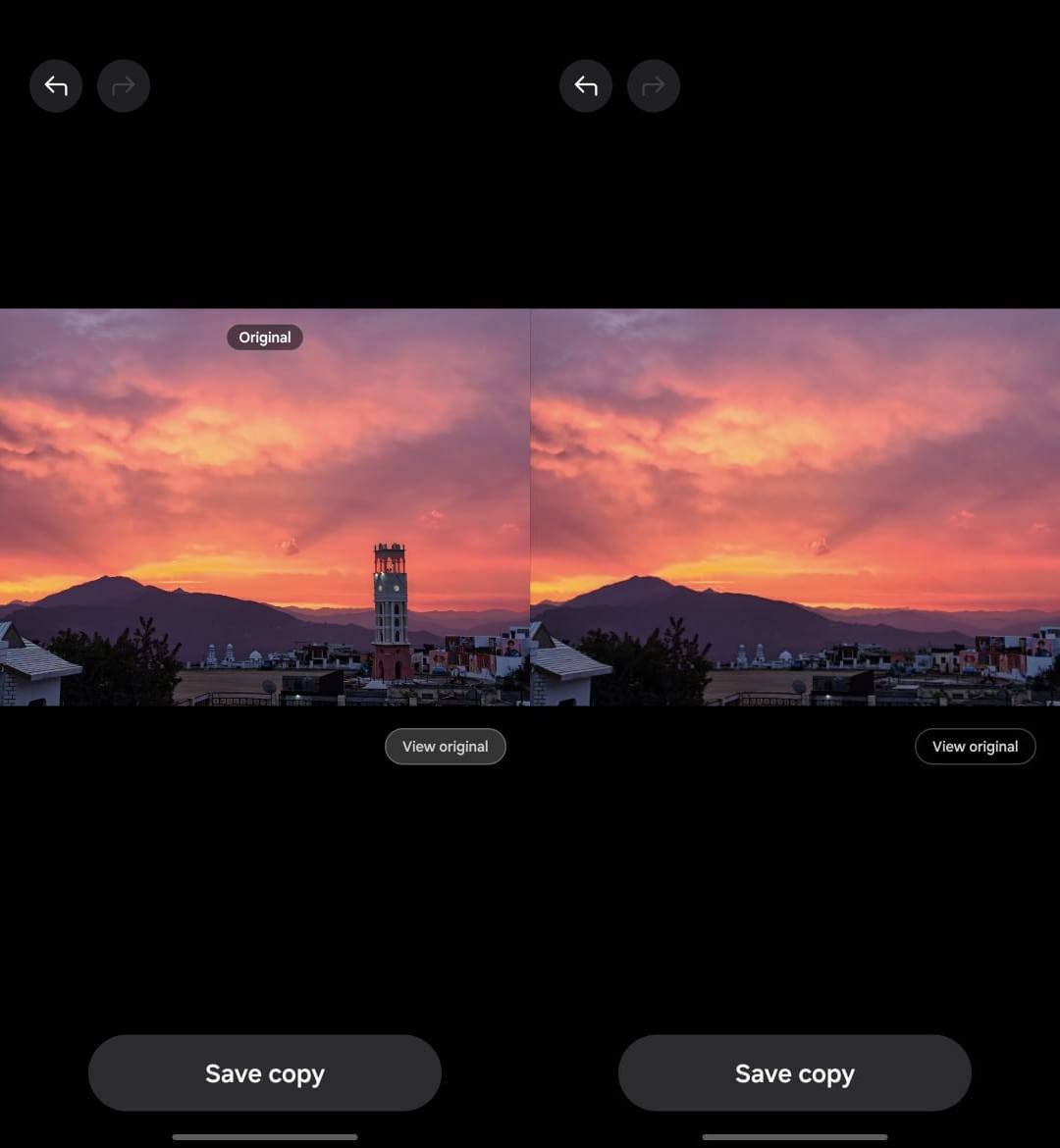
Be that as it may, there are a few AI features that require an active internet connection. These include generative text and image creation via Gemini AI, which is now more seamlessly integrated into the phone. Additionally, the AI can adjust your device settings based on your preferences, much like the Pixel 9 series. The Generative Edit feature in the Gallery app has also been enhanced, offering more advanced capabilities than before. It delivers more realistic results, even when adding or removing objects and people, with their shadows, from an image.
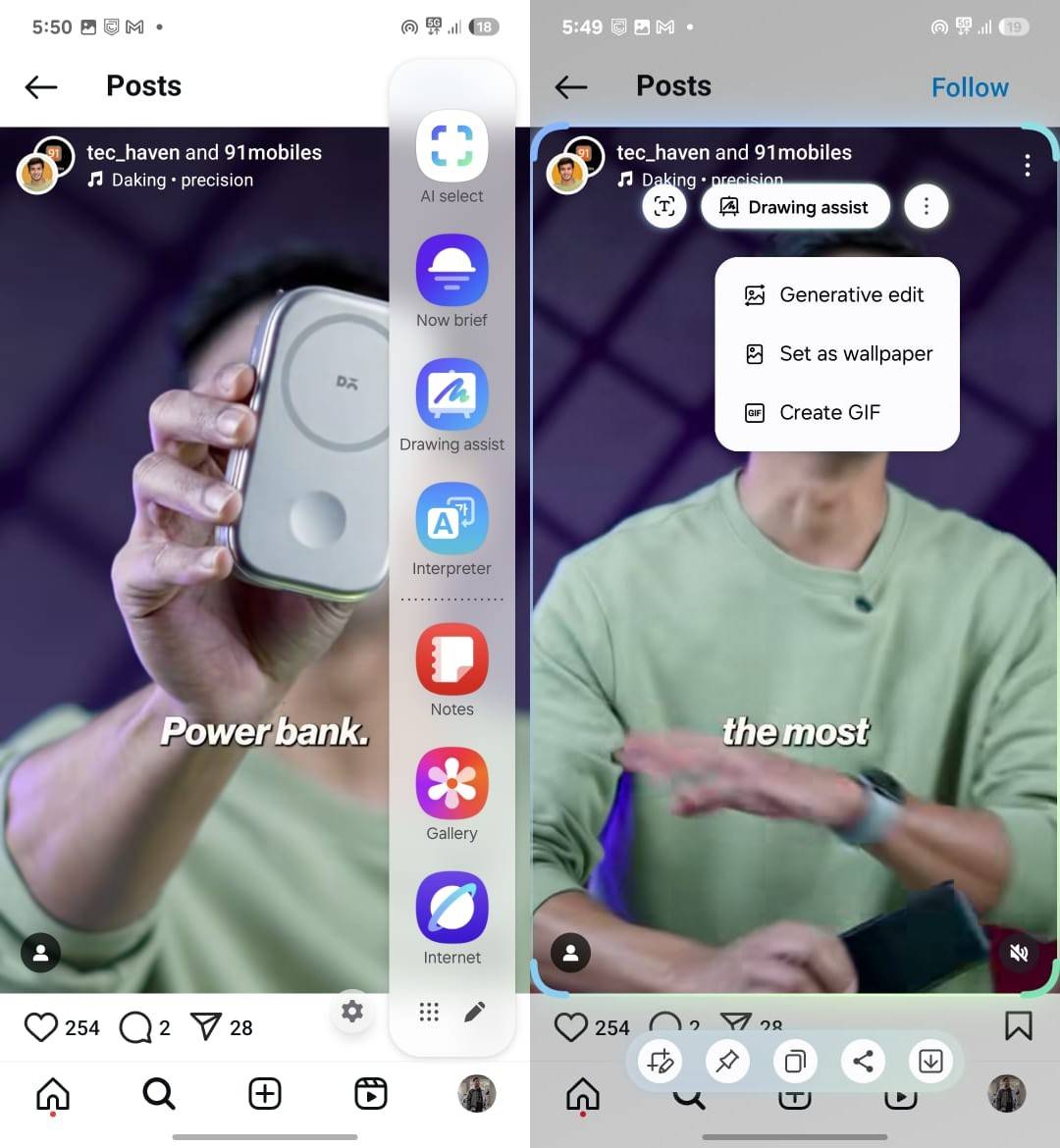
Apart from all that, you get an audio eraser which is capable of removing noise from a video, face swap, and AI Select—accessible from the sidebar—to analyse on-screen content and suggest actions like creating a GIF from a video or turning an image into wallpaper. Additionally, the Circle to Search feature has been upgraded to not only analyse on-screen content but also identify songs playing on the smartphone by listening to the audio. Users can also translate text, rewrite content in different tones, and even train the S25 to adapt to their writing style, all thanks to the AI Agent, and use Cross-App Action to find a nearby restaurant and send its location to a friend via message, all using voice commands.
While many of these AI features are currently limited to Samsung and Google apps, they are quite effective and make everyday tasks more efficient.
Battery and charging
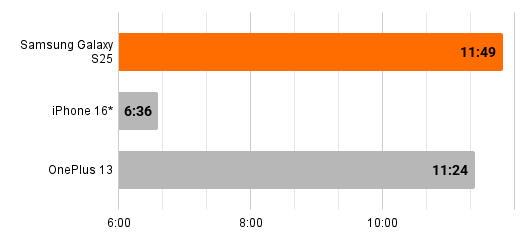
The Samsung Galaxy S25 retains the same 4,000mAh battery with 25W wired and 15W wireless charging support as its predecessor. Battery life wasn’t Galaxy S24’s biggest strength, and the story remains almost similar this time. The latest carbon-silicon technology allows for higher capacity without increasing the size, but Samsung has chosen to stick with traditional lithium-ion batteries instead. This resulted in the Galaxy S25 scoring 11 hours and 49 minutes on the PCMark battery test, which is decent but lower than most smartphones within the segment.
| Smartphone | Charging speed | Charging time (20-100 percent) |
| Samsung Galaxy S25 | 25W | 57 minutes |
| iPhone 16 | 20W | 80 minutes |
| OnePlus 13 | 100W | 27 minutes |
In everyday use, the Samsung Galaxy S25’s battery life is sufficient for casual users, easily lasting a full day of browsing, video streaming, and social media scrolling. In our lab test, the battery drained by just 3 percent while streaming a 30-minute YouTube video at maximum resolution. However, power users may need to recharge at least once during the day to ensure it comfortably lasts until bedtime. Our gaming test—30 minutes each of BGMI, Call of Duty, and Real Racing 3—resulted in a 30 percent drop in the phone’s battery, which is a notable decrease.
The same was true for AI tasks. Despite being optimised for AI-driven activities, the Samsung Galaxy S25’s battery drained noticeably while generating text and images. Additionally, with 25W wired charging—and no charger included in the box—a full charge from 20 percent to 100 percent takes at least an hour.
Final verdict
The Samsung Galaxy S25 builds on its predecessor with thoughtful refinements and AI-driven features. While the device falls short in certain areas such as battery life and charging speeds, the compact flagship delivers impressive performance with the Snapdragon 8 Elite SoC, ensuring smooth multitasking and demanding activities.
Its cameras, while unchanged in hardware, benefit from optimisations that enhance image quality. The vibrant 6.2-inch AMOLED display, improved AI features, and Samsung’s industry-leading seven-year software support further add to its appeal. Therefore, it’s safe to say that the Galaxy S25 is the most powerful compact smartphone in India right now. If you prefer a phone with a slightly bigger display the OnePlus 13 or even the Galaxy S25 Plus are better options.
The Samsung Galaxy S25 is available in India at a starting price of Rs 80,999, offering good value for the price.
Editor’s rating: 8/10
Reasons to buy
- Compact and lightweight design with premium build quality.
- Powerful Snapdragon 8 Elite SoC with excellent performance.
- Optimised camera system with versatile shooting modes.
- Galaxy AI enhances usability.
Reasons not to buy
- Battery life is decent but not exceptional.
- 25W wired charging is slow compared to competitors.
 | vs |  |