Xiaomi’s Sudhin Mathur on why after-sales is now the real premium battleground in India


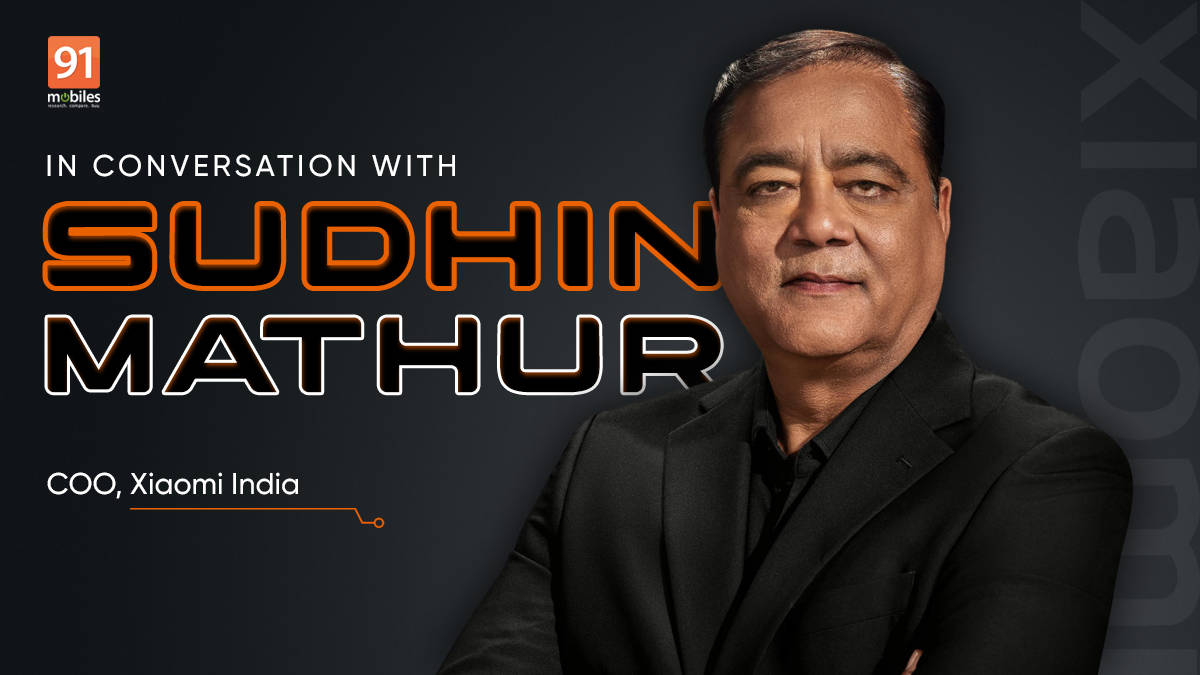
For years, the smartphone industry ran on a simple playbook: compete on specs, compete on price, repeat. But as India’s premium segment matures and consumers hold onto devices longer, the conversation is shifting. Xiaomi India COO Sudhin Mathur believes the next frontier isn’t what’s on the spec sheet. It’s what happens after the box is opened. He told 91mobiles about the brand’s ownership-led push, its Premium Service Centre ambitions, and whether after-sales can genuinely differentiate a brand in a segment where Apple, Samsung, and OnePlus have deeply entrenched positions.
When I asked Mathur at what point after-sales stopped being a support function and became a genuine strategic priority, he was direct about the internal shift. “While after-sales has always been part of Xiaomi’s ecosystem, its role has become significantly more strategic in recent years,” he said. “This shift has been accelerated by a broader portfolio recalibration, where the brand has moved toward an ownership-led philosophy.” The timing, he argues, is tied to a fundamental change in how consumers relate to their devices. “Customer experience doesn’t end at purchase; it compounds over time. As devices become more premium and replacement cycles lengthen, after-sales is no longer reactive support; it is now a core pillar of trust, defined by speed, transparency, and accessibility.”
“This shift has been accelerated by a broader portfolio recalibration, where the brand has moved toward an ownership-led philosophy.” But for a brand historically associated with value, does an ownership-led framing actually land with its existing customer base, or is it primarily a pitch to attract a new kind of buyer? Mathur doesn’t see a contradiction. “This evolution is building onto Xiaomi’s value-led positioning. It is a natural extension to the brand’s focus on experience,” he said. “In India today, consumers are evaluating devices across their entire lifecycle: performance over time, ease of servicing, software longevity, and ecosystem integration. Xiaomi’s ownership-led differentiation deepens its core promise, making it relevant both for existing users and a more experience-driven audience.”

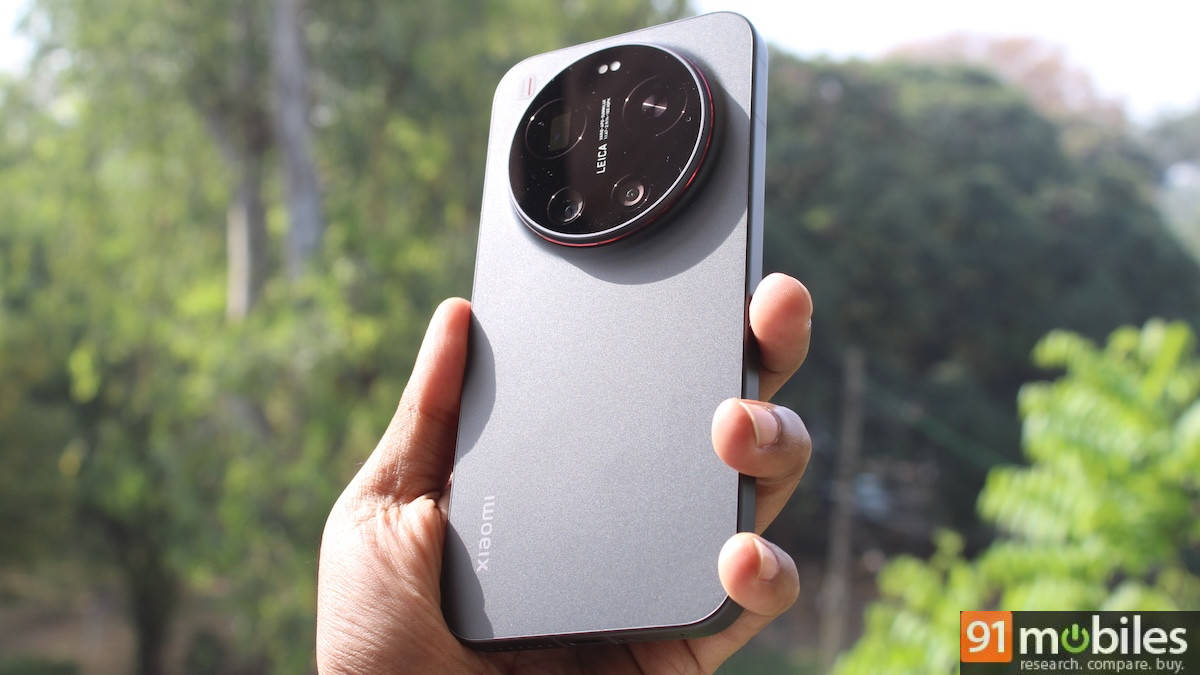
On where the network goes next, Mathur was clear that the expansion isn’t purely metro-driven. “Xiaomi is working toward 100 Premium Service Centres, expanding across both metros and high-growth Tier 2 markets such as Madurai, Trivandrum, and Patna,” he said. “The approach is demand-led, reflecting rising adoption of higher-value devices beyond traditional urban hubs.”
“Xiaomi is working toward 100 Premium Service Centres, expanding across both metros and high-growth Tier 2 markets such as Madurai, Trivandrum, and Patna.” The context for all of this is a market that’s changing in ways that complicate traditional volume-driven growth. Replacement cycles are stretching, which is good for consumers but puts pressure on brands that have historically relied on upgrade frequency. I asked Mathur how Xiaomi thinks about that tradeoff, and whether a stronger service network actually helps retain users who are holding onto devices longer. “As replacement cycles extend, growth is increasingly driven by higher average selling prices and stronger product experiences rather than sheer volumes,” he said. “In this context, a robust service network plays a critical role in building trust, improving retention, and strengthening upgrade intent.”
Software support is the other half of that longevity conversation. With brands now promising anywhere from four to seven years of updates, I asked where Xiaomi stands and how it connects to the broader ownership narrative. “With up to four years of OS upgrades and six years of security updates in smartphones and tablets, respectively, Xiaomi is aligning with consumer expectations around longevity — ensuring devices remain relevant and secure over time,” Mathur said.
The harder question is whether any of this is truly differentiating in a segment where Apple, Samsung, and OnePlus have spent years building service infrastructure and brand trust. Mathur’s view is that execution is what separates the leaders from the rest. “While baseline service may become table stakes, consistent execution — faster turnaround, lower escalations, and better accessibility — sets brands apart,” he said. “In an intensely competitive segment, after-sales is fast becoming a key differentiator.”