

Asus Zenfone Max ZC550KL
+ Compare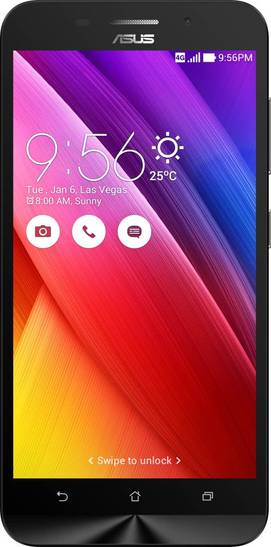
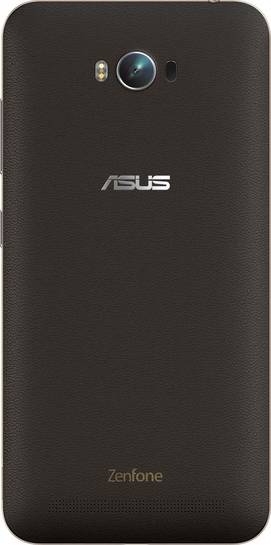

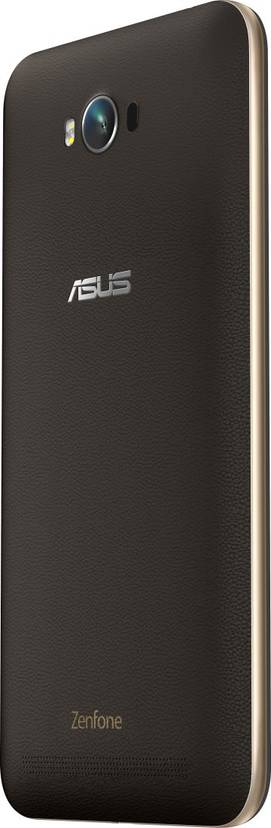
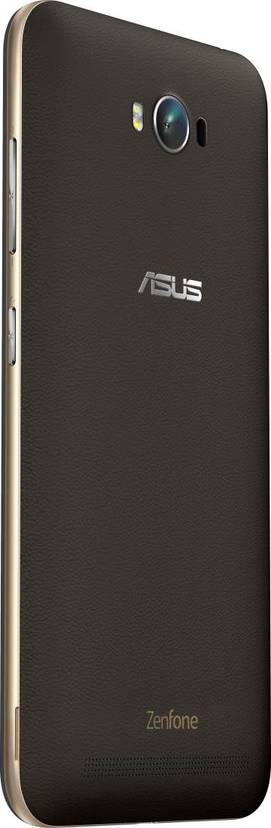
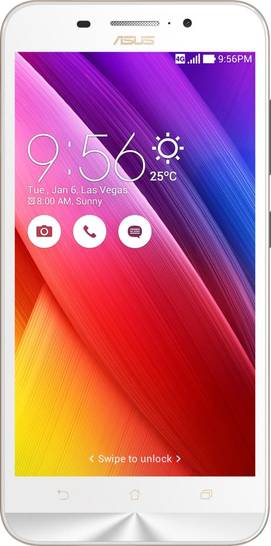
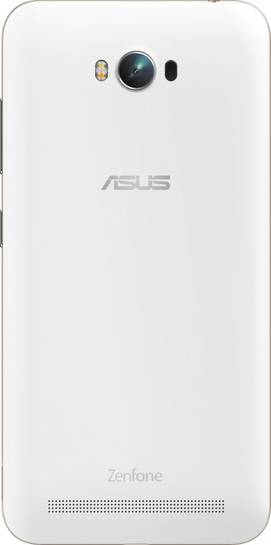
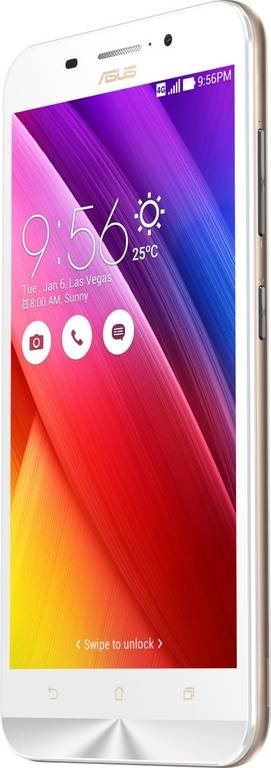
₹9,490
(In Stock)
Available in 1 store
See Prices
-
Design8

-
Rear Camera8

-
360° View

-
UI Screenshot16
![UI Screenshot]()
-
Benchmarks10
![Benchmarks]()
-
Videos2
![Videos]()



Key Specs
Android
v5
(Lollipop)
Performance
(Avg)
-
Qualcomm Snapdragon 410 -
Quad Core, 1 GHz -
2 GB RAM
Display
(Excellent)
-
5.5 inches (13.97 cm); IPS LCD -
720x1280 px (HD) -
Gorilla Glass 4 Protection
Rear Camera
(Good)
-
Single Camera Setup - 13 MP Primary Camera
-
Dual-color LED Flash -
Full HD @30 fps Video Recording
Front Camera
(Very Good)
-
5 MP
Battery
(Excellent)
-
5000 mAh
General
-
SIM1: Micro, SIM2: Micro -
5G Not Supported -
16 GB internal storage, Expandable upto 64 GB
Add To Compare
See Full Specs
Asus Zenfone Max ZC550KL Prices in India
2 GB + 16 GB
 Flipkart
₹9,490
Go To Store
See All Prices
Asus Zenfone Max ZC550KL Compare Camera Samples

Asus Zenfone Max ZC550KL
13 MP
VS

Asus Zenfone 2 Laser ZE550KL
13 MP
Recommendation for comparison
Xiaomi Redmi 4A
Xiaomi Redmi 3S Prime
Xiaomi Redmi Note 3 32GB
Lenovo K4 Note
Xiaomi Redmi Note 3 16GB







Competitors For Asus Zenfone Max ZC550KL
View Alternatives
Available
₹10,990
Buy From Flipkart
This Competitor Has
Faster Processor: 1.2 GHz vs 1.0 GHz
Lower Weight: 170 grams vs 202 grams
Lower Battery Capacity: 3000 mAH vs 5000 mAH
Common Features
67%
...show more
Asus Zenfone Max ZC550KL
VS
Asus Zenfone 2 Laser ZE550KL

Out of Stock
₹5,999
This Competitor Has
Faster Processor: 1.4 GHz vs 1.0 GHz
Lower Weight: 131.5 grams vs 202 grams
Smaller Screen: 5" (12.7 cm) vs 5.5" (13.97 cm)
Common Features
67%
...show more
Asus Zenfone Max ZC550KL
VS
Xiaomi Redmi 4A
-mobile-phone-medium-1.jpg?tr=q-70)
Available
₹9,490
Buy From Flipkart
This Competitor Has
Faster Processor: 1.7 GHz vs 1.0 GHz
Better Display: IPS LED vs IPS LCD
Higher Internal Memory: 32 GB vs 16 GB
Common Features
69%
...show more
Asus Zenfone Max ZC550KL
VS
Asus Zenfone Max 2016 2GB RAM

Out of Stock
₹8,999
This Competitor Has
Faster Processor: 1.4 GHz vs 1.0 GHz
Higher RAM: 3 GB vs 2 GB
Higher Internal Memory: 32 GB vs 16 GB
Common Features
70%
...show more
Asus Zenfone Max ZC550KL
VS
Xiaomi Redmi 3S Prime

Out of Stock
₹8,599
This Competitor Has
Faster Processor: 1.8 GHz vs 1.0 GHz
Higher RAM: 3 GB vs 2 GB
Higher Rear Camera Resolution: 16 MP vs 13 MP
Common Features
70%
...show more
Asus Zenfone Max ZC550KL
VS
Xiaomi Redmi Note 3 32GB

Discontinued
₹11,999
This Competitor Has
Faster Processor: 1.5 GHz vs 1.0 GHz
Higher RAM: 3 GB vs 2 GB
Lower Weight: 160 grams vs 202 grams
Common Features
69%
...show more
Asus Zenfone Max ZC550KL
VS
Lenovo K4 Note

Discontinued
₹9,999
This Competitor Has
Faster Processor: 1.8 GHz vs 1.0 GHz
Higher Rear Camera Resolution: 16 MP vs 13 MP
Lower Weight: 164 grams vs 202 grams
Common Features
69%
...show more
Asus Zenfone Max ZC550KL
VS
Xiaomi Redmi Note 3 16GB

Out of Stock
₹7,999
This Competitor Has
Faster Processor: 1.5 GHz vs 1.0 GHz
Higher RAM: 3 GB vs 2 GB
Lower Weight: 142 grams vs 202 grams
Common Features
68%
...show more
Asus Zenfone Max ZC550KL
VS
Lenovo Vibe K5 Plus 3GB RAM
-mobile-phone-medium-1.jpg?tr=q-70)
Out of Stock
₹14,499
This Competitor Has
Faster Processor: 1.7 GHz vs 1.0 GHz
Higher RAM: 3 GB vs 2 GB
Better Display: IPS LED vs IPS LCD
Common Features
69%
...show more
Asus Zenfone Max ZC550KL
VS
Asus Zenfone Max 2016 3GB RAM

Out of Stock
₹9,999
This Competitor Has
Faster Processor: 1.7 GHz vs 1.0 GHz
Lower Weight: 150 grams vs 202 grams
Lower Battery Capacity: 2900 mAH vs 5000 mAH
Common Features
70%
...show more
Asus Zenfone Max ZC550KL
VS
Lenovo K3 Note
Popular Comparisons
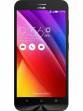 Asus Zenfone Max ZC550KL
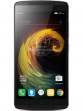 Lenovo K4 Note
Asus Zenfone Max ZC550KL
Lenovo K4 Note
Asus Zenfone Max ZC550KL
 LeEco Le 1s Eco
Asus Zenfone Max ZC550KL
LeEco Le 1s Eco
Asus Zenfone Max ZC550KL
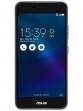 Asus Zenfone 3 Max ZC553KL
Asus Zenfone Max ZC550KL
Asus Zenfone 3 Max ZC553KL
Asus Zenfone Max ZC550KL
 Panasonic P55 Max
Asus Zenfone Max ZC550KL
Panasonic P55 Max
Asus Zenfone Max ZC550KL
-mobile-phone-small-1.jpg?tr=q-70) Asus Zenfone Max 2016 2GB RAM
Asus Zenfone Max ZC550KL
Asus Zenfone Max 2016 2GB RAM
Asus Zenfone Max ZC550KL
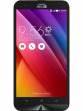 Asus Zenfone 2 Laser ZE550KL

See All Comparisons
Asus Zenfone Max ZC550KL Specifications
General |
|
|---|---|
| Launch Date | January 15, 2016 (Official) |
| Operating System | Android v5.0 (Lollipop) |
| Custom UI | Zen UI |
Performance
(Avg)
|
|
|---|---|
| Chipset | Qualcomm Snapdragon 410 MSM8916 |
| Processor | Quad core, 1 GHz, Cortex A53 |
| Architecture | 64 bit |
| Graphics (GPU) | Adreno 306 |
| RAM | 2 GB |
| RAM Type | LPDDR3 |
Benchmark Screenshots
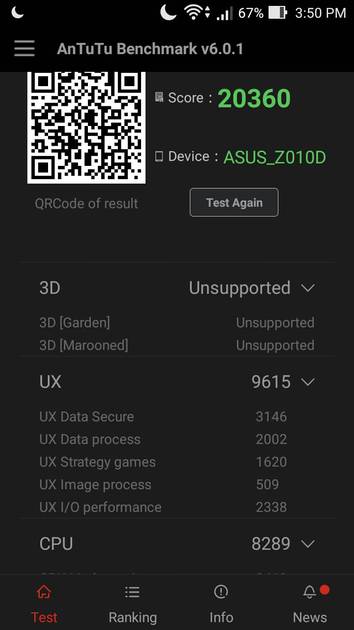
AnTuTu Benchmark
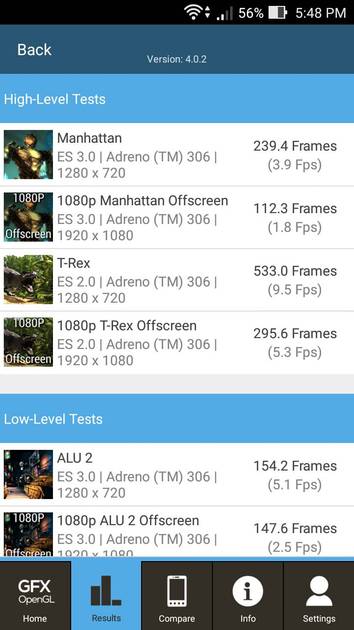
Graphics Benchmark
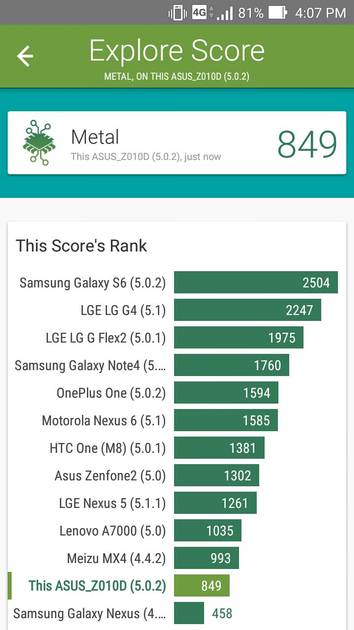
Vellamo Metal Benchmark
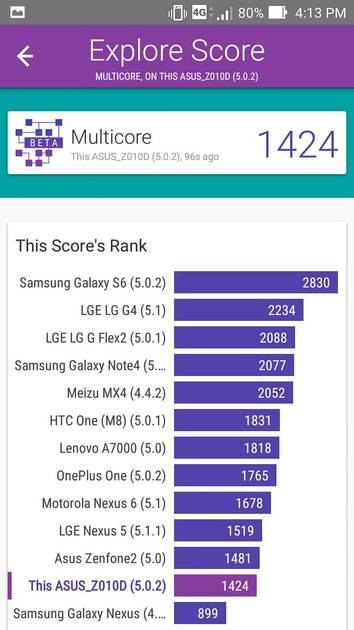
Vellamo Multicore Benchmark
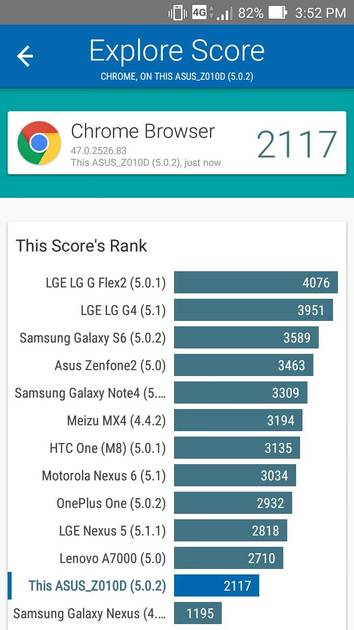
Vellamo Browser Benchmark
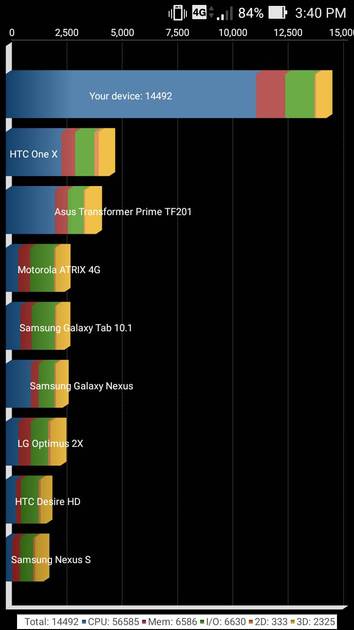
Quadrant Benchmark
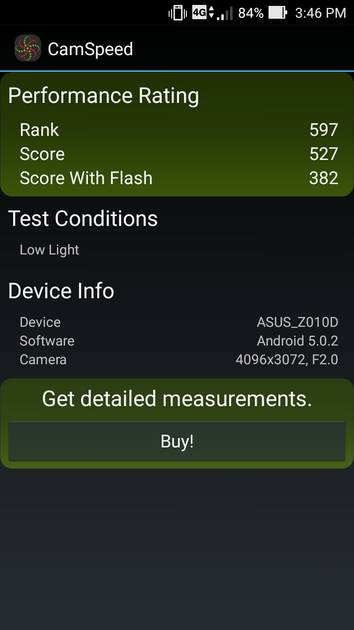
Camera Speed Benchmark
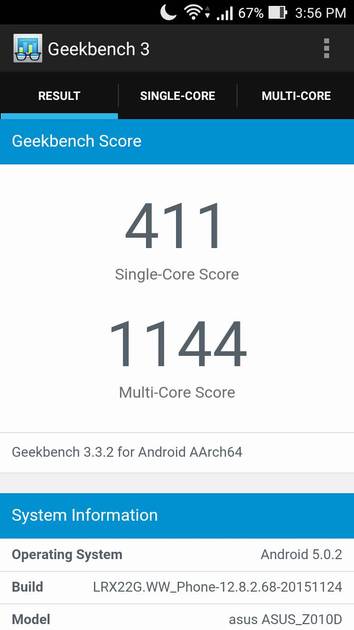
Geekbench3 Benchmark
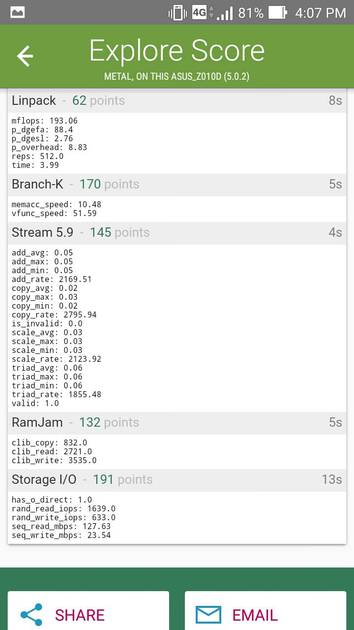
Linpack Benchmark
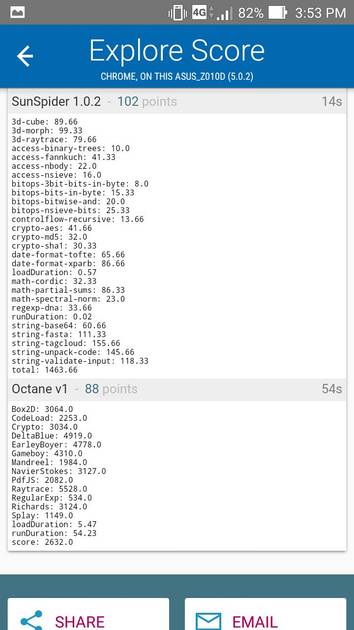
Sunspider Benchmark
|
Featured
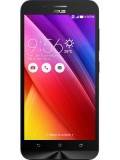
Asus Zenfone Max ZC550KL
![Flipkart]()
₹9,490

Go To Store
Display
(Excellent)
|
|
|---|---|
| Display Type | IPS LCD |
| Screen Size | 5.5 inches (13.97 cm) |
| Resolution | 720x1280 px (HD) |
| Pixel Density | 267 ppi |
| Screen to Body Ratio (calculated) | 68.82 % |
| Screen Protection | Corning Gorilla Glass v4 |
UI Screenshots
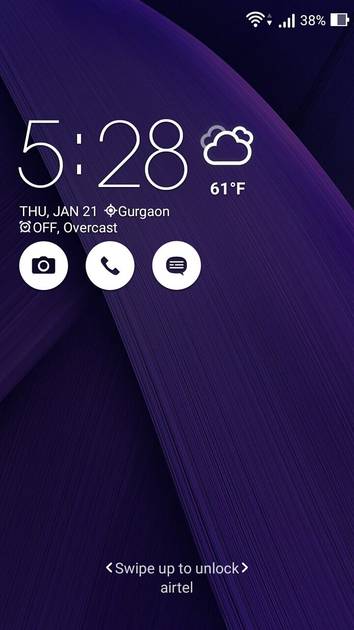
Lock Screen
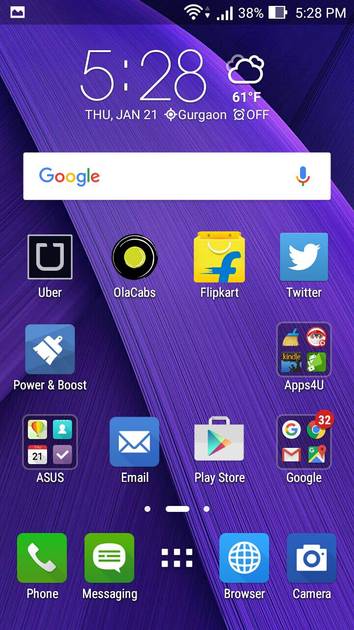
Home Screen
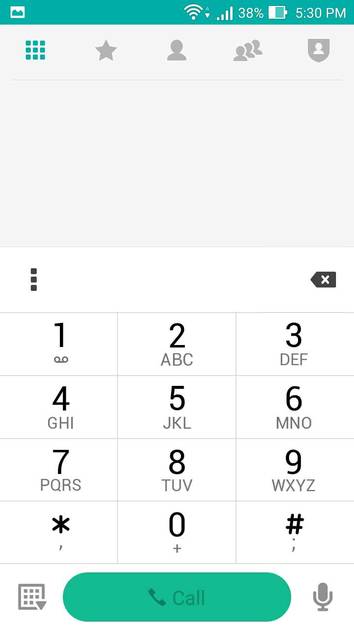
Dialer Screen
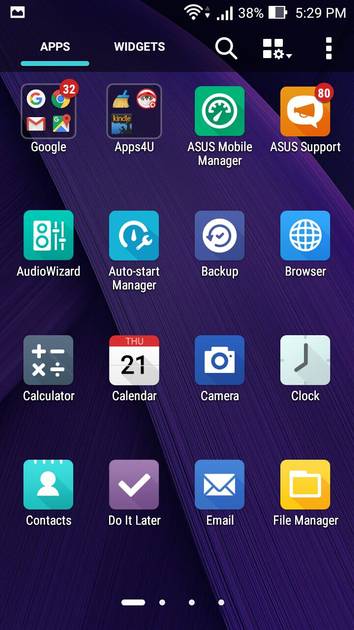
App Drawer
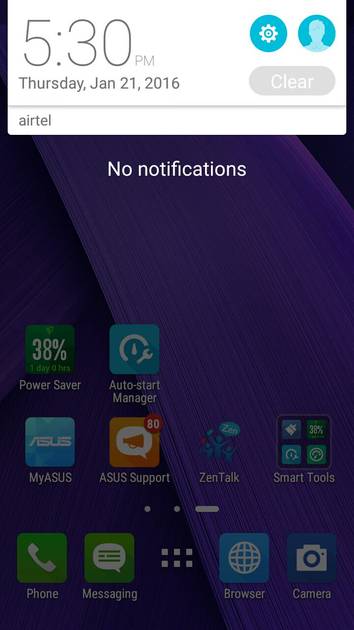
Notification Panel
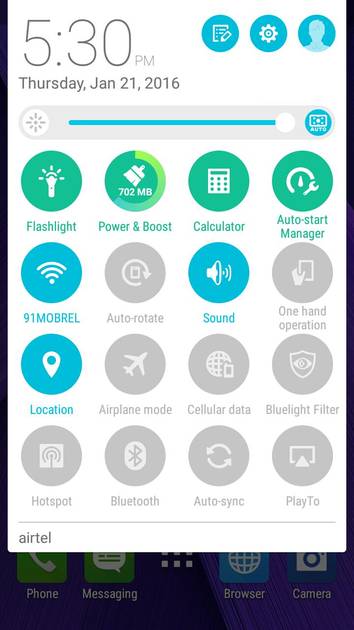
Quick Settings Panel
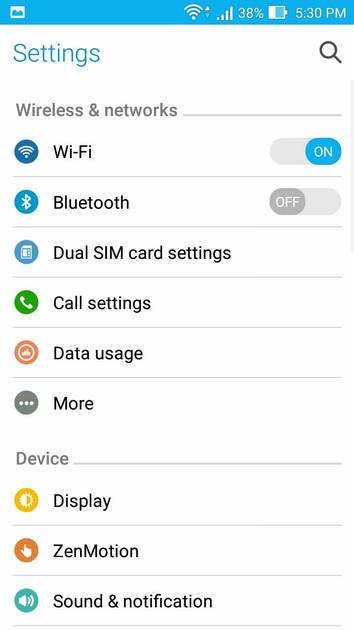
Settings Screen
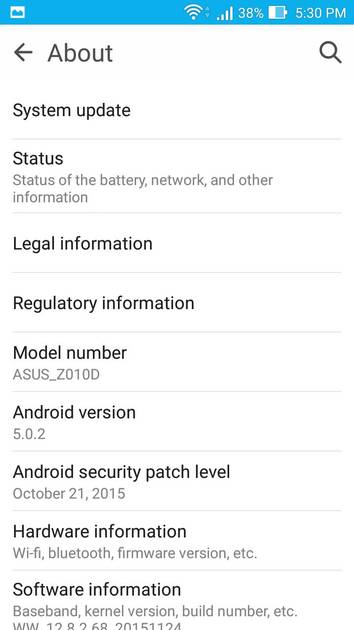
OS Version
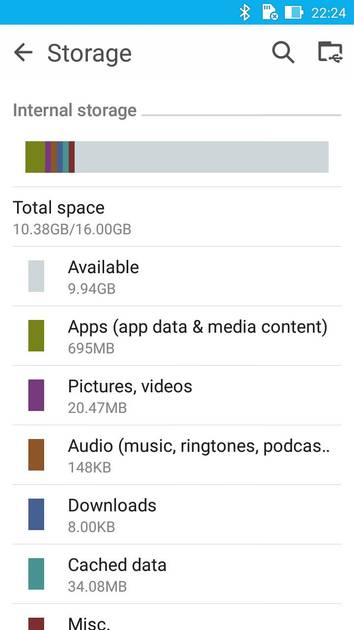
Storage
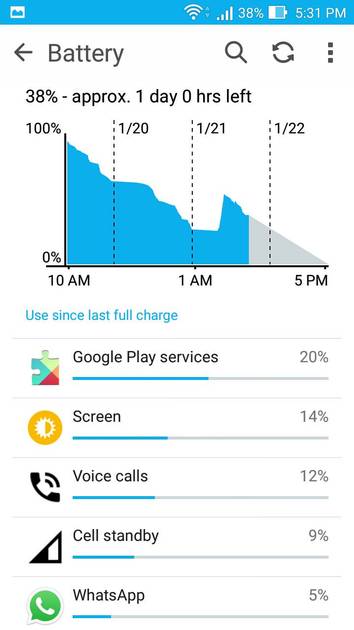
Battery

Camera On
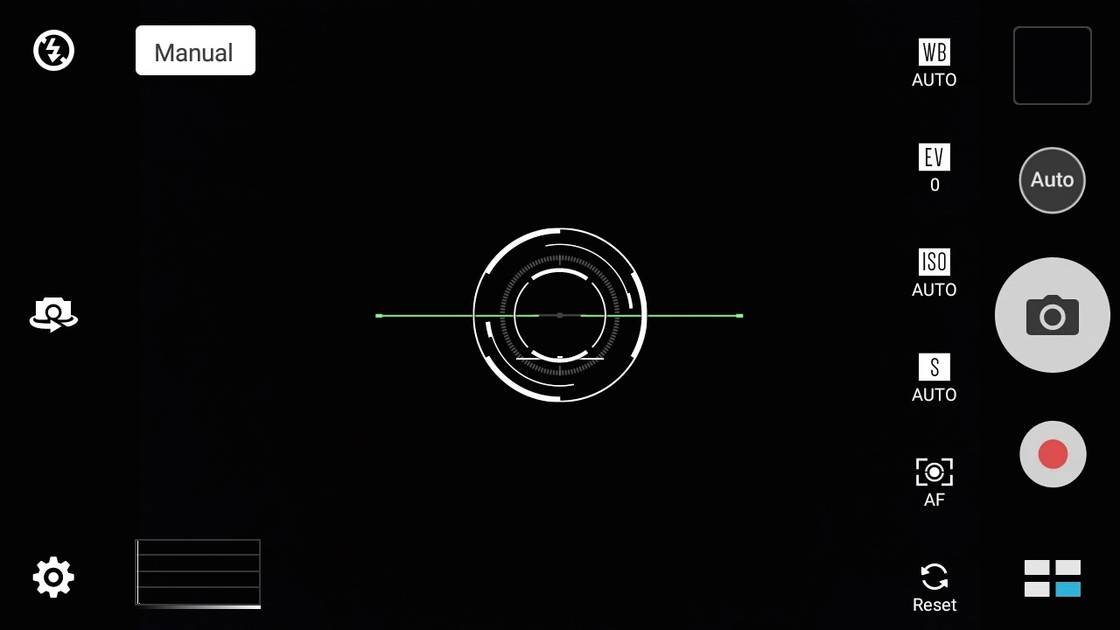
Camera Options

Camera Modes
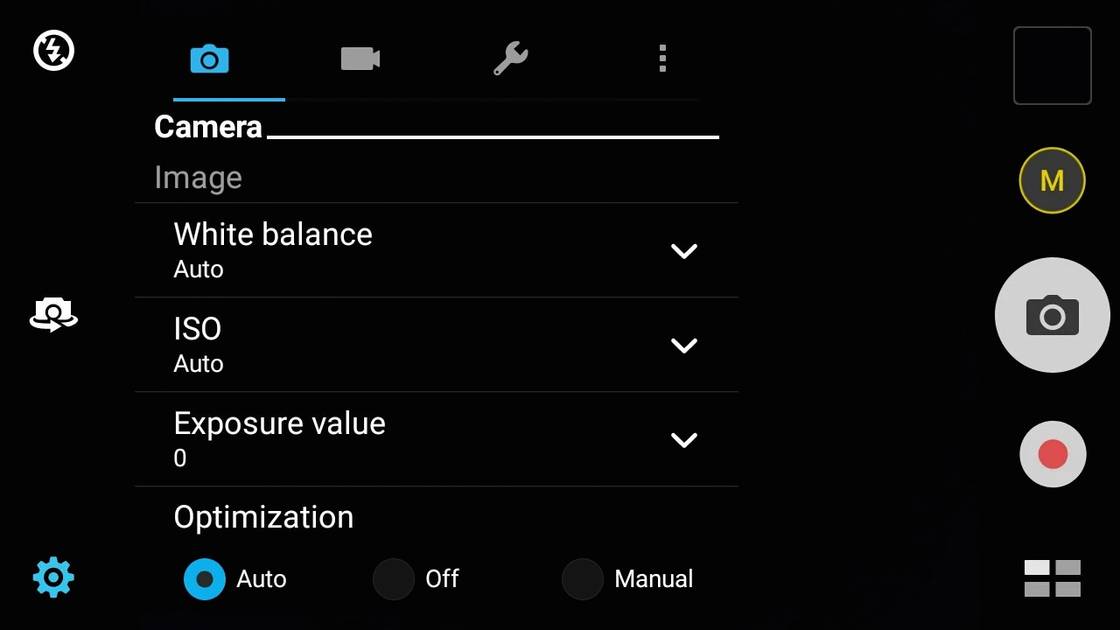
Camera Settings
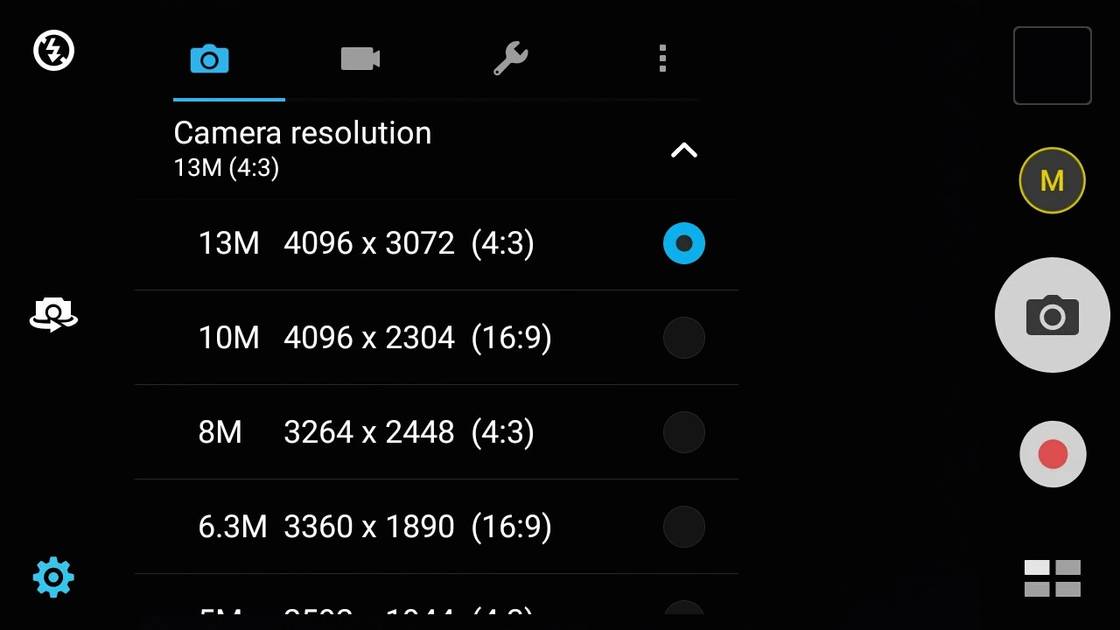
Picture Size Options
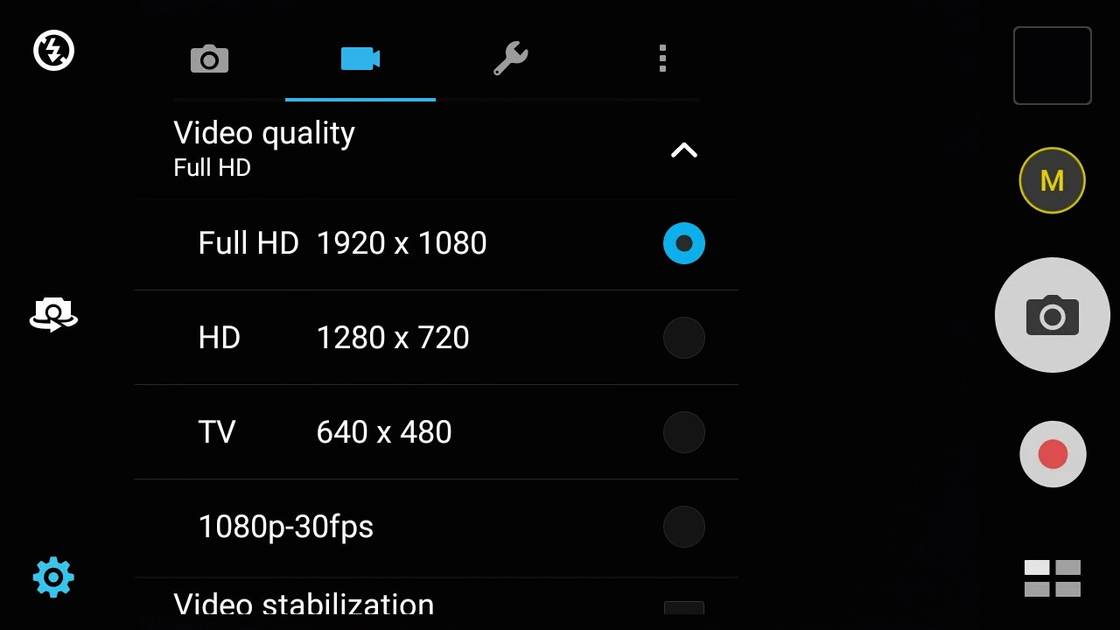
Video Size Options
|
Design |
|
|---|---|
| Height | 156 mm |
| Width | 77.5 mm |
| Thickness | 10.5 mm |
| Weight | 202 grams |
|
Click to View

|
Rear Camera
(Good)
|
||||||
|---|---|---|---|---|---|---|
| Resolution | ||||||
|
||||||
| Autofocus | Yes, Laser Autofocus | |||||
| OIS | No | |||||
| Flash | Yes, Dual-color LED Flash | |||||
| Image Resolution | 4128 x 3096 Pixels | |||||
| Settings | Exposure compensation | |||||
| Shooting Modes |
Continuous Shooting High Dynamic Range mode (HDR) |
|||||
| Camera Features |
Digital Zoom Auto Flash Digital image stabilization Face detection Touch to focus |
|||||
| Video Recording | Full HD @30 fps | |||||
Rear Camera Samples

Close Up

Low Light

Low Light With Flash

Colour Variance
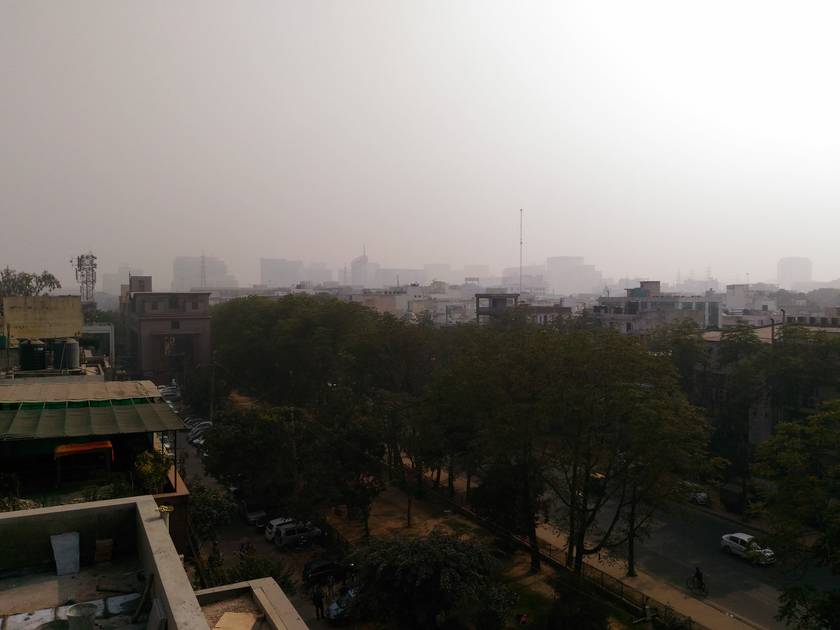
Long Shot
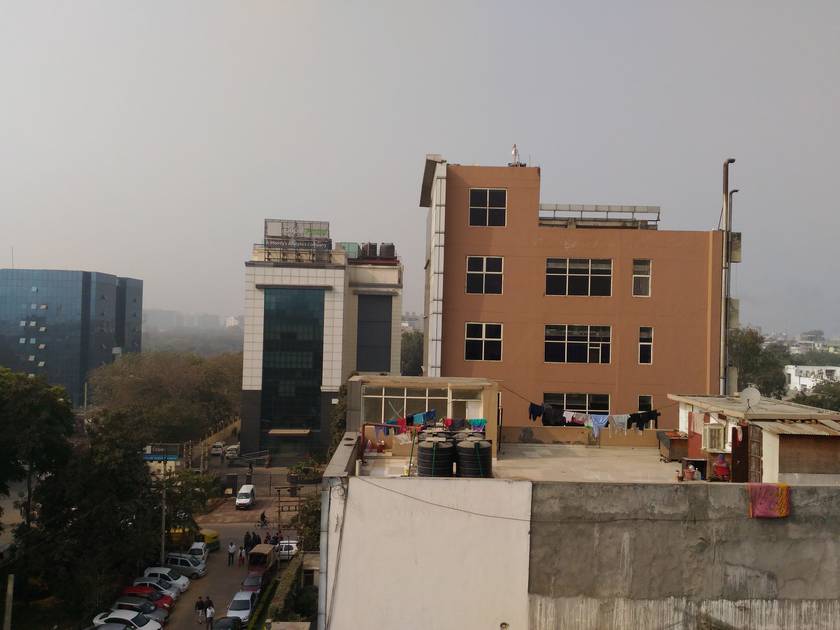
HDR Off
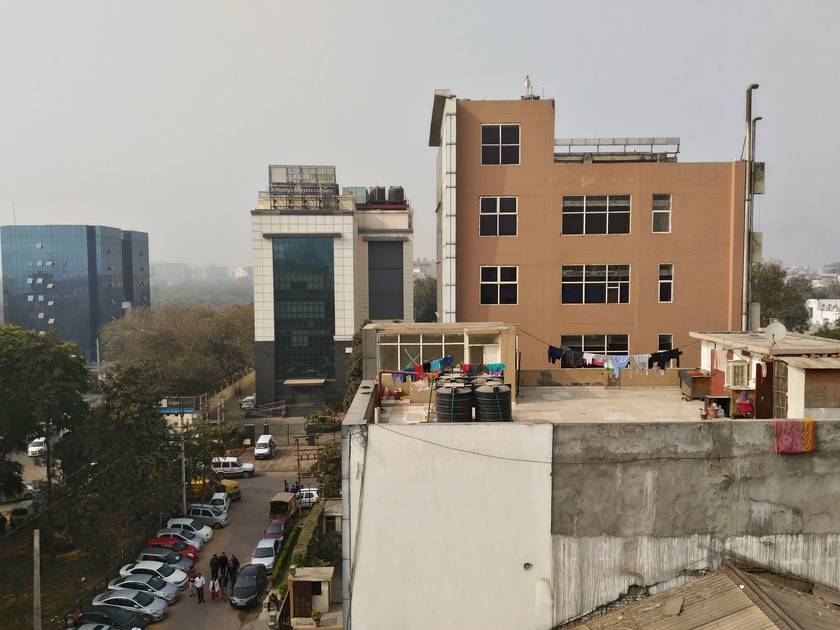
HDR On

Front Shot
|
Front Camera
(Very Good)
|
||||||
|---|---|---|---|---|---|---|
| Resolution | ||||||
|
||||||
| Autofocus | Yes | |||||
| Flash | No | |||||
| Camera Features | Wide Angle Selfie |
Battery
(Excellent)
|
|
|---|---|
| Capacity | 5000 mAh |
| Battery Type | Li-Polymer |
| TalkTime | Up to 37 Hours(3G) |
Storage |
|
|---|---|
| Internal Storage | 16 GB |
| Expandable Storage | Yes, Up to 64 GB |
Network & Connectivity |
|
|---|---|
| SIM Slot(s) | Dual SIM |
| SIM Type | SIM1: Micro, SIM2: Micro |
| Network Support | 5G Not Supported, 4G |
| VoLTE | Yes |
| SIM 1 |
4G bands, 4G Speed
Expand
|
| Wi-Fi | Yes, Wi-Fi 4 (802.11 b/g/n) |
| Wi-Fi Features | Mobile Hotspot |
| Bluetooth | Yes, v4.0 |
| GPS | Yes with A-GPS, Glonass |
| NFC | No |
Multimedia |
|
|---|---|
| Audio Jack | 3.5 mm |
Sensors |
|
|---|---|
| Fingerprint Sensor | No |
| Other Sensors | Light sensor, Proximity sensor, Accelerometer, Compass |
Asus Zenfone Max ZC550KL User Reviews
Based on 111,718 ratings
Asus Zenfone Max ZC550KL Key Highlights
| Processor | Qualcomm Snapdragon 410 MSM8916 |
| RAM & Storage | 2 GB + 16 GB |
| Display | 5.5", 720 x 1280 Resolution |
| Rear Camera | 13 MP |
| Front Camera | 5 MP |
| Battery | 5000 mAh |
Popular Mobiles






























Asus Zenfone Max ZC550KL Price In India
| Product Name | Price |
|---|---|
| Asus Zenfone Max ZC550KL (2 GB + 16 GB) | ₹9,490 |
Popular Links
- All Upcoming Phones
Latest Launches
- OnePlus N6 5G
- Samsung Galaxy M47 5G
- Nothing Phone 4b
- OPPO Reno16 5G
- Motorola Edge 70 Max
Phones By Top Brands
- Samsung Mobiles
- Motorola Mobiles
- vivo Mobiles
- OPPO Mobiles
- Tecno Mobiles
- realme Mobiles
- OnePlus Mobiles