



OnePlus X
+ Compare-
Design6
-
Rear Camera8
-
360° View
-
UI Screenshot17
-
Benchmarks10
-
Videos3
Key Specs
Performance
-
Qualcomm Snapdragon 801 -
Quad Core, 2.3 GHz -
3 GB RAM
Display
-
5.0 inches (12.7 cm); AMOLED -
1080x1920 px (FULL HD) -
Gorilla Glass 3 Protection
Rear Camera
-
Single Camera Setup - 13 MP Primary Camera
-
LED Flash -
Full HD @30fps Video Recording
Front Camera
-
8 MP -
Full HD @30 fps Video Recording
Battery
-
2525 mAh
General
-
SIM1: Nano, SIM2: Nano (Hybrid) -
5G Not Supported -
16 GB internal storage, Expandable upto 128 GB
OnePlus X Compare Camera Samples
OnePlus X Expert Review Summary
Expert Rating:
4.0/5
Verdict
The OnePlus X is priced at Rs 16,999, and can only be bought if you have an invite… which means you can’t buy it outright as and when you want. For us, the camera quality and the iffy proximity sensor were the key pain points, but otherwise, we think the phone has enough to be a compelling option in the mid-range.The performance is smooth, and the battery life is decent. Its stylish design is the real feather in its cap though – the phone definitely feels great in the hand and oozes oomph. The Xiaomi Mi 4 (review), despite being in the market for a long time now, is still a very strong r...
Read Full Verdict
The OnePlus X is priced at Rs 16,999, and can only be bought if you have an invite… which means you can’t buy it outright as and when you want. For us, the camera quality and the iffy proximity sensor were the key pain points, but otherwise, we think the phone has enough to be a compelling option in the mid-range.The performance is smooth, and the battery life is decent. Its stylish design is the real feather in its cap though – the phone definitely feels great in the hand and oozes oomph. The Xiaomi Mi 4 (review), despite being in the market for a long time now, is still a very strong rival, but loses out because it’s a single-SIM device, comes with non-expandable storage, and most importantly, doesn’t support 4G. Basically, if you want a stylish, capable and compact daily driver, the choice in the sub Rs 20,000 segment boils down to the OnePlus X and the Lenovo Vibe S1 (first impressions). Note that the key word here is ‘compact’, because otherwise, even the OnePlus One could count as a rival. While our Vibe S1 review is in the pipeline as you read this, we think it’s going to be a very close fight, as Lenovo’s contender is also quite a looker, and can match the OnePlus X in terms of specs closely. It has double the storage to offer, and double the selfie fun, thanks to dual front cameras. We’d still leave you with a clear verdict though – unless you’re enticed by the selfie shenanigans promised by the Vibe S1, we think the OnePlus X is a slightly better option. However, the premium Ceramic variant of the X can be given a miss, mainly because it doesn’t have anything too substantial to offer over the Onyx, especially considering the Rs 6,000 price difference between the two.
Pros
- Fetching design
- Smooth performance
- Near-stock Android, spiced up with useful tweaks
Cons
- Fingerprint magnet and slippery
- Non-backlit navigation keys
- Average camera
Specs at a glance
+
Measures 140 x 69 x 6.9mm
Read More
Design: drips style, oozes class
+
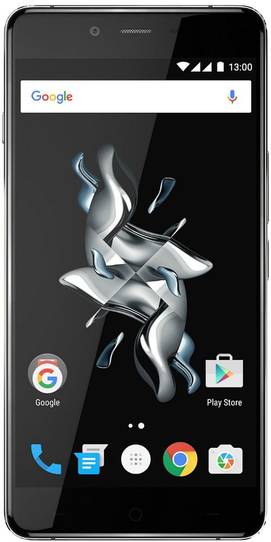
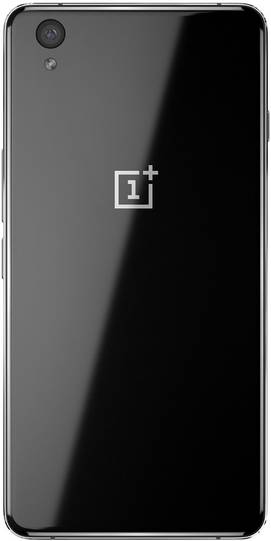
The choice of material used plays a vital role in not only the design and build quality of a smartphone, but also its feel and flaunt-worthiness. The first offering from the company, the OnePlus One, used a unique sandpapery finish (on the 64GB variant) and offered very good build. Its sequel stuck to the same material, but added a metal frame to the mix. With the OnePlus X Onyx, the company is moving to a mix of glass and metal, that looks oh-so-sexy. It’s not that we haven’t seen something like this before – even Samsung moved to glass and metal with its premium flagships, and many others have used the same combination quite effectively as well.
Read More
Screen: getting amorous with AMOLED
+
The 5-inch AMOLED display on the OnePlus X is a beauty, with vivid colours and deep blacks. That’s the AMOLED goodness for you right there. Sure, phablet lovers might not love it for its size, but 5-inches is the right compromise between ample real estate for all your gaming and web browsing needs, while keeping the overall dimensions in check for one-handed usage.
Read More
Software: a dose of O2
+
If the outer casing is the phone’s body and the internal hardware is its guts, the software platform is the air it breathes. This crude analogy works well in the case of the OnePlus X, as handily, the software platform it utilises is dubbed OxygenOS. Just like its bigger sibling the OnePlus 2, the X runs the latest version of OxygenOS, with the underlying platform being Android 5.1.1. It won’t be a bad idea to jump to the software section of our OnePlus 2 review to get the full lowdown, since the interface and the features on the X are just about the same.
Read More
Camera: could be better
+
The camera chops on the OnePlus X comprise a 13-meg rear shooter featuring an ISOCELL sensor and phase detection autofocus, while an 8MP snapper stands guard at front in case you’re in the mood for a selfie or need to make a video call. The app is the same basic affair we saw on the OnePlus 2, offering modes like Clear Image, HDR, beauty, time lapse, slow motion and panorama. Sure, there are tons of third-party shootings apps on the Play Store, but the default camera app on the OnePlus X just seems too minimalist for our liking. At least in the OnePlus 2’s case, the image quality made up for the lack of features, but the scenario is a tad different on the X.
Read More
Performance: a speed junkie, almost
+
Coming to the guts, the hardware inside the OnePlus X isn’t too different from the brand’s very first smartphone. So you get a quad-core 2.3GHz Snapdragon 801 chip, mated to 3 gigs of RAM. This is the same combo that powers the OnePlus One, and also Xiaomi’s Mi 4. In fact, since the Mi 4 also features a 5-inch FHD display and is priced similarly, it’s one of the closest rivals to the OnePlus X. Now the 801 is a couple of generations old, and doesn’t even support 64-bit processing, a feature brought in by Android Lollipop and now offered by almost all recent chipsets from chipmakers like Qualcomm, MediaTek, Intel and others. Don’t let that act a deal breaker though, since it’s no wimp when it comes to number crunching.
Read More
Read full Review
4.0/5
Verdict
The OnePlus X is priced at Rs 16,999, and can only be bought if you have an invite… which means you can’t buy it outright as and when you want. For us, the camera quality and the iffy proximity sensor were the key pain points, but otherwise, we think the phone has enough to be a compelling option in the mid-range.The performance is smooth, and the battery life is decent. Its stylish design is the real feather in its cap though – the phone definitely feels great in the hand and oozes oomph. The Xiaomi Mi 4 (review), despite being in the market for a long time now, is still a very strong r... Read Full Verdict
The OnePlus X is priced at Rs 16,999, and can only be bought if you have an invite… which means you can’t buy it outright as and when you want. For us, the camera quality and the iffy proximity sensor were the key pain points, but otherwise, we think the phone has enough to be a compelling option in the mid-range.The performance is smooth, and the battery life is decent. Its stylish design is the real feather in its cap though – the phone definitely feels great in the hand and oozes oomph. The Xiaomi Mi 4 (review), despite being in the market for a long time now, is still a very strong rival, but loses out because it’s a single-SIM device, comes with non-expandable storage, and most importantly, doesn’t support 4G. Basically, if you want a stylish, capable and compact daily driver, the choice in the sub Rs 20,000 segment boils down to the OnePlus X and the Lenovo Vibe S1 (first impressions). Note that the key word here is ‘compact’, because otherwise, even the OnePlus One could count as a rival. While our Vibe S1 review is in the pipeline as you read this, we think it’s going to be a very close fight, as Lenovo’s contender is also quite a looker, and can match the OnePlus X in terms of specs closely. It has double the storage to offer, and double the selfie fun, thanks to dual front cameras. We’d still leave you with a clear verdict though – unless you’re enticed by the selfie shenanigans promised by the Vibe S1, we think the OnePlus X is a slightly better option. However, the premium Ceramic variant of the X can be given a miss, mainly because it doesn’t have anything too substantial to offer over the Onyx, especially considering the Rs 6,000 price difference between the two.
- Fetching design
- Smooth performance
- Near-stock Android, spiced up with useful tweaks
Pros
- Fingerprint magnet and slippery
- Non-backlit navigation keys
- Average camera
Cons
Measures 140 x 69 x 6.9mm
Read MoreThe choice of material used plays a vital role in not only the design and build quality of a smartphone, but also its feel and flaunt-worthiness. The first offering from the company, the OnePlus One, used a unique sandpapery finish (on the 64GB variant) and offered very good build. Its sequel stuck to the same material, but added a metal frame to the mix. With the OnePlus X Onyx, the company is moving to a mix of glass and metal, that looks oh-so-sexy. It’s not that we haven’t seen something like this before – even Samsung moved to glass and metal with its premium flagships, and many others have used the same combination quite effectively as well.
Read MoreThe 5-inch AMOLED display on the OnePlus X is a beauty, with vivid colours and deep blacks. That’s the AMOLED goodness for you right there. Sure, phablet lovers might not love it for its size, but 5-inches is the right compromise between ample real estate for all your gaming and web browsing needs, while keeping the overall dimensions in check for one-handed usage.
Read MoreIf the outer casing is the phone’s body and the internal hardware is its guts, the software platform is the air it breathes. This crude analogy works well in the case of the OnePlus X, as handily, the software platform it utilises is dubbed OxygenOS. Just like its bigger sibling the OnePlus 2, the X runs the latest version of OxygenOS, with the underlying platform being Android 5.1.1. It won’t be a bad idea to jump to the software section of our OnePlus 2 review to get the full lowdown, since the interface and the features on the X are just about the same.
Read MoreThe camera chops on the OnePlus X comprise a 13-meg rear shooter featuring an ISOCELL sensor and phase detection autofocus, while an 8MP snapper stands guard at front in case you’re in the mood for a selfie or need to make a video call. The app is the same basic affair we saw on the OnePlus 2, offering modes like Clear Image, HDR, beauty, time lapse, slow motion and panorama. Sure, there are tons of third-party shootings apps on the Play Store, but the default camera app on the OnePlus X just seems too minimalist for our liking. At least in the OnePlus 2’s case, the image quality made up for the lack of features, but the scenario is a tad different on the X.
Read MoreComing to the guts, the hardware inside the OnePlus X isn’t too different from the brand’s very first smartphone. So you get a quad-core 2.3GHz Snapdragon 801 chip, mated to 3 gigs of RAM. This is the same combo that powers the OnePlus One, and also Xiaomi’s Mi 4. In fact, since the Mi 4 also features a 5-inch FHD display and is priced similarly, it’s one of the closest rivals to the OnePlus X. Now the 801 is a couple of generations old, and doesn’t even support 64-bit processing, a feature brought in by Android Lollipop and now offered by almost all recent chipsets from chipmakers like Qualcomm, MediaTek, Intel and others. Don’t let that act a deal breaker though, since it’s no wimp when it comes to number crunching.
Read MoreCompetitors For OnePlus X
View Alternatives

Popular Comparisons
OnePlus X Specifications
General |
|
|---|---|
| Operating System | Android v5.1.1 (Lollipop) |
Performance
(Avg)
|
|
|---|---|
| Chipset | Qualcomm Snapdragon 801 MSM8974AB |
| Processor | Quad core, 2.3 GHz, Krait 400 |
| Architecture | 32 bit |
| Graphics (GPU) | Adreno 330 |
| RAM | 3 GB |
| RAM Type | LPDDR3 |
Benchmark Screenshots
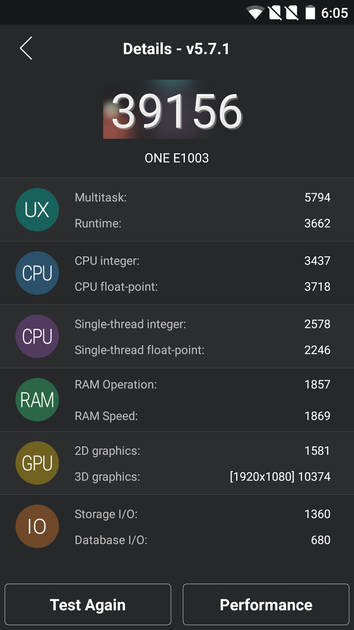
AnTuTu Benchmark
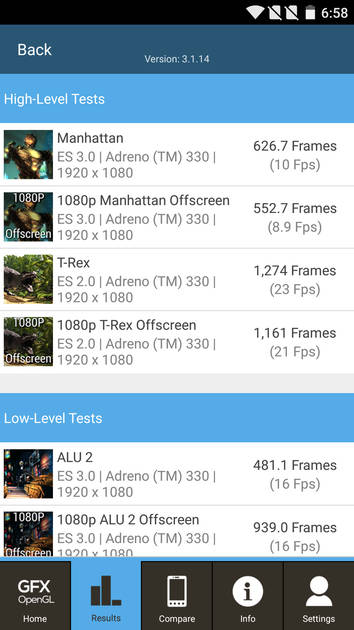
Graphics Benchmark
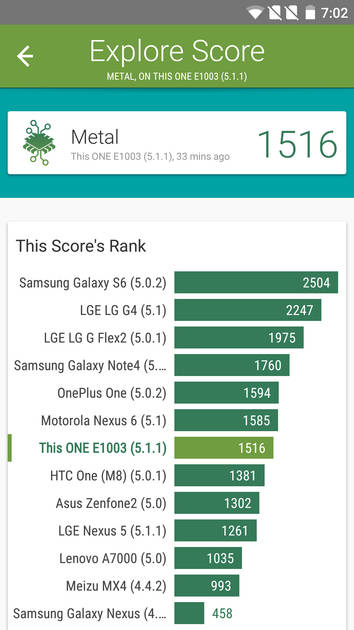
Vellamo Metal Benchmark
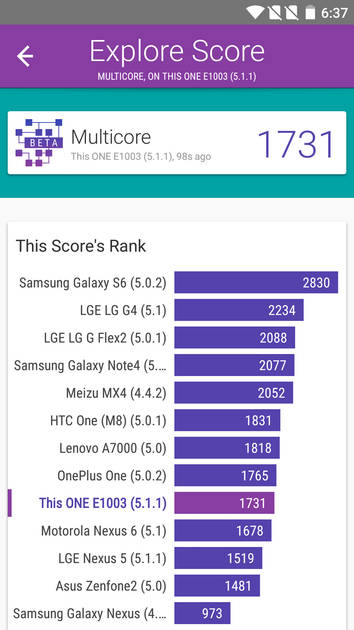
Vellamo Multicore Benchmark
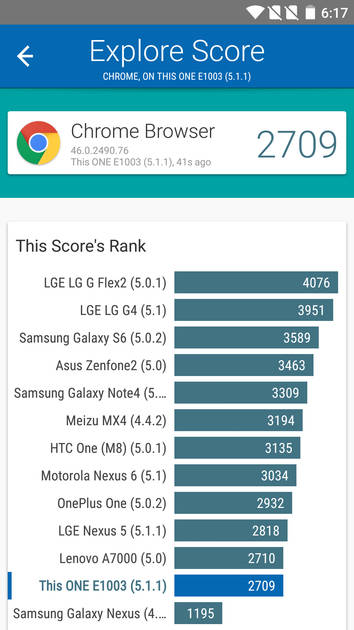
Vellamo Browser Benchmark
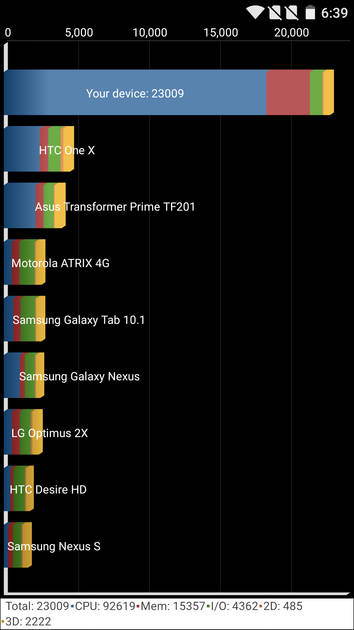
Quadrant Benchmark
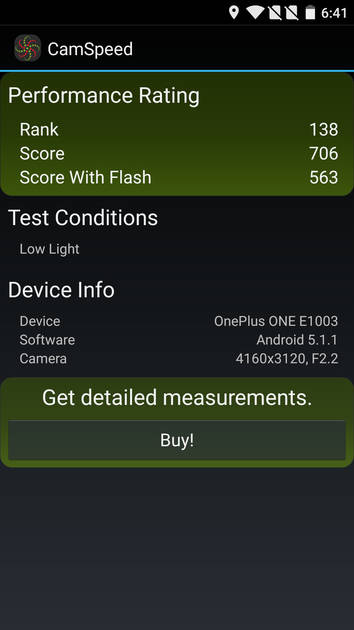
Camera Speed Benchmark
Geekbench3 Benchmark
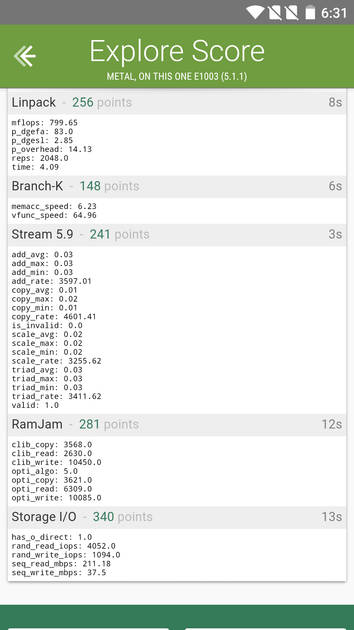
Linpack Benchmark
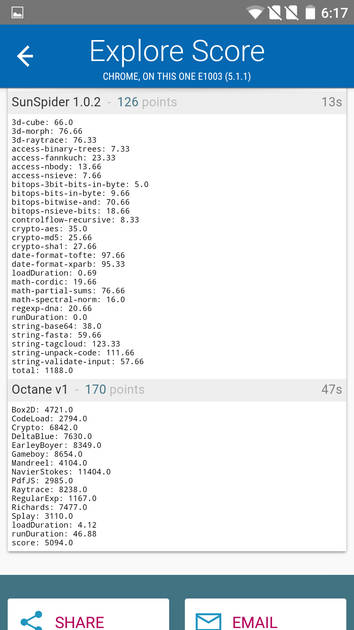
Sunspider Benchmark
|
Display
(Excellent)
|
|
|---|---|
| Display Type | AMOLED |
| Screen Size | 5.0 inches (12.7 cm) |
| Resolution | 1080x1920 px (FULL HD) |
| Pixel Density | 441 ppi |
| Screen to Body Ratio (calculated) | 71.18 % |
| Screen Protection | Corning Gorilla Glass v3 |
UI Screenshots

Lock Screen

Home Screen
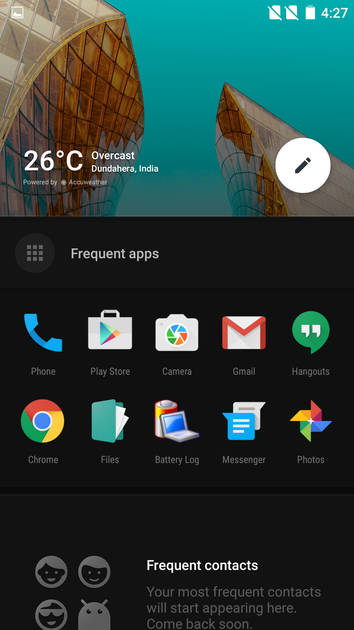
Screen With Widgets

Dialer Screen
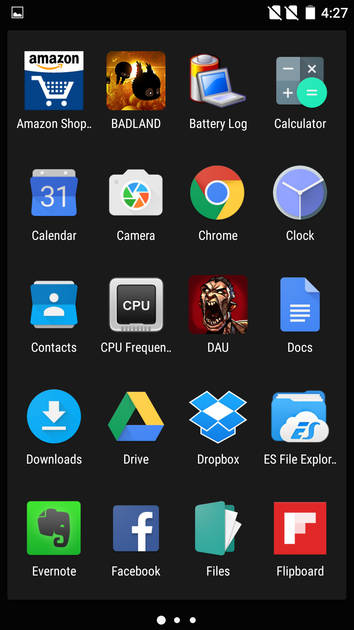
App Drawer

Notification Panel
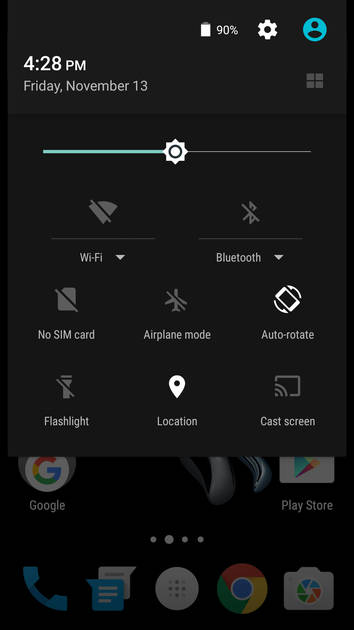
Quick Settings Panel
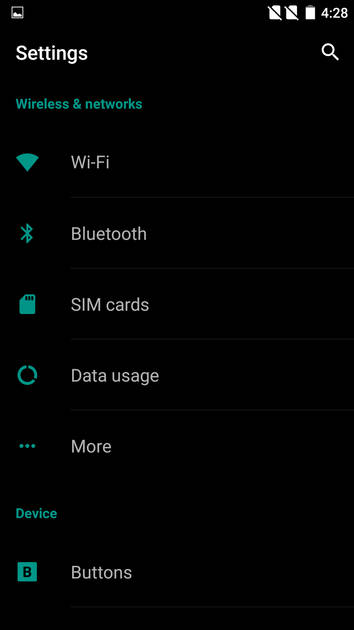
Settings Screen
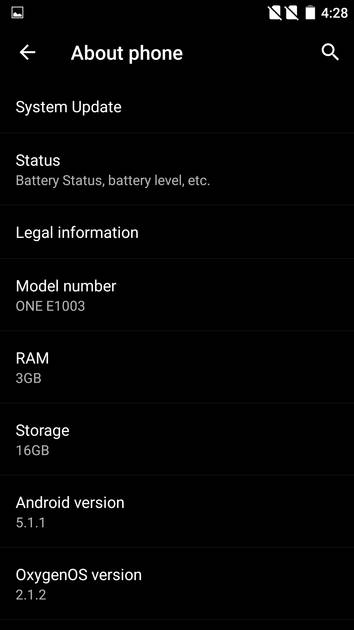
OS Version
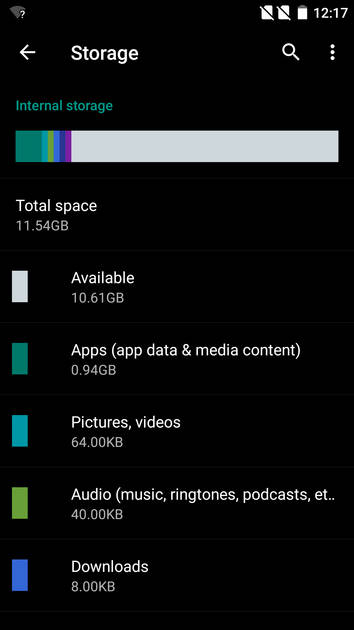
Storage
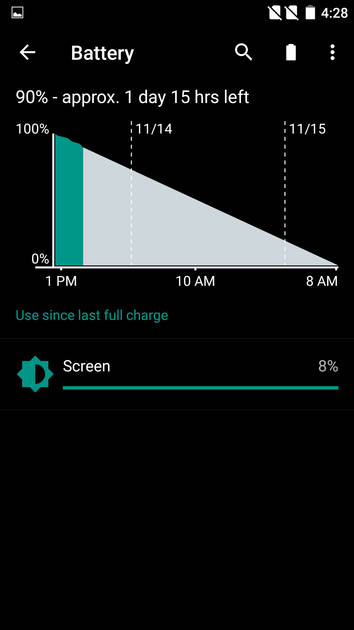
Battery
Camera On

Camera Options
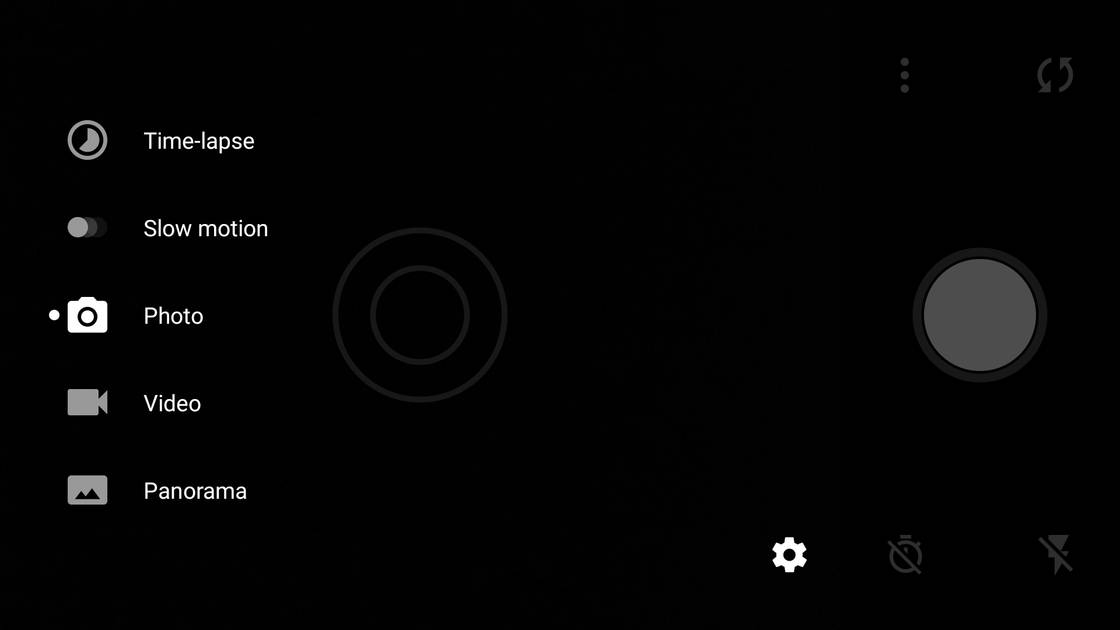
Camera Modes
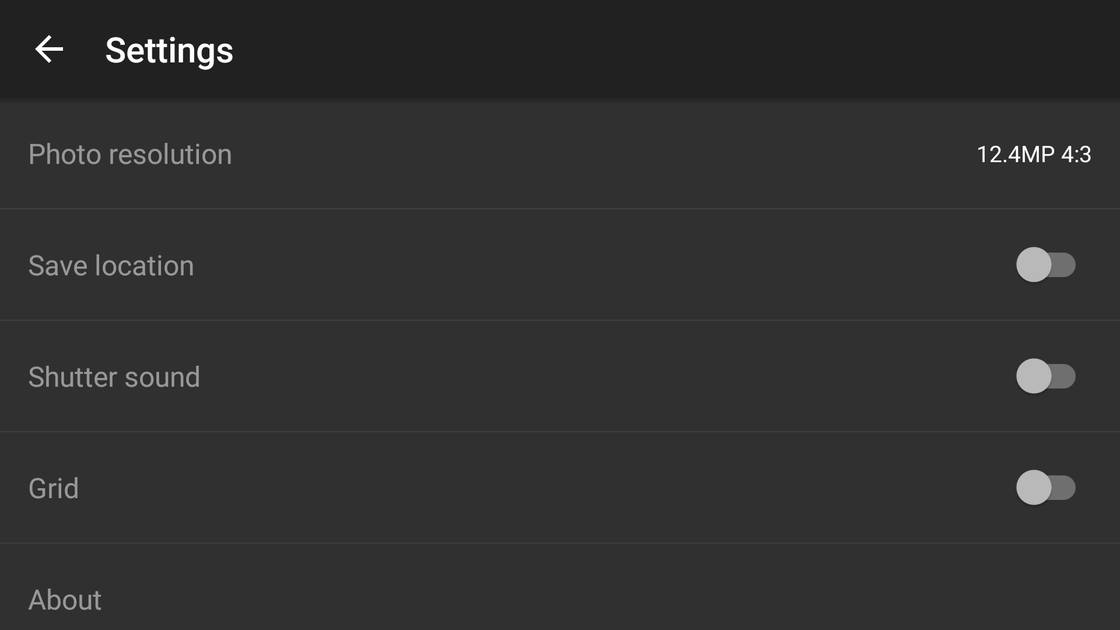
Camera Settings
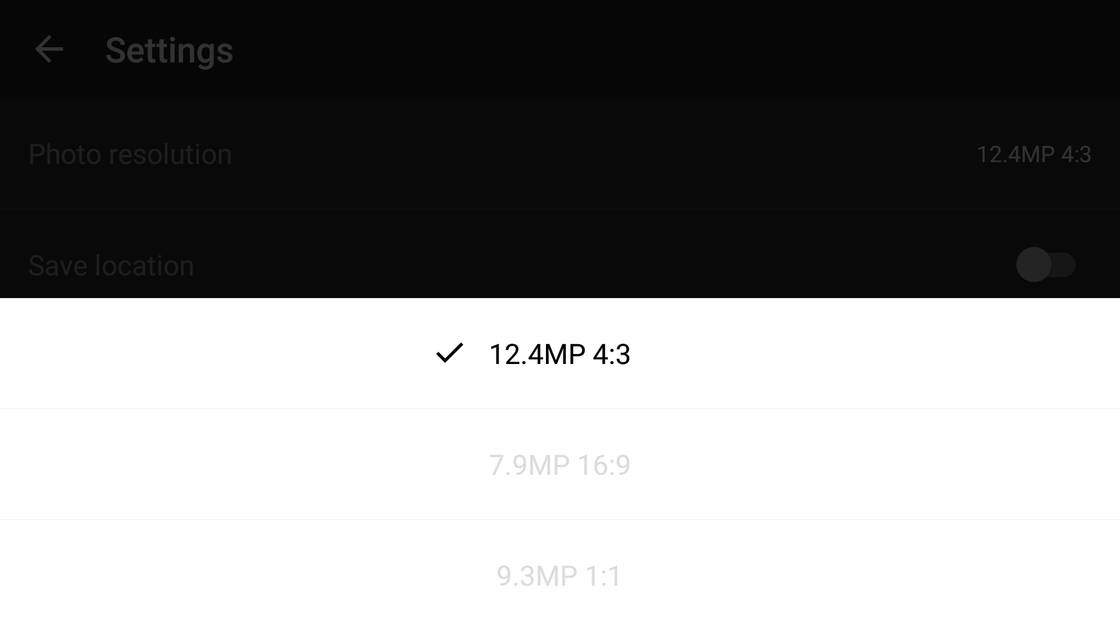
Picture Size Options
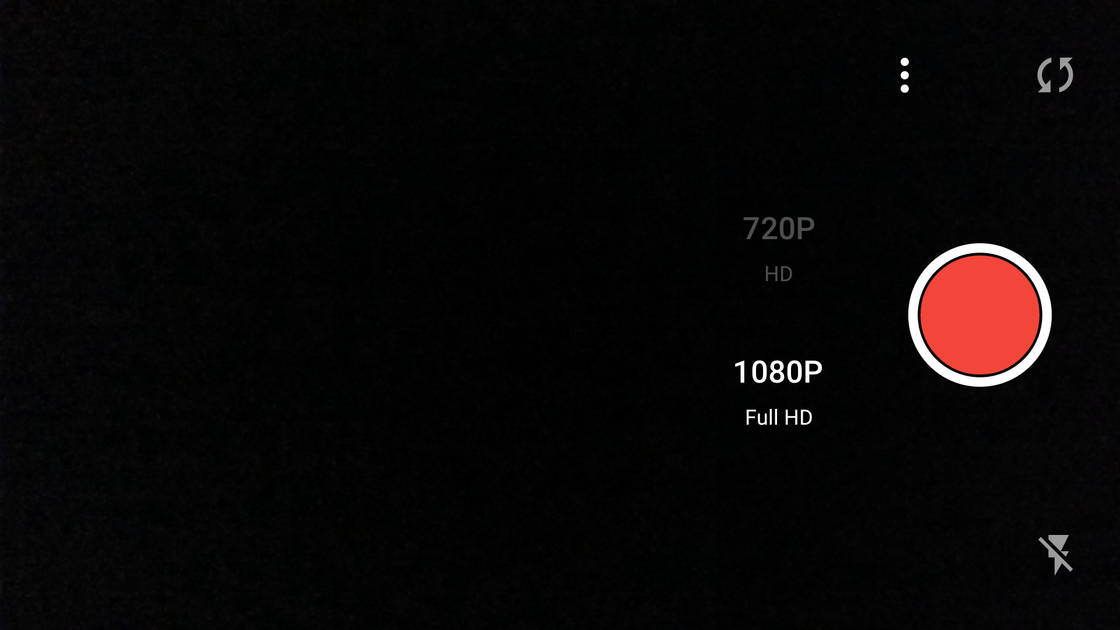
Video Size Options
|
Design |
|
|---|---|
| Height | 140 mm |
| Width | 69 mm |
| Thickness | 6.9 mm |
| Weight | 138 grams |
|
Click to View
|
Rear Camera
(Good)
|
||||||
|---|---|---|---|---|---|---|
| Resolution | ||||||
|
||||||
| Autofocus | Yes, Phase Detection autofocus | |||||
| OIS | No | |||||
| Flash | Yes, LED Flash | |||||
| Image Resolution | 4128 x 3096 Pixels | |||||
| Settings | Exposure compensation, ISO control | |||||
| Shooting Modes |
Continuous Shooting High Dynamic Range mode (HDR) |
|||||
| Camera Features |
Digital Zoom Auto Flash Face detection Touch to focus |
|||||
| Video Recording |
1920x1080 @ 30 fps 1280x720 @ 120 fps |
|||||
Rear Camera Samples

Close Up

Low Light

Low Light With Flash

Colour Variance
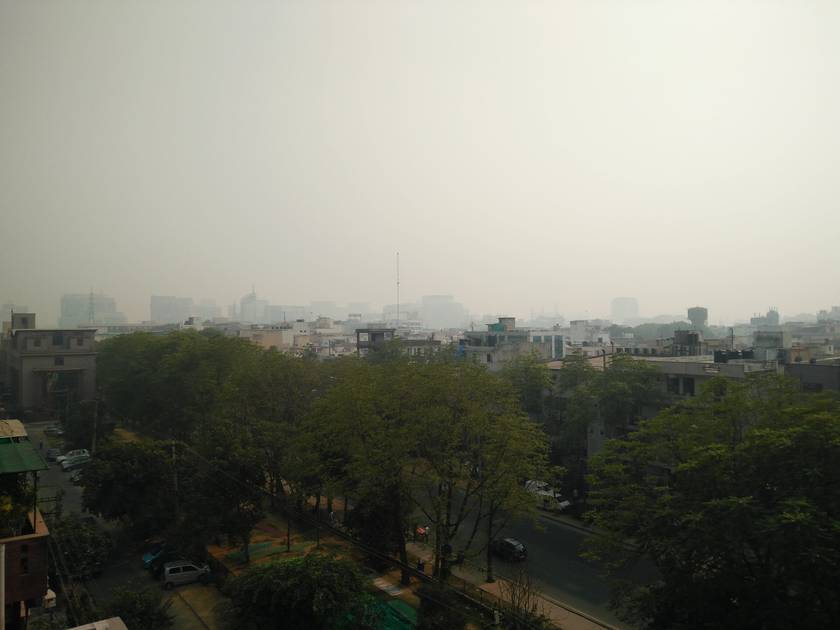
Long Shot

HDR Off

HDR On

Front Shot
|
Front Camera
(Very Good)
|
||||||
|---|---|---|---|---|---|---|
| Resolution | ||||||
|
||||||
| Autofocus | No | |||||
| Flash | No | |||||
| Camera Features | Wide Angle Selfie | |||||
| Video Recording | 1920x1080 @ 30 fps |
Battery
(Very Good)
|
|
|---|---|
| Capacity | 2525 mAh |
| Battery Type | Li-Polymer |
Storage |
|
|---|---|
| Internal Storage | 16 GB |
| Expandable Storage | Yes, Up to 128 GB |
Network & Connectivity |
||||||
|---|---|---|---|---|---|---|
| SIM Slot(s) | Dual SIM | |||||
| SIM Type | SIM1: Nano, SIM2: Nano (Hybrid) | |||||
| Network Support | 5G Not Supported, 4G | |||||
| SIM 1 |
4G bands
Expand
|
|||||
|
||||||
| SAR Value | Head: 1.108 W/kg, Body: 1.11 W/kg | |||||
| Wi-Fi | Yes, Wi-Fi 4 (802.11 b/g/n) | |||||
| Wi-Fi Features | Mobile Hotspot | |||||
| Bluetooth | Yes, v4.0 | |||||
| GPS | Yes with A-GPS, Glonass |
Multimedia |
|
|---|---|
| Audio Jack | 3.5 mm |
Sensors |
|
|---|---|
| Fingerprint Sensor | No |
| Other Sensors | Light sensor, Proximity sensor, Accelerometer, Gyroscope |
OnePlus X User Reviews
OnePlus X Key Highlights
| Processor | Qualcomm Snapdragon 801 MSM8974AB |
| RAM & Storage | 3 GB + 16 GB |
| Display | 5.0", 1080 x 1920 Resolution |
| Rear Camera | 13 MP |
| Front Camera | 8 MP |
| Battery | 2525 mAh |
Popular Links
- All Upcoming Phones
- Upcoming OnePlus Phones
- vivo X300 FE
- OPPO Find X9 Ultra
- vivo X300 Ultra
- realme 16T 5G
- OPPO Find X9s
- Best Phones Under 10,000
- Best Phones Under 15,000
- Best Phones Under 20,000
- Best phones in any price range
- Samsung Mobiles

- Moto Mobiles
- vivo Mobiles
- OPPO Mobiles
- Tecno Mobiles
- OnePlus Mobiles
- realme Mobiles