
OnePlus 13 512GB
+ Compare










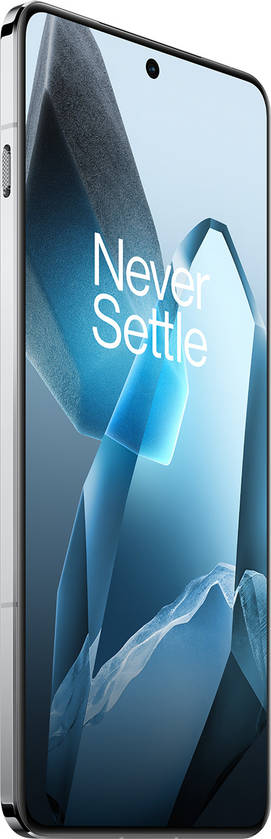
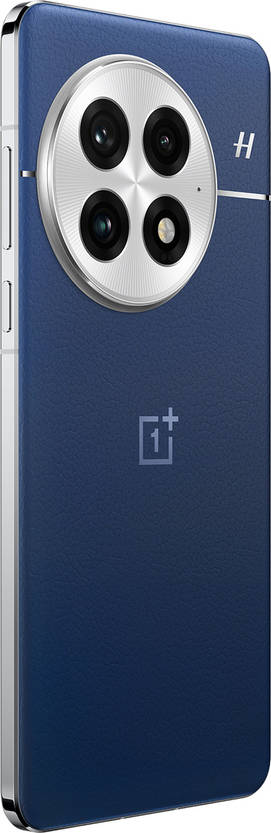


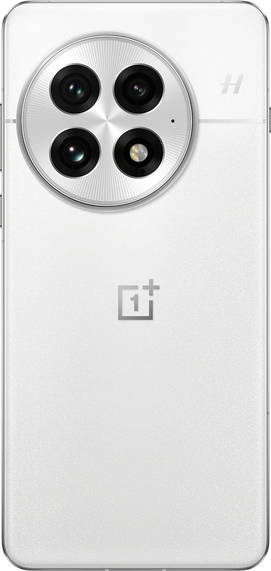





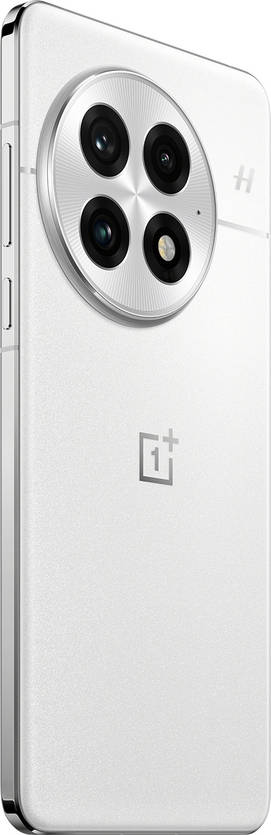

-
Design35

-
Rear Camera15

-
Front Camera4

-
360° View
![360° View]()
-
UI Screenshot17
![UI Screenshot]()
-
Videos5
![Videos]()



Key Specs
Performance
-
Qualcomm Snapdragon 8 Elite -
Octa core (4.32 GHz, Dual Core + 3.53 GHz, Hexa Core) -
12 GB / 16 GB / 24 GB RAM, LPDDR5X
Display
-
6.82 inches (17.32 cm); LTPO AMOLED (Curved Display) -
1440x3168 px (QHD+) -
120 Hz Refresh Rate -
Bezel-less with punch-hole display
Rear Camera
-
Triple Camera Setup - 50 MP Wide Angle Primary Camera
- 50 MP Telephoto Ultra-Wide Angle Camera
- 50 MP Telephoto (upto 120x Digital Zoom, upto 3x Optical Zoom) Camera
-
LED Flash -
8k @30 fps Video Recording
Front Camera
-
32 MP Wide Angle Lens -
4k @60 fps Video Recording
Battery
-
6000 mAh, Silicon Carbon -
100W Super VOOC Charging; USB Type-C port
General
-
SIM1: Nano, SIM2: Nano -
5G Supported -
256 GB / 512 GB / 1 TB internal storage, Non Expandable -
Dust Resistant, Water Resistant
OnePlus 13 512GB Prices in India
 Flipkart
OnePlus 13 512GB Compare Camera Samples














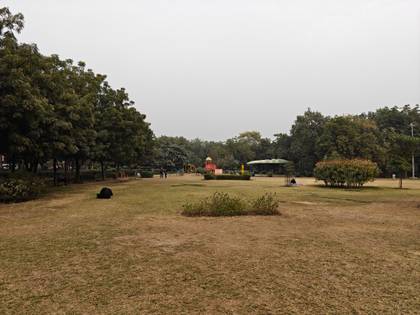
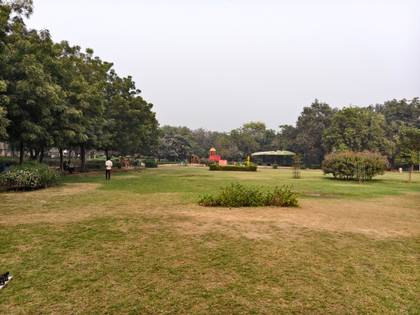






















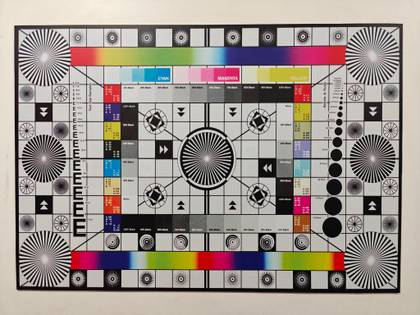
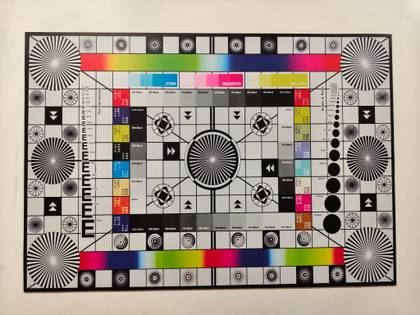



OnePlus 13 512GB Expert Review Summary
Expert Rating:
![Abhik Sengupta]()
Verdict
The OnePlus 13 is easily the most powerful OnePlus smartphone yet, thanks to the Qualcomm 8 Elite 8 powering the device. The new iteration also excels in key areas, including durability, display, battery, and cameras. Even software-wise, the OnePlus 13 still delivers a clean Android experience, though some proprietary apps (App Picks and so) feel unnecessary and there's no option to delete them. Overall, whatever OnePlus 12 does good, the OnePlus 13 raises the bar.
Pros
- Stunning 2K ProXDR display
- IP69 rating for dust and water
- Reliable cameras
- Long battery backup
Cons
- Design can be improved
- Few unnecessary proprietary apps
Design and display
+
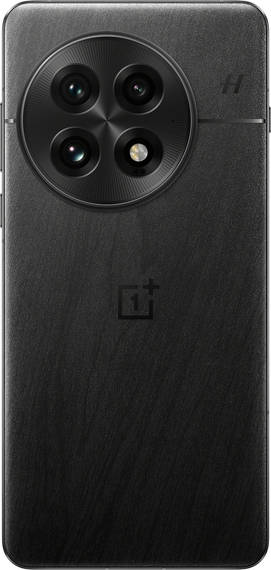
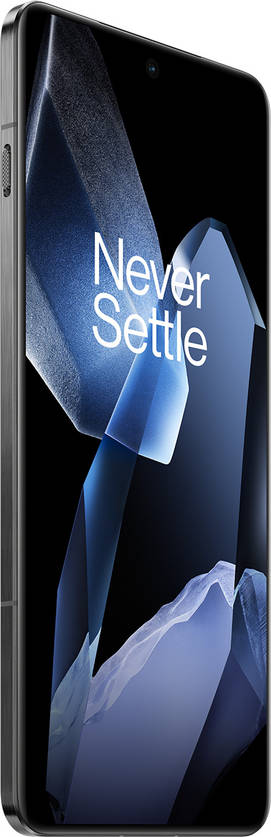
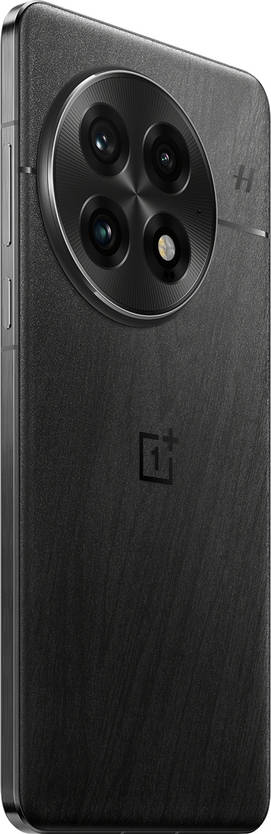
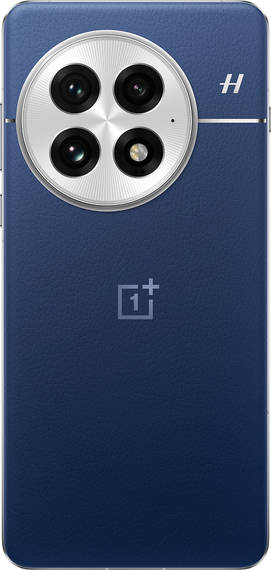
Truth be told, the OnePlus 13 doesn't break new grounds based on appearance. It has a design similar to the OnePlus 12, featuring curved metallic edges and a large circular camera module on the back, which also closely resembles the OnePlus 11. I am not the biggest fan of the rear camera module's placement as it awkwardly sits on the left of the panel, while the Hasselblad branding stays on the right. In that case, this part of the design can be improved.The OnePlus 13 further offers a familiar port and button selection, which includes volume rockers, a tray for two physical SIM cards, a USB-C port for charging and data transfer, and an alert slider to change sound profiles (loud, silent, and vibrate). Like its predecessor, the OnePlus 13 has the IR Blaster on top to let users control large home appliances with the smartphone.SmartphoneOnePlus 13Vivo X200iQOO 13Thickness8.9mm8mm8.13mmWeight210 grams197 grams213 gramsIP ratingIP69IP68, IP69IP68, IP69
Read More
Cameras
+
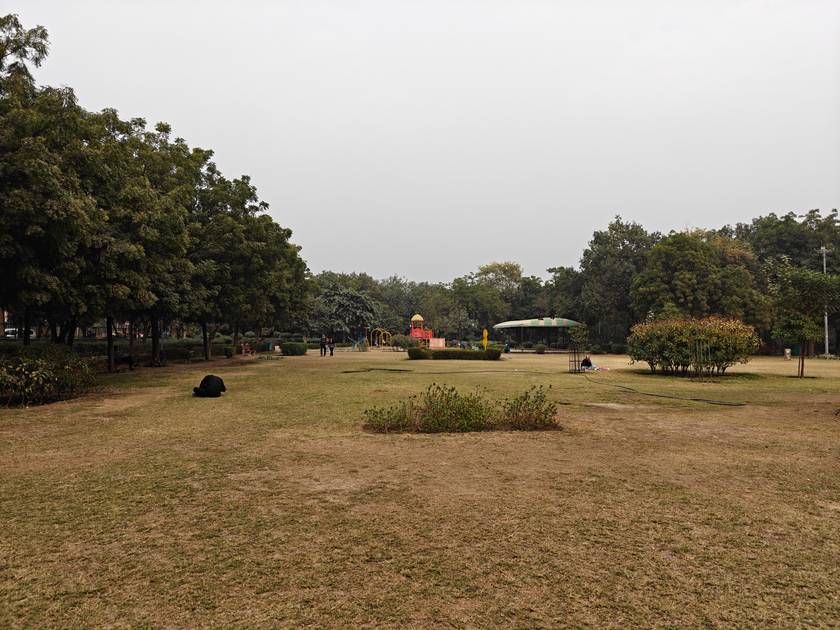
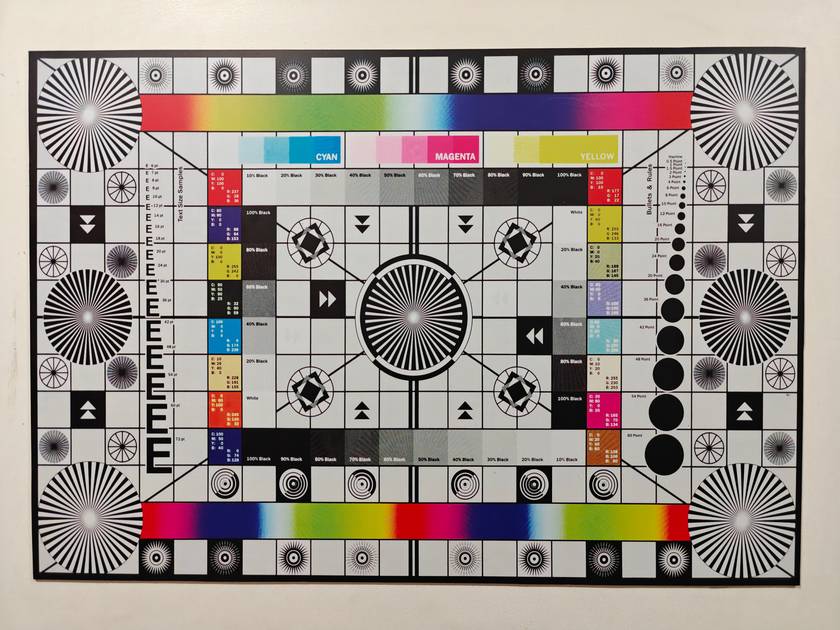
The OnePlus 13 marks the fifth year of OnePlus' collaboration with Hasselblad to improve the camera performance across its flagship devices. The new iteration features minimal hardware upgrades, though there's an evident improvement in performance, especially if we factor in dynamic range and brightness in images with different lenses (ultra-wide and telephoto). The front camera now supports 4K recording at 60fps, which many content creators will appreciate. As expected, OnePlus boasts new AI features to improve the camera experience. While the OnePlus 13 delivers flagship-level camera performance, its cameras aren't exactly groundbreaking, especially compared to the Vivo X200. As I mentioned, most shots with the OnePlus 13 exhibit improved dynamic range and brightness over its predecessor. The white balance typically leans toward warmer tones, but the images remain aesthetically pleasing. However, since the primary camera sensor is the same as last year's model, the level of detail is good, if not the best.
Read More
Performance and software
+
As I mentioned, the Snapdragon 8 Elite powering the OnePlus 13 delivers a generational leap in performance. If we look at the AnTuTu scores, the new iteration achieves a 49.61 percent jump in performance compared to last year's OnePlus 12. Its AnTuTu result may not be as good as what the iQOO 13 achieves with the same chipset, but there's no major impact on real-life performance. I pitted the OnePlus 13 against the Snapdragon 8 Elite-powered iQOO 13 (review) and Dimensity 9400 SoC-powered Vivo X200 (review), and you can find more information in our detailed performance review.Therefore, I want to focus more on the good and bad experiences with the OnePlus 13 as a daily driver. Let's start with what I like.For everyday work and productivity, the OnePlus 13 performs effortlessly. It handles multitasking and demanding games with ease, and the additional year of promised OS upgrades ensures better long-term usability. OnePlus has also finally introduced new Gen AI features, which I expect to roll out on last year's model soon. These include:AI summary to condense lengthy notes or new articles.AI writer to proofread or generate Instagram captions or emails.Intelligent Search, built on the existing Global Search, to help users easily find files or notes saved on-device. However, it didn't work in its full capacity during my review.There is an OPPO-inspired feature called "Share with iPhone," which allows users to share files, including Live Photos, with iPhones. The connection process might take about a minute, but the sharing occurs in seconds.Similarly, I appreciate OnePlus' efforts to improve network connectivity, at least for Jio customers (likely due to Jio's adoption of stand-alone technology). The OnePlus 13 series is the first in India to support a 5.5G network for faster data speeds and reliable connections. I use an Airtel SIM, but I didn't face issues with connectivity, barring the common network in the usual locations.
Read More
Battery and charging
+
Like most recent flagships, the OnePlus 13 drastically increases the battery capacity to 6,000mAh, thanks to the wider adoption of the silicon-carbon composite anode tech. The silicon-carbon layer also helps keep the battery cool during charging, which theoretically improves the battery life in the long run.Although the OnePlus 13 performs poorly in the PCMark battery test, the phone delivers a long battery backup in real life. With the highest settings enabled (AOD, 5G, and 120Hz refresh rate), the phone easily lasts over a day. Naturally, you expect a longer backup with moderate usage.The OnePlus 13 also provided a solid standby by time, lasting over two days with flight mode. OnePlus has never disappointed with the charging speeds, and the story remains the same this year. With the bundled 100W charger, the OnePlus attained full capacity in just 27 minutes.I also got to try the 50W AirVOOC wireless proprietary charger, sold separately for Rs 5,499. I'm not the biggest fan of its design, as its concave bottom prevents it from lying flat. However, the OnePlus 13 charged from 20 to 100 percent in just an hour with this proprietary wireless charger, which is impressive given the size of its battery.SmartphonesBatteryCharging time (20 to 100 percent)OnePlus 13 (100W + 50W)6,000mAh27 minutes (wired), 60 minutes (wireless)Vivo X200 (90W)5,800mAh38 minutesiQOO 13 (120W)6,000mAh23 minutes
Read More
Read full Review

Verdict
The OnePlus 13 is easily the most powerful OnePlus smartphone yet, thanks to the Qualcomm 8 Elite 8 powering the device. The new iteration also excels in key areas, including durability, display, battery, and cameras. Even software-wise, the OnePlus 13 still delivers a clean Android experience, though some proprietary apps (App Picks and so) feel unnecessary and there's no option to delete them. Overall, whatever OnePlus 12 does good, the OnePlus 13 raises the bar.
- Stunning 2K ProXDR display
- IP69 rating for dust and water
- Reliable cameras
- Long battery backup
Pros
- Design can be improved
- Few unnecessary proprietary apps
Cons
Design and display
+Truth be told, the OnePlus 13 doesn't break new grounds based on appearance. It has a design similar to the OnePlus 12, featuring curved metallic edges and a large circular camera module on the back, which also closely resembles the OnePlus 11. I am not the biggest fan of the rear camera module's placement as it awkwardly sits on the left of the panel, while the Hasselblad branding stays on the right. In that case, this part of the design can be improved.The OnePlus 13 further offers a familiar port and button selection, which includes volume rockers, a tray for two physical SIM cards, a USB-C port for charging and data transfer, and an alert slider to change sound profiles (loud, silent, and vibrate). Like its predecessor, the OnePlus 13 has the IR Blaster on top to let users control large home appliances with the smartphone.SmartphoneOnePlus 13Vivo X200iQOO 13Thickness8.9mm8mm8.13mmWeight210 grams197 grams213 gramsIP ratingIP69IP68, IP69IP68, IP69
Read MoreCameras
+The OnePlus 13 marks the fifth year of OnePlus' collaboration with Hasselblad to improve the camera performance across its flagship devices. The new iteration features minimal hardware upgrades, though there's an evident improvement in performance, especially if we factor in dynamic range and brightness in images with different lenses (ultra-wide and telephoto). The front camera now supports 4K recording at 60fps, which many content creators will appreciate. As expected, OnePlus boasts new AI features to improve the camera experience. While the OnePlus 13 delivers flagship-level camera performance, its cameras aren't exactly groundbreaking, especially compared to the Vivo X200. As I mentioned, most shots with the OnePlus 13 exhibit improved dynamic range and brightness over its predecessor. The white balance typically leans toward warmer tones, but the images remain aesthetically pleasing. However, since the primary camera sensor is the same as last year's model, the level of detail is good, if not the best.
Read MorePerformance and software
+As I mentioned, the Snapdragon 8 Elite powering the OnePlus 13 delivers a generational leap in performance. If we look at the AnTuTu scores, the new iteration achieves a 49.61 percent jump in performance compared to last year's OnePlus 12. Its AnTuTu result may not be as good as what the iQOO 13 achieves with the same chipset, but there's no major impact on real-life performance. I pitted the OnePlus 13 against the Snapdragon 8 Elite-powered iQOO 13 (review) and Dimensity 9400 SoC-powered Vivo X200 (review), and you can find more information in our detailed performance review.Therefore, I want to focus more on the good and bad experiences with the OnePlus 13 as a daily driver. Let's start with what I like.For everyday work and productivity, the OnePlus 13 performs effortlessly. It handles multitasking and demanding games with ease, and the additional year of promised OS upgrades ensures better long-term usability. OnePlus has also finally introduced new Gen AI features, which I expect to roll out on last year's model soon. These include:AI summary to condense lengthy notes or new articles.AI writer to proofread or generate Instagram captions or emails.Intelligent Search, built on the existing Global Search, to help users easily find files or notes saved on-device. However, it didn't work in its full capacity during my review.There is an OPPO-inspired feature called "Share with iPhone," which allows users to share files, including Live Photos, with iPhones. The connection process might take about a minute, but the sharing occurs in seconds.Similarly, I appreciate OnePlus' efforts to improve network connectivity, at least for Jio customers (likely due to Jio's adoption of stand-alone technology). The OnePlus 13 series is the first in India to support a 5.5G network for faster data speeds and reliable connections. I use an Airtel SIM, but I didn't face issues with connectivity, barring the common network in the usual locations.
Read MoreBattery and charging
+Like most recent flagships, the OnePlus 13 drastically increases the battery capacity to 6,000mAh, thanks to the wider adoption of the silicon-carbon composite anode tech. The silicon-carbon layer also helps keep the battery cool during charging, which theoretically improves the battery life in the long run.Although the OnePlus 13 performs poorly in the PCMark battery test, the phone delivers a long battery backup in real life. With the highest settings enabled (AOD, 5G, and 120Hz refresh rate), the phone easily lasts over a day. Naturally, you expect a longer backup with moderate usage.The OnePlus 13 also provided a solid standby by time, lasting over two days with flight mode. OnePlus has never disappointed with the charging speeds, and the story remains the same this year. With the bundled 100W charger, the OnePlus attained full capacity in just 27 minutes.I also got to try the 50W AirVOOC wireless proprietary charger, sold separately for Rs 5,499. I'm not the biggest fan of its design, as its concave bottom prevents it from lying flat. However, the OnePlus 13 charged from 20 to 100 percent in just an hour with this proprietary wireless charger, which is impressive given the size of its battery.SmartphonesBatteryCharging time (20 to 100 percent)OnePlus 13 (100W + 50W)6,000mAh27 minutes (wired), 60 minutes (wireless)Vivo X200 (90W)5,800mAh38 minutesiQOO 13 (120W)6,000mAh23 minutes
Read MoreCompetitors For OnePlus 13 512GB
View Alternatives









OnePlus 13 512GB Specifications
General |
|
|---|---|
| Launch Date | January 10, 2025 (Official) |
| Operating System | Android v15 |
| OS Updates | 4 Years |
| Security Updates | 6 Years |
| Custom UI | Oxygen OS |
Performance
(Excellent)
|
||||
|---|---|---|---|---|
| Chipset | Qualcomm Snapdragon 8 Elite View Details | |||
| Processor | Octa core (4.32 GHz, Dual core, Oryon + 3.53 GHz, Hexa Core, Oryon) | |||
| Architecture | 64 bit | |||
| Fabrication | 3 nm | |||
| Graphics (GPU) | Adreno 830 | |||
| RAM | 12 GB / 16 GB / 24 GB | |||
| RAM Type | LPDDR5X | |||
| Cooling Technology | Vapor Chamber | |||
|
Gaming Test Results

* after 30 mins of gaming
|
||||
Benchmark Screenshots
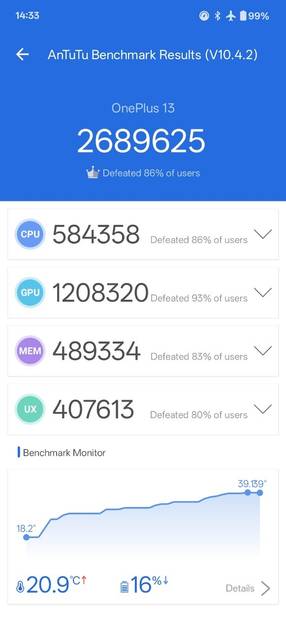
AnTuTu Benchmark
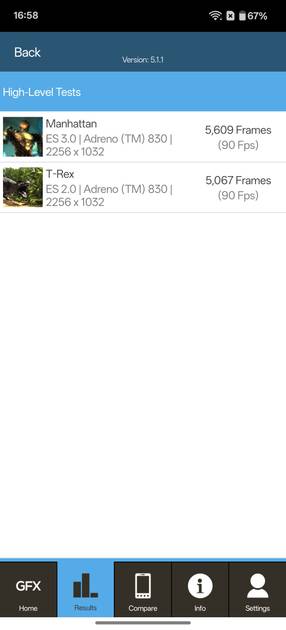
Graphics Benchmark
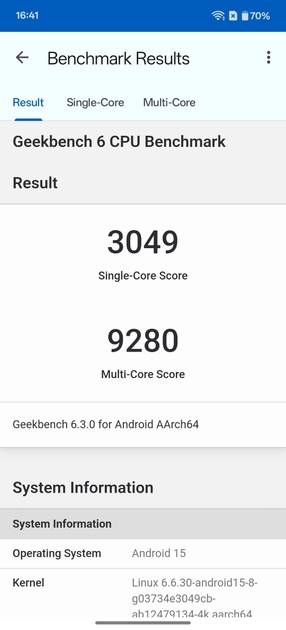
Geekbench6 Benchmark
|

Display
(Best In Class)
|
|
|---|---|
| Display Type | LTPO AMOLED (Curved Display) |
| Screen Size | 6.82 inches (17.32 cm) |
| Resolution | 1440x3168 px (QHD+) |
| Peak Brightness | 4500 nits |
| HBM Brightness | 1600 nits |
| PWM Dimming | 2160 Hz |
| Refresh Rate | 120 Hz |
| Aspect Ratio | 19.8:9 |
| Pixel Density | 510 ppi |
| Screen to Body Ratio (calculated) | 90.11 % |
| Screen Protection | Yes |
| Bezel-less Display | Yes with punch-hole display |
| HDR 10 / HDR+ Support | Yes, HDR 10+ |
UI Screenshots
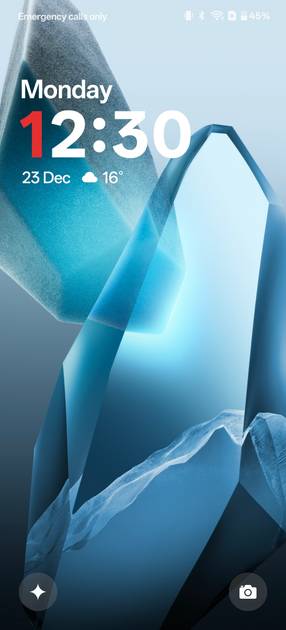
Lock Screen
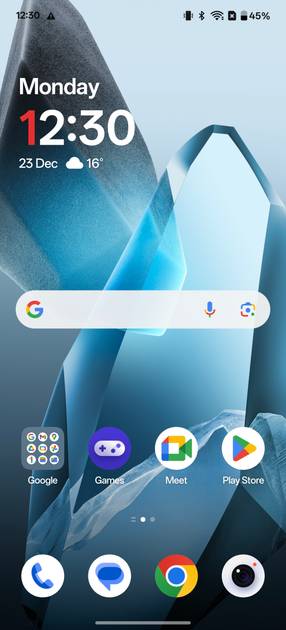
Home Screen
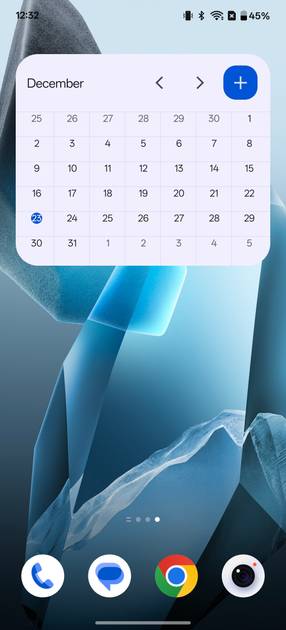
Screen With Widgets

Dialer Screen

App Drawer

Notification Panel
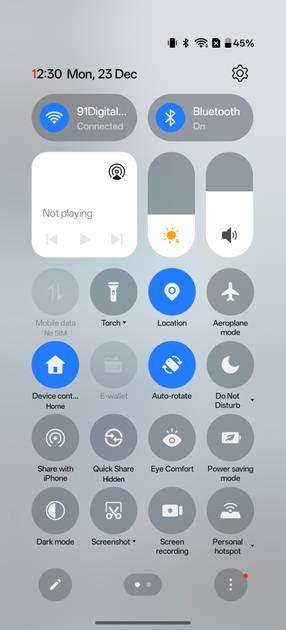
Quick Settings Panel
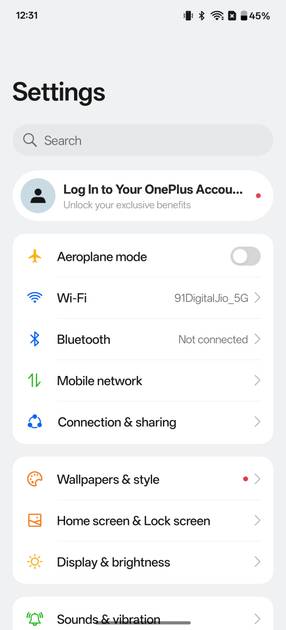
Settings Screen
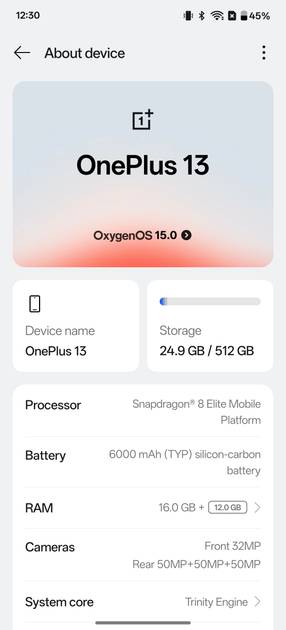
OS Version
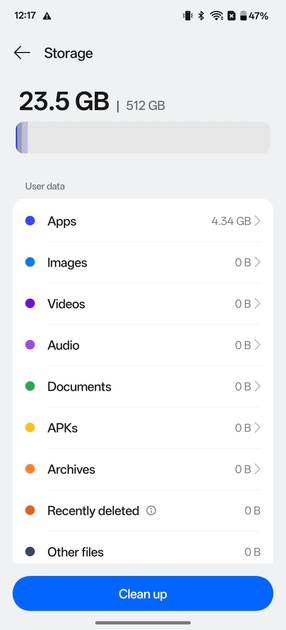
Storage
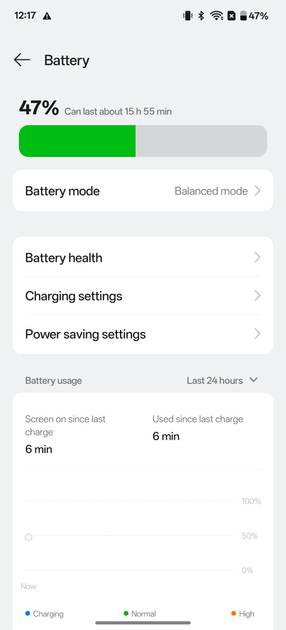
Battery

Camera On
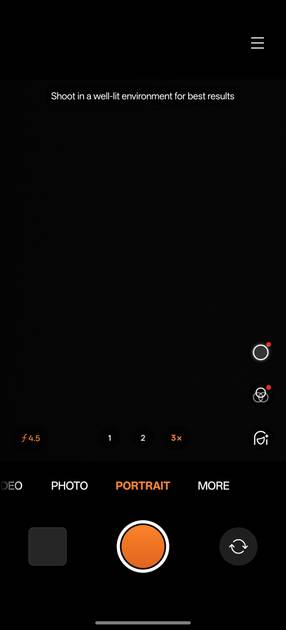
Camera Options
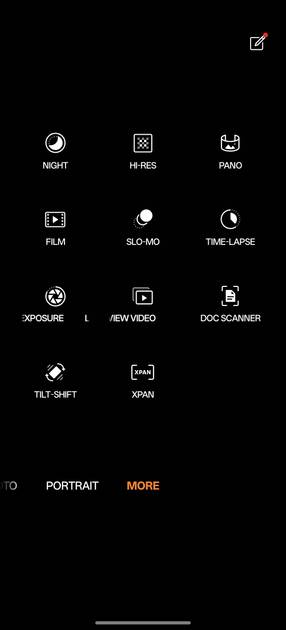
Camera Modes
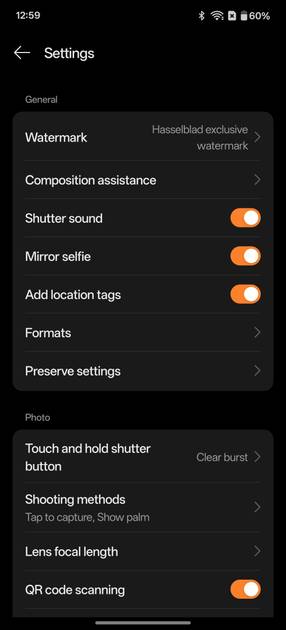
Camera Settings
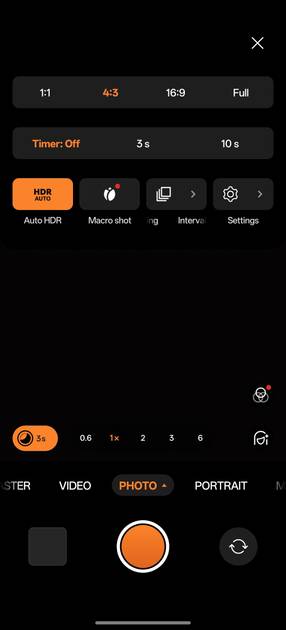
Picture Size Options
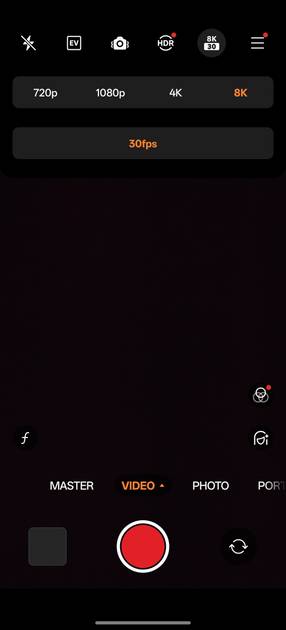
Video Size Options
|
Design |
|
|---|---|
| Height | 162.9 mm |
| Width | 76.5 mm |
| Thickness | 8.9 mm |
| Weight | 210 grams |
| Build Material | Back: Eco Leather, Mineral Glass |
| Water Resistance | Yes, Water resistant, IP68, IP69, (up to 30 minutes in a depth of 1.5 meter) |
| Ruggedness | Dust proof |
|
Click to View

|
Rear Camera
(Excellent)
|
||||||||||||||||||||||||||||||||||||
|---|---|---|---|---|---|---|---|---|---|---|---|---|---|---|---|---|---|---|---|---|---|---|---|---|---|---|---|---|---|---|---|---|---|---|---|---|
| Resolution | ||||||||||||||||||||||||||||||||||||
|
||||||||||||||||||||||||||||||||||||
| Autofocus | Yes, Phase Detection Autofocus, Continuous Autofocus, Laser Detection Autofocus, Omni-directional Phase Detection Autofocus | |||||||||||||||||||||||||||||||||||
| OIS | Yes | |||||||||||||||||||||||||||||||||||
| Flash | Yes, LED Flash | |||||||||||||||||||||||||||||||||||
| Image Resolution | 8150 x 6150 Pixels | |||||||||||||||||||||||||||||||||||
| Settings | Exposure compensation, ISO control | |||||||||||||||||||||||||||||||||||
| Shooting Modes |
Continuous Shooting High Dynamic Range mode (HDR) Macro Mode |
|||||||||||||||||||||||||||||||||||
| Camera Features |
Digital Zoom Auto Flash Face detection Touch to focus |
|||||||||||||||||||||||||||||||||||
| Video Recording |
8k @30 fps 4k @60 fps Full HD @240 fps HD @480 fps |
|||||||||||||||||||||||||||||||||||
| Video Recording Features |
Dual Video Recording Slow Motion Bokeh portrait video |
|||||||||||||||||||||||||||||||||||
Rear Camera Samples

Daylight / HDR Auto

Wide Angle

Max Zoom Supported 120x

Long Shot 10X

Long Shot 5X

Long Shot 3X
Long Shot 1X

High Res

Portrait Shot

Night Mode OFF

Night Mode ON

Close Up

Low Light

Low Light With Flash
Colour Variance
|
Front Camera
(Excellent)
|
||||||||||||||||
|---|---|---|---|---|---|---|---|---|---|---|---|---|---|---|---|---|
| Resolution | ||||||||||||||||
|
||||||||||||||||
| Autofocus | No | |||||||||||||||
| Camera Features | Fixed Focus | |||||||||||||||
| Video Recording |
4k @60 fps Full HD @60 fps |
|||||||||||||||
Front Camera Samples

Selfie

Selfie Portrait

Selfie Low Light

Selfie Low Light With Flash
|
Battery
(Excellent)
|
||||
|---|---|---|---|---|
| Capacity | 6000 mAh | |||
| Battery Type | Silicon Carbon | |||
| Quick Charging | Yes, 100W Super VOOC Charging, 100% in 36 minutes | |||
| Wireless Charging | Yes, 50W Wireless Charging, 50% in 34 minutes | |||
| Reverse Charging | Yes, 5W Reverse Charging | |||
| Wireless Reverse Charging | Yes, 10W Wireless Reverse Charging | |||
|
Battery Test Results
|
Storage |
|
|---|---|
| Internal Storage | 256 GB / 512 GB / 1 TB |
| Storage Type | UFS 4.0 |
| Expandable Storage | No |
Network & Connectivity |
|
|---|---|
| SIM Slot(s) | Dual SIM |
| SIM Type | SIM1: Nano, SIM2: Nano |
| Network Support | 5G, 4G |
| VoLTE | Yes |
| SIM 1 |
5G bands, 4G bands
Expand
|
| SIM 2 |
5G bands, 4G bands
Expand
|
| SAR Value | Head: 1.129 W/kg, Body: 1.145 W/kg |
| Wi-Fi | Yes, Wi-Fi 7 (802.11 a/b/g/n/ac/be/ax) 5GHz 6GHz, MIMO |
| Wi-Fi Features | Mobile Hotspot |
| Bluetooth | Yes, v5.4 |
| GPS | Yes with A-GPS, Glonass |
| NFC | Yes |
Multimedia |
|
|---|---|
| Stereo Speakers | Yes |
| Audio Jack | USB Type-C |
Sensors |
|
|---|---|
| Fingerprint Sensor | Yes |
| Fingerprint Sensor Position | On-screen |
| Fingerprint Sensor Type | Ultrasonic |
| Other Sensors | Light sensor, Proximity sensor, Accelerometer, Compass, Gyroscope |
Recent Stories

OnePlus 13 512GB User Reviews
OnePlus 13 512GB Key Highlights
| Processor | Qualcomm Snapdragon 8 Elite |
| RAM & Storage | 12 GB RAM + 256 GB 16 GB RAM + 512 GB 24 GB RAM + 1 TB |
| Display | 6.82", 1440 x 3168 Resolution |
| Rear Camera | 50 MP + 50 MP + 50 MP |
| Front Camera | 32 MP |
| Battery | 6000 mAh |




























OnePlus 13 Price In India
| Product Name | Store | Price |
|---|---|---|
| OnePlus 13 (12 GB + 256 GB) | Flipkart | ₹54,901 |
| OnePlus 13 (16 GB + 512 GB) | Flipkart | ₹67,999 |
Popular Links
- All Upcoming Phones
- Upcoming OnePlus Phones
- Samsung Galaxy F70 5G
- vivo S2 FE 5G
- OPPO Find X10
- OPPO Find X10 Pro Max
- Infinix GT 50 Pro
- Samsung Mobiles
- Motorola Mobiles
- vivo Mobiles
- OPPO Mobiles
- Tecno Mobiles
- realme Mobiles
- OnePlus Mobiles