
OPPO K13x 5G
+ Compare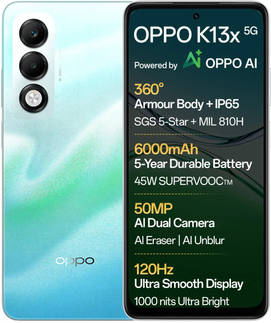
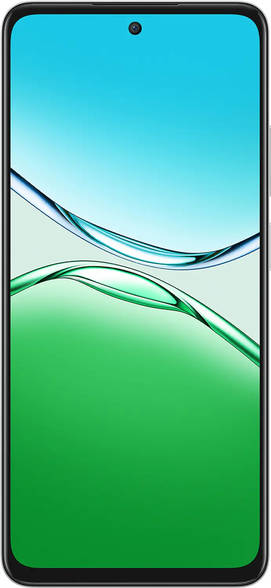
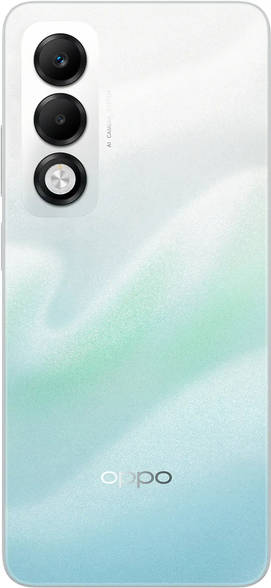


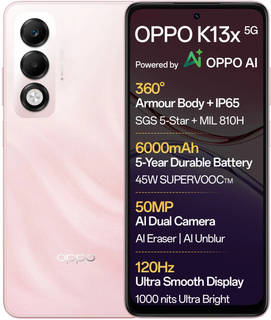
-
Design22

-
Rear Camera14

-
Front Camera4

-
360° View
![360° View]()
-
UI Screenshot17
![UI Screenshot]()
-
Videos1
![Videos]()



Key Specs
Performance
-
MediaTek Dimensity 6300 -
Octa core (2.4 GHz, Dual Core + 2 GHz, Hexa Core) -
4 GB / 6 GB / 8 GB RAM, LPDDR4X
Display
-
6.67 inches (16.94 cm); LCD -
720x1604 px (HD+) -
120 Hz Refresh Rate -
Bezel-less with punch-hole display
Rear Camera
-
Dual Camera Setup - 50 MP Wide Angle Primary Camera
- 2 MP Mono Camera
-
LED Flash -
Full HD @60 fps Video Recording
Front Camera
-
8 MP Wide Angle Lens -
Full HD @30 fps Video Recording
Battery
-
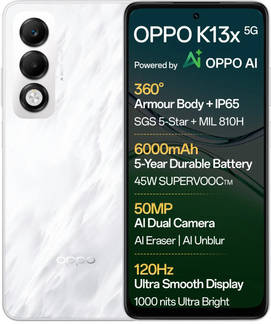
6000 mAh, Li-Polymer -
45W Super VOOC Charging; USB Type-C port
General
-
SIM1: Nano, SIM2: Nano (Hybrid) -
5G Supported -
128 GB Storage, Expandable upto 2 TB -
Dust Resistant, Water Resistant
OPPO K13x 5G Prices in India
 Flipkart
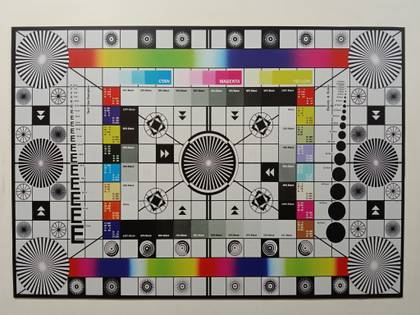
OPPO K13x 5G Compare Camera Samples





































OPPO K13x 5G Expert Review Summary

Expert Rating:
![G.S Vasan]()
Verdict
The OPPO K13x offers a clean design with an IP65 rating, a good mix of features and a performance that is steady for daily use, though rivals do better in stress tests. Its HD+ display and 50MP camera are serviceable, with some trade-offs in detail and dynamic range. ColorOS is feature-rich but cluttered. Despite compromises, it's a decent pick for those seeking a sleek budget 5G phone with balanced everyday performance.
Pros
- Clean, sturdy design
- Loud sound, smooth display
- Long battery life
- Feature-rich software
Cons
- Several pre-installed apps
- Modest cameras
Clean design, loud speakers
+
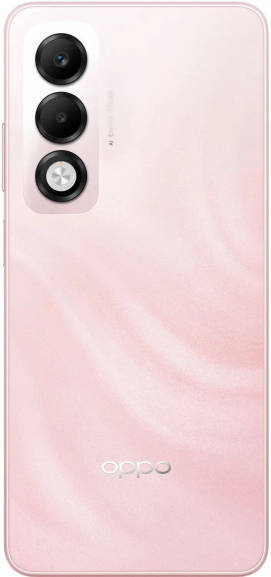
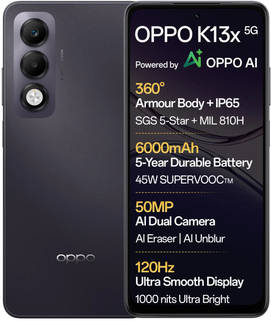
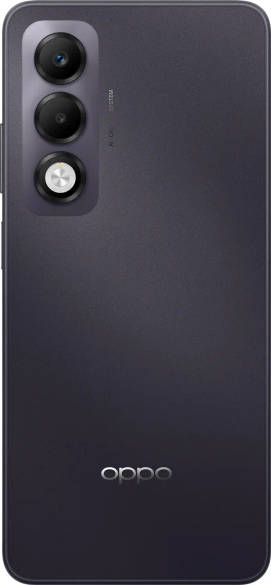
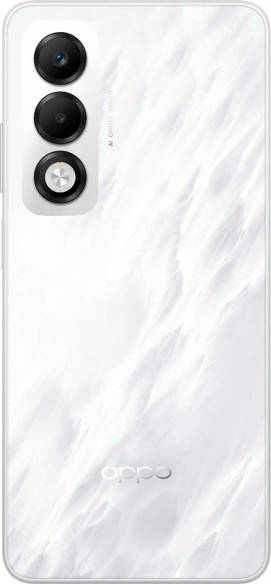
You can pick the OPPO K13x in Sunset Peach and Midnight Violet colours. Ours is the latter, and it looks minimal and 'stealthy'. The matte dark finish on the back and side frame, subtle branding lines, and minimal protrusion of the camera lenses contribute to this clean look. Compared to the POCO M7 Pro and Infinix Note 50x, the OPPO phone wobbles less on the desk. So, you can easily type on the screen while it's lying flat.The phone feels light in the hand, but not flimsy, and has a solid, well-built feel. The handset boasts an IP65 rating, which means better splash resistance than the IP64 offered by its two competitors, and strength-assuring military-grade certifications.While the ever-so-slight curves on the back edges provide a comfortable hold, like with most other phones, you'll have to do a little palm gymnastics to reach the buttons on the right. The recessed power button doubles up as a fingerprint scanner and works quickly.On the other side, there is a dual SIM card slot. The handset features a hybrid tray that supports a microSD card, too.This device features a single microphone, located between the 3.5mm headphone jack and a USB Type-C port at the bottom. The remaining resident on the bottom is a speaker grille. The single speaker is quite loud, but the bass sounds crushed and lacks depth.Still, I'll give it brownie points for its clean design and loud sound output.
Read More
Decent display that could have been better
+
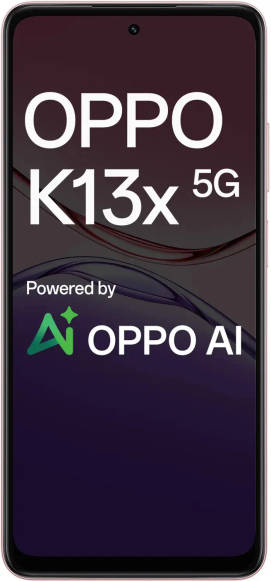
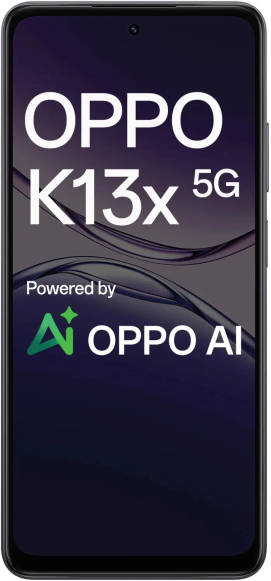
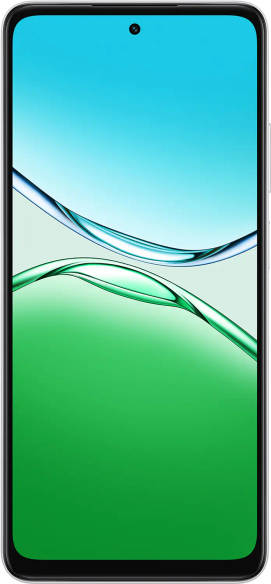
Coming to the front, the phone features a centred punch hole sitting on a 6.67-inch LCD. Worth mentioning that the lower bezel is noticeably wide.This is only an HD+ panel with 100 percent sRGB colour coverage. The visuals have close to natural colours, but softer details and lesser contrast compared to the POCO M7 Pro panel. Compared to the Infinix Note 50x, the handset still has softer details but is brighter and shows more realistic colours.I watched YouTube videos (with up to 1440p resolution) and Netflix (up to Full HD bitrate with Widevine L1) indoors. The 120Hz refresh rate felt smooth to use, and outdoor legibility wasn't an issue.Overall, you can have a decent viewing experience from this panel. I wish it had a Full HD resolution, though.
Read More
Camera offers natural colours, few AI features
+
Within its punch hole resides an 8MP selfie camera. On the back, the OPPO K13x sports a 50MP main camera with PDAF (autofocus) and AutoHDR support, and a 2MP sensor. From both front and back cameras, you can shoot up to 1080p videos. The camera app lets you easily choose the video and photo settings, switch between different modes (like Pro, Portrait, Hi-Res, Panorama, Slo-mo, Time-lapse, Dual-view video, and Text Scanner), and control other settings. As for photos, you can expect close-to-natural colours in daylight shots, but the dynamic range is weak. Edge detection in portraits can falter, and details are generally soft across all modes. OPPO has also packed some AI photo-editing features, namely, Enhance Clarity, AI Erase, Unblur, and Remove Reflections in the Photos app. The clarity enhancer shows a slight improvement. The unblur tool works well if the blurred subject is prominent. The reflection remover gives mixed results. The eraser may leave visible marks, but it can still be surprisingly useful in some cases.The OPPO K13x's 1080p videos from both front and back cameras fall short in dynamic range and colour reproduction. In contrast, the Infinix Note 50x offers sharper 1440p front and 4K rear videos, with visibly better output quality.Let's now expand on the camera performance under various settings and compare the results with the same shots taken on the Infinix Note 50x, which is among the best-performing camera smartphones in the segment.DaylightThe OPPO K13x photo offers sharper details in some areas, like the outlines of the text elements and reflections on the glass panes in the above photo. But the foliage on the left side has softer details compared to the Infinix Note 50x. What's good, however, is that the OPPO phone doesn't have artefacts like the Infinix counterpart.The colours look more natural on the OPPO phone, but some aspects, like the red coloured building walls, appear subdued. The overall tonal separation and colour contrast are also low. Both highlights and shadows are flat here. The sky lacks tone, and there are no visible shadows under the circular pergola (the central structure).PortraitThe portrait from the OPPO phone has punchier colours, which may draw your eyes to it. But when you zoom in, you'd notice the portrait from the Infinix phone retains more precise details. This is evident in the texture of the subject's shirt and facial hair. The Infinix Note 50x also kept a few strands of hair intact on the right side of the subject's head, while the OPPO K13x blurs them.While the skin tone looks neutral on the OPPO phone, the Infinix portrait feels more lifelike. The tonal difference around the under-eye area is clearer in the Infinix shot.The OPPO K13x also falters in edge detection in some areas, where the Infinix Note 50x performs better.SelfieThe selfie from the OPPO phone has a more realistic skin tone. The grass, shrubs, and flowers in the background also have more natural colours in the OPPO image. The details are also clearer on the OPPO phone. Zoom in on the subjects' hair and shirt to spot this.One area where the Infinix phone's selfie stands out is in retaining shadow details. In contrast, the OPPO selfie renders those areas almost pitch black.Low light (night mode)In both regular and night mode shots, the Infinix camera captures darker images but handles light better and retains more detail, especially when you zoom in and pixel peep. However, night mode on the OPPO K13x improves exposure and sharpness noticeably.Also, when viewed without zoom, the OPPO K13x image more accurately represents the actual scene.
Read More
Stable performance, modest speed
+
OPPO has equipped the K13x with a MediaTek Dimensity 6300 SoC. The SoC is fabricated on TSMC's 4nm process node and consists of two Cortex A76 performance cores clocked at 2.4GHz. For graphics processing, the chip has a Mali G57 MP2 GPU (at 1.0GHz frequency).
Read More
Feature-rich but cluttered UI
+
The OPPO K13x boots Android 15-based ColorOS 15. This is a feature-rich OS with goodies like Conversation Bubbles, Suggested replies and actions in notifications, real-time network speeds, Smart Charging, Charging Limit, Split View, Smart Sidebar, floating windows, one-handed mode, extract text from images, Game Toolkit, and a lot more. OPPO has also included AI photo-editing features, as mentioned in the camera section. In addition, Gemini AI helps with content creation, coding, summarising, translation, transcription, and information understanding.While many of these features are useful, some can feel like clutter. For instance, I don't like that the Lockscreen Magazine is enabled by default. For those unfamiliar, it shows rotating full-screen images, articles, and tips on the lockscreen. Similarly, there are several pre-installed apps; some can be uninstalled, others only disabled.OPPO promises two years of OS updates and three years of security patches. That's a total of five years of support, which is reasonable for the segment. Over the course, the company could further improve the software experience.Another area which seems promising is the battery endurance.
Read More
Big battery, charging not fast enough
+
The OPPO K13x draws power from a large 6,000mAh battery, which is bigger than the other two smartphones. The handset can easily last a day or more.While the PCMark battery test crashed a few times, the battery log showed it took around 9 hours and 30 minutes to drop from 100 percent to 20 percent during those runs. That's lower than what we got with the POCO M7 Pro and Infinix Note 50x.Further, in our 30-minute YouTube playback test, the K13x's battery dropped by 2 percent, which is better than the 3 percent drop on the other two phones. In case of 30 minutes of BGMI gaming, the OPPO phone's battery dropped by 5 percent only, while the other two's batteries dropped by 6 percent. When it comes to charging, the OPPO phone takes the longest among the three: 1 hour and 11 minutes to charge from 20 to 100 percent, owing to its bigger battery size than its competitors.Within the Settings app, you can enable a charging limit of 80 percent or defer charging to 100 percent until just before you need the device. These features are said to help protect battery health, and we appreciate having them.And, with all of that in mind, here's how the OPPO K13x stacks up overall.
Read More
Read full Review

Verdict
The OPPO K13x offers a clean design with an IP65 rating, a good mix of features and a performance that is steady for daily use, though rivals do better in stress tests. Its HD+ display and 50MP camera are serviceable, with some trade-offs in detail and dynamic range. ColorOS is feature-rich but cluttered. Despite compromises, it's a decent pick for those seeking a sleek budget 5G phone with balanced everyday performance.
- Clean, sturdy design
- Loud sound, smooth display
- Long battery life
- Feature-rich software
Pros
- Several pre-installed apps
- Modest cameras
Cons
Clean design, loud speakers
+You can pick the OPPO K13x in Sunset Peach and Midnight Violet colours. Ours is the latter, and it looks minimal and 'stealthy'. The matte dark finish on the back and side frame, subtle branding lines, and minimal protrusion of the camera lenses contribute to this clean look. Compared to the POCO M7 Pro and Infinix Note 50x, the OPPO phone wobbles less on the desk. So, you can easily type on the screen while it's lying flat.The phone feels light in the hand, but not flimsy, and has a solid, well-built feel. The handset boasts an IP65 rating, which means better splash resistance than the IP64 offered by its two competitors, and strength-assuring military-grade certifications.While the ever-so-slight curves on the back edges provide a comfortable hold, like with most other phones, you'll have to do a little palm gymnastics to reach the buttons on the right. The recessed power button doubles up as a fingerprint scanner and works quickly.On the other side, there is a dual SIM card slot. The handset features a hybrid tray that supports a microSD card, too.This device features a single microphone, located between the 3.5mm headphone jack and a USB Type-C port at the bottom. The remaining resident on the bottom is a speaker grille. The single speaker is quite loud, but the bass sounds crushed and lacks depth.Still, I'll give it brownie points for its clean design and loud sound output.
Read MoreDecent display that could have been better
+Coming to the front, the phone features a centred punch hole sitting on a 6.67-inch LCD. Worth mentioning that the lower bezel is noticeably wide.This is only an HD+ panel with 100 percent sRGB colour coverage. The visuals have close to natural colours, but softer details and lesser contrast compared to the POCO M7 Pro panel. Compared to the Infinix Note 50x, the handset still has softer details but is brighter and shows more realistic colours.I watched YouTube videos (with up to 1440p resolution) and Netflix (up to Full HD bitrate with Widevine L1) indoors. The 120Hz refresh rate felt smooth to use, and outdoor legibility wasn't an issue.Overall, you can have a decent viewing experience from this panel. I wish it had a Full HD resolution, though.
Read MoreCamera offers natural colours, few AI features
+Within its punch hole resides an 8MP selfie camera. On the back, the OPPO K13x sports a 50MP main camera with PDAF (autofocus) and AutoHDR support, and a 2MP sensor. From both front and back cameras, you can shoot up to 1080p videos. The camera app lets you easily choose the video and photo settings, switch between different modes (like Pro, Portrait, Hi-Res, Panorama, Slo-mo, Time-lapse, Dual-view video, and Text Scanner), and control other settings. As for photos, you can expect close-to-natural colours in daylight shots, but the dynamic range is weak. Edge detection in portraits can falter, and details are generally soft across all modes. OPPO has also packed some AI photo-editing features, namely, Enhance Clarity, AI Erase, Unblur, and Remove Reflections in the Photos app. The clarity enhancer shows a slight improvement. The unblur tool works well if the blurred subject is prominent. The reflection remover gives mixed results. The eraser may leave visible marks, but it can still be surprisingly useful in some cases.The OPPO K13x's 1080p videos from both front and back cameras fall short in dynamic range and colour reproduction. In contrast, the Infinix Note 50x offers sharper 1440p front and 4K rear videos, with visibly better output quality.Let's now expand on the camera performance under various settings and compare the results with the same shots taken on the Infinix Note 50x, which is among the best-performing camera smartphones in the segment.DaylightThe OPPO K13x photo offers sharper details in some areas, like the outlines of the text elements and reflections on the glass panes in the above photo. But the foliage on the left side has softer details compared to the Infinix Note 50x. What's good, however, is that the OPPO phone doesn't have artefacts like the Infinix counterpart.The colours look more natural on the OPPO phone, but some aspects, like the red coloured building walls, appear subdued. The overall tonal separation and colour contrast are also low. Both highlights and shadows are flat here. The sky lacks tone, and there are no visible shadows under the circular pergola (the central structure).PortraitThe portrait from the OPPO phone has punchier colours, which may draw your eyes to it. But when you zoom in, you'd notice the portrait from the Infinix phone retains more precise details. This is evident in the texture of the subject's shirt and facial hair. The Infinix Note 50x also kept a few strands of hair intact on the right side of the subject's head, while the OPPO K13x blurs them.While the skin tone looks neutral on the OPPO phone, the Infinix portrait feels more lifelike. The tonal difference around the under-eye area is clearer in the Infinix shot.The OPPO K13x also falters in edge detection in some areas, where the Infinix Note 50x performs better.SelfieThe selfie from the OPPO phone has a more realistic skin tone. The grass, shrubs, and flowers in the background also have more natural colours in the OPPO image. The details are also clearer on the OPPO phone. Zoom in on the subjects' hair and shirt to spot this.One area where the Infinix phone's selfie stands out is in retaining shadow details. In contrast, the OPPO selfie renders those areas almost pitch black.Low light (night mode)In both regular and night mode shots, the Infinix camera captures darker images but handles light better and retains more detail, especially when you zoom in and pixel peep. However, night mode on the OPPO K13x improves exposure and sharpness noticeably.Also, when viewed without zoom, the OPPO K13x image more accurately represents the actual scene.
Read MoreStable performance, modest speed
+OPPO has equipped the K13x with a MediaTek Dimensity 6300 SoC. The SoC is fabricated on TSMC's 4nm process node and consists of two Cortex A76 performance cores clocked at 2.4GHz. For graphics processing, the chip has a Mali G57 MP2 GPU (at 1.0GHz frequency).
Read MoreFeature-rich but cluttered UI
+The OPPO K13x boots Android 15-based ColorOS 15. This is a feature-rich OS with goodies like Conversation Bubbles, Suggested replies and actions in notifications, real-time network speeds, Smart Charging, Charging Limit, Split View, Smart Sidebar, floating windows, one-handed mode, extract text from images, Game Toolkit, and a lot more. OPPO has also included AI photo-editing features, as mentioned in the camera section. In addition, Gemini AI helps with content creation, coding, summarising, translation, transcription, and information understanding.While many of these features are useful, some can feel like clutter. For instance, I don't like that the Lockscreen Magazine is enabled by default. For those unfamiliar, it shows rotating full-screen images, articles, and tips on the lockscreen. Similarly, there are several pre-installed apps; some can be uninstalled, others only disabled.OPPO promises two years of OS updates and three years of security patches. That's a total of five years of support, which is reasonable for the segment. Over the course, the company could further improve the software experience.Another area which seems promising is the battery endurance.
Read MoreBig battery, charging not fast enough
+The OPPO K13x draws power from a large 6,000mAh battery, which is bigger than the other two smartphones. The handset can easily last a day or more.While the PCMark battery test crashed a few times, the battery log showed it took around 9 hours and 30 minutes to drop from 100 percent to 20 percent during those runs. That's lower than what we got with the POCO M7 Pro and Infinix Note 50x.Further, in our 30-minute YouTube playback test, the K13x's battery dropped by 2 percent, which is better than the 3 percent drop on the other two phones. In case of 30 minutes of BGMI gaming, the OPPO phone's battery dropped by 5 percent only, while the other two's batteries dropped by 6 percent. When it comes to charging, the OPPO phone takes the longest among the three: 1 hour and 11 minutes to charge from 20 to 100 percent, owing to its bigger battery size than its competitors.Within the Settings app, you can enable a charging limit of 80 percent or defer charging to 100 percent until just before you need the device. These features are said to help protect battery health, and we appreciate having them.And, with all of that in mind, here's how the OPPO K13x stacks up overall.
Read MoreCompetitors For OPPO K13x 5G
View Alternatives






Popular Comparisons
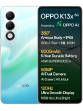 OPPO K13x 5G
 OPPO K14x 5G
OPPO K13x 5G
OPPO K14x 5G
OPPO K13x 5G
 vivo T4X
OPPO K13x 5G
vivo T4X
OPPO K13x 5G
 OPPO K13 5G
OPPO K13x 5G
OPPO K13 5G
OPPO K13x 5G
 OPPO K12x
OPPO K13x 5G
OPPO K12x
OPPO K13x 5G
 Samsung Galaxy F17 5G
OPPO K13x 5G
Samsung Galaxy F17 5G
OPPO K13x 5G
 realme P4




OPPO K13x 5G Specifications
General |
|
|---|---|
| Launch Date | June 27, 2025 (Official) |
| Operating System | Android v15 |
| OS Updates | 2 Year |
| Security Updates | 3 Year |
| Custom UI | ColorOS |
Performance
(Good)
|
||||||
|---|---|---|---|---|---|---|
| Chipset | MediaTek Dimensity 6300 View Details | |||||
| Processor | Octa core (2.4 GHz, Dual core, Cortex A76 + 2 GHz, Hexa Core, Cortex A55) | |||||
| Architecture | 64 bit | |||||
| Fabrication | 6 nm | |||||
| Graphics (GPU) | Mali-G57 MC2 | |||||
| RAM | 4 GB / 6 GB / 8 GB | |||||
| RAM Type | LPDDR4X | |||||
|
Gaming Test Results

* after 30 mins of gaming
|
||||||
Benchmark Screenshots
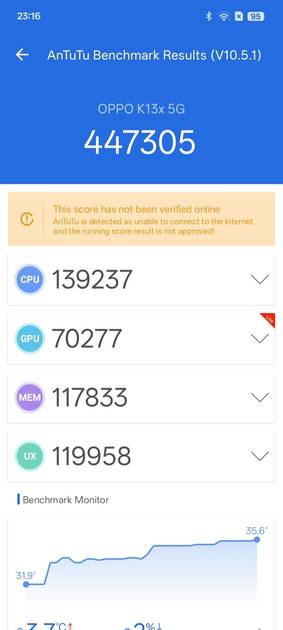
AnTuTu Benchmark
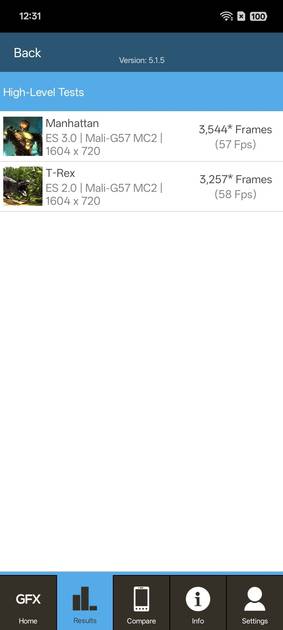
Graphics Benchmark
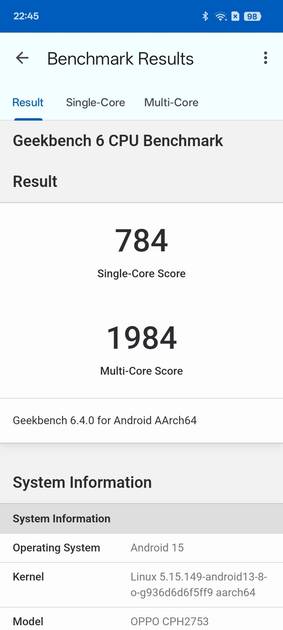
Geekbench6 Benchmark
|

Display
(Very Good)
|
|
|---|---|
| Display Type | LCD |
| Screen Size | 6.67 inches (16.94 cm) |
| Resolution | 720x1604 px (HD+) |
| Peak Brightness | 1000 nits |
| HBM Brightness | 1000 nits |
| Refresh Rate | 120 Hz |
| Touch Sampling Rate | 240 Hz |
| Aspect Ratio | 20:9 |
| Pixel Density | 264 ppi |
| Screen to Body Ratio (calculated) | 85.07 % |
| Bezel-less Display | Yes with punch-hole display |
| Screen to Body Ratio (claimed by the brand) | 89.9 % |
UI Screenshots
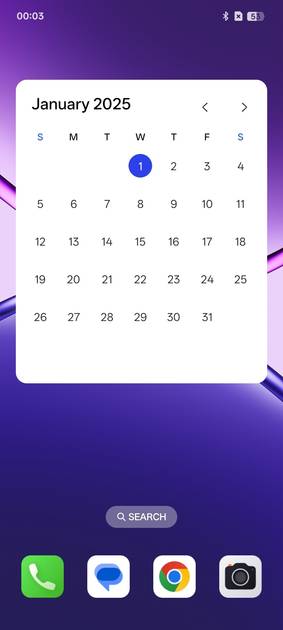
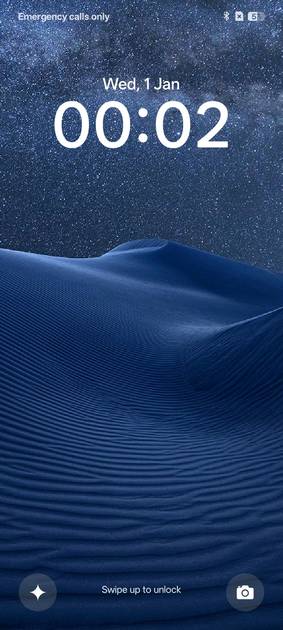
Lock Screen
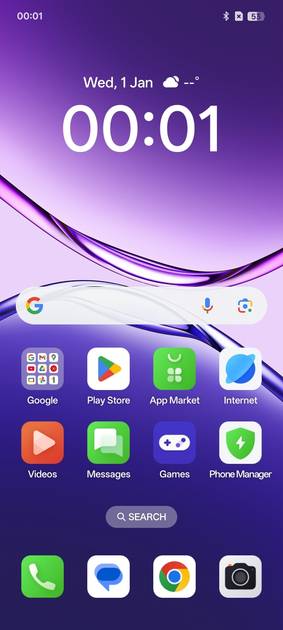
Home Screen

Screen With Widgets
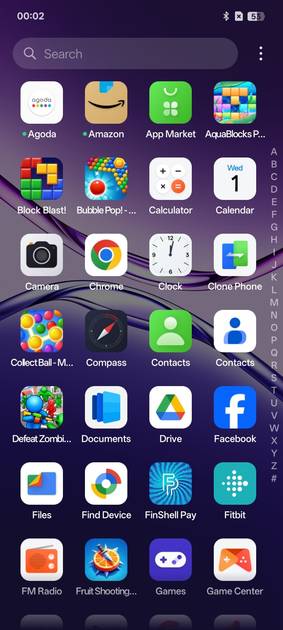
App Drawer

Notification Panel
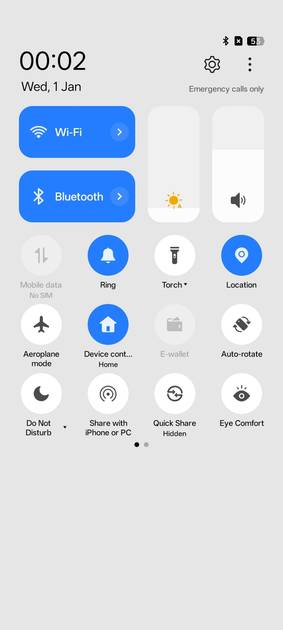
Quick Settings Panel
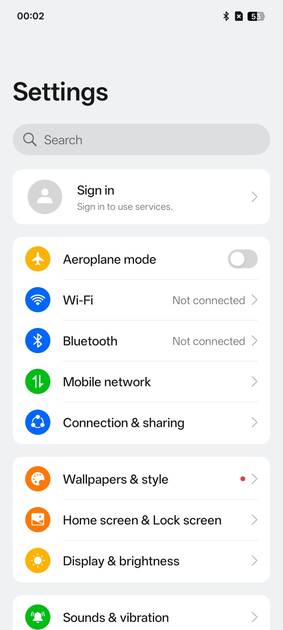
Settings Screen
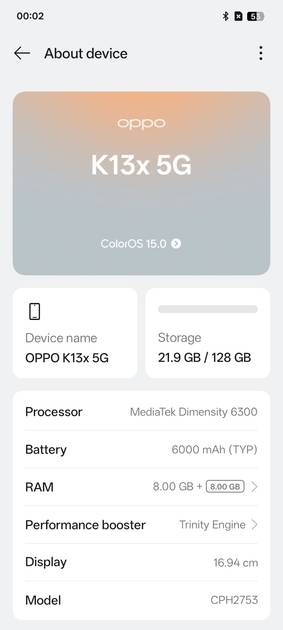
OS Version
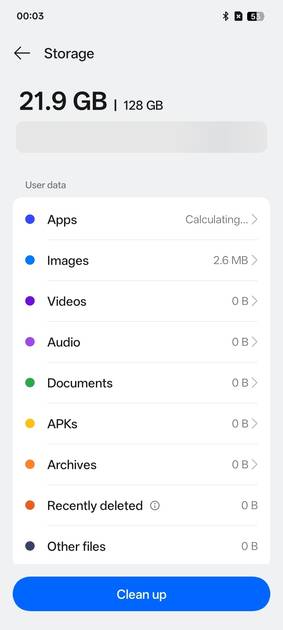
Storage
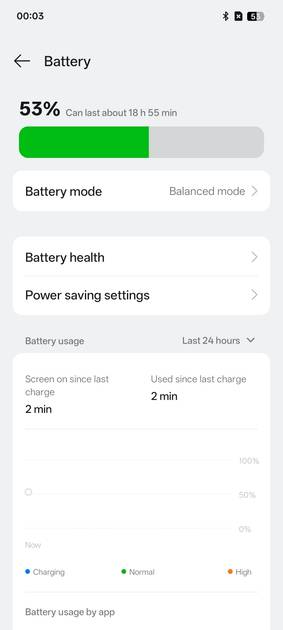
Battery

Camera On

Camera Options
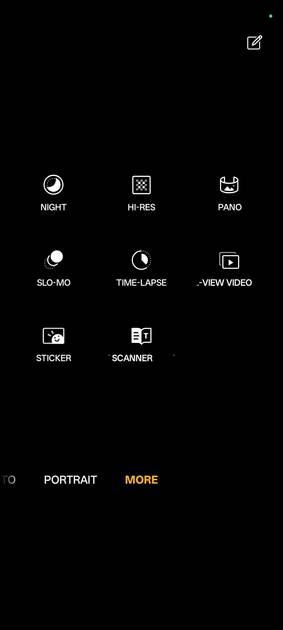
Camera Modes
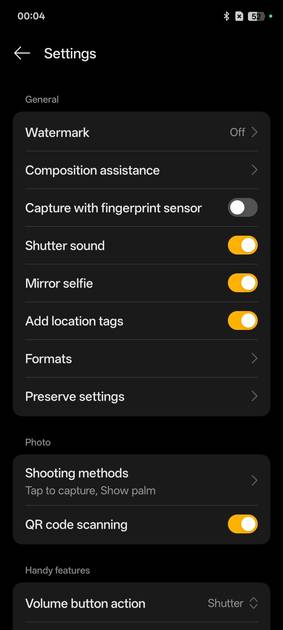
Camera Settings
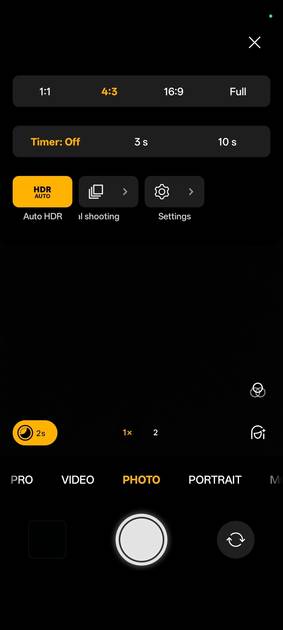
Picture Size Options
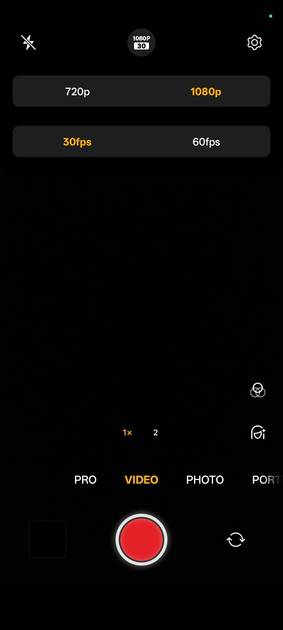
Video Size Options
|
Design |
|
|---|---|
| Height | 165.7 mm |
| Width | 76.2 mm |
| Thickness | 7.9 mm |
| Weight | 194 grams |
| Water Resistance | Yes, Splash proof, IP65 |
| Ruggedness | Dust proof |
|
Click to View

|
Rear Camera
(Good)
|
||||||||||||||||||||||||
|---|---|---|---|---|---|---|---|---|---|---|---|---|---|---|---|---|---|---|---|---|---|---|---|---|
| Resolution | ||||||||||||||||||||||||
|
||||||||||||||||||||||||
| Autofocus | Yes, Phase Detection Autofocus | |||||||||||||||||||||||
| OIS | No | |||||||||||||||||||||||
| Flash | Yes, LED Flash | |||||||||||||||||||||||
| Image Resolution | 8150 x 6150 Pixels | |||||||||||||||||||||||
| Settings | Exposure compensation, ISO control | |||||||||||||||||||||||
| Shooting Modes |
Continuous Shooting High Dynamic Range mode (HDR) |
|||||||||||||||||||||||
| Camera Features |
Digital Zoom Auto Flash Face detection |
|||||||||||||||||||||||
| Video Recording |
Full HD @60 fps HD @120 fps |
|||||||||||||||||||||||
| Video Recording Features | Dual Video Recording | |||||||||||||||||||||||
Rear Camera Samples

Daylight / HDR Auto

Max Zoom Supported

Long Shot 10X

Long Shot 5X

Long Shot 3X

Long Shot 1X

High Res

Portrait Shot

Night Mode OFF

Night Mode ON

Close Up

Low Light

Low Light With Flash
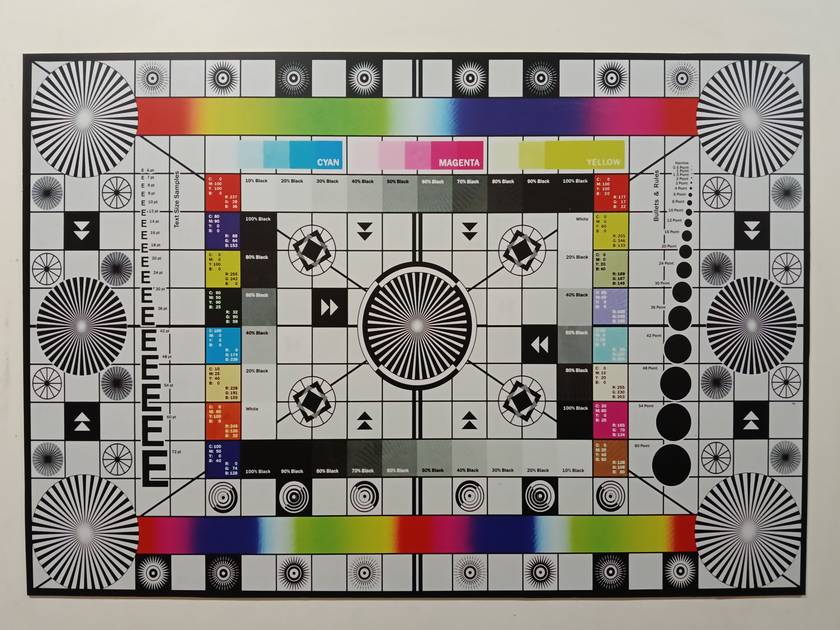
Colour Variance
|
Front Camera
(Very Good)
|
||||||||||||||
|---|---|---|---|---|---|---|---|---|---|---|---|---|---|---|
| Resolution | ||||||||||||||
|
||||||||||||||
| Camera Features | Fixed Focus | |||||||||||||
| Video Recording |
Full HD @30 fps HD @30 fps |
|||||||||||||
Front Camera Samples

Selfie

Selfie Portrait

Selfie Low Light

Selfie Low Light With Flash
|
Battery
(Very Good)
|
||
|---|---|---|
| Capacity | 6000 mAh | |
| Battery Type | Li-Polymer | |
| Quick Charging | Yes, 45W Super VOOC Charging, 50% in 37 minutes | |
|
Battery Test Results
|
Storage |
|
|---|---|
| Internal Storage | 128 GB |
| Storage Type | UFS 2.2 |
| Expandable Storage | Yes, Up to 2 TB |
Network & Connectivity |
|
|---|---|
| SIM Slot(s) | Dual SIM |
| SIM Type | SIM1: Nano, SIM2: Nano (Hybrid) |
| Network Support | 5G, 4G |
| VoLTE | Yes |
| SIM 1 |
5G bands, 4G bands
Expand
|
| SIM 2 |
5G bands, 4G bands
Expand
|
| SAR Value | Head: 1.184 W/kg, Body: 1.048 W/kg |
| Wi-Fi | Yes, Wi-Fi 5 (802.11 a/b/g/n/ac) 5GHz |
| Wi-Fi Features | Mobile Hotspot |
| Bluetooth | Yes, v5.4 |
| GPS | Yes with A-GPS, Glonass |
| NFC | No |
Multimedia |
|
|---|---|
| Audio Jack | 3.5 mm |
Sensors |
|
|---|---|
| Fingerprint Sensor | Yes |
| Fingerprint Sensor Position | Side |
| Other Sensors | Light sensor, Proximity sensor, Accelerometer, Compass |
OPPO K13x 5G User Reviews
OPPO K13x 5G Key Highlights
| Processor | MediaTek Dimensity 6300 |
| RAM & Storage | 4 GB RAM + 128 GB 6 GB RAM + 128 GB 8 GB RAM + 128 GB |
| Display | 6.67", 720 x 1604 Resolution |
| Rear Camera | 50 MP + 2 MP |
| Front Camera | 8 MP |
| Battery | 6000 mAh |






























OPPO K13x 5G Price In India
| Product Name | Store | Price |
|---|---|---|
| OPPO K13x 5G (4 GB + 128 GB) | Flipkart | ₹15,999 |
| OPPO K13x 5G (6 GB + 128 GB) | Flipkart | ₹16,999 |
| OPPO K13x 5G (8 GB + 128 GB) | Flipkart | ₹18,999 |
Popular Links
- All Upcoming Phones
- Upcoming OPPO Phones
- OPPO phones under 10k
- OPPO phones under 20k
- vivo V80 5G
- Xiaomi Redmi Note 17 Pro 5G
- Lava Virat Curve 5G
- Xiaomi Redmi Note 17 Pro Max 5G
- MIVI One 5G
- Samsung Mobiles
- Motorola Mobiles
- vivo Mobiles
- OPPO Mobiles
- Tecno Mobiles
- realme Mobiles
- Xiaomi Mobiles