
OPPO Reno10 Pro+ 5G
+ Compare












-
Design23

-
Rear Camera10

-
Front Camera4

-
360° View
![360° View]()
-
UI Screenshot17
![UI Screenshot]()
-
Videos2
![Videos]()



Key Specs
Performance
-
Qualcomm Snapdragon 8 Plus Gen 1 -
Octa core (3.2 GHz, Single Core + 2.75 GHz, Tri core + 2 GHz, Quad core) -
12GB RAM + 256GB ROM
Display
-
6.74 inches (17.12 cm); AMOLED (Curved Display) -
1240x2772 px (FHD+) -
120 Hz Refresh Rate -
AGC Dragontrail Protection -
Bezel-less with punch-hole display
Rear Camera
-
Triple Camera Setup - 50 MP Wide Angle Primary Camera
- 8 MP Ultra-Wide Angle Camera
- 64 MP Periscope (upto 3x Optical Zoom) Camera
-
LED Flash -
UHD @30 fps Video Recording
Front Camera
-
32 MP Wide Angle Lens -
Screen flash -
FHD @30 fps Video Recording
Battery
-
4700 mAh, Li-Polymer -
100W SuperVOOC™ Charging; USB Type-C port
General
-
SIM1: Nano, SIM2: Nano -
5G Supported -
256 GB internal storage, Non Expandable
OPPO Reno10 Pro+ 5G Prices in India
 Flipkart
OPPO Reno10 Pro+ 5G Compare Camera Samples
























OPPO Reno10 Pro+ 5G Expert Review Summary
Expert Rating:
![Kshitij Pujari]()
Verdict
The Reno10 Pro+ proves to be an impressive phone, especially when it comes to aspects like display, battery, camera, and performance. Despite the bloatware, it competes well with other flagship devices. While the pricing may be a tough sell with alternatives like Moto Edge 30 Ultra (review), OnePlus 11 (review), and iQOO 11 available, the Reno10 Pro+ is still a solid choice under Rs 60,000.
Pros
- Premium design
- Splendid display
- Fast charging
- Capable cameras
Cons
- Priced on the higher side
- Bloatware
- No IP rating
Design and display
+
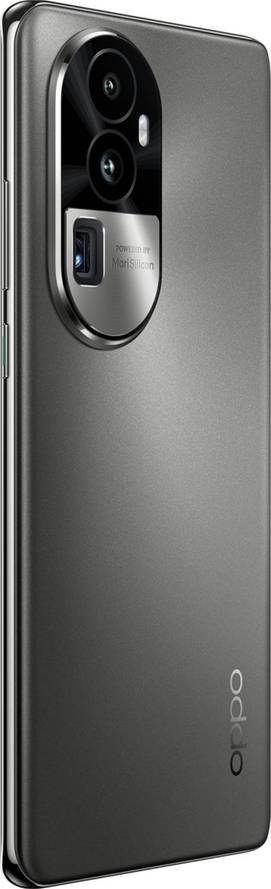
OPPO has been top of its design game for a long time and the Reno10 Pro+ does not give me reason to doubt it. The handset has a curved glass back panel with a satin matte finish and an aluminum frame that reaps the benefits of OPPO's elegant build. Although the phone is not particularly light at 194g or thin at 8.28mm, its craftmanship makes it robust and rigid. The colour scheme adopted on the device is Silvery Grey which I find quite appealing. What I find slightly odd though is the rather large oval-shaped cutout that houses the optics on the device and how it juts out pretty sharply from the chassis. An IR blaster is present on the top while the phone's bottom makes room for the usual assortment of USB Type-C port, dual-SIM slot, and bottom-firing speaker. The earpiece also plays a role in the audio setup by doubling up to provide stereo sound. I can safely say that the OPPO Reno10 Pro+ is probably one of the best-looking phones in this category.Even the display metrics for the device are impressive enough to warrant an extended look. The panel employed is a 10-bit FHD+ (2,772 x 1,240) screen of the AMOLED variety, capable of refreshing at 120Hz. Having curved edges on both sides allows the bezels to be extremely slim and expands the screen real estate too. The display itself is pretty crisp visually and packs in 10-bit colour depth capable of showcasing over a billion colours. Apart from that the device does have the usual HDR10+ certification, expected in this price range, and its capabilities shine while viewing compatible content on Netflix.Combined with the reasonably loud and clear stereo speaker setup, the Reno10 Pro+ becomes a competent media consumption machine. The panel uses LTPS technology allowing it intelligently shift between 120Hz all the way down to 45Hz when required. Brightness levels, which can go up to 1,400nits while displaying HDR content, are more than enough for sunny outdoor usage. In short, the Reno10 Pro+ acts as a superb visual aid for daily usage, and very few devices, if any, in its price range can brag about a better experience.
Read More
Cameras
+
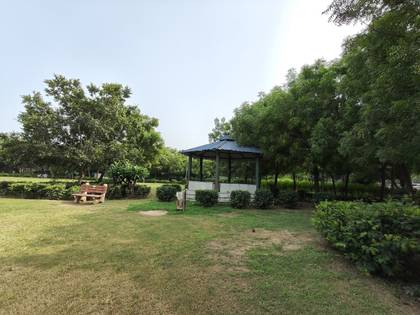
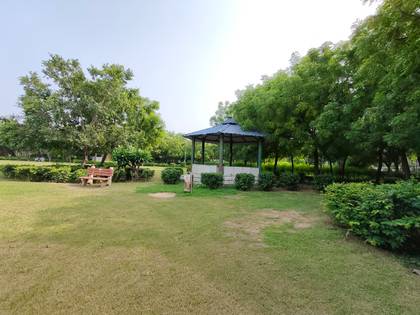
On the back of the device is a triple-camera setup housed in a rather large enclosure. The primary image-taking responsibilities lie with the 50MP Sony IMX890 sensor and it is ably supported by a 64MP telephoto shooter that can take 3X optical images. Finally, there's also an 8MP ultra-wide shooter with a 122-degree field-of-view, and on the front, a 32MP selfie shooter is housed in the punch hole. Now coming to the actual image quality from the primary sensor, my opinion is quite positive overall. Photos have more realistic colours which is a relief from the slightly saturated tones in earlier devices.OPPO also has dispensed any unnatural AI-based scene enhancements, which I consider a win in my book. Of course, in the camera app there still are some filters that can be overlayed but it would be preferable not to rely on them. Focusing speeds are near instantaneous and change effectively based on subject movement. The image displayed on the viewfinder goes through a fair bit of post-processing, mainly to sharpen edges, improve colours, and add an extra touch of background blur. The dynamic range across various shots was pretty good during my testing time and OPPO claims a new exposure strategy that "redefines the HDR fusion and tone mapping processes to enhance the authenticity between light and shadow." What I can say for sure is that the Reno10 Pro+ does let the shadows remain a bit darker than usual. Overall the snaps have rich contrast ratios and oodles of detail that benefits a lot from the phone's creative output.The telephoto sensor facilitates both 3X zoom shots and portrait images. Like the primary shooter, there is pixel-binning involved to capture shots and you can turn on the option to snap full-resolution 64MP images. However, upon further inspection, there were extremely minimal differences between both modes. Irrespective of this, the telephoto sensor does a fantastic job with portraits in good lighting conditions. It's ability to discern between the subject and the background is exemplary, to say the least. Of course, you will need to stand a bit far to accommodate the 3X magnification but you do have the AI-based 1X zoom portrait mode that negates this. The lens can zoom as far 120X magnification levels but I feel that it is a bit of an overkill since the final output is quite grainy and over-processed. As for the 8MP ultra-wide sensor, the expanded FoV gives more breathing room to accommodate a large landscape. However, the detail levels away from the frame's centre aren't great.Low-light photography is more than acceptable for the price. The device's primary camera is about as good in the night as it is in the day. With some help by ambient light, the Snapdragon 8+ Gen 1's ISP tones down noise levels without over-processing. I like how defined the shadows are and how the lens flare is reduced to a bare minimum. Exposure metering is another factor that adds more realism to the night and the Reno10 Pro+ makes sure the scene's luminosity doesn't become overtly bright. The telephoto and ultra-wide cameras, with smaller apertures, are not the best in low-light conditions. However, the dedicated Night mode feature works on both lenses to at least remove excessive oversharpening and add a little bit more detail across the frame. As a standard point-and-shoot camera experience in low light, the Reno10 Pro+ has me reasonably impressed. Finally, there is the selfie shooter, which has a 32MP resolution and can snap well-defined shots with satisfactory facial detail on offer. The portrait mode is also quite good at edge detection even with multiple faces in the frame. Skin tones, I feel, can be slightly improved as the sensor has a tendency to whiten darker shades.
Read More
Performance and software
+
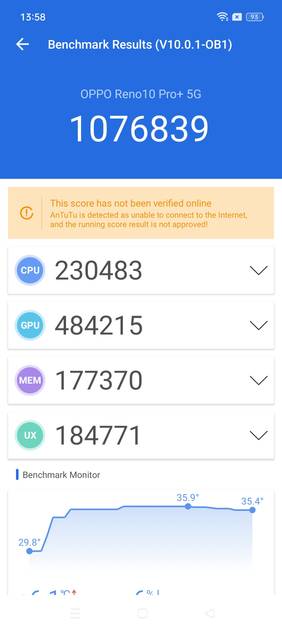
The phone runs on the Qualcomm Snapdragon 8+ Gen 1 platform, a flagship silicone from last year that can hold up its own for the foreseeable future. At its price point, there are other offerings that are powered with Qualcomm's latest Snapdragon 8 Gen 2, including the OnePlus 11, iQOO 11, and the Galaxy S23. However, the difference in processing prowess is minimal compared to the 8+ Gen 1. Benchmarking numbers indicate about 13 percent jump between the two iterations, which is technically not large enough to make a substantial difference. In any case, the Reno10 Pro+ is extremely fluid and quick with its response to various applications and processes. I have yet to face any lag or stutter even when the handset is put under substantial duress. App switching is super quick, running multiple Chrome tabs while streaming HDR content on Netflix never posed a problem, and in general, the phone's performance remained optimal.Gaming will not be an issue with the Reno10 Pro+ thanks in part to a 3,500mm² vapour chamber and a special ultra-conductive graphite material in play that works to reduce thermal overload. With these additions, combined with the Adreno 730 GPU, the handset is able to deliver upwards of 90fps on PUBG: New State at Ultra graphics, without any frame drops. Finally, the phone also has 12GB of fast LPDDR5 RAM and 256GB of UFS 3.1 storage. All-in-all, from a performance standpoint, the Reno10 Pro+ has you covered.Other features on the phone include the presence of an IR blaster, common in many Xiaomi phones. I tried it with my Lloyd AC and functionality was limited mostly to switching it on and off. It can be configured to do other operations as well but you will have to experiment with the IR Remote app on the phone. The dual speakers on the device are quite loud and crisp, which I like. Authentication is done via the in-display fingerprint sensor on offer and it is pretty snappy. 5G services work well on the phone and I had no issues with the call drops or the microphone. ColorOS 13, based on Android 13, has a few nifty tricks up its sleeves that could be useful for users. I like how the auto-pixelate feature works seamlessly, blurring sensitive information like profile pictures and profile names when taking a screenshot. Also, the multi-screen connect lets you cast your screen on a Windows PC or Android Tablet. If you have OPPO's Enco series earbuds, the HeyTap functionality easily connects them to your Reno10 Pro+. There is still a substantial amount of bloatware to navigate through, but overall the UI is intuitive.
Read More
Battery
+
The phone has a 4,700mAh battery that can charge rapidly at 100W. In terms of the Reno10 Pro+'s longevity, there is very little doubt about it being a one-day device. I got about six hours of screen-on time with the phone, which I find is more than sufficient for the kind of activities that I put the handset through. This includes copious amounts of YouTube and social media along with some sporadic gaming activities. Topping up the phone is fast enough, with the 100W charger juicing the full battery in about 30 minutes while the first 50 percent is done in a little over 10 minutes.
Read More
Read full Review

Verdict
The Reno10 Pro+ proves to be an impressive phone, especially when it comes to aspects like display, battery, camera, and performance. Despite the bloatware, it competes well with other flagship devices. While the pricing may be a tough sell with alternatives like Moto Edge 30 Ultra (review), OnePlus 11 (review), and iQOO 11 available, the Reno10 Pro+ is still a solid choice under Rs 60,000.
- Premium design
- Splendid display
- Fast charging
- Capable cameras
Pros
- Priced on the higher side
- Bloatware
- No IP rating
Cons
Design and display
+OPPO has been top of its design game for a long time and the Reno10 Pro+ does not give me reason to doubt it. The handset has a curved glass back panel with a satin matte finish and an aluminum frame that reaps the benefits of OPPO's elegant build. Although the phone is not particularly light at 194g or thin at 8.28mm, its craftmanship makes it robust and rigid. The colour scheme adopted on the device is Silvery Grey which I find quite appealing. What I find slightly odd though is the rather large oval-shaped cutout that houses the optics on the device and how it juts out pretty sharply from the chassis. An IR blaster is present on the top while the phone's bottom makes room for the usual assortment of USB Type-C port, dual-SIM slot, and bottom-firing speaker. The earpiece also plays a role in the audio setup by doubling up to provide stereo sound. I can safely say that the OPPO Reno10 Pro+ is probably one of the best-looking phones in this category.Even the display metrics for the device are impressive enough to warrant an extended look. The panel employed is a 10-bit FHD+ (2,772 x 1,240) screen of the AMOLED variety, capable of refreshing at 120Hz. Having curved edges on both sides allows the bezels to be extremely slim and expands the screen real estate too. The display itself is pretty crisp visually and packs in 10-bit colour depth capable of showcasing over a billion colours. Apart from that the device does have the usual HDR10+ certification, expected in this price range, and its capabilities shine while viewing compatible content on Netflix.Combined with the reasonably loud and clear stereo speaker setup, the Reno10 Pro+ becomes a competent media consumption machine. The panel uses LTPS technology allowing it intelligently shift between 120Hz all the way down to 45Hz when required. Brightness levels, which can go up to 1,400nits while displaying HDR content, are more than enough for sunny outdoor usage. In short, the Reno10 Pro+ acts as a superb visual aid for daily usage, and very few devices, if any, in its price range can brag about a better experience.
Read MoreCameras
+On the back of the device is a triple-camera setup housed in a rather large enclosure. The primary image-taking responsibilities lie with the 50MP Sony IMX890 sensor and it is ably supported by a 64MP telephoto shooter that can take 3X optical images. Finally, there's also an 8MP ultra-wide shooter with a 122-degree field-of-view, and on the front, a 32MP selfie shooter is housed in the punch hole. Now coming to the actual image quality from the primary sensor, my opinion is quite positive overall. Photos have more realistic colours which is a relief from the slightly saturated tones in earlier devices.OPPO also has dispensed any unnatural AI-based scene enhancements, which I consider a win in my book. Of course, in the camera app there still are some filters that can be overlayed but it would be preferable not to rely on them. Focusing speeds are near instantaneous and change effectively based on subject movement. The image displayed on the viewfinder goes through a fair bit of post-processing, mainly to sharpen edges, improve colours, and add an extra touch of background blur. The dynamic range across various shots was pretty good during my testing time and OPPO claims a new exposure strategy that "redefines the HDR fusion and tone mapping processes to enhance the authenticity between light and shadow." What I can say for sure is that the Reno10 Pro+ does let the shadows remain a bit darker than usual. Overall the snaps have rich contrast ratios and oodles of detail that benefits a lot from the phone's creative output.The telephoto sensor facilitates both 3X zoom shots and portrait images. Like the primary shooter, there is pixel-binning involved to capture shots and you can turn on the option to snap full-resolution 64MP images. However, upon further inspection, there were extremely minimal differences between both modes. Irrespective of this, the telephoto sensor does a fantastic job with portraits in good lighting conditions. It's ability to discern between the subject and the background is exemplary, to say the least. Of course, you will need to stand a bit far to accommodate the 3X magnification but you do have the AI-based 1X zoom portrait mode that negates this. The lens can zoom as far 120X magnification levels but I feel that it is a bit of an overkill since the final output is quite grainy and over-processed. As for the 8MP ultra-wide sensor, the expanded FoV gives more breathing room to accommodate a large landscape. However, the detail levels away from the frame's centre aren't great.Low-light photography is more than acceptable for the price. The device's primary camera is about as good in the night as it is in the day. With some help by ambient light, the Snapdragon 8+ Gen 1's ISP tones down noise levels without over-processing. I like how defined the shadows are and how the lens flare is reduced to a bare minimum. Exposure metering is another factor that adds more realism to the night and the Reno10 Pro+ makes sure the scene's luminosity doesn't become overtly bright. The telephoto and ultra-wide cameras, with smaller apertures, are not the best in low-light conditions. However, the dedicated Night mode feature works on both lenses to at least remove excessive oversharpening and add a little bit more detail across the frame. As a standard point-and-shoot camera experience in low light, the Reno10 Pro+ has me reasonably impressed. Finally, there is the selfie shooter, which has a 32MP resolution and can snap well-defined shots with satisfactory facial detail on offer. The portrait mode is also quite good at edge detection even with multiple faces in the frame. Skin tones, I feel, can be slightly improved as the sensor has a tendency to whiten darker shades.
Read MorePerformance and software
+The phone runs on the Qualcomm Snapdragon 8+ Gen 1 platform, a flagship silicone from last year that can hold up its own for the foreseeable future. At its price point, there are other offerings that are powered with Qualcomm's latest Snapdragon 8 Gen 2, including the OnePlus 11, iQOO 11, and the Galaxy S23. However, the difference in processing prowess is minimal compared to the 8+ Gen 1. Benchmarking numbers indicate about 13 percent jump between the two iterations, which is technically not large enough to make a substantial difference. In any case, the Reno10 Pro+ is extremely fluid and quick with its response to various applications and processes. I have yet to face any lag or stutter even when the handset is put under substantial duress. App switching is super quick, running multiple Chrome tabs while streaming HDR content on Netflix never posed a problem, and in general, the phone's performance remained optimal.Gaming will not be an issue with the Reno10 Pro+ thanks in part to a 3,500mm² vapour chamber and a special ultra-conductive graphite material in play that works to reduce thermal overload. With these additions, combined with the Adreno 730 GPU, the handset is able to deliver upwards of 90fps on PUBG: New State at Ultra graphics, without any frame drops. Finally, the phone also has 12GB of fast LPDDR5 RAM and 256GB of UFS 3.1 storage. All-in-all, from a performance standpoint, the Reno10 Pro+ has you covered.Other features on the phone include the presence of an IR blaster, common in many Xiaomi phones. I tried it with my Lloyd AC and functionality was limited mostly to switching it on and off. It can be configured to do other operations as well but you will have to experiment with the IR Remote app on the phone. The dual speakers on the device are quite loud and crisp, which I like. Authentication is done via the in-display fingerprint sensor on offer and it is pretty snappy. 5G services work well on the phone and I had no issues with the call drops or the microphone. ColorOS 13, based on Android 13, has a few nifty tricks up its sleeves that could be useful for users. I like how the auto-pixelate feature works seamlessly, blurring sensitive information like profile pictures and profile names when taking a screenshot. Also, the multi-screen connect lets you cast your screen on a Windows PC or Android Tablet. If you have OPPO's Enco series earbuds, the HeyTap functionality easily connects them to your Reno10 Pro+. There is still a substantial amount of bloatware to navigate through, but overall the UI is intuitive.
Read MoreBattery
+The phone has a 4,700mAh battery that can charge rapidly at 100W. In terms of the Reno10 Pro+'s longevity, there is very little doubt about it being a one-day device. I got about six hours of screen-on time with the phone, which I find is more than sufficient for the kind of activities that I put the handset through. This includes copious amounts of YouTube and social media along with some sporadic gaming activities. Topping up the phone is fast enough, with the 100W charger juicing the full battery in about 30 minutes while the first 50 percent is done in a little over 10 minutes.
Read MoreCompetitors For OPPO Reno10 Pro+ 5G
View Alternatives









Popular Comparisons
 OPPO Reno10 Pro+ 5G
 OnePlus 12R
OPPO Reno10 Pro+ 5G
 realme 12 Pro Plus
OPPO Reno10 Pro+ 5G
 OPPO Reno9 Pro Plus
OPPO Reno10 Pro+ 5G
 OnePlus 11R
OPPO Reno10 Pro+ 5G
 OPPO Reno10 Pro 5G
OPPO Reno10 Pro+ 5G
 OPPO F21 Pro




OPPO Reno10 Pro+ 5G Specifications
General |
|
|---|---|
| Launch Date | July 10, 2023 (Official) |
| Operating System | Android v13 |
| OS Updates | 3 Years |
| Security Updates | 4 Years |
| Custom UI | ColorOS |
Performance
(Very Good)
|
||||
|---|---|---|---|---|
| Chipset | Qualcomm Snapdragon 8 Plus Gen 1 View Details | |||
| Processor | Octa core (3.2 GHz, Single core, Cortex X2 + 2.75 GHz, Tri core, Cortex A710 + 2 GHz, Quad core, Cortex A510) | |||
| Architecture | 64 bit | |||
| Fabrication | 4 nm | |||
| Graphics (GPU) | Adreno 730 | |||
| RAM | 12GB RAM + 256GB ROM | |||
| RAM Type | LPDDR5 | |||
| Cooling Technology | Hybrid Cooling System | |||
|
Gaming Test Results

* after 30 mins of gaming
|
||||
Benchmark Screenshots
AnTuTu Benchmark
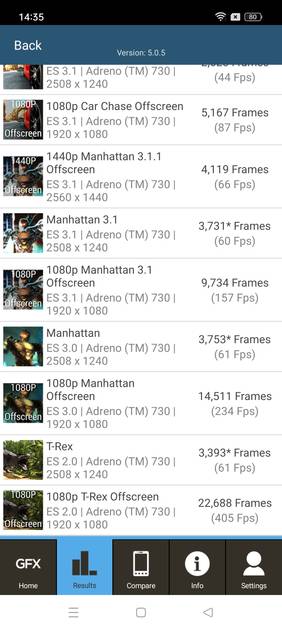
Graphics Benchmark
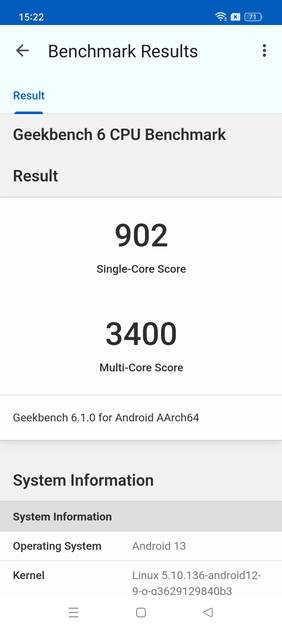
Geekbench6 Benchmark
|

Display
(Excellent)
|
|
|---|---|
| Display Type | AMOLED (Curved Display) |
| Screen Size | 6.74 inches (17.12 cm) |
| Resolution | 1240x2772 px (FHD+) |
| Brightness | 1400 nits |
| PWM Dimming | 1440 Hz |
| Refresh Rate | 120 Hz |
| Touch Sampling Rate | 240 Hz |
| Aspect Ratio | 20:9 |
| Pixel Density | 451 ppi |
| Screen to Body Ratio (calculated) | 90.98 % |
| Screen Protection | Yes |
| Bezel-less Display | Yes with punch-hole display |
| HDR 10 / HDR+ Support | Yes, HDR 10+ |
| Screen to Body Ratio (claimed by the brand) | 93.9 % |
UI Screenshots
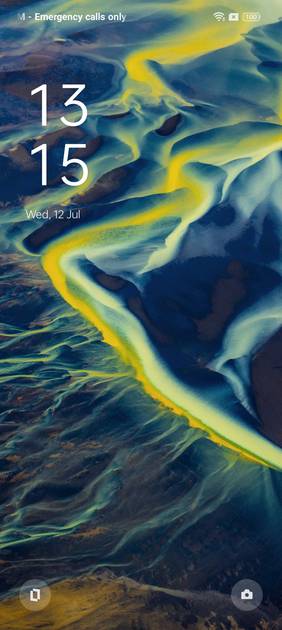
Lock Screen
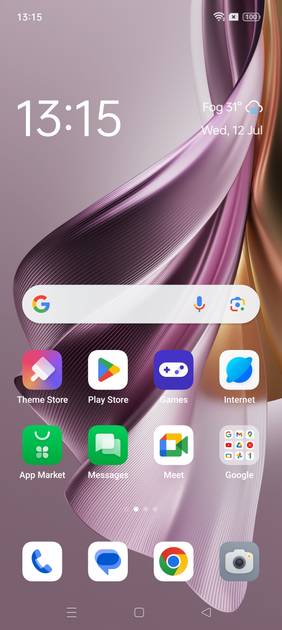
Home Screen

Screen With Widgets

Dialer Screen
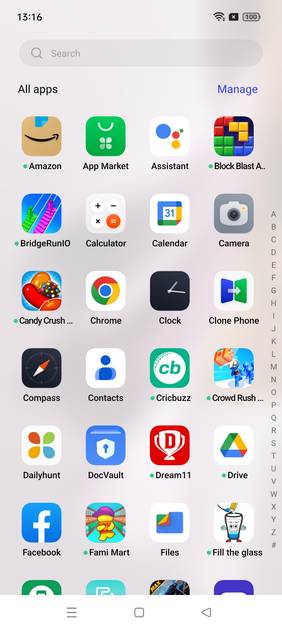
App Drawer
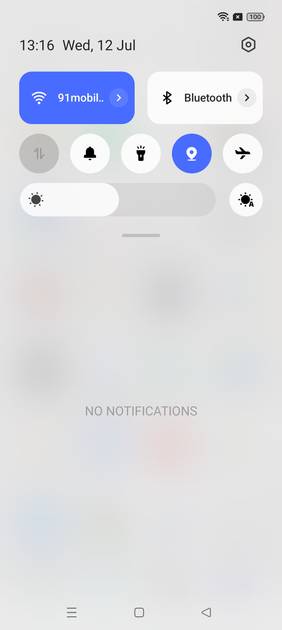
Notification Panel
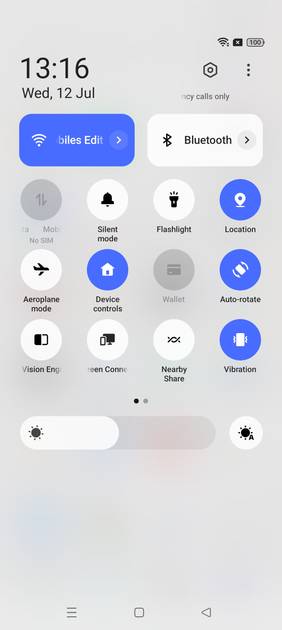
Quick Settings Panel
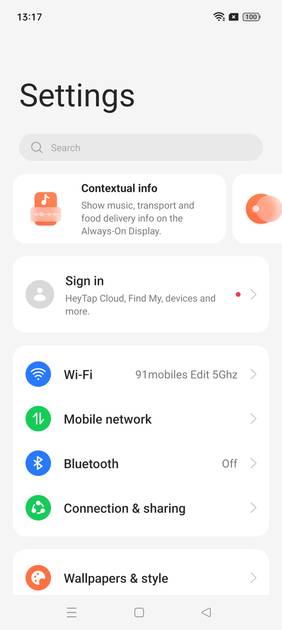
Settings Screen
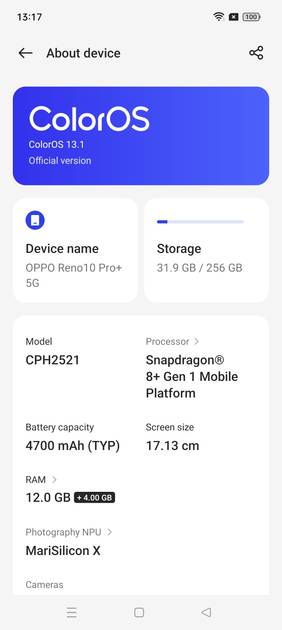
OS Version
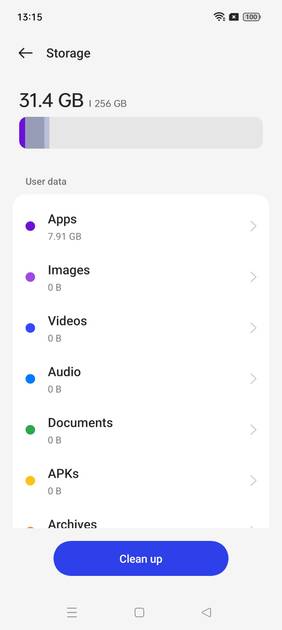
Storage
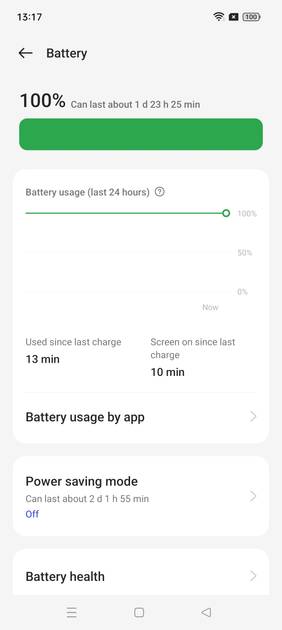
Battery
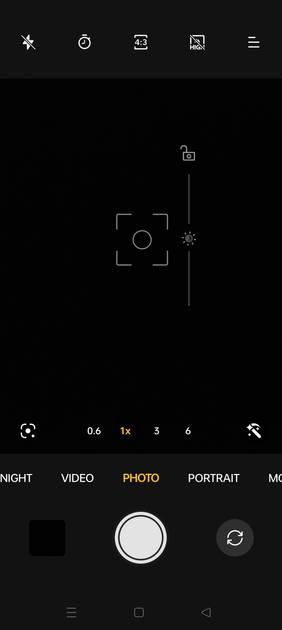
Camera On
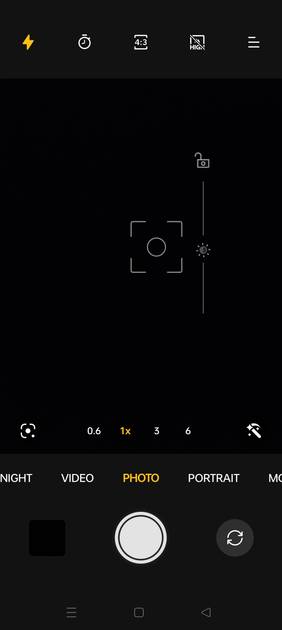
Camera Options
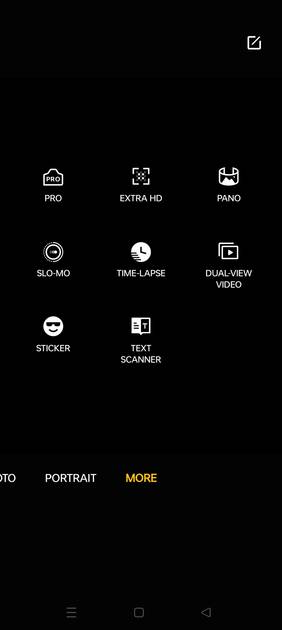
Camera Modes
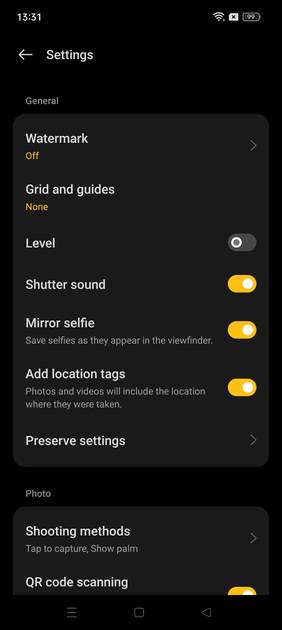
Camera Settings
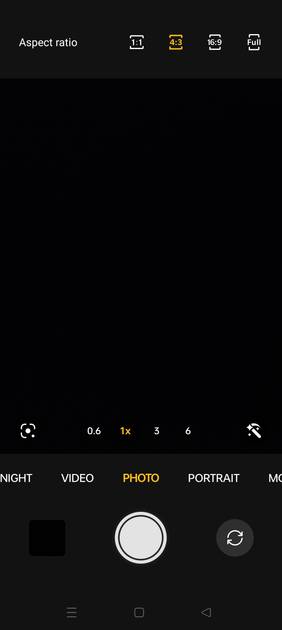
Picture Size Options
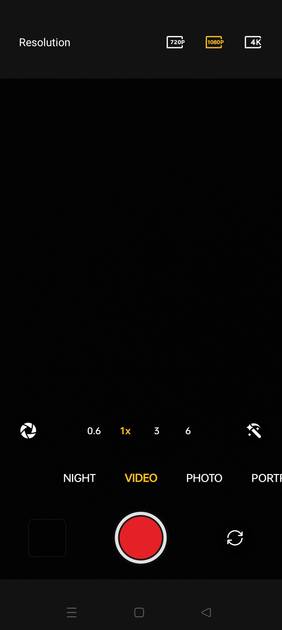
Video Size Options
|
Design |
|
|---|---|
| Height | 162.9 mm |
| Width | 74 mm |
| Thickness | 8.2 mm |
| Weight | 194 grams |
| Build Material | Back: Gorilla Glass |
|
Click to View

|
Rear Camera
(Very Good)
|
||||||||||||||||||||||||||||||||||||
|---|---|---|---|---|---|---|---|---|---|---|---|---|---|---|---|---|---|---|---|---|---|---|---|---|---|---|---|---|---|---|---|---|---|---|---|---|
| Resolution | ||||||||||||||||||||||||||||||||||||
|
||||||||||||||||||||||||||||||||||||
| Autofocus | Yes | |||||||||||||||||||||||||||||||||||
| OIS | Yes | |||||||||||||||||||||||||||||||||||
| Flash | Yes, LED Flash | |||||||||||||||||||||||||||||||||||
| Image Resolution | 8150 x 6150 Pixels | |||||||||||||||||||||||||||||||||||
| Settings | Exposure compensation, ISO control | |||||||||||||||||||||||||||||||||||
| Shooting Modes |
Continuous Shooting High Dynamic Range mode (HDR) |
|||||||||||||||||||||||||||||||||||
| Camera Features |
Digital Zoom Auto Flash Face detection Touch to focus |
|||||||||||||||||||||||||||||||||||
| Video Recording |
UHD @30 fps FHD @60 fps HD @240 fps |
|||||||||||||||||||||||||||||||||||
| Video Recording Features |
Dual Video Recording Slow Motion Extra HD Bokeh portrait video Video Pro Mode |
|||||||||||||||||||||||||||||||||||
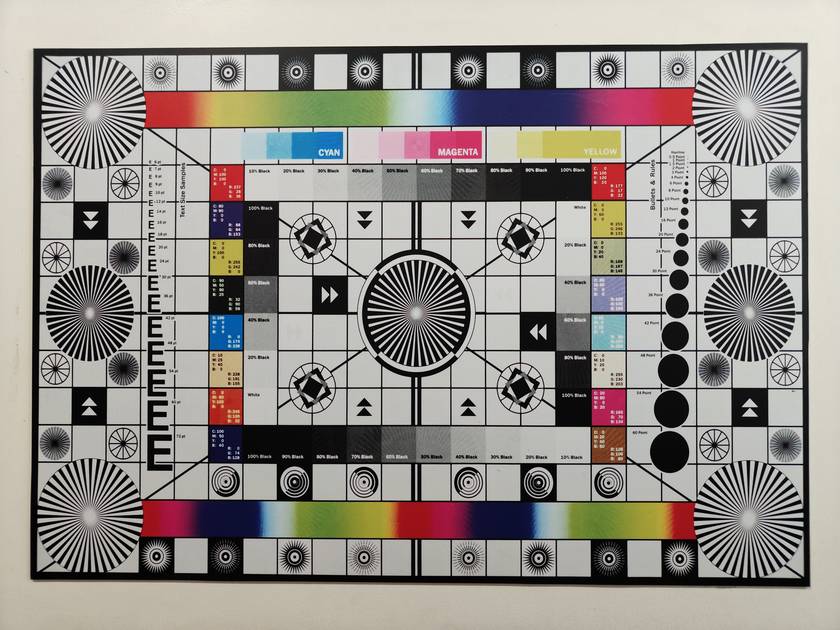
Rear Camera Samples

Wide Angle

Portrait Shot

Night Mode OFF

Night Mode ON

Close Up

Low Light

Low Light With Flash
Colour Variance

Daylight Auto / HDR OFF

Daylight / HDR ON
|
Front Camera
(Very Good)
|
||||||||||||
|---|---|---|---|---|---|---|---|---|---|---|---|---|
| Resolution | ||||||||||||
|
||||||||||||
| Autofocus | Yes | |||||||||||
| Flash | Yes, Screen flash | |||||||||||
| Video Recording |
FHD @30 fps HD @30 fps |
|||||||||||
Front Camera Samples

Selfie

Selfie Portrait

Selfie Low Light

Selfie Low Light With Flash
|
Battery
(Very Good)
|
||
|---|---|---|
| Capacity | 4700 mAh | |
| Battery Type | Li-Polymer | |
| Quick Charging | Yes, SuperVOOC™, 100W: 100 % in 27 minutes | |
|
Battery Test Results
|
Storage |
|
|---|---|
| Internal Storage | 256 GB |
| Storage Type | UFS 3.1 |
| Expandable Storage | No |
Network & Connectivity |
|
|---|---|
| SIM Slot(s) | Dual SIM |
| SIM Type | SIM1: Nano, SIM2: Nano |
| Network Support | 5G, 4G |
| VoLTE | Yes |
| SIM 1 |
5G bands, 4G bands
Expand
|
| SIM 2 |
5G bands, 4G bands
Expand
|
| SAR Value | Head: 1.170 W/kg, Body: 0.564 W/kg |
| Wi-Fi | Yes, Wi-Fi 6 (802.11 a/b/g/n/ac/ax) 5GHz, MIMO |
| Wi-Fi Features | Mobile Hotspot |
| Bluetooth | Yes, v5.3 |
| GPS | Yes with A-GPS, Glonass |
| NFC | Yes |
Multimedia |
|
|---|---|
| Audio Jack | USB Type-C |
Sensors |
|
|---|---|
| Fingerprint Sensor | Yes |
| Fingerprint Sensor Position | On-screen |
| Fingerprint Sensor Type | Optical |
| Other Sensors | Light sensor, Proximity sensor, Accelerometer, Compass, Gyroscope |
OPPO Reno10 Pro+ 5G User Reviews
OPPO Reno10 Pro+ 5G Key Highlights
| Processor | Qualcomm Snapdragon 8 Plus Gen 1 |
| RAM & Storage | 12GB |
| Display | 6.74", 1240 x 2772 Resolution |
| Rear Camera | 50 MP + 8 MP + 64 MP |
| Front Camera | 32 MP |
| Battery | 4700 mAh |



























OPPO Reno10 Pro+ 5G Price In India
| Product Name | Store | Price |
|---|---|---|
| OPPO Reno10 Pro+ 5G (12 GB + 256 GB) | Flipkart | ₹36,999 |
Popular Links
- All Upcoming Phones
- Upcoming OPPO Phones
- OPPO phones under 10k
- OPPO phones under 20k
- Infinix GT 50 Pro
- Nothing Phone 4a
- Lava Aura Curve 5G
- Nothing Phone 4b 6GB RAM
- Karbonn Rebel Pro 4G
- Samsung Mobiles
- Motorola Mobiles
- vivo Mobiles
- OPPO Mobiles
- Tecno Mobiles
- realme Mobiles
- OnePlus Mobiles