
vivo V30 Pro
+ Compare






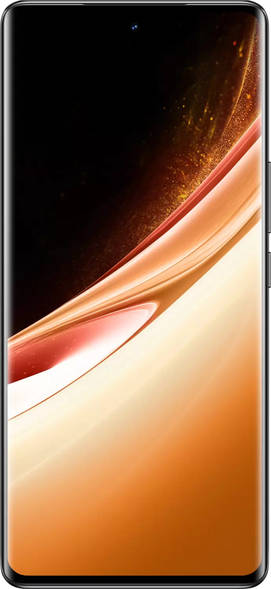
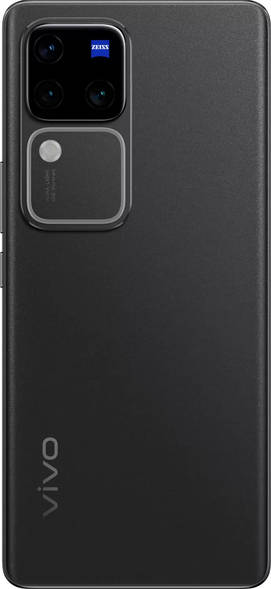




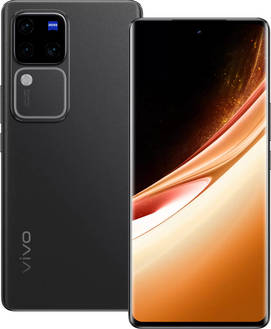
-
Design22

-
Rear Camera12

-
Front Camera4

-
360° View
![360° View]()
-
UI Screenshot17
![UI Screenshot]()
-
Videos1
![Videos]()



Key Specs
Performance
-
MediaTek Dimensity 8200 -
Octa core (3.1 GHz, Single Core + 3 GHz, Tri core + 2 GHz, Quad core) -
8 GB / 12 GB RAM, LPDDR5X
Display
-
6.78 inches (17.22 cm); AMOLED (Curved Display) -
1260x2800 px (FHD+) -
120 Hz Refresh Rate -
Bezel-less with punch-hole display
Rear Camera
-
Triple Camera Setup - 50 MP Wide Angle Primary Camera
- 50 MP Ultra-Wide Angle Camera
- 50 MP Telephoto (upto 2x Optical Zoom) Camera
-
Smart Aura Light -
UHD @30 fps Video Recording
Front Camera
-
50 MP Wide Angle Lens -
UHD @30 fps Video Recording
Battery
-
5000 mAh, Li-ion -
80W Flash Charging; USB Type-C port
General
-
SIM1: Nano, SIM2: Nano -
5G Supported -
256 GB / 512 GB internal storage, Non Expandable -
Dust Resistant, Water Resistant
vivo V30 Pro Prices in India
 Flipkart
vivo V30 Pro Compare Camera Samples


























vivo V30 Pro Expert Review Summary
Expert Rating:
![Abhik Sengupta]()
Verdict
The Vivo V30 Pro is a great choice for camera enthusiasts. Not only do the rear cameras capture great details, but the partnership with Zeiss unlocks new filters and modes that make the overall photography experience fun. The Smart Aura light also proves to be versatile in tricky lighting conditions. While its cameras are great, the Vivo V30 Pro lacks key features, including NFC and stereo speakers. Its three-year Android update promise is decent, if not the best.
Pros
- 50MP selfie camera
- Smart Aura ring light
- 80W fast charging
- Great display
Cons
- No stereo speakers
- Only IP54 rating
Design and display
+
Vivo's V-series has been consistent when it comes to offering slim smartphones, and the Vivo V30 Pro is no different. It measures barely 7.45mm in thickness despite rocking a chunky 5,000mAh battery. The in-hand feeling is equally great, and the satin-like material on the back feels super smooth. This material even does a fantastic job of hiding fingerprint smudges and scratch marks.Vivo has also highlighted enhanced durability features on the Vivo V30 Pro. It claims the new V30 series boasts a middle frame widened by 0.78mm and a bottom metal edge raised by 0.28mm, aimed at preventing immediate damages. The metal finish on the sides adds to its sturdy appearance and feel.Despite all these additions, Vivo V30 Pro only gets an IP54 certification, which offers bare minimum protection against dust particles and water splashes. On the other hand, the more affordable Redmi Note 13 Pro+ (review) features an IP68 rating, which is much superior to the IP54 standard.At least there are no compromises for the display, considering the price point. I thoroughly enjoyed the reading experience on the Vivo V29 Pro and the experience remains the same on this year's Vivo V30 Pro. The phone incorporates a 6.78-inch Full-HD+ (2,800 x 1,260 pixels) AMOLED display with 120Hz refresh rate. The tall display can also be great for watching short videos.I didn't encounter any issues while watching shows on the Netflix app, which supports HDR playback. Watching videos on YouTube was equally enjoyable at 1080p premium playback available with my subscription. However, the overall viewing experience may feel somewhat lacking as Vivo continues to opt for single speakers on mid-premium smartphones. While wireless headphones can provide 3D sound, stereo speakers should be considered a standard feature on smartphones at this price point (read: any price point).
Read More
Cameras
+
Like the previous Vivo V-series phones, the real money on the latest Vivo 30 Pro is in the cameras - for all the right reasons. The phone includes three 50MP cameras on the back. There's also a 50MP front camera for selfies. There aren't generative AI-backed camera features yet, but Vivo provides a host of camera presets with Zeiss to improve the overall photography experience. As mentioned, Vivo has added an in-built ring light for dim conditions.The Vivo V30 Pro defaults to natural colours in various lighting conditions, though colours may mildly lean towards the cooler side. This approach ensures photos aren't overly saturated, although users can easily adjust this by switching to the Vivid camera mode. The "natural" Zeiss mode adds depth to the shadows, making overall photo quality slightly dramatic. These modes are easily accessible and can be switched using simple toggles.Photos with primary and ultra-wide cameras maintain good white balance. The dynamic range is also favourable in ideal lighting conditions. Even details are sharp, though you may occasionally notice an oil-painting effect to smoothen grains. The portrait camera, which uses 2x zoom, provides consistent colours, but edge detection is a bit iffy.Even in low-light conditions, all three cameras perform well, but the portrait mode can be a hit-and-miss. The Aura Smart can greatly help with focus on the subject, but edge detection again needs improvement. I also compared the results with the same photos captured by the Vivo V29 Pro, and the Vivo V30 Pro offered better dynamic range and details.I'm also impressed with the 50MP front camera's ability to capture accurate skin tones in various lighting conditions. The 2x zoom on the front camera adds versatility for certain situations. Vivo further distinguishes itself by enabling 4K recording at 60fps for front and rear cameras both. Additionally, the ultra-stable mode, supported by OIS (Optical Image Stabilisation), ensures reliable performance for capturing steady footage with the primary camera.
Read More
Performance and software
+
As mentioned, Vivo has opted for MediaTek Dimensity 8200 SoC for Vivo V30 Pro, the same chipset powering the last two generations of Vivo V-series phones. The variant I am reviewing includes 12GB of RAM and 512GB of storage (Rs 44,999). The base variant comes in 8GB RAM + 256GB storage configuration.To be clear, using the same chipset as before does not necessarily translate into a bad move. We have seen a similar approach by Apple for the iPhone 13 and iPhone 14, though there were minor tweaks underneath to bump the performance. Vivo also promises something similar.In the AnTuTu test, the Vivo V30 Pro achieves roughly a five percent higher score than the Vivo V29 Pro. On the other hand, the single and multi-core scores on Geekbench were reduced by a few notches. In the Throttle test, the Vivo 30 Pro exhibited relatively improved stability.During my brief usage, I didn't experience any app crashes. The Funtouch 14, based on Android 14, feels more refined and lighter. I was able to play demanding titles, including GTA San Andreas and BGMI, without stutters, though the curved display can lead to occasional mistouches.There are some pre-installed apps, but they are relatively fewer compared to previous Vivo V-series phones. You still can't delete native Android or Vivo apps. It's worth noting that Vivo promises three years of Android updates, which is a decent commitment, if not the best. It still goes without saying that Vivo could've considered adding a new chipset to the Vivo V30 Pro. If not, some native generative AI-backed features could've given it an edge.
Read More
Battery
+
The Vivo V30 Pro maintains a respectable 80W charging support, and the bump in battery size also makes a big difference. In a broad sense, you can get a full-day battery if you balance out the usage with Smart Switch for refresh rates and disable AOD. Even in the PCMark battery test, the phone attained a respectable figure (16 hours) with 50 percent brightness and flight mode enabled.With the bundled 80W charger, the Vivo V30 Pro attains 57 percent charge in 30 minutes. A full charge takes roughly 45 minutes.
Read More
Read full Review

Verdict
The Vivo V30 Pro is a great choice for camera enthusiasts. Not only do the rear cameras capture great details, but the partnership with Zeiss unlocks new filters and modes that make the overall photography experience fun. The Smart Aura light also proves to be versatile in tricky lighting conditions. While its cameras are great, the Vivo V30 Pro lacks key features, including NFC and stereo speakers. Its three-year Android update promise is decent, if not the best.
- 50MP selfie camera
- Smart Aura ring light
- 80W fast charging
- Great display
Pros
- No stereo speakers
- Only IP54 rating
Cons
Design and display
+Vivo's V-series has been consistent when it comes to offering slim smartphones, and the Vivo V30 Pro is no different. It measures barely 7.45mm in thickness despite rocking a chunky 5,000mAh battery. The in-hand feeling is equally great, and the satin-like material on the back feels super smooth. This material even does a fantastic job of hiding fingerprint smudges and scratch marks.Vivo has also highlighted enhanced durability features on the Vivo V30 Pro. It claims the new V30 series boasts a middle frame widened by 0.78mm and a bottom metal edge raised by 0.28mm, aimed at preventing immediate damages. The metal finish on the sides adds to its sturdy appearance and feel.Despite all these additions, Vivo V30 Pro only gets an IP54 certification, which offers bare minimum protection against dust particles and water splashes. On the other hand, the more affordable Redmi Note 13 Pro+ (review) features an IP68 rating, which is much superior to the IP54 standard.At least there are no compromises for the display, considering the price point. I thoroughly enjoyed the reading experience on the Vivo V29 Pro and the experience remains the same on this year's Vivo V30 Pro. The phone incorporates a 6.78-inch Full-HD+ (2,800 x 1,260 pixels) AMOLED display with 120Hz refresh rate. The tall display can also be great for watching short videos.I didn't encounter any issues while watching shows on the Netflix app, which supports HDR playback. Watching videos on YouTube was equally enjoyable at 1080p premium playback available with my subscription. However, the overall viewing experience may feel somewhat lacking as Vivo continues to opt for single speakers on mid-premium smartphones. While wireless headphones can provide 3D sound, stereo speakers should be considered a standard feature on smartphones at this price point (read: any price point).
Read MoreCameras
+Like the previous Vivo V-series phones, the real money on the latest Vivo 30 Pro is in the cameras - for all the right reasons. The phone includes three 50MP cameras on the back. There's also a 50MP front camera for selfies. There aren't generative AI-backed camera features yet, but Vivo provides a host of camera presets with Zeiss to improve the overall photography experience. As mentioned, Vivo has added an in-built ring light for dim conditions.The Vivo V30 Pro defaults to natural colours in various lighting conditions, though colours may mildly lean towards the cooler side. This approach ensures photos aren't overly saturated, although users can easily adjust this by switching to the Vivid camera mode. The "natural" Zeiss mode adds depth to the shadows, making overall photo quality slightly dramatic. These modes are easily accessible and can be switched using simple toggles.Photos with primary and ultra-wide cameras maintain good white balance. The dynamic range is also favourable in ideal lighting conditions. Even details are sharp, though you may occasionally notice an oil-painting effect to smoothen grains. The portrait camera, which uses 2x zoom, provides consistent colours, but edge detection is a bit iffy.Even in low-light conditions, all three cameras perform well, but the portrait mode can be a hit-and-miss. The Aura Smart can greatly help with focus on the subject, but edge detection again needs improvement. I also compared the results with the same photos captured by the Vivo V29 Pro, and the Vivo V30 Pro offered better dynamic range and details.I'm also impressed with the 50MP front camera's ability to capture accurate skin tones in various lighting conditions. The 2x zoom on the front camera adds versatility for certain situations. Vivo further distinguishes itself by enabling 4K recording at 60fps for front and rear cameras both. Additionally, the ultra-stable mode, supported by OIS (Optical Image Stabilisation), ensures reliable performance for capturing steady footage with the primary camera.
Read MorePerformance and software
+As mentioned, Vivo has opted for MediaTek Dimensity 8200 SoC for Vivo V30 Pro, the same chipset powering the last two generations of Vivo V-series phones. The variant I am reviewing includes 12GB of RAM and 512GB of storage (Rs 44,999). The base variant comes in 8GB RAM + 256GB storage configuration.To be clear, using the same chipset as before does not necessarily translate into a bad move. We have seen a similar approach by Apple for the iPhone 13 and iPhone 14, though there were minor tweaks underneath to bump the performance. Vivo also promises something similar.In the AnTuTu test, the Vivo V30 Pro achieves roughly a five percent higher score than the Vivo V29 Pro. On the other hand, the single and multi-core scores on Geekbench were reduced by a few notches. In the Throttle test, the Vivo 30 Pro exhibited relatively improved stability.During my brief usage, I didn't experience any app crashes. The Funtouch 14, based on Android 14, feels more refined and lighter. I was able to play demanding titles, including GTA San Andreas and BGMI, without stutters, though the curved display can lead to occasional mistouches.There are some pre-installed apps, but they are relatively fewer compared to previous Vivo V-series phones. You still can't delete native Android or Vivo apps. It's worth noting that Vivo promises three years of Android updates, which is a decent commitment, if not the best. It still goes without saying that Vivo could've considered adding a new chipset to the Vivo V30 Pro. If not, some native generative AI-backed features could've given it an edge.
Read MoreBattery
+The Vivo V30 Pro maintains a respectable 80W charging support, and the bump in battery size also makes a big difference. In a broad sense, you can get a full-day battery if you balance out the usage with Smart Switch for refresh rates and disable AOD. Even in the PCMark battery test, the phone attained a respectable figure (16 hours) with 50 percent brightness and flight mode enabled.With the bundled 80W charger, the Vivo V30 Pro attains 57 percent charge in 30 minutes. A full charge takes roughly 45 minutes.
Read MoreCompetitors For vivo V30 Pro
View Alternatives









Popular Comparisons
 vivo V30 Pro
 vivo V30
 Pro
 vivo V40 Pro
vivo V30 Pro
 vivo V40
vivo V30 Pro
 OnePlus Nord 6
vivo V30 Pro
 vivo V80 5G
vivo V30 Pro
 realme Narzo 70 Pro


vivo V30 Pro Specifications
General |
|
|---|---|
| Launch Date | March 7, 2024 (Official) |
| Operating System | Android v14 |
| OS Updates | 2 Years |
| Security Updates | 3 Years |
| Custom UI | Funtouch OS |
Performance
(Very Good)
|
||||
|---|---|---|---|---|
| Chipset | MediaTek Dimensity 8200 MT6896Z View Details | |||
| Processor | Octa core (3.1 GHz, Single core, Cortex A78 + 3 GHz, Tri core, Cortex A78 + 2 GHz, Quad core, Cortex A55) | |||
| Architecture | 64 bit | |||
| Fabrication | 4 nm | |||
| Graphics (GPU) | Mali-G610 MC6 | |||
| RAM | 8 GB / 12 GB | |||
| RAM Type | LPDDR5X | |||
| Cooling Technology | Liquid Cooling | |||
|
Gaming Test Results

* after 30 mins of gaming
|
||||
Benchmark Screenshots
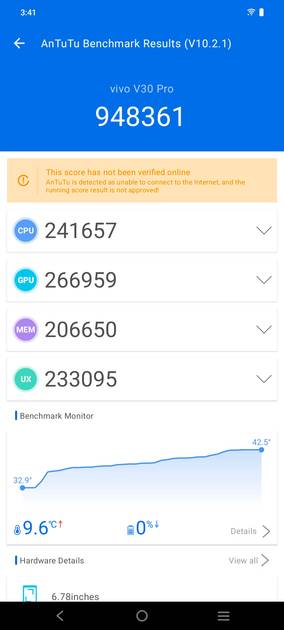
AnTuTu Benchmark
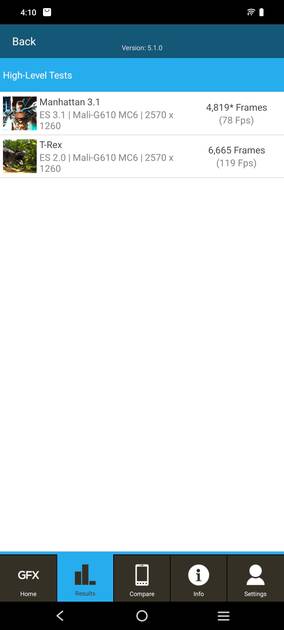
Graphics Benchmark
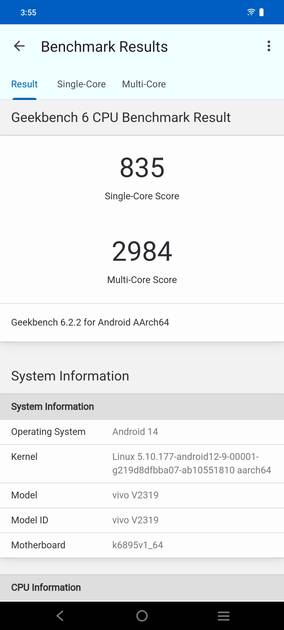
Geekbench6 Benchmark
|

Display
(Excellent)
|
|
|---|---|
| Display Type | AMOLED (Curved Display) |
| Screen Size | 6.78 inches (17.22 cm) |
| Resolution | 1260x2800 px (FHD+) |
| Peak Brightness | 2800 nits |
| HBM Brightness | 1200 nits |
| PWM Dimming | 2160 Hz |
| Refresh Rate | 120 Hz |
| Touch Sampling Rate | 300 Hz |
| Aspect Ratio | 20:9 |
| Pixel Density | 453 ppi |
| Screen to Body Ratio (calculated) | 89.91 % |
| Screen Protection | Yes |
| Bezel-less Display | Yes with punch-hole display |
| HDR 10 / HDR+ Support | Yes, HDR 10+ |
UI Screenshots

Lock Screen

Home Screen
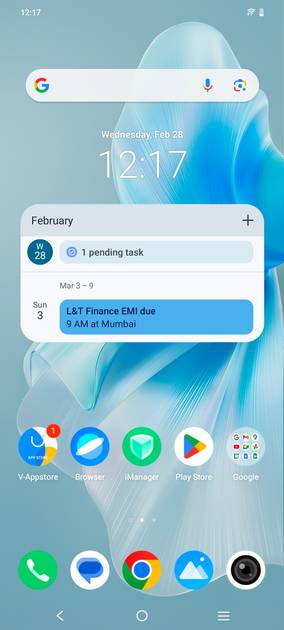
Screen With Widgets

Dialer Screen
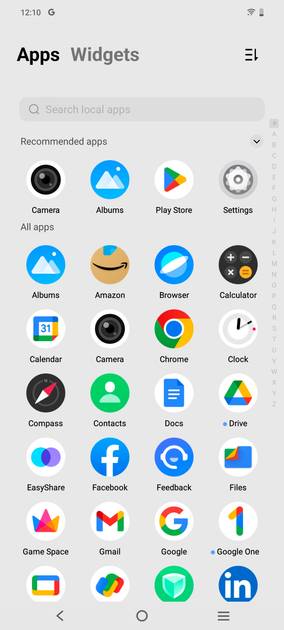
App Drawer
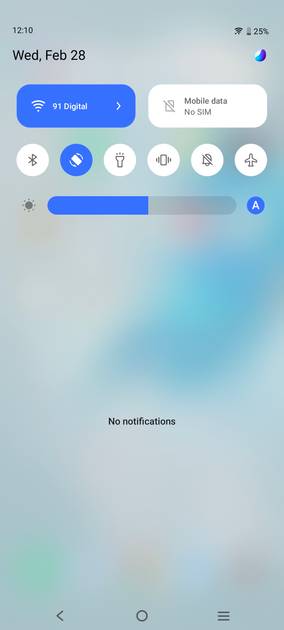
Notification Panel
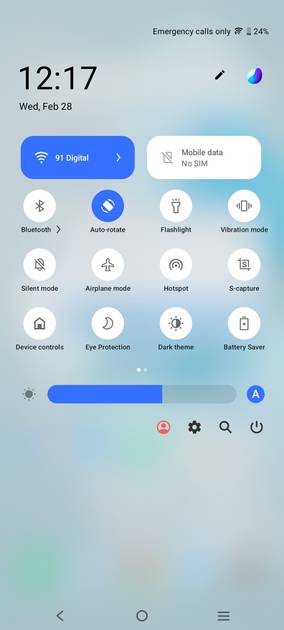
Quick Settings Panel
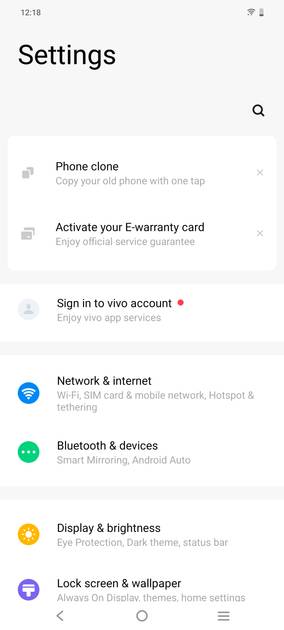
Settings Screen
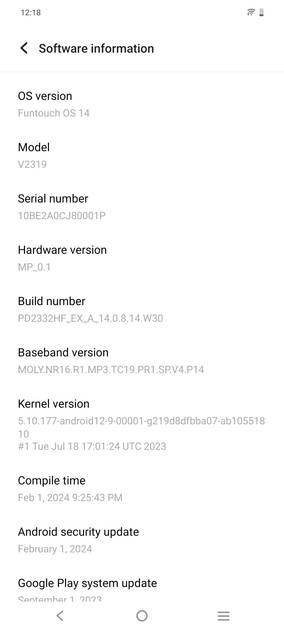
OS Version
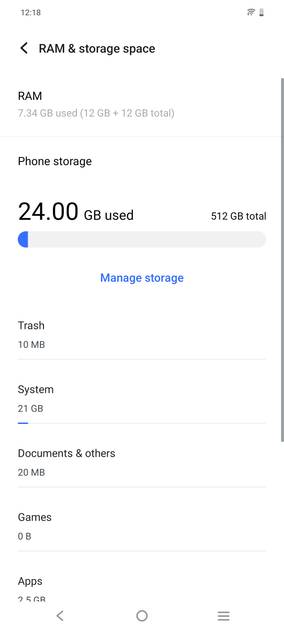
Storage
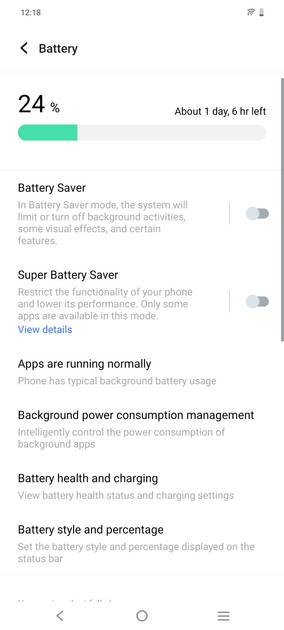
Battery
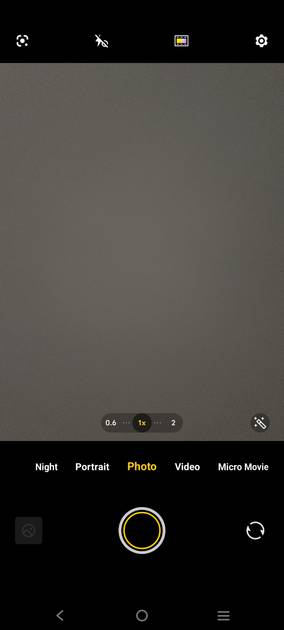
Camera On
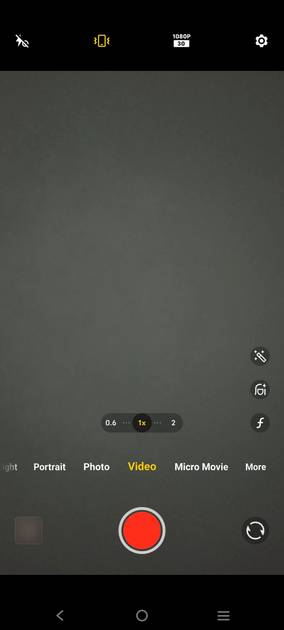
Camera Options
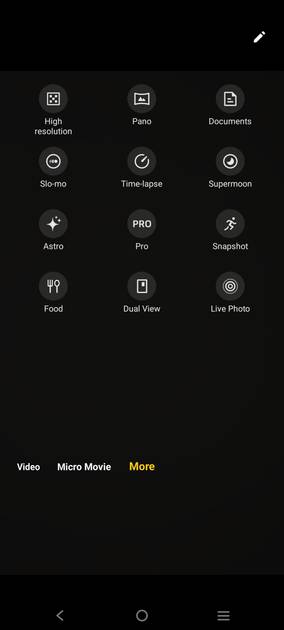
Camera Modes

Camera Settings
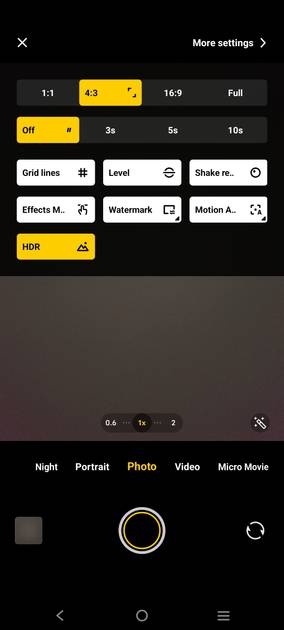
Picture Size Options
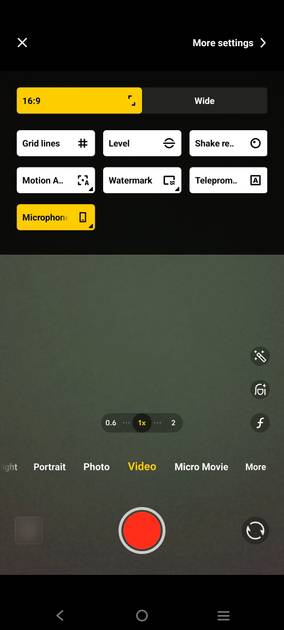
Video Size Options
|
Design |
|
|---|---|
| Height | 164.36 mm |
| Width | 75.1 mm |
| Thickness | 7.45 mm |
| Weight | 188 grams |
| Build Material | Back: Mineral Glass |
| Water Resistance | Yes, Splash proof, IP54 |
| Ruggedness | Dust proof |
|
Click to View

|
Rear Camera
(Very Good)
|
||||||||||||||||||||||||||||||||||||
|---|---|---|---|---|---|---|---|---|---|---|---|---|---|---|---|---|---|---|---|---|---|---|---|---|---|---|---|---|---|---|---|---|---|---|---|---|
| Resolution | ||||||||||||||||||||||||||||||||||||
|
||||||||||||||||||||||||||||||||||||
| Autofocus | Yes | |||||||||||||||||||||||||||||||||||
| OIS | Yes | |||||||||||||||||||||||||||||||||||
| Flash | Yes, Smart Aura Light | |||||||||||||||||||||||||||||||||||
| Image Resolution | 8150 x 6150 Pixels | |||||||||||||||||||||||||||||||||||
| Settings | Exposure compensation, ISO control | |||||||||||||||||||||||||||||||||||
| Shooting Modes |
Continuous Shooting High Dynamic Range mode (HDR) SuperMoon |
|||||||||||||||||||||||||||||||||||
| Camera Features |
Digital Zoom Auto Flash Face detection Touch to focus |
|||||||||||||||||||||||||||||||||||
| Video Recording |
UHD @30 fps FHD @30 fps |
|||||||||||||||||||||||||||||||||||
| Video Recording Features |
Dual Video Recording Bokeh portrait video Vlog Mode |
|||||||||||||||||||||||||||||||||||
Rear Camera Samples

Wide Angle

Portrait Shot

Night Mode OFF

Night Mode ON

Close Up

Low Light

Low Light With Flash
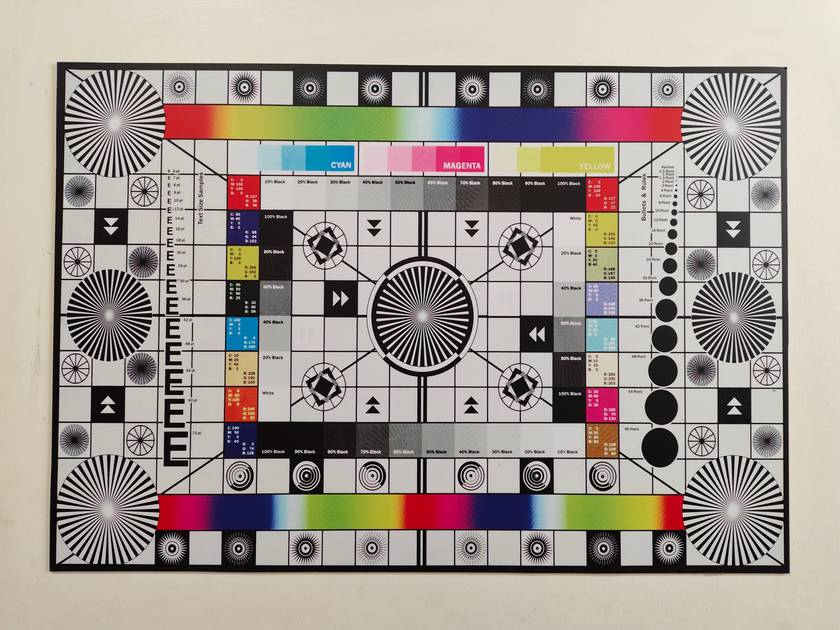
Colour Variance

Daylight Auto / HDR OFF

Daylight / HDR ON

AI OFF

AI ON
|
Front Camera
(Excellent)
|
||||||||||||||
|---|---|---|---|---|---|---|---|---|---|---|---|---|---|---|
| Resolution | ||||||||||||||
|
||||||||||||||
| Autofocus | Yes | |||||||||||||
| Video Recording |
UHD @30 fps FHD @30 fps |
|||||||||||||
Front Camera Samples

Selfie

Selfie Portrait

Selfie Low Light

Selfie Low Light With Flash
|
Battery
(Very Good)
|
||
|---|---|---|
| Capacity | 5000 mAh | |
| Battery Type | Li-ion | |
| Quick Charging | Yes, 80W Flash Charging, 100% in 48 minutes | |
| Reverse Charging | Yes | |
|
Battery Test Results
|
Storage |
|
|---|---|
| Internal Storage | 256 GB / 512 GB |
| Storage Type | UFS 3.1 |
| Expandable Storage | No |
Network & Connectivity |
|
|---|---|
| SIM Slot(s) | Dual SIM |
| SIM Type | SIM1: Nano, SIM2: Nano |
| Network Support | 5G, 4G |
| VoLTE | Yes |
| SIM 1 |
5G bands, 4G bands
Expand
|
| SIM 2 |
5G bands, 4G bands
Expand
|
| SAR Value | Head: 0.990 W/kg, Body: 0.975 W/kg |
| Wi-Fi | Yes, Wi-Fi 5 (802.11 a/b/g/n/ac) 5GHz |
| Wi-Fi Features | Mobile Hotspot |
| Bluetooth | Yes, v5.3 |
| GPS | Yes with A-GPS, Glonass |
| NFC | No |
Multimedia |
|
|---|---|
| Audio Jack | USB Type-C |
Sensors |
|
|---|---|
| Fingerprint Sensor | Yes |
| Fingerprint Sensor Position | On-screen |
| Fingerprint Sensor Type | Optical |
| Other Sensors | Light sensor, Proximity sensor, Accelerometer, Compass, Gyroscope |
vivo V30 Pro User Reviews
vivo V30 Pro Key Highlights
| Processor | MediaTek Dimensity 8200 MT6896Z |
| RAM & Storage | 8 GB RAM + 256 GB 12 GB RAM + 512 GB |
| Display | 6.78", 1260 x 2800 Resolution |
| Rear Camera | 50 MP + 50 MP + 50 MP |
| Front Camera | 50 MP |
| Battery | 5000 mAh |













vivo V30 Pro Price In India
| Product Name | Store | Price |
|---|---|---|
| vivo V30 Pro (8 GB + 256 GB) | Flipkart | ₹38,991 |
| vivo V30 Pro (12 GB + 512 GB) | Flipkart | ₹43,991 |
Popular Links
- All Upcoming Phones
- Upcoming vivo Phones
- vivo phones under 10k
- vivo phones under 20k
- OPPO Find X10 Pro Max
- OPPO Find X10
- Infinix GT 50 Pro
- Nothing Phone 4a
- Nothing Phone 4b 6GB RAM
- Samsung Mobiles
- Motorola Mobiles
- vivo Mobiles
- OPPO Mobiles
- Tecno Mobiles
- realme Mobiles
- OnePlus Mobiles