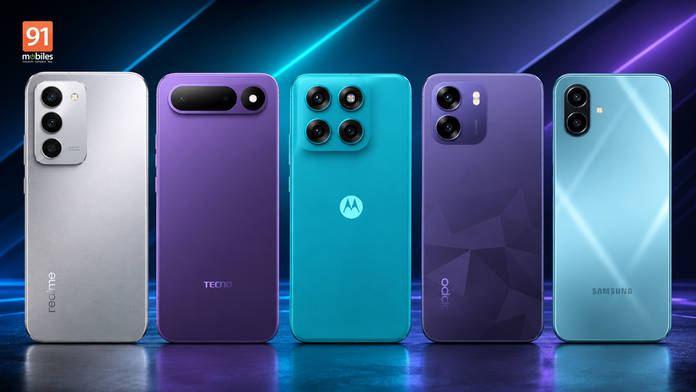
Over the last few months, the sub-Rs 20,000 smartphone segment has seen drastic changes in terms of pricing and overall value offered. This particular category, which once flourished with bright AMOLED panels, flexible camera setups, and capable performance hardware, has been forced by the memory chip crisis to cut down on all of these aspects.
That said, the market continues to see smartphones that suffice for everyday use. With so many options offering similar performance, LCD displays, and large batteries, choosing the right one can be overwhelming. To help you decide, we’ve handpicked the best devices this month based on different needs and use cases. Among them, the Realme P4R stands out as the best all-rounder, the Moto G37 Power impresses with its cameras, and the Tecno Spark 50 excels in battery endurance. On the other hand, the OPPO K14 is a strong pick for gaming, while the Samsung Galaxy M17e and Galaxy F70e shine with their excellent software support.
| Phone | Best for | Price |
| Realme P4R | Overall value, strong battery endurance | Rs 18,999 |
| Moto G37 Power | Consistent, natural-looking camera shots | Rs 15,999 |
| Tecno Spark 50 5G | Solid battery life | Rs 19,999 |
| OPPO K14 | Efficient gaming performance with sustained frame rates | Rs 19,999 |
| Samsung Galaxy M17e and Galaxy F70e | Mature and best-in-class software longevity | Rs 13,999 |
*Phones and prices as on 17 July, 2026
Table of Contents
Realme P4R – Best overall phone
Current price: Rs 18,999 (4GB + 128GB), Rs 20,999 (6GB + 128GB), Rs 22,999 (6GB + 256GB)
Why we chose it
The Realme P4R may not excel in every department, but it’s our go-to pick under Rs 20,000 for the month of July. While it shares many specifications with the Moto G37 Power, OPPO K14, and Realme C83, what separates the Realme P4R from others is the massive 8,000mAh battery and inclusion of two OS upgrades. While the OPPO K14 is also set to receive the same number of Android updates, it was launched with Android 15, while the P4R runs on Android 16 out of the box.

Key specifications
| Specs | Details |
| Display | 6.81-inch 120Hz 720p IPS LCD |
| Processor | MediaTek Dimensity 6300 |
| Cameras | 50MP main, 8MP selfie |
| Battery | 8,000mAh, 45W charging |
| Software | Android 16 (Realme UI 7) with 2 OS + 3 years security updates |
Best cameras – Moto G37 Power
Current price: Rs 15,999 (4GB + 64GB), Rs 16,999 (4GB + 128GB), Rs 21,999 (8GB + 128GB)
Why we chose it
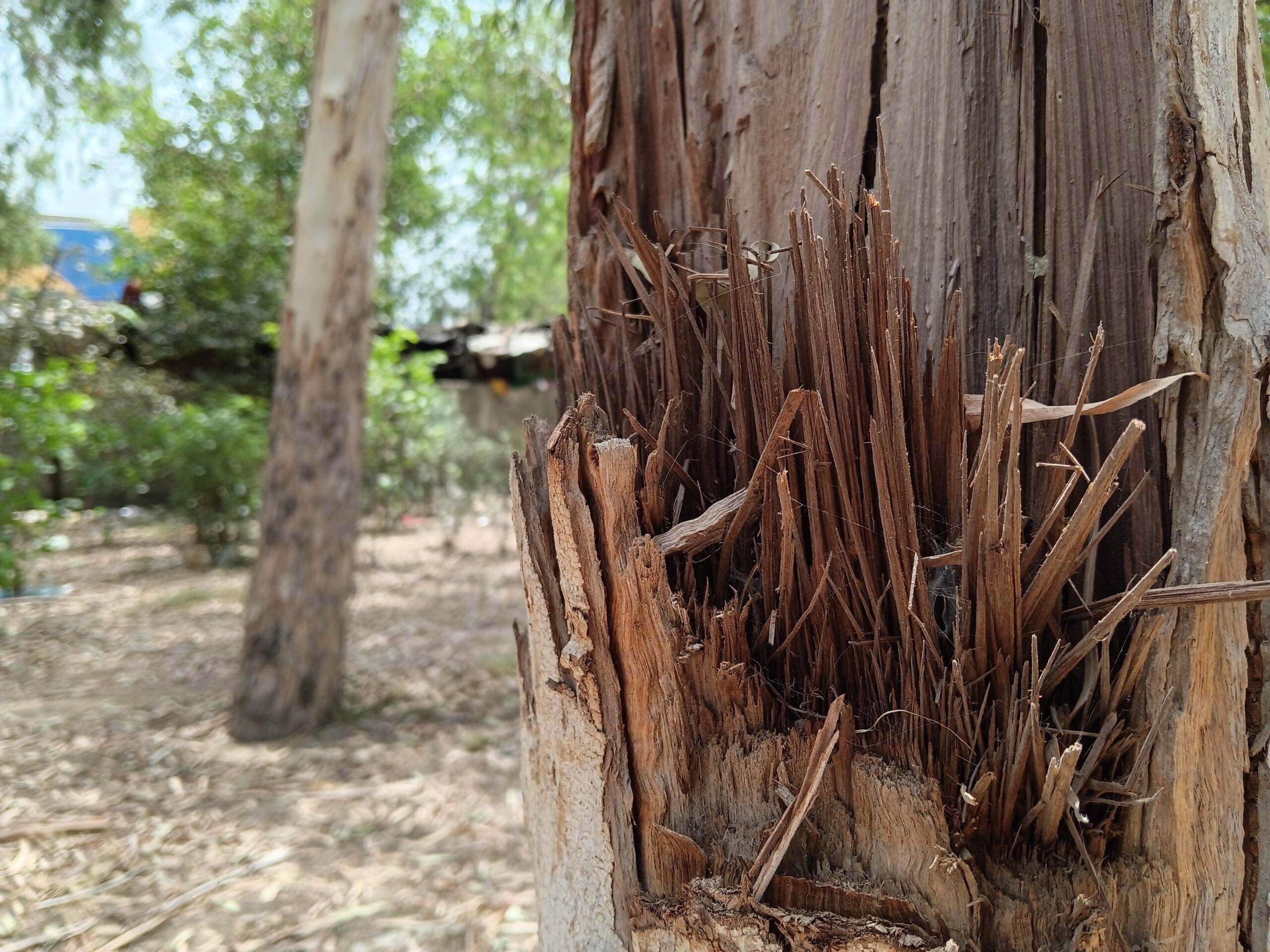
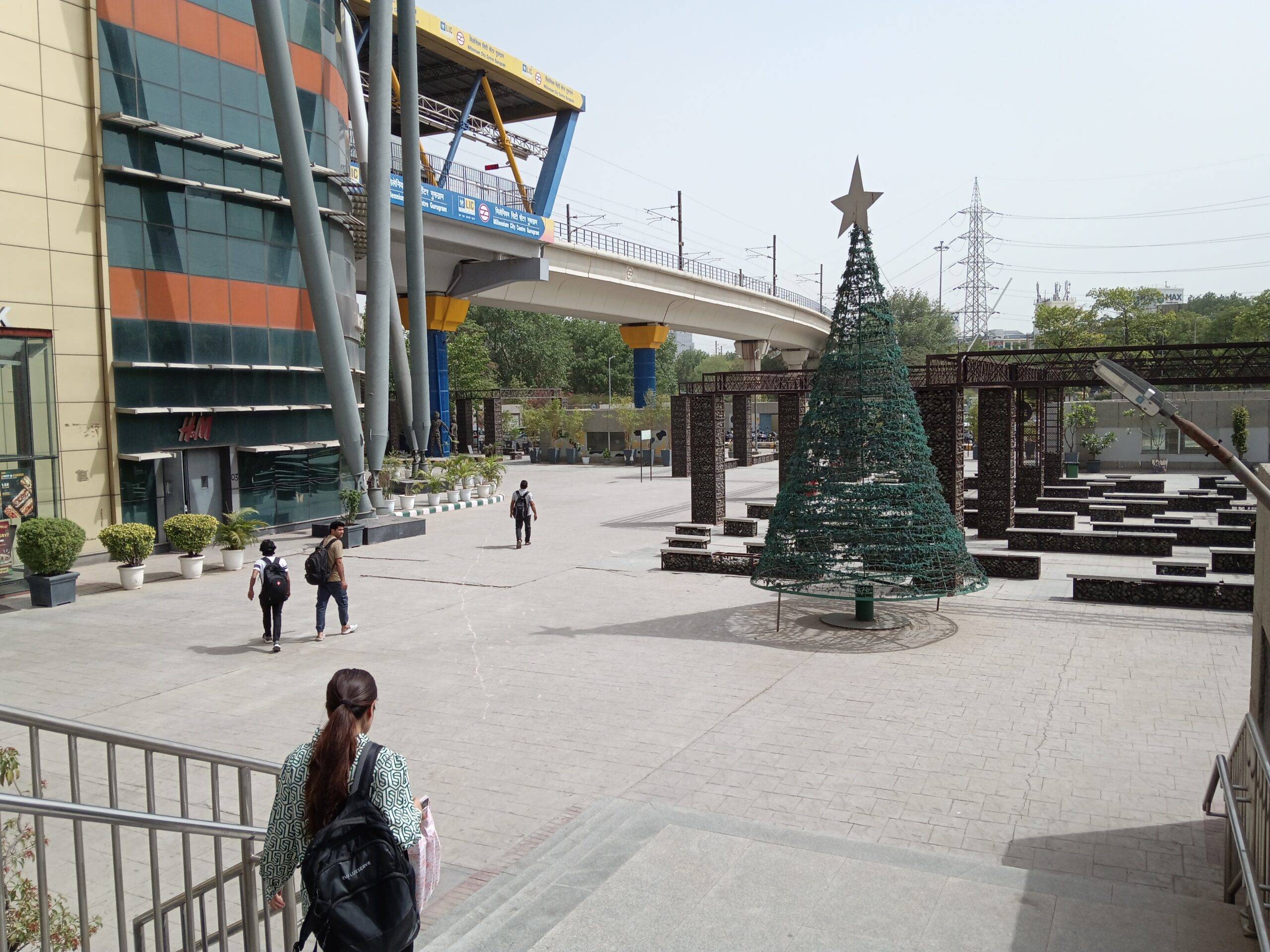
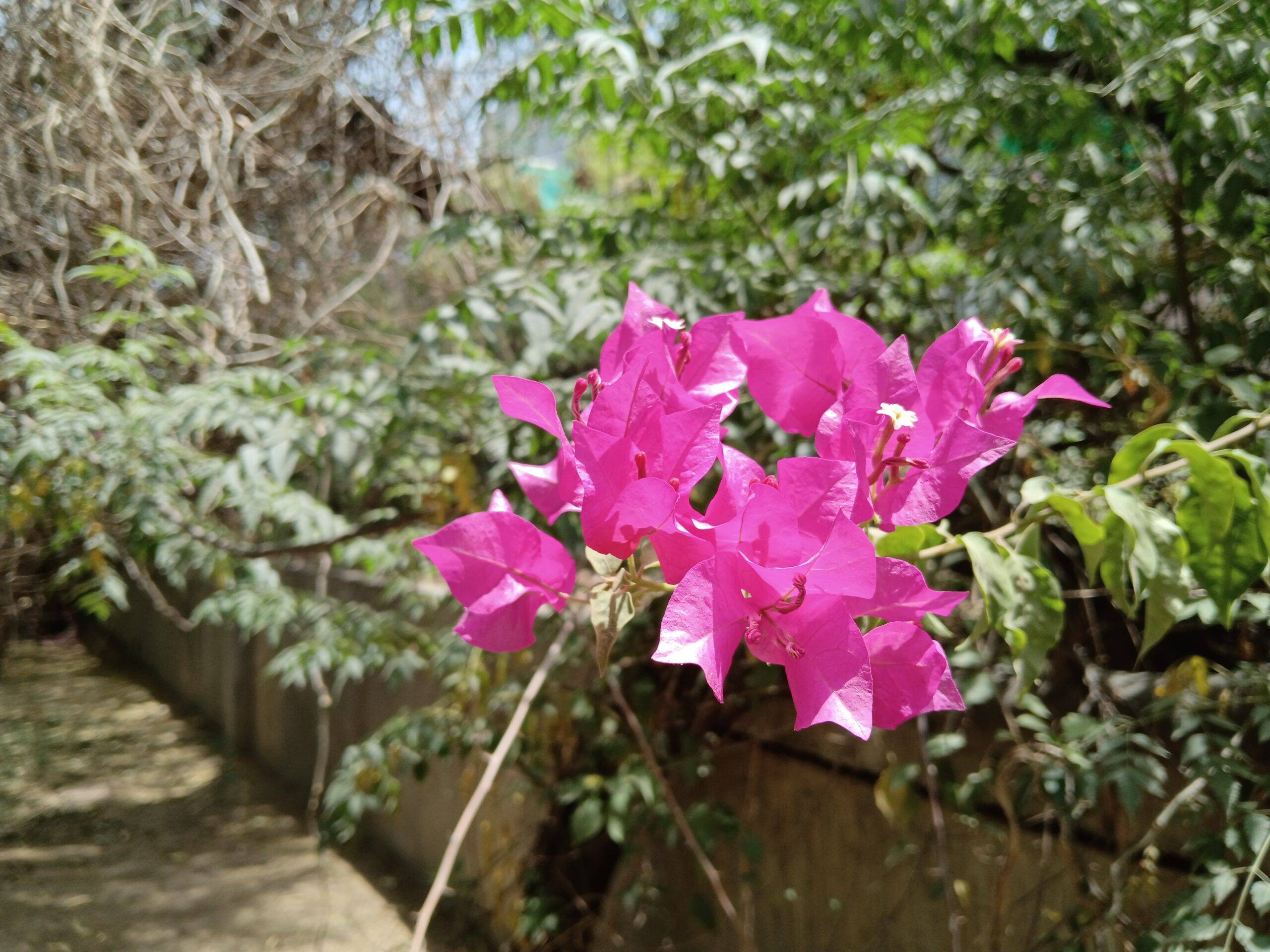
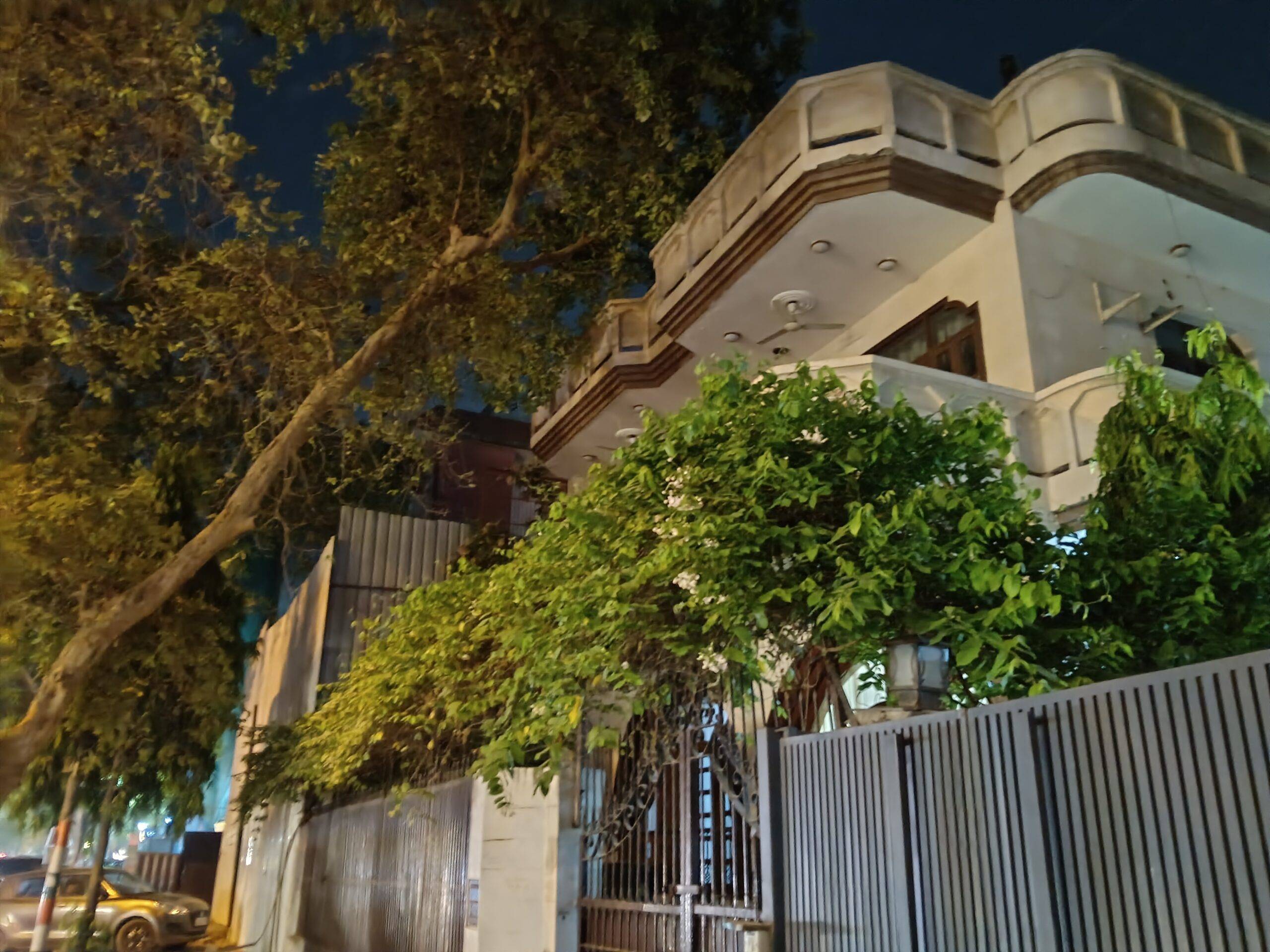
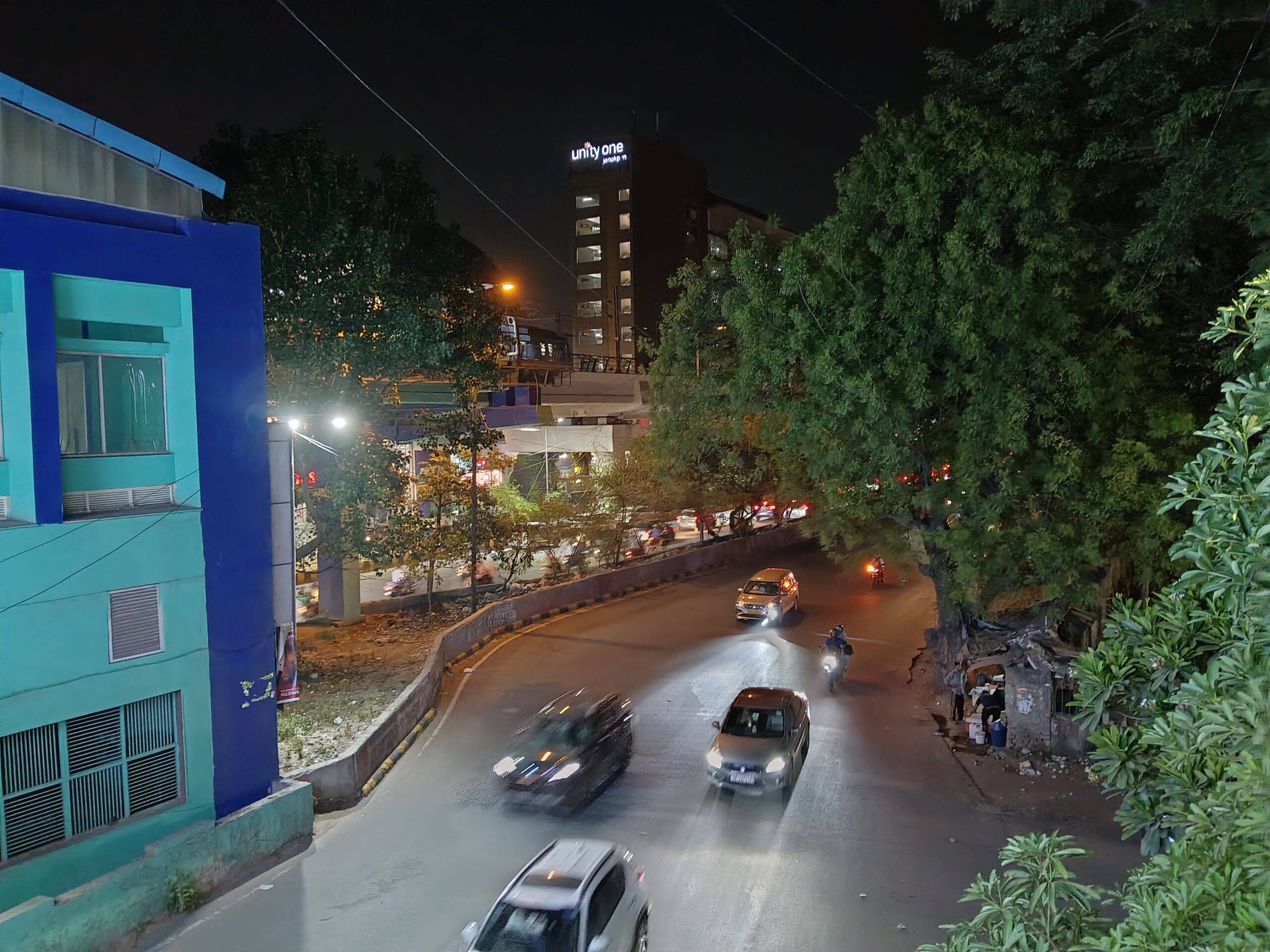
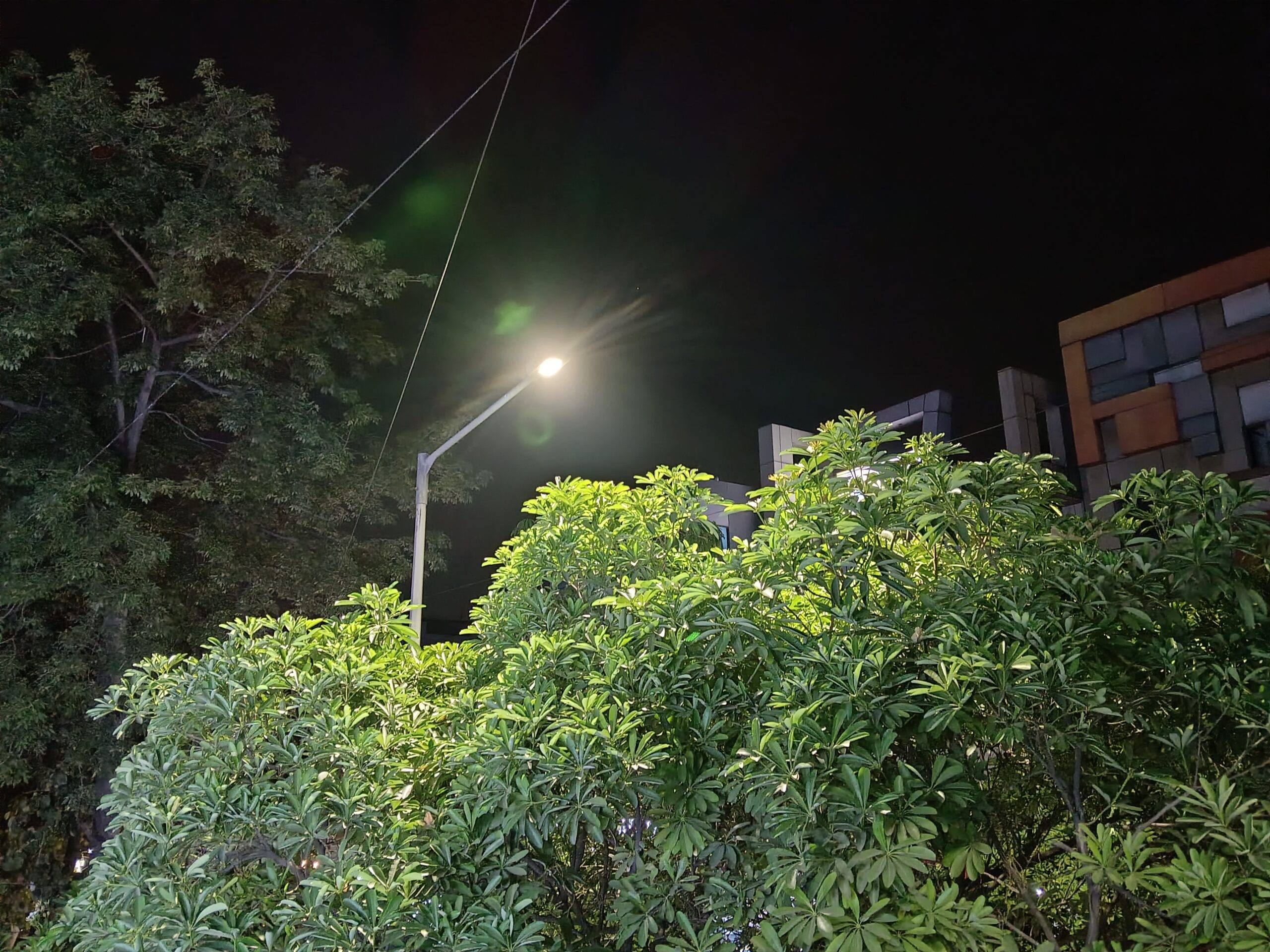
Like many others, the Moto G37 Power (review) features a 50MP primary camera. Having said that, what sets it apart from others is the ability to capture natural-looking tones. While this type of colour science can sometimes result in dull images, there’s always the freedom to adjust the tones to your preference without sacrificing extra vibrancy.
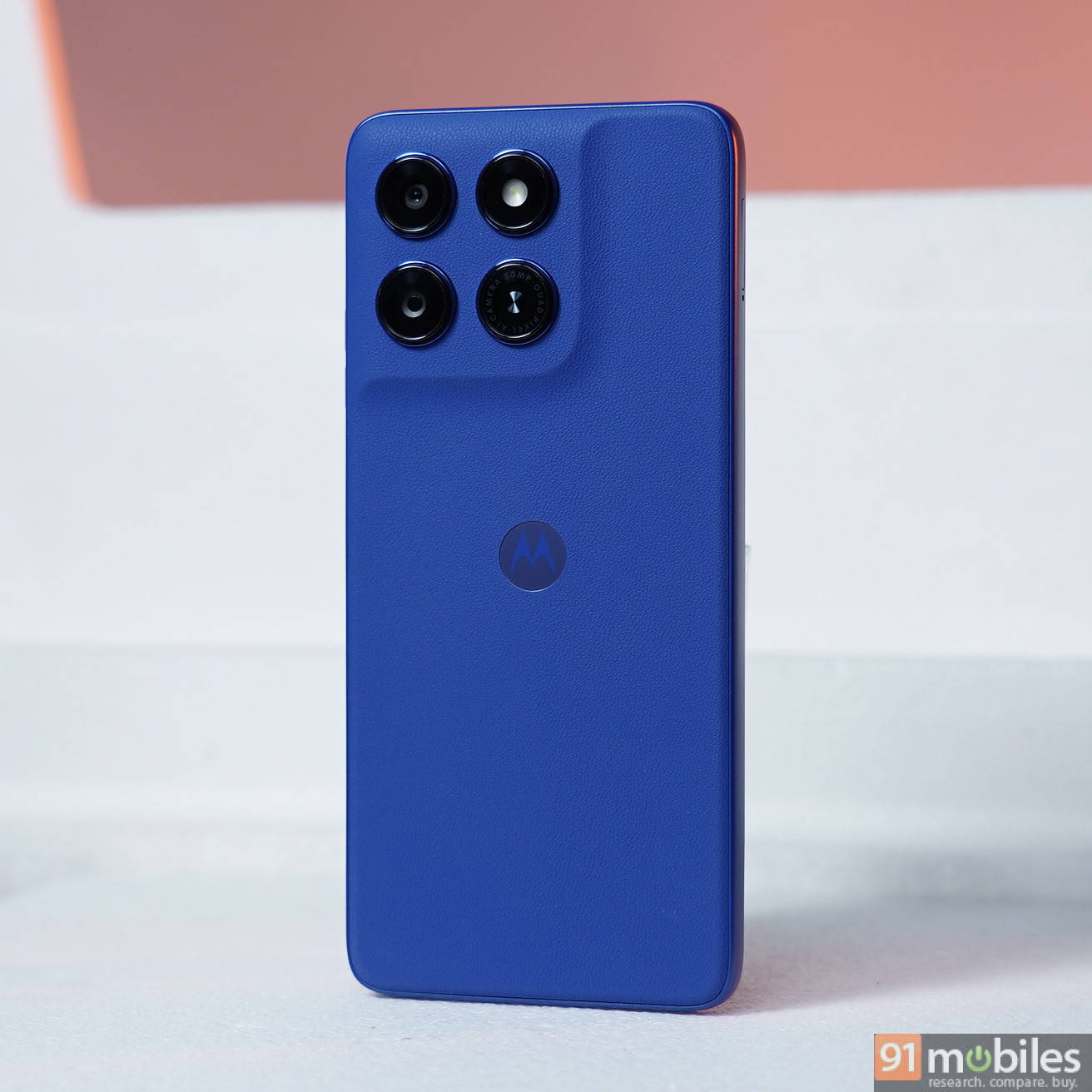
Moving on, the Moto G37 Power holds its own in this price range by delivering decent detail and clarity in good lighting. Low-light shots tend to come out soft, but switching to Night Vision mode makes a noticeable difference, producing better-exposed images with improved control over highlights and shadows. As noted in our review, the Moto G37 Power certainly edges out the Realme C83 in camera performance by delivering contrasty photos, especially in portrait mode.


Key specifications
| Specs | Details |
| Display | 6.76-inch 120Hz 720p IPS LCD |
| Processor | MediaTek Dimensity 6400 |
| Cameras | 50MP main + 2-in-1 colour; 8MP selfie |
| Battery | 7,000mAh, 30W charging |
| Software | Android 16 (Hello UI) with 1 OS + 3 years security updates |
Best battery – Tecno Spark 50 5G
Current price: Rs 19,999 (4GB + 128GB)
Why we chose it
Even though the Tecno Spark 50 (review) is equipped with a smaller battery capacity than its close competitors, the 6,500mAh cell’s endurance left us impressed. In our in-house PCMark Battery Drain test, the handset delivered 17 hours and 27 minutes of runtime from 100 to 20 percent, the highest among the phones released under Rs 20,000 this year.


To further assess the battery’s performance, we ran YouTube in 4K resolution at 50 percent brightness for an hour, and the phone dropped by just 6 percent. Besides that, playing BGMI and CODM on the Spark 50 for 30 minutes each resulted in a battery drain of up to 9 percent, which is a suitable decrease for a phone with a 6,500mAh battery. Alternatively, running on an 8,000mAh battery, the Realme P4R stands as a great alternative to the Tecno Spark 50, though it clocked a lower PCMark score at 15 hours and 55 minutes.
Key specifications
| Specs | Details |
| Display | 6.78-inch 120Hz 720p IPS LCD |
| Processor | MediaTek Dimensity 6400 |
| Cameras | 50MP main, 8MP selfie |
| Battery | 6,500mAh, 45W charging |
| Software | Android 16 (HiOS 16) + 2 years security updates |
Best performance – OPPO K14
Current price: Rs 19,999 (6GB + 128GB)
Why we chose it
Per our testing, the OPPO K14 (review) delivers one of the highest benchmark scores under the Rs 20,000 segment. Shipping with the MediaTek Dimensity 6300, like others, the OPPO K14 yields better gaming and thermal efficiency performance over its close rivals. For instance, when running Call of Duty: Mobile in the ‘Very high’ frame rate and ‘Max’ graphics settings, the phone delivered an average frame rate of 55.8, while the temperatures rose by 5.9 degrees Celsius after 30 minutes. In the same scenarios and duration, the Moto G37 Power and Realme P4R saw a temperature increase of 7 and 6.5 degrees, respectively.
CODM stats
| Phone | Average frame rate | Temperature rise (in Celsius) |
| OPPO K14 | 55.8 | 5.9 |
| Moto G37 Power | 56.4 | 7 |
| Realme P4R | 54.5 | 6.5 |
| Tecno Spark 50 | 38.8 | 4.4 |
*Stats recorded after playing CODM for 30 minutes straight in ‘Medium’ frame rate and ‘Max’ graphics.
These results show that the OPPO K14 not only delivers average frame rates close to 60FPS, but also remains cooler after a gaming session compared to others. While users seeking even better gaming and raw performance may stretch their budget to get the Dimensity 7400-powered Infinix GT 30 at Rs 21,999, the OPPO K14 stands as a reliable choice under Rs 20,000 for a workable gaming experience.
Key specifications
| Specs | Details |
| Display | 6.75-inch 120Hz 720p IPS LCD |
| Processor | MediaTek Dimensity 6300 |
| Cameras | 50MP main, 8MP selfie |
| Battery | 7,000mAh, 45W charging |
| Software | Android 15 (ColorOS 15) with 2 OS + 3 years security updates |
Best software – Samsung Galaxy M17e and Galaxy F70e
Current price:
Galaxy M17e: Rs 13,999 (4GB + 128GB), Rs 15,999 (6GB + 128GB)
Galaxy F70e: Rs 16,499 (4GB + 128GB), Rs 18,499 (6GB + 128GB)
Why we chose them
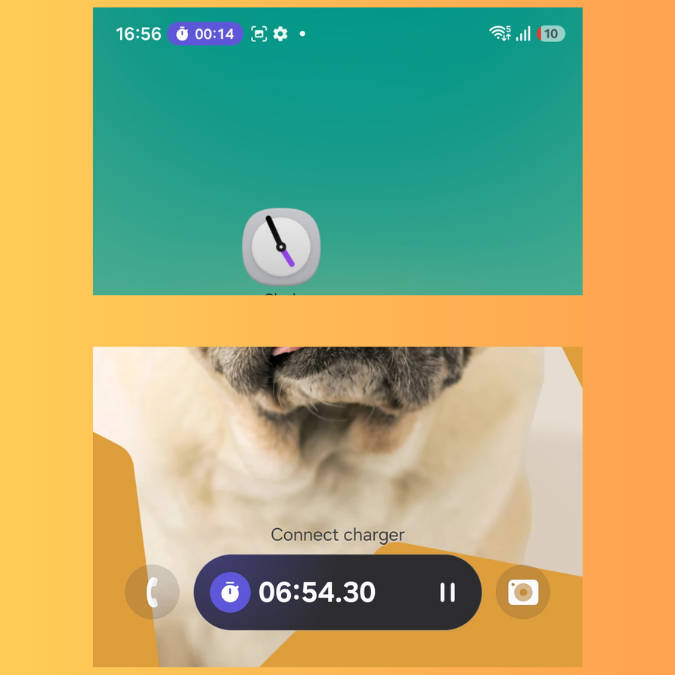
The Samsung Galaxy M17e and Galaxy F70e are our top picks when it comes to delivering a feature-rich and mature software experience. Running on One UI 8 based on Android 16, the interface not only looks and feels distinct from others, but also packs some noteworthy additions, such as the Now Bar to view real-time updates right from the status bar. These include checking food delivery, the stopwatch, and the timer status.
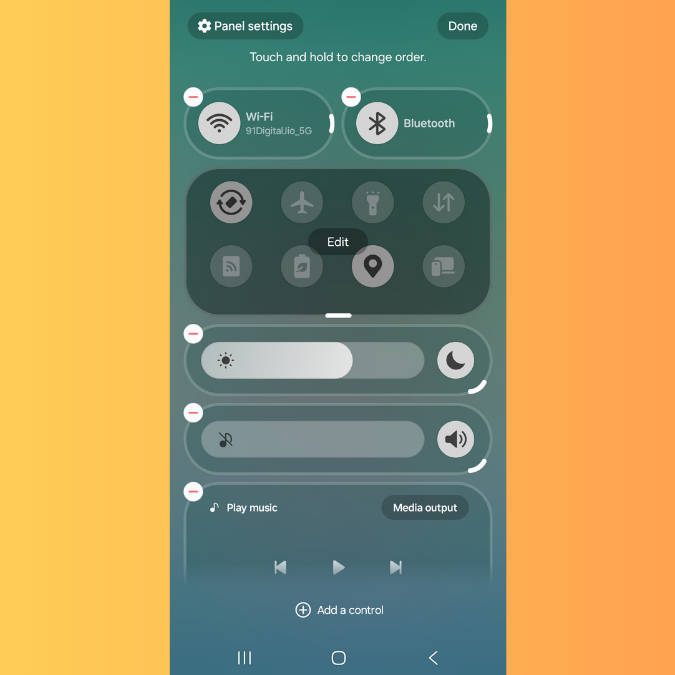

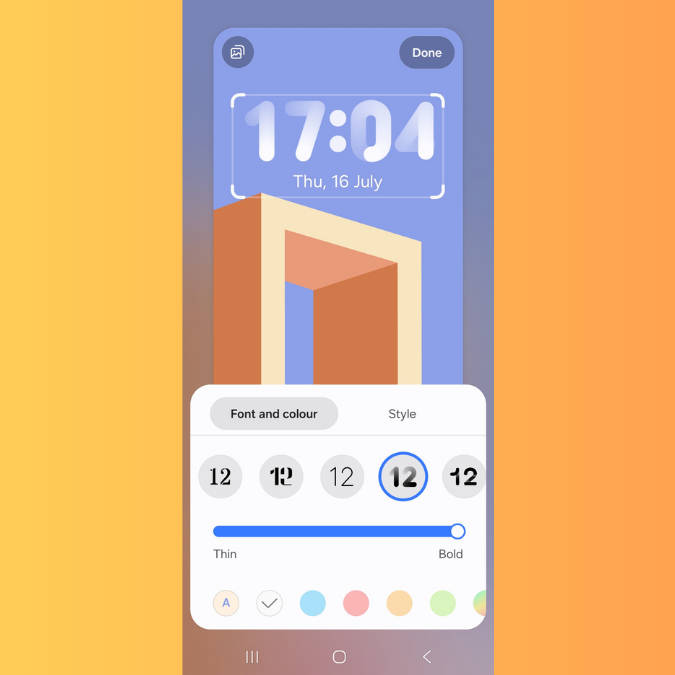
One UI 8 also lets you rearrange the positions of the toggles in the quick settings panel, giving users full freedom to personalise the look. Then there’s the 90:10 split-screen mode that keeps only the main app in focus while you’re in a task. Coming to customisation, One UI 8 brought the functionality to resize the homescreen icons, while offering immense lockscreen clock options with tons of font styles to choose from.
That said, the biggest software highlight of the Galaxy M17e and Galaxy F70e is their impressive update promise: six major OS upgrades and six years of security patches. This is currently the best in their price segment, making the phones an excellent choice for users who want long-term support, new features, and strong security for years to come. Meanwhile, other phones under Rs 20,000 are limited to just two OS upgrades.
Key specifications
| Specs | Details |
| Display | 6.7-inch 120Hz 720p PLS LCD |
| Processor | MediaTek Dimensity 6300 |
| Cameras | 50MP main, 8MP selfie |
| Battery | 6,000mAh, 25W charging |
| Software | Android 16 (One UI 8) with 6 OS + 6 years security updates |
Conclusion
You may have noticed that while all the listed smartphones share similar specifications, each of our picks stands out in its own way. Depending on your priorities and use cases, there’s a suitable option for you under Rs 20,000. Extending your budget slightly into 2026 will naturally deliver a better overall experience, but the sub-Rs 20,000 segment has become highly competitive lately, offering buyers plenty of suitable choices.

Best phones under Rs 50,000: expert picks for performance, battery, camera, and more

Best gaming phones in India (2026): top picks for flagship, mainstream, and budget gaming

Best phones under Rs 25,000: top picks for performance, battery life, cameras, multimedia, and more
FAQs
Which is the best smartphone for gaming under Rs 20,000?
The OPPO K14 delivers one of the highest AnTuTu benchmark scores in the budget segment, crossing 600,000 points, which reflects strong raw performance. It also maintains excellent thermal efficiency during gaming, as observed in our testing. However, if you seek an even better gaming experience, it’s worth spending a bit extra for the Infinix GT 30, which gains the MediaTek Dimensity 7400 chipset, along with shoulder triggers for precise input.
Which smartphone under Rs 20,000 offers the best camera performance?
The Moto G37 Power is well-suited for users looking for a smartphone that captures natural-looking images consistently. While detail levels may not be on par with its higher-priced counterparts, it delivers decent dynamic range and contrasty tones.
Which phone offers the best software experience under or around Rs 20,000 in India?
The Samsung Galaxy M17e currently stands out for its excellent software support, promising six years of OS upgrades and six years of security patches. On top of that, the Android 16-based One UI 8 offers an impressive array of productivity features and customisation options. Alternatively, the Realme P4R, which promises two OS upgrades, delivers a fast, smooth, and AI-rich software experience.