Review Summary
Expert Rating
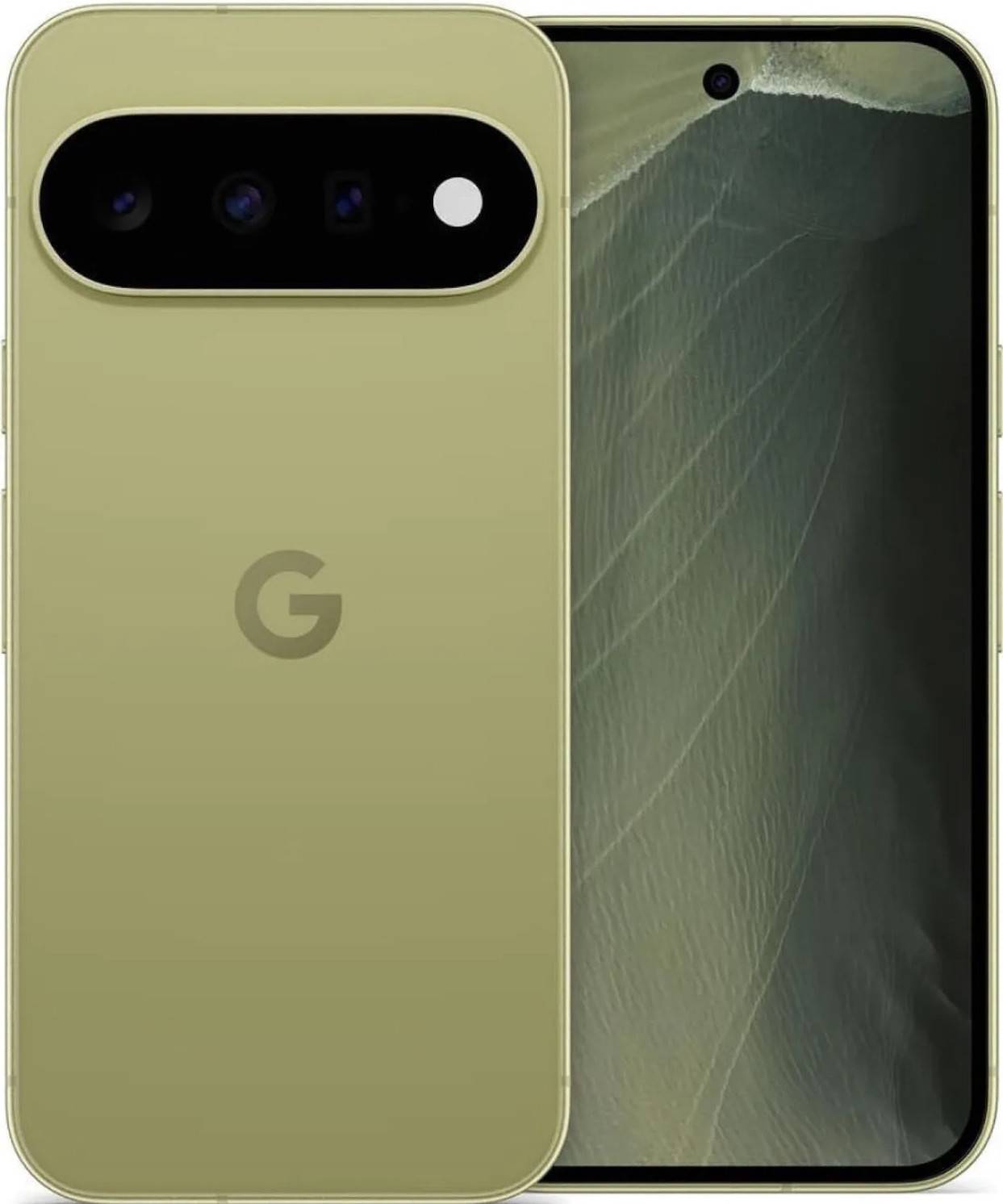
Not so long ago, every new smartphone generation brought meaningful improvements over its predecessor, giving users a good reason to upgrade. That hasn’t been the case, especially since the start of the year, owing to costlier components than ever before. Almost every smartphone now feels like a minor refresh – in some cases, downgraded – and the story continues with the all-new Google Pixel 11. The handset feels practically the same as its predecessor, and on top of that, it has gone through a price hike.

The Pixel 11 now costs almost Rs 90,000. So, who is it really for, and what makes it worth considering at this price? We answer these questions and more in our Google Pixel 11 review. Read on.
Table of Contents
Verdict
The Google Pixel 11 is a refinement rather than a major generational upgrade. The handset delivers a polished software experience, useful AI features, reliable cameras and respectable battery life, while the compact design and seven years of updates add to its appeal.
Performance: AI smarts over raw power
It’s one of the biggest upgrades on the Google Pixel 11. The handset is powered by the latest 2nm Tensor G6 chipset, which comes with seven cores as opposed to eight on the 3nm’s Tensor G5 SoC, but all its cores deliver superior clock speeds – up to 4.11GHz. That said, the Pixel still lags behind the Qualcomm Snapdragon 8-series and MediaTek Dimensity 9500-series SoC phones in raw performance. Its AnTuTu benchmark and Geekbench scores remain close to mid-range smartphones, while the performance is throttled to less than 20 percent in the Burnout CPU Throttle test.





But performance is not the Pixel 11’s core USP; its key strengths lie in its AI capabilities and cameras. Google says it has optimised the chipset to deliver 50 percent more processing power for AI tasks than last year, allowing it to run Gemini Nano 3.5 times faster while consuming 3.5 times less energy. The phone is also claimed to support 4K Portrait Video and process Instant Night Sight 4.5 times faster.
Unfortunately, I didn’t have the Google Pixel 10 at my disposal for a direct performance comparison. However, the Geekbench AI scores show that the Pixel 11 delivers higher Half-precision and Quantised scores, which should translate to faster performance in tasks such as photo editing, voice recognition, and running on-device LLMs. I also tried several AI tasks on the phone, and in my experience, they were completed noticeably faster than before.
Moving on, the Pixel 11 feels snappier when capturing multiple shots at once, processing images, and more. The everyday tasks, multitasking, and animations also appear buttery smooth. Turns out the gaming is reliable, too, with FPS and thermal performance while playing BGMI and COD: Mobile on par with competitors during our internal testing.
Battery: efficient
The Google Pixel 11 houses a 4,985mAh battery, only marginally bigger than its predecessor (15mAh to be exact) and significantly behind other Android smartphones from the Chinese makers. However, the efficiency claims of the Tensor G6 seem to be paying off, with the Pixel 11 outperforming other smartphones with 7,000mAh and more within the segment.
The Pixel 11’s real-world efficiency, meanwhile, remains on par with its competitors, with the battery draining by around 6 percent on average after an hour of video streaming and gaming. While that may sound impressive, the smaller battery could still mean more frequent charging for some users. Speaking of which, the Pixel 11 takes almost an hour and a half to go from 20 to 100 percent. This is largely down to its 30W wired charging support, which feels underwhelming for a phone at this price. A compatible charger has to be purchased separately. The Pixel 11 additionally supports 25W Qi2.5 magnetic wireless charging.

A full charge can easily last a little more than a day on moderate to heavy usage. I was averaging around 5 hours of screen time, which is respectable for a phone with close to a 5,000mAh battery. This is with social media scrolling, browsing, streaming, calling, messaging, and testing out all the AI features the Pixel 11 has to offer.
Software: smarter than ever
The Google Pixel 11 runs Android 17 out of the box and is promised seven years of software and security updates, along with Pixel Drops. You get deeper integration of Gemini across apps, with the required permissions. The AI can perform tasks across apps, such as launching Google Maps when it detects a location name, opening the Photos app to share images, saving calendar invites, and more. Most of these features currently seem exclusive to Google’s suite of apps, as similar suggestions did not appear on popular third-party platforms like WhatsApp.

The Pixel 11 lets you Circle to Search directly via the camera app, instead of first capturing the shot and then doing the same, and generate images using Nano Banana. Additionally, the phone gets the latest Google Maps’ power-saving mode, which turns the route black and white to save battery while still keeping you updated with directions on the lock screen.
While many of these features could make their way to other smartphones running Android 17, the content creator-focused tools may remain exclusive. Most of these are built into the camera app, including a teleprompter that displays your script while recording and scrolls as you speak. Moreover, the OEM has added a Social Media Grid, which provides a safe area less likely to be cropped when posting content on platforms such as Instagram, along with an Audio Visualiser that displays audio levels during recordings. These could be super useful for someone just starting their creator journey.

Camera Coach on Google Pixel 11 can guide users to capture the best possible shot, with assistance for aspects such as angle, framing, exposure, and more. The process feels fractionally faster than the Pixel 10’s Camera Coach. There are plenty of AI-powered photo editing tools as well, and if you don’t want to go through the hassle of editing images manually, you can use the Magic Capture mode within the camera app. Head to the camera section to learn more about the mode and the Google Pixel 11’s image performance.
Cameras: capable and useful AI features

The Google Pixel 11 camera setup includes a bigger 1/1.56-inch 48MP f/1.7 OIS main sensor as opposed to a 1/1.2-inch 48MP sensor on its predecessor. This is paired with an unchanged 13MP f/2.2 ultrawide lens and a 10.8MP 5x optical zoom unit. Up front, the smartphone sports a 10.5MP sensor in the punch-hole setup for selfies and video calling. The handset produces images with impressive contrast, exposure, and dynamic range, resulting in punchy, vibrant colours and sufficient detail even in shadowy areas.
There is also reliable colour consistency between the phone’s primary and ultrawide lenses, even though the telephoto lens might oversaturate the tones. However, it falls short at capturing fine details, as observed in the comparison with the iPhone 17 (review). The latter also excels with superior edge detection and accurate skin tones in portraits and selfies.

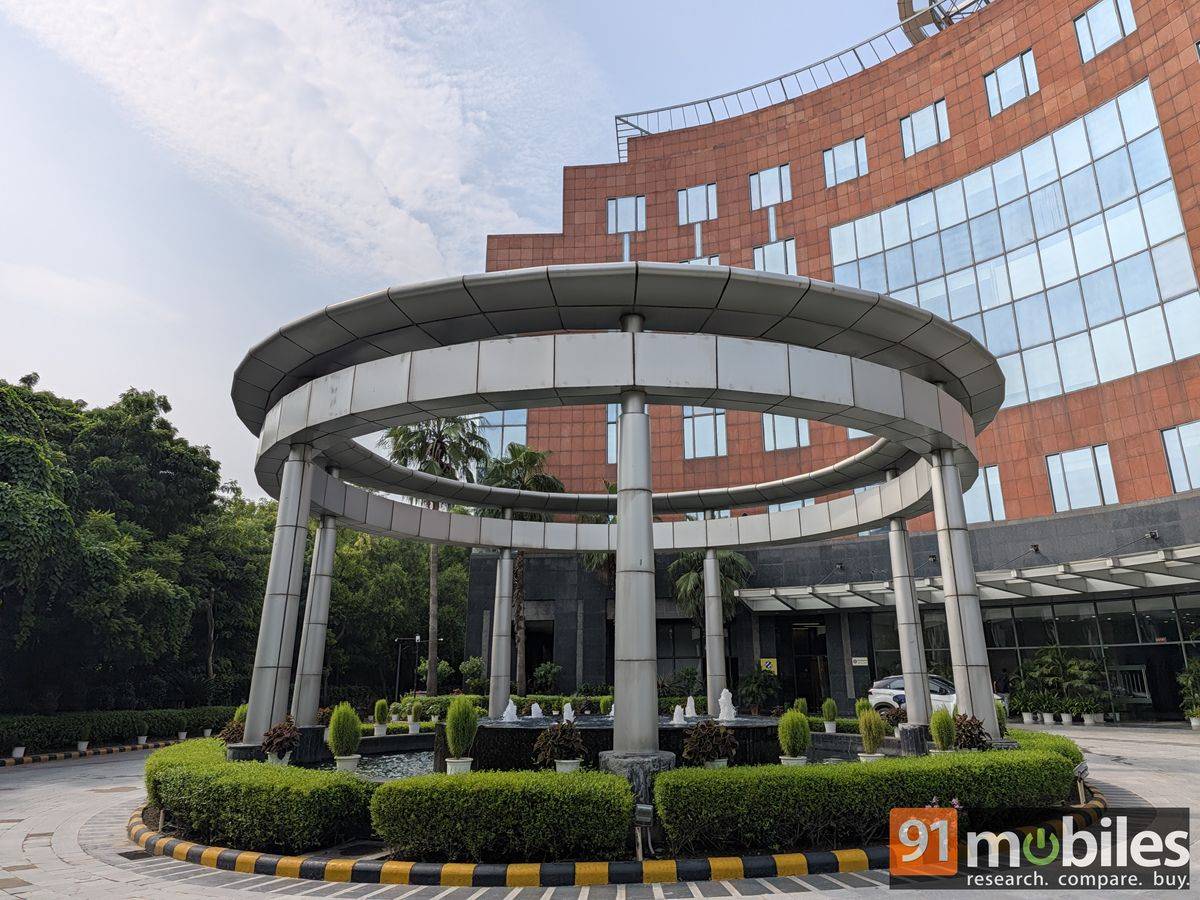
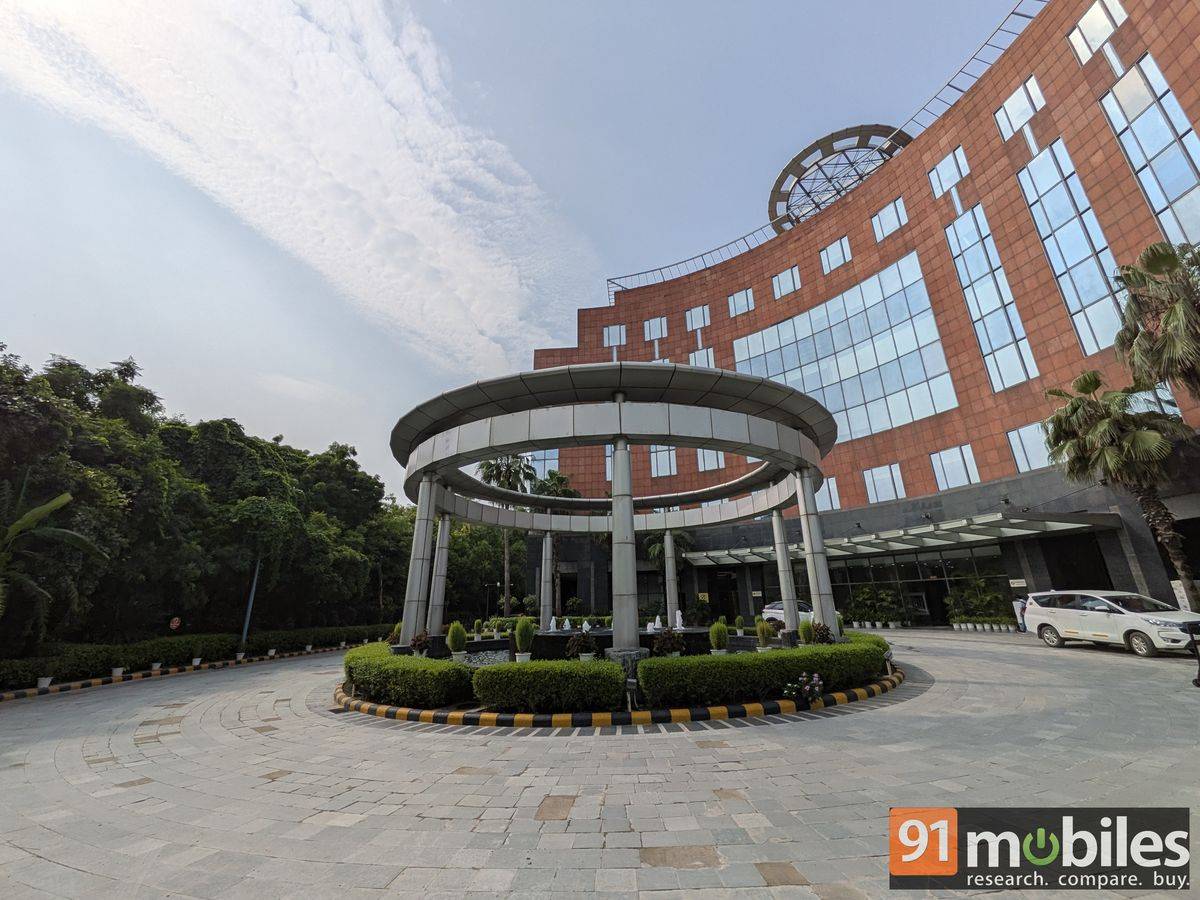
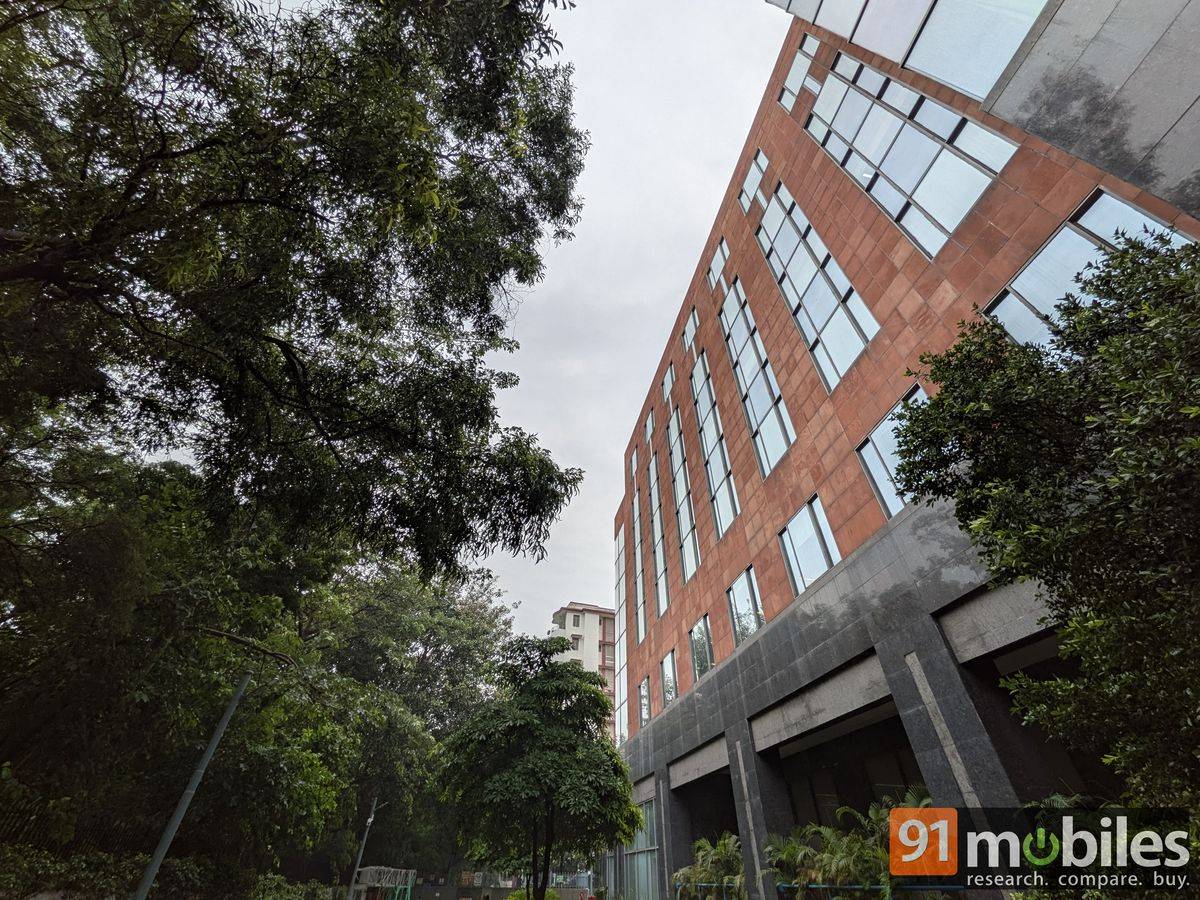





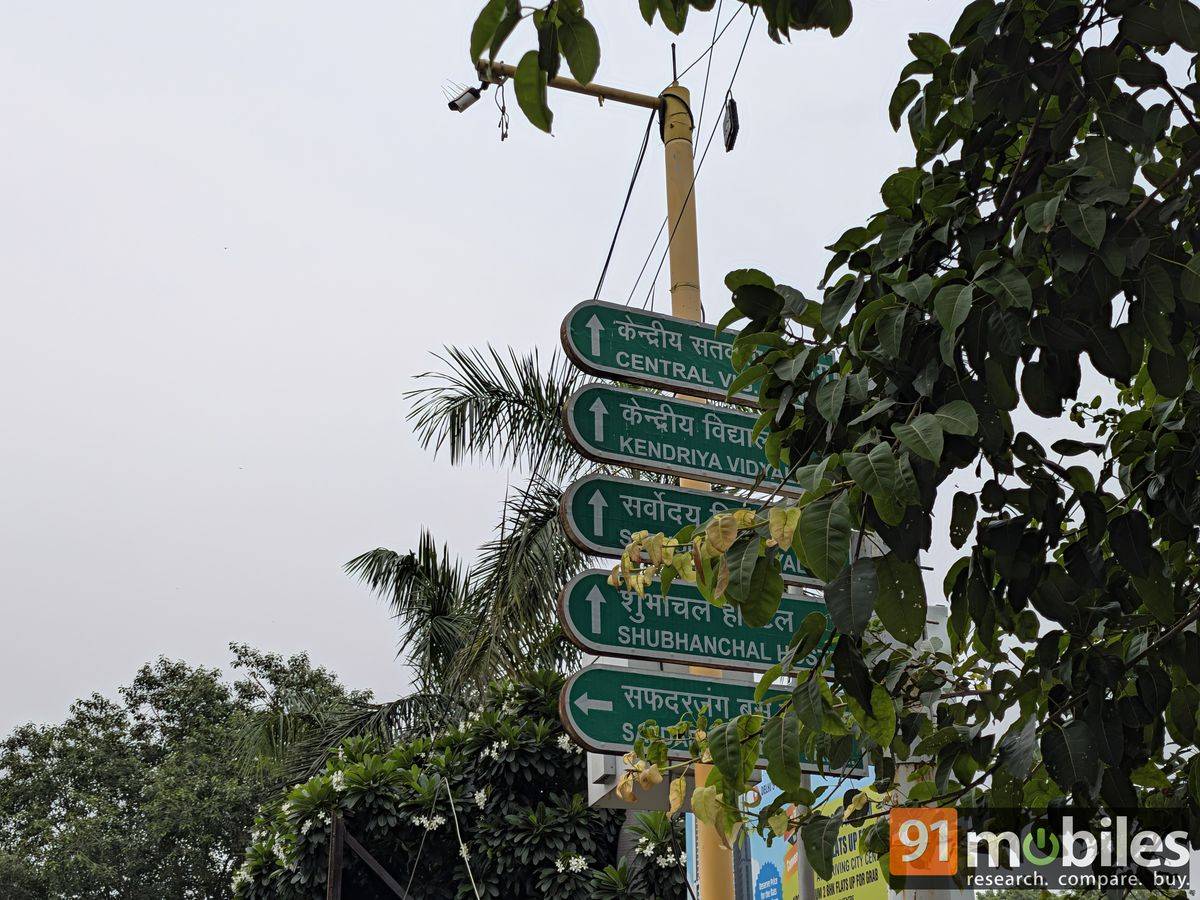









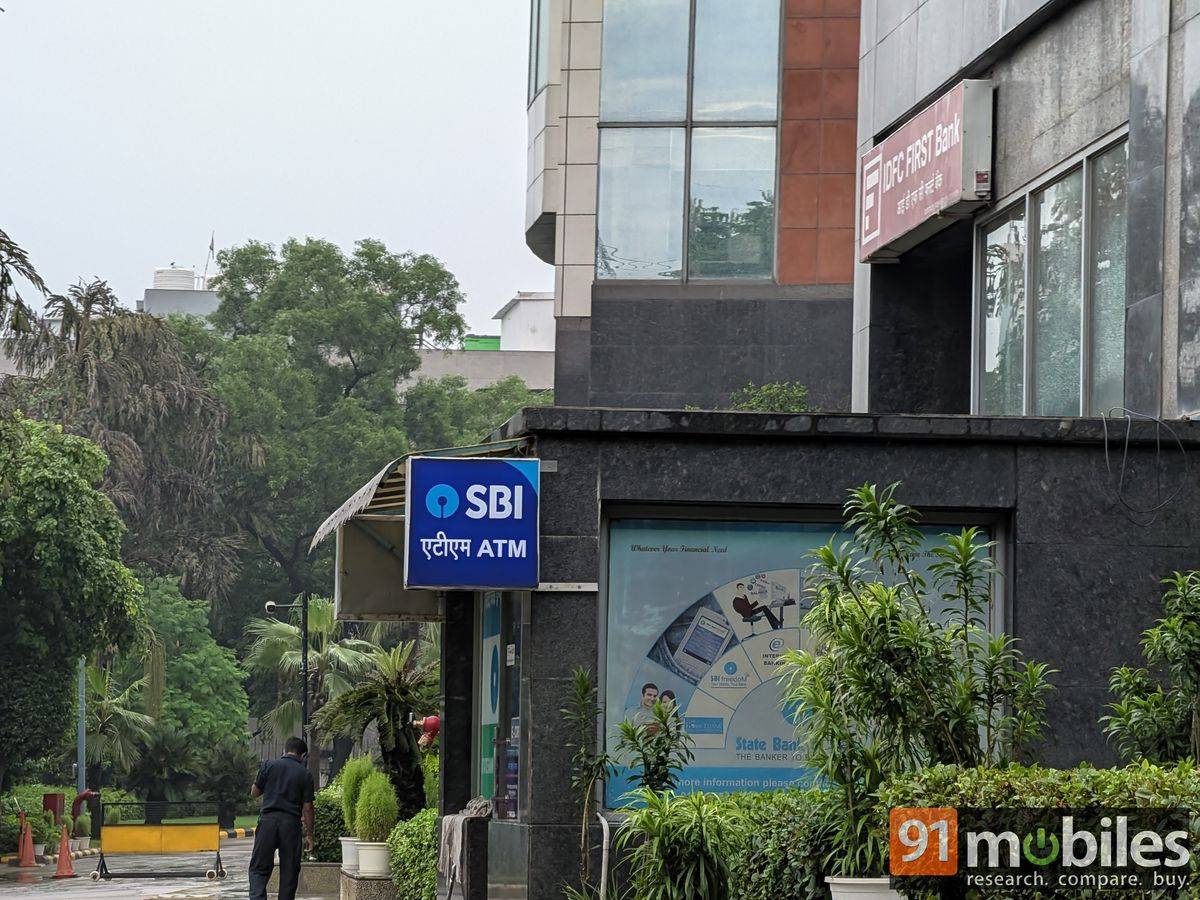
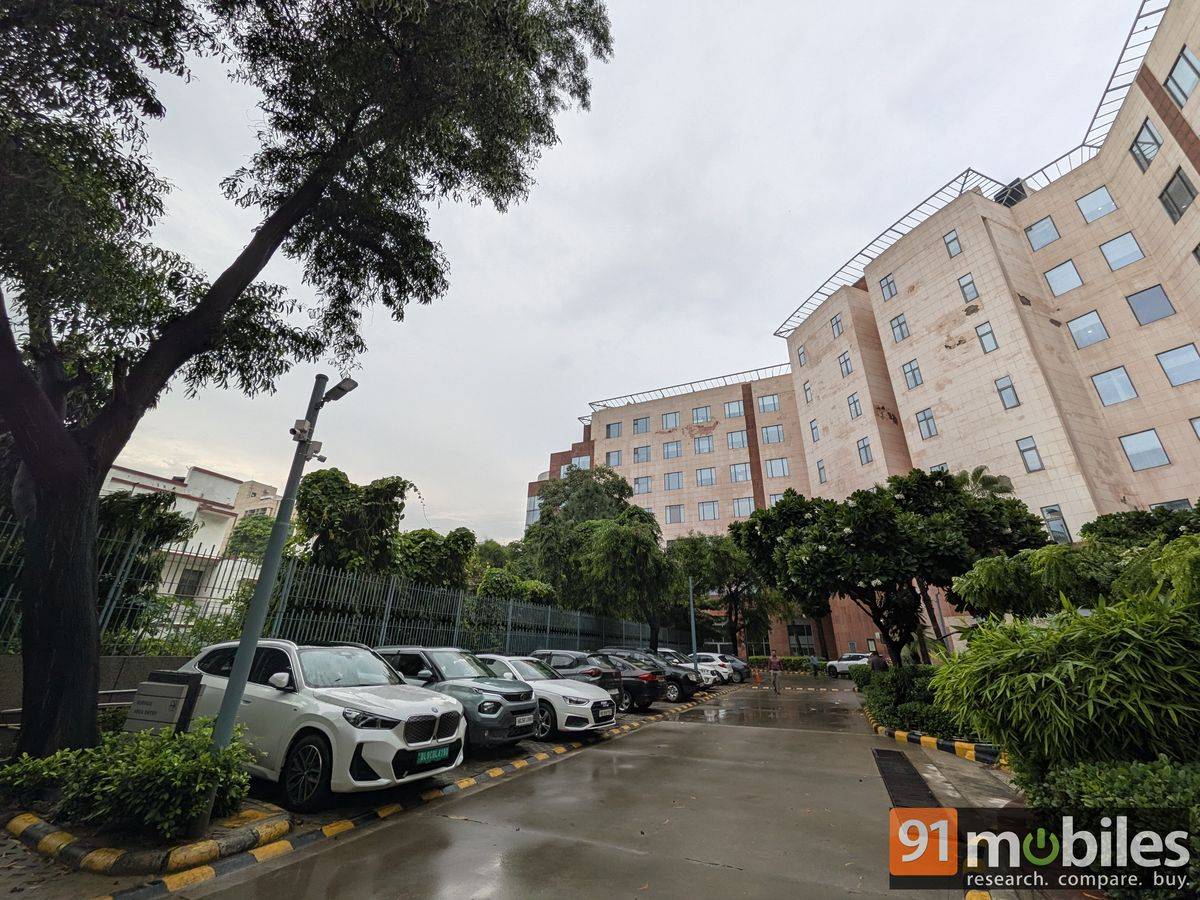


These drawbacks put the Pixel 11 behind some of its rivals in this segment. However, it remains a reliable camera phone that excels in challenging lighting conditions and delivers consistent results across a range of shooting scenarios. The phone supports up to 4K video recording at 30fps from all four cameras, although it records in standard dynamic range rather than 10-bit HDR. For social media content creators, this should not be a major concern, as the footage should still look sharp and detailed for most platforms.





Next to the video mode on the camera app is a new button called ‘Magic Capture’. The feature is just as fancy as it may sound, capturing videos and photos at the same time. You just hit the shutter button, and the phone records a video of the entire moment, then processes it and picks the best moments. It’s backed by Google’s AI, which automatically stylises the photos, unblurs them, and more, so that you don’t have to.
The Magic Capture on the Pixel 11 is currently exclusive to the primary camera; not even the front camera is covered, save for the ultrawide and telephoto. The feature works best at capturing moments in motion, similar to Live Photos, but giving it a separate mode and adding AI could make it more useful.
Design: premium, compact but not flawless
These are pretty identical to the Google Pixel 10. The only notable differences are the camera visor and, of course, the colour options. The Pixel 11 comes in all-new Frost, Hibiscus, and Pistachio shades, other than the standard Obsidian. While not as standout as the Hibiscus (Pink), the Frost variant we received for review features a light lavender shade that adds a sense of calm.

Moving on, the Pixel 11’s camera visor ditches the dual-tone finish of its predecessor for a standard black shade with colour-matched borders across variants. However, I noticed the border colour starting to chip despite the phone never being dropped or hitting any surface. The visor tends to accumulate dust around the edges, which can be difficult to clean. I recommend using a case with a raised lip around the visor for added protection. On the bright side, the visor is 30 percent thinner than ever before, ensuring a relatively seamless finish.
I wish Google had used the same matte finish as the aluminium frame on the back of the Pixel 11, instead of the glossy glass finish, for better grip, especially when using the phone without a case. The handset also misses out on the HiLight feature of the Pro models, which uses a multicoloured LED to alert you when speaking to Gemini or when receiving an incoming call.

Leaving these quirks aside, many will appreciate the Pixel 11’s relatively compact form factor and premium build, backed by an IP68 rating and Corning Gorilla Glass Victus 2 protection on both the front and back. The handset weighs 197 grams, making it lighter than last year’s Pixel 10 and comfortable to hold for prolonged hours.
Display: vibrant visuals with a few compromises
The Google Pixel 11 sports a 6.3-inch ‘Actua’ OLED display with FHD+ (1,080 x 2,424 pixels) resolution, an adaptive 120Hz refresh rate, and up to 3,000 nits of peak brightness. However, Google continues to use an LTPS panel instead of the more power-efficient LTPO technology, which remains exclusive to the Pro models. The bezels don’t feel as slim as they should for a phone at this price point, making content feel slightly less immersive compared to smartphones with razor-thin bezels.

I also found the Pixel 11’s adaptive brightness could do a better job of adjusting to the ambient lighting. The screen often remained a notch dimmer than expected, making text and other content less legible than they should be. The display is otherwise amply bright and supports HDR and Widevine L1 for high-resolution multimedia playback on platforms such as Netflix and YouTube. Colours appear punchy and vibrant, with minimal loss in quality when viewed from different angles.

The display houses an ultrasonic fingerprint scanner, positioned where the thumb naturally rests. While it isn’t the fastest I’ve used, the scanner is accurate and reliably unlocks the smartphone. The Pixel 11 also delivers excellent haptic feedback, while its dual stereo speakers remain sufficiently loud and clear for an enjoyable multimedia experience indoors.
Final verdict
Back when reviewing the Pixel 10 (review), I said it had Pro-level ambitions. The Google Pixel 11 continues to chase that goal with incremental upgrades, bringing faster AI processing, deeper Gemini integration, improved image processing and better battery efficiency. However, it still misses several features that you get with its ‘Pro’ models and have become fairly standard even for regular flagships. These include a more power-efficient LTPO display, a larger ultrawide sensor and a telephoto camera capable of more than 30x zoom.
The Pixel 11 also misses the new HiLight feature found on the Pro models, which alerts you to incoming calls and Gemini interactions. However, given the feature’s current limitations, its absence isn’t as significant as the hardware compromises. For camera enthusiasts, phones such as the OPPO Find X9 (review), Vivo X300 FE (review) and Xiaomi 17 (review), all of which are due for a refresh later this year, offer stronger value.
The Pixel 11’s appeal lies elsewhere: it is primarily about Google’s clean, feature-rich software experience, with AI deeply integrated to make everyday usage more convenient.
If you already own a Pixel 10, or even a Pixel 9, there is little reason to upgrade. However, those coming from an older Pixel or another smartphone can consider the Pixel 11 for its software longevity, AI capabilities, and compact design. At Rs 89,999 in India, though, it is a phone that makes more sense for those specifically seeking the Pixel experience than for buyers simply looking for the best hardware at this price.
Editor’s rating: 8.3/10
Reasons to buy
- Compact, premium design with a comfortable form factor and durable build.
- Efficient battery life that can comfortably last over a day with moderate to heavy usage.
- Useful AI features and creator-focused tools that enhance everyday usage and content creation.
- Reliable cameras that deliver consistent results across different lighting conditions.
Reasons not to buy
- Relatively thick bezels make the display feel less immersive than some rivals.
- Slow 30W charging speeds feel underwhelming for a flagship at this price.
- Lacks the raw performance offered by competing Snapdragon- and Dimensity-powered flagships.
 | vs |  |