CMF, now an offspring of Nothing, had an eventful 2025. From setting up its core operations in India to getting new leadership faces, the sub-brand even expanded its portfolio at the start of 2026 with the launch of the Headphone Pro. While it did all of that, its only smartphone offering last year, the CMF Phone 2 Pro, continued to make waves in the sub-Rs 20,000 segment for its camera versatility, discrete software identity, and of course, the rear design that stays true to CMF fashion.
Launched at Rs 18,999 in April 2025, the CMF Phone 2 Pro recently received the Nothing OS 4 update. With so many sub-Rs 20,000 phones launching since the CMF Phone 2 Pro debuted, I used it as my daily driver for a month to see how it stacks up. Does the phone still offer enough value? Find out in this long-term review.
Table of Contents
A design that’s unique to CMF
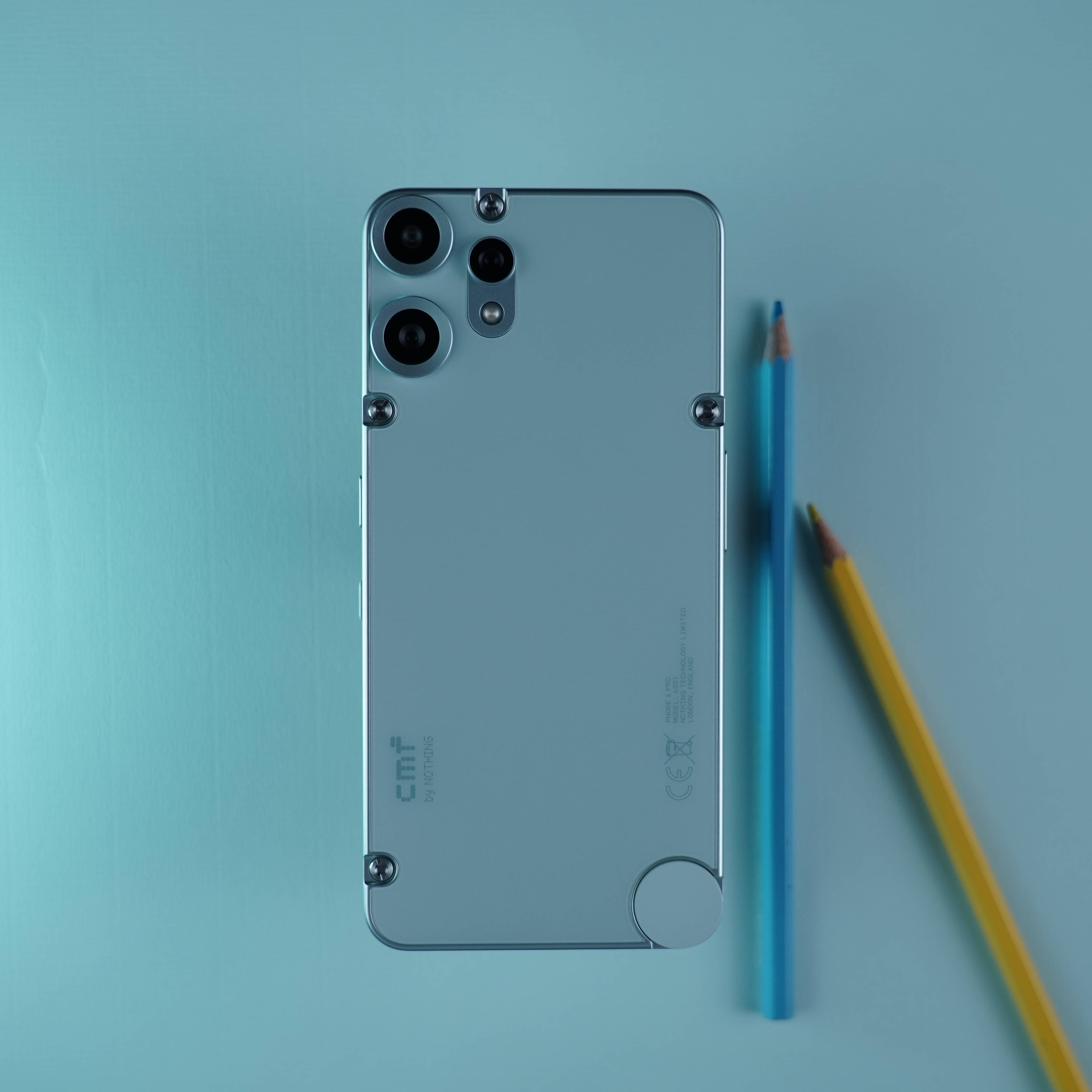
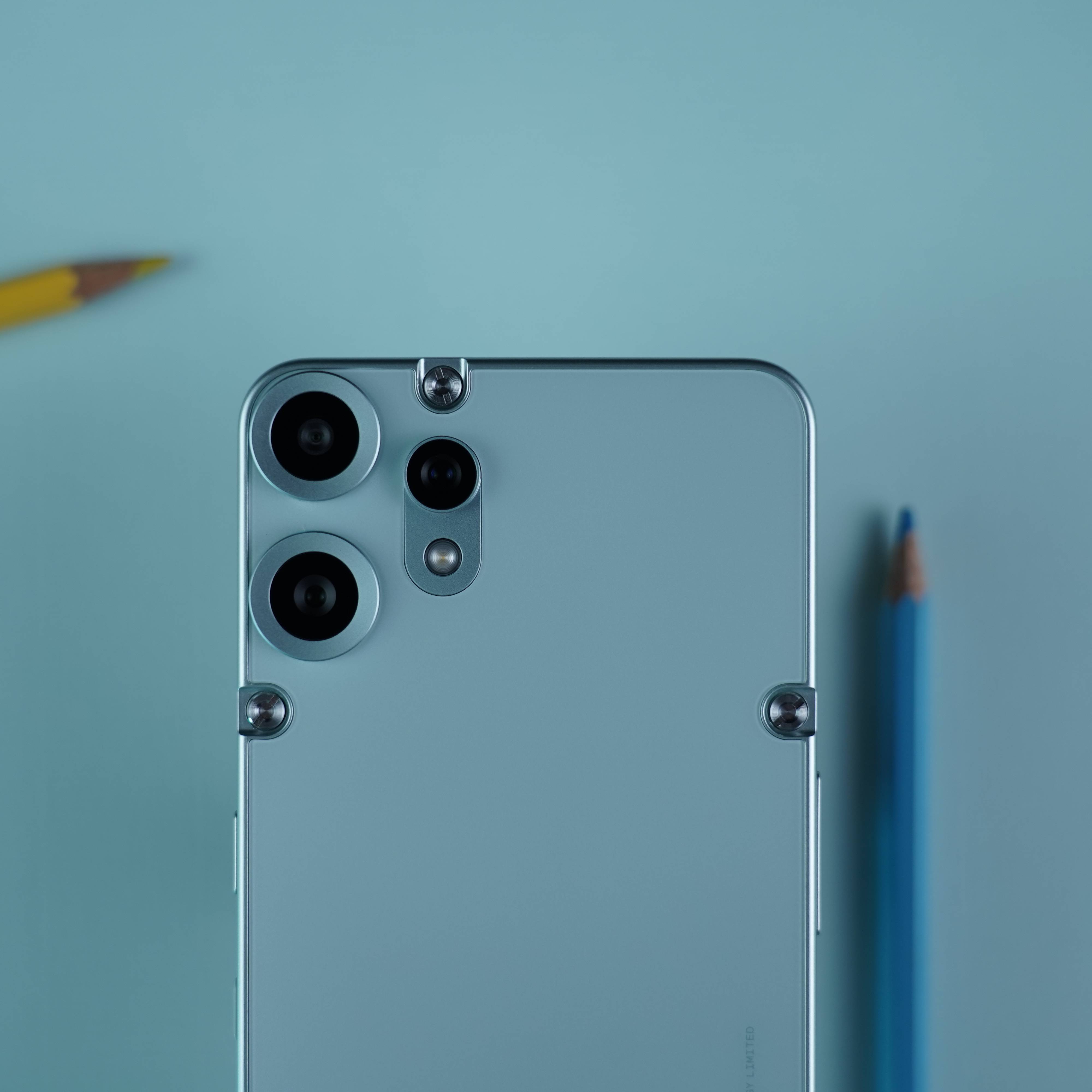
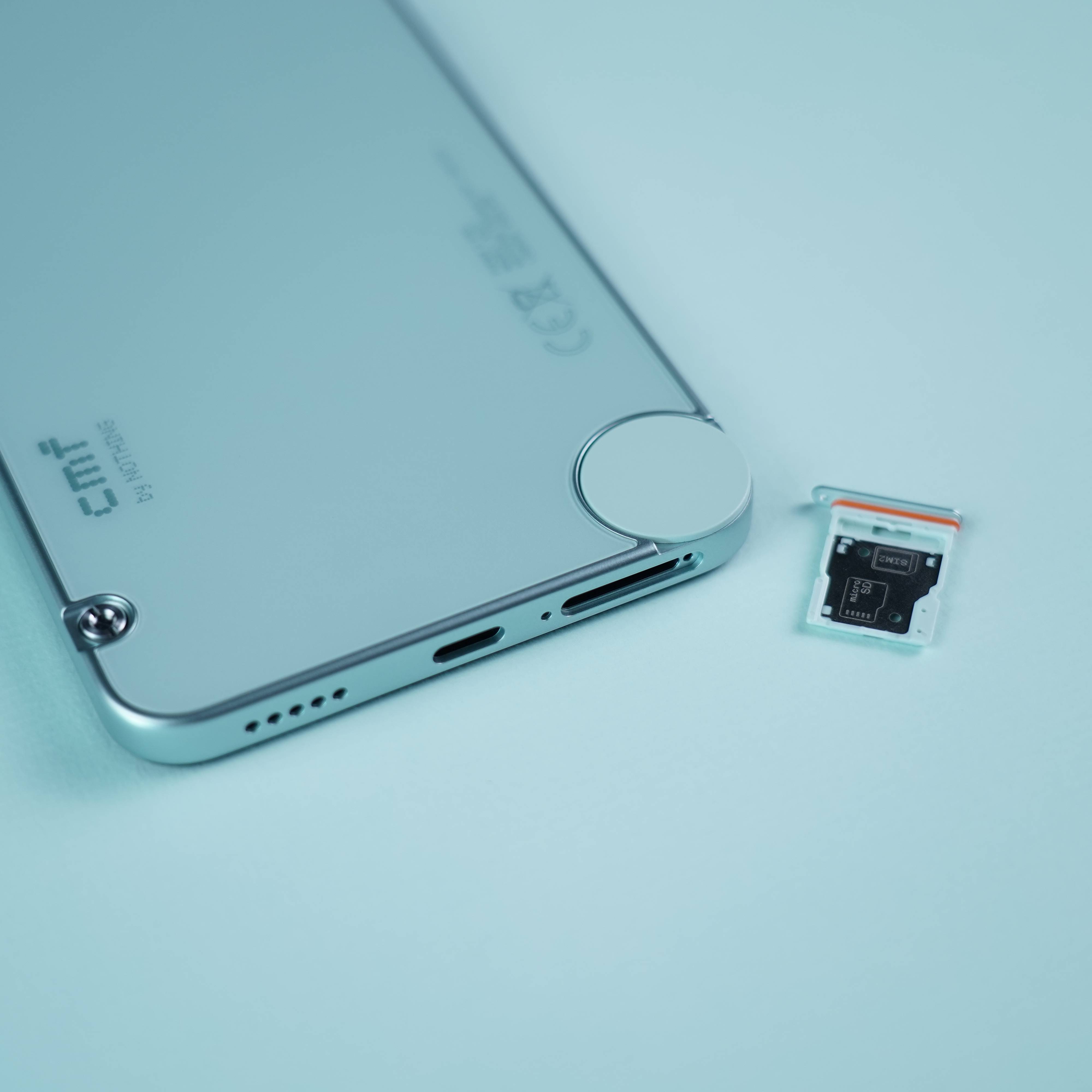
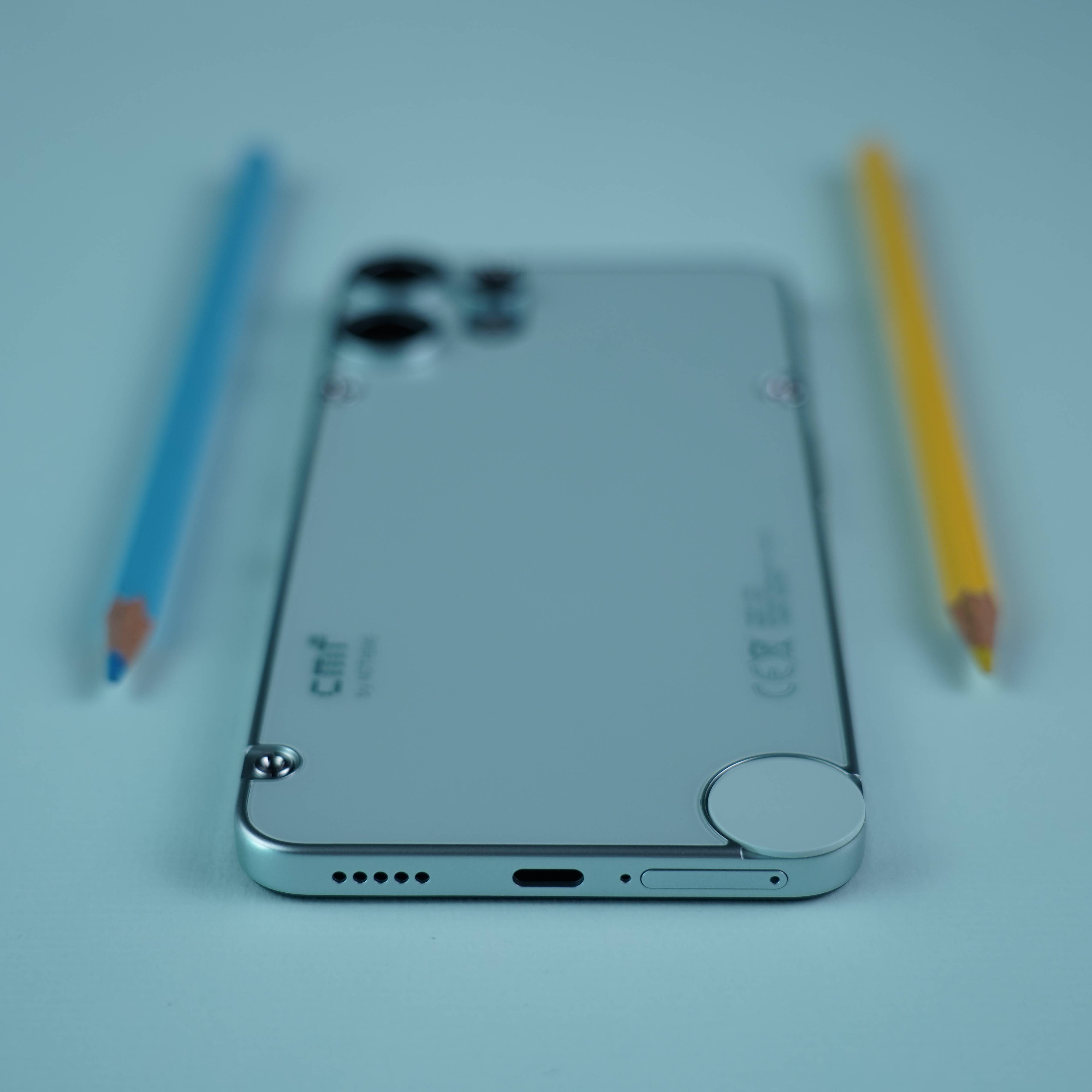
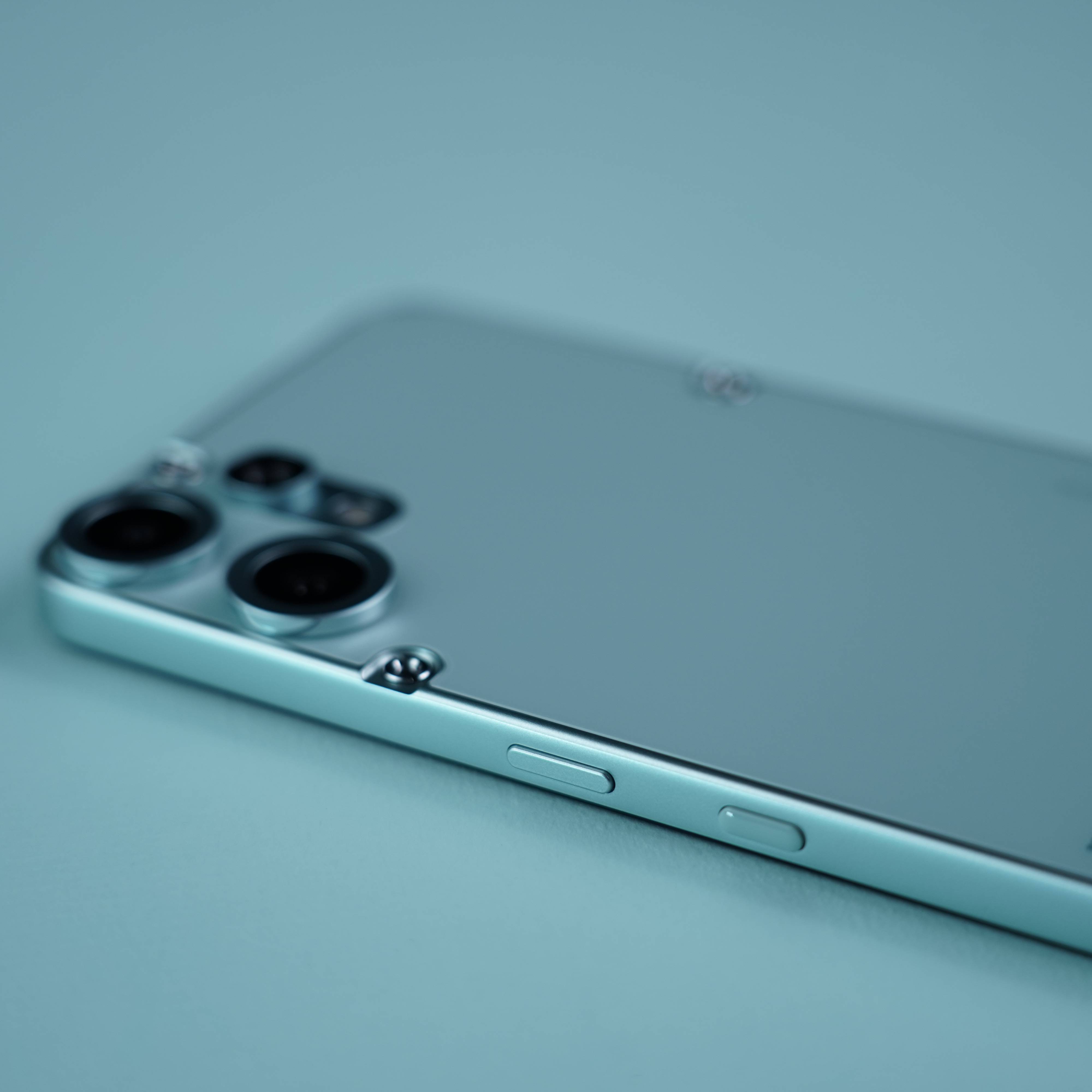
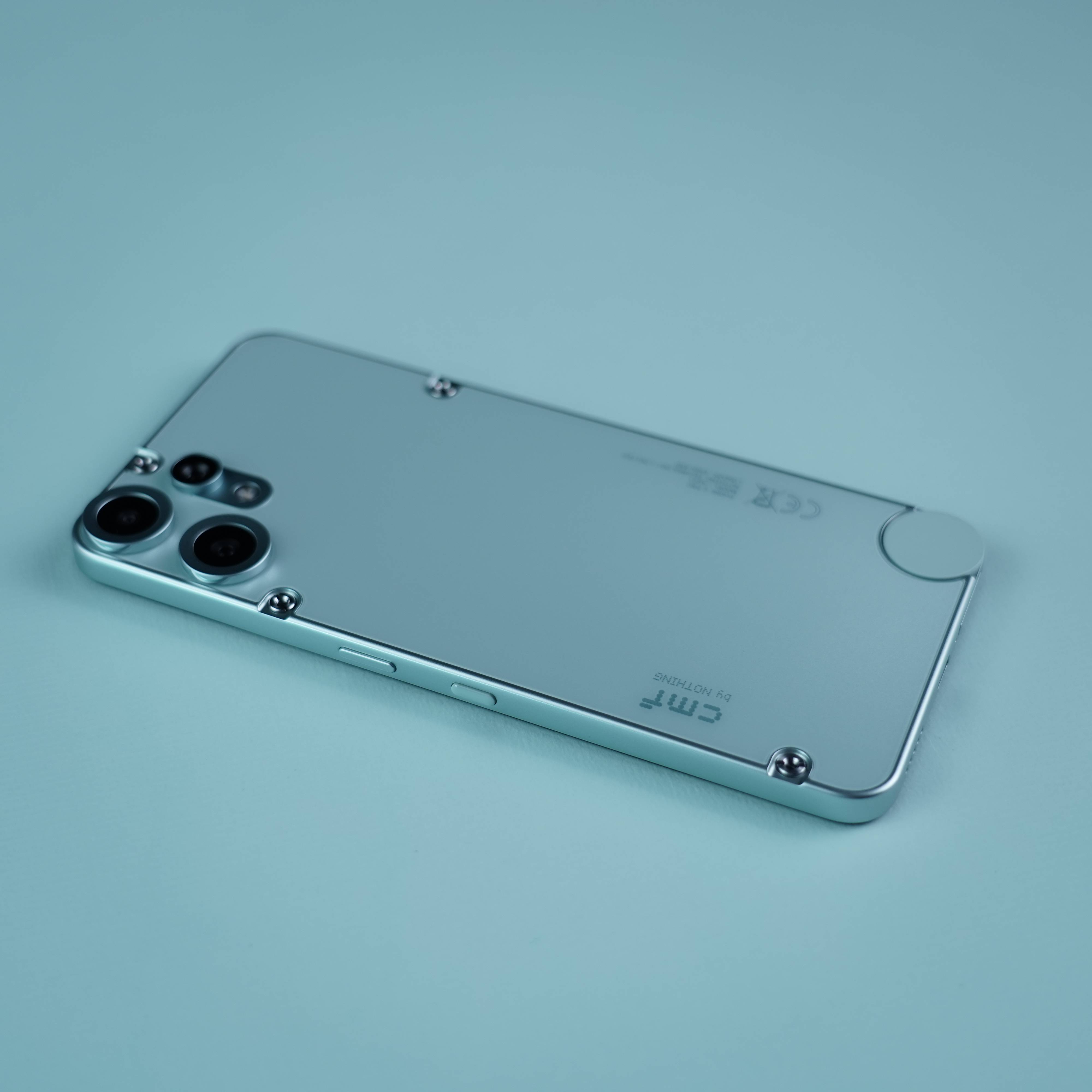
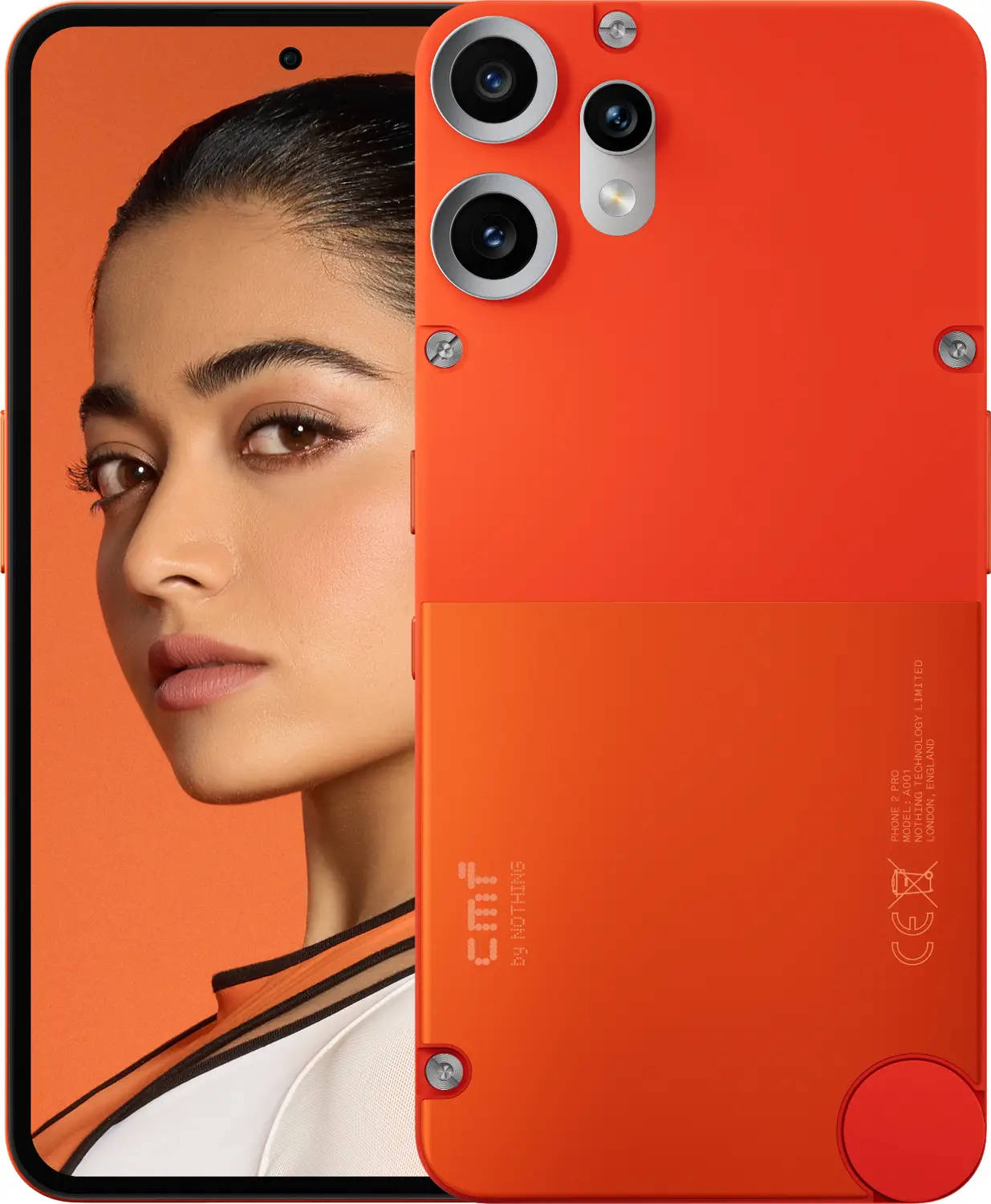
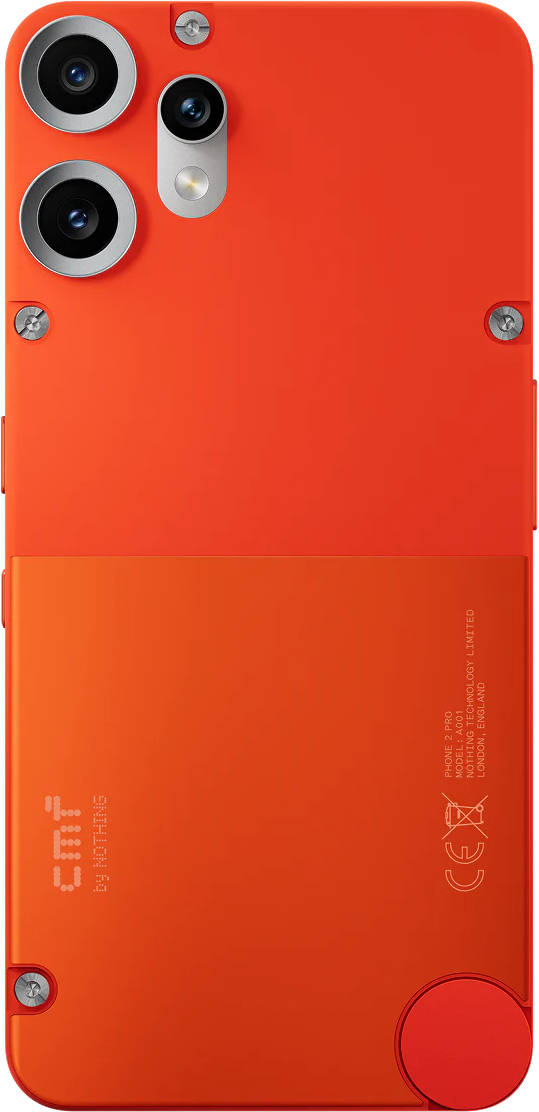
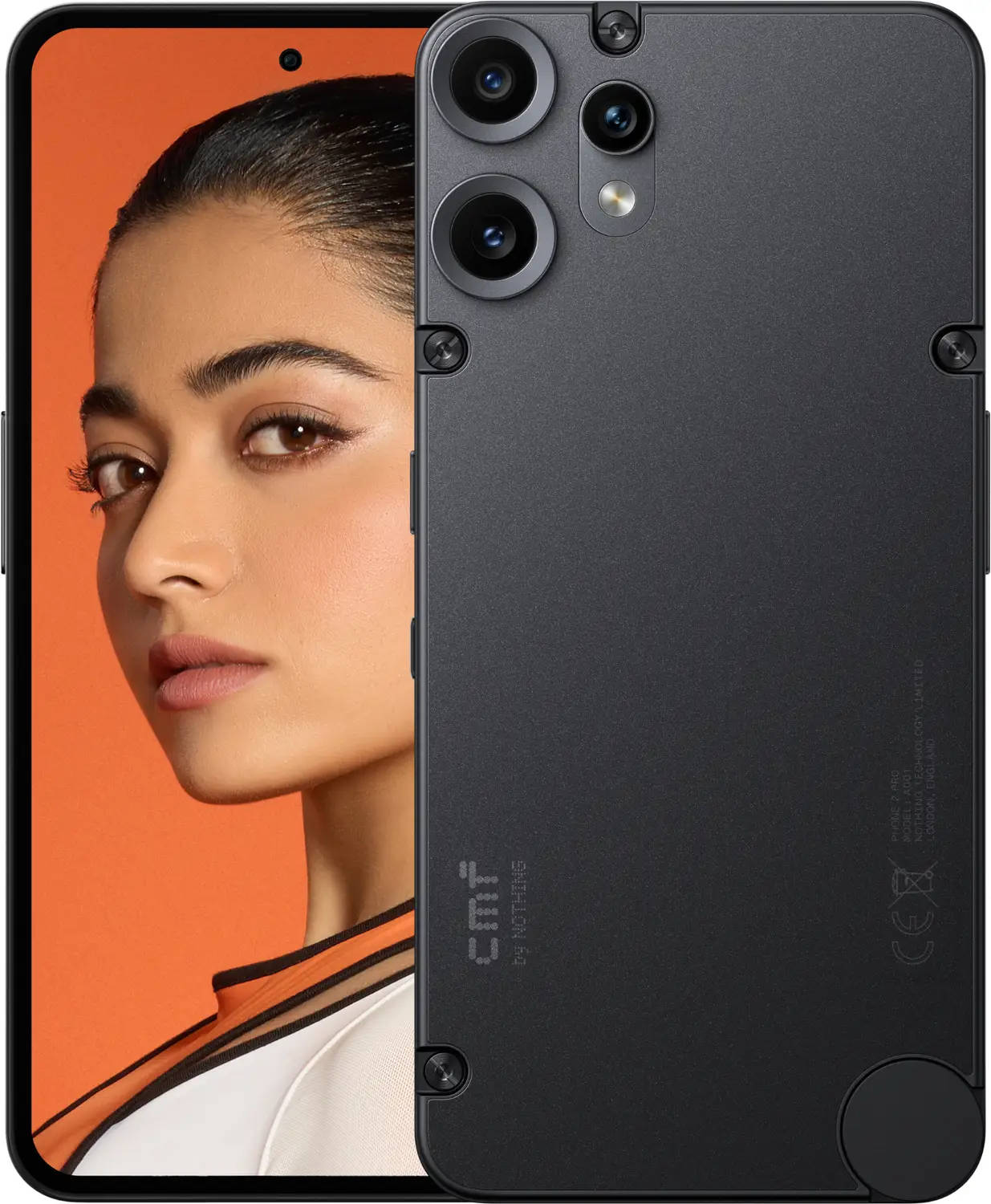
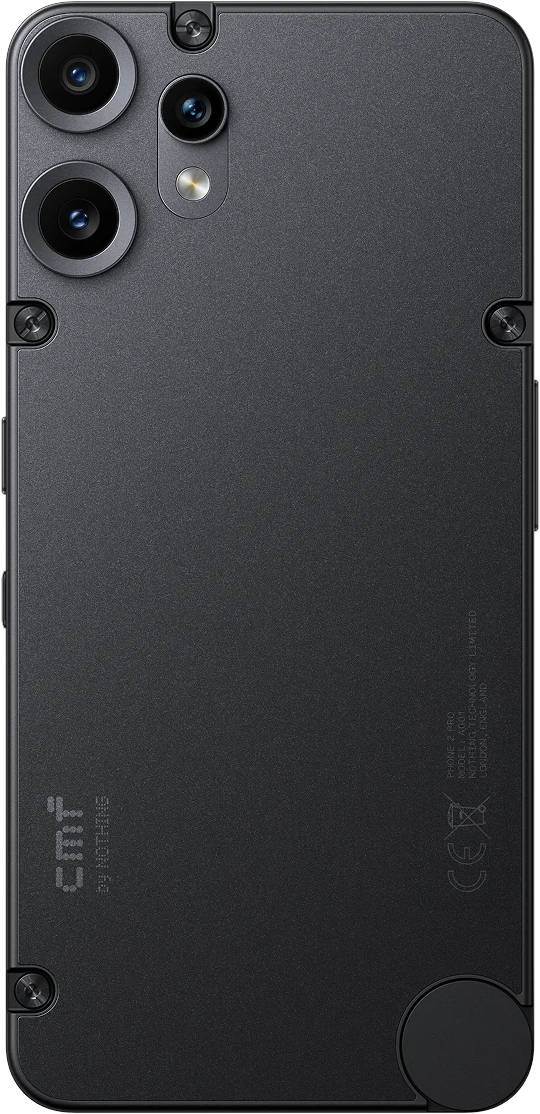
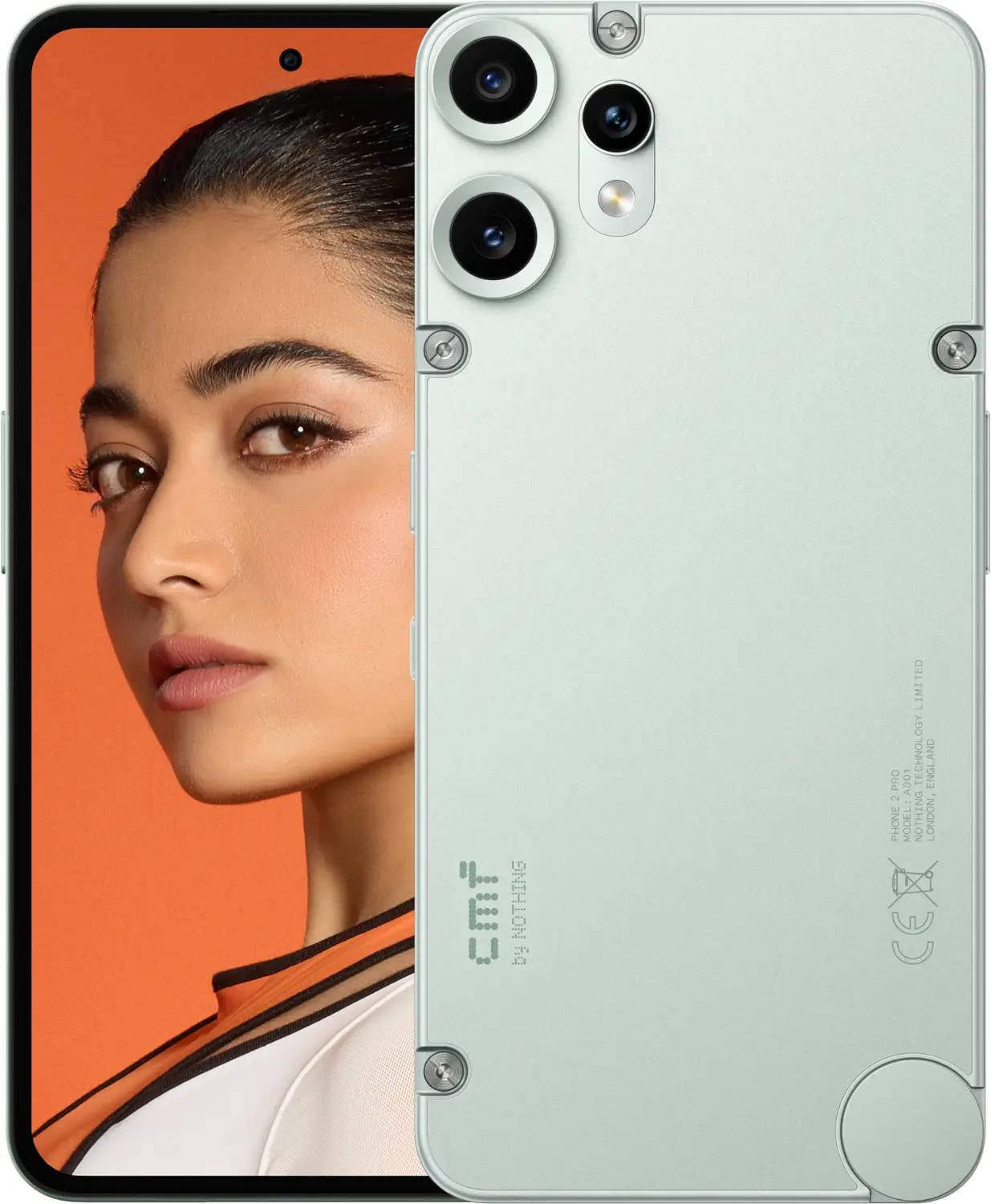
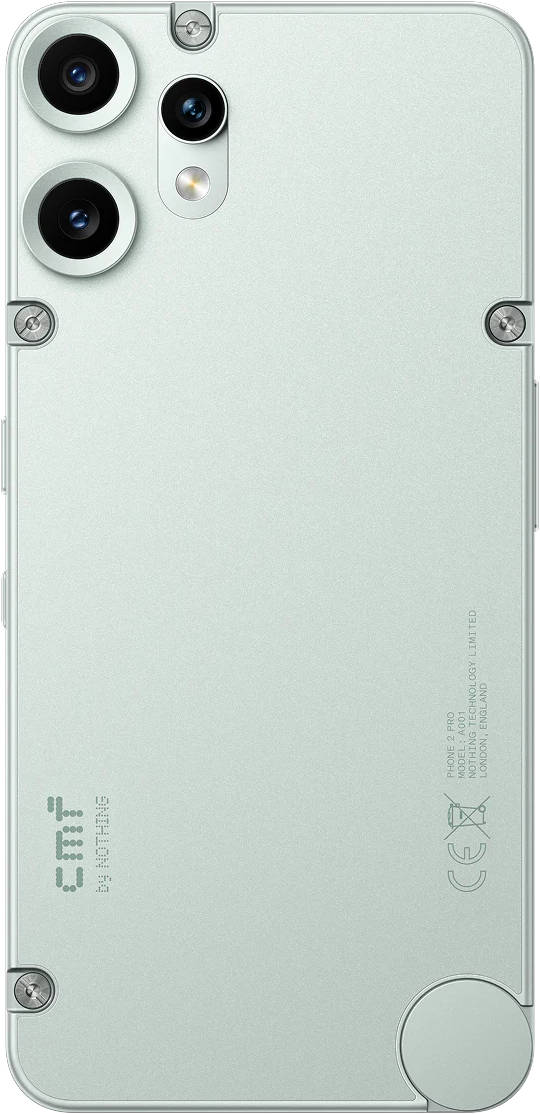
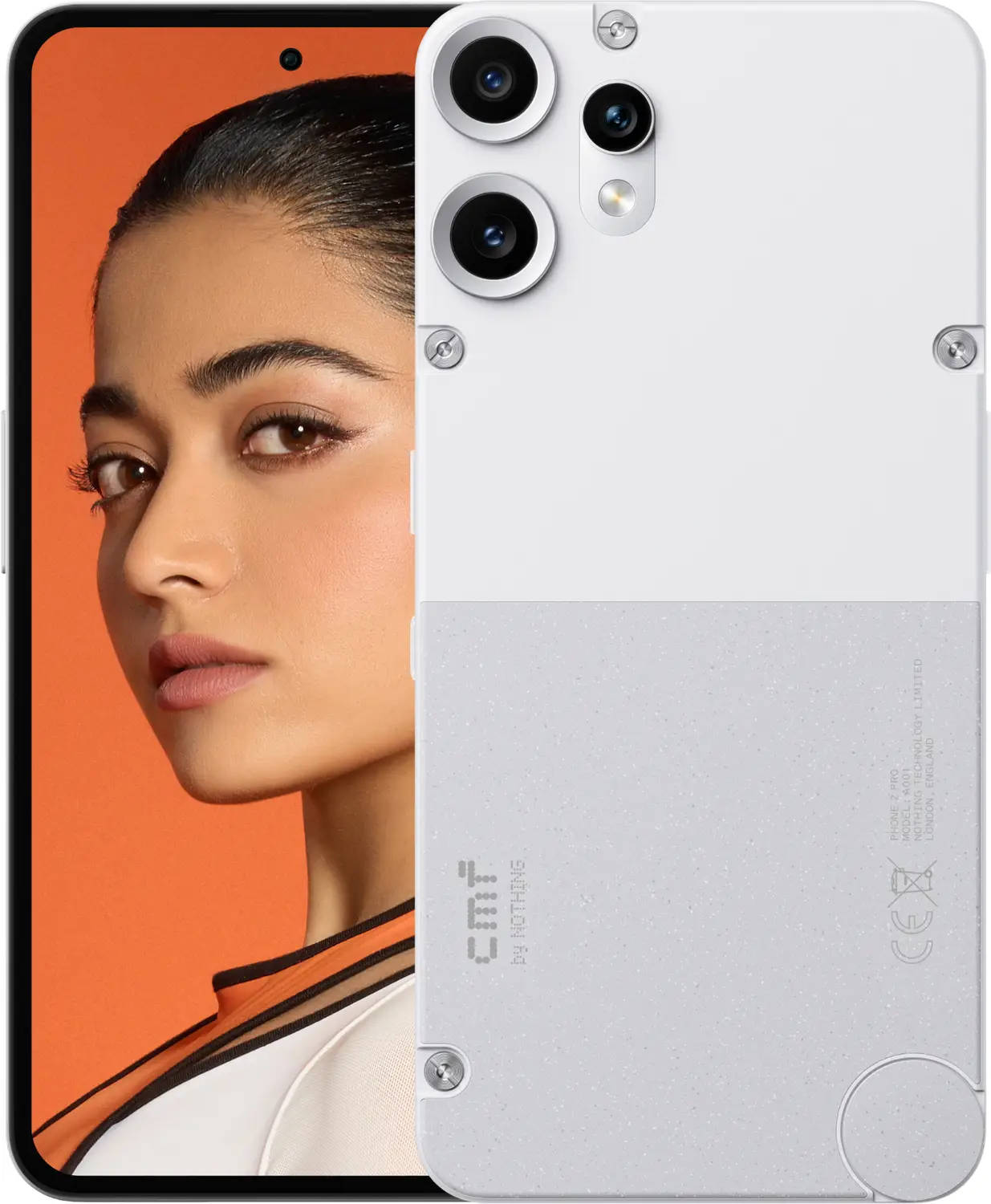
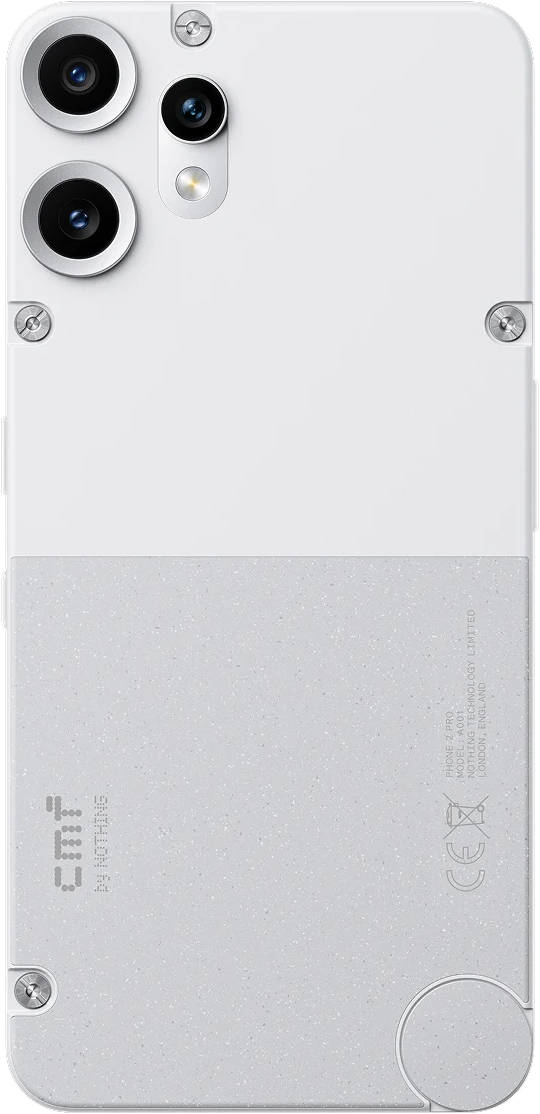
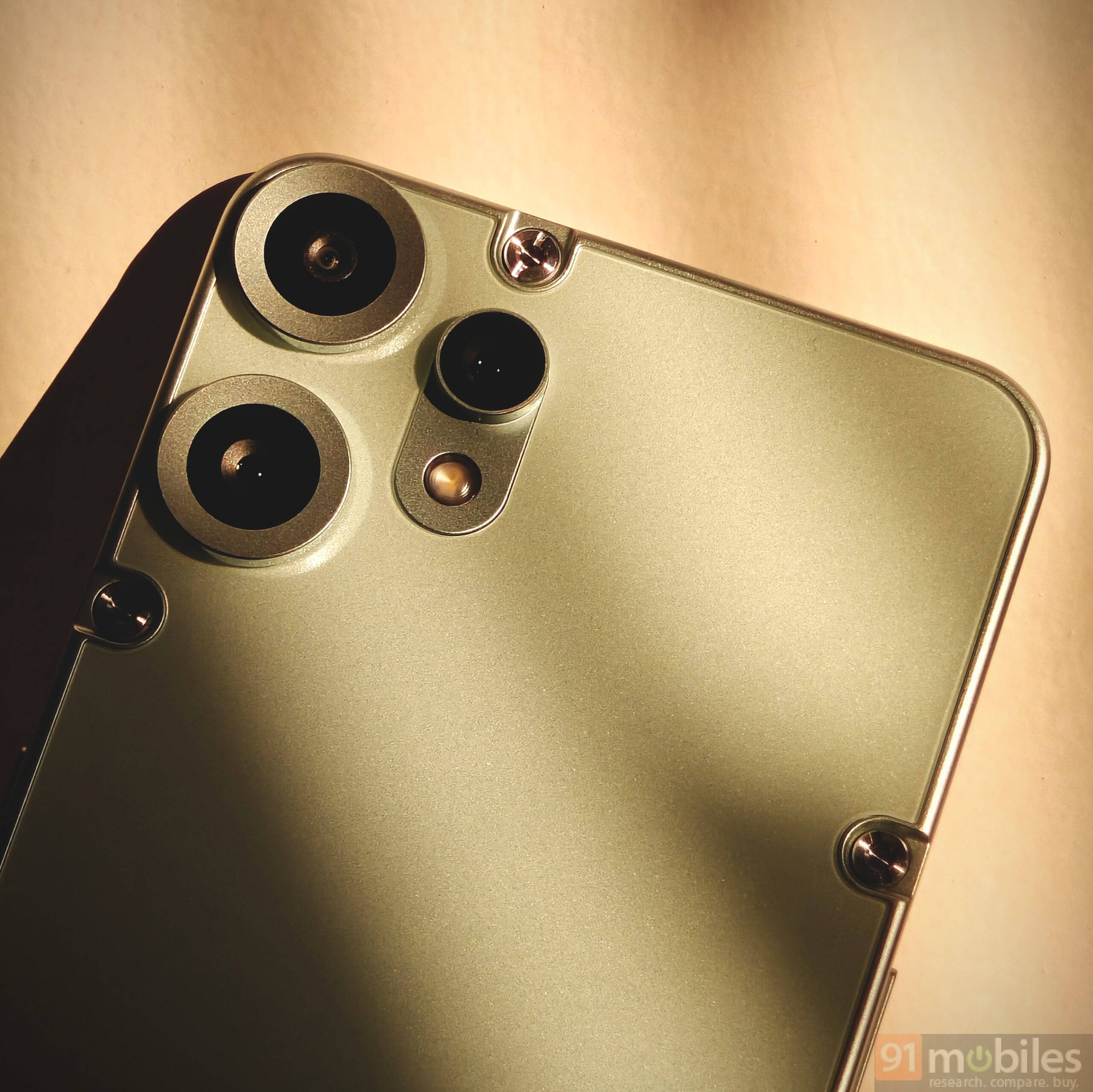
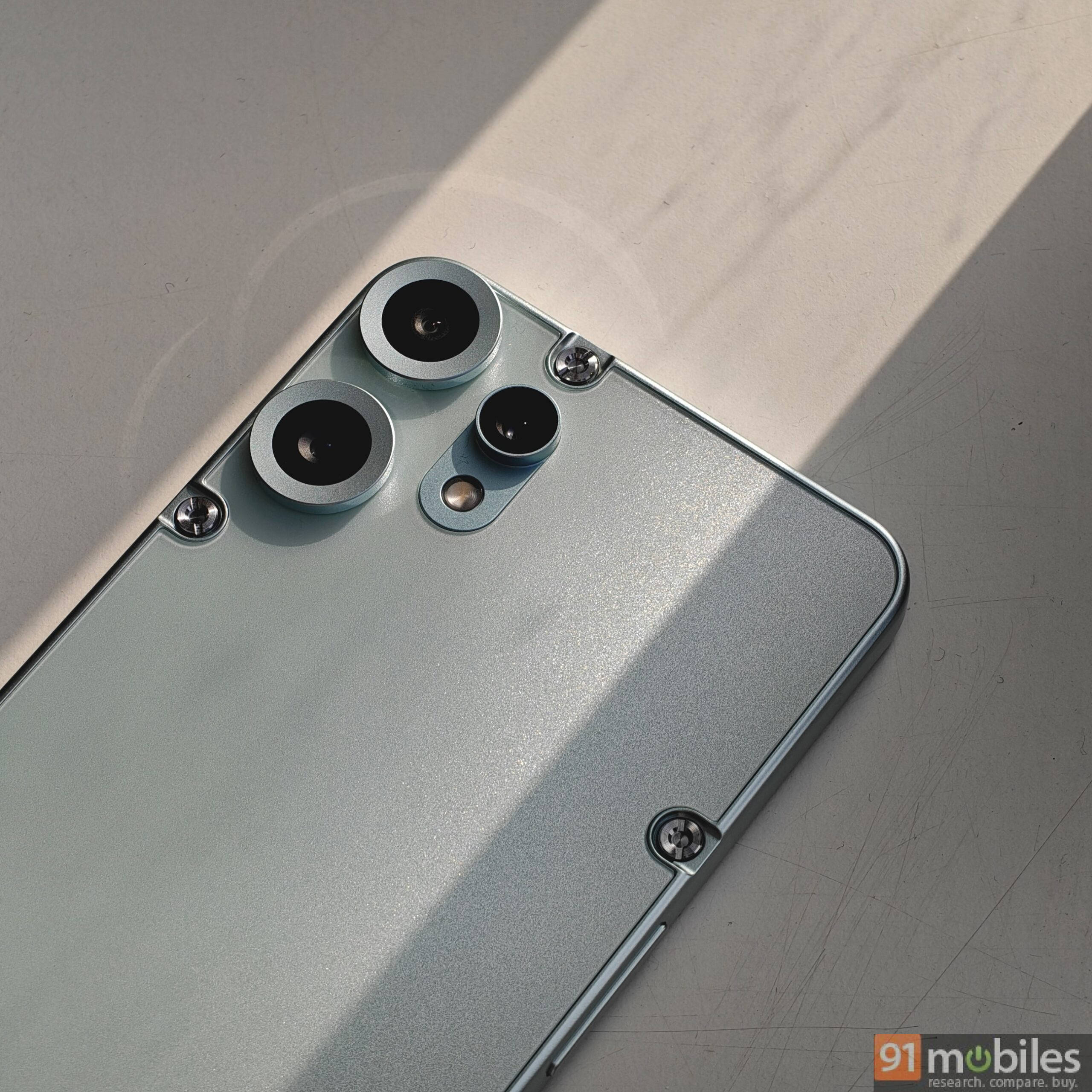
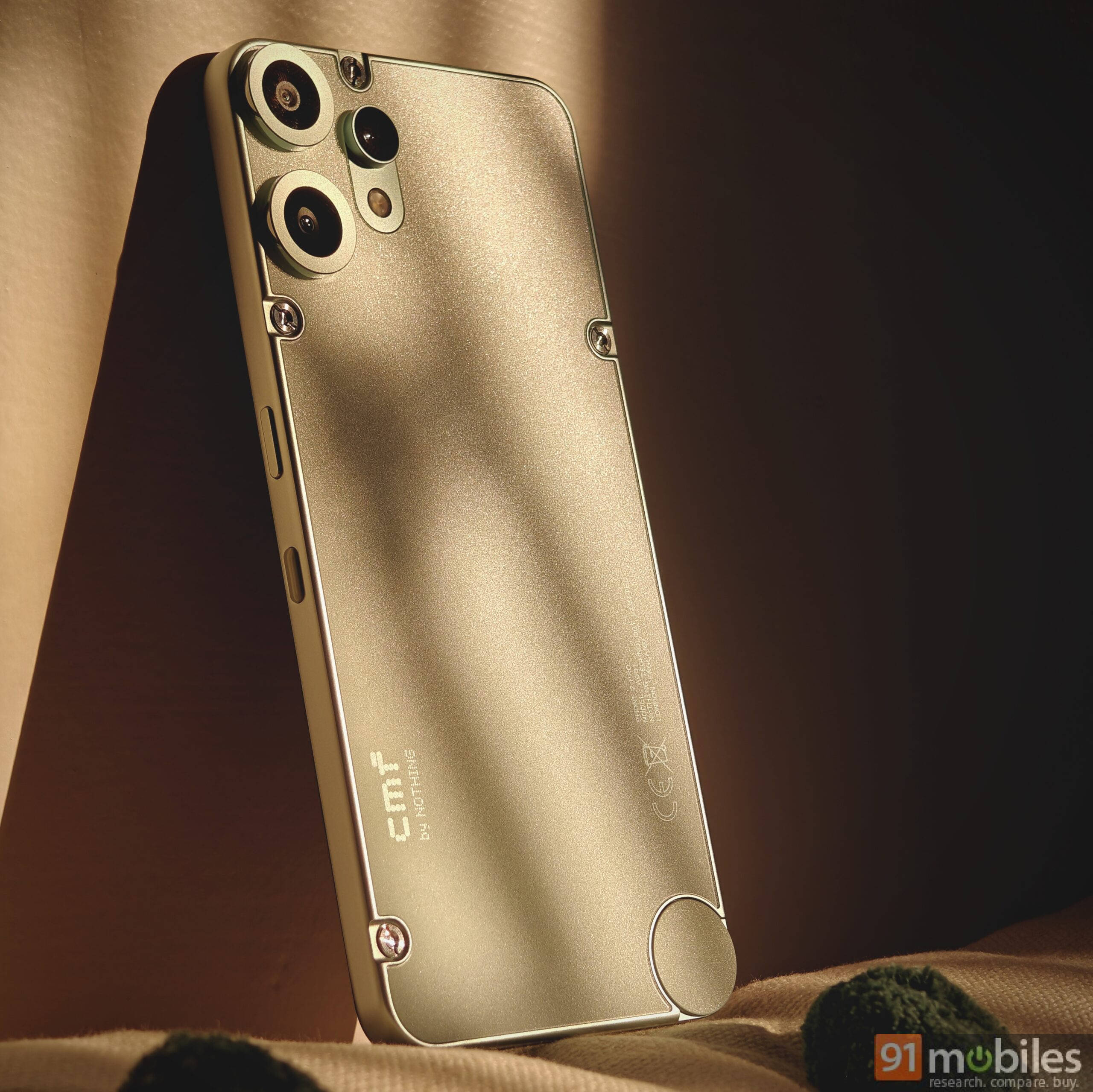
The design of the CMF Phone 2 Pro, even after months of its release, is anything but generic or aped. It makes a bold statement by having screws fitted along the edges of the back panel, camera lenses surrounded by metallic rings, a rotating knob (to attach accessories like a lanyard), and standout colours, especially the Orange shade.
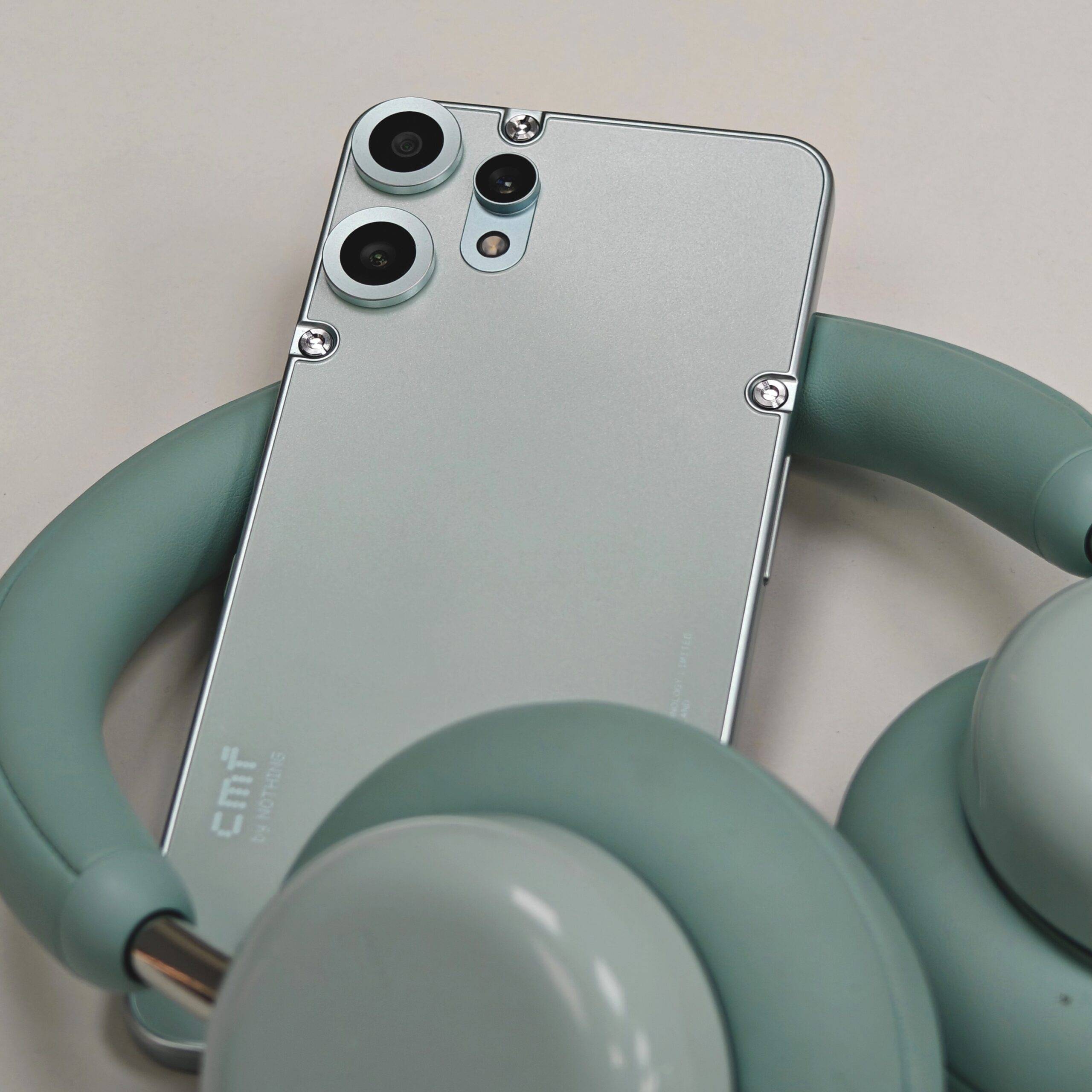
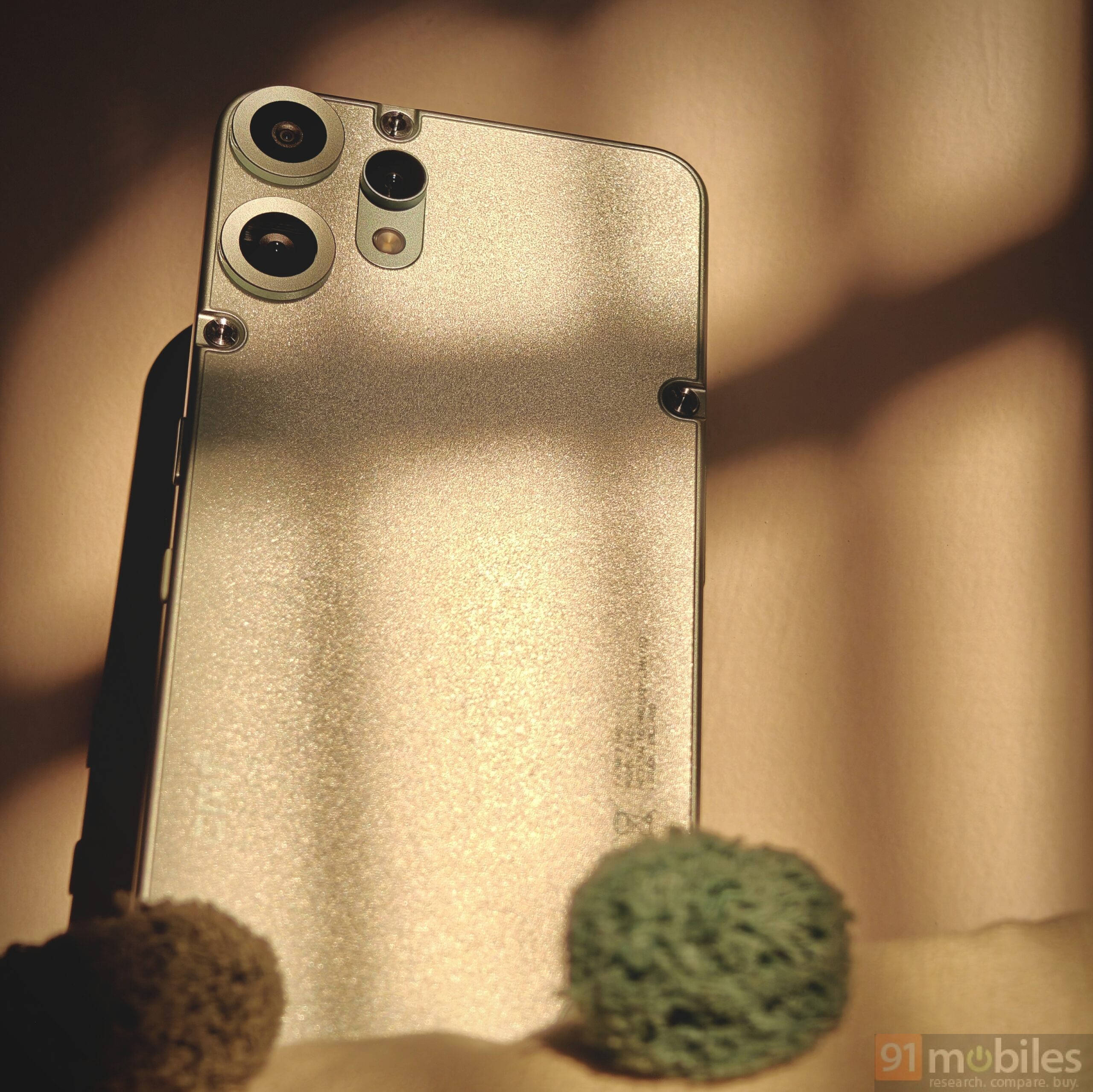
The CMF Phone 2 Pro continues to offer the best haptic experience in its price class.
Sharp, vibrant, and contrasty display
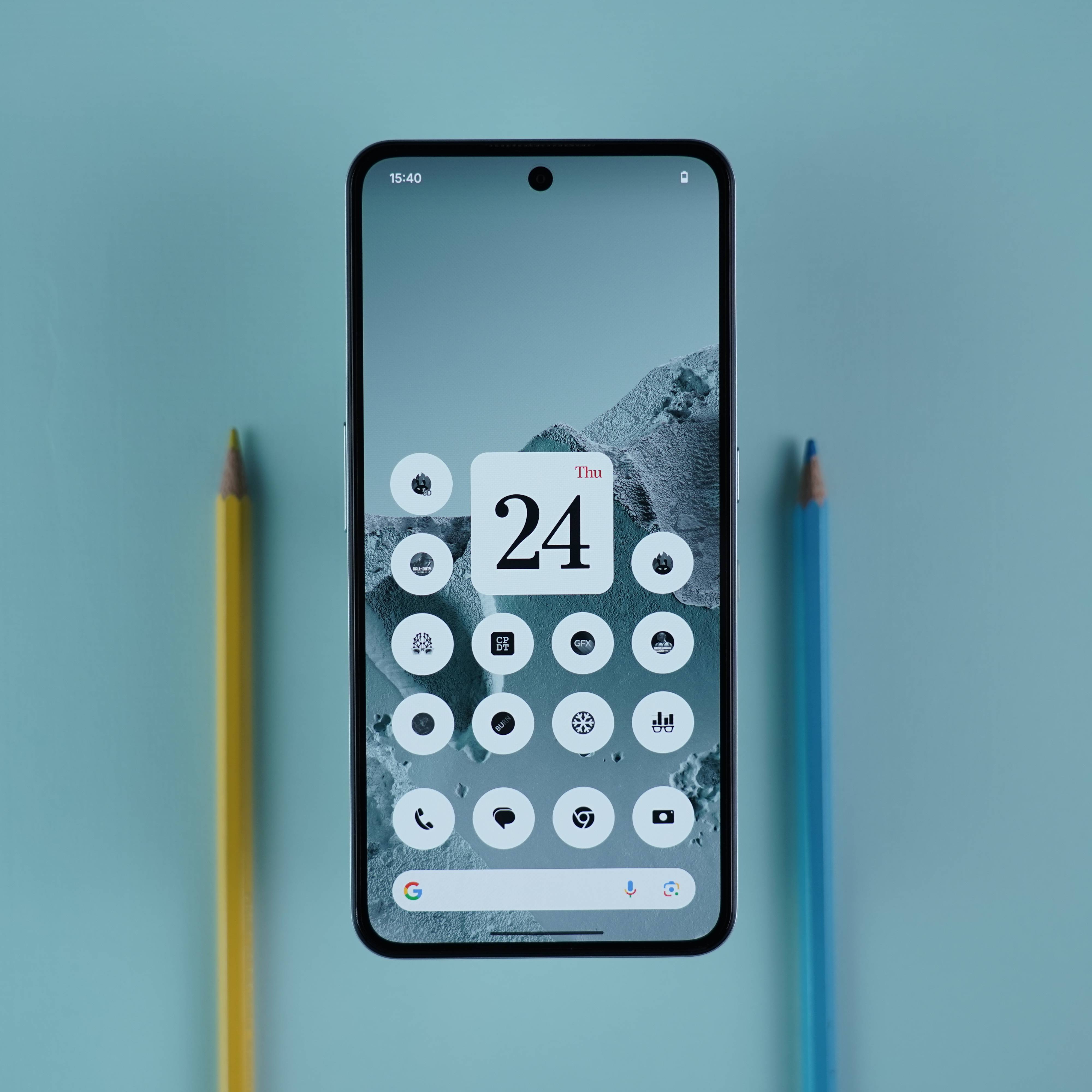
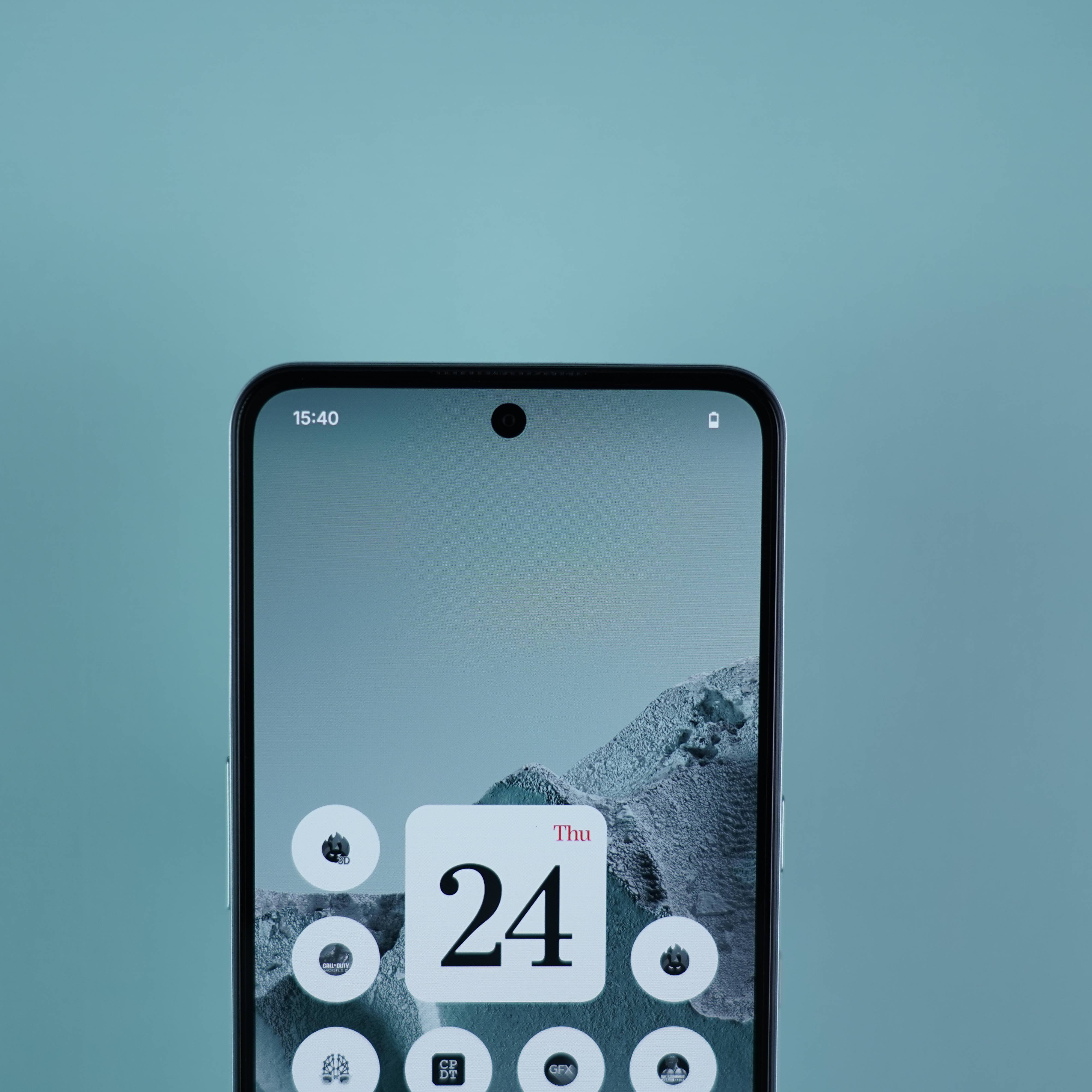
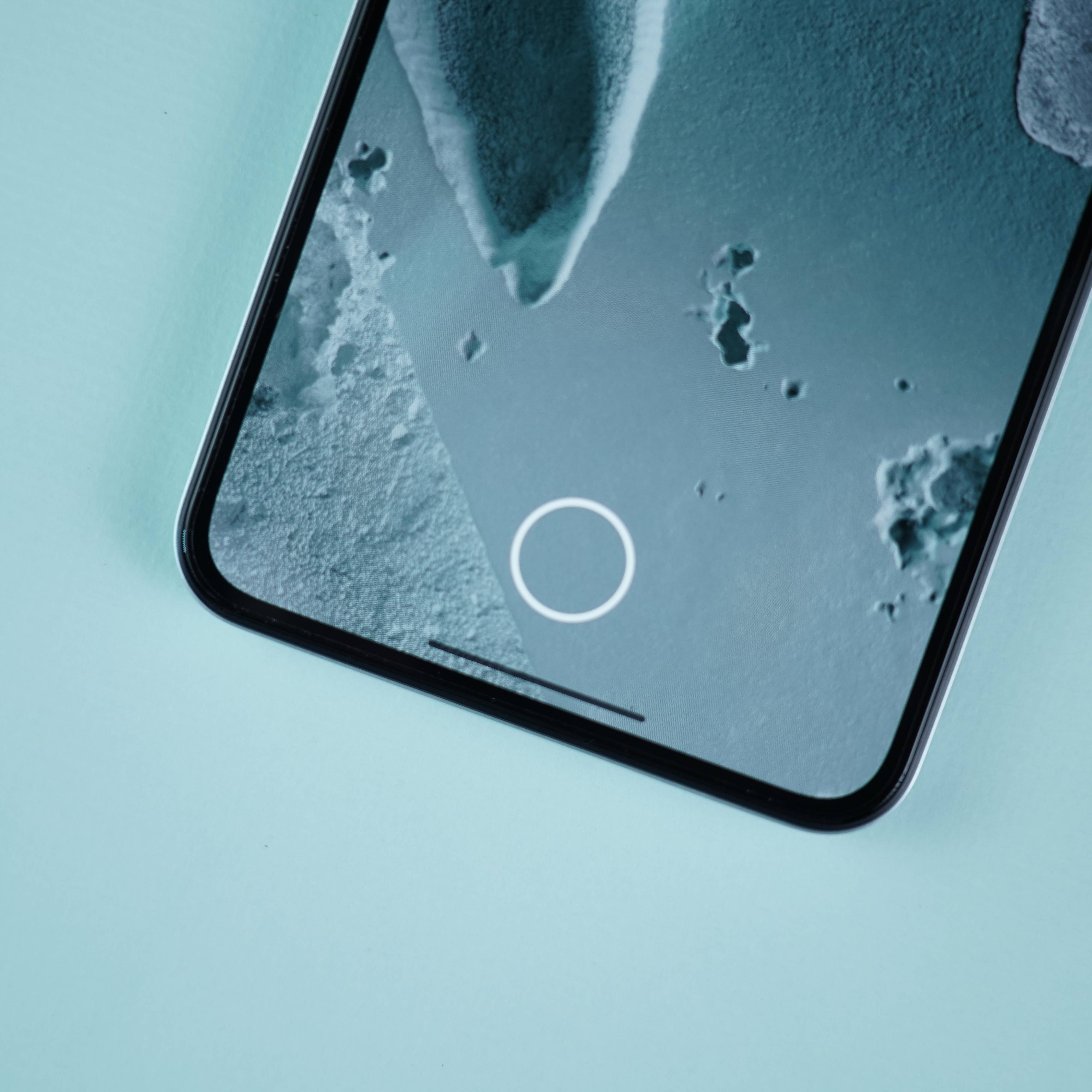
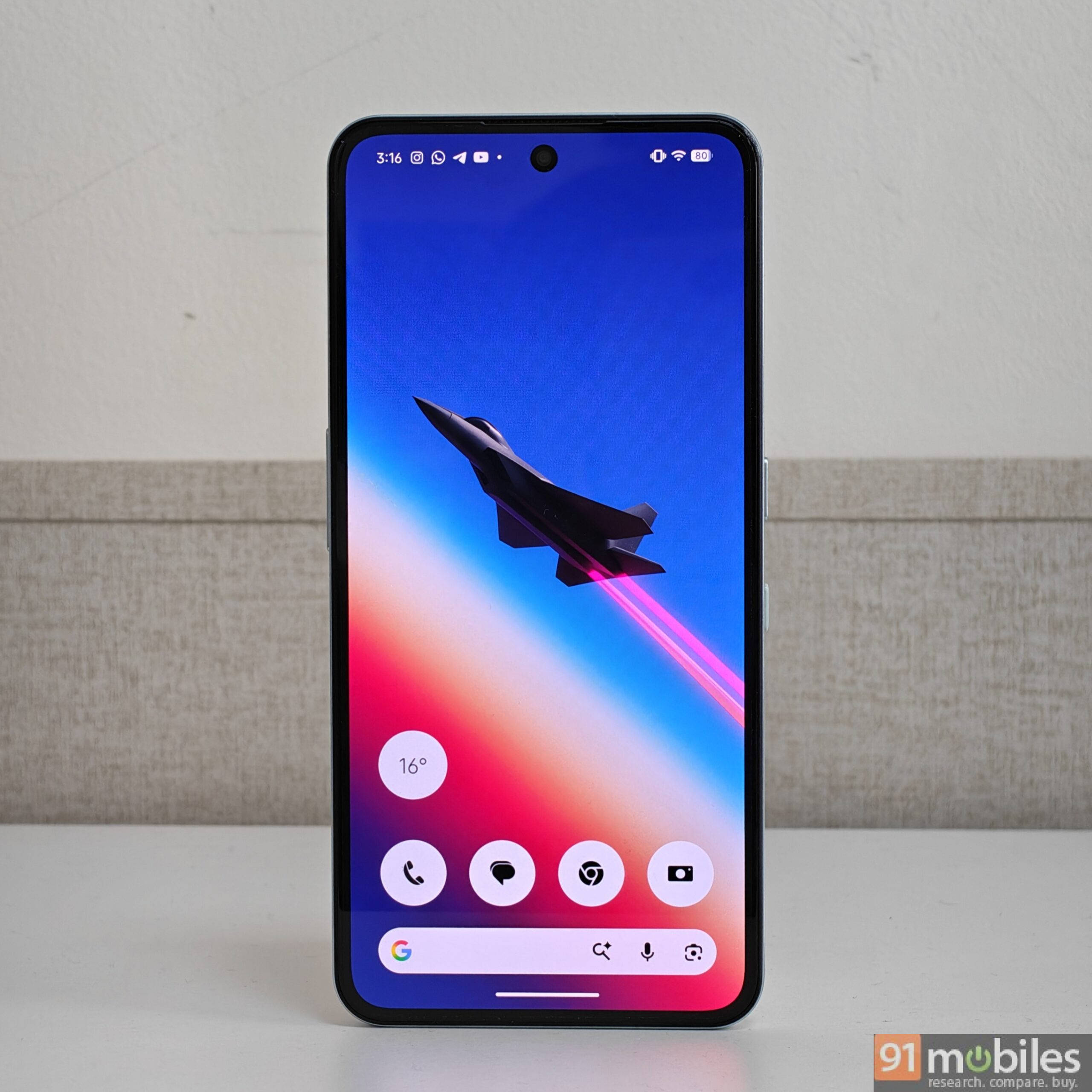
The CMF Phone 2 Pro’s display has aged quite nicely over the last few months. Its 6.77-inch FHD+ AMOLED panel delivers vibrant, contrasty colours, sufficient detail, and great value for the price. Like most phones in the sub-Rs 20,000 range, the display supports a 120Hz refresh rate, which is actually used in most apps. This doesn’t hold true for phones like the Realme P4 and P4x. Both cap the refresh rates to 60 or 90Hz in several third-party apps.
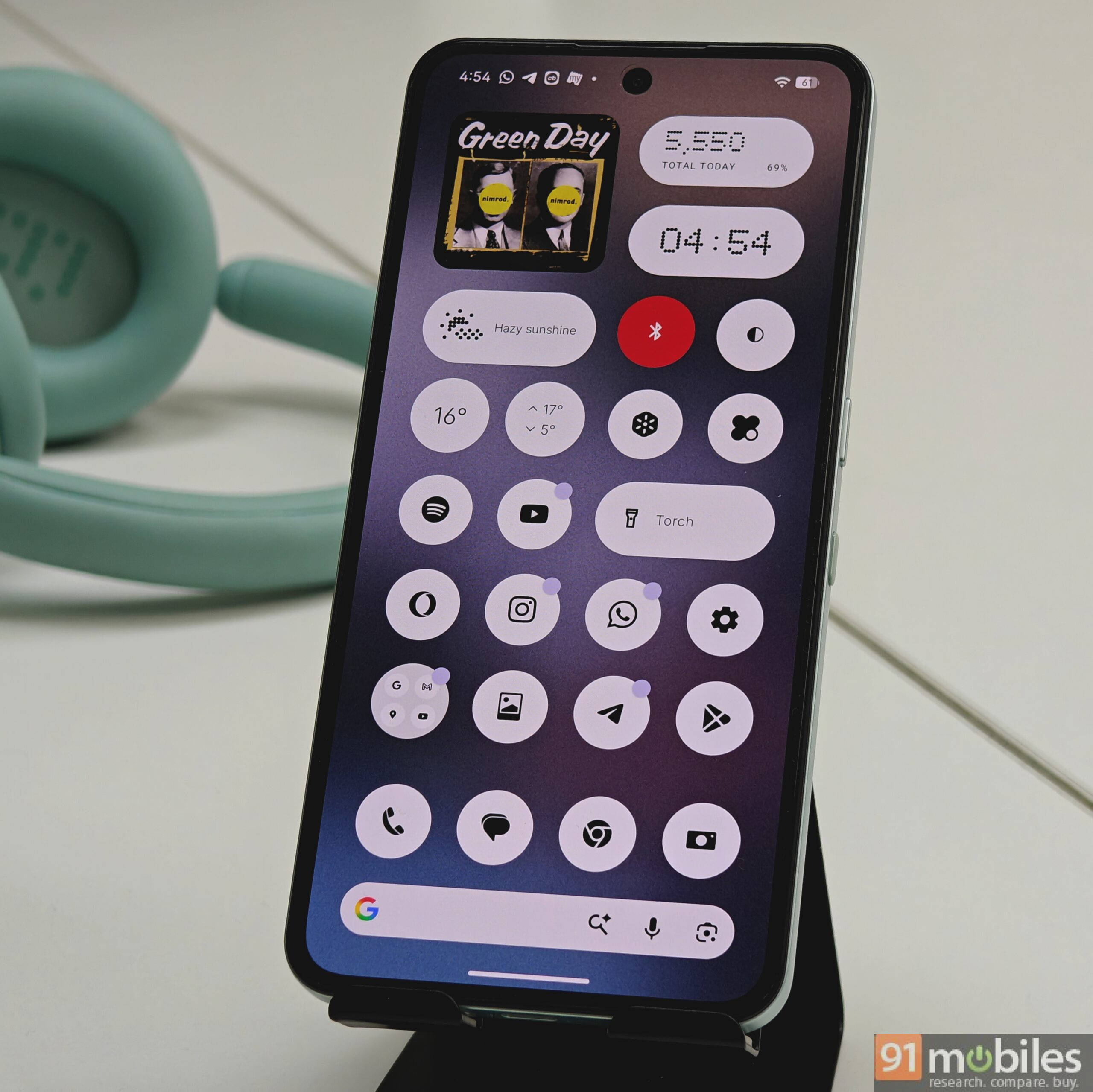
Nothing OS 4 addresses several shortcomings, but not quite there yet
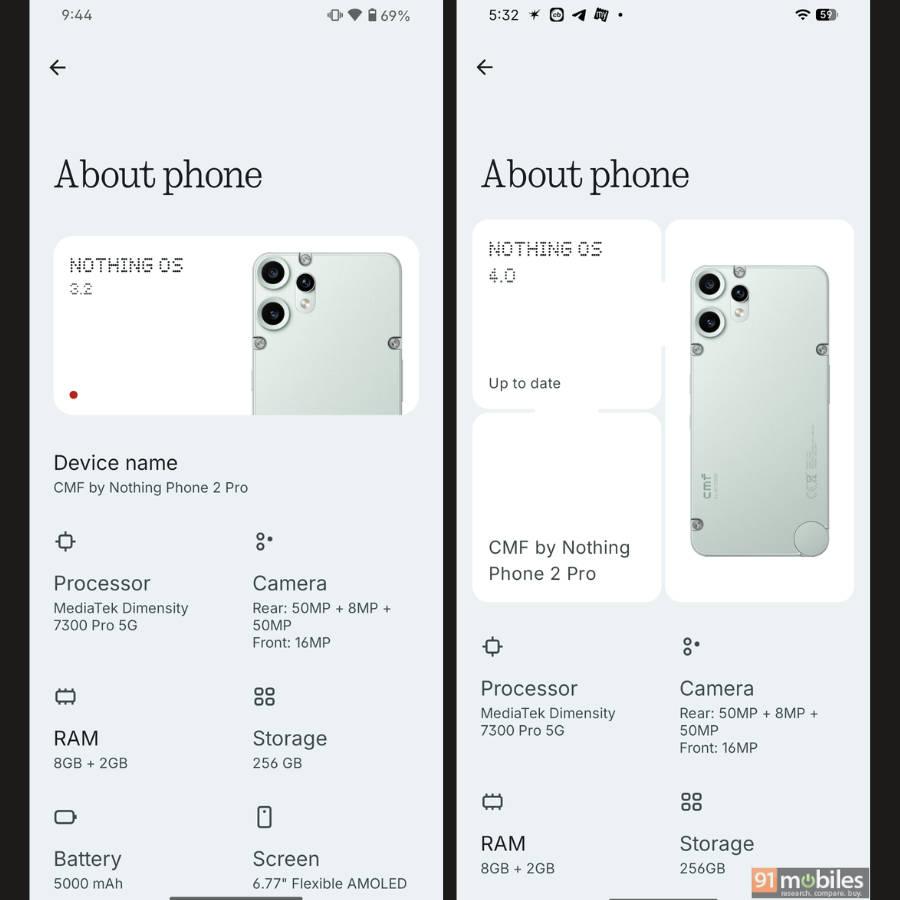
The CMF Phone 2 Pro was launched with Android 15-based Nothing OS 3, much like every 2025 phone from Nothing. The highly anticipated Nothing OS 4 update rolled out for the device in the last week of December 2025, bringing several cosmetic and quality-of-life changes and stability improvements:
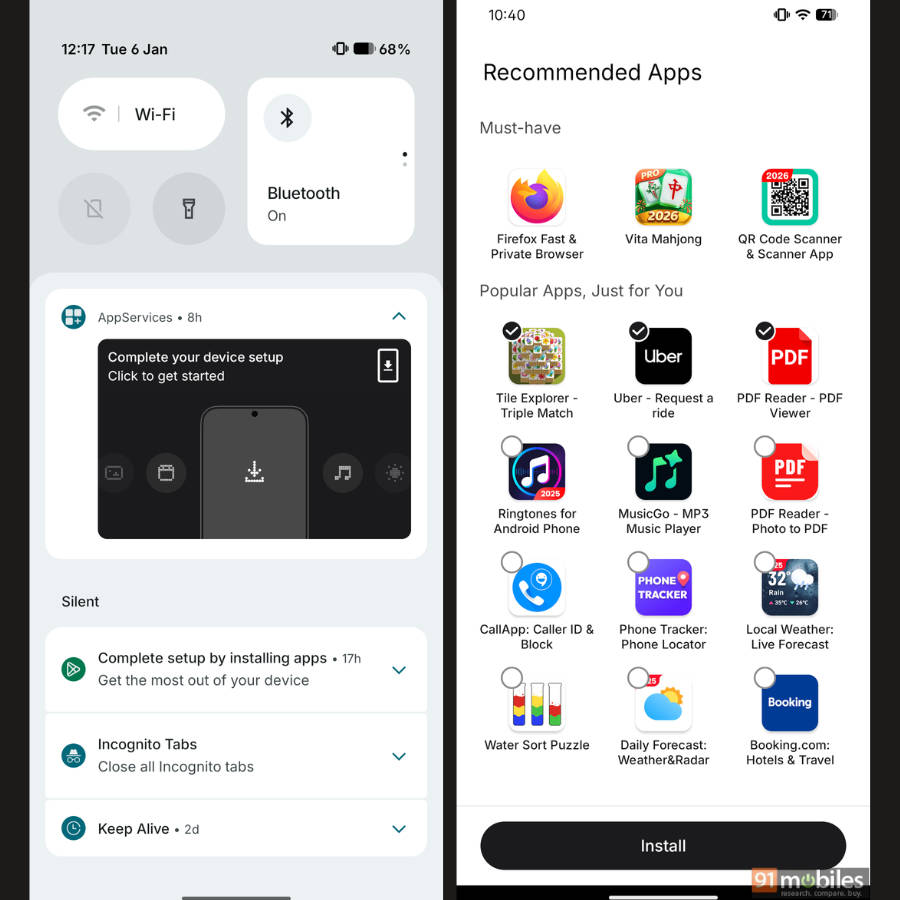
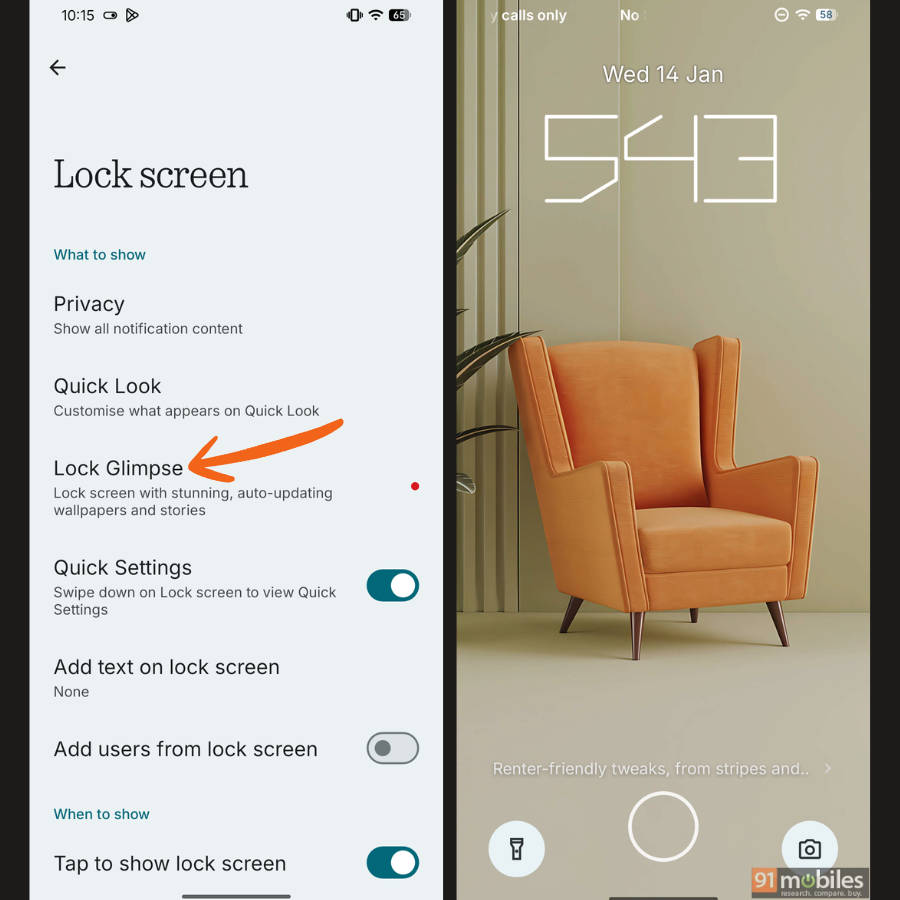
Lock Glimpse and AppServices: Lock Glimpse is a lockscreen wallpaper curator which showcases new wallpaper every time you turn on the screen. This comes disabled by default. On the other hand, AppServices is a newly added app that once delivered a notification to download apps. I haven’t received any such notification since.
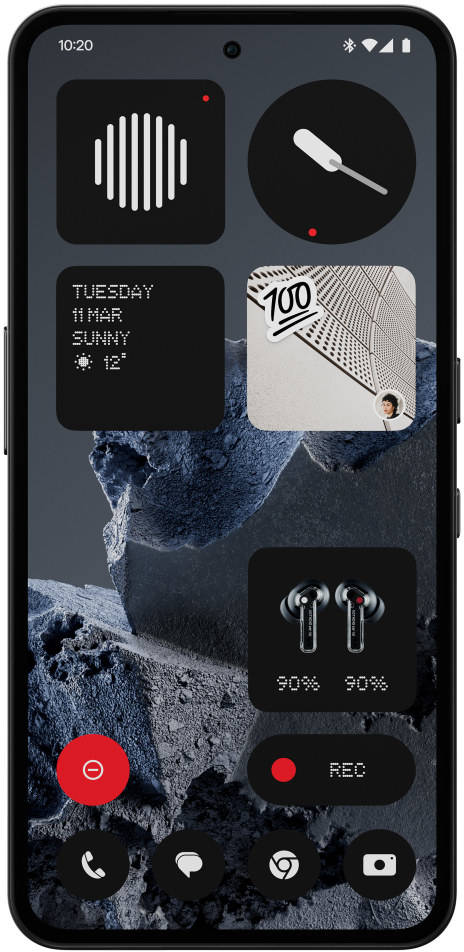
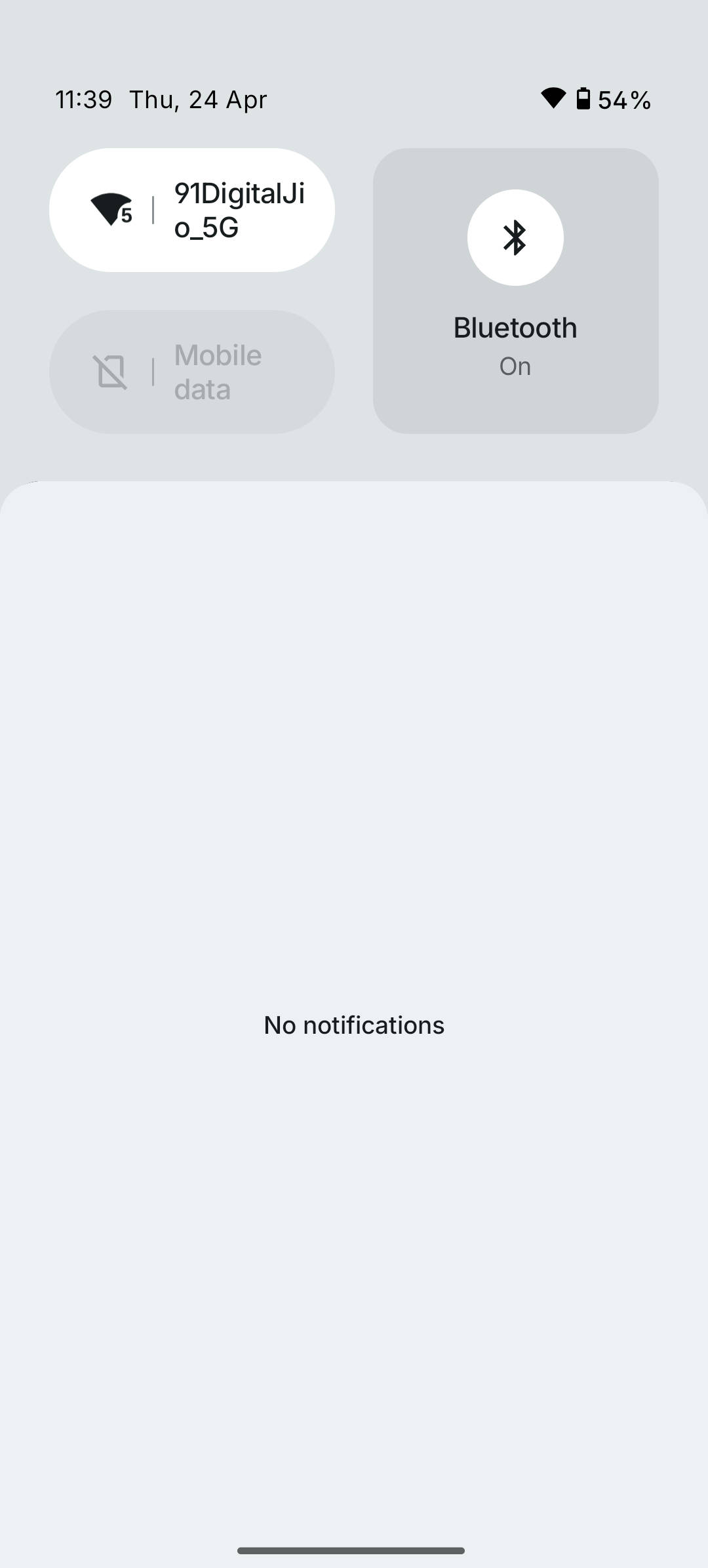
Pitch black dark mode: Four iterations later, Nothing OS has finally bagged a pitch black dark theme in the form of an ‘Extra dark mode’ option within the Dark theme setting. With this enabled, most first-party apps and menus, such as Settings and the notification panel, appear black instead of grey.
Fluid app and widget opening animations: As stated in the performance section, every interaction on the homescreen is followed by a smooth response. While it doesn’t match the likes of OxygenOS 16 or OriginOS 6, the improvements over Nothing OS 3 are noticeable.
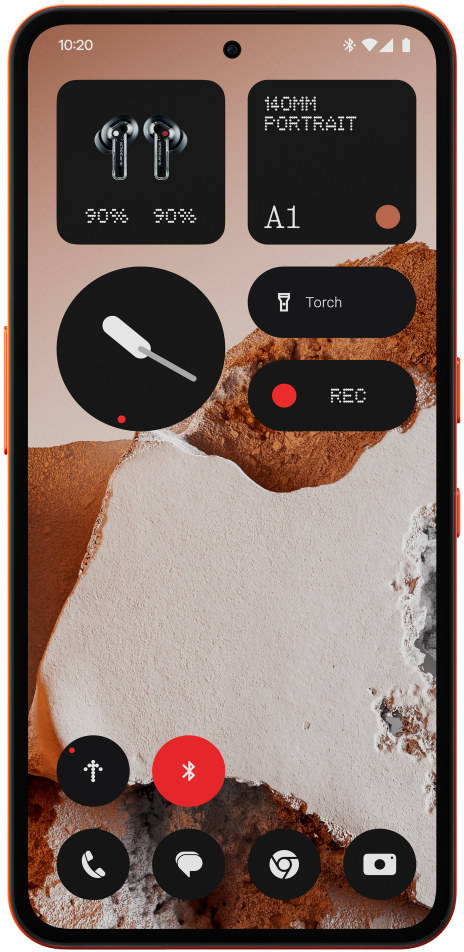
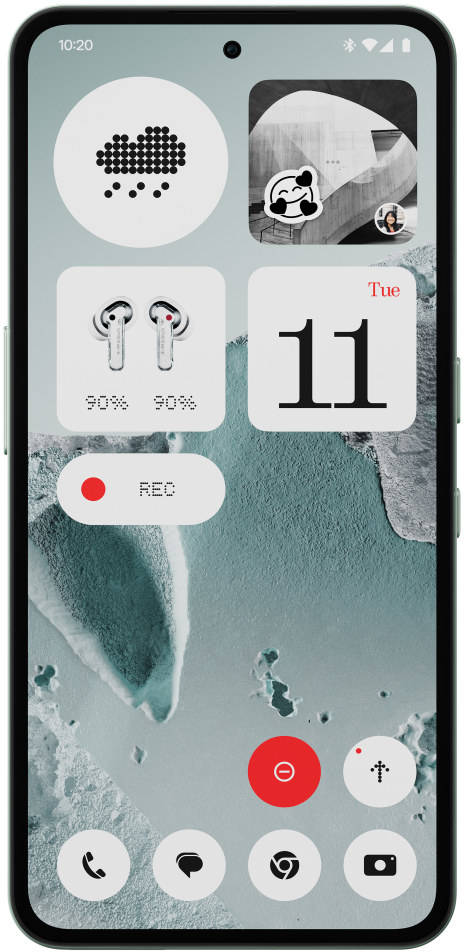
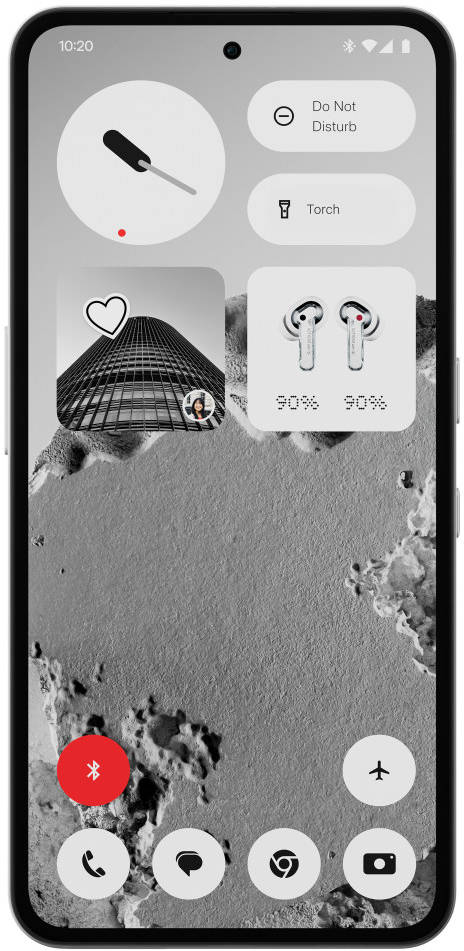
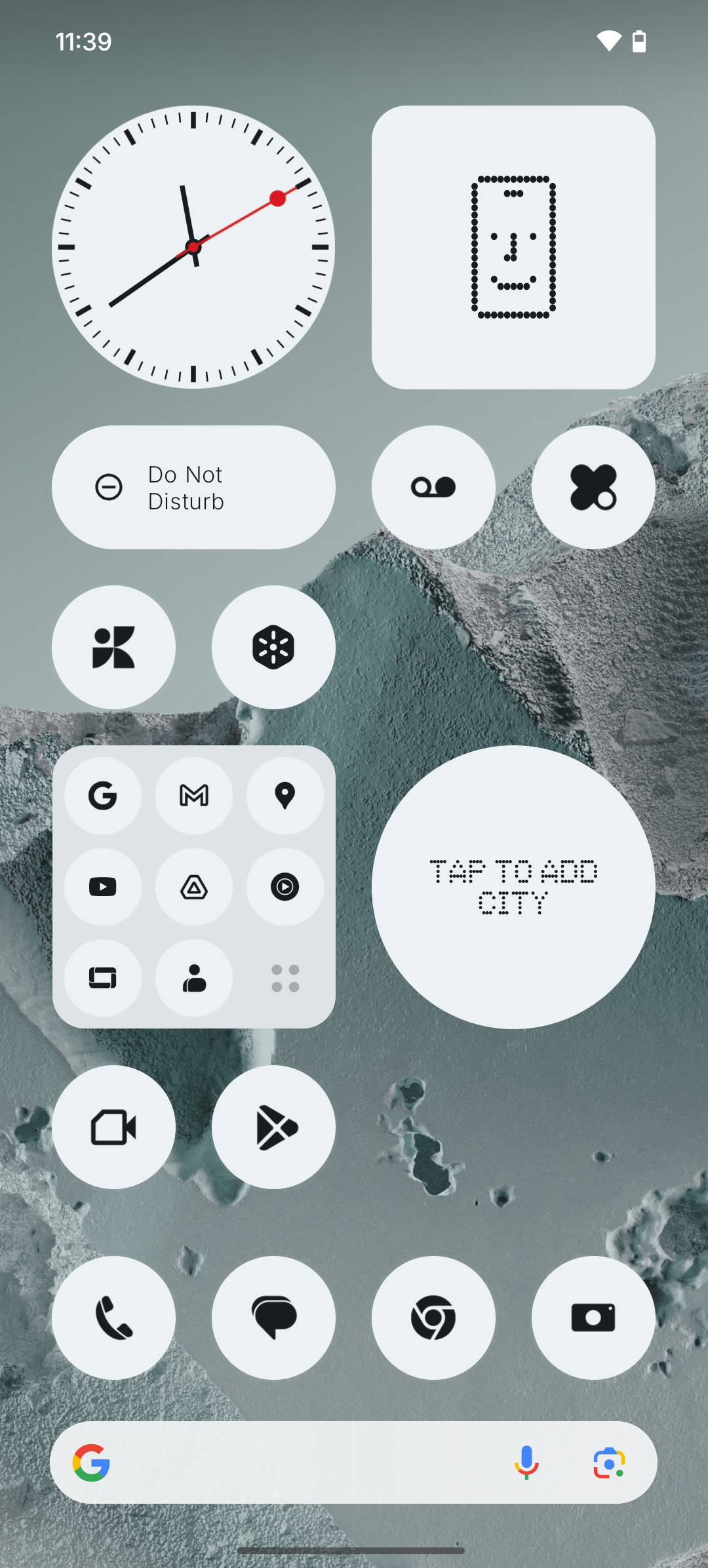
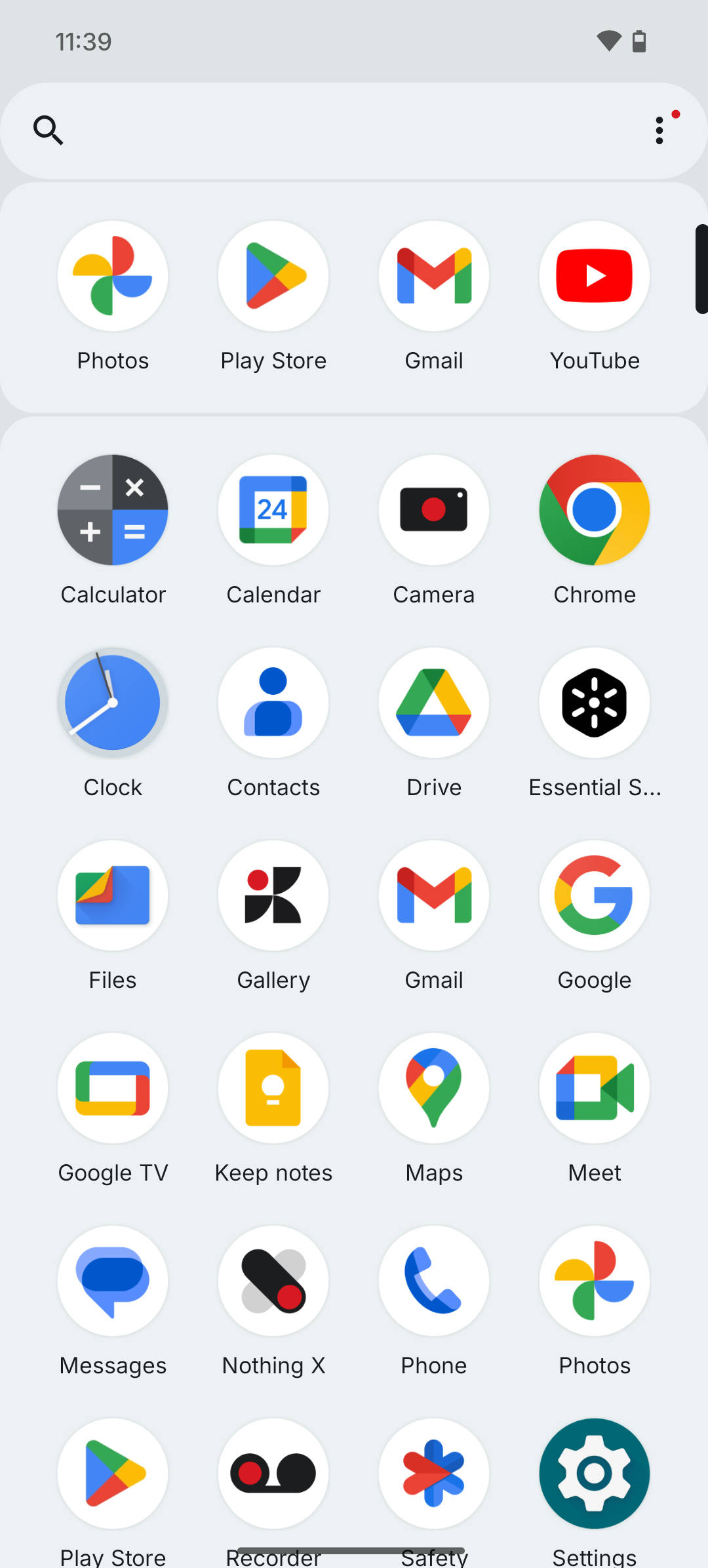
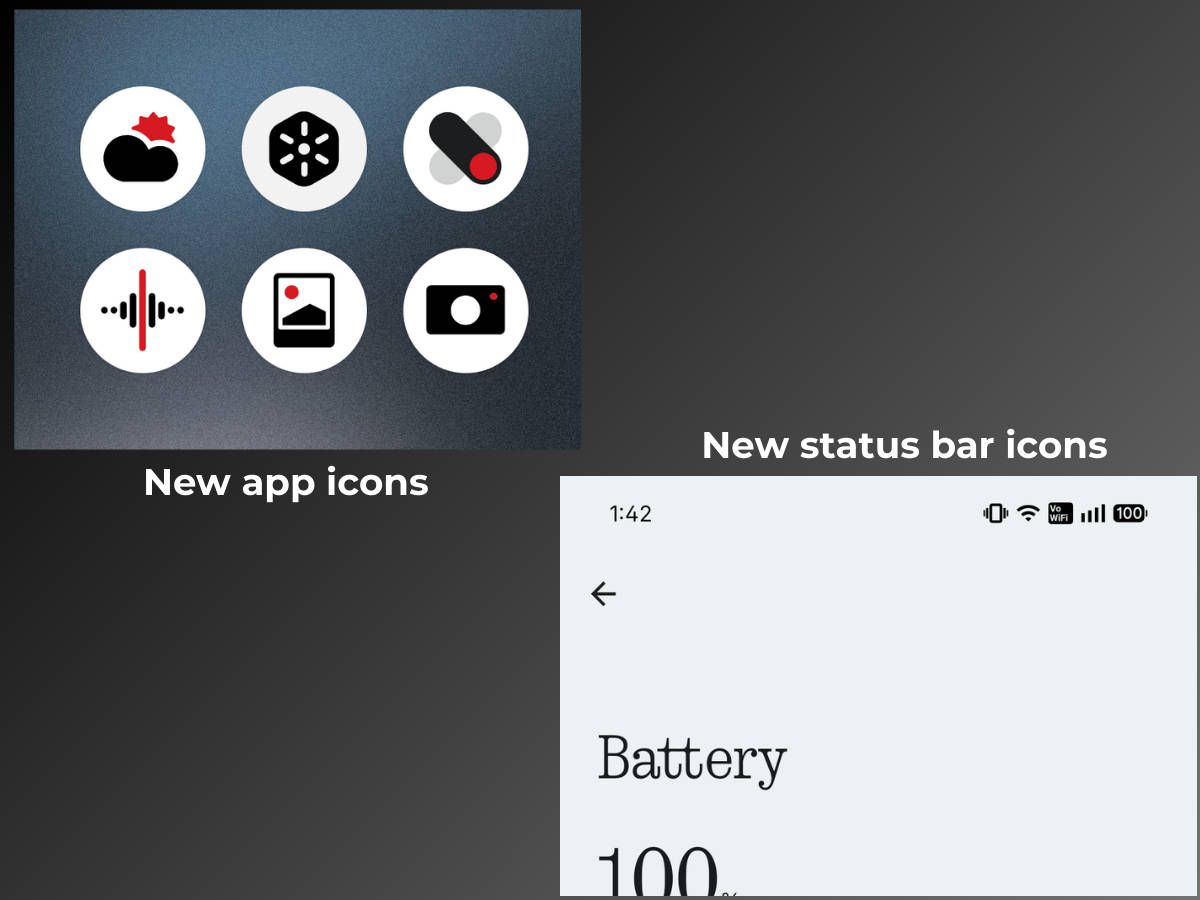
New status bar and homescreen icons: After updating to Nothing OS 4, the first thing you’ll notice is the revamped status bar and homescreen icons. While the icons look nice, I feel the battery icon now looks too congested with the percentage sitting within the icon. Along with that, some system home screen icons also see a refresh.
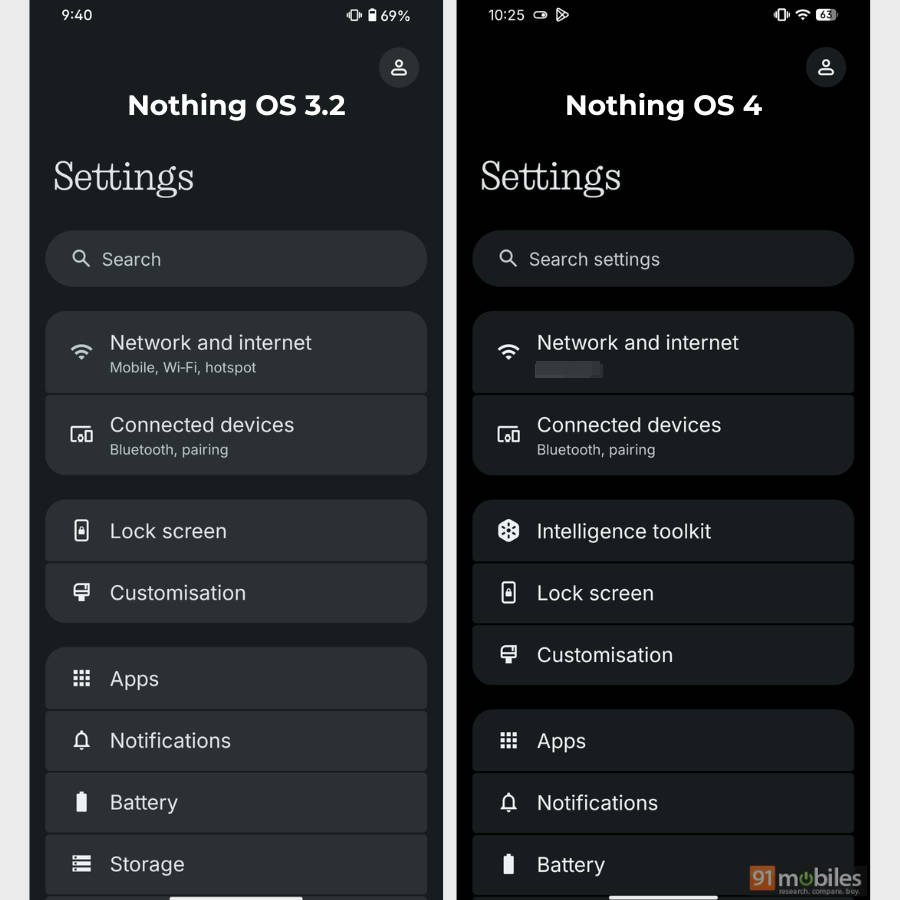
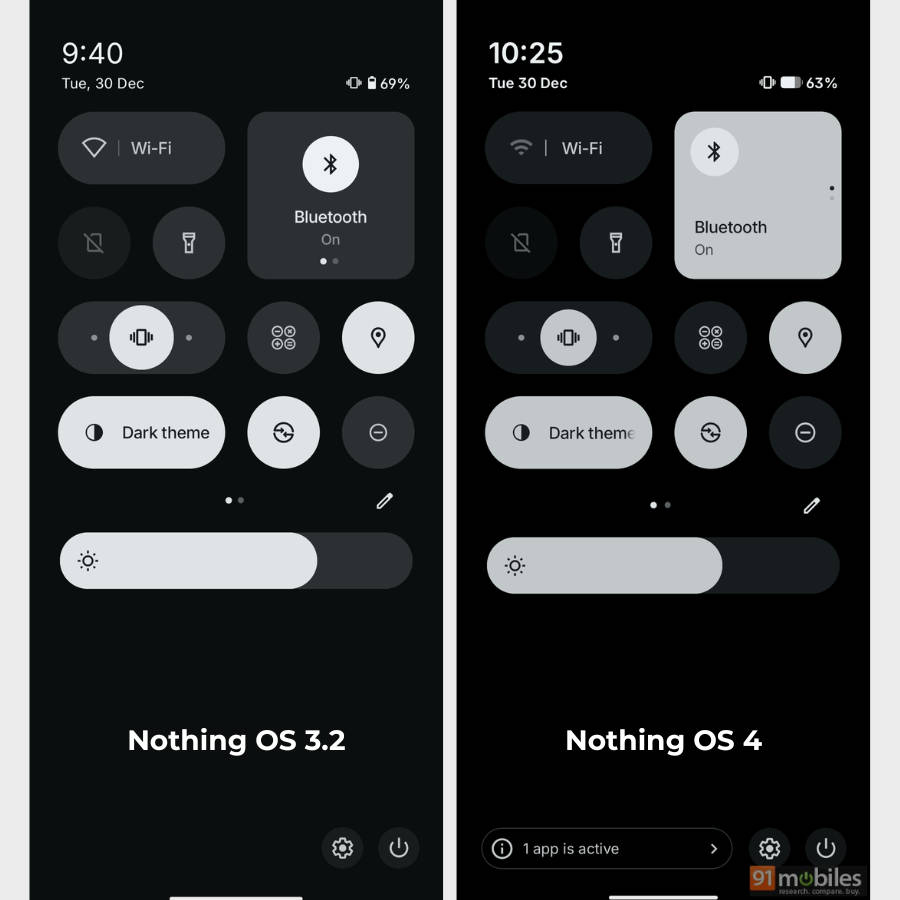
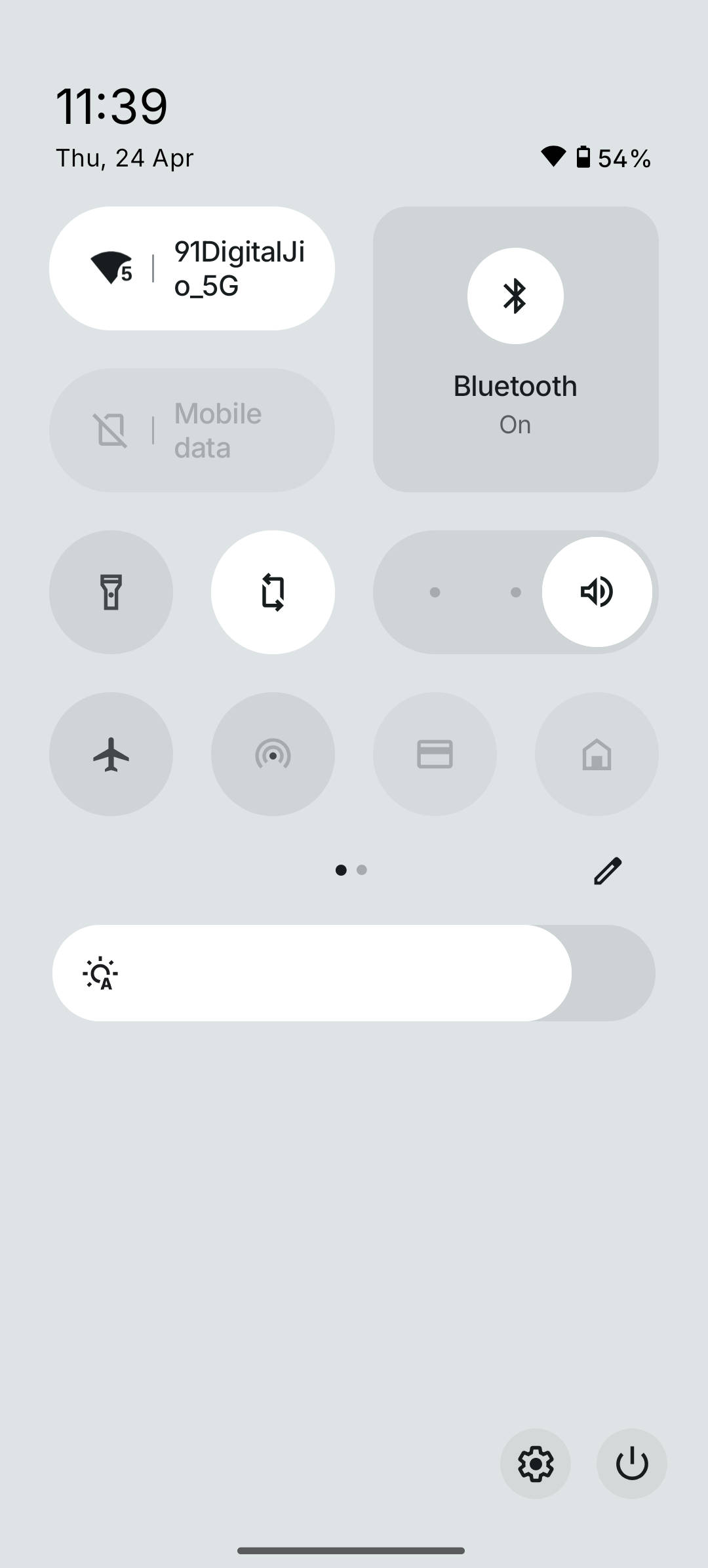
Versatile resizing of quick toggles and widgets: More toggles can now be resized into 1×2 or 2×2 layouts in the quick settings panel, giving users versatile ways to personalise the panel. Similarly, first-party widgets like Weather and Pedometer can also be expanded or disbanded in different sizes to accommodate them on a homepage.
Sticky swiping effect when dismissing notifications: Inspired by Google’s Material 3 Expressive, when you subtly swipe a notification towards the left or right to get rid of it, Nothing OS 4 offers a sticky animation effect. This effect is paired with haptics, resulting in a satisfying UI interaction.
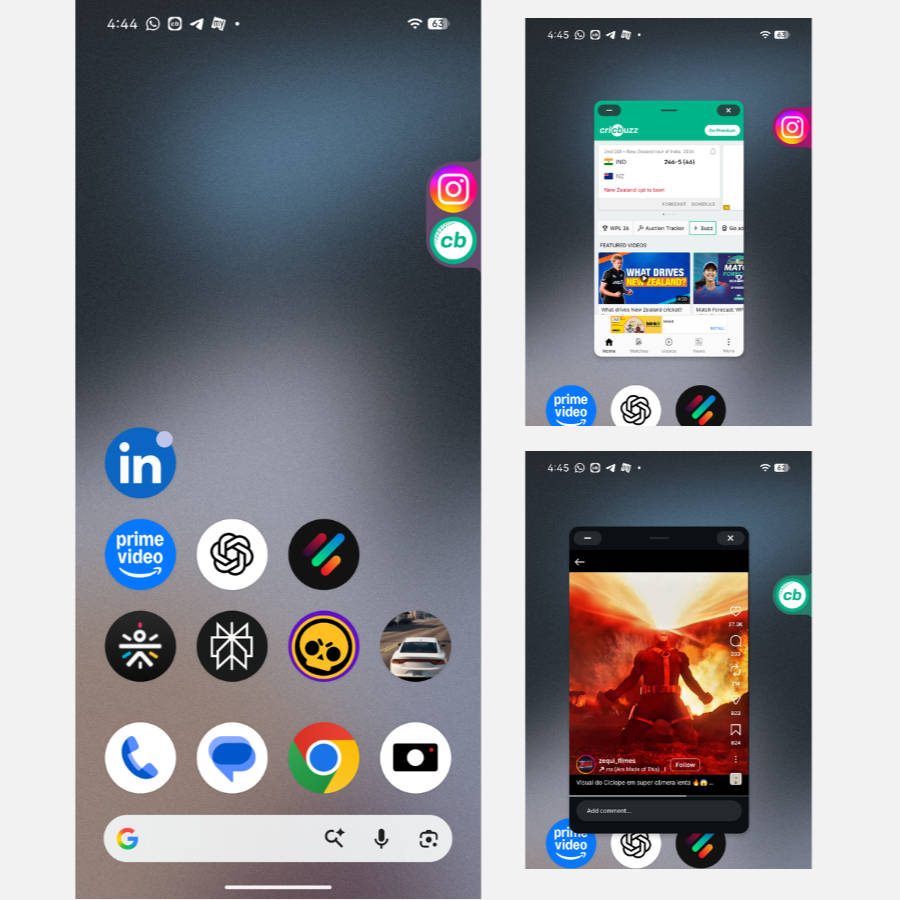
Dual Pop-up view for apps: In Nothing OS, Pop-up view simply means floating windows, and much like most custom skins, OS 4 finally brings support for opening two apps in floating windows. This is a welcome move for those who rely heavily on multitasking between two apps.
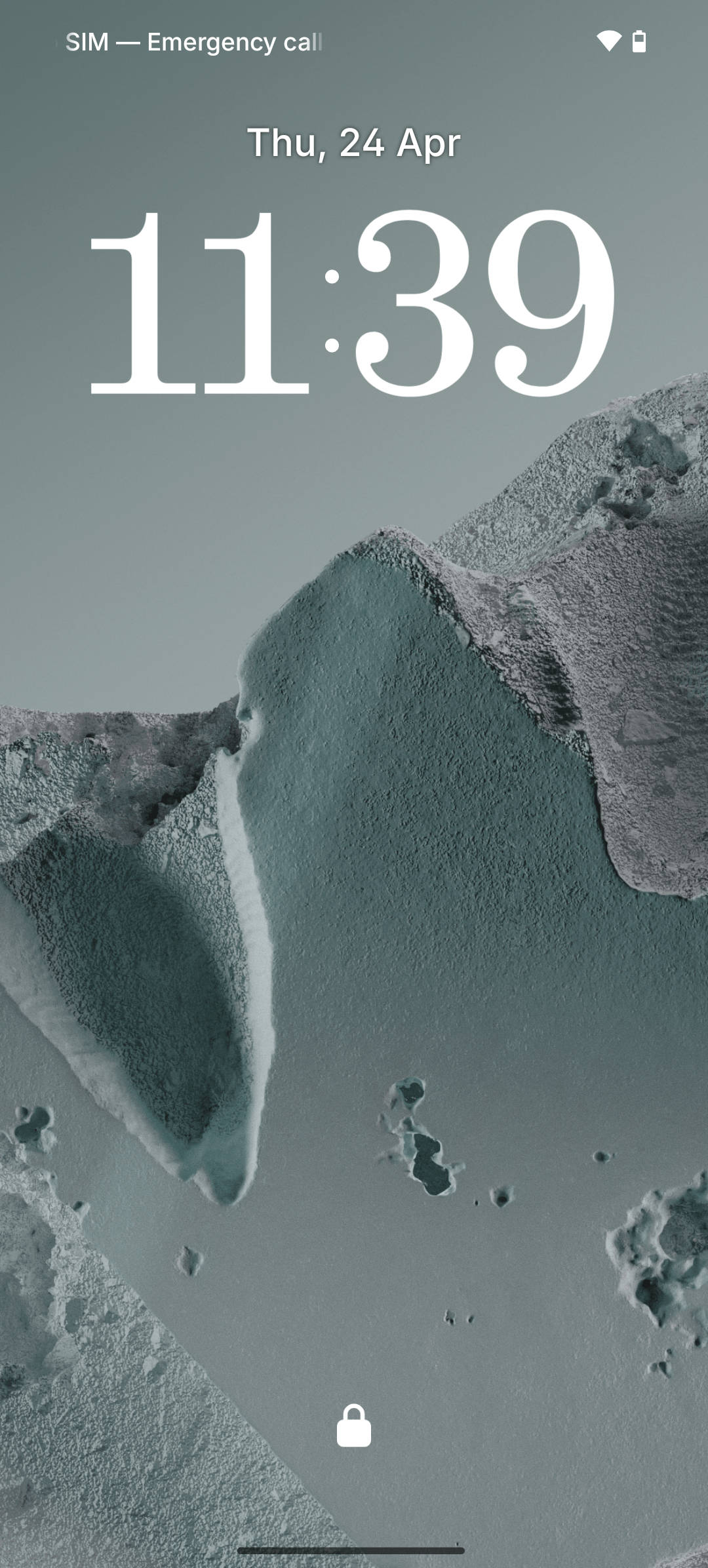
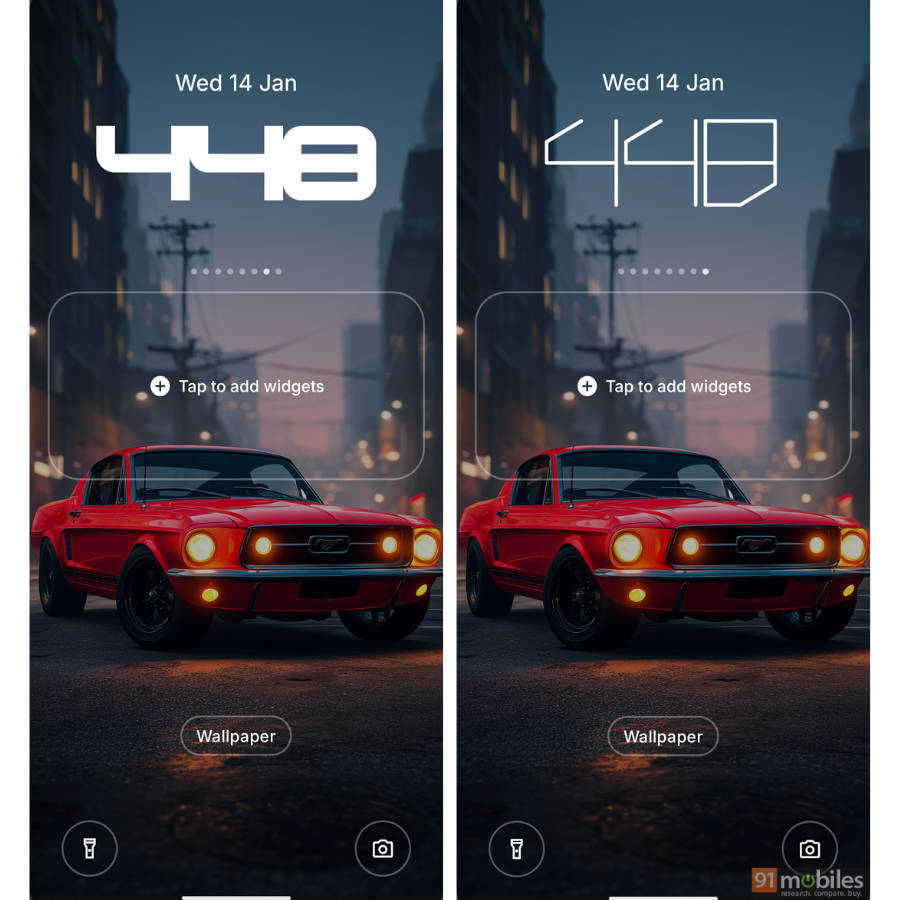
Two new lockscreen clock styles: Nothing OS 4 adds two new clock styles for the lockscreen, bringing the total number of available styles to eight. While the legibility of one of them isn’t always precise, I wish they had brought even more styles with this update.
Improved haptics implementation: An area where Nothing OS always fell behind, Nothing OS 4 brings haptics to more areas, such as when switching volume to maximum or minimum sound and dismissing notifications through a swipe.
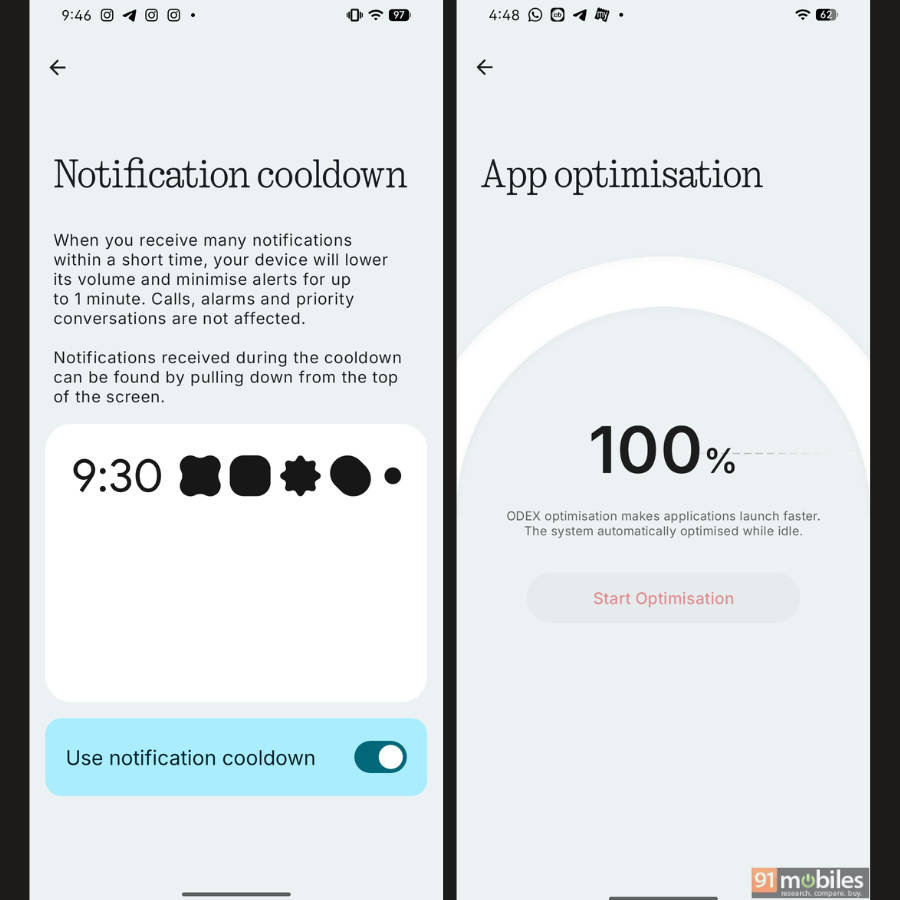
Notification cooldown: This is a core Android 16 feature that reduces sound when the phone is constantly bombarded with notifications, such as after a long period without internet access.
App optimisation: A new ‘App optimisation’ menu has been added in Settings, which claims to make apps launch faster.
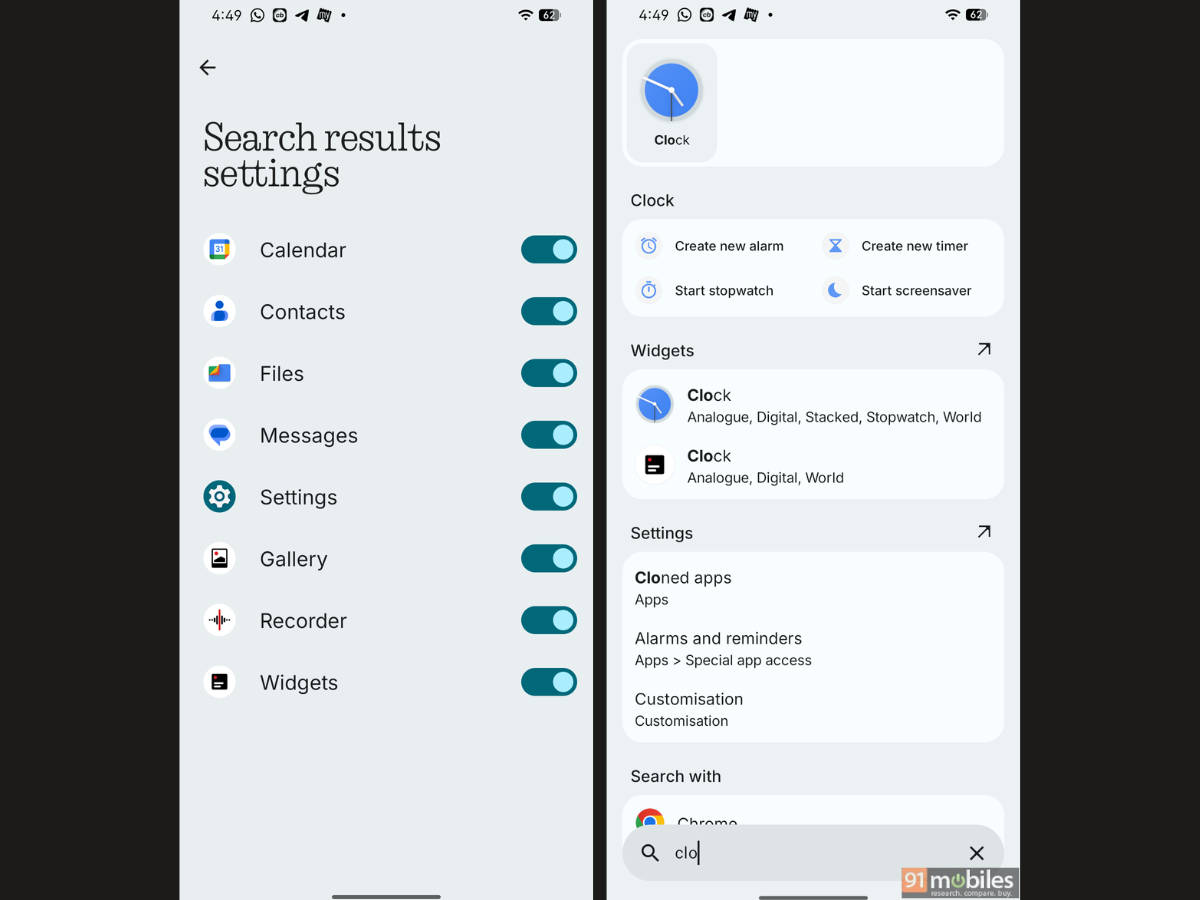
Powerful app drawer search: The search bar within the app drawer has been upgraded to display deeper items, such as calendar events, files and media, SMSes, and even widgets.
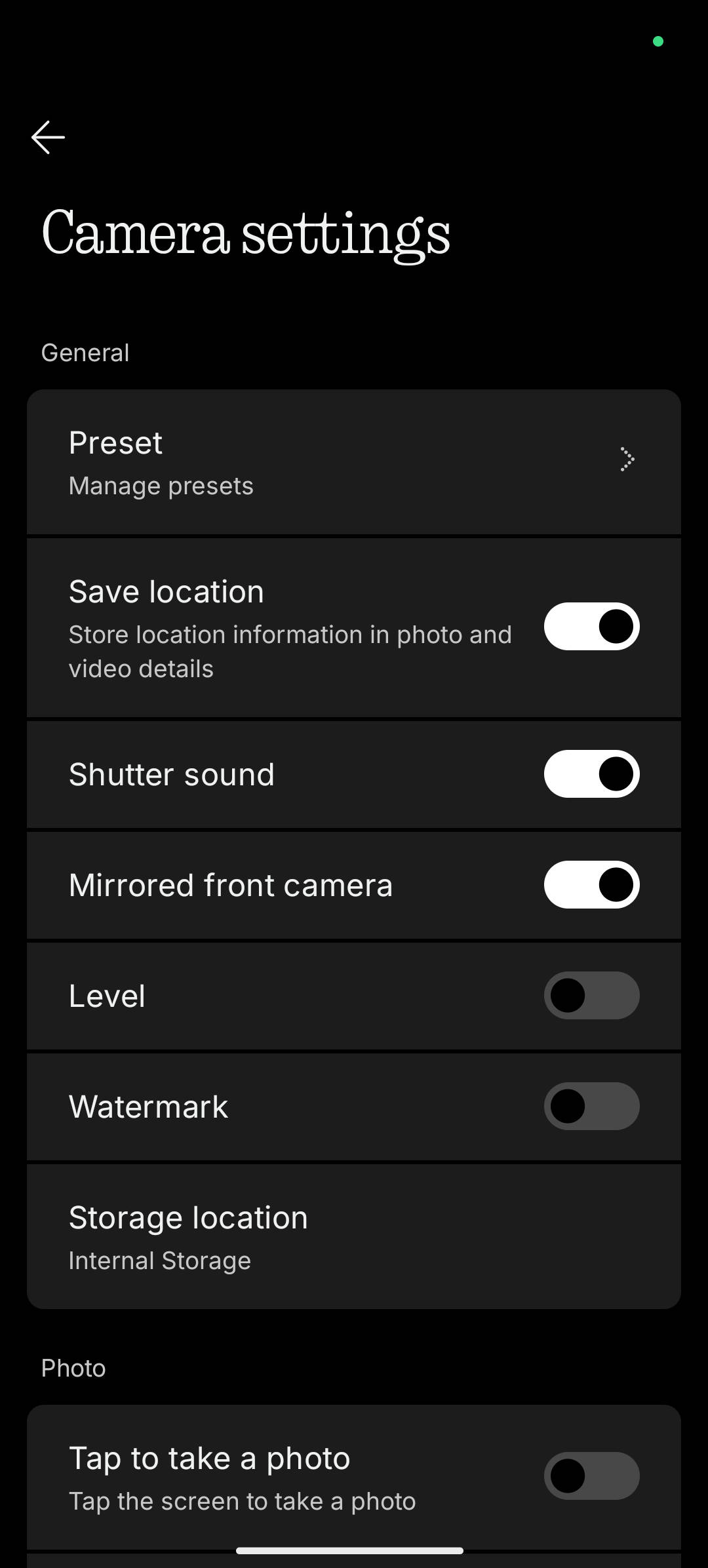
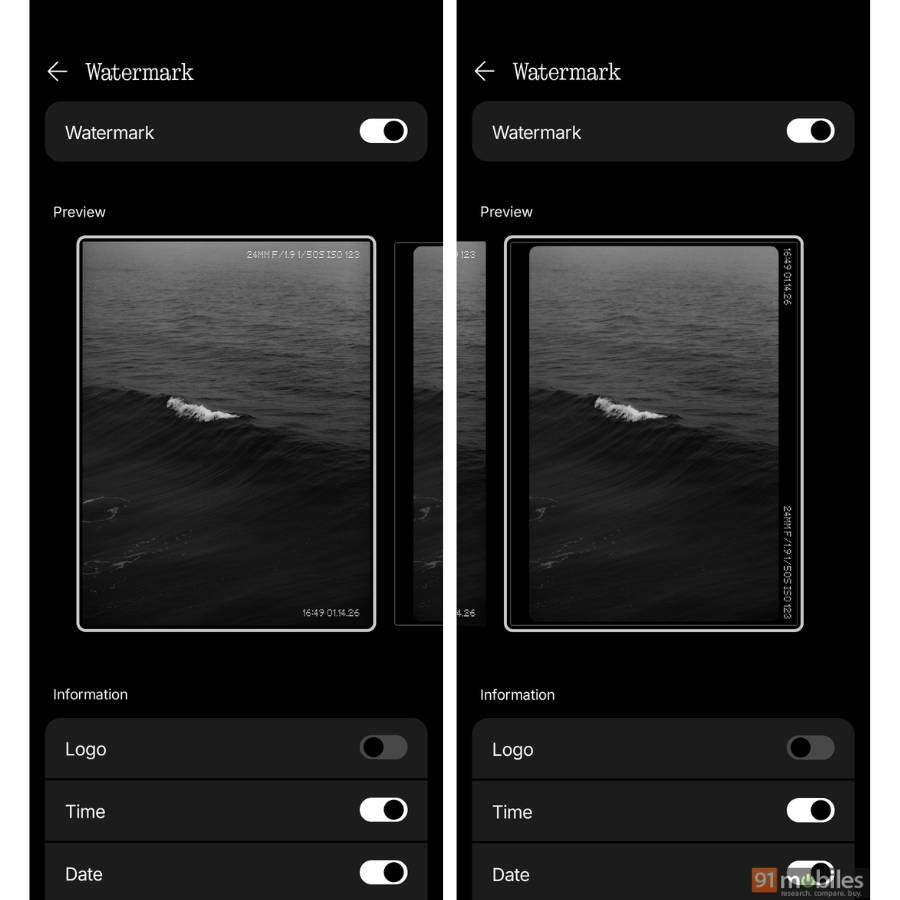
Camera watermarks and changes to presets: Users on Nothing OS 4 can utilise two different camera watermarks, while the presets now feature an intensity slider.
While the Nothing OS 4 update has addressed several shortcomings noted by users and community members over the years, it still lacks key features and capabilities found on other Android skins. These include a sidebar for quickly summoning apps or shortcuts; built-in AI image-editing features like object remover and detail enhancer; easy access to the brightness slider; a lack of app icon size options; lockscreen clock colour; and more.
On the flip side, Nothing OS 4 has given the CMF Phone 2 Pro a notable performance boost, making the company’s most affordable smartphone of 2025 smoother than ever.
Most versatile camera setup in its class
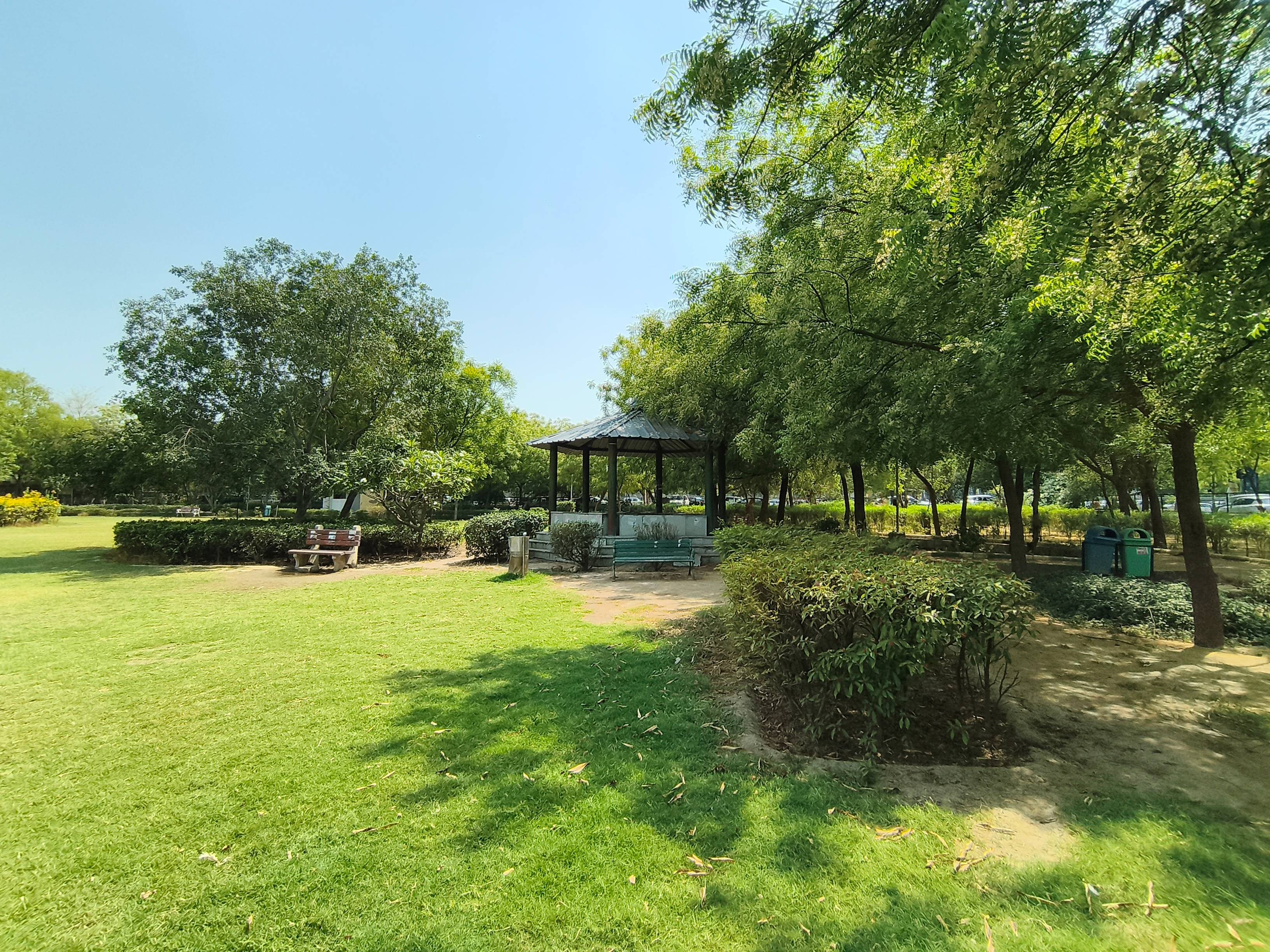
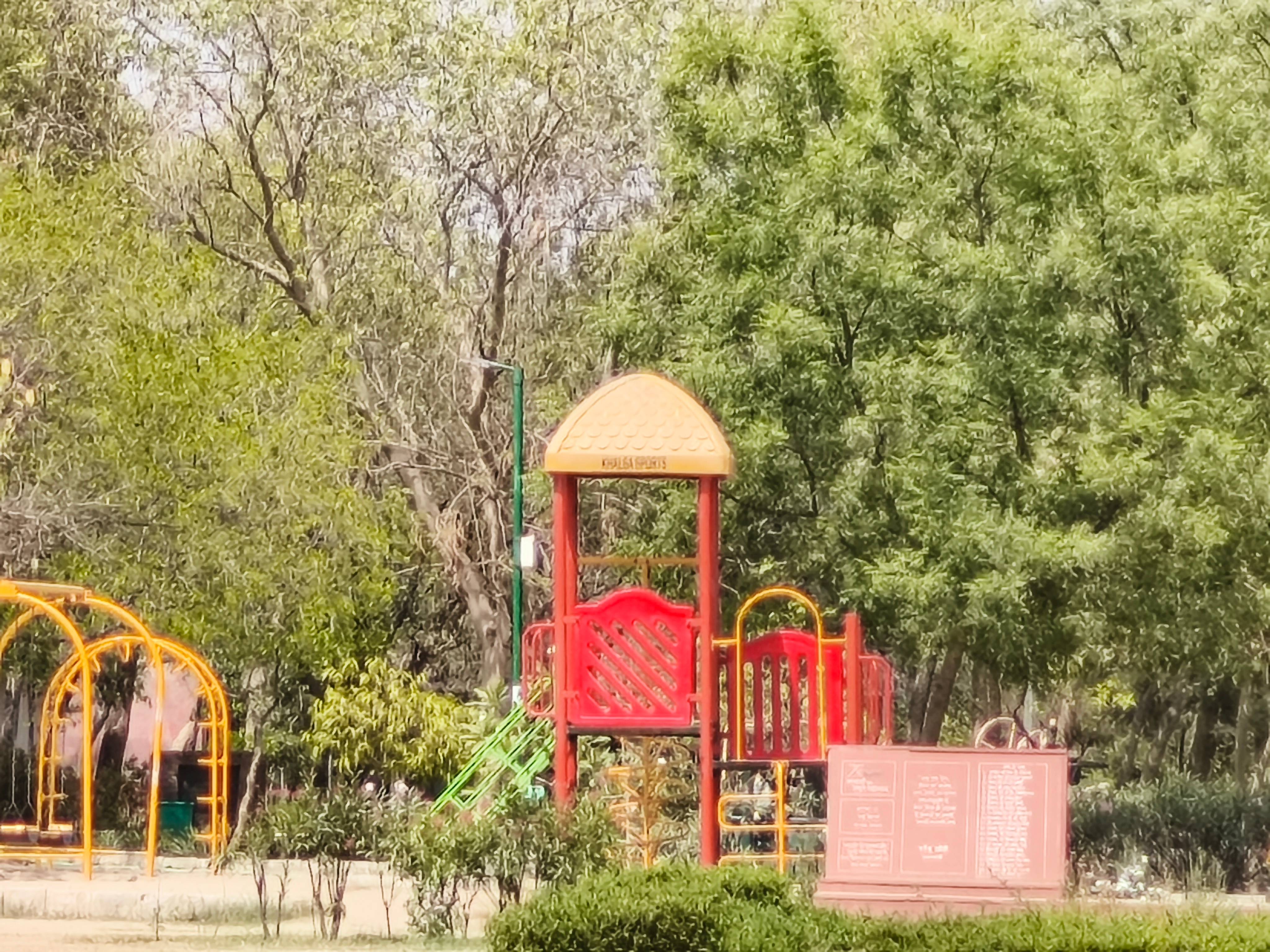
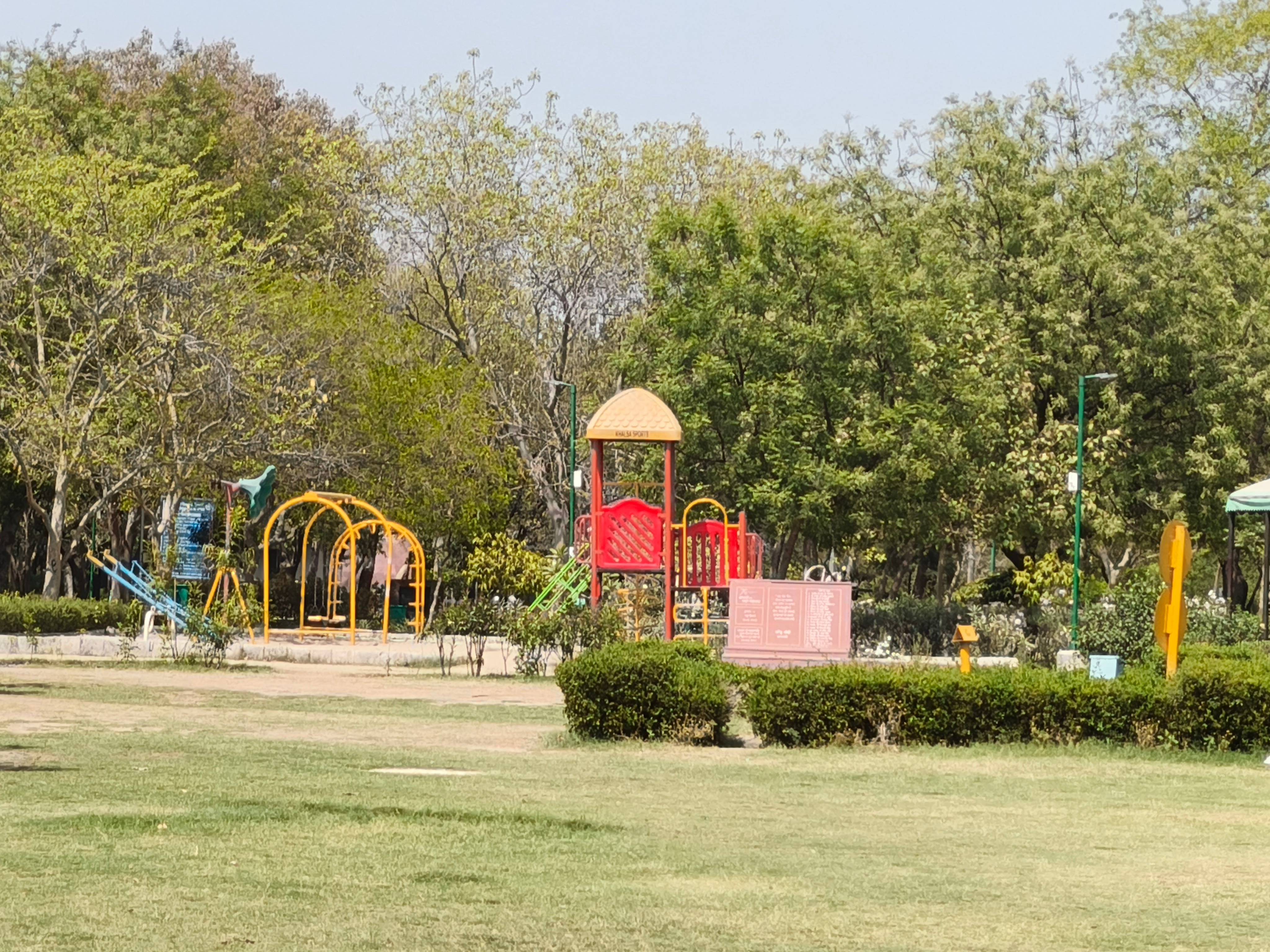
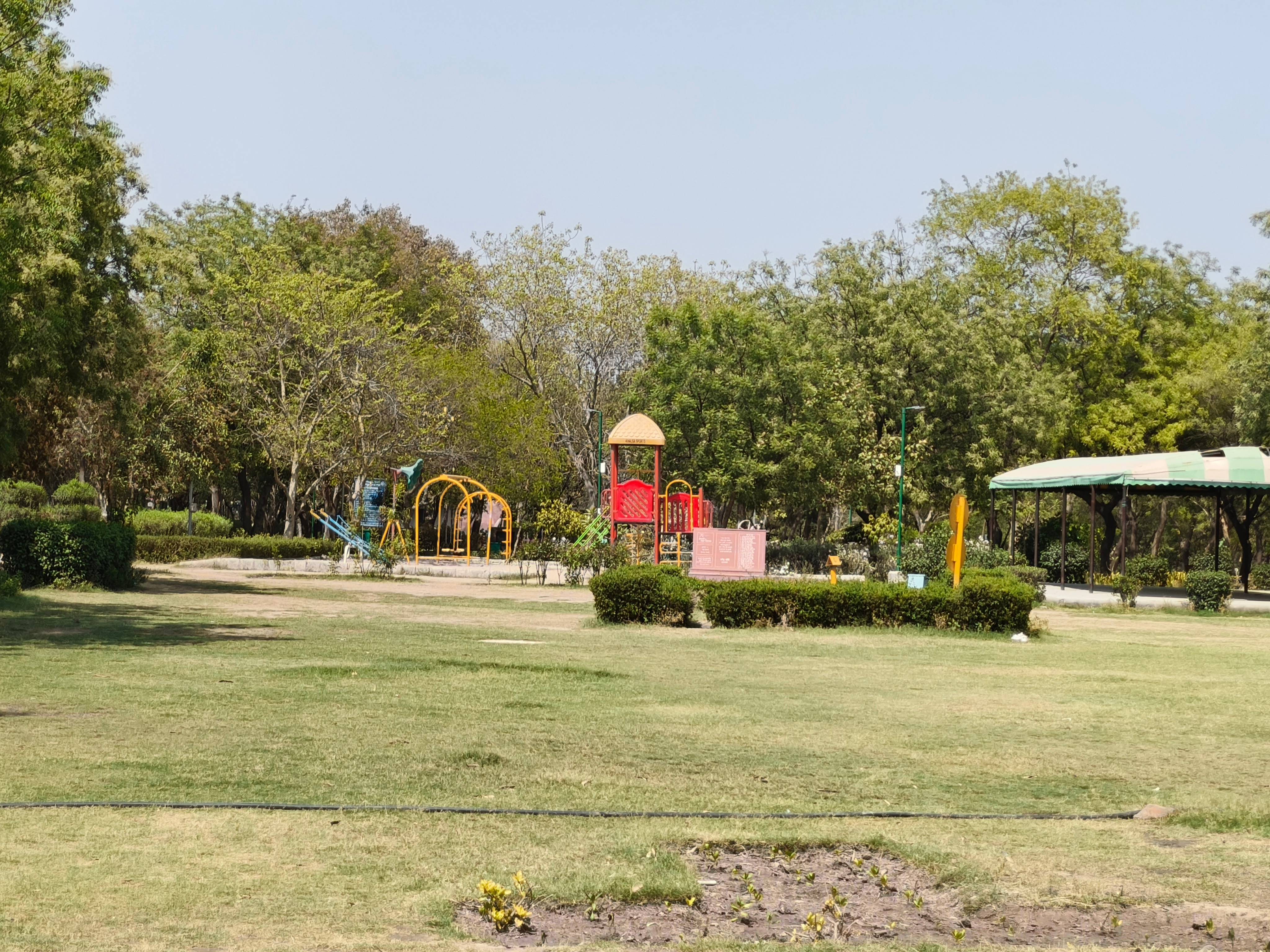
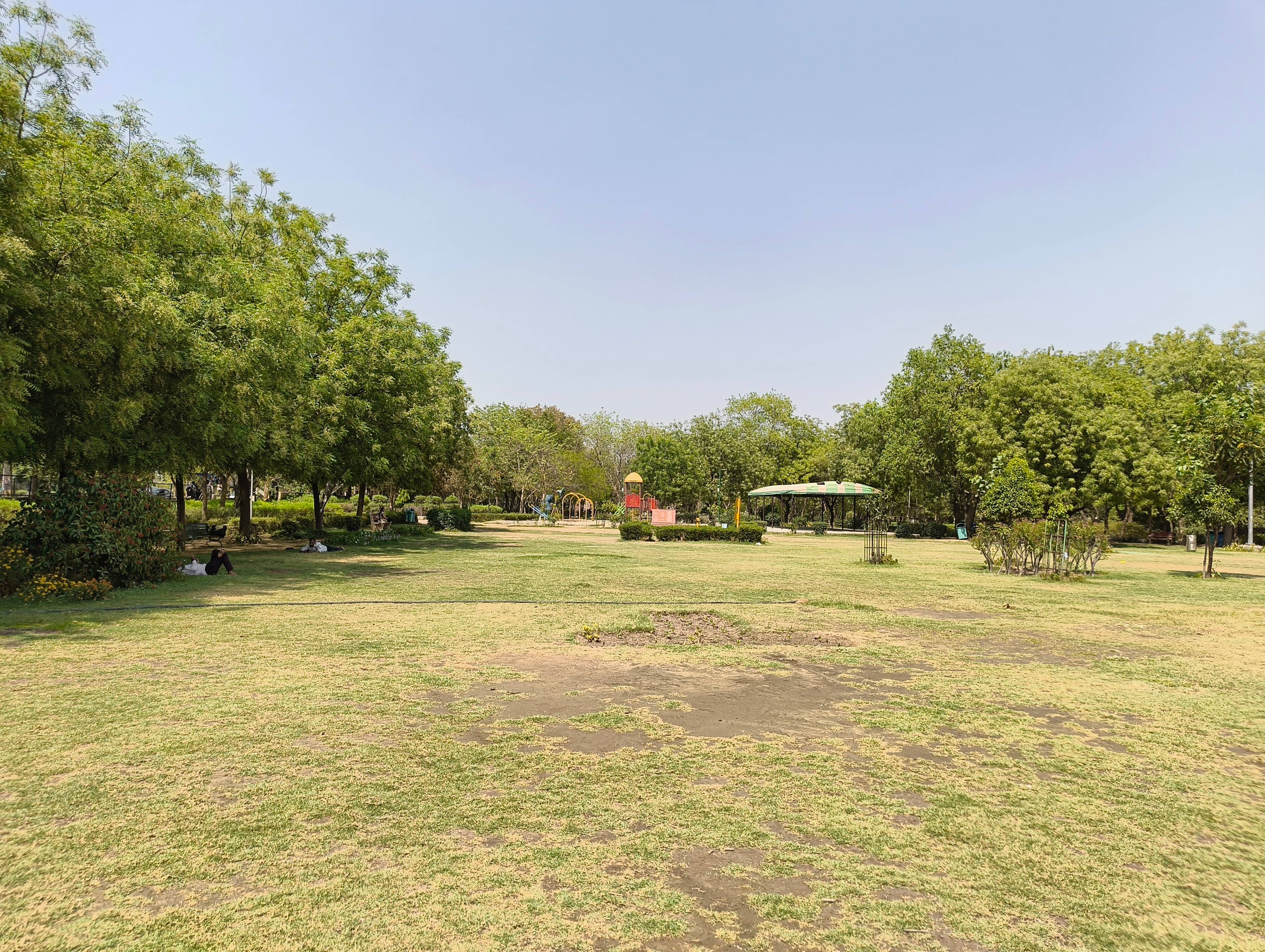
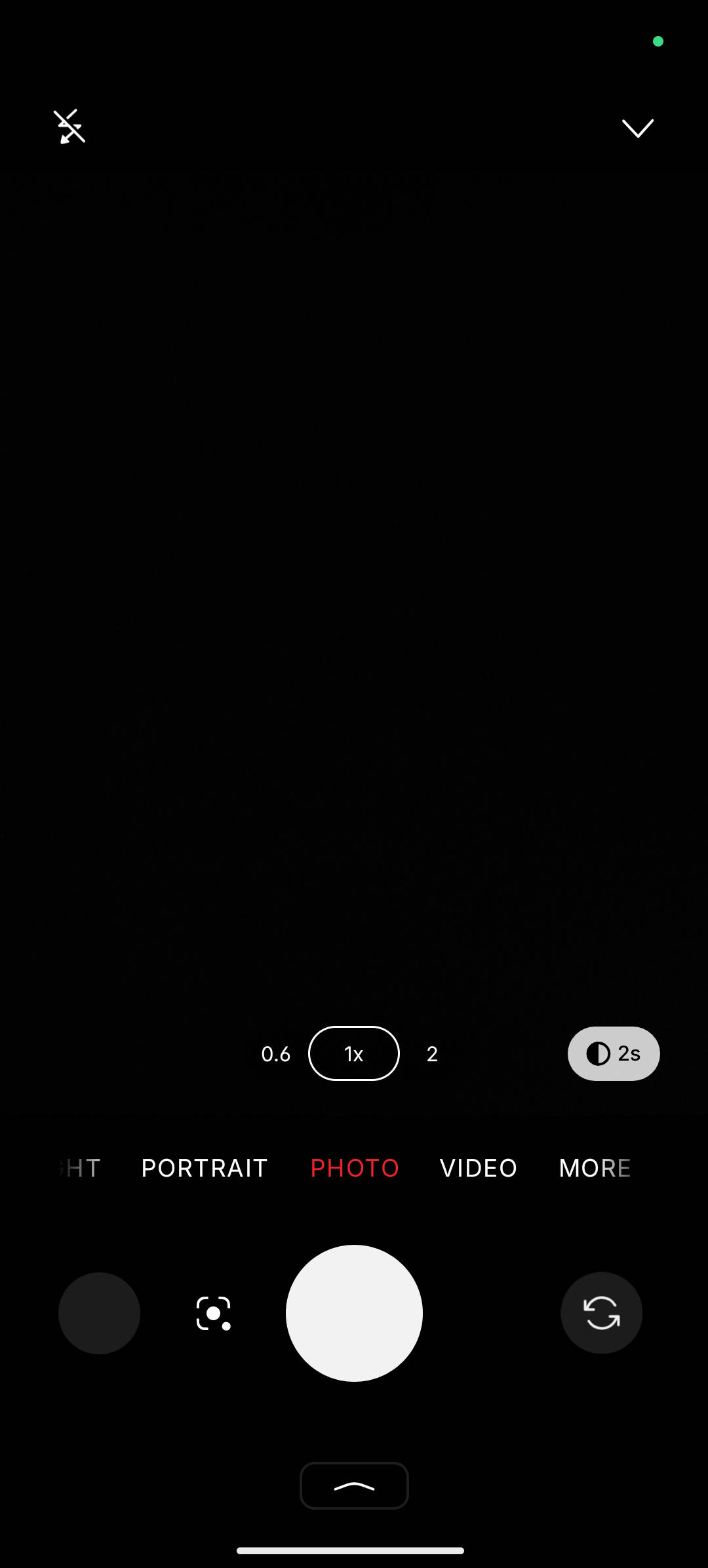
The CMF Phone 2 Pro continues to carry one of the most well-rounded camera setups under Rs 20,000 in 2026. It boasts a 50MP 1/1.57-inch main camera with an f/1.9 aperture and an 8MP 1/4-inch ultrawide sensor, and a 50MP 1/2.88-inch 2x telephoto lens. Upfront, there’s a 16MP selfie shooter.
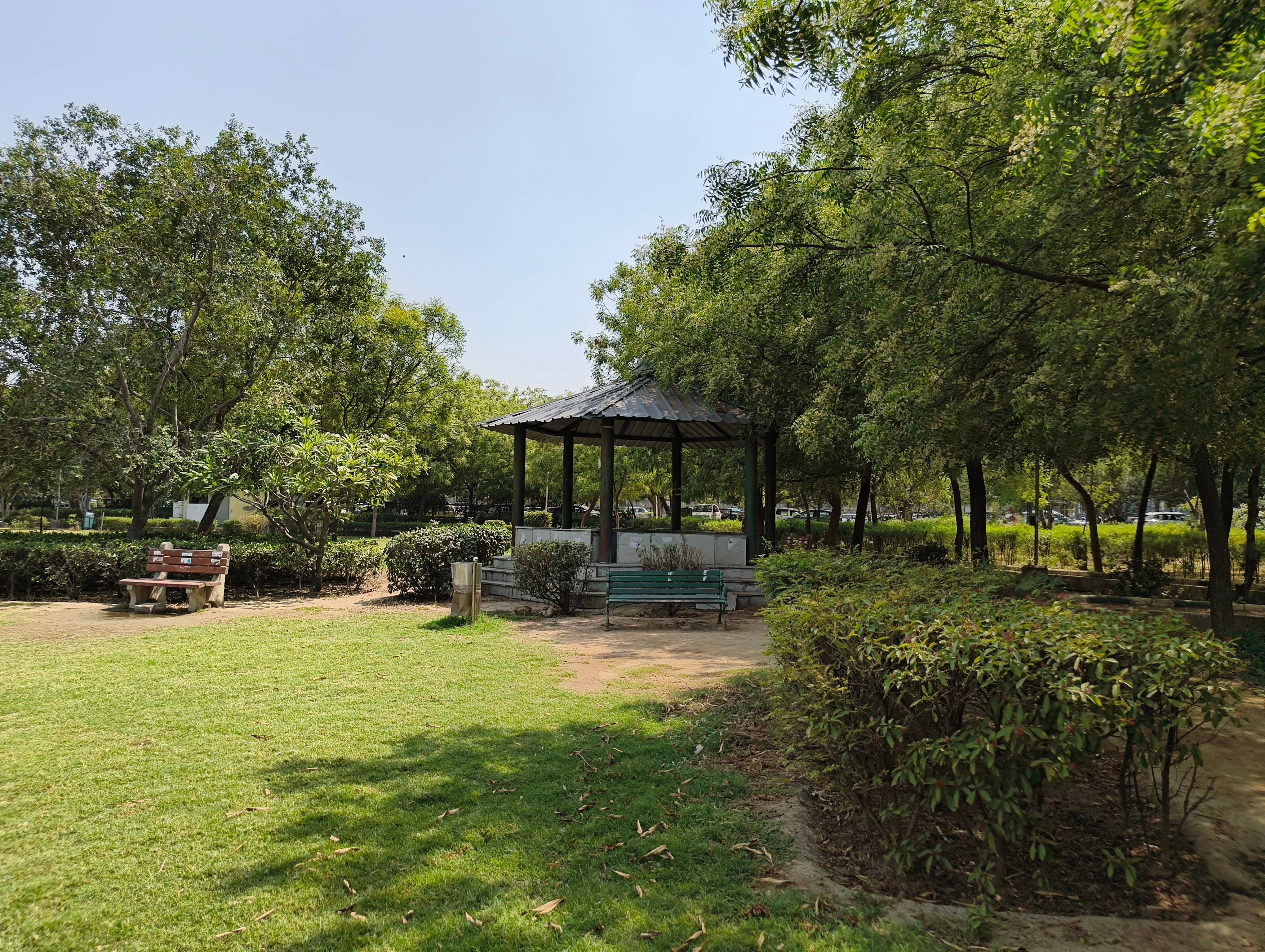
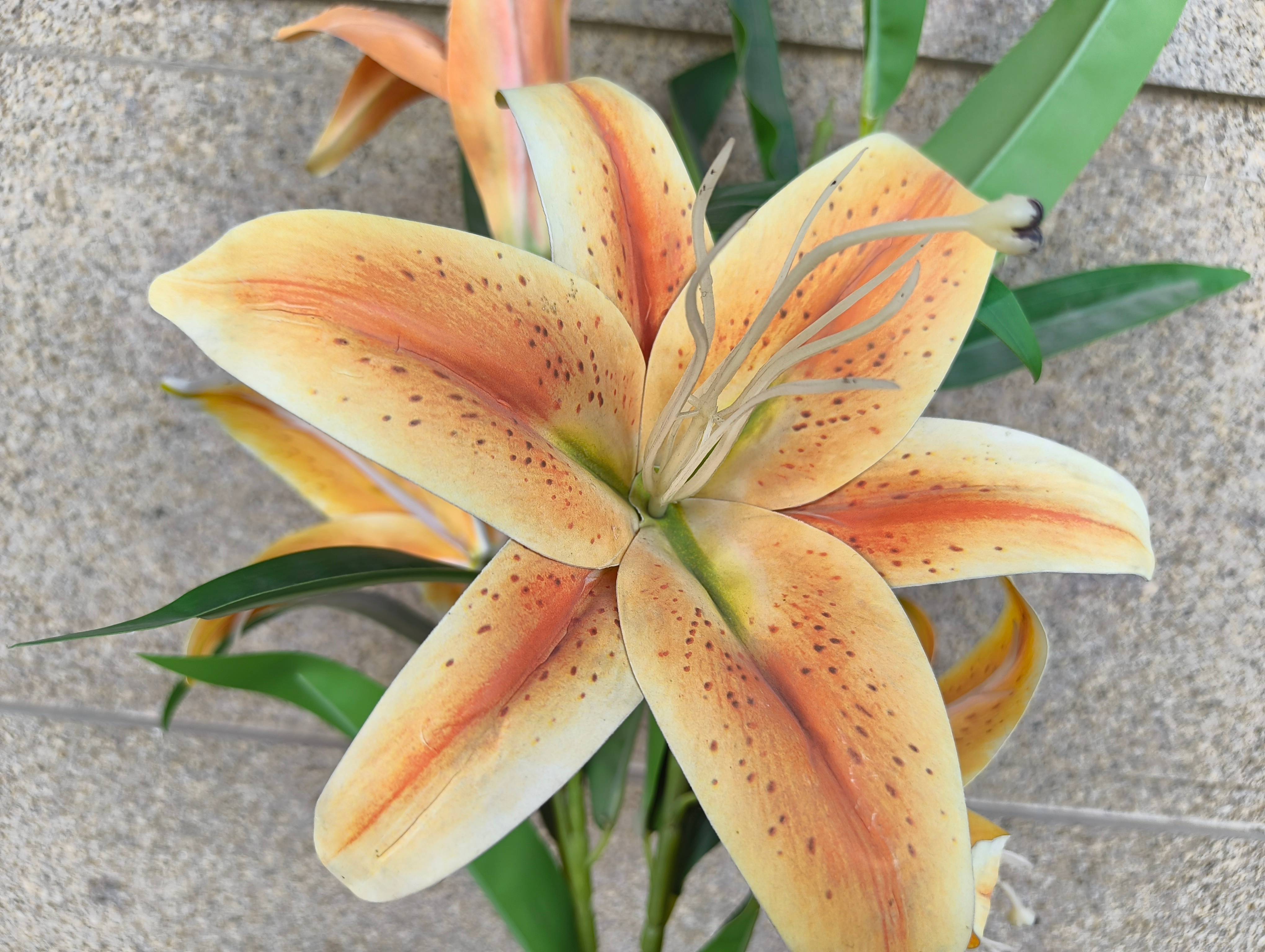
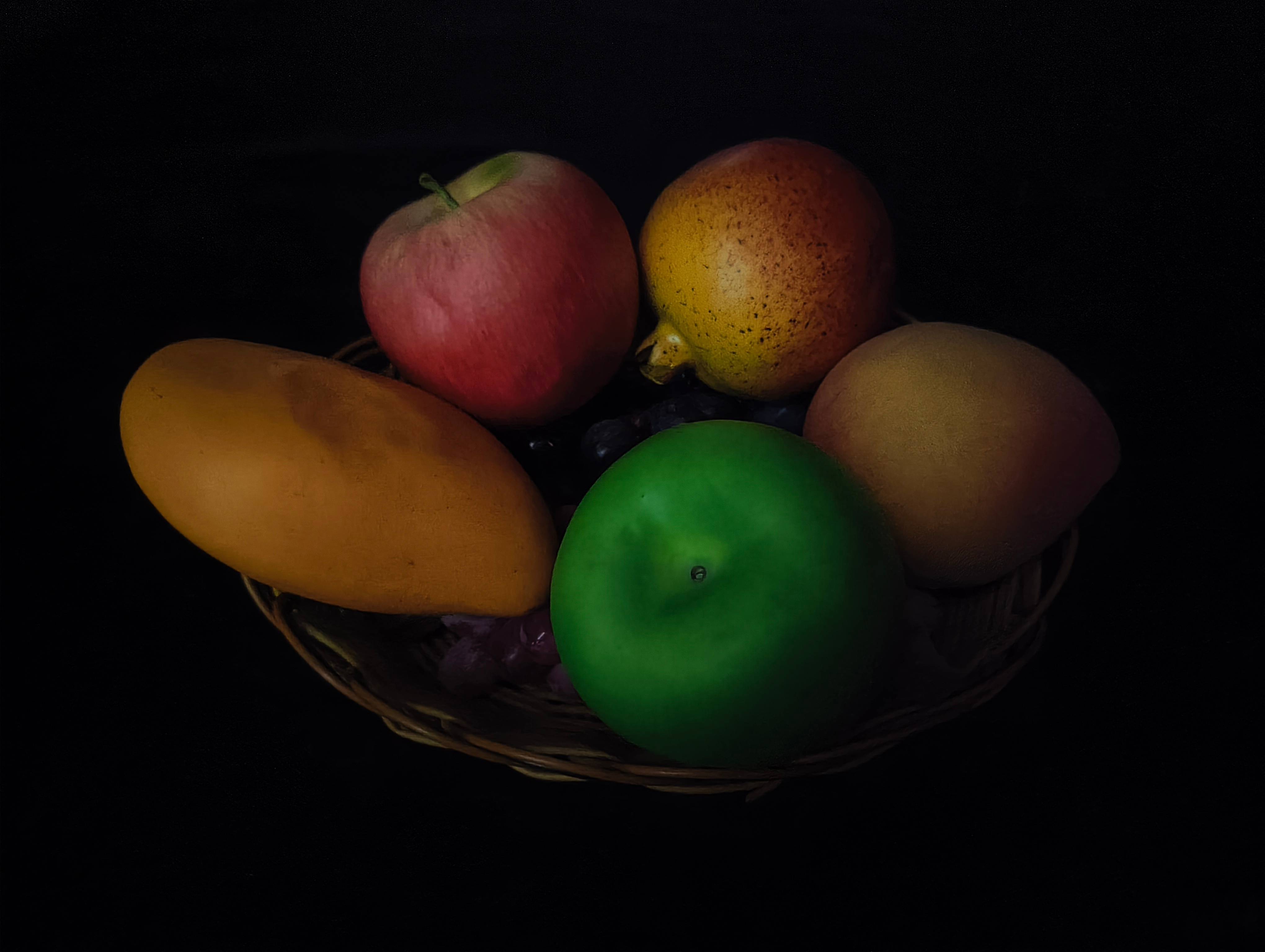
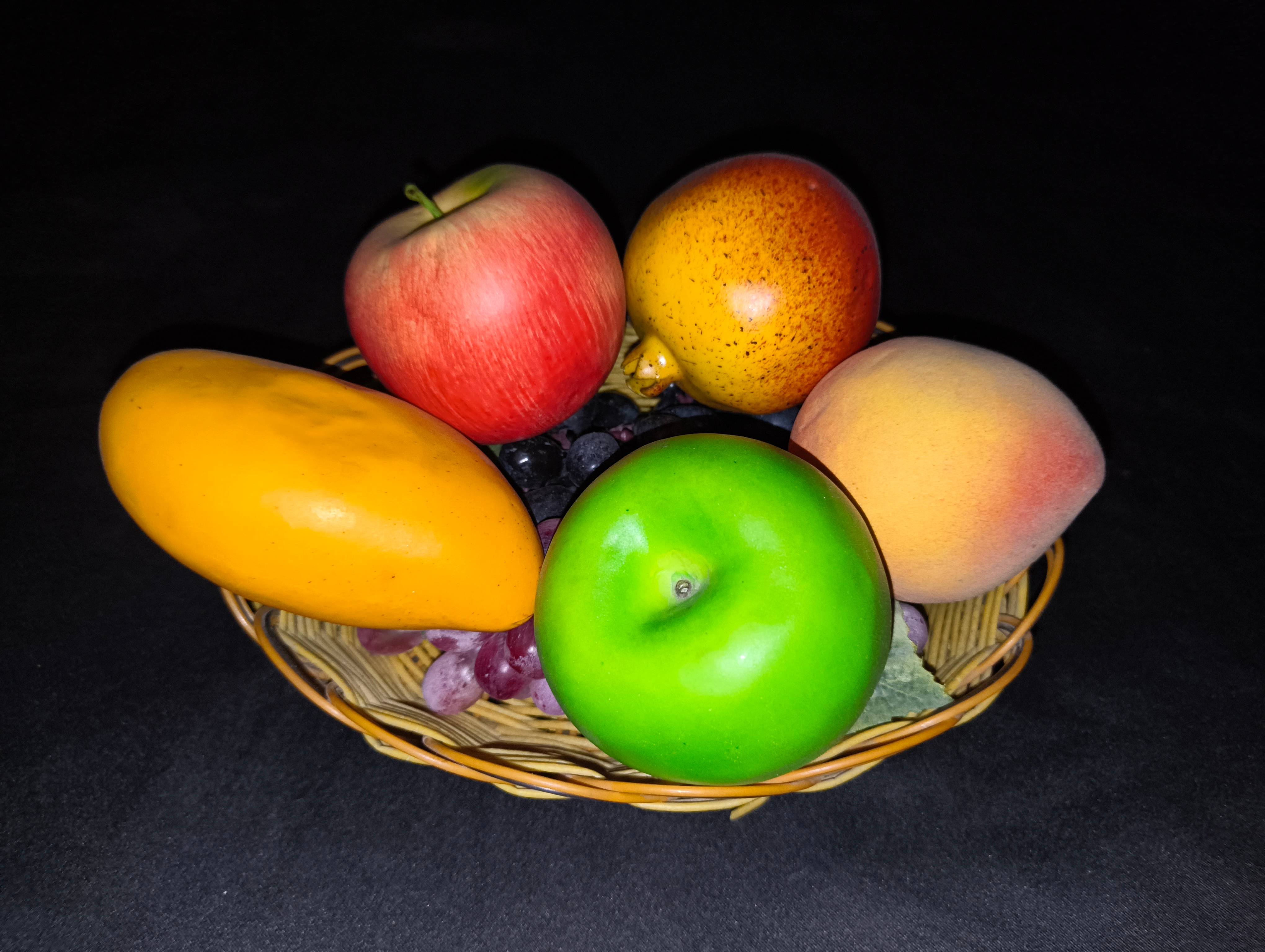
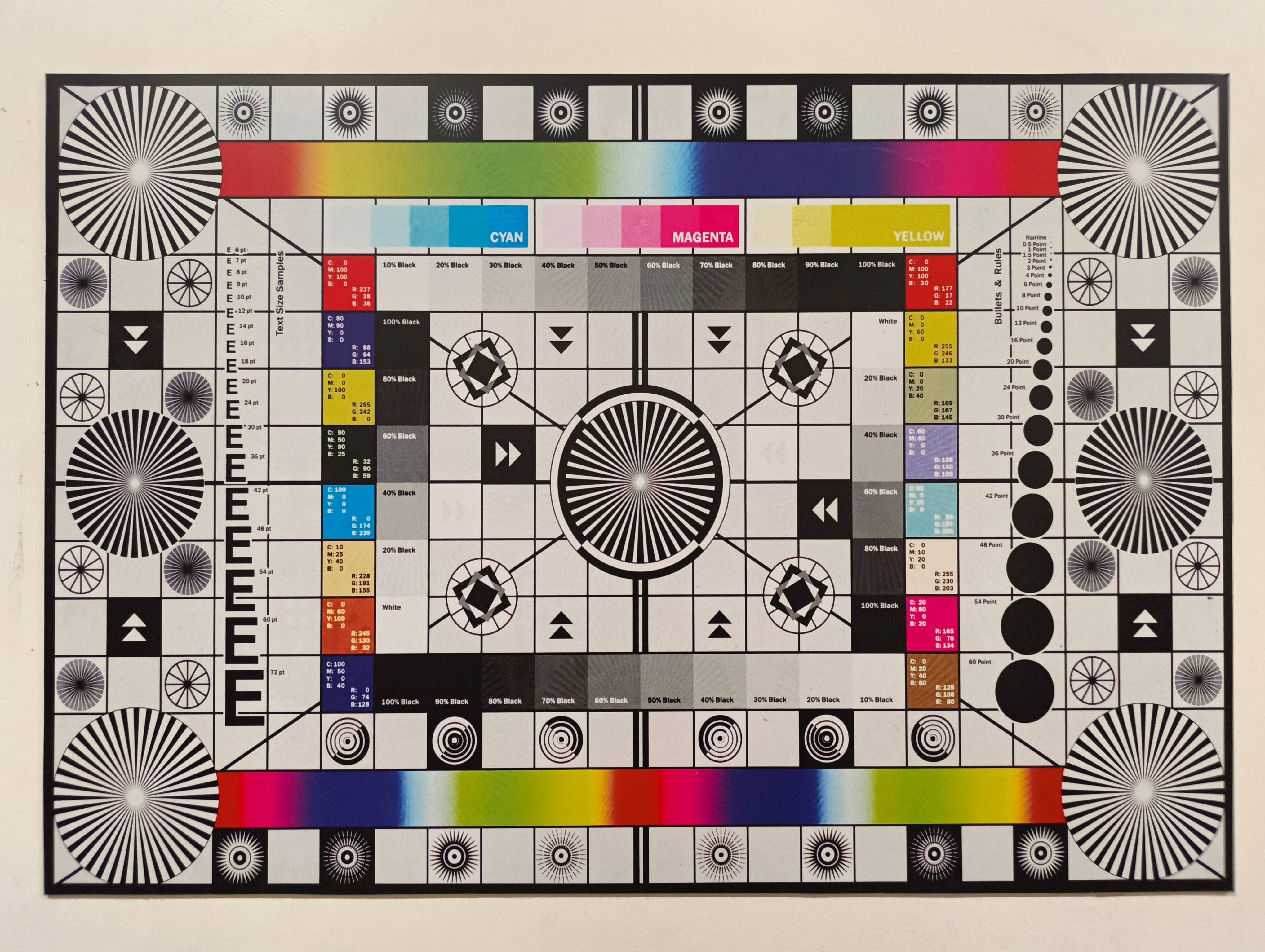
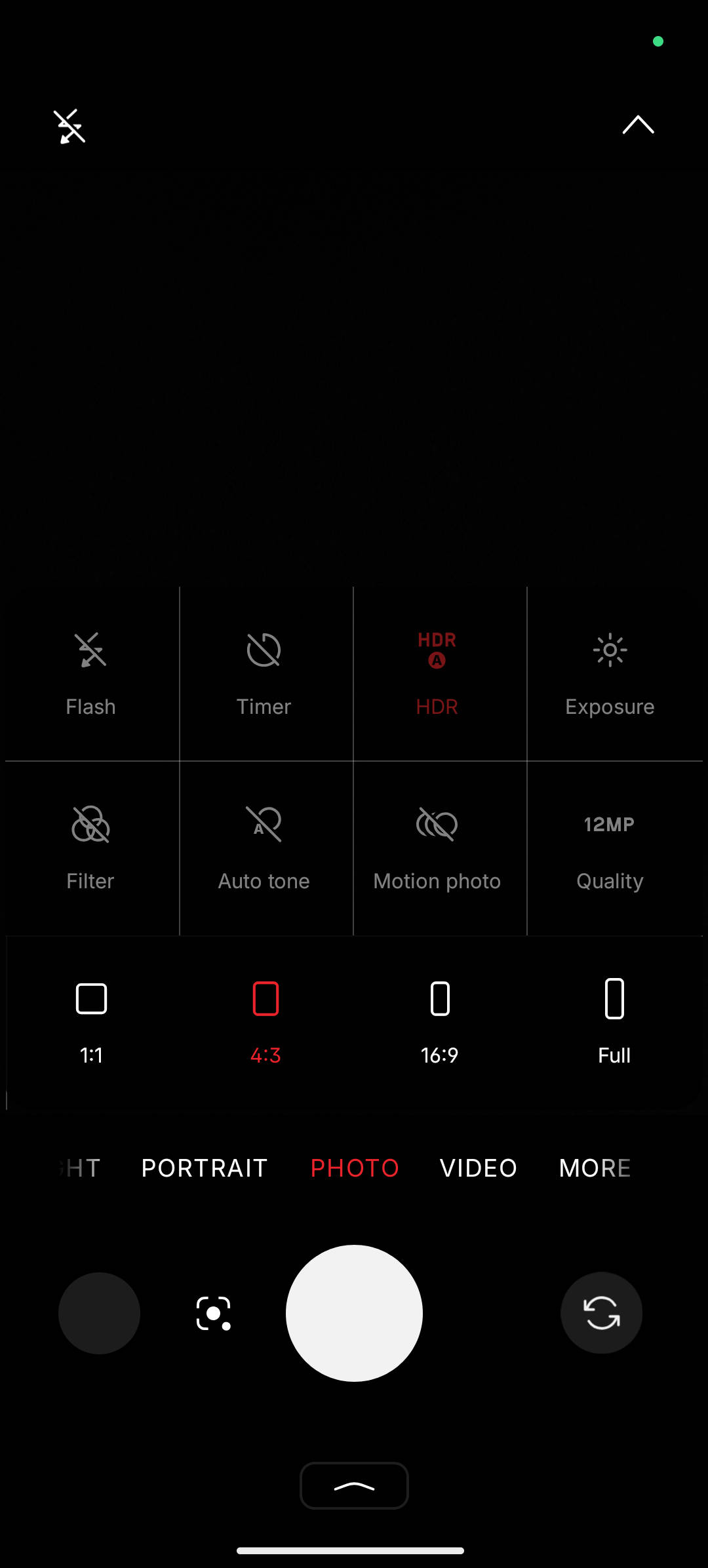
Even after months of its release, the Phone 2 Pro delivers sharp main camera images that lean towards cooler tones. For the most part, the images appear natural, but in some instances the colours are heavily boosted, possibly due to poor HDR control. Similarly, you may find yourself lowering the exposure value in the viewfinder indoors, as by default the camera tends to yield brighter images.
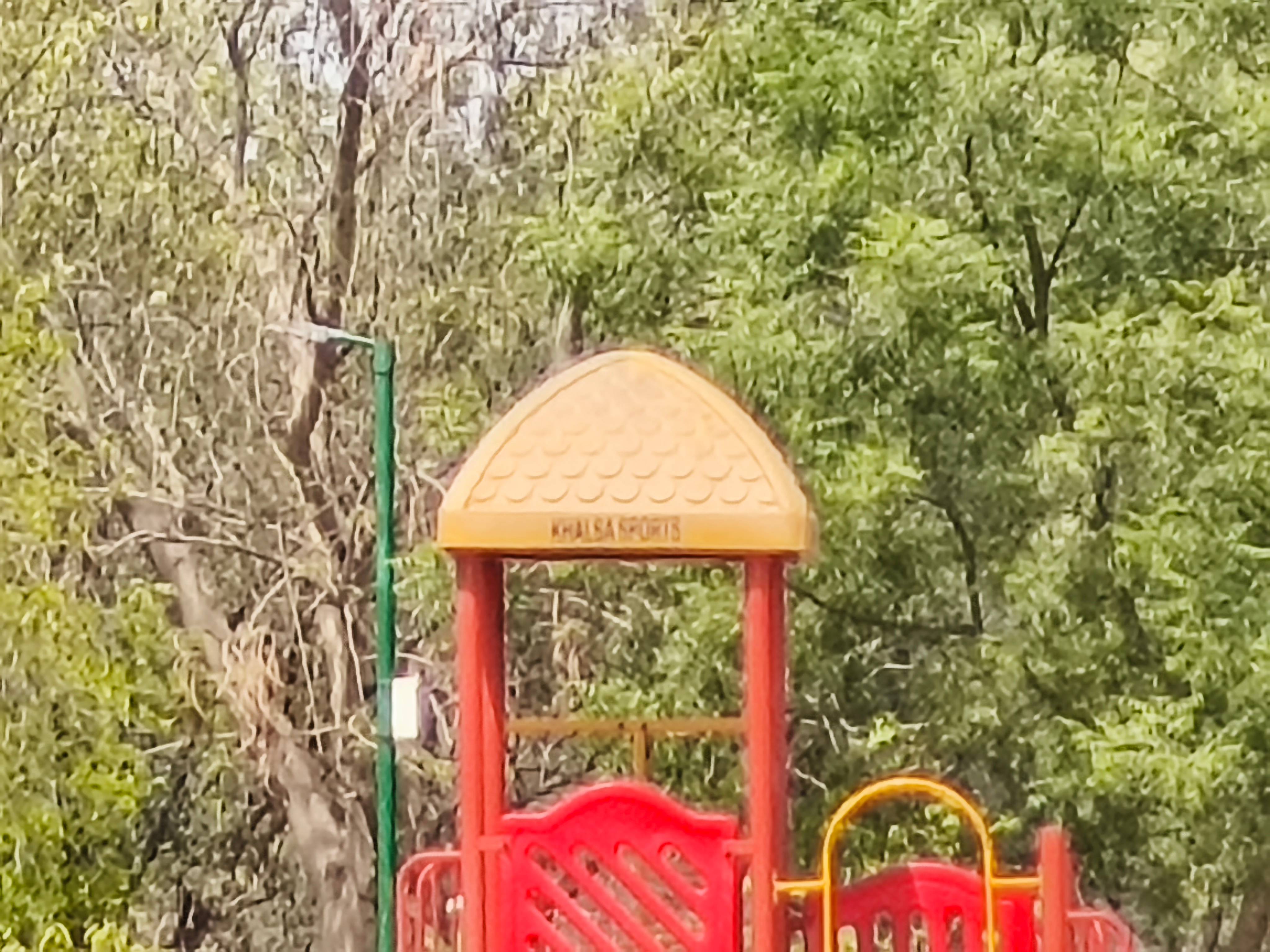
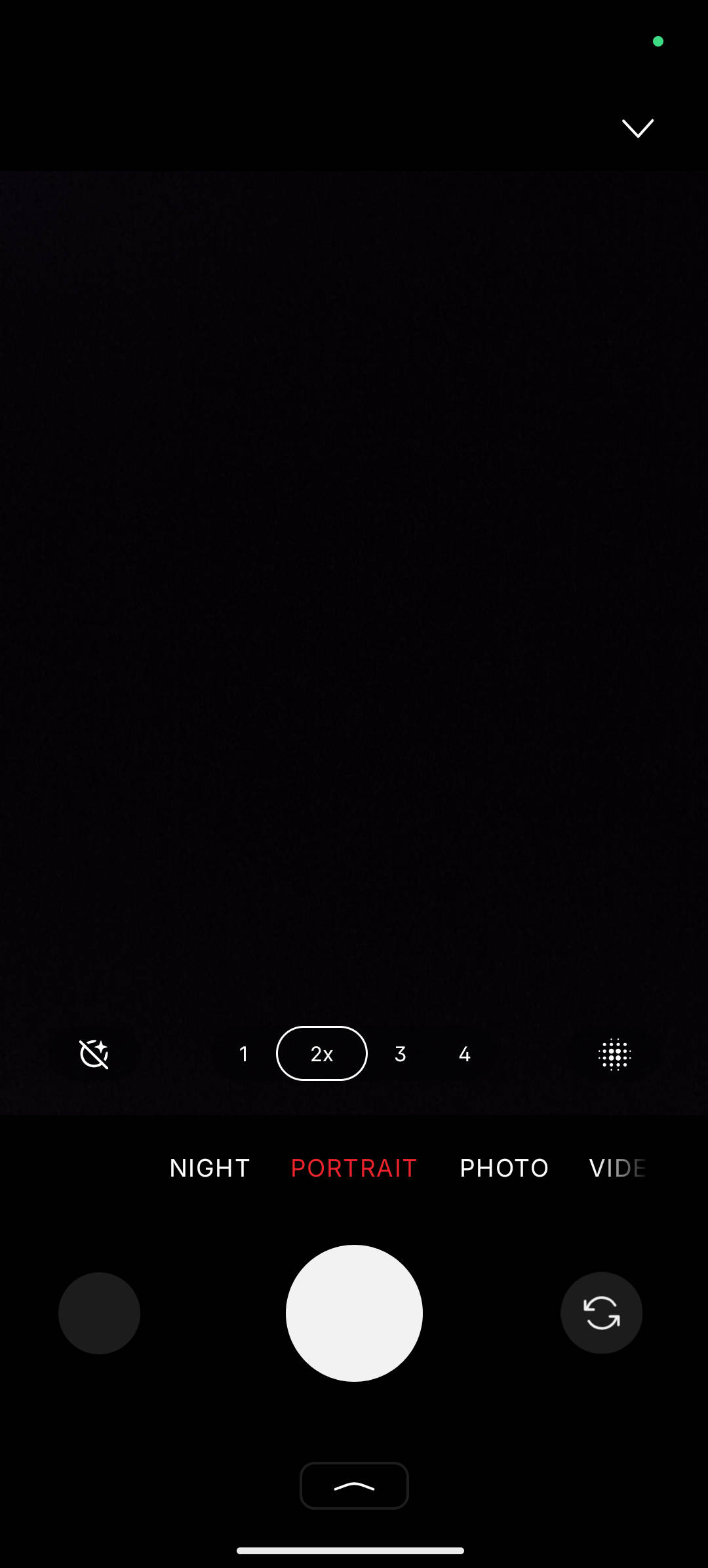
The CMF Phone 2 Pro impresses with its dedicated telephoto lens with 2x optical zoom, taking versatility a few levels up in a segment where even ultrawide lenses are being omitted. The telephoto lens is capable enough to deliver detailed images, considering its sensor size. It also comes in handy for capturing portrait shots with or without portrait mode, thanks to the natural bokeh and edge detection at 50mm focal length.


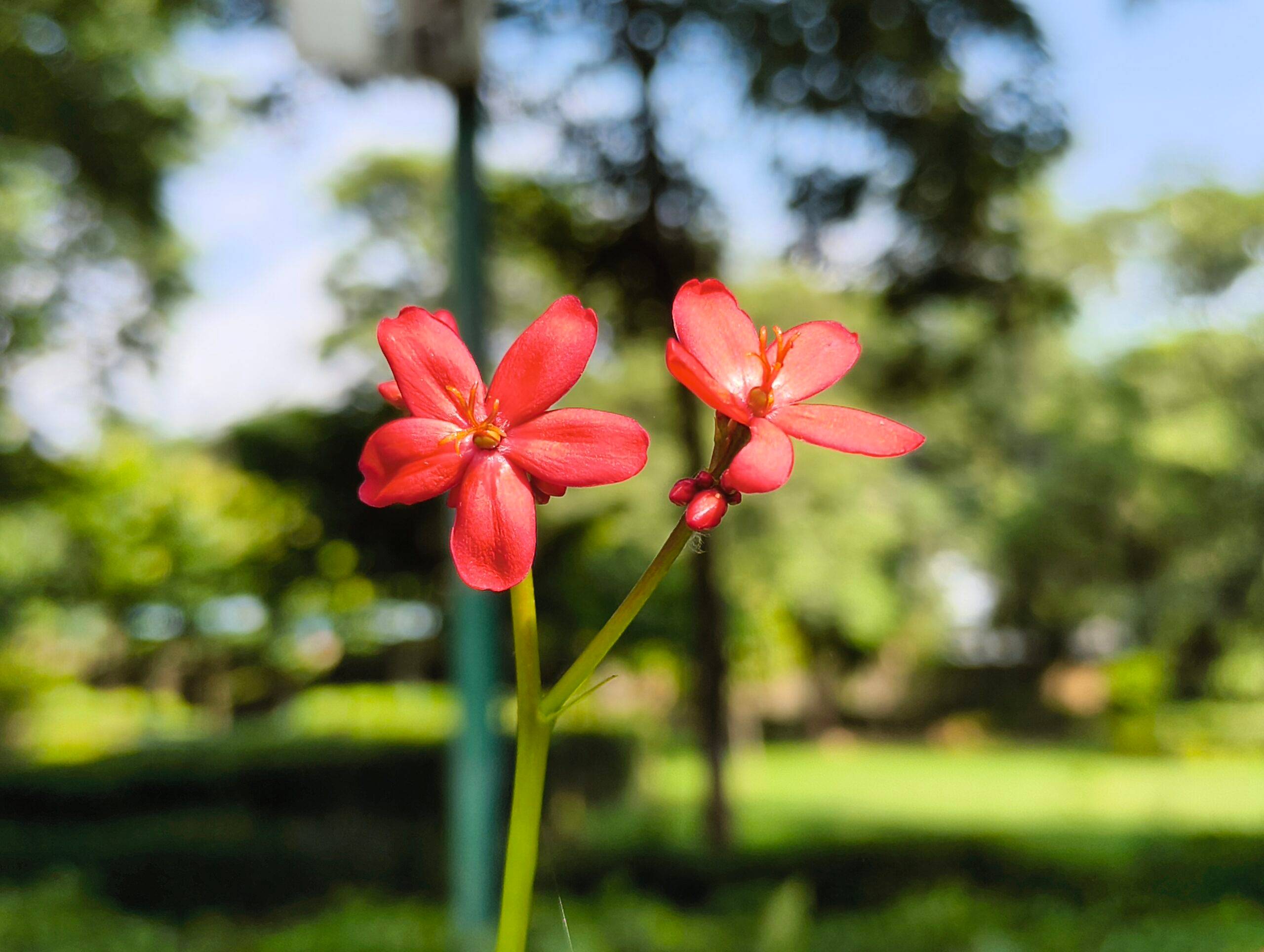
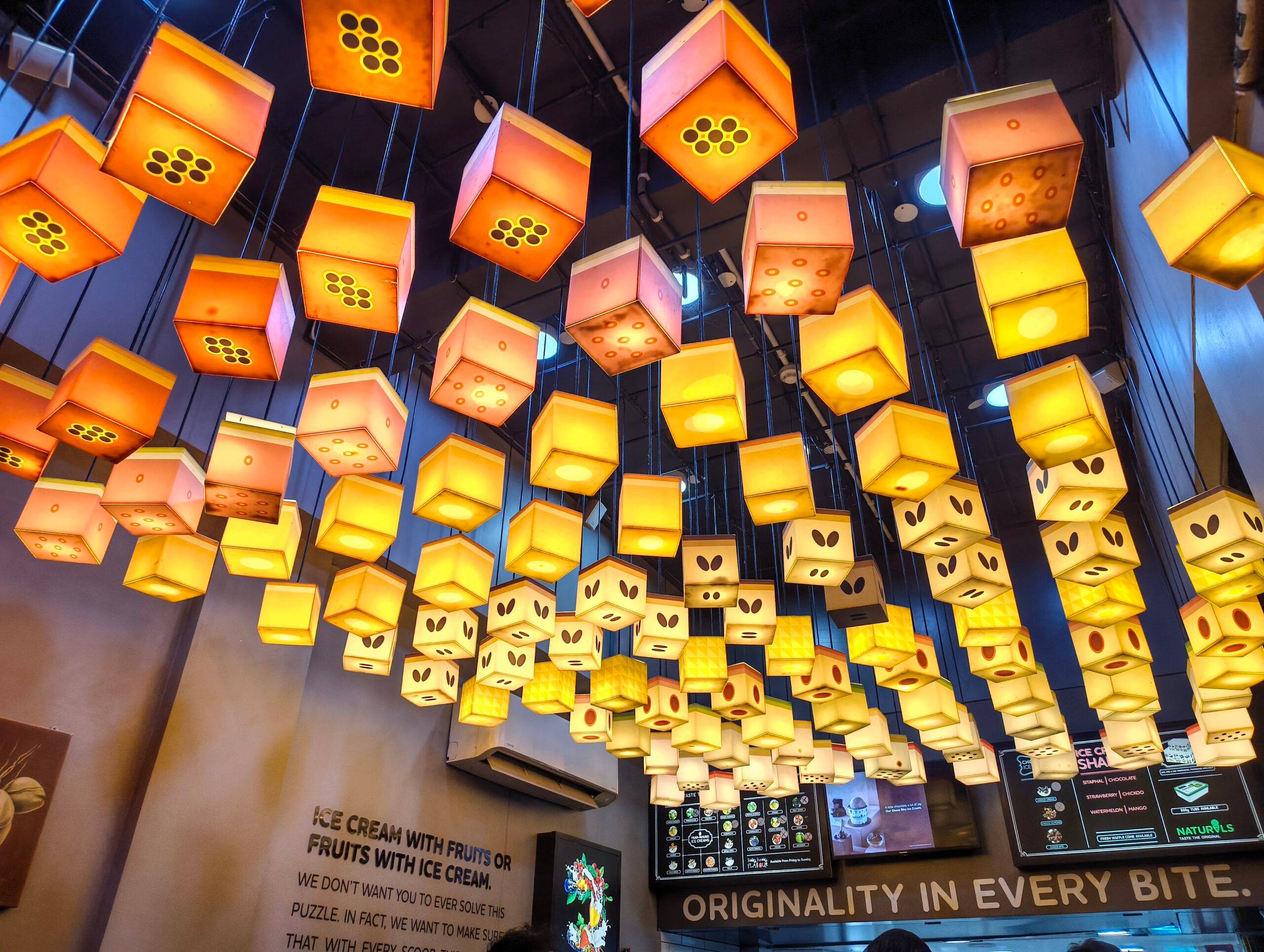

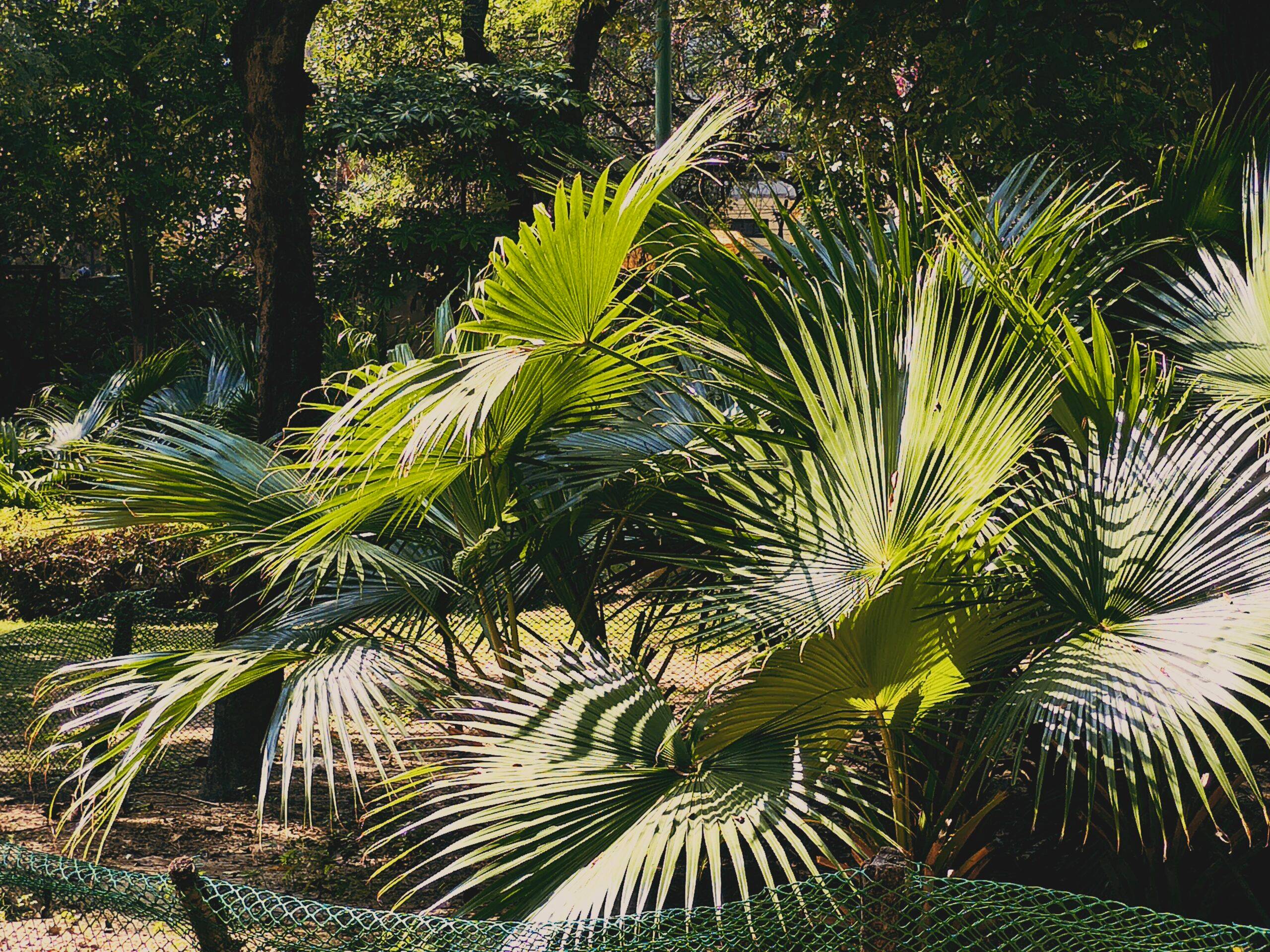

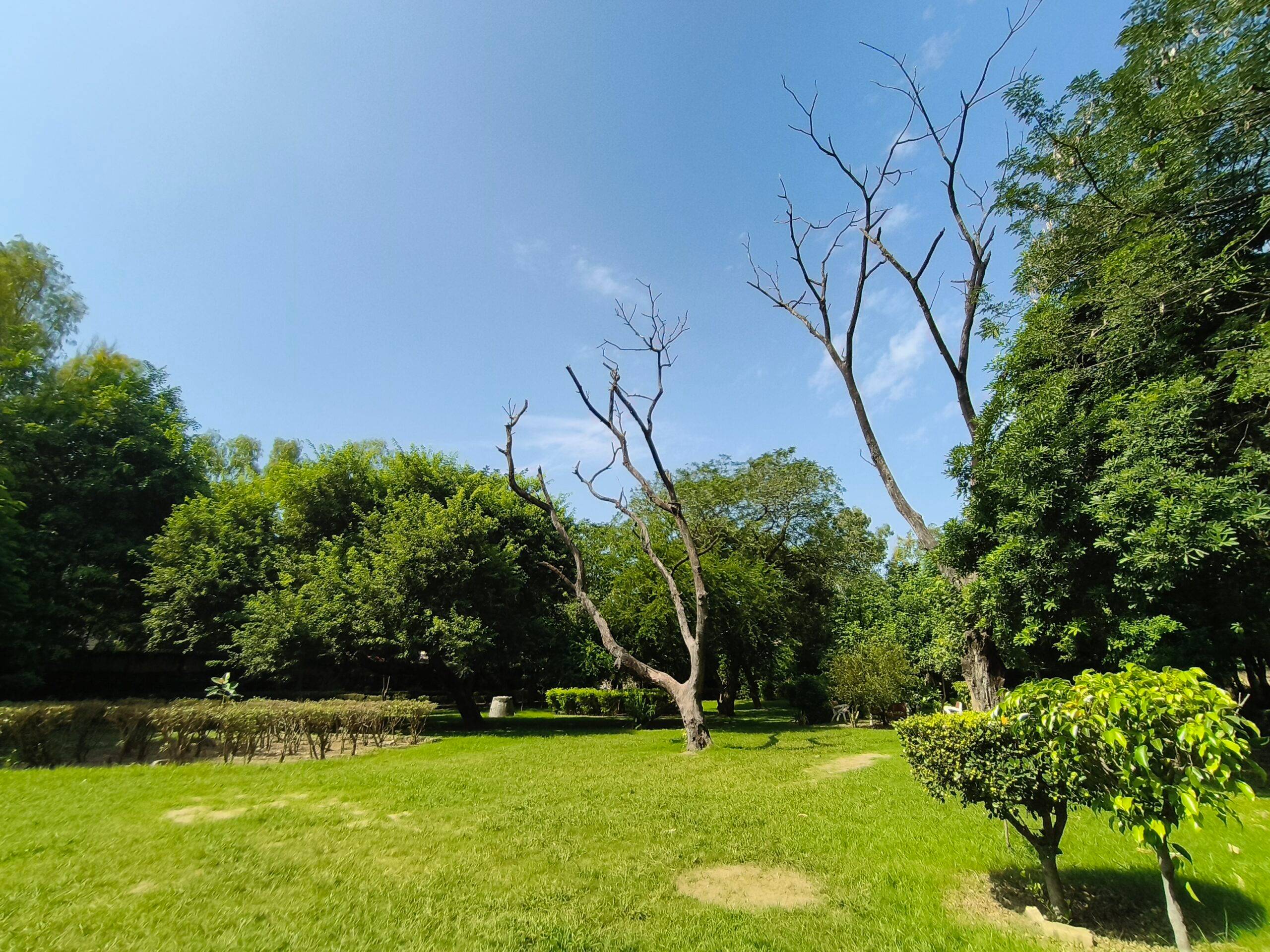
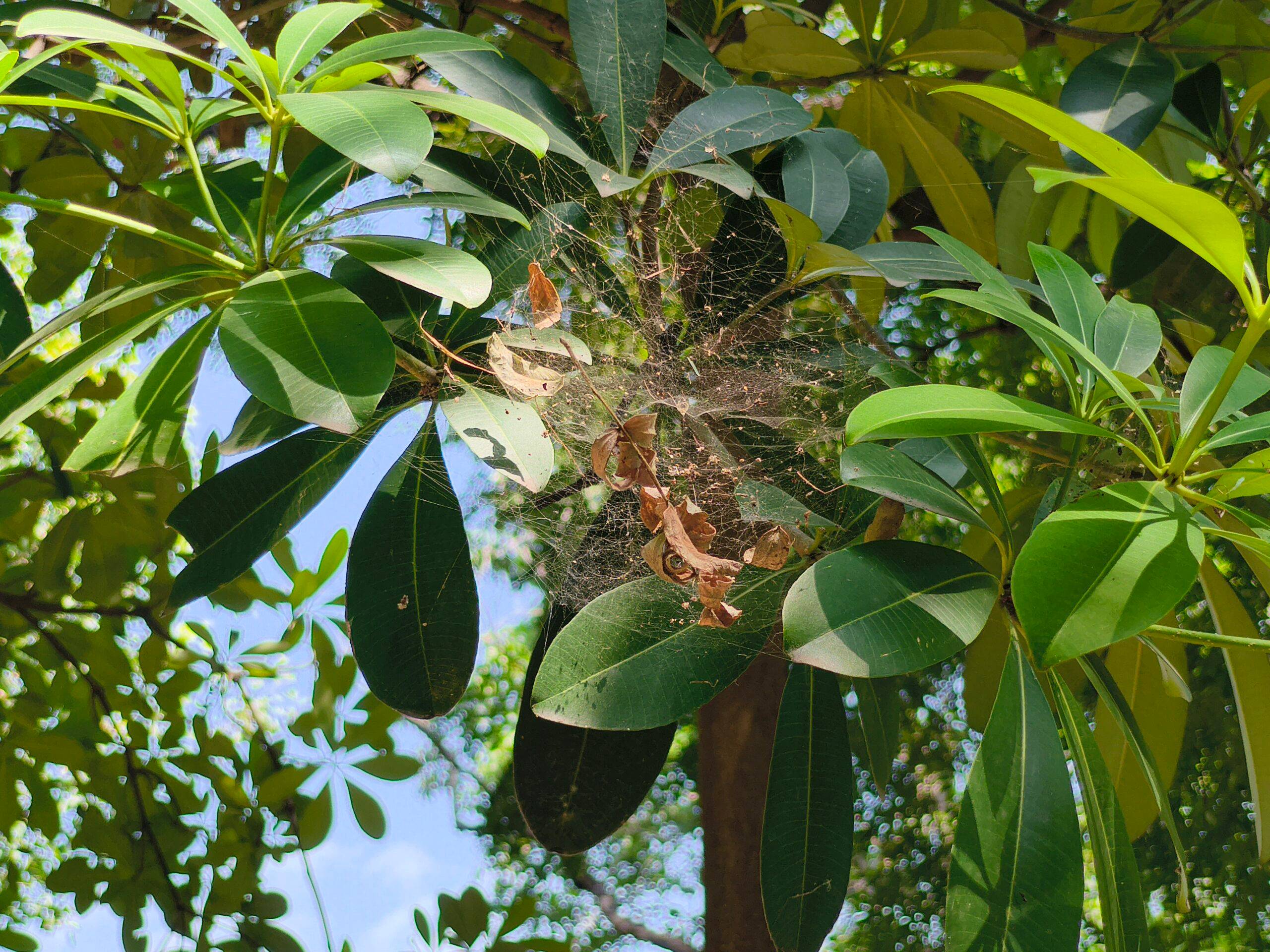


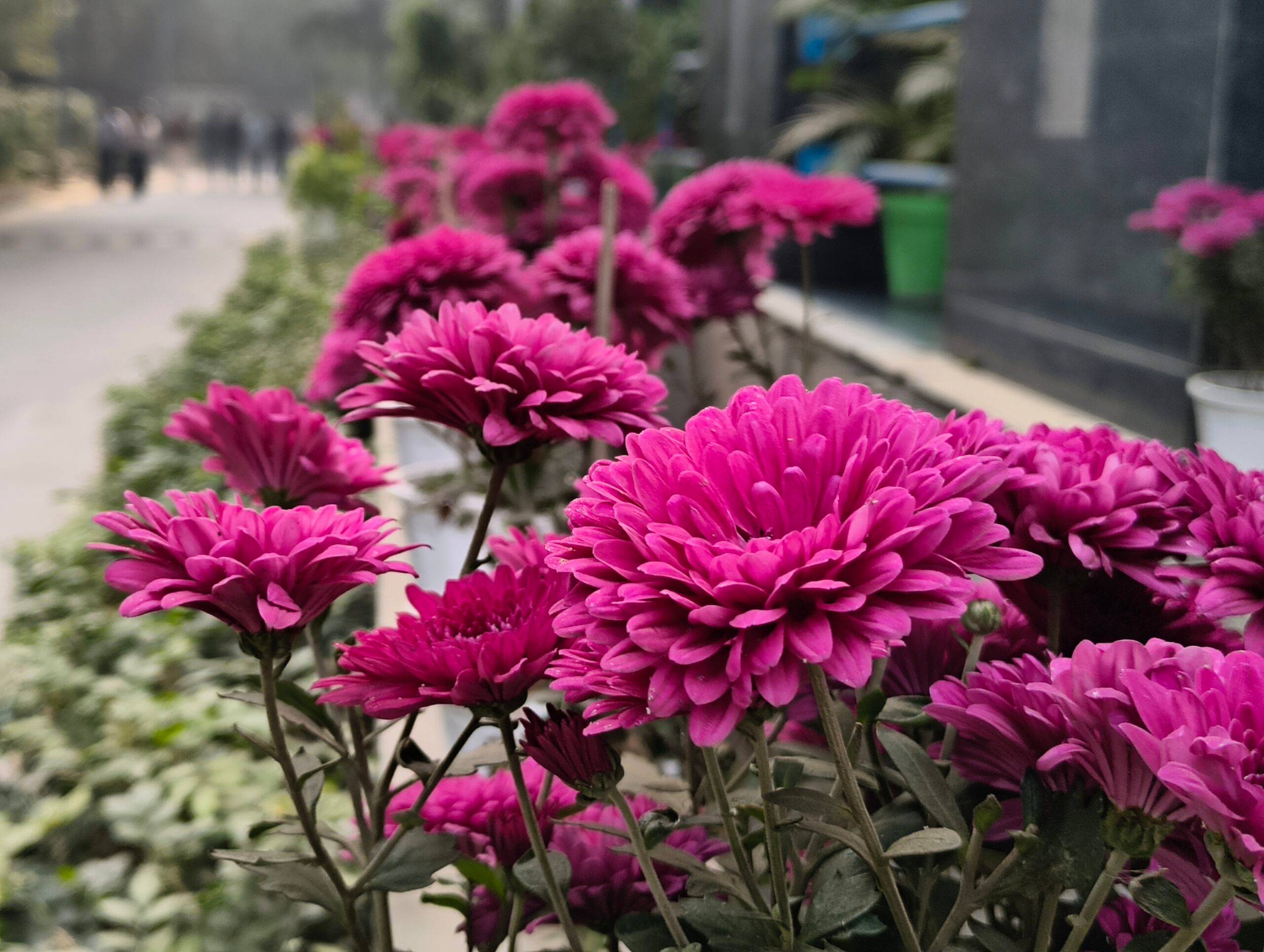





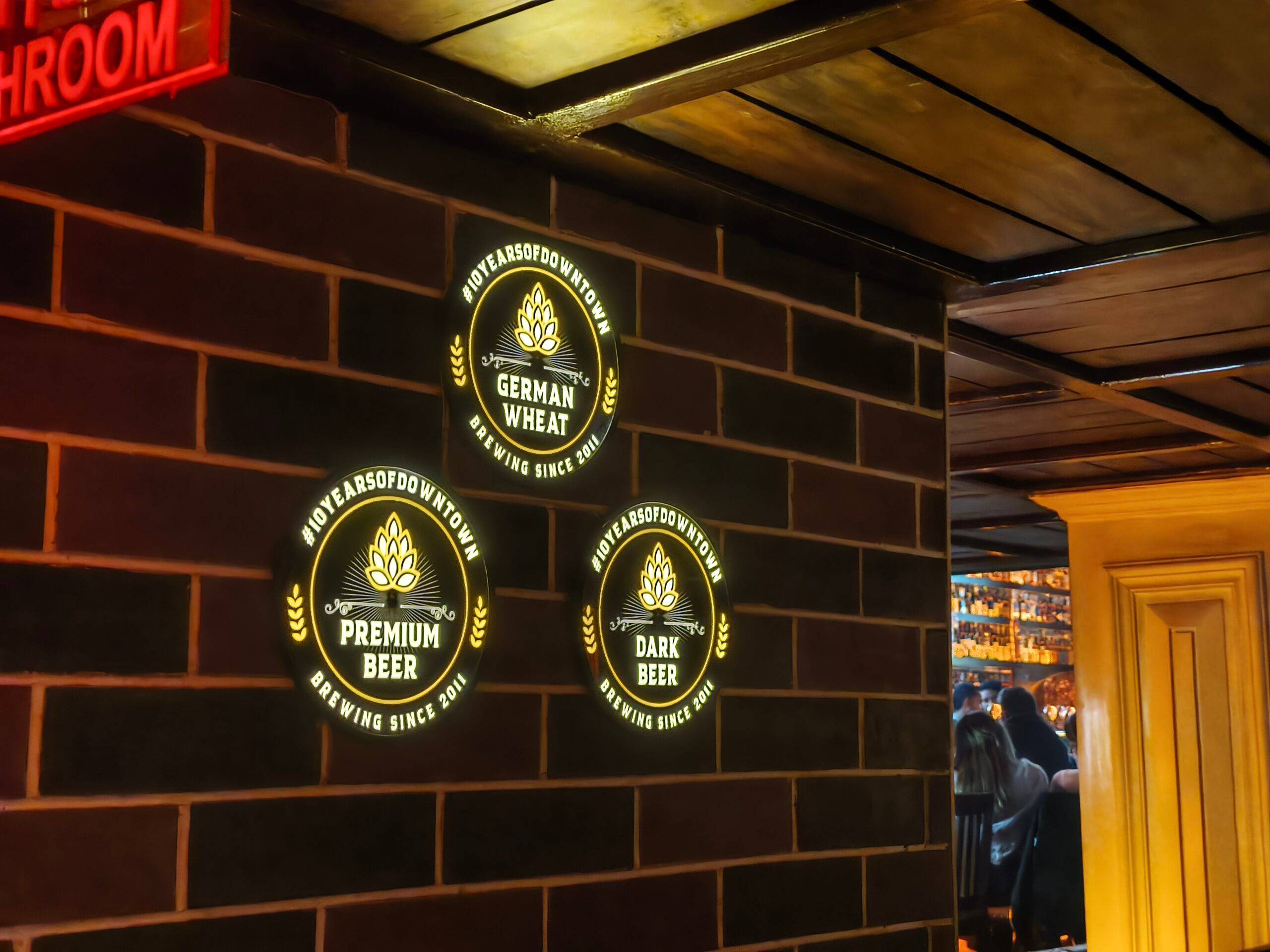


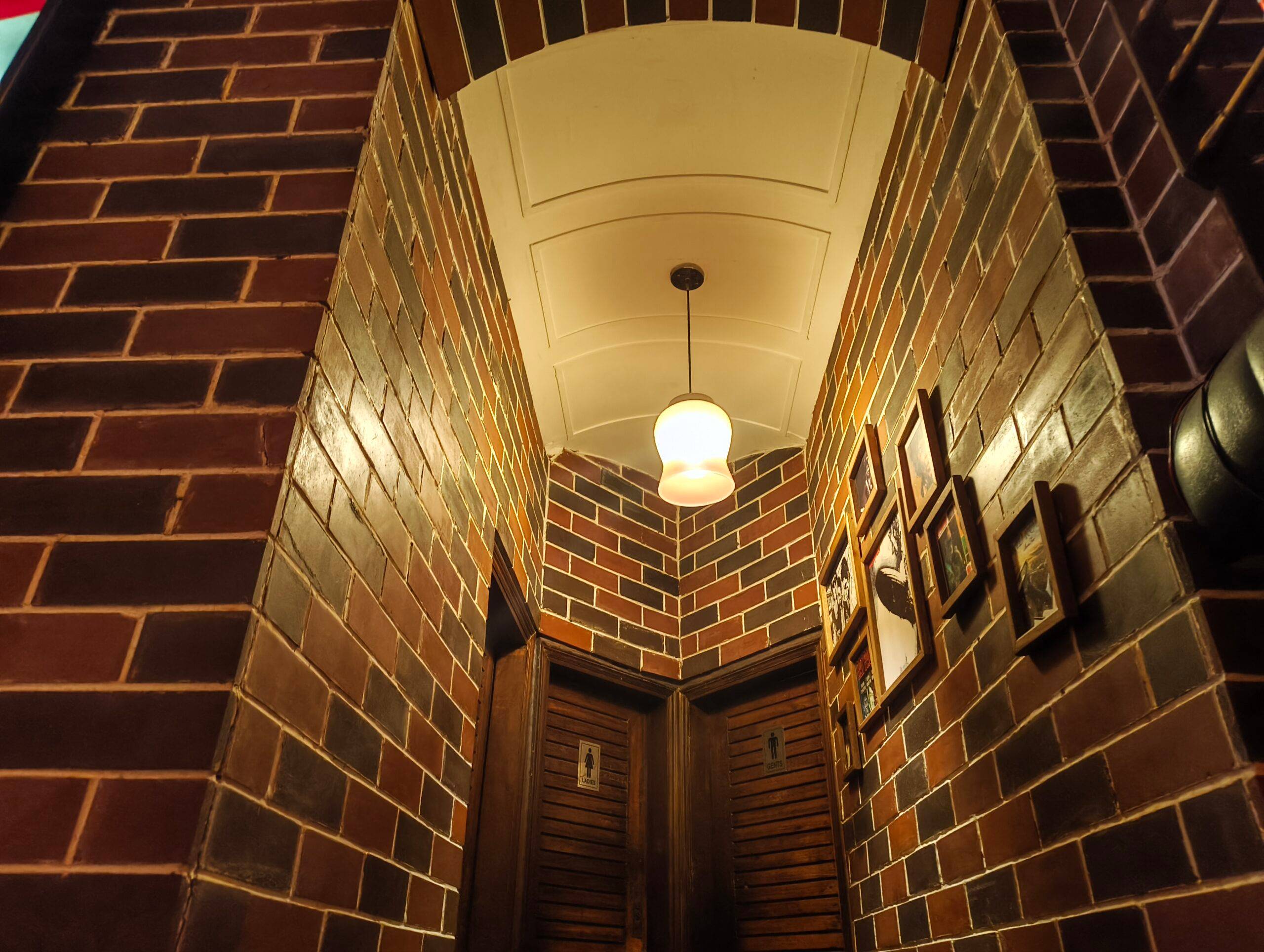


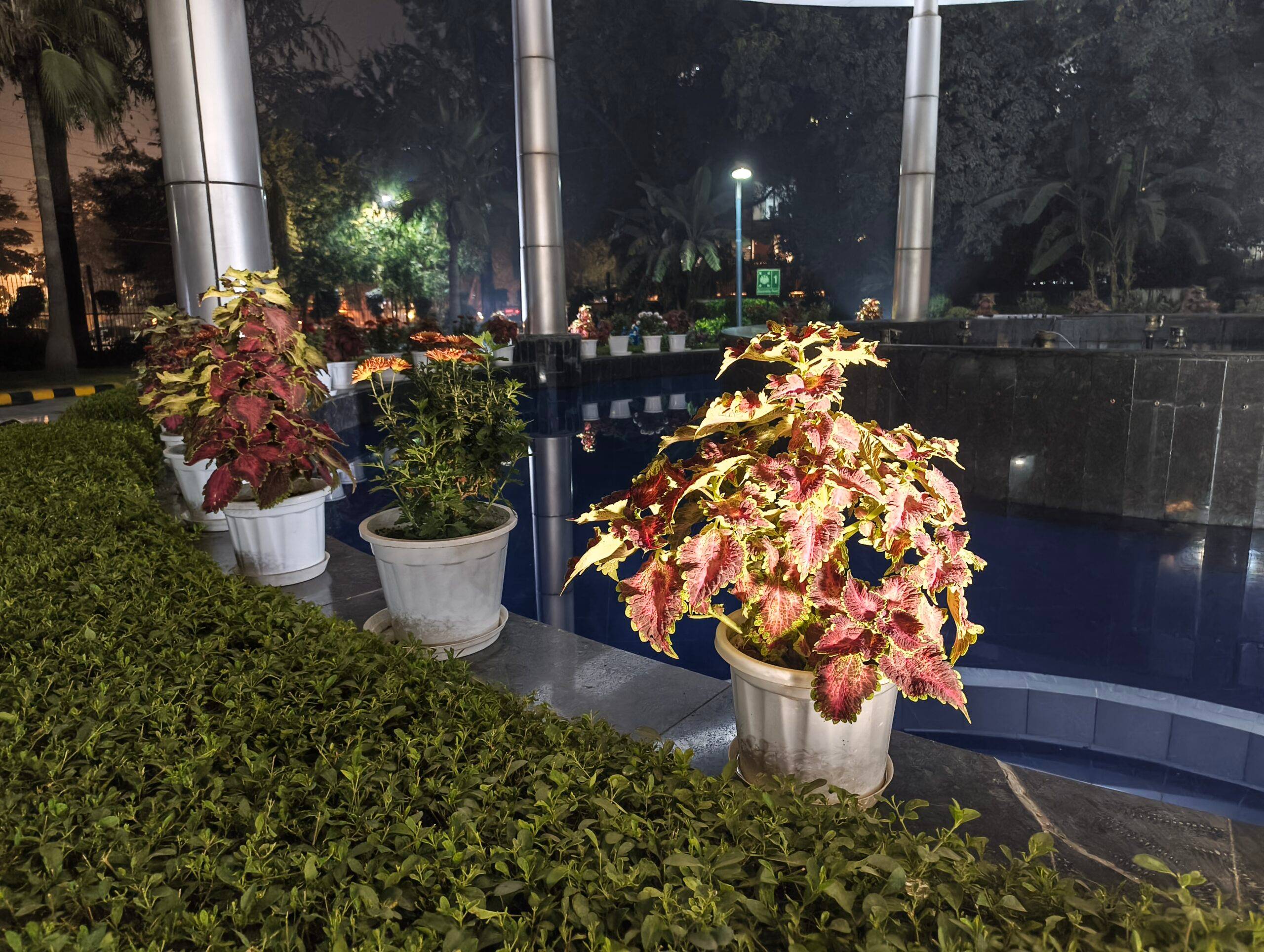


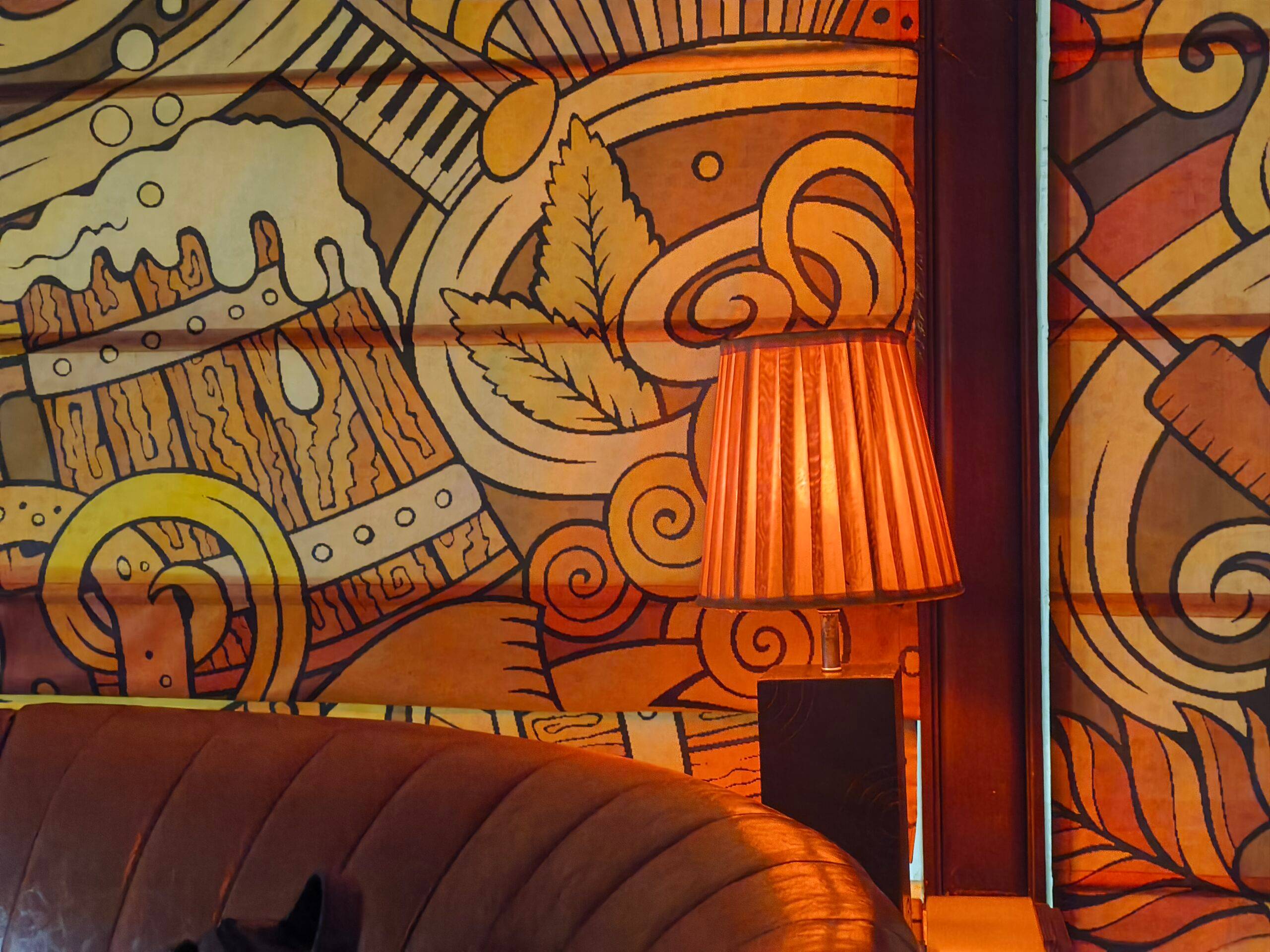


Like most sub-Rs 20,000 smartphones, the device struggles in low-light conditions, as evidenced by soft details, high noise, and poor exposure control of light sources such as street lights and bulbs. Regardless, if you don’t pixel-peep the images, the final output is more than usable and even worth posting online. The 8MP ultrawide lens is good enough for capturing wide spaces or locations, and that’s pretty much it.
Smooth day-to-day performance, almost
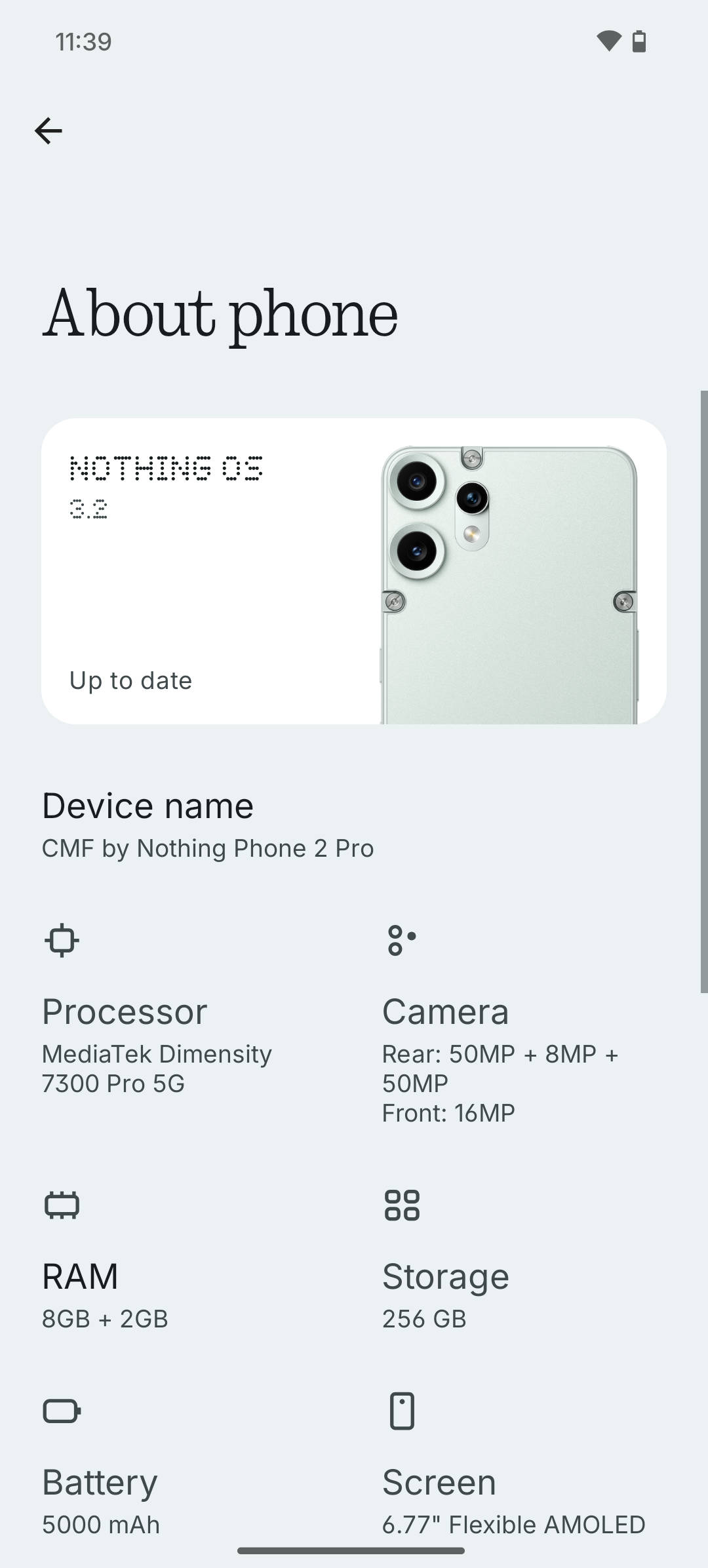
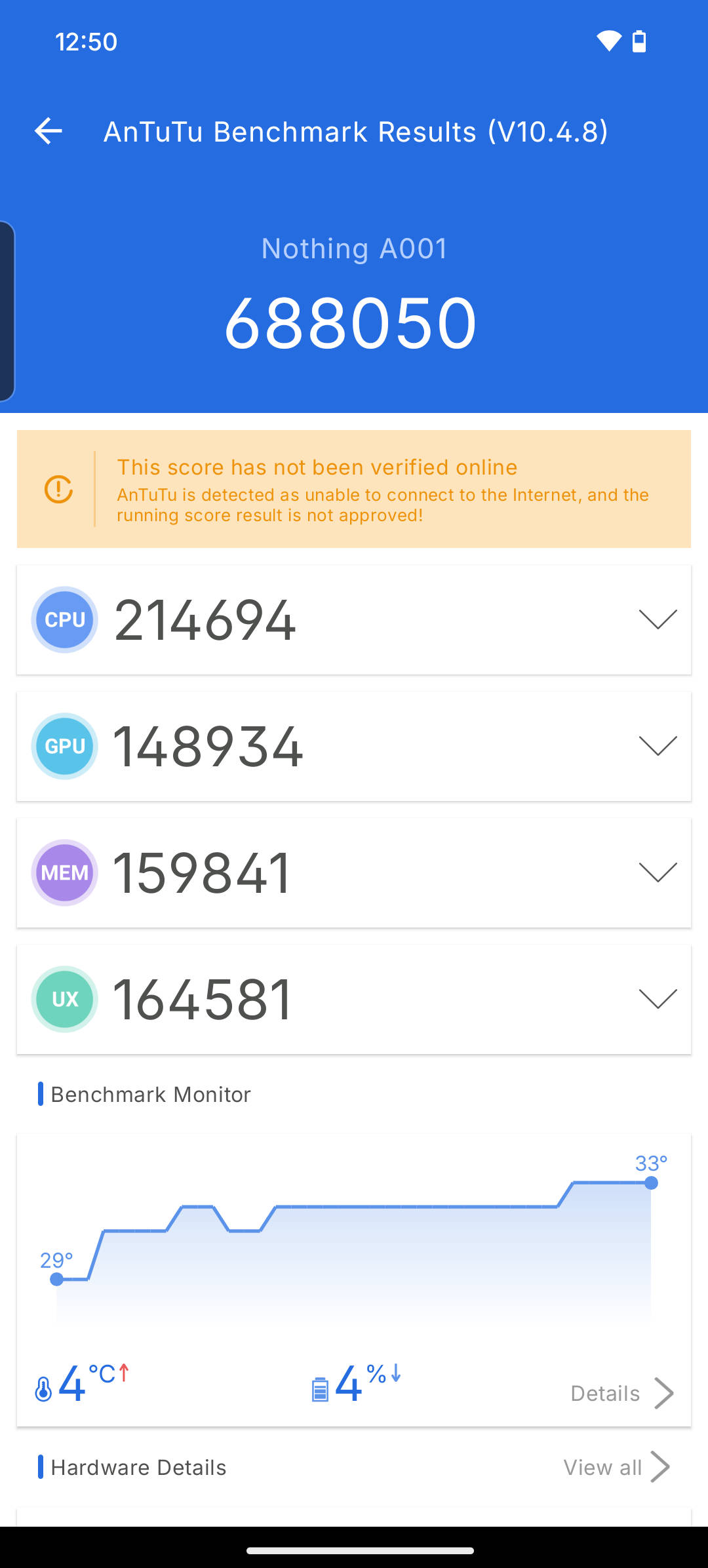
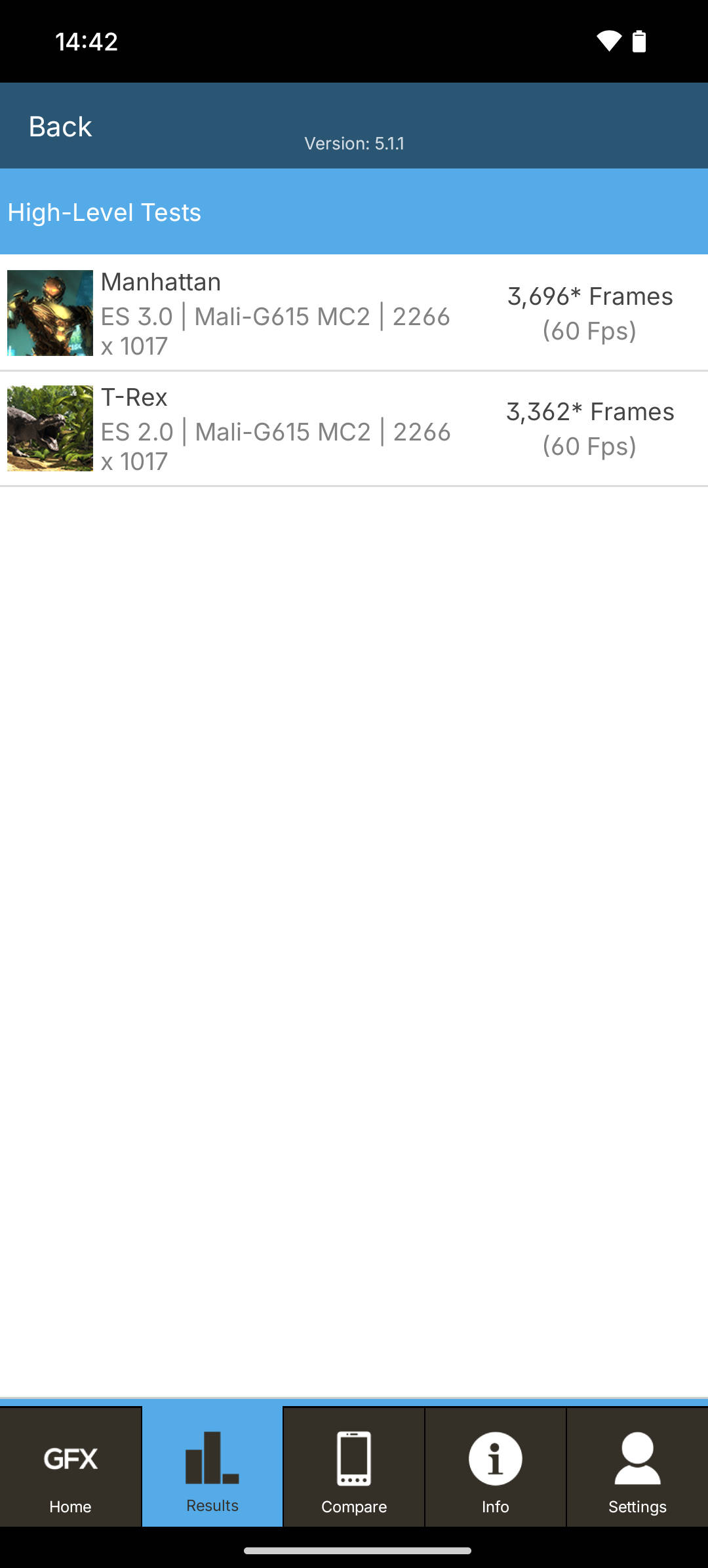
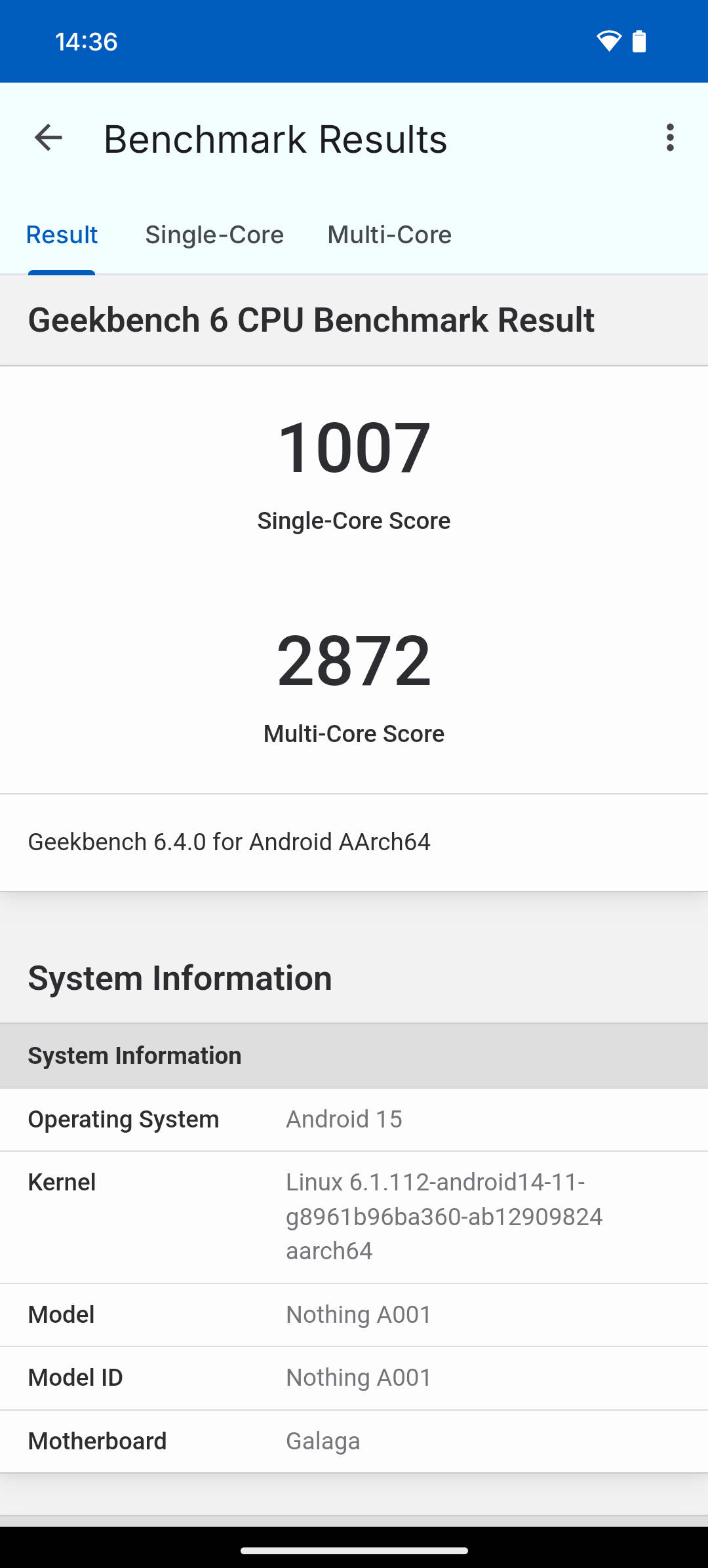
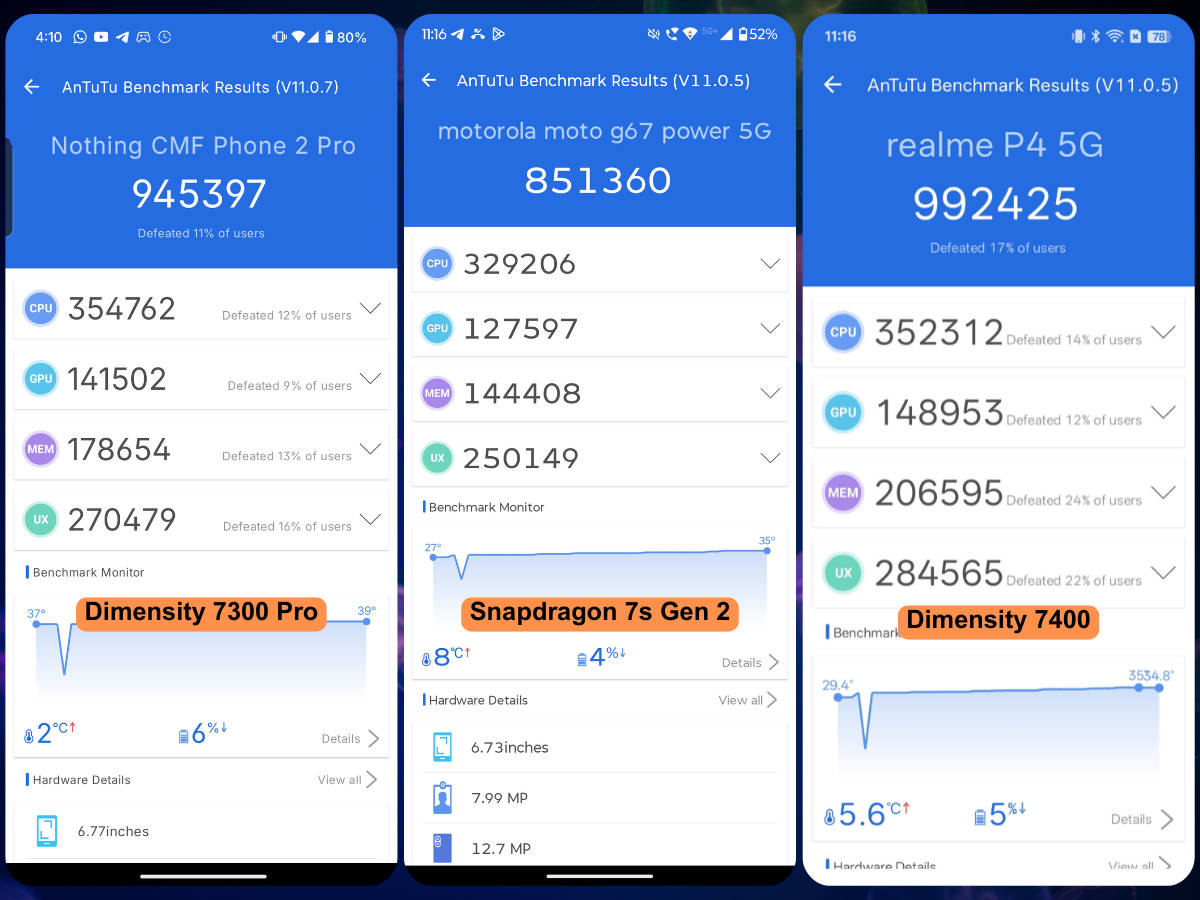
Performance is an area where the CMF Phone 2 Pro saw marginal improvements over its predecessor. As a result, the MediaTek Dimensity 7300 Pro at its helm doesn’t offer as high raw performance as the newer and widely popular Dimensity 7400 chipset. Fortunately, outside of benchmarks, the phone has held up fairly well when it comes to navigating through the UI, launching apps, and multitasking.
This isn’t to say the CMF Phone 2 Pro’s performance is bad; it’s just that this isn’t the phone’s core proposition. Since the software is based on stock Android, the phone wisely utilises the 8GB RAM by retaining most apps in memory for a couple of hours, unless you summon the camera app or play games.
Don’t judge the battery by its capacity
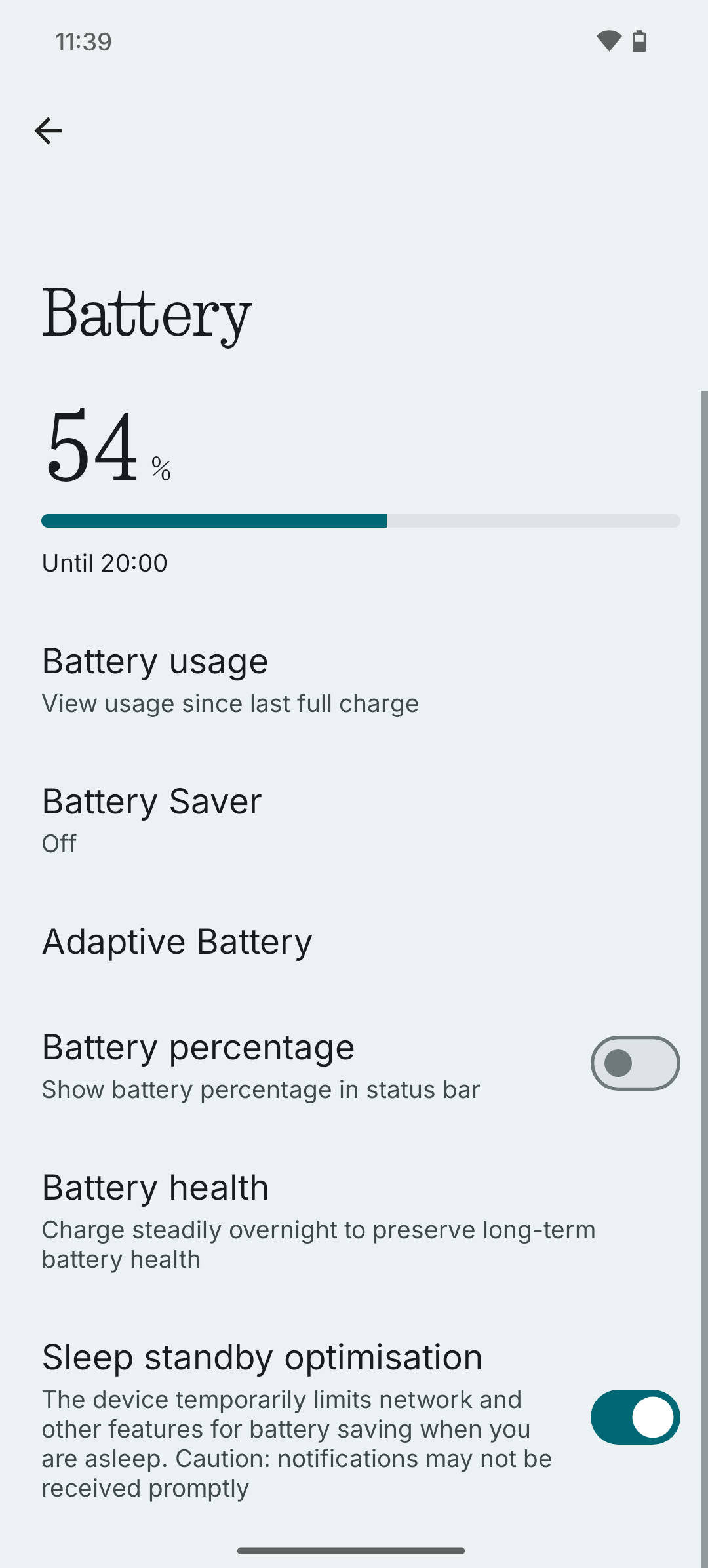
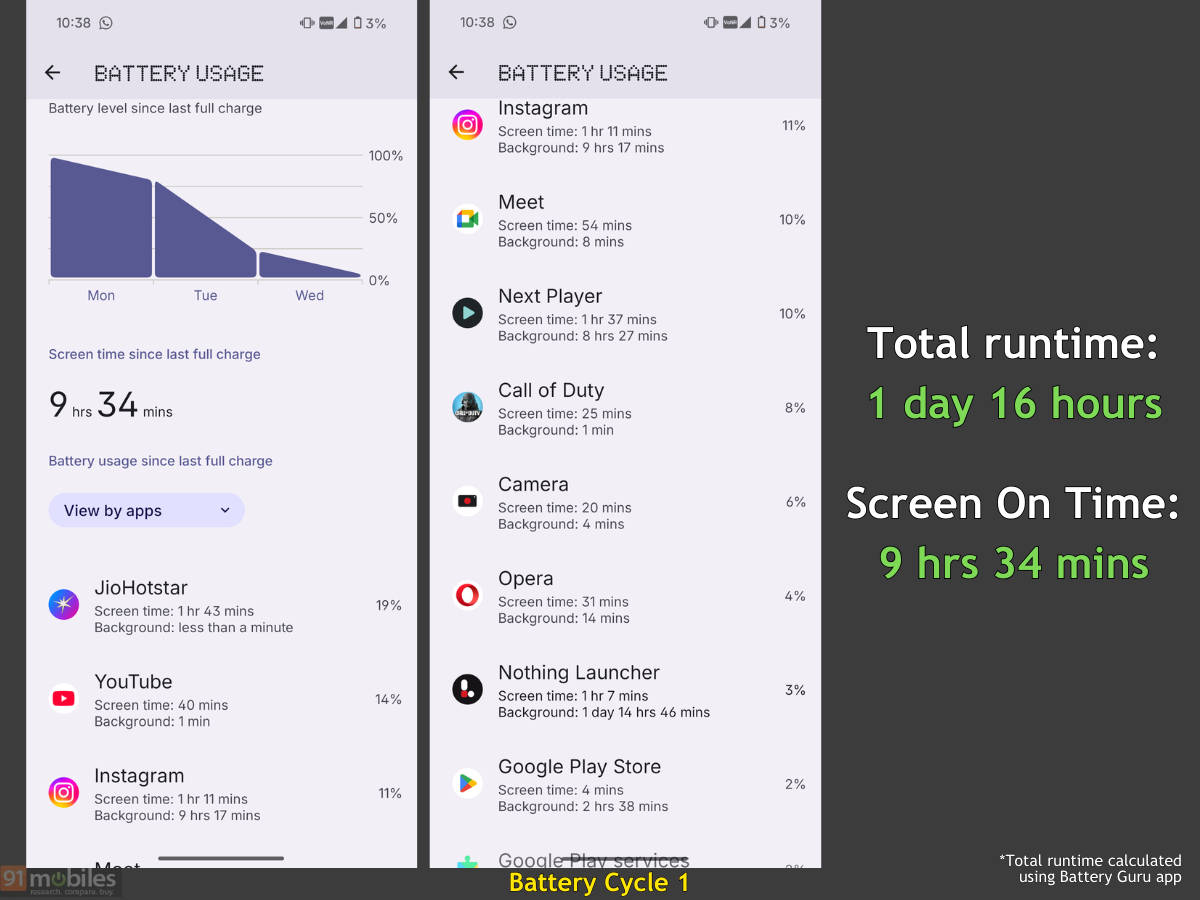
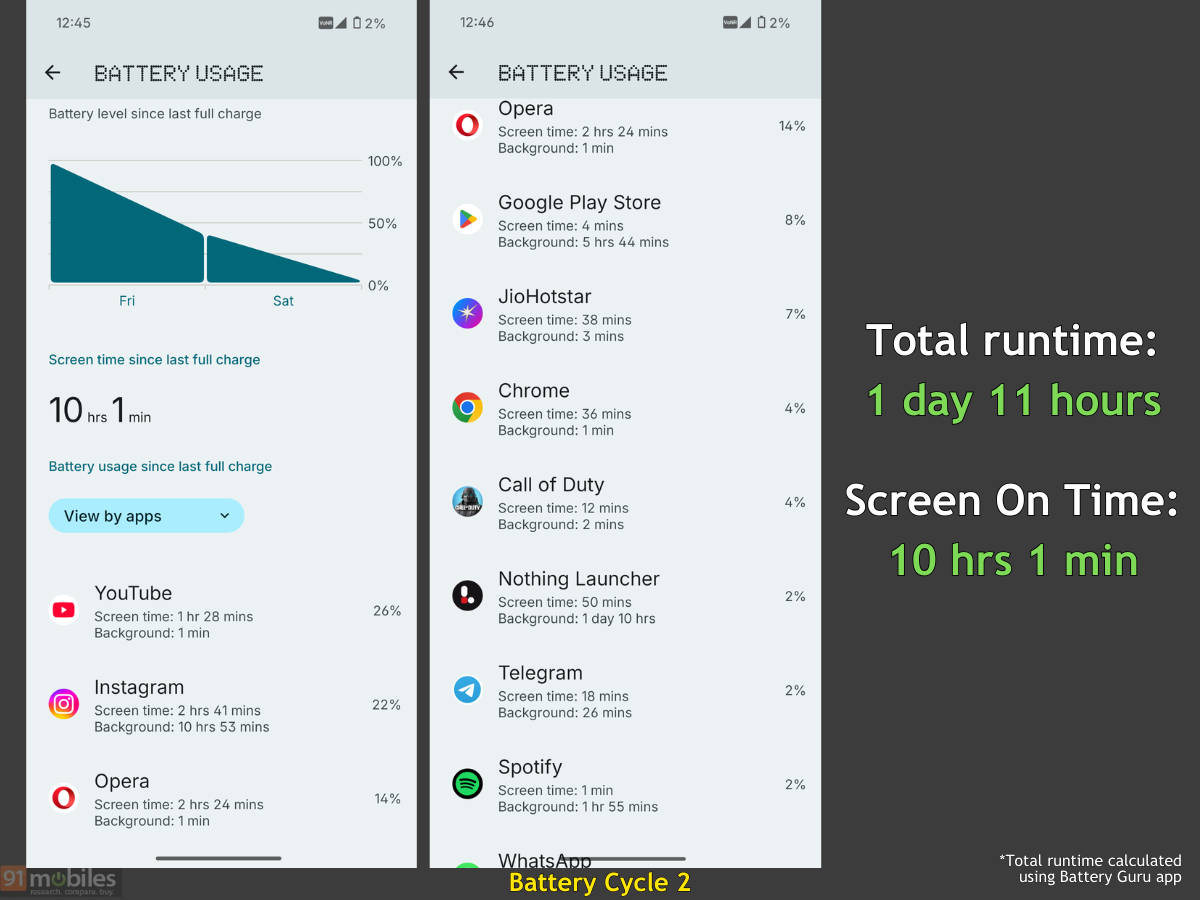
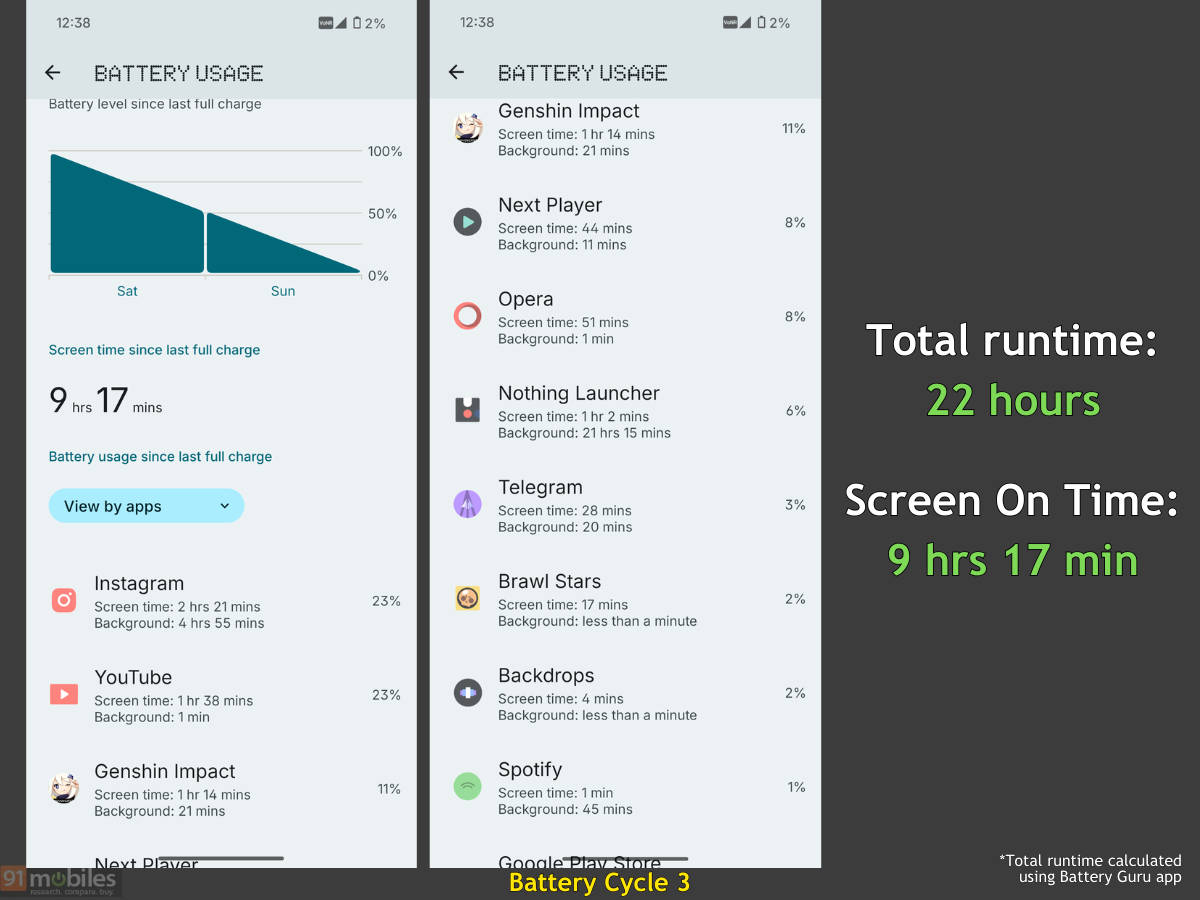
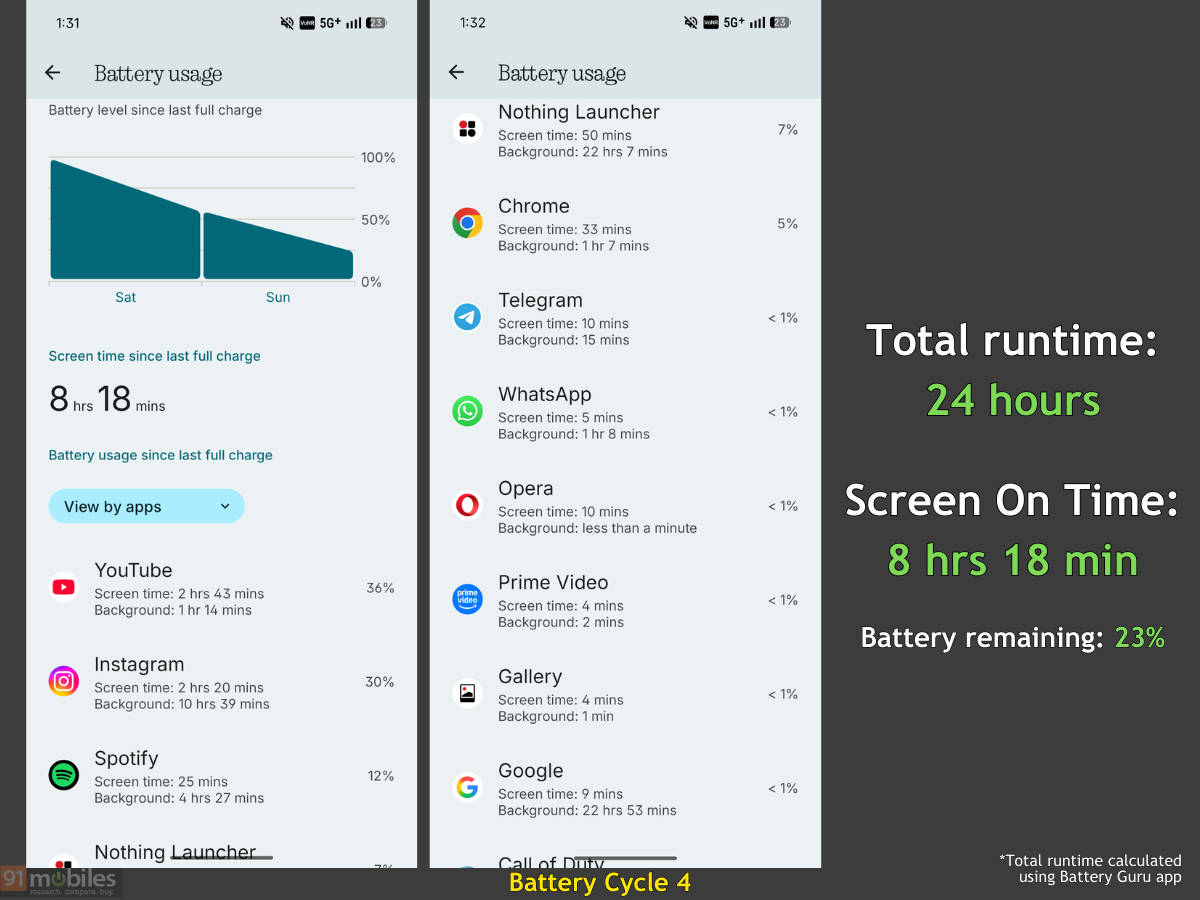
The battery life of the CMF Phone 2 Pro wasn’t a concern in our initial review, nor is it now upon revisit. It packs a 5,000mAh battery, which is not the largest in the Rs 15,000 to Rs 20,000 range, but it easily offers more than a day’s endurance. As I tested the phone on both Nothing OS 3 and Nothing OS 4, I consistently achieved over 9 hours of screen time, even during days which included Genshin Impact gaming.
The majority of my day-to-day usage included scrolling through posts or reels on Instagram, watching YouTube videos, streaming movies or shows on Prime Video or JioHotstar, listening to music on Spotify, browsing, and indulging in several minutes of CODM gaming.
For detailed insights into the battery life of the CMF Phone 2 Pro, you can refer to the battery stats of various charge cycles in the slider below.
When it comes to juicing up the CMF Phone 2 Pro, the charging speeds were inconsistent. Even when using the bundled 33W charger and USB-C cable, charging times varied noticeably. The phone sometimes took over 1.5 hours for a full charge, while on other occasions it completed in under an hour.
Is the CMF Phone 2 Pro worth your money in 2026?
On the other hand, the handset falls short compared to popular sub-Rs 20,000 phones like Realme P4 and Vivo T4/T4R in offering heavy-duty performance, great-sounding speakers, quick charging, and highly customisable software. If your priorities outweigh the Phone 2 Pro’s shortcomings, it’s still an excellent grab in 2026, especially during sales when the price drops to around Rs 16,000 or below.
Get the CMF Phone 2 Pro if you prioritise:
- A discrete rear design that is nothing like others.
- A lightweight software with a distinct identity.
- A reliable chipset that gets the work done, but doesn’t offer the best gaming.
- A dedicated telephoto lens for long-range zoom shots.
- A phone that can offer a day’s worth of battery life
- An excellent haptic feedback implementation
Avoid the CMF Phone 2 Pro if you want:
- Swift fast charging capabilities.
- Best-in-class gaming performance with high FPS support.
- Often consume media through phone speakers.
- Durability assurance in the form of an IP66 rating or above.
- Heavy customisation options in several parts of the software.
CMF Phone 2 Pro Images