Over the last several weeks, the smartphone market in the Rs 30,000 price bracket has seen a slew of new releases from the likes of OnePlus, Vivo, Infinix, and a few others. While each of these smartphones brings something unique to the table, they offer buyers a wide range of options to suit their needs. However, choosing one can be difficult, as many devices in this segment are quite similar, especially since most are powered by the same Snapdragon 7s Gen 4 chipset.
Furthermore, several smartphones launched under Rs 30,000 last year continue to offer great value, making them worthwhile considerations even in May 2026 and beyond. On that, here are our top smartphone picks under Rs 30,000 you can go for this month.
Note: This list is based on our in-house reviews and benchmark tests conducted under a controlled environment. You can read all about our testing methodology here.
Table of Contents
Best in day-to-day usage – OnePlus Nord CE 6
Launch price: Rs 29,999 (8+128GB)
Having spent a couple of weeks with the OnePlus Nord CE 6 even before its launch, we feel it offers one of the most well-rounded day-to-day experiences among the current batch of phones around Rs 30,000, unless a flexible camera system is your top priority. For starters, when it comes to software, it’s well known that OxygenOS 16 is one of the most comprehensive skins out there.
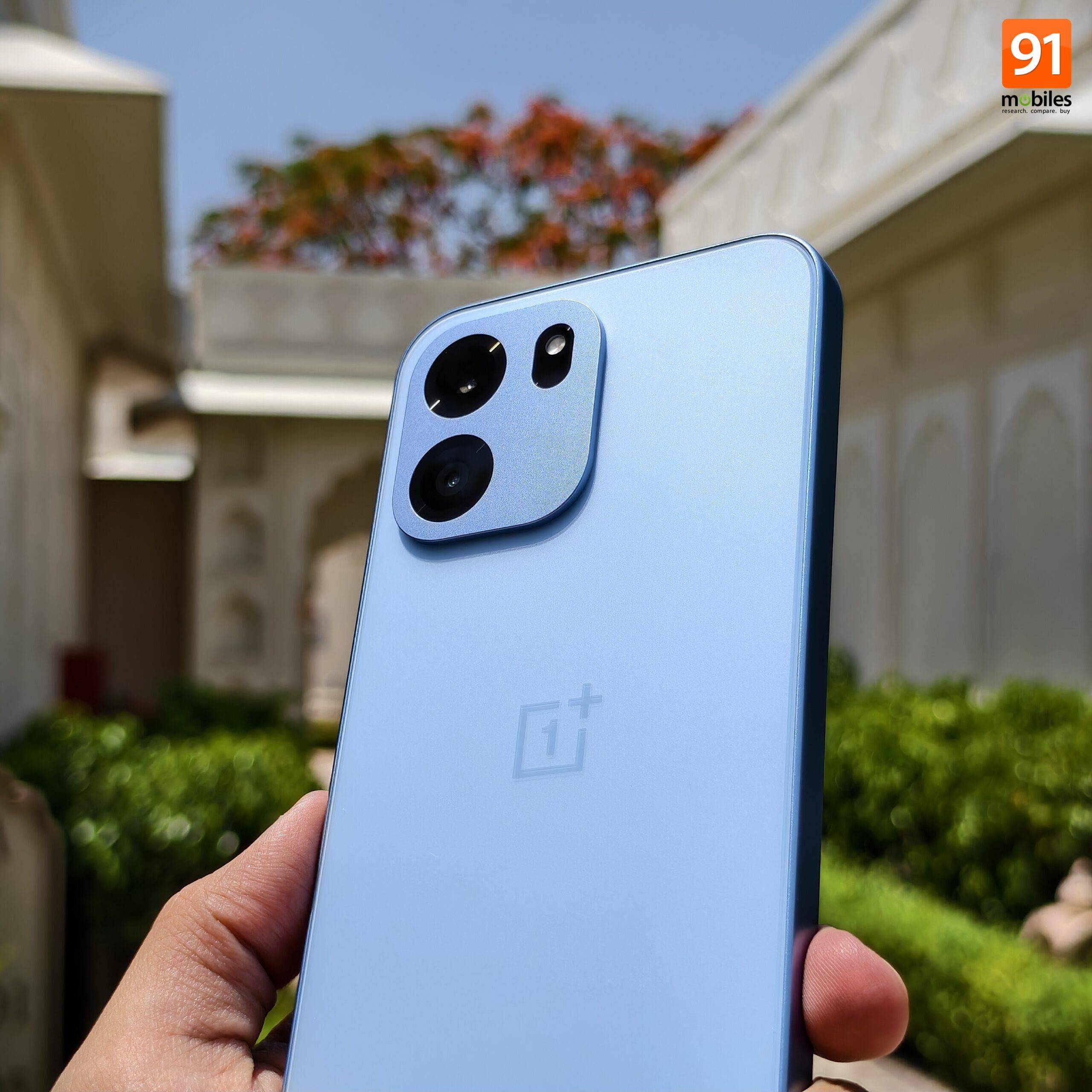
It also comes with a comprehensive set of AI features and customisation options, which we’ve already covered in our detailed OxygenOS 16 guide, further adding to the experience. It’s not just the software that makes the Nord CE 6 a great daily driver. The more-than-usual rounded corners offer comfortable handling, while the slim 1.65mm near-symmetric bezels give the front a premium, striking look.
| Pros | Cons |
| Gorgeous display | Camera details could’ve been better |
| Subtle yet durable design | Limited OS upgrades |
| Excellent battery life | |
| Smooth, feature-rich software |
Alternate option: Motorola Edge 70 Fusion (review)
For those prioritising a solid set of primary and ultrawide rear cameras, a display that curves from all sides, and software that’s close to stock Android with sufficient features, the Edge 70 Fusion remains a great pick. In fact, it should even perform better in cameras than the Nord CE 6, but the haptics and software experience fall short.
Best in gaming – OPPO K13 Turbo
Launch price: Rs 27,999 (8+128GB)
Five months into 2026, and we’re yet to find a gaming smartphone as competent as the OPPO K13 Turbo under Rs 30,000. While most smartphones are seeing major price hikes left, right, and centre, the OPPO K13 Turbo is retailing for its original price of Rs 27,999 on Flipkart, making this MediaTek Dimensity 8450-powered phone a no-brainer for those who’re into intensive mobile gaming.
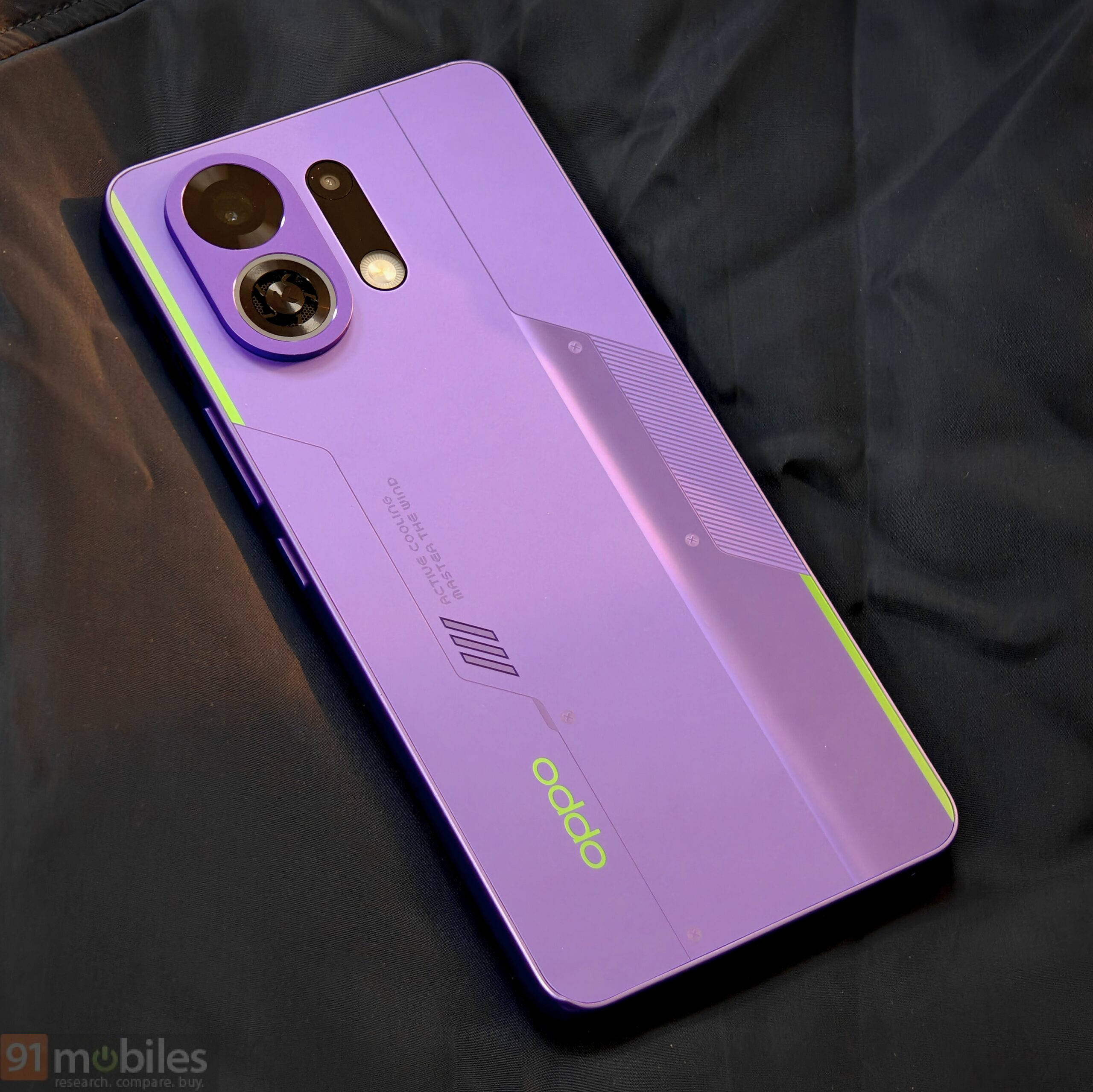
Here’s how the OPPO K13 Turbo compares to its rivals under Rs 30,000 after running BGMI for 30 minutes straight in ‘HDR + Ultra’ graphical setting:
| Average FPS (higher is better) | Temperature rise (°C) (lower is better) | |
| OPPO K13 Turbo | 39.3 | 2.8 |
| Motorola Edge 70 Fusion | 39.9 | 5.4 |
| Infinix GT 30 Pro | 37.7 | 9.5 |
With ColorOS 16 on board, the software experience is similar to that of OxygenOS 16 found on the OnePlus Nord CE 6, making it one of the most reliable phones for daily use. However, as noted in our review, the camera performance may not be the best on the K13 Turbo, especially in low light, largely because of its small sensor size.
| Pros | Cons |
| Top-tier performance | Average cameras |
| Tall, vibrant AMOLED display | Short-term software updates |
| Built-in fan keeps the phone cool | |
| Good battery life |
Best in battery – Realme P4 Power
Launch price: Rs 26,999 (8+128GB)
With a massive 10,001mAh battery on board, the Realme P4 Power (review) continues to take the top spot in our in-house battery endurance charts. Scoring over 21 hours in the PCMark battery drain test, the Realme P4 Power doesn’t just provide the highest battery backup in the sub-Rs 30,000 segment but across price ranges.


In our real-world use, the Realme P4 Power fares equally well. During a week with the P4 Power, the device showed no signs of strain, delivering over 15 hours of screen time on a full charge over more than 1.5 days! With 80W charging support in tow, charging it is just as effortless, taking just 80 minutes to juice up from 20 to 100 percent.
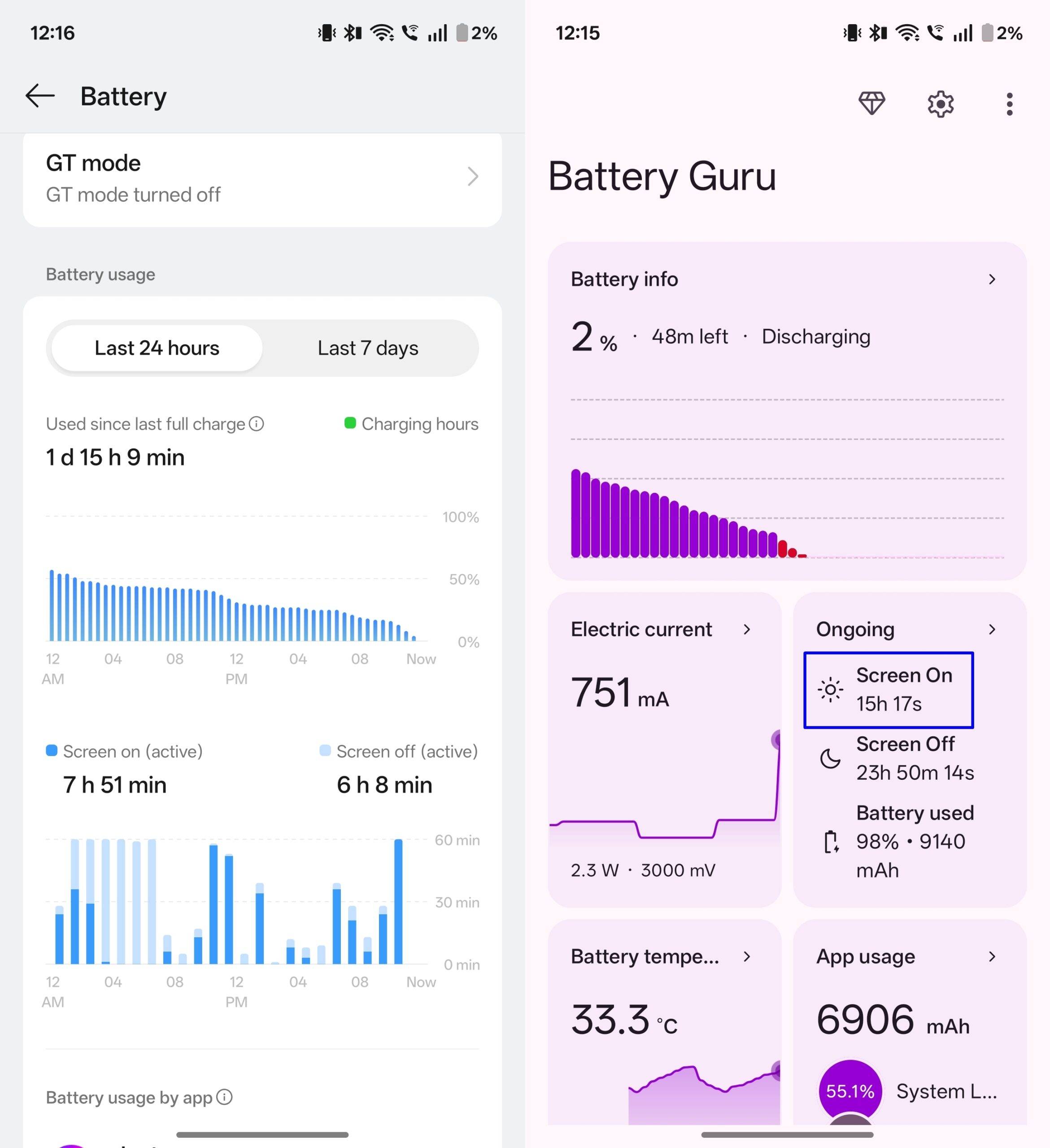
All that said, if you can live with the 219g weight, chunky build, and lack of stereo speakers, the P4 Power stands out as a reliable choice, delivering not just impressive battery endurance but a well-rounded overall experience. While its cameras may not be the best in class, the 6.7-inch 1.5K AMOLED display offers vibrant colours, the software feels snappy, and the Dimensity 7400 Ultra handles daily tasks with ease.
| Pros | Cons |
| Long battery life | Single bottom speaker |
| Vibrant and immersive display | Slightly bulky |
| Reliable performance | |
| Durable design |
Alternative option: Vivo T5 Pro (review)
With similar performance gains in the form of Qualcomm Snapdragon 7s Gen 4, the Vivo T5 Pro is another solid choice for users seeking top-class battery life under Rs 30,000. Its 9020mAh battery offered a respectable runtime of over 18 hours, though, at Rs 29,999, it’s slightly pricier than the P4 Power.
Best in functional design – Infinix Note 60 Pro
Launch price: Rs 31,999 (8+128GB)
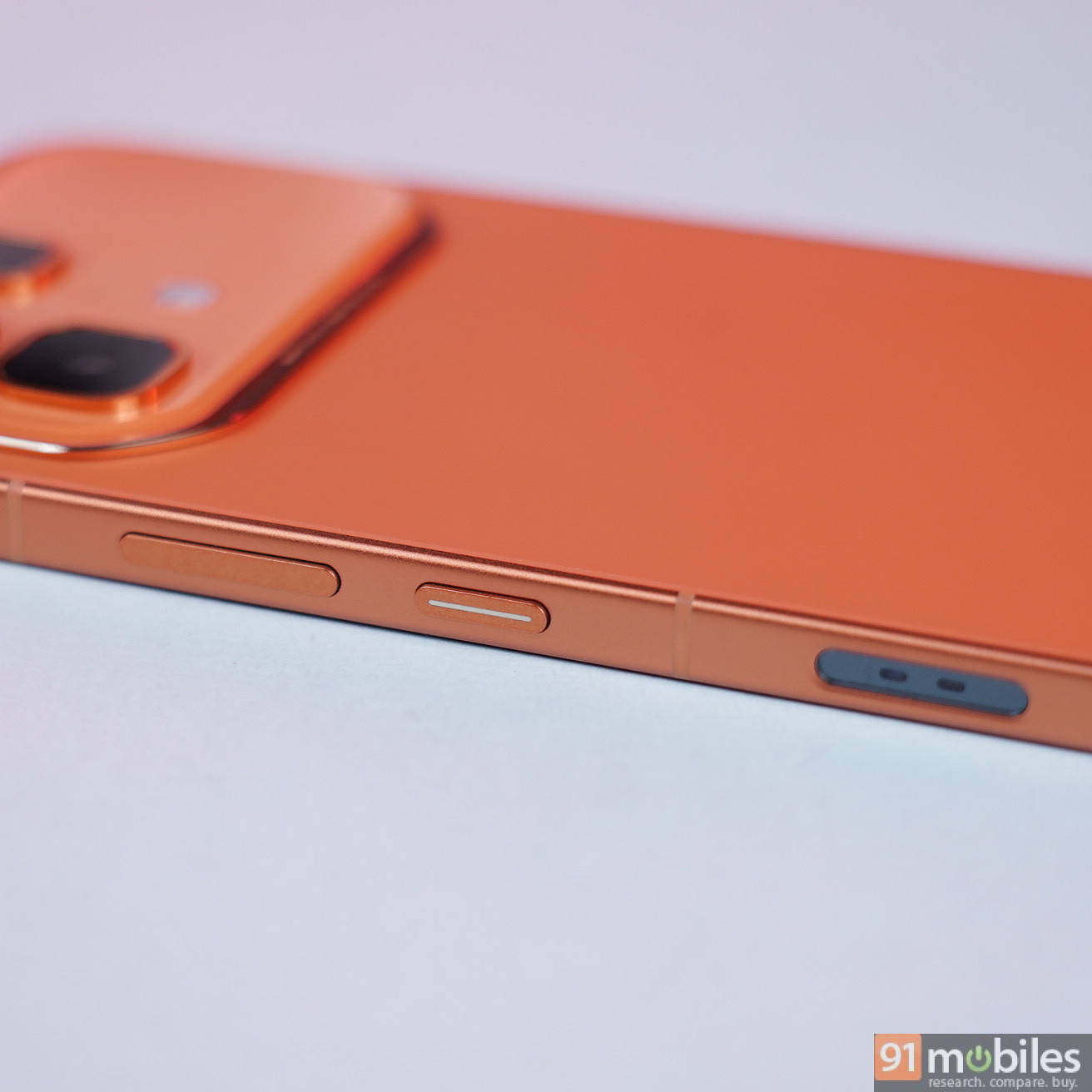
Priced at Rs 31,999, the Infinix Note 60 Pro (review) commands a slight premium over the Rs 30,000 mark. However, its design breaks the mould by offering several features that are rarely seen at this price point. To begin with, there’s an Active Matrix Display placed within the rear camera island that can show notifications, charging status, battery levels, pixel pets (like a cat or dog), and even custom text or emojis using its 288 LEDs.
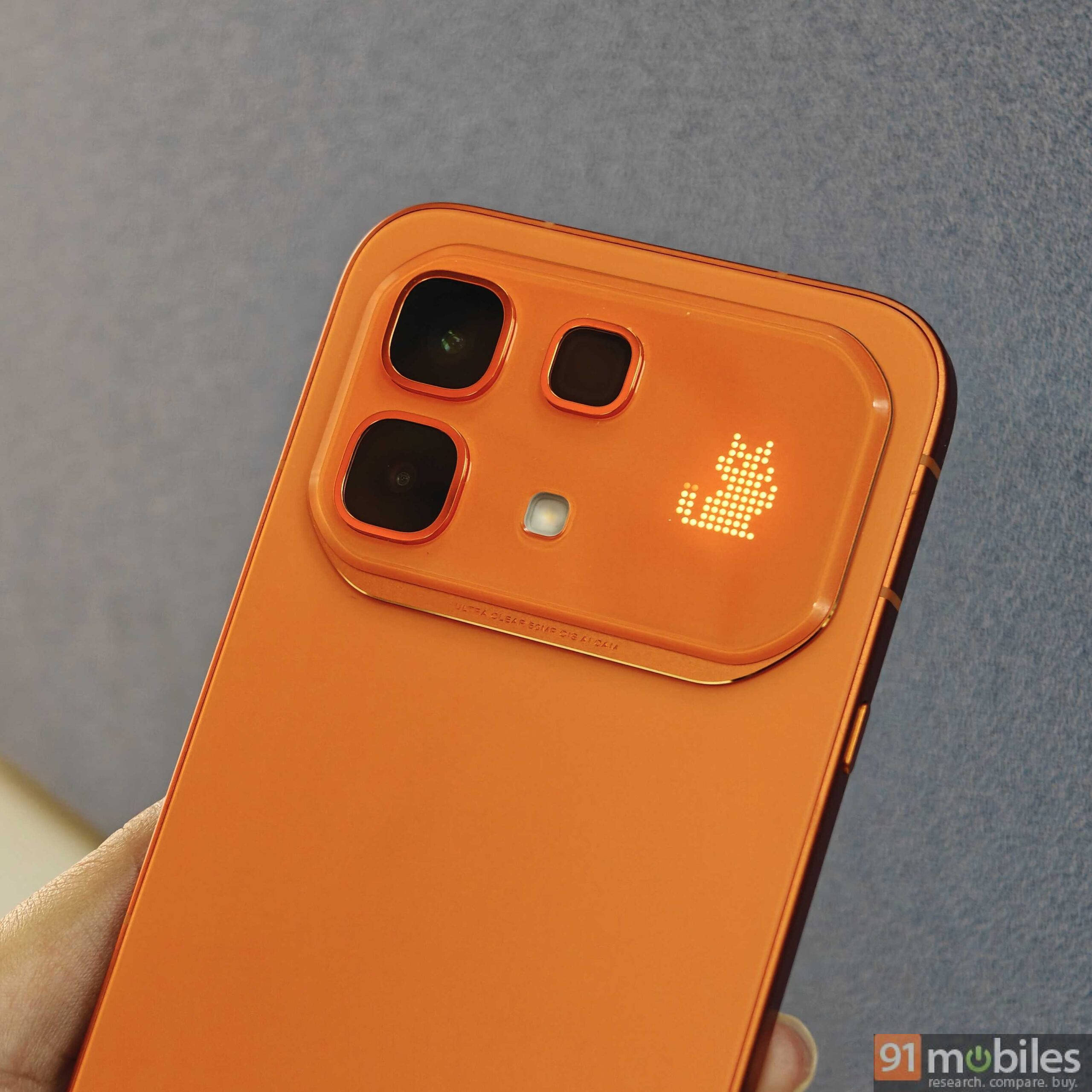
While the display doesn’t get developer support for making further additions, as seen on Nothing’s Phone (3) and Phone (4a) Pro, it certainly adds a fun element to the design and a cool party trick to brag about. For an in-depth look at all the use cases, feel free to check out our dedicated piece on the Note 60 Pro’s Active Matrix Display.
Next, there’s a customisable one-tap button on the left side and a heart rate sensor on the right. The one-tap button can be assigned to various functions, such as muting, launching the camera, enabling DND, activating the flashlight, and more, though it requires a long press to activate. The heart rate sensor measures heart rate, blood oxygen (SpO2), and stress levels. In our testing, readings were quite close to those from the Apple Watch Series 11, showing decent accuracy for casual use.
| Pros | Cons |
| Vibrant, immersive display | Bulky and uncomfortable |
| Fun, functional rear display | Limited durability |
| Good gaming performance | |
| Interactive, fluid software |
Best in software – Vivo T5 Pro
Launch price: Rs 29,999 (8+128GB)
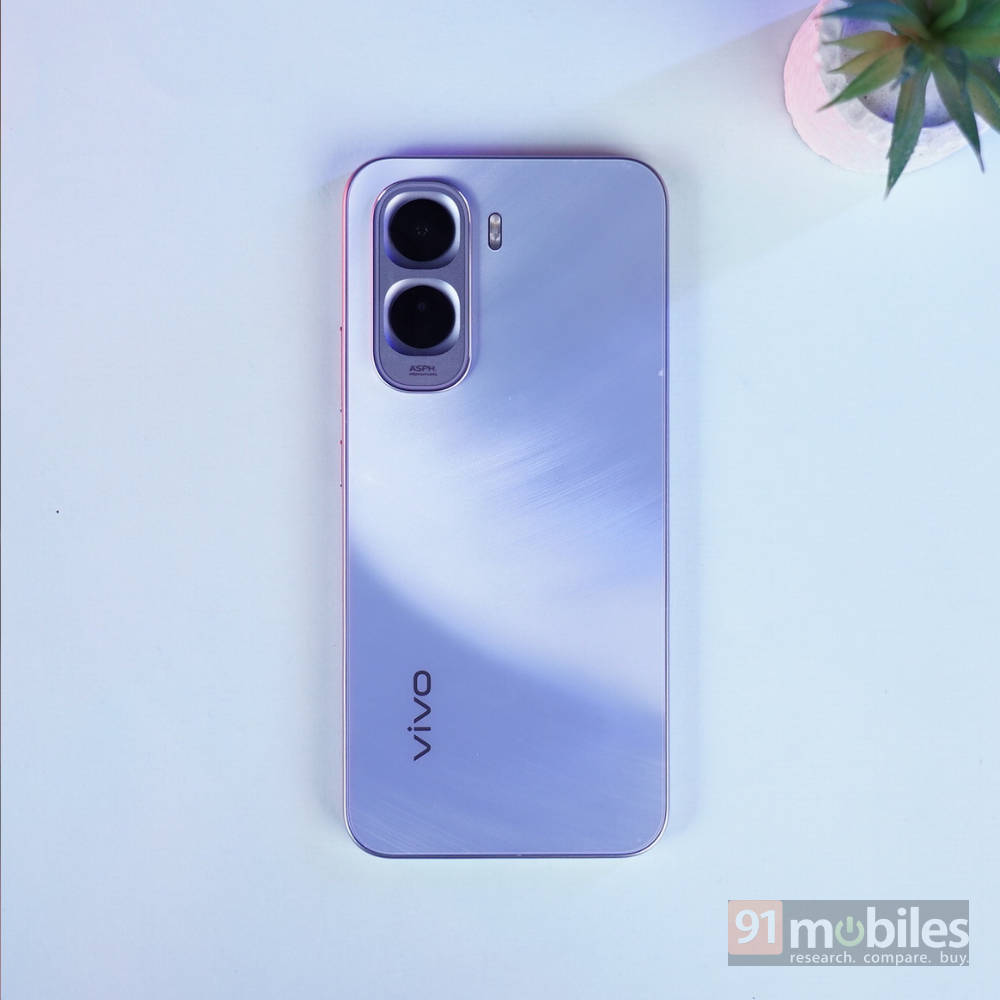
Along with boasting a large 9,020mAh battery, the Vivo T5 Pro (review) leaves a mark with its software. Even though OxygenOS 16 on the OnePlus Nord CE 6 has an edge over Vivo’s OriginOS 6 in attention to detail and smoothness, the Vivo T5 Pro goes a step further by offering longer software support. It’s set to get three OS upgrades over five years of security patches, while the Nord CE 6 is limited to two OS upgrades and four years of security patch updates.
| Pros | Cons |
| Feels light despite huge battery | Inconsistent low-light colours |
| Sharp, vibrant display | No telephoto lens |
| Decent primary camera | |
| Excellent battery life |
Alternative option: Motorola Edge 70 (review)
While the Motorola Edge 70 is assured of three OS upgrades, its software is no longer as clean as it once was. That said, it ships with just 40 pre-installed apps, one of the lowest counts in this price segment, making it an excellent choice for users who prefer a cleaner out-of-the-box experience.
Best in cameras – Nothing Phone (4a)
Launch price: Rs 31,999 (8+128GB)
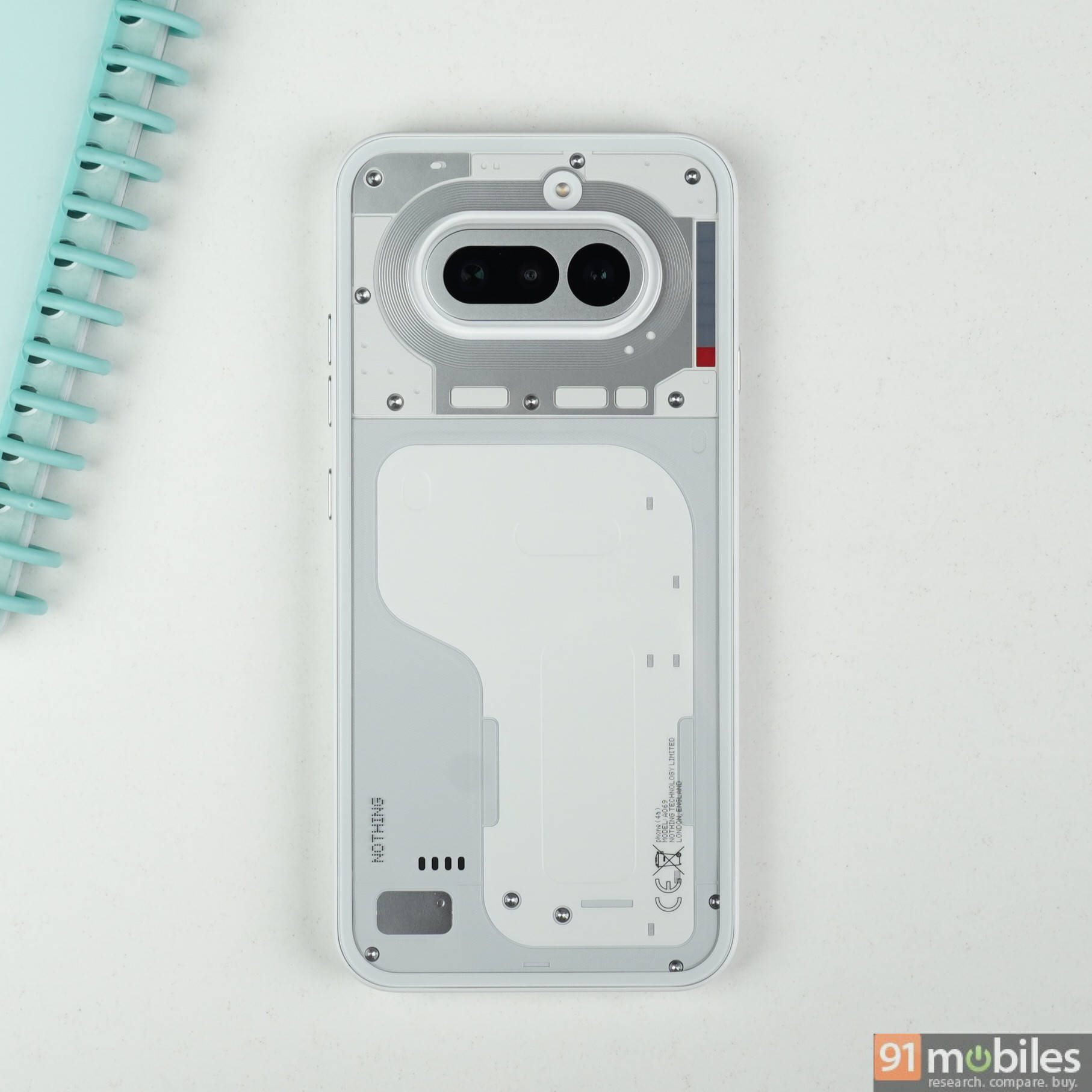
The Nothing Phone (4a) (review) is the only phone around the Rs 30,000 mark to feature a three-camera setup comprising a primary, telephoto, and ultrawide lens. Rocking a 50MP 1/2.75-inch JN5 telephoto lens with 3.5x optical zoom (80mm), the Nothing Phone (4a) delivers accurate colours, natural subject separation, and pleasing bokeh. Detail retention is also satisfactory for its price segment. The 50MP primary sensor produces natural tones with good overall results, while the 8MP ultrawide camera boosts contrast and saturation to create a more vibrant and appealing look.
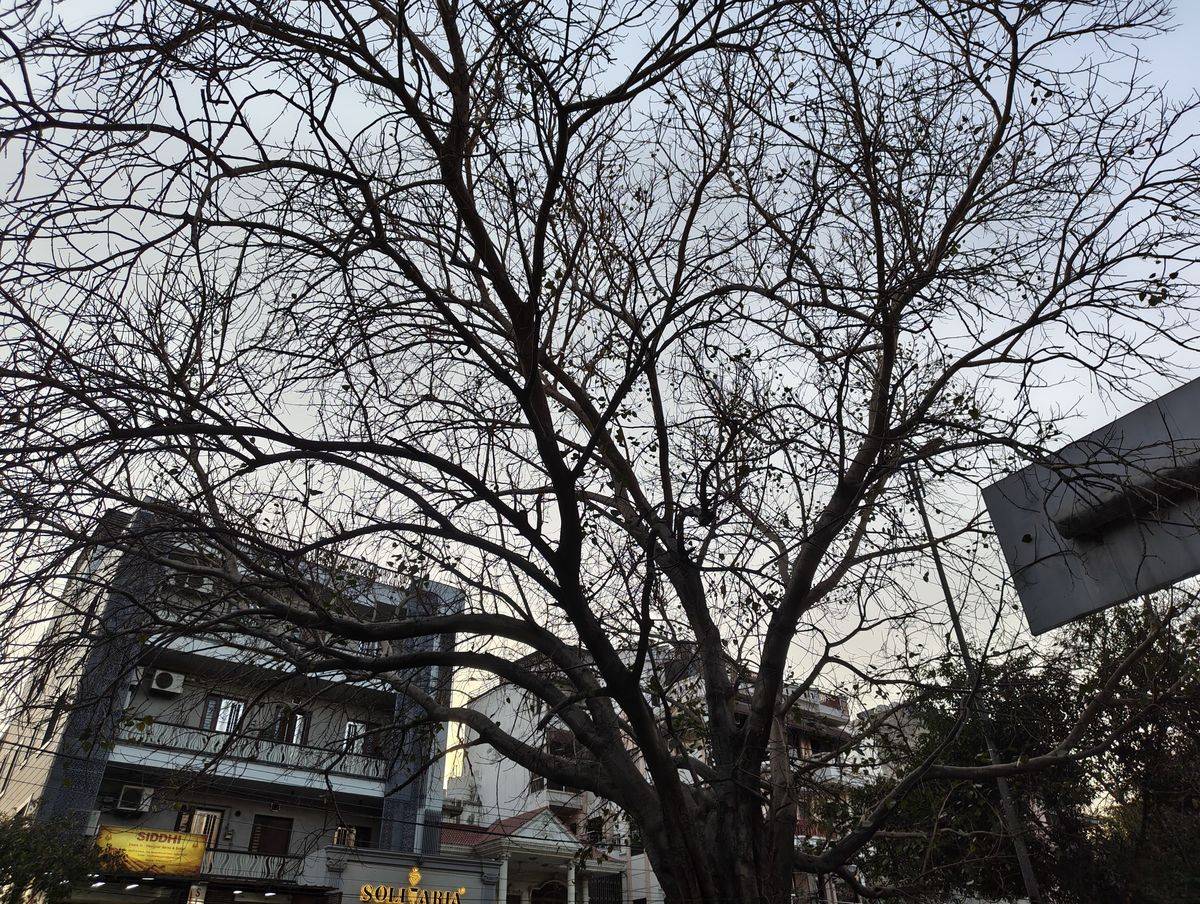






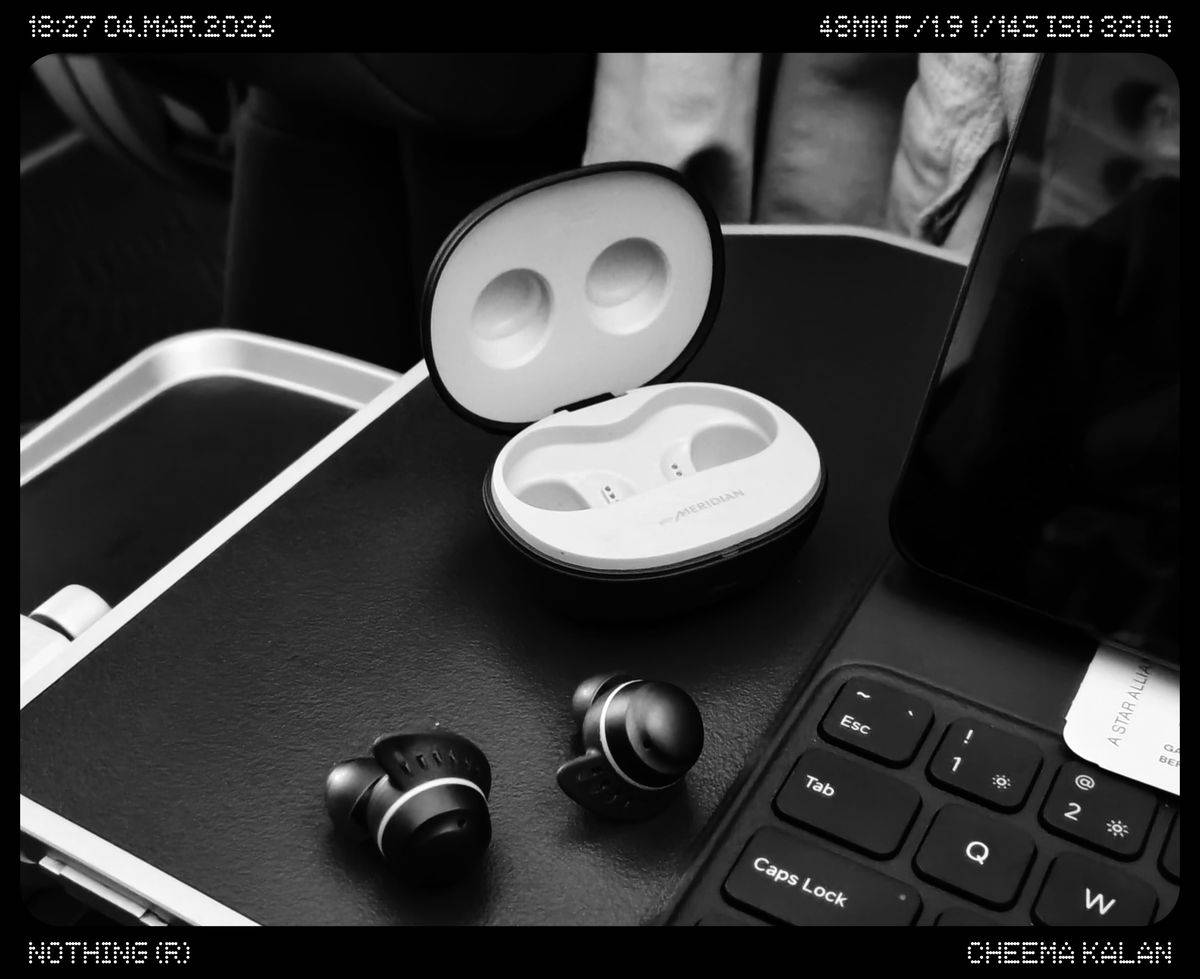


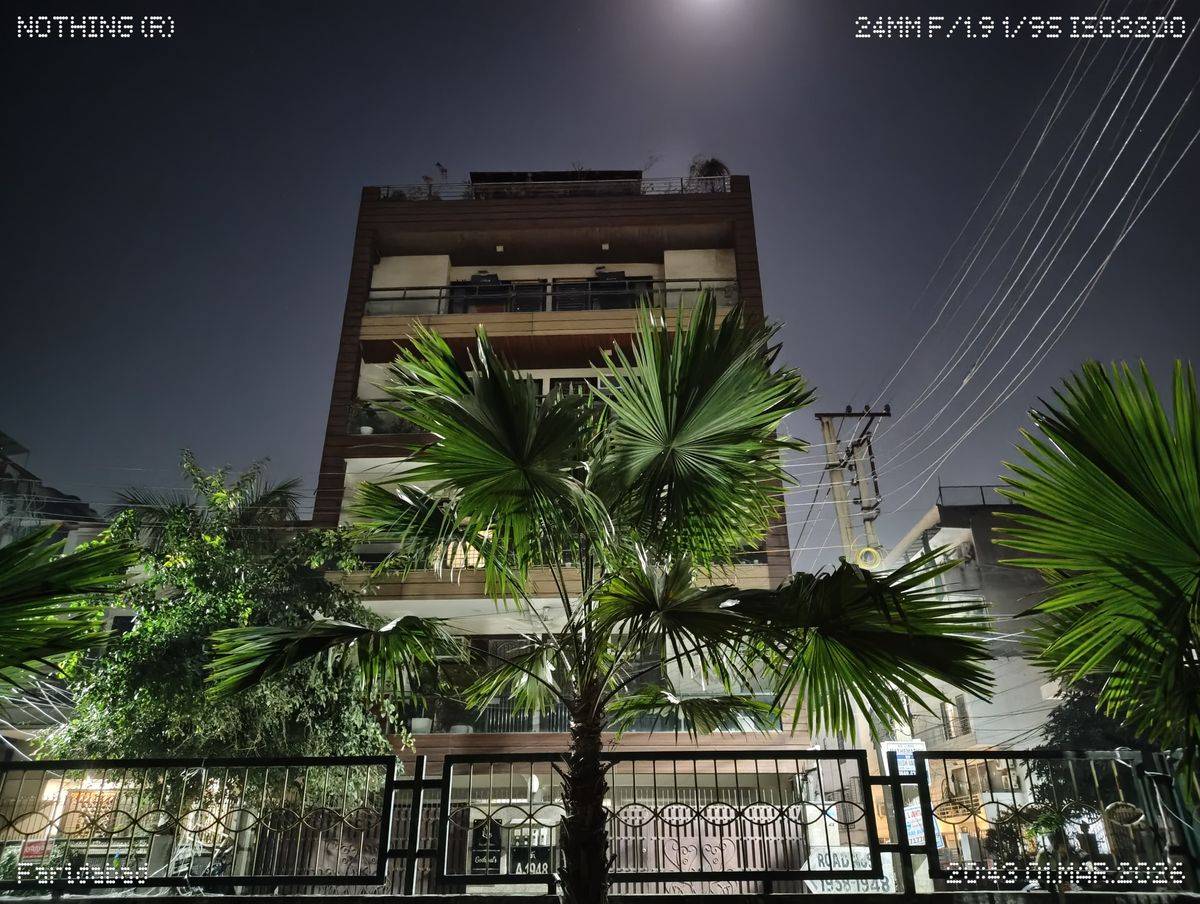


Here’s a side-by-side comparison of portraits taken with the telephoto lens on the Nothing Phone (4a) versus the Moto Edge 70, its close competitor:


Since the Moto Edge 70 completely skips a telephoto lens, it utilises its main camera to capture portrait mode images. As a result, the Phone (4a) outshines it by delivering accurate skin tones, excellent edge detection, and noticeably better detail retention than the Motorola Edge 70. The subject separation looks cleaner and more refined, too, on Nothing Phone (4a).
| Pros | Cons |
| New Glyph Bar is useful & attractive | No NFC support |
| Bright, punchy display | Selfie camera needs improvement |
| Capable telephoto camera | |
| Clean, bloatware-free software |
Alternative option: Vivo T4 Pro (review)
While the Vivo T4 Pro lacks an ultrawide, the 50MP primary camera and 50MP telephoto with 3x optical zoom combo make it a suitable choice for those who prioritise capturing portrait and landscape images. Furthermore, the 100x AI zoom can output some usable results for everyday photography, even though the shots may look slightly artificial, as noted in our dedicated camera review.
Which phone under Rs 30,000 should you buy in May 2026?
The Rs 30,000 segment has rarely been this competitive, and the right pick depends entirely on what you use your phone for most. If you want the best all-round daily driver, the OnePlus Nord CE 6 is hard to beat — display, battery, and software all punch above the price. For cameras, the Nothing Phone (4a) is the only one here with a proper telephoto lens, and that hardware advantage is real. Gamers should head straight for the OPPO K13 Turbo, which remains the most capable performer in sustained gaming sessions. If raw battery endurance is the priority, the Realme P4 Power is in a class of its own. Those who want the longest software support should consider the Vivo T5 Pro, and the Infinix Note 60 Pro remains the most distinctive option for buyers who want something different.
| Model | Launch price | Best for |
| OnePlus Nord CE 6 | Rs 29,999 | Day-to-day usage |
| OPPO K13 Turbo | Rs 27,999 | Gaming |
| Realme P4 Power | Rs 26,999 | Battery life |
| Vivo T5 Pro | Rs 29,999 | Software longetivity |
| Infinix Note 60 Pro | Rs 31,999 | Functional design |
| Nothing Phone (4a) | Rs 31,999 | Cameras |
Note: The Infinix Note 60 Pro and Nothing Phone (4a) are priced slightly above Rs 30,000 but remain relevant considerations given the value they offer.