When the Nothing Phone (3) (review) first launched, it received a lukewarm response because of its unusually high price and specifications that did not quite match up to the competition in flagship territory. At the time, it felt a little too expensive for what it was, especially when compared to flagship offerings from other brands.
But the market has changed a lot since then. In 2026, prices are much higher across the board, and the Nothing Phone (3) now looks like a far better deal than it did at launch. It is one of the few phones at around Rs 40,000 that still offers a complete flagship experience, including a telephoto camera, which makes it exceptional in a segment where many rivals have become more compromised than before.
We first reviewed this device in 2025, and since then, I have used it as my personal phone for most of 2025 and well into 2026. With that long-term experience, this review looks at how the Phone (3) has held up over time and whether it is still worth buying, considering Nothing will not be launching a new flagship this year.
Table of Contents
Design: not just aesthetics, it is also about build quality
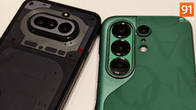
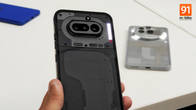
The design of the Nothing Phone (3) is always going to be subjective, and I still think it is a bit too out there for my taste. The asymmetrical camera layout is something people will either like or dislike immediately, but with time, it becomes easier to live with and eventually fades into the background during regular use. At the same time, it still has that effect of making people look twice, which is part of what gives the phone its identity.
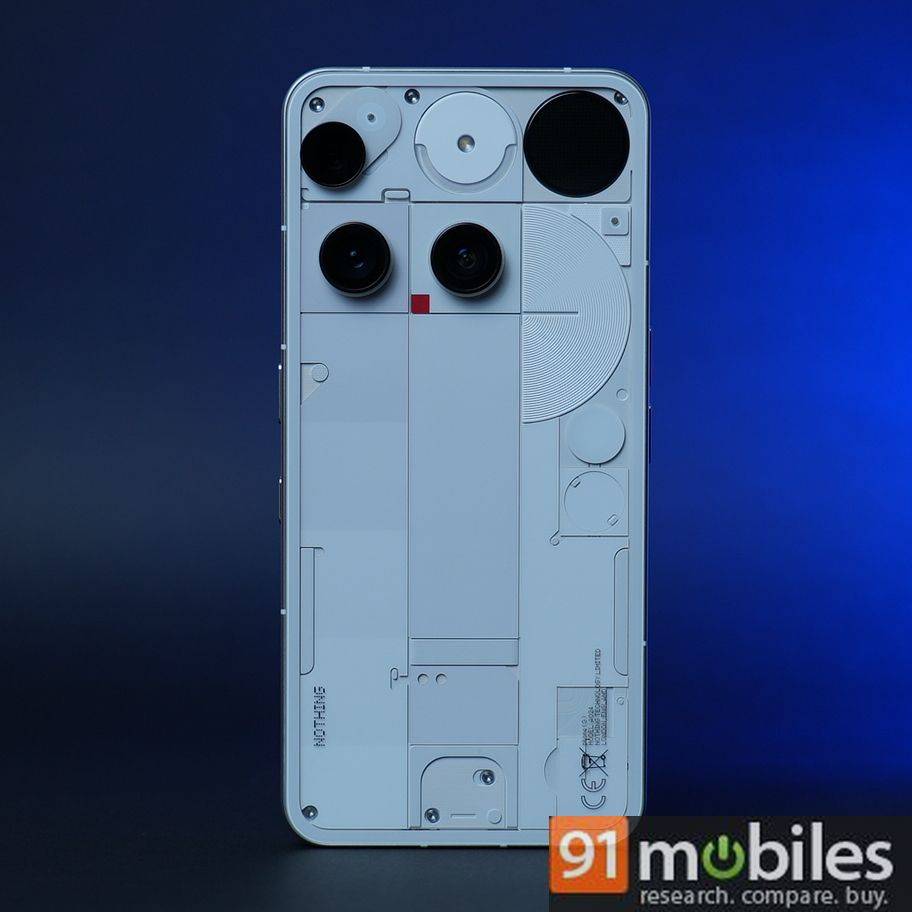
The most impressive thing to me is that Nothing has managed to build a real visual language in a market where most phones look very similar. It is important, especially when many mainstream smartphones have become so optimised that they are quite hard to distinguish at a glance. The Phone (3) is hard to ignore, and that gives it a welcome sense of personality.
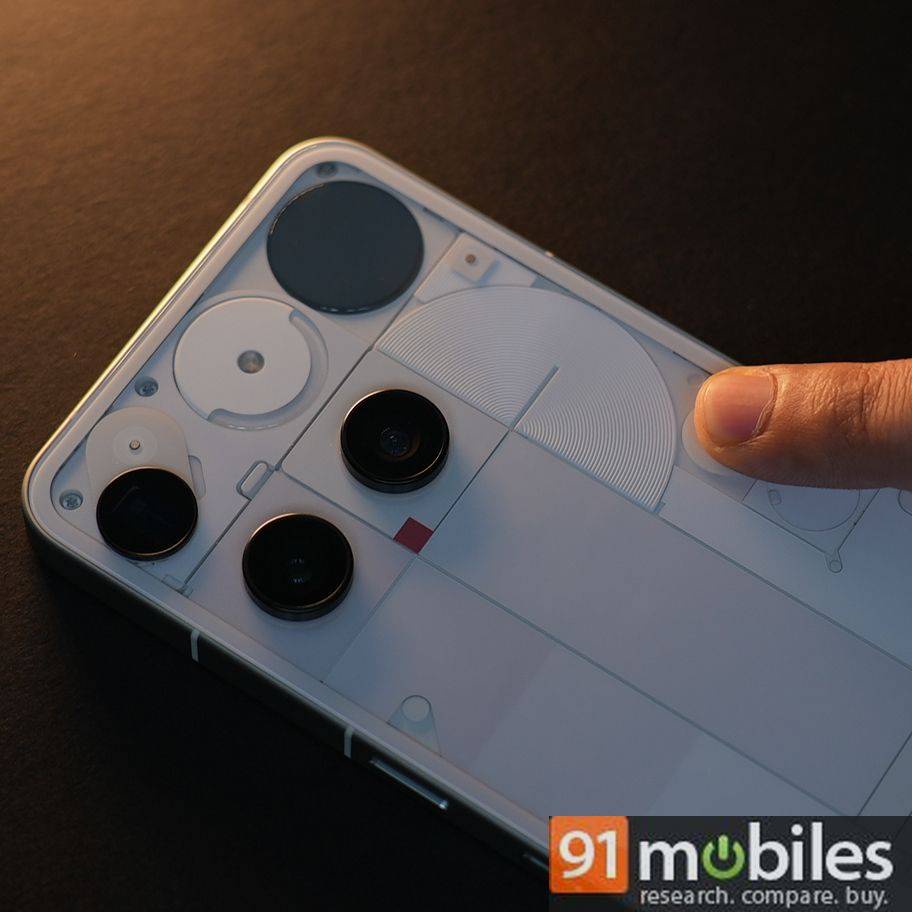
Build quality, however, is where the Phone (3) is frankly quite exceptional, and I feel that it is not talked about enough. The aluminium frame feels premium, the panel gaps are tight and even, and the phone holds up very well in hand. It will feel a bit heavy at first if you’re coming from a lighter device, but you will get accustomed to it eventually.
The buttons also feel better than those on some flagship phones, and the symmetrical bezels add to the refined feel. It is not the absolute slimmest or most polished phone in every single detail, but it does feel clearly premium overall, with IP68 protection rounding out a durable, premium phone.
| Smartphone | Thickness | Weight | IP Rating |
| Nothing Phone 3 | 8.99 mm | 218 grams | IP68 |
| OnePlus Nord 6 | 8.5 mm | 217 grams | IP68 +IP66 +IP69K +IP69 |
| Motorola Edge 70 Pro 5G | 6.99 mm | 183 grams | IP68 +IP69 |
The Gorilla Glass 7i on the front and back isn’t the strongest, so a case and a screen protector are still needed, even if both are included with the device. The paired silicone case turned yellow quite quickly in just about 3 months, so you’d need a replacement sooner rather than later.
Display: enjoyable, bright visuals
The Nothing Phone (3) sports a 6.67-inch AMOLED panel with a 120Hz refresh rate and a peak brightness of 1,600 nits. The one thing it misses out on is an LTPO panel, so the refresh rate only drops to 30Hz instead of 1Hz, which is a minor efficiency trade-off that you will never actually notice in day-to-day use.
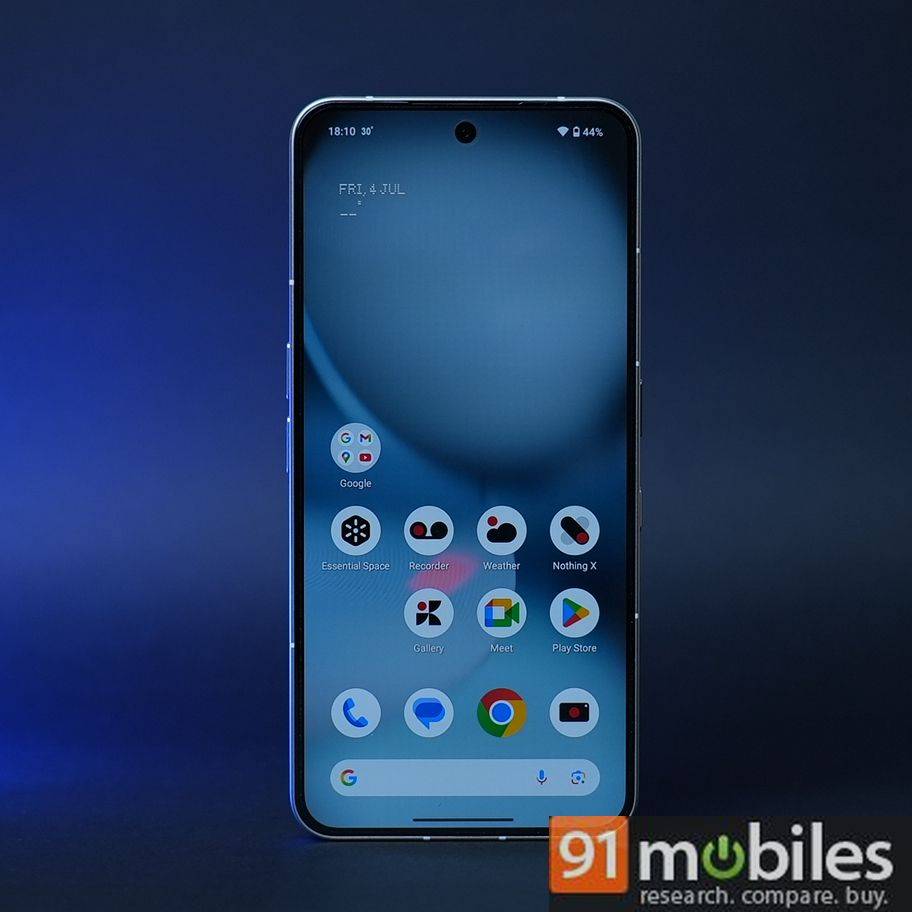
Everything else about the display is easy to like. The colours look well calibrated, the sharpness is above average, and it holds up well outdoors, even in direct sunlight. Only the latest premium launches look brighter, but at this level, it is not something that will ever bother you.
The speakers are extremely good and one of my favourite things about this device. They get loud, sound full, and make videos and music feel like a proper experience. As someone who uses speaker output often, I was quite impressed, and I never felt like I was missing out on anything during media playback.
Performance: fast, fluid, and very consistent
The Snapdragon 8s Gen 4 inside the Nothing Phone (3) performs well, though it was rightfully overshadowed by flagship processors when it launched at Rs 80,000. In practice, though, this is one of the fastest phones I’ve used. I never encountered any lag or jitters in day-to-day use, and it’s always seamless.

Only a few Android brands deliver the level of snappiness that Nothing does. With UFS 4.0 storage and at least 12GB of RAM, everything about the performance feels rock solid. RAM management on this device isn’t talked about enough. Apps stay open in the background for a surprisingly long time, and even with 10-12 apps running at once, I never ran into any issues.
Now, does that mean the phone is without flaws? No, of course not. The main issue that plagues the performance is the phone’s tendency to get warm. When you charge the device, it naturally gets hot, but even during gaming or when you’re using the camera for too long, the warmth is very noticeable. The aluminium frame also makes the increasing temperature readily apparent. This is limited to heavy usage only but it is still worth noting.
Battery: just about enough
The Nothing Phone (3) can get you through a day, but only just about, in my time with it. I usually ended up with around 5 hours of screen-on time on most days, largely because I rely heavily on 5G rather than Wi-Fi. With Wi-Fi, battery life improves quite a bit over time, but my usual usage pattern is much harder on the battery.
I also keep the brightness fairly high, which only adds to the drain. So while the battery life is still acceptable for general users and lighter users, it was not quite enough for me on busier days. I often found myself looking for a charger by evening, which makes it one of the weaker parts of the overall experience. Days when I’m out and about and extensively use the camera, I often have to carefully note the battery I have left.
| Smartphone | Battery Capacity | Charging Support | Charging time (20% to 100% ) |
| Nothing Phone 3 | 5150 mAh | 65W Fast Charging v4.0 | 50m |
| OnePlus Nord 6 | 9000 mAh | 80W Super Charging | 1h 5m |
| Motorola Edge 70 Pro 5G | 6500 mAh | 90W Turbo Charging | 44m |
Software: clean and familiar
Nothing OS has always been one of the stronger parts of the Nothing Phone experience, and that continues here. The software is clean, fairly minimal, and easy to use. It still has that familiar ‘Nothing’ identity, so even after longer use, the interface does not feel generic or too close to what everyone else is doing.
There are, however, a few things to keep in mind. Nothing does a good job with the overall feel and presentation, but I would not call it the most feature-rich Android skin out there. It focuses more on keeping things simple and usable, and in that sense, it works well. You also get a few thoughtful touches from Nothing that make the experience feel a little more personal, which helps the phone stand out in day-to-day use.
They recently launched a new AI feature called Essential Voice, which works much like Google Rambler in that it is a speech-to-text that can filter out filler words, translate input, and deliver cleaner, more polished text. Nothing also recently unveiled the Nothing Apps builder, where you can use AI to prompt new widgets for your Nothing Phone (3), you can check it out in detail here. In terms of AI features, the OS is still behind most of its Chinese OEM competitors and other major players like Samsung. If you’ve ever used a Pixel smartphone before and enjoyed the experience, you’d feel right at home here.
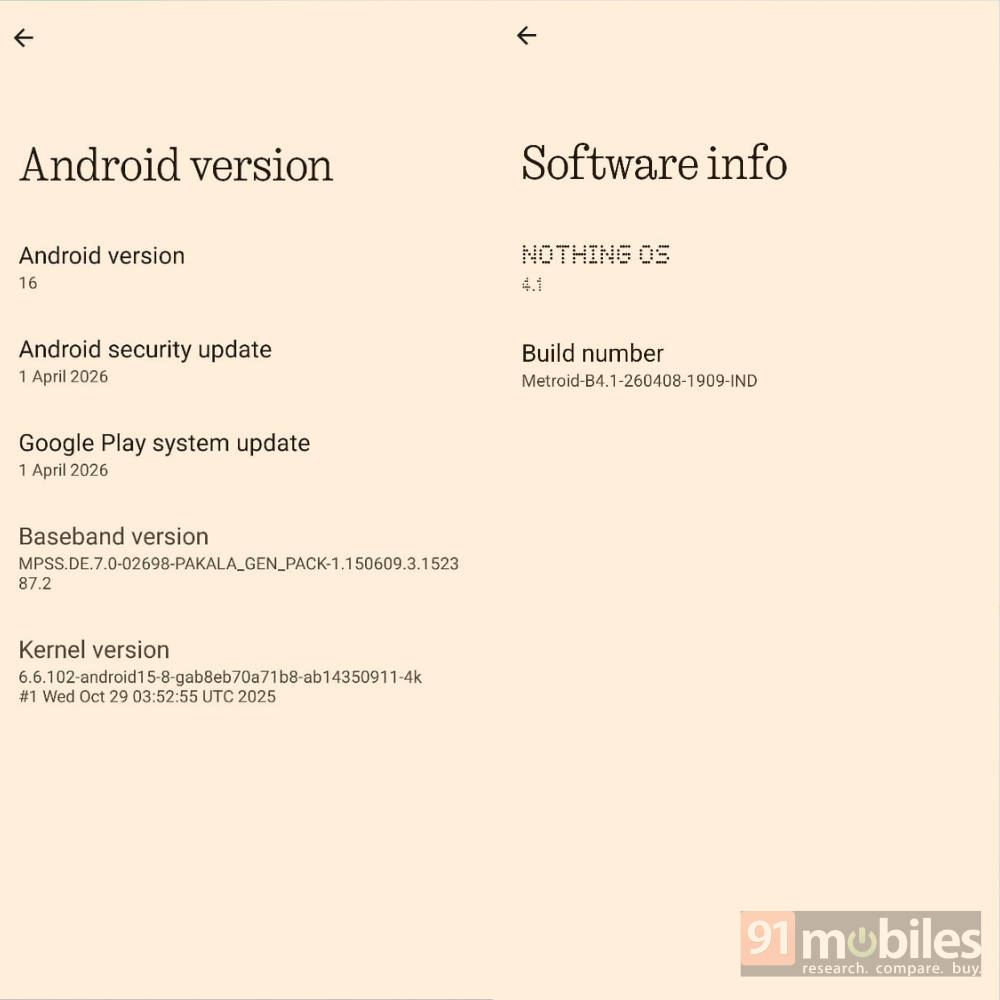
The OS has also consistently received software updates since its launch and now operates on Nothing OS 4.1, based on Android 16 with the recent April 2026 software patch. The phone still has over 4 OS updates and 6 years of security patches left, so it will remain up to date well into the future.
Cameras: excellent for the current price
I will not go too deep into the camera system here, since we covered it in detail when the phone was first reviewed, but a few things have stayed consistent over time. Nothing’s colour science remains quite muted compared to rivals from Xiaomi, OnePlus, OPPO, and Vivo. It generally has a warmer, more natural look rather than pushing vibrancy, which gives the photos a more restrained feel.
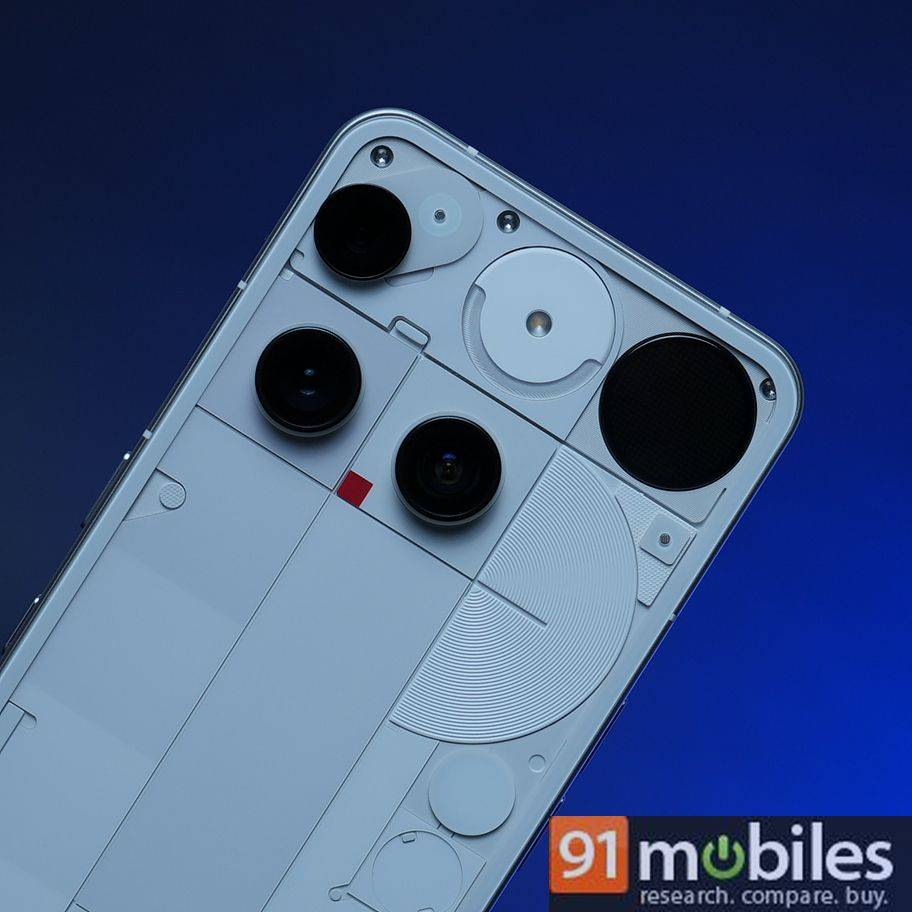
At its current price of around Rs 40,000, the camera setup also feels much more balanced than it did at launch. Given how memory prices have pushed many phones upward, there really are not many devices in this range that still offer such a good telephoto lens or an equally well-rounded camera system. That said, the cameras are not without issues. They can be inconsistent at times, especially when it comes to focus, and the primary camera does not always feel as dependable as the telephoto lens, which is the one I ended up using most often.



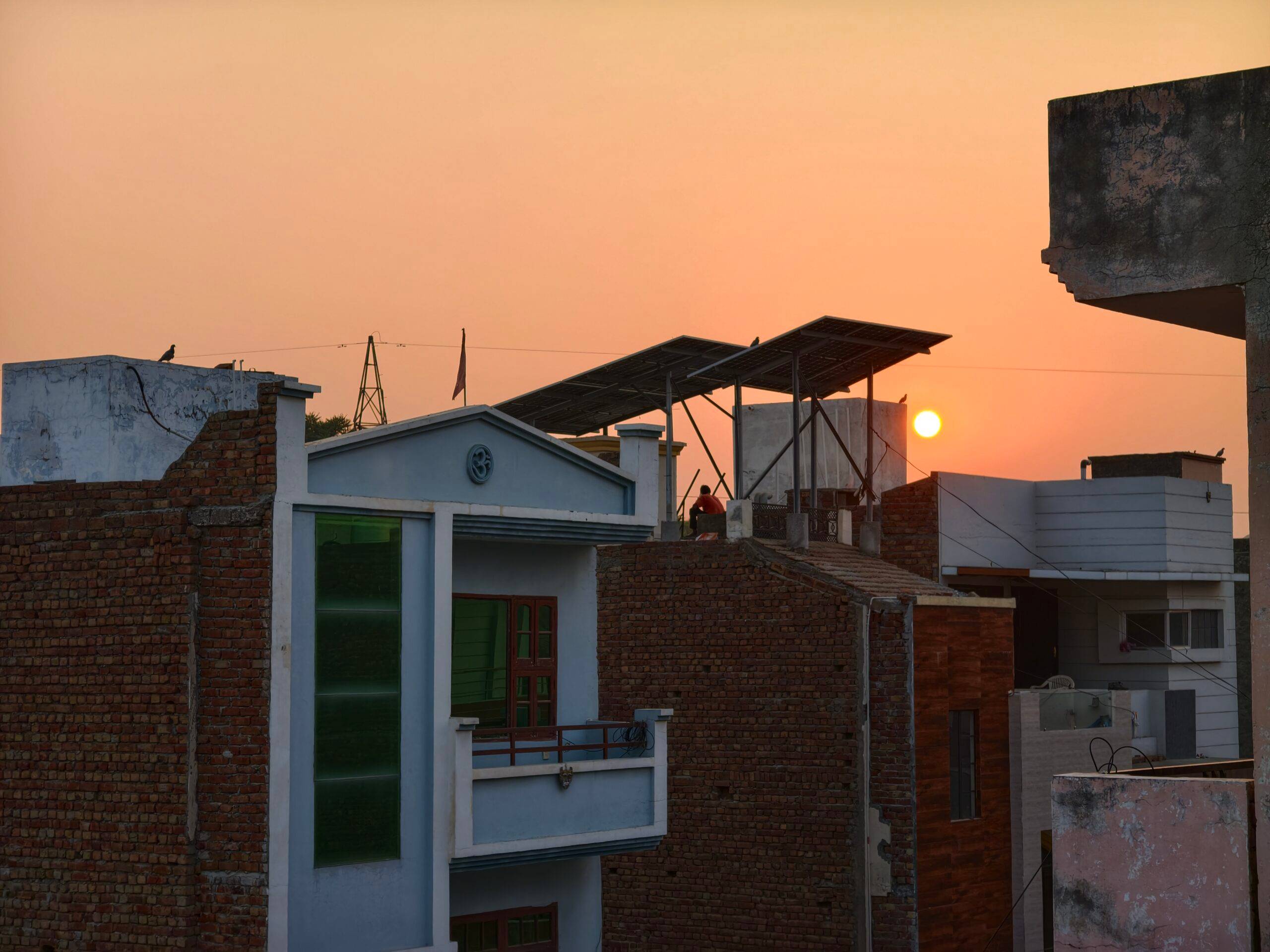








Portrait shots and daylight images can turn out quite beautiful, with plenty of detail and pleasant rendering. Low light, however, is where the system becomes more uneven and puts the cameras under real pressure.
Verdict: Is Nothing Phone (3) worth buying in 2026?
The Nothing Phone (3) has aged far better than it did at launch. What once felt overpriced now makes a lot more sense in a market where smartphone prices have risen starkly, and the Phone (3) is one of the few devices around Rs 40,000 that still feels actually complete. You are getting a unique design, excellent build quality, a very good display, loud and full speakers, fast performance, clean software, and a telephoto camera that has quietly disappeared from this price segment.
That does not mean it is perfect. Battery life is only just about acceptable, the cameras can be inconsistent at times, and the thermals are not ideal under heavier loads. Phones like the OnePlus Nord 6 (review) and Motorola Edge 70 Pro (review) may have their strengths, but they do not quite offer the same all-round package, especially when you factor in the telephoto camera and the overall polish of the Nothing Phone (3).
When you look at the bigger picture, the Nothing Phone (3) remains an easy recommendation for anyone who wants a premium smartphone experience without paying flagship prices in today’s inflated market. It is one of the rare phones that has only become more appealing with time, and at its current street price, it is hard to argue against it.