Review Summary
Expert Rating
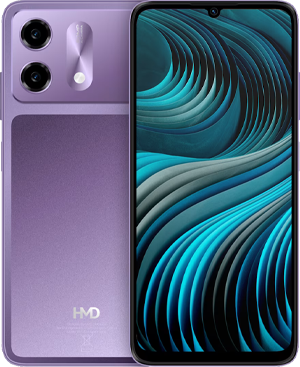
HMD has recently launched the Vibe 2 as its latest 5G offering in the sub-Rs 15,000 segment. Featuring the Unisoc T8200, a 6.7-inch LCD display, and multiple colour options, the HMD Vibe 2 was initially launched at Rs 10,999 for the base 4GB+64GB variant, but is now selling at Rs 12,999 after the price hike. That being said, in a segment where 4G smartphones are becoming prevalent, does the HMD Vibe 2 offer great value? Find out in this detailed review.
Table of Contents
Quick verdict
The HMD Vibe 2 presents itself as a choice for those seeking a standout design with peppy colourways, a tall display for entertainment, clean software, and realistic camera outputs. However, if performance and quick battery top-ups are high up on your priority list, you may want to consider alternatives.
Design: distinguishes itself by rocking poppy colours
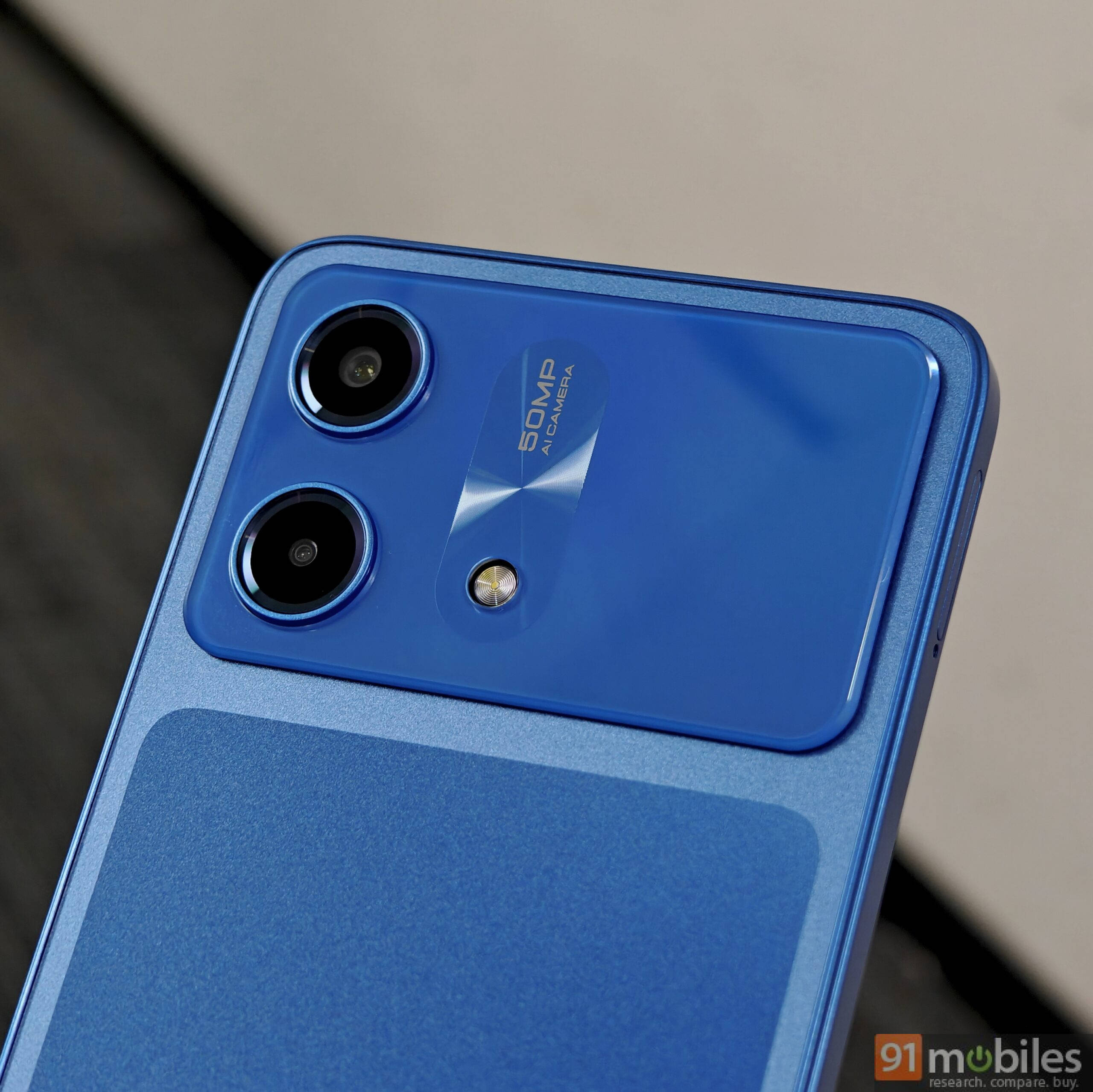
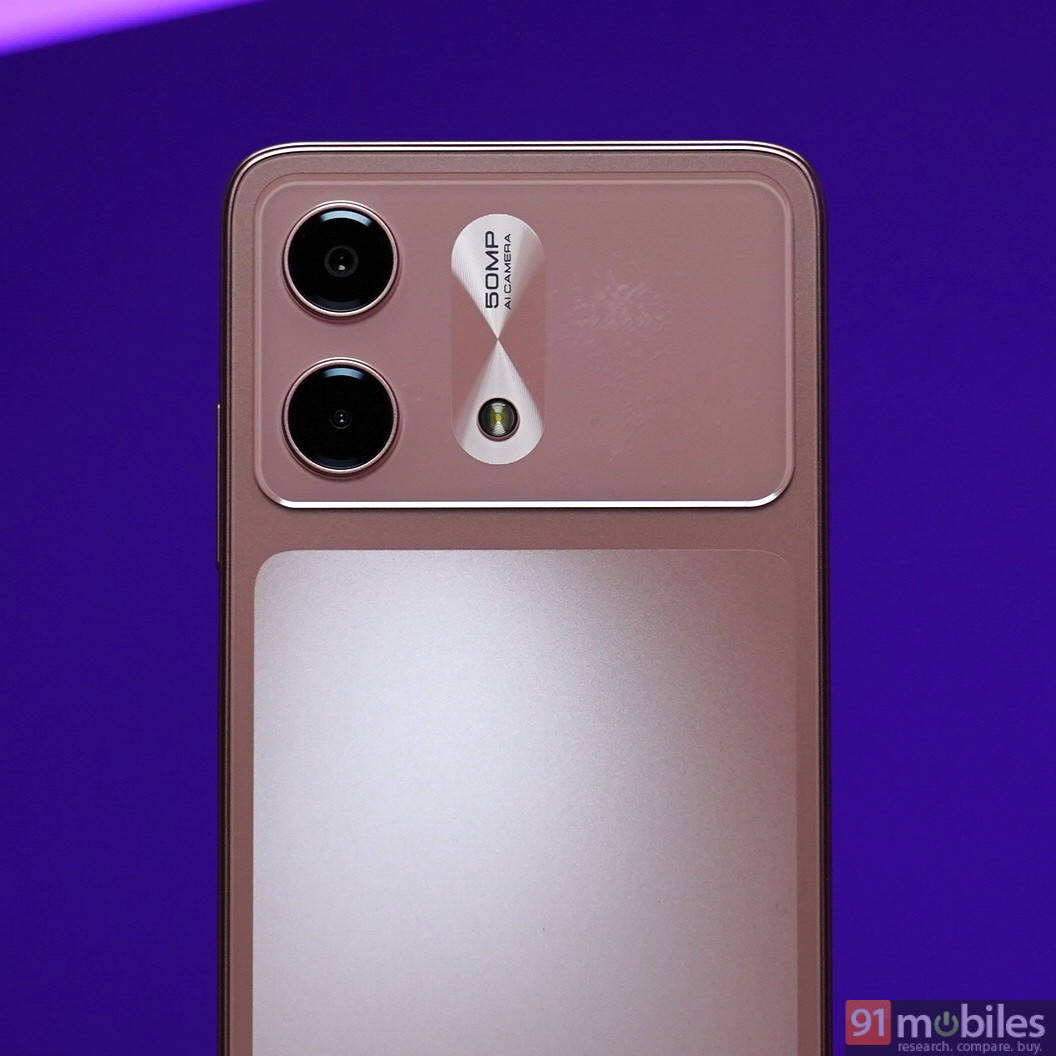
The HMD Vibe 2 manages to stand out from the crowd by opting for a dual-texture design, where the rectangular elevated camera features a glossy finish, while the rectangular box at the bottom utilises a muted colour with a matte finish. Apart from the camera module, the entire back of the phone manages to keep fingerprints and smudges at bay, resulting in a clean look every time you turn the phone to its back.
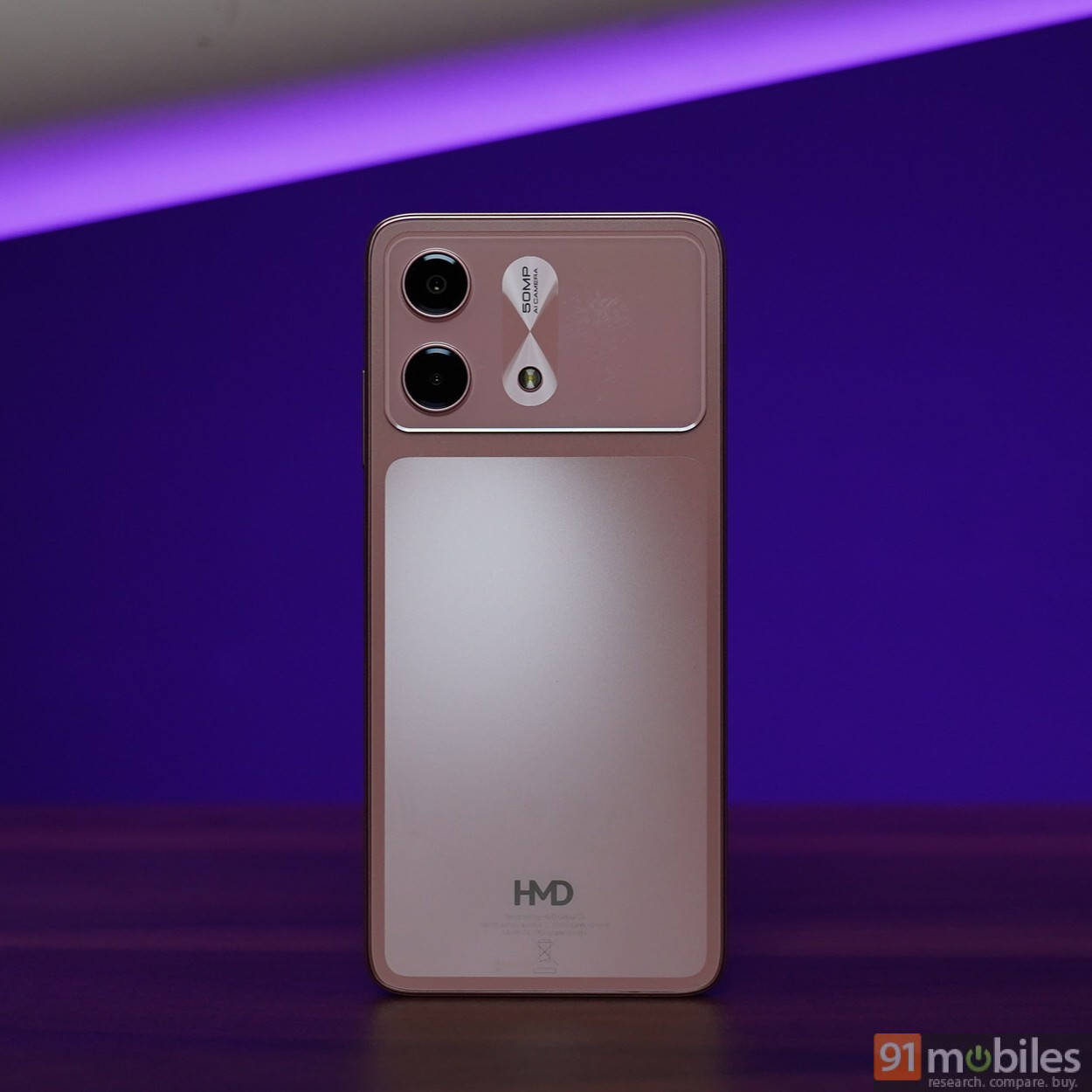
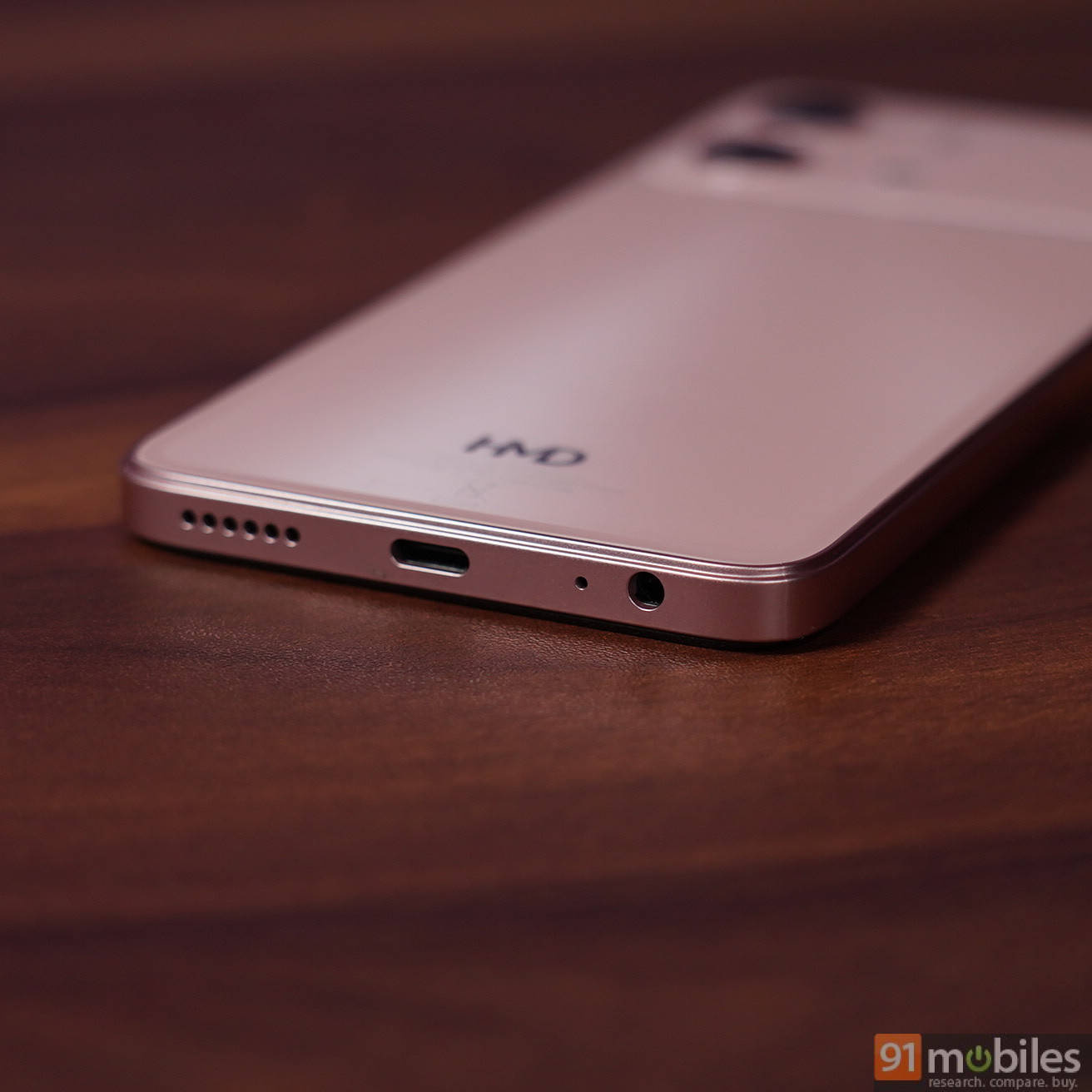
The HMD Vibe 2 gains protection in the form of an IP64 rating, while the display comes pre-installed with a screen guard. Upon removing the SIM tray, you’ll find dual SIM slots and a dedicated microSD card slot that supports up to 512GB of external storage. Right beside the Type-C port, there’s a 3.5mm headphone jack.
Display: tall, colourful panel for entertainment needs
Like most budget and mid-range smartphones of the past, the HMD Vibe 2 features a U-shaped notch, which gives it a somewhat dated look. As for the actual display, it sports a large 6.7-inch HD+ LCD display with a 720 x 1600 resolution and up to a 120Hz refresh rate. With the colour mode set to “Vivid” setting, even though the contrast levels can’t match those of an AMOLED panel, the display delivered enough vibrancy for viewing content.
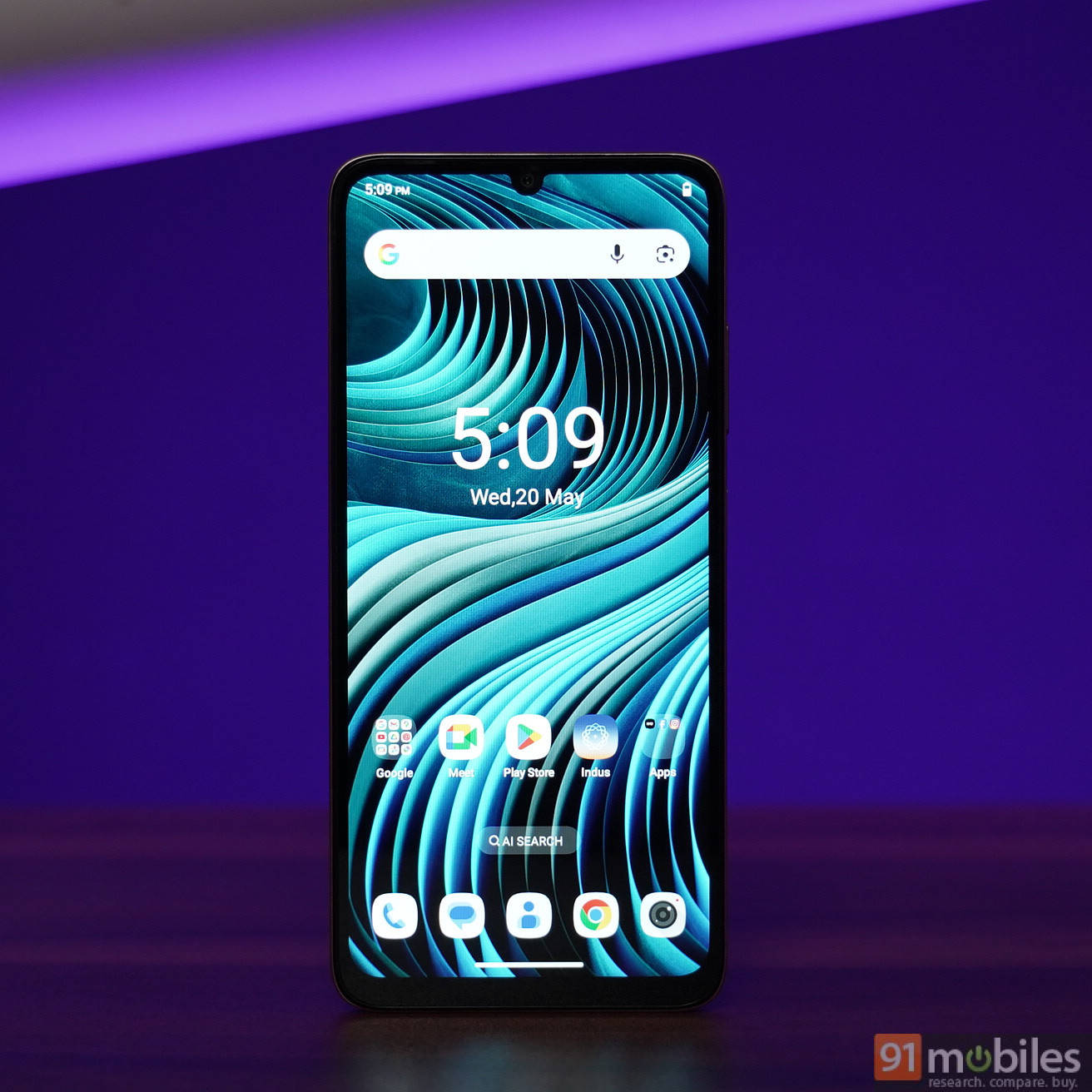
The display is sufficiently bright for indoor use, but it struggles under direct sunlight, making it difficult to view content clearly.
Performance: could’ve been better
The HMD Vibe 2 is powered by the Unisoc T8200, the same 6nm octa-core chipset found on the Ai+ Nova 2 (review), which I reviewed earlier. Both the 64GB and 128GB storage variants of the Vibe 2 feature 4GB LPDDR4X RAM, which, frankly speaking, is on the lower end, especially for the Rs 14,999 variant. But due to the rise in memory costs, all brands have been cutting down on RAM capacity across price ranges.


With all my crucial and most used apps installed, the HMD Vibe 2’s gaming experience was on par with the Ai+ Nova 2. The phone ran five to six matches of Brawl Stars on a trot at near 60 FPS, while in Subway Surfers City, minor lags started to crop up upon reaching a certain level of high score. Overall, the smartphone is suitable for light gaming for short durations.
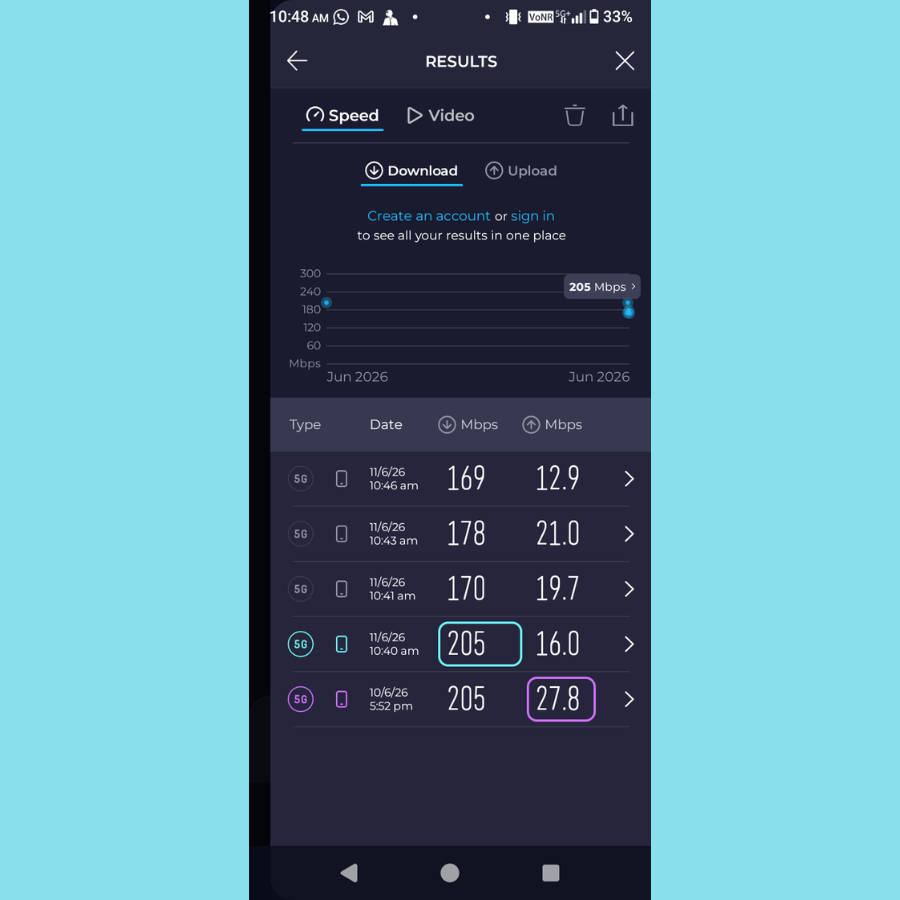
Since the Unisoc T8200 is 5G enabled, I ran multiple 5G speed tests on the HMD Vibe 2. In all tests, the phone offered speeds of over 150 Mbps, suitable for 4K streaming and high-speed downloads of large files and media.
Software: clean experience all around
Coming to HMD Vibe 2’s software, the handset boots Android 16 with the company’s own custom user interface layered on top, unlike previous HMD releases, like the HMD Fusion that sported stock Android. Just like new-age brands, such as Ai+ and Lava, HMD has avoided including third-party games, marketplaces, and theme stores for a clutter-free experience out of the box. However, a few of the pre-installed apps include Facebook, Instagram, and Sarvam AI, while the installation of Sanchar Saathi is optional.
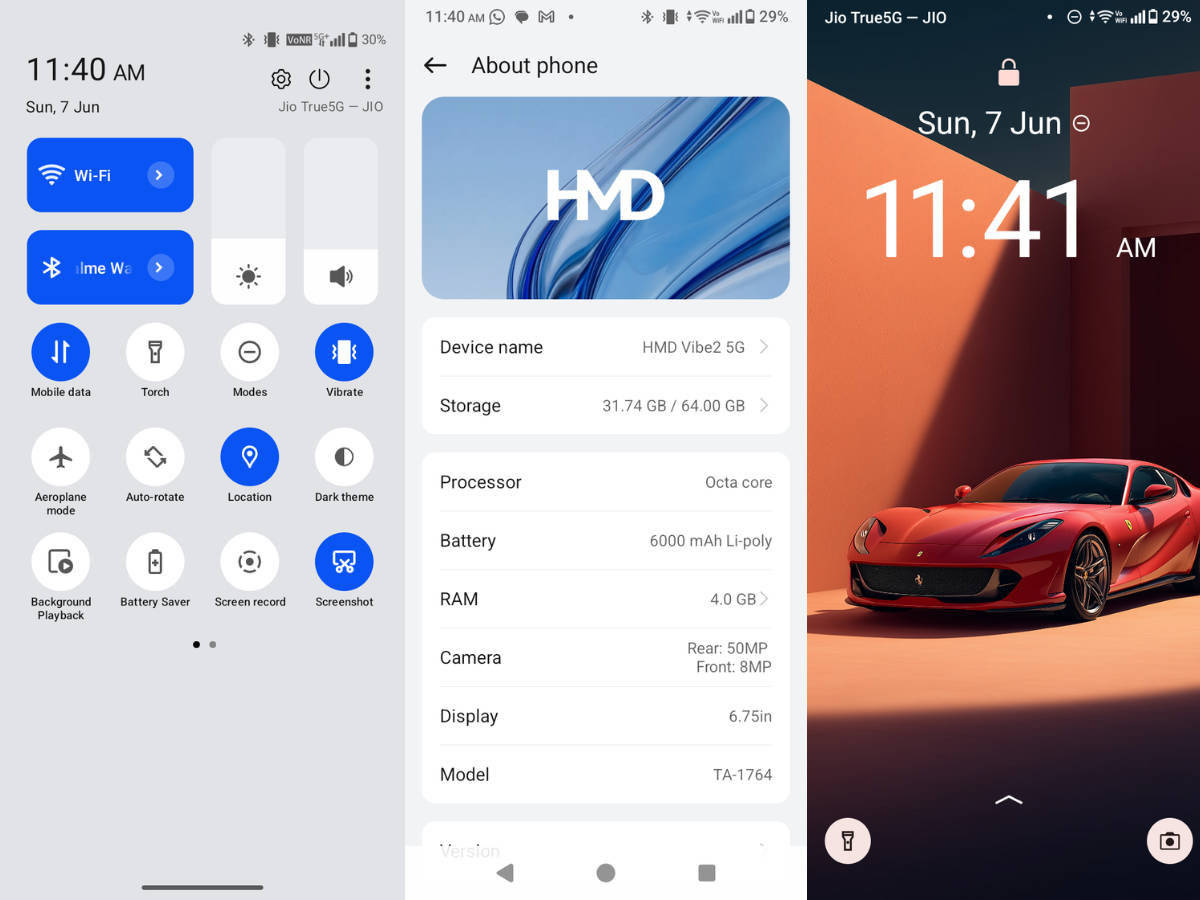
Moving to the experience of operating the software, I did notice minor stutters and frame rate drops when using the phone with multiple apps opened in the background. On a positive note, the performance should suffice if your use case mainly revolves around using social media apps, chatting, web browsing, watching videos, and playing light to medium-level games.
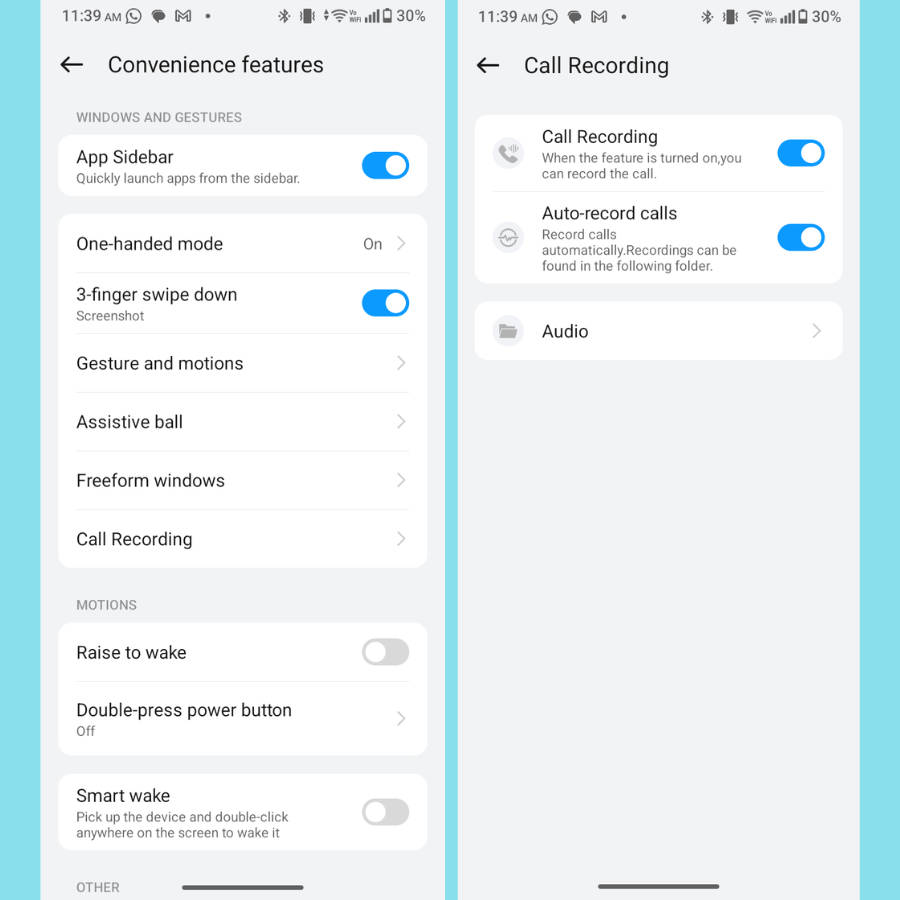
Some of the additional features the HMD Vibe 2 gains, which were not found on earlier stock Android-based HMD phones, are call recording without alert announcements, app sidebar, multiple gestures and motion support, scheduled power on/off, and more. The company hasn’t stated the number of OS upgrades the Vibe 2 is set to receive. The handset is confirmed to gain two years of security patches every quarter, though.
| Smartphone | Pre-Installed Apps | Software Support |
| HMD Vibe 2 5G | 32 | 2 Year Security Updates |
| realme C83 5G | 65 | 1 Year OS Updates + 2 Year Security Updates |
| Moto G37 Power 5G 128GB | 43 | 1 Year OS Updates + 3 Year Security Updates |
| Ai+ Nova 2 5G | 30 | 1 Year OS Updates + 2 Year Security Updates |
Camera: manages to deliver realistic outputs
For photography, the HMD Vibe 2 comes with a 50MP primary camera and an auxiliary lens at the rear, while the U-shaped notch up front houses an 8MP selfie shooter. The main camera supports video recordings at up to 4K 30 FPS; on the other hand, the front camera is limited to 1080p, also at 30 FPS.
The camera can produce respectable results, meaning the shots turn out realistic without being too lively. While the detail levels are on the lower side, which is to be expected for the price the phone sells for, I wish the images were a bit more contrasty in daylight scenarios. In instances where there’s a lot of backlight, the Vibe 2 struggles to maintain the original colours, resulting in blown-out backdrops.
In low light, the cameras fall apart as the outputs carry heavy grains, and the subjects are generally rendered soft, even with night mode enabled. The front camera offers a wide enough field of view to comfortably fit three to four people, while the images tend to lean towards warmer tones, with above-average details.
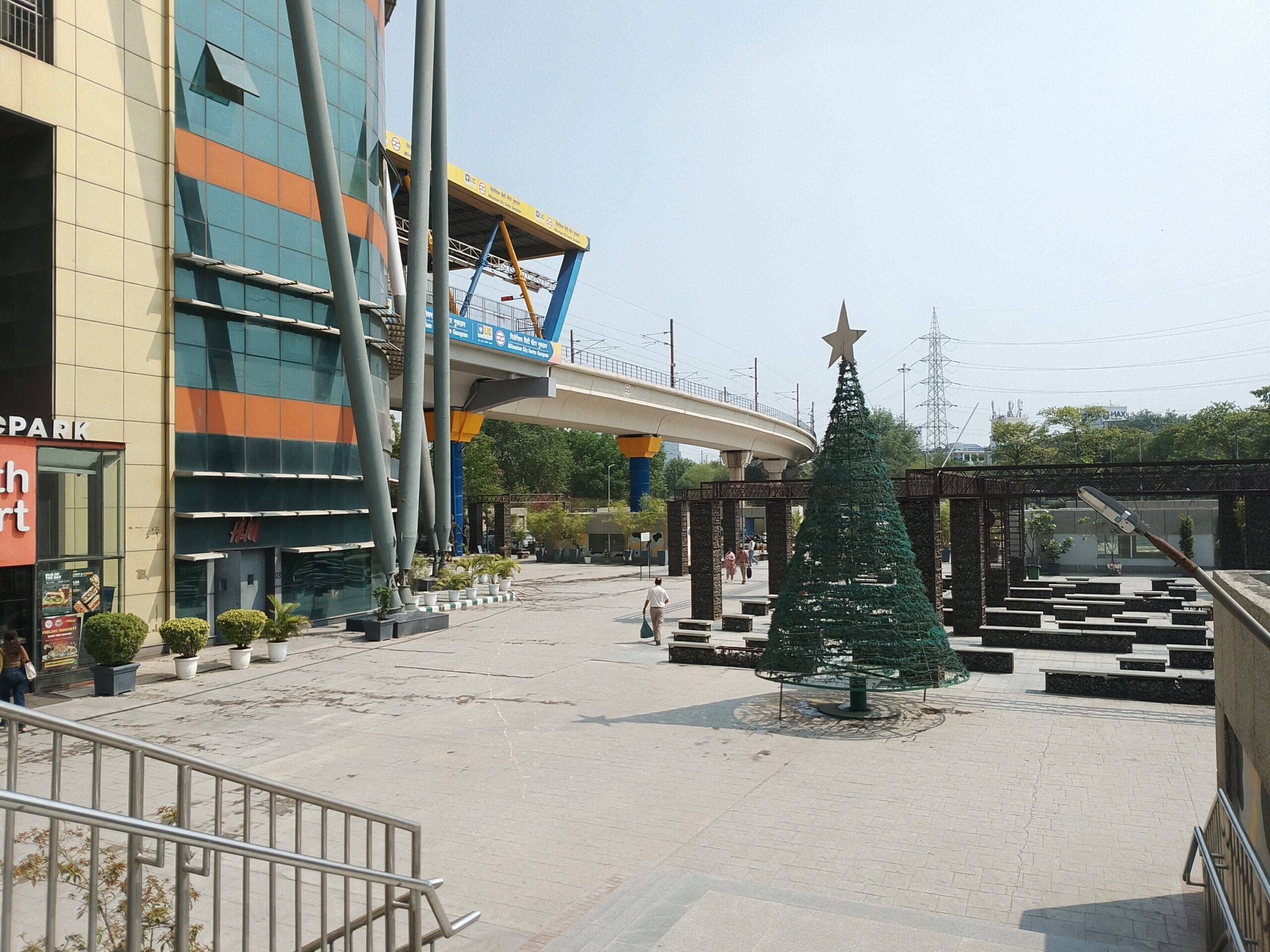
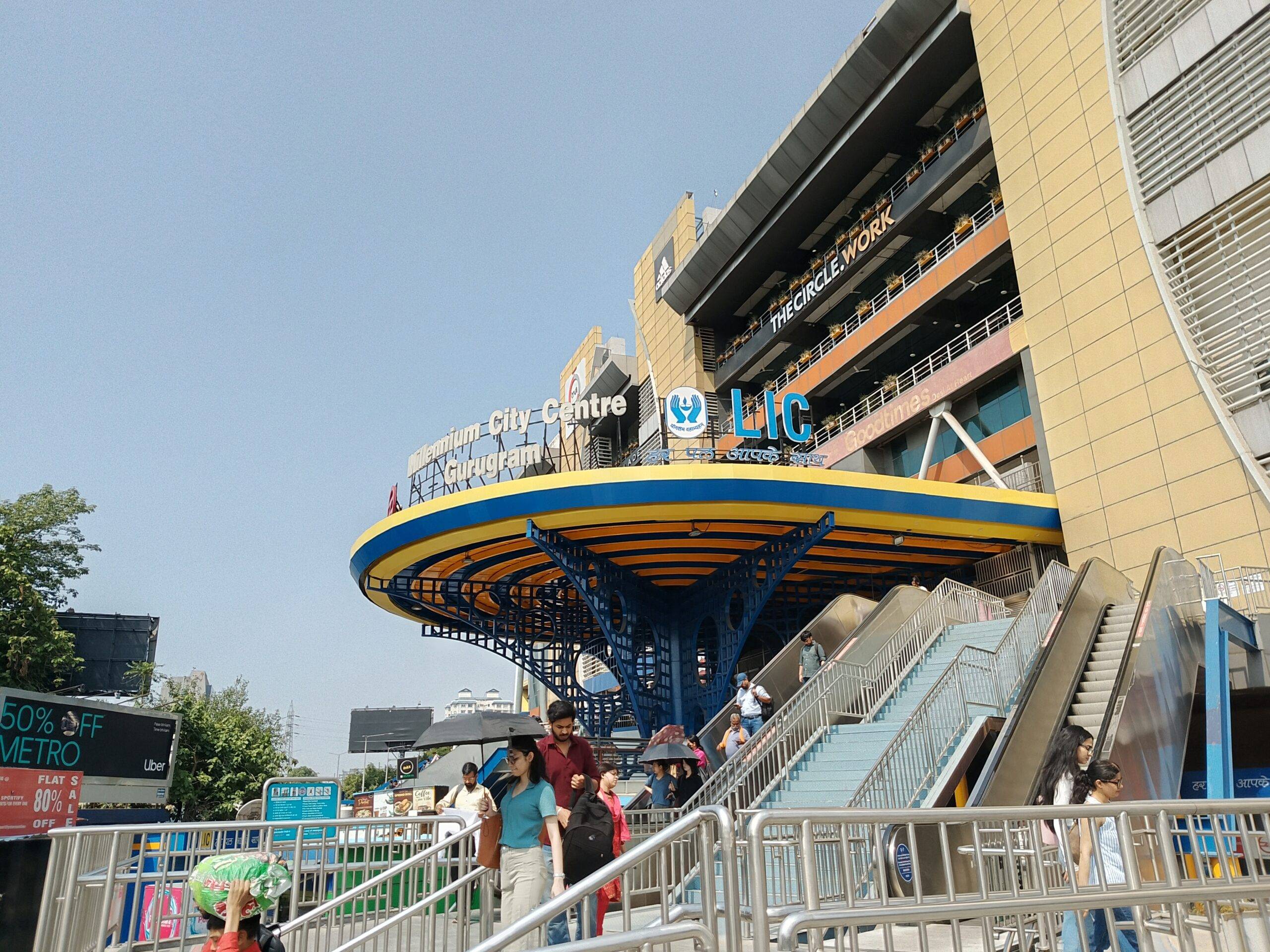
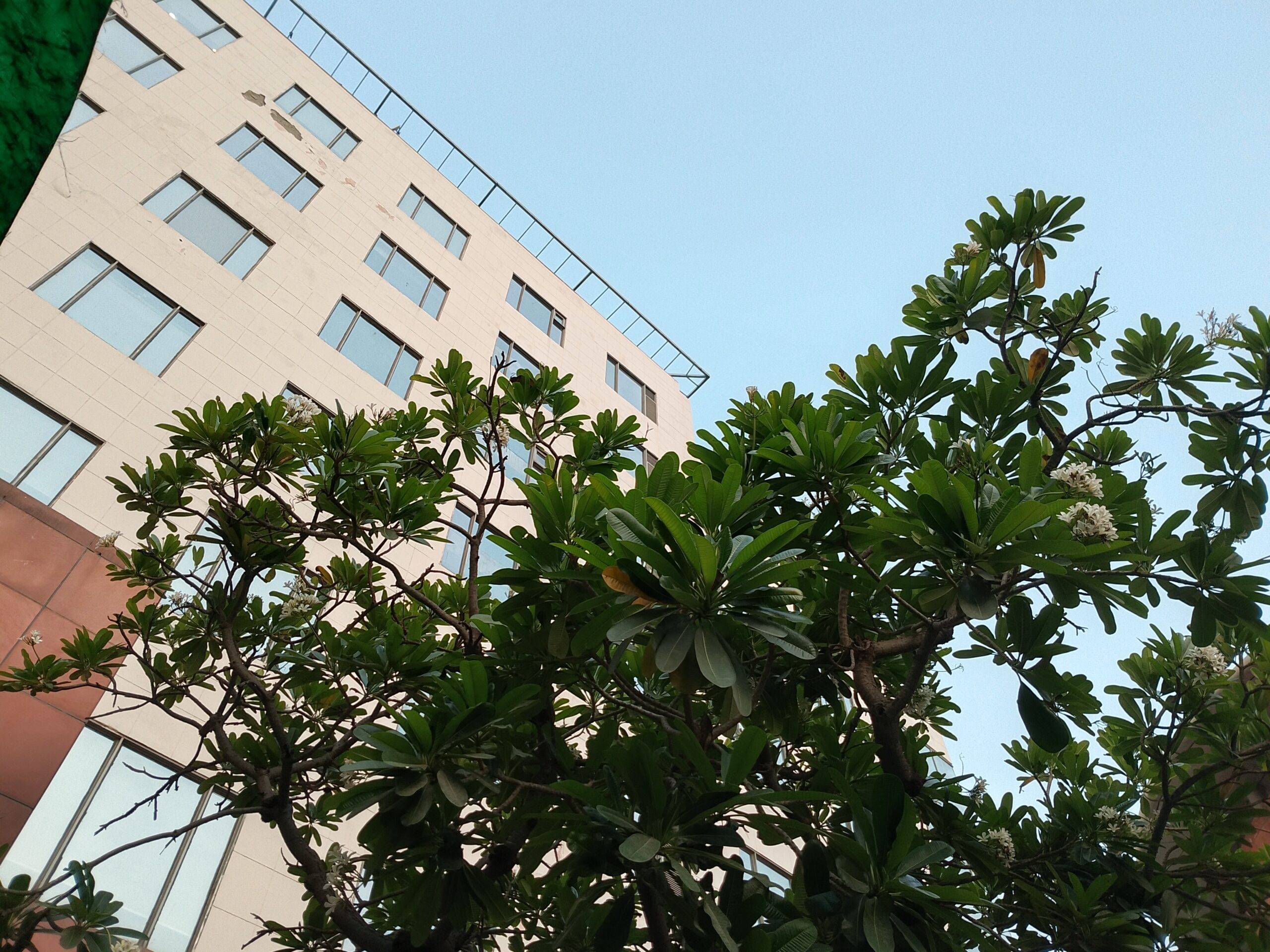
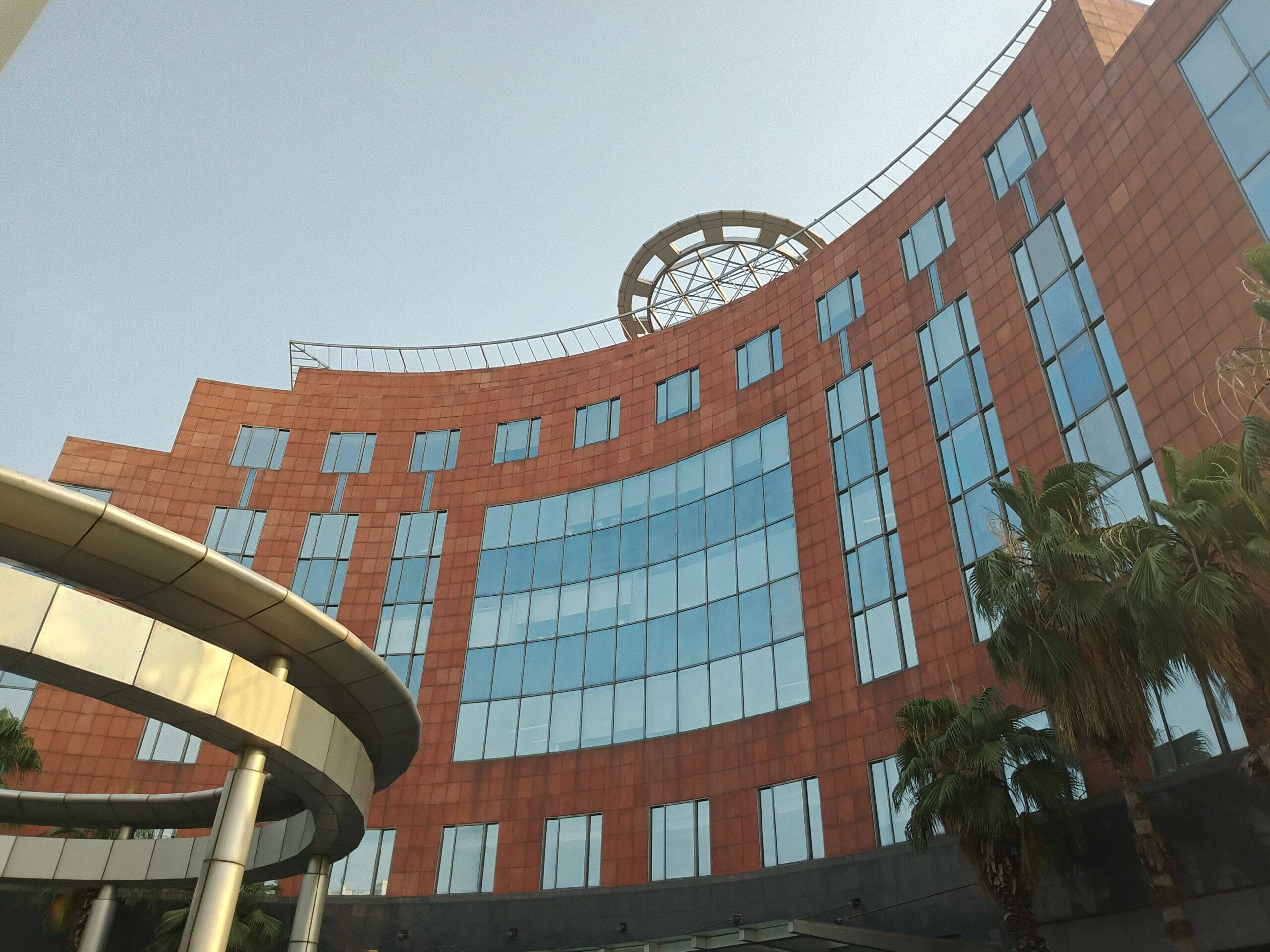
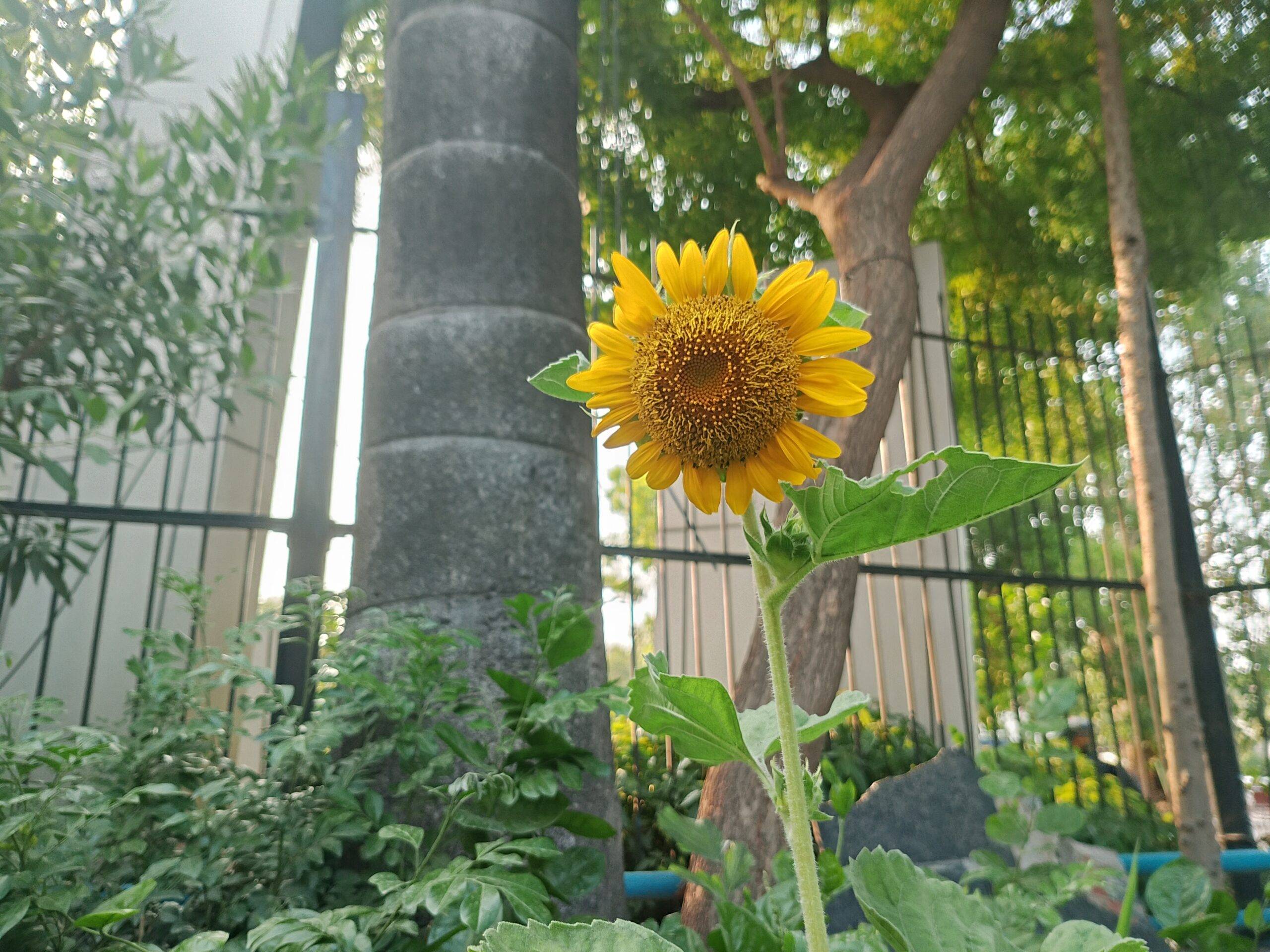
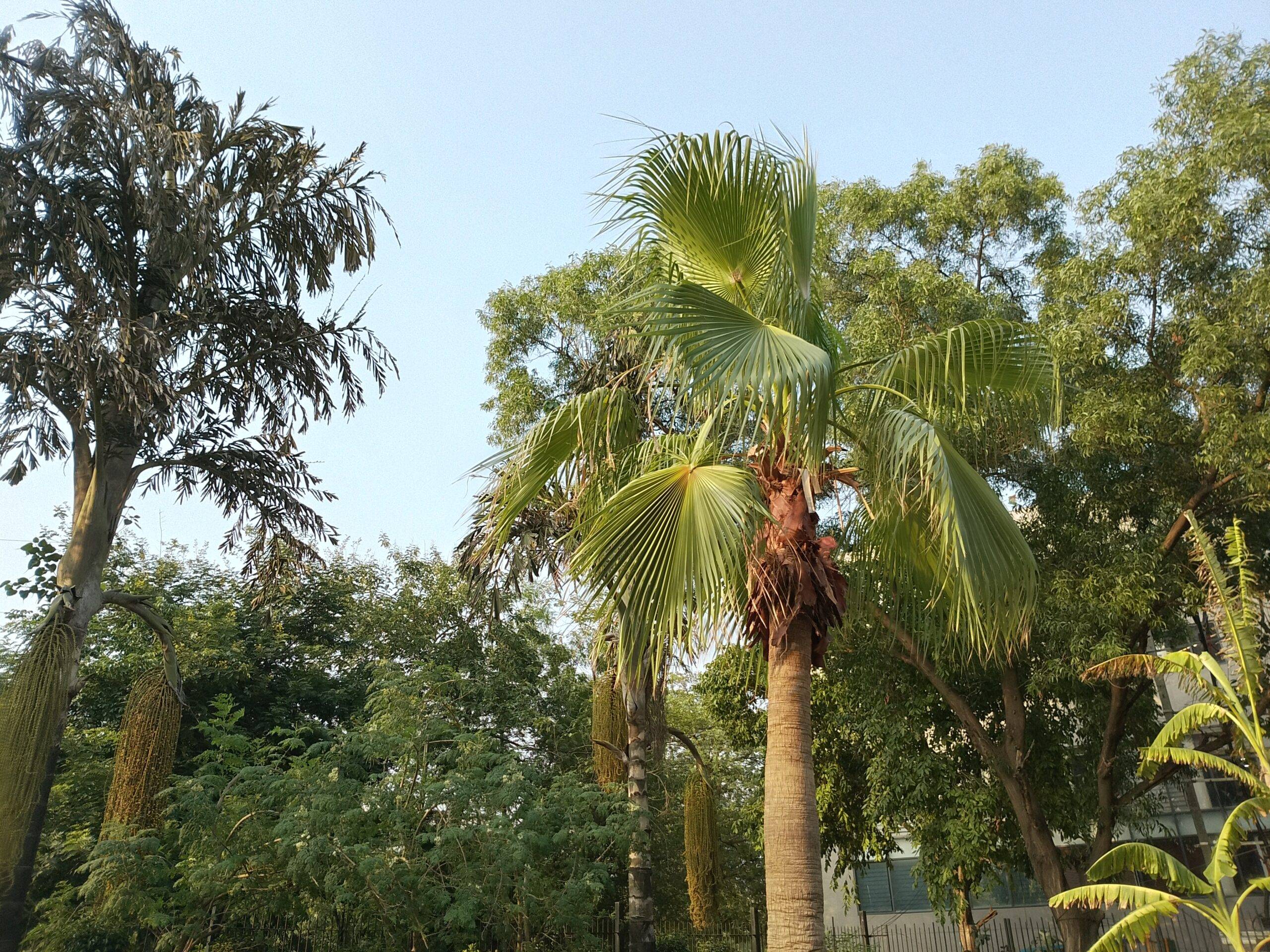
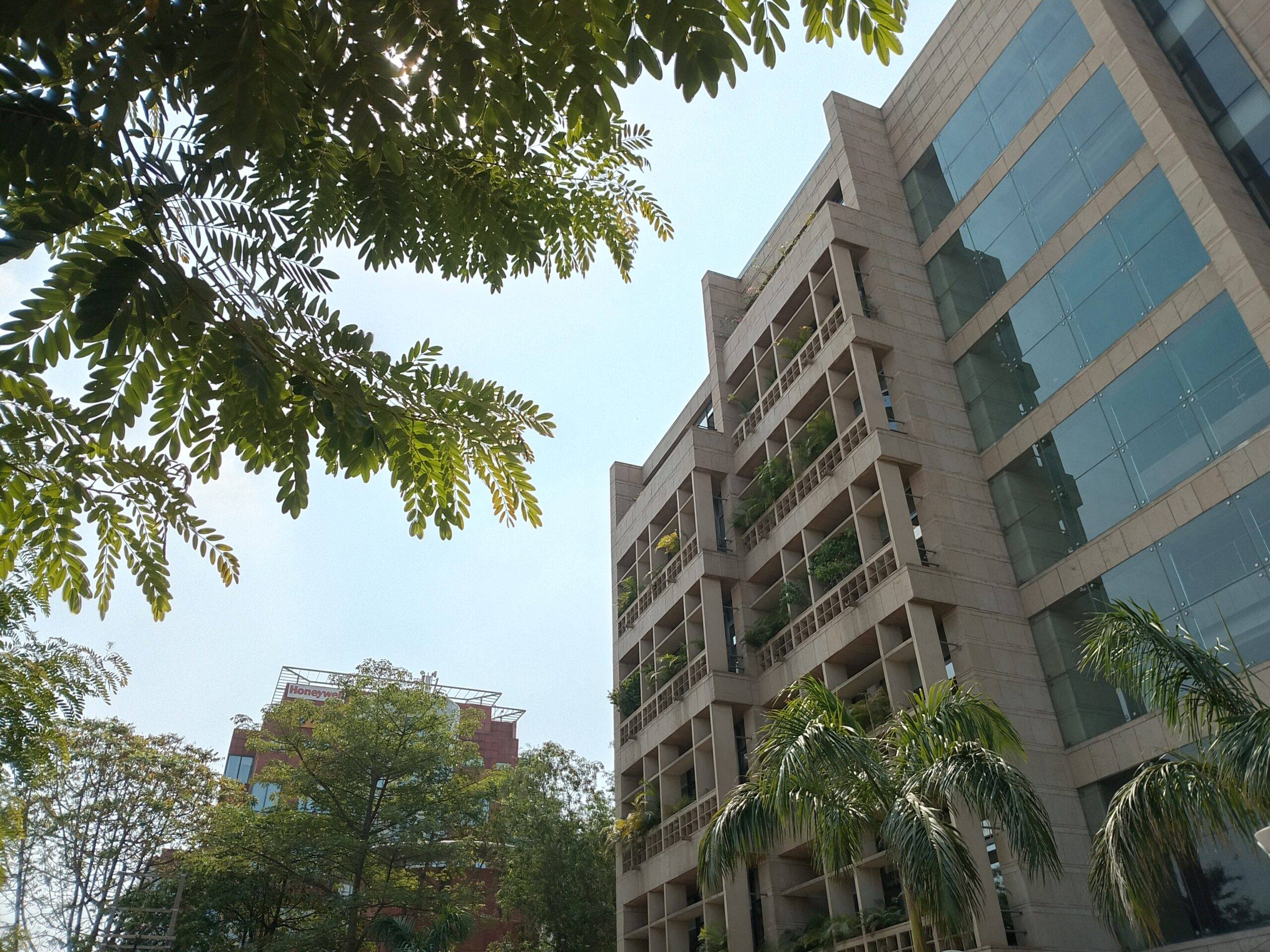
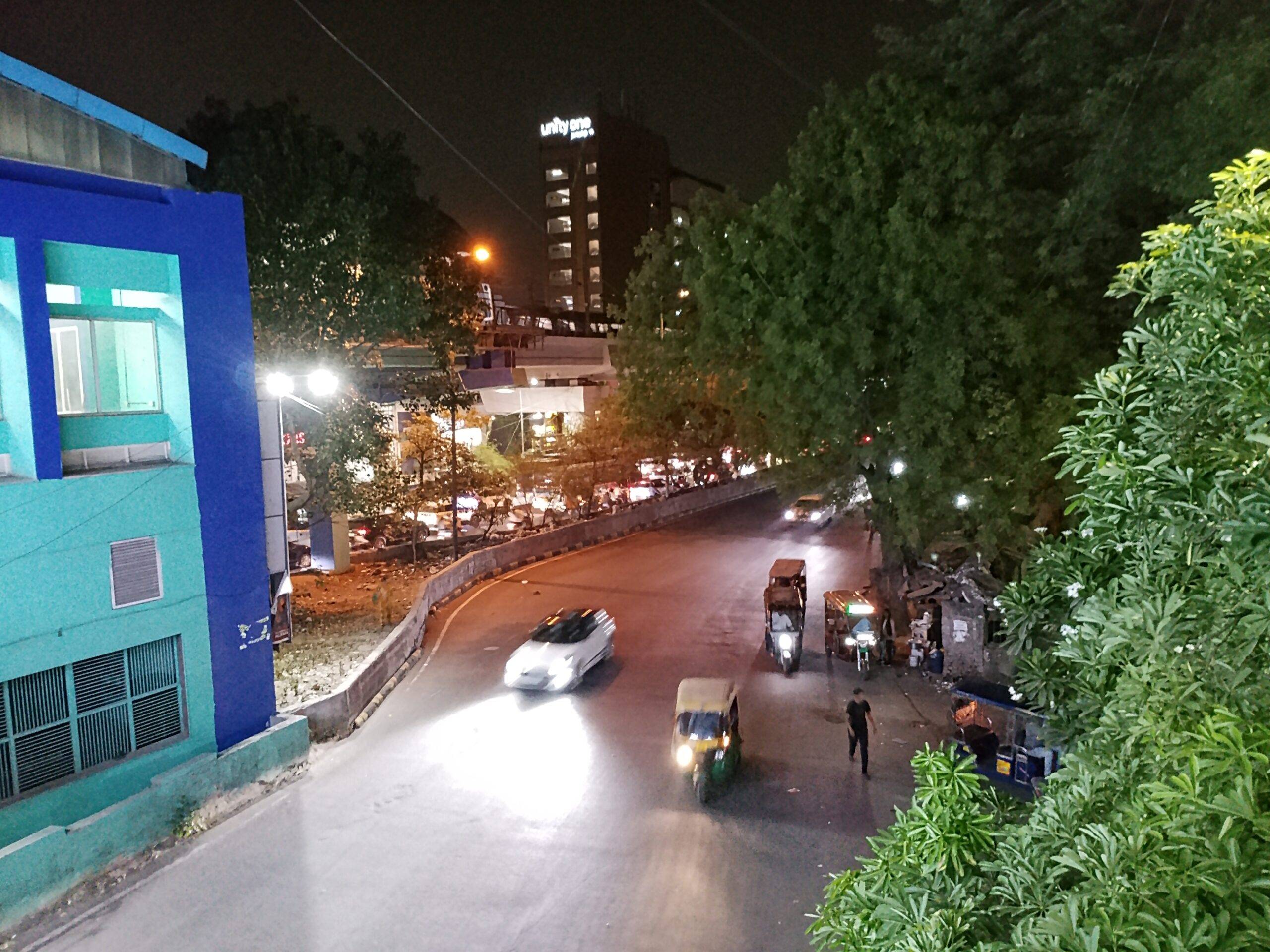
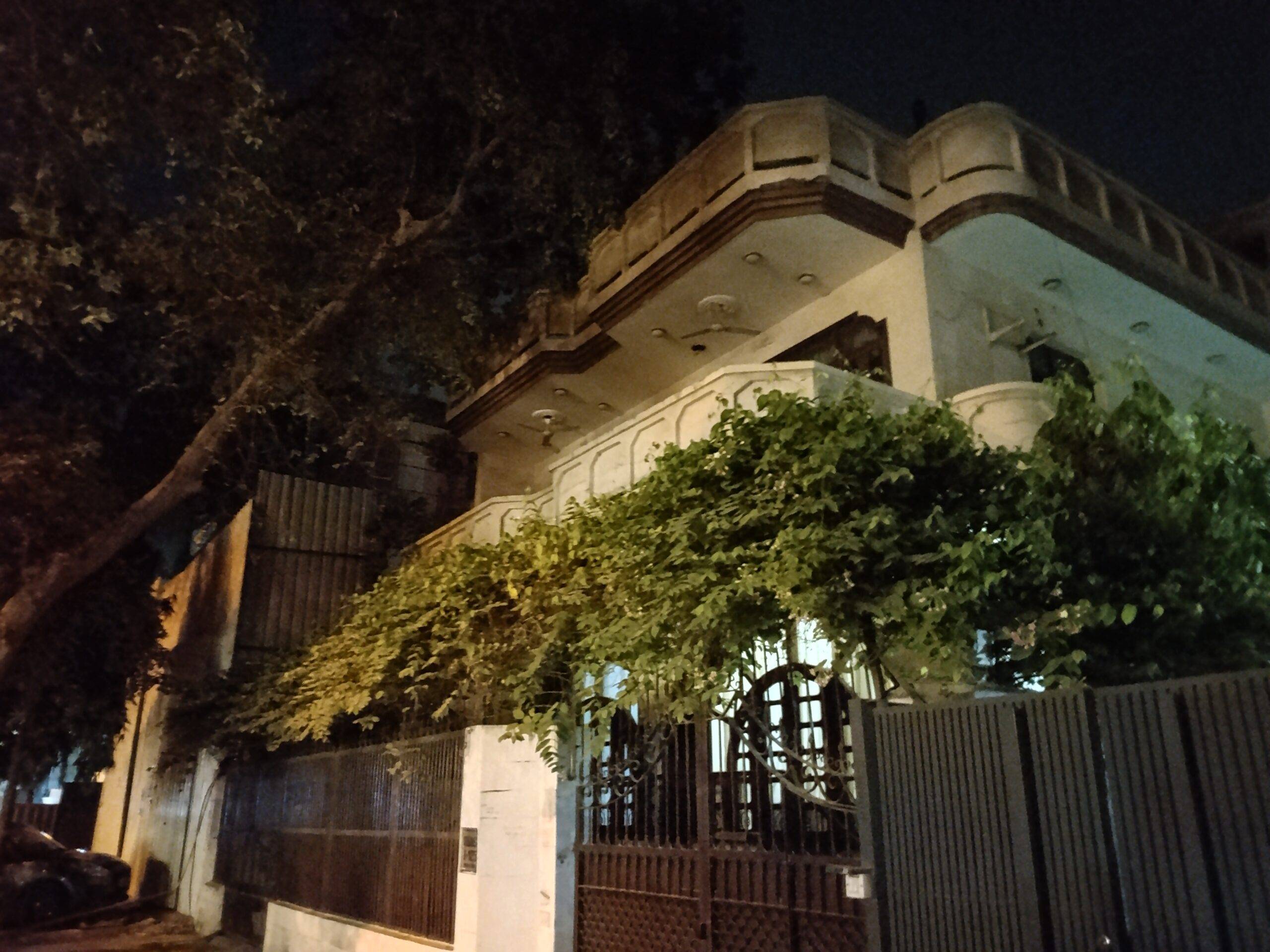
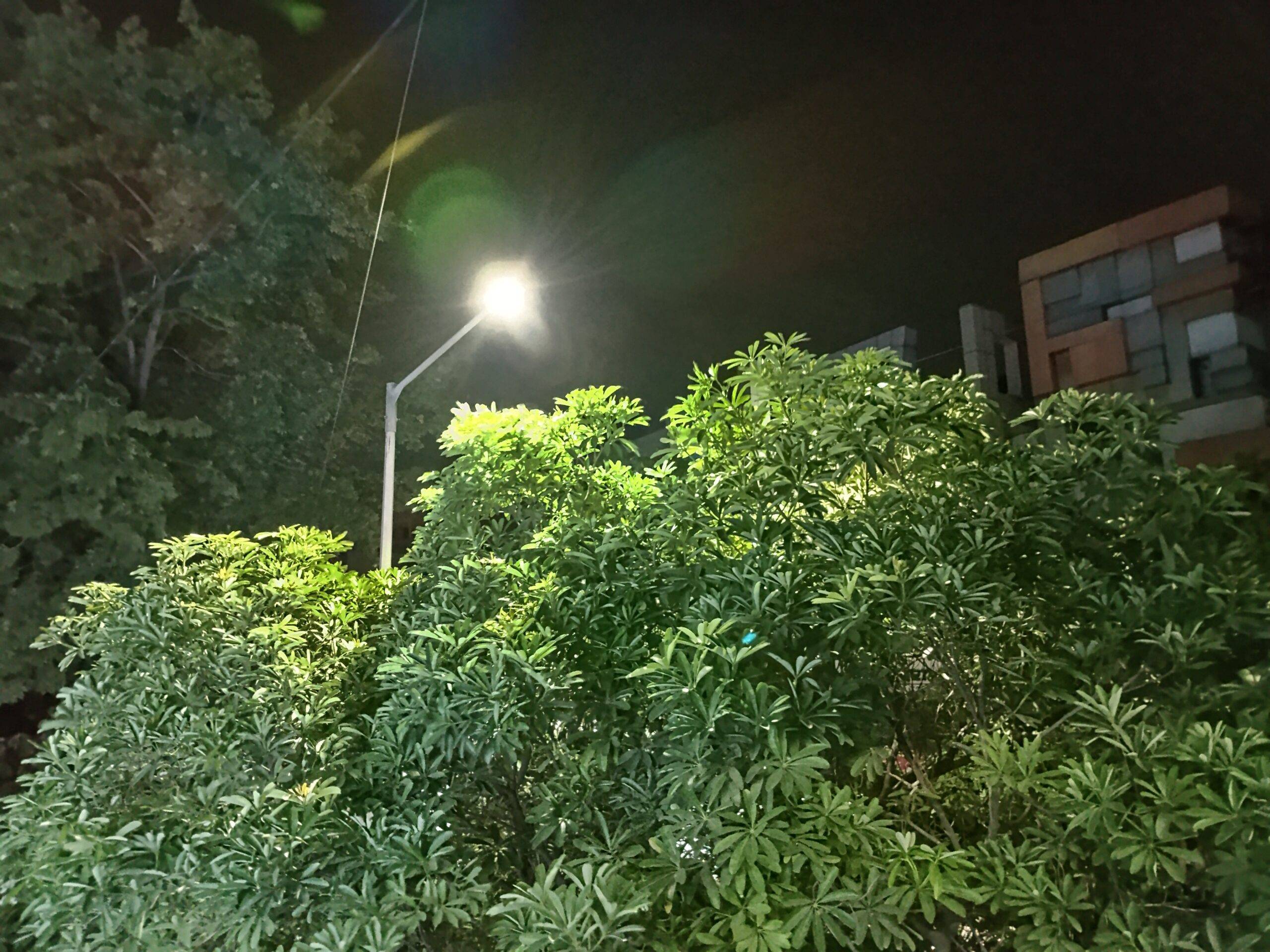


To assess the cameras better, I compared the HMD Vibe 2 against the Realme P4 Lite 4G (review) in various scenarios:
Daylight
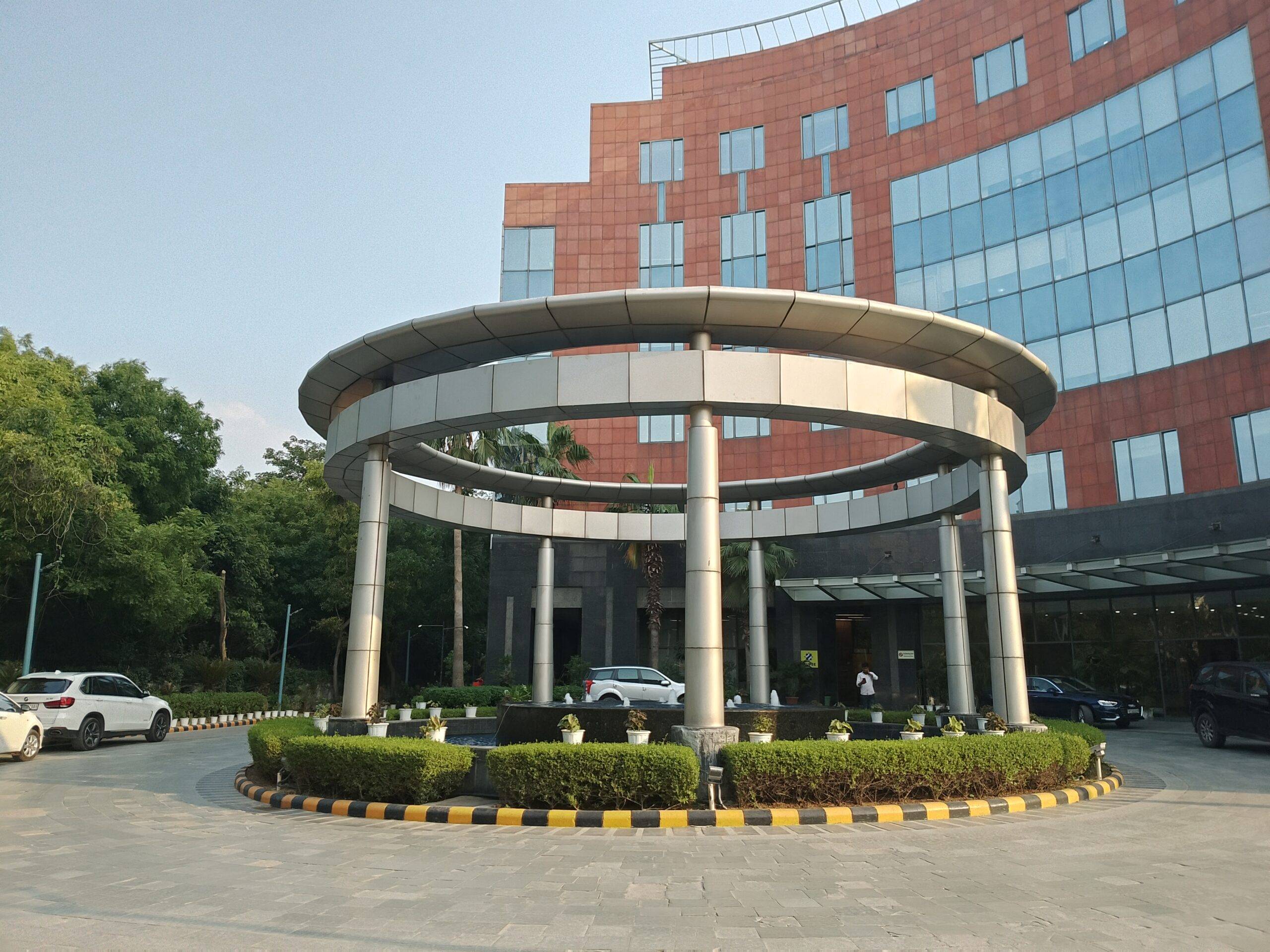
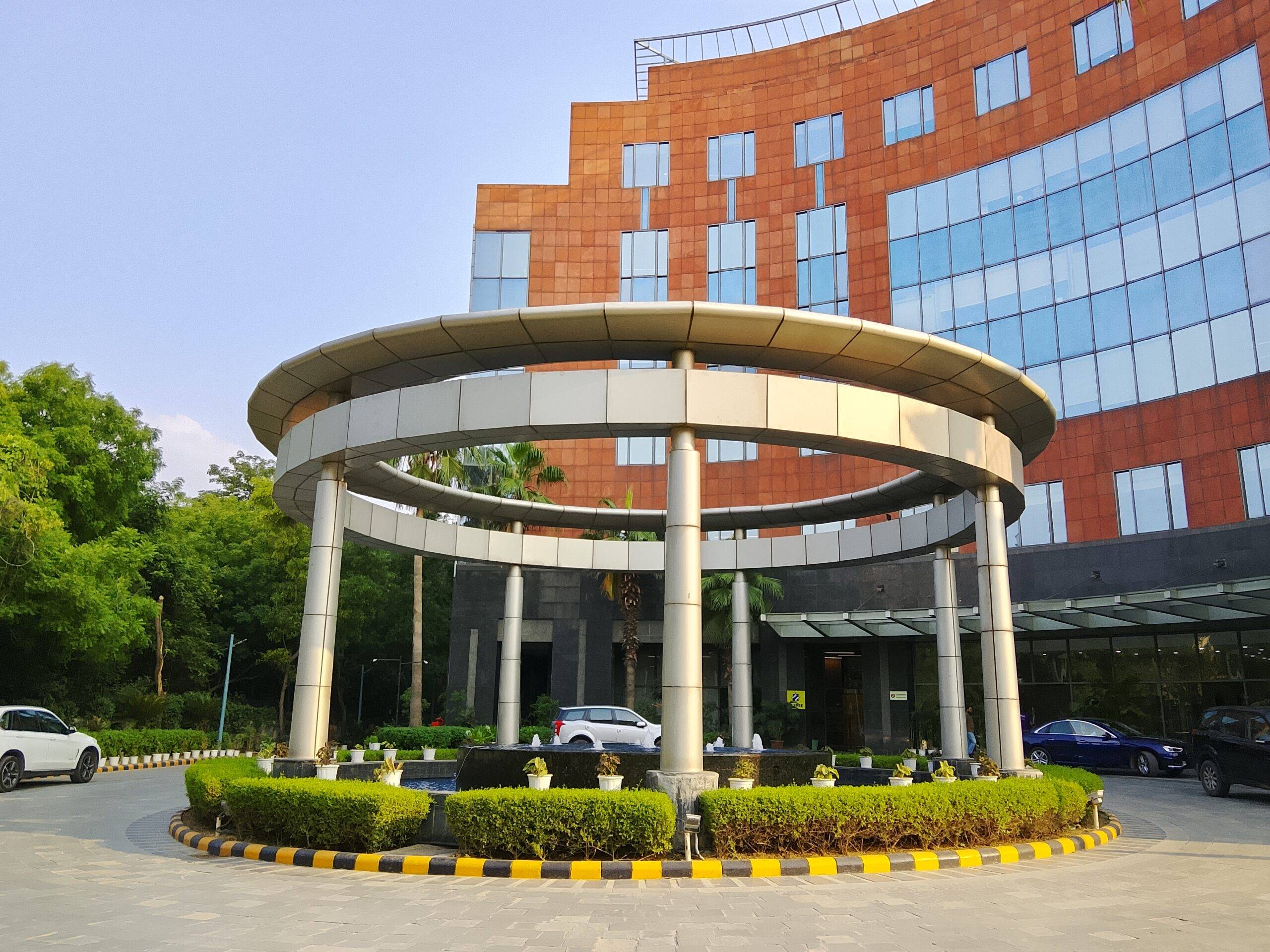
While the detail levels seem on par at first glance, the HMD Vibe 2 shot carries slightly more sharpness. However, the Realme P4 Lite 4G’s output contains balanced contrast levels, making it appear less hazy compared to the HMD Vibe 2. The Realme smartphone also delivers poppy colours.
Portrait


In portrait mode, the HMD Vibe 2 completely falls behind the Realme P4 Lite in terms of details, contrast, and edge detection.
Selfie


In selfies, the Realme P4 Lite 4G’s shot carries muted colours, while the HMD Vibe 2 does a better job of representing the actual scene. However, this natural approach results in minimal to no processing, which leads to highlights on the face getting blown out.
Night mode
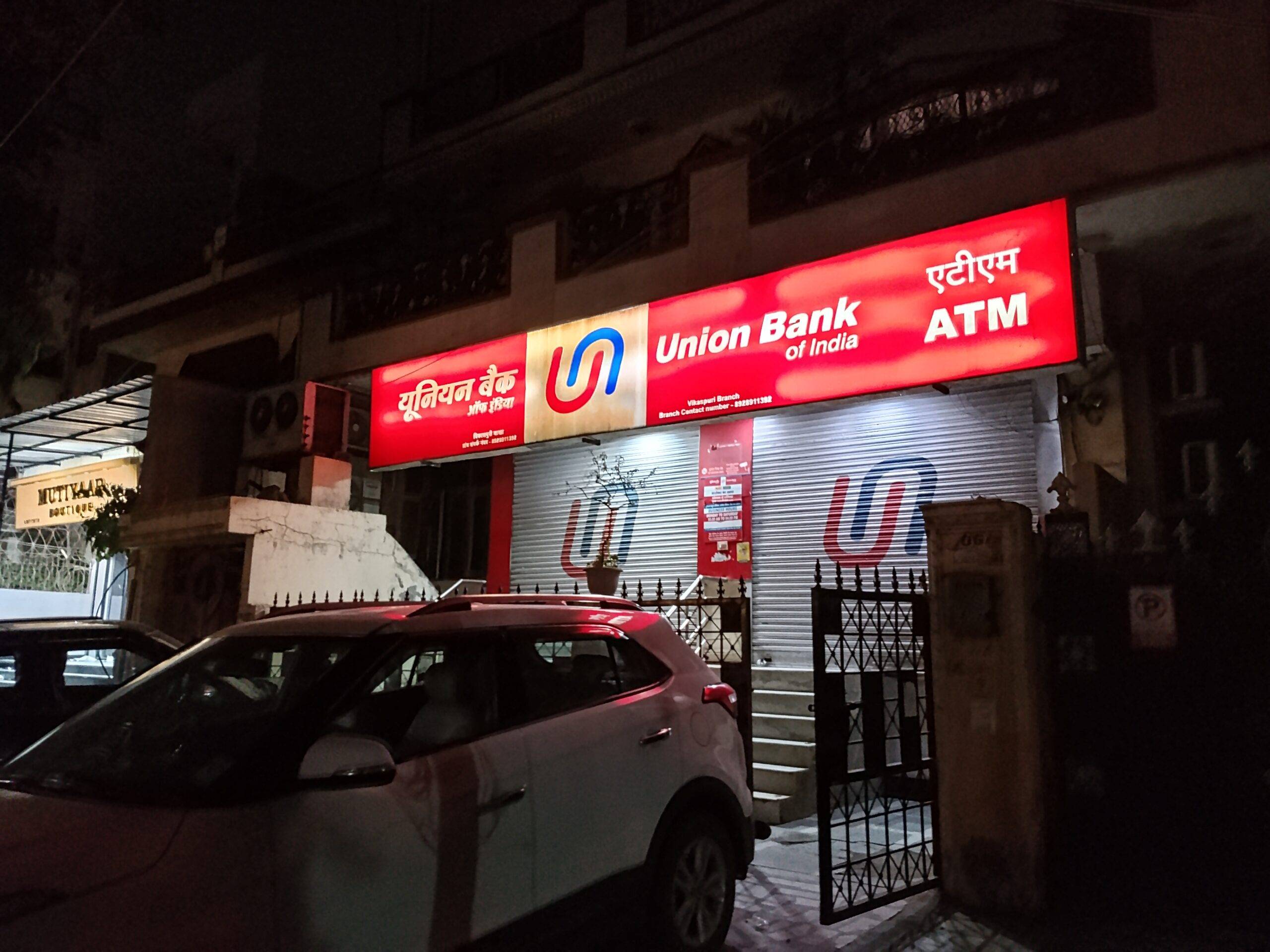

In the comparison above, while the HMD Vibe 2 does its level best to highlight the scene in extremely low light conditions, the Realme P4 Lite struggles to deliver a well-exposed image. Upon zooming in, we also find that the HMD Vibe 2’s shot carries slightly more details compared to the Realme P4 Lite.
Battery and charging: takes a while for a full charge
The HMD Vibe 2 comes equipped with a 6,000mAh battery with 18W charging support. In our in-house PCMark Battery drain test, which simulates multiple tasks in real-time, such as viewing documents, playing videos, browsing the web, and more, the handset clocked 10 hours and 42 minutes.
Compared to phones with 7,000mAh running on the Dimensity 6300/6400, such as the Realme C83 and Moto G37 Power, the HMD Vibe 2 falls behind, as you can see in the chart below. However, the 6,000mAh cell offers similar endurance to the Ai+ Nova 2, which features the same battery capacity.

Overall, the HMD Vibe 2 is capable of offering a day’s worth of battery life, given your usage doesn’t include gaming or high-intensity tasks, such as continuous video recording or editing. When it comes to topping up, it took us almost three hours to charge the device from 20 to 100 percent using the 18W charger and cable that comes along with it. This is significantly higher than the phones under Rs 20,000.
| Smartphone | Battery Capacity | Charging Support | Charging time (20% to 100% ) |
| HMD Vibe 2 5G | 6000 mAh | NA | 2h 17m 9s |
| realme P4 Lite 4G | 6300 mAh | NA | 2h 49m |
| Moto G37 Power 5G 128GB | 7000 mAh | 30W Turbo Charging | 1h 17m |
| realme C83 5G | 7000 mAh | NA | 2h 32m |
Final verdict
The HMD Vibe 2 is yet another 5G budget offering this year under the Rs 15,000 price segment (unless it receives a price hike in the future). Right off the bat, the HMD Vibe 2 distinguishes itself from others by sporting a dual-texture design with peppy colour options, making it suitable for those seeking a vibrant phone design. Another major highlight of the Vibe 2 is its clean software experience, while the LCD display delivers colourful tones for entertainment.
That said, the HMD Vibe 2 falls short in a couple of areas. It takes over three hours to fully charge its 6,000mAh battery, and the Unisoc T8200 chipset could do with further optimisation to run casual and light games without frame drops during extended gaming sessions.
At its current price of Rs 12,999 for the base 4GB RAM and 64GB storage option, the HMD Vibe 2 has a design-first approach, while other 5G offerings like the Realme C83 and OPPO K14x around Rs 15,000 should offer a snappy, more refined software experience. However, if you prioritise clean software above all else and don’t play games, the Vibe 2 can be a decent choice.
Editor’s rating: 8/10
Reasons to buy the HMD Vibe 2
- A standout design with multiple poppy colours to choose from.
- Tall LCD display that produces colourful tones.
- Clean software experience with minimal third-party apps.
- Cameras that produce realistic tones
Reasons to skip the HMD Vibe 2
- Takes over three hours to charge
- Needs performance improvement, especially in casual games.