Review Summary
Expert Rating
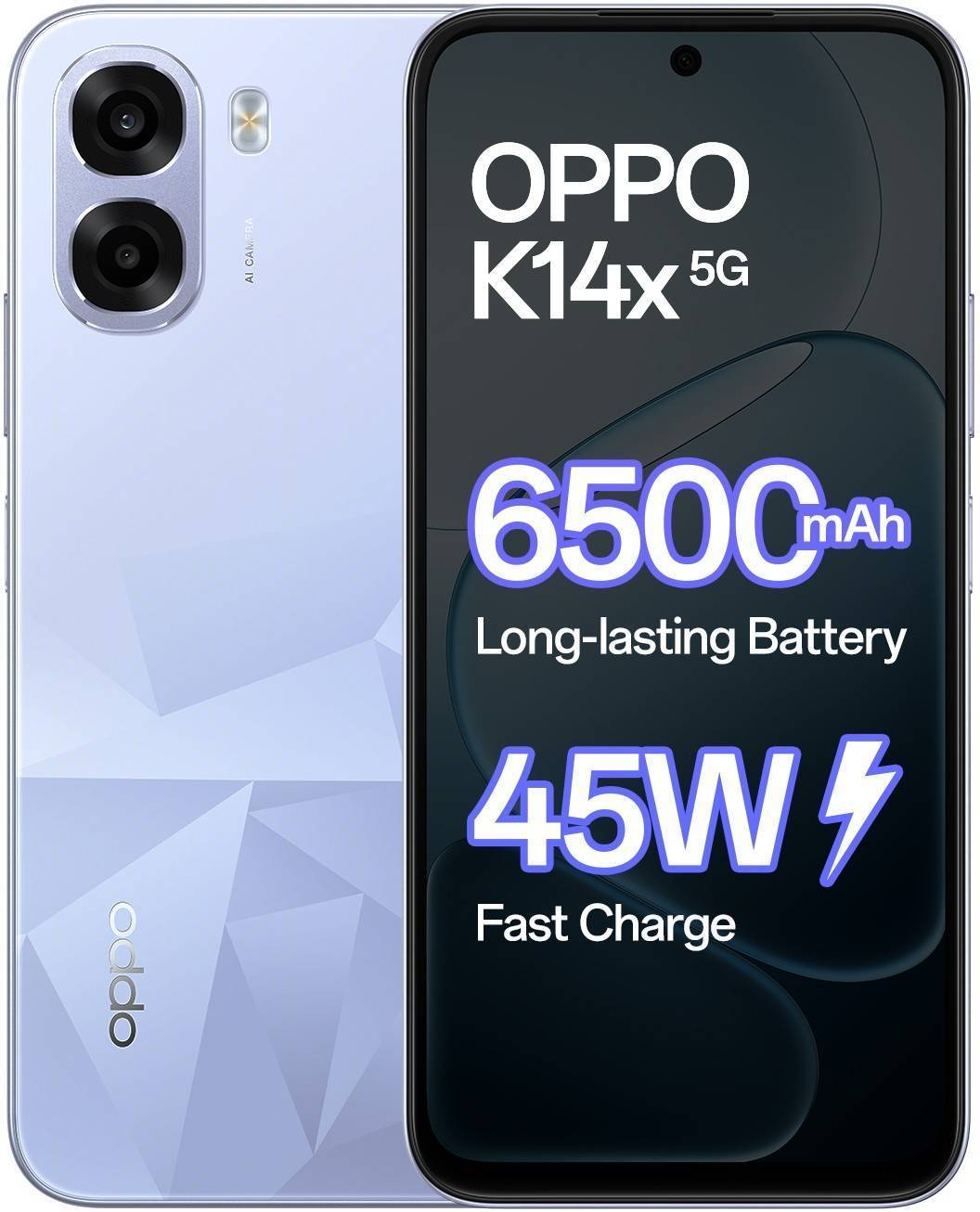
The established smartphone price categories that have been commonplace for a while are undergoing a major shift in 2026. All thanks to the global memory shortage, OEMs across the board have had to raise prices across their product portfolios, even down to the budget category. The latest OPPO K14x reflects this reality. Much like a lot of phones launched in 2026, the device now sits roughly 20 percent higher than its predecessor in terms of pricing, starting at Rs 12,999 for the 64GB variant. At the new price, the phone doesn’t offer significant upgrades, but it does get a modest bump in battery size.
In this review, I’ll be sharing my overall experience with this phone, its day-to-day performance, camera capabilities and whether it delivers enough value at this price point.
Table of Contents
Classy design bogged down by the weight
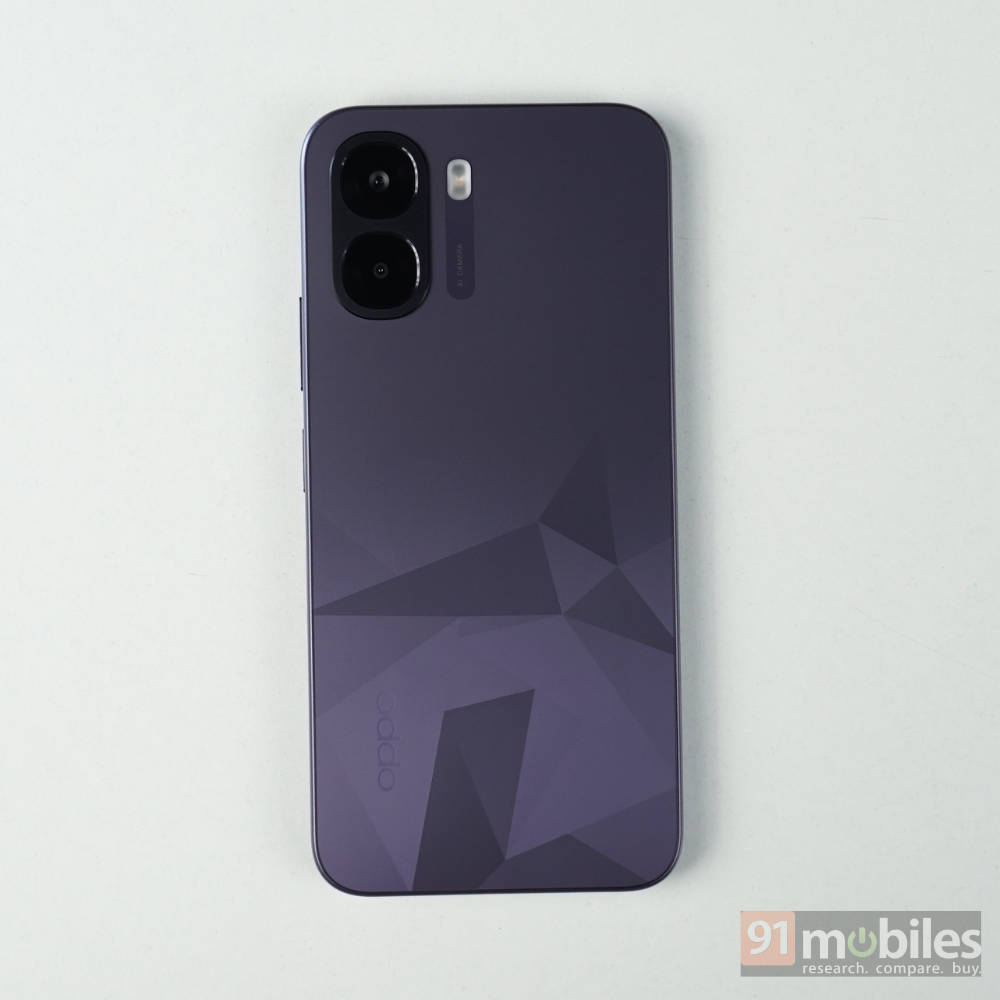
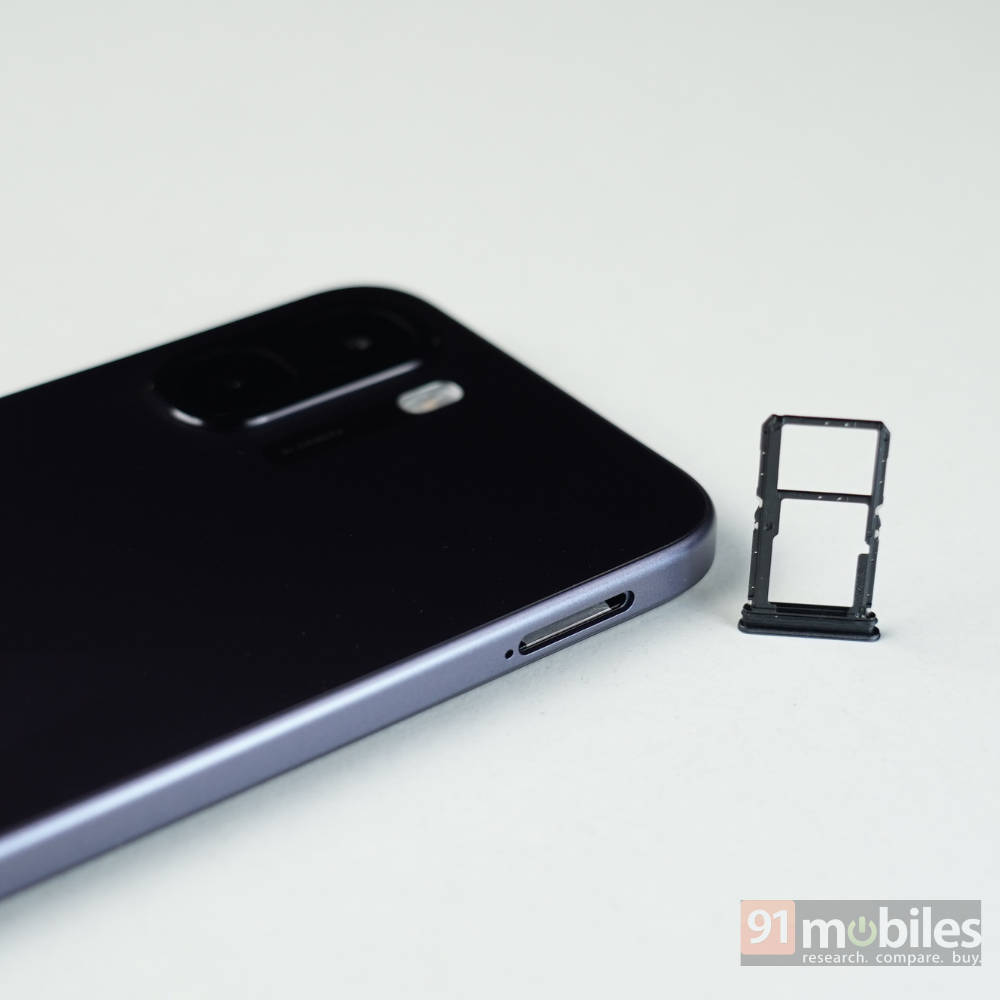
There are parts of this phone’s design that I really like, and others that I’m not entirely fond of. Talking of the former, the beautiful rear panel immediately caught my attention the first time.
| Smartphone | Thickness | Weight | IP Rating |
| OPPO K14x 5G | 8.6 mm | 212 grams | IP64 |
| realme P4x | 8.39 mm | 208 grams | IP64 |
| iQOO Z10x | 8.09 mm | 204 grams | IP64 |
It is a deep, purple hue with triangular indentations that shine when light falls on it at an angle. The camera island is very neatly slotted towards the top left and has barely any height to it. If you’re like me, no wobble when put face up is a good thing in phones. I like subtle designs a lot, and this phone perfectly matches my aesthetics.
Up front, you get a large display with a bottom chin, which I’m not too bothered by, given the price. Its size contributes a lot more to immersion, and you don’t notice it much after a while.
Now, let’s get into the things I’m not too keen on. The first and most prominent is the weight. This is a hefty device at over 200 grams, and you will feel it every time. The larger battery inside the chassis has also led to a substantial increase in weight. My other chief complaint here is that the phone comes with a mono speaker, which I’ll discuss more in the next section.m
Big and smooth screen, but HD+ resolution
The OPPO K14x uses a 6.75-inch LCD panel with an HD+ resolution (720 x 1570p), 120Hz refresh rate and up to 1125 nits in HBM mode (high brightness). The display is pretty substantial and bright enough in most situations, except outdoors, where visibility is a bit more limited.
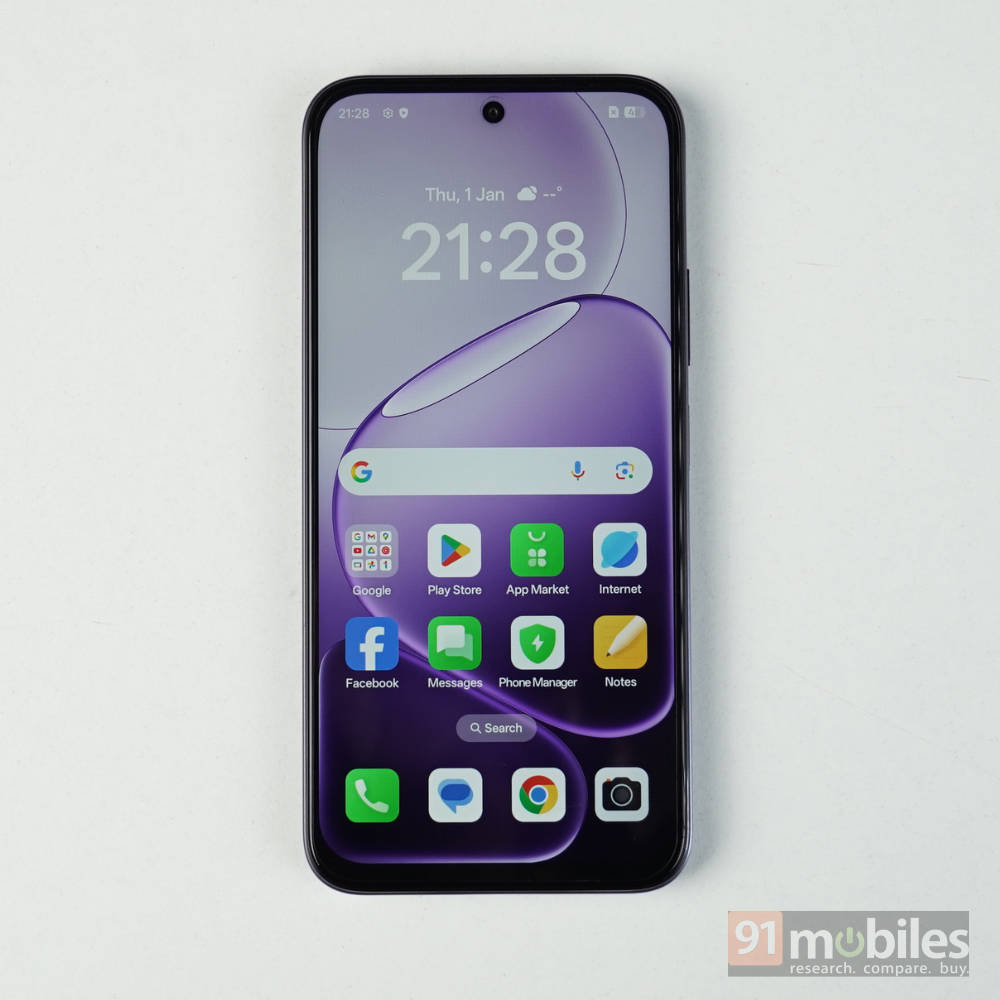
For those unused to an HD+ display, the panel does look less sharp compared to the more common FHD display found in devices around this price point. The good thing is the 120Hz refresh rate, which keeps things looking smooth and fluid.
In terms of visuals, the phone is par for the course, the images look good, and the panel delivers rich colours. You can set the device to vivid mode, which offers better colour coverage, making content appear richer. While everything is satisfactory on the visual front, the audio output is where things die down a bit.
| Smartphone | Display | Peak Brightness |
| OPPO K14x 5G | 6.75 inches - LCD | NA |
| realme P4x | 6.72 inches - LCD | 950 nits |
| iQOO Z10x | 6.72 inches - LCD | 1050 nits |
Since the phone has only a single down-firing speaker, the audio output is pretty flat and lacks the oomph of a stereo setup. Content consumption is thus not as joyful as, say, a device with stereo speakers, and you do need to use headphones or earbuds.
Good main camera, average selfies
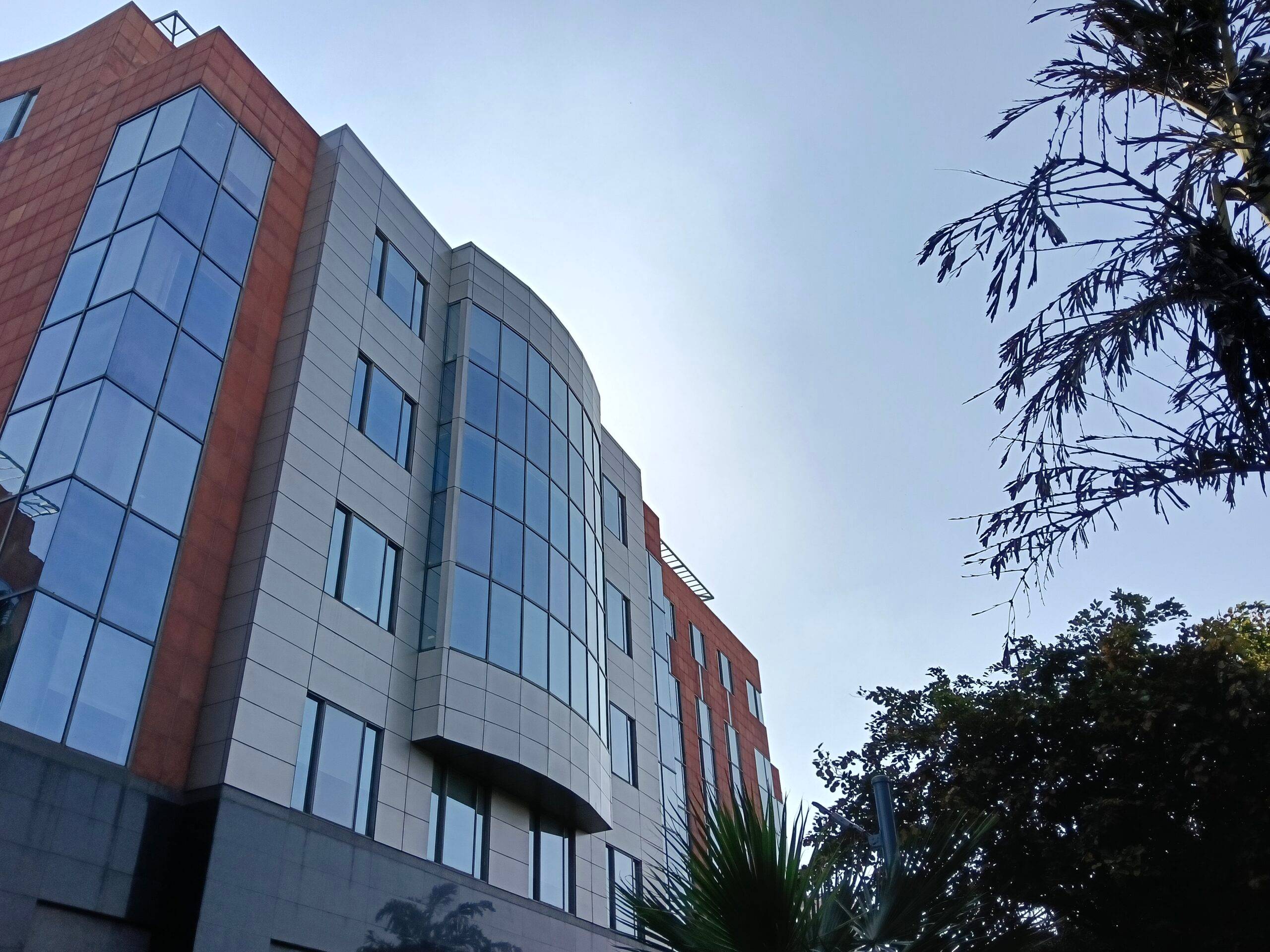
The OPPO K14x uses a 50MP primary camera paired with a 2MP auxiliary lens and a 5MP selfie camera, a slight downgrade from the 8MP front camera on its predecessor. Daylight photography is a strong suit, with the camera producing bright images with good dynamic range. Colours lean slightly cool, which gives outdoor shots a clean look, though some scenes can come across as a bit flat. Portrait mode gets the job done, but edge detection is inconsistent, and the camera tends to overexpose faces in bright conditions.

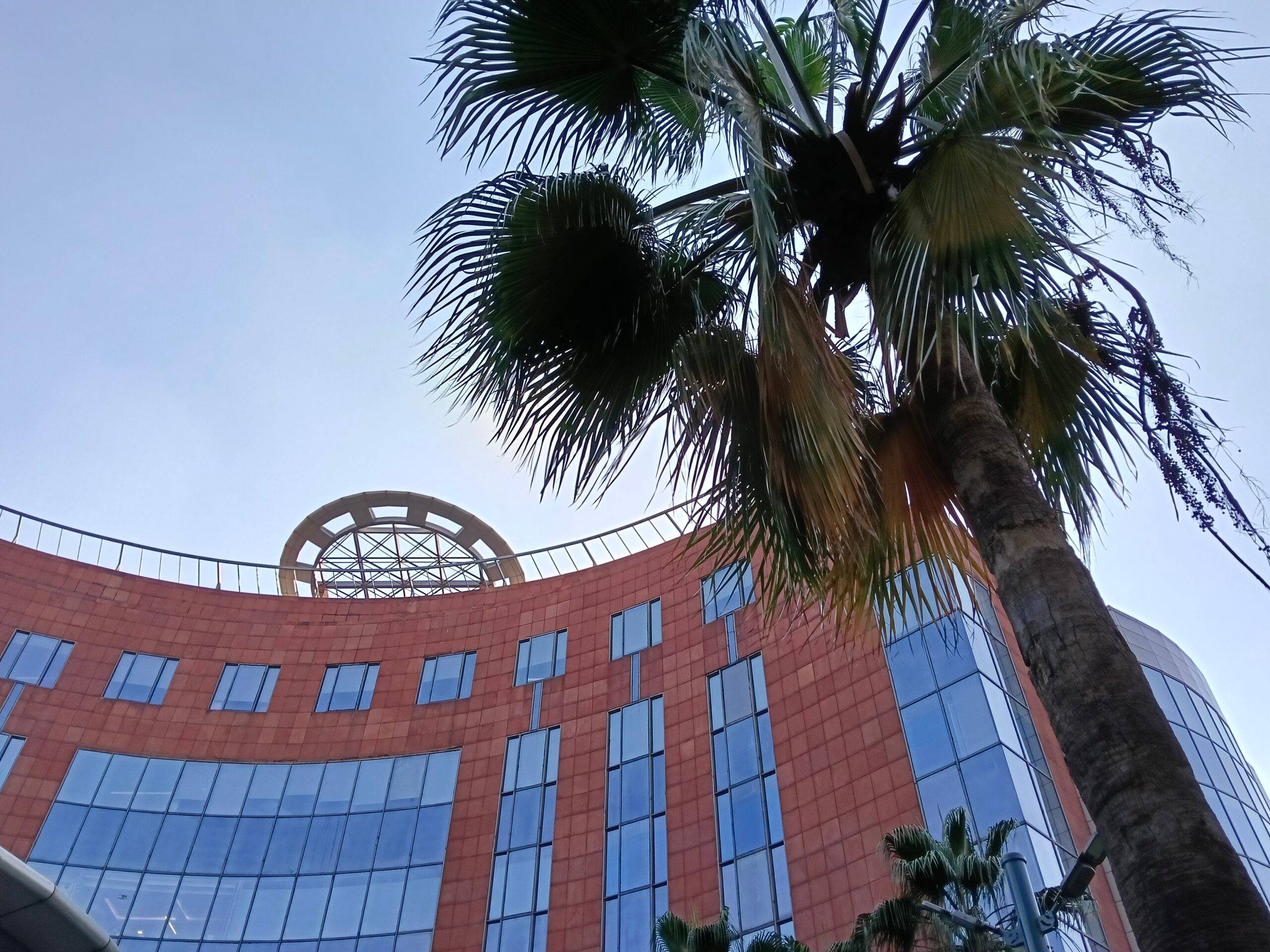
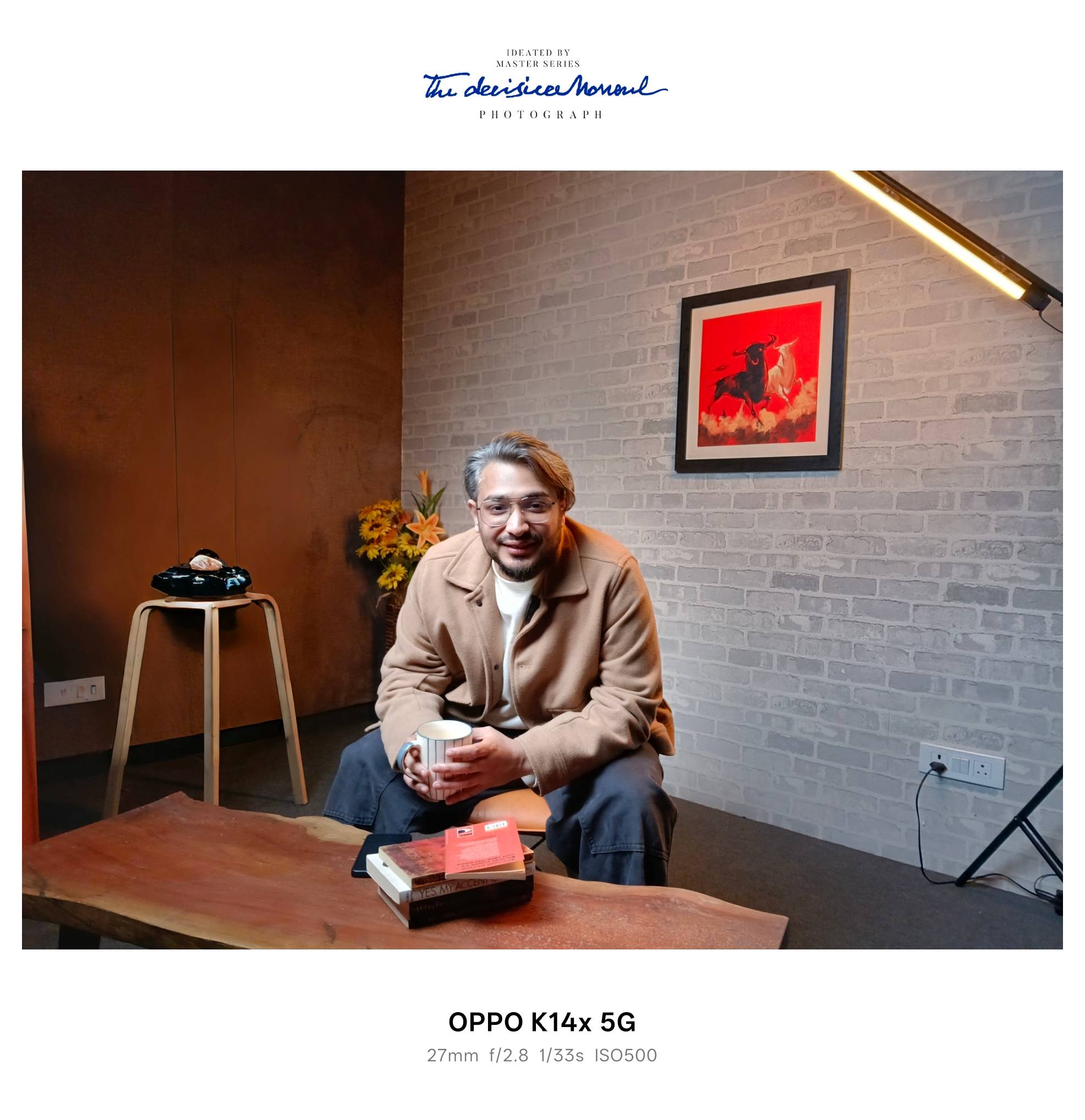
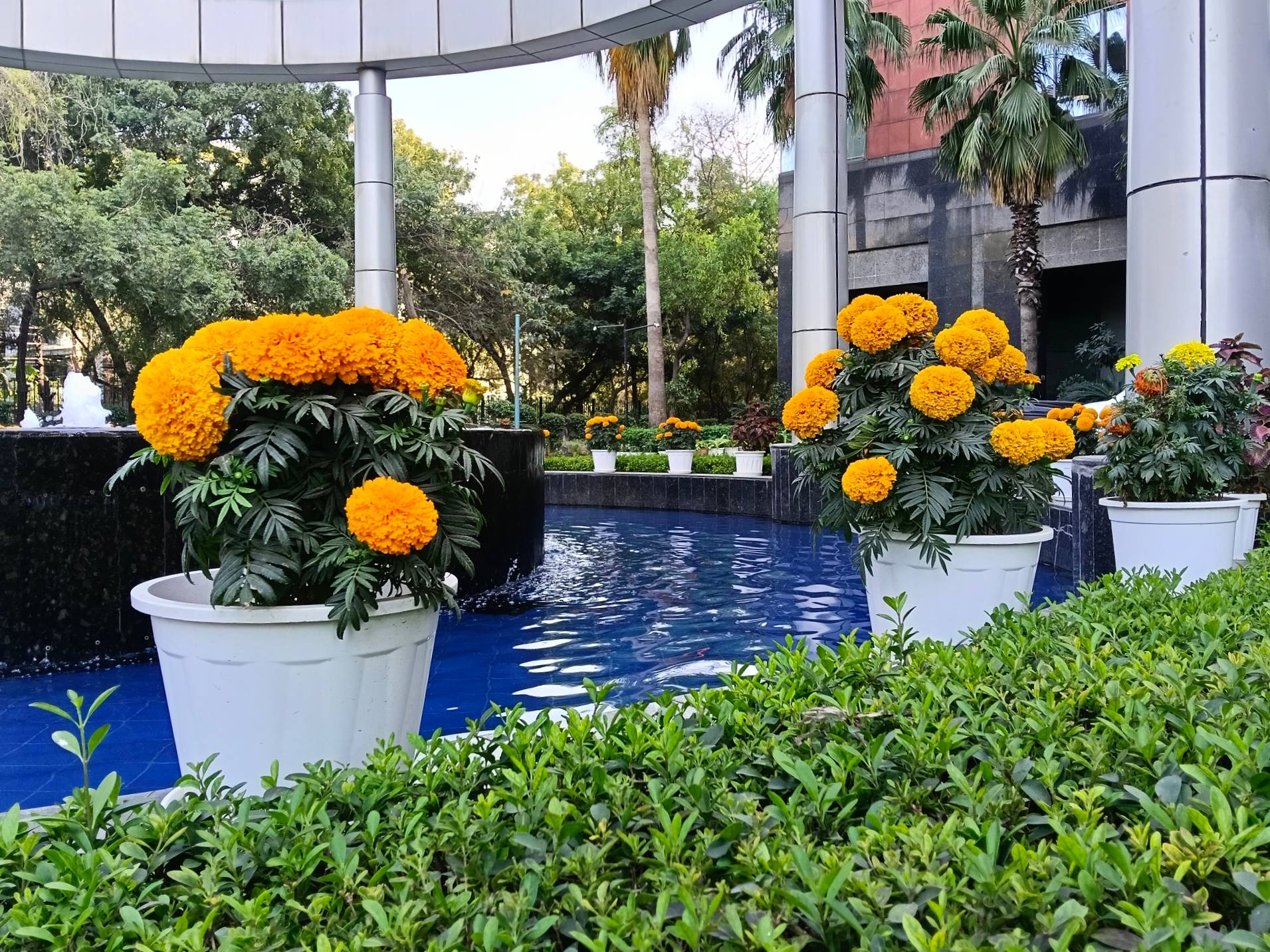

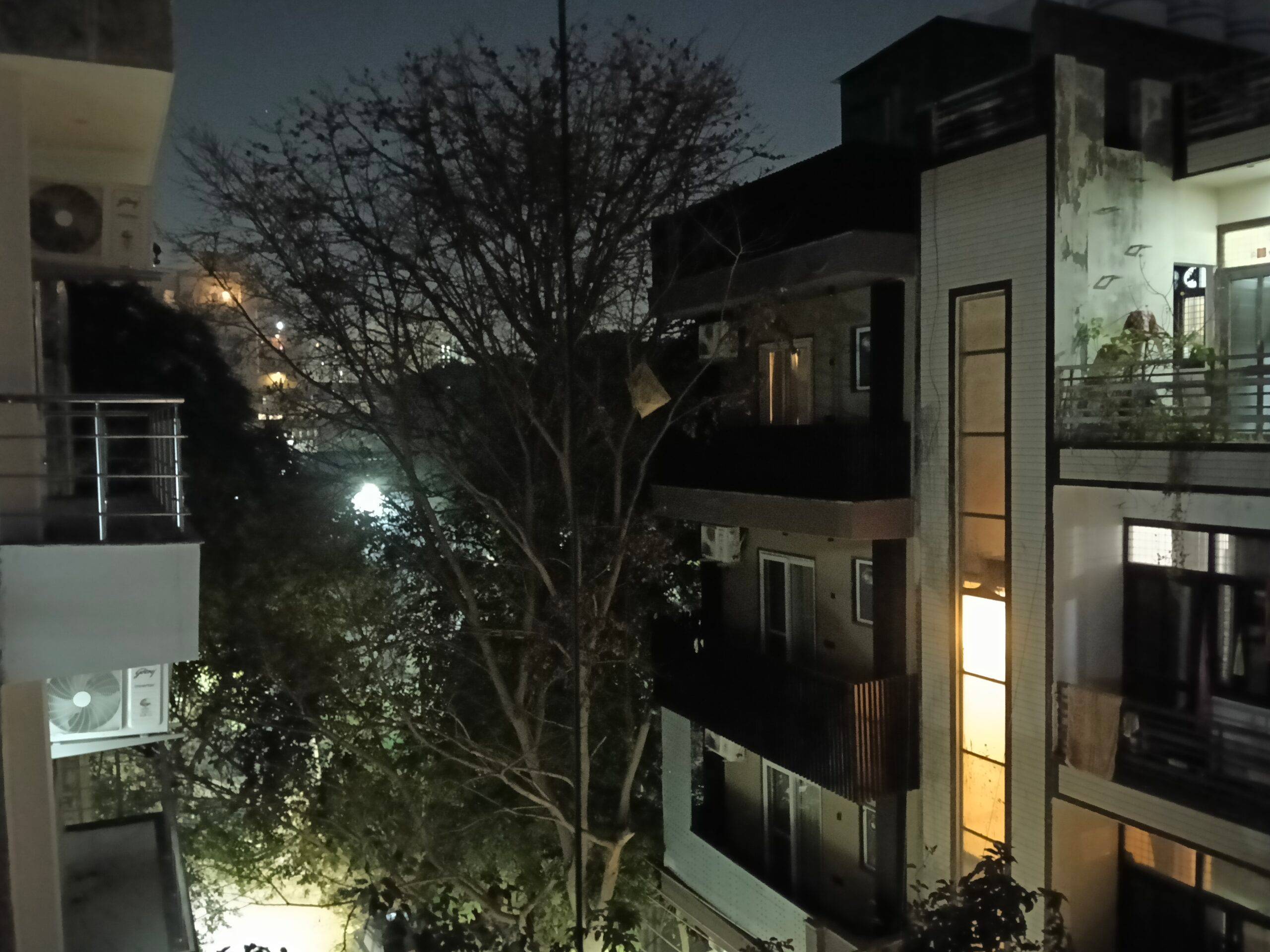


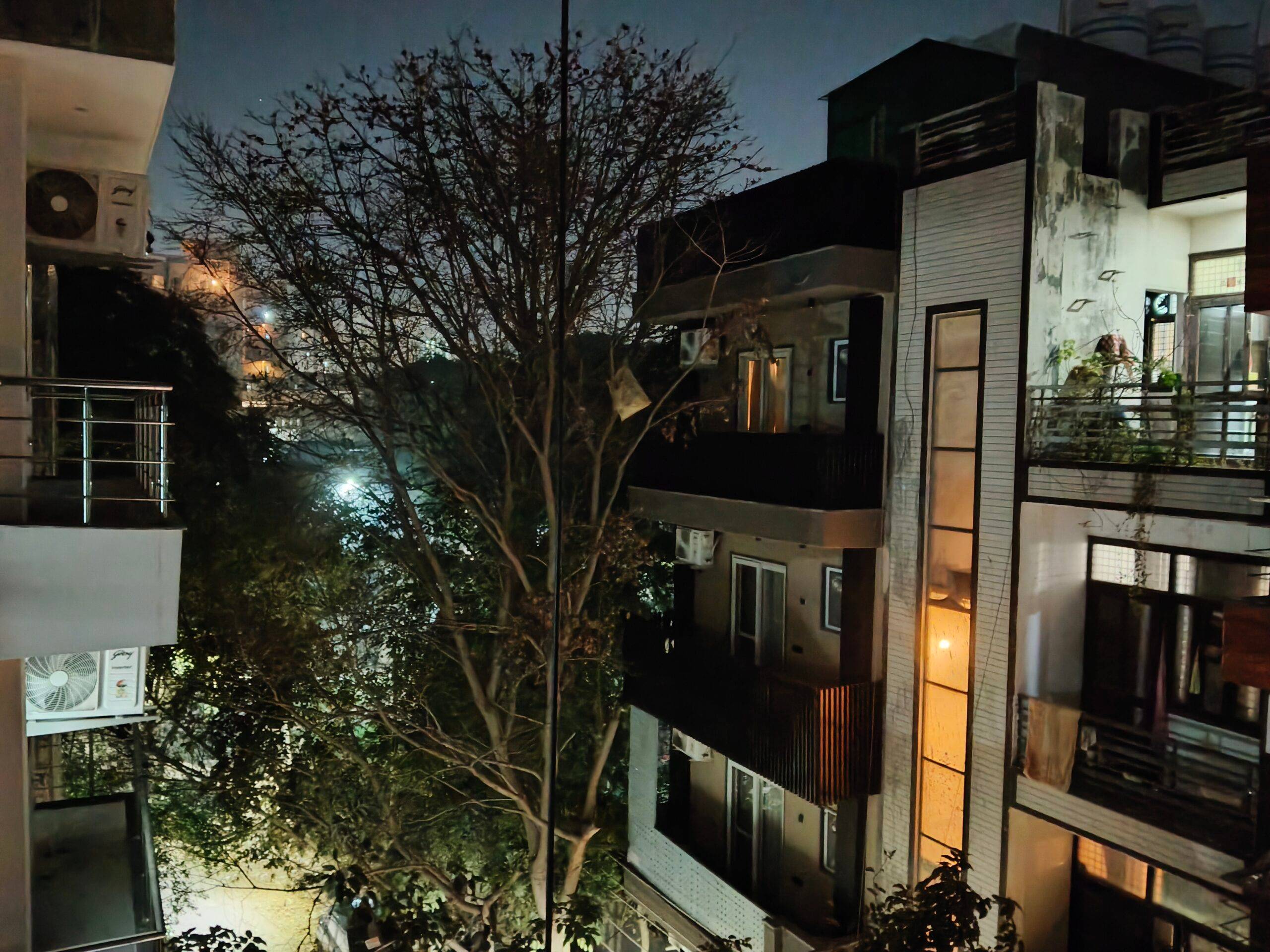
Selfie performance is where things start to slip. Faces are often overexposed, and fine detail breaks down when you zoom in. Low light performance is similarly lacking, with selfies coming out soft and noisy. Night mode on the rear camera is not much better; the shots lack sharpness, noise reduction is average, and the camera does not pull out as much detail from darker scenes as you would expect from a phone at this price point.
I compared the phone’s camera against a similarly priced rival, the Realme P4x (review). You can check it out below:
Daylight
In daylight, the Realme P4x and OPPO K14x take a pretty different approach to colour. The Realme goes for a warmer, punchier look with more saturated colours, while the OPPO keeps things cooler and brighter overall. In terms of detail and sharpness, the Realme P4x has a slight edge, with finer textures coming through more clearly. The OPPO, however, does a better job with dynamic range, as the sky stays well-exposed.


Portrait
In portrait mode, the Realme P4x gets the skin tone and colour accuracy right, with the subject looking natural and well-exposed. The OPPO K14x tends to overexpose the face slightly, making skin tones appear a bit lighter than they actually are. Edge detection is also a weak spot for the OPPO, with the bokeh bleeding into the subject in a few places, while the Realme keeps the separation clean.


Selfie
The Realme P4x takes a more realistic shot here, with better skin tone and shadow reproduction. The OPPO K14x overexposes the image due to the harsh outdoor lighting. The Realme P4x takes a clear lead here.


Nightmode
Night mode is where the Realme P4x pulls ahead quite comfortably. The image is brighter and better exposed, with the scene looking more natural and less harsh on the light sources. Detail and noise control are also noticeably better on the Realme, with the building textures and tree branches coming through much more clearly, while the OPPO’s shot looks softer and noisier overall. Colour realism is roughly on par, but the realme phone has a slight advantage.
Satisfactory performance for everyday use
The OPPO K14x is powered by the MediaTek Dimensity 6300 paired with up to 8GB of RAM and up to 128GB of storage. It handles casual, everyday use without issue; things like browsing, social media, and light multitasking all run smoothly. Push it harder, and the phone develops some microstutters and a general sense of sluggishness under load. For most general users, though, this will not be a dealbreaker.



Against other devices in the segment, the K14x does fall behind on benchmark numbers, particularly when compared to Dimensity 7300-powered options like the iQOO Z10x (review), Lava Play Ultra (review), and Realme P4x (review). That being said, those devices launched before the recent price increases hit the market, so direct comparisons may not be entirely fair going forward.
Gaming performance, however, is a pleasant surprise given the chipset. COD: Mobile and BGMI both run smoothly and deliver an enjoyable experience. Thermal management is also impressive, as the phone’s temperature rose less than 5 degrees over roughly an hour of gaming. So if casual competitive gaming is part of your daily routine, the K14x holds up well enough.
No Android 16 out of the box
The OPPO K14x ships with ColorOS 15 based on Android 15. For a phone launching in March 2026, this is a bit disappointing, as Android 16 is readily available. The device is still expected to receive Android 16, but starting with Android 15, the practical OS update window for anyone planning to use the phone long term is effectively shortened.
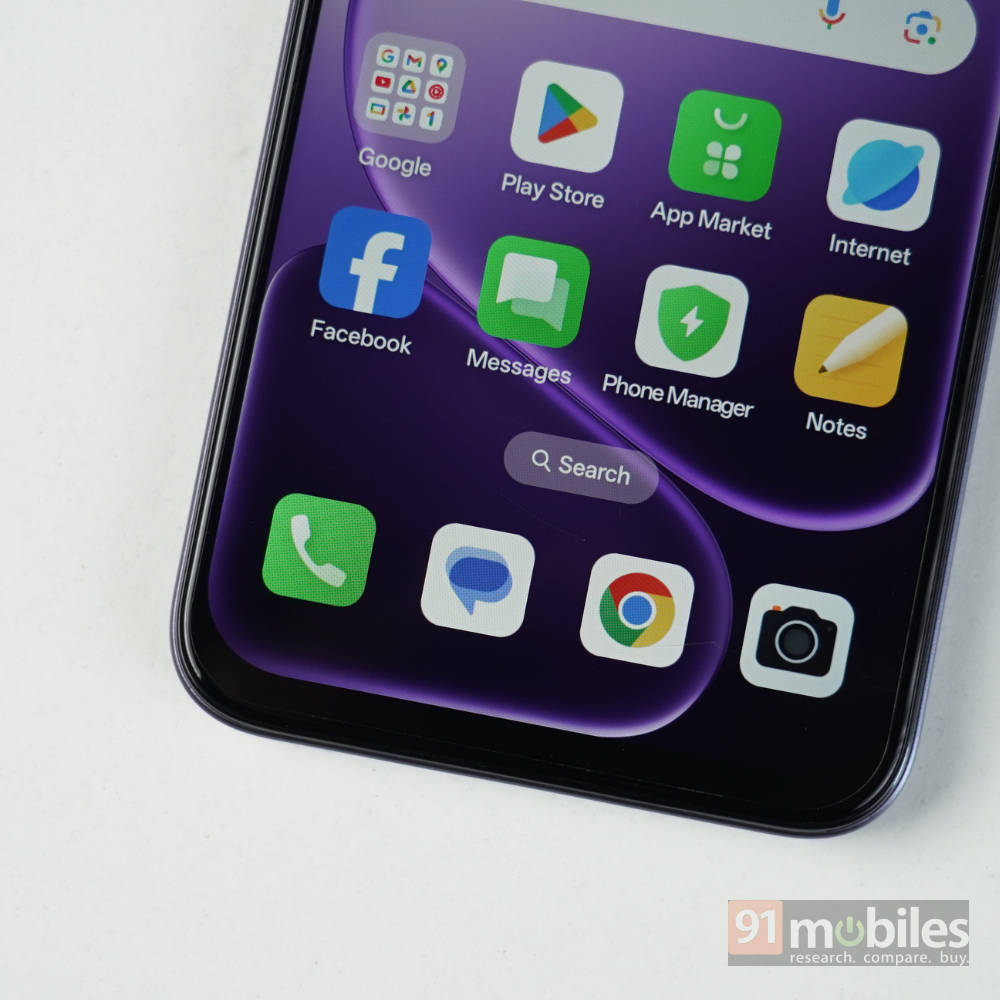
On the software side, ColorOS 15 runs smoothly and feels reasonably polished in everyday use, though the phone comes with several third-party apps and content suggestions out of the box. This is typical for the segment and helps keep pricing competitive, and most of these apps can be uninstalled if you prefer a lighter setup.
| Smartphone | Pre-Installed Apps | Software Support |
| OPPO K14x 5G | 65 | 2 Year OS Updates + 3 Year Security Updates |
| realme P4x | 58 | 2 Years OS Updates + 3 Years Security Updates |
| iQOO Z10x | 53 | 2 Years OS Updates + 3 Years Security Updates |
ColorOS 15 offers a decent level of customisation, but some of the newer features and deeper personalisation options found in ColorOS 16 are missing. Overall, the software experience is solid for day-to-day use, but the update situation may not appeal to buyers who prioritise long-term software support.
Great battery life and decent charging speed
The 6,500mAh battery is one of the main highlights of the OPPO K14x. For mixed usage patterns like a combination of browsing, social media, calls, and occasional video, the phone comfortably lasts a full day with a charge to spare. The lower-resolution display helps stretch battery life further, and with lighter usage, you can push it to two days. In my testing, I ended the average day with around 40 percent remaining.
| Smartphone | Battery Capacity | Charging Support | Charging time (20% to 100% ) |
| OPPO K14x 5G | 6500 mAh | 45W Super VOOC Charging | 1h 28m |
| realme P4x | 7000 mAh | 45W Super Charging | 1h 25m |
| iQOO Z10x | 6500 mAh | 44W Flash Charging | 1h 27m |
The bundled 45W charger takes around 88 minutes to charge the phone from 20 to 100 percent, which is on the slower side compared to some rivals in the segment. That said, given the strong battery life, most users will not need to charge more than once a day, and overnight charging works just fine.
Verdict
The OPPO K14x feels like a phone built around one core idea: give users a big battery and a big screen at a budget-friendly price. On that front, it does what it sets out to do. The 6,500mAh battery easily gets through a full day of use with plenty left over, and performance is perfectly fine for everyday stuff like social media, browsing, and a bit of gaming. Titles like COD: Mobile and BGMI run well, and the phone keeps its thermals in check, which is good to see in this segment.
Once you look beyond those strengths, though, the trade-offs become clearer. The HD+ LCD panel is okay, but it doesn’t look as sharp as the Full HD displays you can get from some rivals. The mono speaker drags down the content consumption experience, and the cameras are strictly average, especially when it comes to selfies and low light. On top of that, the phone launches with Android 15 in March 2026, which doesn’t inspire much confidence if you care about long-term software support.
Like many 2026 launches, the OPPO K14x sits roughly 20 percent higher than its predecessor while not really bringing much of an upgrade outside of the larger battery. At the same time, older Dimensity 7300-based phones like the iQOO Z10x, Lava Play Ultra, and Realme P4x still offer better overall performance, sharper displays, and stronger cameras, even if they arrived before the current round of price hikes.
If your priority is battery life and a phone that performs well in day-to-day use, the OPPO K14x will still work for you. But if you’re after a more rounded package, there are better options available at a similar price.
Editor’s Rating: 8.0/10
Reasons to buy:
- Subtle, classy rear design with a low-profile camera island and no table wobble
- 6,500mAh battery easily lasts a full day of use with charge to spare
- Handles everyday tasks smoothly and runs popular games fairly well
- Runs cool under stress, with good thermal management for the price
Reasons not to buy:
- HD+ LCD display looks softer than the Full HD panels some rivals offer
- Ships with Android 15 instead of Android 16, not ideal for long-term users
- Mono speaker makes the multimedia experience feel flat