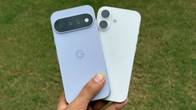
I’m writing this from Berlin, where I’ve spent the past week covering IFA 2026 with the iPhone 17 as my primary device. It felt like the right test for a phone I called the one most people should buy when I reviewed it last October. Eleven months and a lot of walking around convention halls later, most of what I liked back then still holds up. But there’s one number that’s started to get in the way of everything else: battery health.
The battery is finally showing its age
After 250 charge cycles, my iPhone 17’s battery health sits at 95 percent, and you can feel every bit of that five percent drop on a busy day. Mind you, I am very careful not to leave the iPhone on charge overnight and have all the relevant charging optimisations enabled. I also keep the max charging limit to around 90 or 95 percent instead of 100 percent. Those less conscious of this might find their battery health lower than mine after almost a year.
I brought the phone to Berlin specifically to shoot photos of the city and video of the showcases at IFA, expecting the same all-day stamina I got used to when the battery was still at 100 percent. Instead, by 3 or 4 pm, even after a full charge that morning, the phone would be running on fumes. I ended up carrying a power bank everywhere for the second half of each day, something I never had to do with this phone in its first few months.
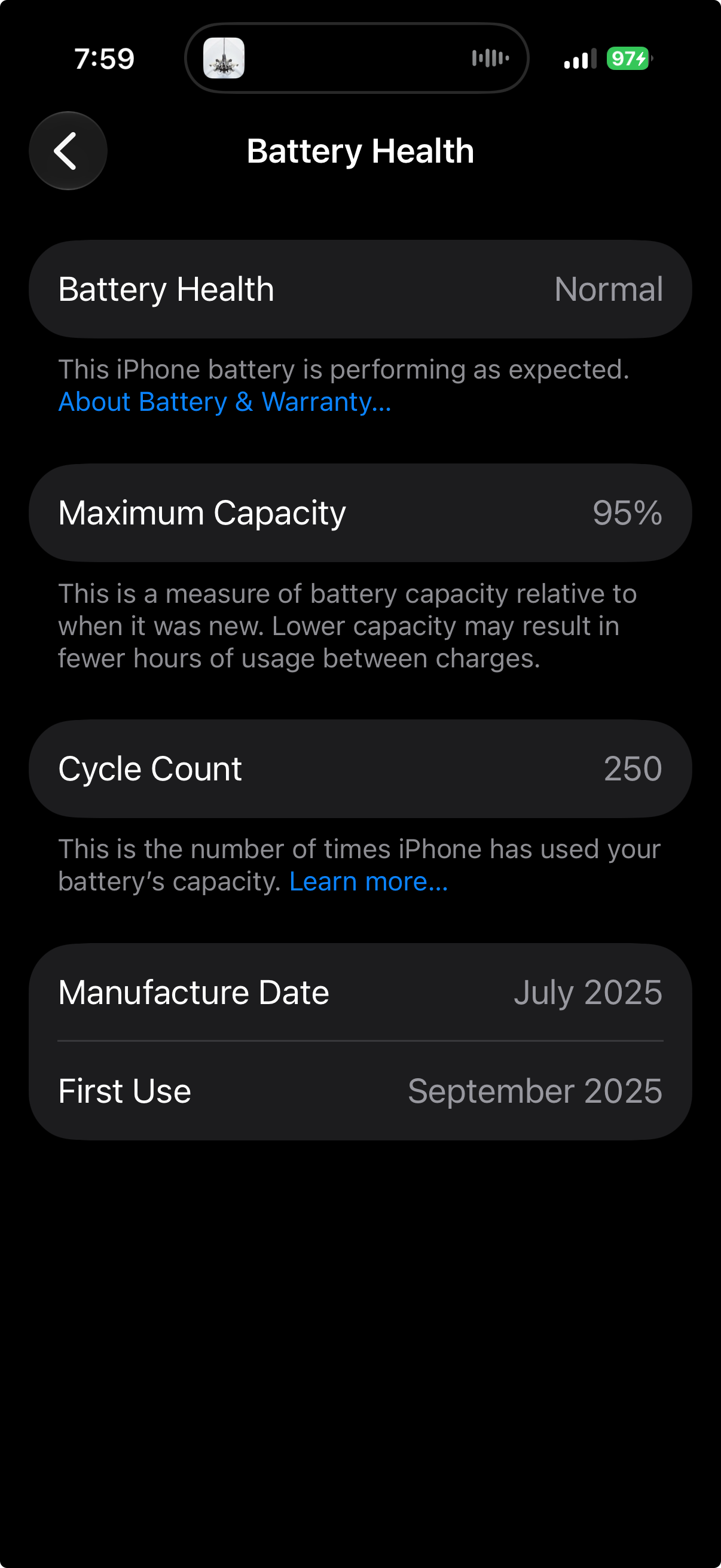
To be fair, a 3,692mAh cell was never going to blow anyone away next to the 5,000mAh-plus batteries on most Android flagships, and I said as much in my original review. What’s changed isn’t the ceiling; it’s how quickly you hit it once the battery has been through the wear of a year’s worth of charging. If there’s one thing Apple needs to sort out before the iPhone 18 arrives, it’s this: either give the base model more battery capacity to begin with by switching to a higher-density silicon-carbonbattery tech, or do more to slow down how visibly performance degrades as the battery ages.
Performance hasn’t dropped an inch
The one thing that hasn’t let me down is speed. The A19 chip in my iPhone 17 performs exactly as well today as it did when I first reviewed it, with no lag, no stutter, and no sign of the phone slowing down the way iPhones have occasionally been accused of doing right before a new model launches. That urban legend simply hasn’t played out here.
The cameras and the size still make sense for a trip like this
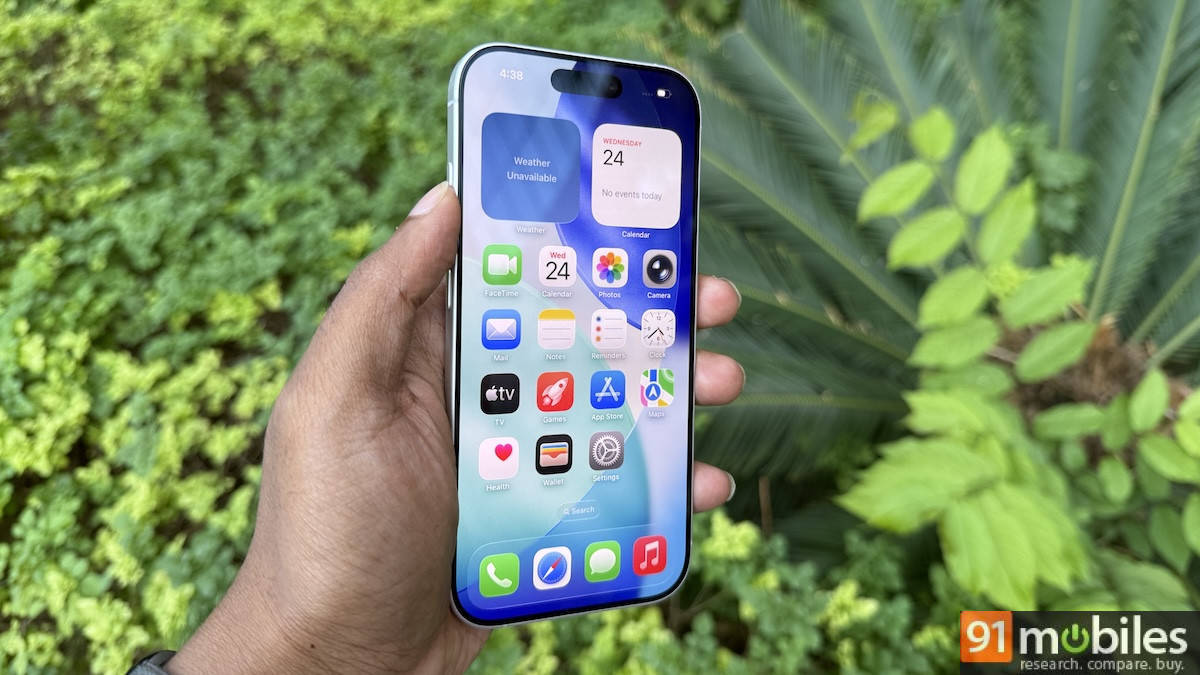
I deliberately packed the iPhone 17 for this trip instead of the Pro or Pro Max, and a year on, I’d make the same call again. The compact form factor is what sold me on this phone in the first place, and it’s exactly what I wanted for long days on foot around Berlin and the IFA show floor: quick to pull out of a pocket, easy to shoot one-handed, and light enough that it never felt like a burden after hours of walking.
Video is still where this phone earns its keep for me, and it handled everything I needed at IFA without hesitation. Stills and portraits are respectable too, and while the Pro models do pull ahead here, it’s not a gap I found myself thinking about while I was actually out shooting. For someone who wanted a capable, pocketable everyday phone rather than a telephoto lens, the iPhone 17 still does the job.
Apple should take its time with the iPhone 18
If performance were the concern, I’d say Apple has every reason to slow down. But performance isn’t the problem here; battery longevity is. A phone that felt like an easy all-day companion at launch now needs a power bank as backup by the afternoon, and that’s the kind of wear that becomes more noticeable, not less, the longer you hold onto a device Apple already expects people to keep for years. If Apple wants buyers to feel comfortable skipping a generation or two, as it clearly does with a seven-plus year software support window, it needs battery longevity to match. Get that right, and the iPhone 18 can afford to be an iterative upgrade. Leave it as is, and a five percent battery health hit twelve months in is starting to feel like the more urgent fix than anything on Apple’s usual spec sheet.