When you think of premium desktop audio, Klipsch is a brand that commands immediate respect. With over 80 years of audio mastery, their legacy is undisputed. First introduced in 1999, the original Klipsch ProMedia 2.1 garnered a massive cult following, becoming one of the most praised and best-selling desktop speaker systems of all time.
Let me start by sharing a personal story. I picked up the classic Klipsch ProMedia 2.1 back in 2015. One of the first movies I watched with friends using those speakers was Whiplash. Many of them remarked that the audio from these tiny 2.1 speakers rivalled a full theatrical experience. Now, we have the newly redesigned Klipsch ProMedia Lumina in India, priced at an MOP of Rs 46,800. This makes them a decidedly premium pair of desktop speakers.
I’ve been using these for about three weeks now, and while I absolutely love the sound output and can confidently say they recreate that same theatrical magic I experienced in 2015, there are a few caveats I wish Klipsch had addressed. Are they worth the premium price tag? Let’s dive in.
Table of Contents
Build and Design
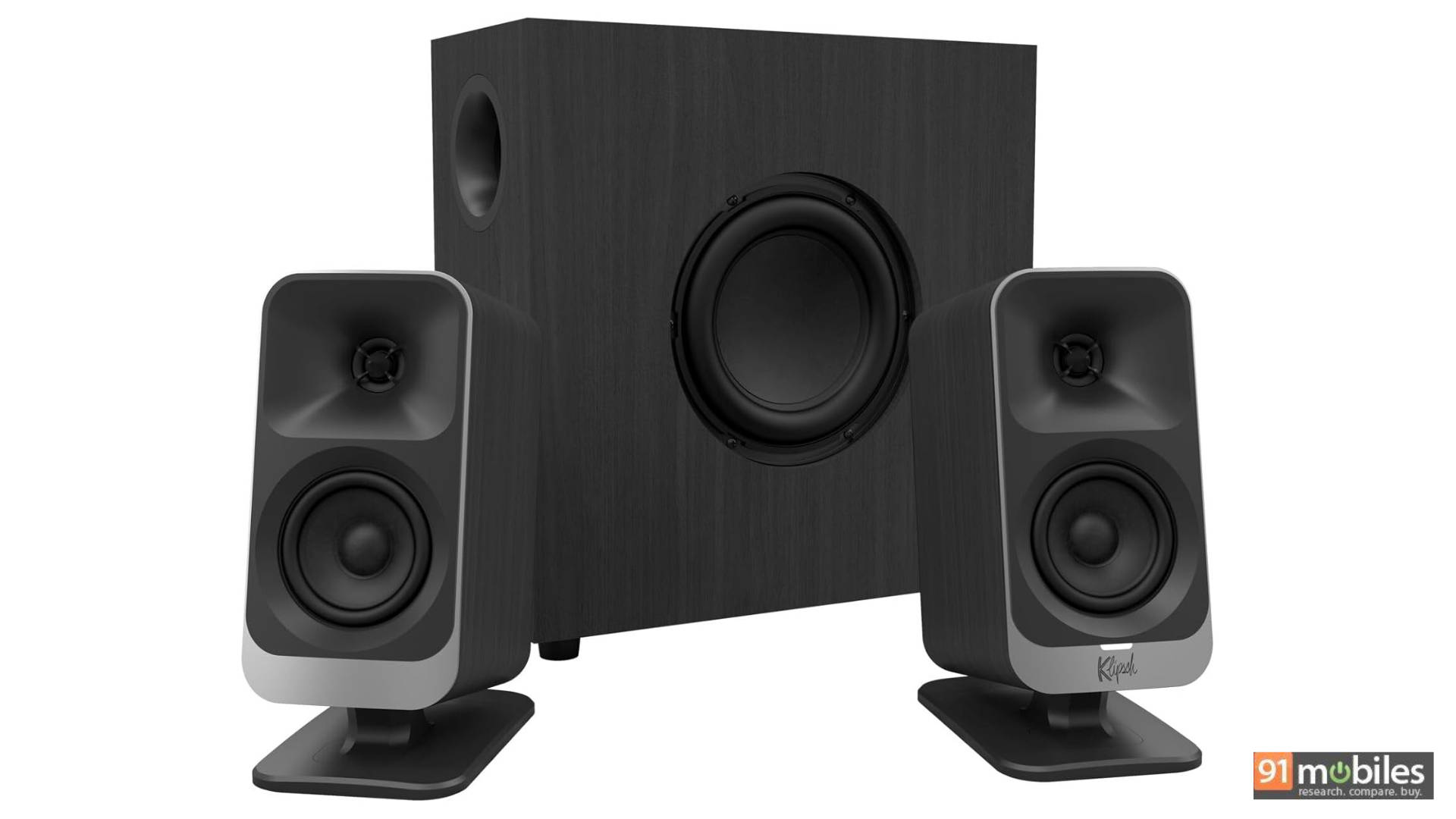
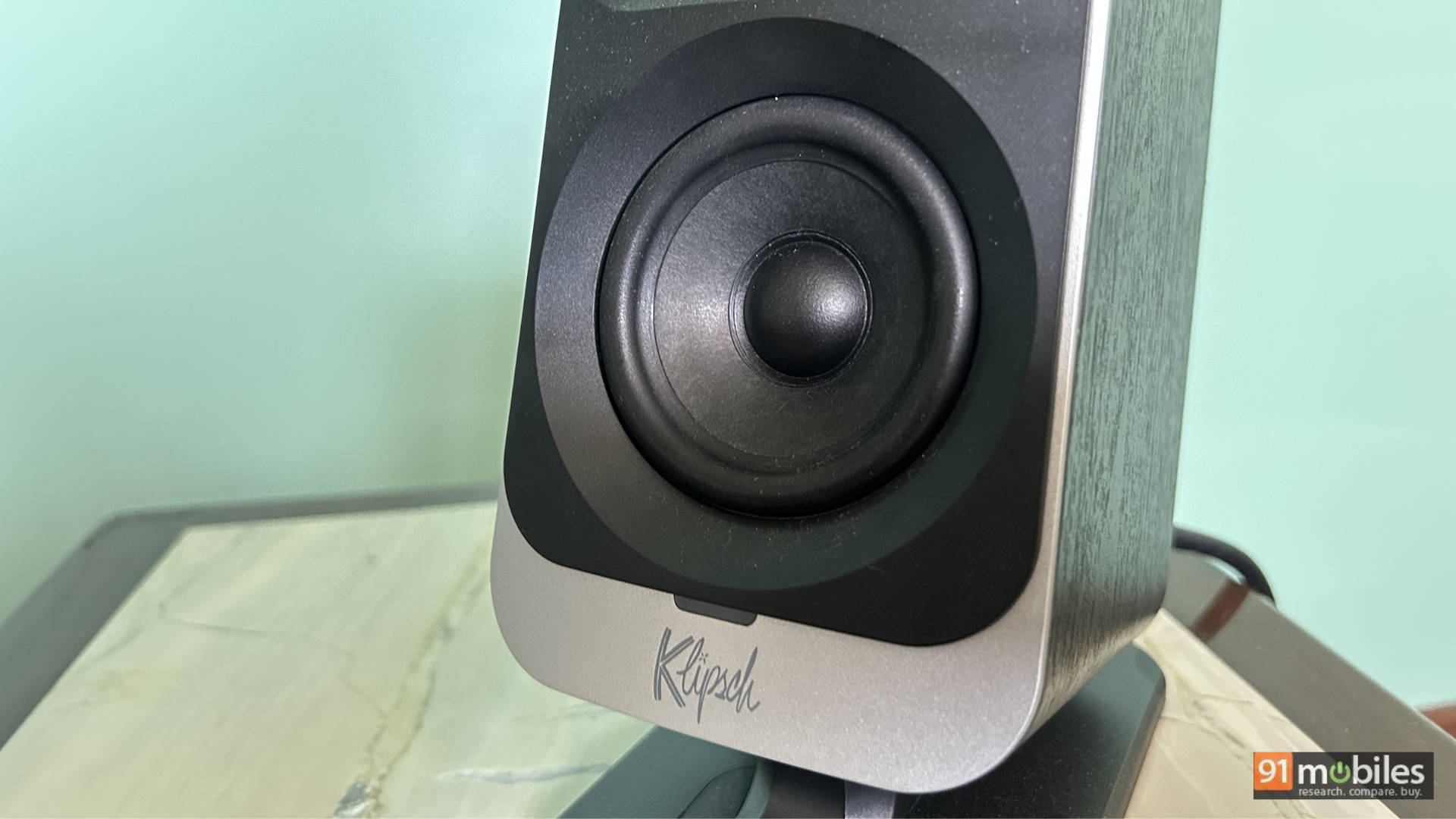
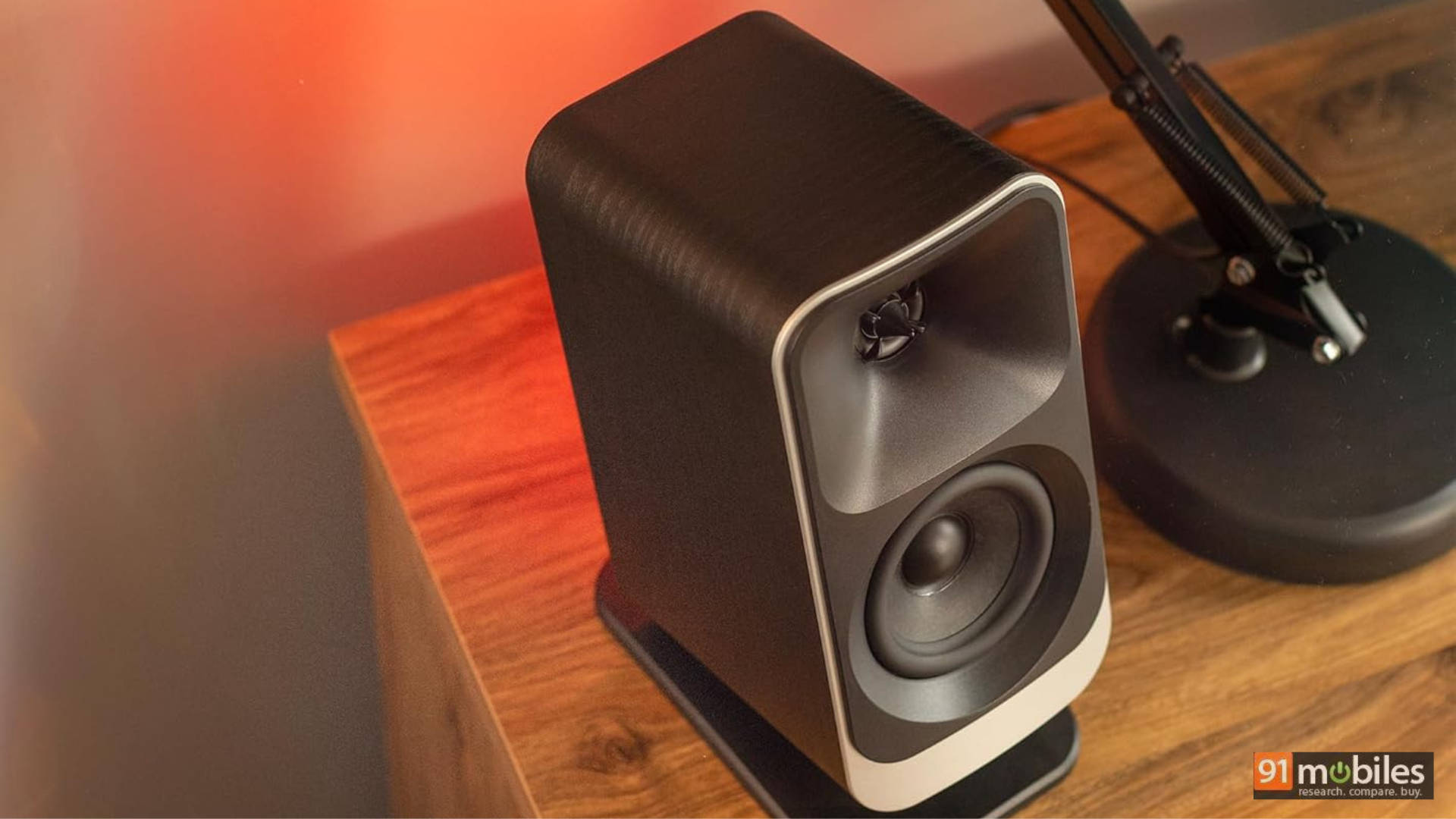
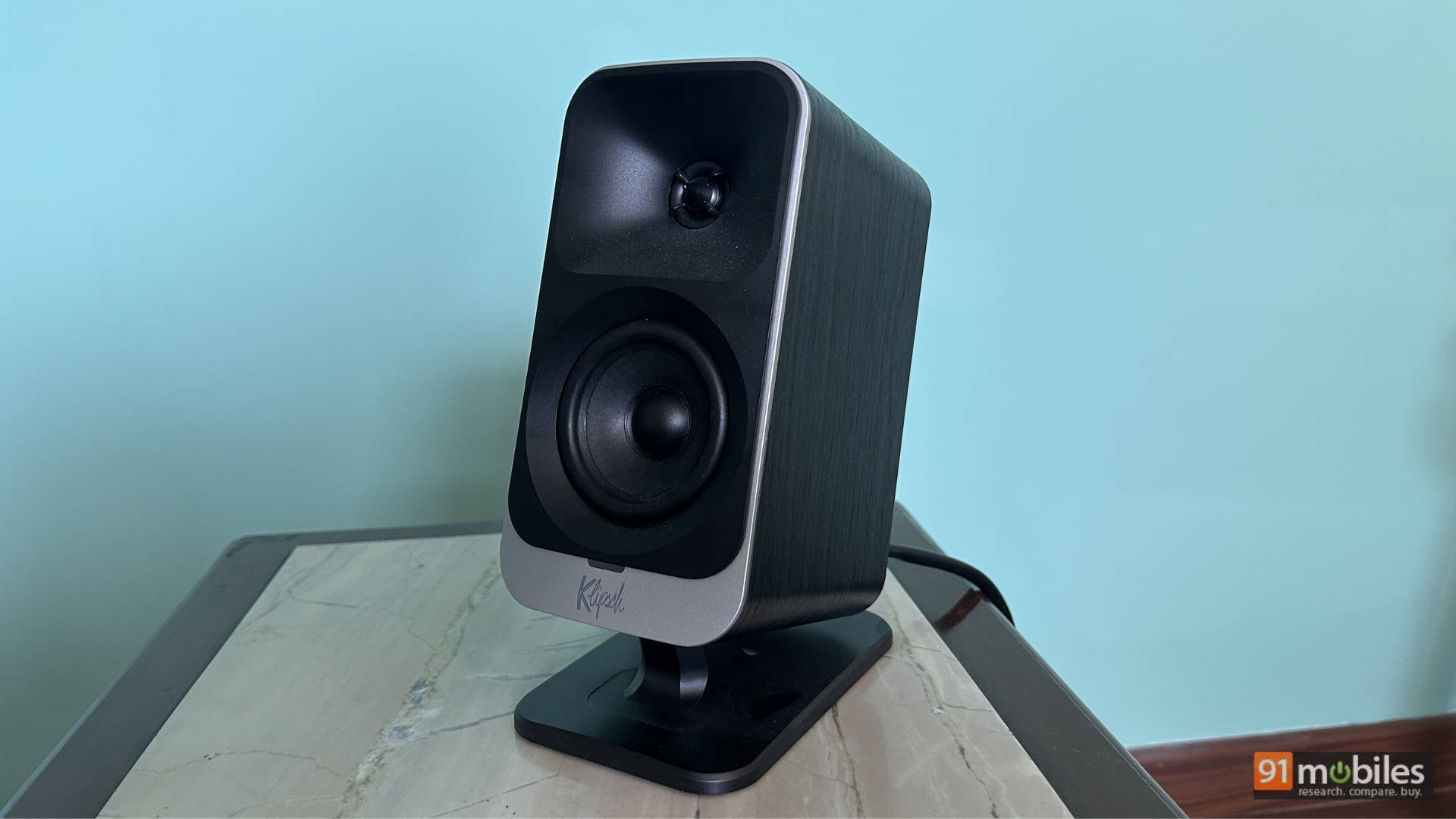
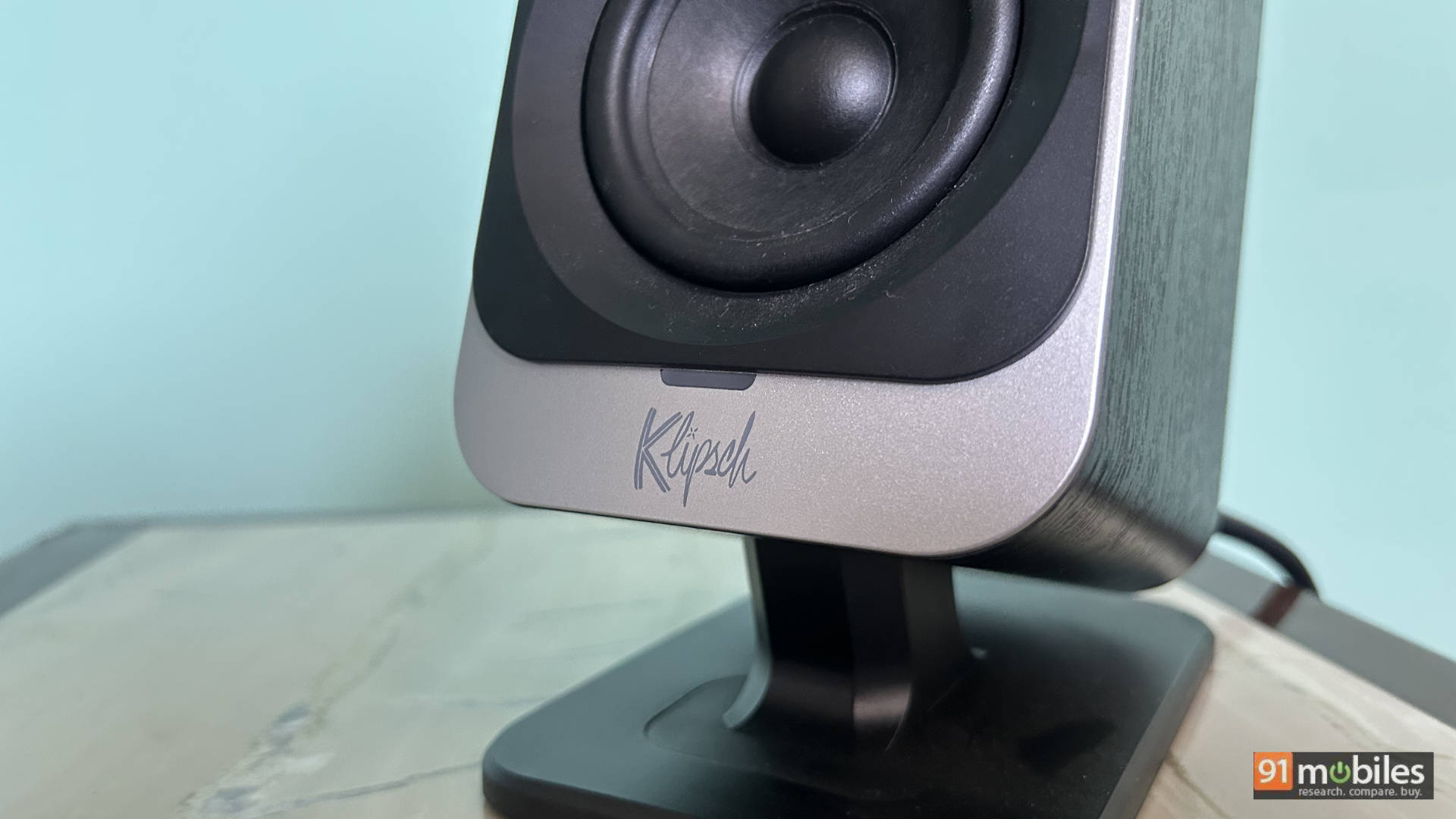
“Premium” is the first word that comes to mind when you look at this system. Starting with the satellite speakers, the dedicated left and right units are thoughtfully placed on tiltable stands (adjustable from 0-18 degrees), angling them upwards to give you a better near-field listening experience on a desk. They are larger than their predecessor, measuring 9.75 x 6.5 x 4 inches, and feature a really premium woodgrain finish on the sealed ABS cabinets.
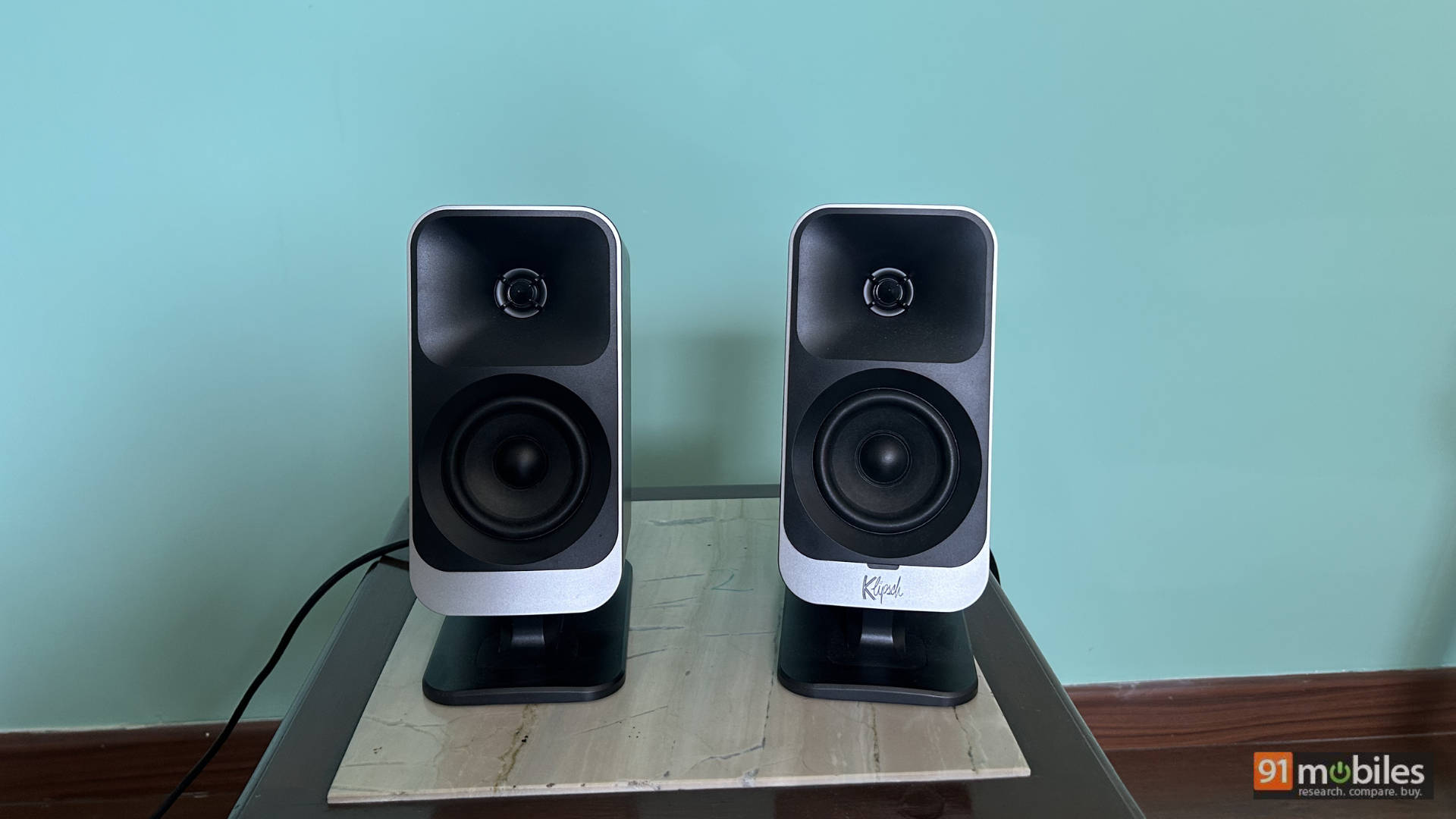
The front showcases the exposed drivers, specifically a 1-inch Mylar tweeter mated to Klipsch’s signature Microtractrix horn, and a 3-inch midrange driver. While they look fantastic naked, I do miss the protective grilles that came with the predecessor. Exposed drivers are a bold choice, but in a dusty environment like India, some protection would be ideal.
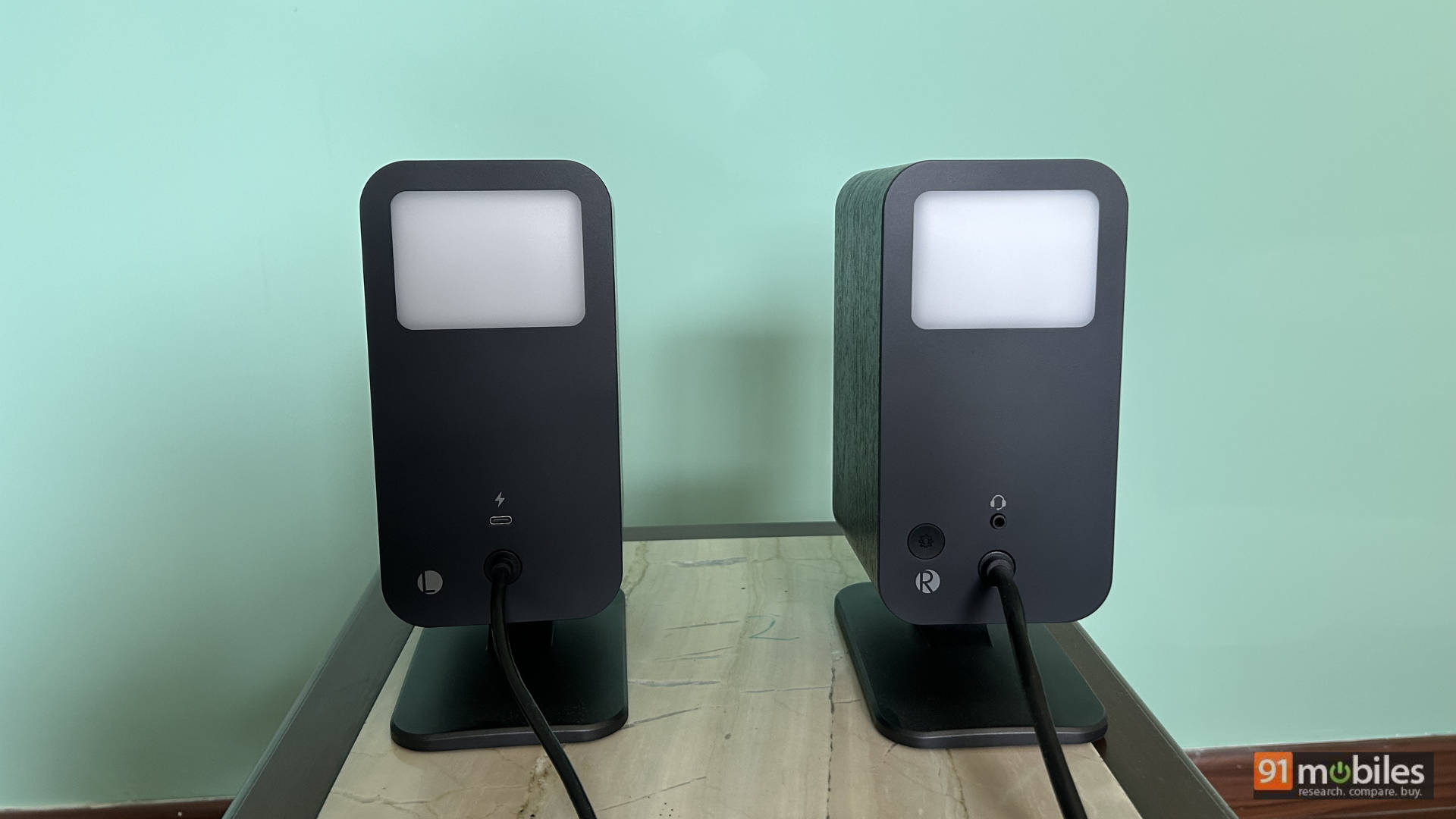
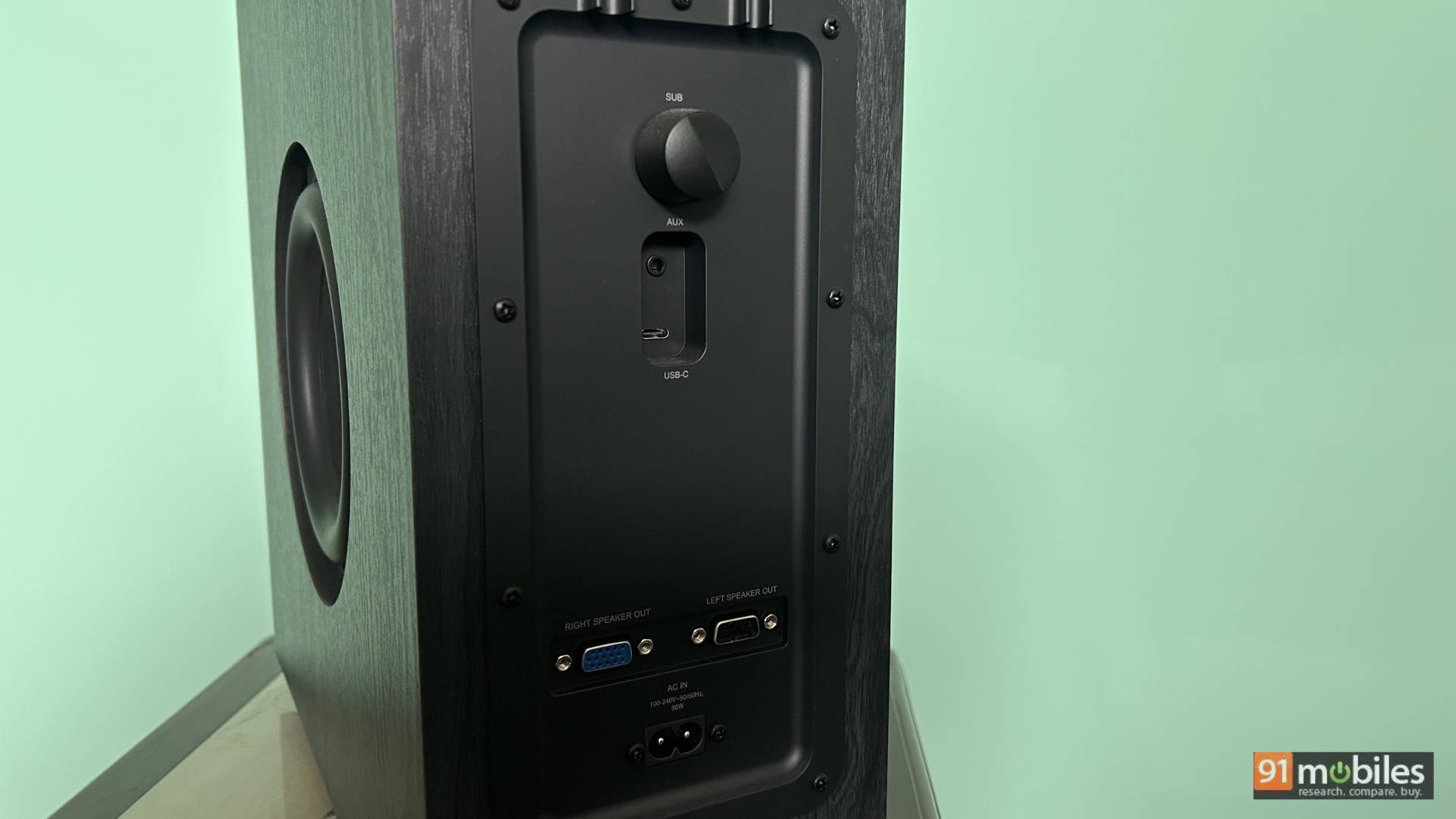
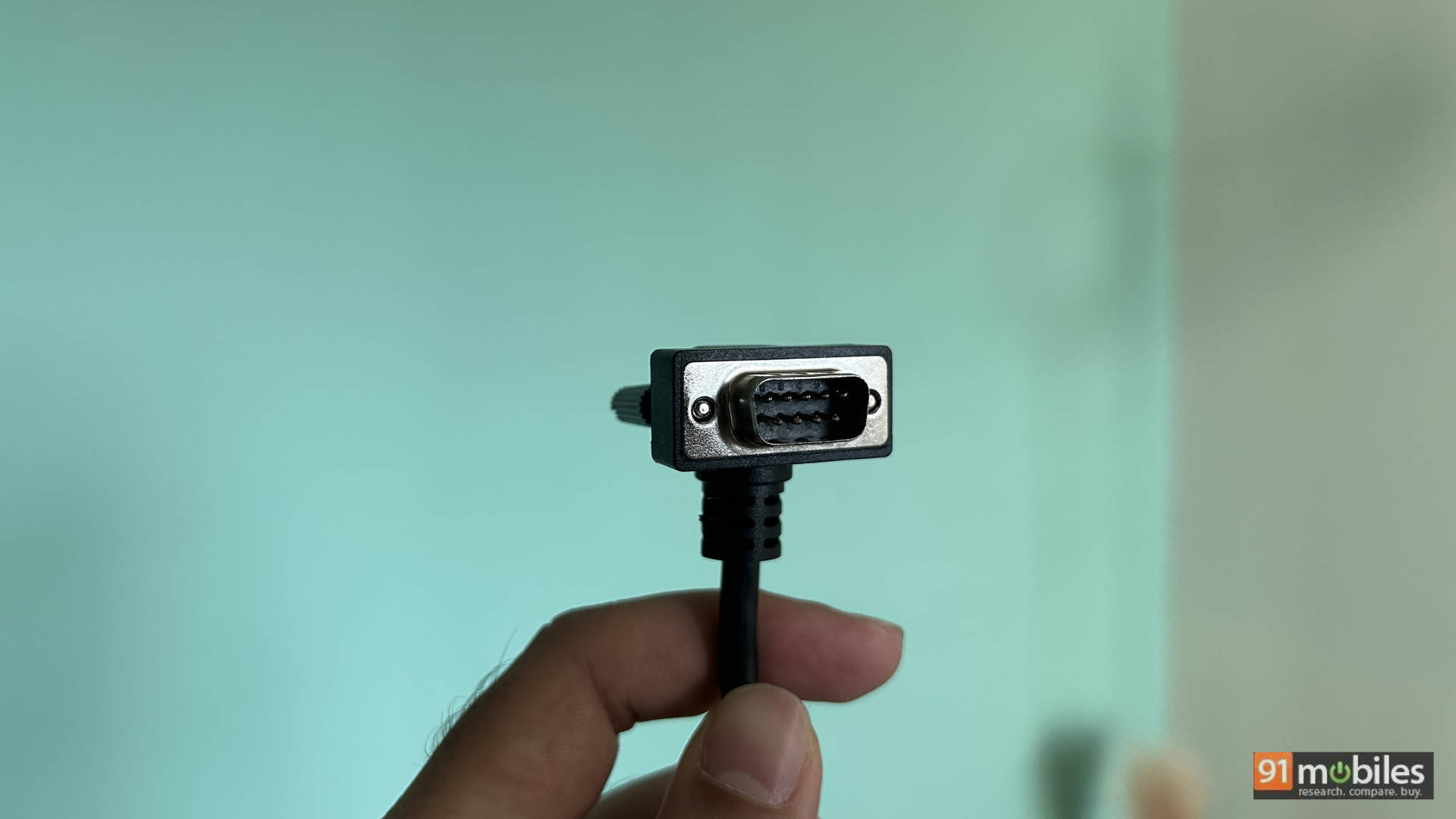
Each speaker has a thick, premium cable that routes to the subwoofer. However, my biggest gripe here is the connection type: they terminate in a traditional VGA-like pinned connector. If a pin bends, you can’t just swap in standard speaker wire; you will need to reach out to Klipsch for repairs.
The right satellite is the main control hub. The front houses an LED indicator that changes based on your input source. The top features volume buttons and a multi-function button. The back includes a source/utility button and a 3.5mm headphone pass-through port, while the back of the left speaker houses a USB-C port that provides 5V/2A (10W) reverse charging for your phone.
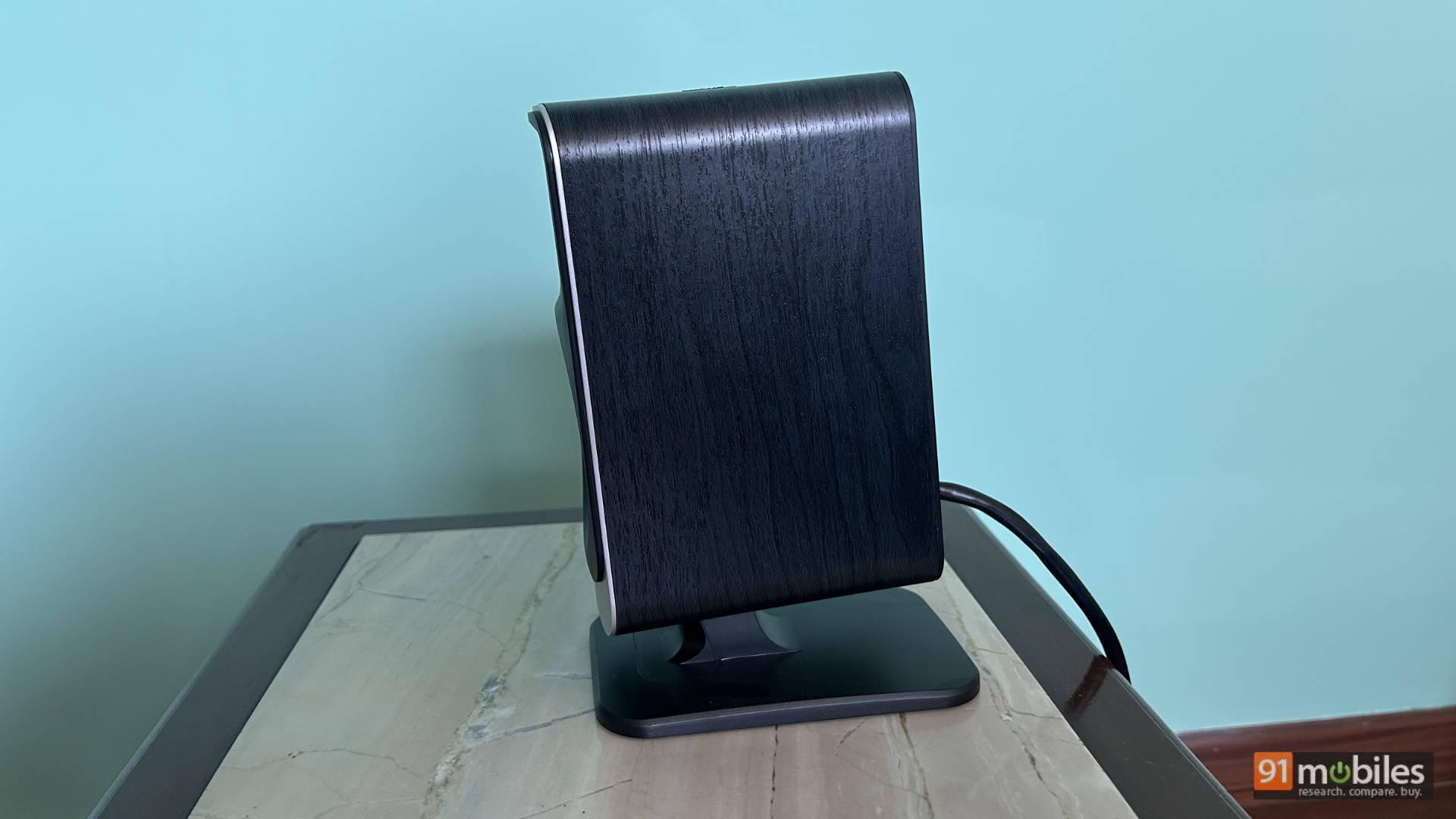
Overall, the satellite design is premium enough to draw attention, yet subtle enough to blend into modern setups. I paired them with the BenQ EX271UZ QD-OLED monitor for this review, and they perfectly complemented the screen on my desk.
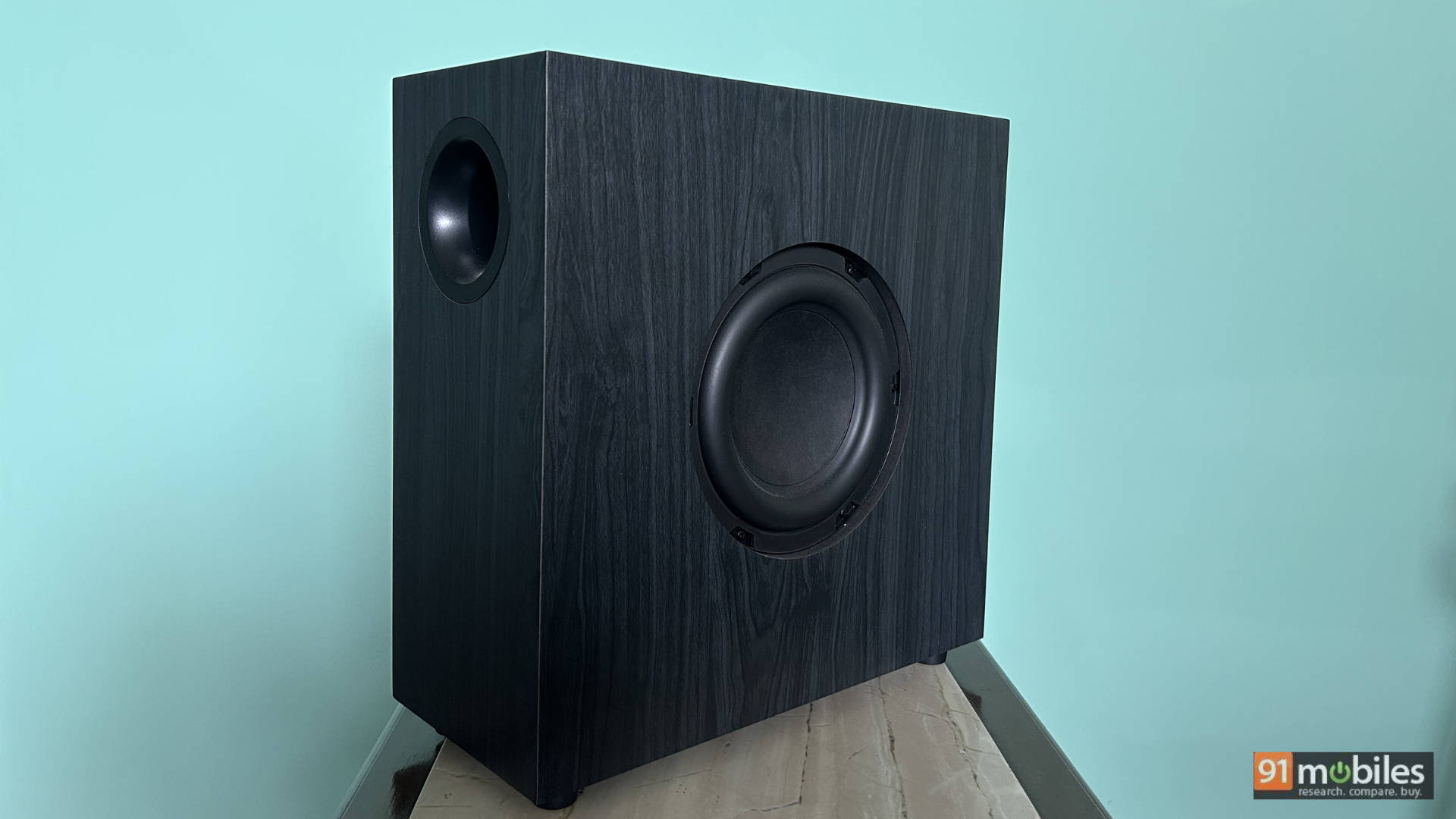
Moving to the subwoofer, it has a surprisingly small footprint, measuring 14 x 6 x 13.8 inches. This slim, tube-ported MDF enclosure houses a 6.5-inch side-firing woofer. All connectivity options sit on the back of the sub, including a 3.5mm Aux input and a USB-C audio input, alongside a dedicated subwoofer gain controller. My only nitpick? The absence of an HDMI eARC port. The speakers sound so incredibly good that I’m constantly tempted to hook them up to my living room TV.
App Controls
While you can manage the basics with physical buttons, the Klipsch Control app (available on iOS, Android, and Windows) provides a much fuller experience. Once paired via Bluetooth 5.3, you can power the speakers on/off and control volume, inputs, a custom 6-band equaliser, sound profiles, Night Mode (which halves bass output for late-night listening), subwoofer gain, and the LED backlighting. The app is robust, and I found myself using it frequently to tweak settings even when the physical buttons were within arm’s reach.
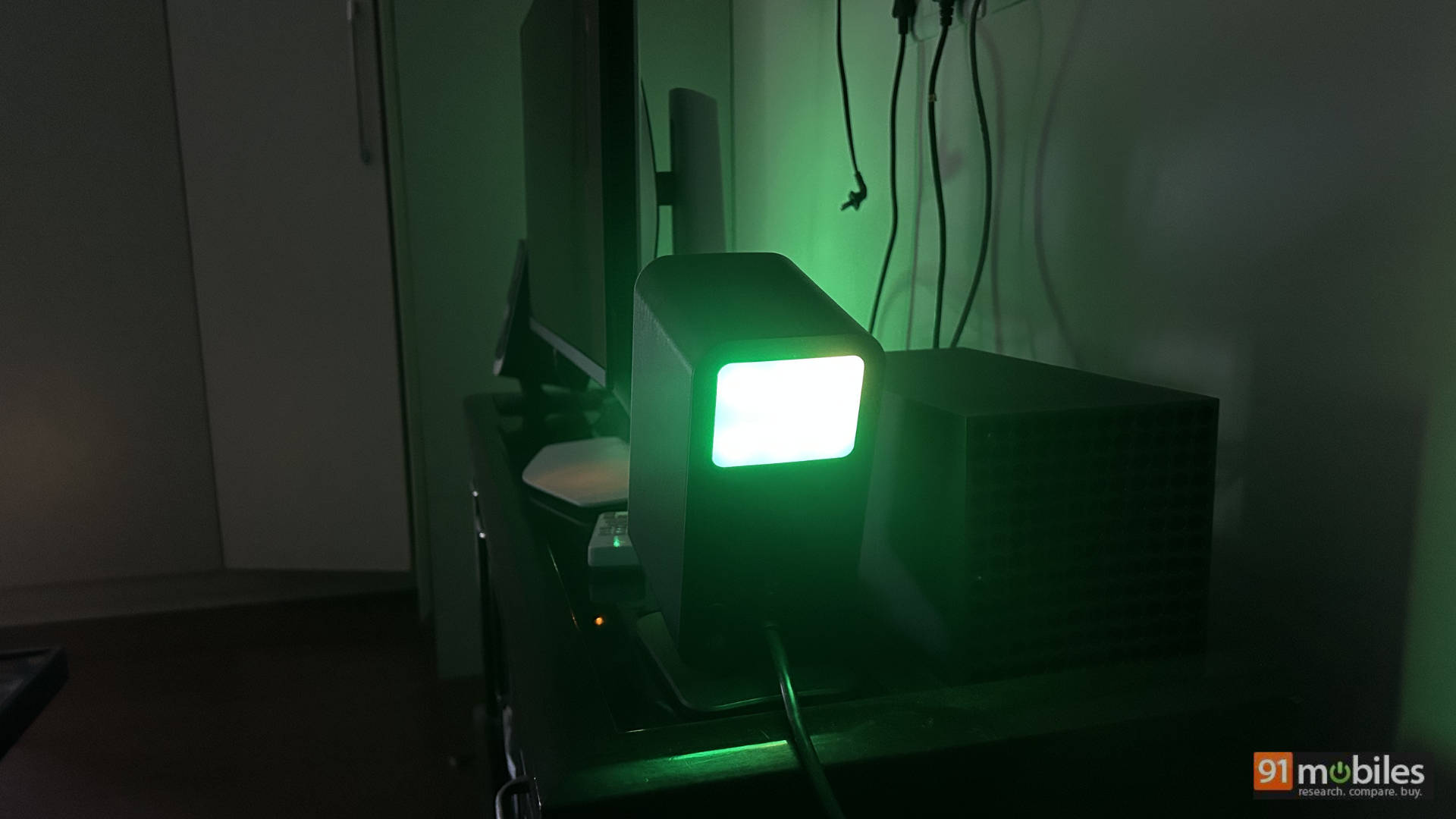
The “Lumina” in the name comes from the rear LED lights, and they put on a spectacular show when the room lights go down. In my setup, the speakers sat about 10–12 inches from the wall, casting a beautifully diffused glow. Each speaker has six integrated LEDs, and you can cycle through various modes: rainbow, breathe, static, aurora, and music react (which pulses to the beat). You can tweak both the colour and brightness. Since most modern desktop setups feature some form of RGB lighting, it’s great to see a premium speaker seamlessly complement that aesthetic. And yes, if you prefer a cleaner, stealthier look, you can turn the LEDs off entirely.
Performance
Here’s the short version: if you want desktop speakers that deliver sublime sound, crisp vocal clarity, punchy bass, and immersive details, buy these. Backed by a built-in 100-watt RMS amplifier and pushing a max output of 98dB SPL, they have plenty of power to fill a room.
Let’s start with gaming. I played my standard suite of test titles – Marvel’s Spider-Man 2, Cronos: The New Dawn, Dirt 5, Gran Turismo 7, Ratchet & Clank: Rift Apart, Doom: The Dark Ages, Ori and the Will of the Wisps, and Gears 5. The level of detail across the board was stunning. From the aggressive grunt of car engines in Dirt 5 to the orchestral swells in GT7’s Music Rally mode, the audio separation was stellar. In Doom: The Dark Ages, the heavy metal tracks and the punchy reports of each gun were immersively satisfying, while the emotional, sweeping background score in Ori sounded rich and full-bodied.
Switching to music, I primarily streamed via Bluetooth. Interestingly, the maximum volume over Bluetooth felt noticeably louder than when playing content from a console connected to the monitor—not a complaint, just a quirk worth noting. Be aware that Bluetooth streaming is limited to the SBC codec, but despite that, the output is rich across a wide variety of genres. Whether it was nursery rhymes for my kids, tracks from Dhurandhar, the electronic thumps of Daft Punk, the pop-funk of Bruno Mars, or classical arrangements, the Lumina handled it all beautifully. I kept the EQ on the ‘Flat’ preset for most of my testing, occasionally tweaking the subwoofer gain to taste. The vocals remain incredibly crisp (thanks to that horn-loaded tweeter), the backing tracks are stellar, and the overall soundstage is highly engaging. The frequency response is rated at 40Hz-20kHz, though the sub-bass around 40Hz is a little weak; however, the mid-bass punch from the 6.5-inch woofer more than makes up for it in desktop scenarios.
For movies, the stereo imaging and channel separation are top-tier. In Ready Player One, during the chaotic race at the 11-minute mark, there is action everywhere: coins flying, cars smashing, and the two leads talking over the chaos. The Lumina kept the channels distinctly separated and the dialogue perfectly intelligible. This precise imaging carried over to the chaotic final dogfight in Top Gun: Maverick, as well as tension-heavy films like A Quiet Place, where subtle sound design and spatial audio cues are critical.
Verdict
Priced right around Rs 46,800, the Klipsch ProMedia Lumina system is strictly targeted at users who want elite audio to complement a high-end gaming or entertainment desk setup. The sound output is in a class of its own, and the build quality feels undeniably premium.
I do wish the satellites included protective grilles for the drivers, and the reliance on proprietary VGA-style pins for the speaker wire is a frustrating choice for long-term repairability. However, the slim-profile subwoofer packs a massive punch without eating up legroom, and the customizable RGB lighting is a great modern touch. It is incredibly easy to recommend the ProMedia Lumina to anyone serious about upgrading their desktop audio experience.
Editor’s Rating: 9.4 / 10
Pros:
- Sublime Audio Quality
- Premium Build & Design
- Robust App Integration
- Customizable RGB Lighting
- Compact Subwoofer
Cons:
- Proprietary Cables
- Basic Bluetooth Codec