Review Summary
Expert Rating
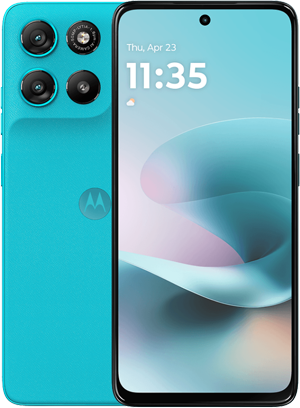
The Moto G67 Power was recently introduced in the Indian market at Rs 15,999 for the sole 8+128GB storage option. Aimed at an audience seeking long battery endurance, the G67 Power stands out as one of the few phones with a 7,000mAh battery. It also distinguishes itself in the segment by having a textured vegan leather rear panel. Taking performance and camera cues from the Moto G96 and G86 Power, respectively, the G67 Power is one of the most affordable Motorola phones released this year after the Moto G06 Power.
Having used the Moto G67 Power for over a week, I’ve shared my experience of using the handset in this detailed review, which included rigorous testing of battery life, day-to-day performance, gaming capabilities, and cameras.
Table of Contents
Quick verdict
The Moto G67 Power delivers exceptional battery life, easily lasting a full day with heavy usage and gaming. While the phone feels heavy to hold, the textured vegan leather rear panel enhances comfort during extended use. For regular use, the phone can offer sufficient performance. However, others in the range come with slightly more powerful chipsets, slimmer bezels, and AMOLED displays for poppy visuals and deep blacks. Similarly, one Android upgrade on G67 Power could be a letdown for some.
A massive battery that doesn’t disappoint at all
The Moto G67 Power fairly justifies the “Power” word in its name. With a 7,000mAh silicon-carbon battery on board, the device’s battery endurance is nothing short of impressive. During my usage of the phone for around a week, I recorded the battery life stats for each battery cycle, and here are the results:
| Moto G67 Power (7,000mAh) | Battery usage (%) | Total screen time (approx.) |
| Battery cycle 1 | 24 hours (100 to 5%) | 9 hours 45 mins |
| Battery cycle 2 | 2 days (100 to 32%) | 7 hours |
| Battery cycle 3 | 1 day 21 hours (100 to 2%) | 11 hours 30 mins |
Note:- Screen time is calculated by combining the app usage time for each cycle from the Digital Wellbeing app.
During the first battery cycle, I played Call of Duty: Mobile for around 1.5 hours on 90FPS, camera usage for half an hour, Instagram scrolling for 48 minutes, hours of Spotify streaming in the background, an hour of web browsing, 30 minutes of playing Brawl Stars and Clash Royale, and other daily apps. The phone was used partially on WiFi and 5G data, with location and Bluetooth enabled throughout.
For the next battery run, I used the phone moderately and mostly on WiFi. No games were run, and the app usage was also minimal. Since the phone was kept idle for the most part, the idle drain dip was at a bare minimum, which is worth appreciating. At the end of two days since the last charge, 32 percent battery was still left in the tank.
In the third charge cycle, which also lasted close to two days, I watched around 4.5 hours of YouTube content, played games and watched a movie on JioHotstar for around 40 minutes each, scrolled Instagram for 1.5 hours, streamed music on Spotify, and played the same games mentioned above for 30 minutes or so.
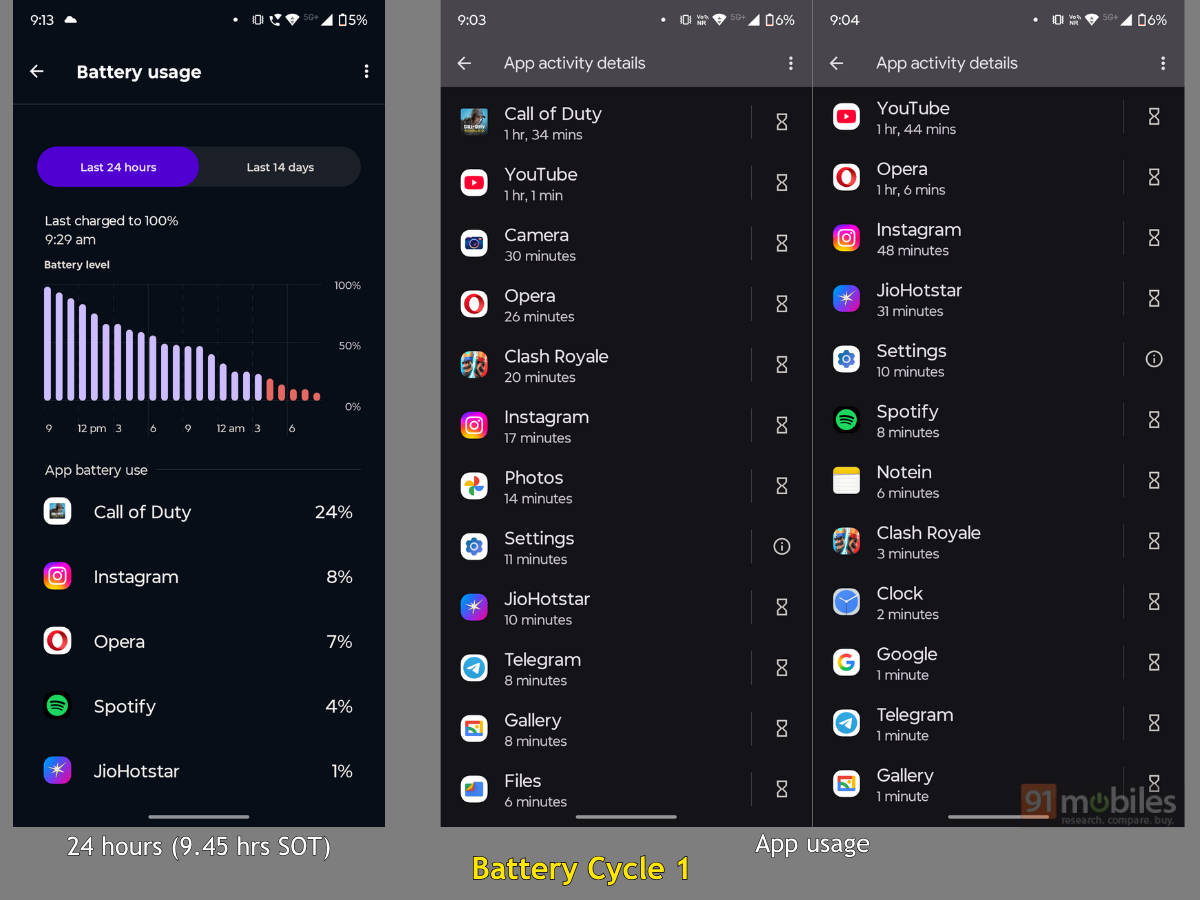
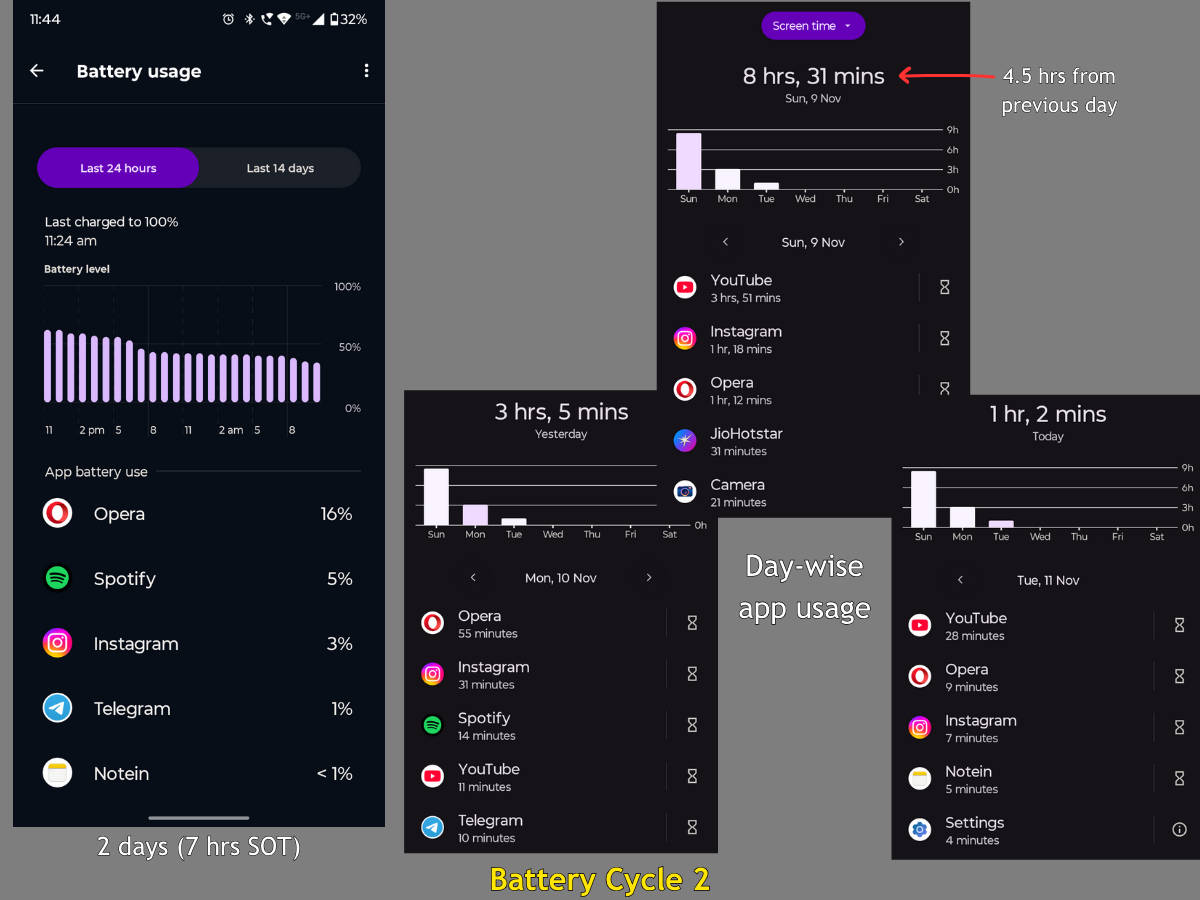
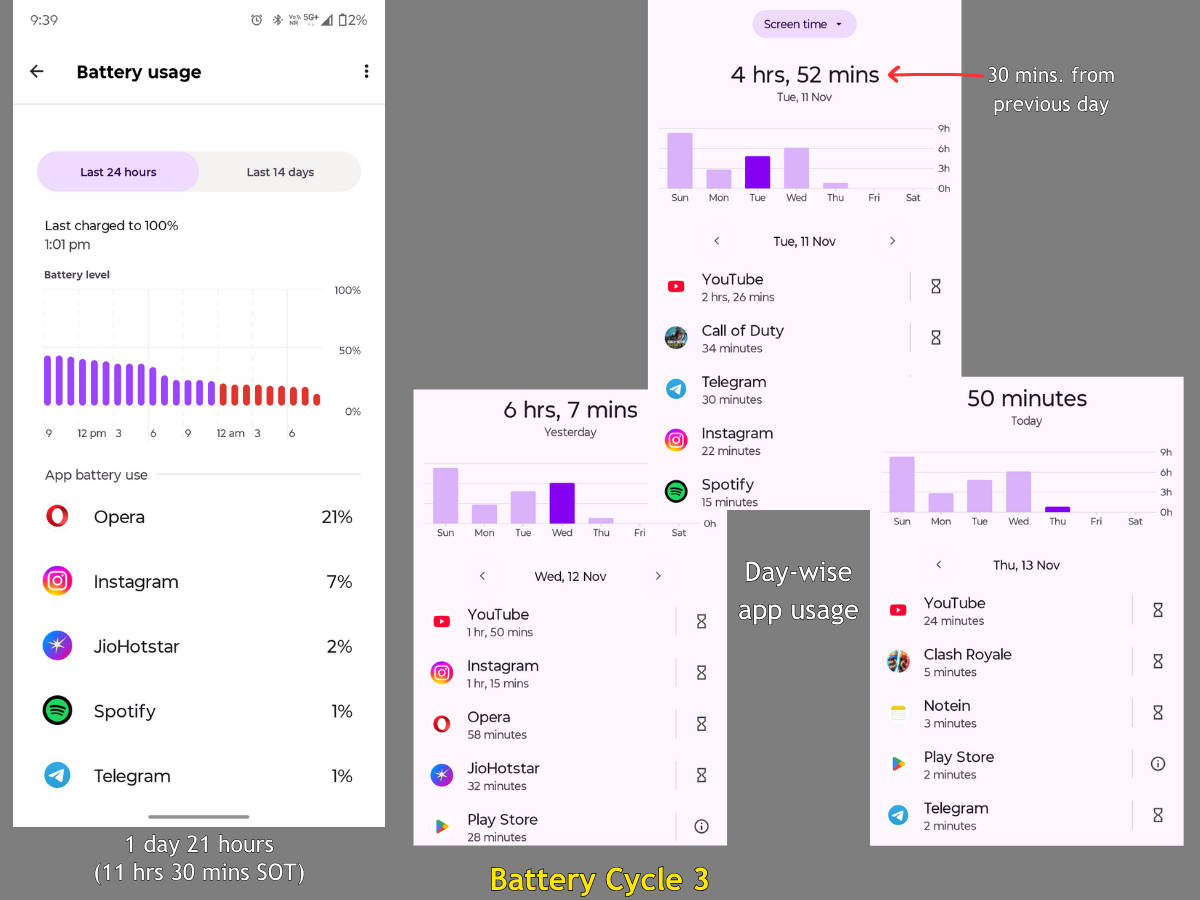
Given the findings, it’s safe to say the Moto G67 Power can easily last two days on a single charge if you’re a casual user who engages in web browsing, social media usage, and watching videos or movies, and plays a bit of gaming. Power users can expect the phone to provide at least 8 hours of screen time with 5G usage and gaming included.
Battery tops up fairly quickly, considering the size
Motorola has bundled a 33W charging brick with the Moto G67 Power; however, the phone can only take a maximum input of up to 30W to charge its mega 7,000mAh battery. In our testing, the phone topped up from 20 to 100 percent in 78 minutes. In my opinion, this charging time is on the lower side, given the battery’s capacity and the in-box adapter’s charging wattage.
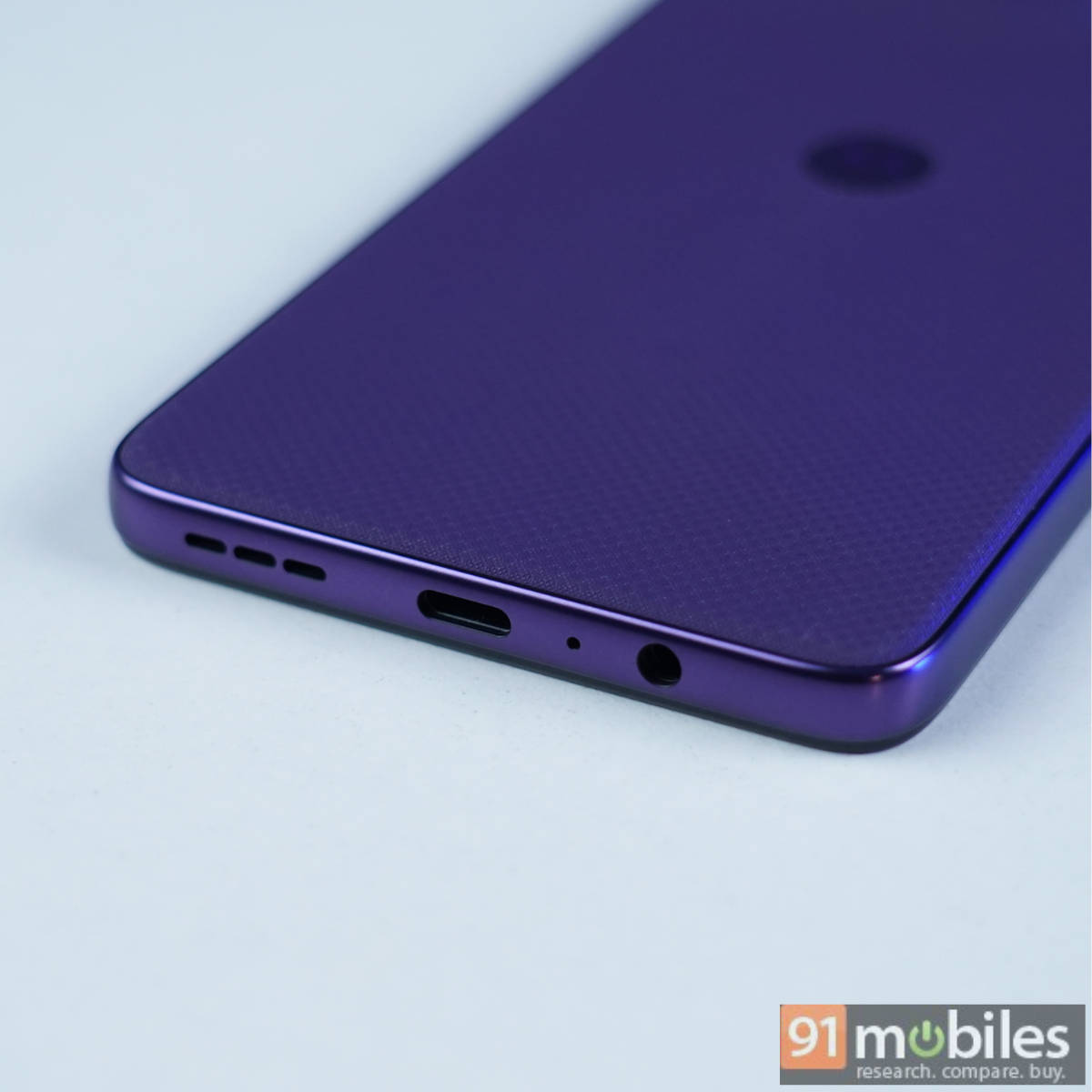
Heavy yet comfortable and distinct design
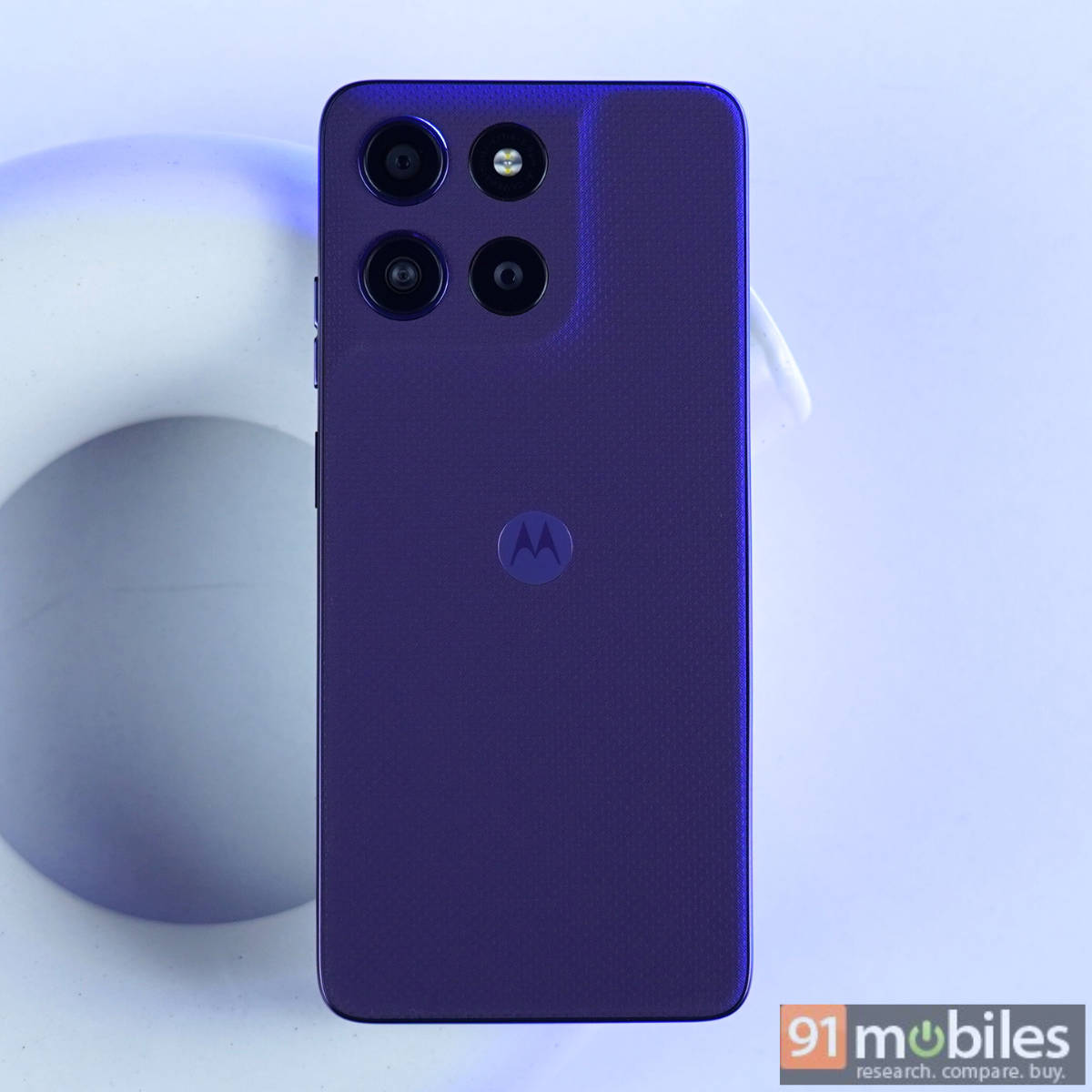
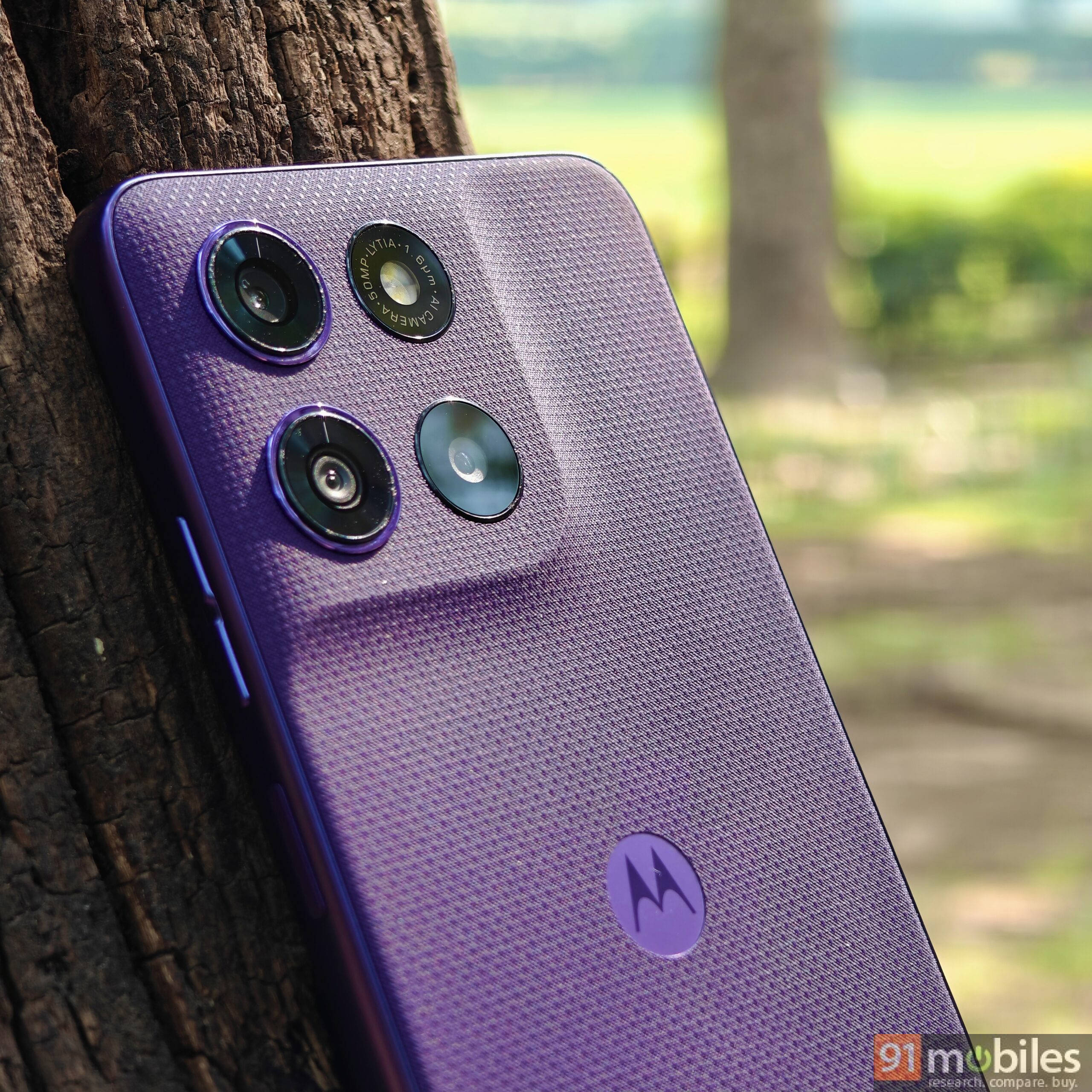
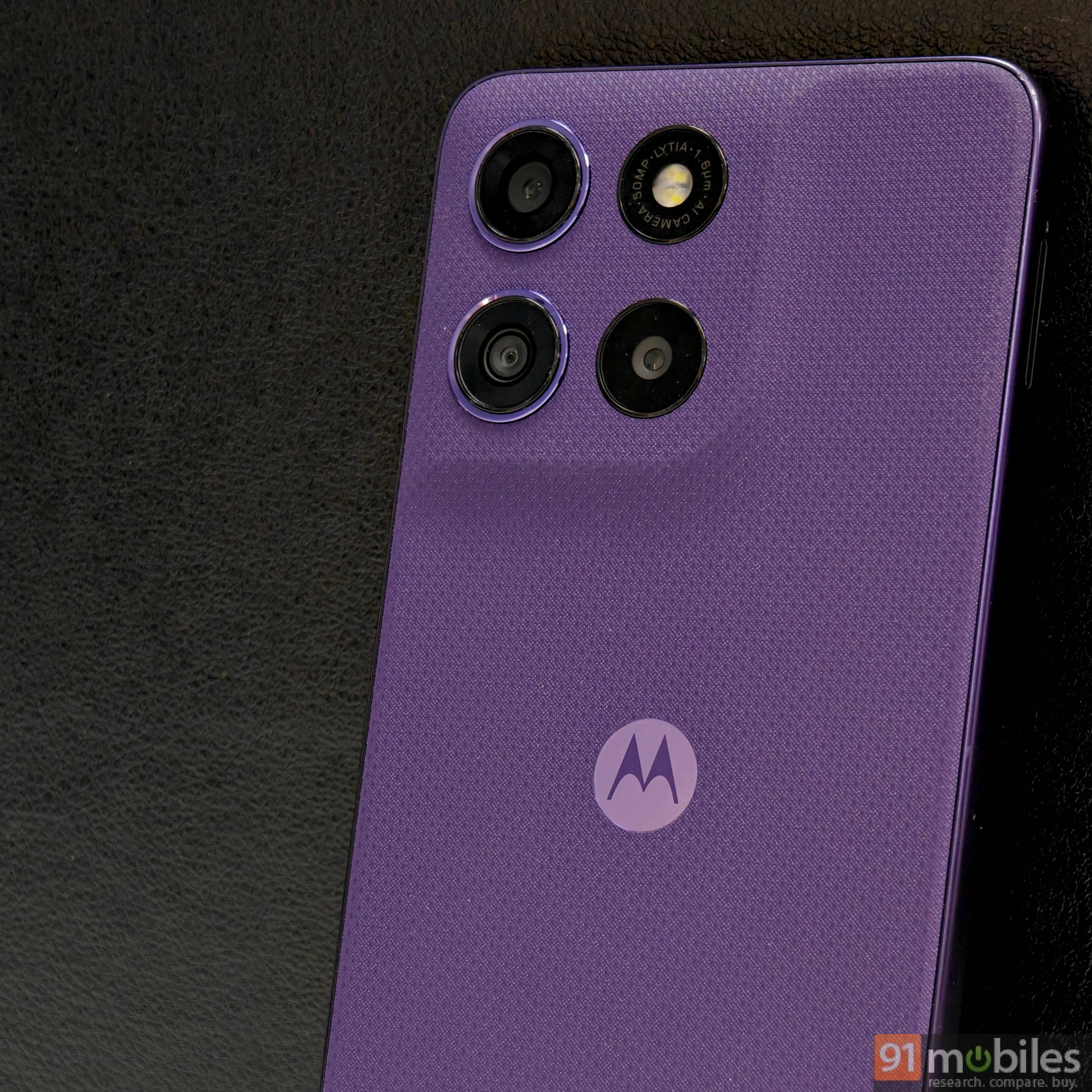
The Moto G67 Power’s rear design and appearance are highly reminiscent of earlier models, such as the Moto G86 Power, G96, and even the Edge 60 series. Meaning, you get the signature vegan leather finish, an elevated square-shaped model that seamlessly blends into the body, and the Motorola emblem fitted right in the centre. While we received our review unit in the PANTONE Parachute (purple) shade, the phone is also available in PANTONE Blue Curacao and PANTONE Cilantro (dark green) colours.
For an immersive audio experience, the phone’s earpiece also serves as a secondary speaker, which I found produces sufficient sound in music or movie playback.
Motorola has given the phone a MIL-STD-810H military-grade certification for withstanding impacts from drops or shocks. During my usage, I accidentally dropped the phone onto a concrete surface, and aside from a few scuffs on the frame, the phone didn’t sustain any visible damage. Unfortunately, you don’t get a case with the phone.
The G67 Power’s display is protected using Corning Gorilla Glass 7i, but it still picks up hairline scratches quite easily. It doesn’t help that there is no pre-applied screen protector, which is a bummer considering almost every other manufacturer offers one. The fingerprint scanner is integrated within the power button, which swiftly authenticates the phone.
Display that tries its best to match AMOLED counterparts
The Moto G67 Power is among the few phones to launch with an IPS LCD this year. However, that doesn’t take away the fact that the 6.7-inch full HD+ panel on the handset is sharp, sufficiently vibrant, and bright. The latter part mostly holds for indoor conditions, as once you take the G67 Power outside, the 1,050 nits brightness may not feel bright enough, especially when compared to AMOLED counterparts like the Realme P4 (1,600 nits high brightness).
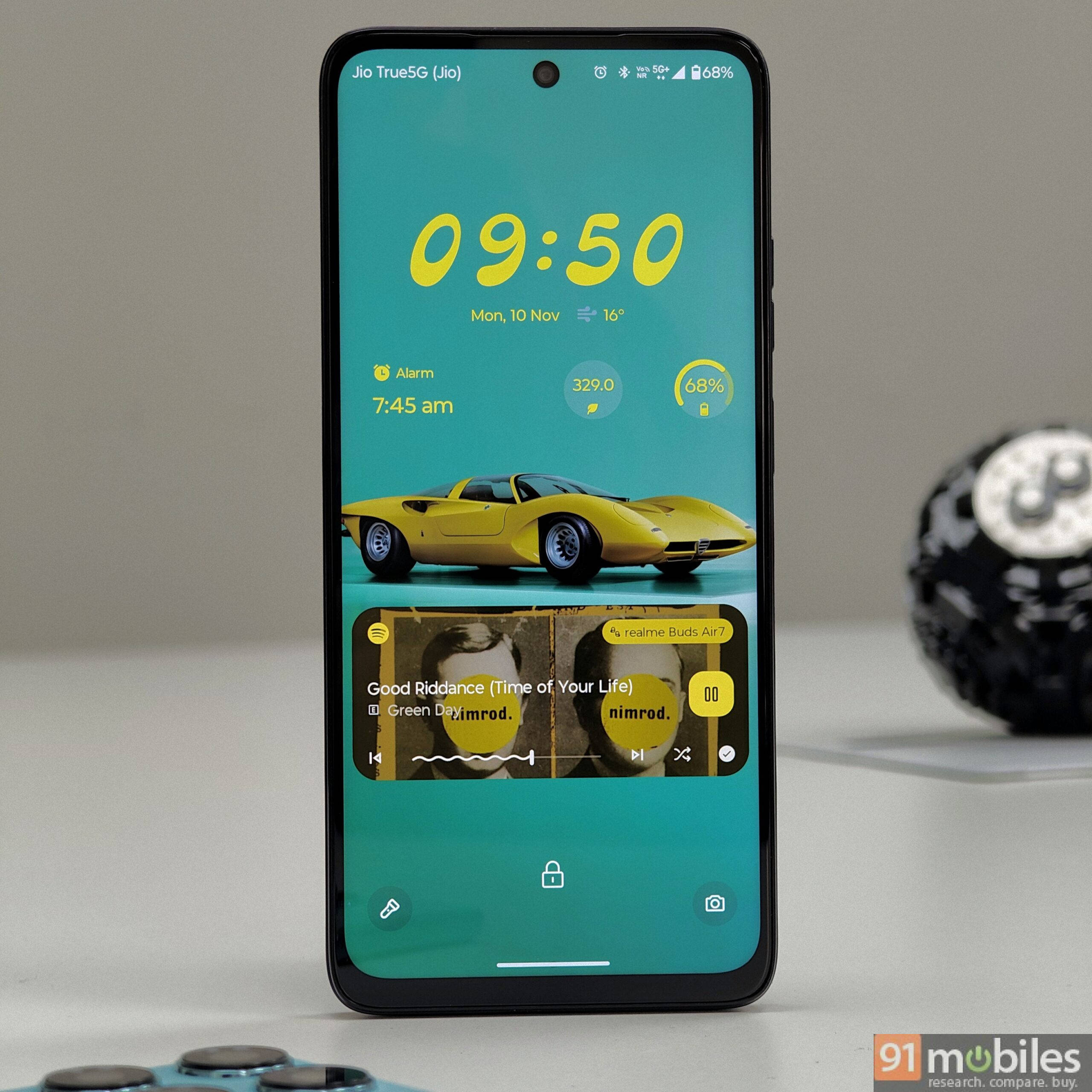
Lastly, if you find the phone’s “Natural” display tuning doesn’t produce punchy colours, I suggest switching to the “Vivid” mode. This mode offered the perfect blend of saturation and white balance, which is something I prefer on a smartphone display.
Handles daily workload and gaming fairly well
The performance side of the Moto G67 Power is handled by the Qualcomm Snapdragon 7s Gen 2 SoC. It is the same chipset found on the Moto G96 and older Motorola models. I personally felt this was the best implementation of this chipset on a Moto phone, as I barely noticed any hiccups or micro-stutters when launching apps, scrolling pages, or tapping UI elements. Pair that with 120Hz refresh rate always enabled, it was quite a smooth affair for a phone priced at Rs 15,999.
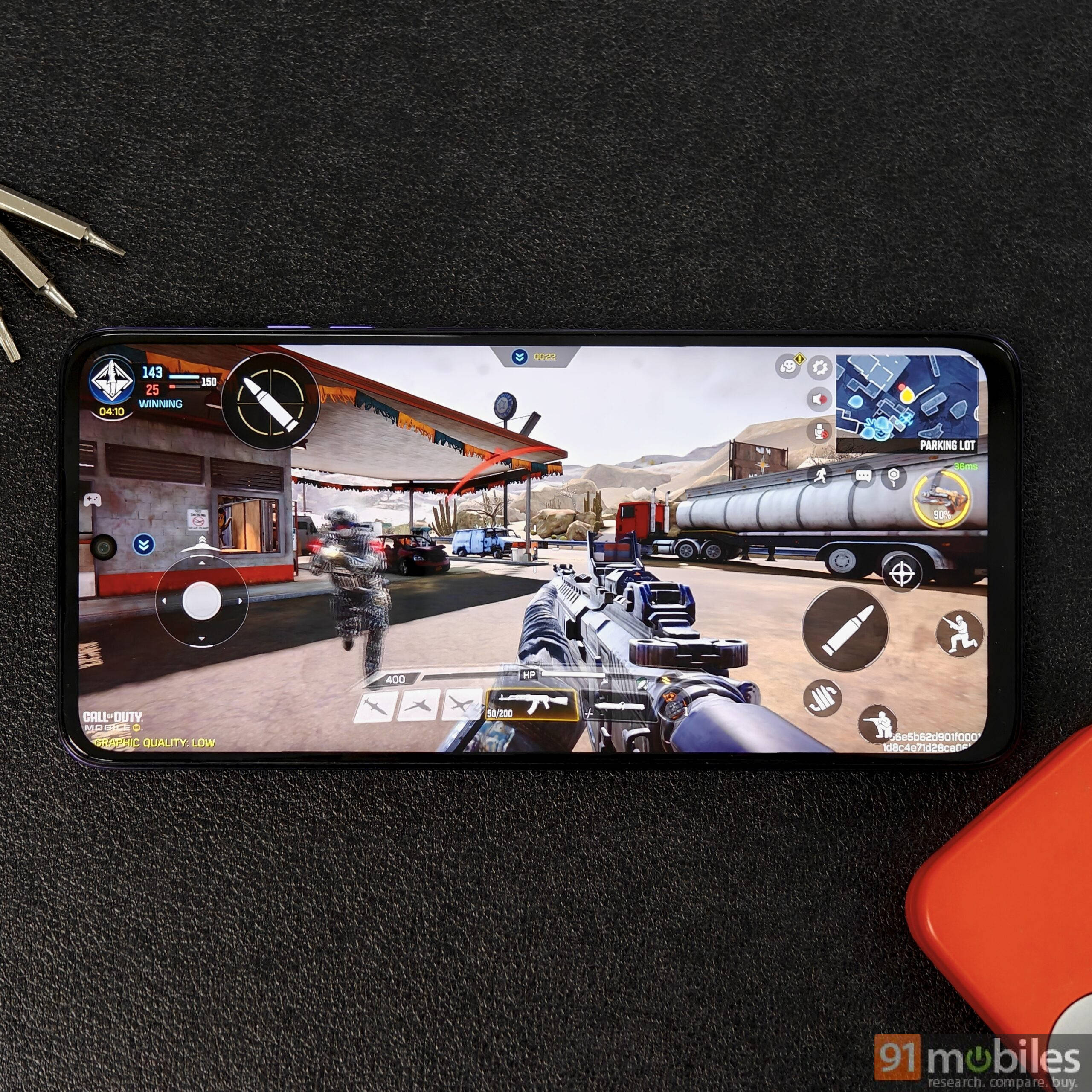
We also ran BGMI on the Moto G67 Power. In this game, the device offered an average FPS of 29.8 during a 30-minute Battle Royale session in the ‘HD + High’ graphics settings, while temperatures peaked at 28.3 degrees Celsius. This is a reasonable performance for a phone in this price class. Below are the AnTuTu and Geekbench scores of the Moto G67 Power and its close competitors for you to refer:
AnTuTu (v11)
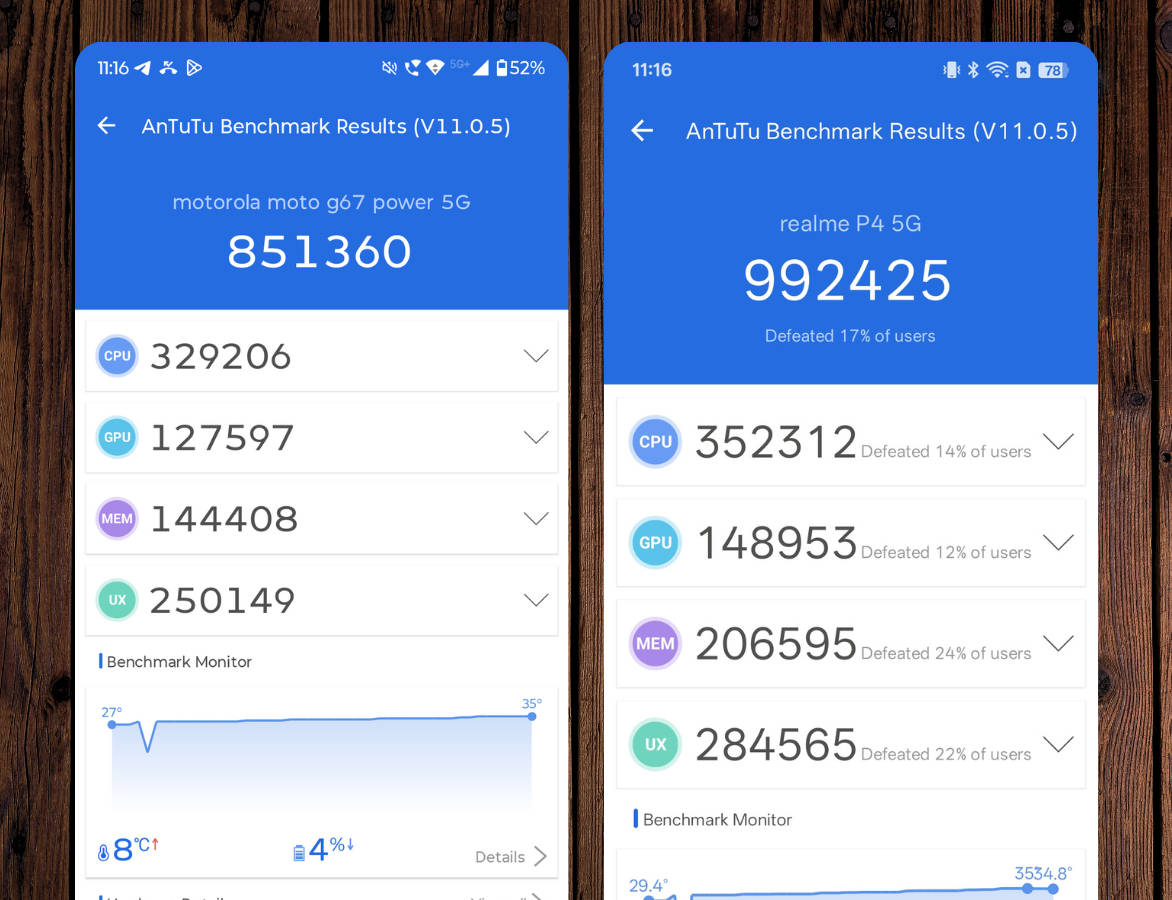
You might notice that the Realme P4 5G scores a bit lower in our review and in other parts of our site. That’s because those earlier results were recorded using an older version of AnTuTu. The current figure comes from the latest v11 build, which appears to be delivering higher numbers across the board for most smartphones.
Geekbench



Cameras that deliver natural tones
For the price, the Moto G67 Power boasts quite a respectable main camera. Just like the G86 Power and several higher-priced phones like the OnePlus Nord CE 5, the handset houses a 50MP 1/2-inch LYT600 main camera sensor. For comparison, the Realme P4 and Redmi 15 5G get a smaller 1/2.88-inch main sensor. The 50MP camera on the G67 Power is paired with an 8MP ultrawide lens. Upfront, there’s a 32MP selfie camera, which can capture videos in up to 4K, just like the rear dual lenses.
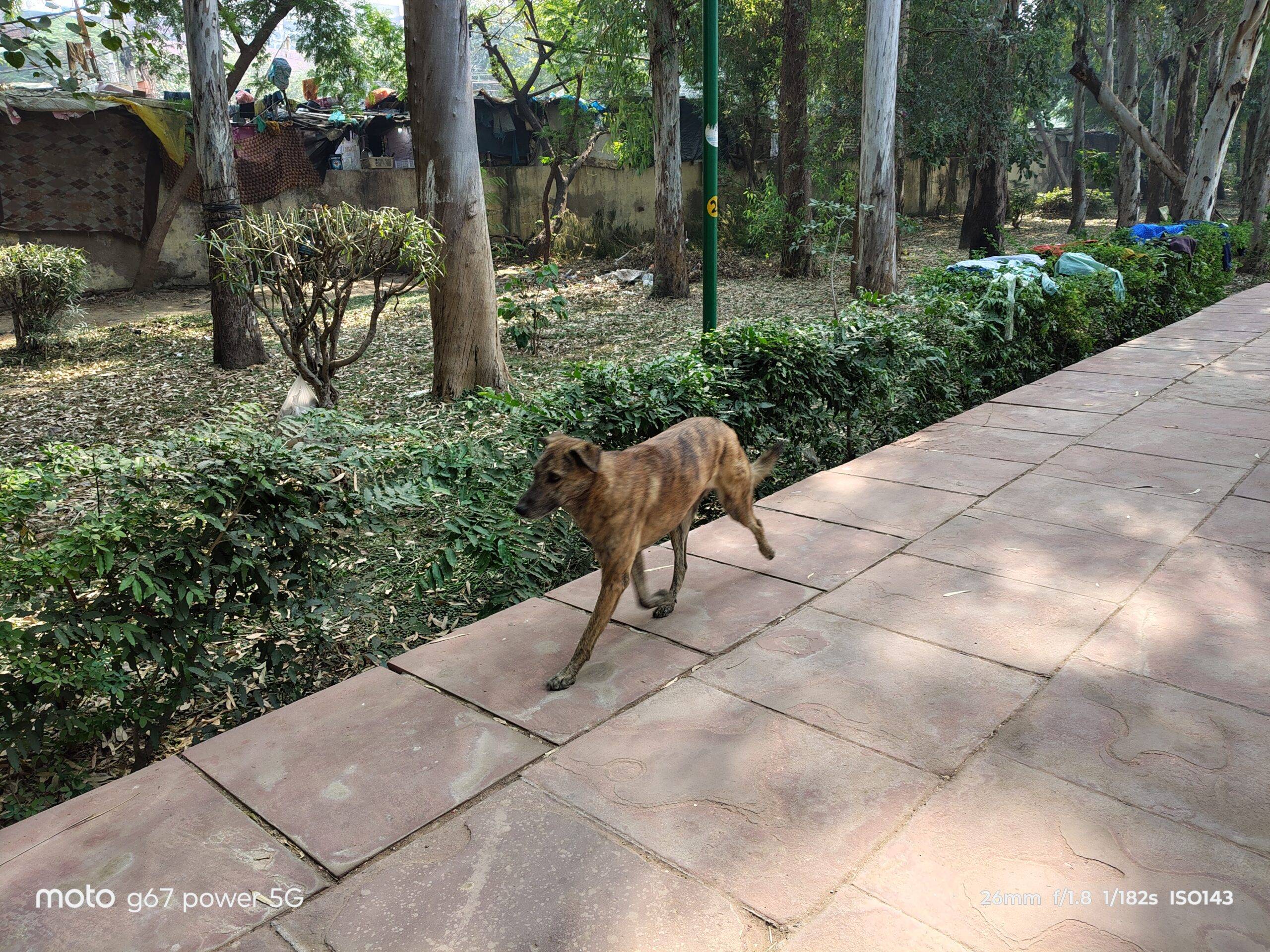
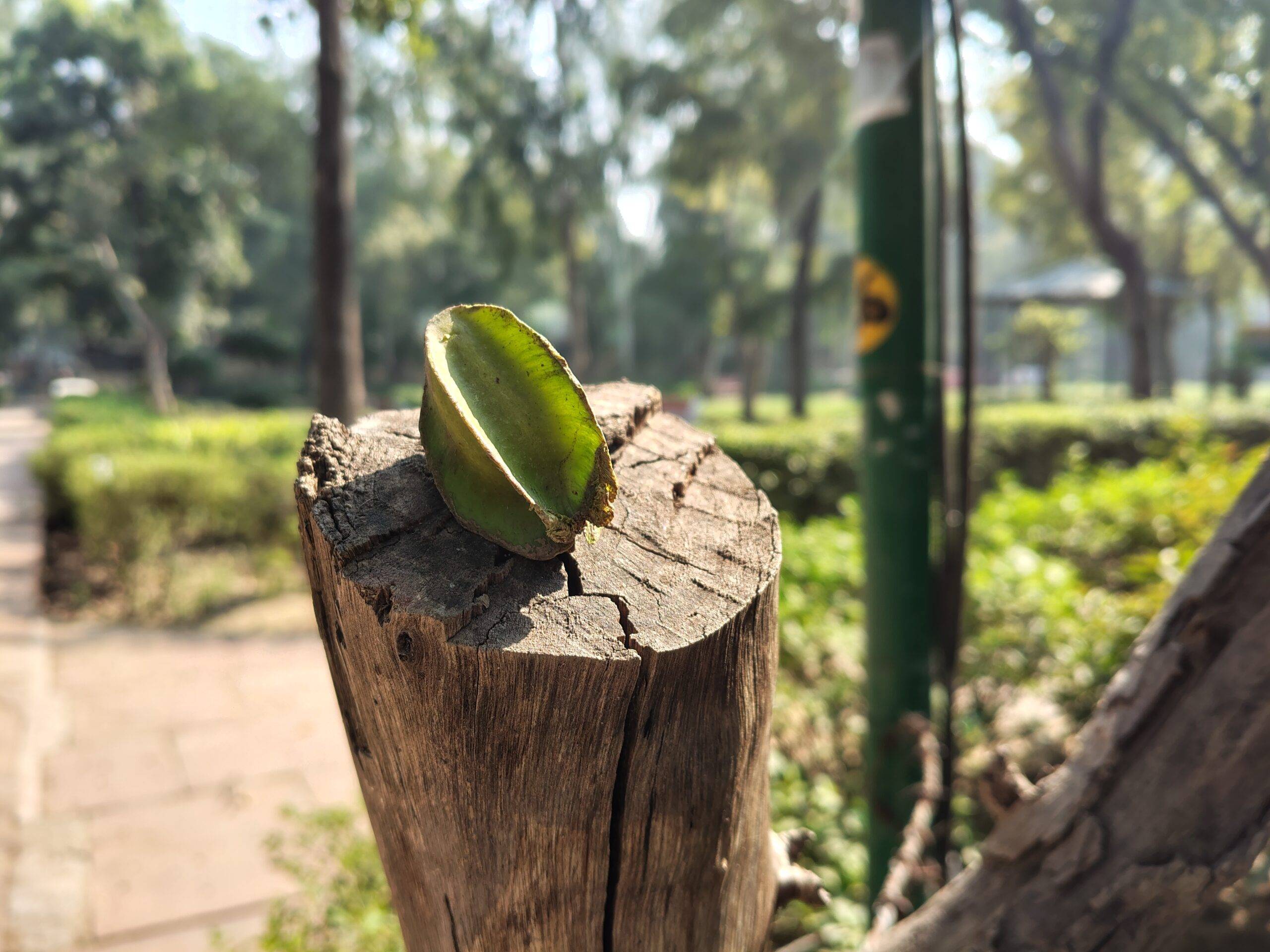
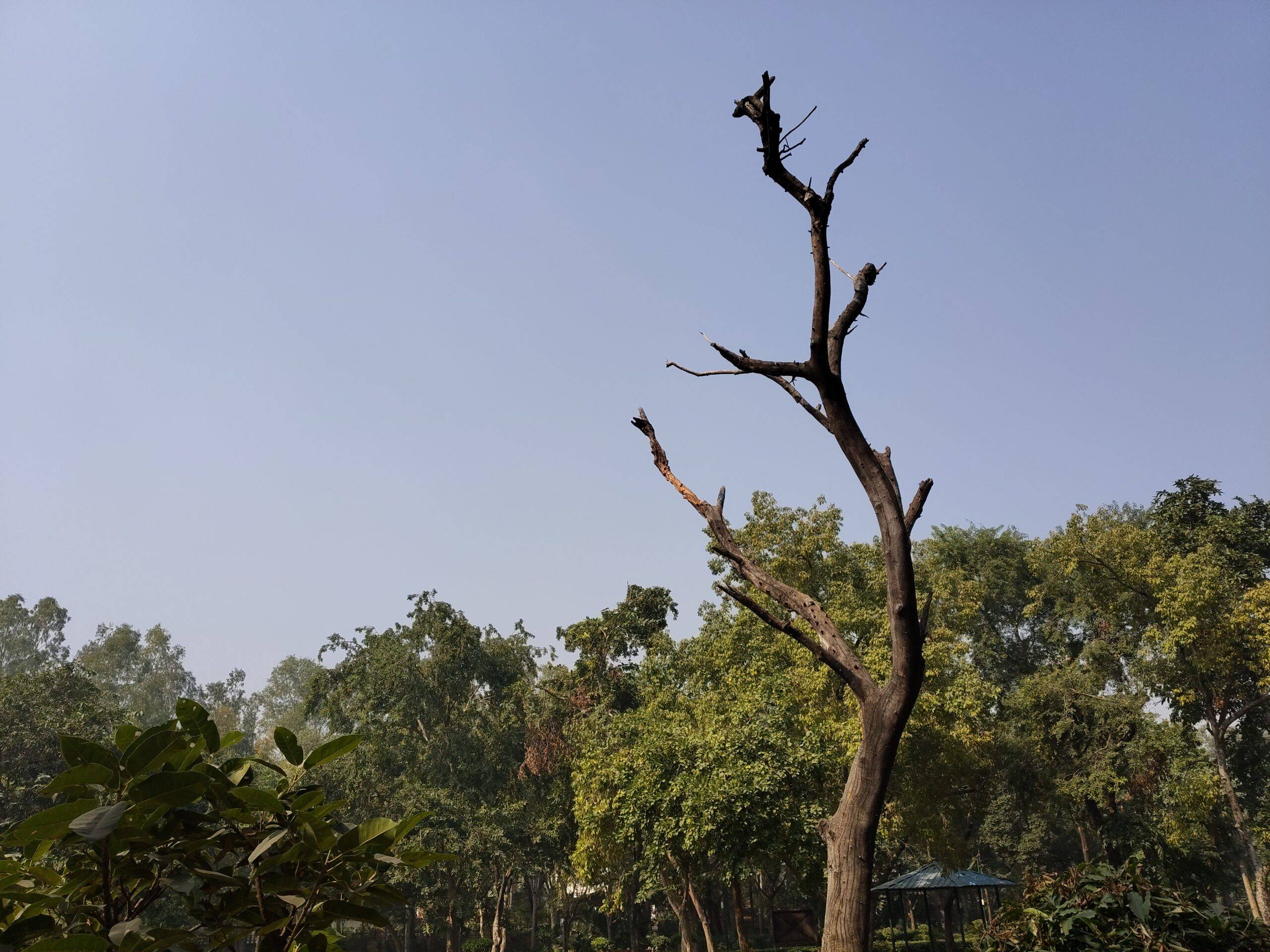
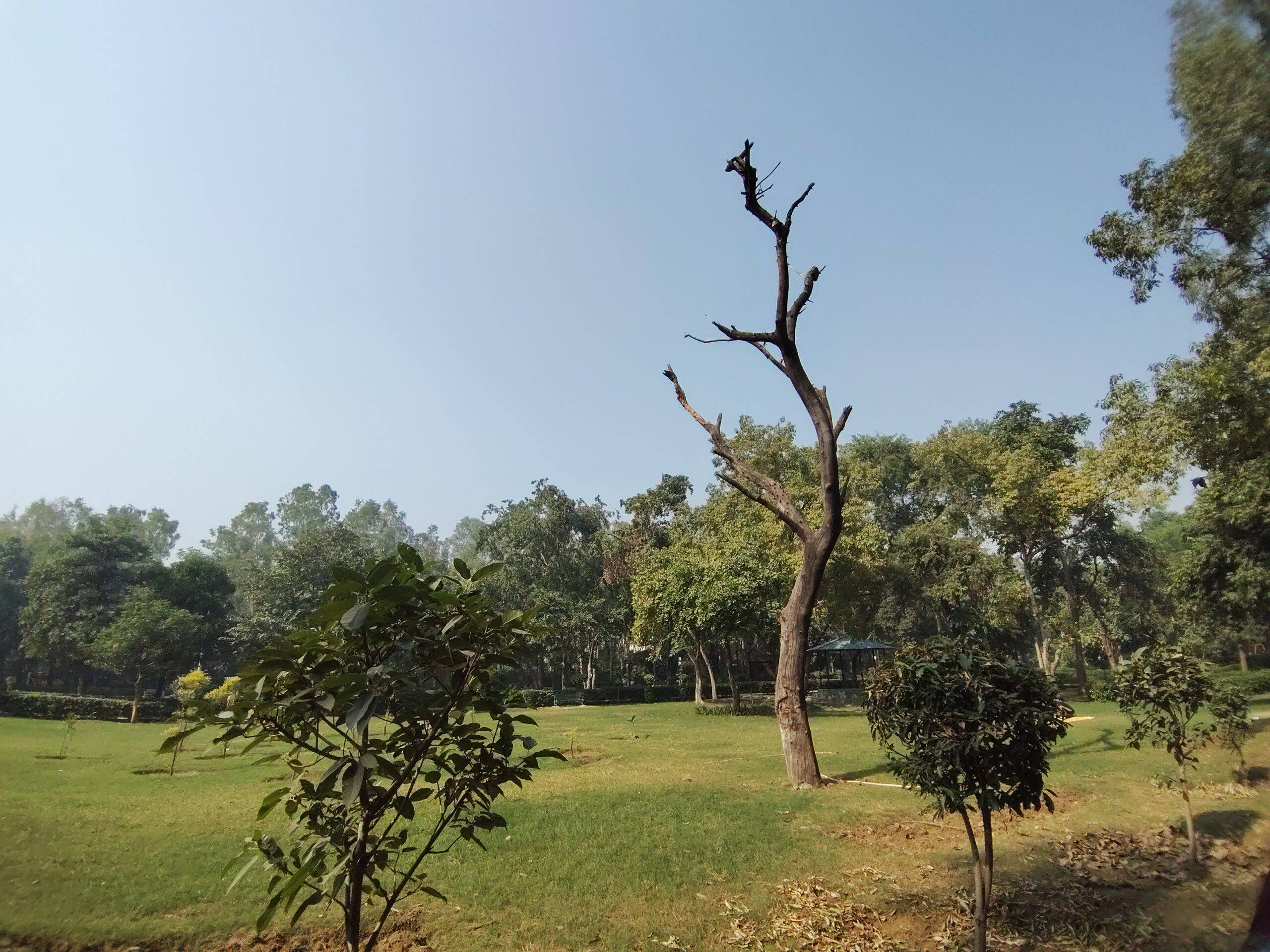
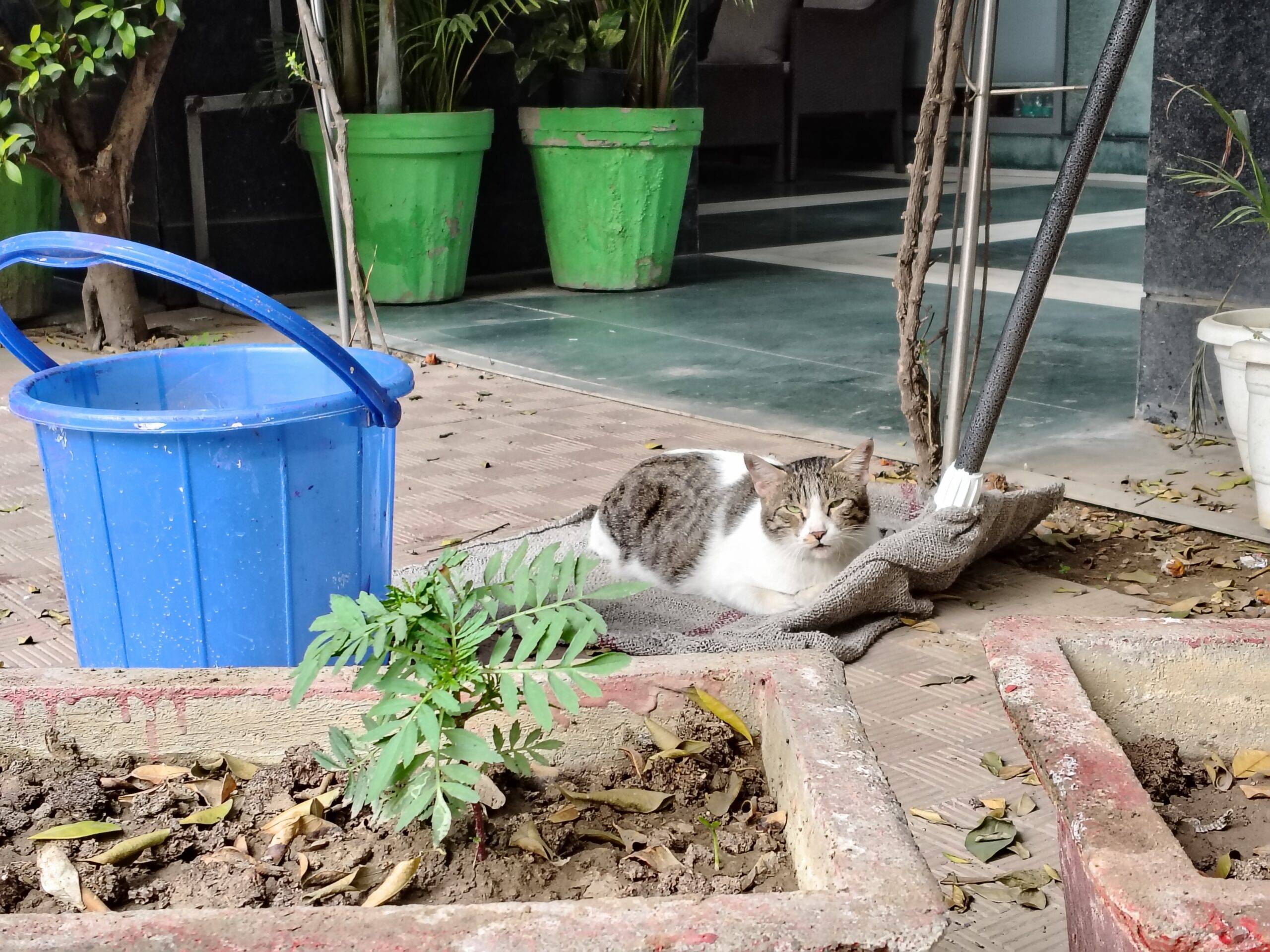
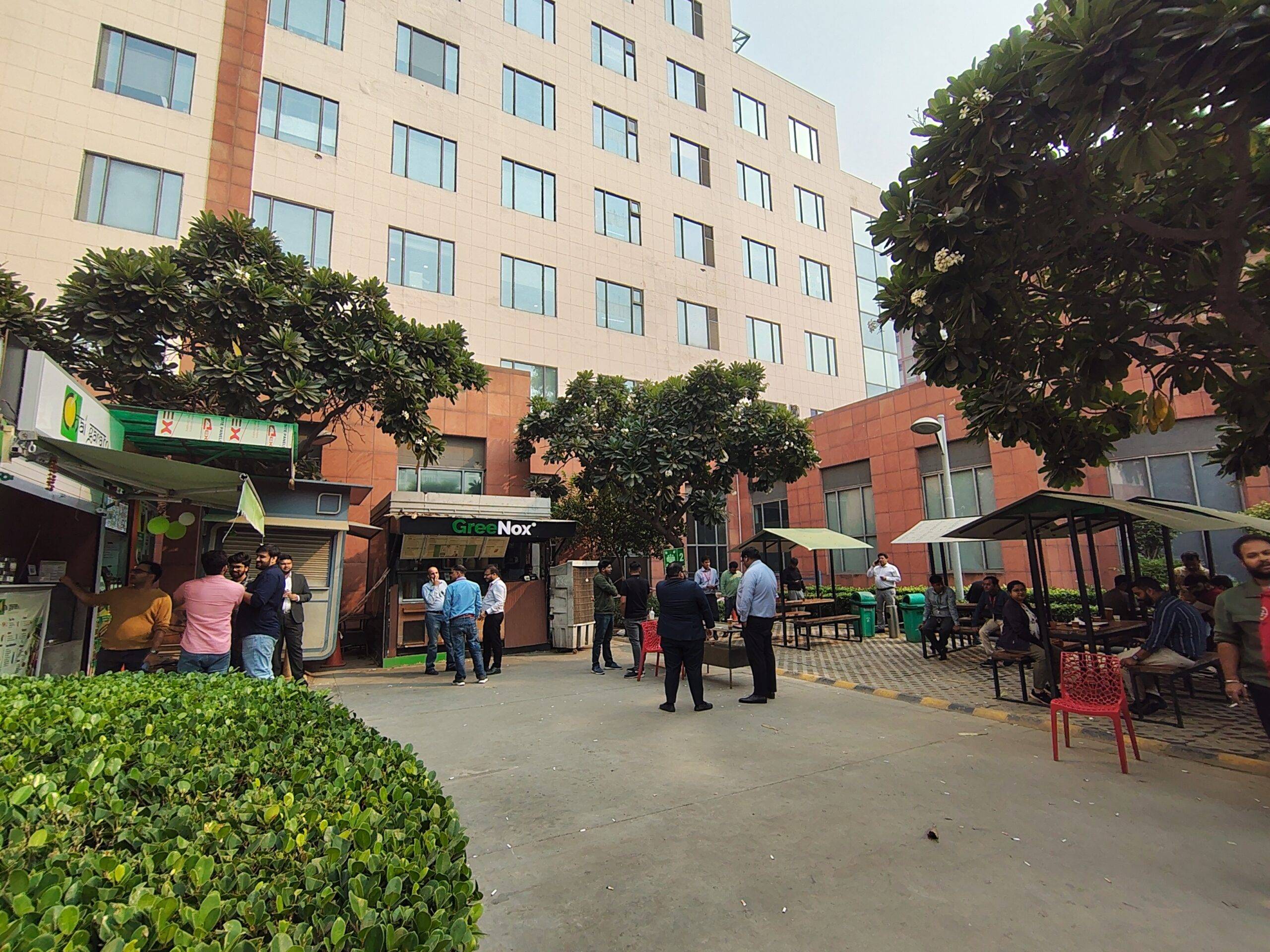
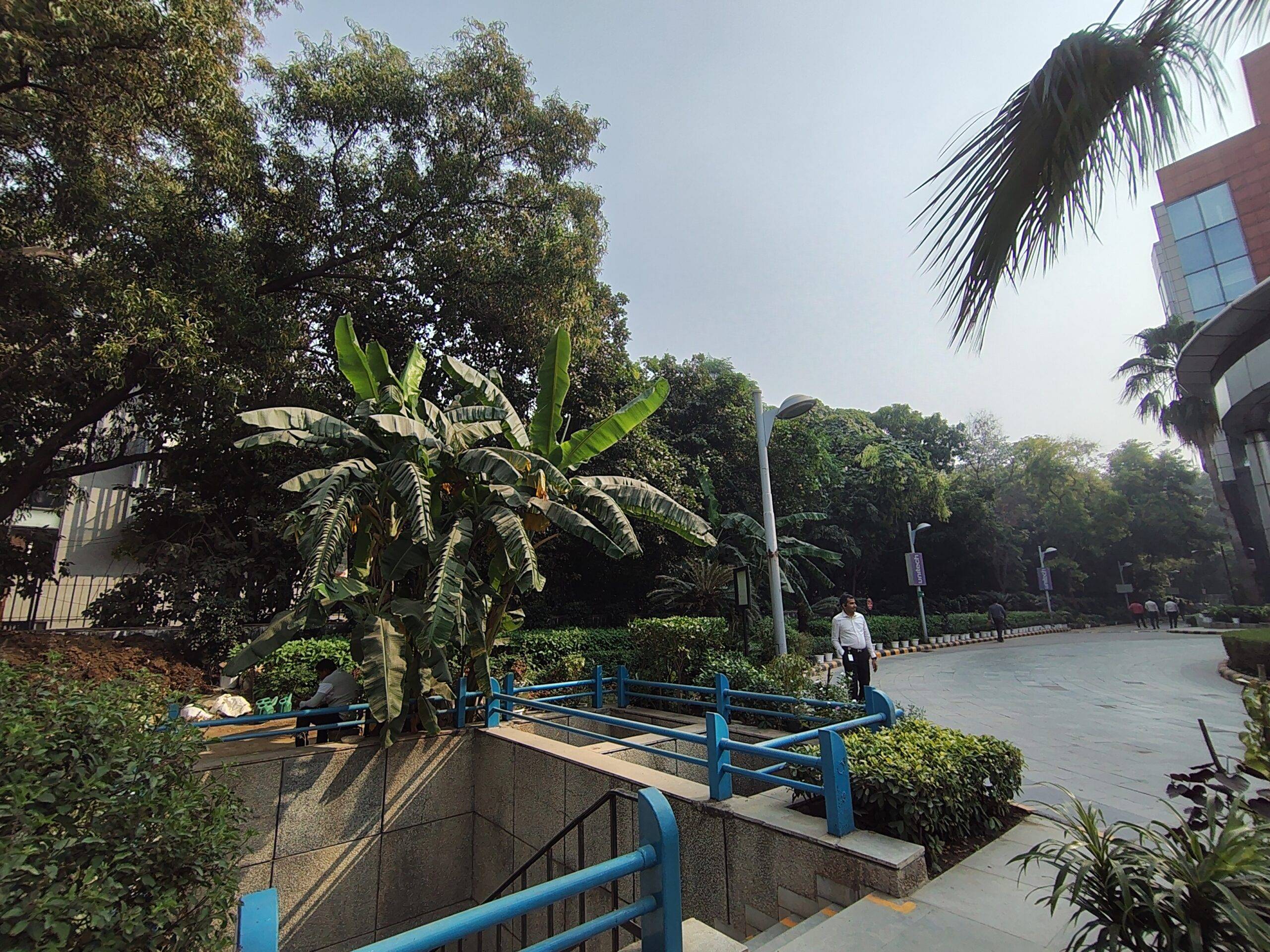
Now, moving to how the camera actually performs, one can expect the Moto G67 Power to capture decently detailed images in good lighting conditions at 1x. At 2x digital zoom, the detail levels diminish, but the outputs are still usable for posting on social media. Unlike the Moto G96, which I reviewed earlier this year, the G67 Power can’t capture macros with its ultrawide. But there’s a workaround: zoom to 1.5x or 2x and get as close to the subject as possible. Under sunlight, you can obtain good enough results.
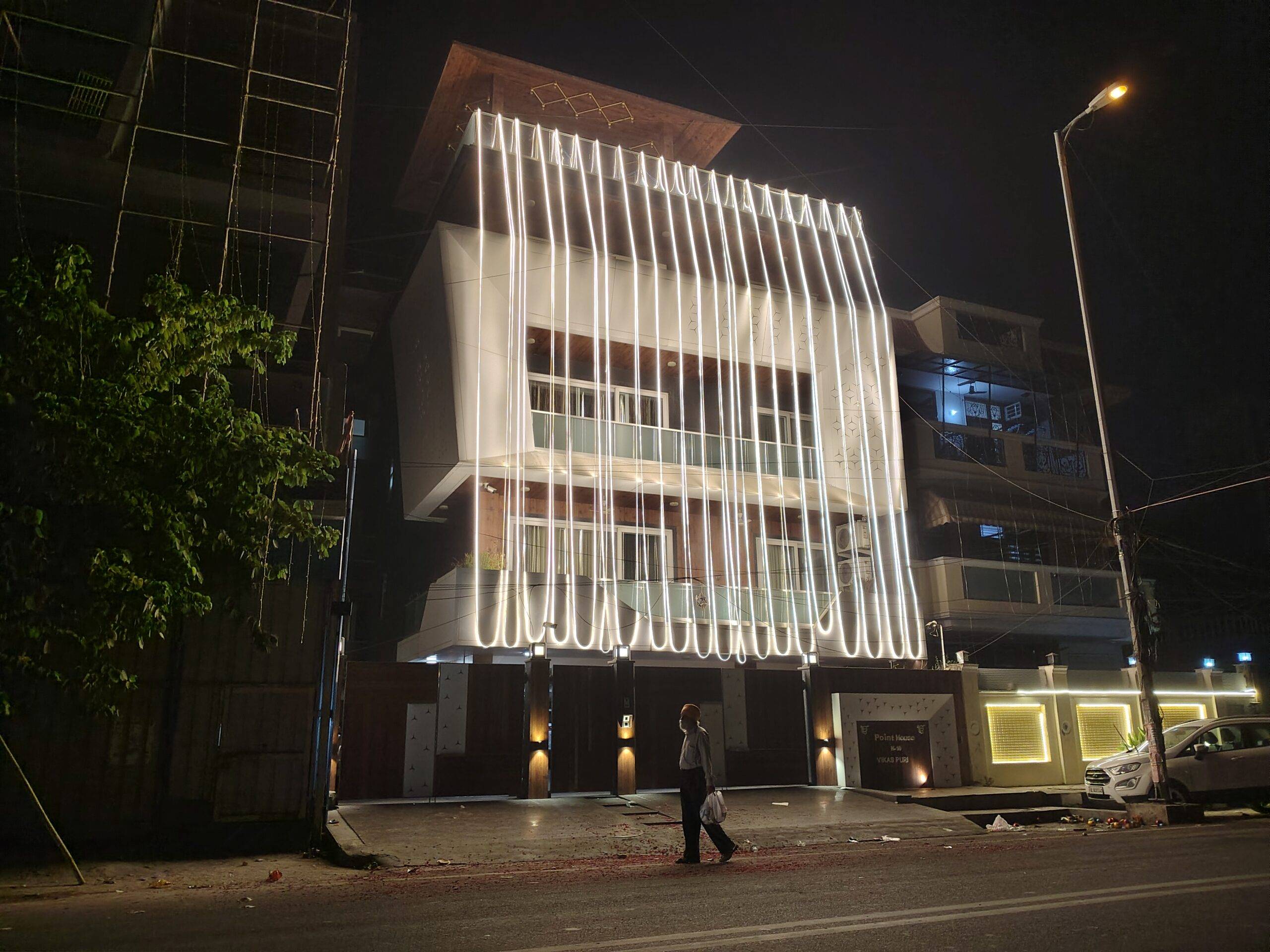
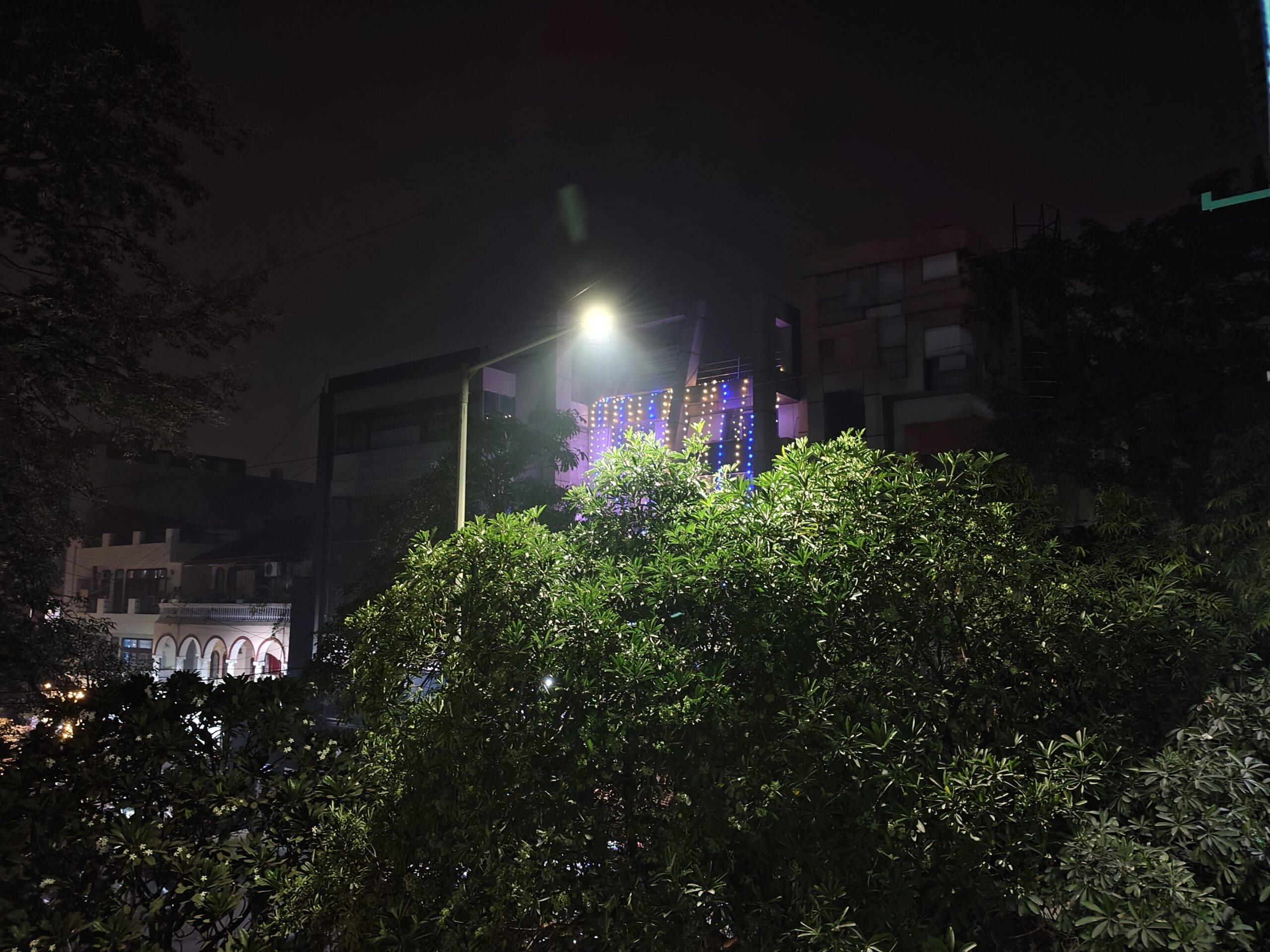
In my experience, both rear cameras don’t go overboard with saturation, whether in daylight or at night. While the colour science consistency between the lenses could be improved, the dynamic range is almost on point in all the images. In human shots, the G67 Power tends to add slight warmth to the face in portraits and selfies, resulting in unrealistic outputs. At night, when there’s ample external light, the shots can look soft, but the edges of the subjects are quite refined, as is the case with most phones in this range. Thankfully, the contrast in the night sky is well maintained.









It’s worth noting that if your budget allows, spending a bit extra on the Moto G96 can be fruitful, as you get better sensors and the phone’s cameras performed decently well in our testing. Be that as it may, here’s how the Moto G67 Power fares against its closest rival, Realme P4.
Daylight
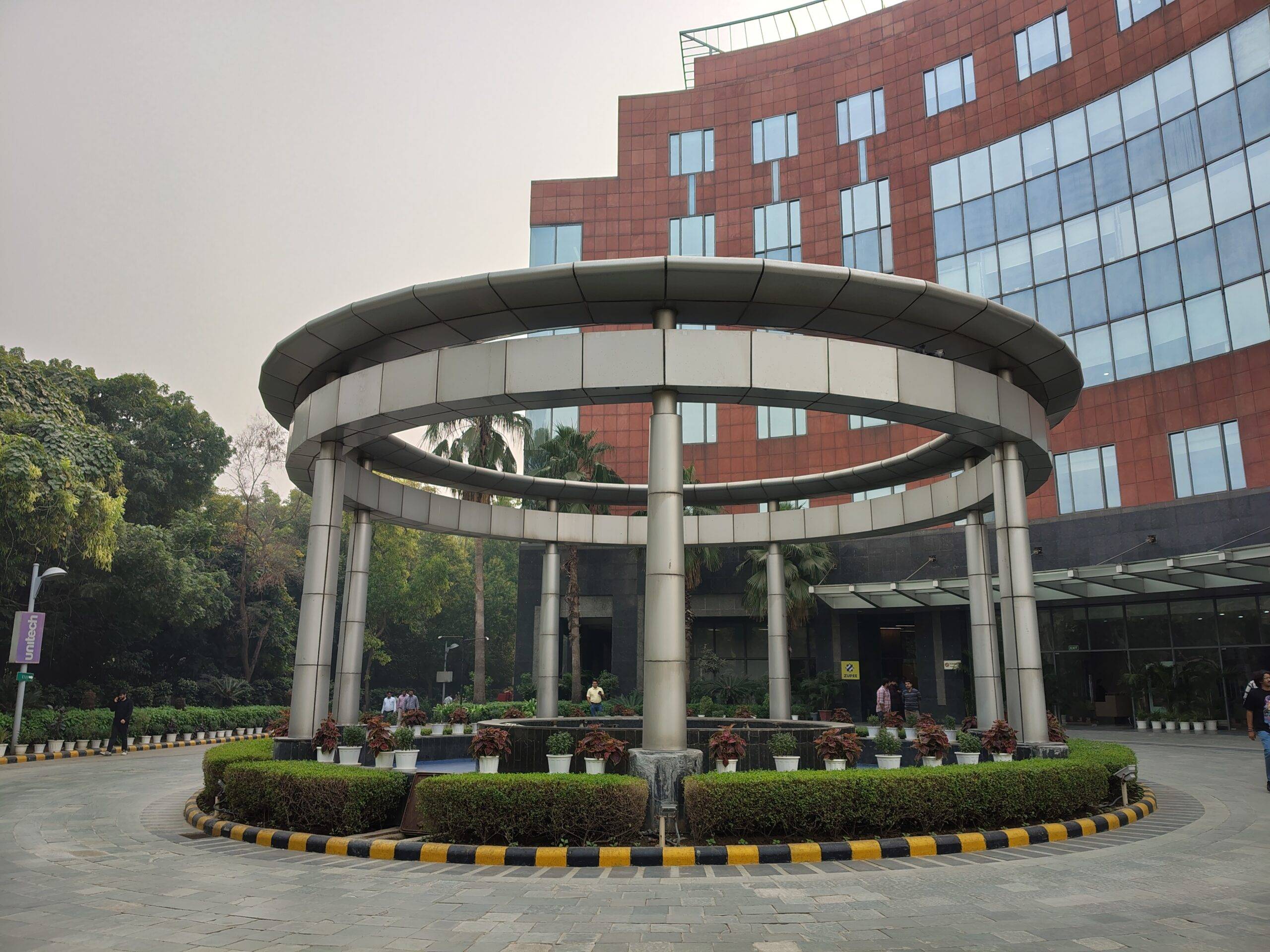

In the comparison above, the Realme P4 delivers slightly better details, while the Moto G67 Power does better in areas like colour accuracy and dynamic range.
Ultrawide
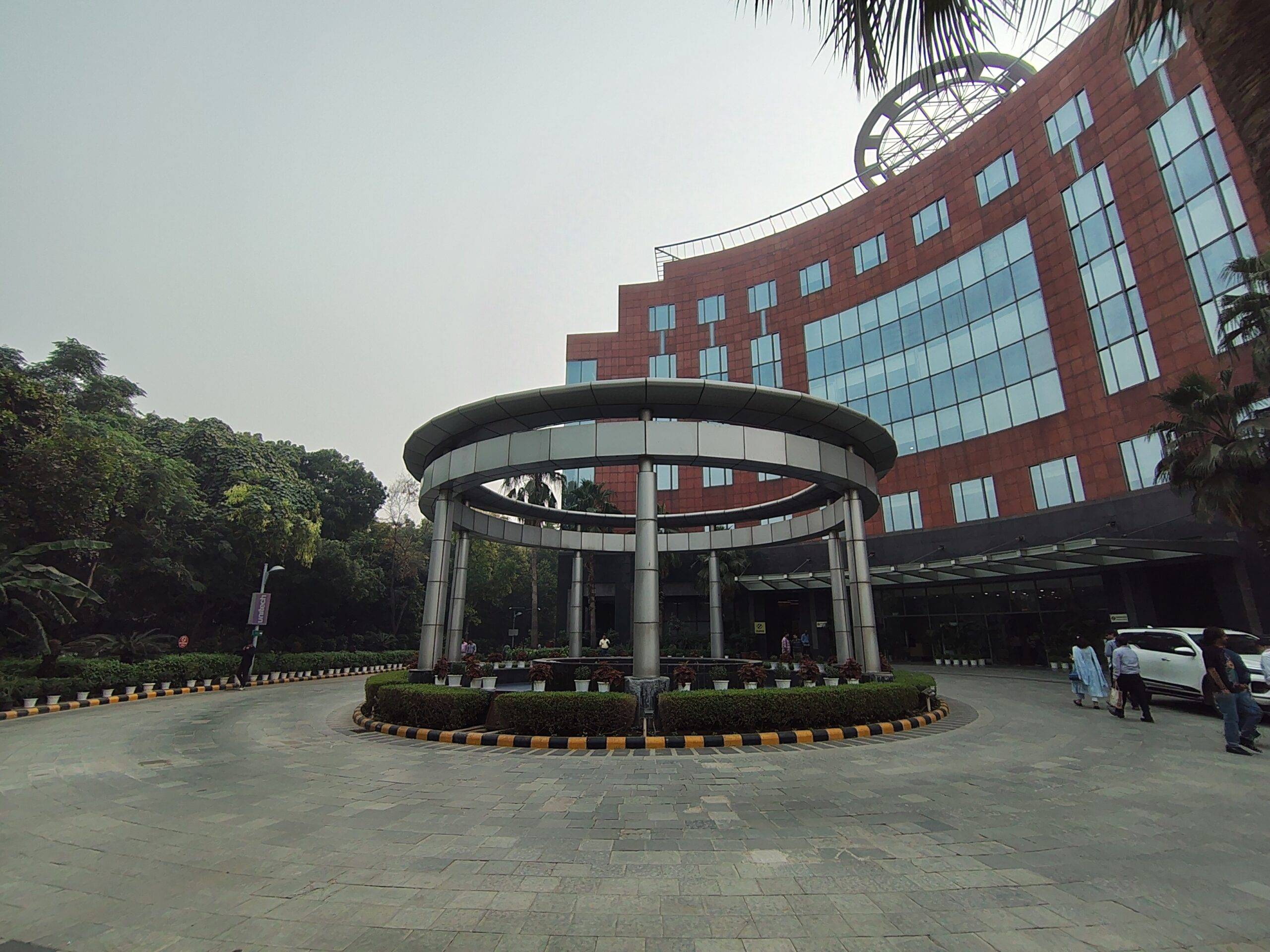
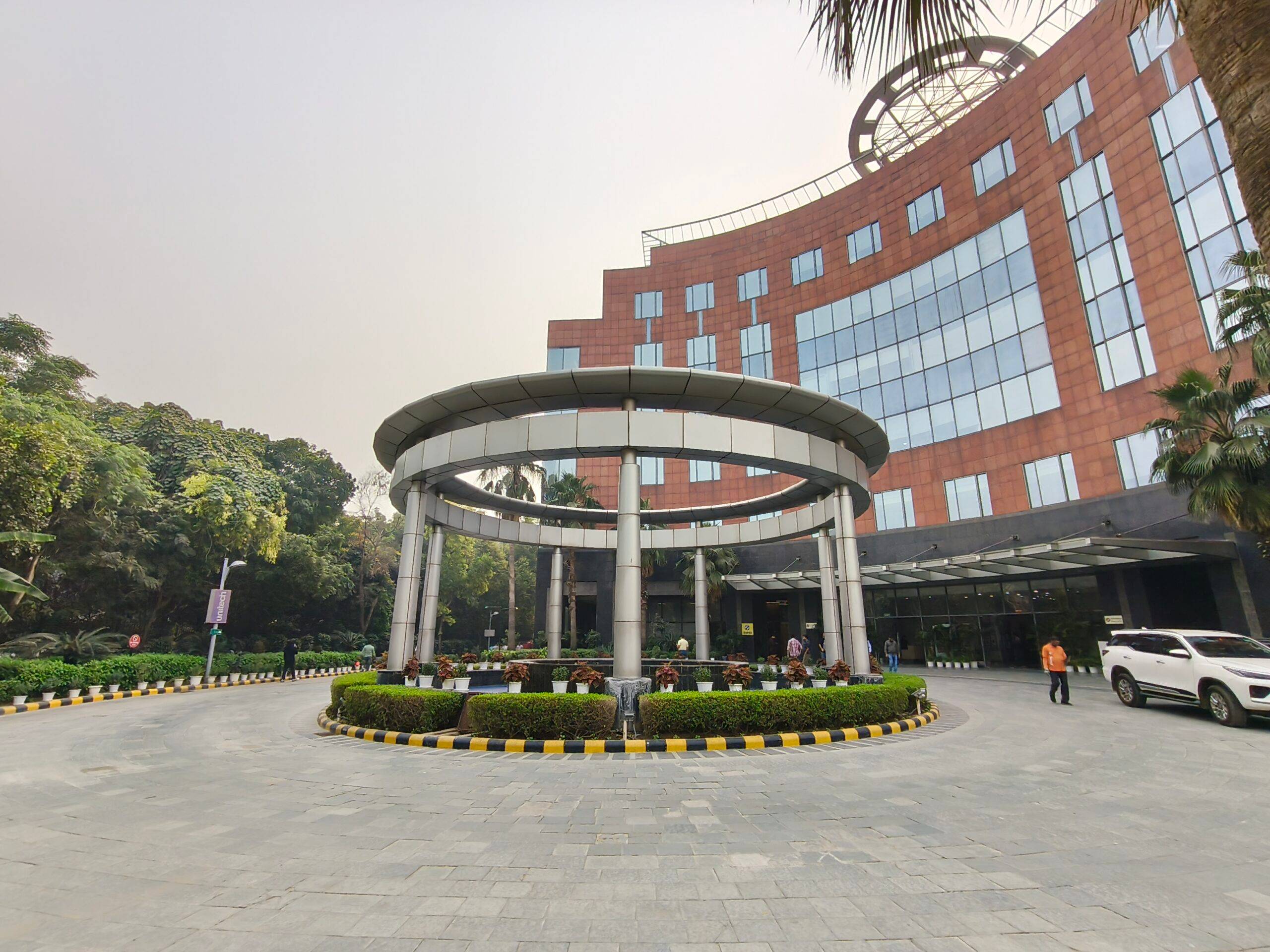
As stated above, the colour consistency between the main and ultrawide lens is off on the G67 Power. It also falls short in terms of details and delivering an ideal dynamic range, whereas the Realme P4’s image is sharper, and it does a better job of depicting the actual scene.
Selfie


The Realme P4 renders skin tones correctly, unlike the Moto smartphone, which adds unnecessary warmth to the selfies. However, when it comes to details and clarity, the G67 Power takes the lead.
Portrait


In the portrait shot, the Realme P4 seems to add a bit of oversharpening to the face, while the Moto G67 Power better maintains the exposure. The edge detection appears better on the P4.
Low-light


In low-light conditions, the Realme P4 does a better job of maintaining exposure and light flares, but the Moto G67 Power produces a more realistic image. Despite having a smaller sensor, the Realme P4’s shot shows slightly better details and less noise than the G67 Power.
Night mode


Enabling the dedicated ‘Night mode’ on both smartphones doesn’t change the fate of the Moto G67 Power much, as the Realme P4 once again delivers an image with slightly better details and exposure control. But again, Moto offers a more realistic output.
Sufficient software features, limited OS upgrades
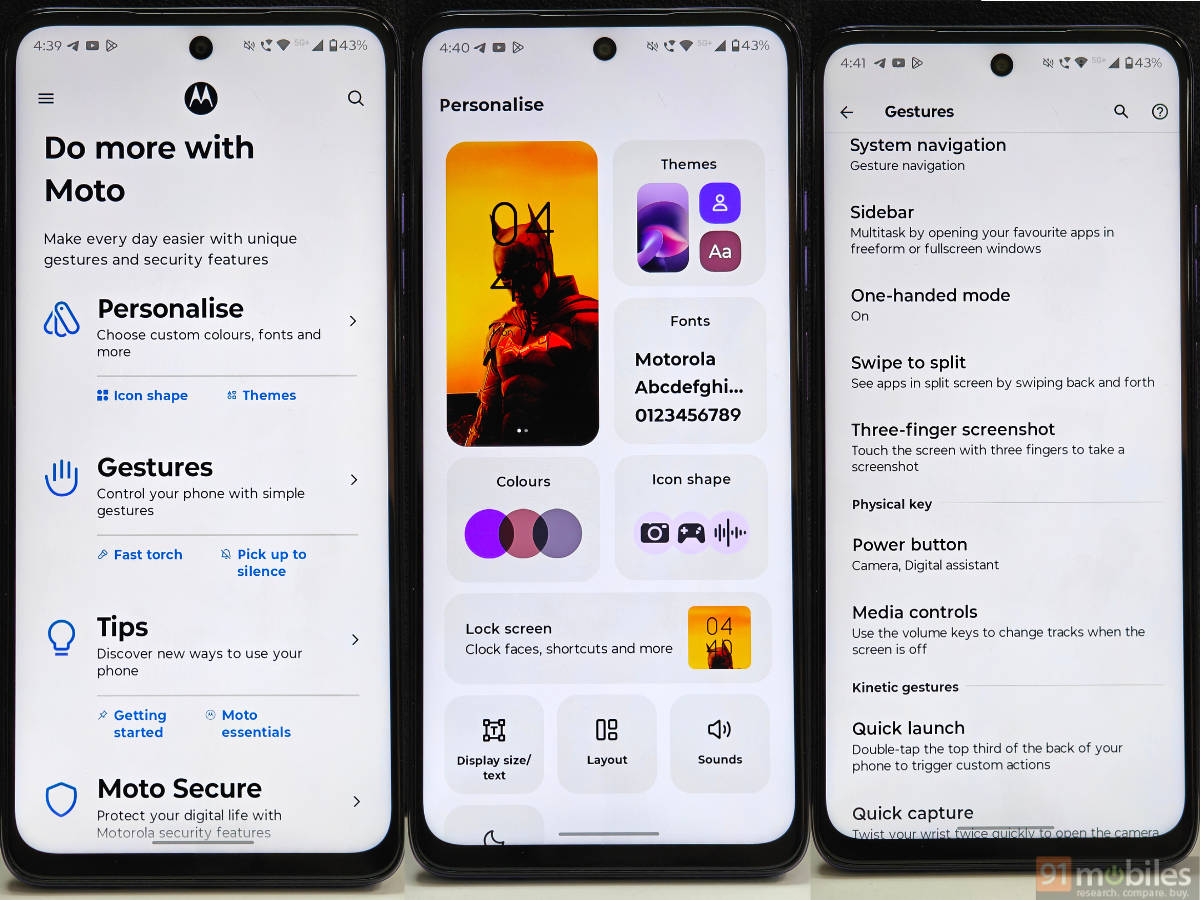
The Moto G67 Power ships with Android 15-based Hello UI software out of the box. It’d have been much appreciated if the handset came with Android 16 pre-installed, since Motorola has started pushing out the update to phones like the Edge 60 Pro and Edge 60 Fusion weeks ago. The G67 Power is guaranteed to get the Android 16 update at some point later, along with three years of security updates.
That said, other smartphones in this range offer at least 2 OS upgrades at a minimum. If you’re interested in knowing what the update brings to the table, feel free to check out our Motorola Android 16 hands-on article.
| Smartphone | Pre-Installed Apps | Software Support |
| Moto G67 Power | 44 | 1 Year OS Updates + 3 Year Security Updates |
| realme P4 | 60 | 3 Years OS Updates + 4 Years Security Updates |
| iQOO Z10x | 53 | 2 Years OS Updates + 3 Years Security Updates |
| Xiaomi Redmi 15 | 66 | 2 Year OS Updates + 4 Year Security Updates |
While there’s no dedicated AI button on the G67 Power, like the Moto Edge 60 Pro and Edge 60 Fusion, you get a variety of AI imaging features within the Google Photos app. You get Magic Eraser, Photo Unblur, and Magic Editor, while the camera app offers AI Photo Enhancement Engine, Auto Night Vision, AI-Powered Portraits, and Auto Smile Capture.
Final verdict: Is the Moto G67 Power worth getting for Rs 15,999?
The Moto G67 Power nails in its key department, i.e. delivering strong battery endurance with its massive 7,000mAh cell. Power users can expect the phone to last a day easily, including a couple of hours of gaming, while the day-to-day performance is also sorted with the dependable Snapdragon 7s Gen 2 processor. Even though the handset is heavier to hold than rivals like the Realme P4, the textured back finish ensures a grippy fit for extended periods.
However, if you prefer a stock-like Android software, 4K recording on all cameras, a distinct vegan leather textured rear design, and sufficient performance for daily use, the Moto G67 Power is worth considering at Rs 15,999.
Editor’s rating: 8.1/10
Reasons to buy:
- The 7,000mAh battery can last over two days for light and casual users, while heavy users can achieve a day’s worth of endurance.
- Compared to its rivals, the rear panel with an elevated camera module and a grippy vegan leather back looks unique.
- The day-to-day performance is reliable with no noticeable hiccups or stutters when pushed.
- The rear cameras can produce realistic images without overdoing saturation.
Reasons not to buy:
- Only offers one Android upgrade (Android 16) in a segment where others are promising at least two OS upgrades.
- The display bezels are relatively thicker than those of its LCD and AMOLED counterparts, especially the chin.