Review Summary
Expert Rating
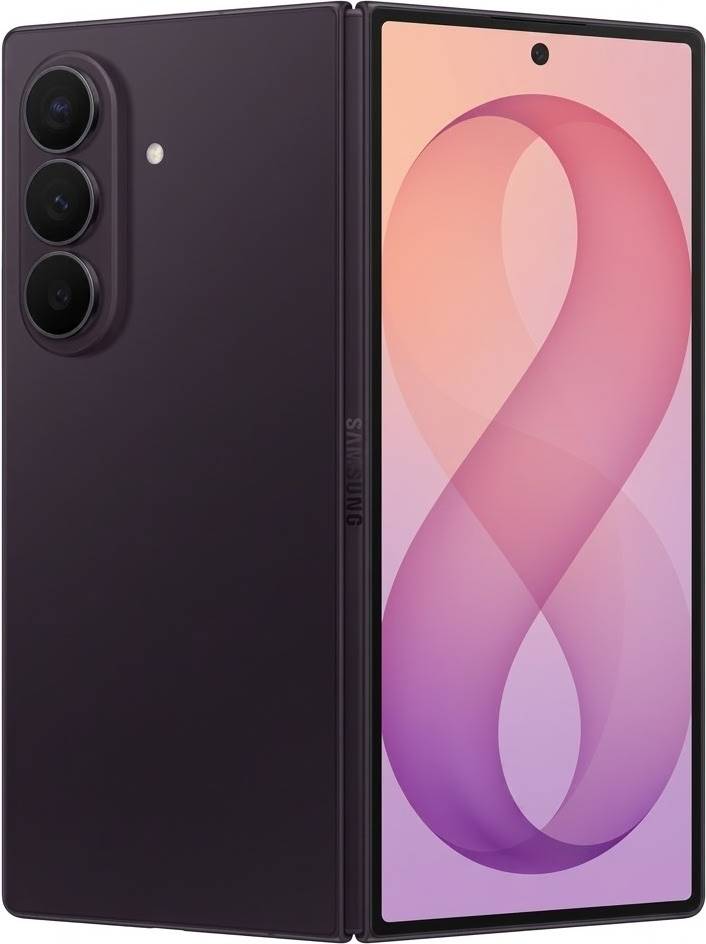
Samsung’s new foldables are here, and the regular Fold8 is grabbing all the attention for obvious reasons. The nomenclature might confuse you; the Fold8 (review) is not a successor to the Fold7 (review) but rather a brand-new form factor. It’s more compact and wider than the Fold7, making it handier and pocketable, with an aspect ratio optimised for watching and reading. Meanwhile, the Fold7’s successor is now called the Fold8 Ultra, and it is the one to go for if you’re looking for the absolute best foldable from Samsung without compromises.
Table of Contents
Verdict
On the outside, the Fold8 Ultra doesn’t look different from its predecessor, but the changes under the hood make it the best foldable on the market right now. Those changes include a better inner display with a less visible crease and an anti-reflective coating, better battery life, faster charging, One UI 9 out of the box with 7 years of OS updates, improved performance with the Snapdragon 8 Elite Gen 5 for Galaxy, among other things.
Design and displays: refined and (almost) creaseless
The Galaxy Z Fold8 Ultra follows a tried-and-tested formula. Samsung doesn’t need to reinvent the wheel here; they have the Fold8 for that. The Ultra looks familiar with its book-style foldable design, a tall cover display, and a large inner display. Every year, Samsung tends to make certain refinements to the design language, improving the hinge or making it sleeker.
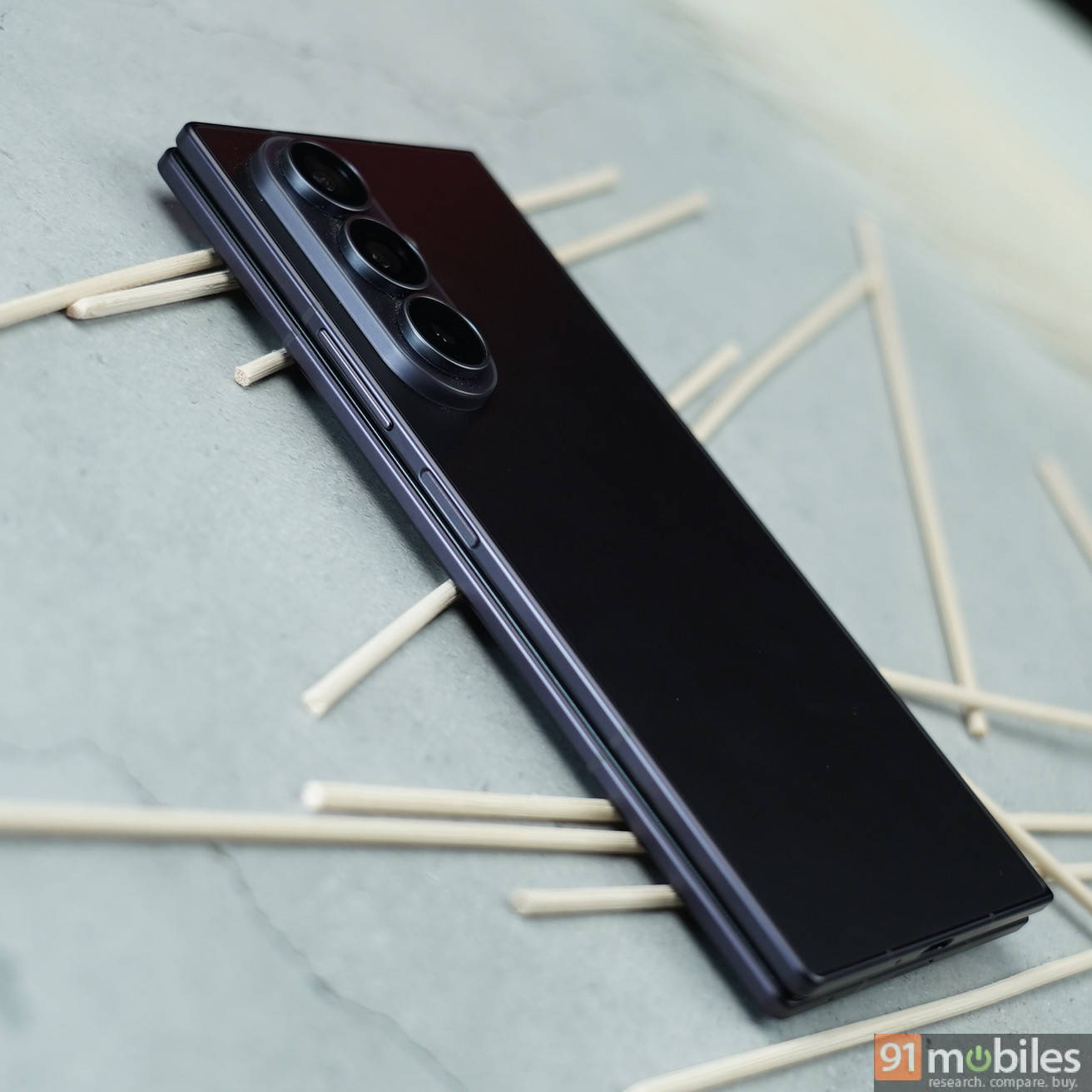
Where you will see (and feel) a difference, however, is when you unfold the Fold8 Ultra. The inner display gets closer to being completely creaseless thanks to what Samsung calls its new Flex Titanium Technology. This new technology uses two titanium-based components – a titanium-alloy film and a titanium plate – working together to balance slimness, flexibility and strength within the foldable display structure.
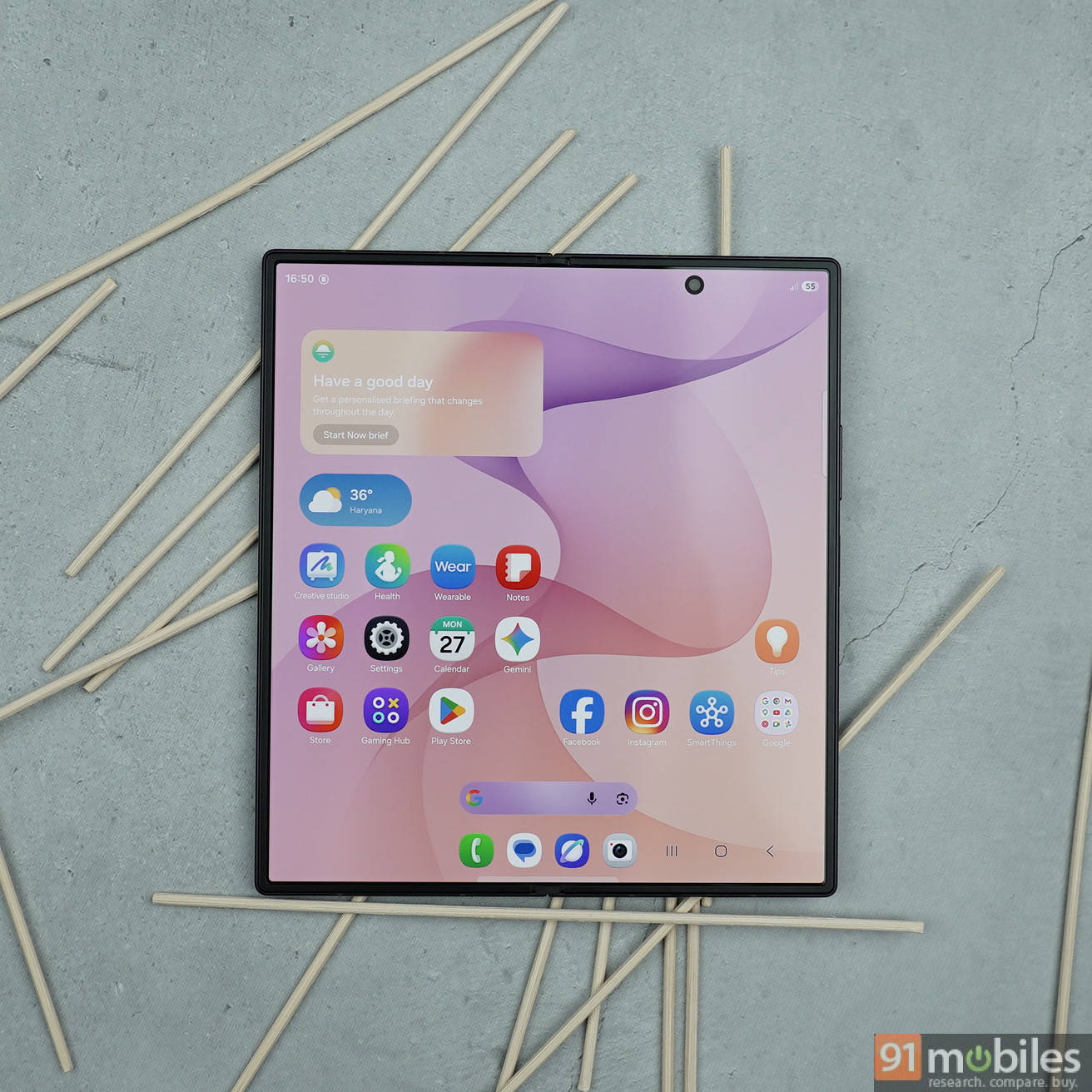
As for the displays themselves, there’s very little to fault. The outer screen, which is protected by Corning Gorilla Glass Ceramic 3, is a 6.5-inch FHD+ Dynamic AMOLED 2x display with a 120Hz adaptive refresh rate. The inner screen is an 8-inch QXGA+ Dynamic AMOLED 2x display with the same refresh rate as the outer screen. Both displays are bright, sharp and colourful. The inner screen also gets a new anti-reflective coating that makes it easier to view under direct sunlight.
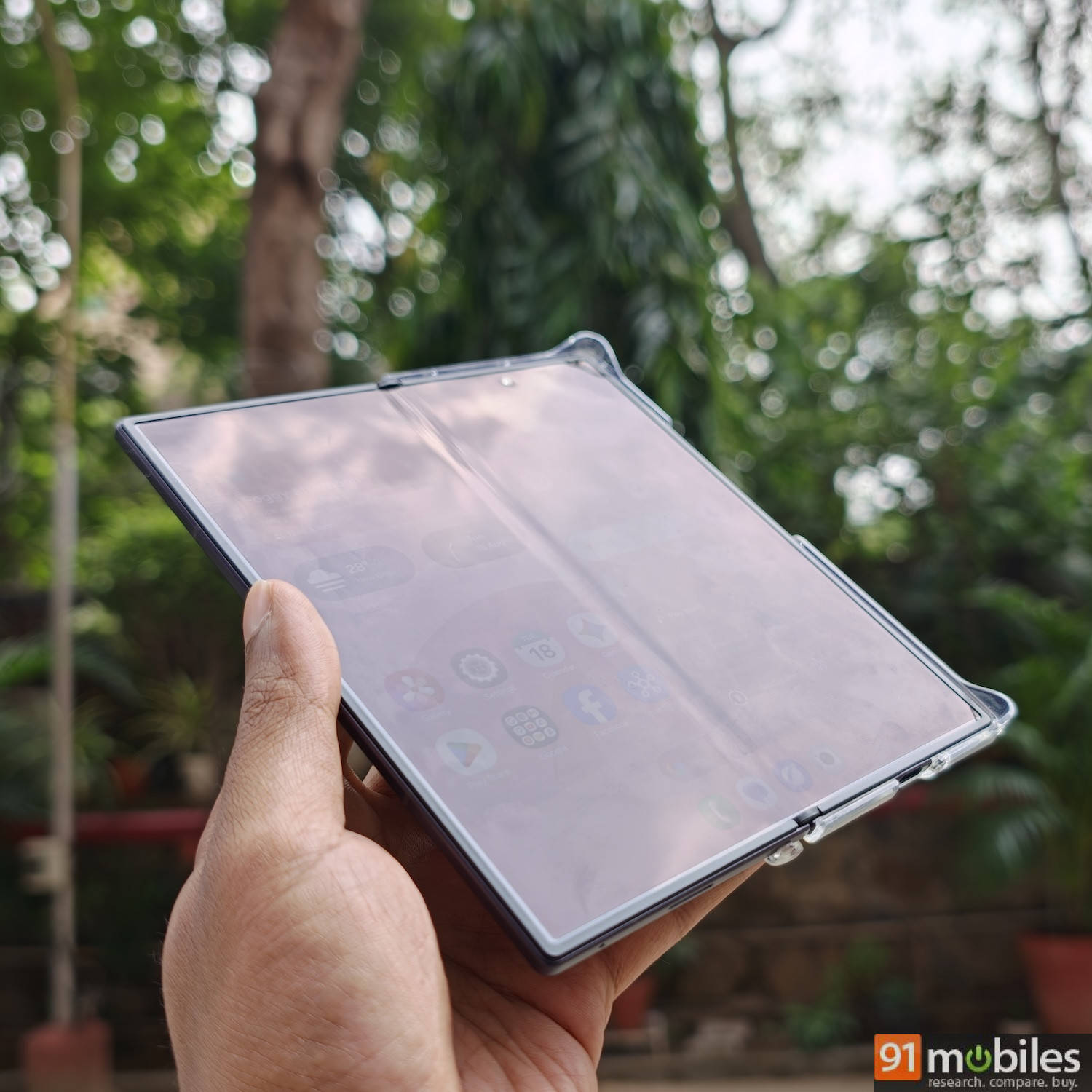
I primarily used the outer cover to do most of my day-to-day work, such as messaging on WhatsApp, scrolling through social media, and ordering food through food delivery apps. The only times I felt I needed to unfold the phone were for reading emails and articles, or for using two apps in split-screen to get some work done. And for these purposes, the Fold8 Ultra’s large 8-inch display does a stellar job.
And while the Fold8 Ultra’s inner display looks great in general, it isn’t the best for watching content, like movies or shows on streaming apps, because the aspect ratio creates thick black bars that can make the experience much less immersive. For this, the passport-sized Fold8 is the one to go for.
Performance: most powerful foldable yet
Performance gets the expected generational upgrade with the Snapdragon 8 Elite Gen 5 for Galaxy under the hood. Qualcomm’s 2026 flagship processor inside the Fold8 Ultra scores over 3 million on AnTuTu, significantly higher than the 2.1 million the Fold7 managed with the previous-gen Snapdragon 8 Elite. The “for Galaxy” tag with the chipset is important too, as it becomes a custom chip designed for flagship Galaxy phones, essentially offering an overclocked CPU and enhanced GPU. So yes, the foldable feels exceptionally fast and smooth, both folded and unfolded, no matter what you’re working on.

I didn’t face any noticeable lag or issues when using the Fold8 Ultra as my primary phone. Apps opened quickly, the UI was smooth, and the transition between the outer and inner displays was seamless. I did notice the phone get warm at the back near the camera module, especially when using the camera app for a while, but it wasn’t anything to be alarmed about.
Software: polished, refined and long-lasting
The Fold8 Ultra, Fold8, and Fold8 Flip are the first set of Galaxy phones to ship with One UI 9 based on Android 17. Much like previous One UI iterations, Samsung is ensuring that the newest version delivers a more refined experience for anyone familiar with the UI. It is clean and easy to use, yet packed with a bunch of Galaxy AI features, many of which quietly work in the background.
Now Brief, the AI-powered personal assistant first introduced with the Galaxy S25 series and One UI 7, provides daily summaries and smart suggestions based on your routine, location, and device activity. It even reminded me to call up family members I hadn’t spoken to in a few days, along with a dash of guilt. Over time, Now Brief has also expanded its scope, becoming more deeply integrated with the UI to provide more personalised cards. On One UI 9, Now Brief now supports bill payment reminders by tracking incoming bills and due dates and sending timely alerts.
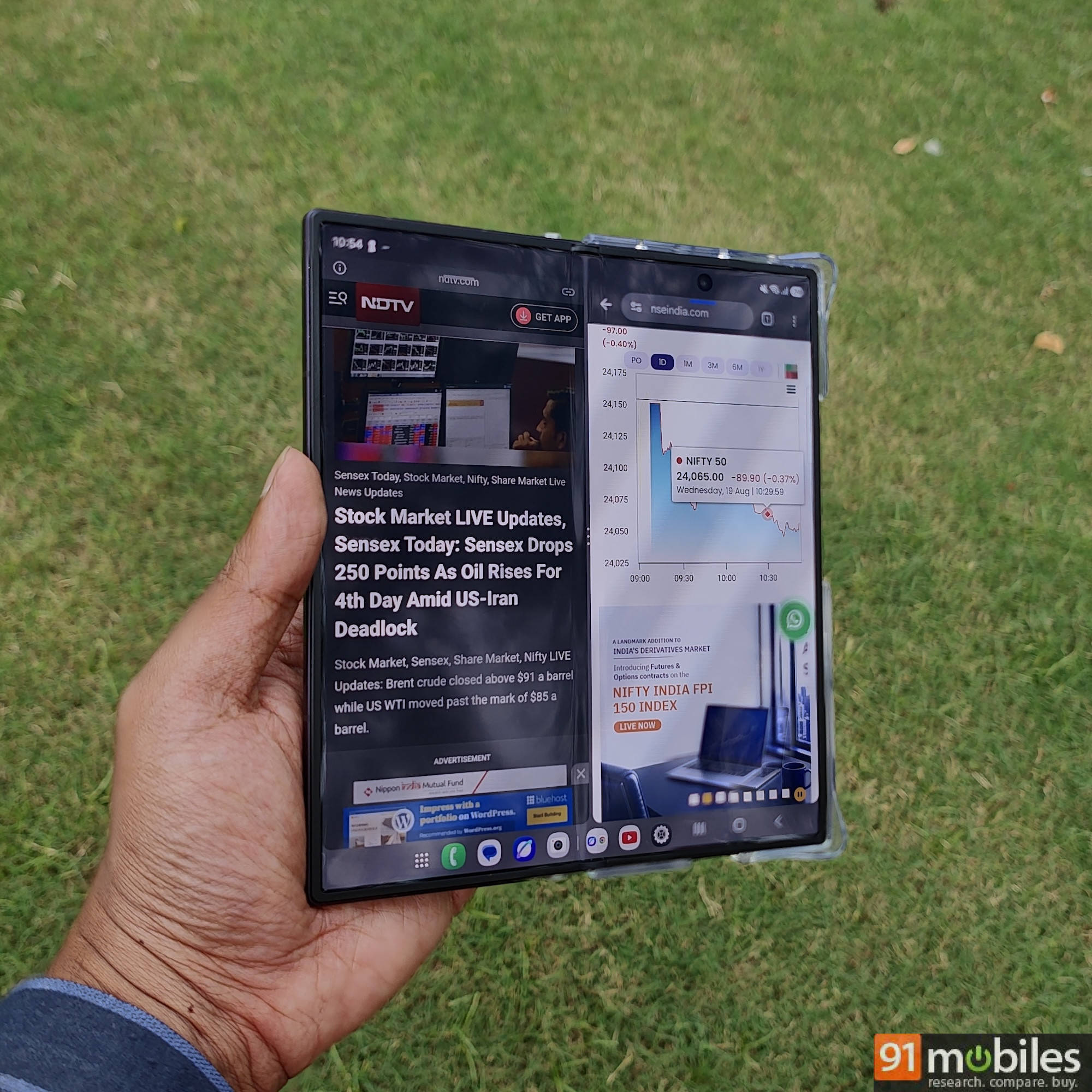
The Fold8 Ultra is definitely for the buyer who prefers to have multiple apps open at the same time. The inner display lets you have two or three apps open simultaneously in split-screen view, plus a bunch more floating windows, if you like that kind of heavy multitasking. The 8-inch display is expansive enough for multitasking, although personally having two apps in split-screen was more than enough. Strangely enough, a few colleagues in the office asked me about my experience with multitasking while looking at the stock market. I’m not into trading much, but the fact that a few people asked me about it suggests this is a genuine use case for a foldable. And to answer your question, it is quite good.
You can also trust Samsung to provide long-lasting software support, with all the newest foldables promised to receive 7 years of OS upgrades and 7 years of security updates, ensuring they stay relevant through 2033.
Battery: improved endurance to handle two displays
Battery life is by far the most noticeable upgrade on the Galaxy Z Fold8 Ultra. Previous Galaxy Fold models would typically last from morning to evening and call it a day by bedtime, but the Fold8 Ultra goes further. I’ve consistently gone through a full day on moderate to heavy usage, shuffling between the cover screen and inner display and ending up with around 30-40% battery by the end of the day. This meant the phone could comfortably last 1.5 days on a single charge.
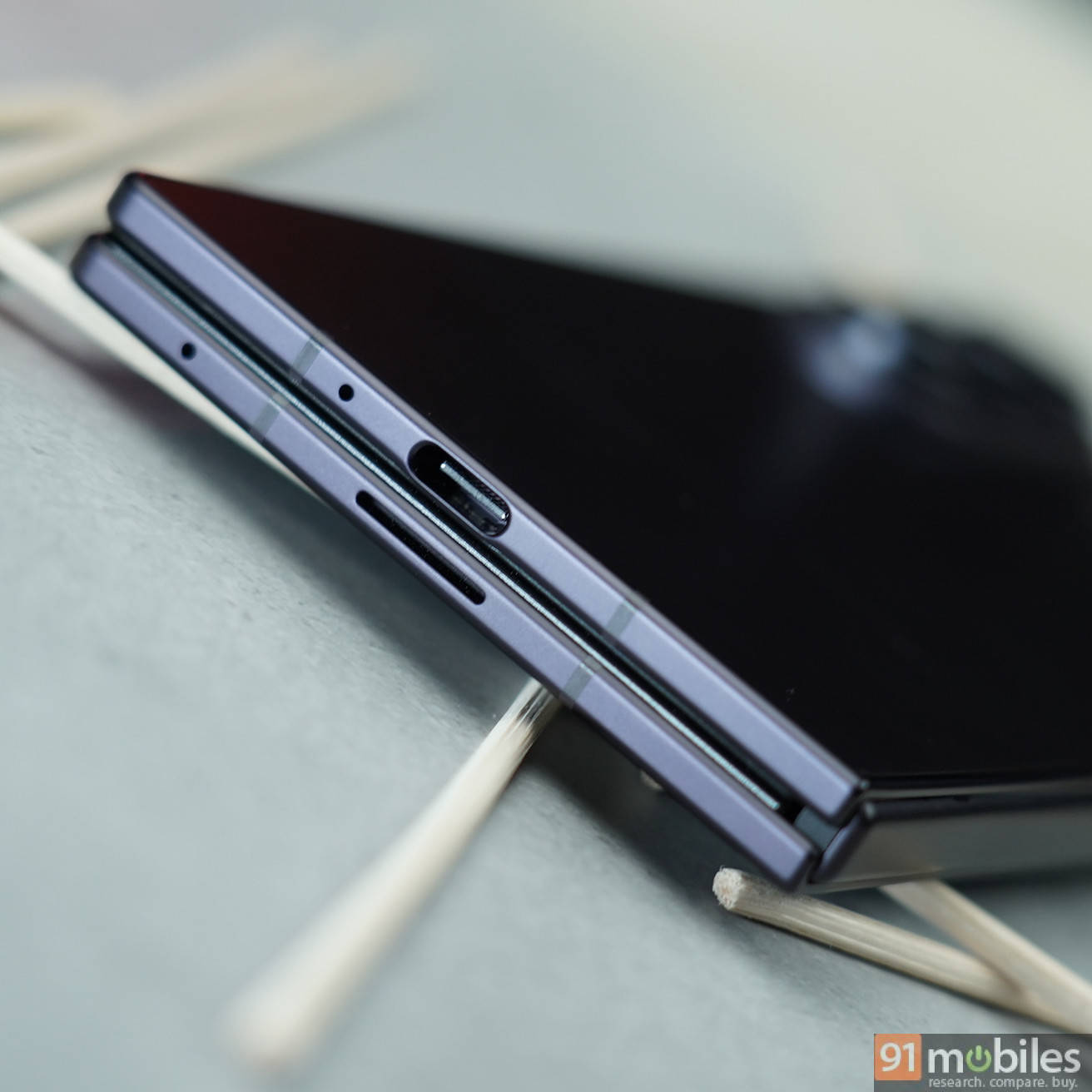
With the Fold8 Ultra, I didn’t have the kind of battery anxiety I did with the Fold7. That said, I would still charge it fully the next morning while getting ready for work. And with the foldable now supporting faster charging at up to 45W (a major bump from 25W on the Fold7), it took less than 1 hour to charge the phone from 20% to 100%. For reference, the Z Fold7 would take around 75 minutes to charge from 20% to 100% at 25W.
Cameras: dependable primary, improved ultrawide
The Fold8 Ultra has the best camera system among the three new Galaxy foldables. The rear camera system includes a 200MP main camera, which is the one responsible for crisp images in most lighting conditions. It captures 12MP pixel-binned photos by default, but you can switch the resolution to 50MP or even 200MP raw, depending on how sharp you want your photos to look. Keep in mind that higher-resolution photos take up a lot of storage space.
The ultrawide camera has received a major bump from 12MP on the Fold7 to 50MP on the Fold8 Ultra. Not only does this lead to brighter, sharper ultrawide photos in daylight, but it also lets you capture sharper macros. While the ultrawide lens is far more usable than it was on the Fold7 and almost as good as the S26 Ultra’s, it is best used in daylight, as photos start leaning towards softer, noisier output in low light.
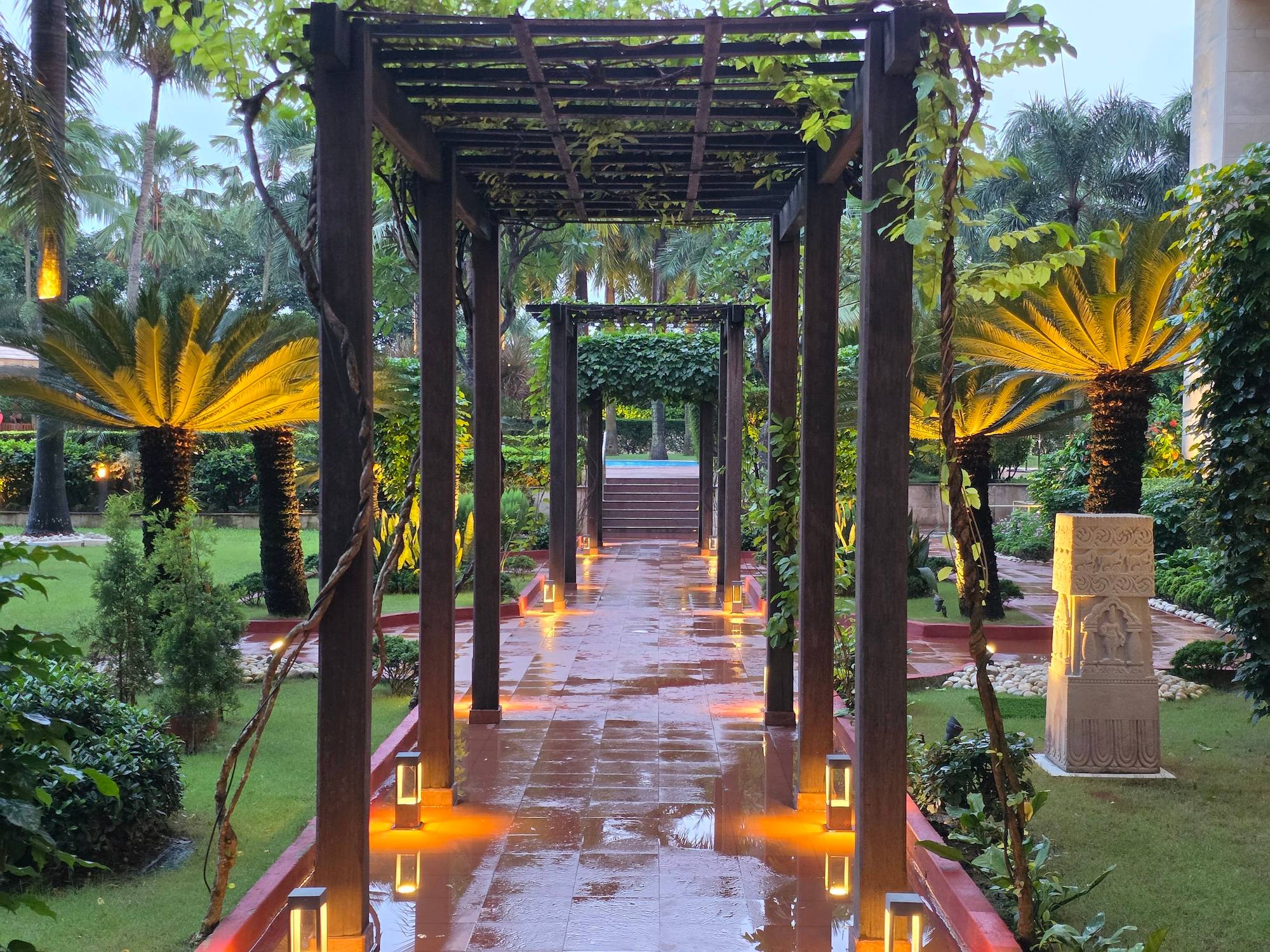


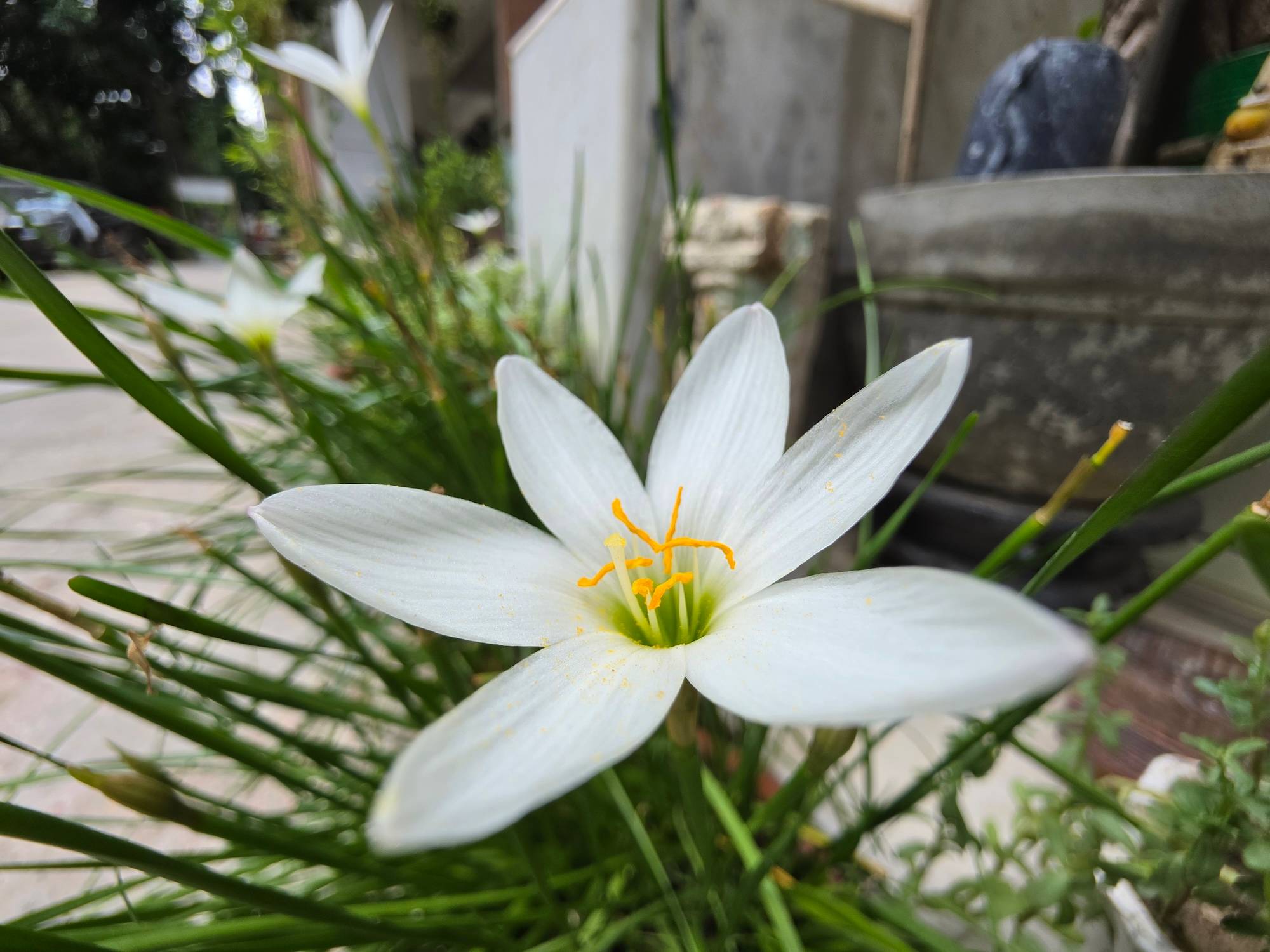
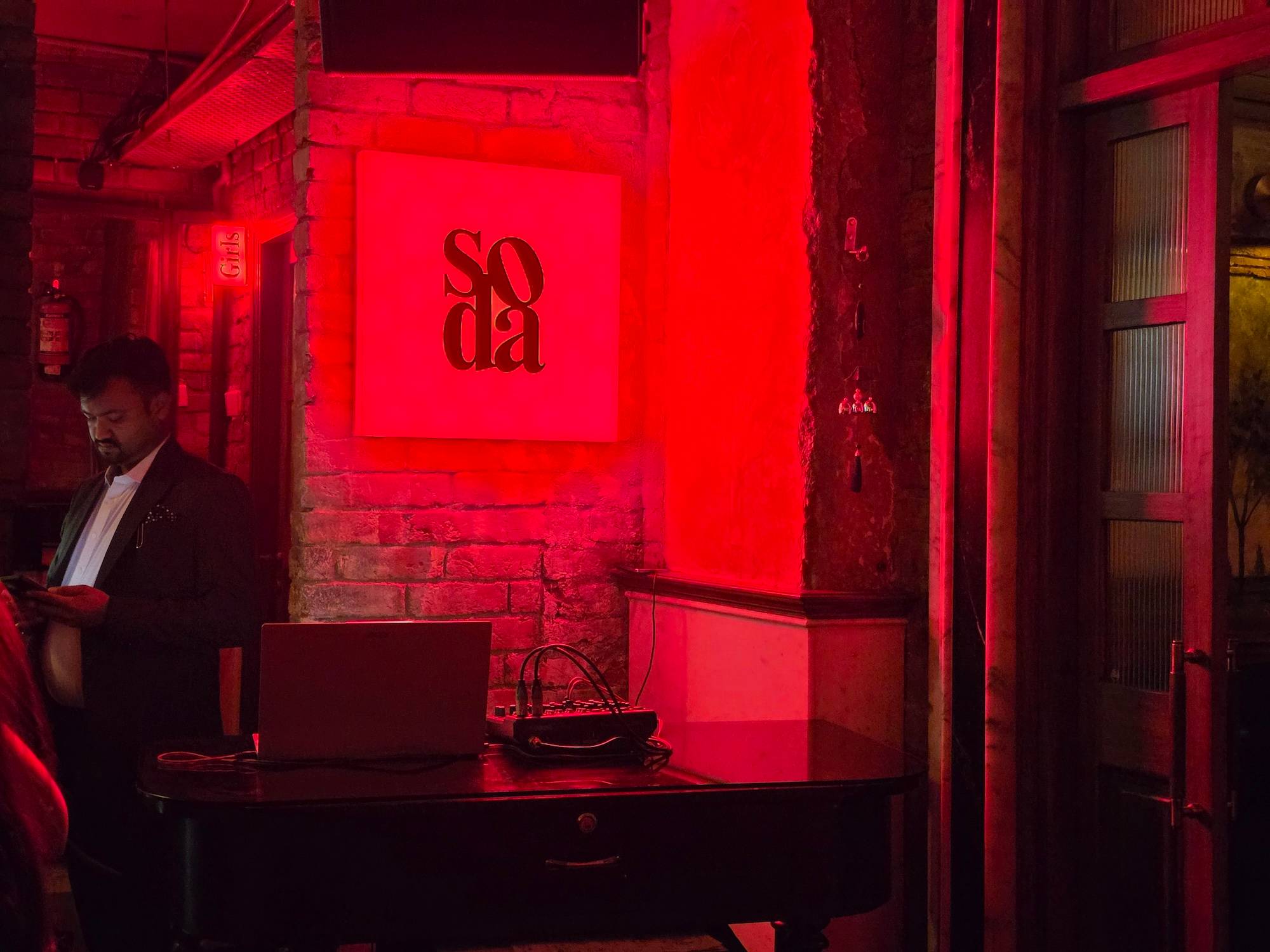
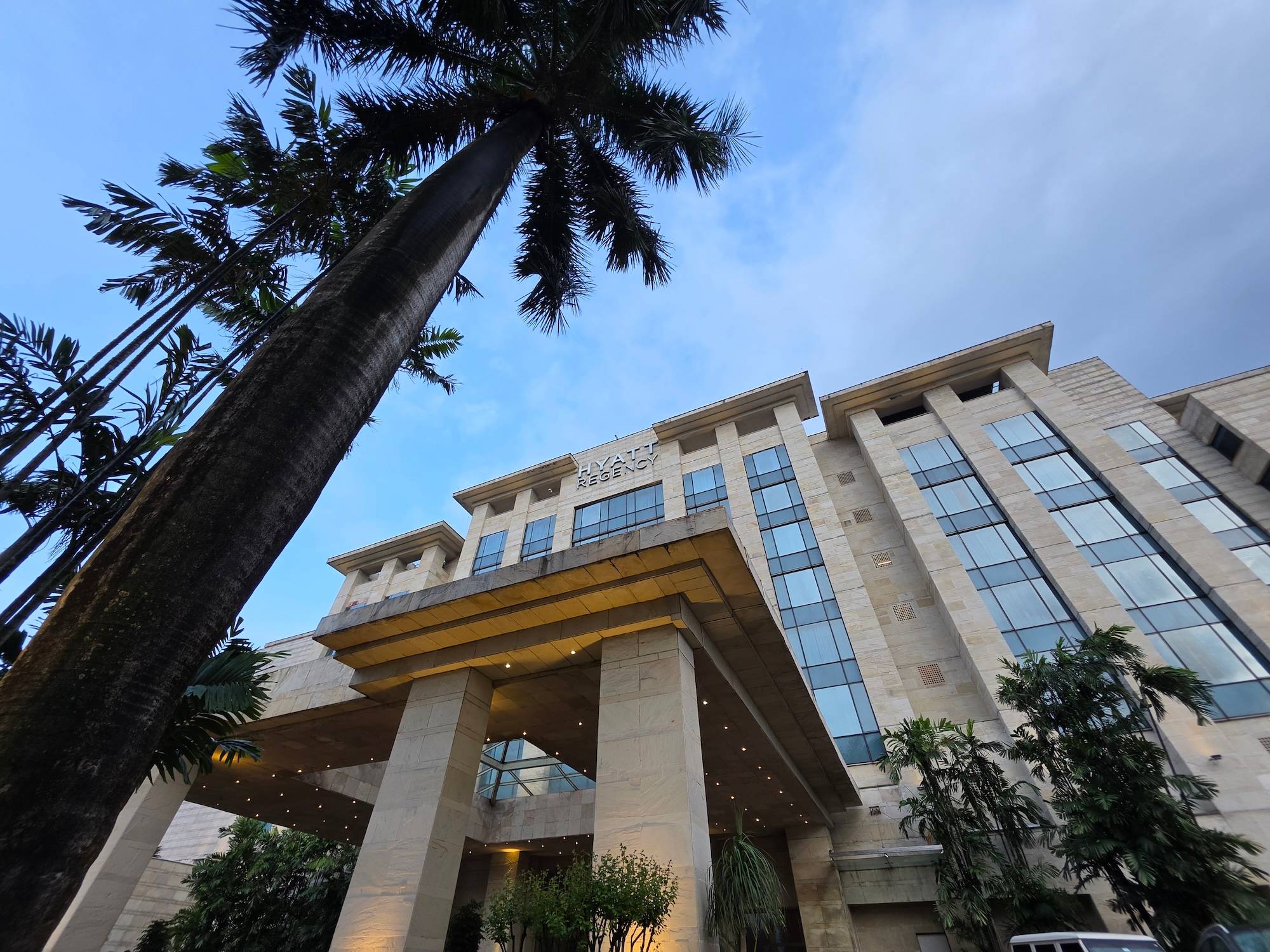
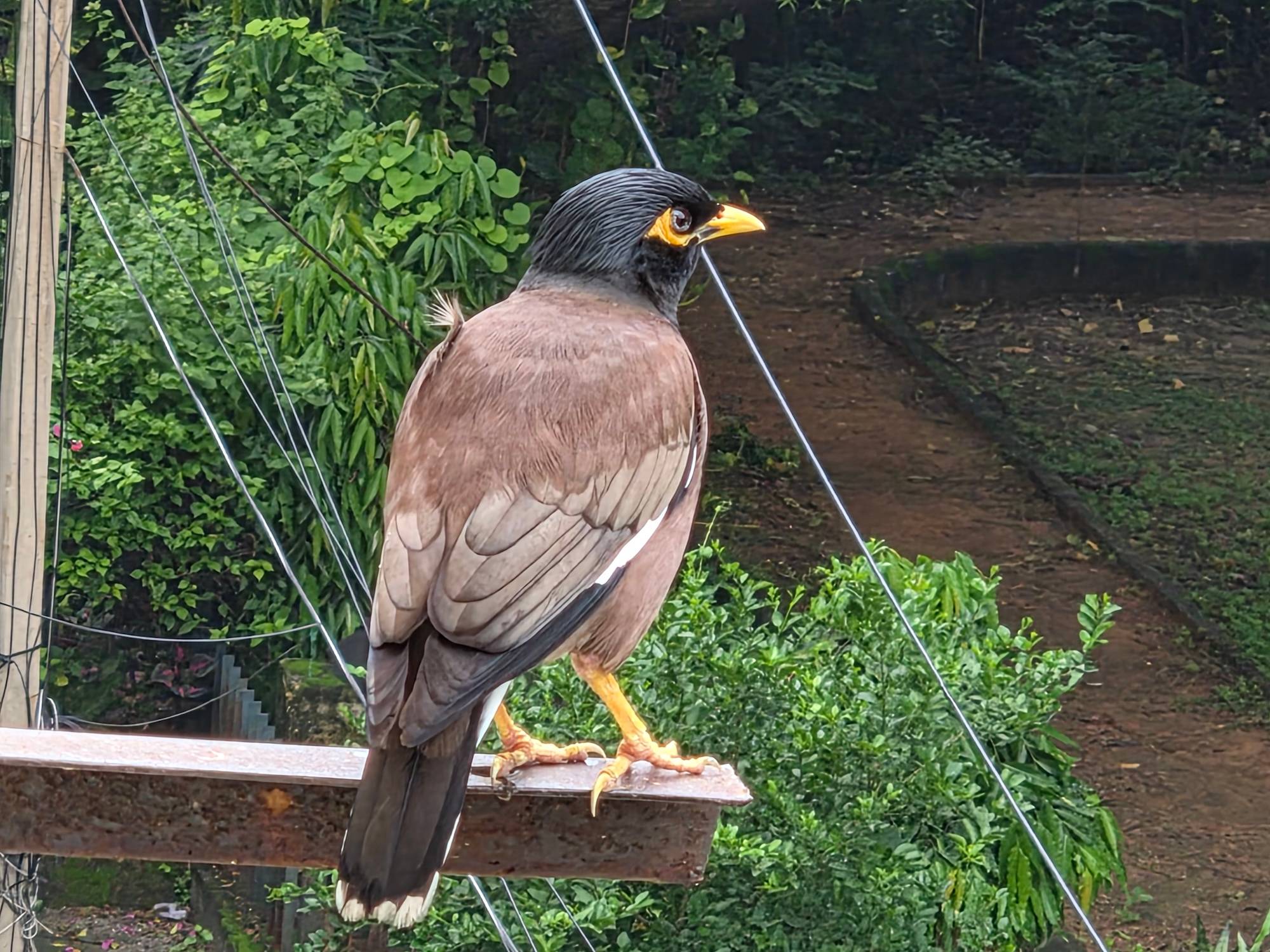
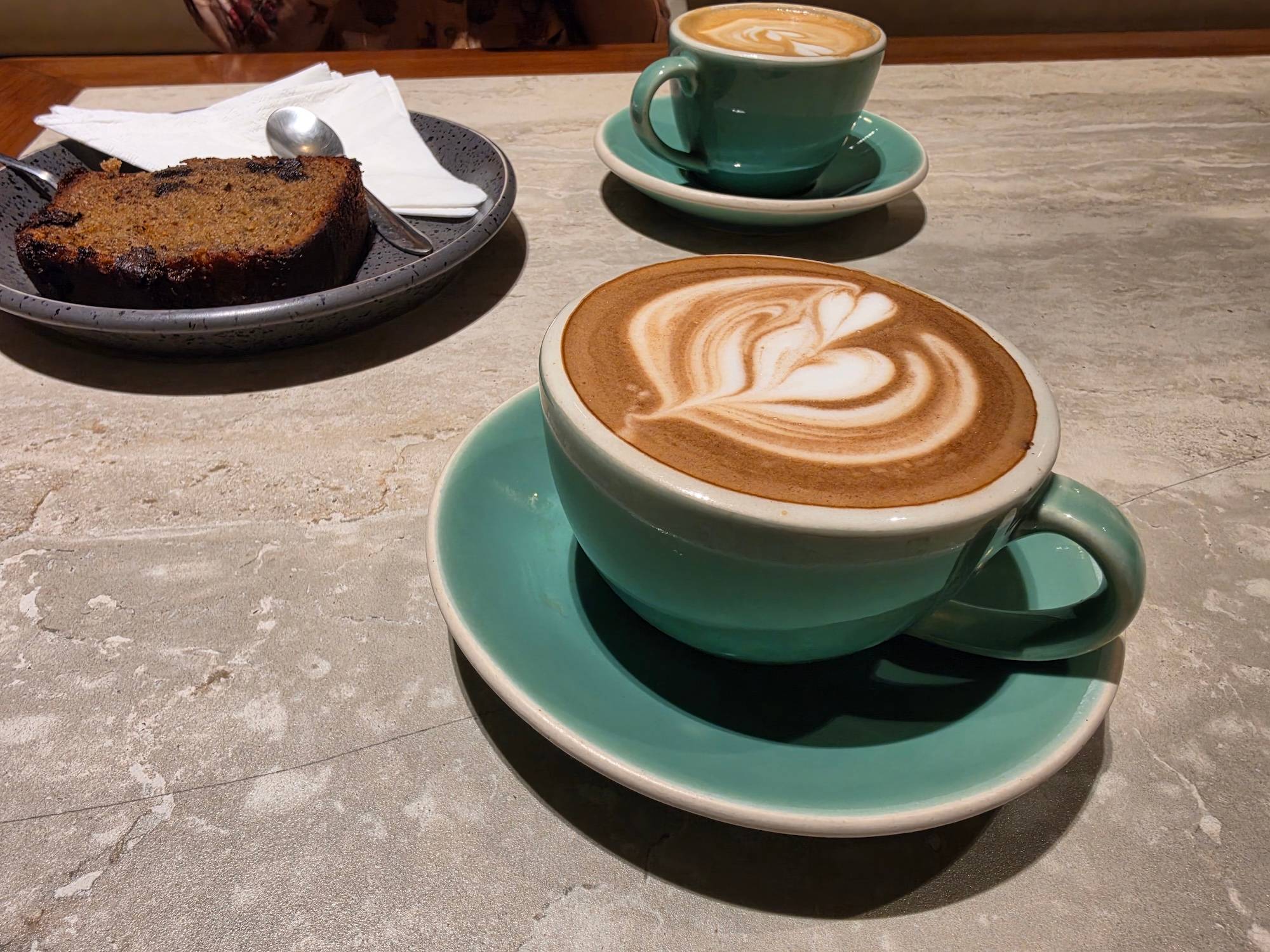
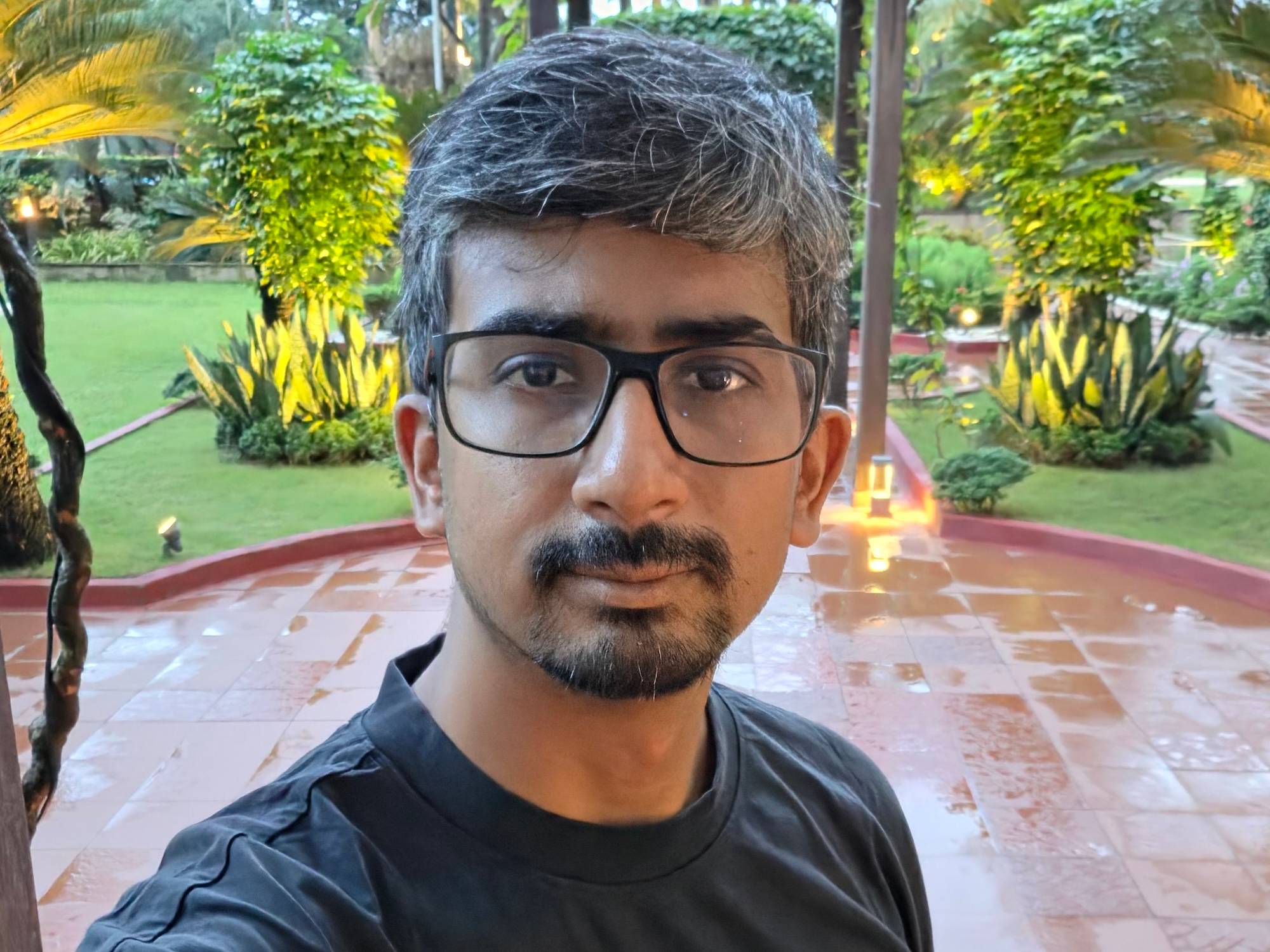


The 10MP telephoto camera with 3x zoom remains largely unchanged from last year. It works well in daylight for portraits, but the results aren’t as exciting as those from the main and ultrawide cameras. While portraits look decent at first glance, zooming in reveals softness around the edges, rather than clear edge detection and subject separation from the background. Portraits get progressively softer as you move towards evening or night, with less natural light.
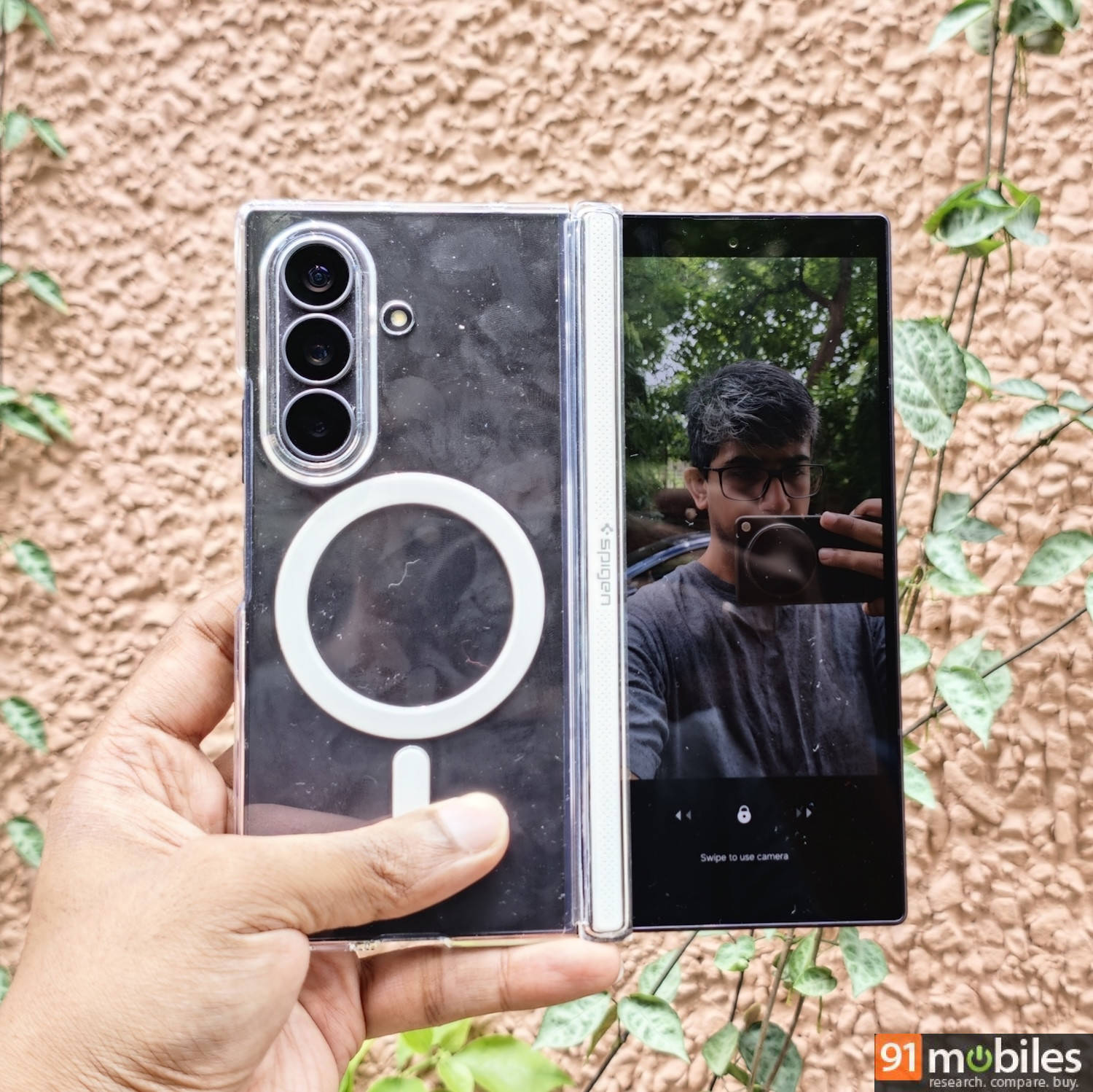
Meanwhile, you get a 10MP selfie camera on the outer display and a 10MP camera on the inner screen; both work well enough for video calls and capturing usable selfies. However, the best thing about using a foldable like the Fold8 Ultra is that you can use the 200MP rear camera for sharper, more detailed selfies by unfolding and using the outer display as the viewfinder.
Final verdict: best foldable phone in 2026?
There’s no denying that the Galaxy Z Fold8 Ultra is the best book-style foldable you can buy right now, bringing several improvements over its predecessor even if it doesn’t look like it on the outside. The near-crease-less display, using the new Flex Titanium Technology, is a noticeable improvement the moment you start using the inner display. The battery life is improved, giving you 1.5 days on a single charge rather than giving you less than a day and some anxiety to go with it. Add 45W charging, a faster chipset, One UI 9 out of the box with 7 years of updates, and the Fold8 Ultra makes a strong case for being 2026’s best foldable.
The camera system is good across the board in daylight, with the 200MP main camera and the improved 50MP ultrawide. However, the 10MP telephoto lens could have been better, and it is one area where regular ultra-premium phones like the OPPO Find X9 Ultra and Vivo X300 Ultra have a genuine advantage. But the Fold8 Ultra is primarily a foldable phone for multitasking, not a camera-first one, and that’s what you need to consider when buying a phone priced near Rs 2 lakh.
Which leads me right into the price. The price is what it is, given the state of the market in 2026. Foldables, especially one as stacked as the Fold8 Ultra, don’t come cheap. But if you’ve been waiting to buy a foldable, the right time was last year; the second-best time is right now. The more you wait to pull the trigger, the more expensive these foldables become. The Razr Fold (review) is a good alternative, but it is Motorola’s first attempt at a book-style foldable, whereas Samsung has had 8 years to refine its foldable. The newest Pixel 11 Pro Fold is also worth considering if an IP68 rating and Google’s baked-in AI features matter, but Samsung’s foldable edges it out with a faster chipset, faster charging, a larger battery, and a sleeker design.
Editor’s rating: 8.6 / 10
Pros:
- Polished foldable design
- Improved creaseless inner display
- AI features and long software support
- Better battery life than Fold7
Cons:
- Pricier starting price compared to Fold7
- Telephoto camera could have been better
 | vs |  |
| vs |  |