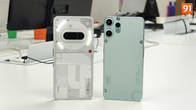
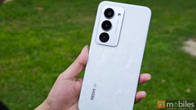
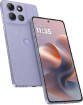
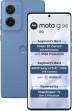
Following several launches under the Edge 60 series since the start of the year, Motorola has now introduced two new G-series phones in the sub-Rs 20,000 segment: the Moto G86 Power and Moto G96. With a starting price of Rs 17,999, both these handsets share some similarities and many differences. Right off the bat, the G96 is a sleeker and lighter phone with a curved display, while the G86 Power, with a flat display, gains one of the largest batteries in the segment.
This may put buyers in a state of confusion about which phone to get, especially if they’re specifically looking for a mid-range Motorola smartphone. Since we at 91mobiles went hands-on with both phones and provided detailed reviews, here’s a quick guide to help you choose the handset most suitable for your needs.
Table of Contents
A matter of curve vs flat display
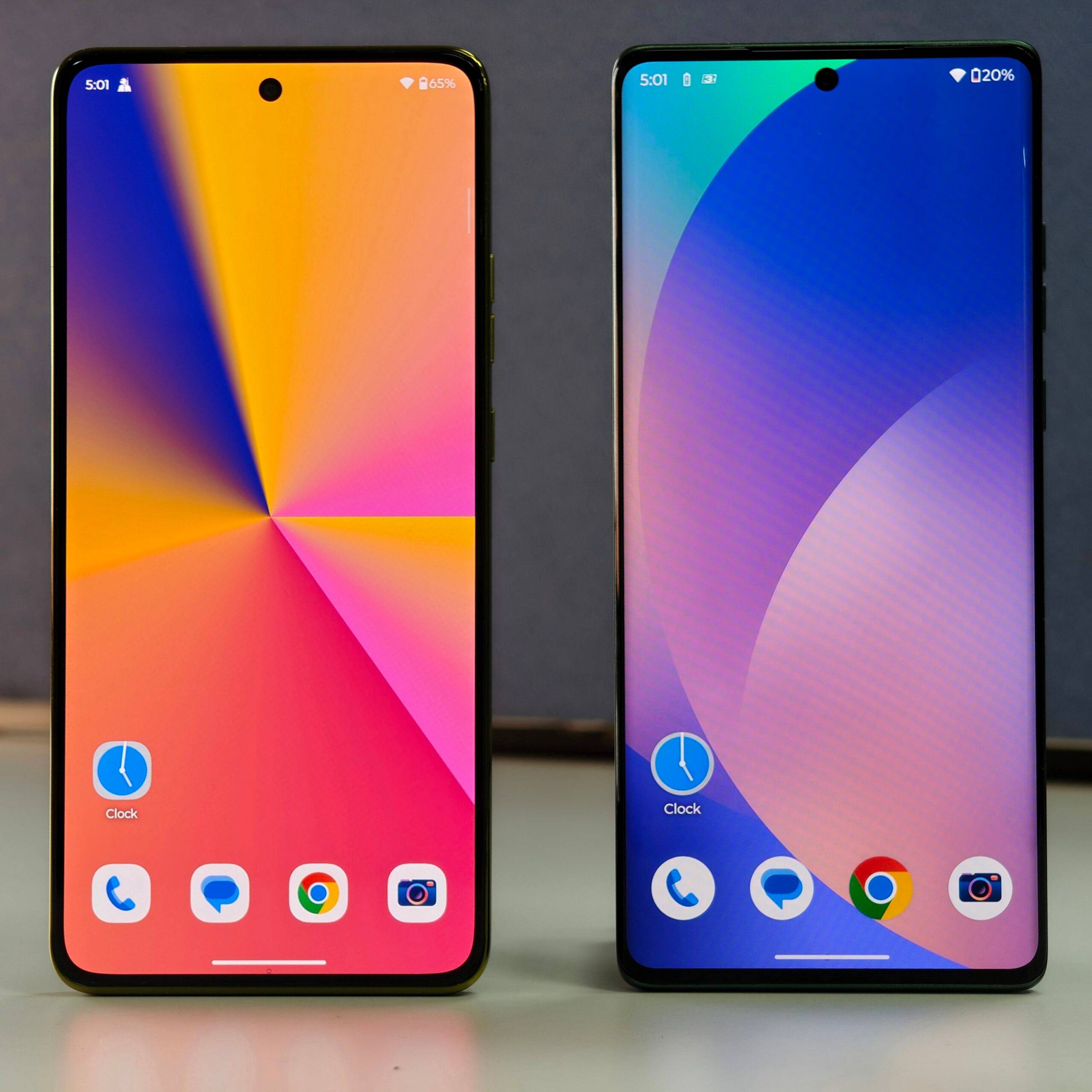
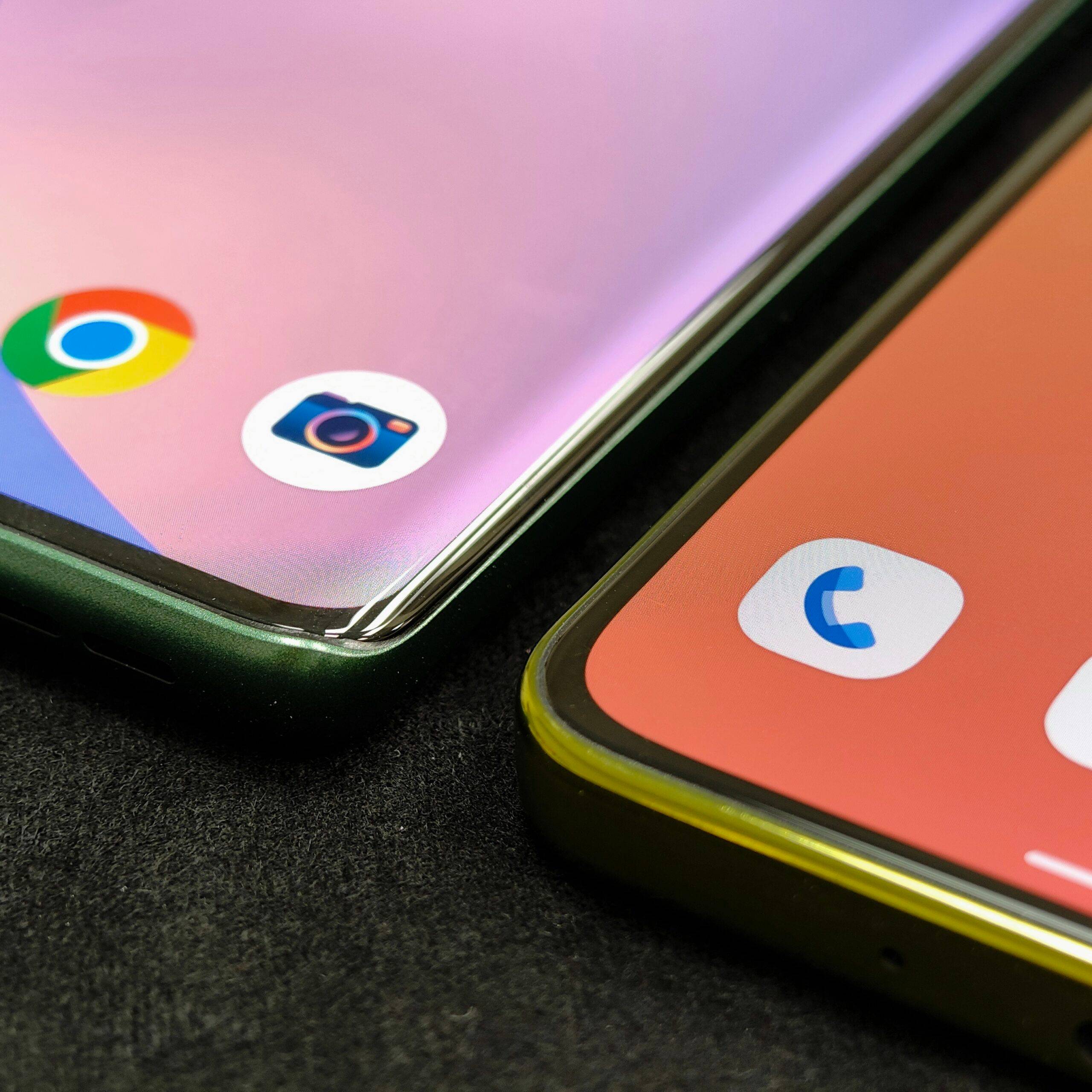
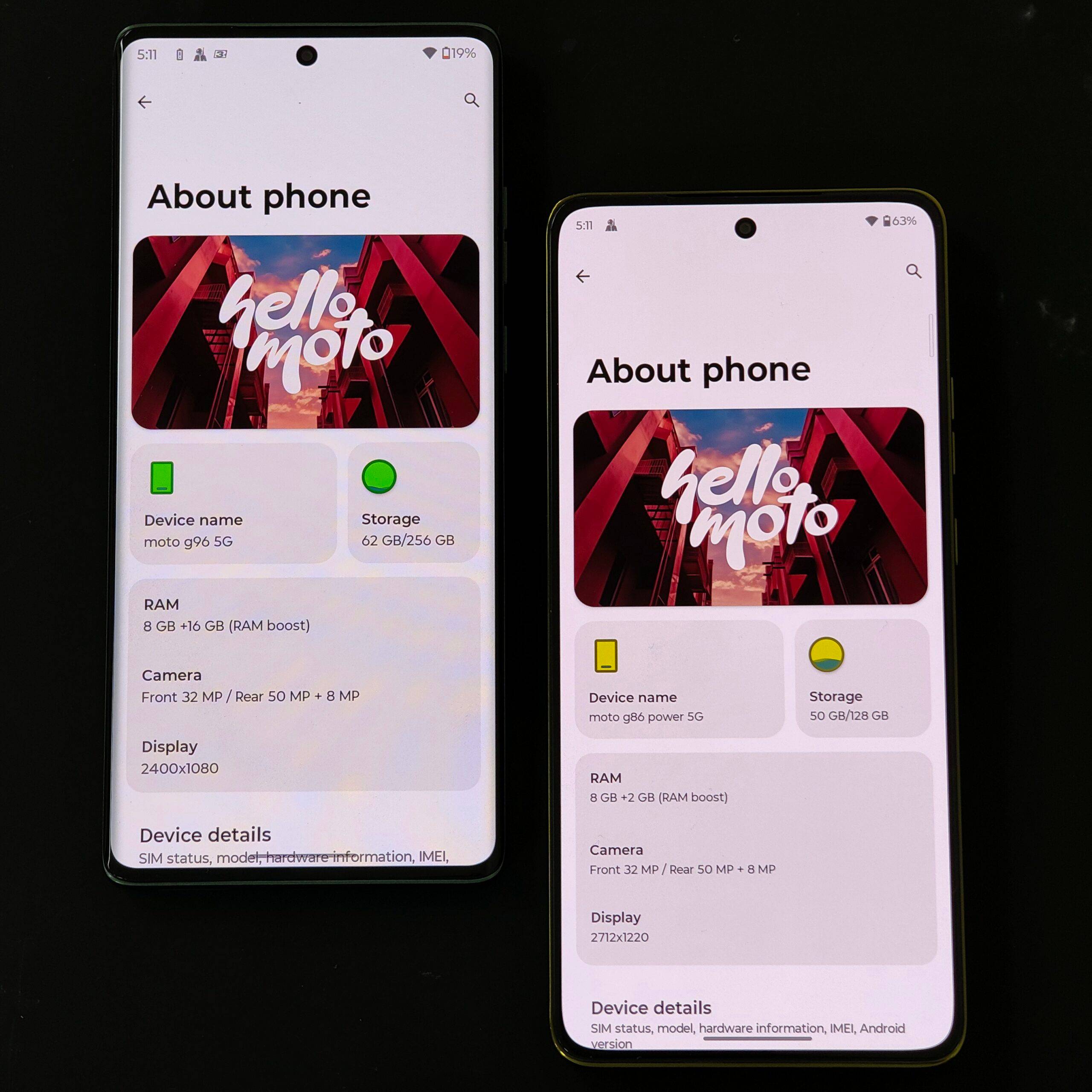
The Moto G86 Power (review) and Moto G96 (review) take different approaches to the display panel. Although it all comes down to preference, the G86 Power features a traditional flat pOLED display with a 1.5K resolution, while the G96 boasts a curved pOLED panel but with a lower 1080p resolution. In my experience, using the G96 is smoother when the refresh rate is set to 144Hz, but the brightness levels aren’t as good as those of the Moto G86 Power. The G86 can get brighter but is restricted to 120Hz.
Whether watching content or scrolling through daily life apps, the G86 Power’s display is crisper, but not by a large margin. The colours and tones produced by both phones’ displays are similar, meaning you get deep blacks and vibrant colours in the ‘Vivid’ setting.
As noted in my Moto G96 review, the curved side display allows for more convenient operation of the phone, thanks to the ability to reach UI elements from one end to the other. Pair that with a 178g weight, and the Moto G96 is clearly a one-handed phone, even though the display’s height isn’t as small as the compact phones we’ve been seeing in the market recently.
The G86 Power is slightly heavier, weighing 195g, with a wider display width. However, if you prefer your content to be centred, as is the case with the G86 Power, it should be your go-to choice among the two. The flat display is also a preferred choice for gamers who love playing games like BGMI and CoD: Mobile.
Smoother performance on the Moto G86 Power
The Moto G86 Power’s performance is more in line with that of other devices in the segment, whereas the Moto G96 falls slightly behind. Powered by the MediaTek Dimensity 7400, the G86 Power features the same processor as the Realme P4 and iQOO Z10R, which performs better on benchmarks than the Moto G96’s Qualcomm Snapdragon 7 Gen 2.
Pushing the Moto G96 to its limits can hamper its performance. For instance, when loading multiple apps into memory, playing music in the background, and playing games consecutively, the G96’s UI becomes stuttery. This suggests that the phone may struggle to keep up with users who demand snappy performance. On the other hand, the G86 Power performs slightly better in the same scenario. Additionally, it boasts enhanced thermal management, as it generates less heat while playing popular titles such as BGMI and Call of Duty: Mobile.
Moto G96 delivers more reliable photos
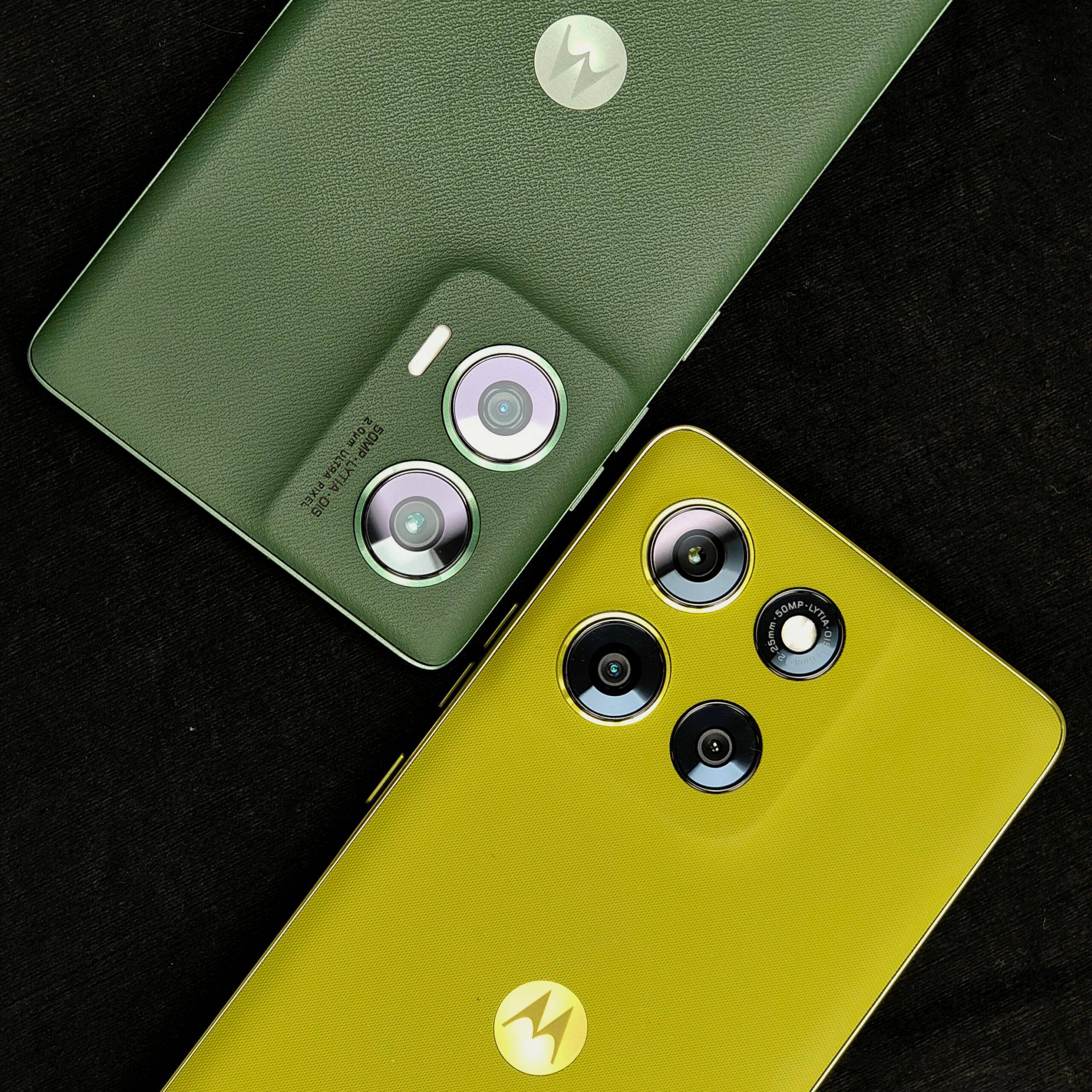
Regarding the optics, the Moto G96 features a 50MP 1/1.56″ LYT700C main camera, which is larger than the G86 Power’s 1/1.95″ main sensor, but with the same megapixel count. The other cameras are identical on both, including an 8MP ultrawide lens and a 32MP selfie shooter, with support for 4K recording on both front and rear cameras.
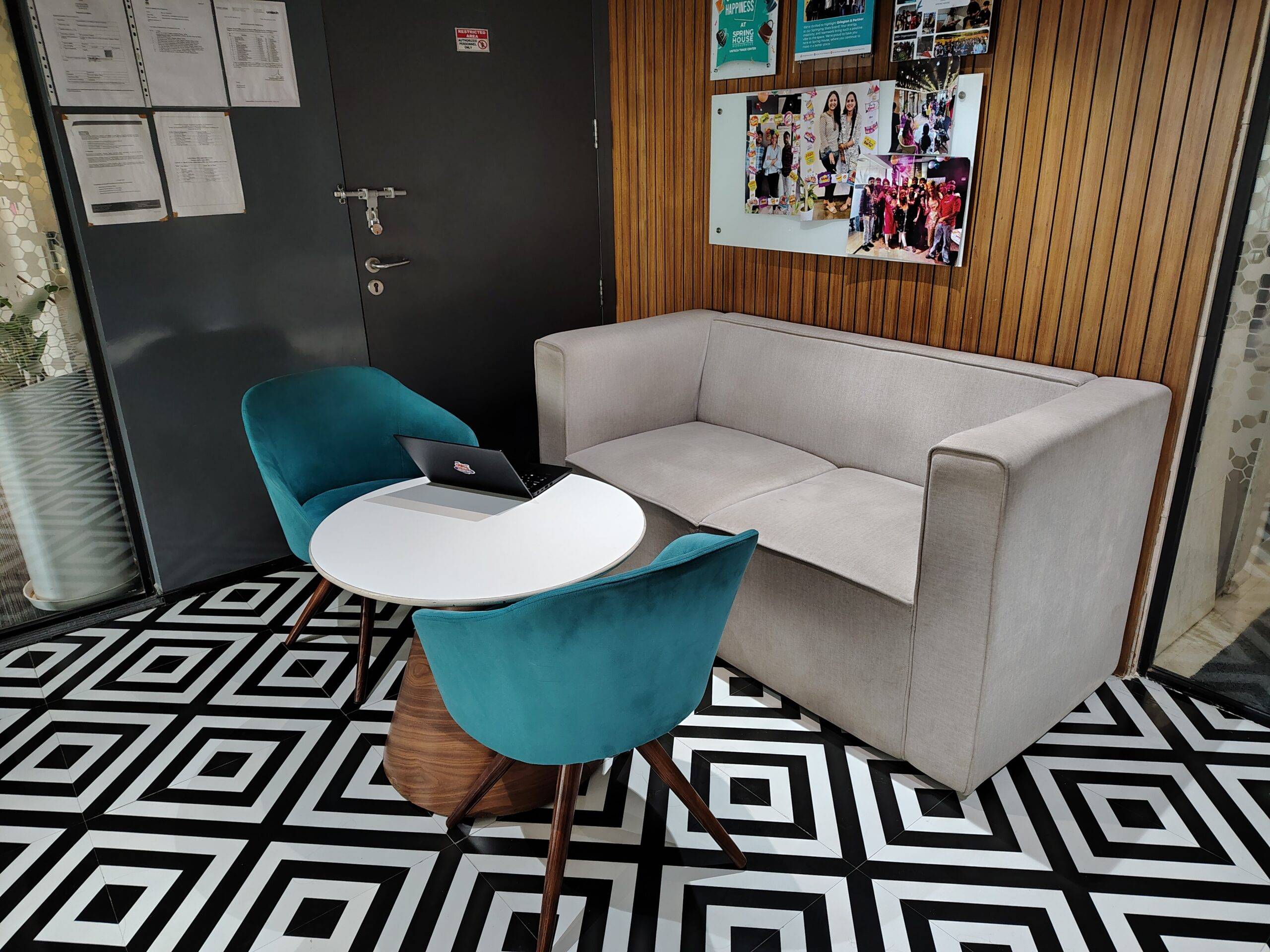
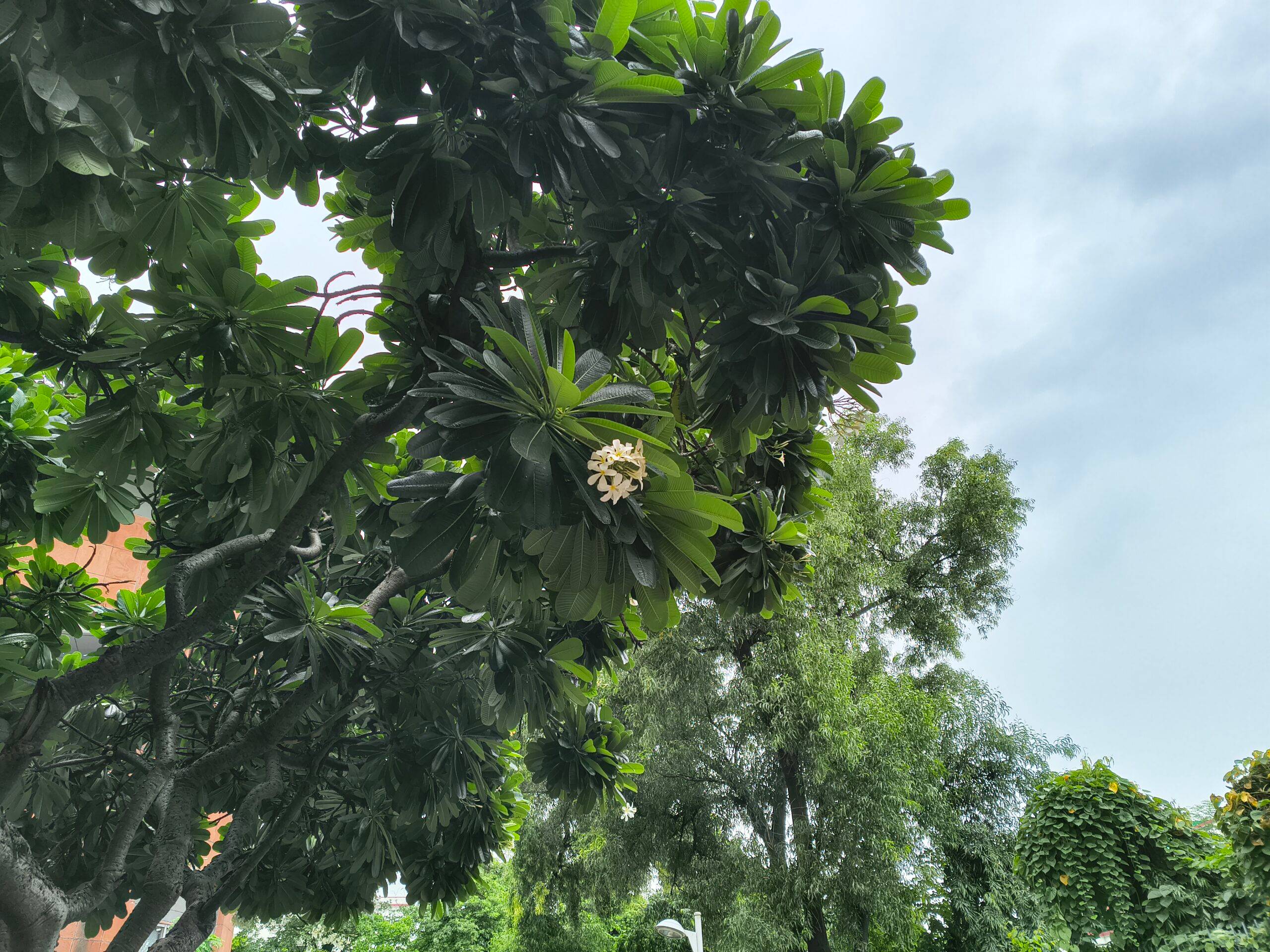
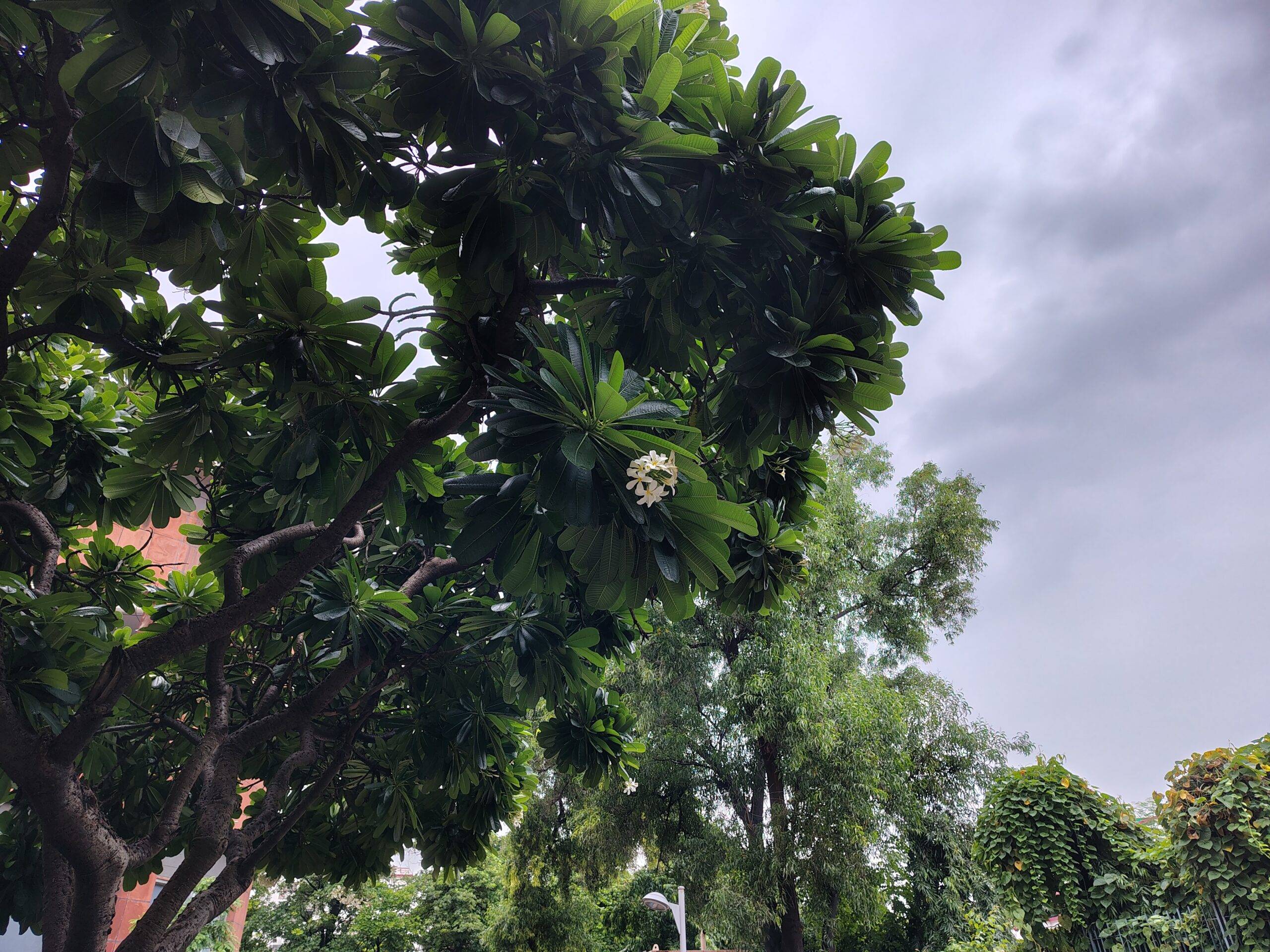
Daylight
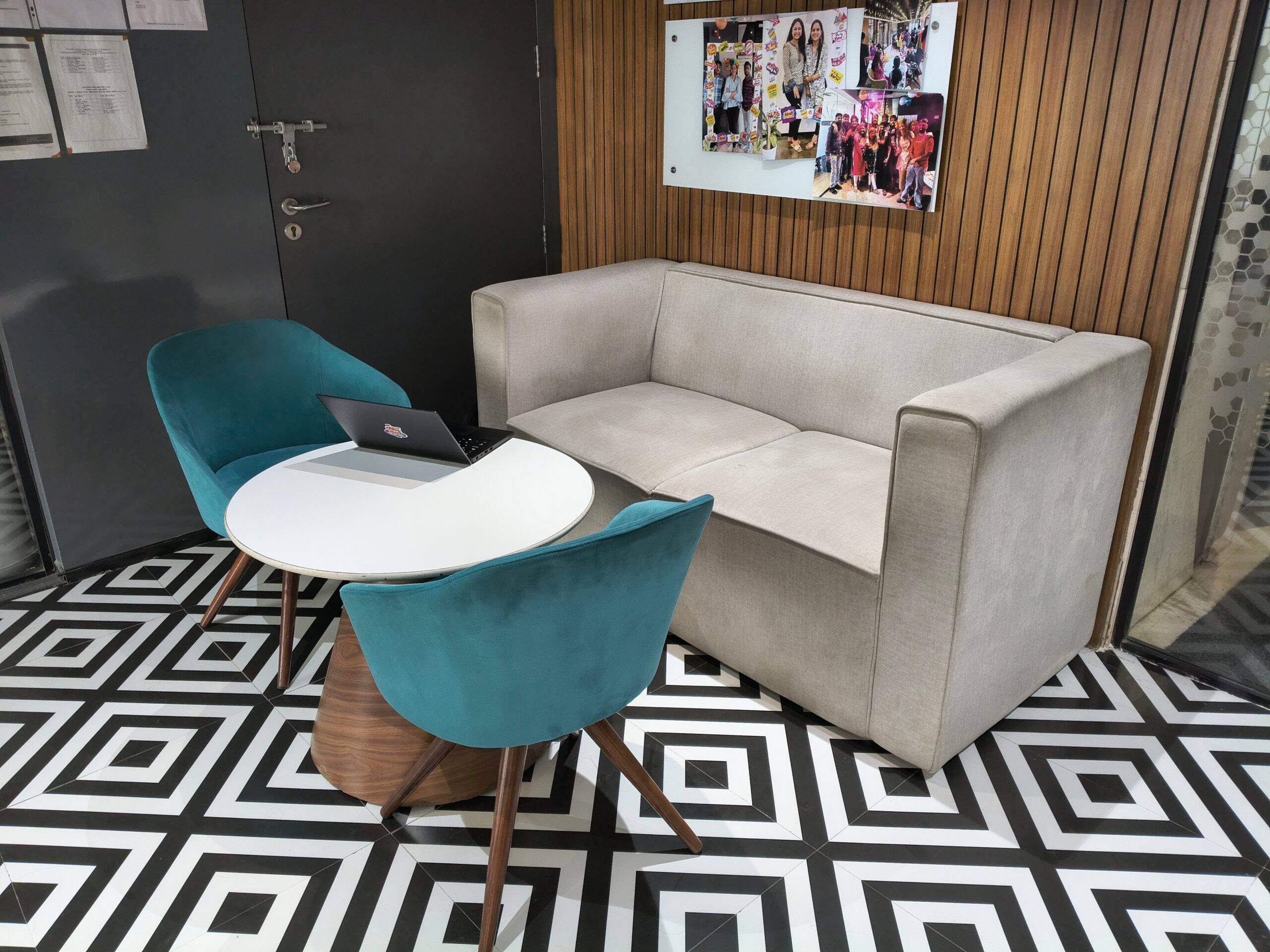
In daylight shots using the main camera, I observed that the Moto G86 Power tends to lift shadows in both indoor and outdoor scenarios, which may not always result in accurate or realistic colours. At the time of capturing the images, the sky was similar to how Moto G96 depicts it in its shots.


Thanks to the Moto G96’s larger main camera sensor size, it’s able to capture more details, which is more evident indoors or in scenarios with insufficient lighting. It also has better dynamic range and offers more contrasty tones.
Ultrawide
The 8MP ultrawide camera shots from both handsets lack spectacular details, but the colour consistency between the main and ultrawide lenses appears to be better on the Moto G86 Power.


Portraits
In portrait mode, the G96 has better detection and a rather appealing bokeh at the same focal lengths and aperture compared to the G86 Power.


Macros
Through the ultrawide camera, these phones can shoot macro shots, and the G86 Power appears to have a lower focusing distance, allowing you to get closer to the subject.


In summary, the Moto G96 stands out in terms of details and contrast. However, if you prefer the shadows to be lifted in your main shots, the Moto G86 Power may appeal more to you.
Clean software with limited software support
Moto G86 Power takes the lead in battery endurance
Coming to the actual battery percentage drop, the Moto G86 Power lost 2 per cent of battery life in our 30-minute 4K YouTube video streaming test, while the Moto G96 saw a 3 per cent decrease in battery. Similarly, the G86 Power had a better battery endurance in gaming titles like CODM and BGMI, as it dropped 10 percent of battery compared to G96’s 11 percent fall. These games were played at the maximum graphical settings supported by the phones.
The other stuff
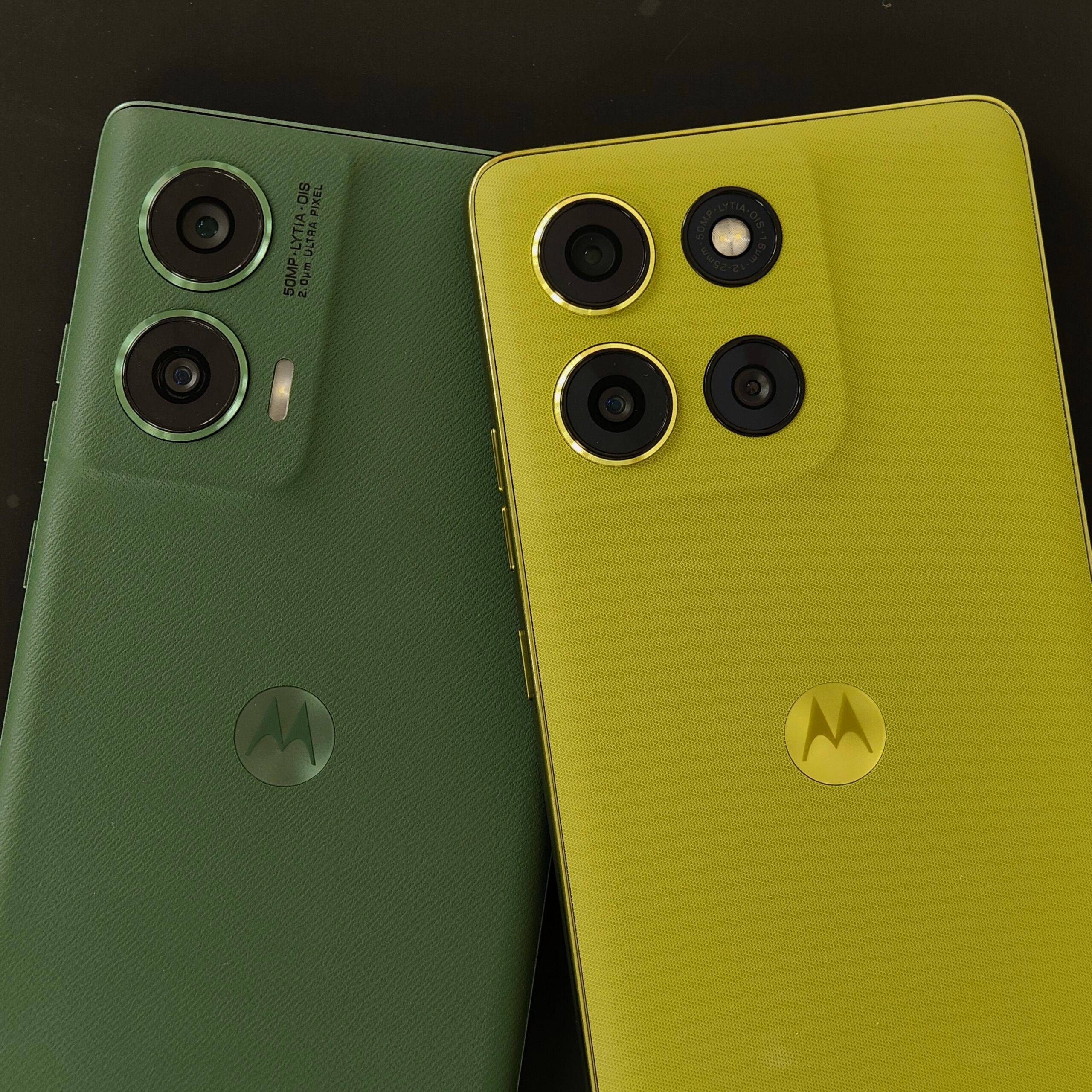
Motorola follows the tradition of providing both these handsets with a vegan leather back panel. The rear panel of G96 provides more friction, resulting in a better grip when using the device without a cover. The presence of Dolby Atomos-powered stereo speakers on both phones significantly enhances the experience of watching YouTube videos, movies, or shows. Then there’s the IP68 and IP68/69 ratings on the G96 and G86 Power, respectively, which provide a sense of protection against heavy rains or accidental water spills.
To conclude, if you had to spend Rs 17,999 on a Motorola smartphone, the Moto G86 Power should be your top choice if you prefer a flat display, improved battery endurance, enhanced gaming performance, and a decent set of cameras for the price. Motorola’s Power lineup is for battery-first users.
On the other hand, the Moto G96 caters to design-conscious buyers. It is more suitable for those who can compromise on performance, especially when most rivals offer better hardware capabilities in the price segment, but want a sleek device that is comfortable to hold for extended periods and can capture detailed, realistic images.