The OnePlus Pad 4 is OnePlus’s most ambitious tablet yet, and it arrives with a spec sheet to back that claim up. A Snapdragon 8 Elite Gen 5 chip, a 13,380mAh battery, a 13.2-inch 3.4K display, and a productivity-focused software experience that goes further than any previous OnePlus tablet. I’ve had some time with the device ahead of its official launch, and here are my first impressions.
Table of Contents
Slimmer than a stylus, lighter than you’d expect
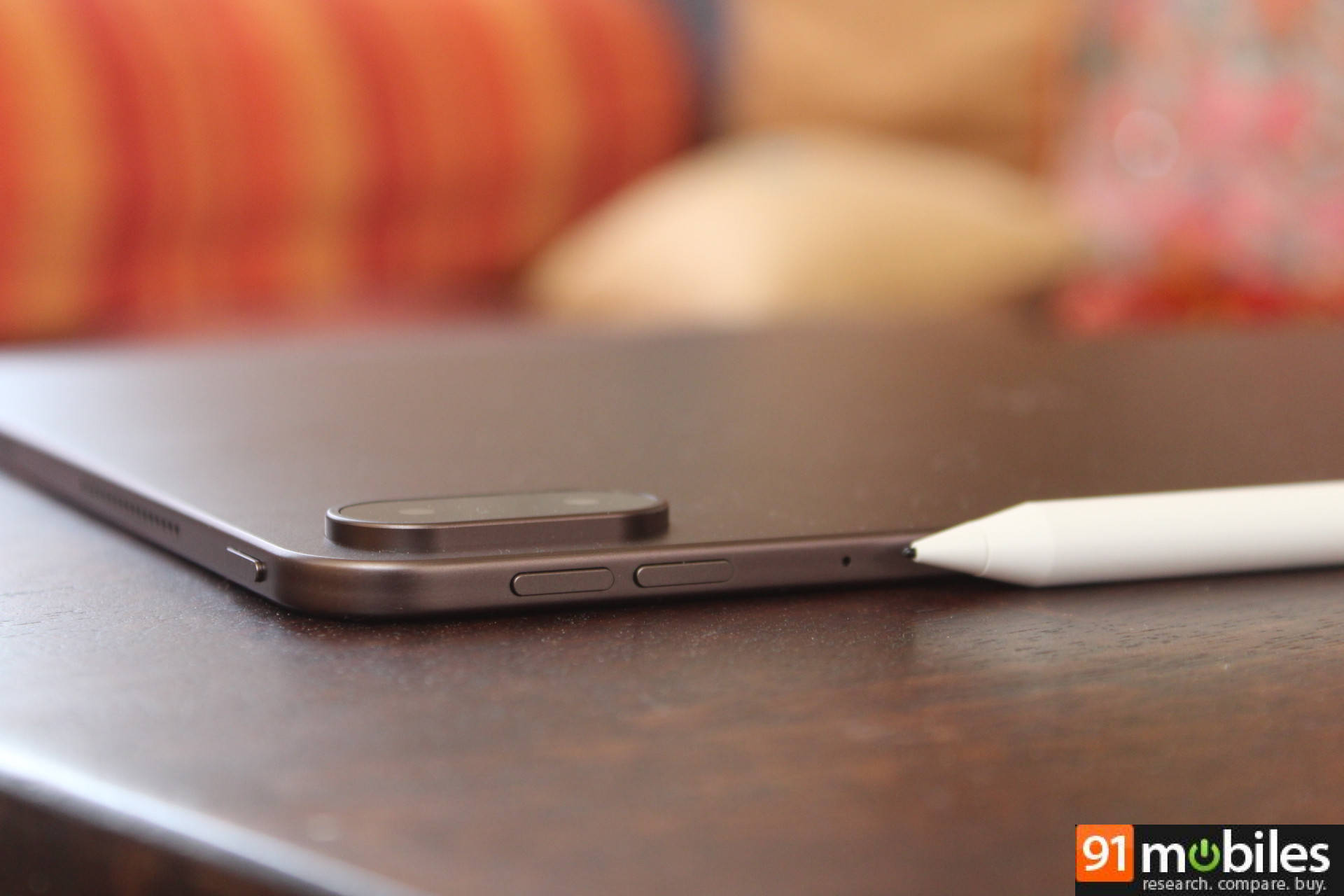
The first thing you notice when you pick up the Pad 4 is how unreasonably thin it is. At 5.94mm, it is thinner than its predecessor, the Pad 3, and slimmer than the stylus that comes with it. At 672 grams for a 13.2-inch tablet, OnePlus also managed to keep it a few grams lighter than the Pad 3 despite fitting a bigger battery. The premium metal unibody construction feels solid and refined, and neither the weight nor the thinness feels like a compromise.
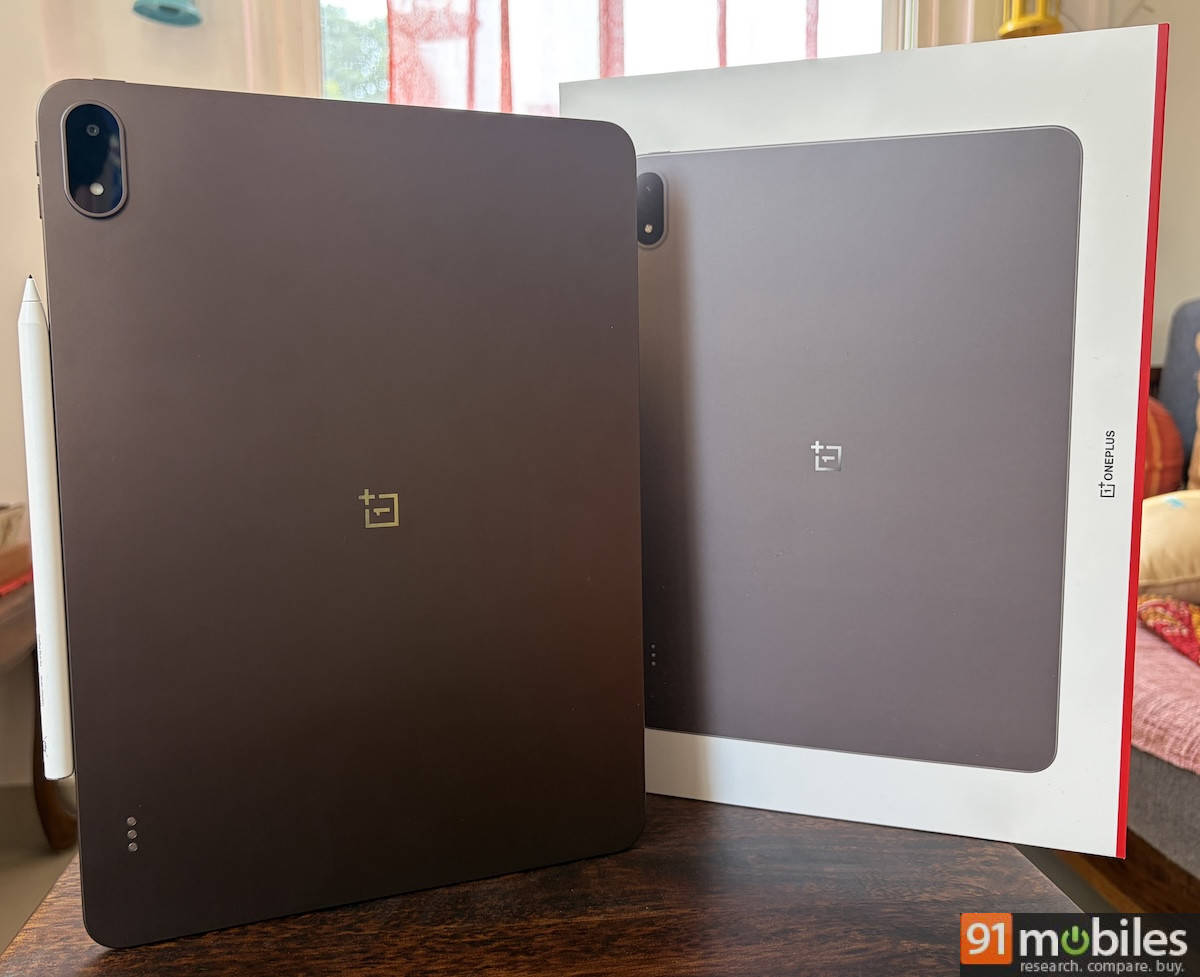
In the box, you get the Pad 4, a SUPERVOOC power adapter, a Type-C cable, and the standard quick start guide. The OnePlus Stylo Pro and Smart Keyboard are sold separately.
3.4K at 144Hz is as good as it sounds on first look
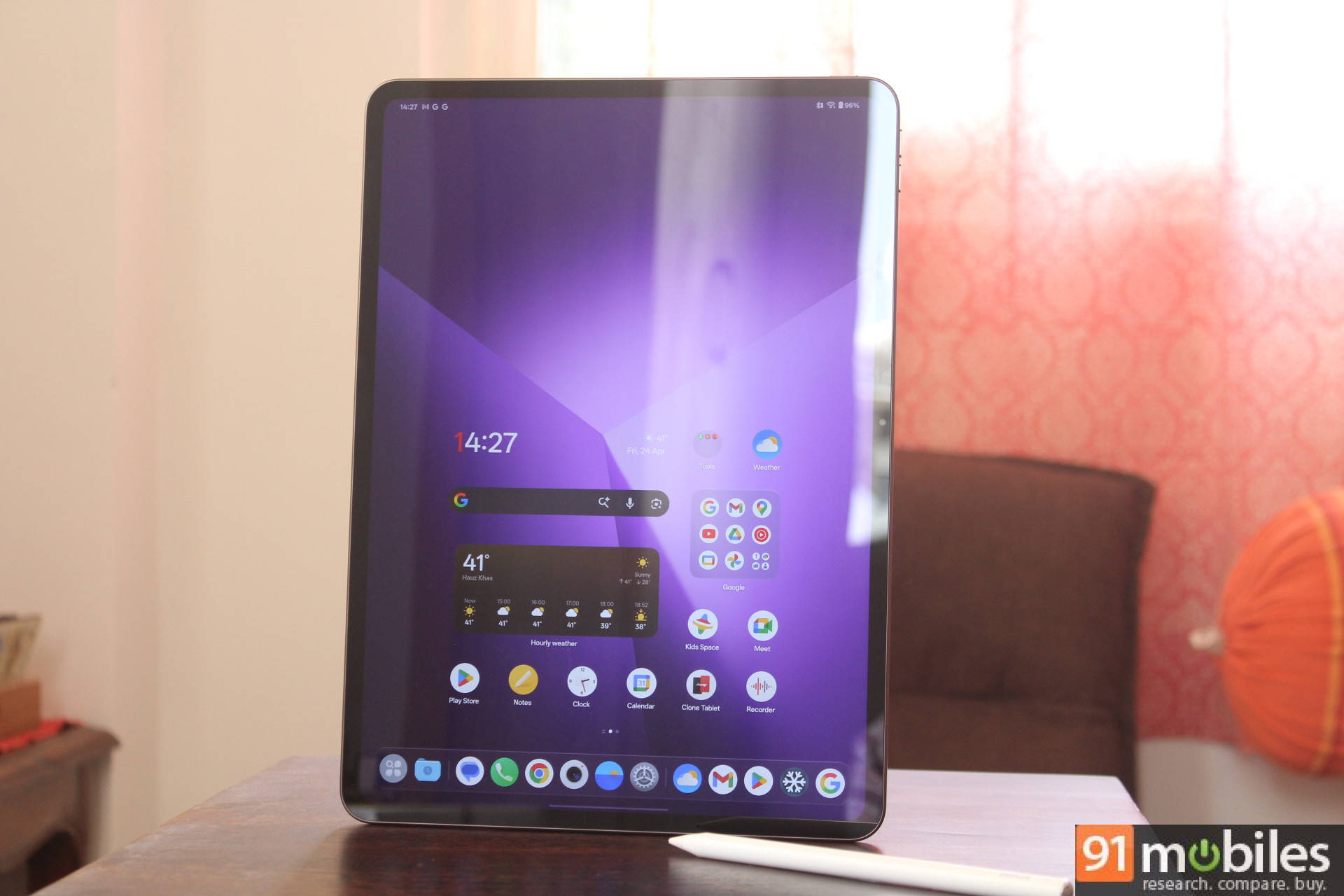
The 13.2-inch LCD display with a 3392×2400 resolution and 315ppi is one of the most impressive panels I’ve seen on an Android tablet at first glance. It supports a 144Hz refresh rate with adaptive refresh and a 540Hz touch sampling rate that makes interactions feel nearly lag-free. Peak brightness reaches 1,000 nits in HBM mode, and the 98% DCI-P3 colour gamut with a DeltaE of approximately 0.7 puts colour accuracy at a professional grade level. Dolby Vision is supported as well.
Same chip powers the OnePlus 15
The Pad 4 is powered by the Snapdragon 8 Elite Gen 5, the same processor that powers the OnePlus 15. OnePlus claims an AnTuTu score of over 4.1 million, which is 42% higher than the Pad 3. It is paired with up to 12GB of LPDDR5X RAM and up to 512GB of UFS 4.1 storage. The base 8GB variant is limited to two simultaneous free-flow windows, rather than the five supported by the 12GB model, which is worth keeping in mind if multitasking is a priority. I’d recommend going for the higher variant if the budget allows.
OxygenOS 16 goes further than before
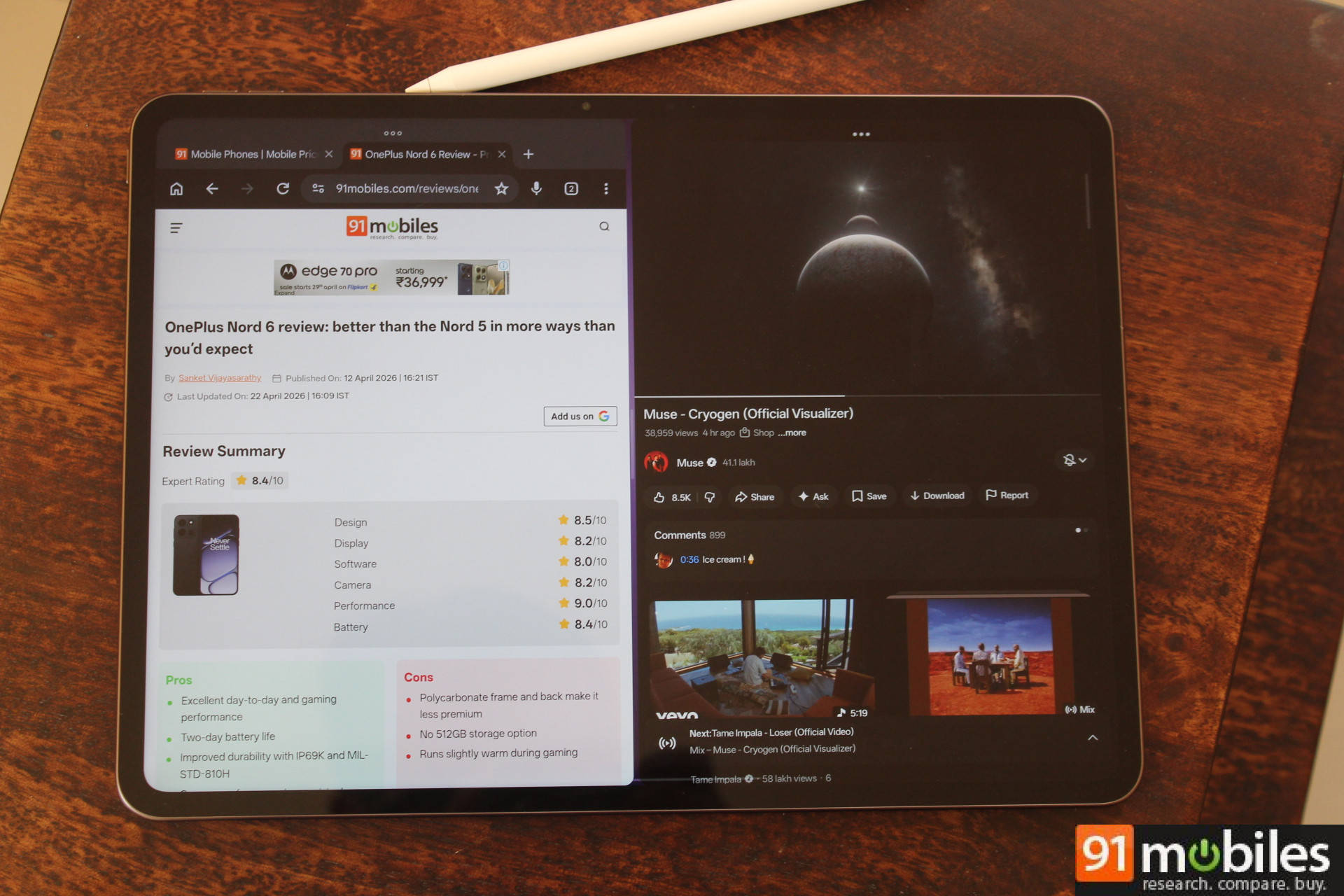
The Pad 4 runs OxygenOS 16, and the productivity ambitions here are the most notable departure from previous OnePlus tablets. You can now have up to five free-flow windows open simultaneously, resized freely. File management has been overhauled with multi-column views, cover previews, drag-and-drop between folders, and OTG support that surfaces a dedicated folder directly in the dock. These features are aimed at users who genuinely want to leave their laptops behind.
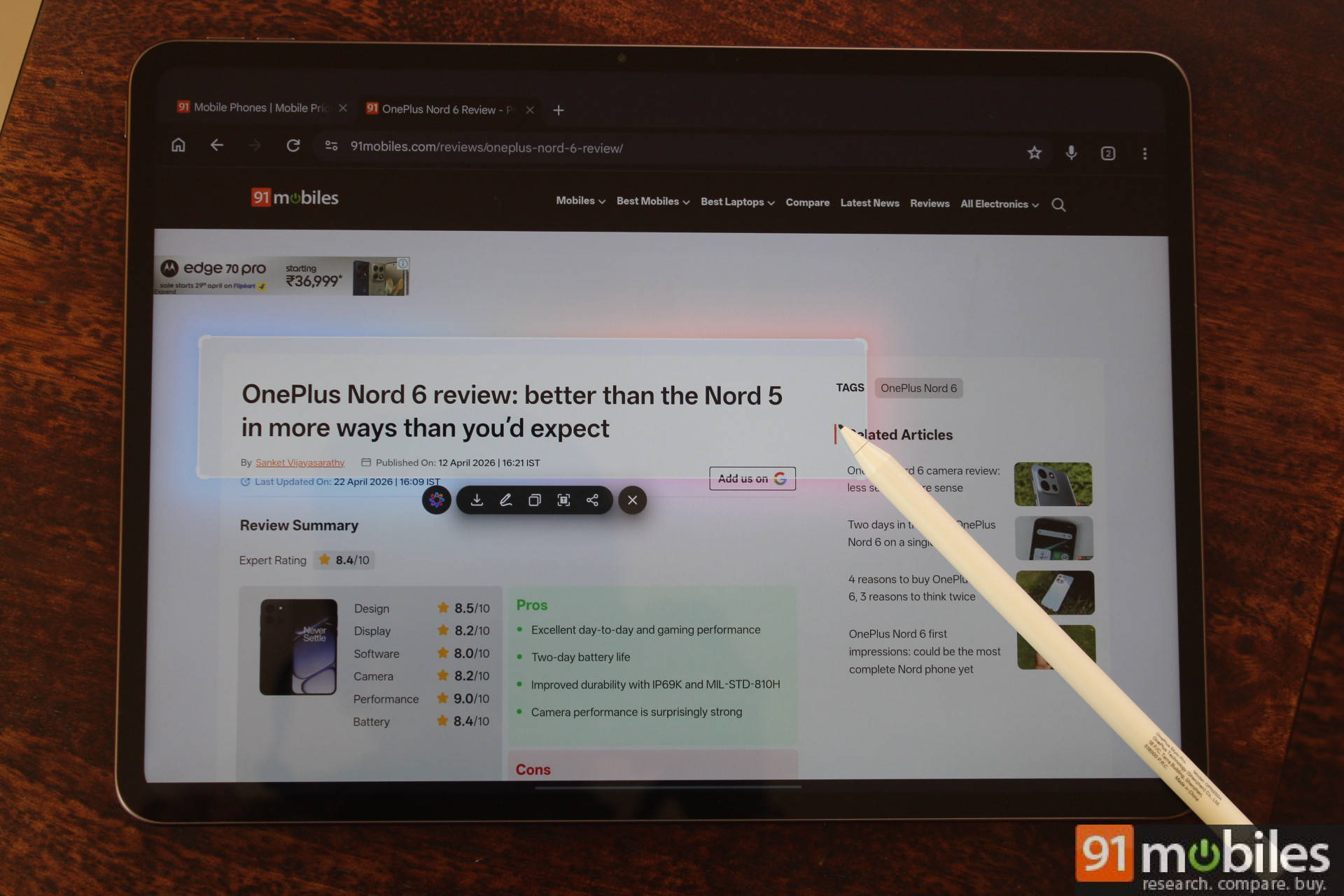
The AI suite has expanded as well. AI Writer, AI Summary, AI Translate, AI Painter, AI Clear Call, and an upgraded AI Recorder with real-time annotation and handwriting-to-text. How well each of these features holds up in practice is something the full review will address properly.
13,380mAh takes a moment to process
At 13,380mAh, the Pad 4 has the largest battery OnePlus has ever shipped in any device. OnePlus claims 54 hours of standby, 20 hours of video playback, and 7 hours of gaming on a single charge, with 80W SUPERVOOC charging and the adapter included in the box. Those are numbers that we can’t verify in our limited hands-on time. I’ll have the full battery results in the review.
Stylo Pro and Smart Keyboard
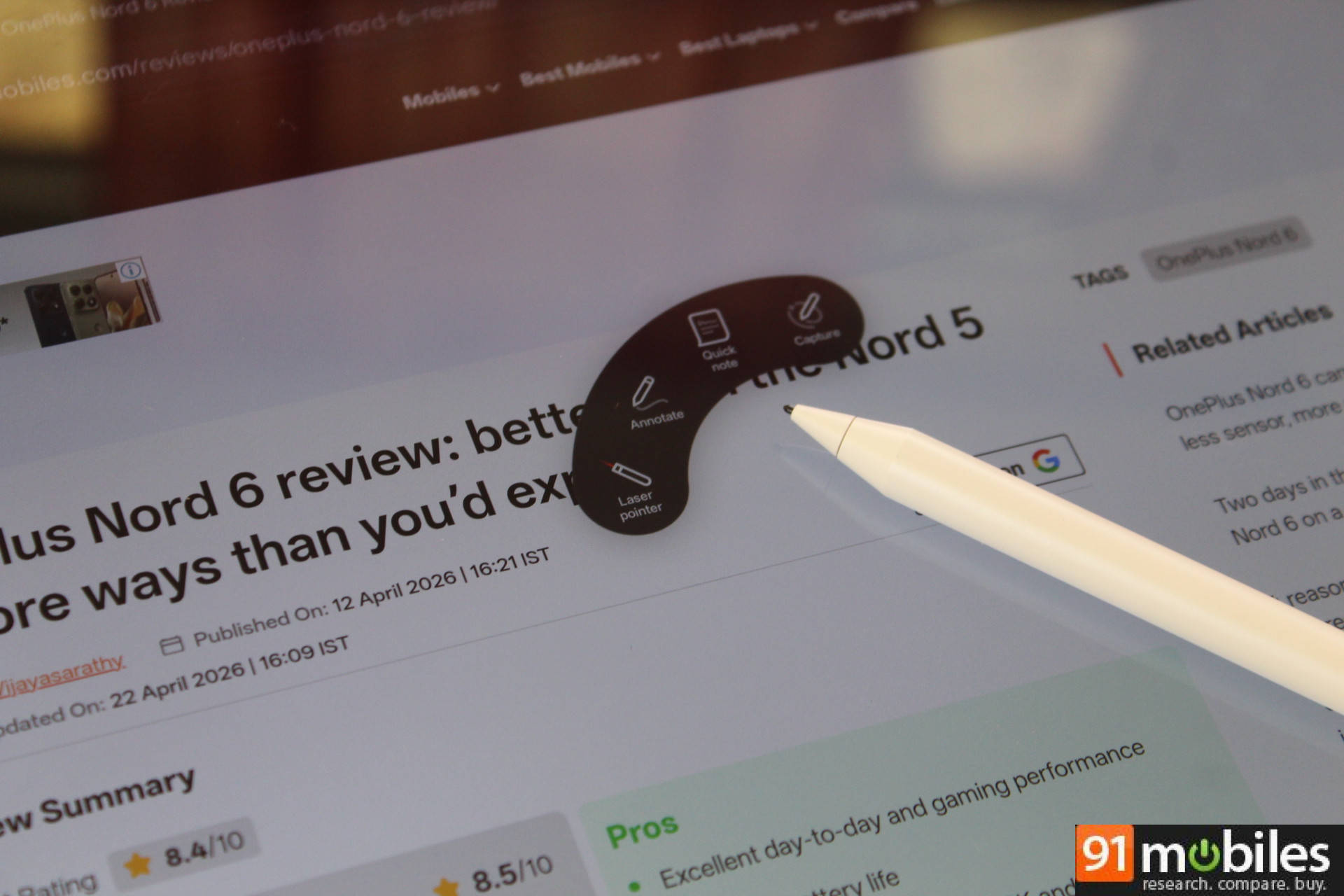
The OnePlus Stylo Pro, sold separately, features 16,000 pressure sensitivity levels and two interchangeable tips: a Writing Tip made from high-friction material that absorbs 90% of writing impact, and a Drawing Tip made from low-friction material for smooth sketching. The centre of gravity has been shifted toward the middle for a more balanced grip, and the pen supports pinch, double-tap, and swipe gestures from the body itself. It snaps magnetically to the Pad 4 for storage, and Find My Stylo lets you locate it within a 10-metre range. I’ll need more time with it to tell you how it holds up for extended note-taking and illustration.
Early thoughts
The OnePlus Pad 4 makes a strong early case for itself. The design is refined, the display is immediately impressive, and the software productivity ambitions are the most serious OnePlus has brought to a tablet. The Snapdragon 8 Elite Gen 5 gives it the kind of headroom that should keep it competitive for years, and the 13,380mAh battery means charging anxiety is unlikely to be part of the conversation. If you’re thinking about buying a high-end tablet that’s not an iPad Air or Pro, you might want to wait for the OnePlus Pad 4’s price announcement, especially if you’re looking for high performance and a solid battery life.
Our full review will cover how the display holds up in sustained real-world use, how the chip manages thermals during extended gaming sessions, and whether OxygenOS 16’s productivity vision translates into something you’d actually reach for over a laptop. Those answers will come soon. Stay tuned.