


Review Summary
Expert Rating
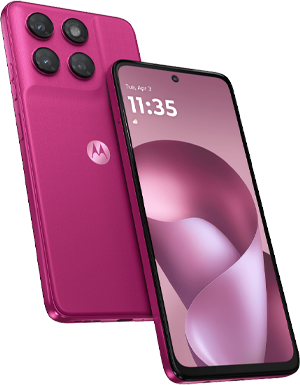
The Moto G77 Power is the latest addition to Motorola’s G-series, bringing the same tried-and-tested combo to a higher price segment. Coming at Rs 25,999 for the sole 8GB RAM and 128GB storage configuration, the G77 Power packs the MediaTek Dimensity 6400, a large 7,000mAh battery, and a 50MP LYTIA-600 primary camera. With others in the same segment offering the slightly superior Dimensity 7400 SoC, how does the G77 Power stack up against the competition? Find out in this review where I daily drove the device for over a week.
Table of Contents
Quick verdict
The Moto G77 Power features a tall display that delivers sufficiently vibrant colours, while the stereo speakers provide an immersive sound experience. The vegan leather rear panel is soothing to hold, and the battery life is stellar. On to the downsides: it’s set to receive only one OS upgrade, while the primary camera needs work to produce better detail.
Design: repetitive, yet comfortable
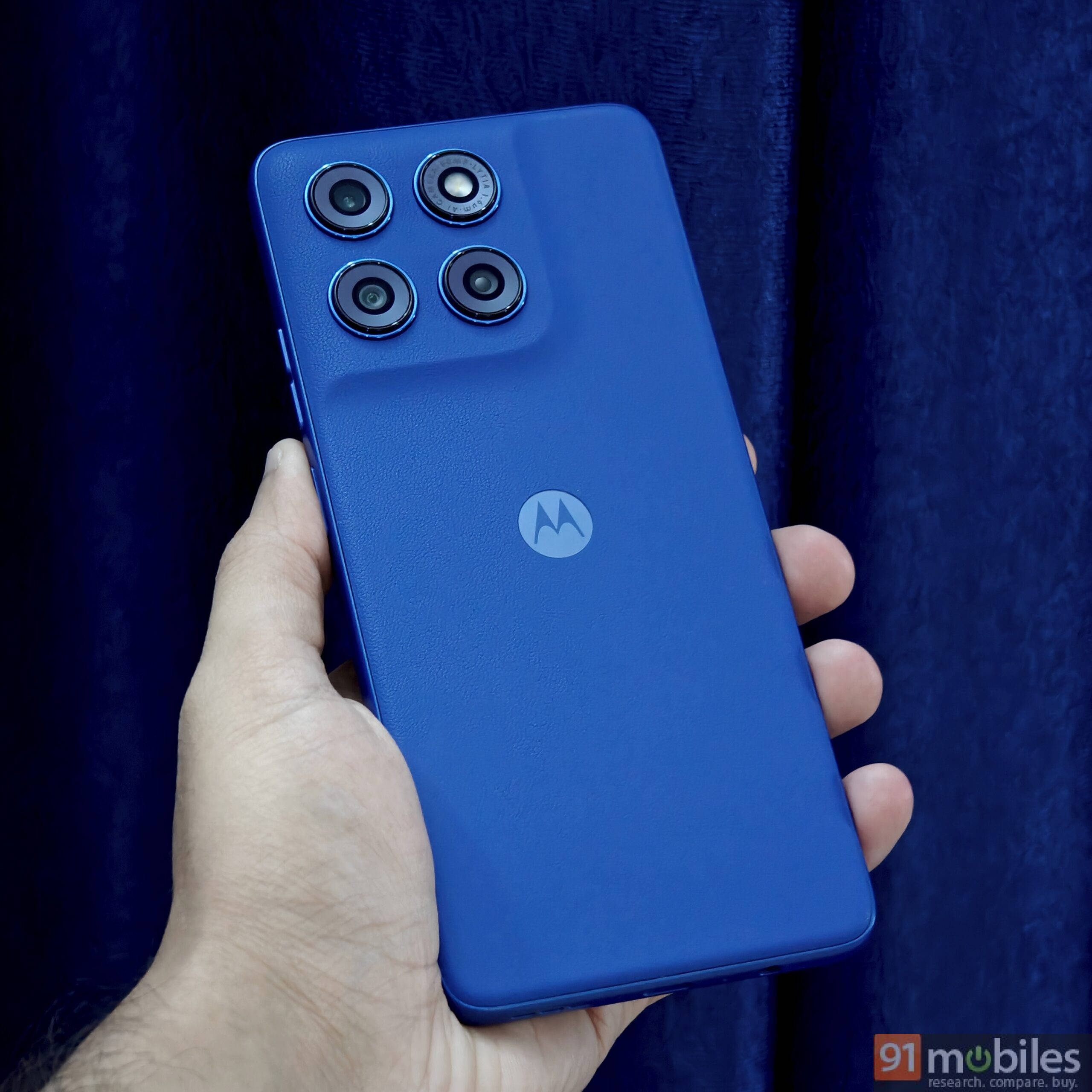
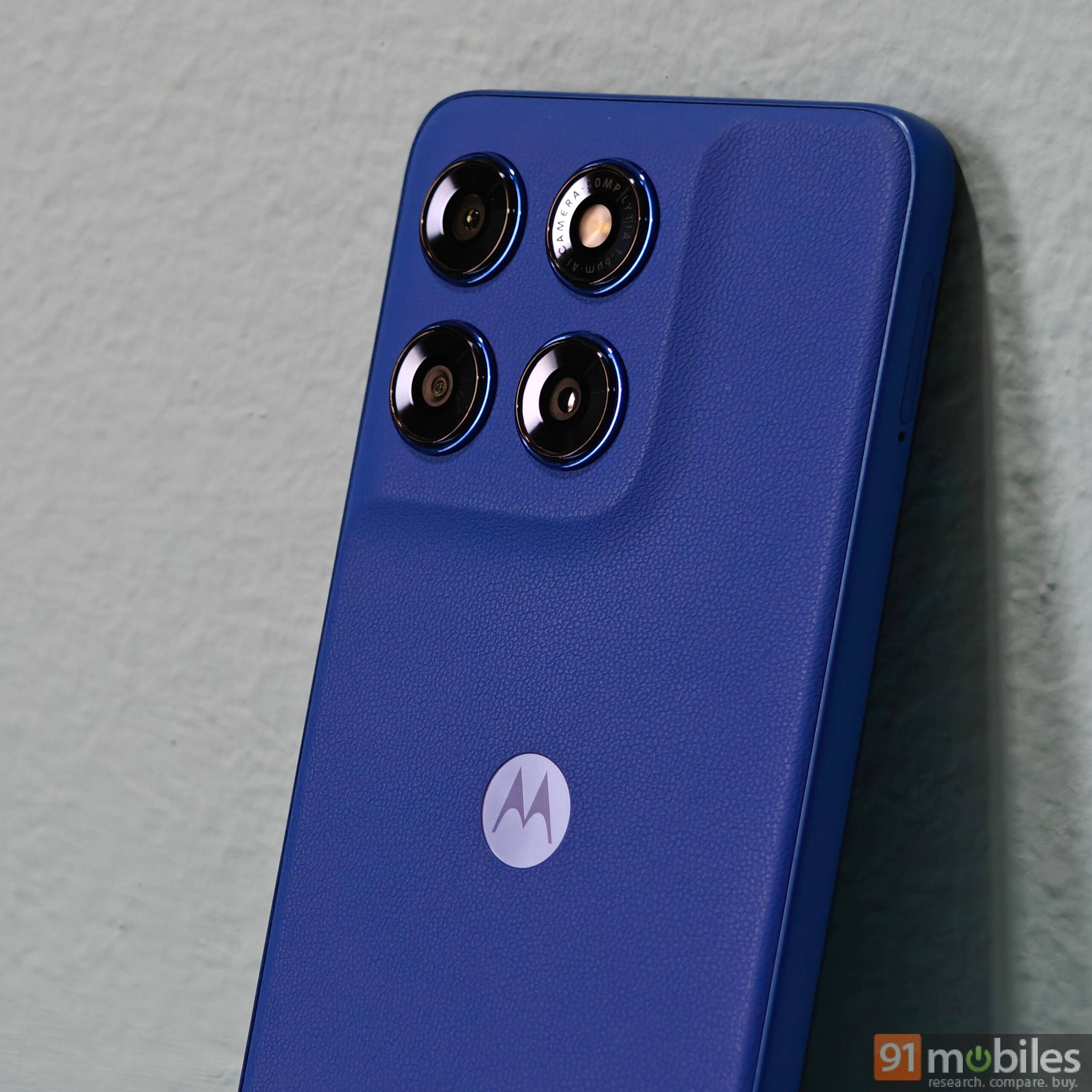
Right off the bat, the Moto G77 Power looks and feels strikingly identical to the Moto G37 Power (review). Since we received the blue colourways of both smartphones for review, it was nearly impossible to distinguish the two based on the back and even the front panel, unless you take a closer look at the cameras of the G77 Power, which carries the “LYTIA” branding. The Fuchsia Red and Nautical Blue colourways of the device feature a vegan leather back, while the Black variant’s rear is made of acrylic.
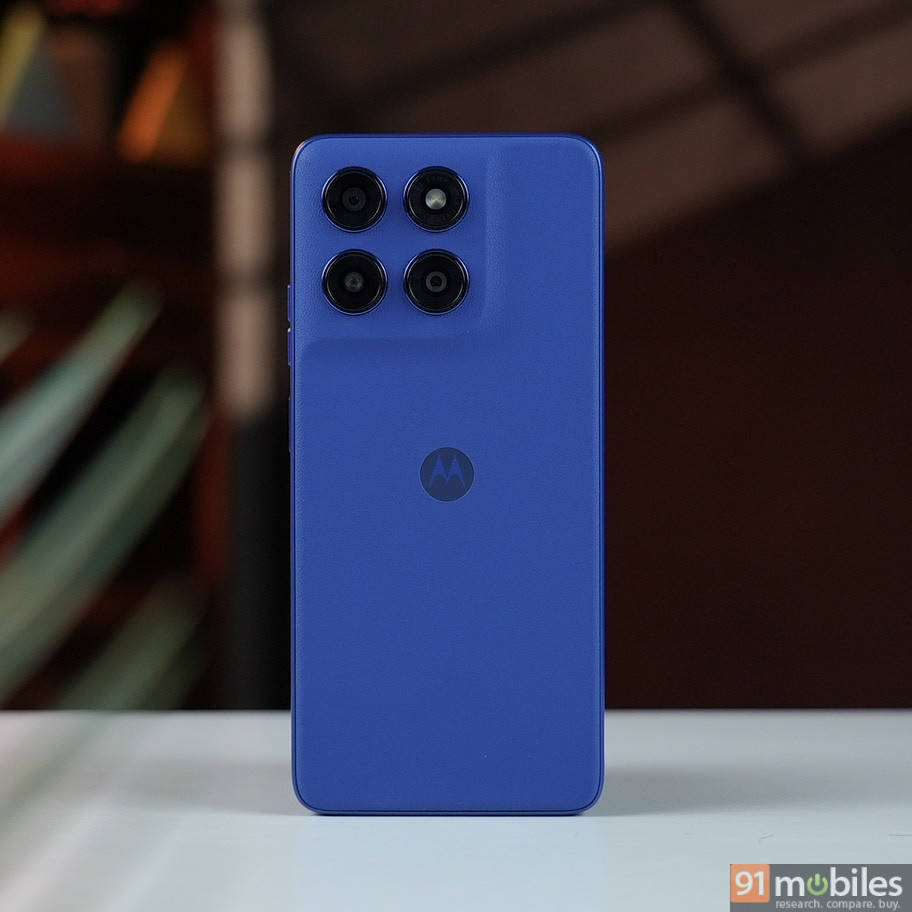
The Moto G77 Power weighs 215g and measures 8.9mm in thickness, making it heavier than its close rivals, such as the Redmi Note 15 (review) and OnePlus Nord CE 6 Lite (review). Its build may feel hefty initially, but one should get used to it over time. Just like the G37 Power, the G77 Power is IP64 rated and carries MIL-STD-810H protection to absorb shocks during accidental drops.
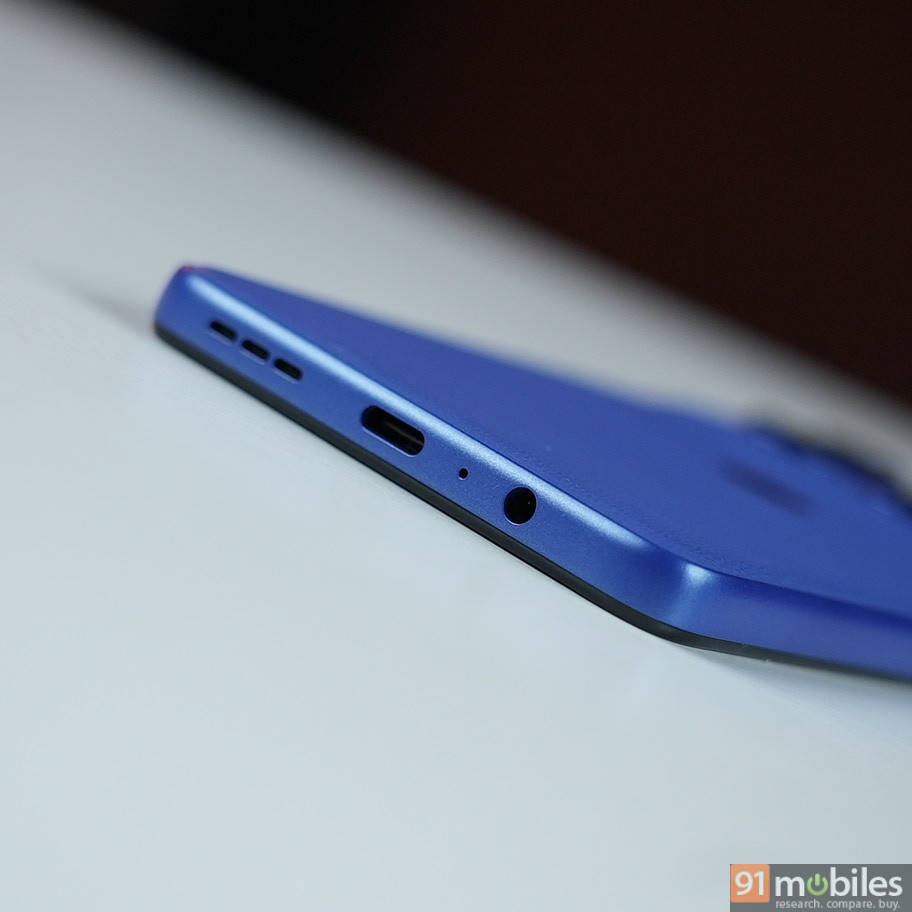
A fair advantage the G77 Power has over its competitors is the inclusion of a 3.5mm headphone jack, making it crucial for people who still rely on wired headphones. Then there are Dolby-backed stereo speakers, which produce loud and thumpy sound output.
Display: detailed with smooth scrolling
Moving on to the display and viewing experience, the Moto G77 Power gains a 6.72-inch Full HD+ LCD display with a 120Hz refresh rate, and the same front appearance as the Moto G37 Power. Meaning, you get relatively thick bezels with a considerably large bottom chin.
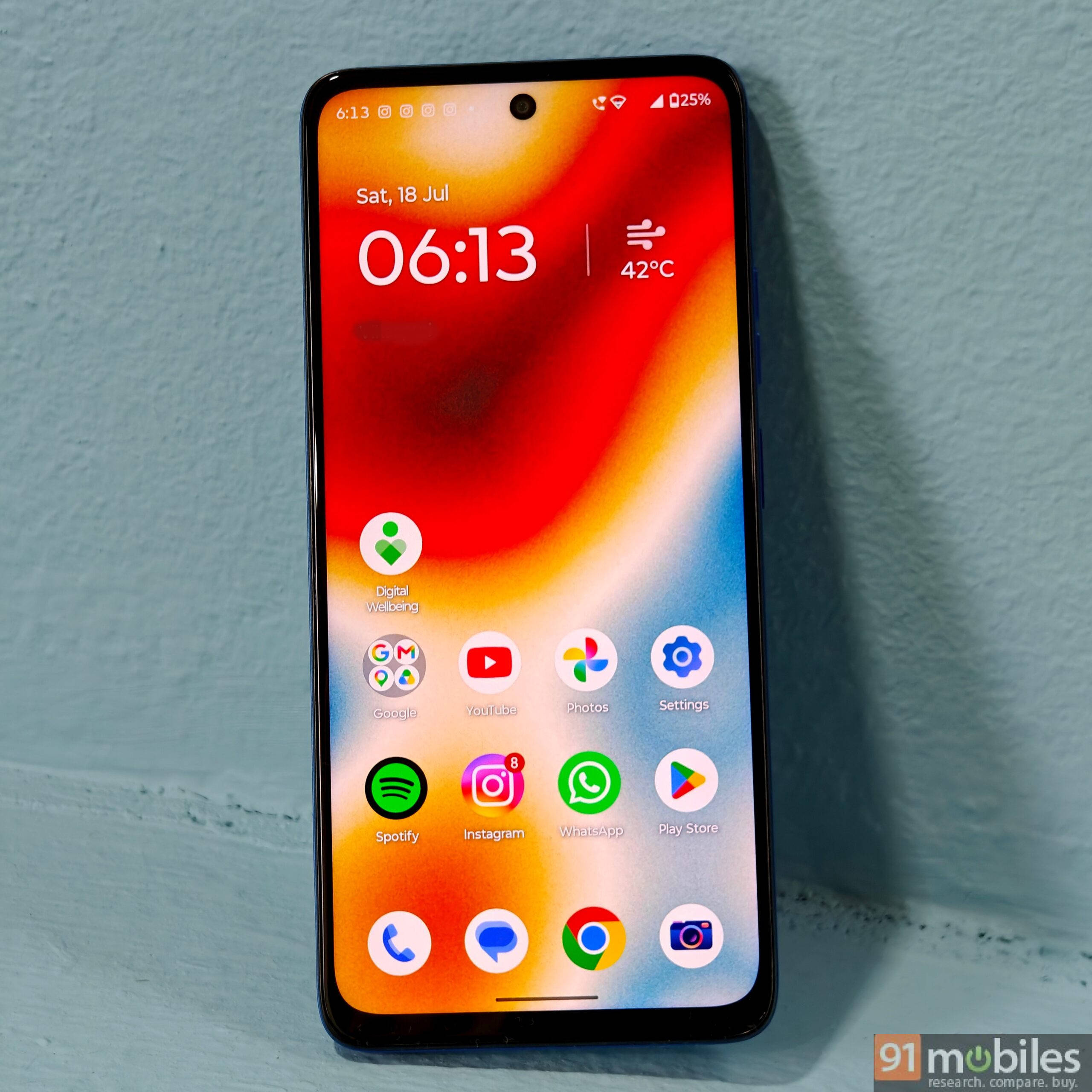
Like most previous Motorola releases, the Moto G77 Power’s display is protected using Corning Gorilla Glass 7i. Unfortunately, since Motorola doesn’t pre-apply a factory screen protector, the display has endured noticeable scratches and scuffs.
Performance: fares well for daily use
Despite a price markup of Rs 10,000 over the Moto G37 Power, the Moto G77 Power is equipped with the same MediaTek Dimensity 6400 processor. In real-world use, the chipset falls behind in raw power on benchmarks compared to its close rivals, as you can see in the chart below. However, the chipset offers enough prowess to run light to medium tasks, such as chatting, playing Clash Royale, and browsing Instagram.



The device is available in a single storage variant of 128GB UFS 2.2 paired with 8GB LPDDR4X RAM. Given this combo, the Moto G77 Power does a fine job of holding several apps in memory, unless you load games or the camera into RAM. When we ran Call of Duty: Mobile for 30 minutes in the ‘Medium’ graphics and ‘Max’ frame rate settings, the G77 Power offered average frame rates of 55.4, while in BGMI’s ‘HDR’ graphics and ‘Ultra’ frame rates, the device delivered 38.5 frame rates on average, also in 30 minutes of gameplay.
All in all, while the Dimensity 6400 SoC falls behind the likes of the Snapdragon 6 Gen 3 and Dimensity 7400 chipsets, it can offer a fairly reliable day-to-day usage experience, unless you push the limits by running games at the highest frame rates or multitask heavily.
Software: lacks update longevity
On the software front, you get Motorola’s Hello UI on top of Android 16, which looks and feels identical to the interface found on the Moto G37 Power (review). Therefore, all the nifty new software additions made on that phone are present on the G77 Power, which include native support for Android 16’s Live Updates for Google Maps, a OneUI-like Now Bar pill on the status bar to track timers, a stopwatch, and a torch toggle, and several new lockscreen clock styles.
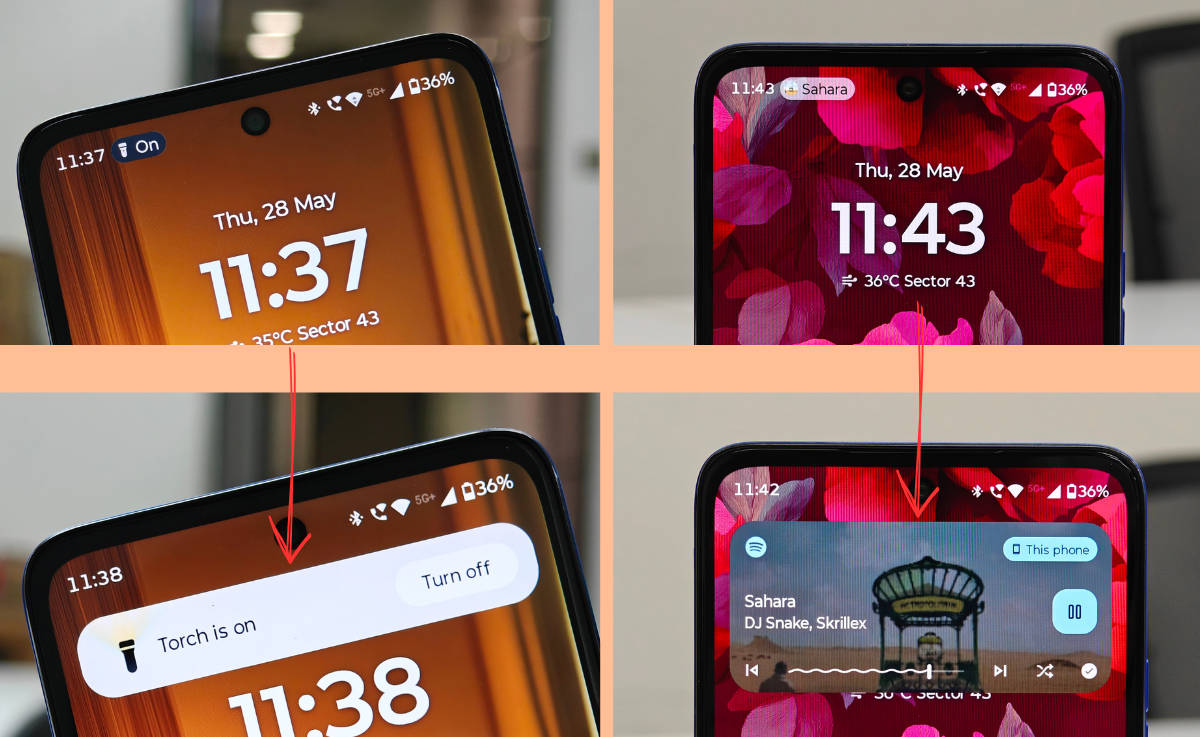
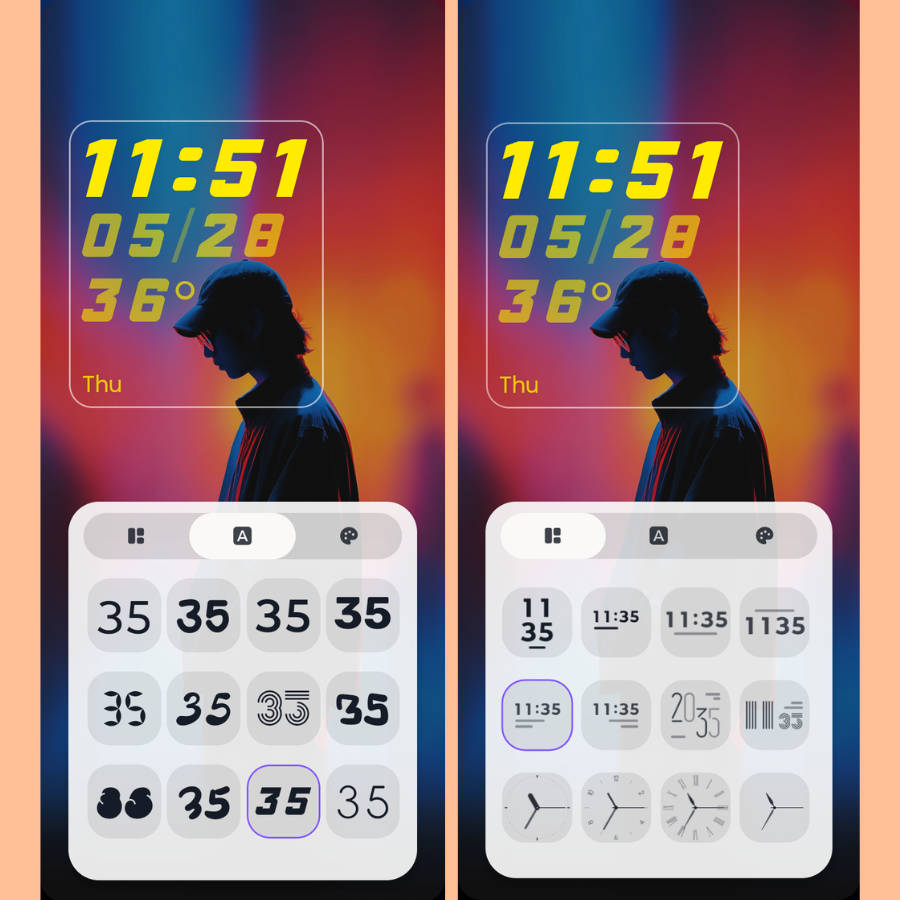
With many similarities in the software, which we’ve already covered all the newly introduced elements in-depth in our Moto G37 Power review, the core Hello UI experience remains the same as any other midrange Motorola phone. Meaning, you get the essential goodies, such as karate chop to turn on the flashlight, twist gesture to summon the camera, and Smart Connect for running your phone apps on a PC.
In terms of updates, the device lags behind the competition as it’s set to receive just one major Android upgrade, i.e. Android 17, along with three years of security updates. In comparison, the OnePlus Nord CE 6 Lite is promised two major OS upgrades, while the Redmi Note 15 will get three Android updates down the line.
| Smartphone | Pre-Installed Apps | Software Support |
| Moto G77 Power 5G | 41 | 1 Year OS Updates + 3 Year Security Updates |
| OnePlus Nord CE 6 Lite 5G | 52 | 2 Year OS Updates + 4 Year Security Updates |
| Xiaomi Redmi Note 15 | 64 | 4 Years OS Updates + 6 Years Security Updates |
Battery: stellar endurance
The Moto G77 Power runs on a 7,000mAh battery, paired with 30W fast charging. During my use of over a week, the phone delivered around 9 hours of screen-on time on a single charge. But that’s not even the best part, as this result was obtained over the course of three days, indicating strong endurance even when the device is idle.
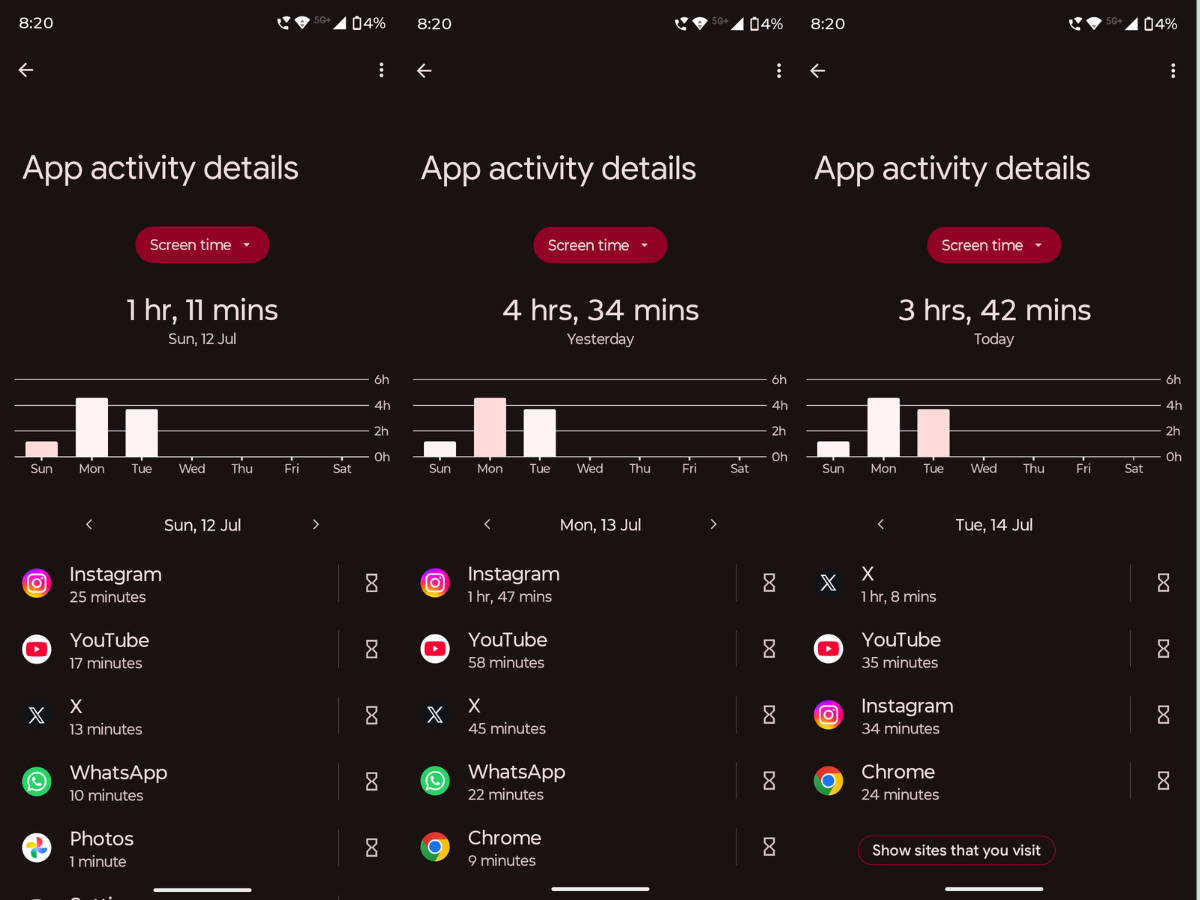
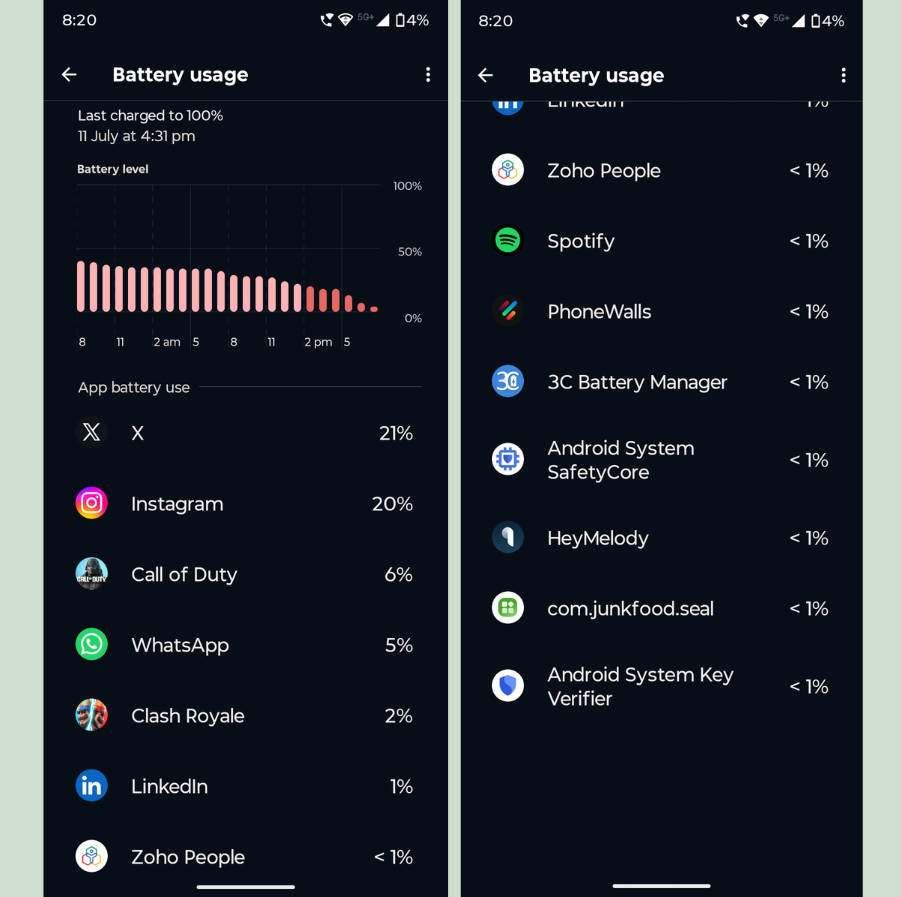
So, if your usage is typical, such as watching YouTube videos, scrolling Instagram, chatting on WhatsApp, and playing games for a few minutes a day, the Moto G77 Power will serve you well with multi-day battery life. Furthermore, the usage included a mix of WiFi and mobile data, with location and Bluetooth enabled throughout.

When it comes to topping up the battery, we were able to charge the Moto G77 Power from 20 to 100 percent in 84 minutes, which is fairly swift for a 7,000mAh battery.
Camera: daylight outputs require work
Since almost all new releases under Rs 30,000 have started omitting 1/2-inch or larger primary camera sensors in favour of smaller ones, the Moto G77 Power differentiates itself by packing the 50MP Sony LYTIA 600 camera. This comes with a 1/2-inch sensor size with no OIS support. Tagging along is an 8MP ultrawide lens, while the punch-hole cutout upfront gets a 32MP selfie camera.
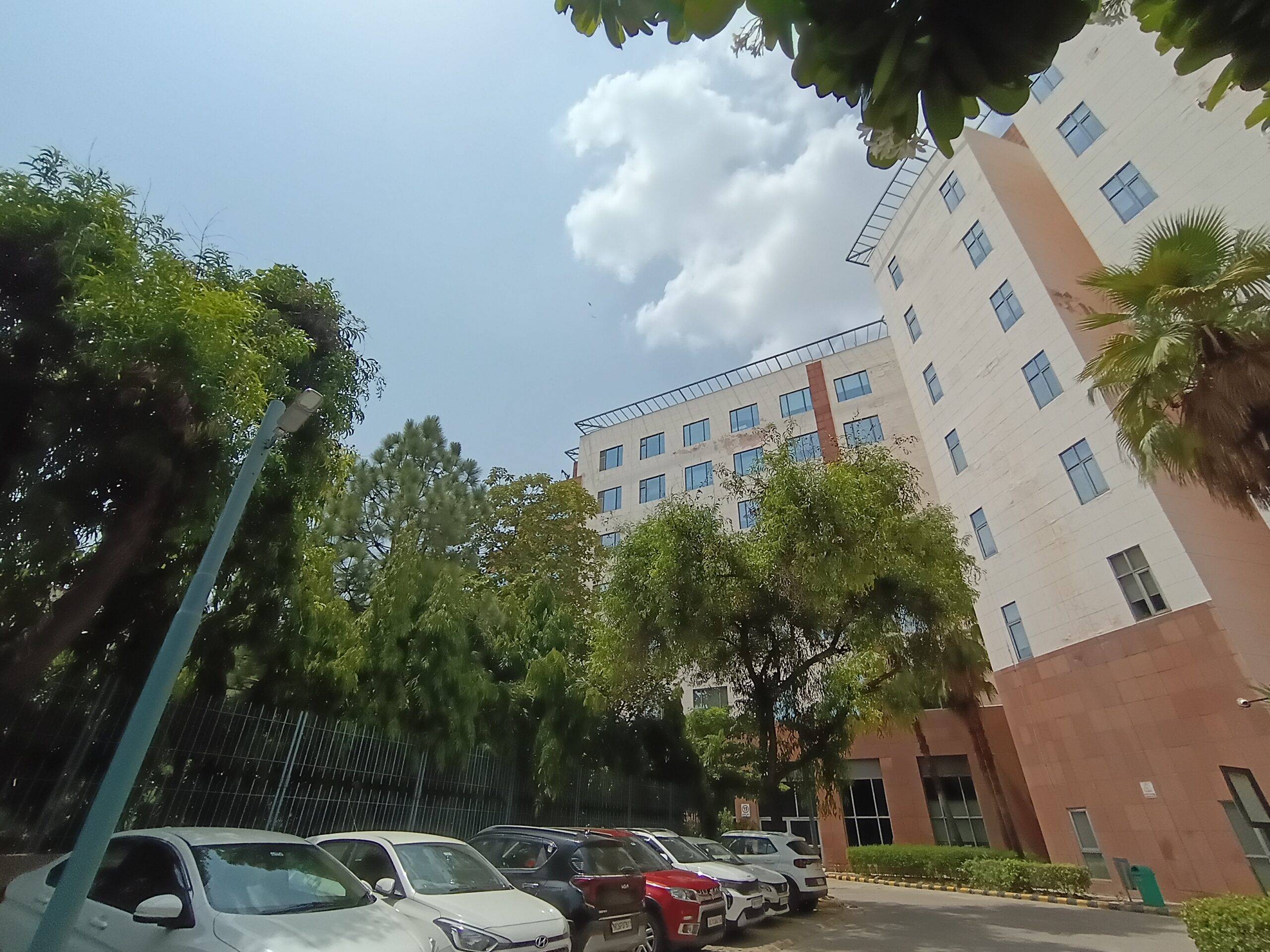
Apart from that, the dynamic range is balanced, and exposure control is good at night. That said, night outputs may turn out soft when there’s no significant light source, which you can see for yourselves in the image gallery below. Lastly, the ultrawide camera severely lacks detail compared to the primary sensor, even though colour consistency is well maintained.



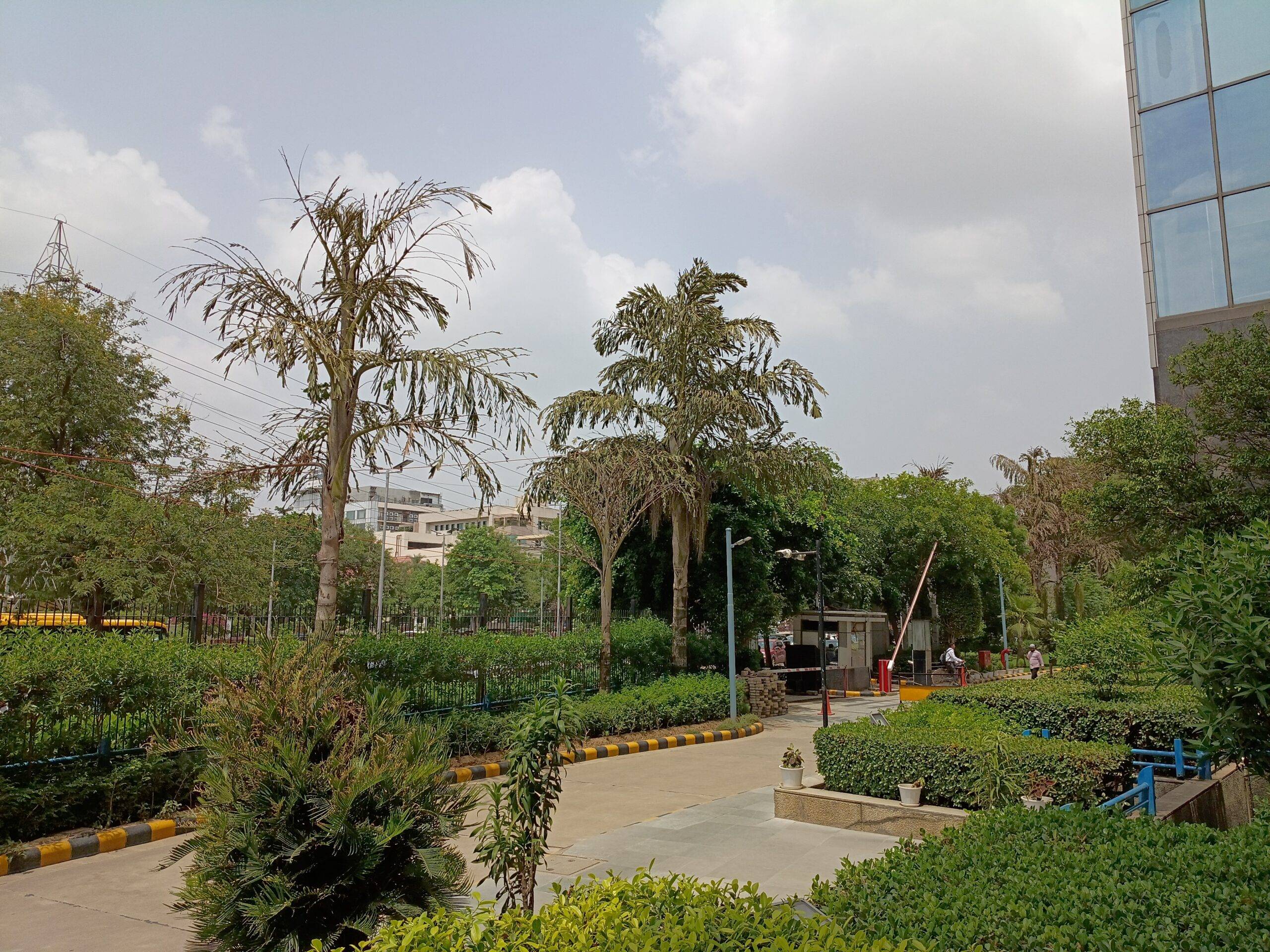
















As for how the cameras perform against the competition, I compared the Moto G77 Power against the Redmi Note 15, which is equipped with a 108MP primary and an 8MP ultrawide camera, to see how it stacks up:
Daylight


It’s instantly noticeable that the Moto G77 Power’s shot carries an unappealing amount of warmth to the image, while the Redmi Note 15 delivers a contrasty image with slightly punchier colours. What’s more, the Redmi Note 15’s 1/1.67-inch sensor does a much better job of capturing details from the scene.
Ultrawide


Coming to the ultrawide shot, while both smartphones have rendered the image soft, the Note 15’s image is slightly sharper, as you can make out the individual tiles on the building. However, the Moto G77 Power maintains colour consistency with the primary camera better.
Portrait


Switching to portrait mode, the Moto G77 Power takes the lead by handling background highlights noticeably better while maintaining the subject’s actual colours. Surprisingly, it also yields better detail, even though edge detection is superior on the Note 15.
Selfie


In selfies, once again the Moto G77 Power goes for a sharper and clearer look, while the Note 15 struggles to bring out the details. It also outputs more pleasing colours, be it for the background or foreground, while capturing a wider perspective, ideal for group selfies.
Low-light


Despite carrying a superior primary camera sensor, the Note 15’s low-light shot falls apart when it comes to details compared to the Moto G77 Power. The Moto smartphone also adds enough exposure to the scene, whereas the Redmi Note 15’s image appears darker. However, many may prefer the Note 15’s shot as well for its contrasty look, if we keep the detail levels aside.
Final verdict: Should you buy the Moto G77 Power?
The G77 Power feels solid and comfortable to hold with the inclusion of a vegan leather back, even though it may seem bulky initially. The 1080p LCD panel produces crisp details, but is no match for phones with AMOLED displays in its price range, such as the Redmi Note 15 and Samsung Galaxy M47, while the stereo speakers certainly add to the experience.
The 7,000mAh battery on board grants the phone multi-day endurance, with users likely to get over eight to nine hours of screen on time on a single charge, while topping it up takes just slightly over an hour. When it comes to areas of improvement, while the software currently performs excellently and delivers smooth, swift performance, the promise of just one OS upgrade for a phone priced at Rs 25,999 leaves a bitter taste. On the other hand, I expected better details and colour science from the camera given the hardware, though selfies and portrait shots turn out decent.

Moreover, phones like the Redmi Note 15 offer punchier tones, thanks to an AMOLED display, superior daylight shots, and a fairly lightweight, more comfortable build. That said, if you value a comfortable vegan leather design, strong battery life, sharp portraits and selfies, decent daily performance, and wired audio output, then the Moto G77 Power is worth considering.
Editorial rating: 8.1/10
Reasons to buy the Moto G77 Power
- Tall display that is sufficiently detailed for everyday use.
- Vegan leather back makes the device comfortable to hold.
- Stellar battery life on a single charge.
- Stereo speaker setup enhances the entertainment experience.
Reasons to skip the Moto G77 Power
- Set to receive just one Android upgrade, while most rivals are offering at least two.
- Primary camera produces less detailed results than expected.
 | vs |  |
| vs |  |