Living in a modern metro means co-existing with a cocktail of construction dust and pollutants, yet air purifiers like the Qubo Q400 offer a solution that is curiously intangible. After a week of testing, the most striking realisation isn’t about the hardware, but the psychological bridge these devices ask us to cross. The Q400 is a compact, inoffensive appliance that doesn’t try to be lifestyle tech; instead, it promises to fix something invisible. We don’t experience clean air through our senses for the most part. We experience it through a number on a screen, making the entire category less about performance and more about a leap of faith in data presentation.
The technical specs of the Q400’s HEPA H13 filtration and carbon filters are impressive on paper, but they highlight a core industry dilemma: the sensor is often more important than the filter
Air purifiers aren’t going out of fashion anytime soon, and here’s the newest and most competitively priced option.
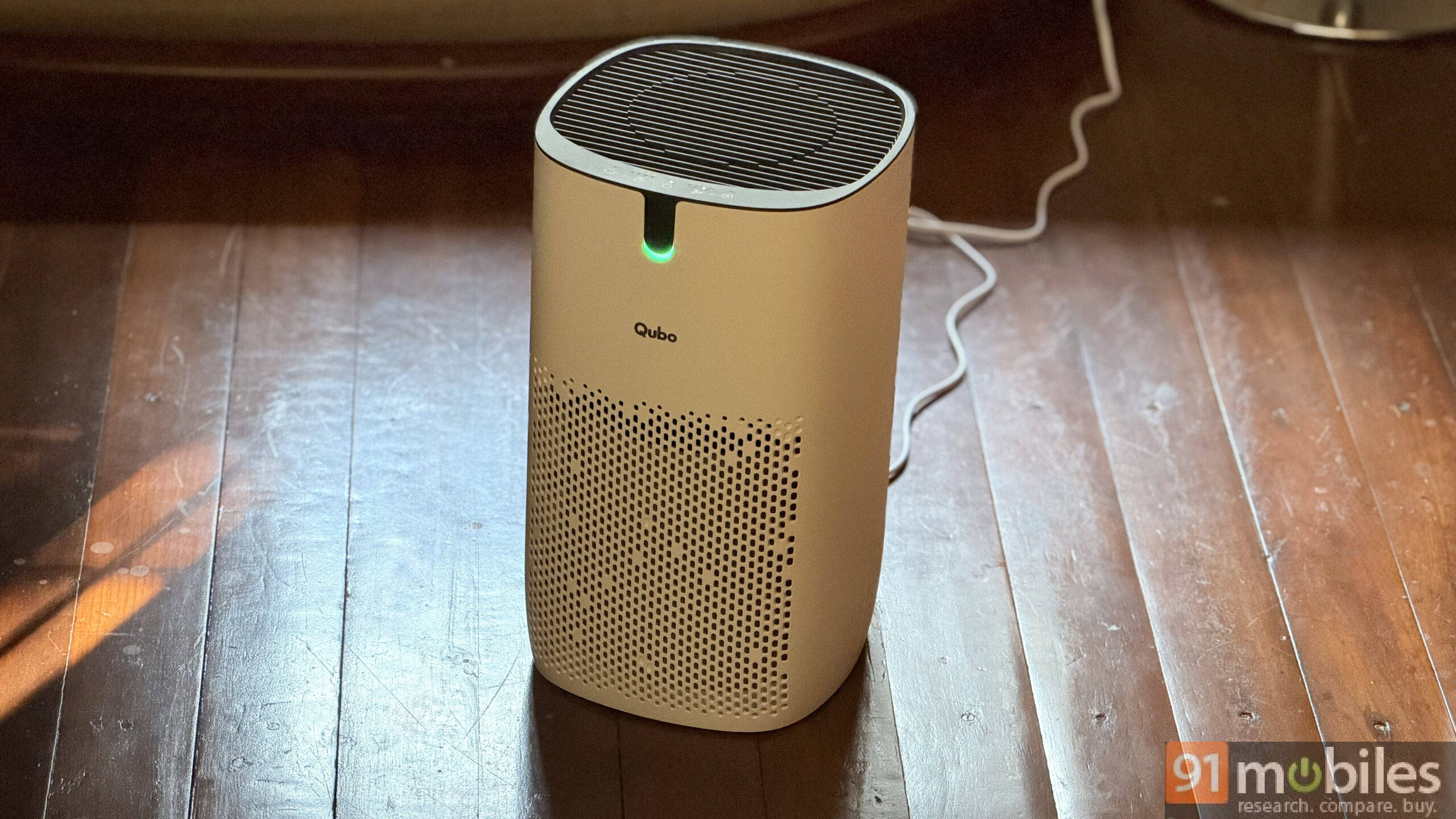
Table of Contents
App for cleaner air (7.5/10)
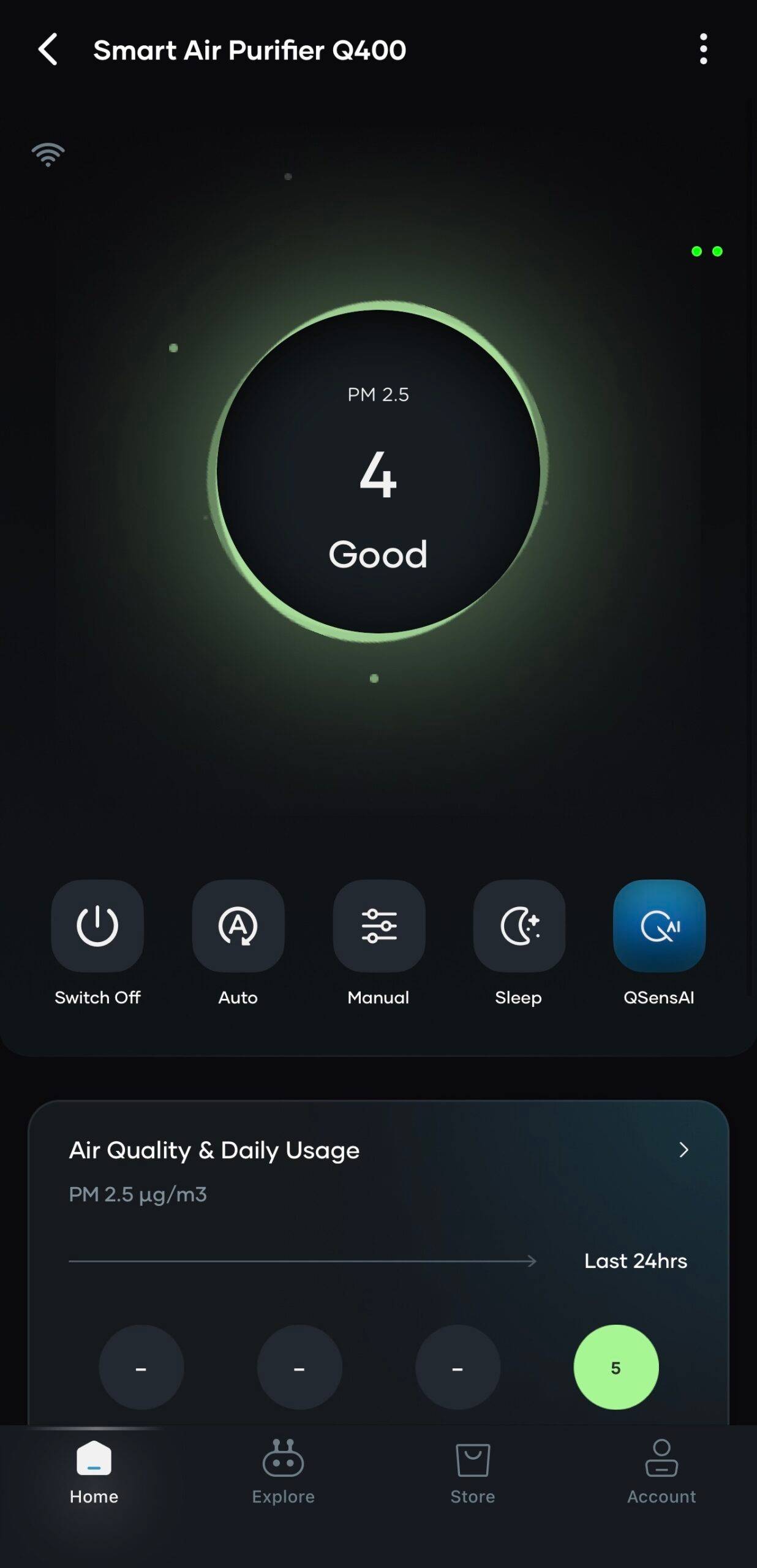
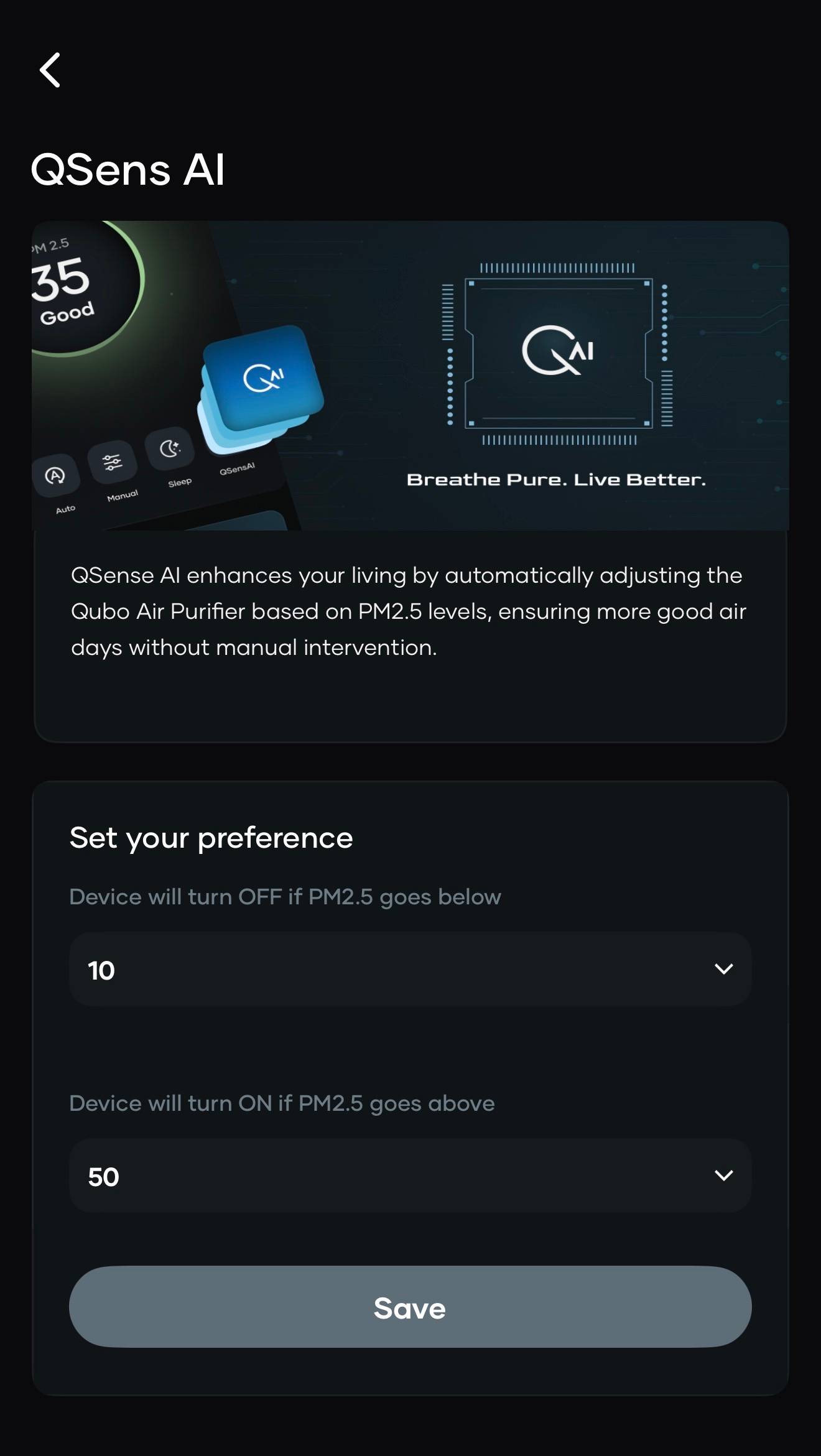
Qubo’s app is a well-designed interface with a front-and-centre view of the AQI in your 400 sq. ft. living space. Four operating modes let you choose from different fan speeds, leave it in Auto mode, or activate QSensAI. The AI element is where you set your accepted values of PM2.5 and instruct the unit to switch off and on if the thresholds are breached. Ease of use and setup: the one caveat here is that the app only connects to the purifier on a 2.4GHz Wi-Fi network, not a 5GHz band. And unless you pony up for the Shield plan, which gives you access from multiple devices, you can only use it from your primary device, and then, in my case, my primary device was stuck on the slower of the two Wi-Fi networks in my own home if I wanted to access the Qubo app now and then.
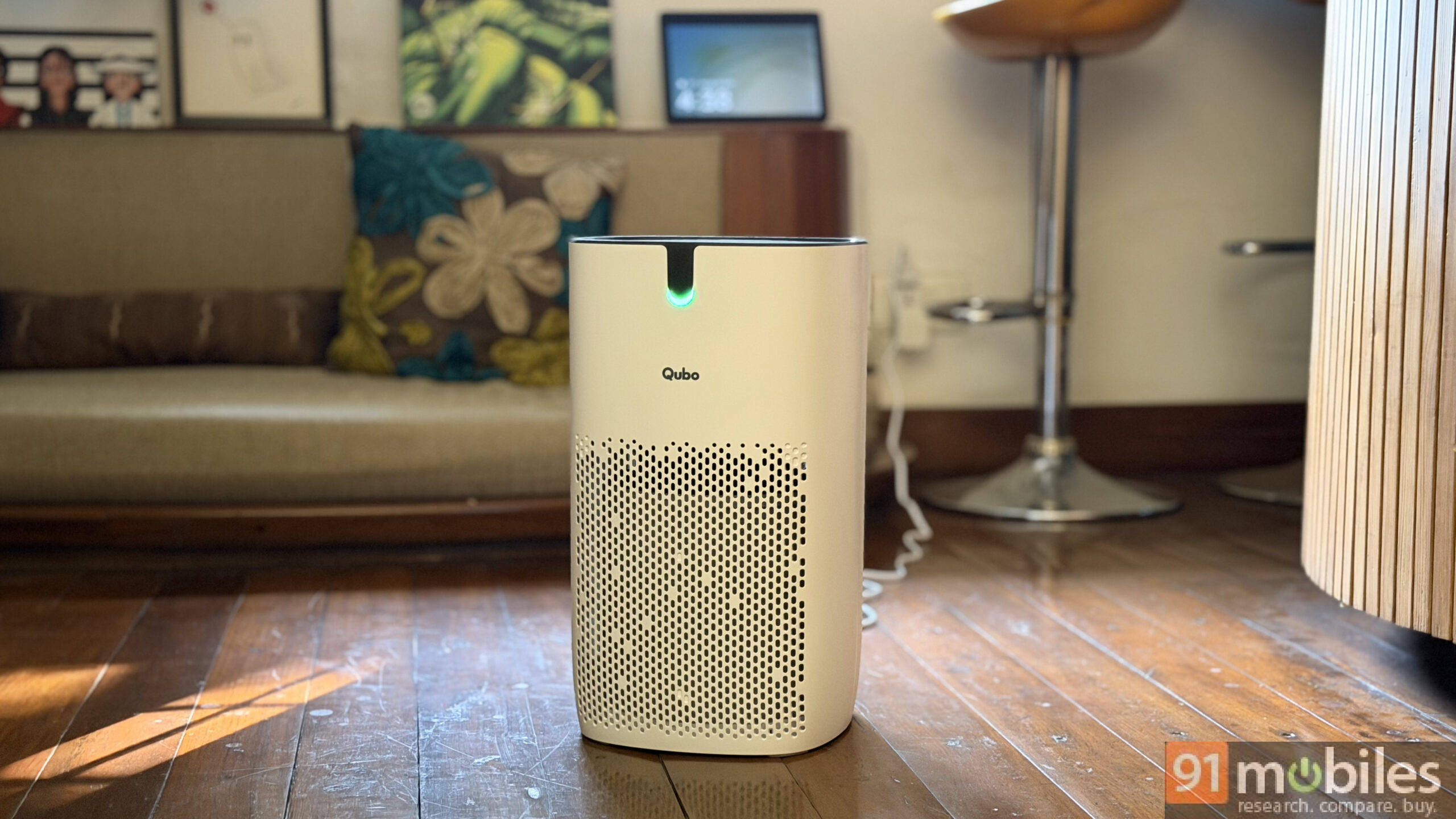
Silent and focused performer (8.6/10)
During my time with the unit, I watched the AQI spike when incense was lit, and drop minutes later as the fan ramped up, yet at other times, the readings felt suspiciously stable, as if my Mumbai room had spontaneously transformed into the Swiss Alps. Because air purifiers deliver statistical improvement rather than instant gratification, you are constantly relying on internal data that you cannot independently verify, leading to a lingering sense of uncertainty whenever the numbers look a little too good to be true.
Final verdict
In the end, the Qubo Q400 is a decent machine for its price, but it cannot escape the fundamental reality that air purifiers are built on trust, not experience. No matter how many smart features or AI modes the app packs, I didn’t “feel” a dramatic change in my breathing or environment. I wasn’t feeling sick before, and I didn’t feel any better after, either. You aren’t just buying a filter; you’re buying into a system you have to believe in. With the Q400, thankfully, the entry price for that belief system is more competitive at Rs 8,990 than the costlier options from Philips, Eureka, Coway and Xiaomi.
Editor’s rating: 7.7/10
Pros
- Competitively priced at Rs 8,990
- Manages to rid the space of foul smells
- Quiet operation
Cons
- The Qubo app only connects to a 2.4GHz Wi-Fi network
- Fires directly upwards, so it cannot be used as a fan
- App disconnection issues