Review Summary
Expert Rating
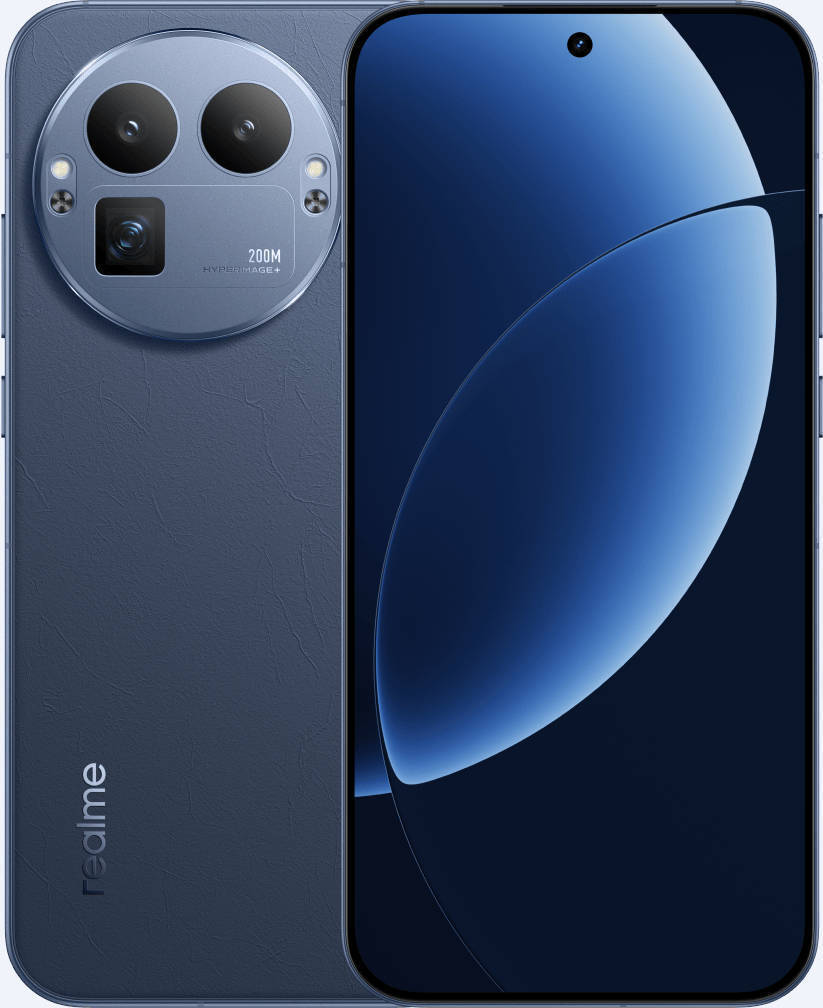
Realme fully stepped into the flagship race with the launch of the Realme GT 7 Pro (review) in 2024. It was the brand’s first flagship launch in India with a top-end Snapdragon 8 Elite chipset, flagship-grade cameras, a beefy 5,800mAh battery, and IP69 durability. It was priced quite competitively too, starting at Rs 59,999, and made some serious waves due to its value proposition. Now, the Realme GT 8 Pro is here on the scene with major revamps across the board, including battery size, chipset, and, most intriguingly, its new camera setup supplemented by a massive 200MP telephoto lens.
Another thing to note here is that Realme has partnered with Ricoh GR, a Japan-based imaging company, to bring a more creative set of camera processing. This mode in particular seems to be tuned toward street photography. I’ve used this device for some time now and will share my opinion on how it stands against established flagships and whether it’s worth the asking price.
Table of Contents
A charming design
The Realme GT 8 Pro’s new design is quite different from its predecessor. Instead of a camera deco housed inside glass, we now have a raised metal deco. It’s also a natural progression since the new 200MP telephoto sensor is quite large compared to the 50MP telephoto sensor on its predecessor.
| Smartphone | Thickness | Weight | IP Rating |
| realme GT 8 Pro | 8.2 mm | 214 grams | IP68 |
| OnePlus 15 | 8.1 mm | 211 grams | IP68 +IP66 +IP69K +IP69 |
| OPPO Find X9 | 8.0 mm | 203 grams | IP68 |
Another important thing is that you actually have the means to change the look of the entire camera island, and Realme calls it the switchable camera bump. The metal module is held together through two screws across the sides of the frame, and they can be undone to change it to a rectangular-shaped metal module if that’s more your fancy. I personally did that, as you can see, or you can even choose not to attach either module. The end result looks something very akin to a robotic face and is rather cute.
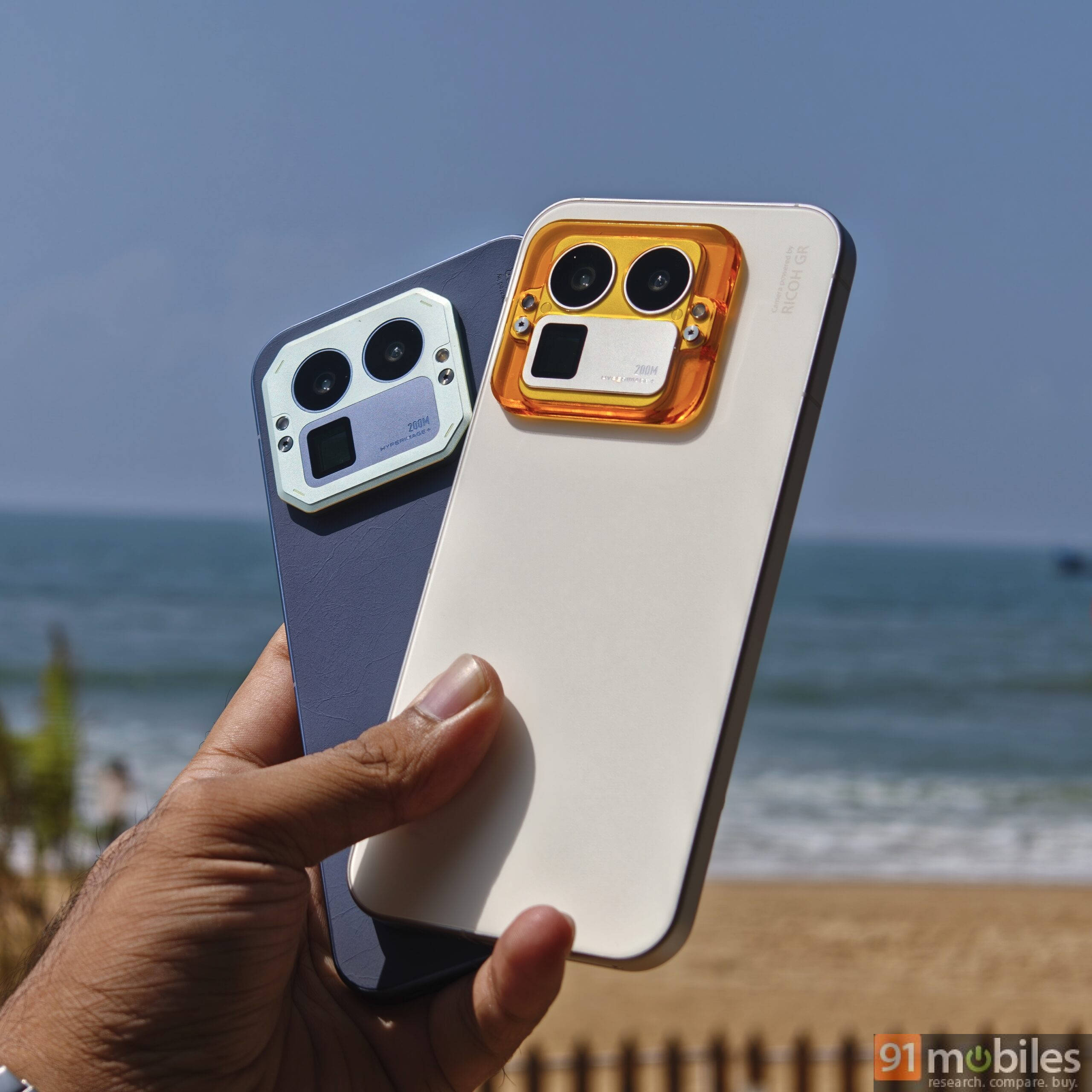
The rear panel for my review variant, Urban Blue, uses what the brand calls “organosilicone leather”. It’s quite soft to the touch and feels very premium in hand. The rounded corners and the matching matte metal finish on the frame bring about a design that looks quite appealing. It feels extremely comfortable in the hand, and despite its 214-gram weight, the distribution is done rather well, so it feels lighter than it is.
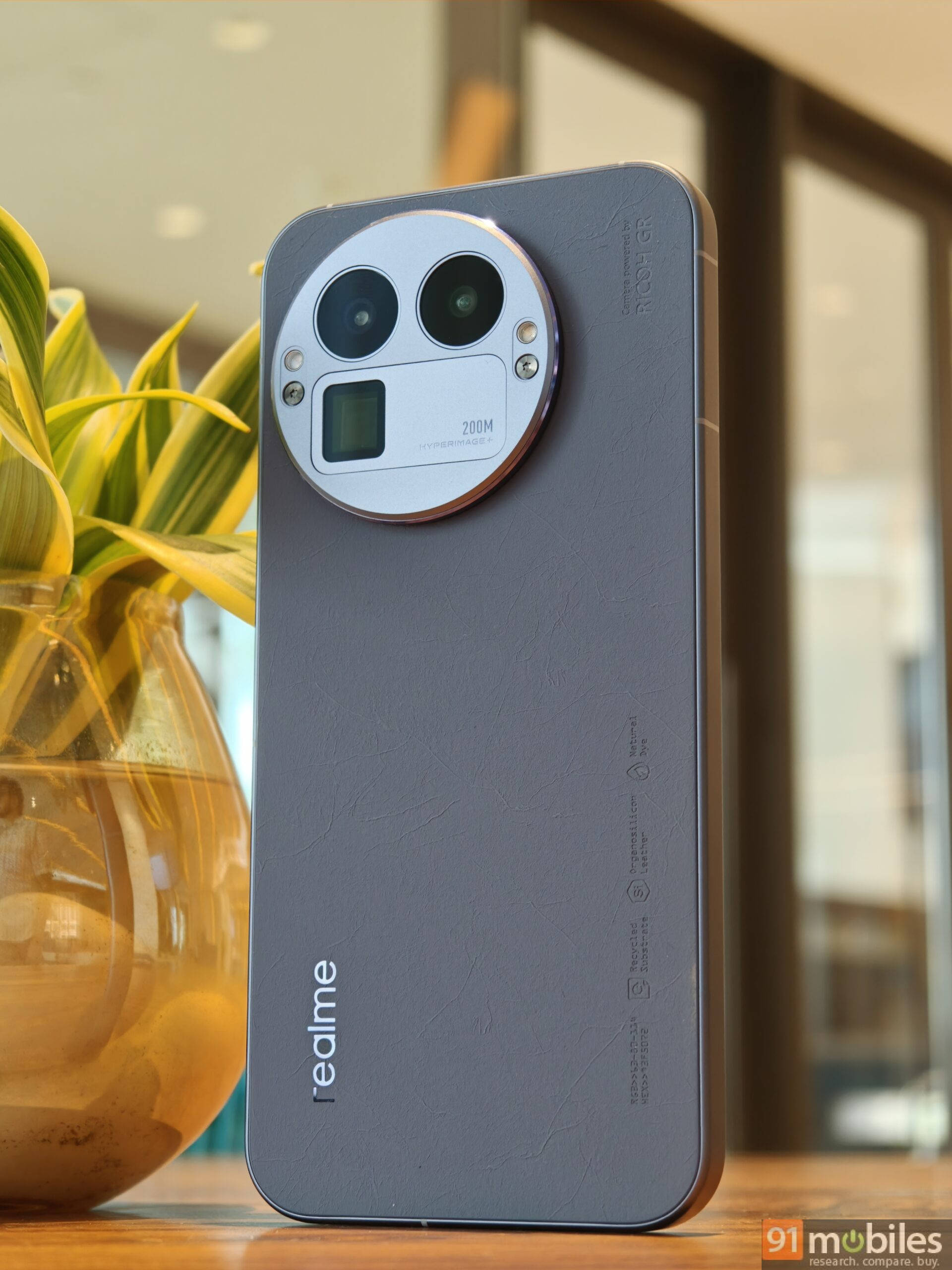
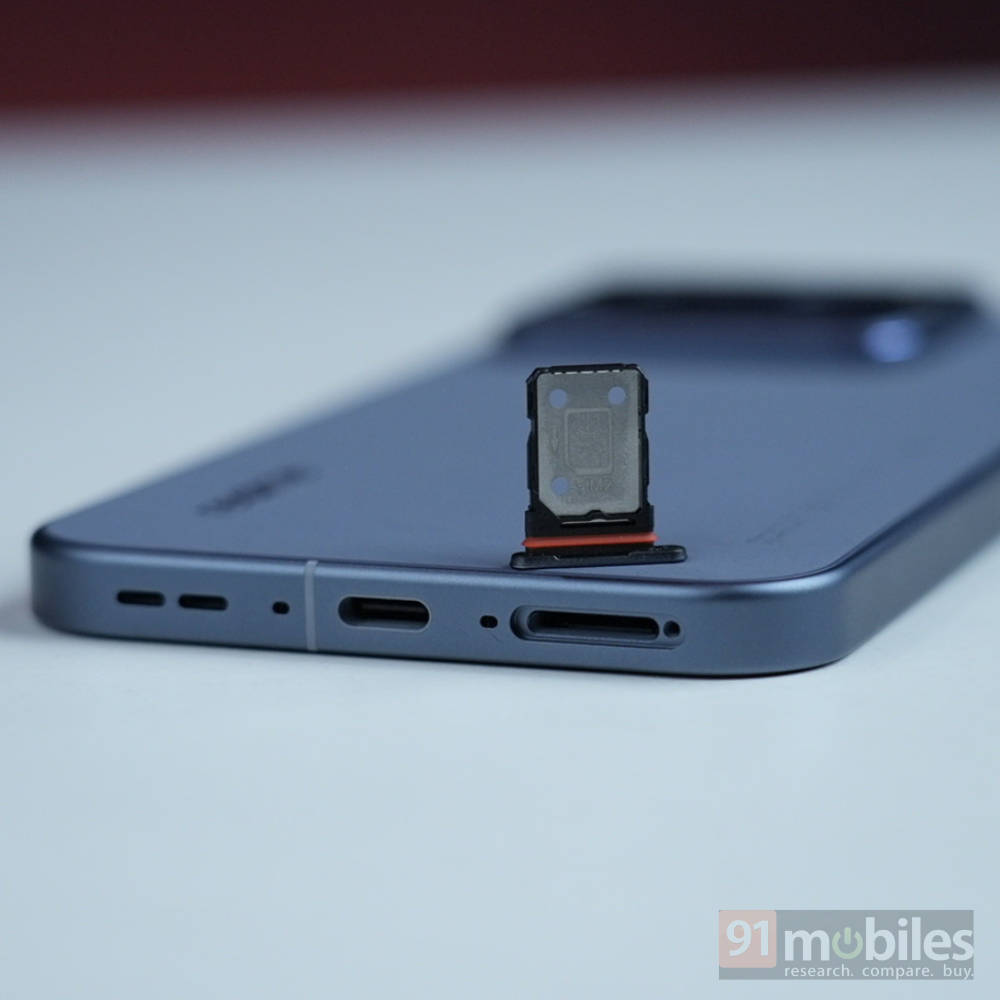
Rounding off this design is some robust elemental protection, including IP66, IP68 and IP69, so you can rest assured. You get an IR blaster, a speaker grille, and a noise-cancelling mic on the top edge. The bottom edge has the USB-C port, the other speaker grille, the noise-cancelling mic, and the SIM tray. The right edge holds the power and volume buttons as usual.
Snappy cameras with some Ricoh garnish
The Realme GT 8 Pro packs a versatile triple-camera setup. It features a 50MP Sony IMX906 primary sensor with f/1.8 aperture and dual OIS and EIS stabilisation. Backing it up is a 200MP telephoto camera with 3x optical zoom and f/2.6 aperture, a 50MP ultra-wide lens with f/2 aperture, and a 32MP front-facing camera with f/2.4 aperture.
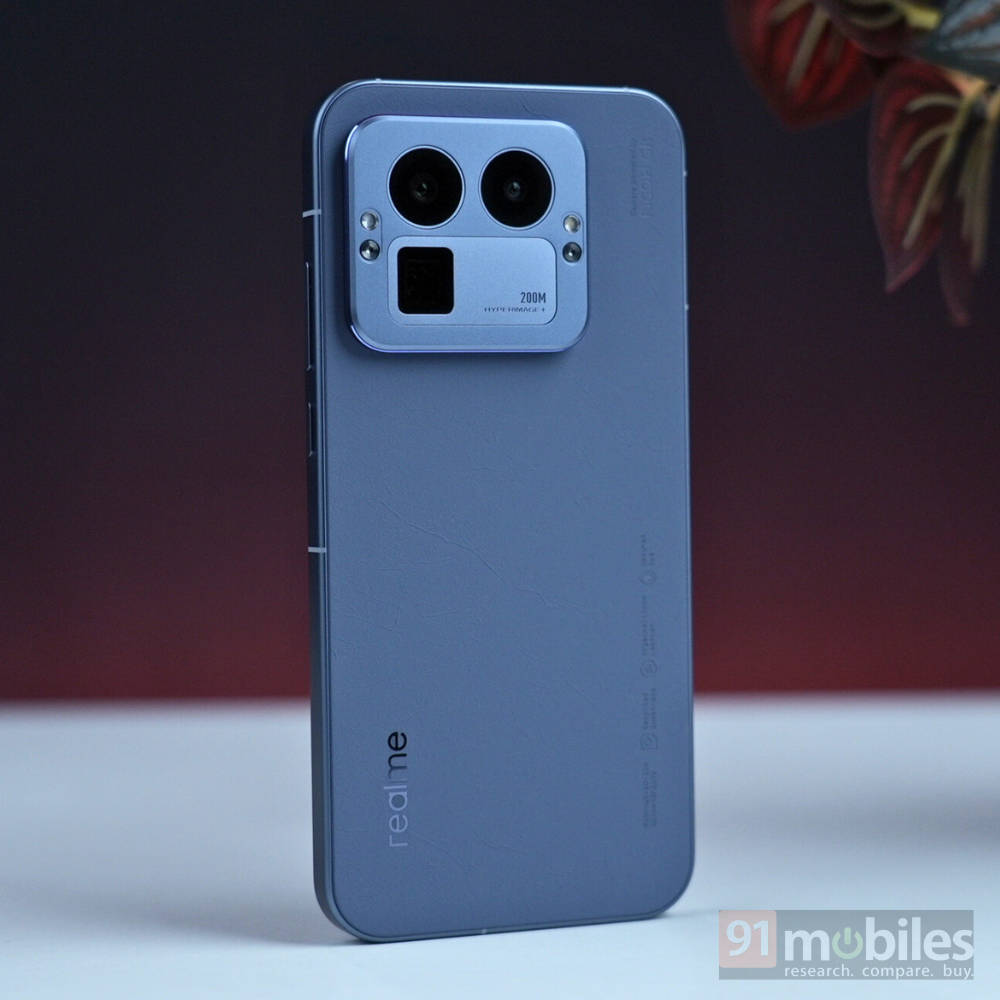
This 200MP telephoto lens is where the Realme GT 8 Pro truly shines. The lens is the standout performer of the bunch. It consistently delivers excellent results across nearly all lighting scenarios. It captures impressive sharpness and retains fine details beautifully. It also produces pleasing colour profiles with good contrast. Even in low light, it holds its ground remarkably well. Lens flares and light bloom do make an appearance around bright sources, though. Whether you are shooting portraits, capturing architectural details, or need to get good zoom shots in, the lens will not disappoint.





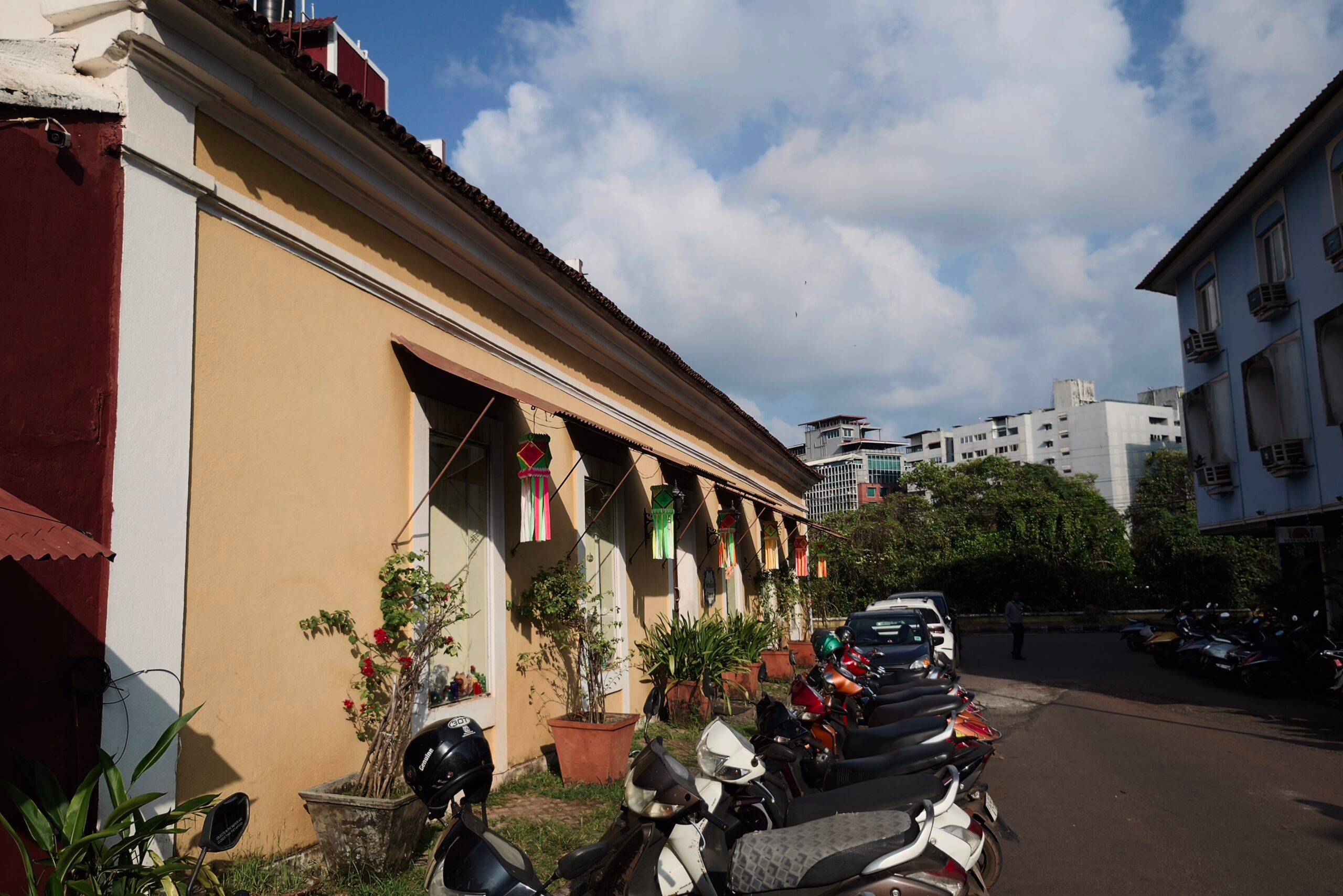







The 50MP ultra-wide camera handles daylight scenes competently. It delivers an acceptable detail level, distortion around the edges is minimal, and colour consistency aligns nicely with the main lens. However, subjects often appear soft and lack clarity. It is best used in good lighting conditions. The 32MP front camera performs great in daylight. It produces vibrant colours, close-to-natural skin tones, and an impressive level of detail. Low-light results are also pretty decent, but the subjects are softer and the colours slightly muted.
Ricoh GR modes
The Ricoh-inspired shooting modes bring a creative edge to your photography. Although, admittedly, they are situational in their usefulness. These are a few ways where you can utilise each mode to bring out a more artistic rendition of what you want to capture. Here are a few samples and a short explainer on how to use these modes:
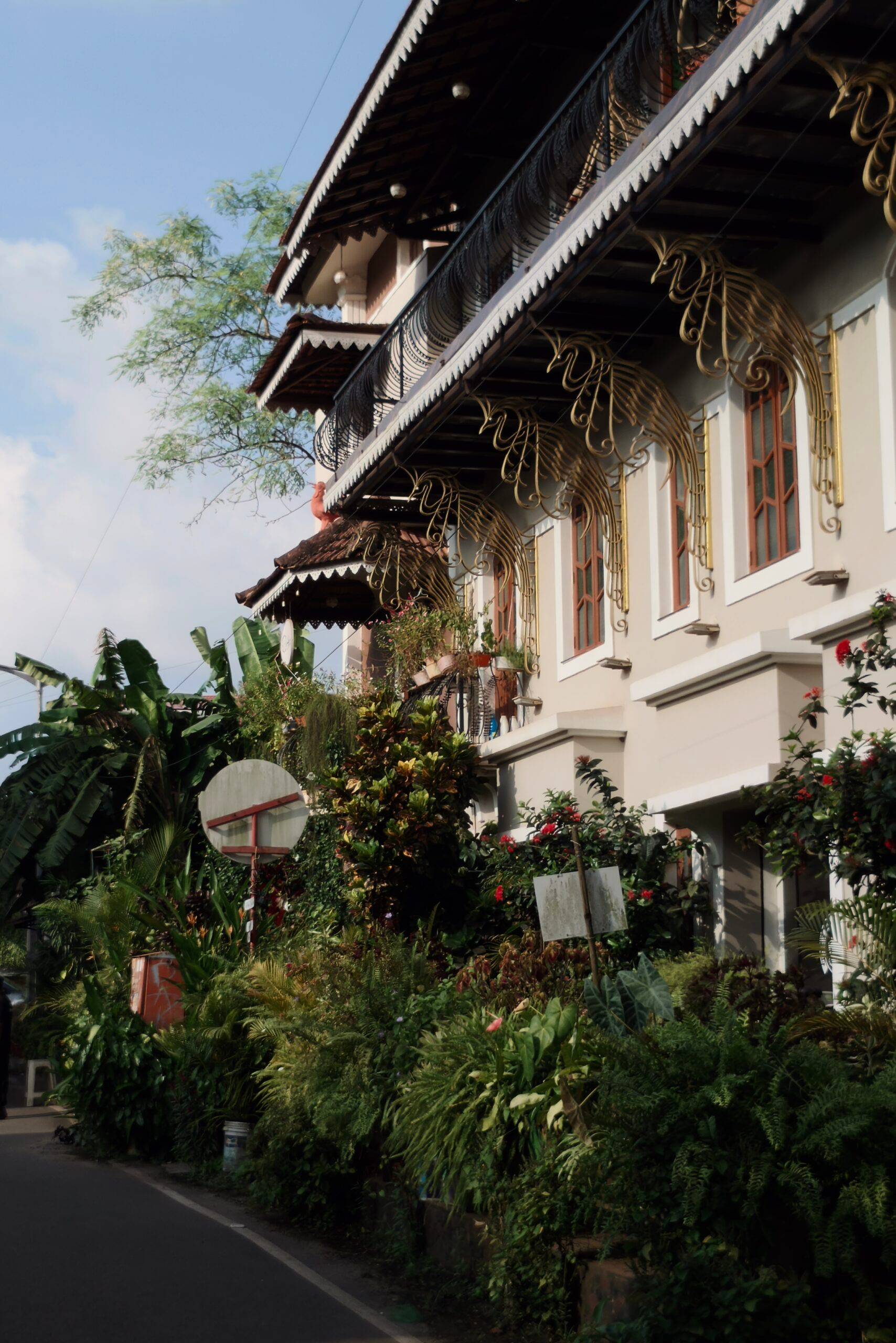



- Ricoh Positive is designed for scenes with lots of colours and low dynamic range. It offers unique colour styling with decent detail levels. The mode works best in vibrant, colourful scenarios with relatively flat lighting.
- Ricoh Negative is meant for softer tones and lower contrast, creating a dreamy, surreal effect. It performs best when the dynamic range is high, as it balances it out. This mode is situational but can produce interesting results in the right conditions.
- B&W High Contrast produces more dramatic images. It is ideal in situations where there is less focus on colours and more on the shadow/light play and shapes of the subjects. The emotive range is strong, but it adds a grainy texture to the image. This can be distracting when you zoom in closer.
- B&W Monochrome works in high contrast situations too, with less focus on colour. It creates distinctive results with character. Like the High Contrast mode, it adds a slight grainy texture, and the output has lower contrast.
I also did an in-depth comparison of the Realme GT 8 Pro against the OnePlus 15 (review), check it out below:
Daylight
In daylight, both phones deliver sharp, well-detailed images, but with contrasting post-processing approaches. The OnePlus 15 captures a more accurate representation of the scene, with natural colours that closely match real-life conditions and better-preserved shadow detail in the building’s darker sections. The Realme GT 8 Pro, while equally sharp, applies heavier processing that boosts contrast and saturation. This results in punchier, more vibrant colours that look eye-catching but do not reflect the actual scene.


Ultrawide
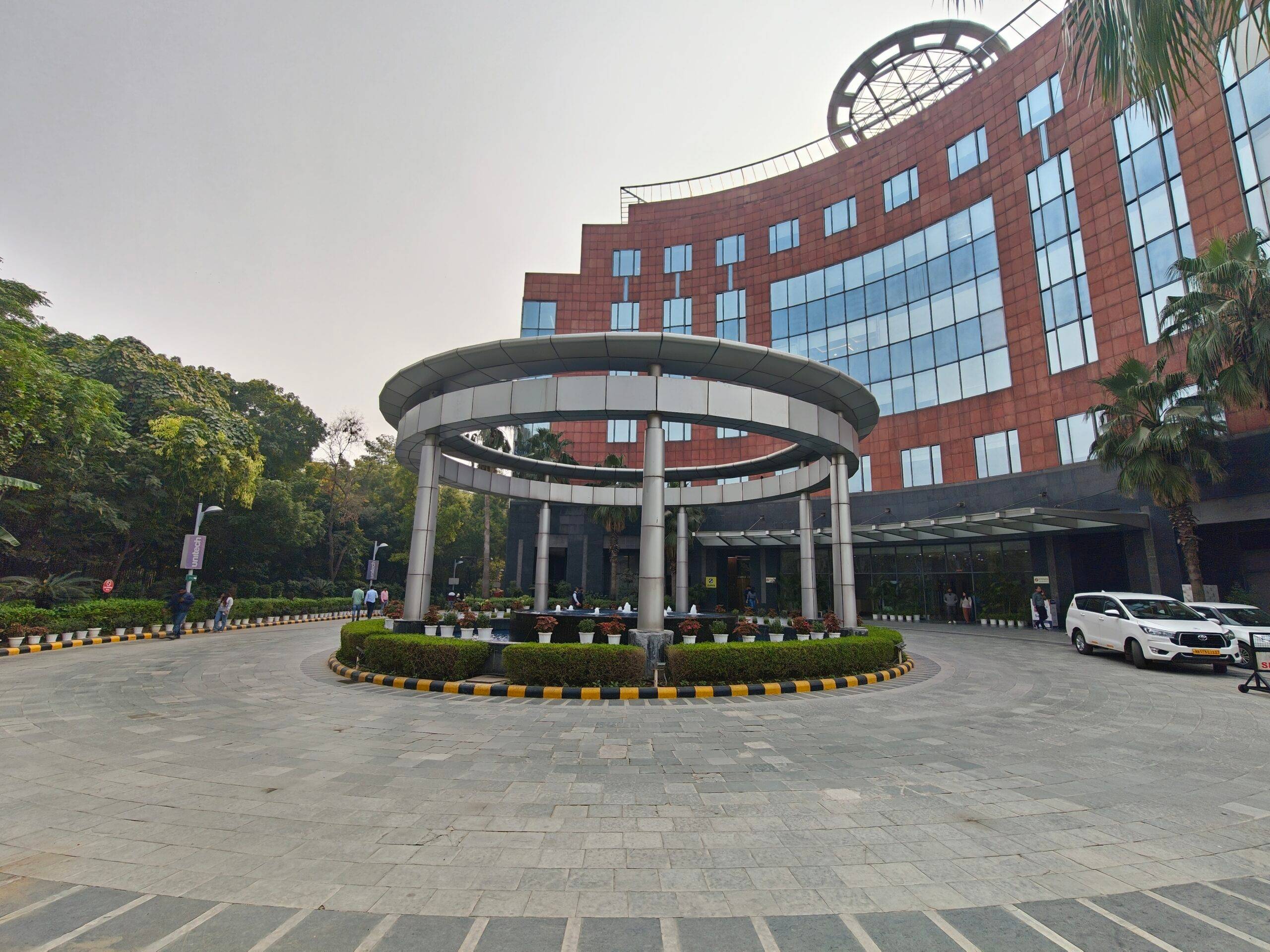
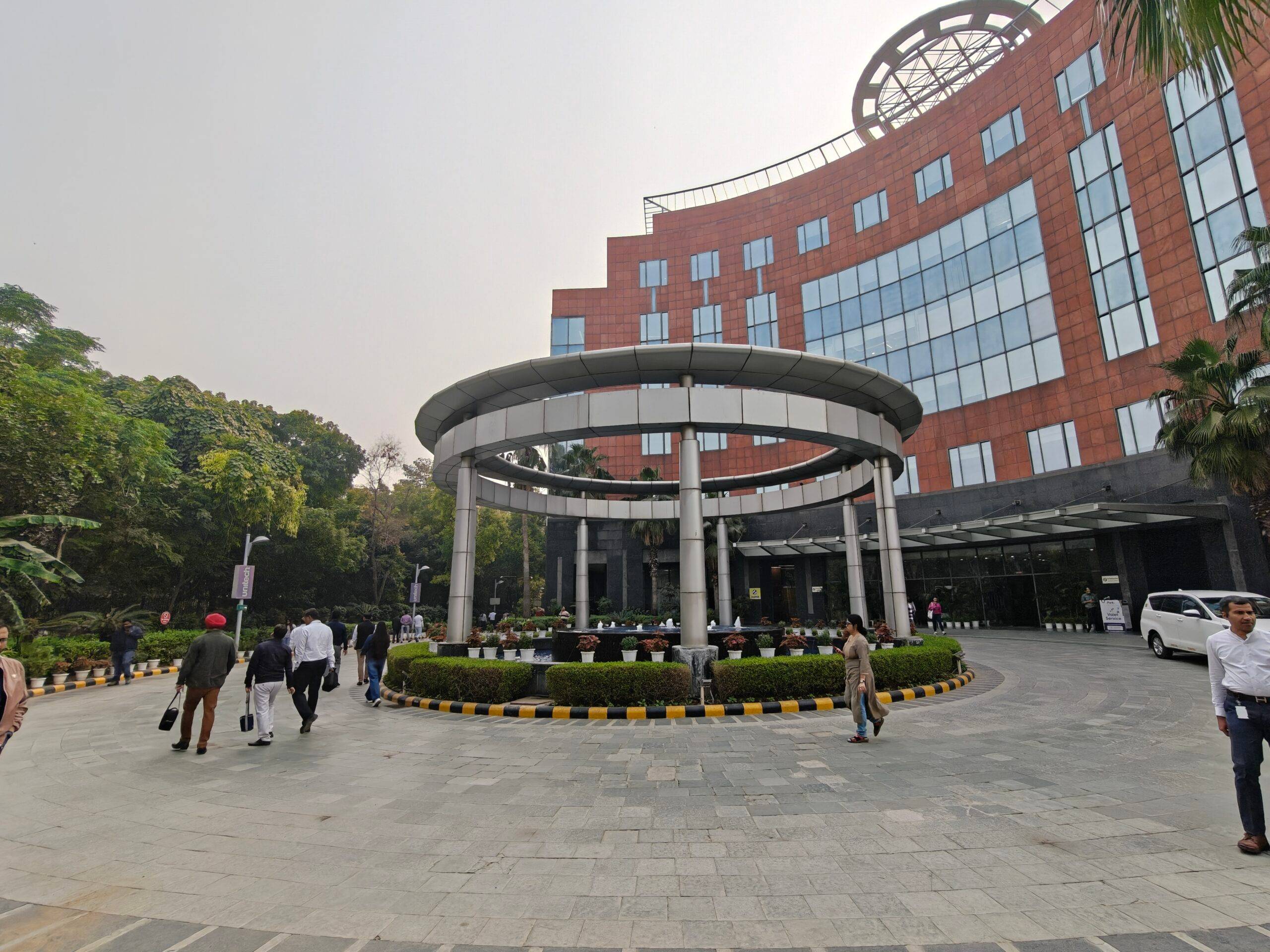
In the ultrawide comparison, the Realme GT 8 Pro is ahead with slightly better colour consistency, maintaining a more cohesive look with its primary camera. Both phones handle distortion control quite well, keeping the building’s lines straight at the edges. However, the OnePlus 15 delivers sharper detail across the frame, particularly visible in the foliage and architectural elements. The Realme’s oversaturated colours, while vibrant, appear less natural compared to the OnePlus’s more accurate representation.
Portrait
When it comes to portraits, the Realme GT 8 Pro is the clear winner over the OnePlus 15. It delivers more natural, pleasing skin tones that better match real-life colours, along with greater detail and clarity in the subject’s face, hair, and clothing textures. Realme’s edge detection is also more precise, creating a cleaner separation between the subject and background with a smoother bokeh effect. In comparison, the OnePlus 15 produces slightly less accurate skin tones and softer details, with less refined edge detection around the subject’s hair and shoulders.


Selfie
For selfies, both phones offer distinct approaches with minimal difference in overall performance. The OnePlus 15 delivers more accurate and natural-looking skin tones that closely match real-life colours and more balanced dynamic range. In contrast, the Realme GT 8 Pro opts for a warmer, slightly more processed look with higher detail and skin tones with a little lower accuracy.


Low light (nightmode)
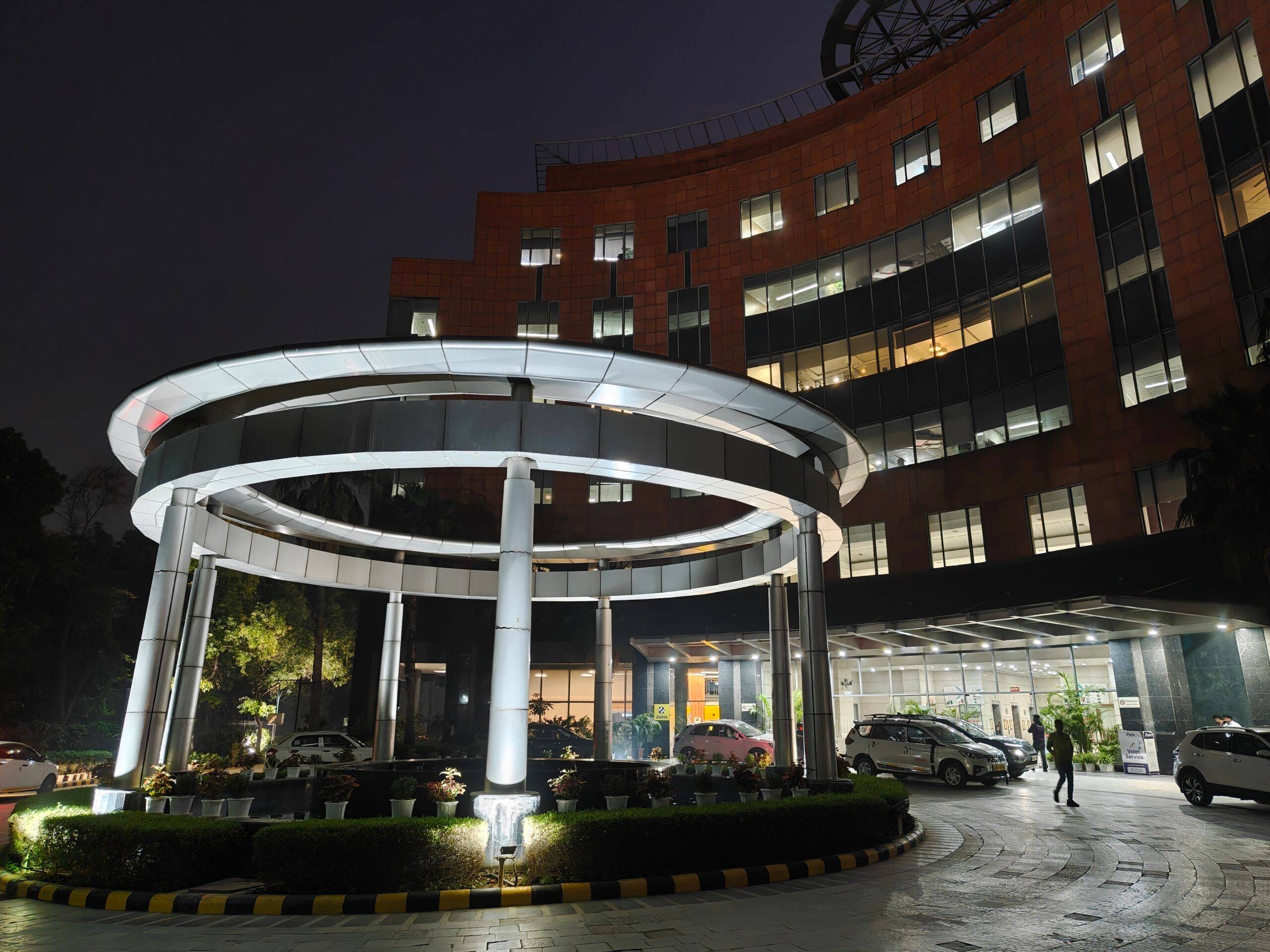
In low-light conditions, the Realme GT 8 Pro is the stronger performer. It has superior control over light flares from the building’s bright windows and street lamps, while maintaining better detail and lower noise levels throughout the frame. The GT 8 Pro also produces more realistic colours, keeping the scene closer to how it appeared in real life. In comparison, the OnePlus 15 captures a slightly underexposed image with more visible noise, less refined flare control, and colours that are slightly cooler.

A flagship-grade display in every manner but one
The Realme GT 8 Pro sports a 2K (QHD+) display, which addresses a gap that many premium flagships still overlook. A lot of competitors continue to use lower resolutions, so this choice definitely makes the phone stand out. The panel delivers sharp visuals that enhance everything from browsing to media consumption.
| Smartphone | Display | Peak Brightness |
| realme GT 8 Pro | 6.79 inches - AMOLED | 7000 nits |
| OnePlus 15 | 6.78 inches - LTPO AMOLED | 3600 nits |
| OPPO Find X9 | 6.59 inches - Flexible AMOLED | 3600 nits |
The 144Hz high refresh rate ensures smooth animations and transitions throughout the interface. The ultrasonic fingerprint scanner is exceptional. It responds quickly and unlocks the device almost instantly, before you even realise it’s happened. The panel peaks at 7,000 nits, and the high brightness mode value remains at 2,000 nits, better than what the OnePlus and OPPO flagships offer.
It’s more than sufficient even outdoors on bright sunny days, and the panel remains perfectly legible. You can also enable ‘Extra Brightness’ in display settings, which helps you extend the brightness level beyond the regular range. This proves very useful on extremely sunny days or in well-lit surroundings.
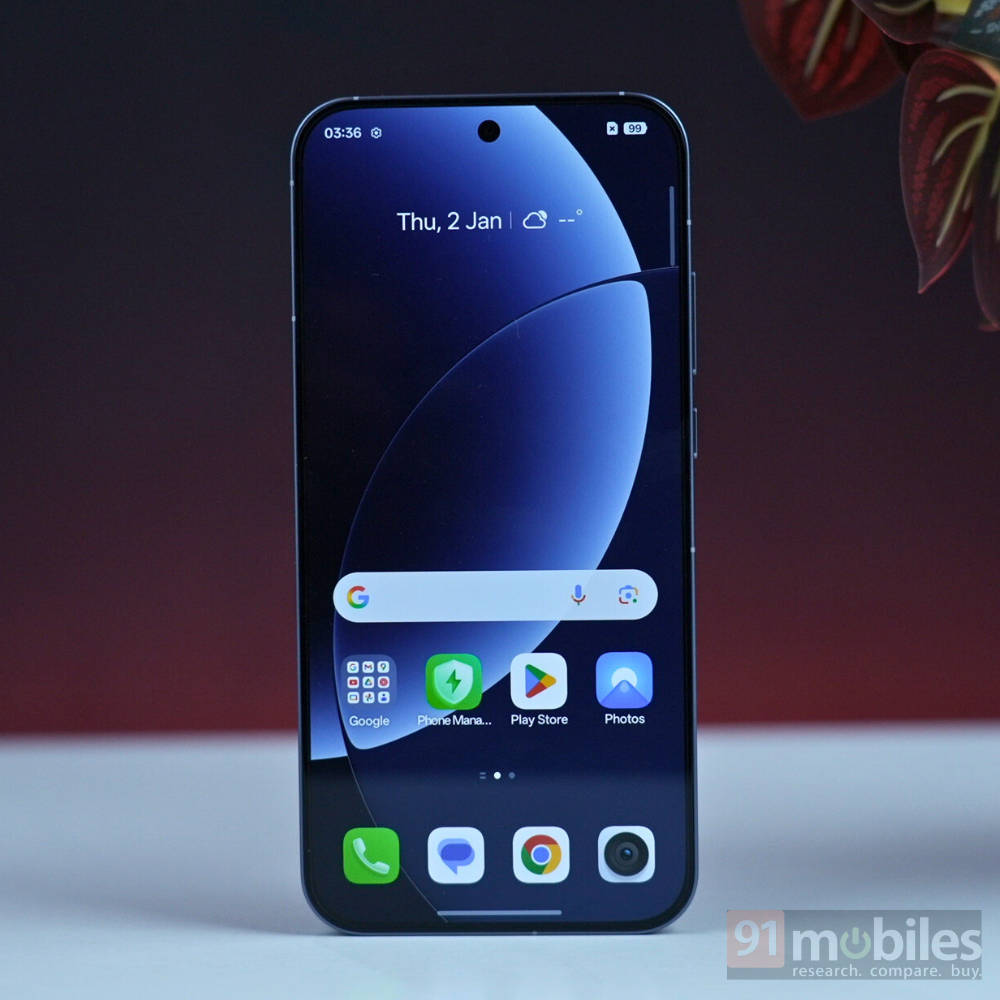
The display produces vibrant colours, and the contrast ratio delivers crisp visuals with good depth. Touch response is reliable even with wet fingers, which proves useful in practical scenarios like during rain or while cooking. The panel is protected by Corning Gorilla Glass 7i, which is more common across the sub-30K segment. It should provide some level of protection, but it falls behind competitors like the OnePlus 15 (review) and the OPPO Find X9 with Corning Gorilla Glass Victus 2.
There is, however, one compromise here. The phone uses an LTPS panel rather than LTPO. LTPO displays dynamically adjust refresh rates from as low as 1Hz to conserve battery power, while LTPS panels maintain a more constant refresh in splits like 30, 60, and 90Hz. This difference affects energy efficiency and can impact battery life during extended use. I’ll discuss this in more detail in the battery section of this review.
Exceptional all-around performance
The Realme GT 8 Pro comes with Qualcomm’s latest Snapdragon 8 Elite Gen 5 SoC, paired with up to 16GB of LPDDR5X RAM and 512GB of UFS 4.1 storage. The hardware in use is top-notch and the best of what the industry has to offer, so naturally, performance remains one of the key highlights of this device. I wish the USB standard used were USB 3.1 instead of USB 2.0, especially given the price point.



In our regular benchmark test suite, including AnTuTu, Geekbench, and the 3DMark suite, the GT 8 Pro remains the best performer across all the phones we’ve tested so far, even outpacing other Snapdragon 8 Elite Gen 5-powered devices like the OnePlus 15.
Day-to-day usage is flawless with no lag or stutters at all. Even the camera UI is extremely responsive, and the seamlessness with which the software responds to your input is exquisite.
So what’s the gaming output like? Well, there’s more good news here! In addition to the 8 Elite Gen 5, the phone also uses a HyperVision+ AI chipset. This chipset is particularly useful for improving the gaming performance and aspects like the graphic quality, boosting frame rates through the ‘Hyper Frame Rate feature’ using the game assistant on board. I tested it out on some games like Genshin Impact, and it delivered an average FPS of around 59.4 over an hour of testing.
That’s a 10/10 score for my standards, particularly when I ran the game at the maximum graphical preset! BGMI is also optimised rather well for this device, and it shows in our lab tests, where it delivered a steady 60fps on maximum settings with no additional frame boosters enabled.
While it delivers top-notch gaming results, it also maintains an impressive thermal profile. Over an hour of gaming, the average temperature increase hovers around just 3 degrees Celsius. I’m left very satisfied with the performance capabilities of this device.
Clean, customisable software experience
The Realme GT 8 Pro runs on Realme UI 7.0 based on Android 15, and the OS itself is extremely stable and operates quite smoothly. You only get five third-party apps out of the box, which is a good touch to make the device feel less cluttered. The animations and haptic feedback give the software experience a mature, engaging feel. There are also quite a few visual refinements and new features worth highlighting.
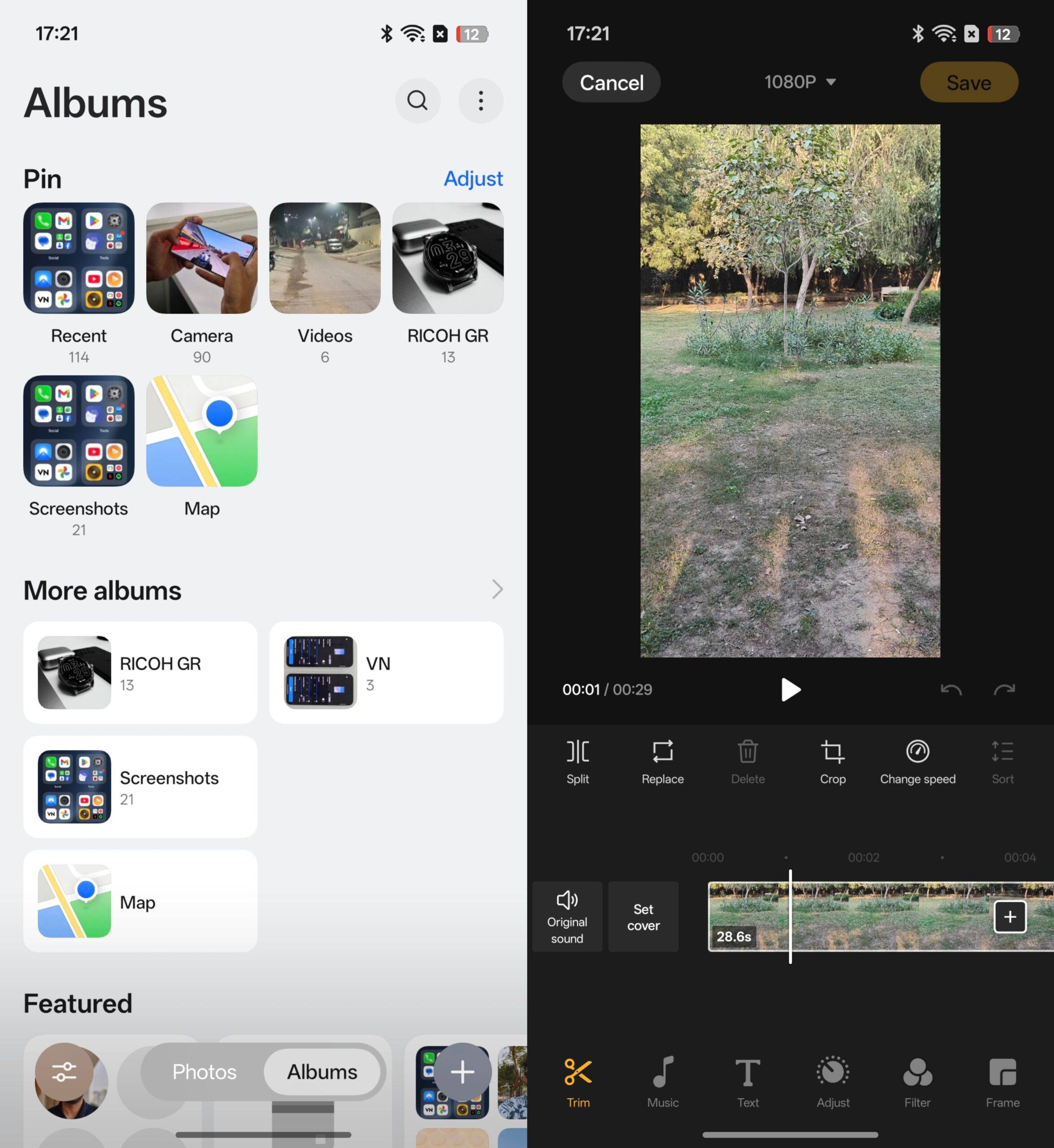
Realme has introduced a Light Glass Design that creates a sense of depth across the interface. These design elements are similar to what Apple introduced with iOS 26’s visual overhaul. The gallery app now also has a rather complex video editor that is quite capable, making it easy to edit videos on the go.
The new Flux Theme 2.0 also expands on customisation options, especially for the lock screen. You can now use live photos and videos as wallpapers, complete with an AI-powered Dynamic Depth of Field effect. Fingerprint animations support custom text and emoji, which is a fun touch.
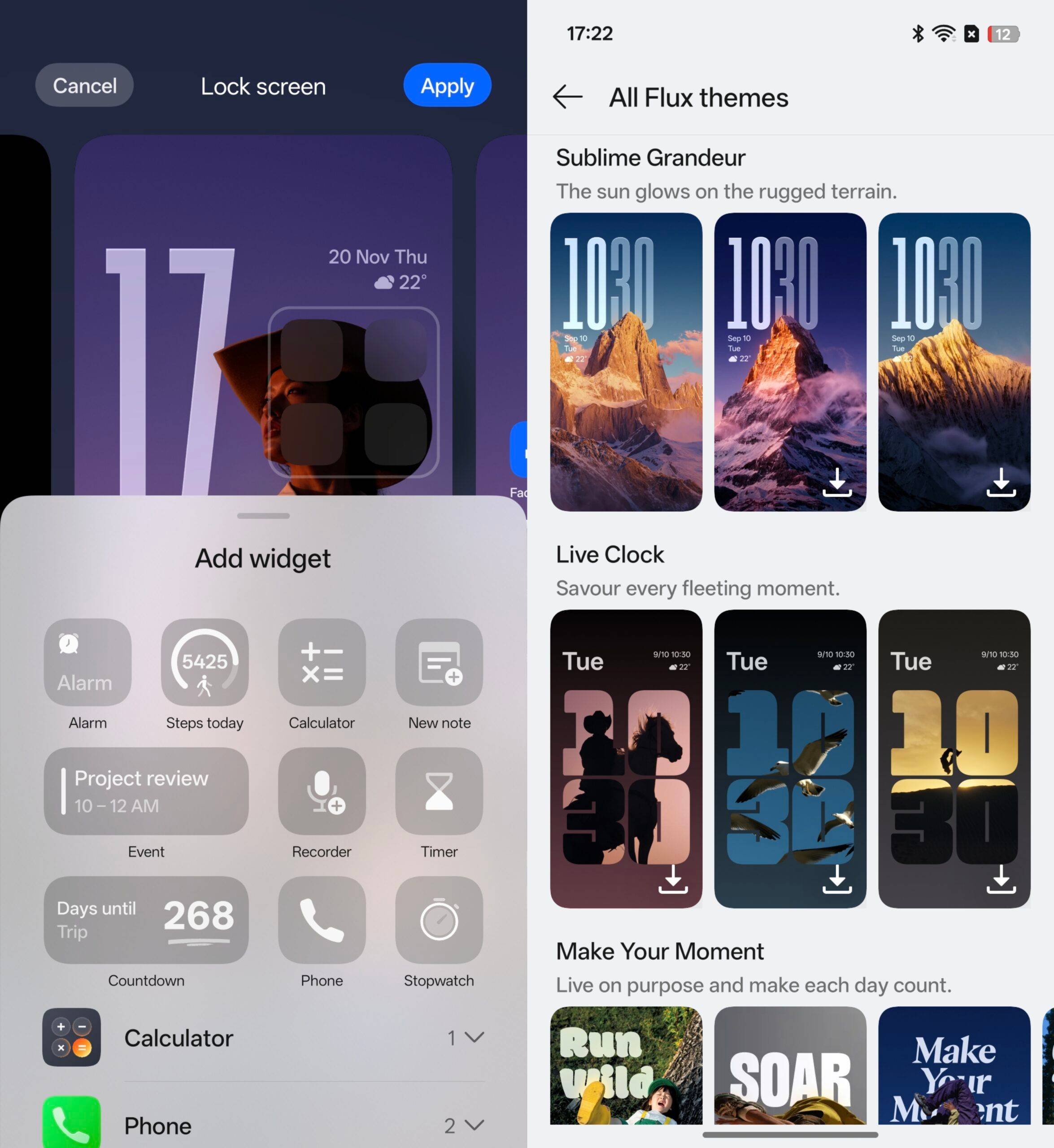
The Flux Desktop feature lets you adjust app icon colours and resize them by dragging. These layouts include 1×2, 2×1, and 2×2 grids that expose secondary functions or quick actions. Lock screen customisation includes some new widgets, full-screen always-on display options, and multiple visual themes.
The Realme GT 8 Pro will receive four major OS updates and up to five years of security patches, so the device will stay up to date all the way till 2030. It’s par for the course with what the average is, barring a few brands like Samsung and Google.
Underwhelming battery life
The Realme GT 8 Pro features a 7,000mAh battery paired with 120W fast charging and 50W wireless charging support. It also has 5W reverse charging in case you need to recharge a compatible device in a pinch. With a battery this size, I expected somewhere around 1.5 days of use out of it, but the battery backup has been surprisingly low in my usage.
I used this as my personal device for a whole week, and the battery life was my biggest complaint. With 5G enabled all day and around two hours of heavy camera usage, I was barely left with any juice (about 10-12 percent) by around 9 PM. The overall screen-on time was barely six hours on about four out of six days.
It was a bit of a bummer. Even our PCMark battery benchmark test results reveal middling performance, with about 13 hours of total time, which is below the average of other 7,000mAh phones like the OnePlus 15 and OPPO Find X9. You can improve battery backup by setting the refresh rate to ‘auto’, and it should give you an hour more of SOT, but no more.
| Smartphone | Battery Capacity | Charging Support | Charging time (20% to 100% ) |
| realme GT 8 Pro | 7000 mAh | 120W Super VOOC Charging v3.0 | 39m |
| OnePlus 15 | 7300 mAh | 120W Super VOOC Charging | 30m |
| OPPO Find X9 | 7025 mAh | 80W Super VOOC Charging | 1h 11m |
On the flip side, the 120W fast charging support gets the phone back in your hands in a jiffy! It only takes about 40 minutes to recharge completely from 20 to 100 percent. I also believe that with future OTA updates, the battery life is bound to improve, but for now, it remains my biggest challenge with this device.
How does it compare against the competition?
The Realme GT 8 Pro starts at Rs 72,999 for the 12GB+256GB variant and Rs 78,999 for the 16GB+512GB variant. At this price, it competes directly against the recently launched OnePlus 15 and the OPPO Find X9.
The Realme GT 8 Pro outperforms the OnePlus 15 in almost all aspects except gaming performance and battery life. It offers a similar level of build quality and software support. It has a more robust camera system. In pure benchmarks, it actually delivers better performance than the OnePlus 15.
Against the OPPO Find X9, the Realme GT 8 Pro lags behind in battery life and overall camera performance. The OPPO Find X9 has better main and selfie sensors. It also offers longer software support compared to the Realme GT 8 Pro.
Verdict: should you buy the Realme GT 8 Pro?
This year, flagship prices have risen across the board due to increasing component costs. Realme has also raised the price of its flagship offering by Rs 13,000, as the GT 7 Pro launched at Rs 59,999. It is definitely a steep rise, but Realme has put in the work to justify these costs.
The revamped design with a switchable camera module is a key highlight, and the bundled deco set that includes both the square module and cover is a good step. More importantly, the hardware improvements under the hood are quite noteworthy, particularly, the 200MP telephoto sensor, which represents a massive upgrade to its camera capabilities. This kind of sensor is typically reserved for the pro variants of OPPO’s Find X series, Vivo’s X series, and the Galaxy Ultra lineup, so it’s delightful to see it here.
The partnership between Realme and Ricoh has also brought forward some genuinely interesting experimental modes that add creative options to your photography. Beyond the cameras, the software experience is extremely smooth and feature-rich, while the durability with IP68 and IP69 ratings is top-notch. The crisp, vibrant 2K panel is the cherry on top that ties everything together nicely as it’s another feature that is quietly reserved for just a few flagships.
However, some issues do stand out. My biggest complaint remains the lack of battery life despite using a 7,000mAh cell. The use of an LTPS panel instead of LTPO panel and the inconsistent primary lens that occasionally produces subpar results. The use of a USB 2.0 port is another quiet cost-cutting measure. Even so, there is good value here despite the high pricing when you compare it against rivals. It is definitely worth checking out if versatile cameras, top-notch display quality and a seamless software experience are traits you value.
Editor’s Rating: 8.4/10
Reasons to buy:
- Unique design with switchable camera modules
- Exceptional day-to-day and gaming performance
- Impressive 200MP telephoto lens and Ricoh GR modes
- Fluid, responsive and customisable software
Reasons not to buy:
- Inconsistent primary camera
- Underwhelming battery life
- USB 2.0