


Review Summary
Expert Rating
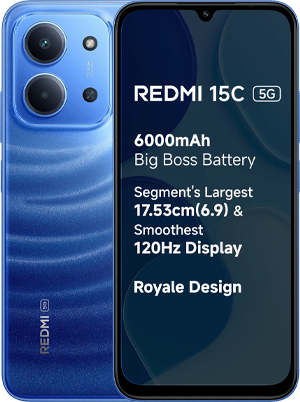
The Redmi 15C was launched in India earlier this month as the brand’s latest budget smartphone. Positioned as a value-for-money offering, the device brings a large display, a big battery, a 120Hz refresh rate, and a premium-looking design at an aggressive starting price of Rs 12,499. This makes it one of the more pocket-friendly options in the segment.
The Redmi 15C also serves as a more affordable alternative to the Redmi 15 (review), which starts at Rs 14,999, although there are some notable differences between the two.
On paper, the Redmi 15C has plenty going for it. But how well do these specifications translate into real-world usage? And more importantly, does it make sense to pick this over its rivals in the same price bracket? Let’s find out.
Table of Contents
Verdict
The Redmi 15C is a good budget pick if you want a big screen and excellent battery life at an affordable price. Its performance is good enough for everyday use, and the 120Hz display adds to the overall smoothness. However, average cameras, an HD+ LCD panel, and a cluttered software experience hold it back. If endurance and screen size matter most, the Redmi 15C makes sense; otherwise, rivals offer a more balanced experience for a little more money.
Large display for your entertainment needs
With its large 6.9-inch display, the Redmi 15C feels very much like a phablet in hand. I had a similar experience with the Redmi 15, which shares the same screen size. That said, the expansive panel makes the phone well-suited for media consumption. Watching movies, streaming shows, and scrolling through YouTube felt enjoyable, and the large screen definitely adds to the immersive experience. The phone’s 20 percent volume booster also helps, delivering surprisingly loud output from the single bottom-firing speaker.
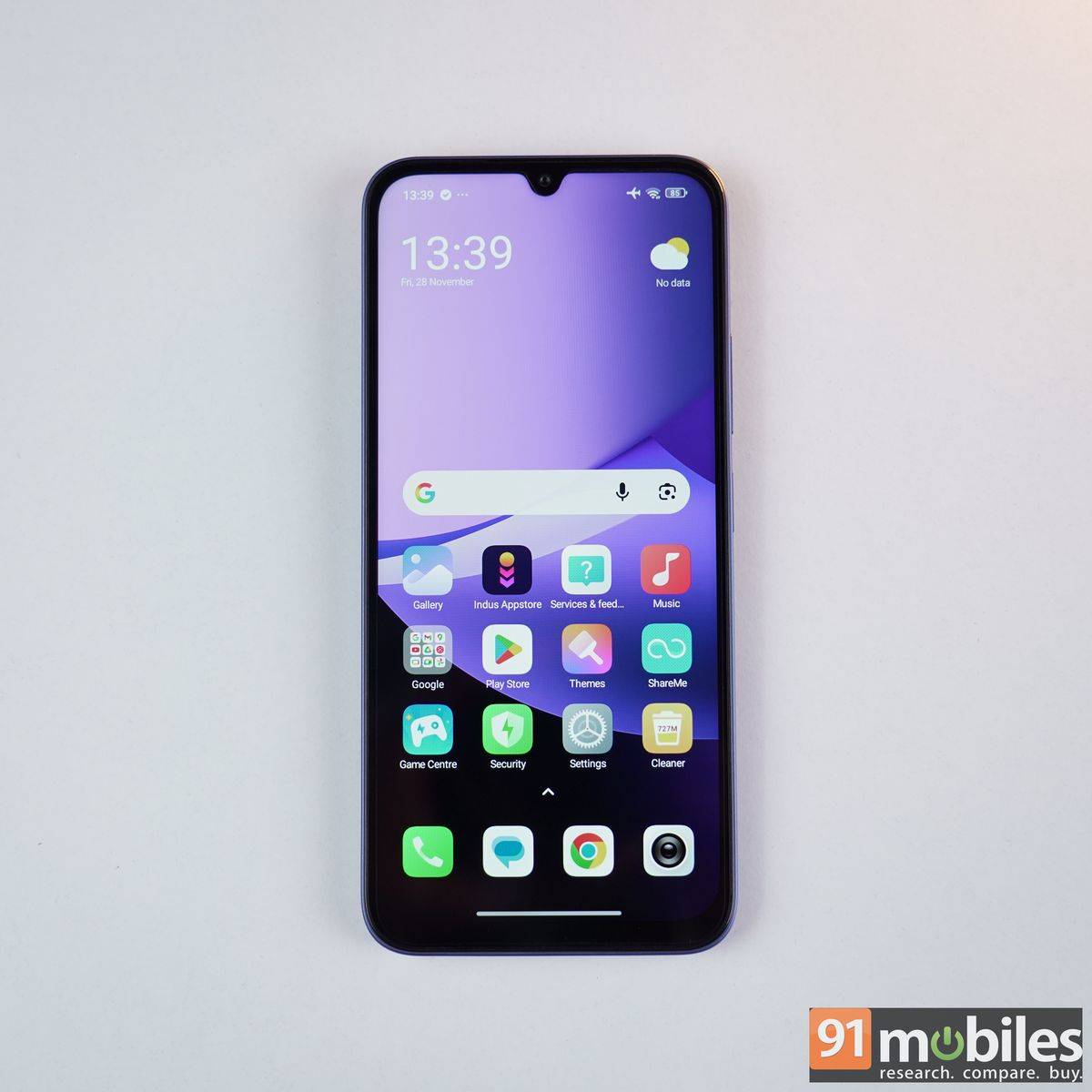
That said, there are some clear limitations. The display is limited to an HD+ resolution, uses an LCD panel, and features a dated notch design. In comparison, the Galaxy M17, which also comes with a notch, offers a sharper FHD+ AMOLED panel and delivers a more premium visual experience. Similarly, the Lava Blaze AMOLED 2, though slightly more expensive (Rs 13,499), ups the ante with an FHD+ 120Hz AMOLED display and a modern punch-hole cutout. The Redmi 15C’s display peaks at 810 nits in high brightness mode, which is adequate indoors but can struggle under direct sunlight, where visibility takes a hit.
So while the Redmi 15C’s large screen makes it a solid choice for binge-watchers, it does miss out on some premium display features available on competing devices. That said, the inclusion of a 120Hz refresh rate ensures smooth scrolling and snappy animations, which help offset some of these shortcomings in everyday use.

In terms of design, the Redmi 15C carries forward the flashy, glittery aesthetic seen on the Redmi 14C, but switches to a square camera module instead of a circular one. The back has a smooth, glass-like finish, and the phone is available in three colour options, each with a distinct look. Personally, I found the Dusk Purple variant to look the most appealing and premium.
Overall, the phone feels quite large and can be awkward to use one-handed. However, if size isn’t a concern, this shouldn’t be a dealbreaker. It’s also worth noting that Redmi continues to include a 3.5mm headphone jack, which will be a welcome addition for users who still prefer wired audio.
Cameras that do the job, but could be better
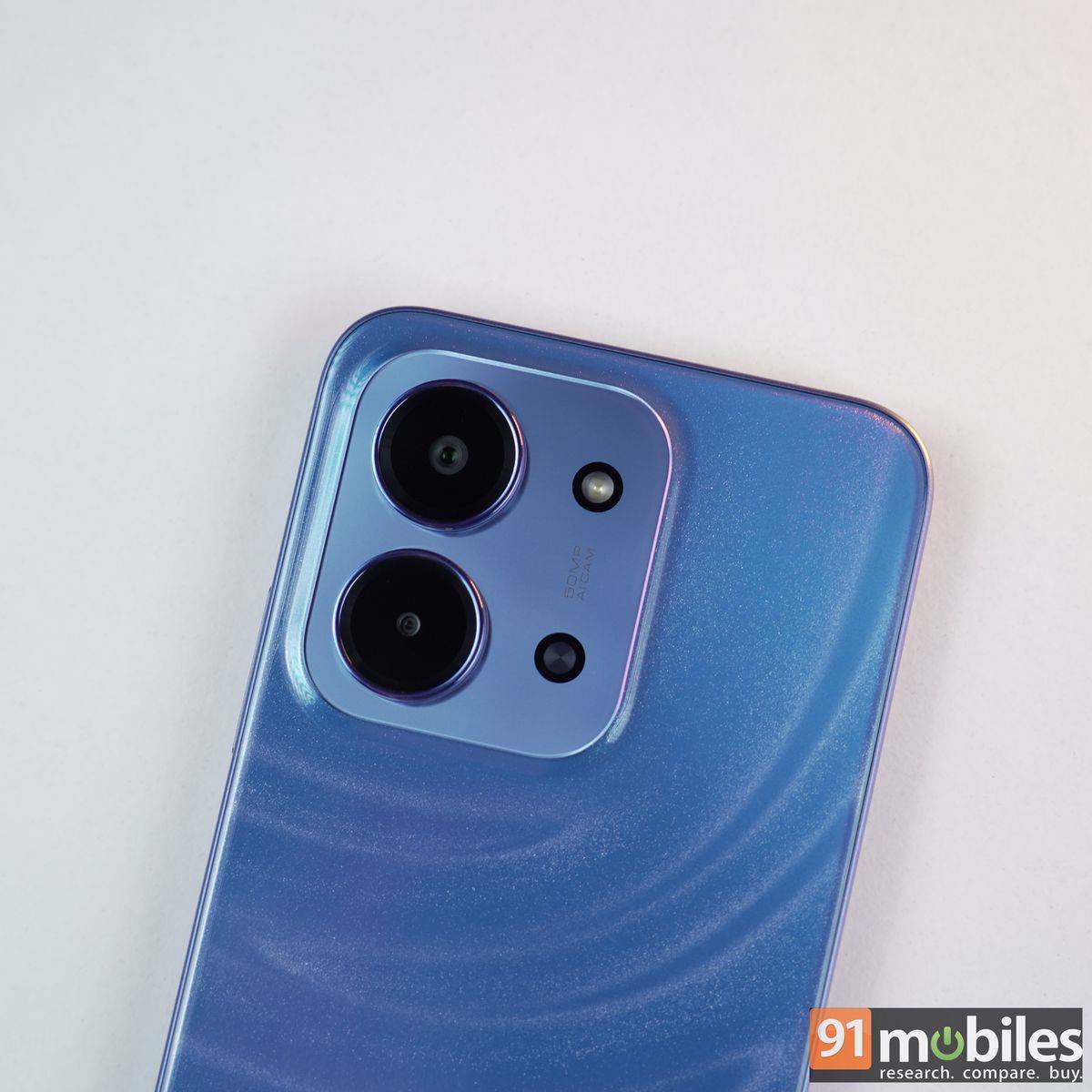
The Redmi 15C features a 50MP primary camera paired with an auxiliary lens on the back, along with an 8MP front-facing camera. This camera setup is fairly standard for the segment, though some competitors offer more flexibility. Phones like the Galaxy M17, with its triple-camera system, and the OPPO K13x, with a dual-camera setup, provide users with slightly more versatility.
As expected at this price point, there isn’t much room for experimentation with the Redmi 15C’s cameras. The available shooting modes include Portrait, Night, Time-lapse, and an Ultra HD mode aimed at delivering “crystal-clear” images, covering the basics without going beyond them.
To better understand real-world performance, we compared the Redmi 15C’s camera output with that of the OPPO K13x, a direct rival in the same segment. The K13x comes equipped with a 50MP primary sensor, a 2MP monochrome camera, and an 8MP selfie shooter, making it a good reference point for how the Redmi 15C stacks up against the competition.
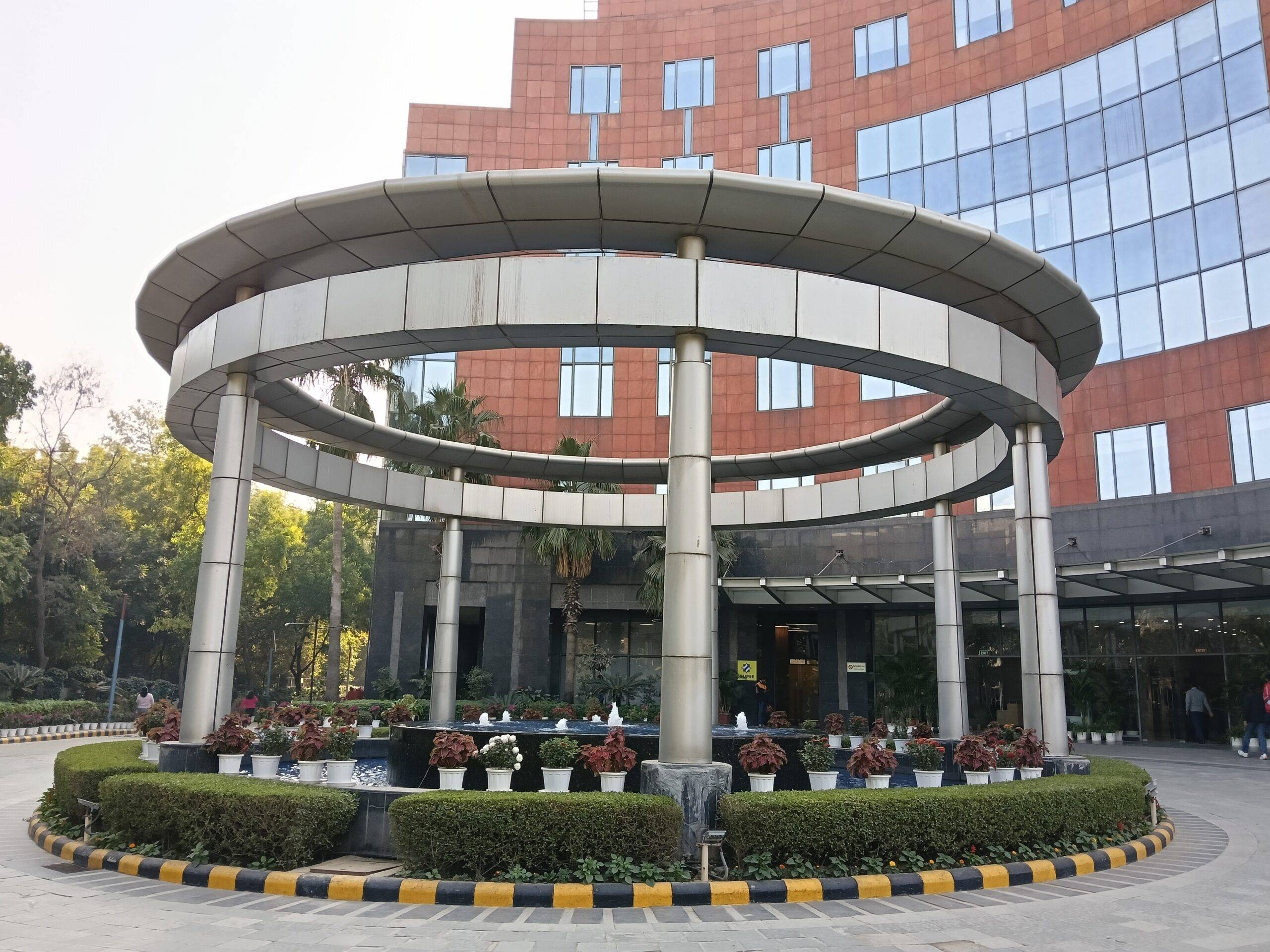
Daylight
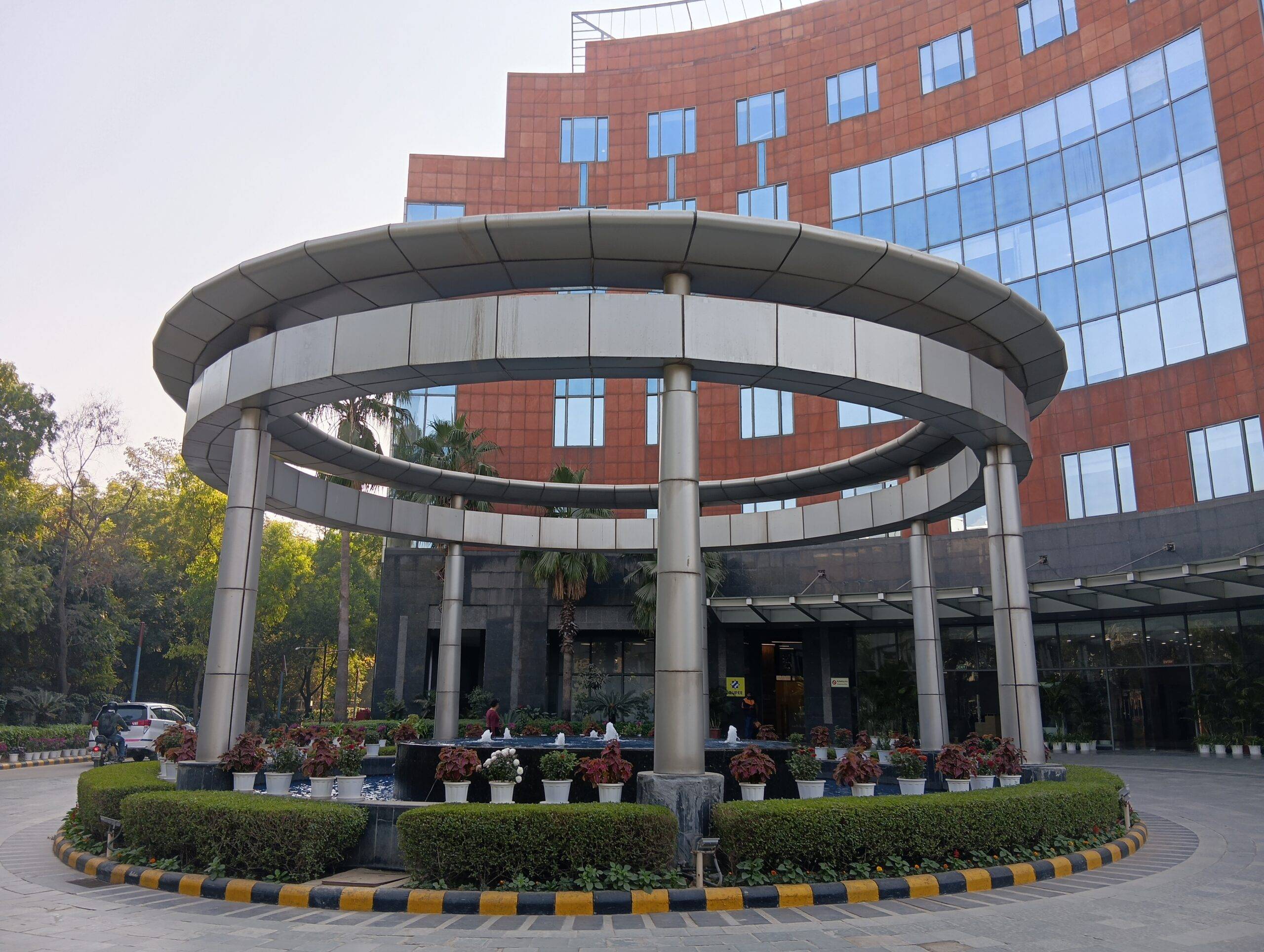
Daylight photos from both the Redmi 15C and the OPPO K13x turn out well, but there are noticeable differences between the two. The K13x captures finer details, whereas images from the Redmi 15C can appear slightly soft and less defined. Colour reproduction is also handled better on the K13x, with more balanced and natural-looking tones. In comparison, shots from the Redmi 15C tend to look a bit more saturated.
That said, the colours on the 15C don’t look unpleasant; they’re just less true-to-life when placed side by side with the K13x, which delivers a more realistic output overall.
Portraits
In portrait shots as well, the OPPO K13x delivers more accurate skin tones and colour reproduction. The bokeh effect also looks more natural on the K13x. That said, edge detection remains inconsistent on both phones. Around the hair, the K13x does a better job, while the Redmi 15C manages cleaner edges around clothing.
When it comes to details, the Redmi 15C appears to capture slightly more, but it tends to oversharpen images, which takes away from the overall appeal and makes the results look less natural.


Selfies
There’s a clear winner here, with the OPPO K13x delivering a more appealing and natural-looking selfie. The handset captures better details and more accurate colours, while images from the Redmi 15C tend to look washed out. Across the frame, the K13x also offers superior dynamic range, resulting in a more balanced and visually pleasing output overall.


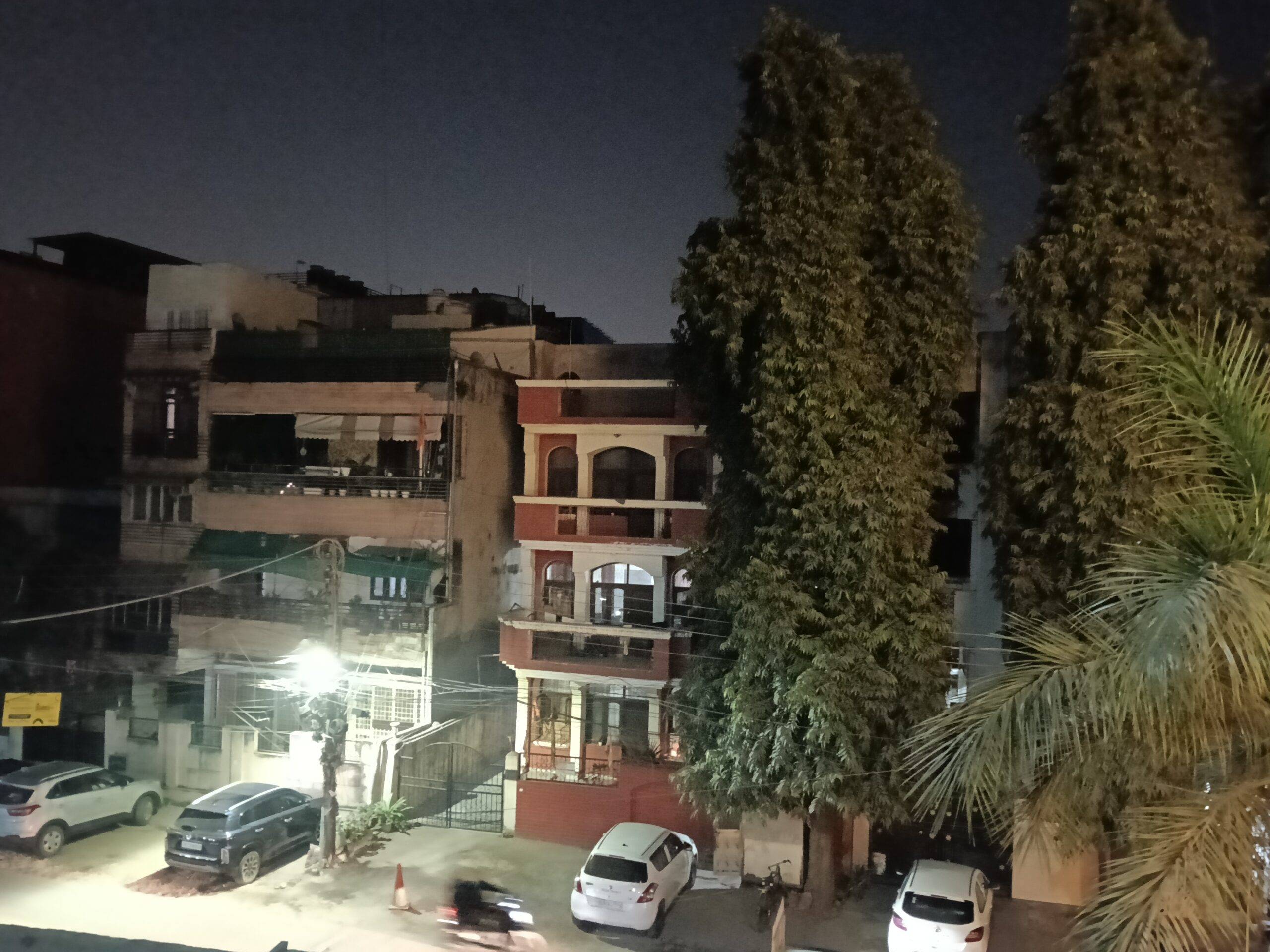
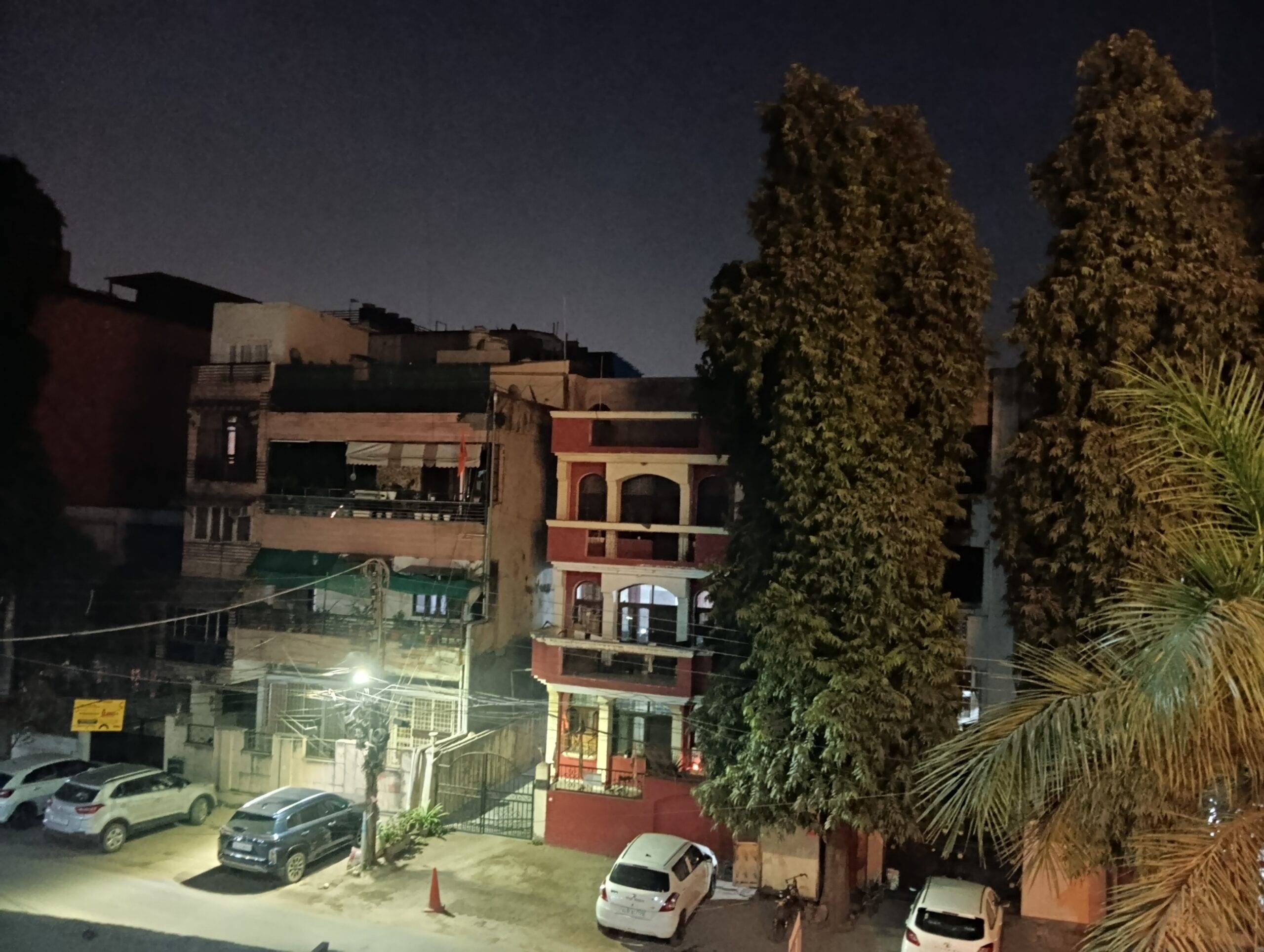
Low-light
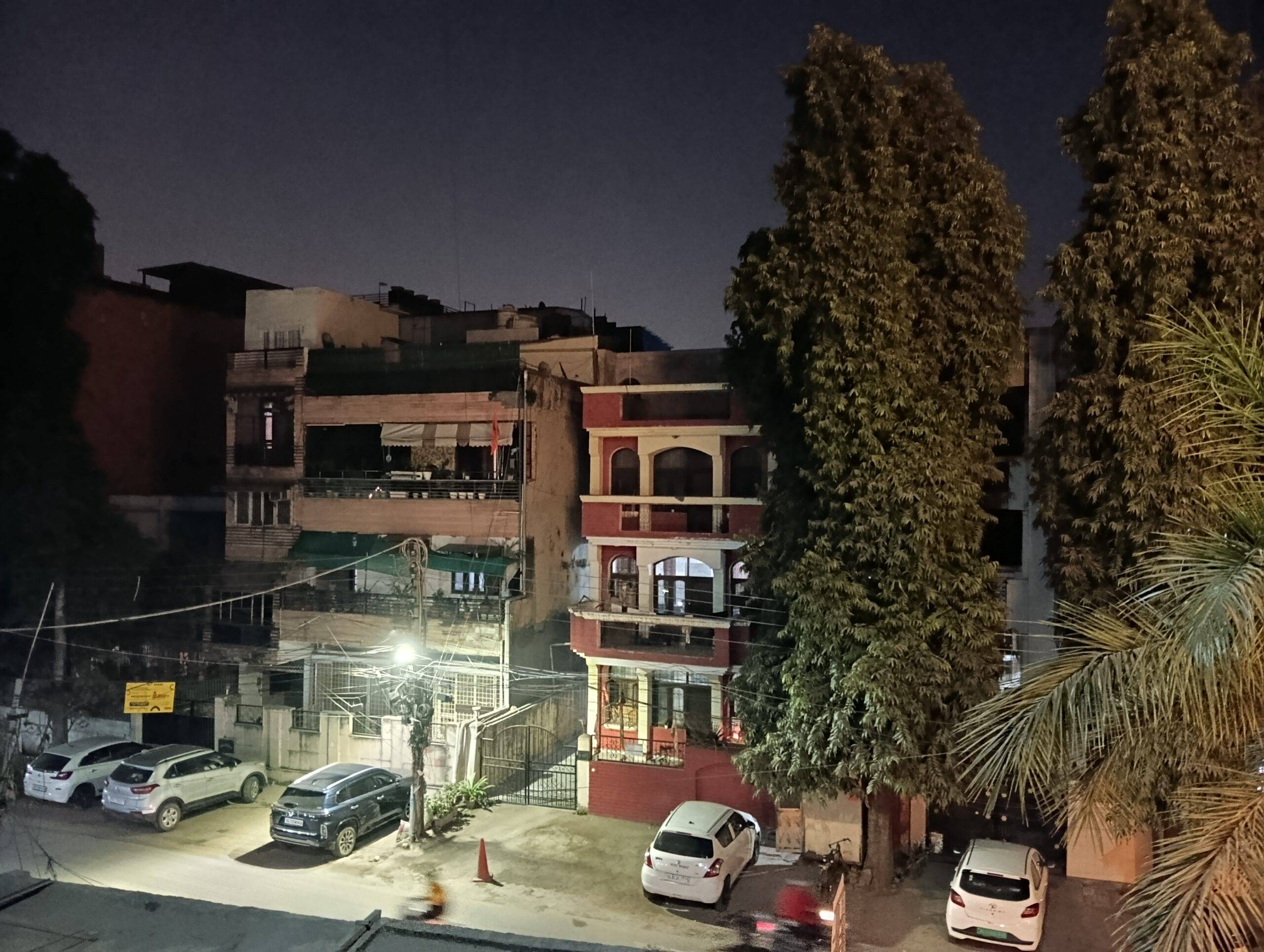
In low-light conditions, both phones produce broadly similar results, though there are a few noticeable differences. The Redmi 15C does a better job of controlling light flares compared to the K13x. However, it struggles with noise and fine details, even after applying smoothening to make images appear cleaner. As seen in daylight shots, the Redmi 15C also tends to oversaturate colours in low light, which affects the overall natural look of the images.
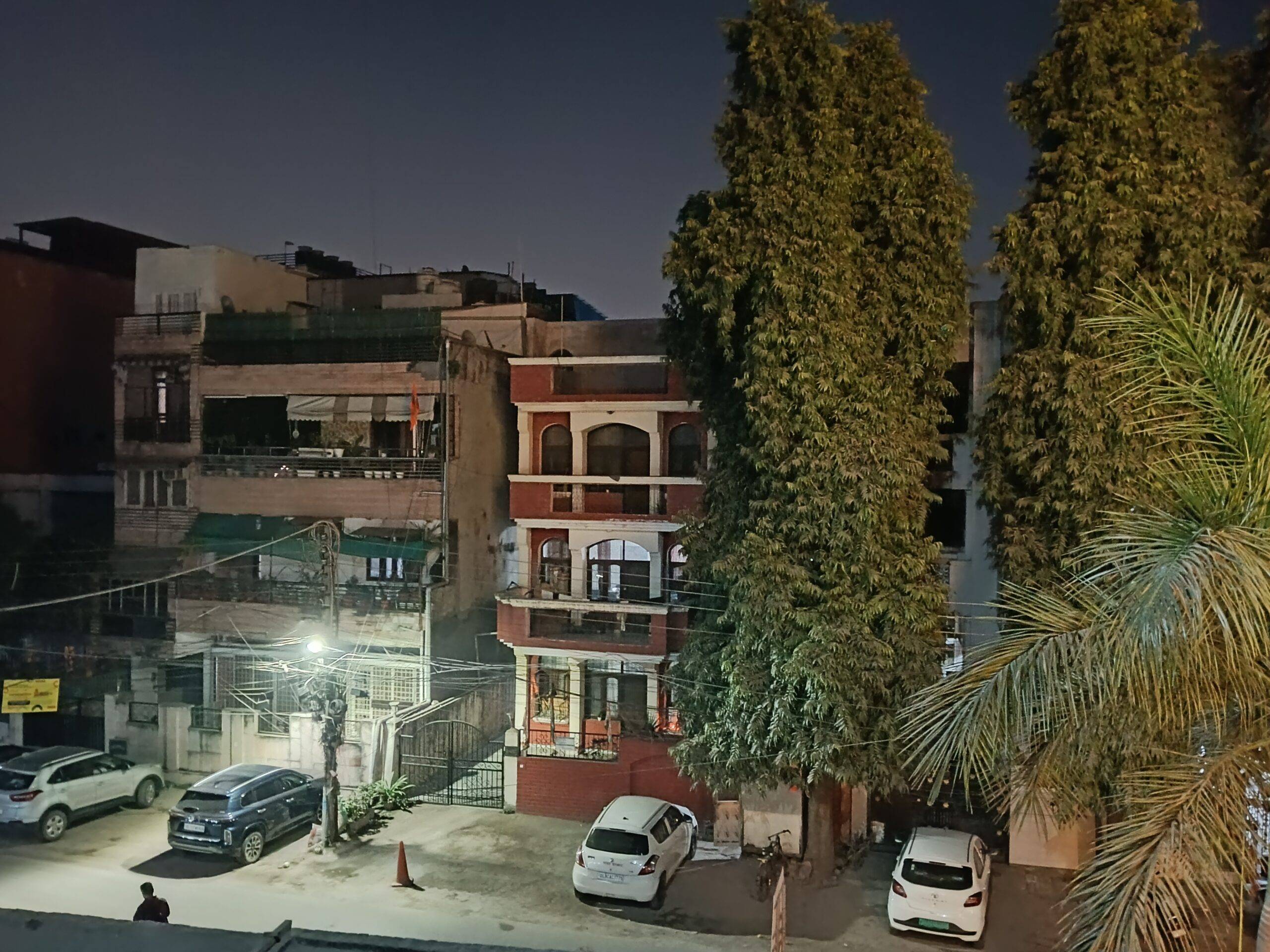
Night mode
With Night mode enabled, the OPPO K13x shows a noticeable improvement in controlling light flares. The Redmi 15C, on the other hand, manages to bring out better details, though the K13x still shows some visible noise. Despite this, the K13x continues to deliver better colour accuracy and a more natural-looking result overall, giving it the edge even in Night mode.
Performance: good enough for everyday use
The Redmi 15C is powered by the widely used MediaTek Dimensity 6300 chipset, which is found in several budget smartphones, including some priced under Rs 10,000. In our benchmark testing, the phone scored 5,56,765 on AnTuTu, placing it somewhere in the middle of its segment. Geekbench scores are also respectable, though there are alternatives that perform better on paper. Overall, these results suggest that the Redmi 15C delivers acceptable performance for its asking price.
Gaming performance is similarly moderate. In COD Mobile, the phone averaged 53.9fps, though it did register a slightly higher temperature rise. BGMI performance was in line with segment expectations as well, averaging 28.1fps, while also recording the lowest temperature increase during the test.



In everyday use, the Redmi 15C handles routine tasks like multimedia consumption, social media browsing, and casual gaming without major issues. However, users looking for a more performance-centric experience may want to consider alternatives such as the Lava Play Ultra or iQOO Z10x. For gamers, the Vivo T4x might be a better fit in the segment.
All-day battery life

The Redmi 15C packs a 6,000mAh battery, making it one of the largest batteries in its segment. In the PCMark battery benchmark, the phone delivered an impressive 19 hours of usage, which is among the best results we’ve seen so far. The test simulates a mix of basic and intensive tasks to gauge overall endurance. In real-world use, the Redmi 15C can comfortably last a full day with activities such as content streaming, gaming, and social media browsing. If you’re a casual user, the handset might last over a day too. The phone ships with a 33W charger in the box, which is also the maximum charging speed it supports. Charging from 20 to 100 percent takes just over an hour.
Overall, the Redmi 15C’s battery performance is more than sufficient for everyday needs. However, if you’re willing to spend a bit extra, the Redmi 15 is worth considering for its larger 7,000mAh battery.
Decent software support, cluttered experience
On the software side, the Redmi 15C runs HyperOS 2 based on Android 15 out of the box. Redmi promises two major OS updates, taking the phone up to Android 17, along with four years of security updates. While this level of support is decent for the segment, some rivals, such as the Galaxy M17, go a step further by offering up to six years of software updates.
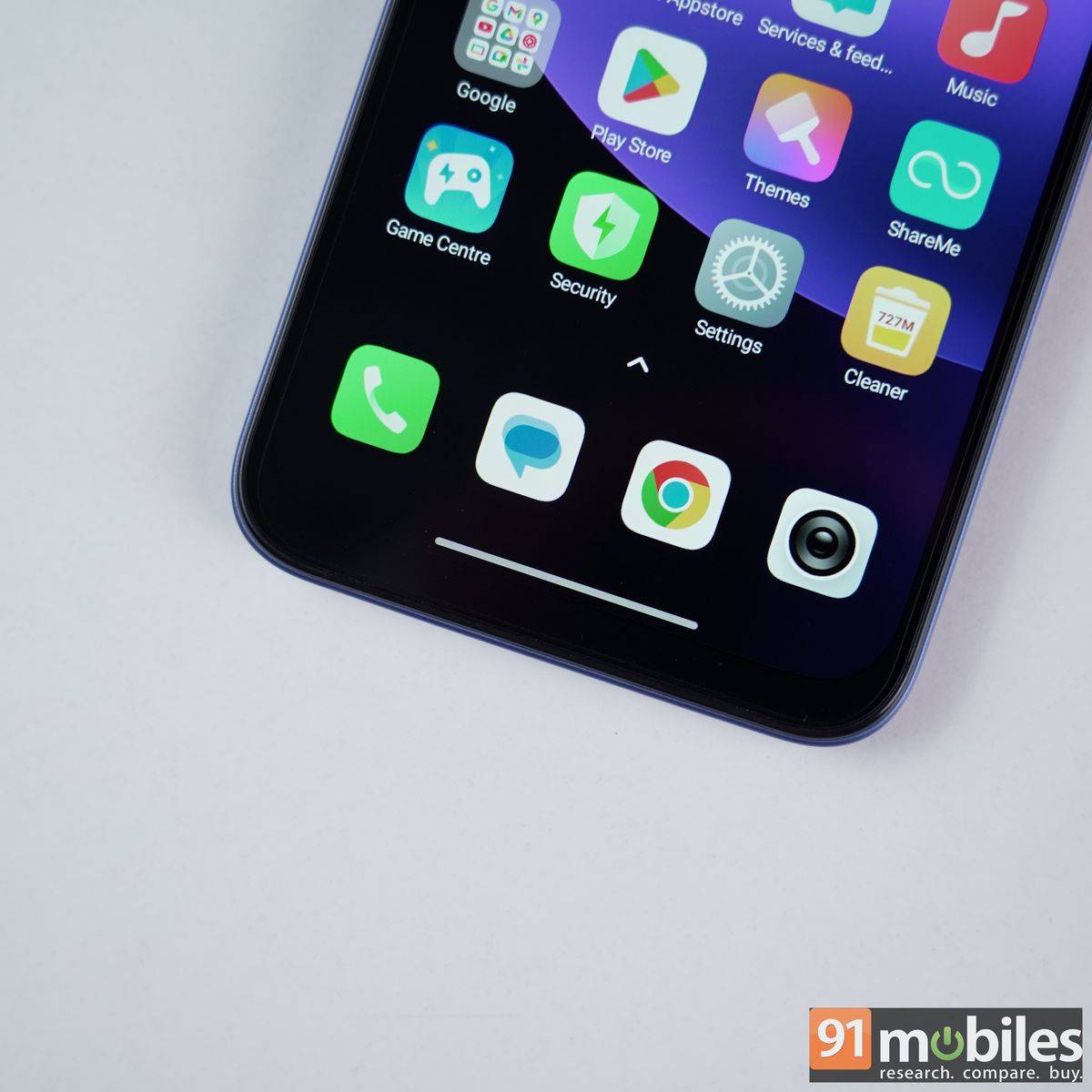
In everyday use, however, the software experience leaves a lot to be desired. HyperOS feels cluttered, with frequent ads and a heavy presence of third-party apps. Although most of these apps can be uninstalled or disabled, the overall interface still comes across as messy. Out of the box, the Redmi 15C ships with 67 pre-installed apps, including 20 third-party apps, which is among the highest counts in this price bracket.
As a result, the Redmi 15C doesn’t rank highly in terms of a clean or refined software experience. That said, it does offer a wide selection of free, visually appealing themes, which adds a bit of personality and is something not all competitors provide.
Final verdict
The Redmi 15C delivers the basics well for a budget smartphone. Its large 6.9-inch display, smooth 120Hz refresh rate, and excellent battery life make it a good option for media consumption and all-day usage. Performance is adequate for everyday tasks, and the design looks more premium than its price suggests.
However, the phone does make a few compromises. The HD+ LCD notch display feels dated against AMOLED rivals, the cameras are serviceable but not segment-leading, and the software experience is cluttered with ads and pre-installed apps.
Overall, the Redmi 15C is a sensible pick for users who prioritise screen size and battery life at a low price.
Editor’s rating: 7.7/10
Reasons to buy:
- The phone’s large display makes it a good device for media consumption.
- Its 6,000mAh battery is well optimised for all-day usage and more.
- Redmi 15C has a premium-looking design with appealing colours.
- It provides a good everyday performance for multimedia and casual tasks
Reasons to skip:
- Its HD+ LCD notch display feels dated compared to rivals.
- Software experience is cluttered with ads and many pre-installed apps.
- Cameras are average, with softer details and oversaturated colours.
 | vs |  |
| vs |  |