When I first picked up the Redmi Note 17, it felt like Xiaomi had changed what it wants this phone to do. Instead of chasing bigger specifications, the focus now rests on a very big battery and a larger AMOLED screen. The battery has gone up to 8,000mAh, the display is now 7 inches, and the base model now starts at 6GB RAM. Like all recent smartphone launches, the latest Note 17’s starting price is up by around Rs 6,000 compared to its predecessor, due to the ongoing memory shortage.
There are a few clear trade-offs that have allowed Redmi to make this happen. The older Note 15 (review) had a 108MP main camera and a Snapdragon 6 Gen 3 chipset. On the Redmi Note 17, you get a simpler 50MP main camera and a Snapdragon 4 Gen 4 chip instead.
Xiaomi seems to have cut back a bit on performance and camera to keep costs in check and is instead offering more battery and a bigger screen. I’ve used it for a while and will share what it’s like to use in daily life. A full review with proper tests and analysis will come later. For now, let’s get started.
Design and display: bigger and more robust
The Redmi Note 17 looks and feels quite different from the slimmer Note 15 and Note 13 models. Those phones were lighter and more compact, with slimmer bodies and smaller screens. The Note 17, on the other hand, is taller, wider, and heavier at around 225g, mainly because of the much bigger battery and 7‑inch display.
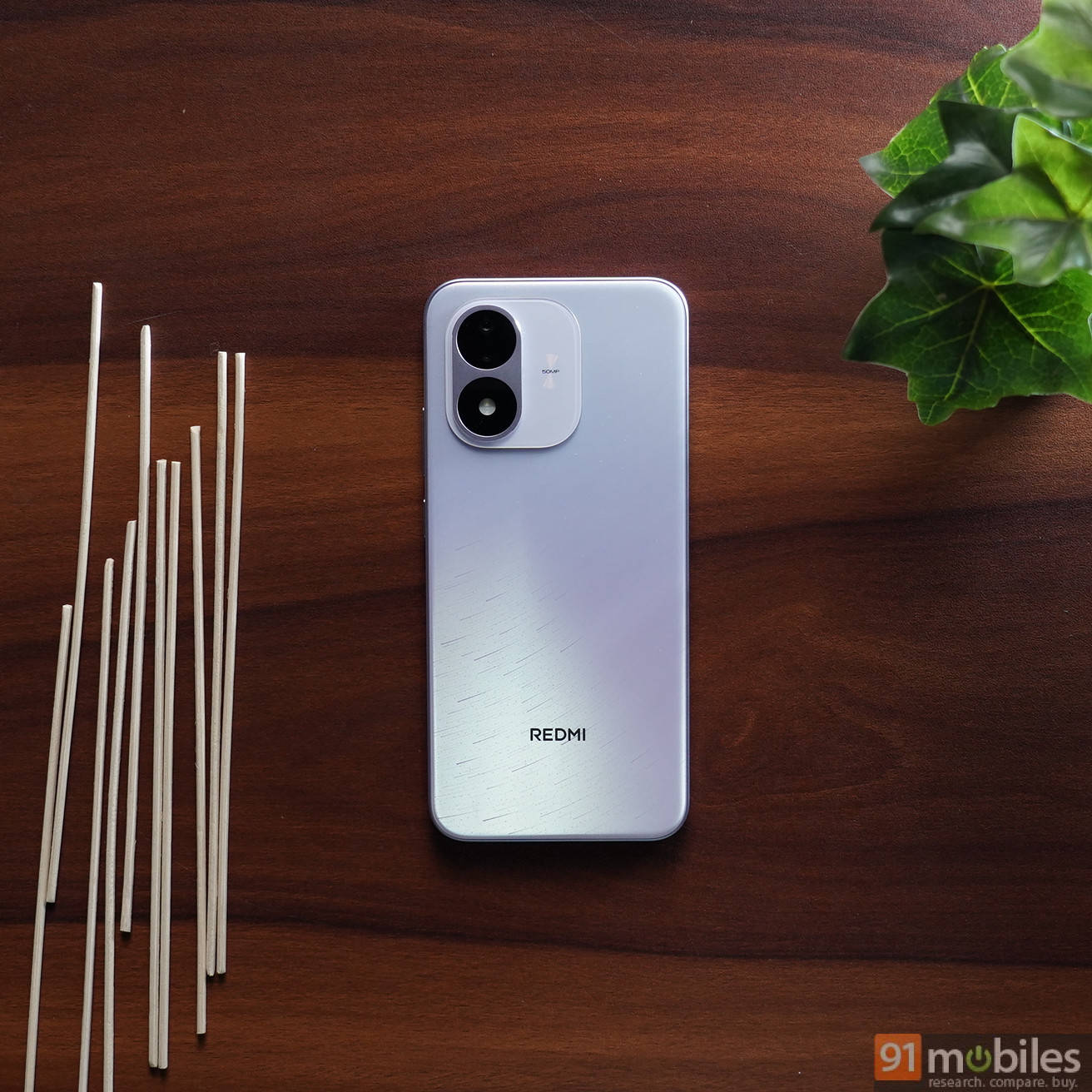
The back panel has soft curves into the frame, and the matte finish helps keep fingerprints in check, but you still feel the size when you pick it up. If you are used to thinner phones, this will take some getting used to. One‑handed use is harder, especially if you have smaller hands, and you will probably end up using both hands more often with this phone.
I received the Starlight Purple colourway and really like how the specs in the design glint when light falls at an angle. You’ve got IP65 protection against water and dust so the phone is reasonably safe against accidental splashes.
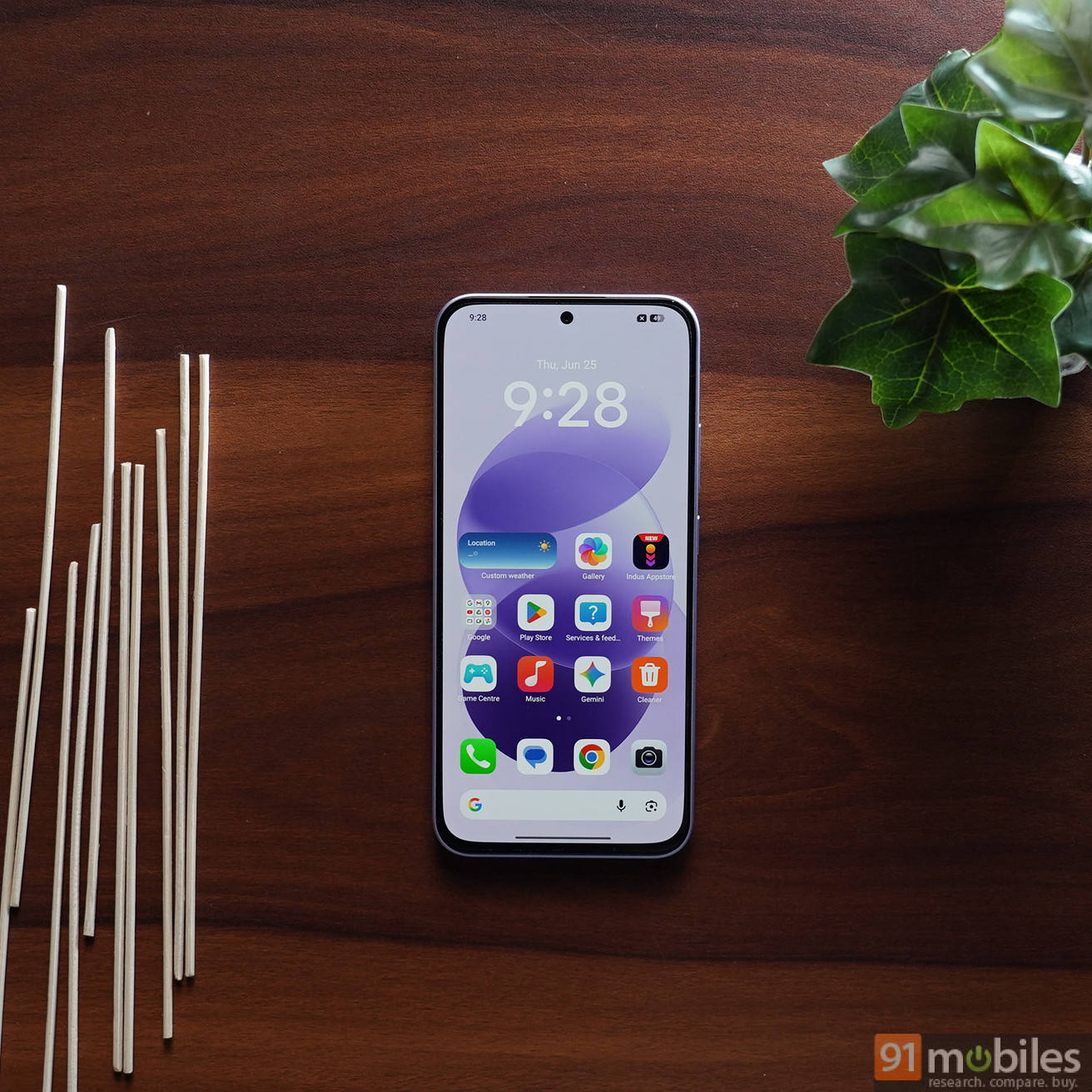
The main thing you notice once you turn on the screen is its size. The Redmi Note 17 uses almost a 7‑inch FHD+ AMOLED panel with a 120Hz refresh rate. Text and images look sharp, colours have good punch, and the extra screen space makes reading, watching videos, and scrolling social media feel more relaxed.
Brightness is also pretty good, and Xiaomi claims up to 1,800 nits, and in my short time with the phone, I could read and scroll outdoors without much trouble. The phone still uses a single bottom‑firing speaker, so you don’t get stereo sound, but for casual video, short clips, and speaker calls, it should be fine.
Performance and software: tuned for everyday use
Inside, the Redmi Note 17 runs on the Snapdragon 4 Gen 4 chipset built on a 4nm process, along with up to 8GB RAM and UFS 2.2 storage. This is a step down from the Snapdragon 6 series chip that older Note models used, but it lines up with the new focus of this phone. On paper, this setup is meant for basic tasks rather than heavy gaming or serious creative work.
For most people, that should still be enough. Browsing the web, checking messages, streaming shows, and scrolling through social apps feel pretty smooth in my experience. I’ll need more time with the phone, plus some longer gaming sessions and benchmarks, to see how it handles heat and performance over time, so I won’t draw any firm conclusions just yet.
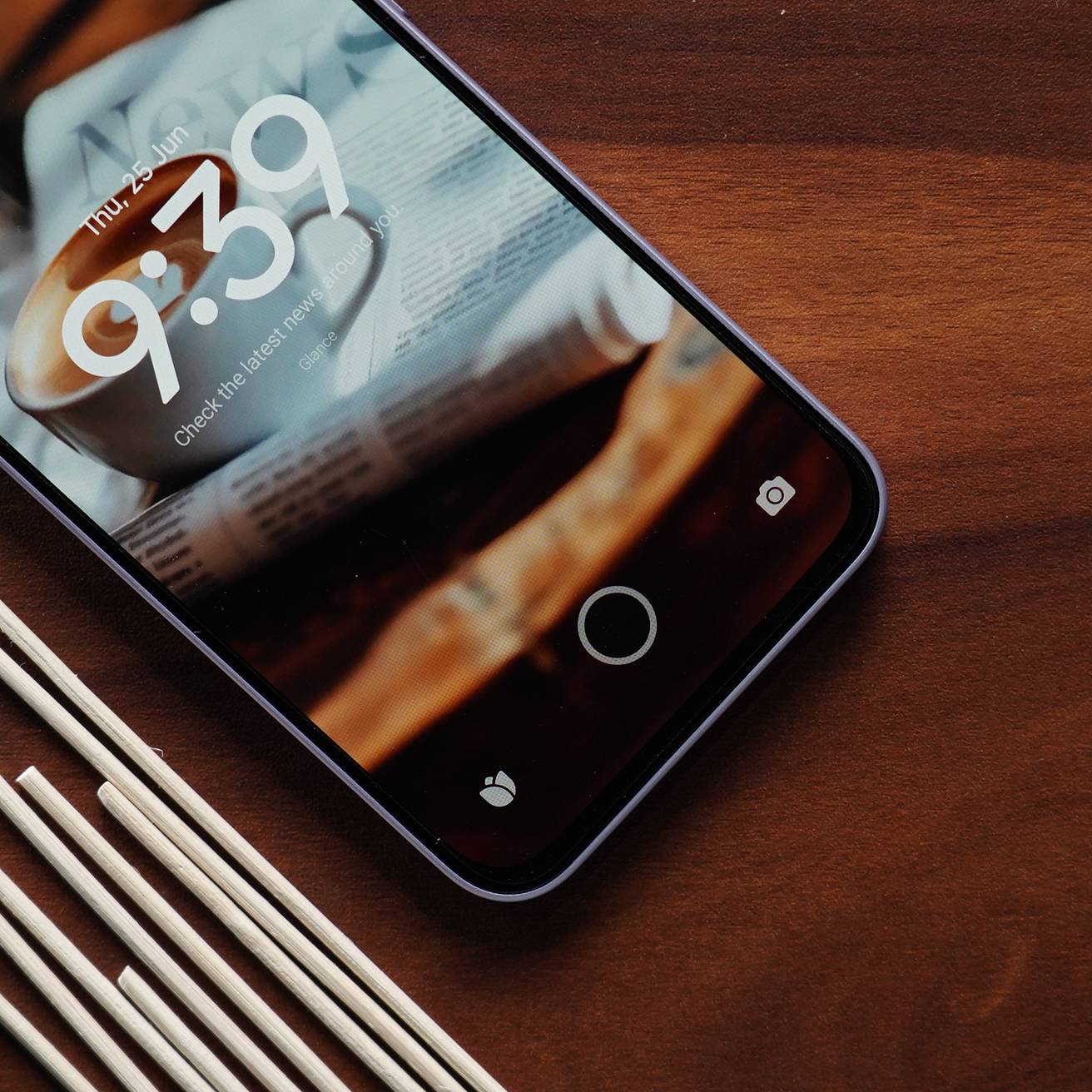
The Redmi Note 17 ships with Xiaomi’s HyperOS 3 based on Android 16. Out of the box, the interface feels fairly quick, and the animations are smooth enough in my early use. Xiaomi is promising up to 4 years of Android version updates and 6 years of security patches, which is a big advantage if you plan to hold on to the phone for a while.
For now, the overall software experience looks familiar if you’ve used a Redmi phone before, just with some newer HyperOS features sprinkled in.
Cameras: simpler numbers to match the price
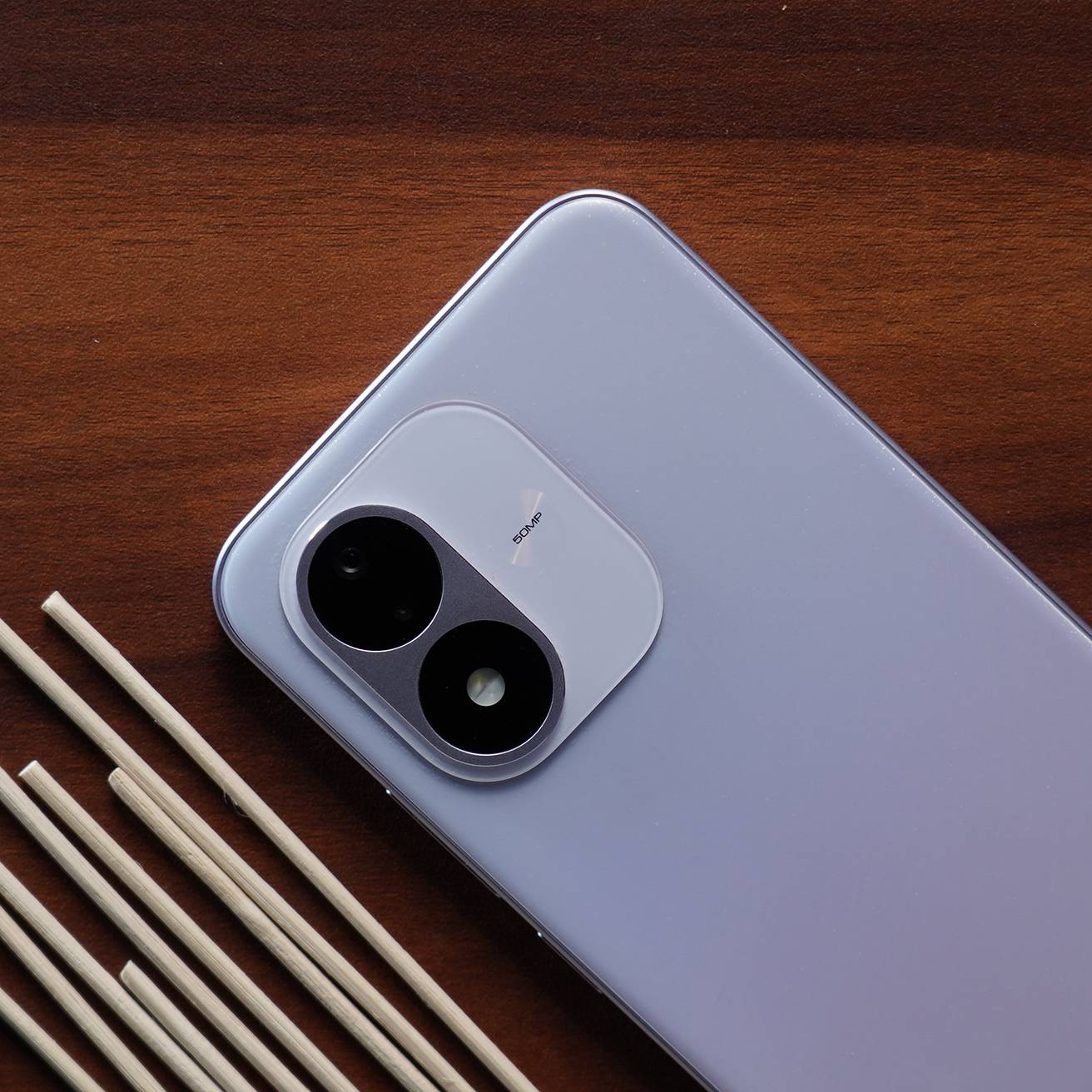
The camera setup is another area where Xiaomi has pulled things back a bit. The older Note model offered a 108MP main camera and more sensors at the back. The Redmi Note 17 uses a 50MP AI rear camera system and an 8MP front camera, both limited to 1080p video recording. This is a more basic setup, clearly targeting regular photos and selfies rather than advanced camera usage.
For most users who mainly click photos for social media, family shots, and everyday memories, this should still be fine. Stay tuned for the full review to know how the cameras perform against their competitors.
Battery: the biggest battery yet in a Note phone
The battery is the star of the Redmi Note 17’s story. Xiaomi has bumped it up to an 8,000mAh silicon‑carbon cell, and it supports 45W wired charging and 22.5W reverse wired charging. In simple terms, this means you should be able to go through a heavy day of use without worrying too much about the percentage dropping too fast, and you can even use the phone to charge other gadgets if needed.
The company’s battery life claims are quite ambitious, but real‑world usage can be very different from lab numbers. I’ll be putting the phone through a proper battery test later, with screen‑on time, standby drain, and mixed usage. For now, based on the size of the battery alone, the Note 17 looks like a promising option if you care more about staying away from the charger than squeezing out maximum performance.
Final thoughts: what this new Note is trying to be
From this early look, the Redmi Note 17 seems to be a phone that is trying to do a few things really well instead of trying to do everything. You get a much bigger battery, a larger OLED screen, and longer software support, but you also see some caution in areas like the processor and camera specs.
Whether this mix works for you will depend on what you need from your phone. If you mostly use your phone for calls, chats, videos, and social media, and you hate plugging in your phone all the time, the Note 17 could be worth a closer look. I’ll know more once I’ve tested the cameras, performance, and battery in detail, and I’ll share those findings in the full review which will come later, don’t forget to check back soon!