


Review Summary
Expert Rating
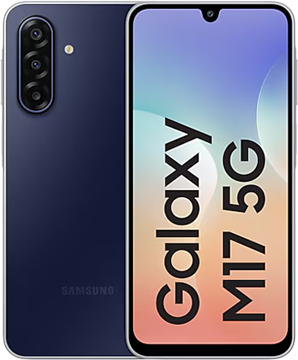
The Samsung Galaxy M17 is the brand’s latest offering in the budget segment, launched at a starting price of Rs 12,999. The handset brings several prominent features for the price, such as a Corning Gorilla Glass Victus display protection, an OIS-enabled main camera, and up to six years of software updates.
While these aspects may seem appealing to the potential buyer, the Galaxy M17 rocks a couple of years-old Exynos 1330 processor under the hood. With that being said, one may wonder how well the Samsung Galaxy M17 fares in real-world usage and whether it stands as a decent grab for the price. This review answers that and more. Read on.
Table of Contents
Quick verdict
The Samsung Galaxy M17 offers a vivid and durable AMOLED display, complemented by a camera that produces natural tones, long-term software support, and NFC for convenient payments. However, its performance falls short of the best in its price range, low-light photos show noticeable noise, and there’s no charger included in the box.
Handy build with strong display protection
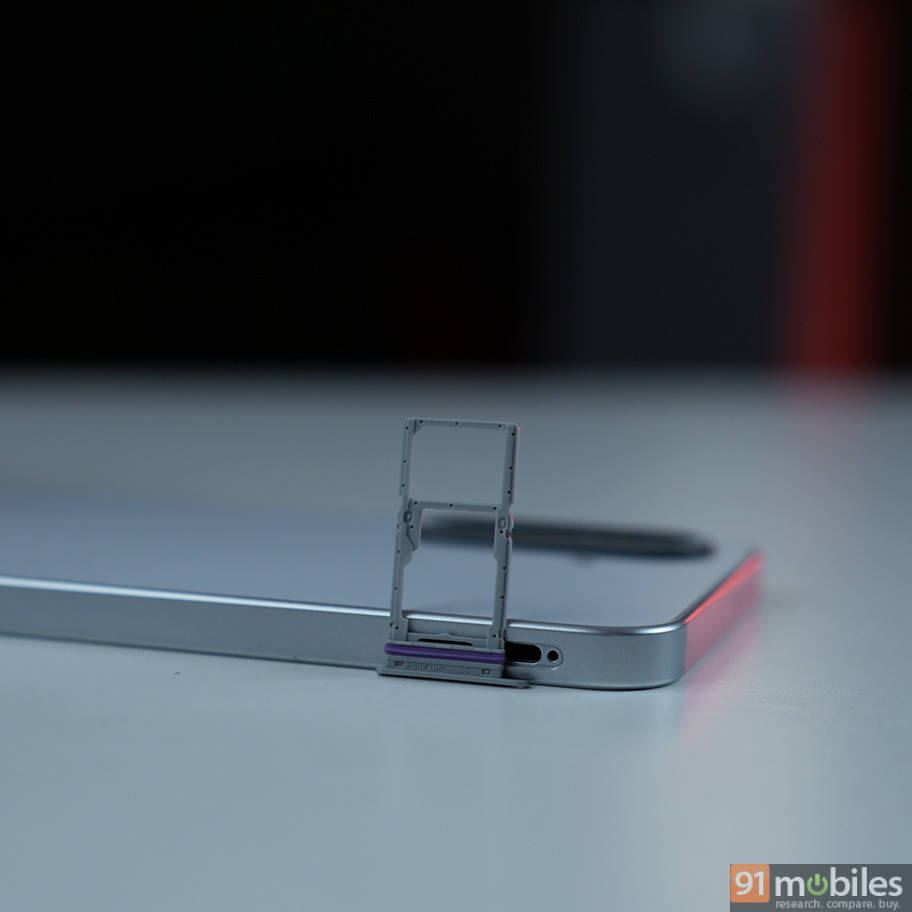
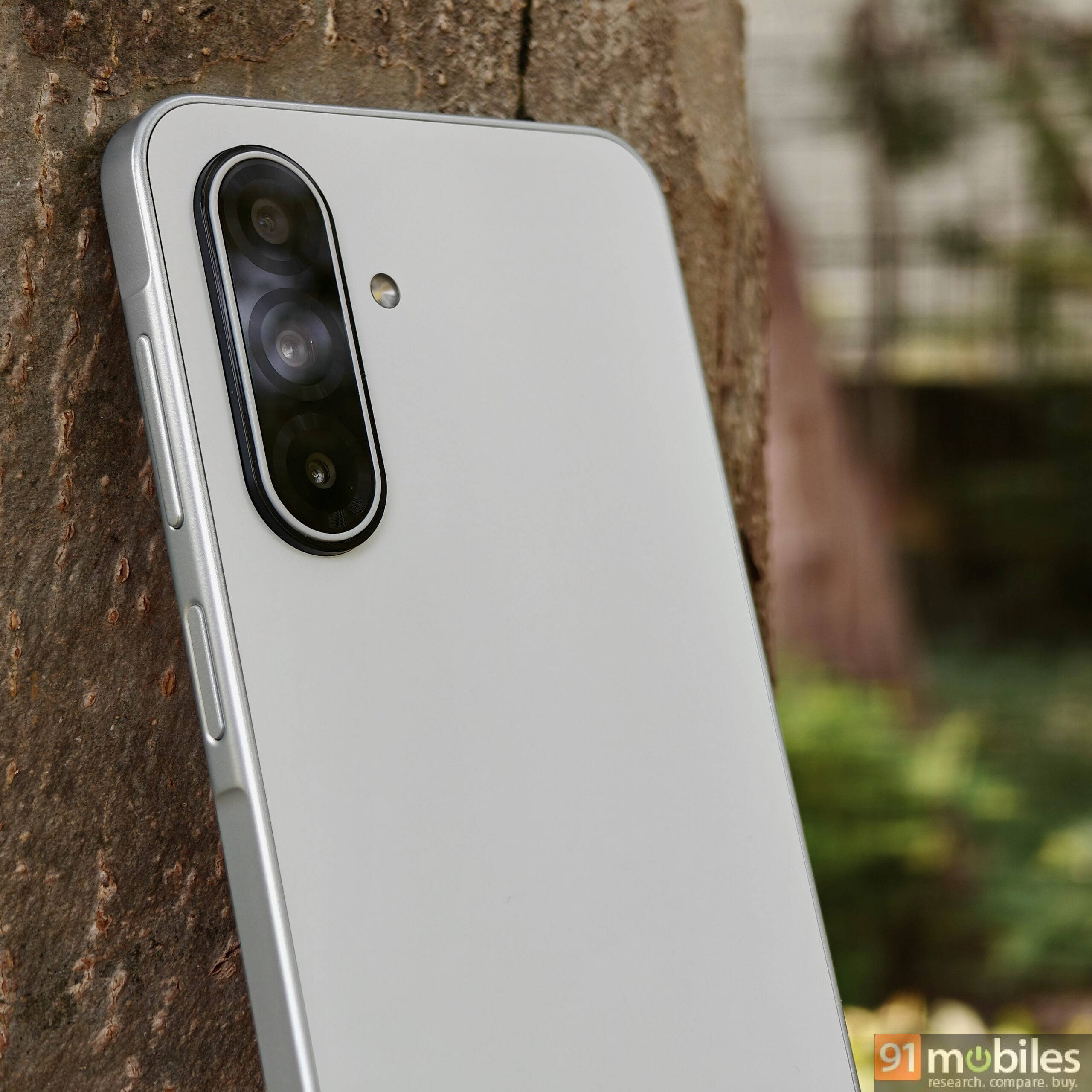
The Samsung Galaxy M17 sports a plastic construction all around. The handset measures 192g and has a thickness of 7.5mm, making it one of the more ergonomic phones in the segment, especially compared to something like the Tecno Pova 7, which tips the scales at 207g. The Galaxy M17 also appears to have more rounded corners than some of the sub-Rs 15,000 phones I’ve reviewed so far, including the Lava Blaze Amoled 2 and Infinix Hot 60. This enables more comfortable usage of the phone for extended periods of time.
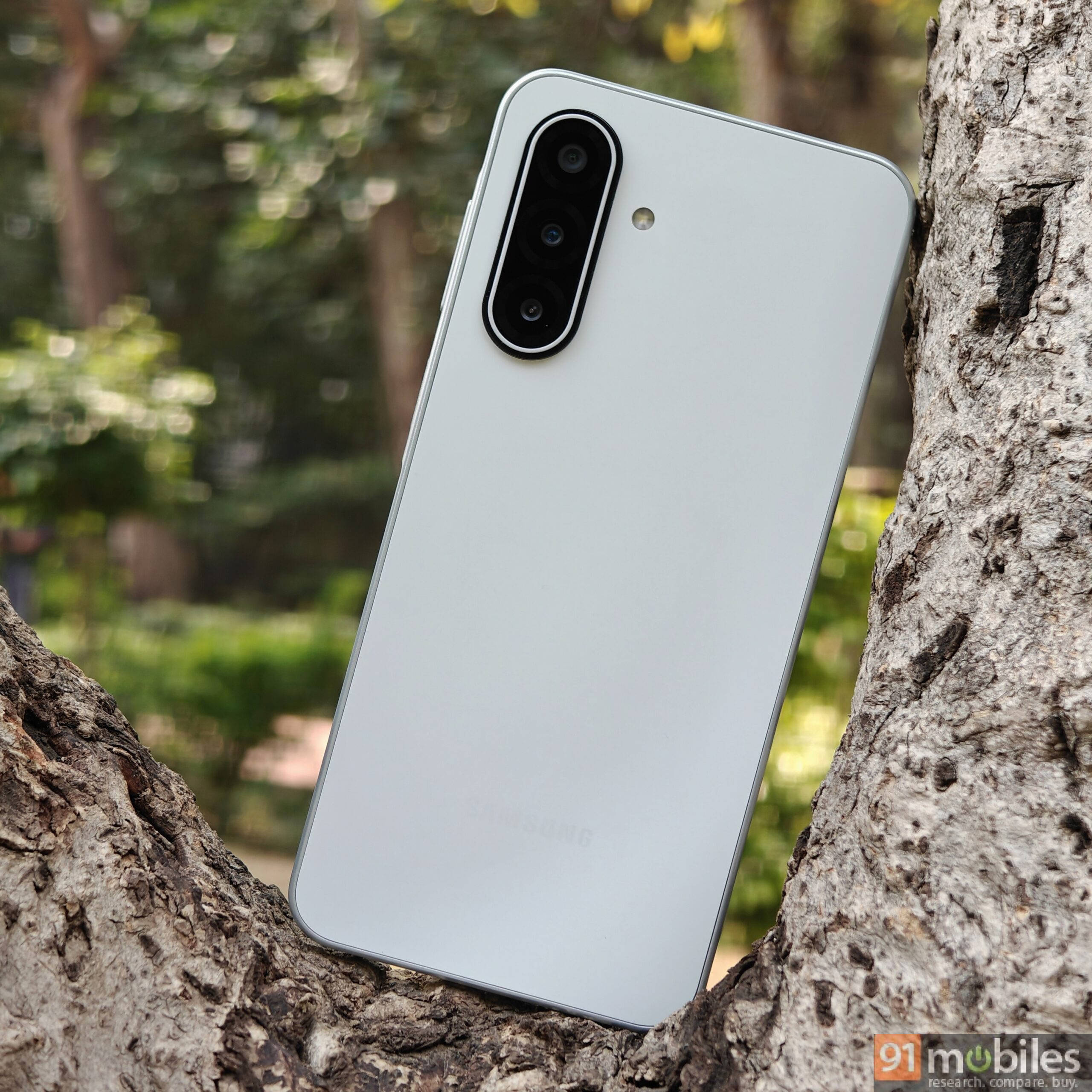
The volume and power buttons are tactile, while the rear panel features a minimal look with all the camera lenses residing in a pill-shaped housing. The power button integrates a fingerprint scanner, which is quick to unlock the phone, but I feel the animation could’ve been faster.

Moving on, one of the key design highlights of the Galaxy M17 is the display’s Corning Gorilla Glass Victus protection. This is the same protection that safeguards the displays of premium phones. I am happy to report that the phone’s display hasn’t incurred any scratches since it entered our office for review two weeks ago. The back panel and frame are also devoid of any scratches, and the phone was used without a cover or screen protector.
Super AMOLED goodness on a budget
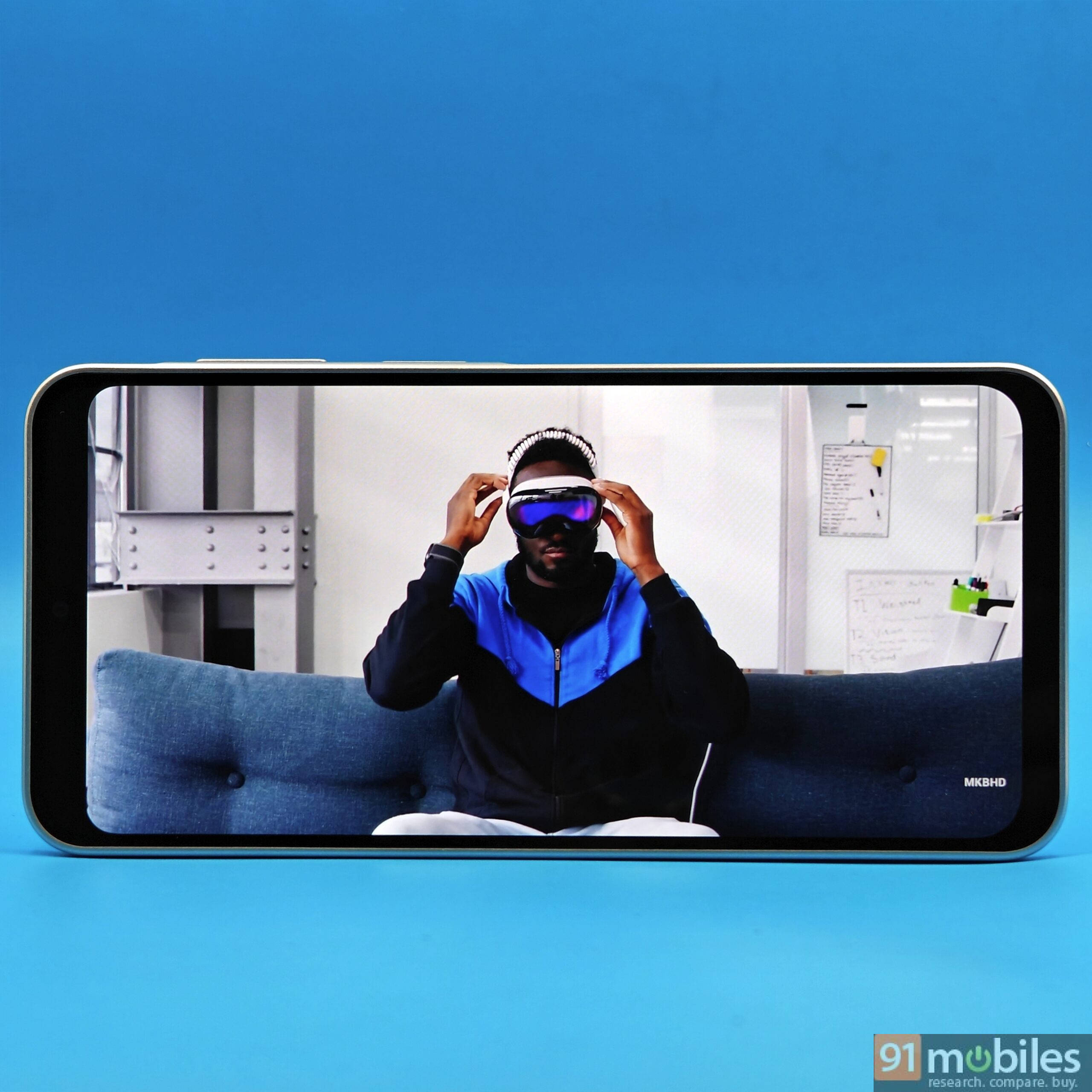
The display of the Samsung Galaxy M17 is the star of the show, at least on paper. Boasting a 6.7-inch FHD+ Super AMOLED display, this is among the rare phones in its range to have an AMOLED display, along with the Lava Blaze Amoled 2 and Lava Play Ultra. In my Blaze Amoled 2 review, I noted that its display outputs oversharpened details; thankfully, that’s not the case on the Galaxy M17. Its panel carries enough vibrancy and details for a good enough viewing experience for the price.
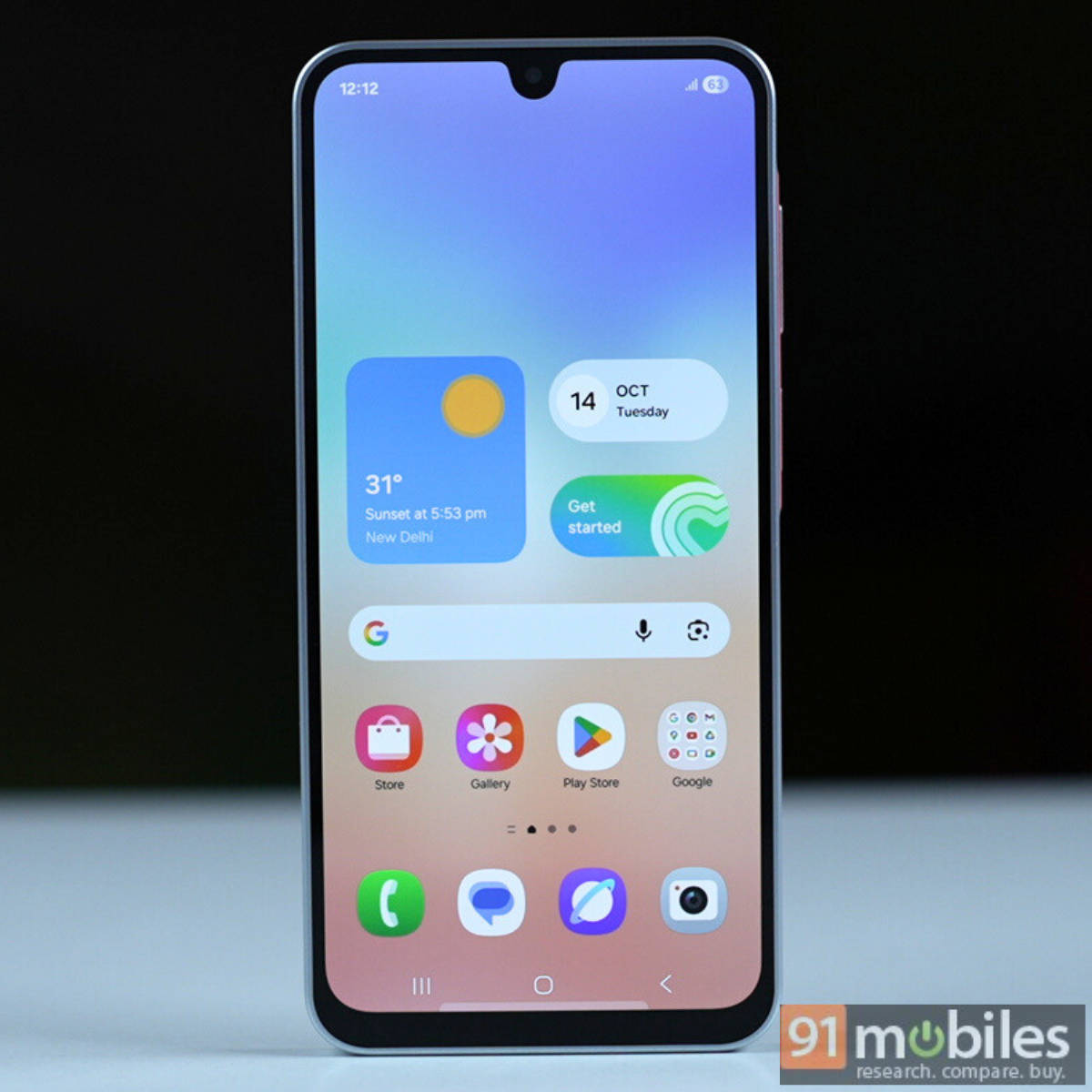
It’s also worth noting that the display carries a waterdrop notch and a thick bottom chin. Under the display settings, Samsung offers the option to cover the notch area in certain apps, such as YouTube, for an uninterrupted viewing experience. Also, unlike most phones, the display’s refresh rate is capped at 90Hz on the Galaxy M17, which may not offer as smooth scrolling as phones with 120Hz, like the Lava Blaze Amoled 2 or iQOO Z10x.
Surprisingly, the single bottom-firing speaker pumps out sufficient volume without making the vocals high-pitched or the tunes muffled when listening to or viewing media. Lastly, despite rocking an AMOLED display, I couldn’t find the AOD option on the phone.
Cameras that produce natural tones
Unlike many smartphones under Rs 15,000, the Samsung Galaxy M17 boasts OIS on its 50MP main camera. This camera is assisted by a 5MP ultrawide lens and a 2MP macro camera, while the front camera houses a 13MP unit. The phone supports up to 1080p video recording at 30FPS, and one can switch between the main, ultrawide (0.5x), and even the selfie lens when capturing videos.
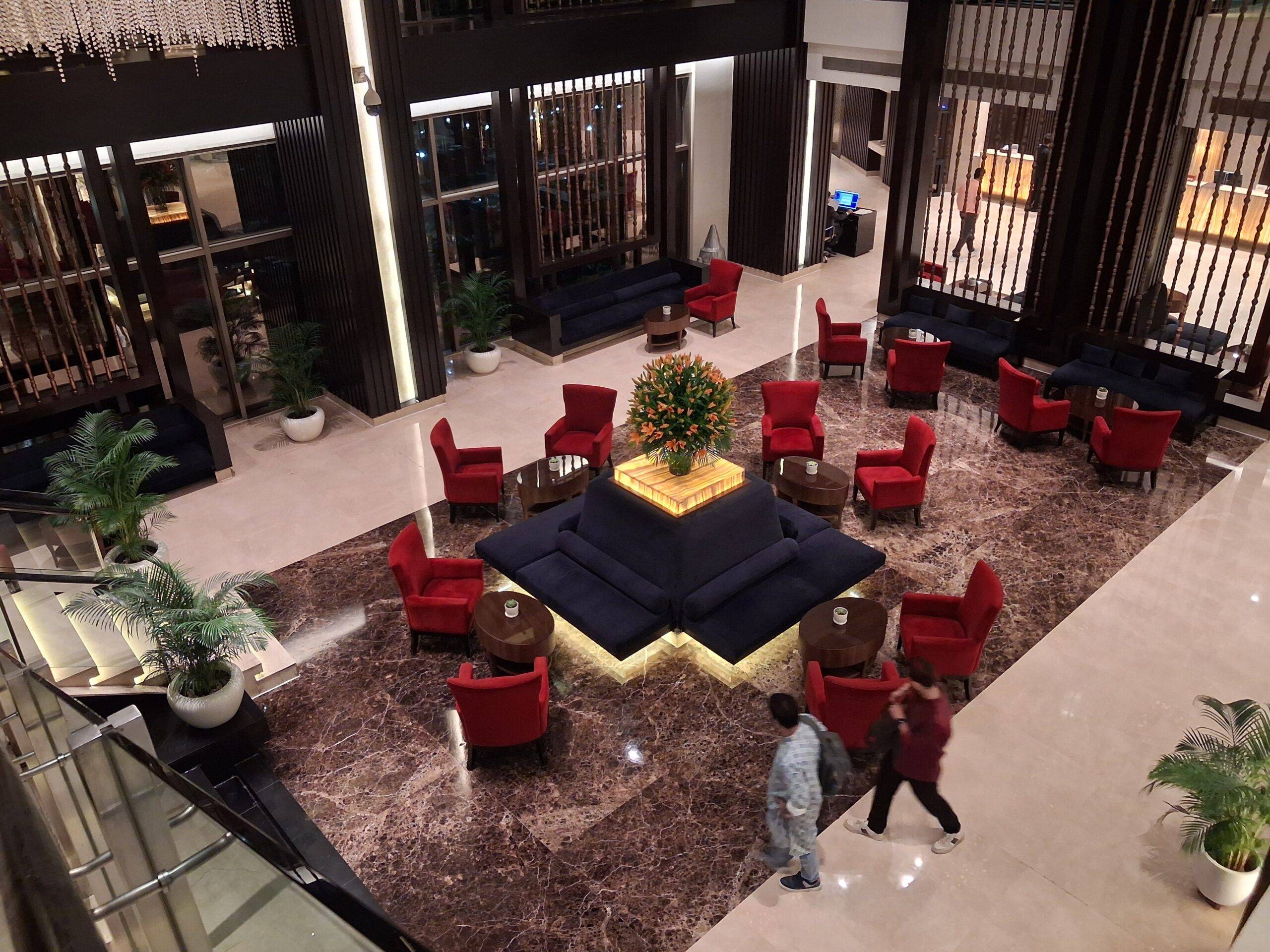
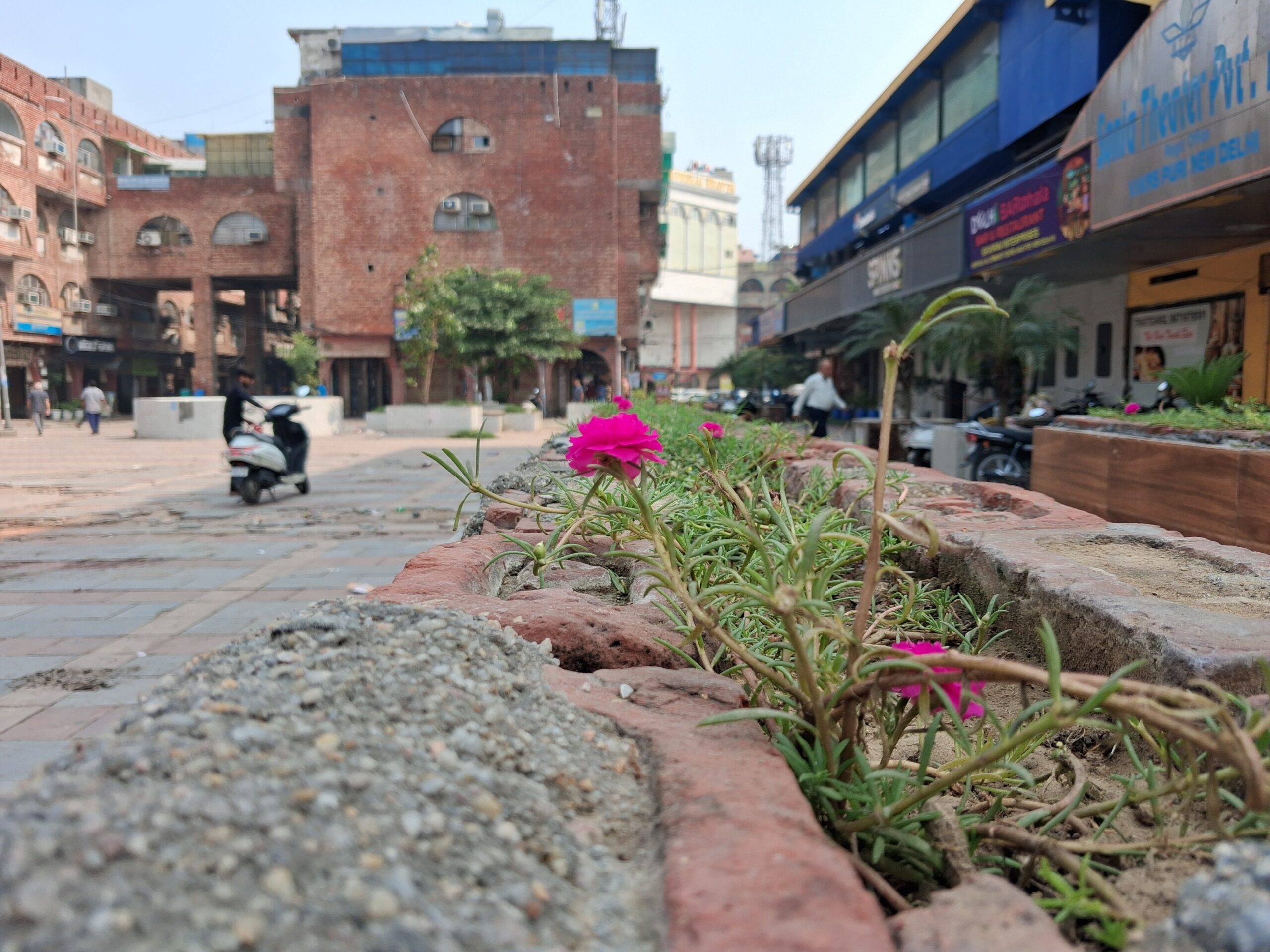
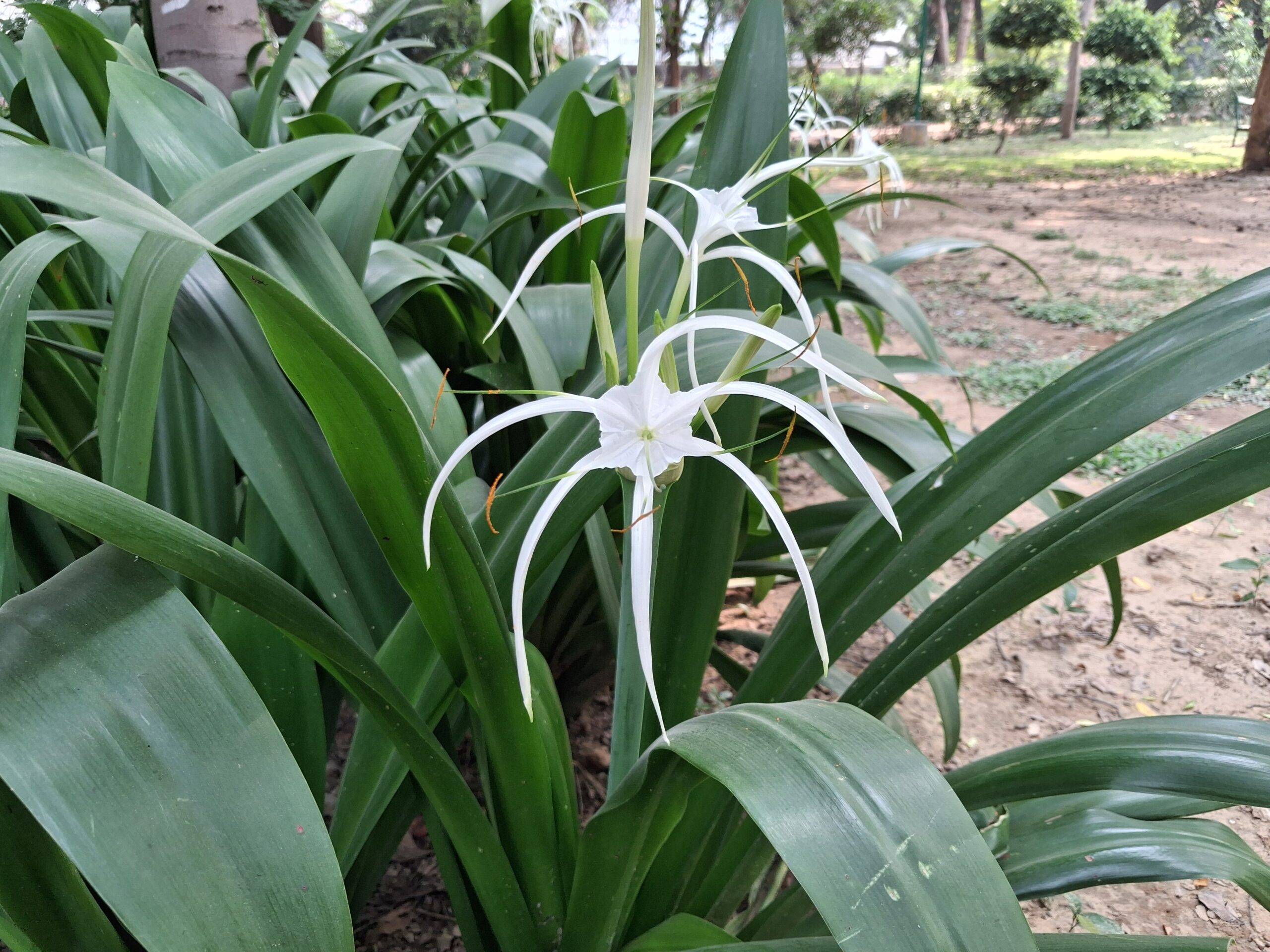
Coming to the photography capabilities of the Galaxy M17, while the main camera captures realistic tones, it doesn’t shy away from adding noise in indoor, low-light, or dimly lit scenes. In outdoor conditions, the phone captures sufficient details, and the dynamic range is also on point. However, the camera setup may struggle with exposure levels when taking close-ups of shiny objects, such as a flower covered in sunlight. That said, if you like natural outputs, the Galaxy M17 has got you covered with its primary camera.
Moving to the ultrawide camera, the 5MP sensor can deliver wide-field-of-view shots, but don’t expect to find details in the outputs. The colour consistency between the main and ultrawide lens could also be improved. The selfie camera does its job pretty well, I’d say, at least outdoors in broad daylight. The skin tone’s white balance is maintained, the dynamic range is done well, and the colours look punchy.


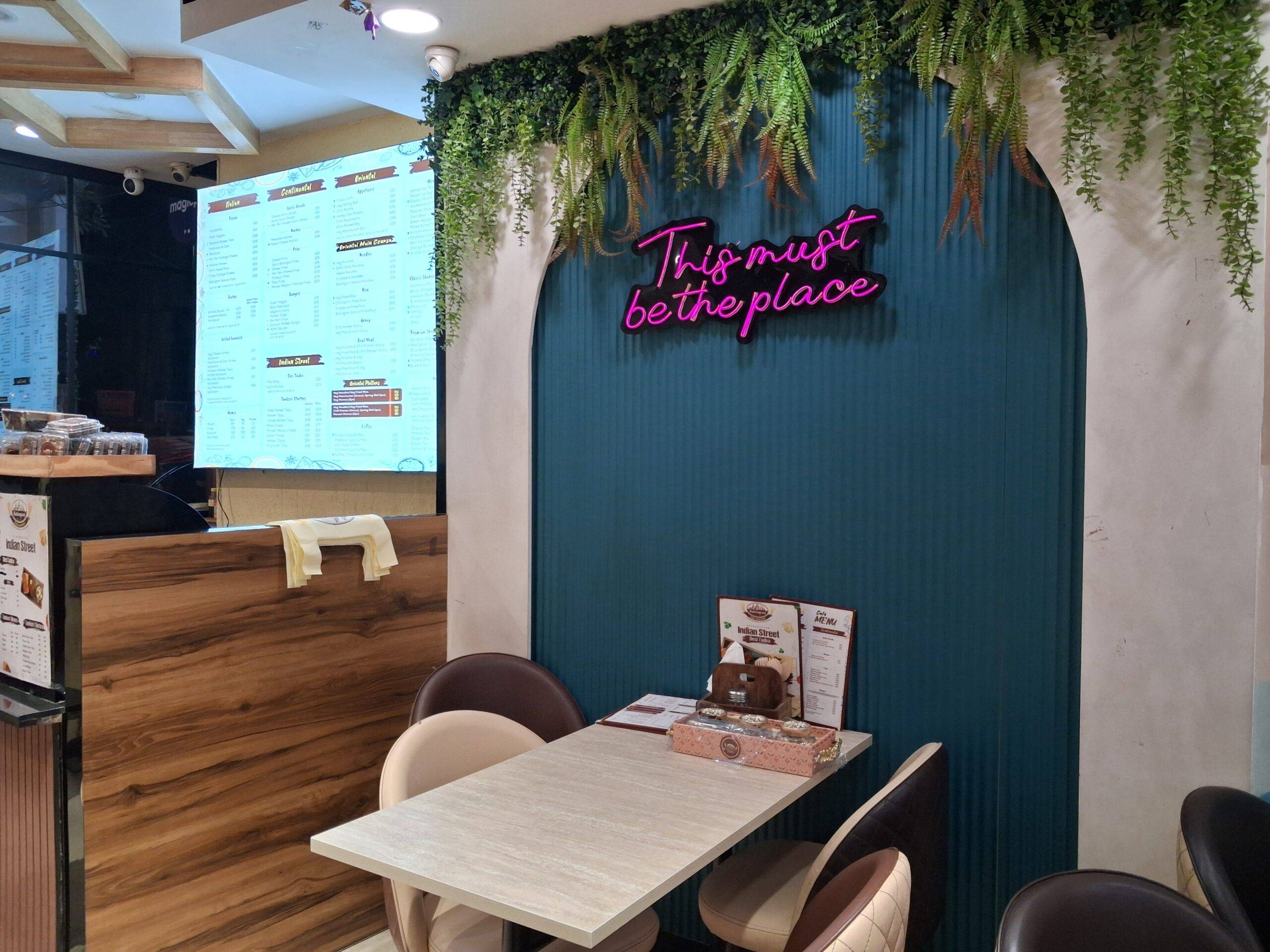

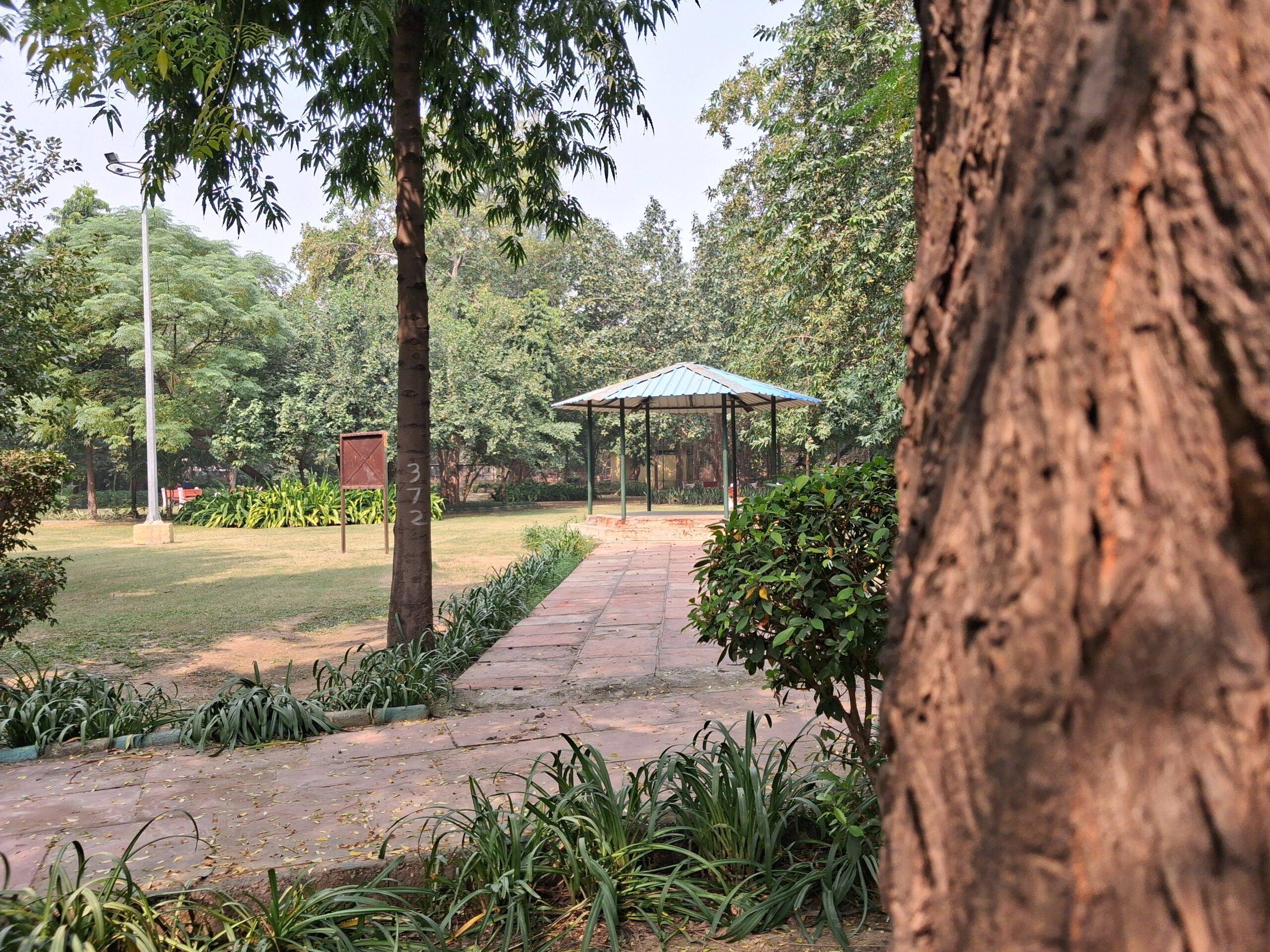



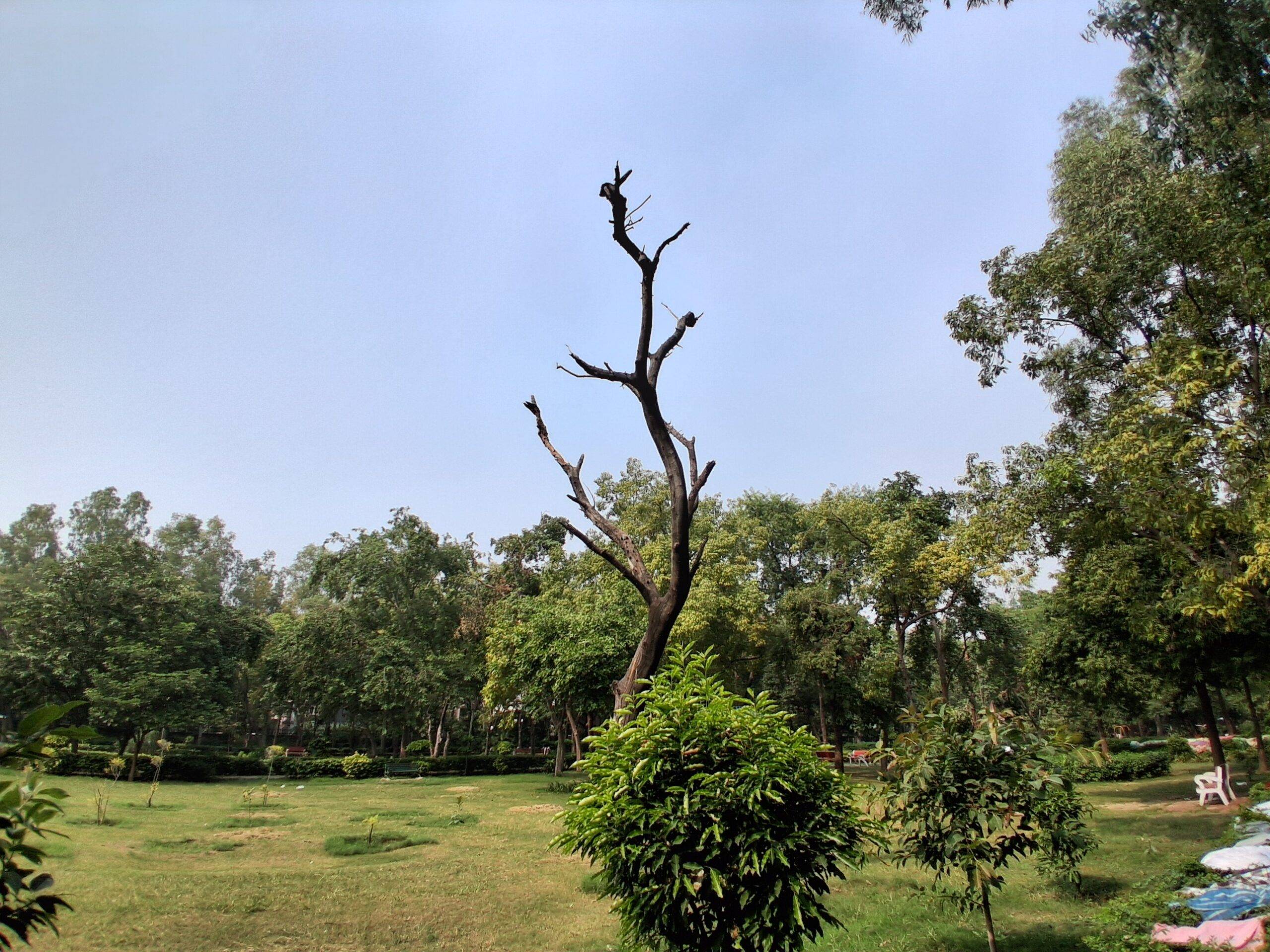
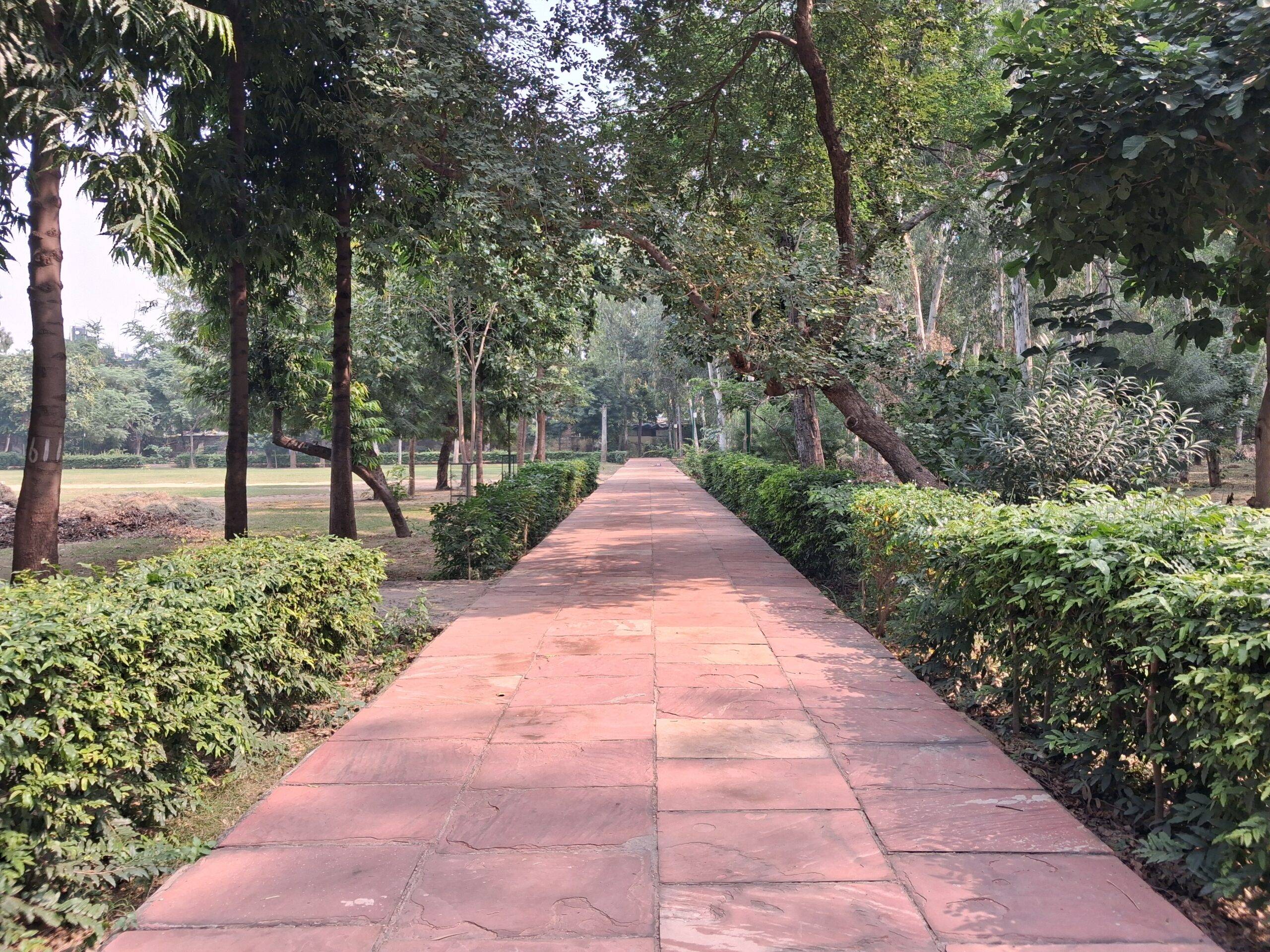
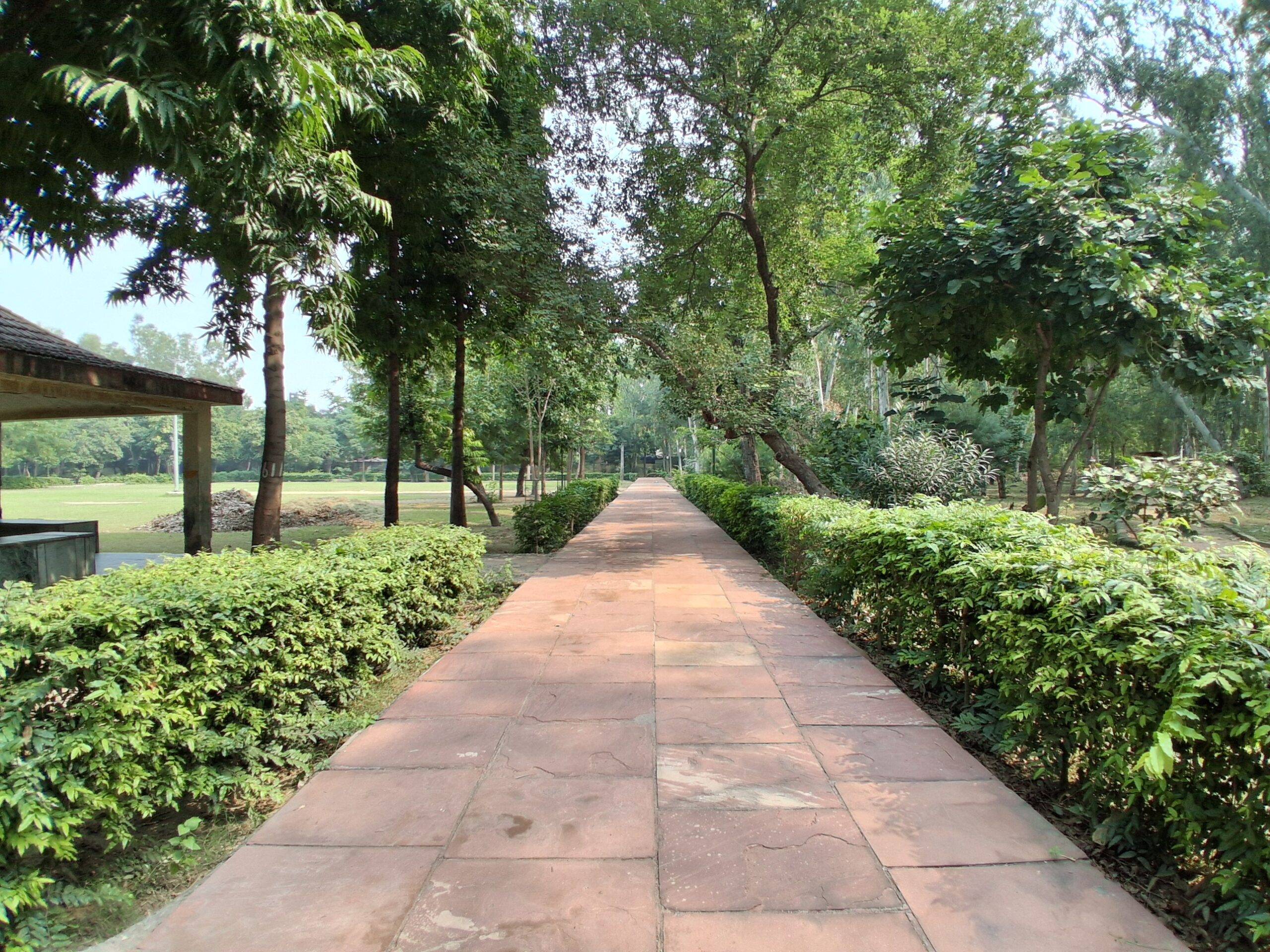





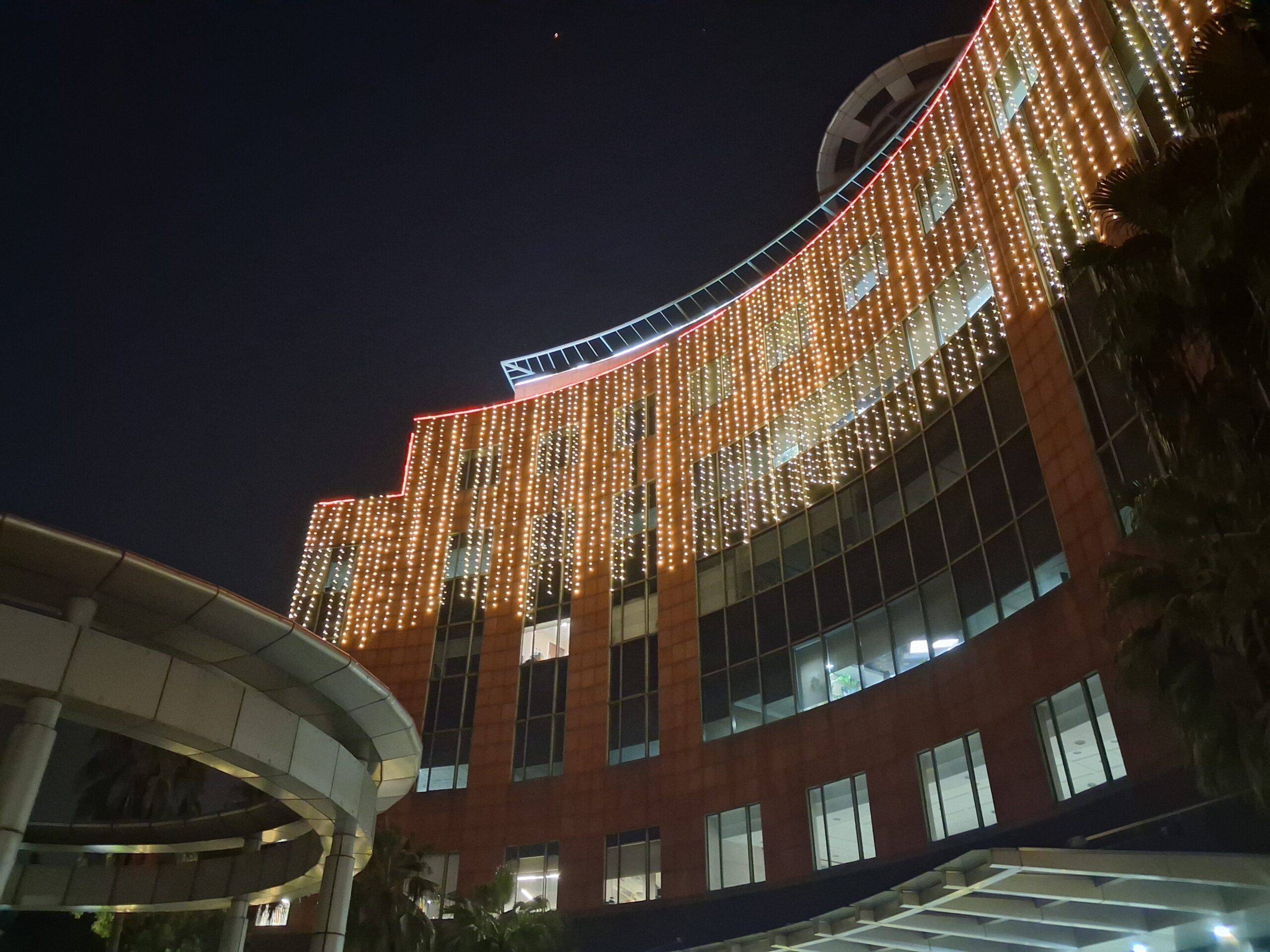
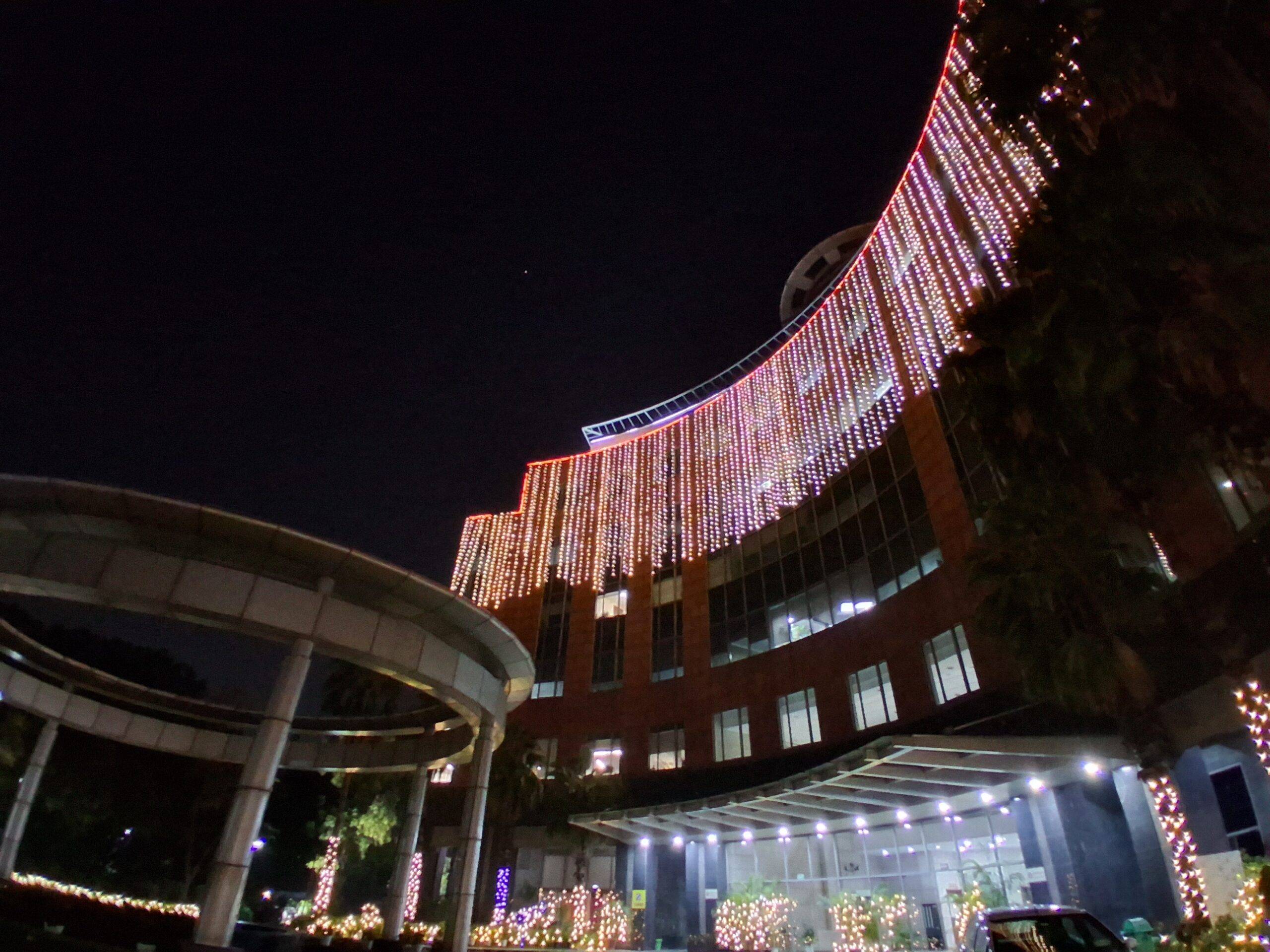
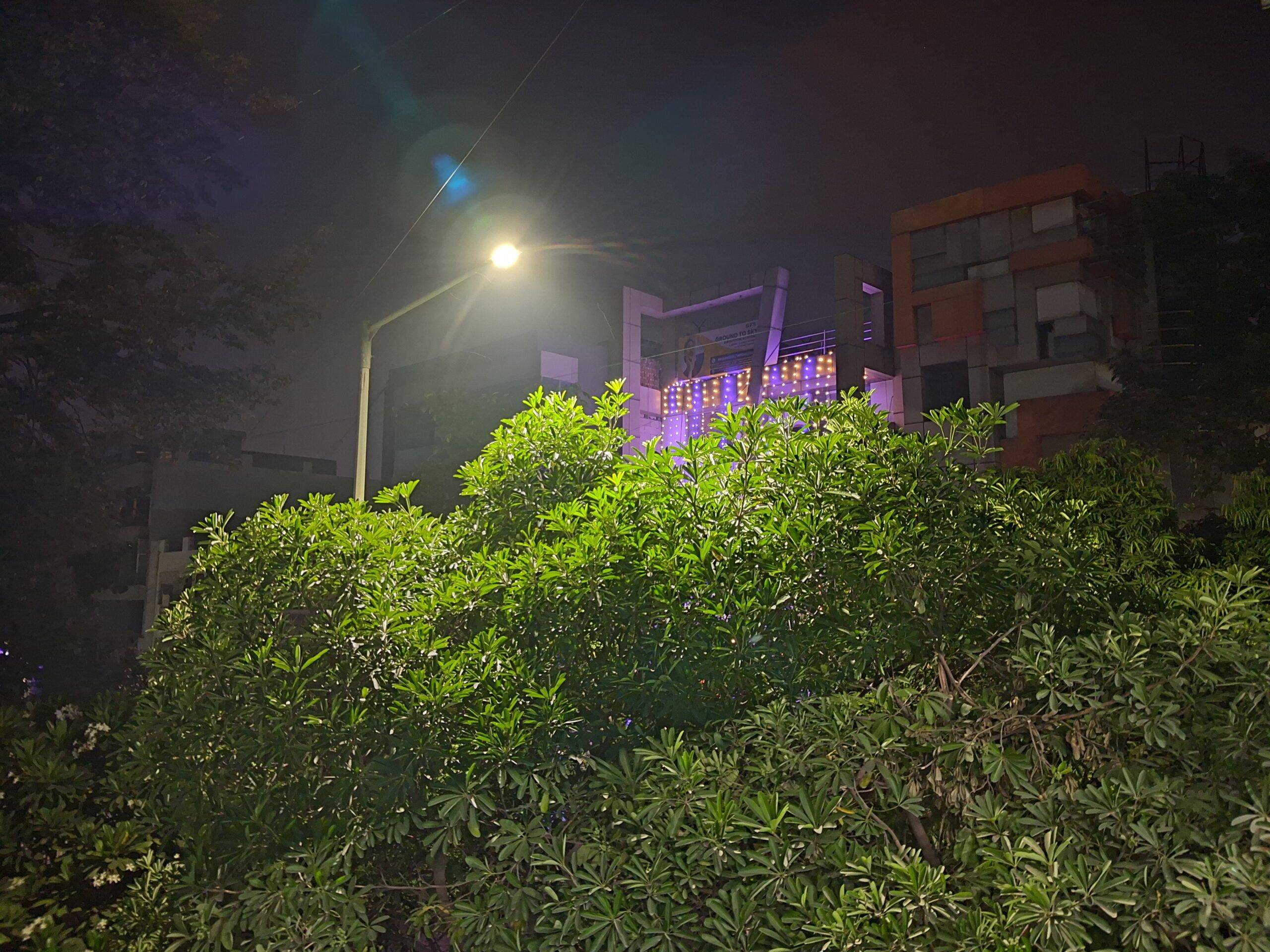
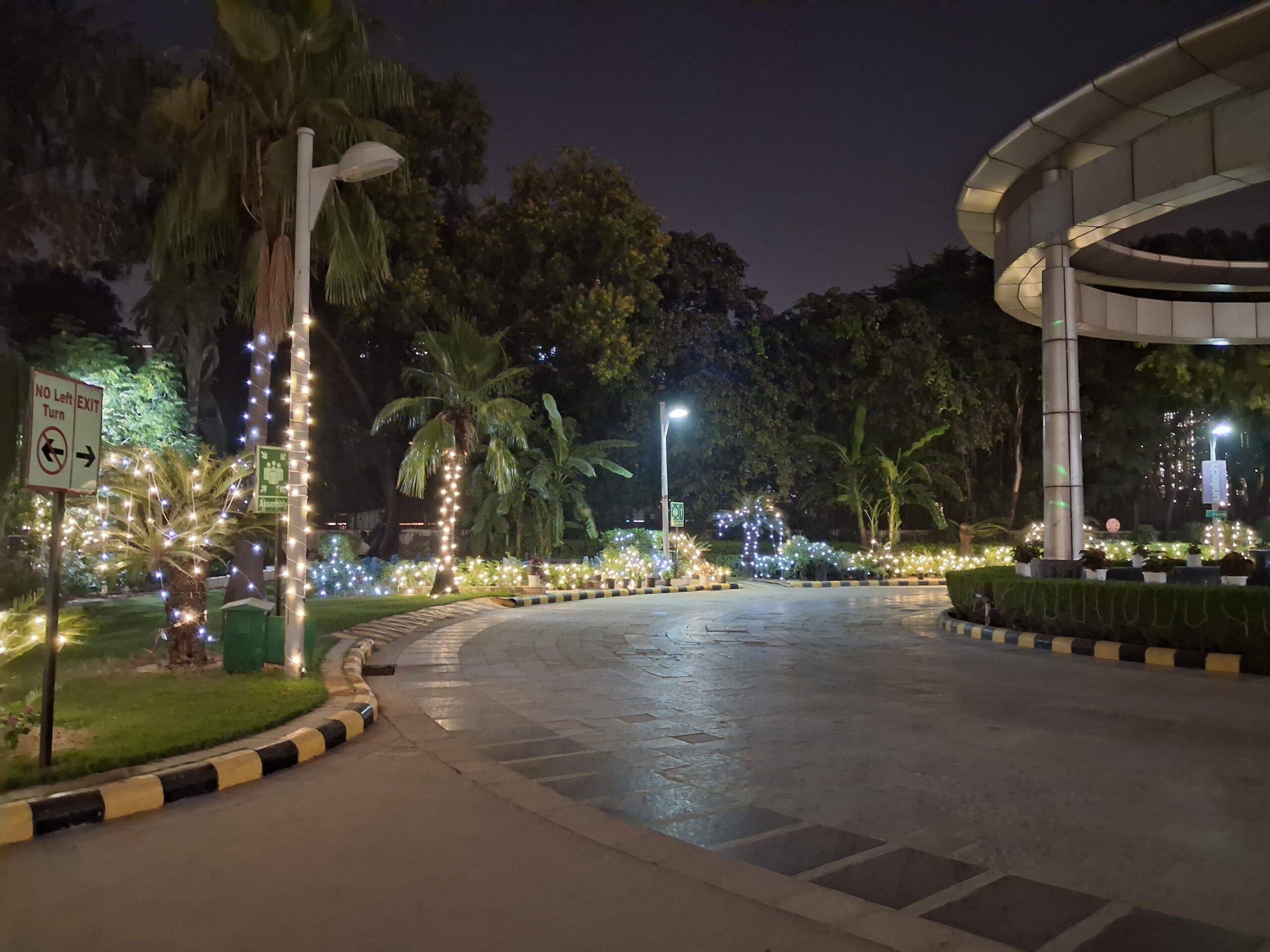

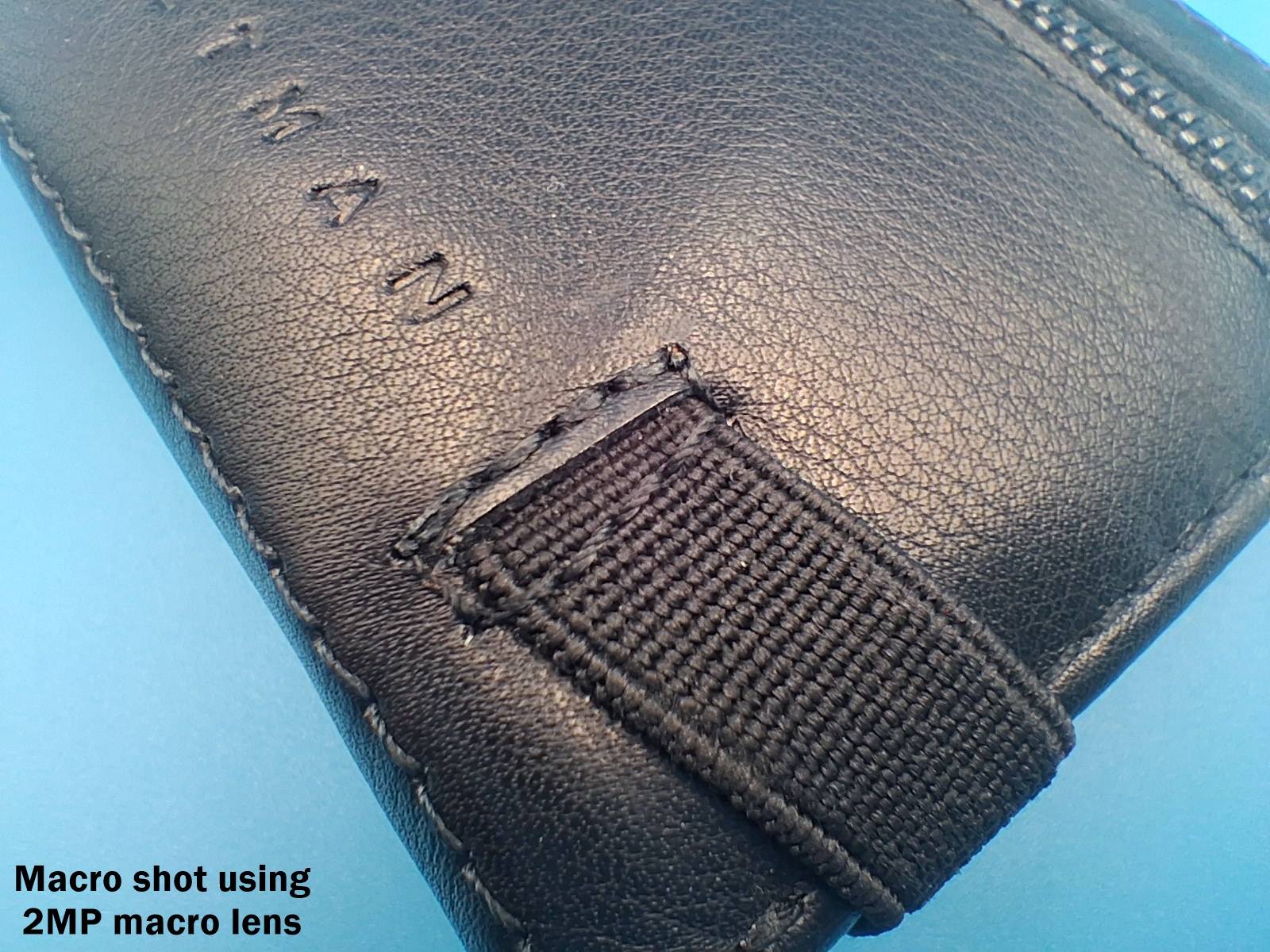


Here’s how the Samsung Galaxy M17’s cameras stack up against the Tecno Pova 7:
Daylight
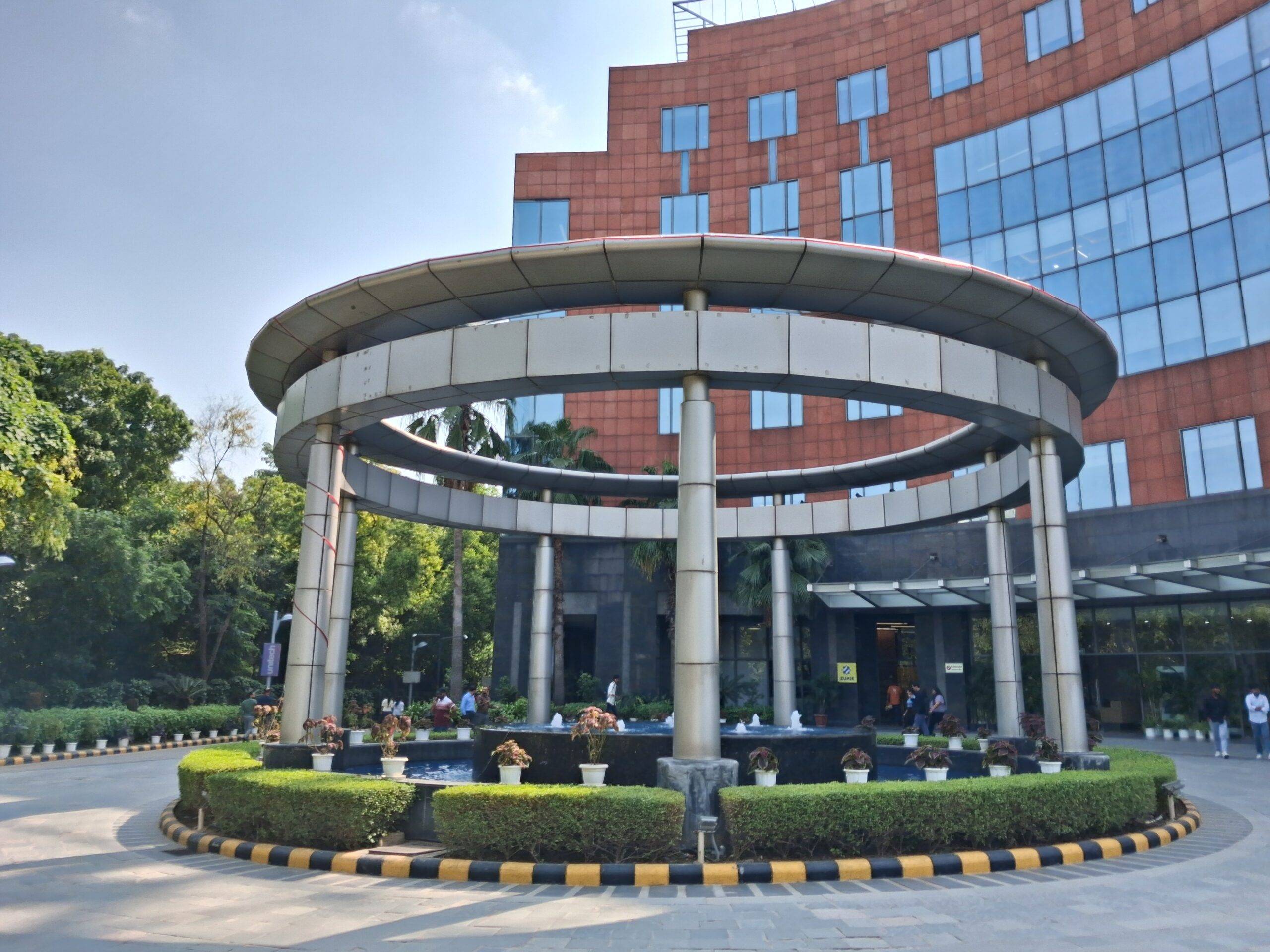
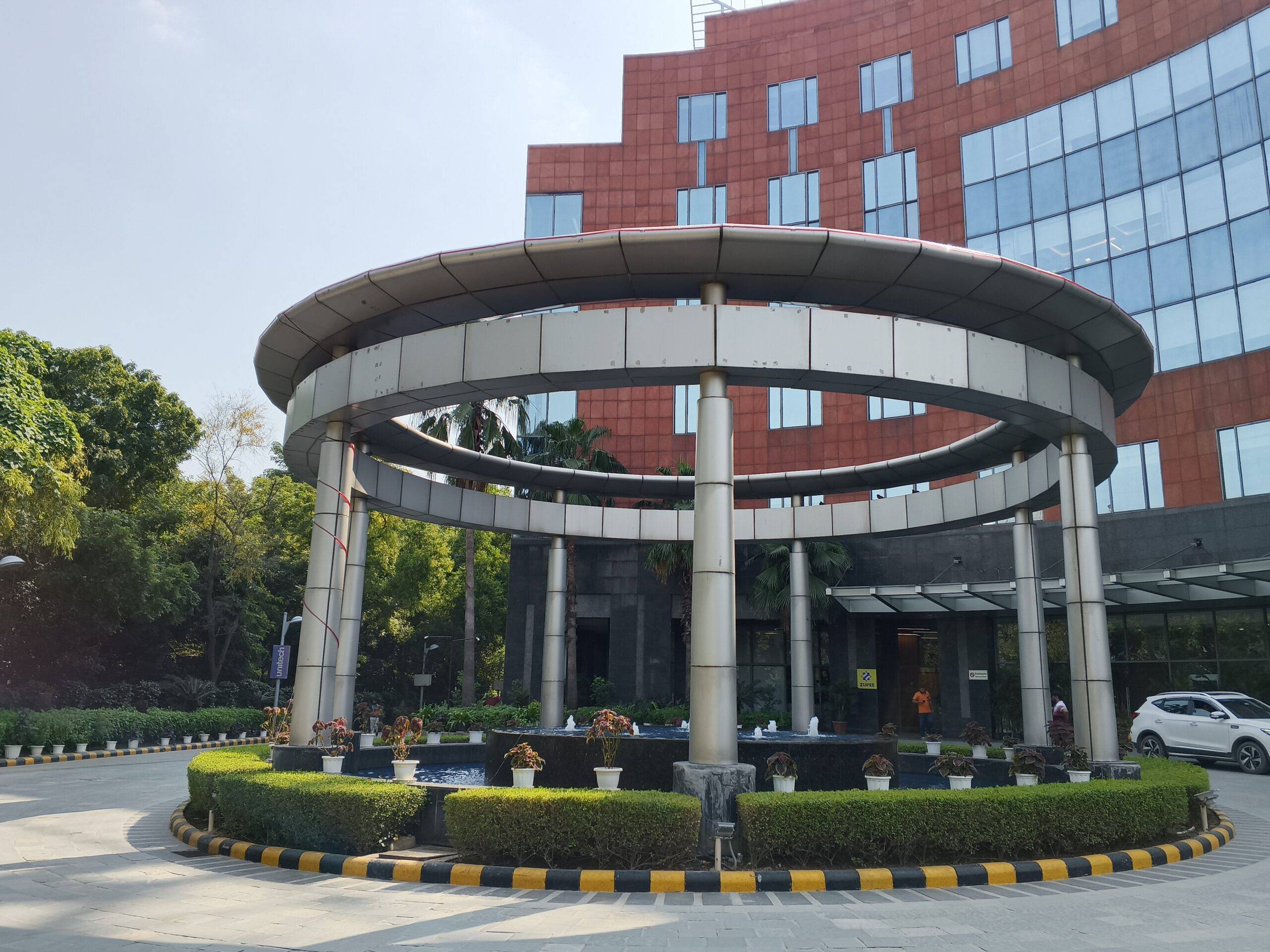
As noted above, the Samsung Galaxy M17 displays good dynamic range performance against the Tecno Pova 7, while maintaining realistic tones, such as the greens and yellows in the image. However, the Pova 7 appears to have a better contrast in the image; as a result, the Galaxy M17’s image looks hazy.
Portrait


Coming to the portrait mode comparison, the Galaxy M17’s image has hints of oversharpening on the skin tones, and the colour of the hair and clothes appears washed out. The edge detection is also slightly better on the Tecno Pova 7.
Selfie


In selfies, I feel the Galaxy M17 has an edge. The facial details are better preserved, the background and shirt’s colour are on point, and there’s a sense of depth in the image, thanks to the natural bokeh. However, the Pova 7 can capture wider selfies, ideal for group shots.
Low light
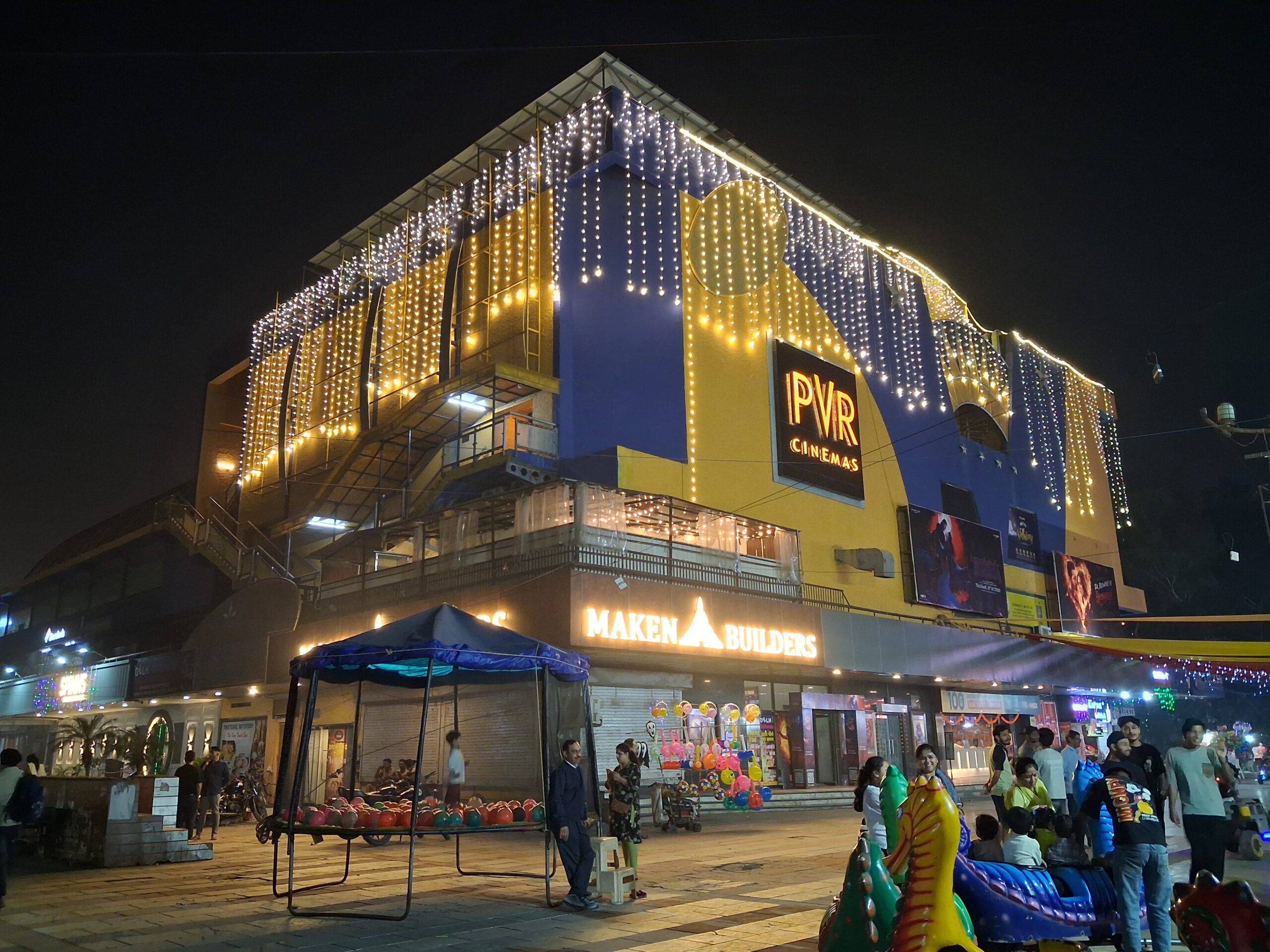
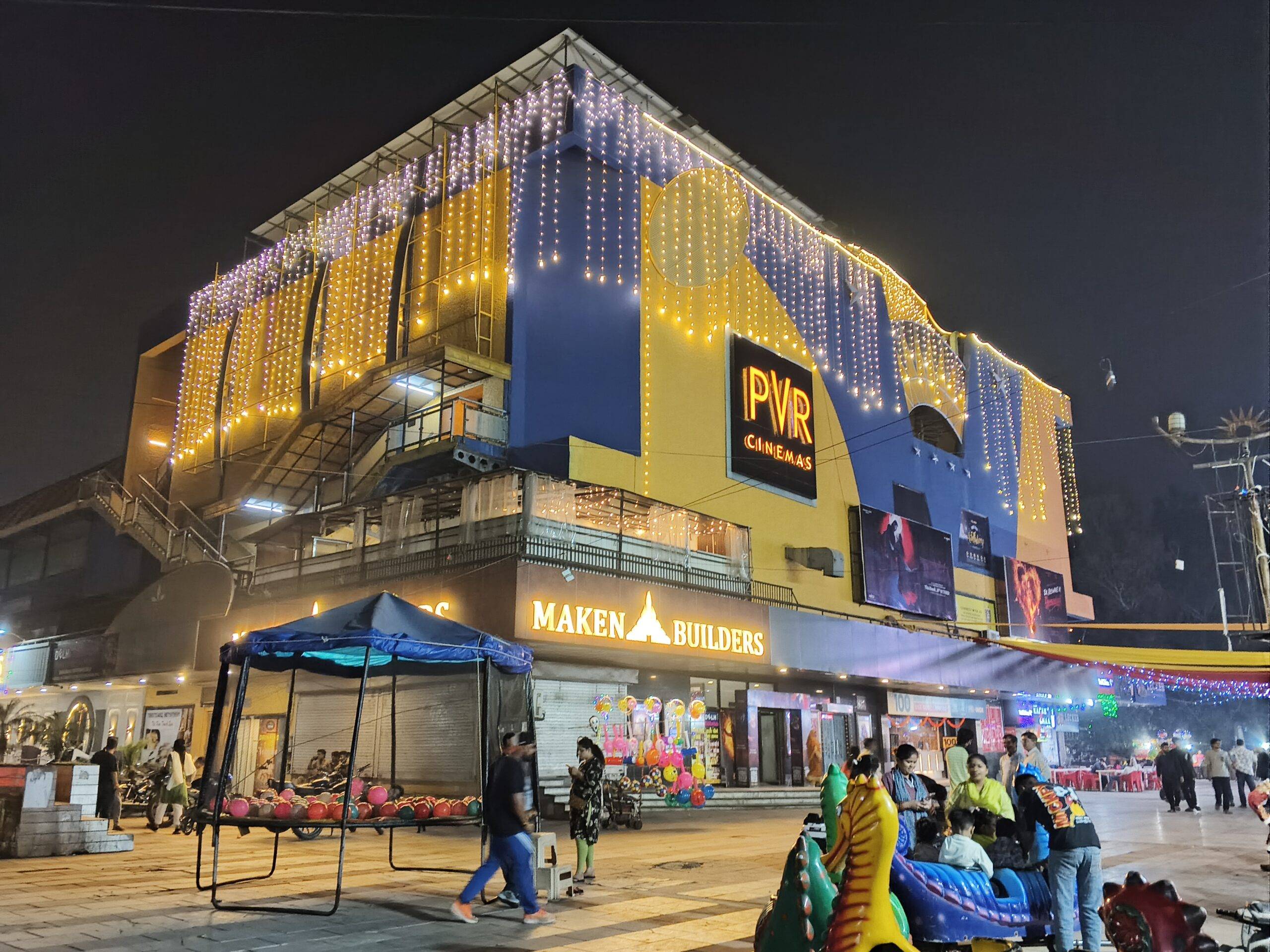
Right off the bat, you can notice that the Samsung Galaxy M17 realistically renders the sky, while the Pova 7 has banding in the sky with grey tones. However, the light sources are better maintained on the Tecno smartphone, while similar colour tones are delivered by both.
Night mode
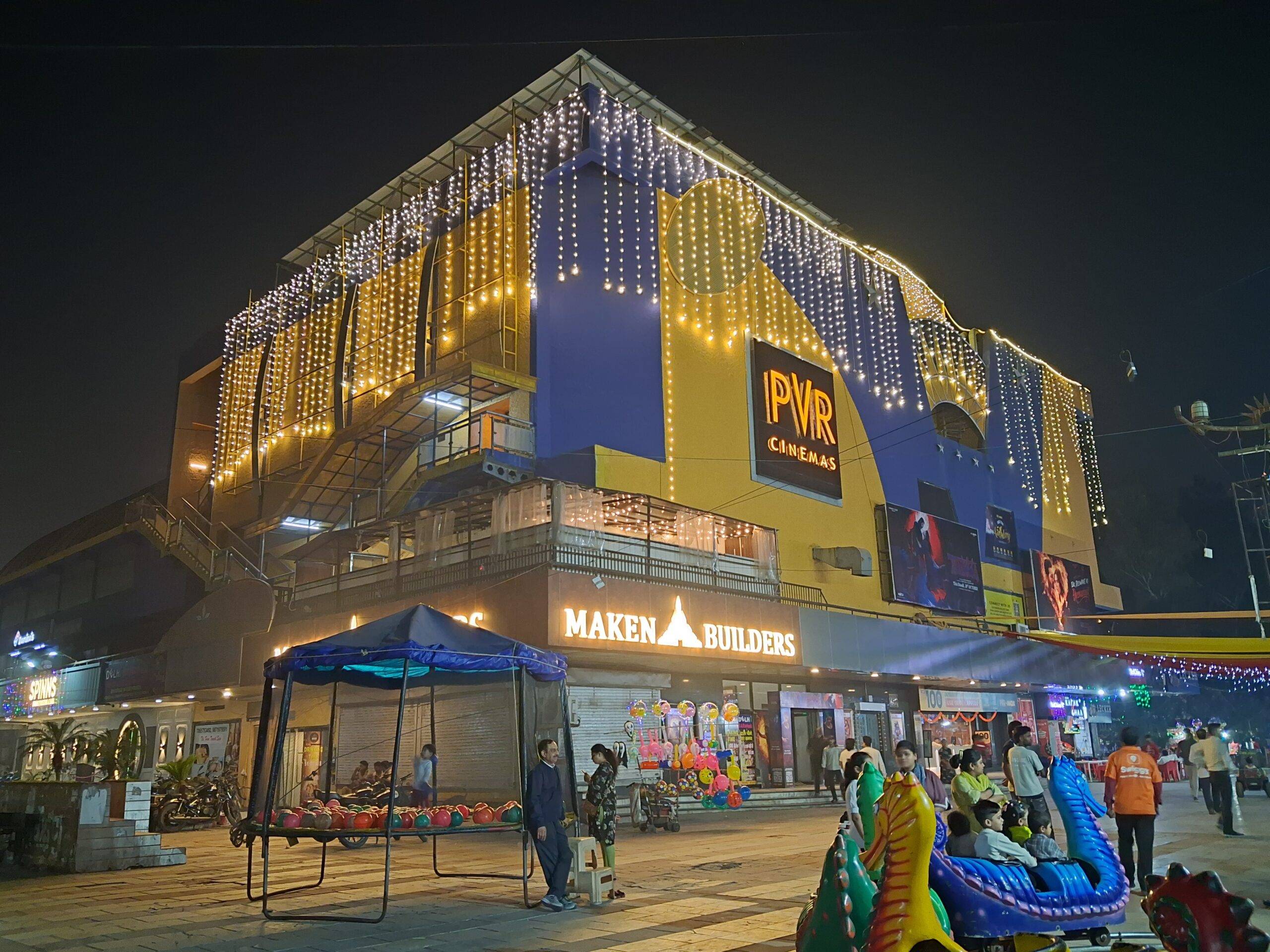
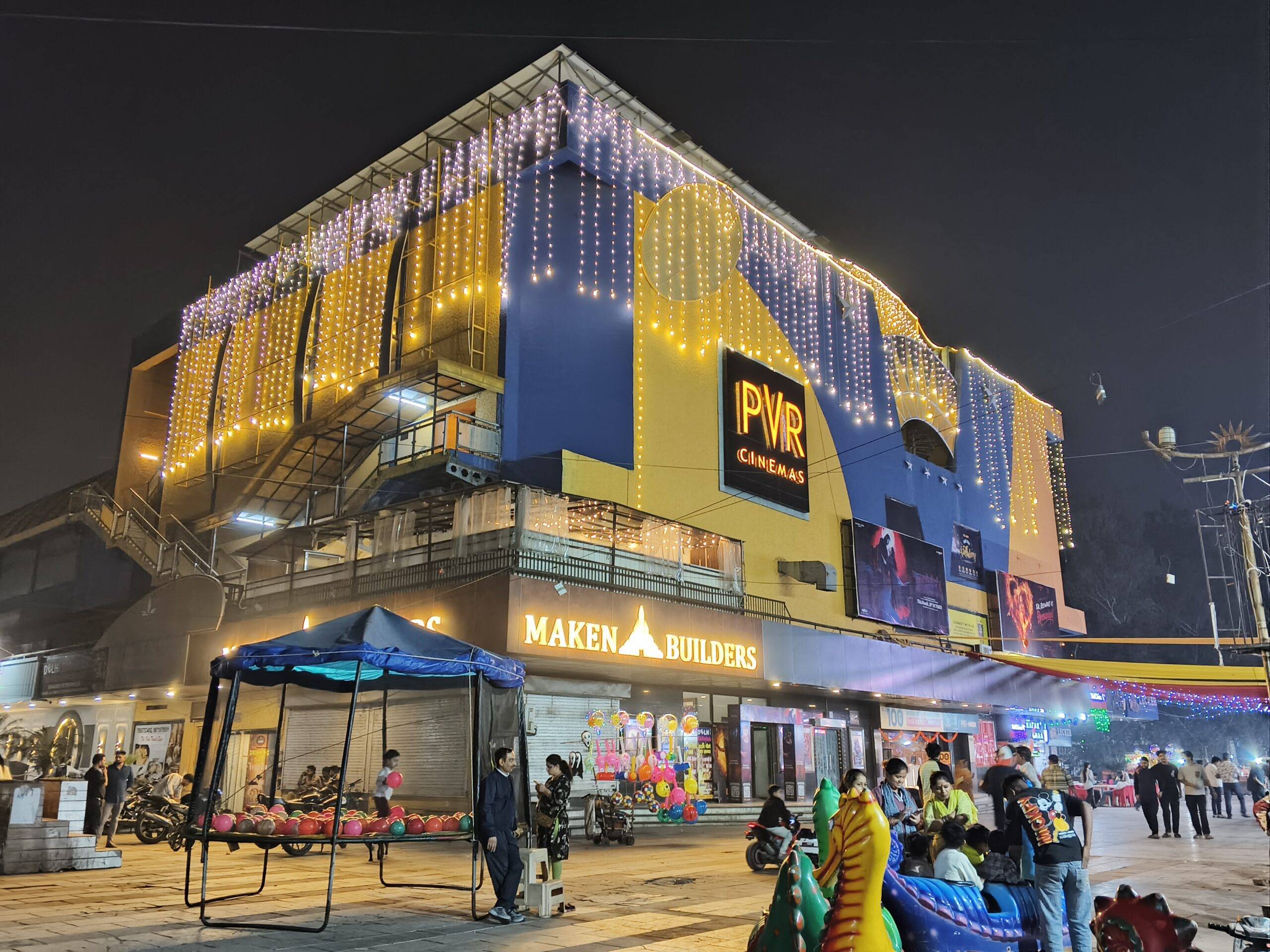
When enabling night mode, the exposure control on Galaxy M17’s image improves, but it messes up with the sky’s colours, which were better without night mode. The tradeoff is that you get slightly better details and lower noise.
Matured software design with a heavy focus on longevity
Released with Android 15-based One UI 7 out of the box, our review unit of the Samsung Galaxy M17 quickly received the One UI 8 (with Android 16) firmware update on October 15th. The brand promises a total of six OS upgrades and six years of security updates, which is the highest in the price segment. As for the features, One UI 8 is packed with most of the necessary and power user features, while following a mature design language.
From heavy lockscreen customisation options to bearing nifty functionalities like Now Bar for stopwatch, timer, music, and sports, to strict privacy control, the software has it all. Notably, the Galaxy M17 also features NFC to make contactless payments through Samsung Wallet or other payment apps, such as Google Pay and Paytm. I was surprised to see this feature on this smartphone since it’s quite rare under Rs 15,000.
While I didn’t find Galaxy AI features on the Samsung Galaxy M17, the smartphone boasts Google’s essential offering as of late – Circle to Search and Gemini, which also includes Gemini Live. These features work as intended without any hiccups on the smartphone.
Performance that may not be the best in its class
Running at the core of the Samsung Galaxy M17 is Samsung’s own Exynos 1330 chipset, which is paired with up to 8GB RAM and 128GB UFS 2.2 storage. Our review unit featured 4GB of RAM, and the phone was able to keep light to moderate apps, such as Spotify and Chrome, in memory when opening them from the recents page after a few hours. The Galaxy M17’s day-to-day performance may not be the best in its price class, as signs of sluggishness were noticed when scrolling through the UI or opening apps.
Here’s how the smartphone fares against its close rivals under the Rs 15,000 segment in benchmark apps:

When it comes to running games on the Galaxy M17, the handset achieved an average FPS of 56.3 degrees Celcsuis in 30 minutes of gameplay at Medium + High graphical settings in Call of Duty: Mobile, while in BGMI, it was able to deliver 28.2 average FPS in the same time duration at HD + High in-game settings. This level of gaming performance is comparable to that of other sub-Rs 15,000 smartphones we have tested in the past.
Reliable battery backup
The Samsung Galaxy M17 gets its battery juice from a 5,000mAh battery, which supports 25W charging speeds. Unfortunately, a charging brick is not bundled with the Galaxy M17, so you’ll have to buy a charger separately or rely on your existing adapters. As for the battery endurance, the phone was able to last 10 hours and 33 minutes in our PCMark battery drain test, which lasted from 100 to 20 percent charge. When watching a 1080p YouTube video at 80 percent brightness, the phone lost 7 percent in an hour.
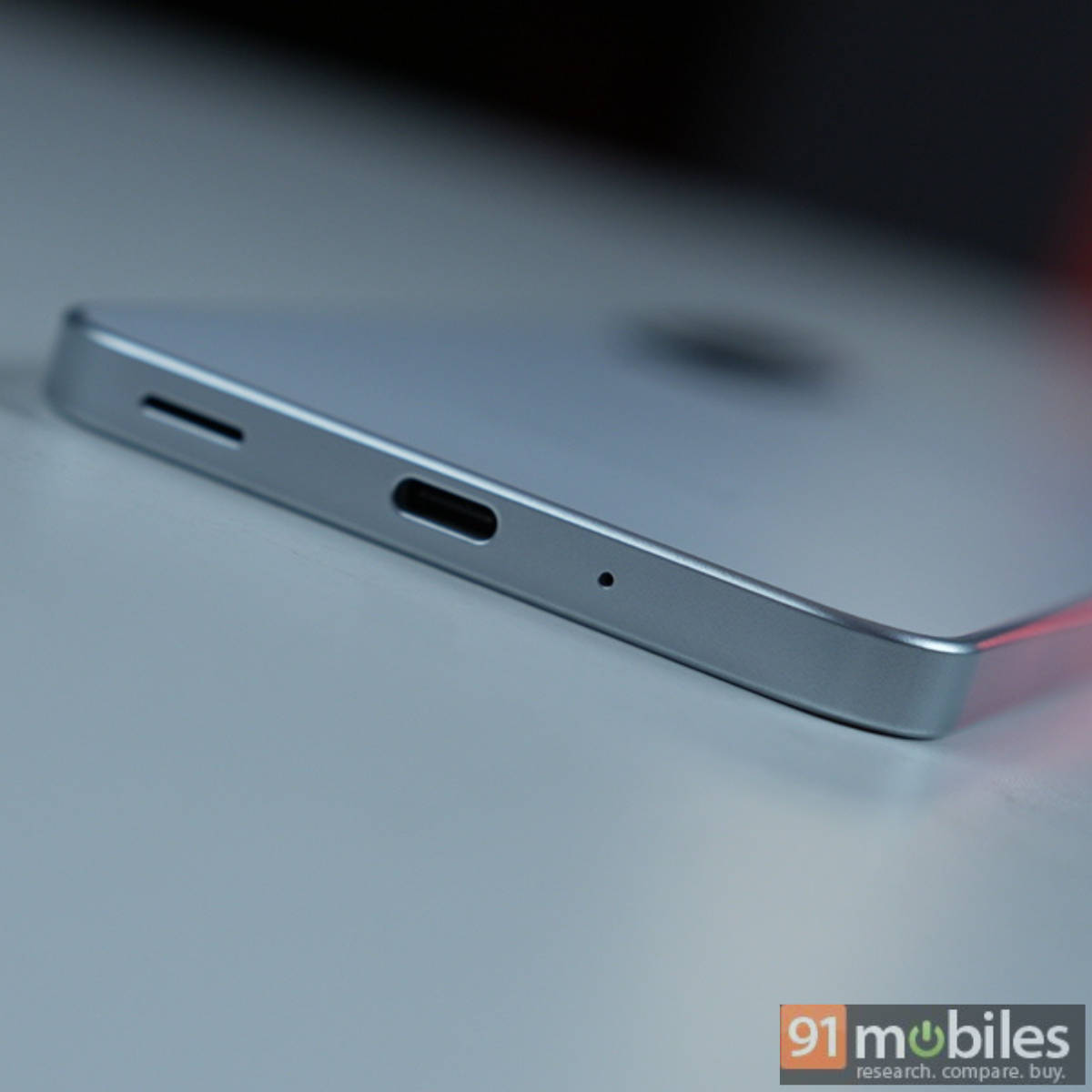
Topping up the Samsung Galaxy M17 took me around 70 minutes from 20 to 100 percent using Nothing’s PD 65W charging adapter. These speeds are fairly okay and are the standard in this price bracket.
Final verdict: who is the Samsung Galaxy M17 for?
The Samsung Galaxy M17 offers a vibrant AMOLED display and a camera that captures natural tones, making it a solid choice for everyday use for viewing content and taking daylight pictures, using both rear and front cameras. With long software support and NFC for convenient payments, it stands as a unique choice at Rs 12,999 for those prioritising display quality, longevity, and display durability, thanks to Gorilla Glass Victus.
However, the performance could use a boost, as the handset shows signs of stutters in regular usage, while the low-light photography needs improvement to tackle the noise artefacts. Similarly, the absence of a charger in the box is a minor inconvenience if the one you already have doesn’t charge the Galaxy M17 at its full potential. If you’re seeking the best performance for your buck, steering towards Lava Play Ultra or iQOO Z10x could be the way to go.
If you’re a casual user who values a strong multimedia experience and wants a device that will keep receiving new features for years, the Galaxy M17 is certainly worth considering.
Editor’s rating: 8.1/10
Reasons to buy:
- A vivid 1080p Super AMOLED display that has a sufficient level of detail for the price.
- Both the rear and selfie cameras produce realistic images, ideal for post-editing.
- With six OS upgrades, it ensures the highest software longevity in the segment.
- The addition of NFC allows for making digital and contactless payments.
Reasons not to buy:
- The day-to-day performance may not be the best in the segment.
- When clicking pictures in low light or dimly lit environments, there are signs of noise in the images.
- The lack of a charger within the box can act as an inconvenience if the existing charger you have doesn’t charge the phone at its full speed.
 | vs |  |
| vs |  |