The premium wireless headphone market has spent the last five years chasing lifestyle validation. More bass, more ANC, more perceived luxury, but it often came at the expense of accuracy and neutrality. The Sennheiser HDB 630 Wireless, priced at Rs 45,000, feels like a deliberate rejection of that trajectory.
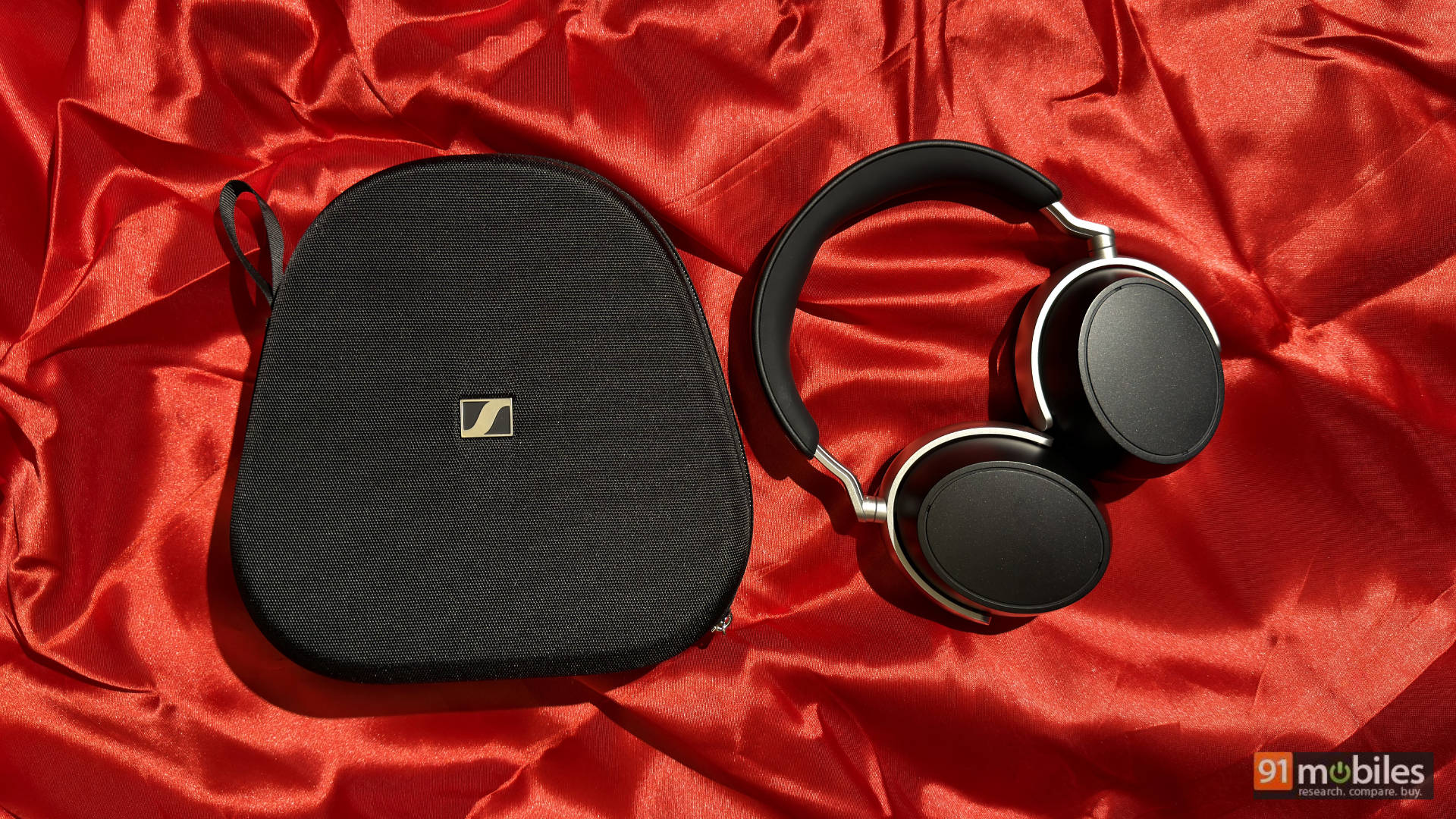
At first glance, it resembles the Momentum 4. Similar silhouette and ergonomics, but internally, this is not a cosmetic refresh. It is a different acoustic philosophy hiding in familiar industrial design. And that distinction matters because Sennheiser is trying to bring wired sound to a wireless world.
Table of Contents
Driver Technology and Acoustics
At its core is a 42mm dynamic driver platform manufactured at Sennheiser’s Tullamore facility in Ireland, the same site responsible for its reference-grade HD 600 series lineage. While not entirely manufactured in Ireland, the drivers undergo critical damping and tuning here that give them the edge in QC over their far-eastern counterparts. Or at least that is the goal. If you want to get into the nuts and bolts of it, it gets a reworked back volume chamber to improve low-frequency linearity, acoustic mesh optimisation around the magnet assembly to refine upper-mid response and revised internal damping for better midrange control.
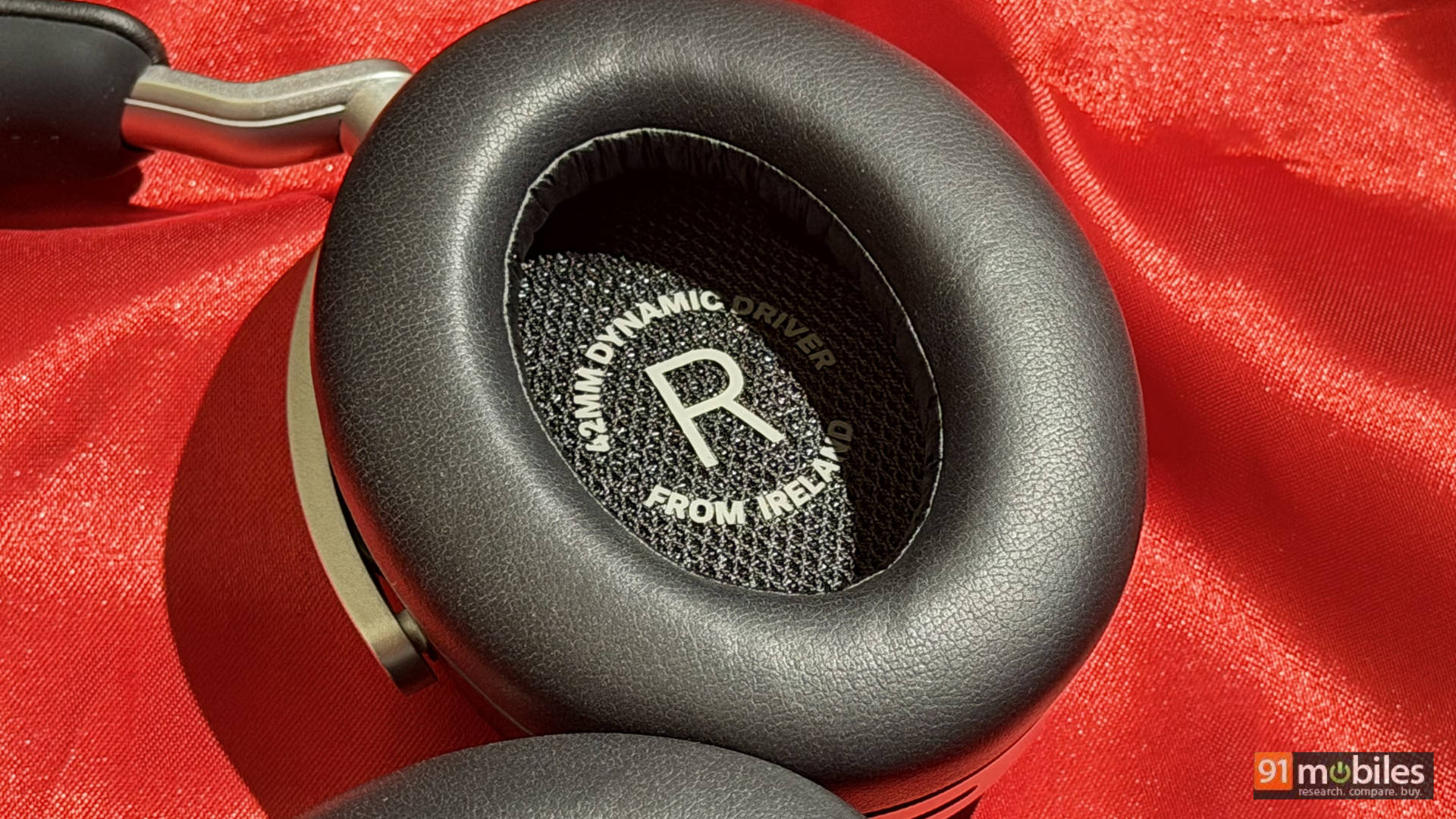
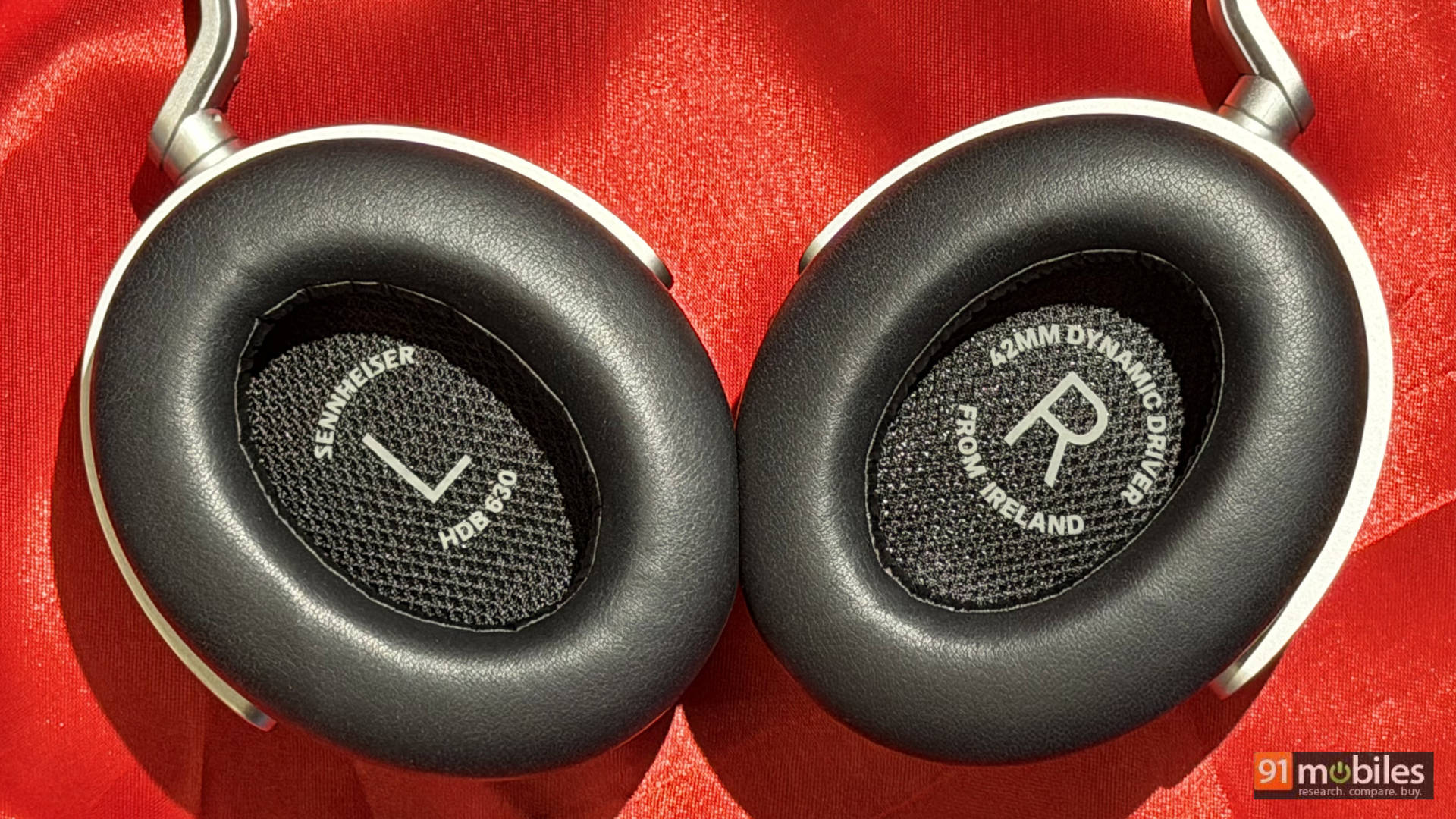
Instead of digitally correcting a compromised driver, Sennheiser has attempted to stabilise the mechanical behaviour first. That distinction is critical if you’re aiming for a neutral response behaviour and a non-fatiguing sound profile. Wireless support includes aptX Adaptive, aptX HD, AAC and SBC at the bottom of the pile. Wired playback supports high-resolution audio up to 24-bit/96kHz over USB-C.
Fit, Comfort, and Omissions
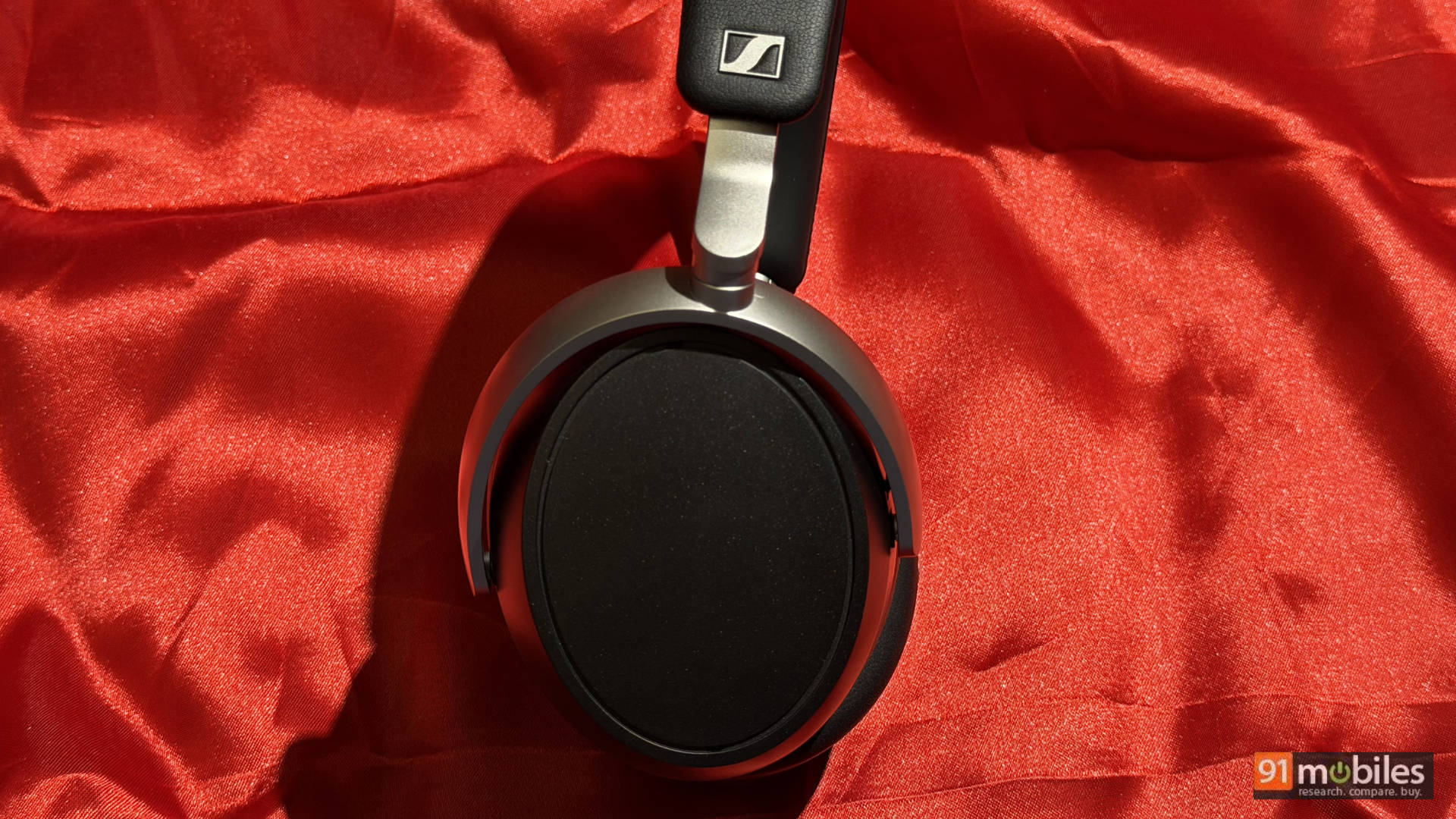
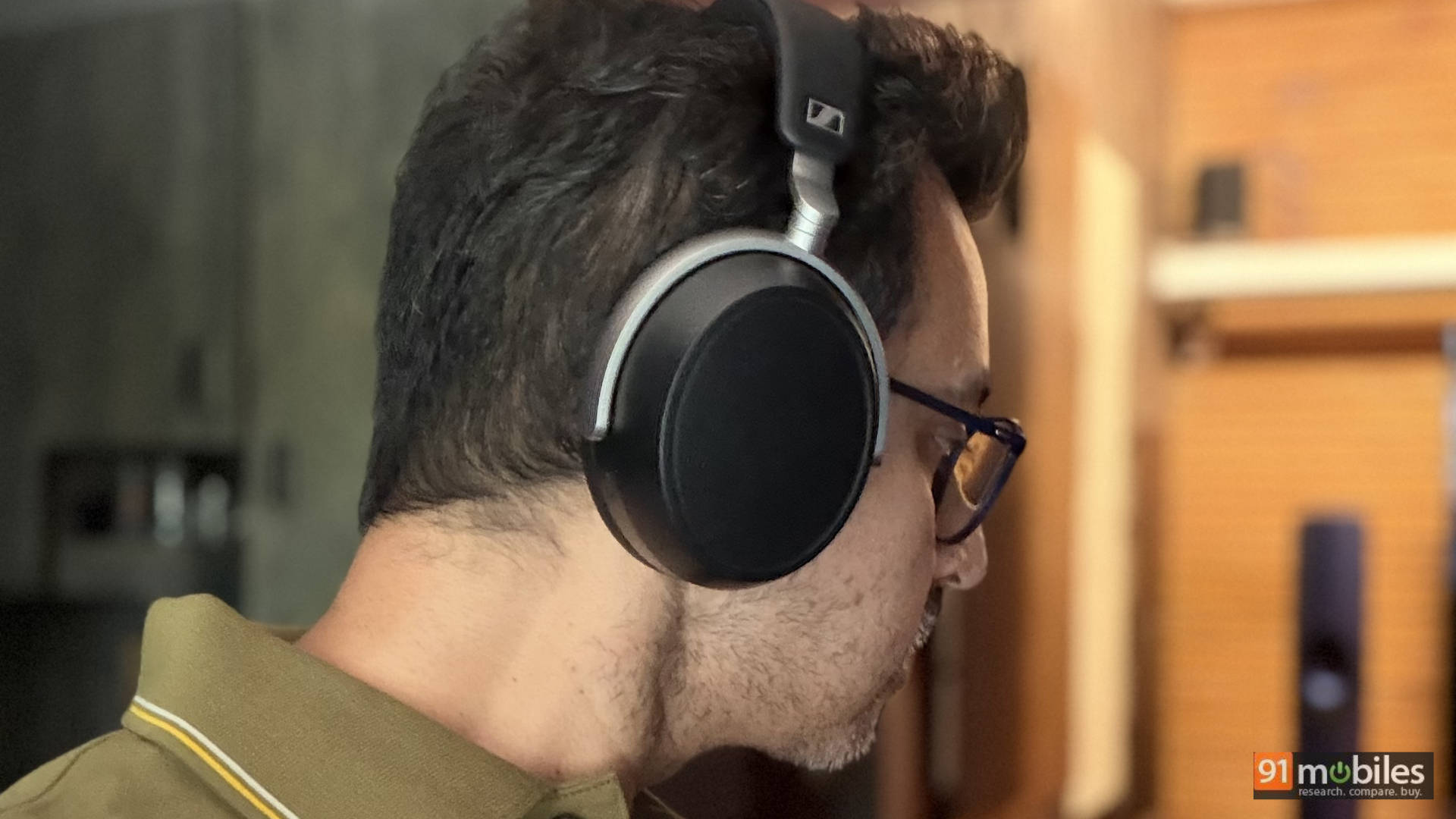
It does not support LDAC, nor does it do Dolby Atmos music, but that omission seems intentional. This headphone is built around stereo integrity. Compared to the Momentum 4, they have a slightly thicker profile, and the weighing scale proves it too. While they aren’t uncomfortable per se, I personally found their passive sealing to cause excessive sweating around the ears in Mumbai’s humidity. Also, the clamping force doesn’t grip your head in a vice-like way as the AirPods Max do, but I did feel the need to take them off after an hour or so of continuous wear, so I let my ears breathe and decompress. The earcup geometry may rest on cartilage for certain ear shapes rather than fully around it. If the seal is compromised by glasses, hair, or positioning, bass response and ANC performance drop noticeably. This is not a universally forgiving fit, but it will certainly reward careful positioning.
Sound Profile and Parametric EQ
Out of the box, the tuning is restrained. There is no exaggerated sub-bass shelf. No upper-mid glare to simulate detail. No artificial air boost. On Childish Gambino’s Redbone, the bassline carries texture rather than bloom. There is no sign of harmonic distortion even at higher volumes, and the midrange positioning is forward enough to anchor vocals without becoming shouty. Switching to Talking Heads’ Speaking in Tongues, rhythmic layering becomes the defining strength. The HDB 630 handles microdynamic swings with composure. The attack on percussion is fast, decay is clean, and the soundstage, while not expansive like an open-back, avoids congestion.
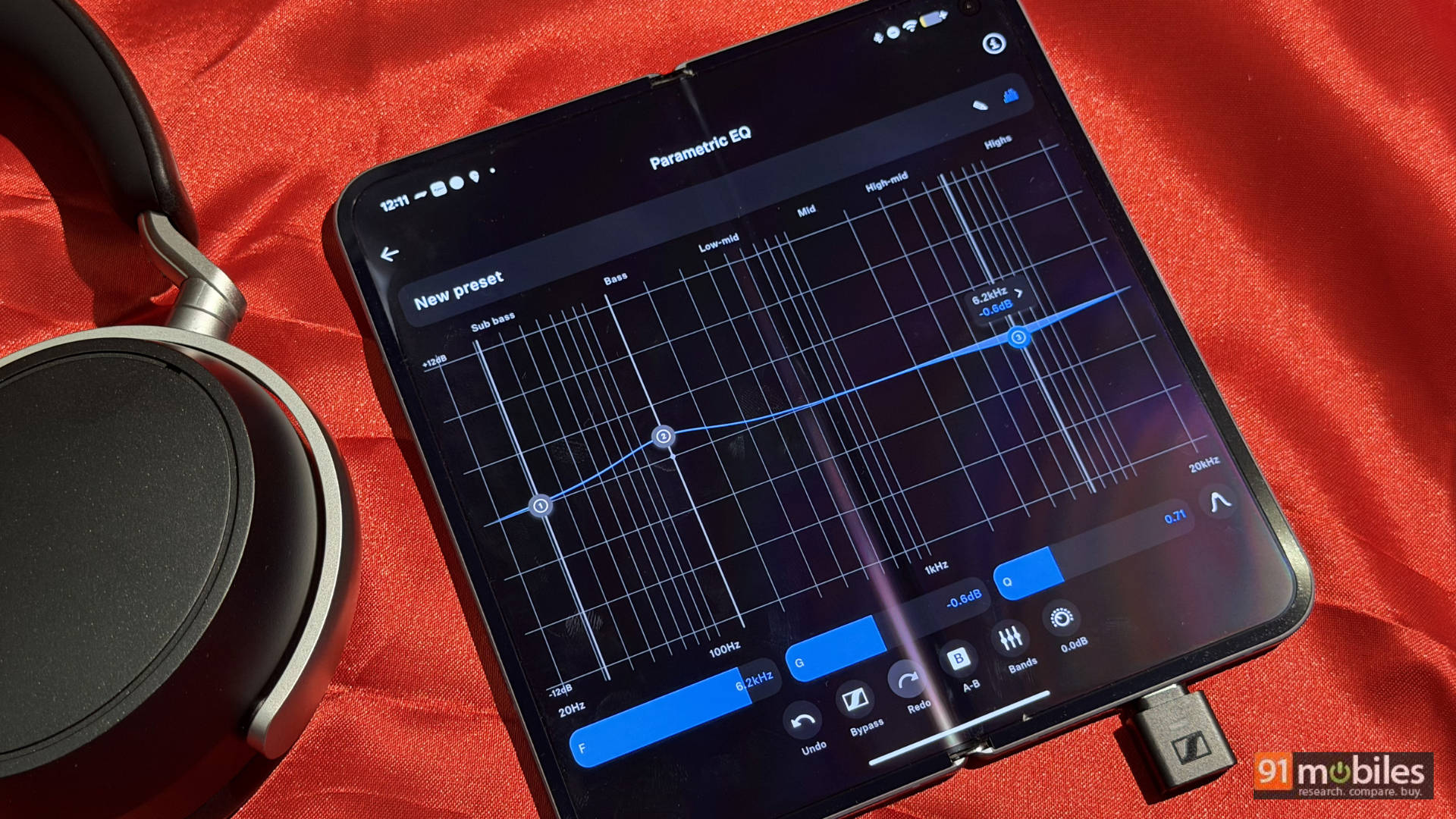
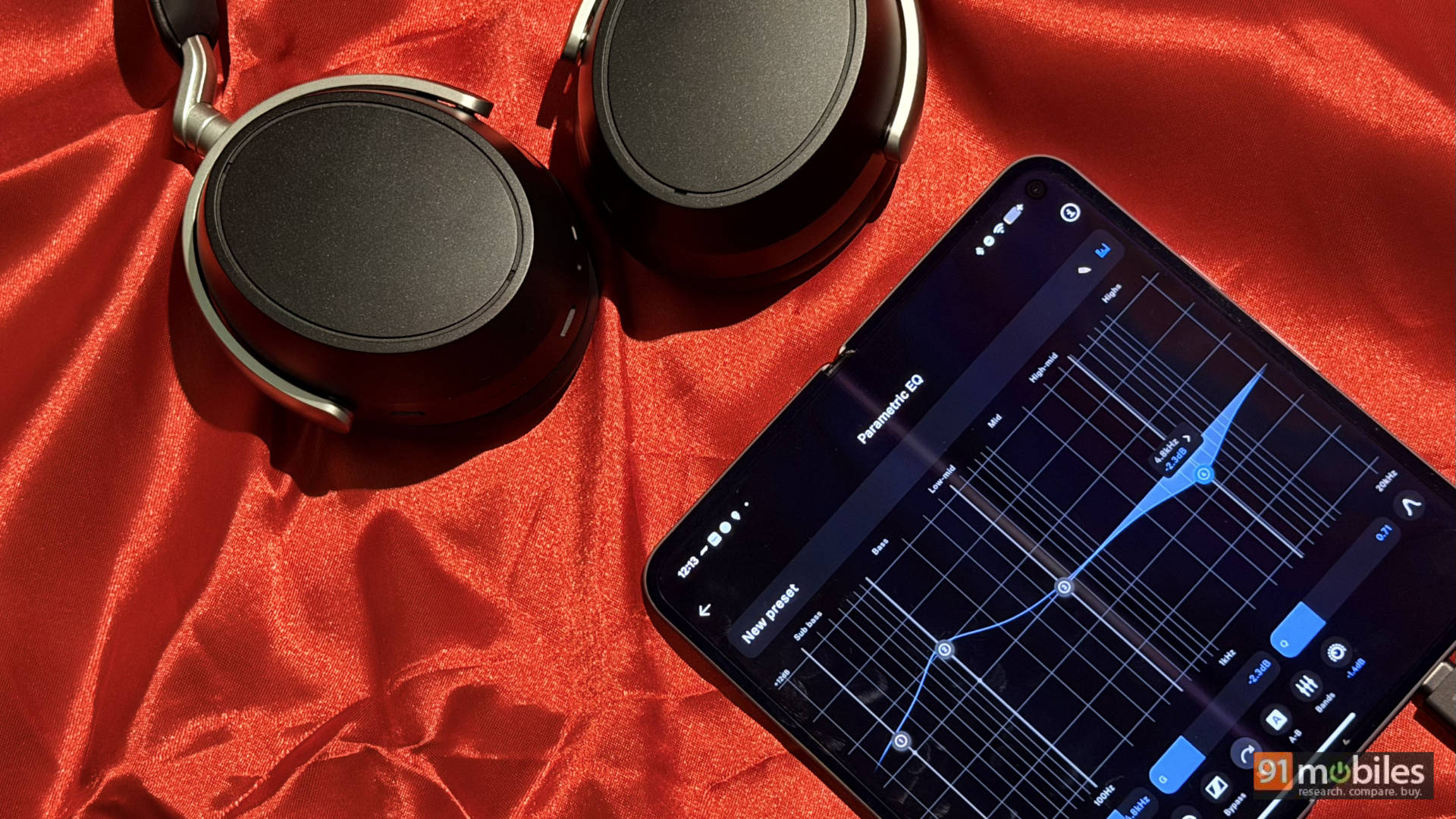
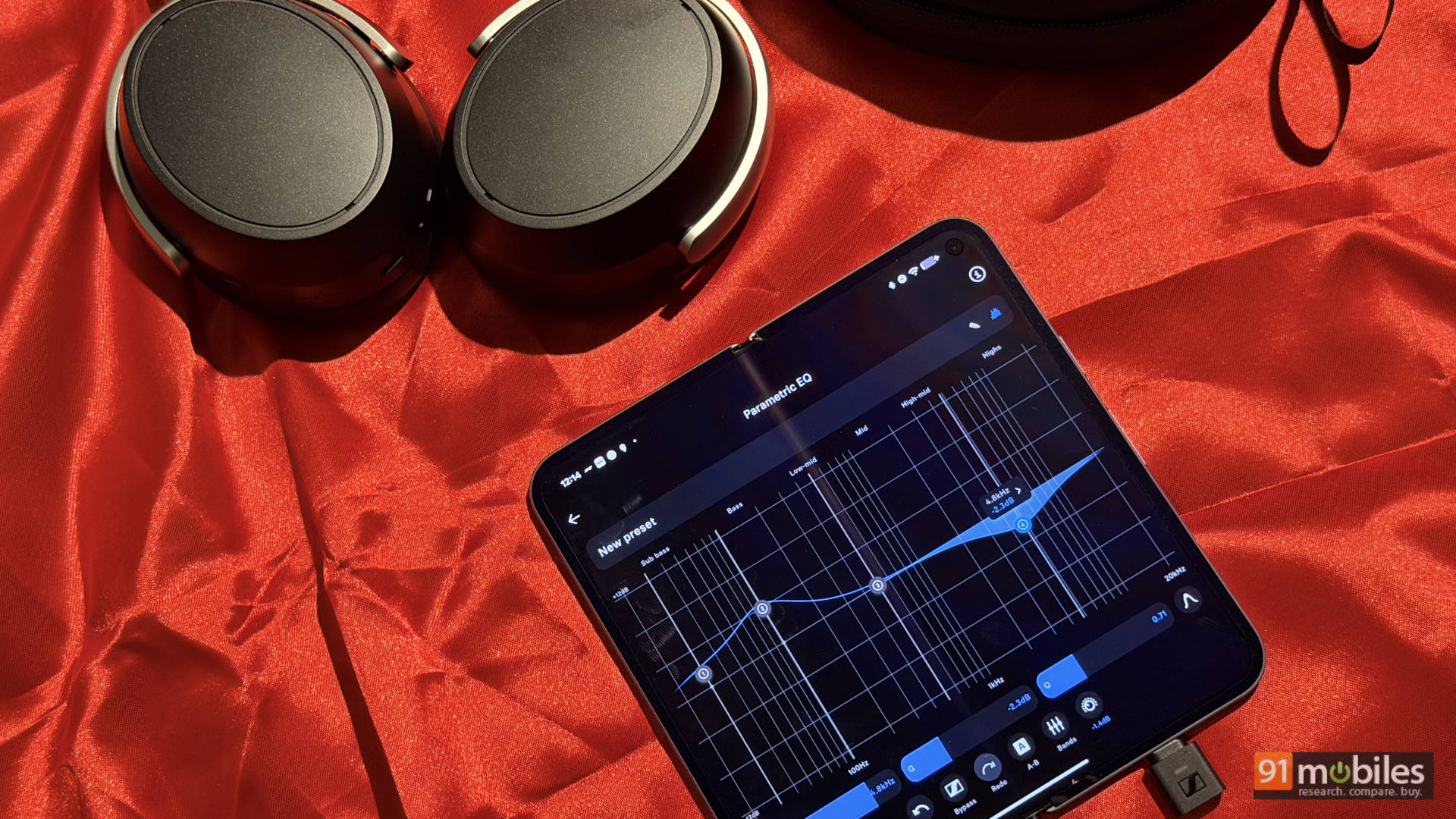
None of the ‘V’ shaped EQ curve is here by default. In fact, the HDB630 goes to the extremes to help you shape your sound with a Parametric EQ that lets you select the precise problematic frequency to fix via gain (boost or cut), filter slope (fast or slow) and Q-factor (wide or narrow). On a foldable like the Google Pixel 10 Pro Fold, it really makes you feel like a sound engineer, but you’d better know what you’re fixing, or else you could end up making it all worse. For example, trimming a 2.5kHz presence peak without disturbing adjacent frequencies is done with surgical precision, but if you choose the wrong frequency, you could alter an already smooth response.
Connectivity and Codec Performance
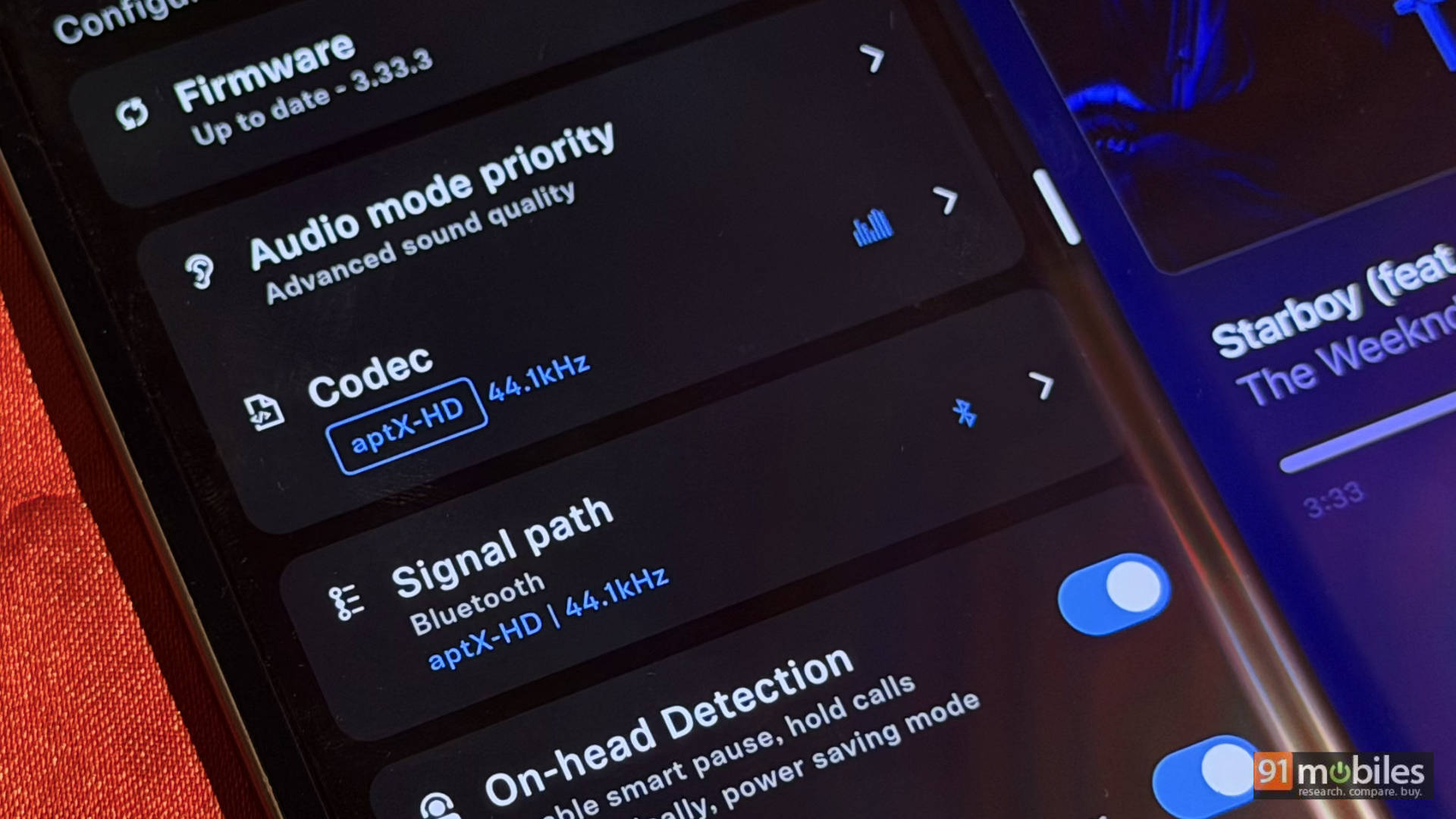
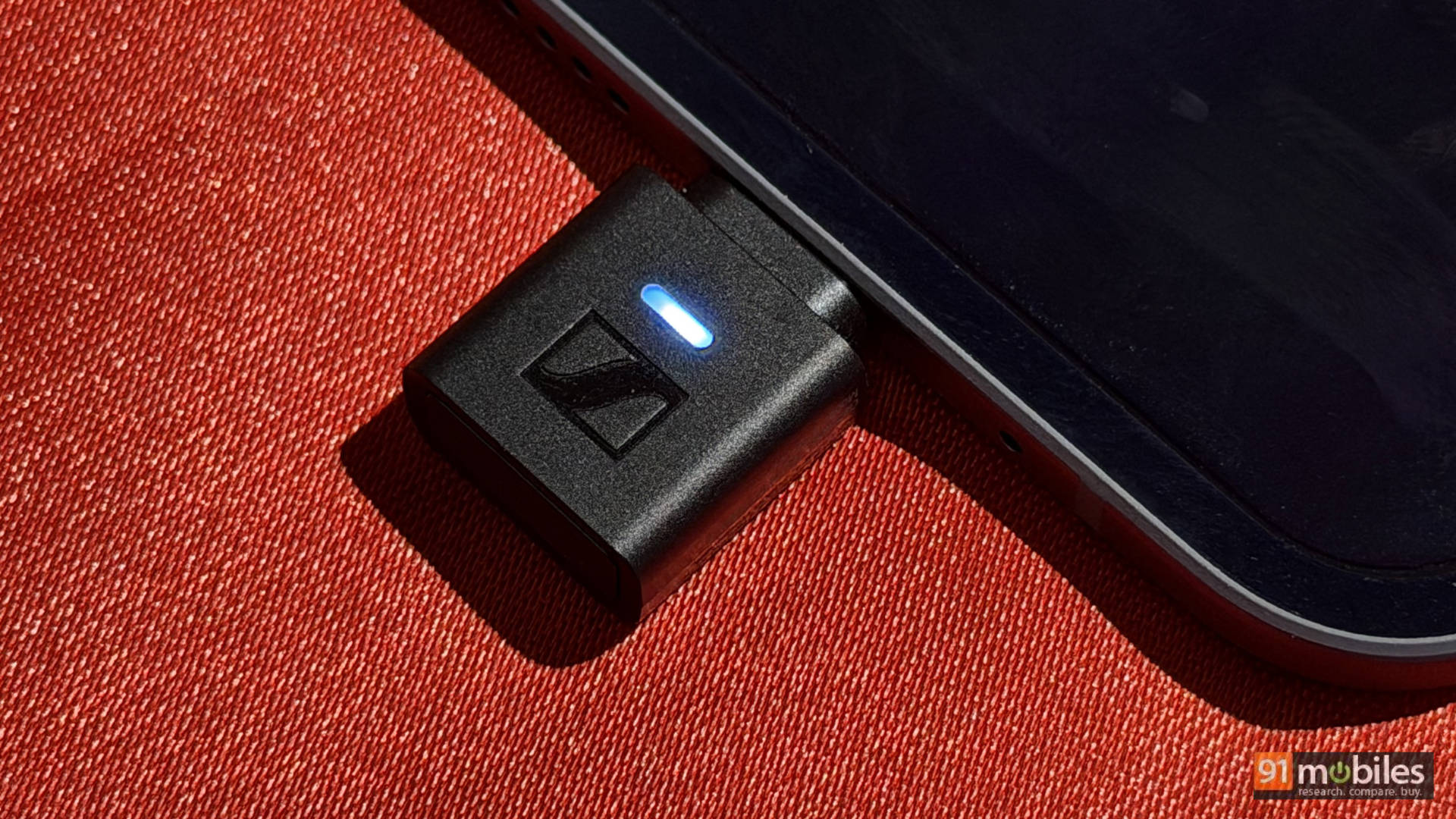
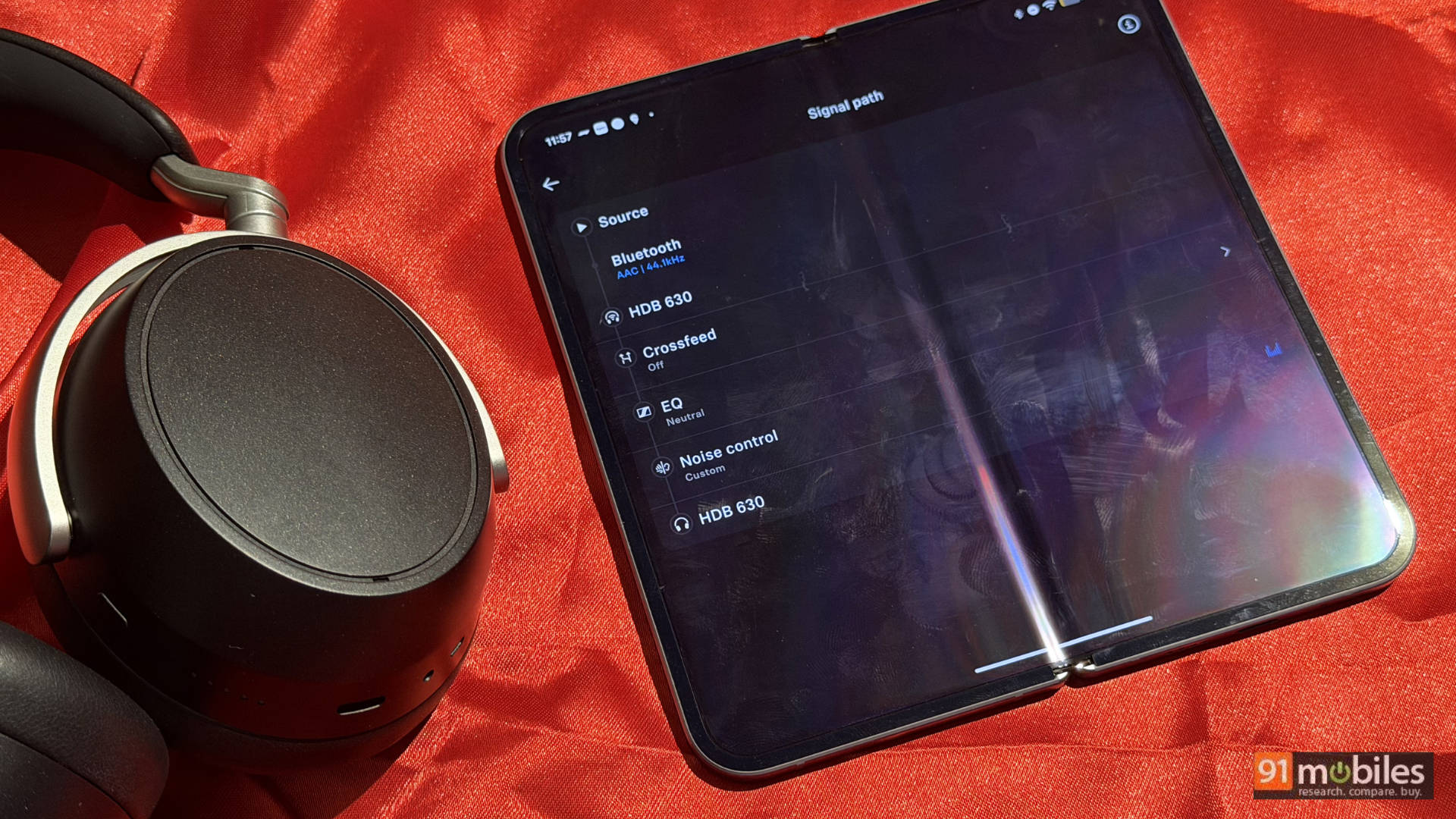
Using the Sennheiser BTD700 dongle to engage aptX Adaptive improves spatial layering and reduces compression artefacts compared to AAC on an iPhone. On compatible Android devices with aptX HD, the presentation feels slightly more energetic in the upper mids. But it’s the connectivity between the three entities that is the cause of frustration. Although easy to use as a standalone app whilst offering a plethora of settings, including a visual representation of the entire signal path, my personal favourite! It lets you know whether you have engaged EQ, Crossfeed, Bass Boost and what codec is being transmitted to the headphones via the phone or the BTD700, if attached. Nerdy, audiophile stuff that holds immense value if you’re the core target group that wants to “see” their tunes being delivered in 24-bit/96kHz resolution. Crossfeed works extremely well too to centralise the stereo image for newer recordings and reduce the hard pan between the L/R channels of older recordings.
Software and Reliability Issues
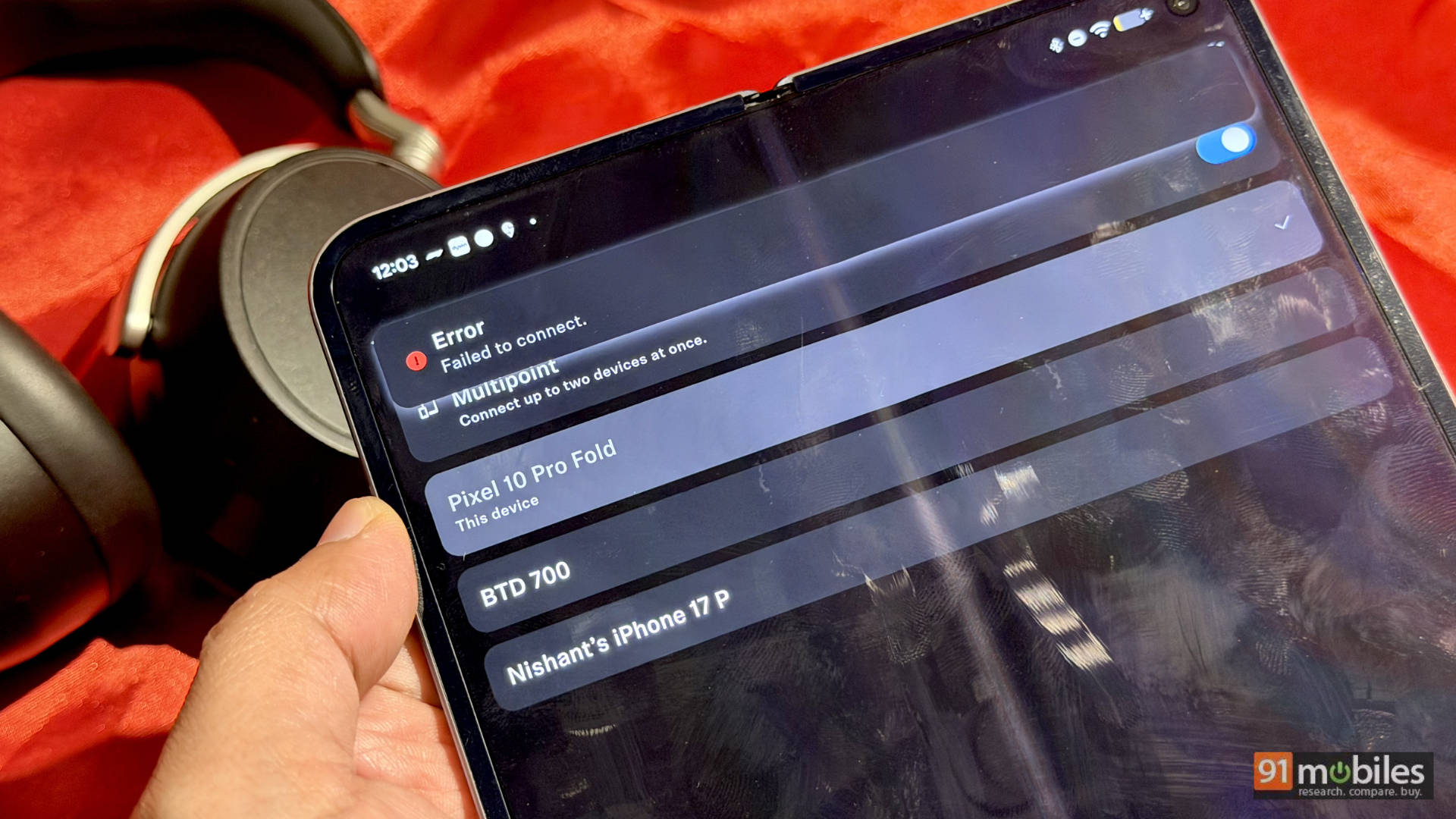
Only downside is the connection between the headphones and the Smart Control Plus App is rarely immediate, and even if the app detects the headphones, controls on the app itself or the gesture controls on the earcups can take anywhere between 2-15 minutes to show any signs of working properly. I encountered this anomaly on both iOS and Android platforms through an iPhone 17 Pro Max and a Google Pixel 10 Pro Fold. Add the BTD700 to the mix, and two devices as I did, and the multipoint switching gets even more unreliable. Similarly, head detection never worked during my review. Taking the headphones off my head neither paused playback nor ever switched off automatically, connecting calls over BT even while they were in my backpack. It is not catastrophic, but it feels inelegant at this price.
Active Noise Cancellation
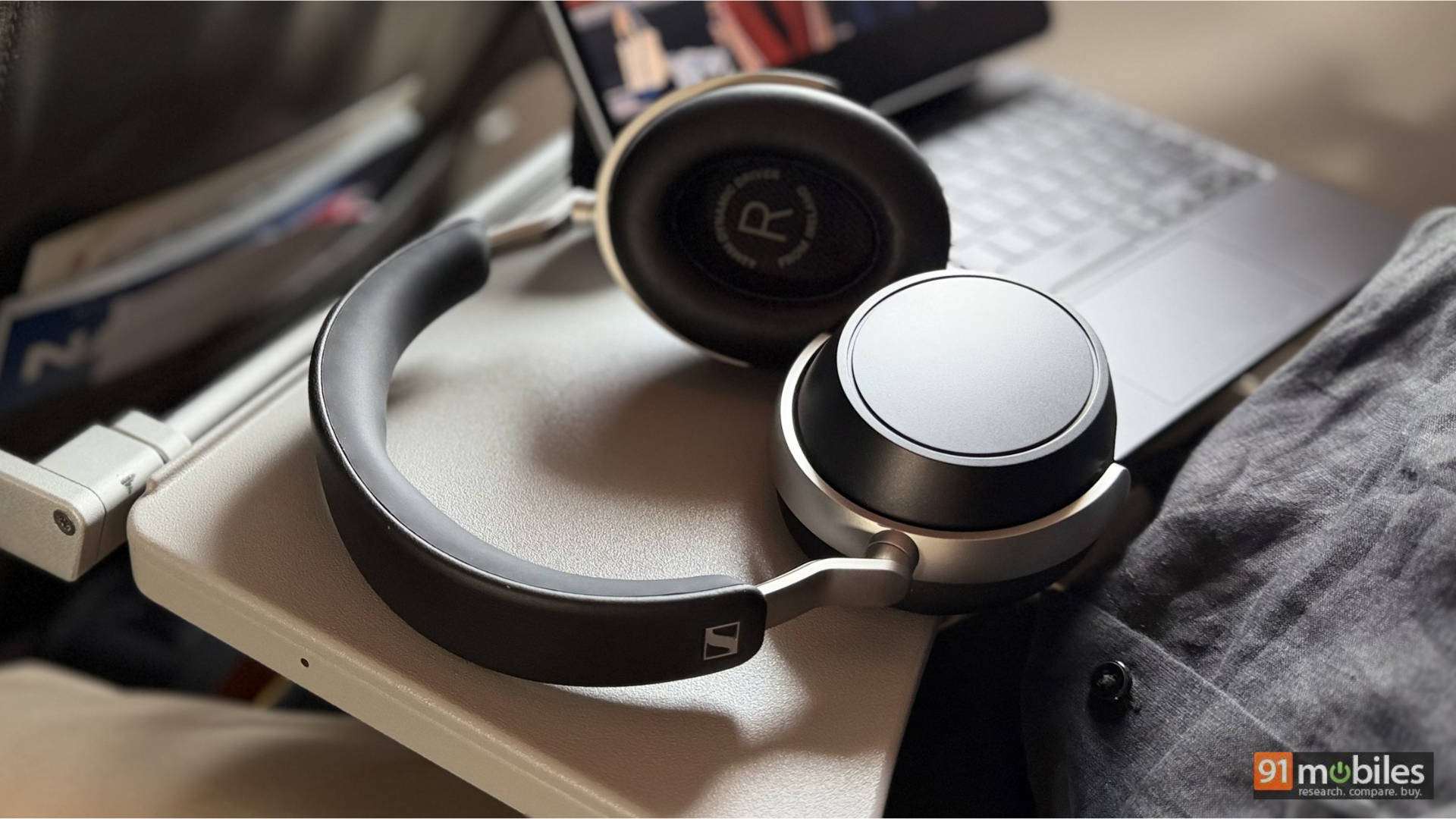
If you are chasing maximum silence, Sony and Bose still lead in raw attenuation and more “naturalness”. The HDB630’s ANC is adaptive and effective in the low-frequency band, like cutting out aircraft rumble, HVAC drone, and city traffic. It is less aggressive in the upper registers, which preserves spatial realism but allows some environmental presence to remain. At maximum, slight eardrum pressure is perceptible. The sweet spot lies slightly below full intensity, where cancellation remains strong without inducing that vacuum sensation. The HDB630 is the most neutral of the lot. That neutrality will not flatter poor recordings. It will expose them.
Unrivaled Battery Life
Sennheiser claims 60 hours of battery life, and in an era of marketing hyperbole, this is actually an understatement. I thrashed these headphones for a full week of lights to Bengaluru, hours of intra-city commuting, and late-night listening sessions. By the end of day seven, they were still languishing at 27%. You could effectively fly around the world twice without ever looking for a USB-C cable. It makes the Apple iPad’s 10-hour claim look archaic by comparison. Using the BTD700 reduces this time by a bit, and even then, fast charging yields several hours of playback from a brief top-up. For frequent travellers, this alone shifts the value equation.
Philosophy and Target Audience
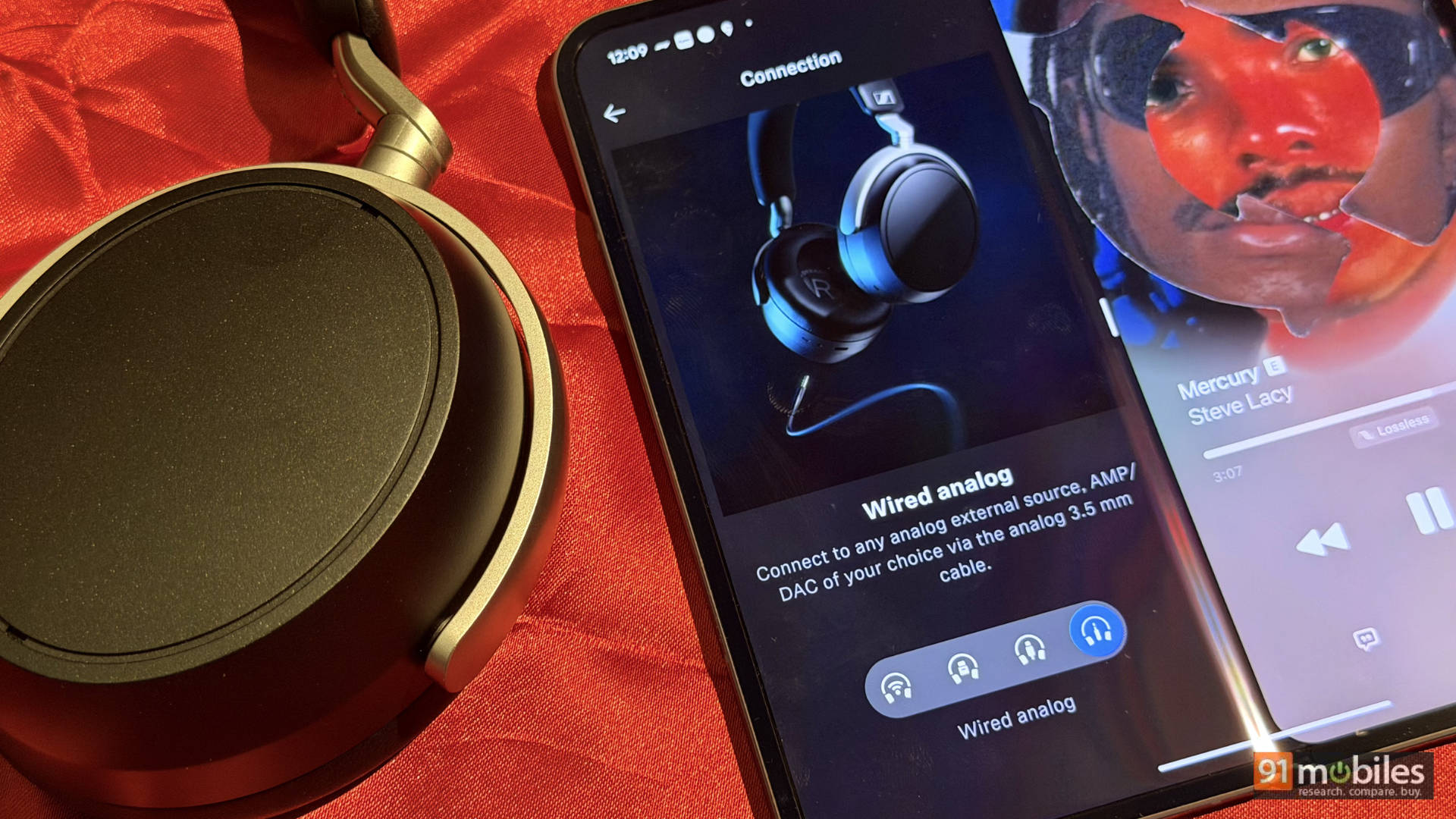
The HDB630 does not chase spatial gimmicks nor attempt to simulate surround immersion. It does not exaggerate bass to impress during a 30-second showroom demo. What it does offer is controlled transient response, linear midrange presentation and genuine customisation through parametric EQ. It behaves more like a compact closed-back reference headphone than a lifestyle flagship. In fact, you can also have the option of wired options between USB-C audio or analogue 3.5mm, both of which are included in the box.
Verdict and Value Proposition
At Rs 45,000, the HDB630 competes directly with category heavyweights that offer stronger ANC suppression and more mainstream tuning. But none of them prioritises tonal accuracy to this degree. For listeners who value fidelity over spectacle, who notice compression artefacts, who care about driver behaviour rather than feature lists, the HDB630 stands apart. It is not designed to impress casual listeners in five seconds, but rather it is built for people who understand what they are listening to. In that context, it may be the most honest wireless headphone Sennheiser has produced to date.
Editors’s Rating: 8/10
Pros
- Neutral, highly controlled tuning
- Parametric EQ with Q-factor adjustment
- Excellent battery endurance
- Strong codec support (aptX Adaptive / HD)
Cons
- ANC is not class-leading in absolute suppression
- Fit may not suit all ear shapes
- No LDAC or spatial audio processing
- App responsiveness could improve