In the pursuit of expanding their portfolios and catering to diverse consumer needs, 2025 saw a stellar lineup of smartphones priced under Rs 30,000. Having tested several of these devices, it was encouraging to see brands bringing innovative, high-end features from their flagships to mid-range phones without breaking the bank. For instance, telephoto lenses have started appearing on multiple sub-Rs 30,000 models, while silicon-carbon batteries are helping deliver higher endurance without adding bulk.
On that note, here are our top five smartphone picks under Rs 30,000 that we believe were impressive for what they offered this year. These picks have been divided based on the aspects in which they excelled, as per our usage experience and 91mobiles’ in-house testing data.
Table of Contents
Best in day-to-day usage – OnePlus Nord CE 5
Launch price: Rs 24,999
The sub-Rs 30,000 segment saw numerous smartphone launches catering to the specific needs and preferences of the market, whether it be gaming, cameras, or battery life. However, one smartphone that stood out for me was the OnePlus Nord CE 5 (review) for its all-in-one package at a starting price of Rs 24,999. Along with offering a decently performing MediaTek Dimensity 8350 Apex chipset, a large 7,000mAh battery, a 6.77-inch AMOLED display and a 50MP 1/1.95″ main camera, the OxygenOS 15-based software offered a fluid and smooth experience.

Reasons to buy
- Feature-packed software that is smooth to operate.
- Impressive battery endurance with its 7,100mAh cell.
- Primary camera delivers sharp and detailed images.
- Delivers top-notch gaming performance at high frame rates.
Reasons to skip
- Misses out on stereo speakers.
- Front camera may not be the best.
Best in gaming – OPPO K13 Turbo
Launch price: Rs 27,999
OPPO has long been recognised for its camera- and design-centric smartphones, with the Reno series being a prime example. However, this year, the brand caught the attention of many with its gaming-oriented K13 Turbo series, comprising the K13 Turbo and K13 Turbo Pro. Not only was it surprising to see OPPO catering to the gaming niche, but the phones went all in on performance by boasting a dedicated cooling fan and air duct for maximum thermal efficiency.
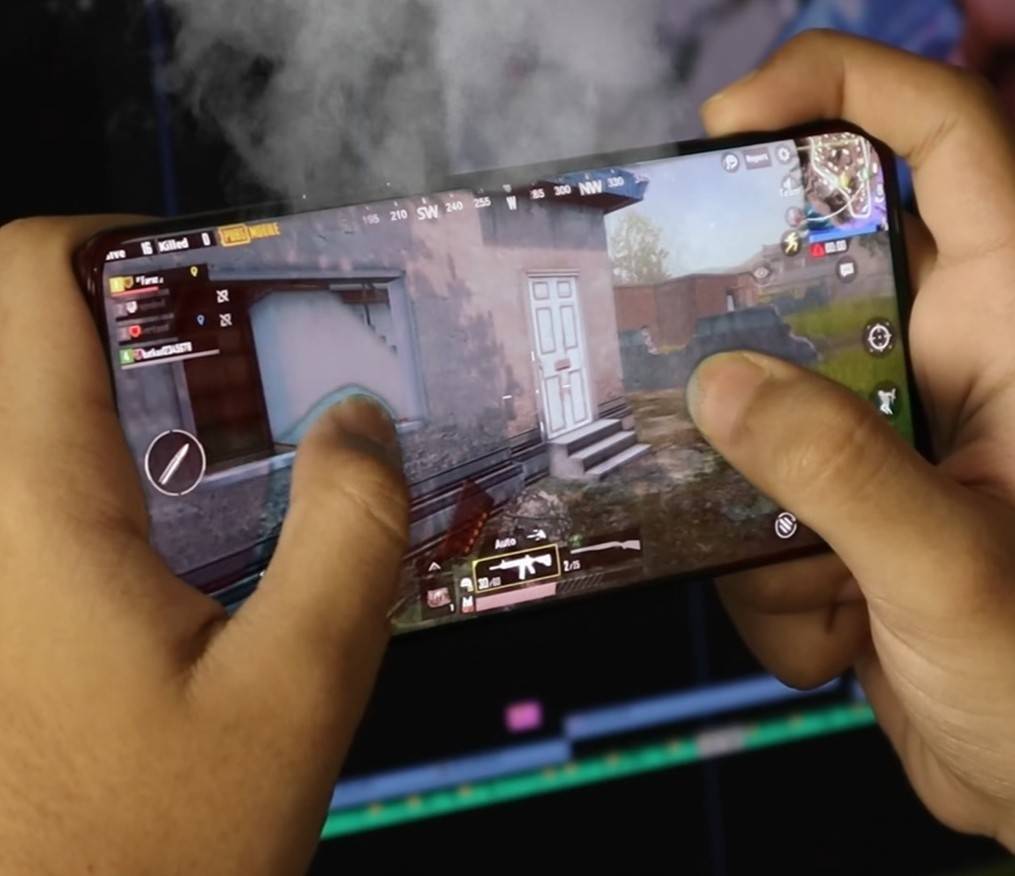
Now, talking specifically about the MediaTek Dimensity 8450-powered OPPO K13 Turbo, not only did the phone excel in our in-house AnTuTu test by delivering the highest score of 16,49,304 (v10) among the sub-Rs 30,000 phones released this year, but it also performed exceptionally well in games.
In our review, we noted that the phone delivered 115FPS on average during an hour of BGMI, while the thermals remained in check, thanks to the in-built cooling fan. Similarly, when playing games like BGMI, CODM, and Real Racing 3 consecutively for 1.5 hours, the average temperature increase was just 2.5 degrees Celsius.



While the camera performance of the K13 Turbo may not be class-leading, it gets the job done for daylight shots. Running on Android 15-based feature-rich ColorOS 15 software, operating the phone is smooth, while the 6.78-inch 1.5K AMOLED display offers vibrant visuals in games, movies, and YouTube videos. Paired with a 7,000mAh battery, you have a portable entertainment powerhouse.
Honourable mentions
Infinix GT 30 Pro (review): Just like the OPPO K13 Turbo, the Infinix GT 30 Pro boasts one feature centred towards gamers: touch-based gaming triggers that can be assigned to perform certain actions in games for better control over the gameplay. However, the Dimensity 8350 Ultimate processor on board may not be as skilful as the Dimensity 8450 on the K13 Turbo in terms of raw performance.
iQOO Neo 10R (review): In our opinion, the smartphone that comes close to the OPPO K13 Turbo’s performance prowess in the Rs 30,000 segment is the iQOO Neo 10R. Running on the Snapdragon 8s Gen 3 chipset, the phone scores 14,76,651 (v10) on AnTuTu and can reliably run high-end titles, except it may not be as thermally efficient as the K13 Turbo.
Best in battery – Vivo T4
Launch price: Rs 21,999
With a huge 7,300mAh silicon-carbon battery on board, the Vivo T4 (review) continues to have the largest-capacity battery on a sub-Rs 30,000 smartphone in India, despite its launch in April 2025. What I personally like about the Vivo T4 is that, despite its enormous battery, the phone’s weight is under 200g and its side profile measures just 7.89mm. Furthermore, the quad-curved AMOLED display allows for comfortable ergonomics.
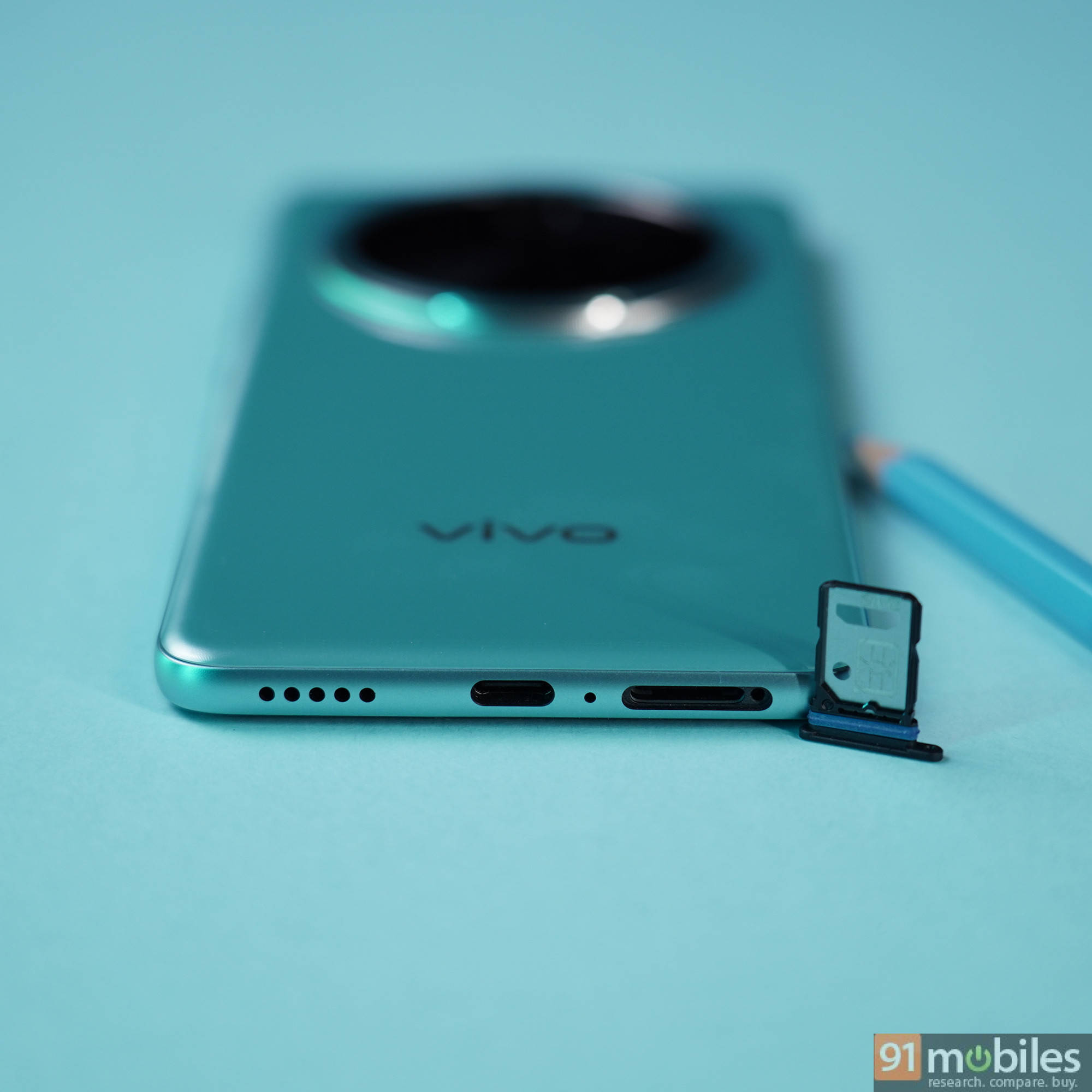
Now here’s where the Vivo T4 excels: after all these months, it’s the only smartphone in the Rs 20,000 to 30,000 range to achieve a total runtime of 18 hours in our dedicated PCMark Battery endurance test. For the uninitiated, this test emulates real-world tasks in a subsequent manner, such as social media scrolling, video watching and editing, browsing, etc., to determine how long the battery lasts till it reaches a certain point, say from 100 to 20 percent in our case. With the bundled 90W charger, the phone generally took 42 minutes to top up from 20 percent, which is again impressive for a phone with a 7,300mAh battery.


With the phone often selling for under Rs 20,000 with offers these days, I feel it’s a worthy purchase for those who prioritise the absolute best battery life without having to carry around the bulk that comes with a large battery. However, as noted in our review, the addition of an ultrawide lens could’ve made the camera setup more versatile.
Honourable mentions
OnePlus Nord CE 5: Along with being a reliable day-to-day performer with its smooth software, dual cameras, including an ultrawide lens, and swift performance, the phone features a respectable-sized 7,100mAh battery. Although the battery is slightly smaller than the Vivo T4 on the Nord CE 5, it offers performance that is a tier above.
Realme P4 Pro (review): This smartphone features a 7,000mAh battery with up to 80W fast charging support, making it a strong option under Rs 25,000 for those seeking a long-lasting smartphone.
Best in cameras – Vivo T4 Pro
Launch price: Rs 27,999
While we saw many camera-centric phones launching under Rs 30,000 this year, the Vivo T4 Pro stood out for me. I compared the camera’s performance with the Nothing Phone (3a) Pro and Realme 15 Pro in my dedicated camera review, and found that the phone’s 50MP 1/2-inch main camera can produce detailed and punchy shots. Even though mild noise artefacts are present in darker areas, the final outputs are social media-ready.



















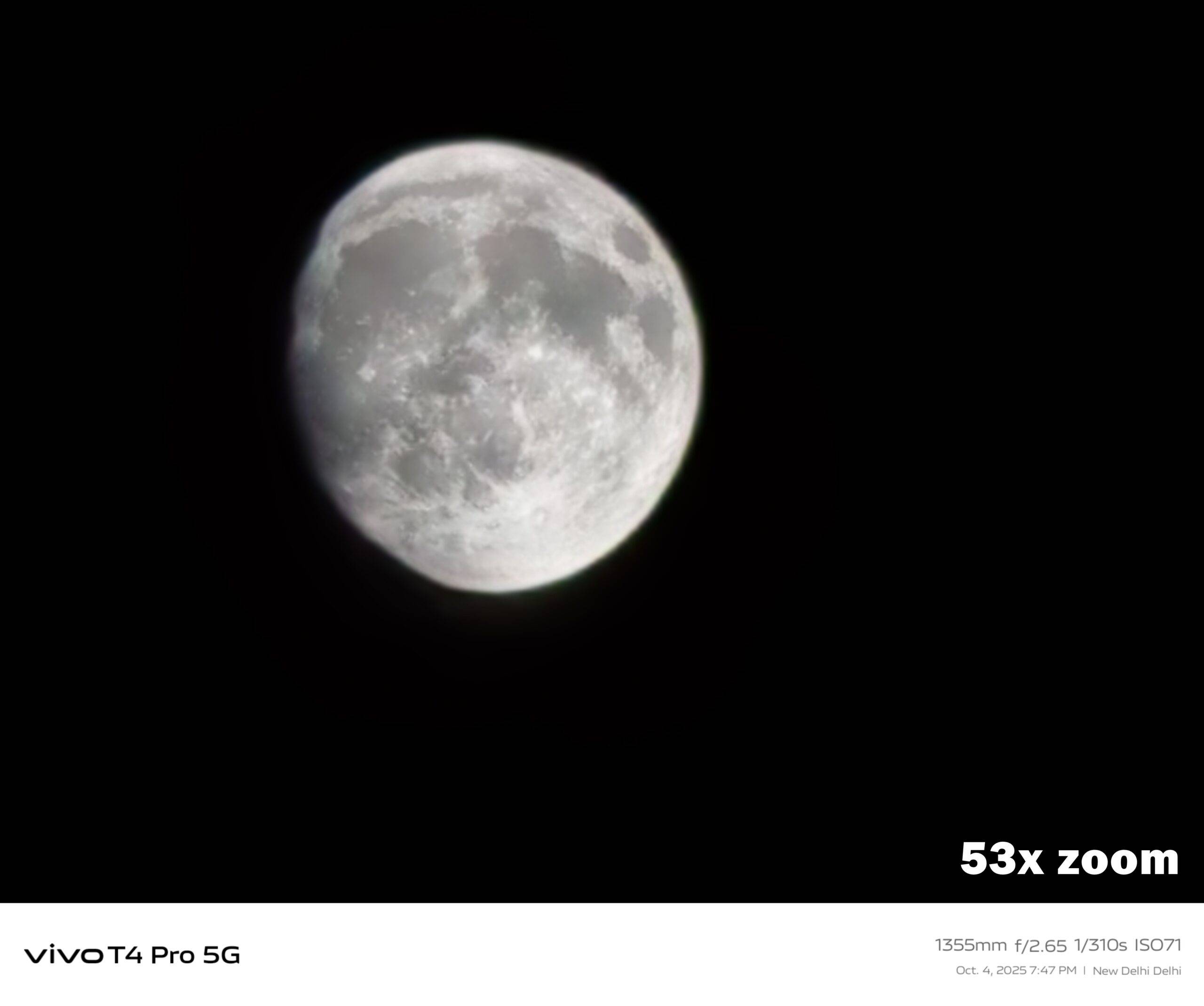
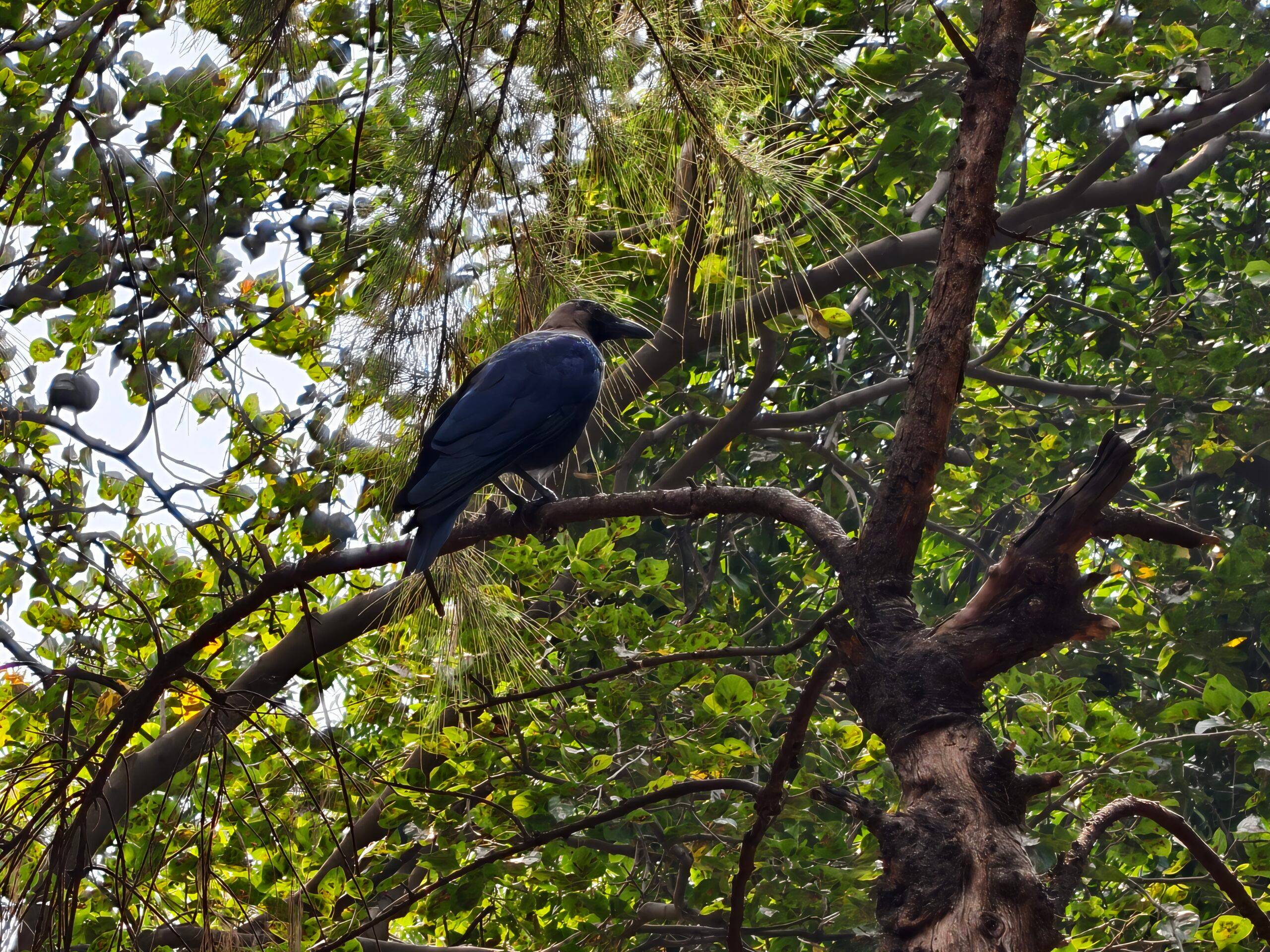

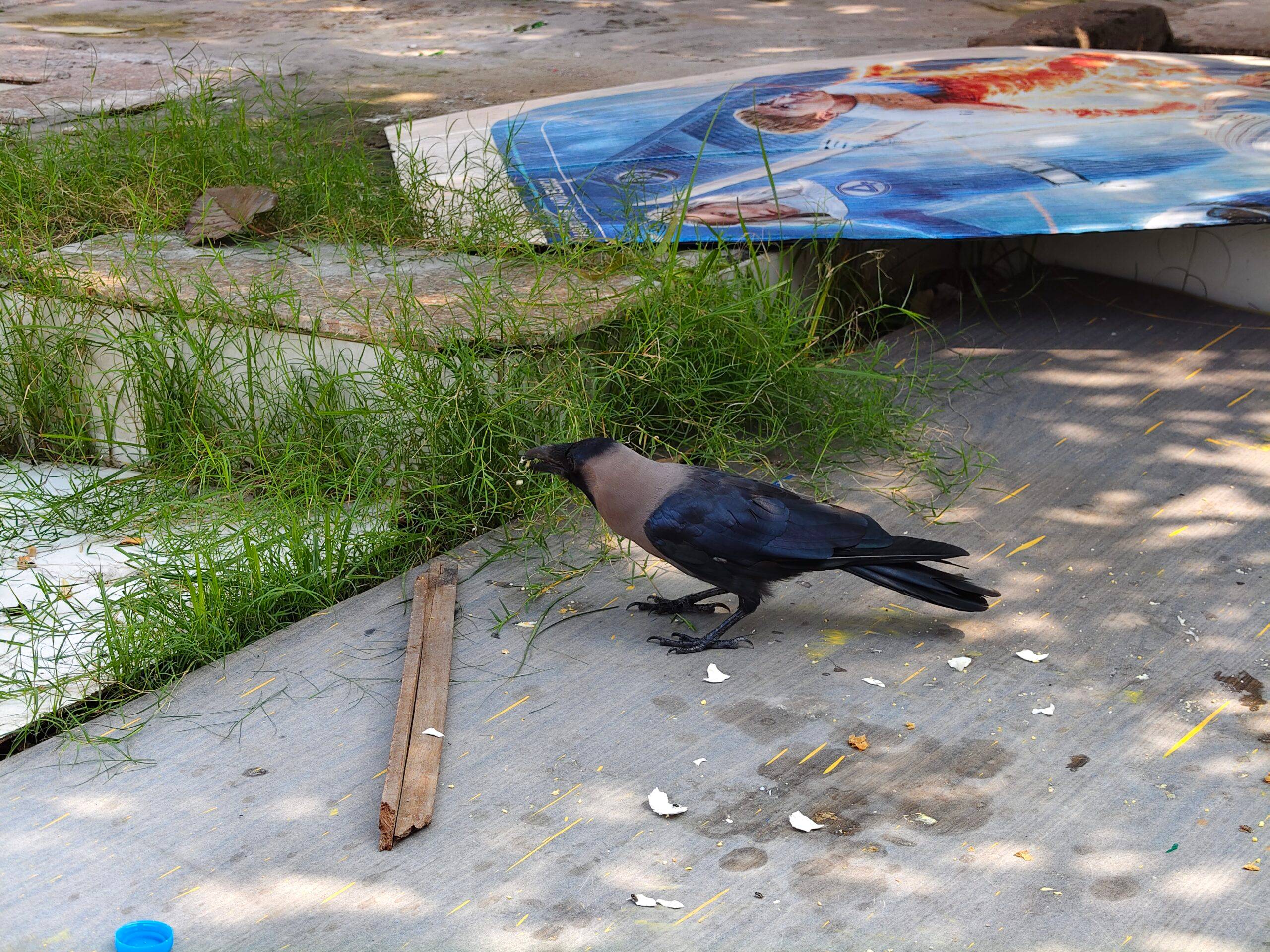



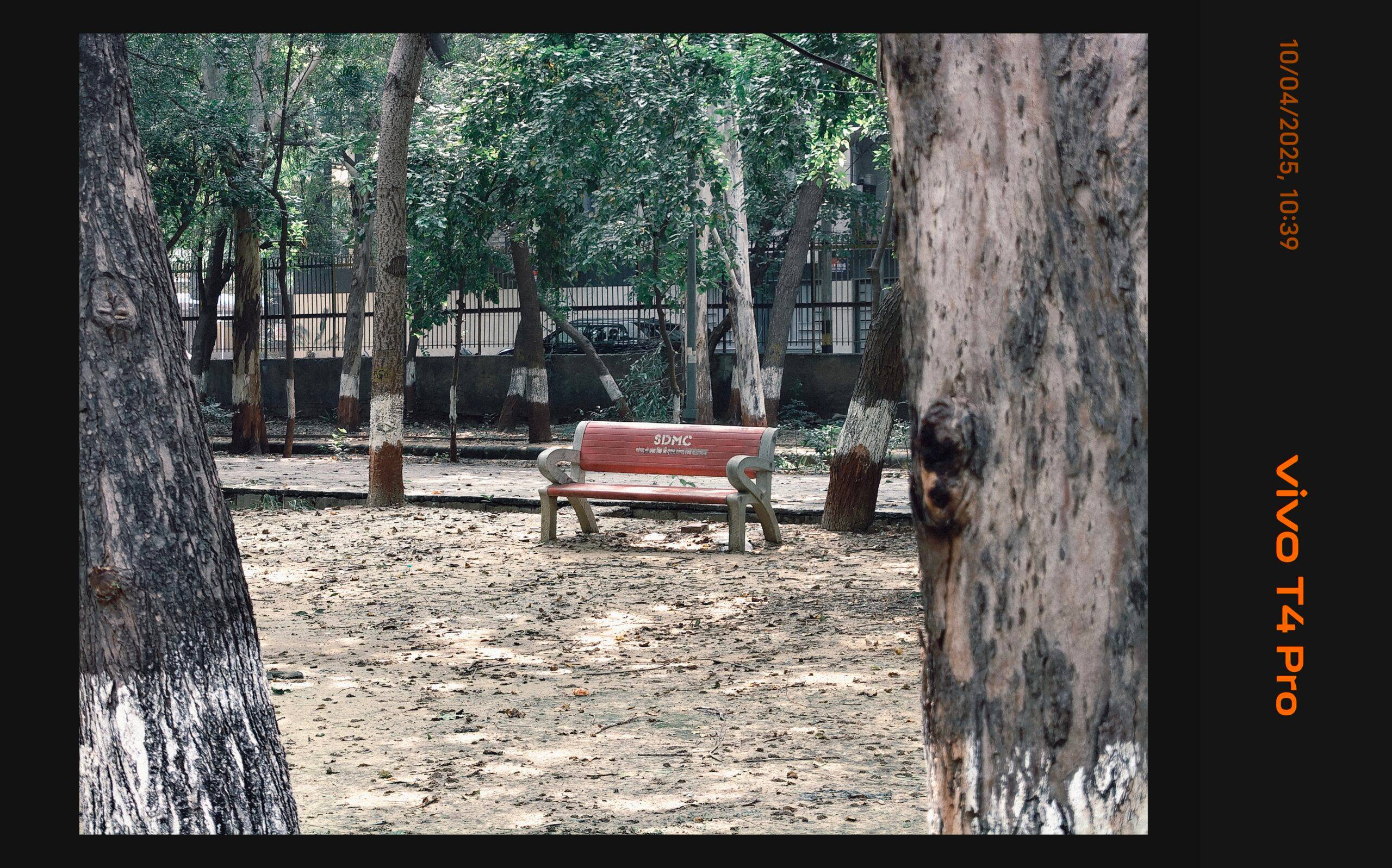


While the Realme 15 Pro’s 50MP 1/1.57-inch main camera can produce better details and tones that lean towards the natural side, the lack of a telephoto lens means you miss out on detailed close-up and portrait shots. This is where T4 Pro edges it out by packing a 50MP 1/2-inch 3x telephoto lens, which AI enhances photos above 10x zoom. Compared to the Phone (3a) Pro’s 50MP periscope, the T4 Pro resulted in crisper and sharper daylight images.
Simply put, the 3x telephoto lens significantly enhances the versatility of the T4 Pro, although it can occasionally overexpose skies and faces in some shots. Our only gripe with the T4 Pro’s telephoto lens is that, due to the long focusing distance, taking macro shots can be challenging. This is one area where the Nothing Phone (3a) Pro has a major advantage, thanks to its minimum focus distance of 15cm.
Honourable mentions
Nothing Phone (3a) Pro (review)
If you’re someone who wants the versatility of a main, periscope, and an ultrawide lens, you can’t go wrong with the Phone (3a) Pro. While the 8MP ultrawide may not output detailed results, it can come in handy to capture wide perspectives in good lighting. As stated above, the 15cm focus distance on its periscope is a major plus for those who’re into macro photography. However, the Snapdragon 7 Gen 4 chipset on the Vivo T4 Pro yields better performance than the Phone (3a) Pro’s Snapdragon 7s Gen 3.
Motorola Edge 60 Pro (review)
The Motorola Edge 60 Pro is one of the finest all-rounders under Rs 30,000, in our opinion. The Dimensity 8350 Extreme chipset running at its core offers more than sufficient performance for everyday use, the 50MP triple rear camera setup comprising a 10MP 3x telephoto allows taking shots at various focal lengths, while the large curve display adds to the premiumness. The downside for me is that the telephoto sensor size is much smaller than that of the T4 Pro and Phone (3a) Pro, which may result in noisier and less-detailed shots.
Best in software experience – Nothing Phone (3a) series
Launch price: Nothing Phone (3a) – Rs 24,999/ Nothing Phone (3a) Pro – Rs 29,999
In a sea of Android skins with overlapping design elements, Nothing OS on the Nothing Phone (3a) and Phone (3a) Pro (review) features a distinct look while incorporating certain unique aspects. For instance, while many skins have started to offer lockscreen widgets with blur effects, Nothing OS has various dot-matrix styled widgets.
Similarly, you can resize the quick settings tiles in various layouts to make the panel accommodate your liking. Speaking of resizing, Nothing OS was among the first skins to bring enlarged homescreen icons. Then there’s the Essential Space, which you can use to save text, images, and screenshots for referencing the information later with the help of AI.
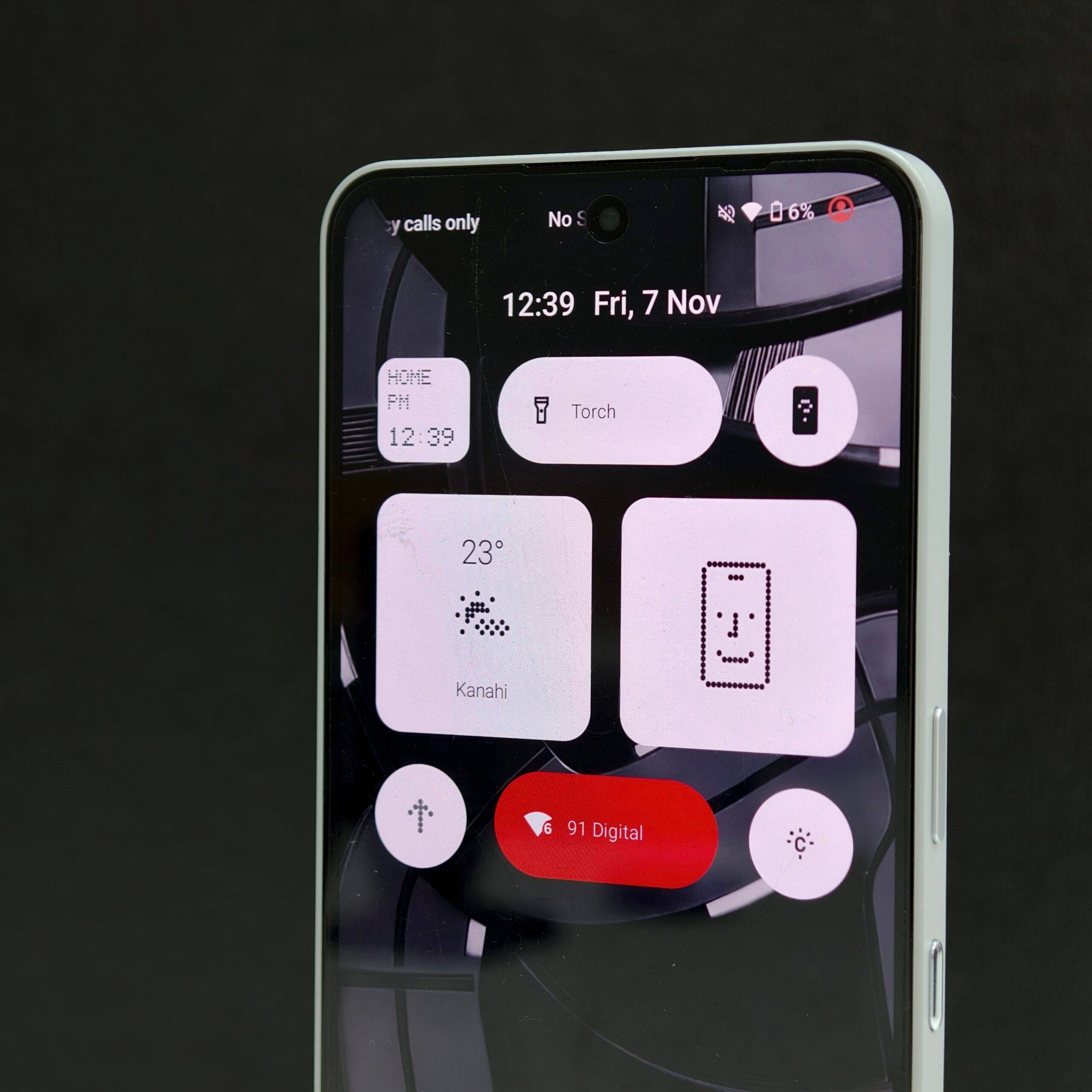
To top it all off, Nothing OS on the Phone (3a) series was the cleanest Android experience you could get on Android, until the ‘Lock Glimpse’ feature was spotted on Nothing OS 4.0 beta build. This is essentially a wallpaper curator for the lockscreen, as seen on various other skins. Thankfully, this feature is disabled by default. Looking at the big picture, Nothing OS, at least on the Phone (3a) series, has comparatively the fewest third-party apps or services, even if ‘Lock Glimpse’ is rolled out in stable version of Nothing OS 4.0.
| Smartphone | Pre-Installed Apps | Software Support |
| Nothing Phone 3a | 27 | 3 Years OS Updates + 6 Years Security Updates |
| OnePlus Nord CE 5 5G | 54 | 4 Year OS Updates + 6 Year Security Updates |
| Motorola Edge 60 Pro | 39 | 3 Years OS Updates + 4 Years Security Updates |
Honourable mention
OnePlus Nord CE 5: Even though the Nord CE 5 bundles more bloatware apps and first-party additions, such as App Picks and Lockscreen Magazine, the day-to-day software smoothness and fluidity greatly add to the experience of using the device.
While these were our top smartphone picks under the sub-Rs 30,000 segment, we expect the brands to drop the next generation of midrangers and semi-premium smartphones in the next few months. Not only will potential buyers have more options to choose from, but the existing smartphones mentioned above could fetch attractive discounts and price cuts. For instance, Lava is set to unveil Agni 4 on November 20th. It’s confirmed to feature a metal frame, the MediaTek Dimensity 8350, a vapour chamber cooling system, and dual rear cameras.
Considering these aspects, it could rival the likes of the OnePlus Nord CE 5 and Infinix GT 30 Pro for those looking for a premium build and a sufficient level of performance for high-end games.