
Nothing Phone 3a Pro
+ Compare


-
Design17

-
Rear Camera15

-
Front Camera4

-
360° View
![360° View]()
-
UI Screenshot17
![UI Screenshot]()
-
Videos4
![Videos]()


Key Specs

Performance
-
Qualcomm Snapdragon 7s Gen 3 -
Octa core (2.5 GHz, Single Core + 2.4 GHz, Tri core + 1.8 GHz, Quad core) -
8 GB / 12 GB RAM, LPDDR4X
Display
-
6.77 inches (17.2 cm); Flexible AMOLED -
1080x2392 px (FHD+) -
120 Hz Refresh Rate -
Bezel-less with punch-hole display
Rear Camera
-
Triple Camera Setup - 50 MP Wide Angle Primary Camera
- 8 MP Ultra-Wide Angle Camera
- 50 MP Periscope (upto 60x Digital Zoom, upto 3x Optical Zoom) Camera
-
LED Flash -
4k @30 fps Video Recording
Front Camera
-
50 MP Wide Angle Lens -
4k @30 fps Video Recording
Battery
-
5000 mAh, Li-ion -
50W Fast Charging; USB Type-C port
General
-
SIM1: Nano, SIM2: Nano -
5G Supported -
128 GB / 256 GB internal storage, Non Expandable -
Dust Resistant, Water Resistant
Nothing Phone 3a Pro Prices in India
 Amazon
Nothing Phone 3a Pro Compare Camera Samples




































Nothing Phone 3a Pro Expert Review Summary
Expert Rating:
![Ashish Kumar]()
Verdict
While its distinctive design may not appeal to everyone, the Nothing Phone (3a) Pro stands out with a bright display, solid performance, clean software, and decent battery life. The Essential Space feature is a promising addition, though it could use refinements, much like the periscope telephoto camera, which falls short of complementing an otherwise impressive camera system.
Pros
- Unique transparent design with Glyph interface
- Powerful chipset for smooth performance
- Improved camera setup
- Clean, bloat-free Android experience
Cons
- No charger in the box
- Charging speeds are not the fastest in its class
- Periscope lens needs improvement
Design and display
+
The Nothing Phone (3a) Pro has seen minor design changes compared to its predecessor. The latest smartphone from the OEM is boxier and wider than ever. Notably, it features a large, chunky circular camera module that contrasts with the rest of the design, almost giving the illusion that it can be detached—but you can't! Although the Phone (2a) Plus was better in this regard, integrating the camera module more seamlessly, it is worth noting that the smartphone lacked a periscope lens, which the Phone (3a) Pro features.The Phone (3a) Pro features a triple-camera system uniquely integrated into its circular module. However, the two rings at the top of the circle might feel visually unbalanced, potentially triggering OCD in some individuals who like things in a certain order. The handset is heavier than its predecessor but doesn't feel hefty while holding the device for prolonged usage. Additionally, the company has introduced new patterns beneath the transparent back panel while keeping the Glyph interface lights unchanged, still positioned alongside the camera module.SmartphoneThicknessWeightIP ratingNothing Phone (3a) Pro8.35mm201 gramsIP64Realme 14 Pro+8mm194 gramsIP69Redmi Note 14 Pro+8.85mm210.8 gramsIP68Nothing Phone (2a) Plus8.5mm190 gramsIP54
Read More
Essential Key
+
The 'Essential Key' provides quick access to Nothing's new app, Essential Space. While its placement on the right spine keeps it within the thumb's reach, it may be inconvenient for users who often mount their phones on a stand for vlogging. A single press captures and sends content to the app, a long press records a voice note, and a double tap instantly takes you to your saved content. Inspired by Google's Pixel Screenshots app, Essential Space allows users to easily find their social media screengrabs or other important images that might otherwise get lost in the Gallery. Beyond screenshots, Essential Space also lets users record voice memos with a long press—either on their own or linked to a screenshot—helping them remember important details or follow up on specific tasks.Nothing is leveraging the power of AI on the Essential Space feature. Currently, in early access for Phone (3a) series users, this AI-powered functionality analyses screenshots and voice memos to generate contextual insights and transcripts, making it easier to retrieve and understand stored files. Moreover, using Essential Key within the camera app sends the image directly to the Essential Space app, where they are scanned and presented with extra context. Users can also attach a voice note as a reminder alongside an image, making it even easier to recall important moments.Think of the Essential Space app as an enhanced version of your Notes apps, with the ability to read images and audio files. The app is mostly user-friendly, presenting all content in an easy-to-navigate card format. However, distinguishing between cards can sometimes feel overwhelming. A highlighted border or clearer visual separation would improve readability and make identification easier. Furthermore, the Essential Space feature has some bugs—for instance, it may continue analysing results indefinitely until the user manually taps on them.
Read More
Camera
+
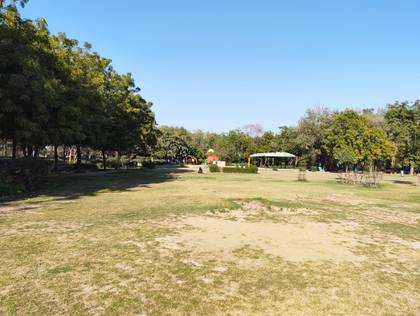
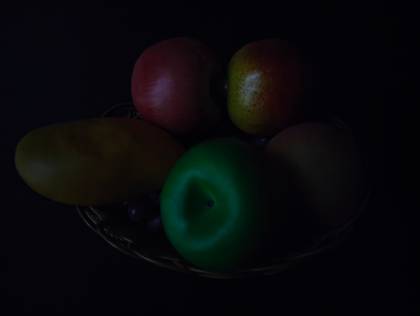
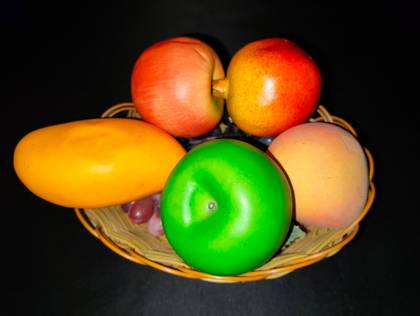
The Nothing Phone (3a) Pro boasts a versatile triple-camera setup, featuring a 50MP primary sensor with OIS, an 8MP ultrawide lens with a 120-degree field of view, and a 50MP periscope-style telephoto lens offering 3x optical zoom. For selfies and video calling, the handset relies on a 50MP snapper in the punch-hole setup. Nothing has introduced five different presents on the smartphone, namely Soft Focus, B&W Film, Wide Angle, Lenticular, and Close Up. Furthermore, there is an option to create and import new presets within the camera app. Both front and rear cameras are capable of recording 4k videos at 30fps.This configuration aligns well with contemporary smartphones in its price range, delivering solid performance across various shooting conditions. The camera system excels in fast autofocus and quick shutter speeds, ensuring a smooth experience for casual users. Images are vibrant, with enhanced colours and decent detail retention. While the primary, ultrawide, and selfie cameras outperform some competitors, the Phone (3a) Pro's periscope camera falls short. It produces images with muted colours, underwhelming detail, and a limited dynamic range. Additionally, its edge detection for portraits could use improvement.Read on to find out how the Nothing Phone (3a) Pro cameras hold up against competitors such as the Redmi Note 14 Pro+ and Realme 14 Pro+, as well as its predecessor, the Nothing Phone (2a) Plus.DaylightThe Nothing Phone (3a) Pro images appear much more dynamic than the Relame 14 Pro+. The latter offers images with soft colours, which offers good exposure to details even around shadowy areas but struggles with capturing those finer details that are visible on the Phone (3a) Pro. Additionally, Nothing's camera system offers a broader and more diverse colour palette, giving its images a richer and more visually striking appeal than its arch-rival.The Redmi Note 14 Pro+ delivers more balanced colours compared to the Realme 14 Pro+, but they still lack true-to-life accuracy. Additionally, its images appear grainier than those captured by the Nothing Phone (3a) Pro, which maintains better noise control and avoids excessive colour saturation. The Nothing smartphone also offers a more accurate representation of elements like the sky and foreground bushes, preserving natural tones and finer details.The Nothing Phone (3a) Pro cameras are a clear upgrade over its predecessor, the Phone (2a) Plus, which tends to boost reds and greens overly. The Phone (3a) Pro not only offers more natural colour reproduction but also delivers superior detail retention and an improved dynamic range.UltrawideThe Nothing Phone (3a) Pro and Realme 14 Pro+'s ultrawide camera colour science is almost the same as their respective primary cameras. However, the image on the right appears relatively sharper, owing to the Realme smartphone's enhanced colours. The Nothing Phone (3a) Pro offers a wider field of view and more contrasty images.The Nothing Phone (3a) Pro also outperforms the Redmi Note 14 Pro+ in ultrawide photography. The Redmi smartphone struggles with detail retention, exhibiting noticeable distortion and inconsistent focus across the frame. Additionally, it falls short in delivering accurate colours, whereas the Nothing Phone (3a) Pro maintains better colour consistency and overall image quality.The Phone (3a) Pro offers some improvements over the Phone (2a) Plus in ultrawide too. The handset doesn't create the same fish-eye effect, which is discernible in its predecessor. Furthermore, the images have relatively less noise and more balanced colours.PortraitThis portrait was captured using the telephoto camera of the Nothing Phone (3a) Pro and Realme 14 Pro+. The Realme smartphone has an edge here, offering superior edge detection, facial detailing, and near-accurate skin tones. The Nothing Phone (3a) Pro could only match its counterpart with bokeh, which appears slightly unnatural on both smartphones.The Redmi smartphone also undercuts the Nothing Phone (3a) Pro with its telephoto lens. Unlike the Realme offering, the Redmi smartphone outputs contrasty images, boosting the blacks, which may appeal to social media users. That said, the edge detection and bokeh effect appear superior to both Nothing and Realme smartphones.Since the Phone (2a) Plus lacks a telephoto lens, the above shots were taken at 1x zoom. The Phone (3a) Pro, while offering better edge detection and superior facial detailing, tends to introduce a yellowish tint, causing a slight deviation from natural skin tones and colours. Nonetheless, its overall subject rendering appears more refined and lifelike than the (2) Plus.SelfieThe Nothing Phone (3a) Pro's selfie camera accurately identifies skin tones and captures finer facial details than the Realme 14 Pro+. Its enhanced processing ensures more natural-looking selfies with improved texture and clarity, making it a better choice for those who prioritise realistic and detailed self-portraits.The Redmi Note 14 Pro+ and Nothing Phone (3a) Pro deliver similar selfie performance but with key differences. The Nothing Phone (3a) Pro stands out with superior facial detailing and more accurate skin tones, while the Redmi Note 14 Pro+ excels in maintaining good exposure for background elements. However, the Redmi smartphone struggles with facial details, which appear somewhat washed out, and its skin tone processing adds a noticeable yellowish tint.The Nothing Phone (2a) Plus captures selfies with warmer tones, while the Phone (3a) Pro leans towards cooler tones, resulting in more accurate skin tones and enhanced facial detailing.Lowlight (night mode)The Nothing Phone (3a) Pro offers an option to disable Night Mode in low light, but the images look nearly identical to those captured with Night Mode enabled. So, we decided to compare Night Mode images from all four smartphones.Against the Realme 14 Pro+, the Nothing Phone (3a) Pro does better controlling the light flare and matching the colour accuracy. While it effectively reduces noise, the phone also applies noticeable scene smoothing, which enhances the overall look of the image but compromises some details.In dimly lit environments, the Redmi Note 14 Pro+ preserves more shadows than the Nothing Phone (3a) Pro and handles light flare slightly better. However, the Nothing Phone (3a) Pro provides a more accurate representation of the scene, delivering closer-to-real-life colours and better highlight details, even in areas with minimal light exposure.The Nothing Phone (3a) Pro outperforms the Phone (2a) Plus in low-light conditions, offering superior shadow retention, better detail preservation, and a more accurate representation of colours.
Read More
Performance and software
+
Under the hood, the Nothing Phone (3a) Pro sports Snapdragon 7s Gen 3 SoC paired with up to 12GB of RAM and 256GB of non-expandable storage. This is the same chipset found in the Redmi Note 14 Pro+ and Realme 14 Pro+, ensuring performance that is on par with its competitors in both synthetic benchmarks and real-world usage. During testing, the phone handled multitasking seamlessly, with no noticeable lag or slowdowns. Animations for app transitions, multitasking, and navigation remain fluid and responsive, too, contributing to a smooth overall experience. For regular users, the Phone (3a) Pro is likely to deliver consistent performance for prolonged usage, per the CPU throttle test. The phone is also designed for smoother gaming, thanks to features like Snapdragon Elite Gaming optimisations. We tested the device with our usual gaming suite, including BGMI, Call of Duty, and Real Racing 3. The Phone (3a) Pro delivered comparable frame rates to the Realme 14 Pro+ and Redmi Note 14+ at moderate graphics settings. However, its thermal efficiency lags behind its competitors. After 30 minutes of gameplay per title, the device heated up by an average of 7 degrees Celsius, which is noticeably higher than both the Realme and Redmi alternatives.Talking about the software, the Nothing Phone (3a) Pro boots the latest Android 15-based Nothing OS 3.1 out of the box. The Nothing OS 3.1 continues to be one of the cleanest Android custom skins out there, with just 27 apps pre-installed. The overall experience remains unchanged from the previous iteration. You will still be required to download the Nothing Icon Pack separately via the Google Play Store to match all apps and the monochromatic theme of the UI. Moreover, the Glyph Interface retains its existing functionality but now expands compatibility to Calendar, alongside Zomato and Uber apps. These apps utilise the Glyph Progress feature to provide real-time updates on your forthcoming meetings, food deliveries, and cab arrivals, potentially reducing the need to constantly check your screen.Nothing claims to have implemented behind-the-scenes optimisations to further refine the user experience. New sound effects and widgets have also been added, along with improvements to Nothing's Gallery and Camera apps. The Gallery app doesn't introduce any major new features at the moment, aside from the integration of the Essential Space feature. It would have been great to see AI-powered tools like an object eraser or an image generator, which could have made the app more engaging and competitive with other smartphone brands.SmartphonePre-installed appsOS updatesNothing Phone (3a) Pro273 years major + 6 years securityRealme 14 Pro+632 years major + 3 years securityRedmi Note 14 Pro+663 years major + 4 years securityNothing Phone (2a) Plus263 years major + 4 years security
Read More
Battery and charging
+
Instead of a silicon-carbon battery, the Nothing Phone (3a) Pro sticks with a standard 5,000mAh lithium-ion cell—the same capacity as last year. This feels underwhelming compared to competitors now offering 5,500mAh or larger batteries. In terms of efficiency, it performs similarly to its predecessor. However, the Phone (3a) Pro outshines the Redmi Note 14 Pro+—which boasts a larger 6,200mAh battery—in the PCMark battery test. That said, it falls short of the Realme 14 Pro+ in both synthetic benchmarks and real-world usage. The Nothing Phone (3a) Pro consumed 4 percent and 20 percent battery life in our YouTube video and gaming tests, respectively. Conversely, the Realme 14 Pro+'s battery dropped by 3 percent and 19 percent in similar tests. Be that as it may, the Nothing phone's optimisation appears superior to most smartphones with larger battery capacities. The handset comfortably lasted an entire day of regular usage, involving browsing, video streaming, social media scrolling, and some casual gaming, between charges.SmartphoneBattery and charging speedCharging time (20-100 percent)Nothing Phone (3a) Pro5,000mAh (50W)51 minutesRealme 14 Pro+6,000mAh (80W)45 minutesRedmi Note 14 Pro+6,200mAh (90W)53 minutesNothing Phone (2a) Plus5,000mAh (45W)51 minutes
Read More
Read full Review

Verdict
While its distinctive design may not appeal to everyone, the Nothing Phone (3a) Pro stands out with a bright display, solid performance, clean software, and decent battery life. The Essential Space feature is a promising addition, though it could use refinements, much like the periscope telephoto camera, which falls short of complementing an otherwise impressive camera system.
- Unique transparent design with Glyph interface
- Powerful chipset for smooth performance
- Improved camera setup
- Clean, bloat-free Android experience
Pros
- No charger in the box
- Charging speeds are not the fastest in its class
- Periscope lens needs improvement
Cons
Design and display
+The Nothing Phone (3a) Pro has seen minor design changes compared to its predecessor. The latest smartphone from the OEM is boxier and wider than ever. Notably, it features a large, chunky circular camera module that contrasts with the rest of the design, almost giving the illusion that it can be detached—but you can't! Although the Phone (2a) Plus was better in this regard, integrating the camera module more seamlessly, it is worth noting that the smartphone lacked a periscope lens, which the Phone (3a) Pro features.The Phone (3a) Pro features a triple-camera system uniquely integrated into its circular module. However, the two rings at the top of the circle might feel visually unbalanced, potentially triggering OCD in some individuals who like things in a certain order. The handset is heavier than its predecessor but doesn't feel hefty while holding the device for prolonged usage. Additionally, the company has introduced new patterns beneath the transparent back panel while keeping the Glyph interface lights unchanged, still positioned alongside the camera module.SmartphoneThicknessWeightIP ratingNothing Phone (3a) Pro8.35mm201 gramsIP64Realme 14 Pro+8mm194 gramsIP69Redmi Note 14 Pro+8.85mm210.8 gramsIP68Nothing Phone (2a) Plus8.5mm190 gramsIP54
Read MoreEssential Key
+The 'Essential Key' provides quick access to Nothing's new app, Essential Space. While its placement on the right spine keeps it within the thumb's reach, it may be inconvenient for users who often mount their phones on a stand for vlogging. A single press captures and sends content to the app, a long press records a voice note, and a double tap instantly takes you to your saved content. Inspired by Google's Pixel Screenshots app, Essential Space allows users to easily find their social media screengrabs or other important images that might otherwise get lost in the Gallery. Beyond screenshots, Essential Space also lets users record voice memos with a long press—either on their own or linked to a screenshot—helping them remember important details or follow up on specific tasks.Nothing is leveraging the power of AI on the Essential Space feature. Currently, in early access for Phone (3a) series users, this AI-powered functionality analyses screenshots and voice memos to generate contextual insights and transcripts, making it easier to retrieve and understand stored files. Moreover, using Essential Key within the camera app sends the image directly to the Essential Space app, where they are scanned and presented with extra context. Users can also attach a voice note as a reminder alongside an image, making it even easier to recall important moments.Think of the Essential Space app as an enhanced version of your Notes apps, with the ability to read images and audio files. The app is mostly user-friendly, presenting all content in an easy-to-navigate card format. However, distinguishing between cards can sometimes feel overwhelming. A highlighted border or clearer visual separation would improve readability and make identification easier. Furthermore, the Essential Space feature has some bugs—for instance, it may continue analysing results indefinitely until the user manually taps on them.
Read MoreCamera
+The Nothing Phone (3a) Pro boasts a versatile triple-camera setup, featuring a 50MP primary sensor with OIS, an 8MP ultrawide lens with a 120-degree field of view, and a 50MP periscope-style telephoto lens offering 3x optical zoom. For selfies and video calling, the handset relies on a 50MP snapper in the punch-hole setup. Nothing has introduced five different presents on the smartphone, namely Soft Focus, B&W Film, Wide Angle, Lenticular, and Close Up. Furthermore, there is an option to create and import new presets within the camera app. Both front and rear cameras are capable of recording 4k videos at 30fps.This configuration aligns well with contemporary smartphones in its price range, delivering solid performance across various shooting conditions. The camera system excels in fast autofocus and quick shutter speeds, ensuring a smooth experience for casual users. Images are vibrant, with enhanced colours and decent detail retention. While the primary, ultrawide, and selfie cameras outperform some competitors, the Phone (3a) Pro's periscope camera falls short. It produces images with muted colours, underwhelming detail, and a limited dynamic range. Additionally, its edge detection for portraits could use improvement.Read on to find out how the Nothing Phone (3a) Pro cameras hold up against competitors such as the Redmi Note 14 Pro+ and Realme 14 Pro+, as well as its predecessor, the Nothing Phone (2a) Plus.DaylightThe Nothing Phone (3a) Pro images appear much more dynamic than the Relame 14 Pro+. The latter offers images with soft colours, which offers good exposure to details even around shadowy areas but struggles with capturing those finer details that are visible on the Phone (3a) Pro. Additionally, Nothing's camera system offers a broader and more diverse colour palette, giving its images a richer and more visually striking appeal than its arch-rival.The Redmi Note 14 Pro+ delivers more balanced colours compared to the Realme 14 Pro+, but they still lack true-to-life accuracy. Additionally, its images appear grainier than those captured by the Nothing Phone (3a) Pro, which maintains better noise control and avoids excessive colour saturation. The Nothing smartphone also offers a more accurate representation of elements like the sky and foreground bushes, preserving natural tones and finer details.The Nothing Phone (3a) Pro cameras are a clear upgrade over its predecessor, the Phone (2a) Plus, which tends to boost reds and greens overly. The Phone (3a) Pro not only offers more natural colour reproduction but also delivers superior detail retention and an improved dynamic range.UltrawideThe Nothing Phone (3a) Pro and Realme 14 Pro+'s ultrawide camera colour science is almost the same as their respective primary cameras. However, the image on the right appears relatively sharper, owing to the Realme smartphone's enhanced colours. The Nothing Phone (3a) Pro offers a wider field of view and more contrasty images.The Nothing Phone (3a) Pro also outperforms the Redmi Note 14 Pro+ in ultrawide photography. The Redmi smartphone struggles with detail retention, exhibiting noticeable distortion and inconsistent focus across the frame. Additionally, it falls short in delivering accurate colours, whereas the Nothing Phone (3a) Pro maintains better colour consistency and overall image quality.The Phone (3a) Pro offers some improvements over the Phone (2a) Plus in ultrawide too. The handset doesn't create the same fish-eye effect, which is discernible in its predecessor. Furthermore, the images have relatively less noise and more balanced colours.PortraitThis portrait was captured using the telephoto camera of the Nothing Phone (3a) Pro and Realme 14 Pro+. The Realme smartphone has an edge here, offering superior edge detection, facial detailing, and near-accurate skin tones. The Nothing Phone (3a) Pro could only match its counterpart with bokeh, which appears slightly unnatural on both smartphones.The Redmi smartphone also undercuts the Nothing Phone (3a) Pro with its telephoto lens. Unlike the Realme offering, the Redmi smartphone outputs contrasty images, boosting the blacks, which may appeal to social media users. That said, the edge detection and bokeh effect appear superior to both Nothing and Realme smartphones.Since the Phone (2a) Plus lacks a telephoto lens, the above shots were taken at 1x zoom. The Phone (3a) Pro, while offering better edge detection and superior facial detailing, tends to introduce a yellowish tint, causing a slight deviation from natural skin tones and colours. Nonetheless, its overall subject rendering appears more refined and lifelike than the (2) Plus.SelfieThe Nothing Phone (3a) Pro's selfie camera accurately identifies skin tones and captures finer facial details than the Realme 14 Pro+. Its enhanced processing ensures more natural-looking selfies with improved texture and clarity, making it a better choice for those who prioritise realistic and detailed self-portraits.The Redmi Note 14 Pro+ and Nothing Phone (3a) Pro deliver similar selfie performance but with key differences. The Nothing Phone (3a) Pro stands out with superior facial detailing and more accurate skin tones, while the Redmi Note 14 Pro+ excels in maintaining good exposure for background elements. However, the Redmi smartphone struggles with facial details, which appear somewhat washed out, and its skin tone processing adds a noticeable yellowish tint.The Nothing Phone (2a) Plus captures selfies with warmer tones, while the Phone (3a) Pro leans towards cooler tones, resulting in more accurate skin tones and enhanced facial detailing.Lowlight (night mode)The Nothing Phone (3a) Pro offers an option to disable Night Mode in low light, but the images look nearly identical to those captured with Night Mode enabled. So, we decided to compare Night Mode images from all four smartphones.Against the Realme 14 Pro+, the Nothing Phone (3a) Pro does better controlling the light flare and matching the colour accuracy. While it effectively reduces noise, the phone also applies noticeable scene smoothing, which enhances the overall look of the image but compromises some details.In dimly lit environments, the Redmi Note 14 Pro+ preserves more shadows than the Nothing Phone (3a) Pro and handles light flare slightly better. However, the Nothing Phone (3a) Pro provides a more accurate representation of the scene, delivering closer-to-real-life colours and better highlight details, even in areas with minimal light exposure.The Nothing Phone (3a) Pro outperforms the Phone (2a) Plus in low-light conditions, offering superior shadow retention, better detail preservation, and a more accurate representation of colours.
Read MorePerformance and software
+Under the hood, the Nothing Phone (3a) Pro sports Snapdragon 7s Gen 3 SoC paired with up to 12GB of RAM and 256GB of non-expandable storage. This is the same chipset found in the Redmi Note 14 Pro+ and Realme 14 Pro+, ensuring performance that is on par with its competitors in both synthetic benchmarks and real-world usage. During testing, the phone handled multitasking seamlessly, with no noticeable lag or slowdowns. Animations for app transitions, multitasking, and navigation remain fluid and responsive, too, contributing to a smooth overall experience. For regular users, the Phone (3a) Pro is likely to deliver consistent performance for prolonged usage, per the CPU throttle test. The phone is also designed for smoother gaming, thanks to features like Snapdragon Elite Gaming optimisations. We tested the device with our usual gaming suite, including BGMI, Call of Duty, and Real Racing 3. The Phone (3a) Pro delivered comparable frame rates to the Realme 14 Pro+ and Redmi Note 14+ at moderate graphics settings. However, its thermal efficiency lags behind its competitors. After 30 minutes of gameplay per title, the device heated up by an average of 7 degrees Celsius, which is noticeably higher than both the Realme and Redmi alternatives.Talking about the software, the Nothing Phone (3a) Pro boots the latest Android 15-based Nothing OS 3.1 out of the box. The Nothing OS 3.1 continues to be one of the cleanest Android custom skins out there, with just 27 apps pre-installed. The overall experience remains unchanged from the previous iteration. You will still be required to download the Nothing Icon Pack separately via the Google Play Store to match all apps and the monochromatic theme of the UI. Moreover, the Glyph Interface retains its existing functionality but now expands compatibility to Calendar, alongside Zomato and Uber apps. These apps utilise the Glyph Progress feature to provide real-time updates on your forthcoming meetings, food deliveries, and cab arrivals, potentially reducing the need to constantly check your screen.Nothing claims to have implemented behind-the-scenes optimisations to further refine the user experience. New sound effects and widgets have also been added, along with improvements to Nothing's Gallery and Camera apps. The Gallery app doesn't introduce any major new features at the moment, aside from the integration of the Essential Space feature. It would have been great to see AI-powered tools like an object eraser or an image generator, which could have made the app more engaging and competitive with other smartphone brands.SmartphonePre-installed appsOS updatesNothing Phone (3a) Pro273 years major + 6 years securityRealme 14 Pro+632 years major + 3 years securityRedmi Note 14 Pro+663 years major + 4 years securityNothing Phone (2a) Plus263 years major + 4 years security
Read MoreBattery and charging
+Instead of a silicon-carbon battery, the Nothing Phone (3a) Pro sticks with a standard 5,000mAh lithium-ion cell—the same capacity as last year. This feels underwhelming compared to competitors now offering 5,500mAh or larger batteries. In terms of efficiency, it performs similarly to its predecessor. However, the Phone (3a) Pro outshines the Redmi Note 14 Pro+—which boasts a larger 6,200mAh battery—in the PCMark battery test. That said, it falls short of the Realme 14 Pro+ in both synthetic benchmarks and real-world usage. The Nothing Phone (3a) Pro consumed 4 percent and 20 percent battery life in our YouTube video and gaming tests, respectively. Conversely, the Realme 14 Pro+'s battery dropped by 3 percent and 19 percent in similar tests. Be that as it may, the Nothing phone's optimisation appears superior to most smartphones with larger battery capacities. The handset comfortably lasted an entire day of regular usage, involving browsing, video streaming, social media scrolling, and some casual gaming, between charges.SmartphoneBattery and charging speedCharging time (20-100 percent)Nothing Phone (3a) Pro5,000mAh (50W)51 minutesRealme 14 Pro+6,000mAh (80W)45 minutesRedmi Note 14 Pro+6,200mAh (90W)53 minutesNothing Phone (2a) Plus5,000mAh (45W)51 minutes
Read MoreCompetitors For Nothing Phone 3a Pro
View Alternatives






Popular Comparisons
 Nothing Phone 3a Pro
 Nothing Phone 3a
 Pro
 Motorola Edge 70 Fusion
Nothing Phone 3a Pro
 Nothing Phone 4a Pro
Nothing Phone 3a Pro
 Motorola Edge 60 Pro
Nothing Phone 3a Pro
 Nothing Phone 4b
Nothing Phone 3a Pro
 vivo T4 Pro


Nothing Phone 3a Pro Specifications
General |
|
|---|---|
| Launch Date | March 11, 2025 (Official) |
| Operating System | Android v15 |
| OS Updates | 3 Years |
| Security Updates | 6 Years |
| Custom UI | Nothing OS |
Performance
(Very Good)
|
||||||
|---|---|---|---|---|---|---|
| Chipset | Qualcomm Snapdragon 7s Gen 3 View Details | |||||
| Processor | Octa core (2.5 GHz, Single core, Cortex A720 + 2.4 GHz, Tri core, Cortex A720 + 1.8 GHz, Quad core, Cortex A520) | |||||
| Architecture | 64 bit | |||||
| Fabrication | 4 nm | |||||
| Graphics (GPU) | Adreno 710 | |||||
| RAM | 8 GB / 12 GB | |||||
| RAM Type | LPDDR4X | |||||
| Cooling Technology | Vapor Chamber | |||||
|
Gaming Test Results

* after 30 mins of gaming
|
||||||
Benchmark Screenshots

AnTuTu Benchmark

Graphics Benchmark

Geekbench6 Benchmark
|


Display
(Excellent)
|
|
|---|---|
| Display Type | Flexible AMOLED |
| Screen Size | 6.77 inches (17.2 cm) |
| Resolution | 1080x2392 px (FHD+) |
| Peak Brightness | 3000 nits |
| HBM Brightness | 1300 nits |
| PWM Dimming | 2160 Hz |
| Refresh Rate | 120 Hz |
| Pixel Density | 388 ppi |
| Screen to Body Ratio (calculated) | 87.32 % |
| Screen Protection | Yes |
| Bezel-less Display | Yes with punch-hole display |
| HDR 10 / HDR+ Support | Yes, HDR 10+ |
| Screen to Body Ratio (claimed by the brand) | 91.4 % |
UI Screenshots

Lock Screen

Home Screen

Screen With Widgets

Dialer Screen

App Drawer

Notification Panel

Quick Settings Panel

Settings Screen

OS Version

Storage

Battery

Camera On

Camera Options

Camera Modes

Camera Settings

Picture Size Options

Video Size Options
|
Design |
|
|---|---|
| Height | 163.52 mm |
| Width | 77.50 mm |
| Thickness | 8.39 mm |
| Weight | 211 grams |
| Water Resistance | Yes, Splash proof, IP64 |
| Ruggedness | Dust proof |
|
Click to View

|
Rear Camera
(Very Good)
|
||||||||||||||||||||||||||||||||||||
|---|---|---|---|---|---|---|---|---|---|---|---|---|---|---|---|---|---|---|---|---|---|---|---|---|---|---|---|---|---|---|---|---|---|---|---|---|
| Resolution | ||||||||||||||||||||||||||||||||||||
|
||||||||||||||||||||||||||||||||||||
| Autofocus | Yes, Dual Pixel Phase Detection Autofocus | |||||||||||||||||||||||||||||||||||
| OIS | Yes | |||||||||||||||||||||||||||||||||||
| Flash | Yes, LED Flash | |||||||||||||||||||||||||||||||||||
| Image Resolution | 8150 x 6150 Pixels | |||||||||||||||||||||||||||||||||||
| Settings | Exposure compensation, ISO control | |||||||||||||||||||||||||||||||||||
| Shooting Modes |
Continuous Shooting High Dynamic Range mode (HDR) Macro Mode |
|||||||||||||||||||||||||||||||||||
| Camera Features |
Digital Zoom Auto Flash Face detection Touch to focus |
|||||||||||||||||||||||||||||||||||
| Video Recording |
4k @30 fps Full HD @120 fps |
|||||||||||||||||||||||||||||||||||
Rear Camera Samples

Daylight / HDR Auto

Wide Angle

Max Zoom Supported 60x

Long Shot 10X

Long Shot 5X

Long Shot 3X

Long Shot 1X

High Res

Portrait Shot

Night Mode OFF

Night Mode ON

Close Up

Low Light

Low Light With Flash

Colour Variance
|
Front Camera
(Excellent)
|
||||||||||||||
|---|---|---|---|---|---|---|---|---|---|---|---|---|---|---|
| Resolution | ||||||||||||||
|
||||||||||||||
| Video Recording |
4k @30 fps Full HD @60 fps |
|||||||||||||
Front Camera Samples

Selfie

Selfie Portrait

Selfie Low Light

Selfie Low Light With Flash
|
Battery
(Very Good)
|
||||
|---|---|---|---|---|
| Capacity | 5000 mAh | |||
| Battery Type | Li-ion | |||
| Quick Charging | Yes, 50W Fast Charging, 50% in 19 minutes | |||
| Reverse Charging | Yes, 7.5W Reverse Charging | |||
|
Battery Test Results
|
Storage |
|
|---|---|
| Internal Storage | 128 GB / 256 GB |
| Storage Type | UFS 2.2 |
| Expandable Storage | No |
Network & Connectivity |
|
|---|---|
| SIM Slot(s) | Dual SIM |
| SIM Type | SIM1: Nano, SIM2: Nano |
| Network Support | 5G, 4G |
| VoLTE | Yes |
| SIM 1 |
5G bands, 4G bands
Expand
|
| SIM 2 |
5G bands, 4G bands
Expand
|
| SAR Value | Head: 1.19 W/kg, Body: 1.13 W/kg |
| Wi-Fi | Yes, Wi-Fi 6 (802.11 a/b/g/n/ac/ax) 5GHz, MIMO |
| Wi-Fi Features | Wi-Fi Direct, Mobile Hotspot |
| Bluetooth | Yes, v5.4 |
| GPS | Yes with A-GPS, Glonass |
| NFC | Yes |
Multimedia |
|
|---|---|
| Stereo Speakers | Yes |
| Audio Jack | USB Type-C |
Sensors |
|
|---|---|
| Fingerprint Sensor | Yes |
| Fingerprint Sensor Position | On-screen |
| Fingerprint Sensor Type | Optical |
| Other Sensors | Light sensor, Proximity sensor, Accelerometer, Compass, Gyroscope |
Nothing Phone 3a Pro User Reviews
Nothing Phone 3a Pro Key Highlights
| Processor | Qualcomm Snapdragon 7s Gen 3 |
| RAM & Storage | 8 GB RAM + 128 GB 8 GB RAM + 256 GB 12 GB RAM + 256 GB |
| Display | 6.77", 1080 x 2392 Resolution |
| Rear Camera | 50 MP + 8 MP + 50 MP |
| Front Camera | 50 MP |
| Battery | 5000 mAh |





Nothing Phone 3a Pro Price In India
| Product Name | Store | Price |
|---|---|---|
| Nothing Phone 3a Pro (8 GB + 128 GB) | Amazon | ₹27,999 |
| Nothing Phone 3a Pro (12 GB + 256 GB) | Amazon | ₹34,999 |
Popular Links
- All Upcoming Phones
- vivo V80 5G
- OPPO F35 Pro
- MIVI One 5G
- vivo S2 FE 5G
- Xiaomi Redmi Note 17 Pro Max 5G
- Samsung Mobiles
- Motorola Mobiles
- vivo Mobiles
- OPPO Mobiles
- Tecno Mobiles
- realme Mobiles
- Xiaomi Mobiles