After releasing phones under the Rs 25,000 and above Rs 35,000 range, Vivo added the newest member to its T4 lineup in the form of the Vivo T4 Pro a couple of months back. Although the T series is positioned as an online-centric performance series, the Vivo T4 Pro also offers something for photography enthusiasts at a starting price of Rs 27,999. It not only gets Qualcomm’s latest mid-range chipset, the Snapdragon 7 Gen 4, but also a 50MP 1/1.95-inch telephoto lens with 3x optical zoom, alongside the primary camera with the same sensor size.
In our detailed review of the Vivo T4 Pro, we noted that the smartphone’s 3x telephoto lens produces detailed and clear outputs without oversharpening at native zoom levels, while the 50MP main camera captures pleasing colours with good dynamic range. However, to keep the scene bright, it sometimes compromises the natural detail. While this was the consensus of the review, in this article, we took a deeper look into the cameras by capturing various scenarios and subjects to test the photography prowess of the Vivo T4 Pro.
Table of Contents
50MP main camera: good detail with slight noise
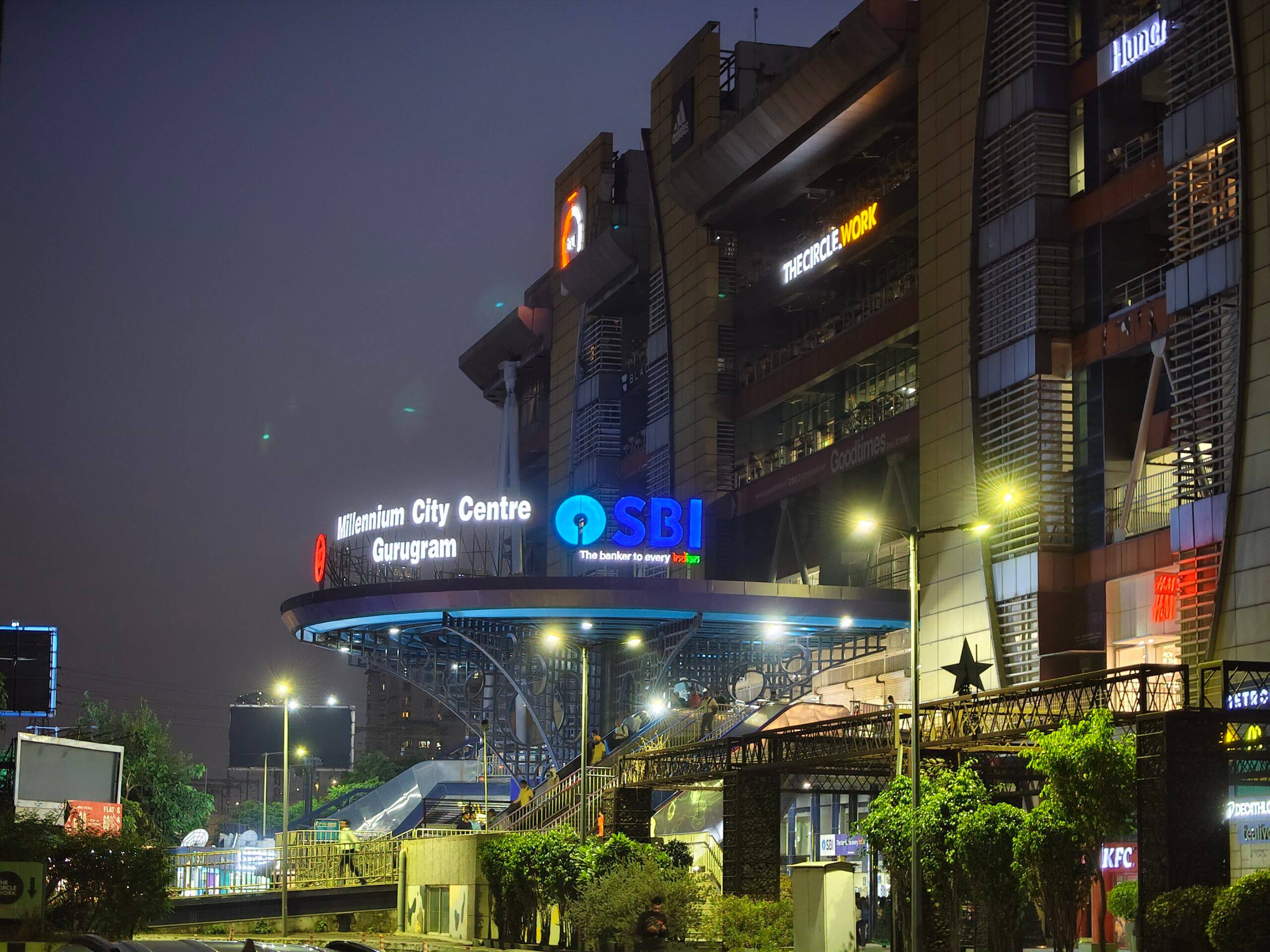
Most phones around Rs 28,000 feature a 1/1.57-inch primary sensor, but Vivo goes a step smaller with a half-inch 50MP Sony IMX882 on the T4 Pro, the same sensor used for its 3x telephoto lens, which is a rare touch in this segment. The main camera captures decent detail, though darker areas show mild noise.
Note: All the Vivo T4 Pro shots from hereon are captured using the default “Vivid” colour profile.
Daylight photos look lively and balanced, with accurate white balance and natural vibrancy that doesn’t go overboard. Dynamic range is solid, keeping distant subjects well-lit and visible.
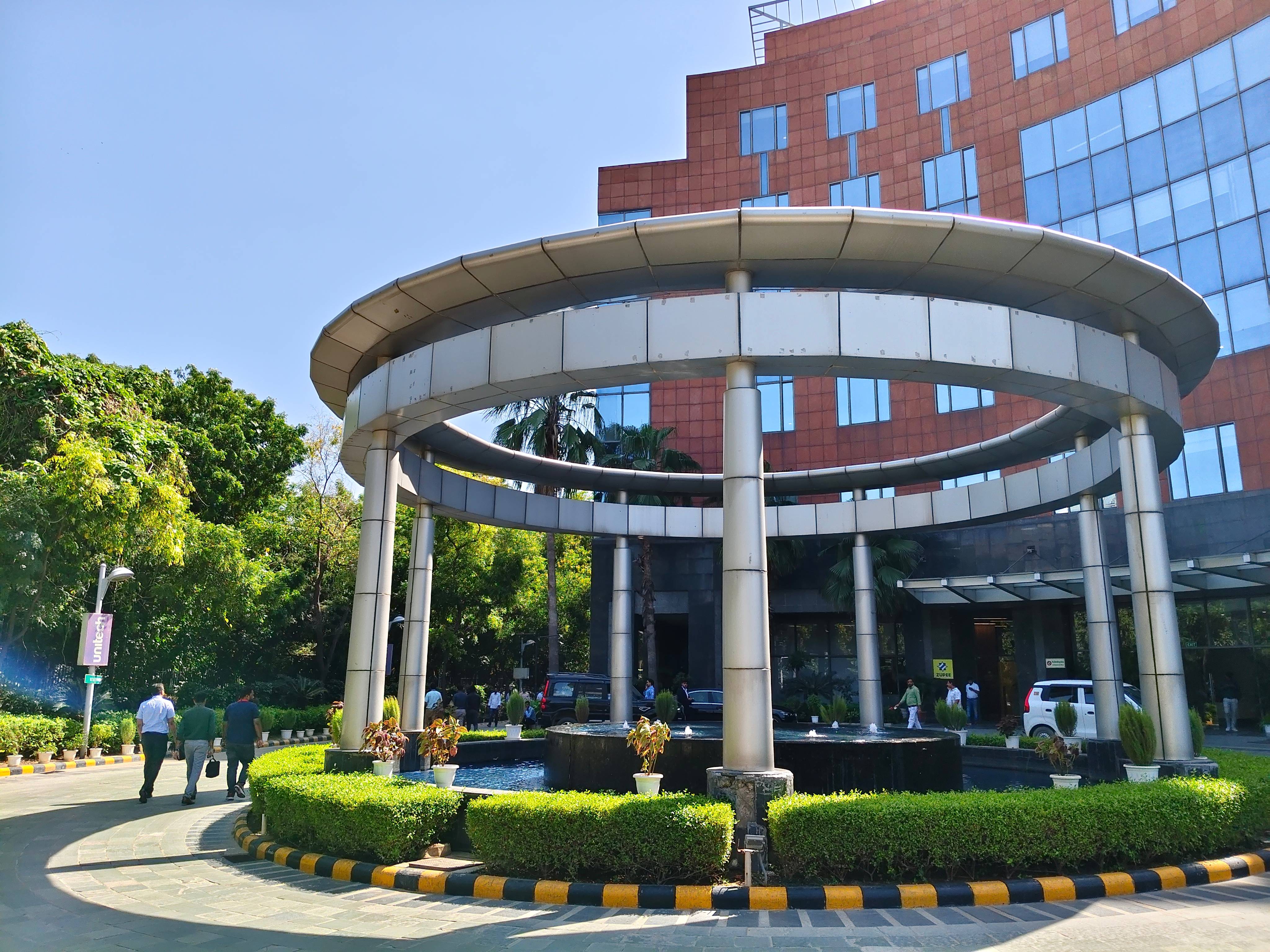
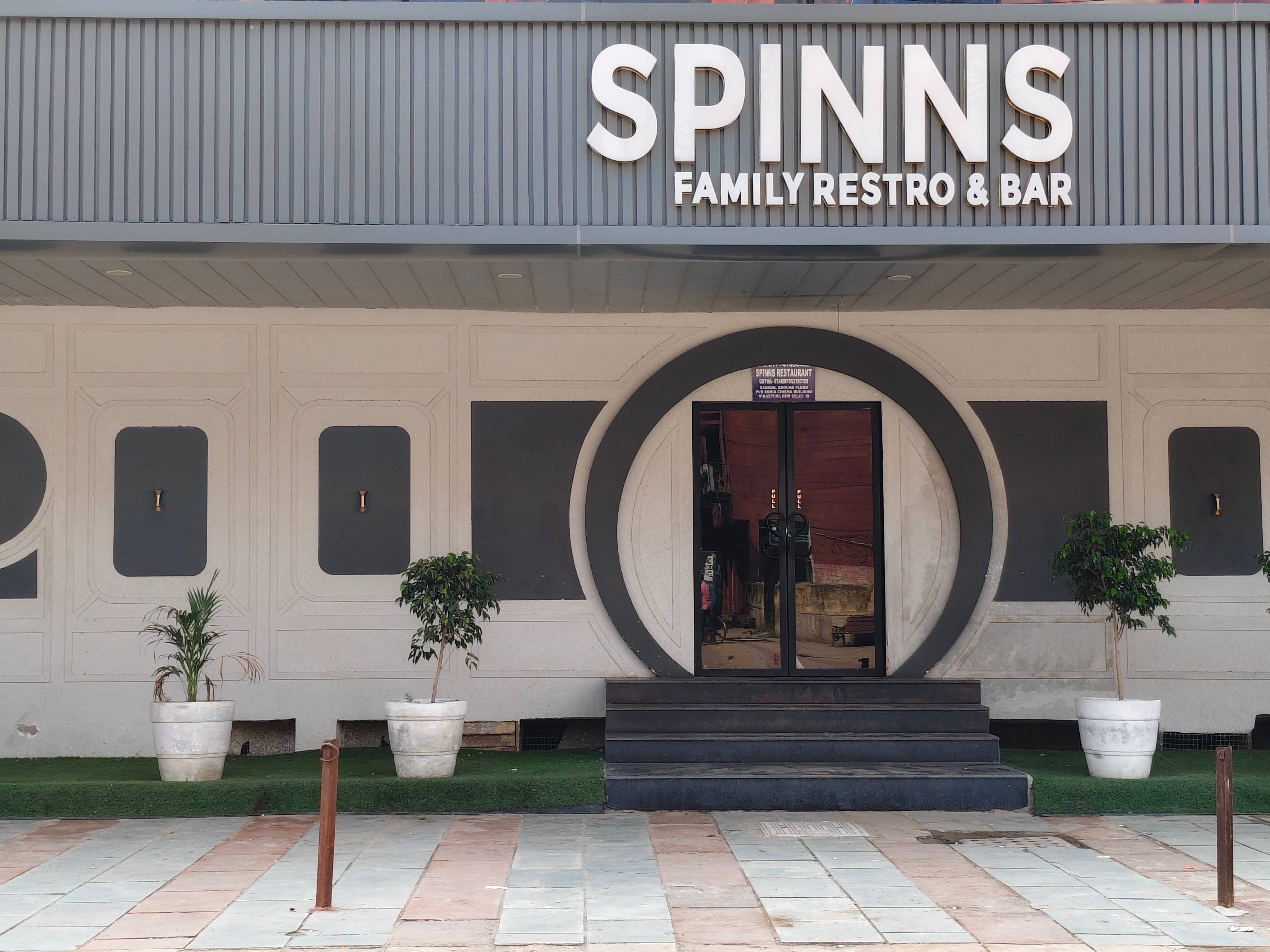
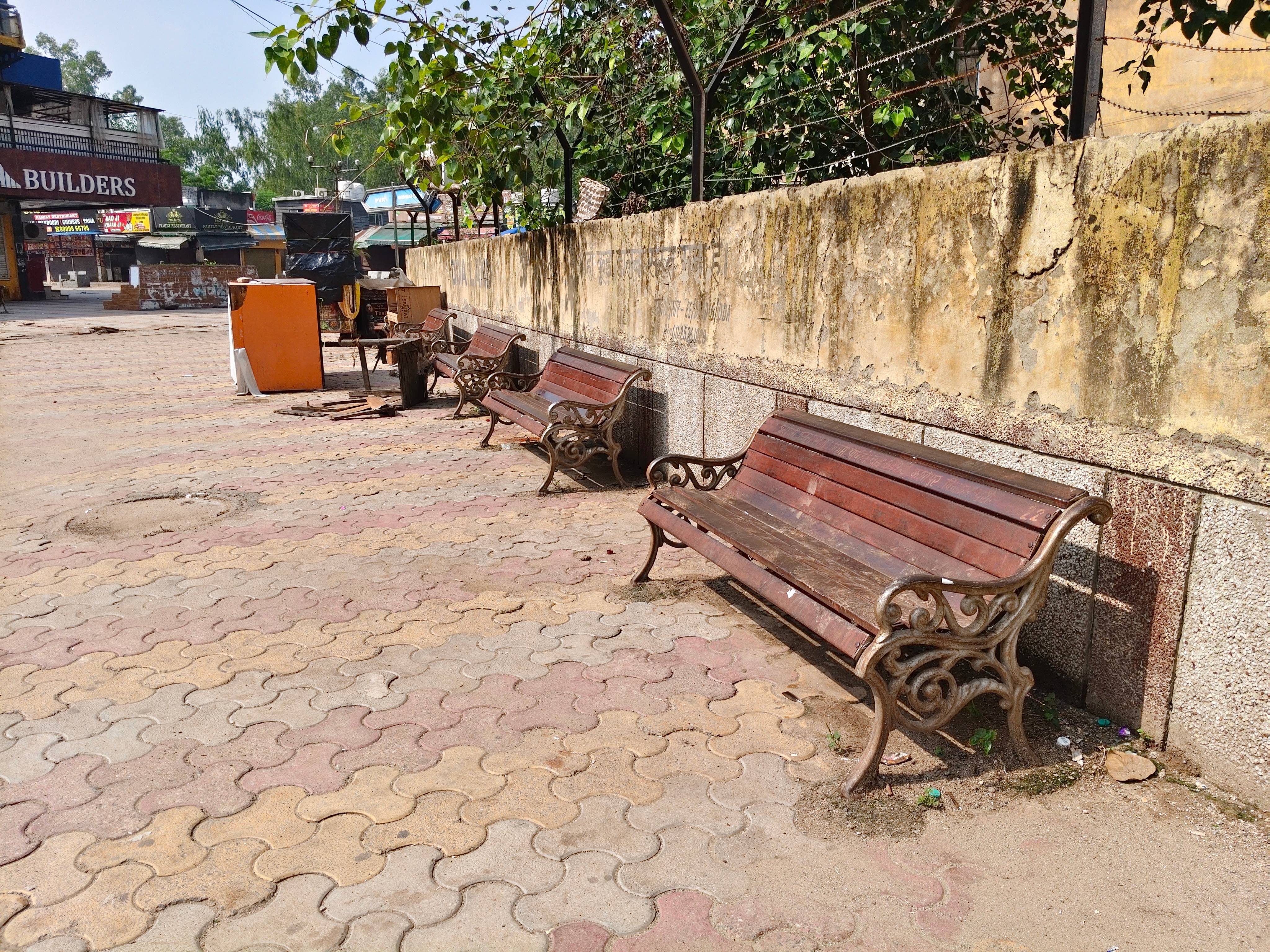
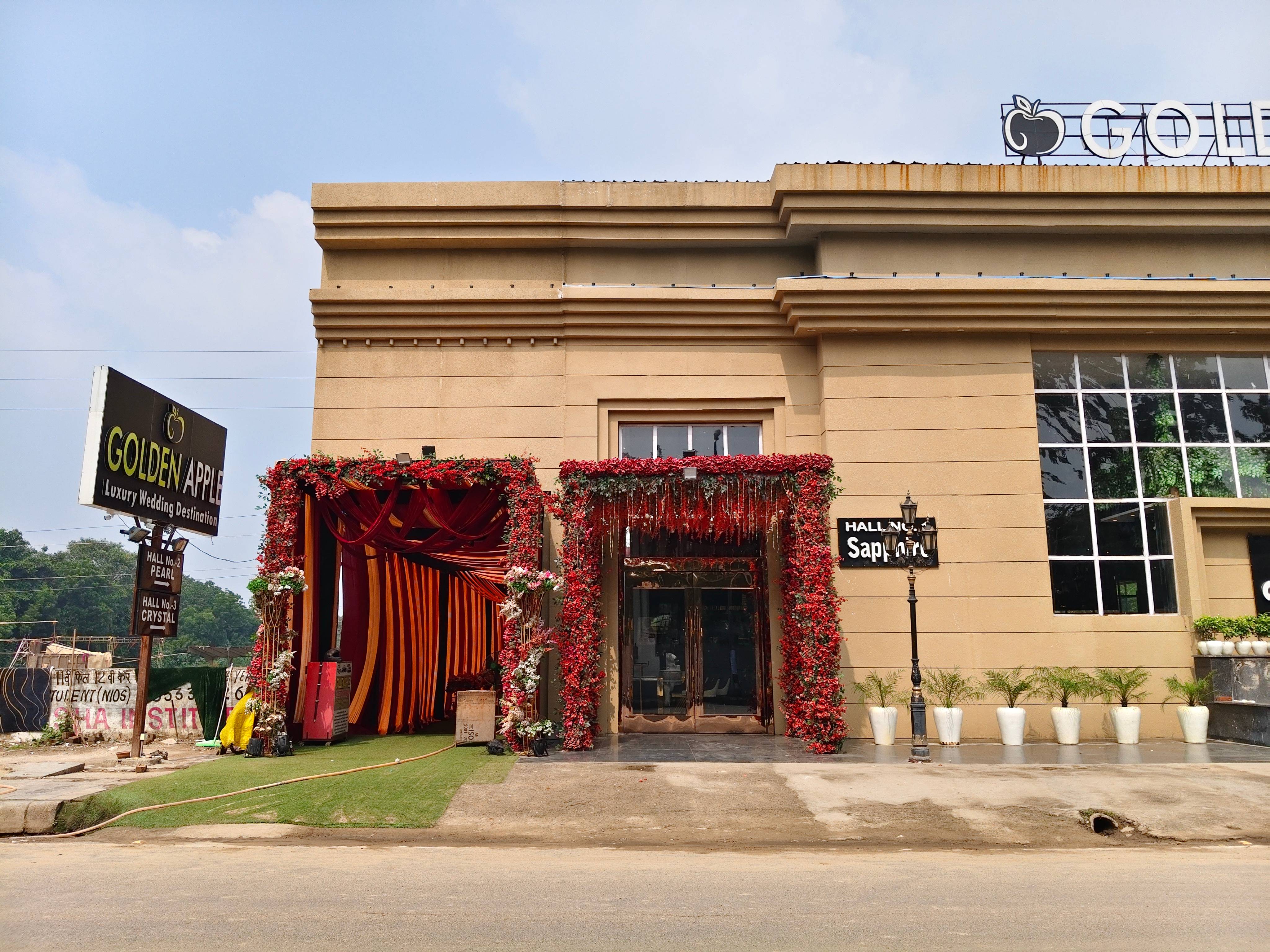
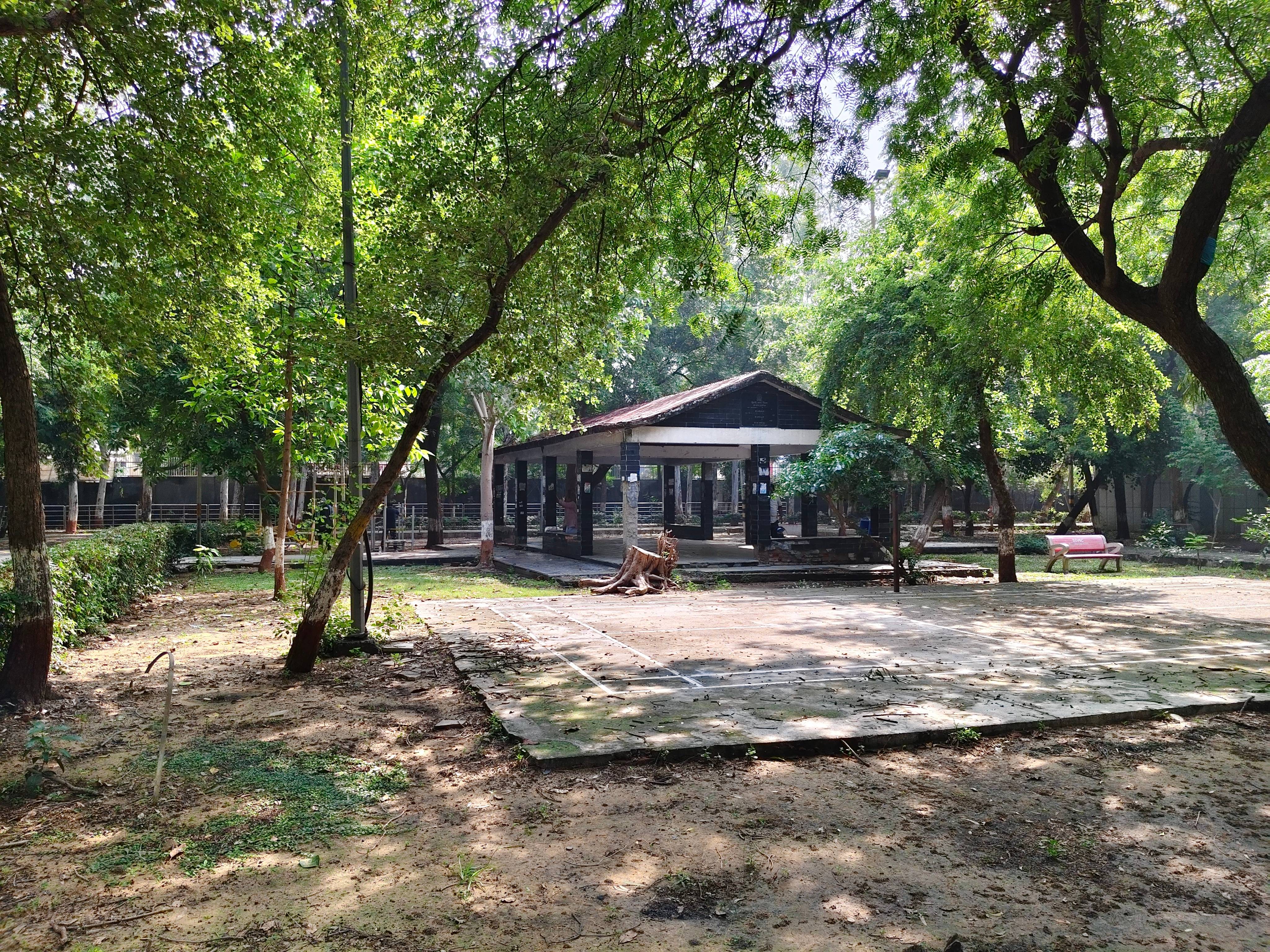
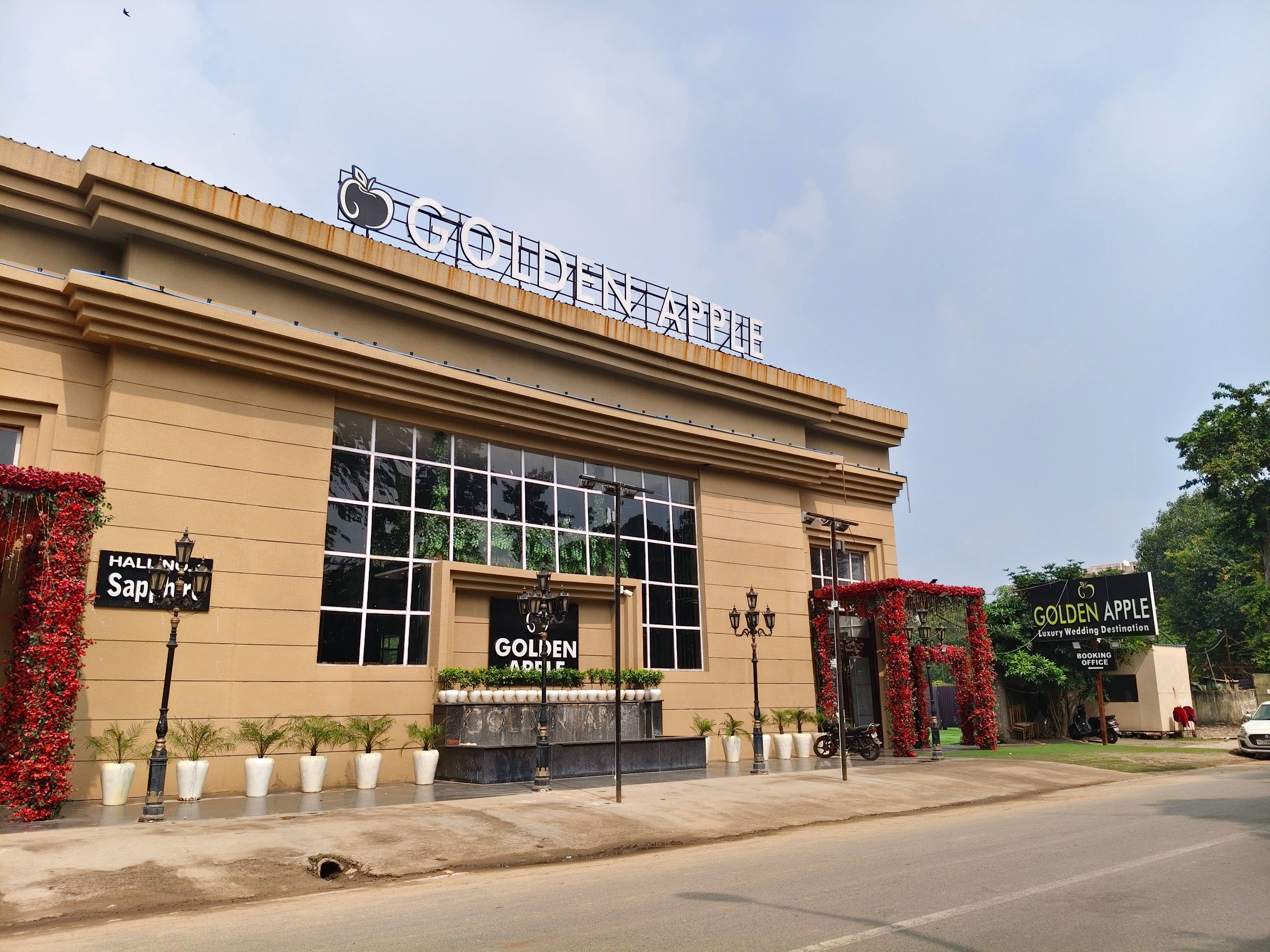

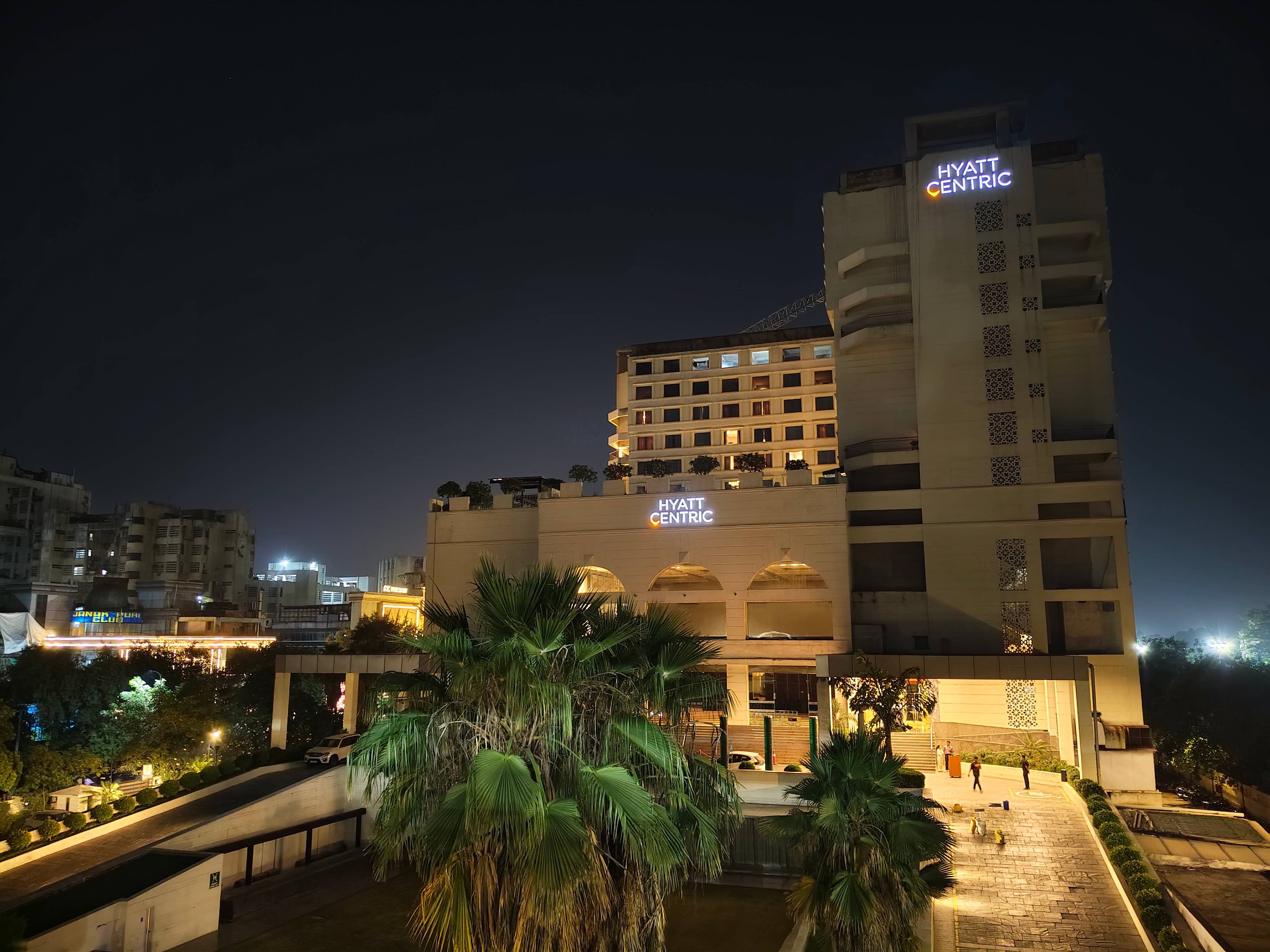
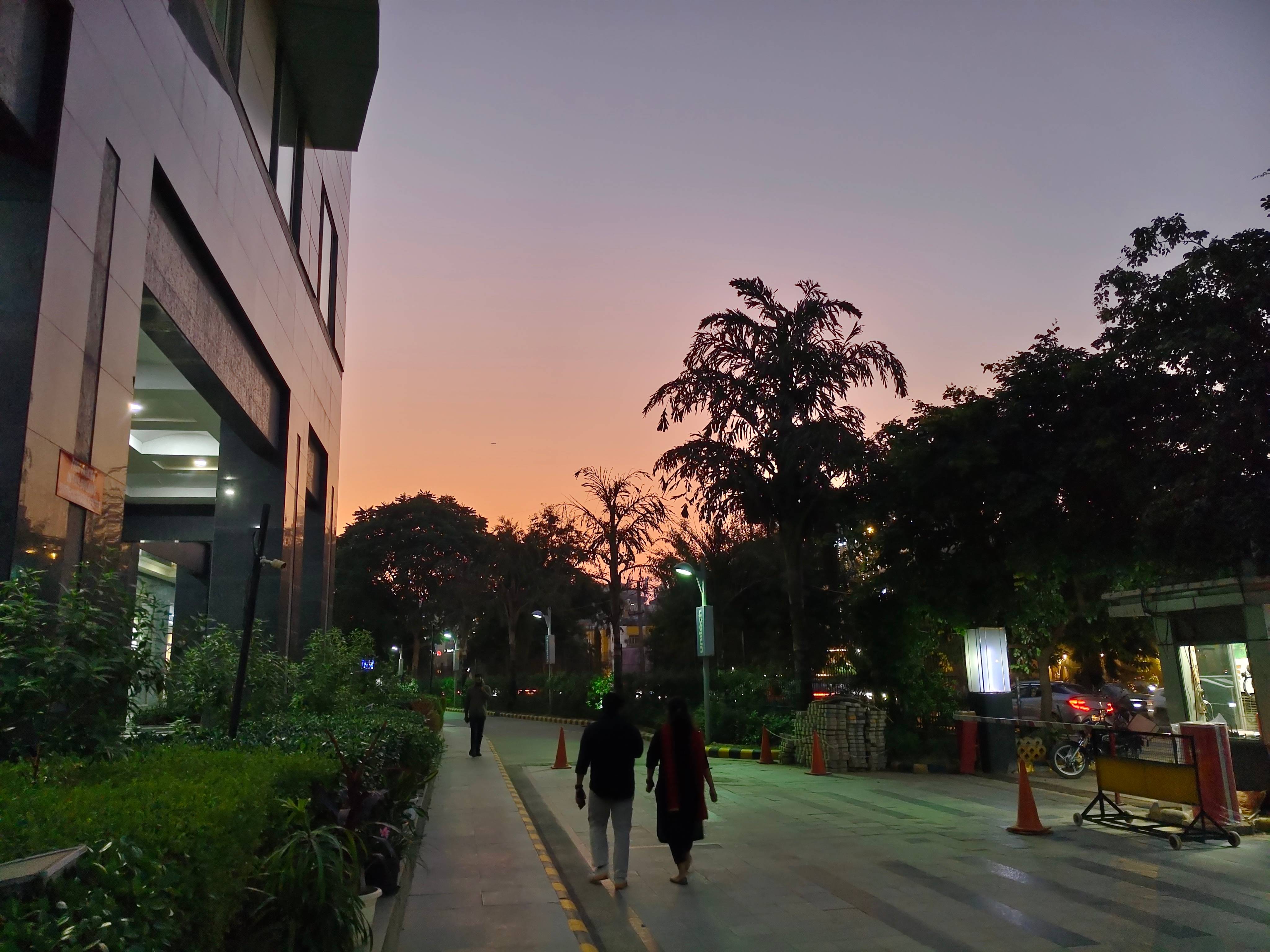
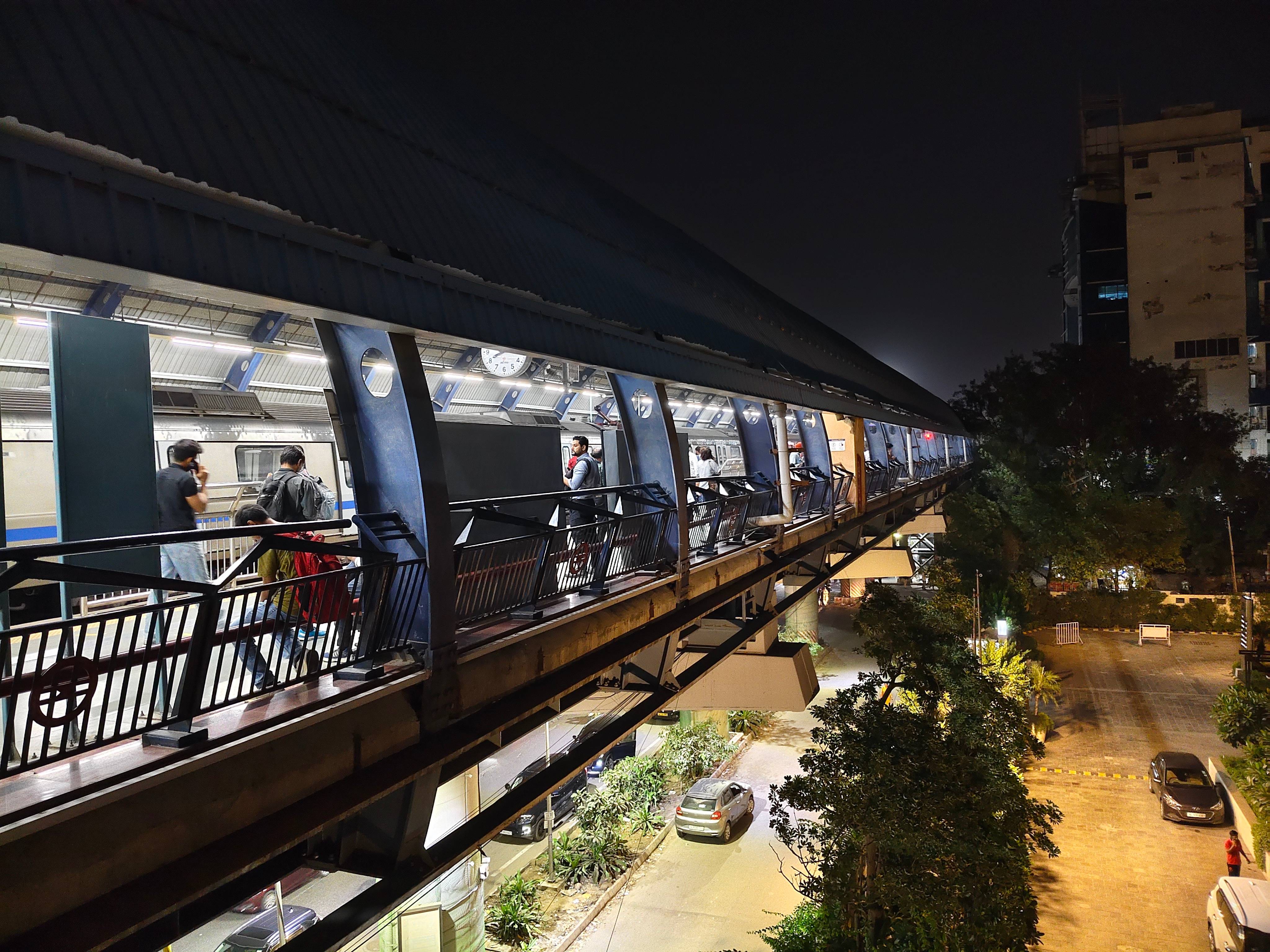
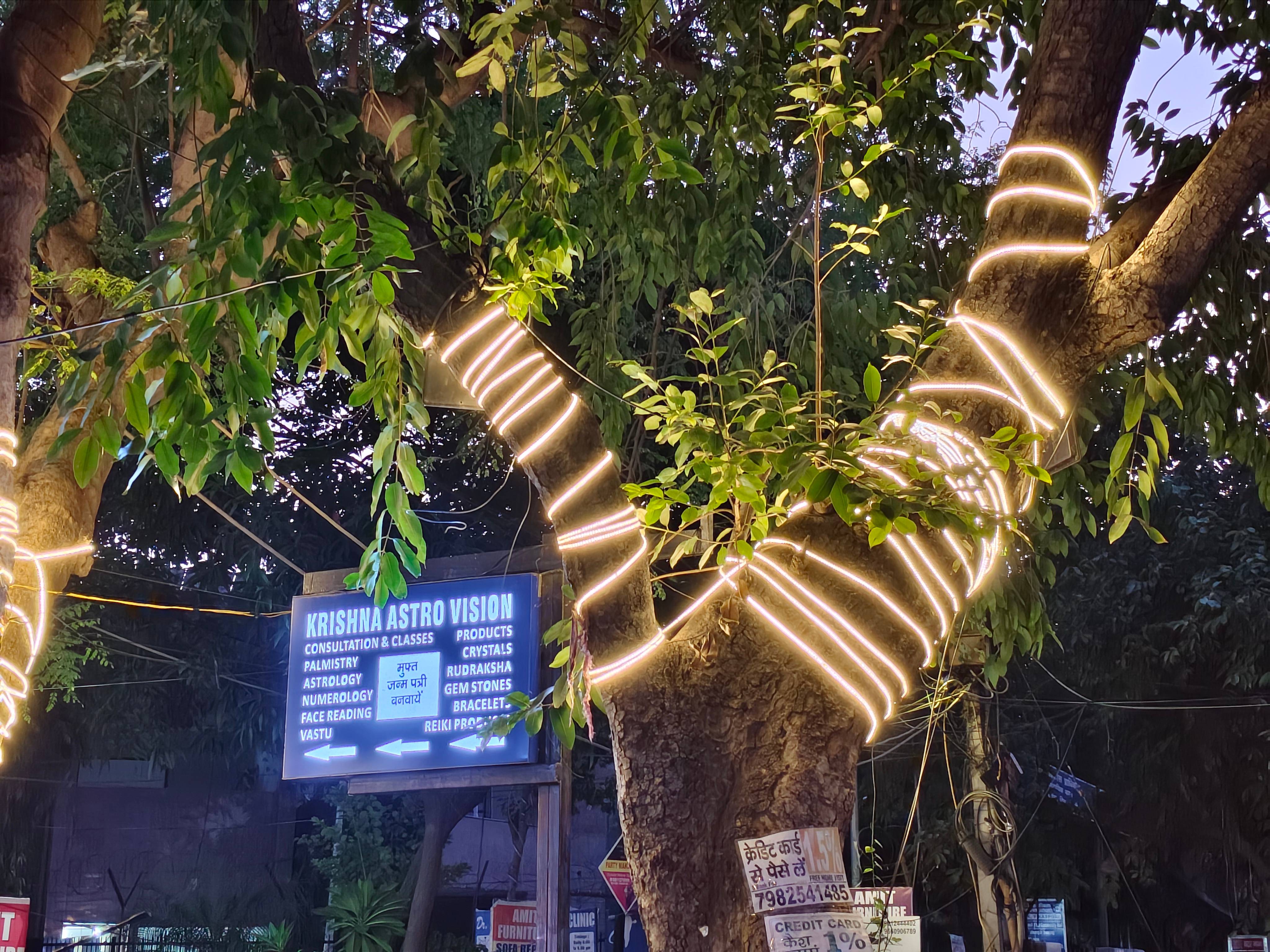


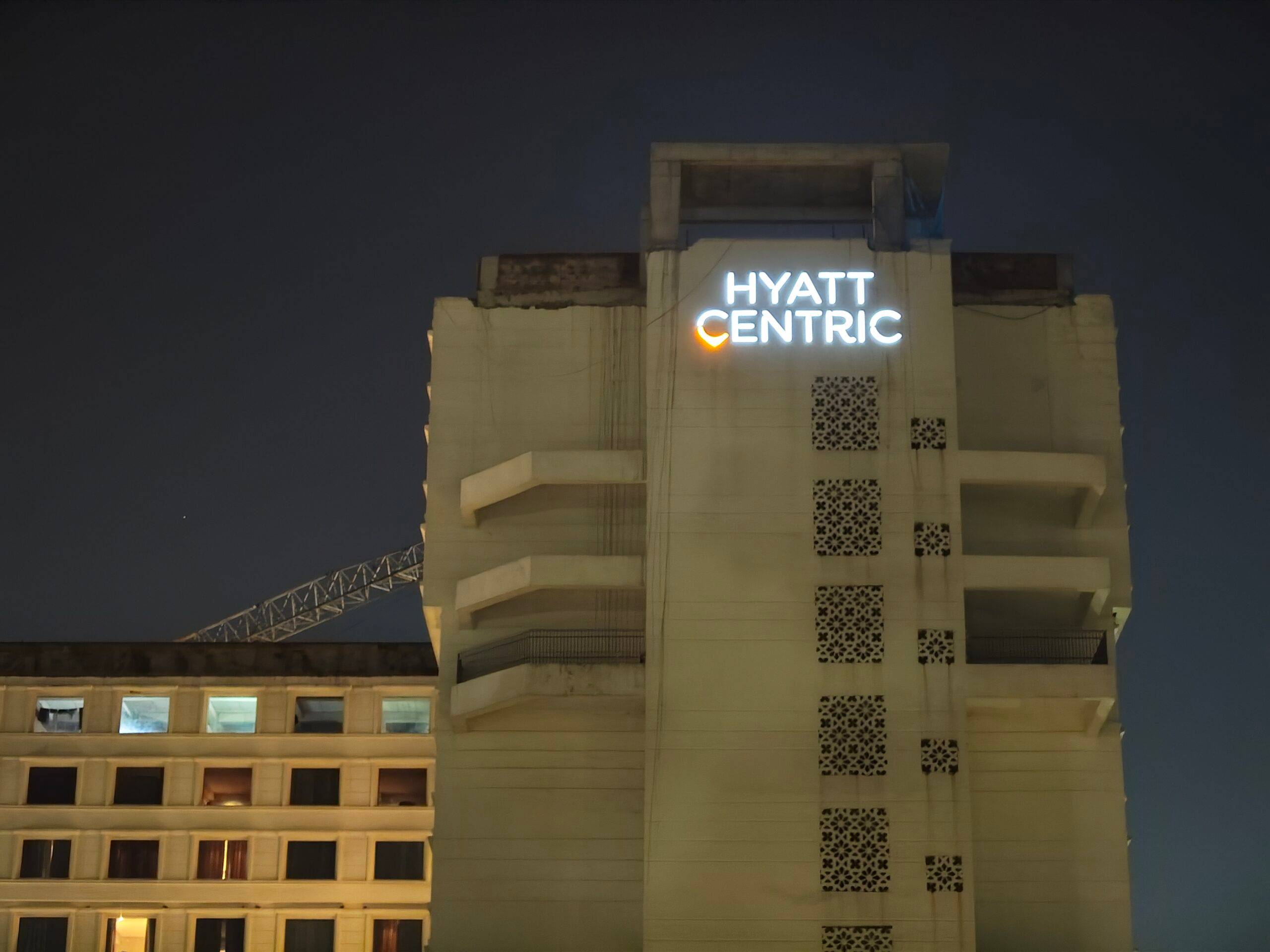
In low light, the T4 Pro tends to brighten skies a bit too much, but overall detail remains intact. Mild noise persists on zooming in, giving shots a slightly raw, textured character that some may even prefer. Colours stay rich and pleasing, making the phone’s night photos easy to share straight away. We’ll get into more comparisons with the Nothing Phone (3a) Pro and Realme 15 Pro later.
50MP telephoto with 3x optical zoom: impressive reach, limited for close-ups
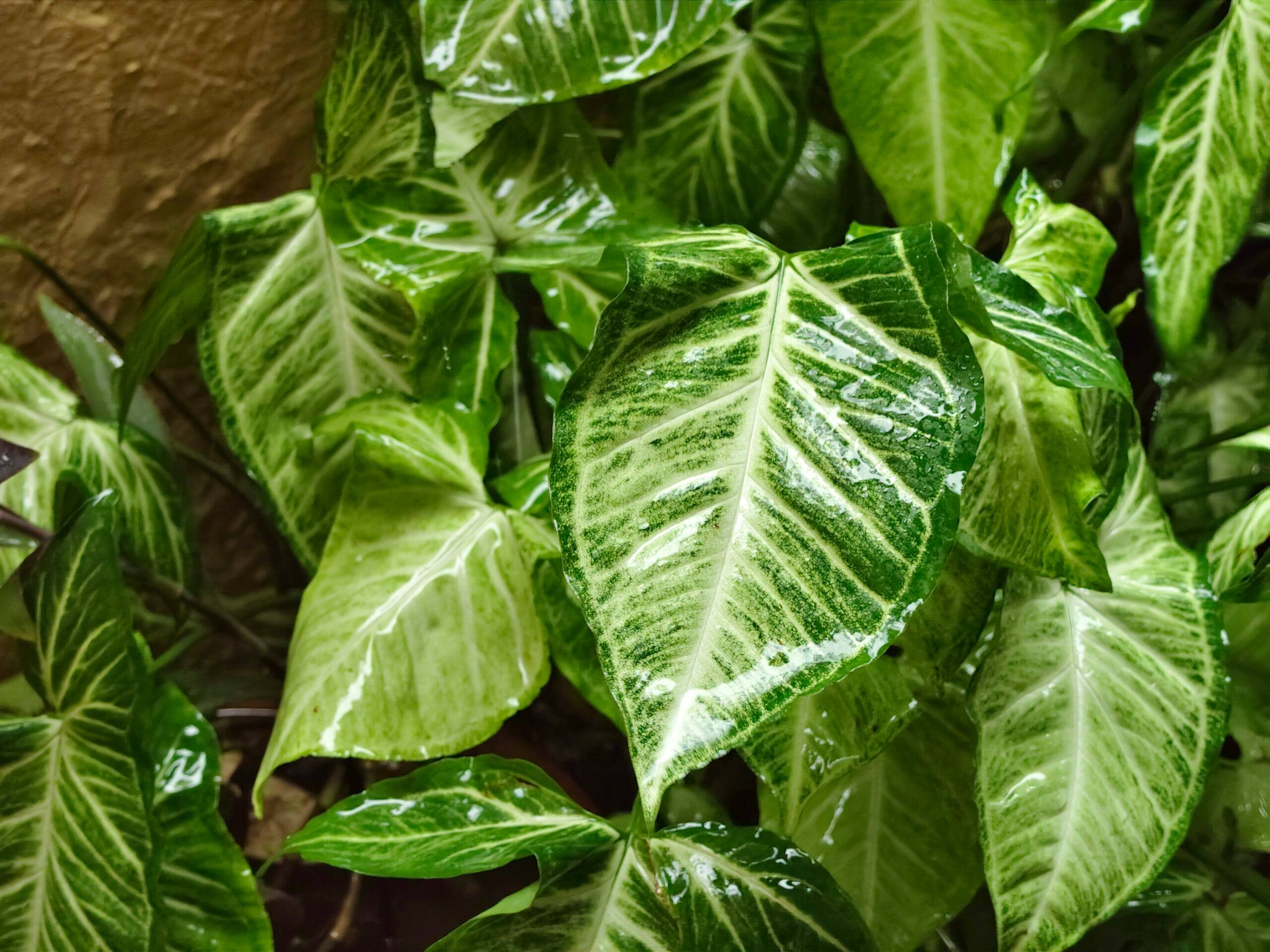
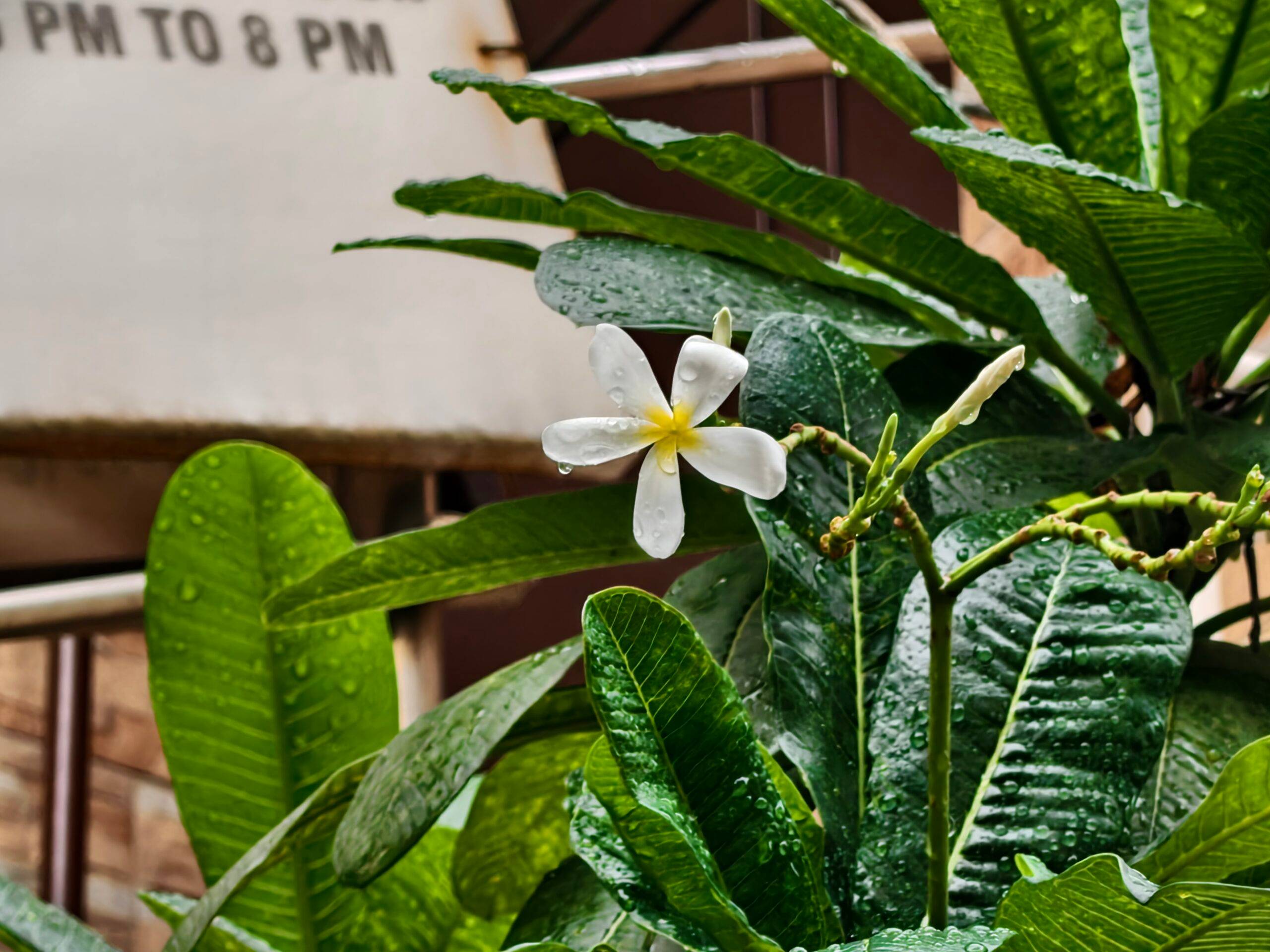
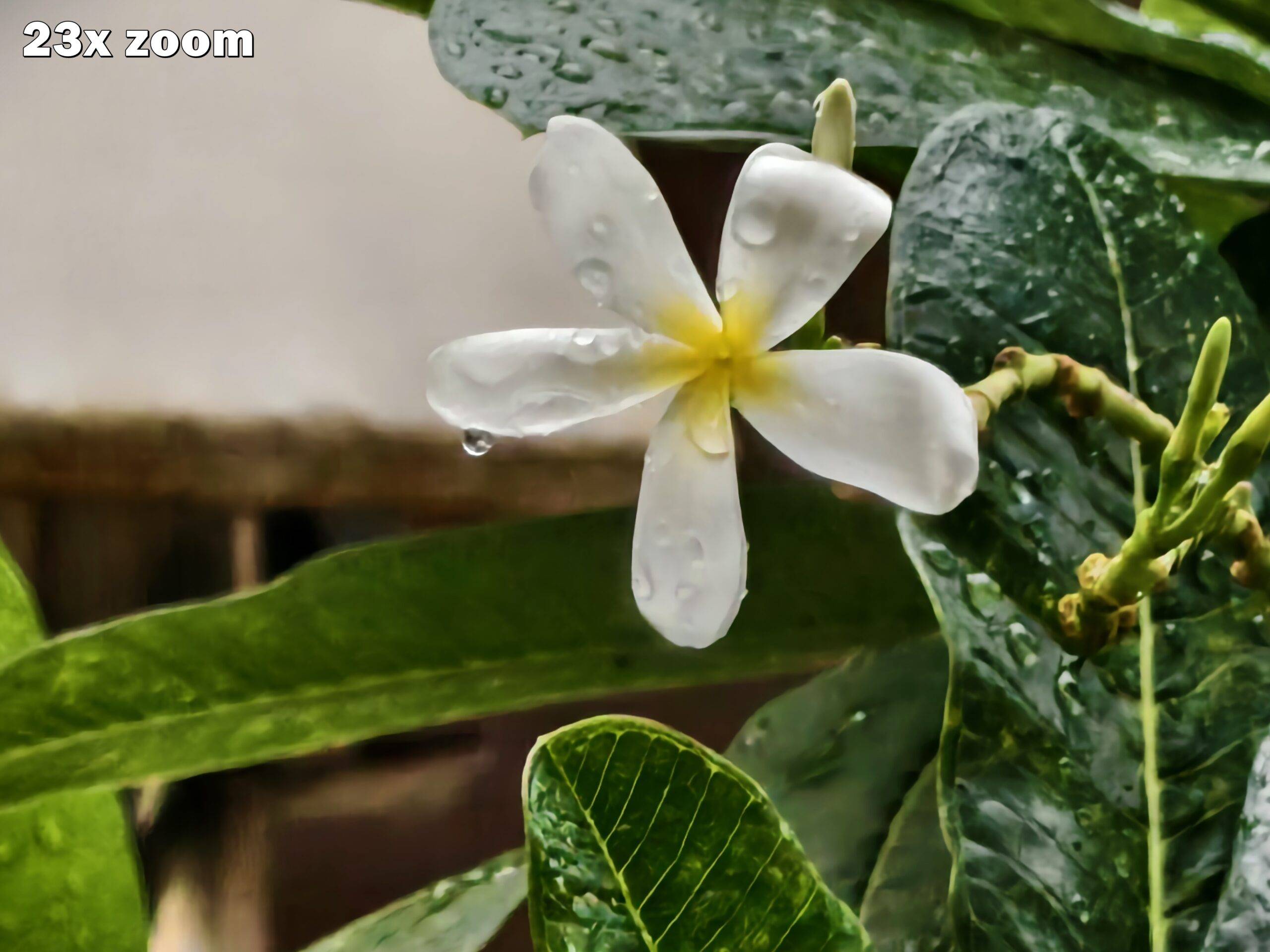
The Vivo T4 Pro uses the same 50MP 1/1.95-inch Sony IMX882 telephoto sensor seen on the premium Vivo X200 FE. This M-shaped periscope lens is more compact than the L-shaped ones used in phones like the Vivo X200 and Nothing Phone (3a) Pro, helping the T4 Pro stay slimmer. However, the trade-off is a wider focusing distance, meaning you can’t shoot true close-ups or macros, as the camera often defaults to the main sensor for such shots, resulting in softer detail even under good light.
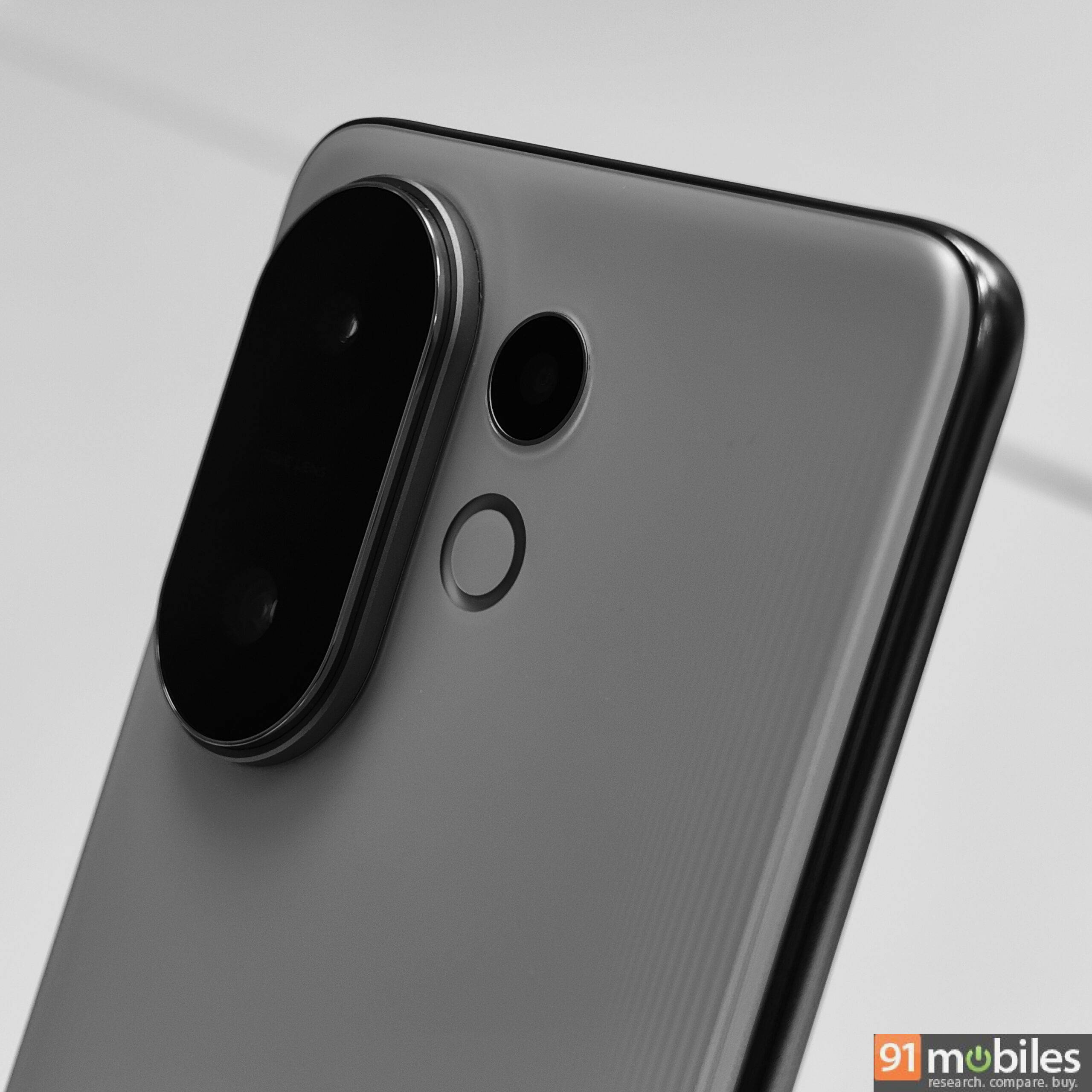
For tight subjects like flowers or insects, the Nothing Phone (3a) Pro performs better, thanks to its L-shaped LYT600 periscope with a shorter focusing distance. On the T4 Pro, switching to 2x zoom and snapping manually works as a decent workaround.

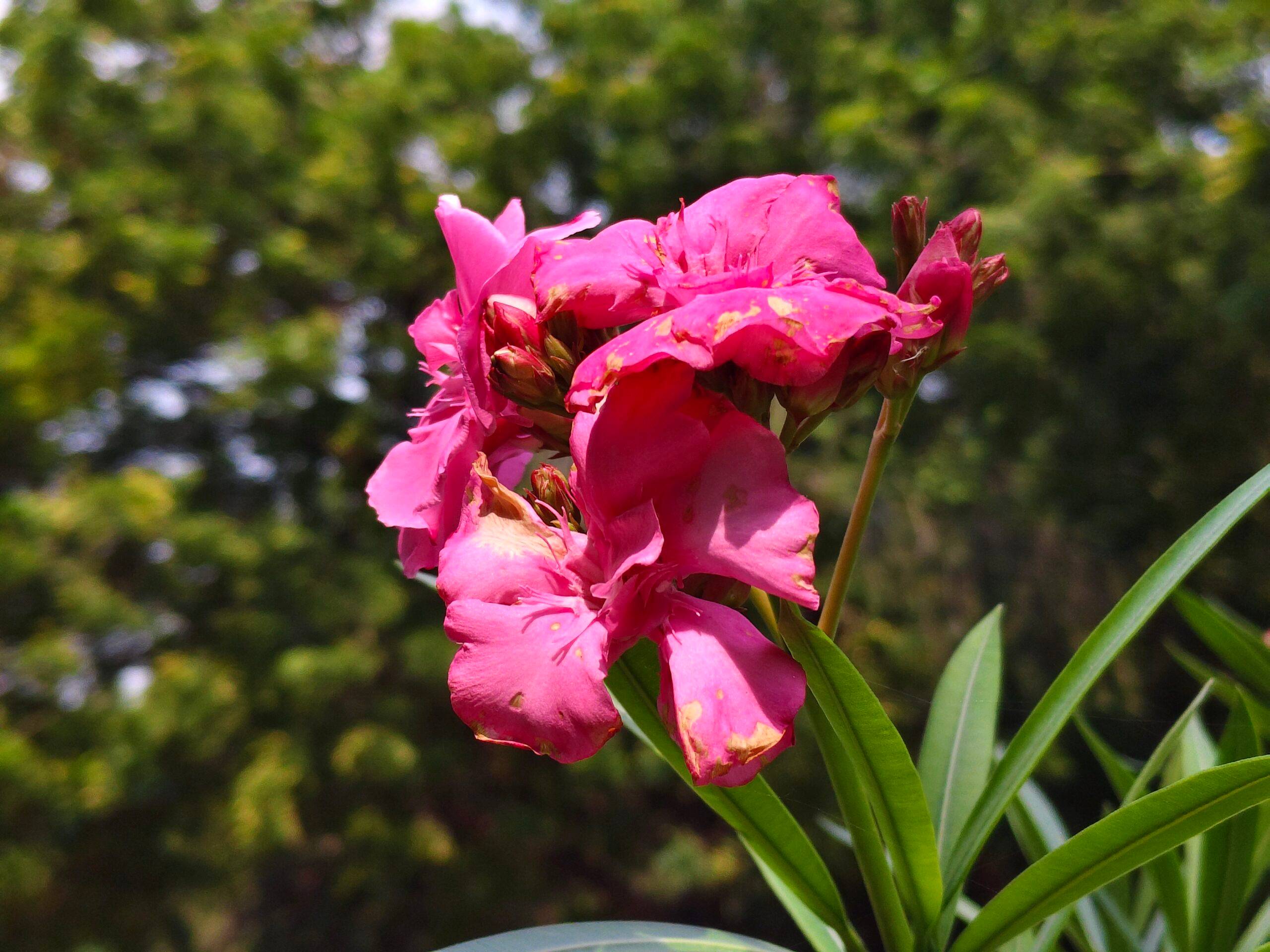
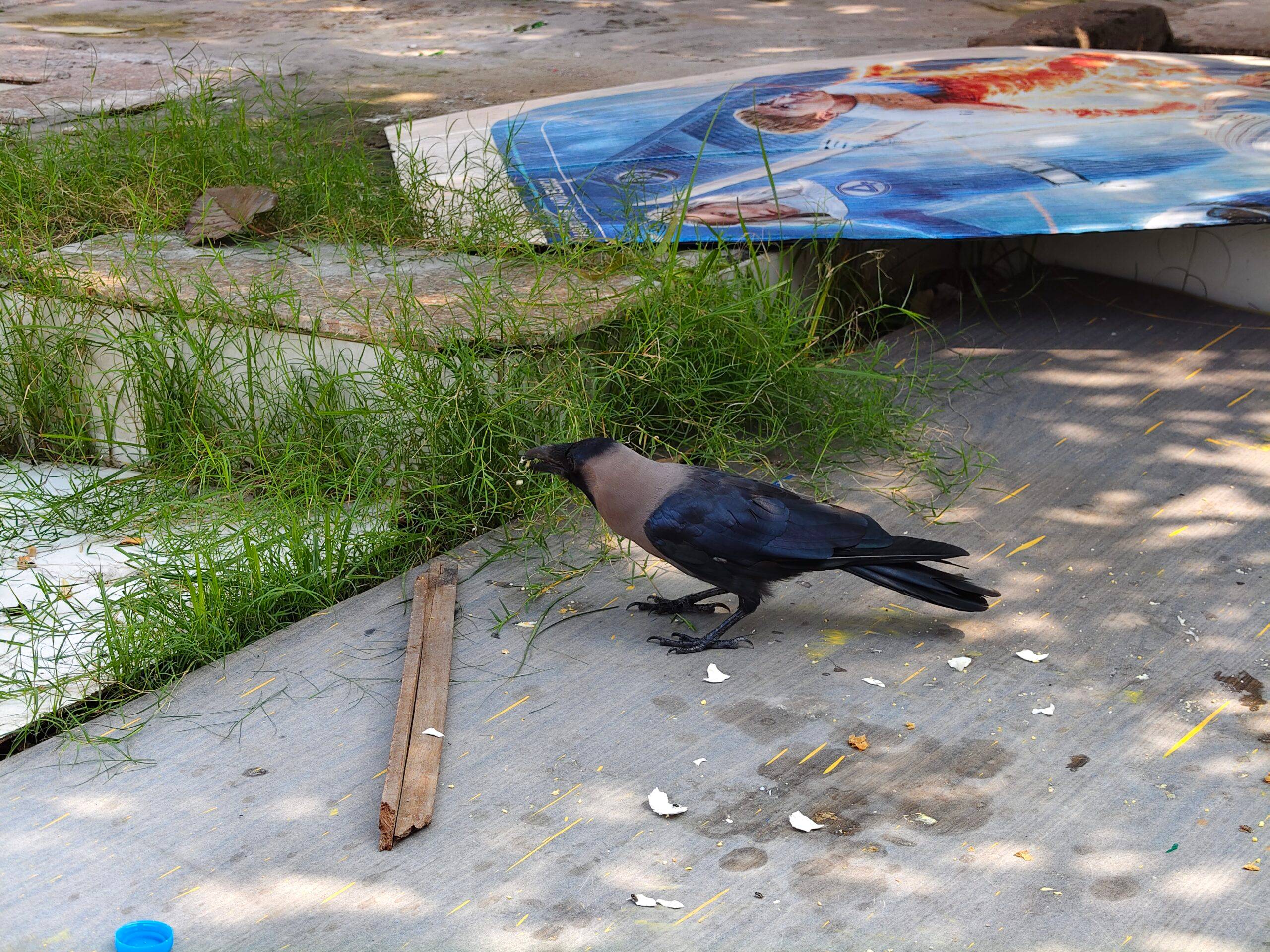
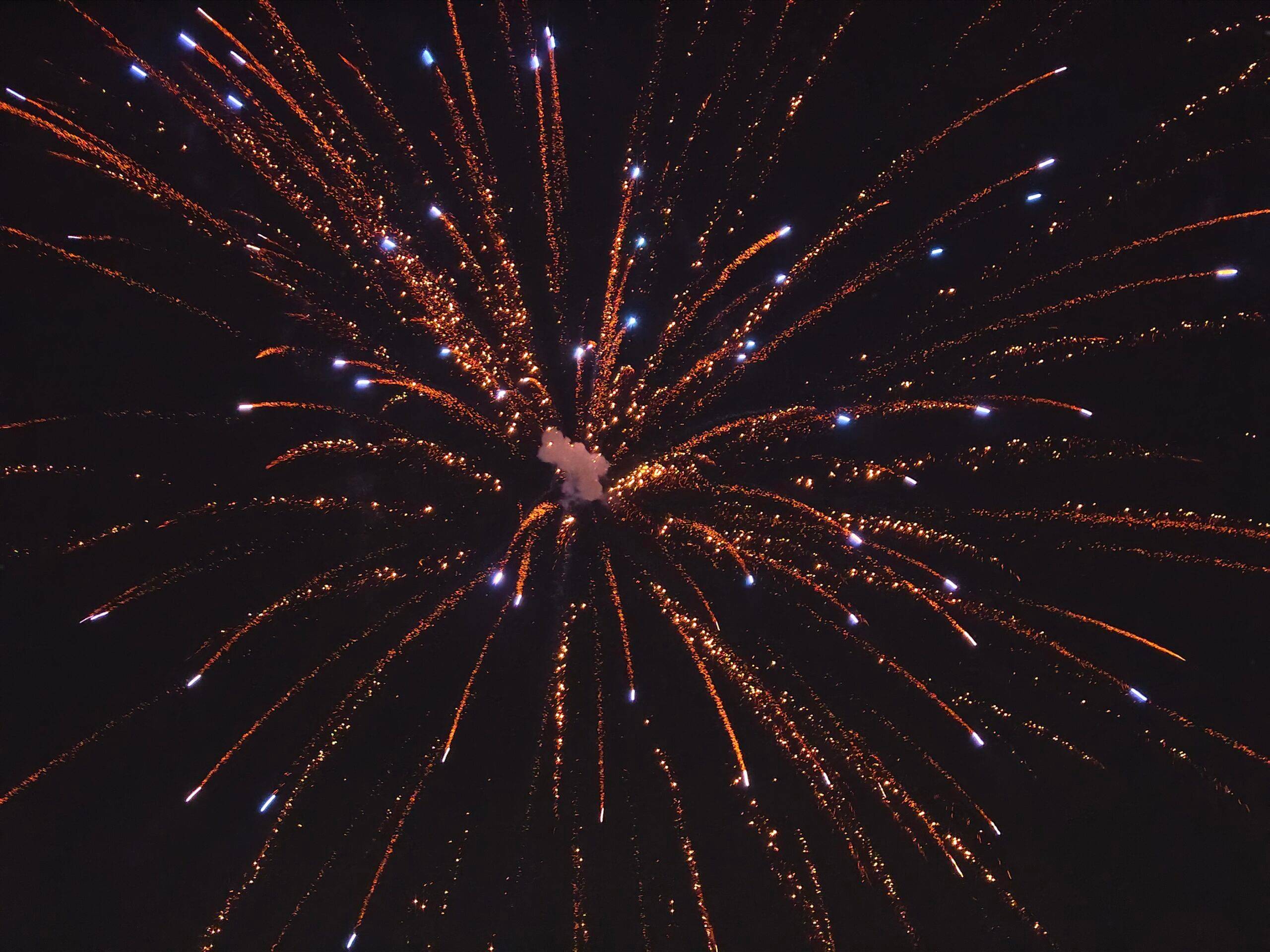
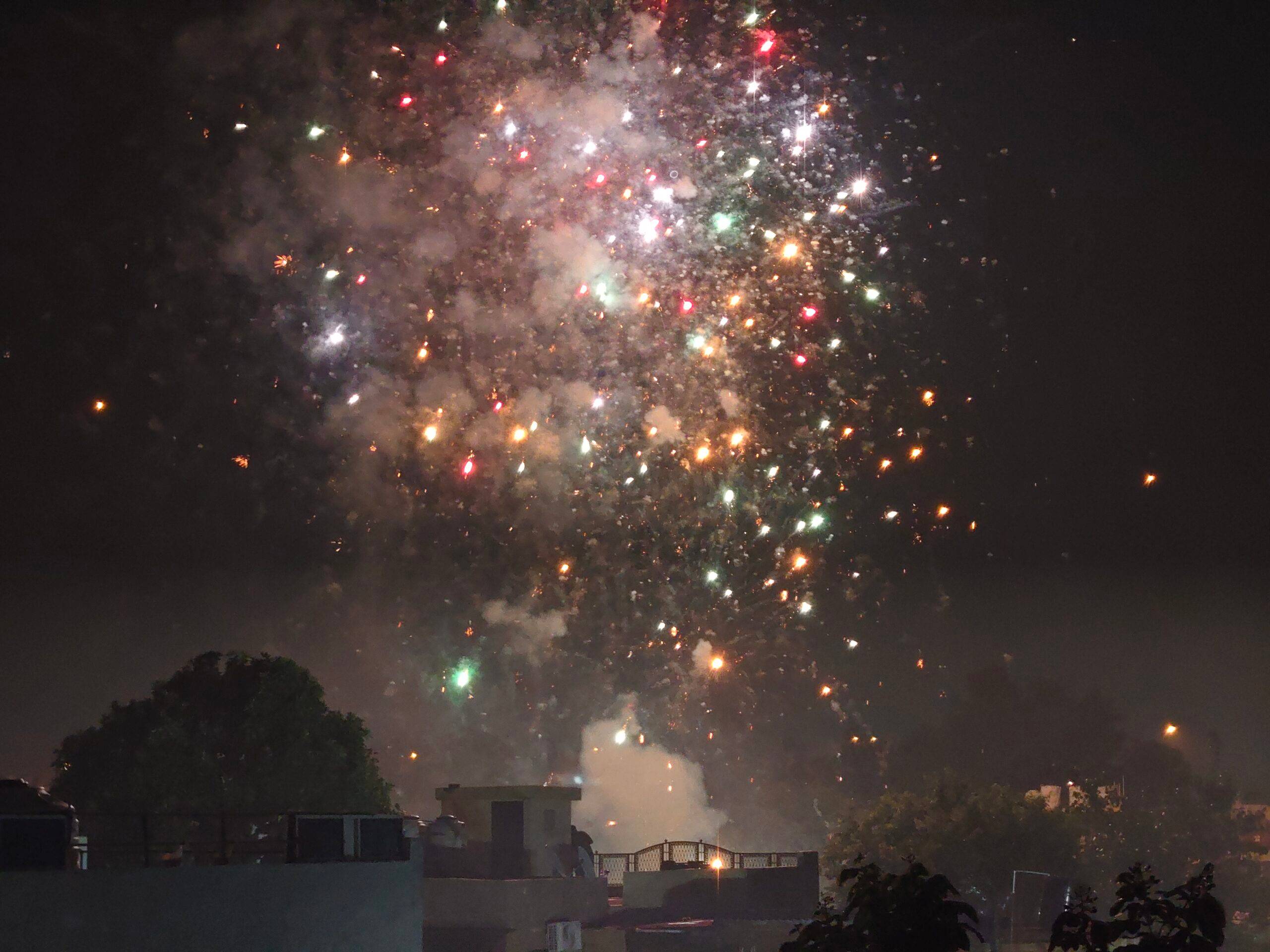
In well-lit outdoor scenes, the T4 Pro’s telephoto captures detailed and vibrant shots, though colour consistency between the main and tele lenses isn’t perfect. At night, exposure control could be better around bright lights, but with a bit of manual tweaking, even fireworks shots turned out sharp and lively.
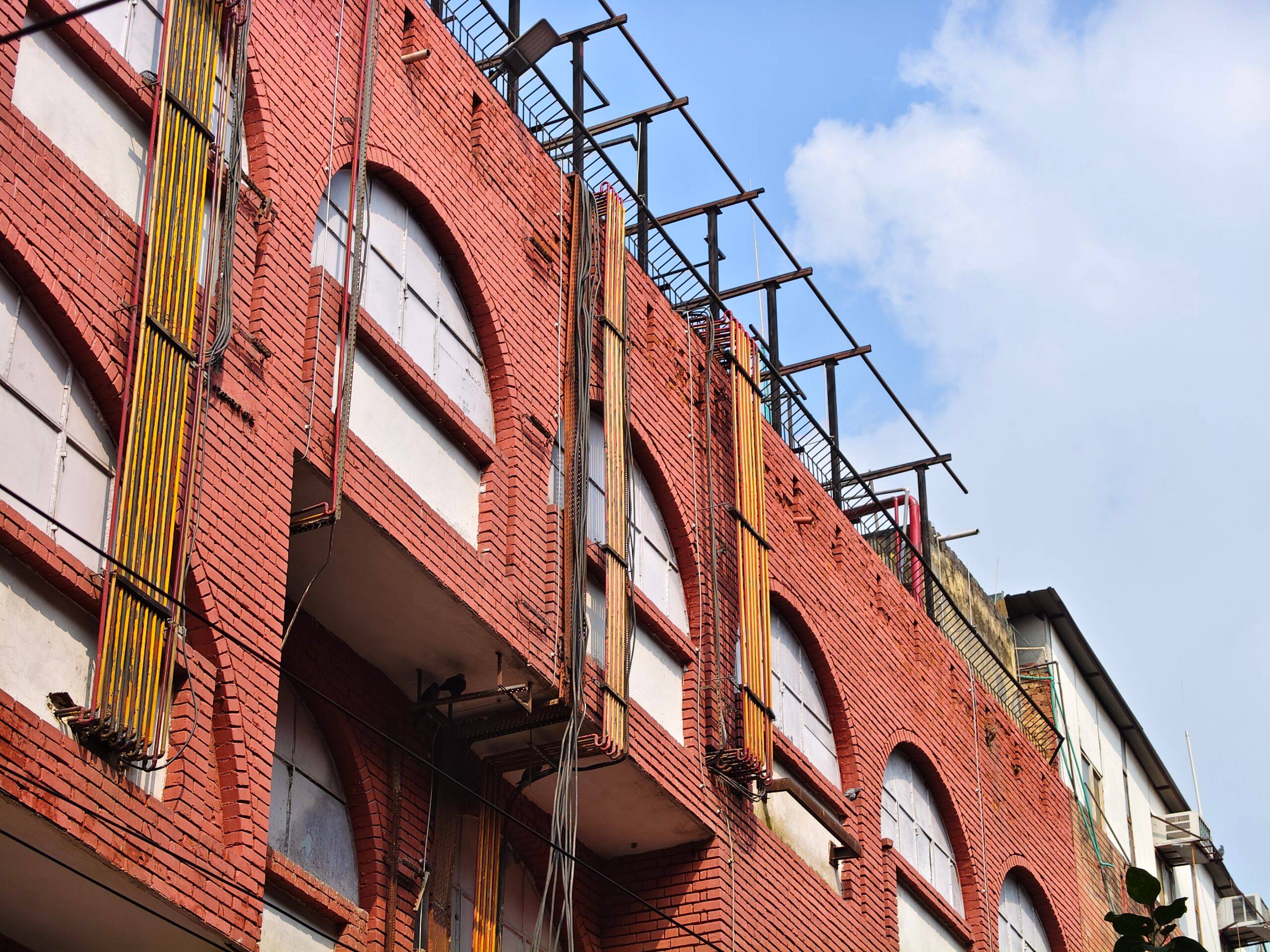
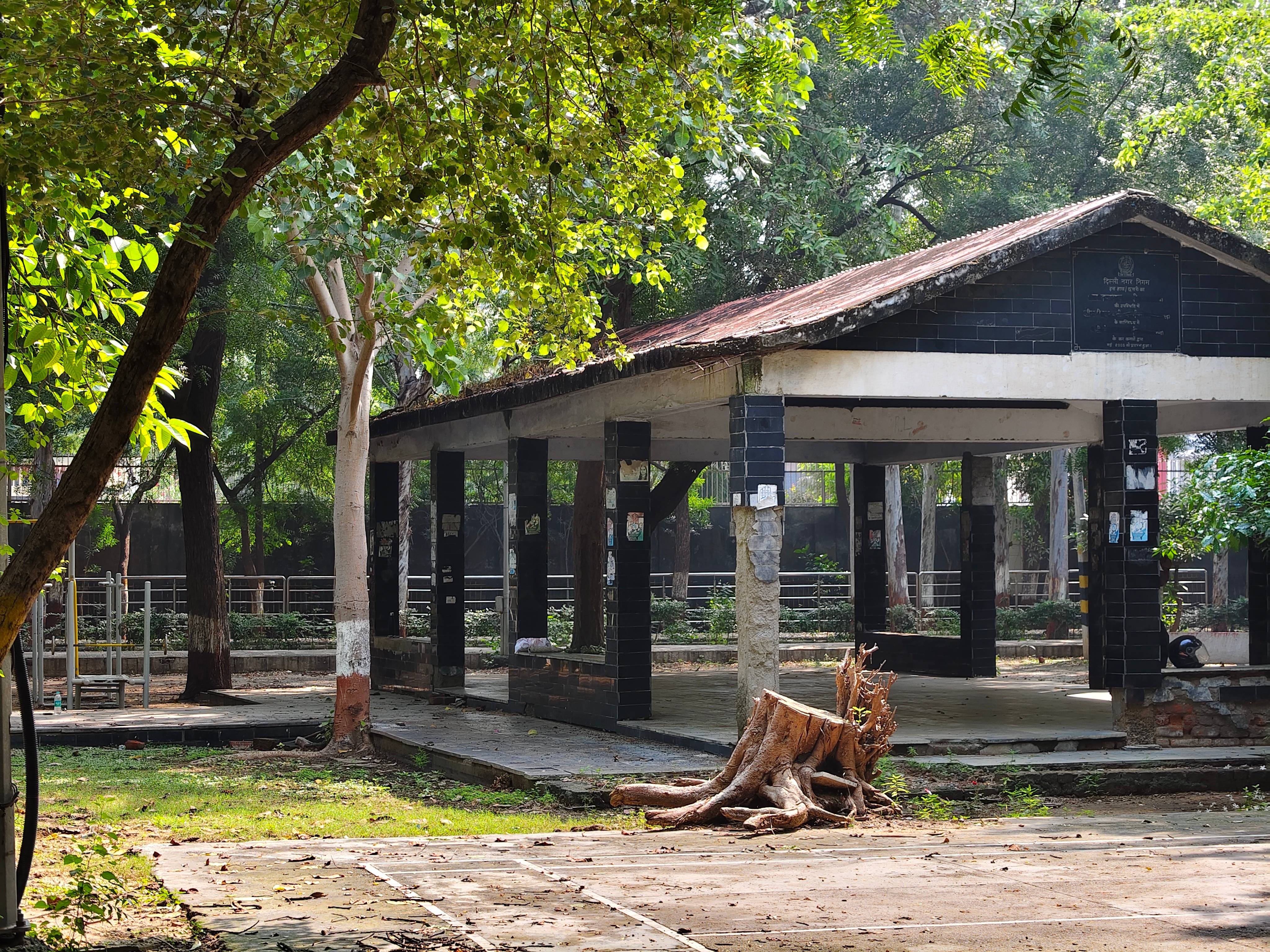
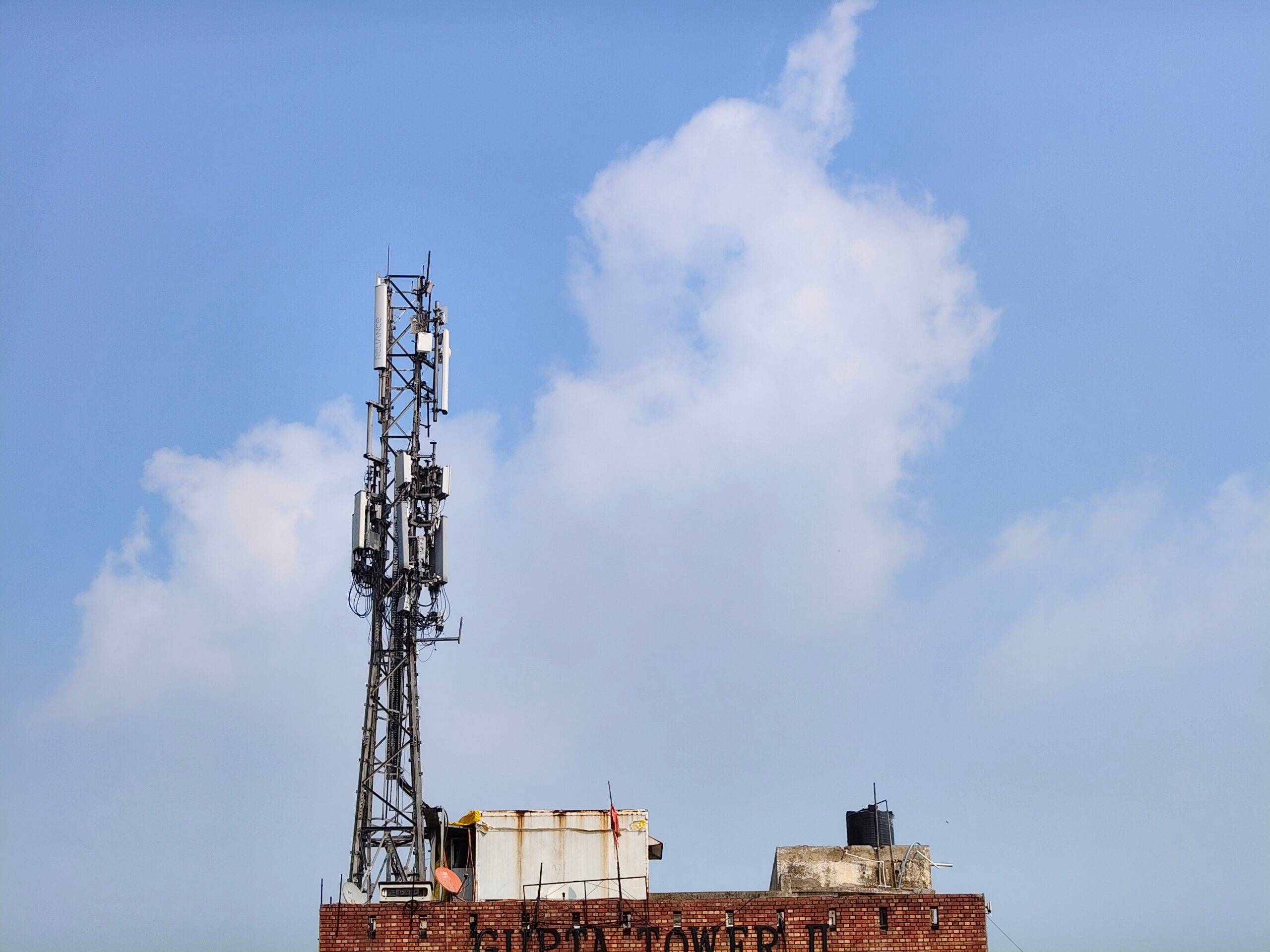



10x zoom shots: heavy AI enhancements
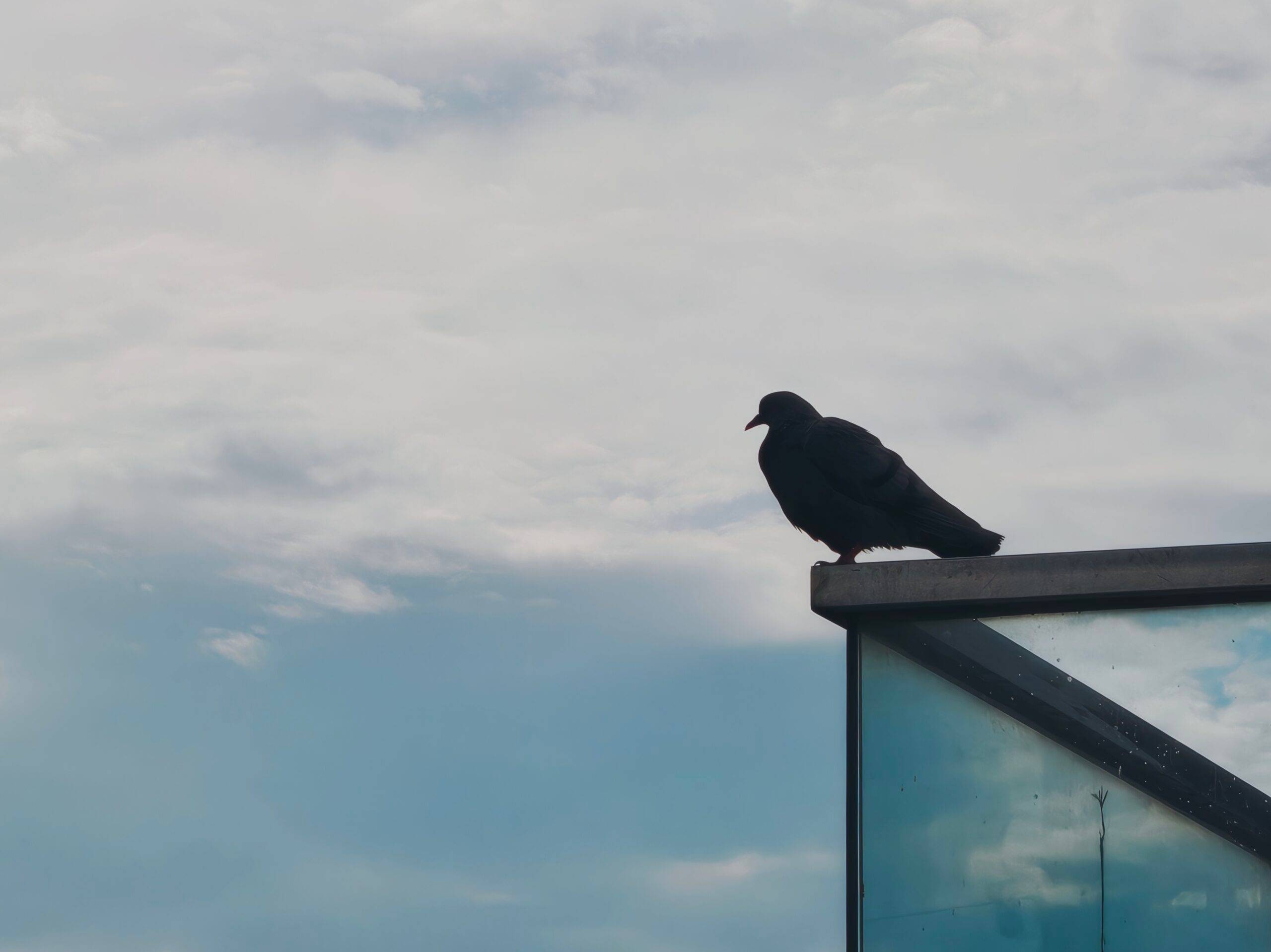
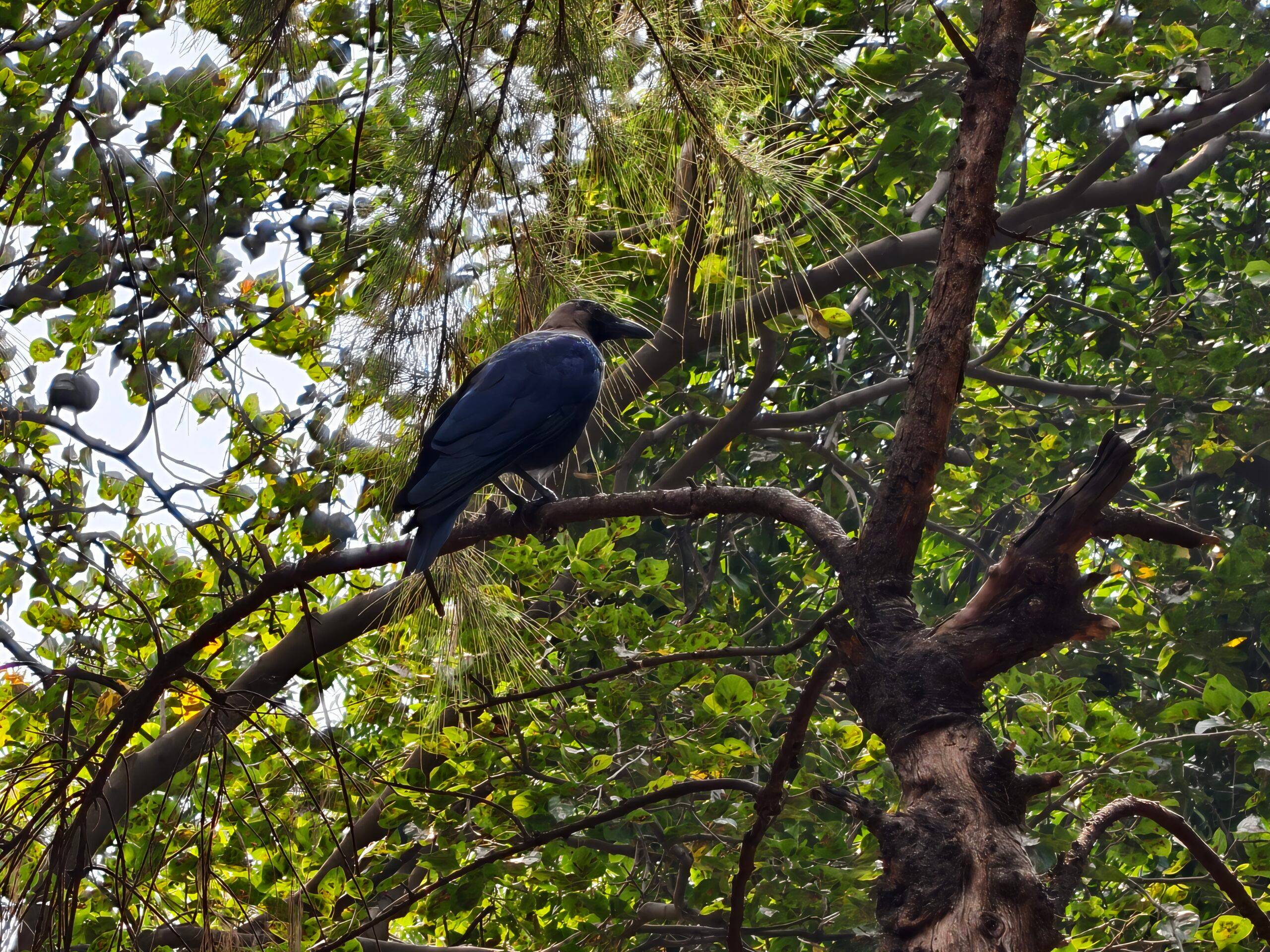
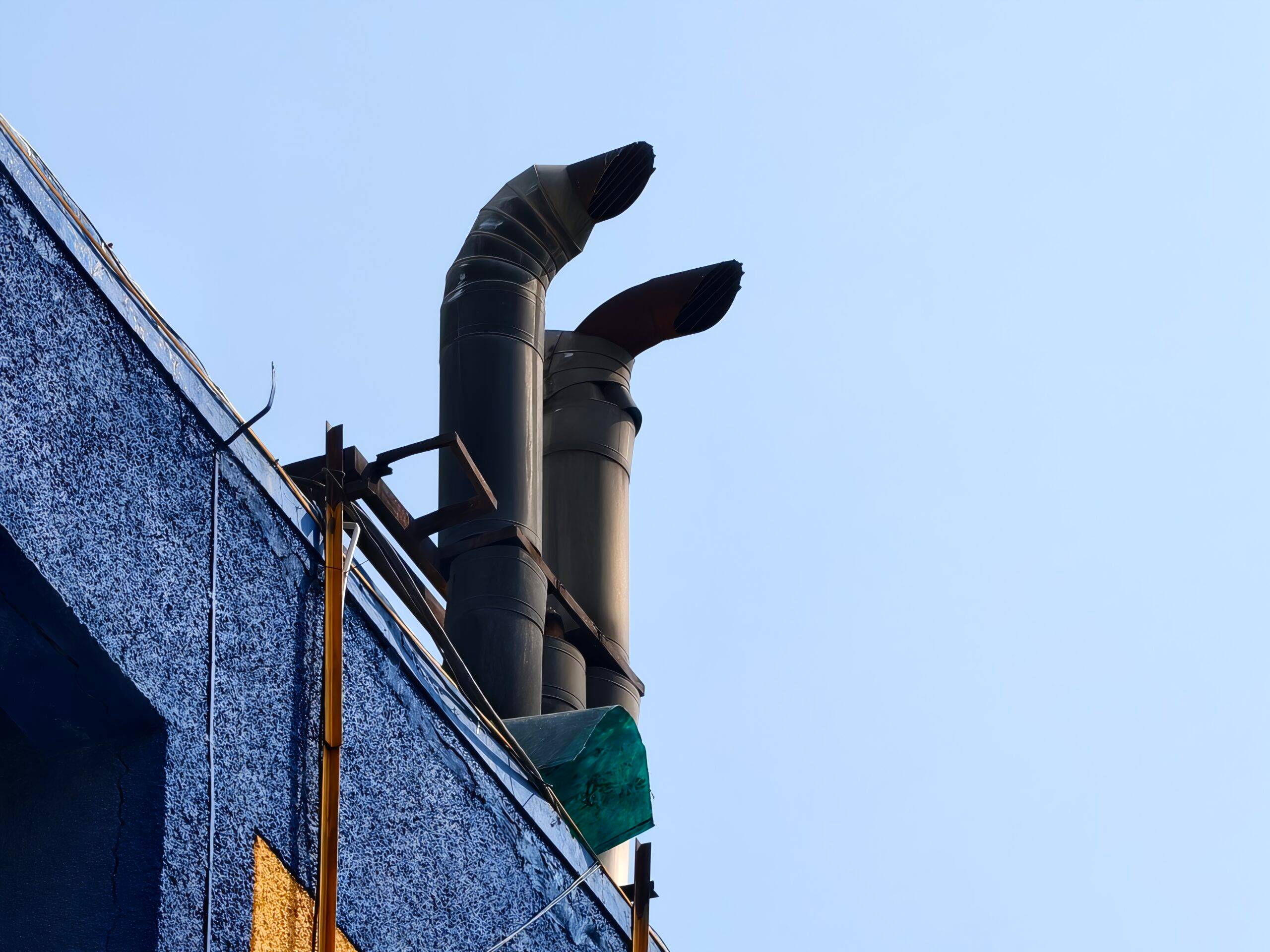
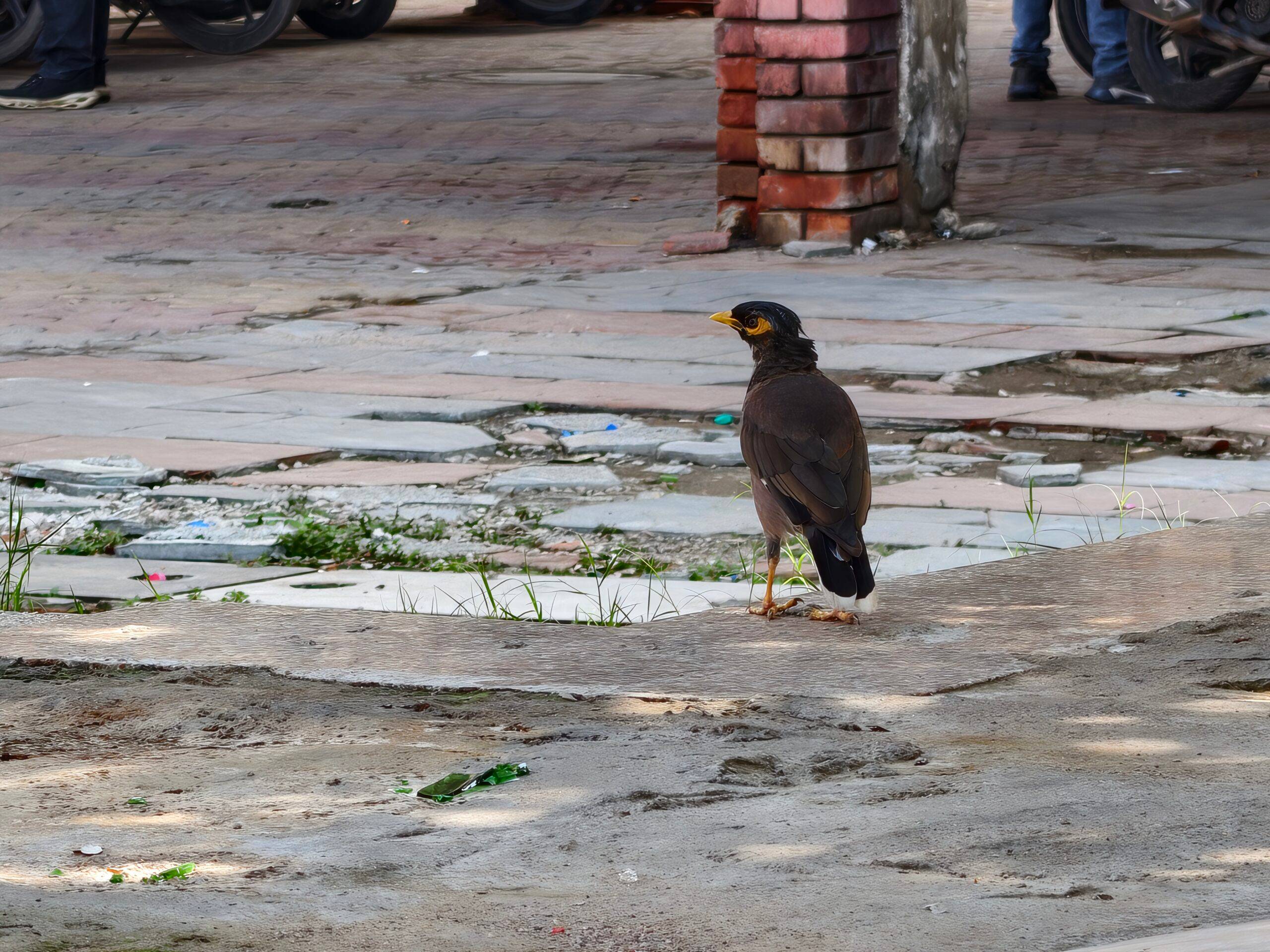
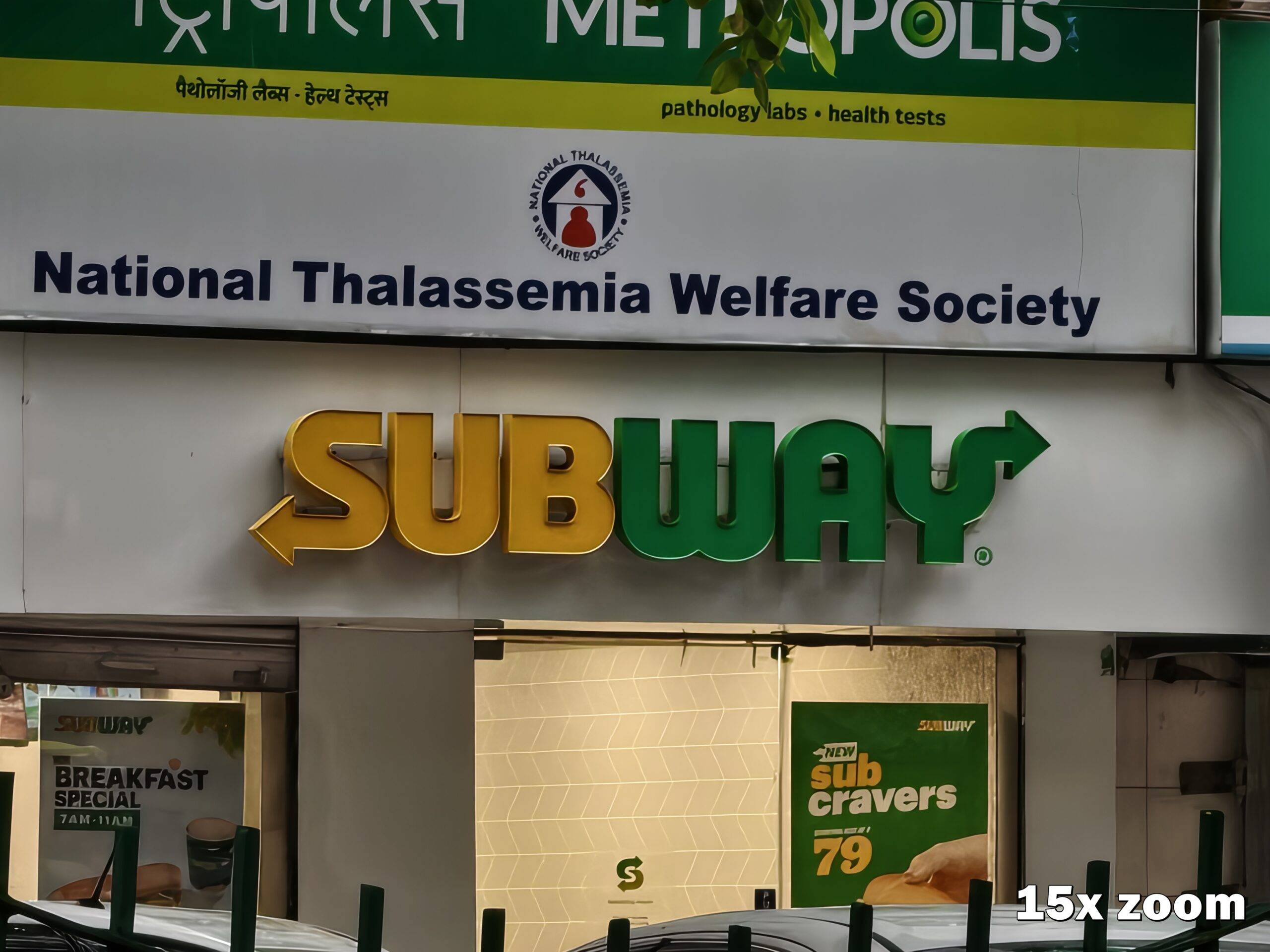
The Vivo T4 Pro offers a dedicated 10x zoom button alongside 1x, 2x, and 3x, marketed as “telephoto stage portraits” at 243mm. At this level, the camera applies significant AI enhancement. In my testing, 10x shots often appeared artificially processed, with blurry images, rough edges, and limited detail.
That said, this isn’t unusual. Most phones with telephoto or periscope lenses also apply AI or software enhancements at extreme zooms, as raw captures often resemble watercolour-like smudges. The Vivo T4 Pro’s approach at least produces usable images, even if they aren’t perfectly natural.
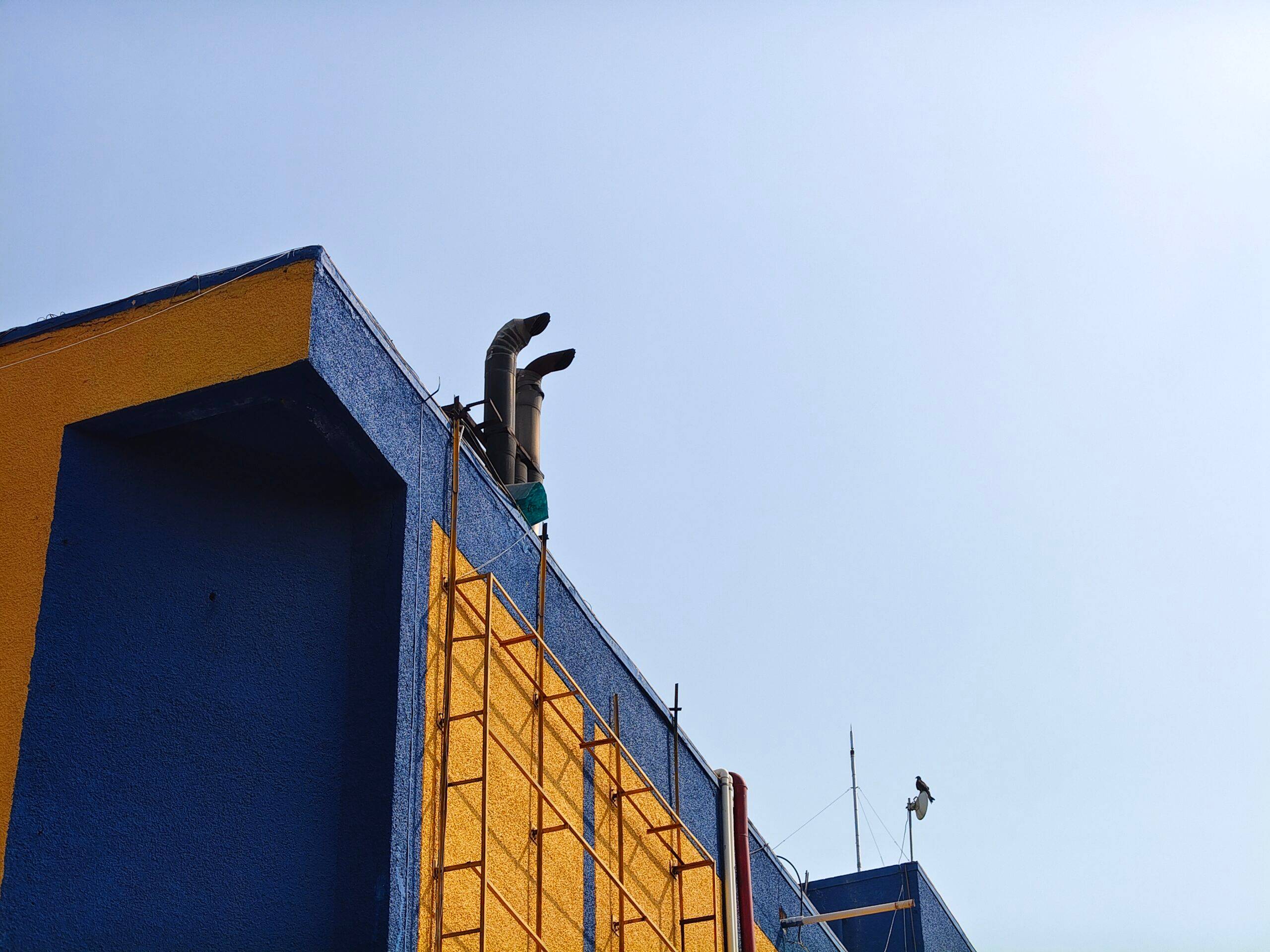
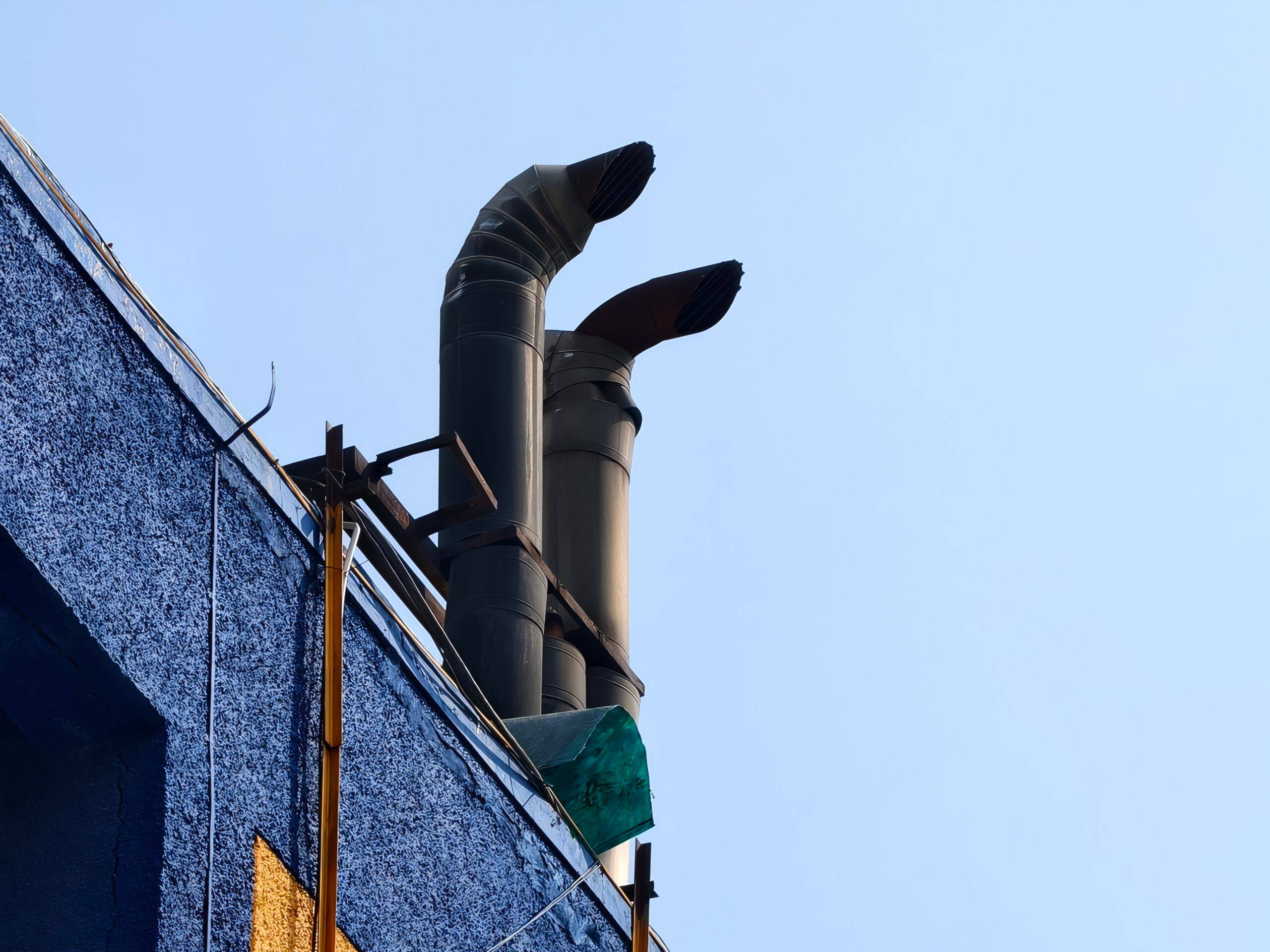
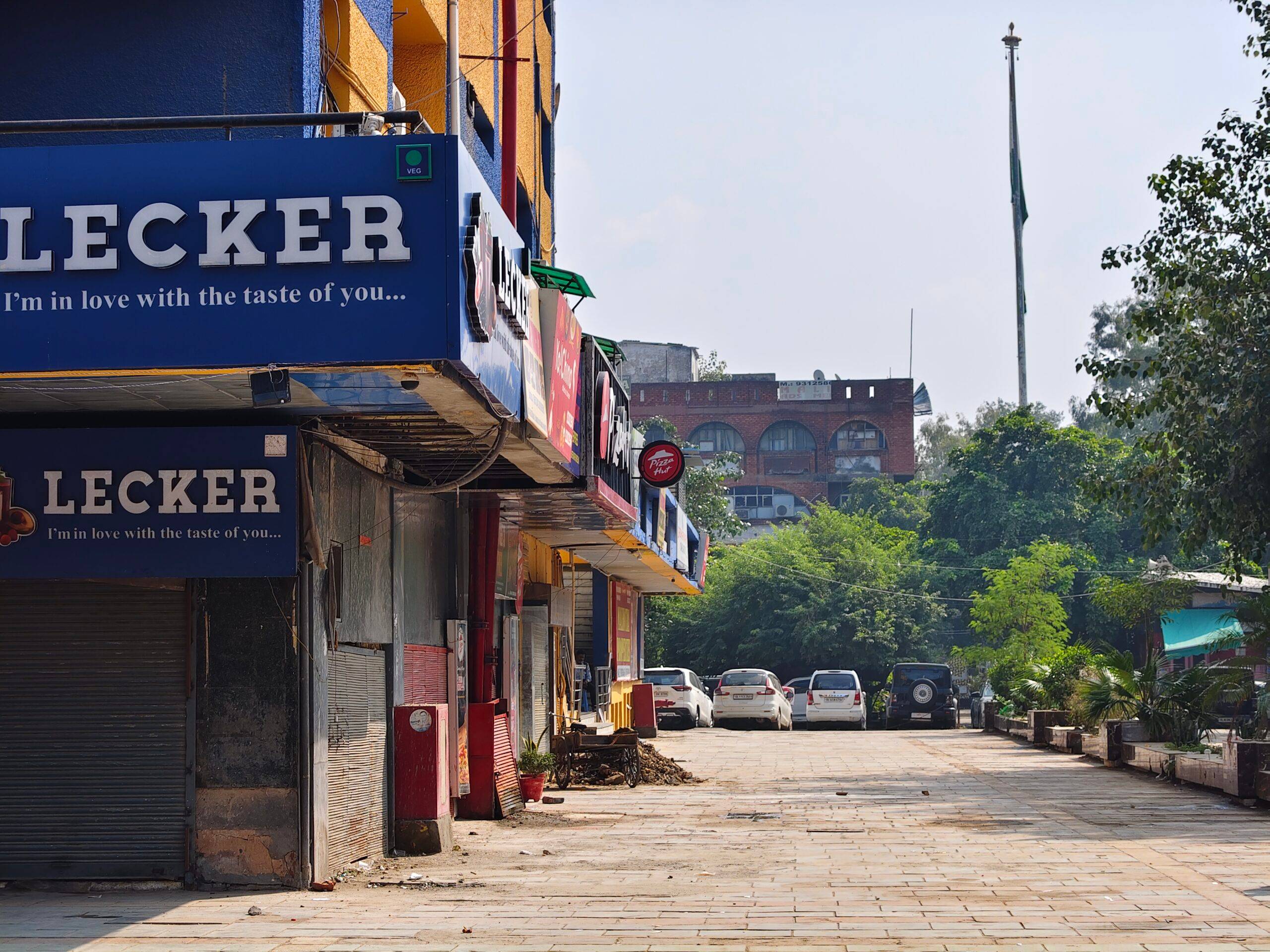

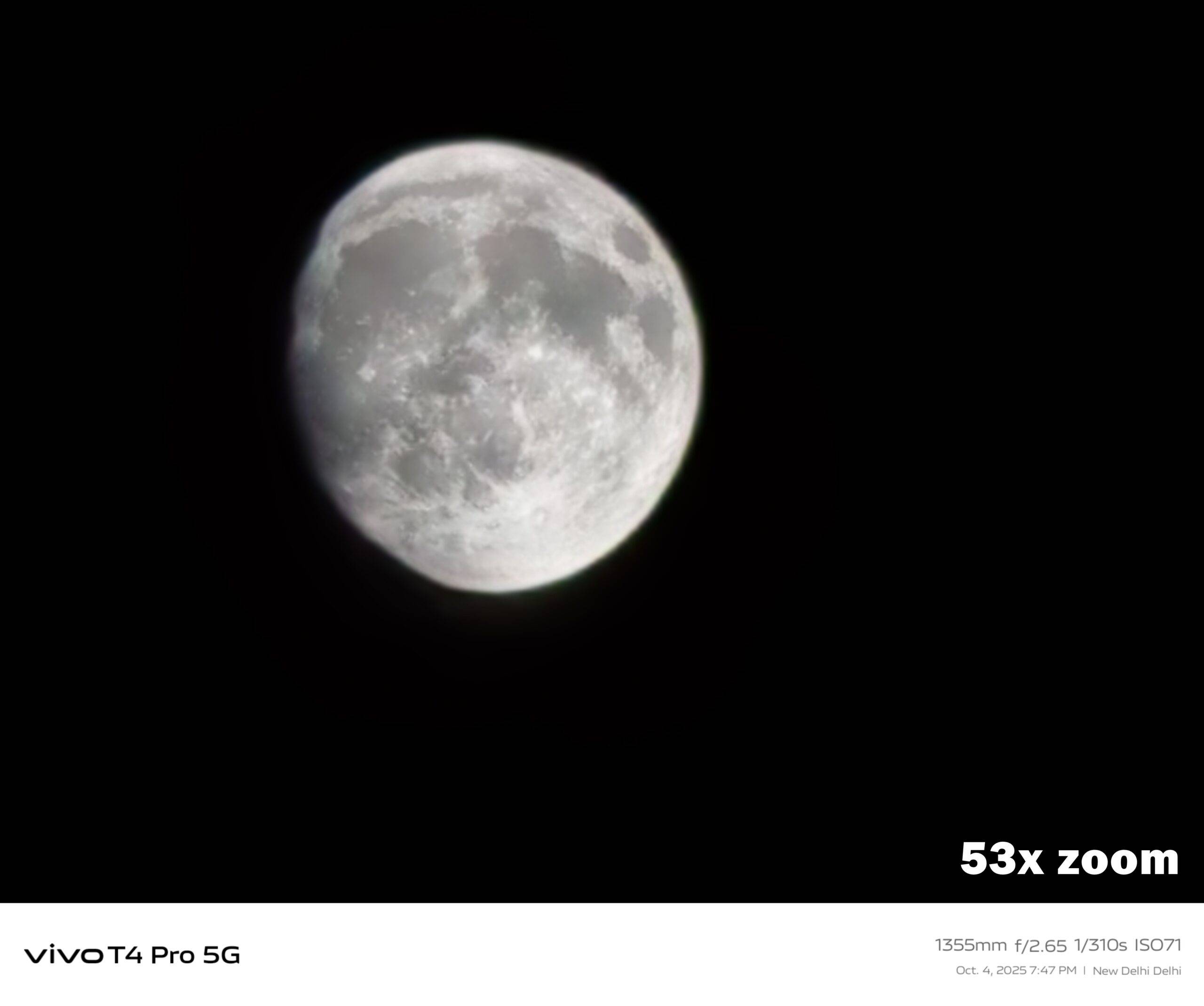
The 10x zoom enhancement can be beneficial for capturing images of still animals in well-lit environments, which is typically the case for the Vivo T4 Pro, especially during daylight. Similarly, it tries to deliver a usable output when capturing text on billboards or buildings. Then there’s also a dedicated “Supermoon” mode, which mostly works as intended.


Film camera mode: adds fun to your photos
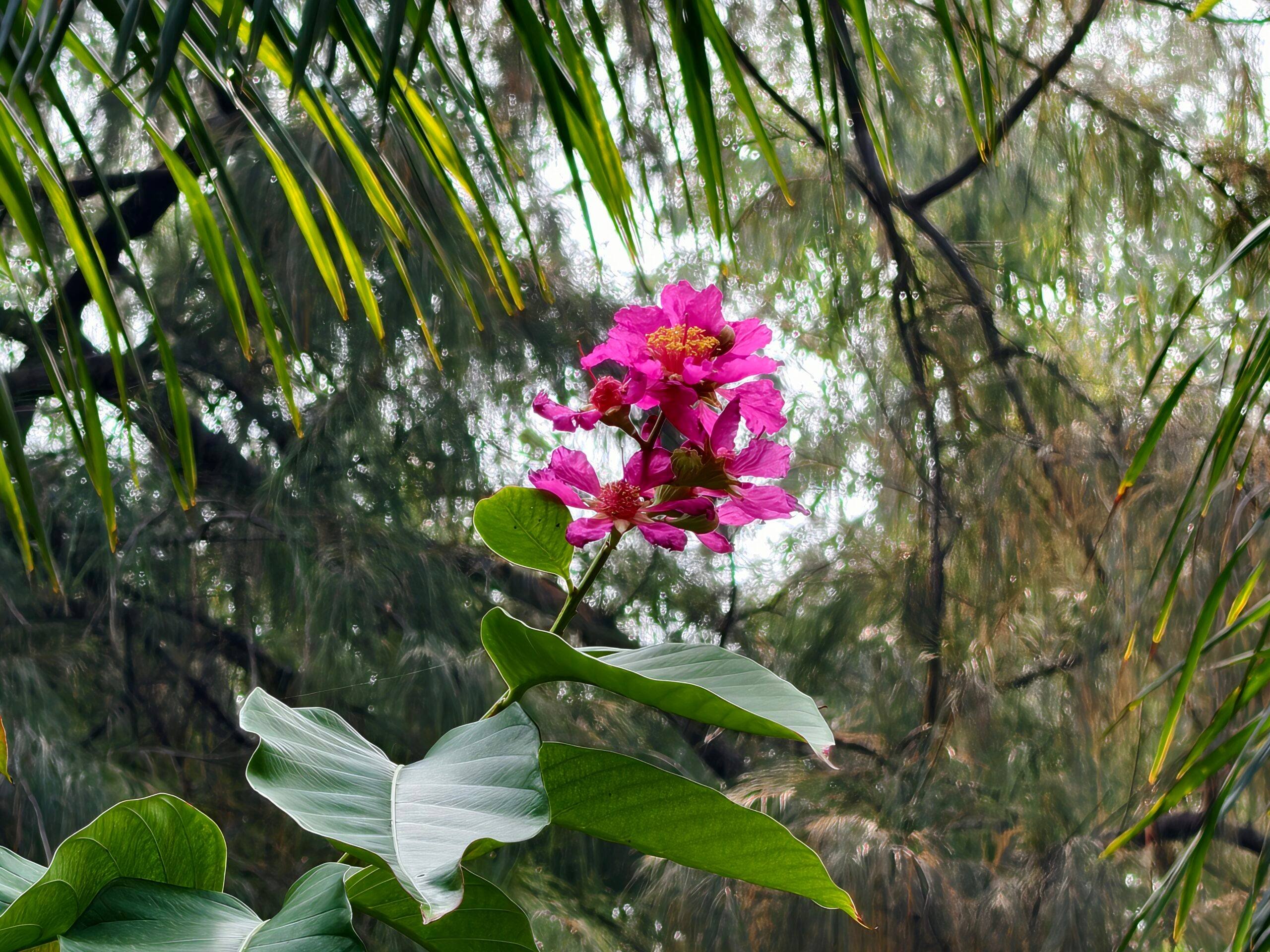
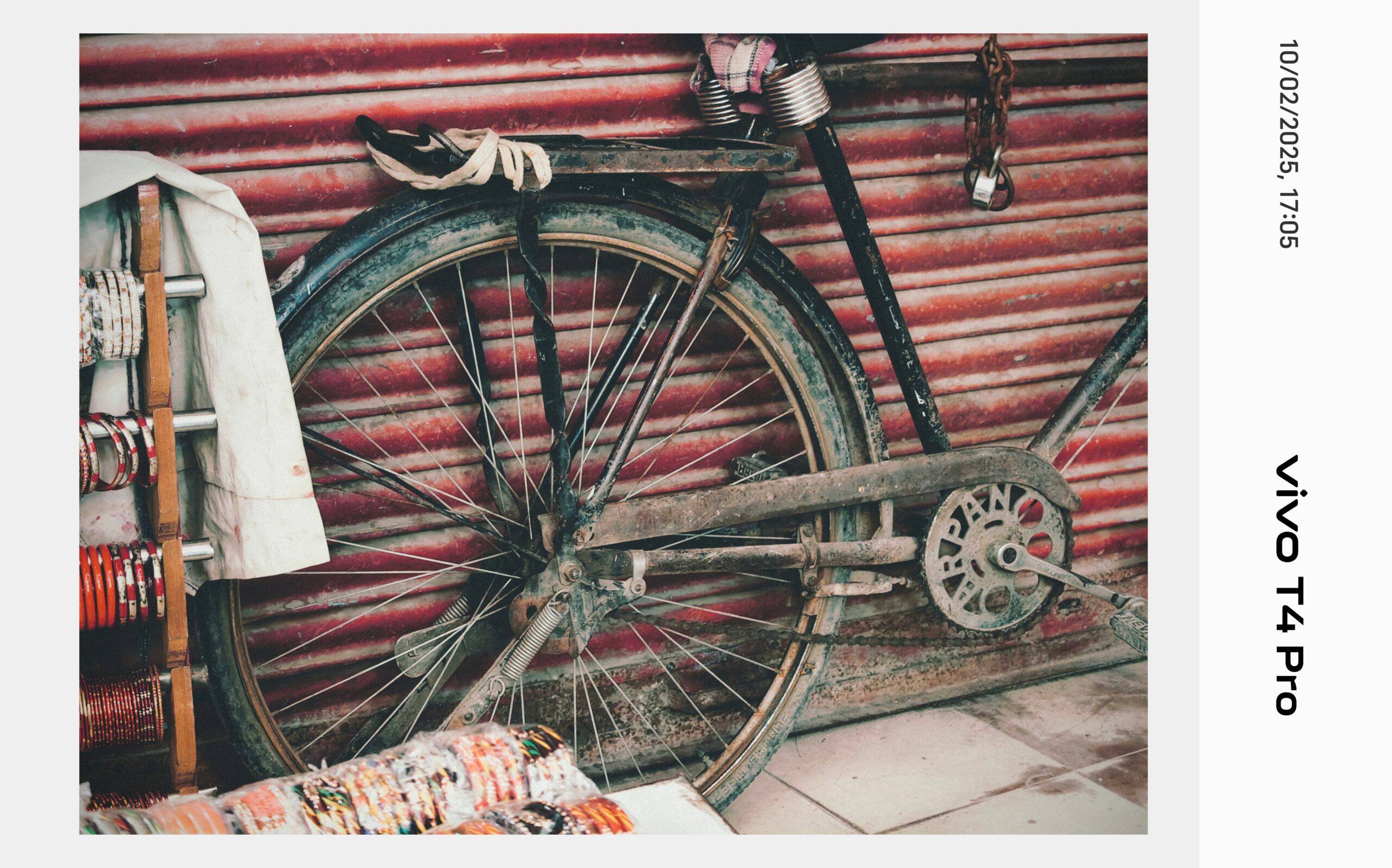
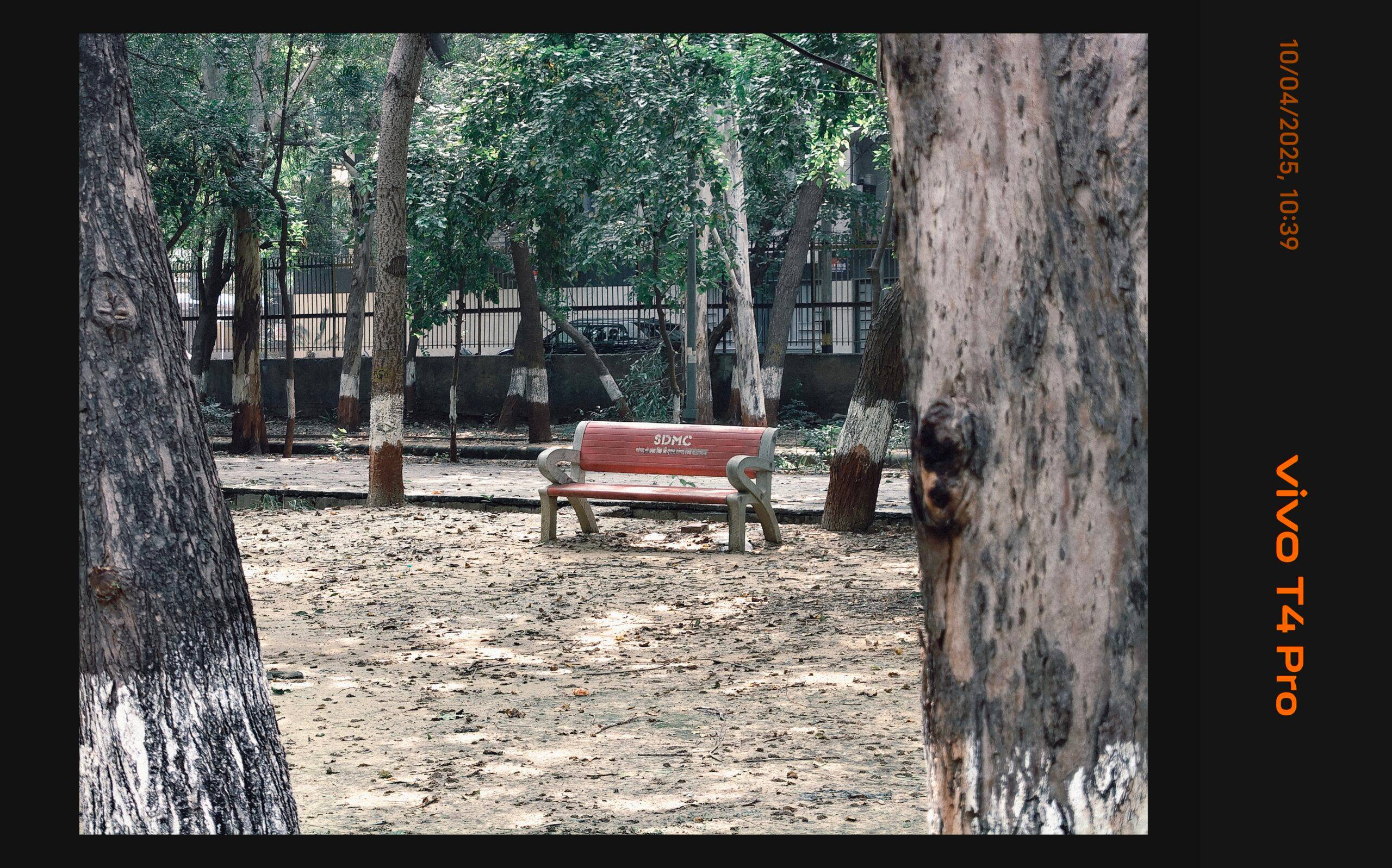
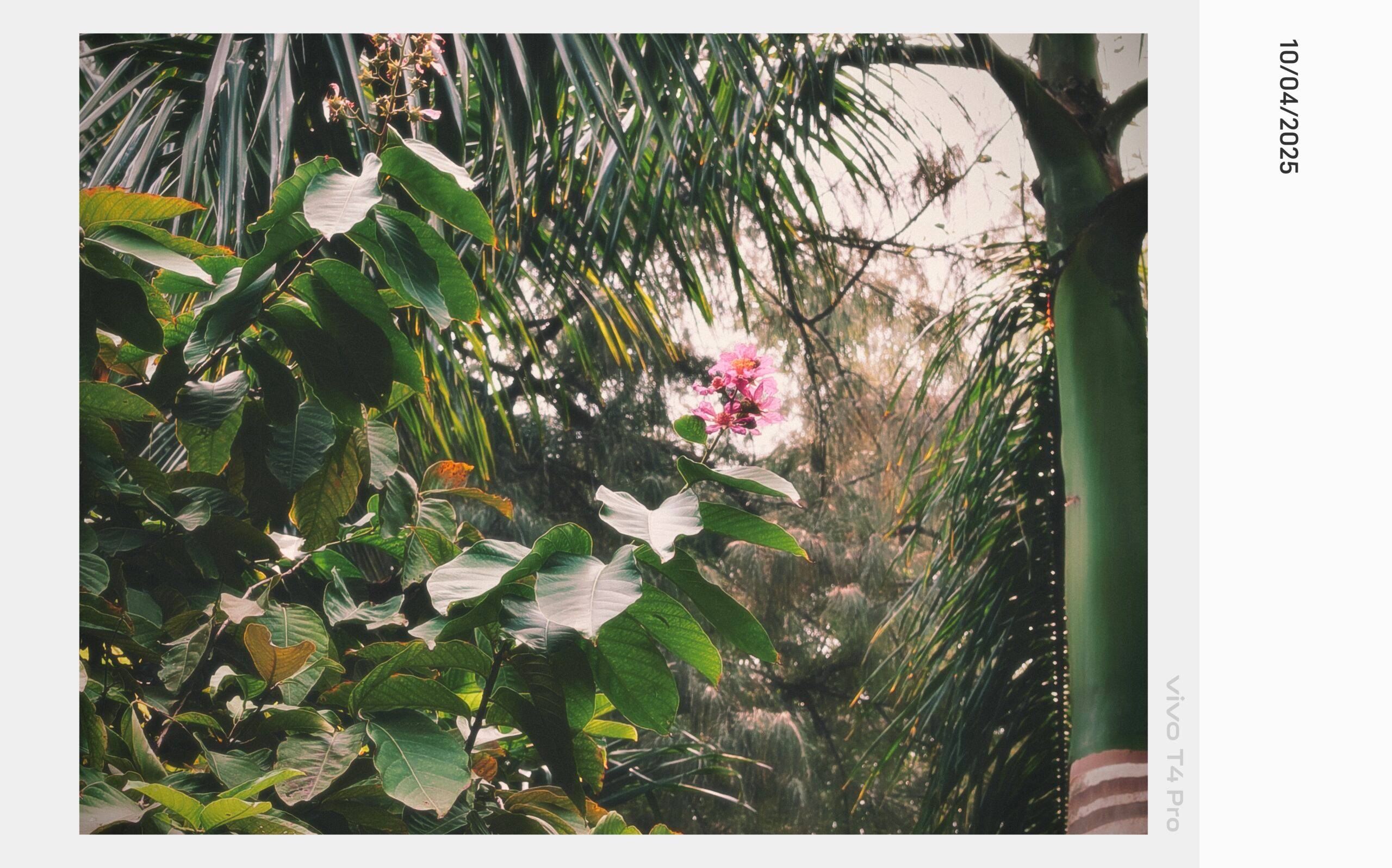
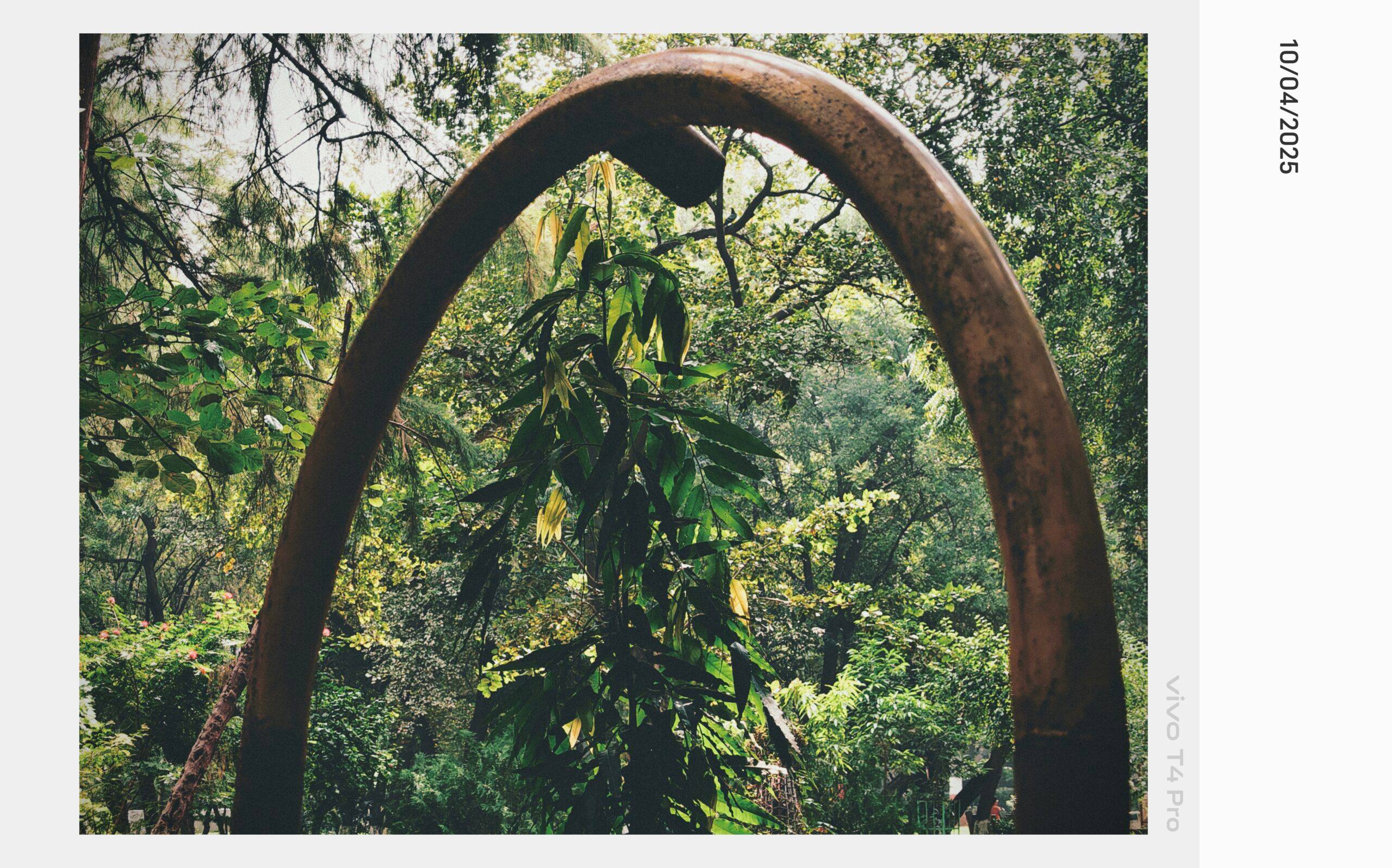
Just like many Vivo smartphones launched in the past, the company has bundled the Vivo T4 Pro with a ‘Film camera’ mode. Since I got to try a sub-Rs 30,000 Vivo smartphone in a long while, I gave this mode a spin and felt that it’s a great tool for photography enthusiasts to capture aesthetic photos without much effort. The mode has predefined filters and watermarks, which you can customise before snapping a shot.
Here are some shots captured using the Film camera mode on the Vivo T4 Pro using the 3x telephoto:
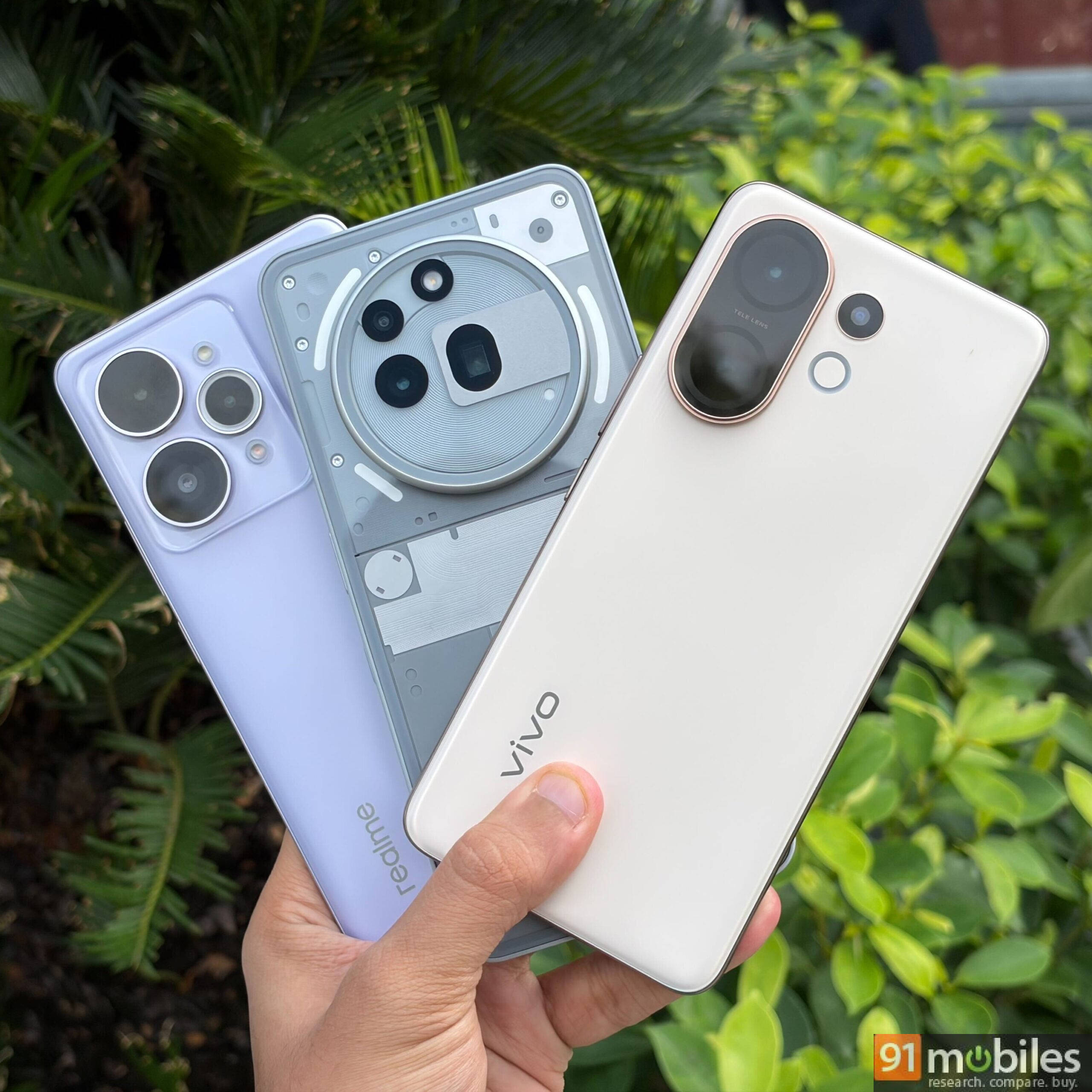
Quick comparison with Nothing Phone (3a) Pro and Realme 15 Pro
Daylight shots
Vivo T4 Pro vs Nothing Phone (3a) Pro (primary lens)
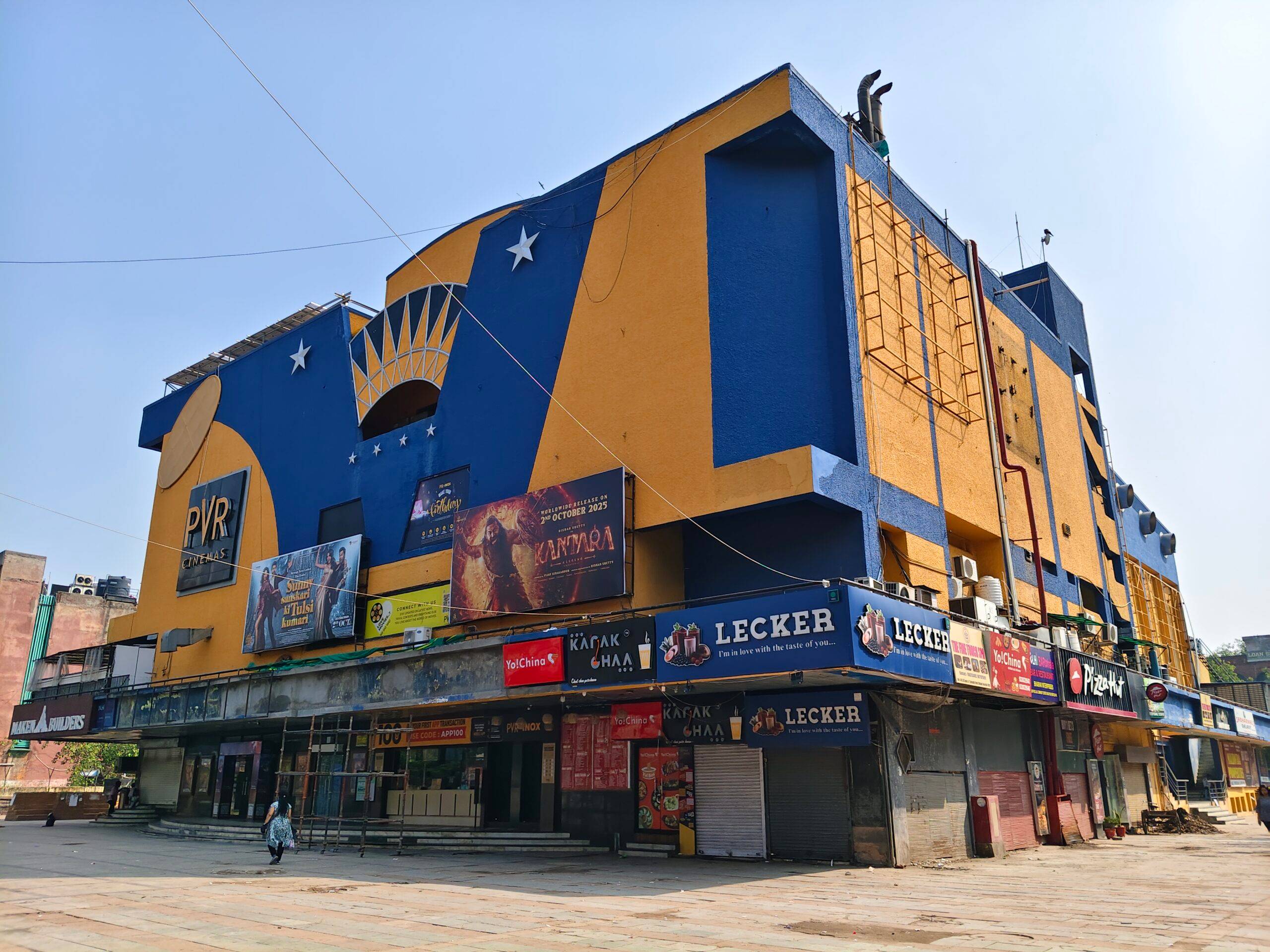
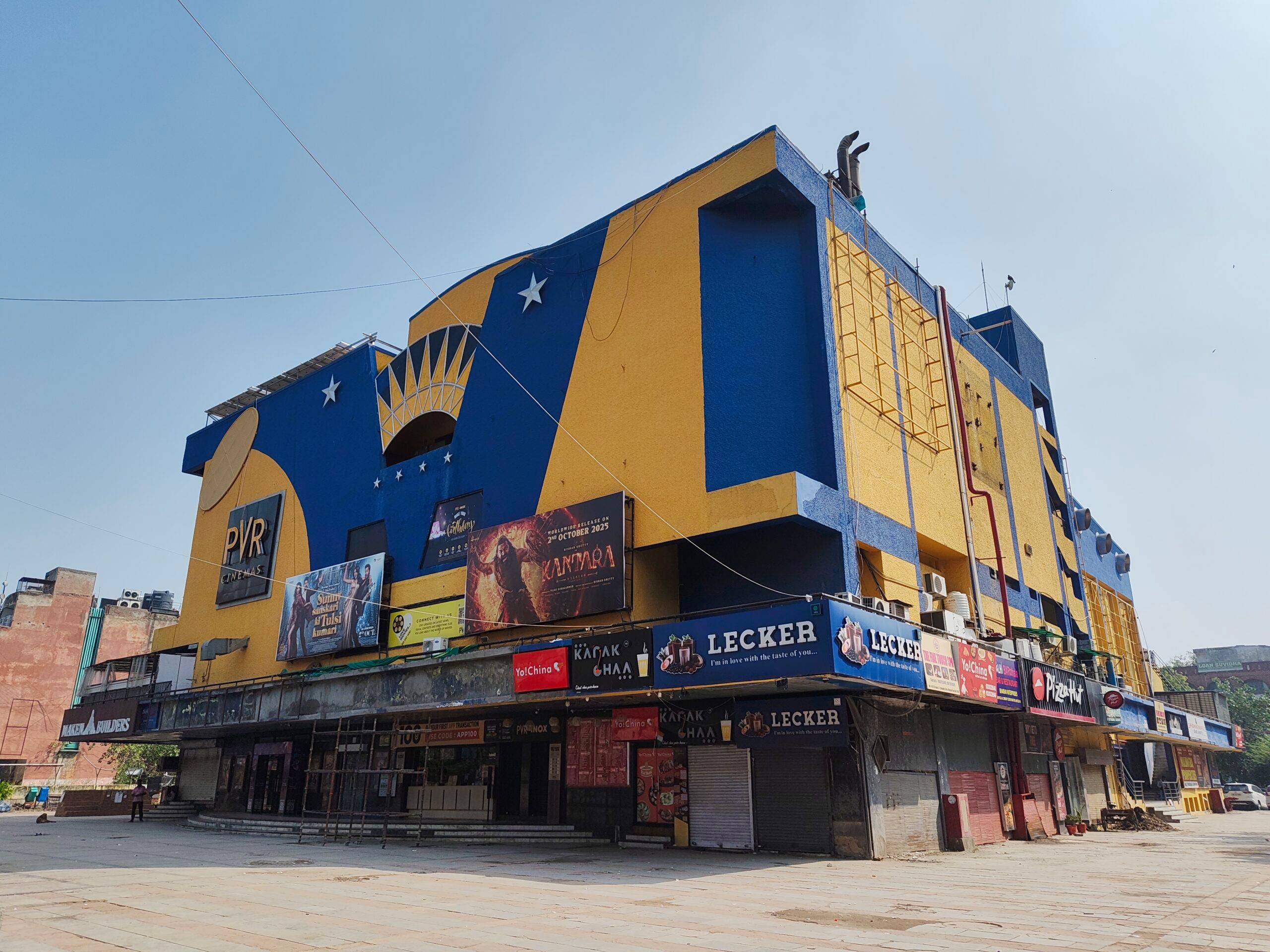
The Nothing Phone (3a) Pro deploys a larger 50MP 1/1.57-inch Samsung GNJ primary camera lens. As a result, when you zoom into the same images taken using the Vivo T4 Pro and Phone (3a) Pro, the latter retrieves more details. When it comes to tones, the Nothing smartphone goes for a natural look, while the Vivo T4 Pro adds slight vibrancy. The area where the T4 Pro excels is in keeping the noise at bay in darker or shadowy areas.
Vivo T4 Pro vs Nothing Phone (3a) Pro (telephoto lens)
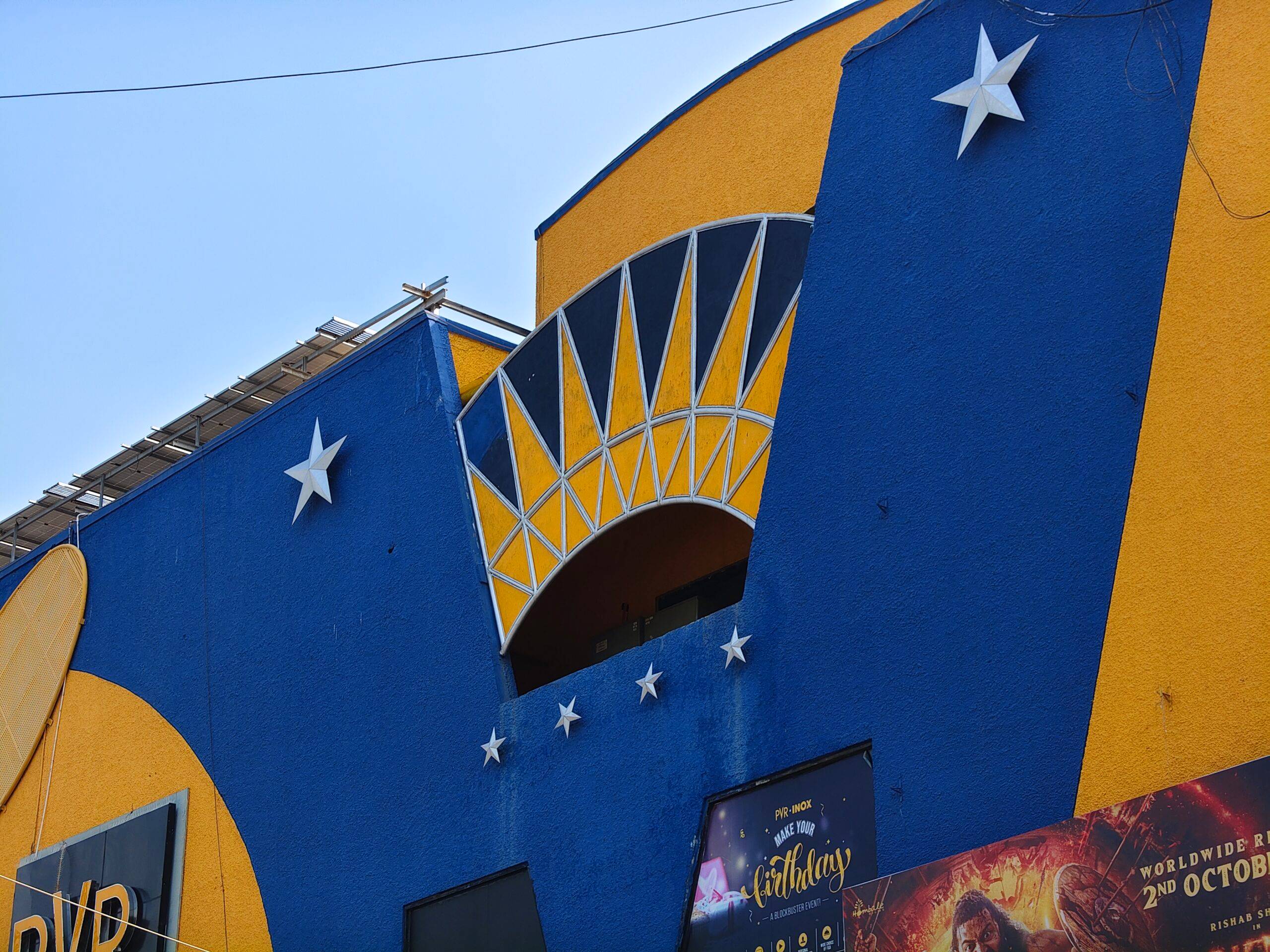
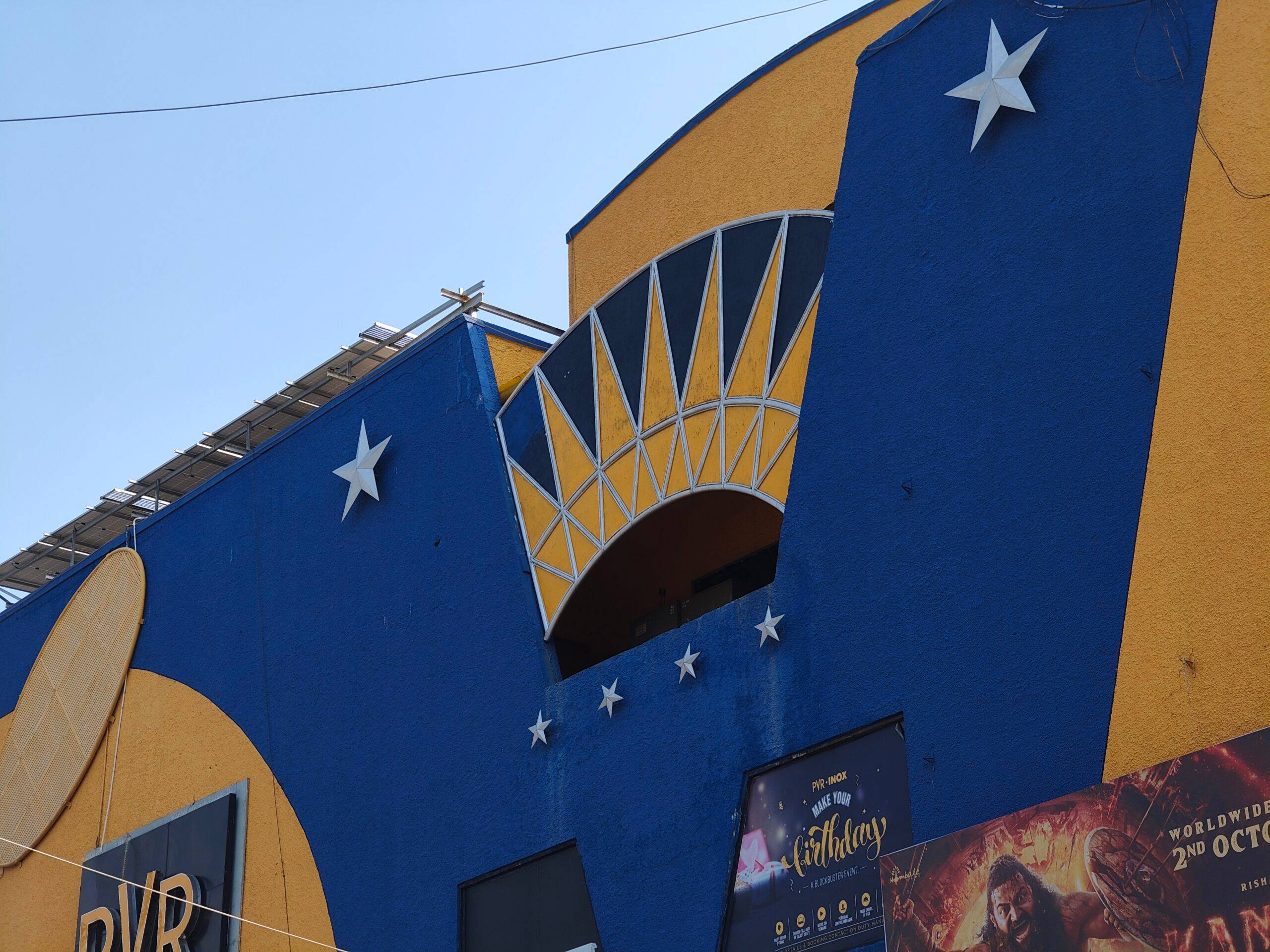
Just like the Vivo T4 Pro, the Nothing Phone (3a) Pro carries a telephoto periscope lens, which is a 50MP 1/1.95-inch Sony LYT600 lens with 3x optical zoom. In accordance with the main lens, the T4 Pro achieves a punchy look, but not overdone, while the Phone (3a) Pro maintains a realistic scene. The Vivo smartphone’s shot appears sharper and crisper compared to the Phone (3a) Pro, which has made the building’s texture soft and plain.
Vivo T4 Pro vs Realme 15 Pro (primary lens)
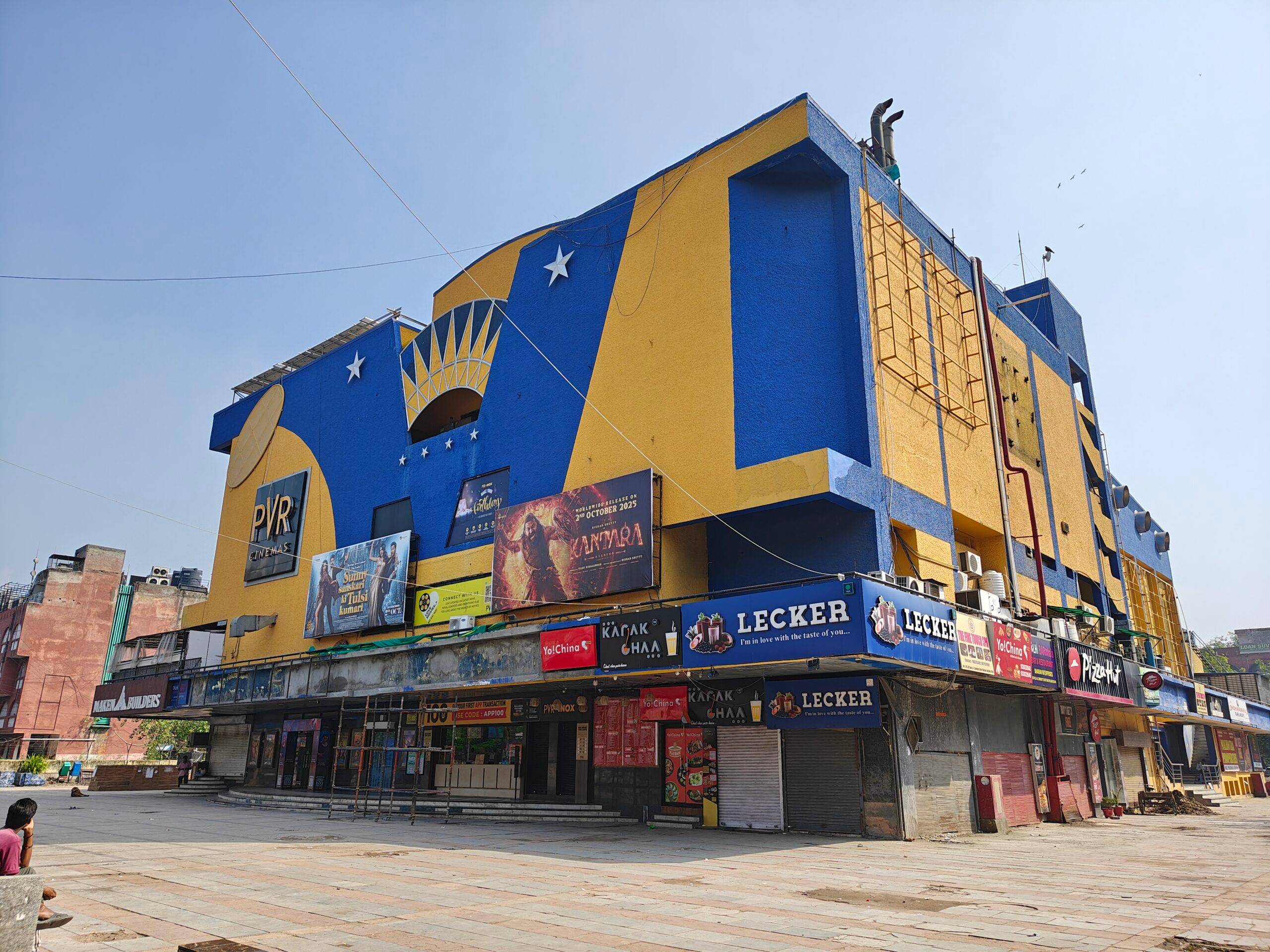
The Realme 15 Pro features a larger primary camera than the Vivo T4 Pro, boasting a 50MP 1/1.57-inch Sony IMX896 lens. Upon capturing the same scene on the three phones, I feel the Realme 15 Pro outputs the most balanced image in terms of colours and tones. The dynamic range is also well maintained in dark areas and the sky. Coming to details, it’s simply ahead of the Vivo T4 Pro.
Night time shots
Vivo T4 Pro vs Nothing Phone (3a) Pro (primary lens)
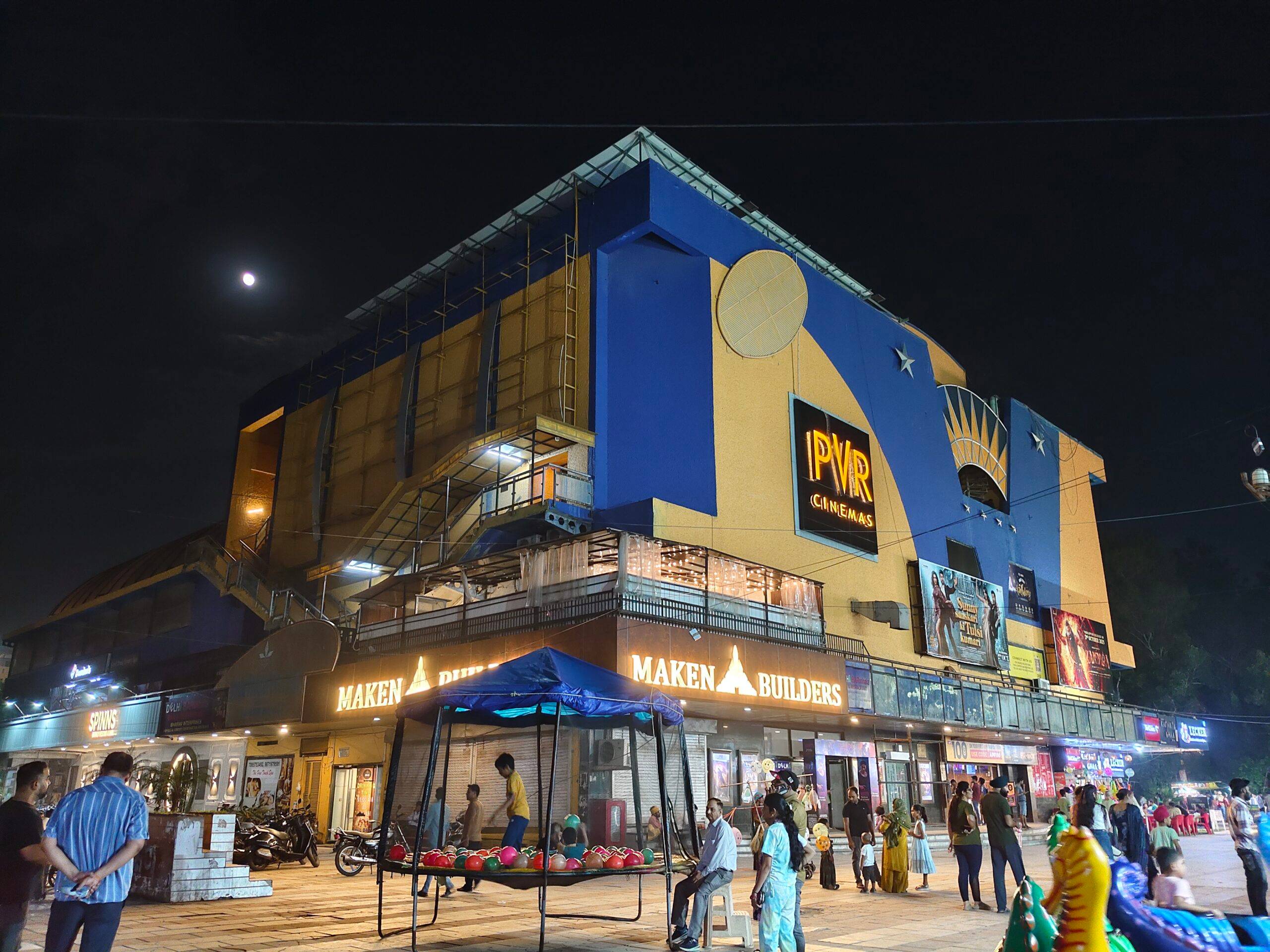
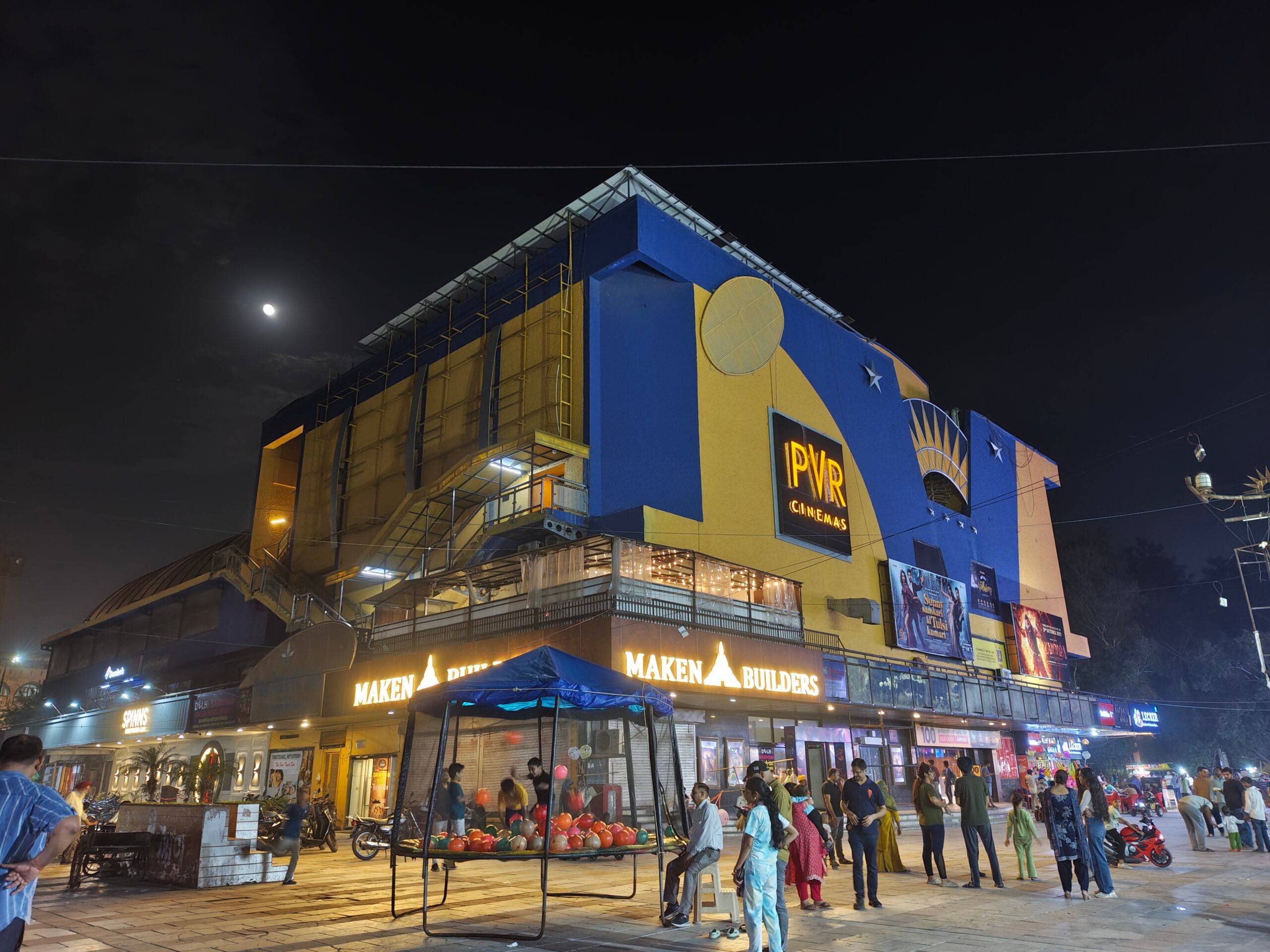
In this scene, the Vivo T4 Pro has brightened the building, but it doesn’t control the light sources as well as the Nothing Phone (3a) Pro. While Vivo’s image is noisier in darker areas, it’s also more detailed. It appears that the Phone (3a) Pro has reduced noise through its processing, but this has also resulted in a loss of detail and raw textures. However, this is only evident when you pixel peep.
Vivo T4 Pro vs Nothing Phone (3a) Pro (telephoto lens)


When capturing a super-bright subject using the telephoto lenses of both smartphones at native zoom levels (around 70mm), the Vivo T4 Pro falls apart in handling the colours of the sky compared to the Nothing Phone (3a) Pro. The surrounding light sources act as an obstacle for the T4 Pro to deliver an appealing image, at least in the scenario shown above. You can also find subtle grains in the T4 Pro’s image.
Vivo T4 Pro vs Realme 15 Pro (primary lens)
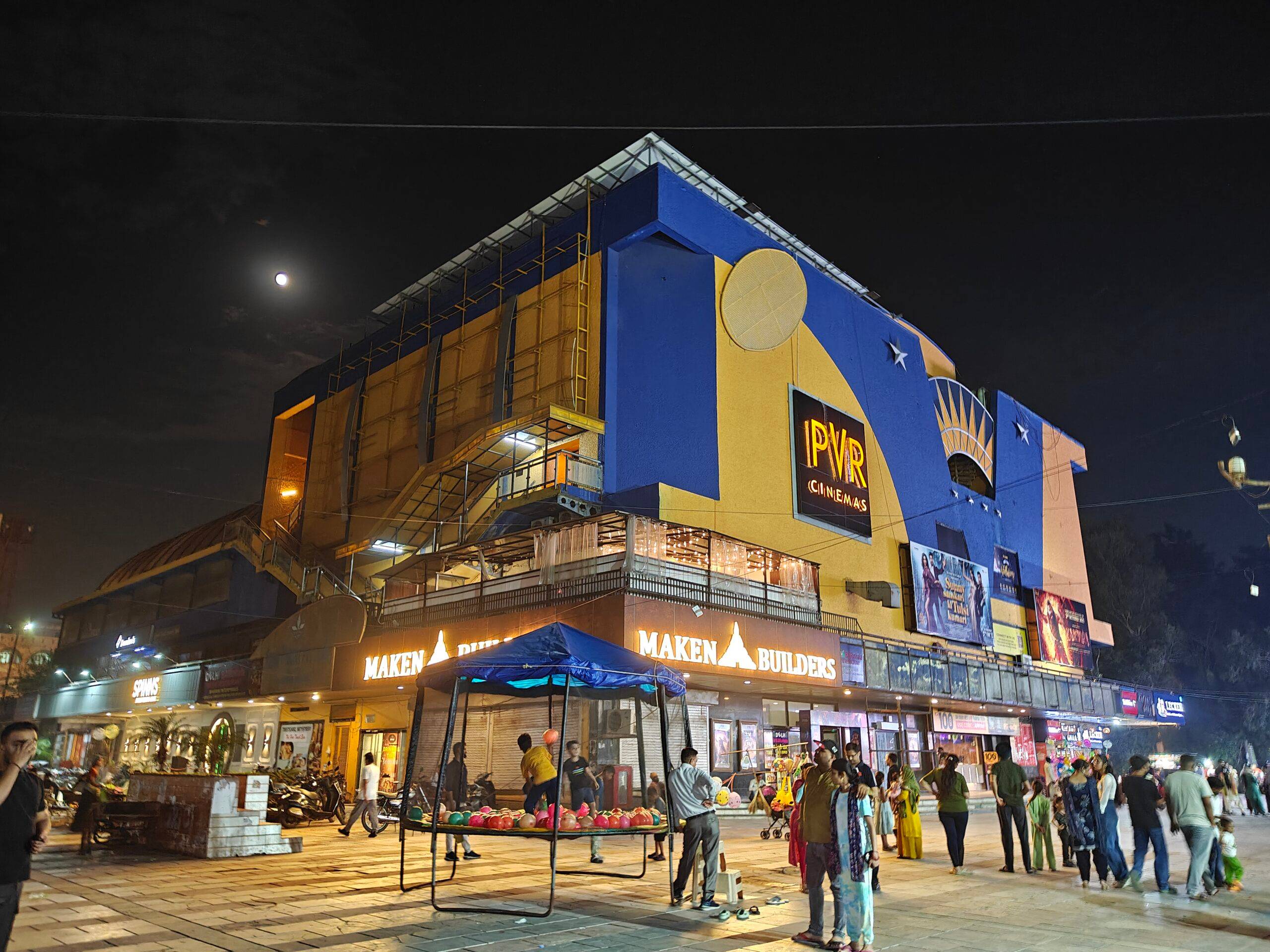
In the nighttime comparison above, the Realme 15 Pro’s image is less grainy, especially in the darker areas, and is also well-exposed. While both images are neck to neck in terms of details, I found Realme 15 Pro’s output more appealing.
Portrait shots
Vivo T4 Pro vs Nothing Phone (3a) Pro


Both phones can capture portrait shots using their respective telephoto lenses at 3x zoom levels. In the comparison shown above, the Nothing Phone (3a) Pro maintains the exposure on the face well and produces colours that are closer to reality. The edge detection, however, is carried out better on the Vivo T4 Pro. It’s likely the Vivo T4 Pro uses its 2MP bokeh lens for snapping portrait shots.
Vivo T4 Pro vs Realme 15 Pro

Since the Realme 15 Pro misses out on a telephoto lens, we captured the portrait photo using the primary lens at a 2x zoom level (around 50mm). Therefore, the Vivo T4 Pro’s image turned out sharper with better subject separation from the background.
In the portrait comparison below, the Vivo T4 Pro’s colours lean more towards the saturated side and have the perfect white balance levels. The Phone (3a) Pro and Realme 15 Pro deliver warmer tones. Vivo also leads with a tad better details and edge detection compared to the other two phones.



Selfies
Vivo T4 Pro vs Nothing Phone (3a) Pro


In selfies, although Vivo T4 Pro’s 32MP front camera manages exposure on the face better, the Nothing Phone (3a) Pro’s output from its 50MP selfie shooter appears to be closer to reality. Once again, the Vivo handset produces saturated colours and the details aren’t as evident as in the Phone (3a) Pro’s shot.
Vivo T4 Pro vs Realme 15 Pro

The 50MP front camera on the Realme 15 Pro captures a wider field of view, which would be more ideal for group shots compared to the Vivo T4 Pro. Just like the Phone (3a) Pro, the Realme 15 Pro delivers an image that appears realistic to the actual scenario. However, the T4 Pro’s image has finer raw textures, while the 15 Pro’s output appears softer when zoomed in.
Verdict: Does the Vivo T4 Pro deliver the best camera experience in its segment?
If you like punchy, vibrant photos, the Vivo T4 Pro won’t disappoint. It captures good detail, contrast, and dynamic range, surpassing those of the Nothing Phone (3a) Pro, although not quite reaching the level of the Realme 15 Pro. The 3x telephoto lens is a big plus, letting you zoom without losing clarity, though it can overexpose skies and faces in some shots.
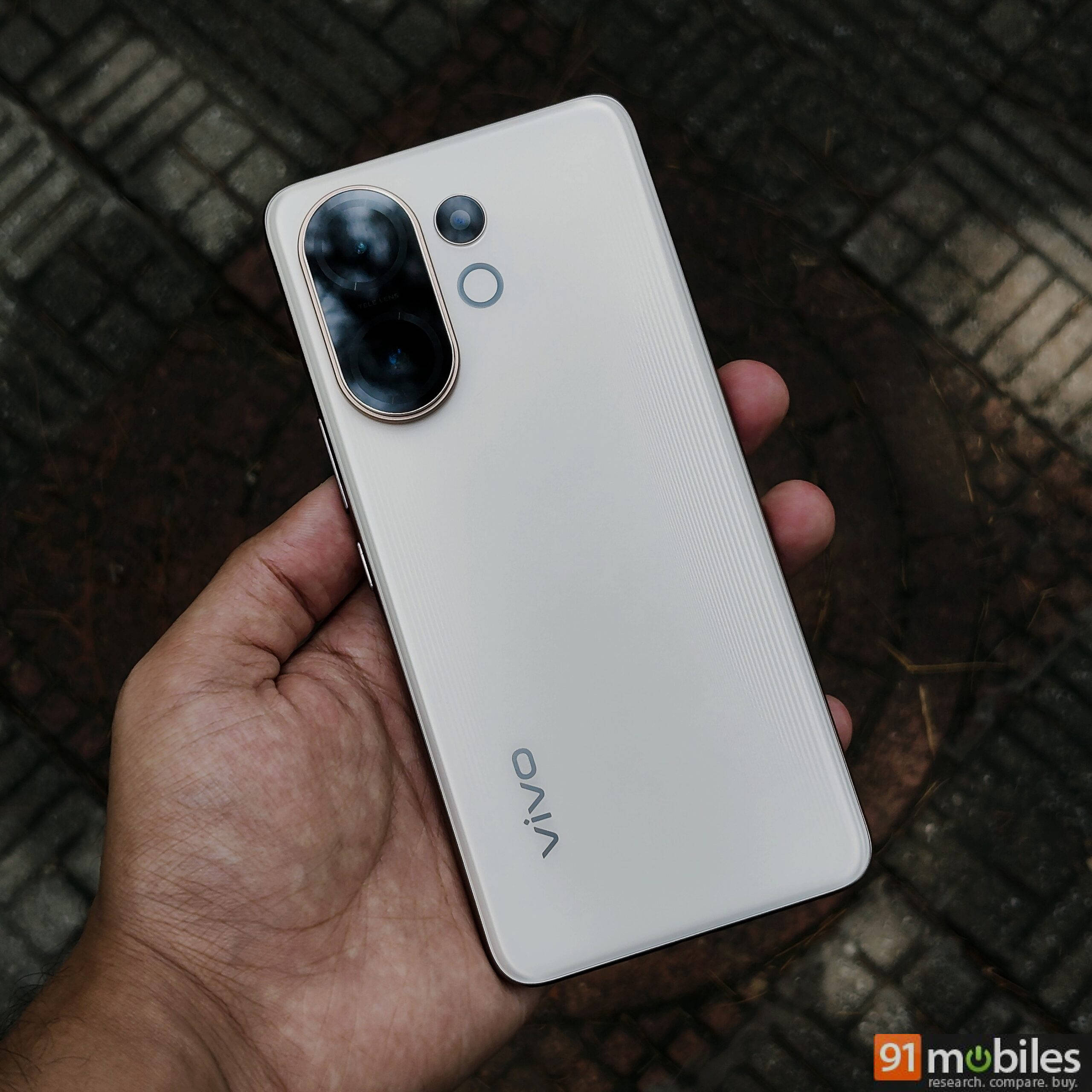
Even at 10x zoom, the phone’s zoom algorithms keep results surprisingly usable in daylight. It doesn’t match the Nothing Phone (3a) Pro’s telemacro finesse, but overall, the T4 Pro delivers reliable, everyday camera performance. At Rs 27,999, it’s a solid choice for casual photographers who value versatility, design, and durability.
Editor’s camera rating – 8.5 / 10
Pros
- Vibrant daylight and low-light images with a decent level of detail and white balance.
- Zoom enhancement algorithms allow capturing usable shots even at 10x zoom levels.
- Good edge detection for human subjects in portrait mode.
- Film camera mode adds a fun element to your photography
- Manages selfie exposure on the face better than its rivals
Cons
- Both main and telephoto cameras may exhibit subtle noise.
- Telephoto lens tends to overexpose light sources and the sky in low light.
- Macro or close-up shots can’t be captured using the telephoto lens.
- Overall details and exposure in selfies could be improved