Review Summary
Expert Rating
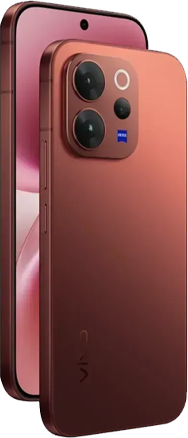
The first-ever Vivo V70 Elite may not be entirely different from the standard model, but it packs a Snapdragon 8s Gen 3 SoC ticking at its core. This marks the first time a V-series handset has featured a Snapdragon 8 Series chipset. Even though it isn’t the latest SoC, it adds a stronger performance identity to the V-series lineup. After using the Vivo V70 Elite as my daily driver for over a week, I can confidently say it is a solid contender in its segment.
But, should you consider buying it? Continue reading this Vivo V70 Elite review to find out.
Table of Contents
Verdict
If you want a well-rounded smartphone with strong battery life, capable cameras, dependable performance, and a design that stands out without looking extravagant, the Vivo V70 Elite makes a compelling case. While the handset does not reinvent the V-series, it refines it in meaningful ways.
Flat-edge aesthetics with premium finish
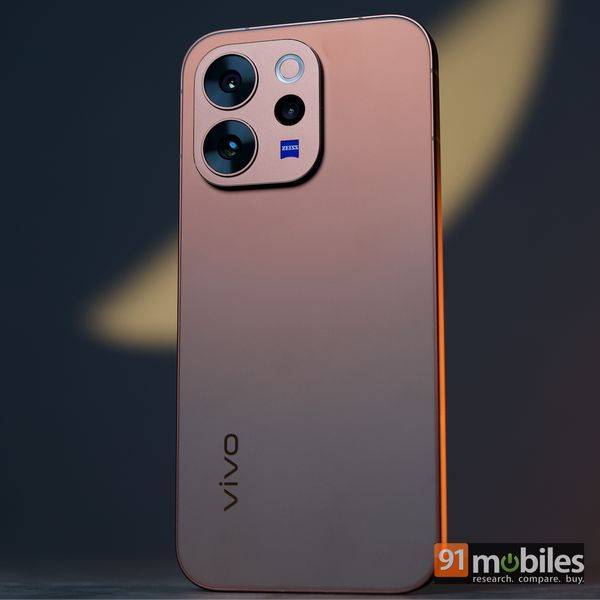
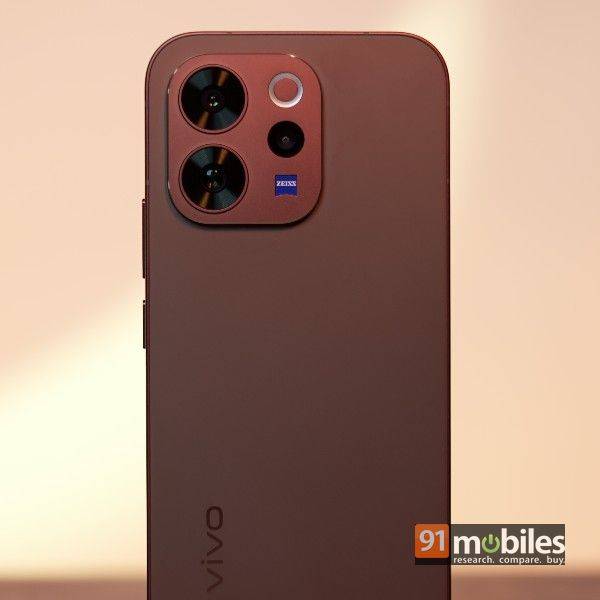
The Vivo V70 Elite features a design language that feels contemporary yet unique within Vivo’s portfolio. I kind of admire the new design and find it much more appealing than the gigantic circular camera module seen on the X-series lineup. The Vivo V70 Elite features a flat-edge design with a squarish camera module that houses the triple cameras, an aura-ring LED, and Zeiss branding.
The phone comes in three colour options: Authentic Black, Sand Beige, and Passion Red. It’s Passion Red that Vivo is pushing in most of its marketing materials, and understandably so. The shade is bold, energetic, and immediately eye-catching, making it the natural pick for anyone who prefers their phone to stand out.
Sand Beige, on the other hand, takes a subtler route. It may not grab attention in the same way, but it has an understated elegance that grows on you over time. I’ve been using this variant as my daily driver, and its muted tone paired with the contrasting flat edges gives it a clean, minimalist aesthetic. It feels balanced and mature rather than flashy. Authentic Black rounds off the trio with a classic, no-nonsense appeal for those who prefer a timeless finish.
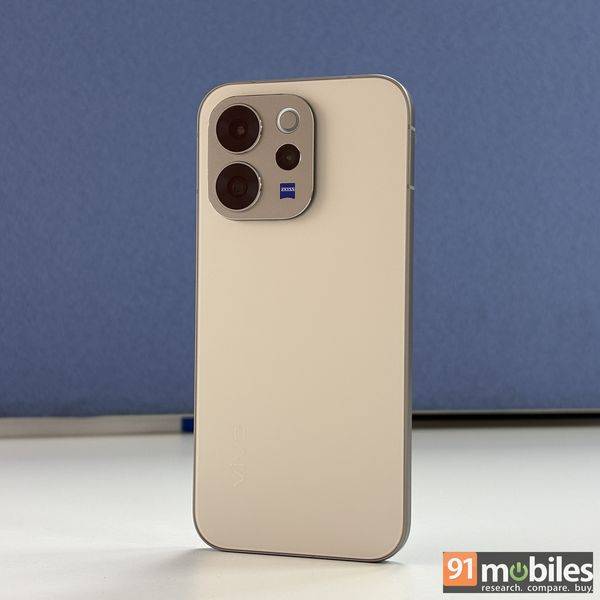
If it weren’t for the punch-hole display, the Vivo V70 Elite could easily fool anyone into thinking it was an iPhone from the front. The handset features the same rounded corners and flat display, with the bare minimum of bezels, which Vivo claims are 1.25mm, the slimmest in the segment. The smartphone is also comfortable to wield, with its 194-gram weight and 7.59mm thickness. Moreover, the aluminium-grade aluminium framing lends a premium in-hand feel.
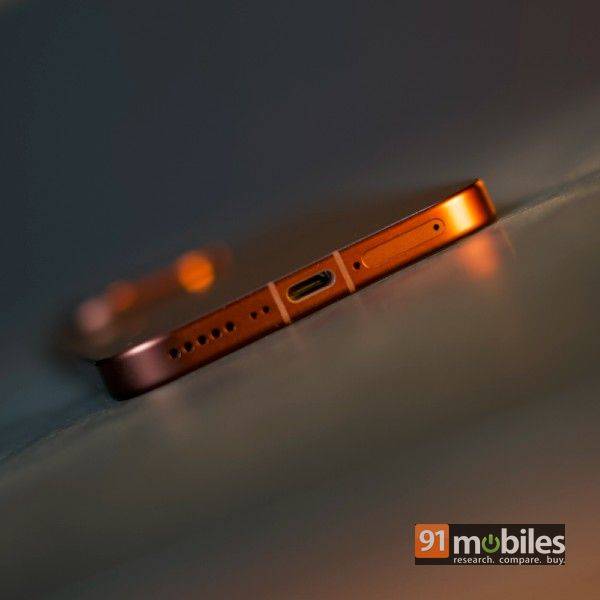
As for I/O, the Vivo V70 Elite features a USB Type-C port for charging and data transfer at the bottom edge. The phone also features stereo speakers that maintain their composure even at maximum volume. You get crisp audio, with clear vocals and decent bass. For security, the V70 Elite boasts a 3D Ultrasonic Fingerprint scanner 2.0 that is quick and accurate for unlocking the device. The scanner is also conveniently placed on the display, where the thumb naturally rests while holding the device.
Versatile, reliable cameras
The Vivo V70 Elite features a ZEISS-branded triple-camera system headlined by a 50MP primary sensor with OIS and a large 1.6cm sensor size, designed to capture more light for improved low-light performance and sharper detail. It is accompanied by an 8MP ultra-wide lens offering a 120-degree field of view and a 50MP OIS-enabled Sony IMX882 1.3cm sensor. On the front, there’s a 50MP ZEISS group selfie camera in the punch-hole setup. The setup closely mirrors that of its predecessor, the Vivo V60.
The ultra-wide lens now uses an f/2.2 aperture instead of the previous f/2.0, which may slightly reduce light intake in dim conditions. On the other hand, the 50MP front camera uses a brighter f/2.0 lens, up from the previous f/2.2, allowing it to gather more light for cleaner, better-exposed selfies.
It was apparent in our comparison of the Vivo V70 Elite with the similarly priced OnePlus 13s (review).
Selfies


The Vivo V70 Elite has a slight edge over the OnePlus 13s in selfies, with more natural-looking results. The handset produces skin tones closer to reality. While the details may appear soft in comparison, it isn’t artificially overprocessed like the OnePlus offering. That said, controlling exposure and highlighting details in shadowy areas are where the Vivo V70 Elite needs improvement.
Daylight


The Vivo V70 Elite’s primary camera delivers consistently impressive results, producing images with punchy contrast and vibrant colours. It leans towards cooler tones, giving shots a slightly more saturated, crisper look. The handset also outputs images with slightly better details than its counterpart, the OnePlus 13s, which favours warmer colour science. While this enhances the perceived dynamic range and gives images a softer, more balanced feel, the OnePlus smartphone falls short in preserving intricate textures.
Portrait
The Vivo V70 Elite carries its cool-toned colour science over to the 3x 50MP telephoto camera as well. Portraits look striking at first glance, with boosted contrast and a vivid finish that makes subjects stand out. However, this tuning sacrifices a touch of realism. Facial details appear slightly softened, which is fine as long as you are not shooting portraits of subjects in bright, sunny conditions.


By comparison, the OnePlus 13s manages exposure more effectively, retains finer details, and keeps skin tones closer to natural. Edge detection is also more precise, giving portraits cleaner subject separation, but the simulated bokeh doesn’t feel as natural as that of the V70 Elite.
Low light (night mode)
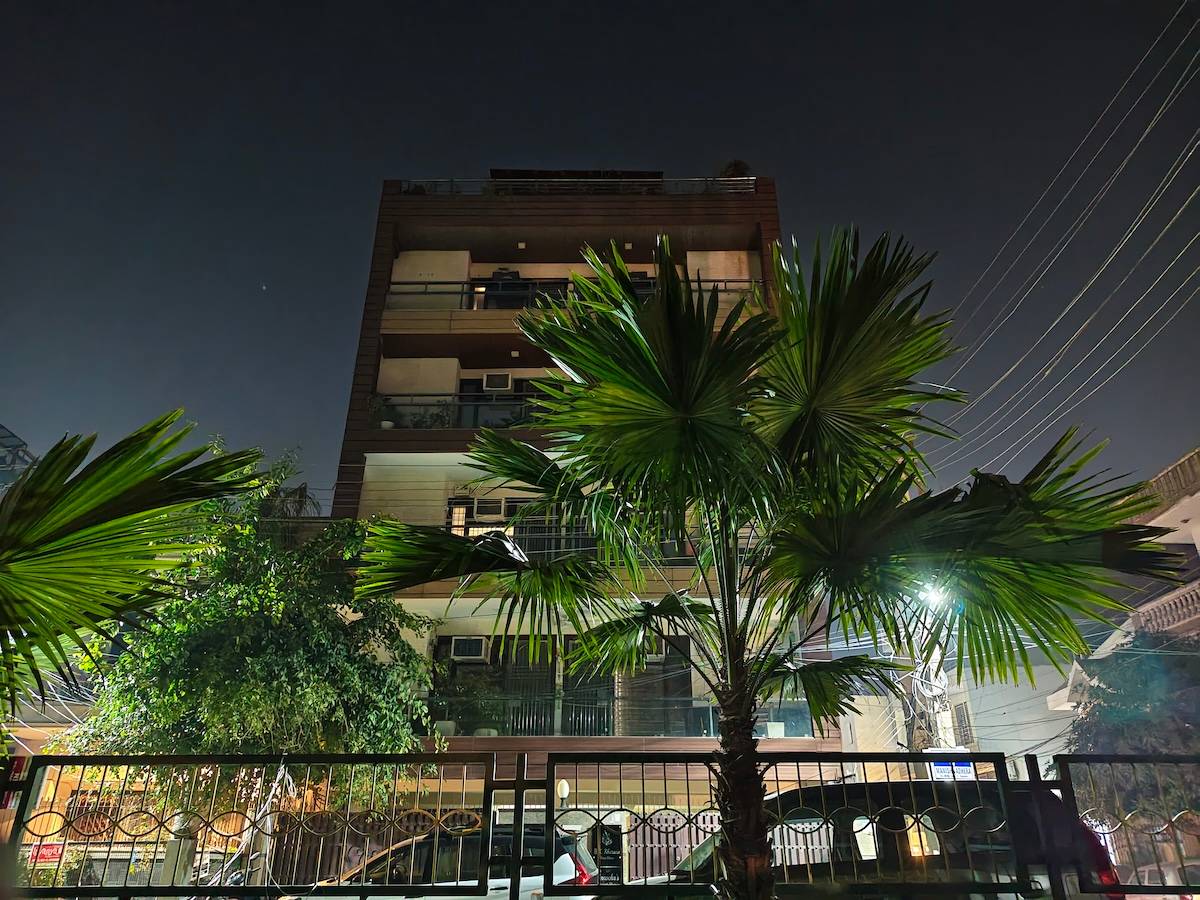
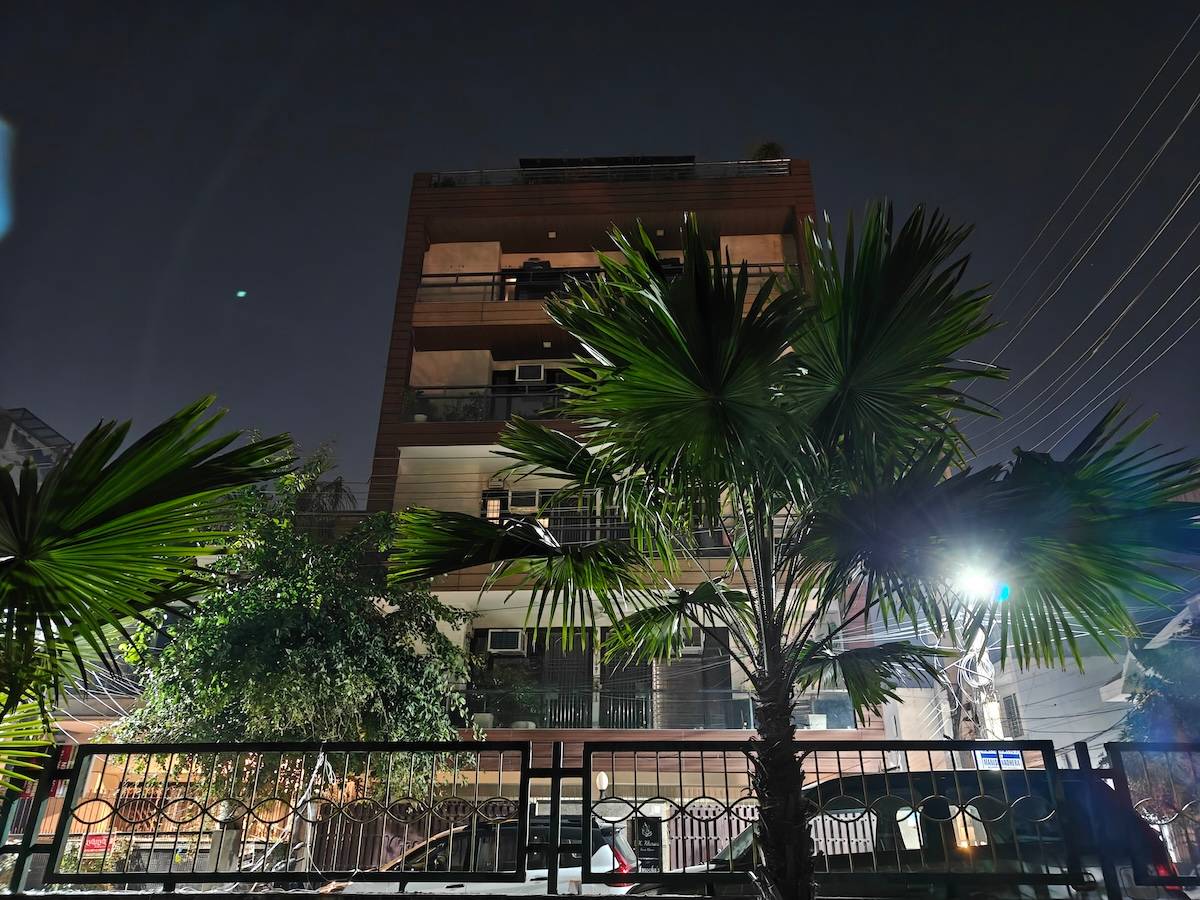
In low light, the Vivo V70 Elite does a better job of controlling light flare, revealing details, and keeping noise to a minimum. The Vivo smartphone’s image also appears a tad more realistic than the one from the OnePlus 13s.
It’s worth pointing out that all of these samples were taken in simple point-and-shoot mode, using each phone’s default camera settings. If you prefer customising your images, the Vivo V70 Elite might be a better offering. The handset offers a variety of modes, including different filters. So if the default colour tuning feels a touch punchy, you can switch to a more Zeiss profile for truer, balanced tones that better reflect the scene as it appears to the eye.






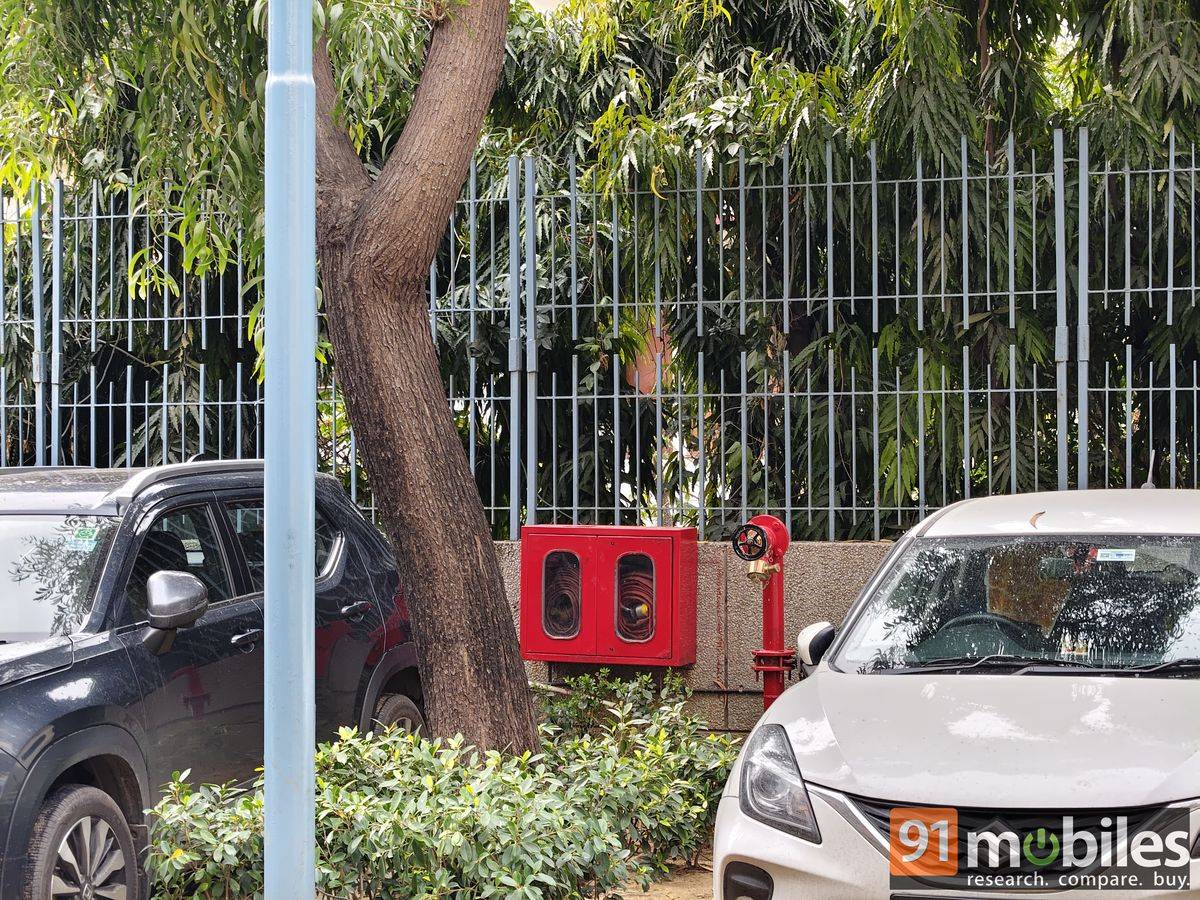


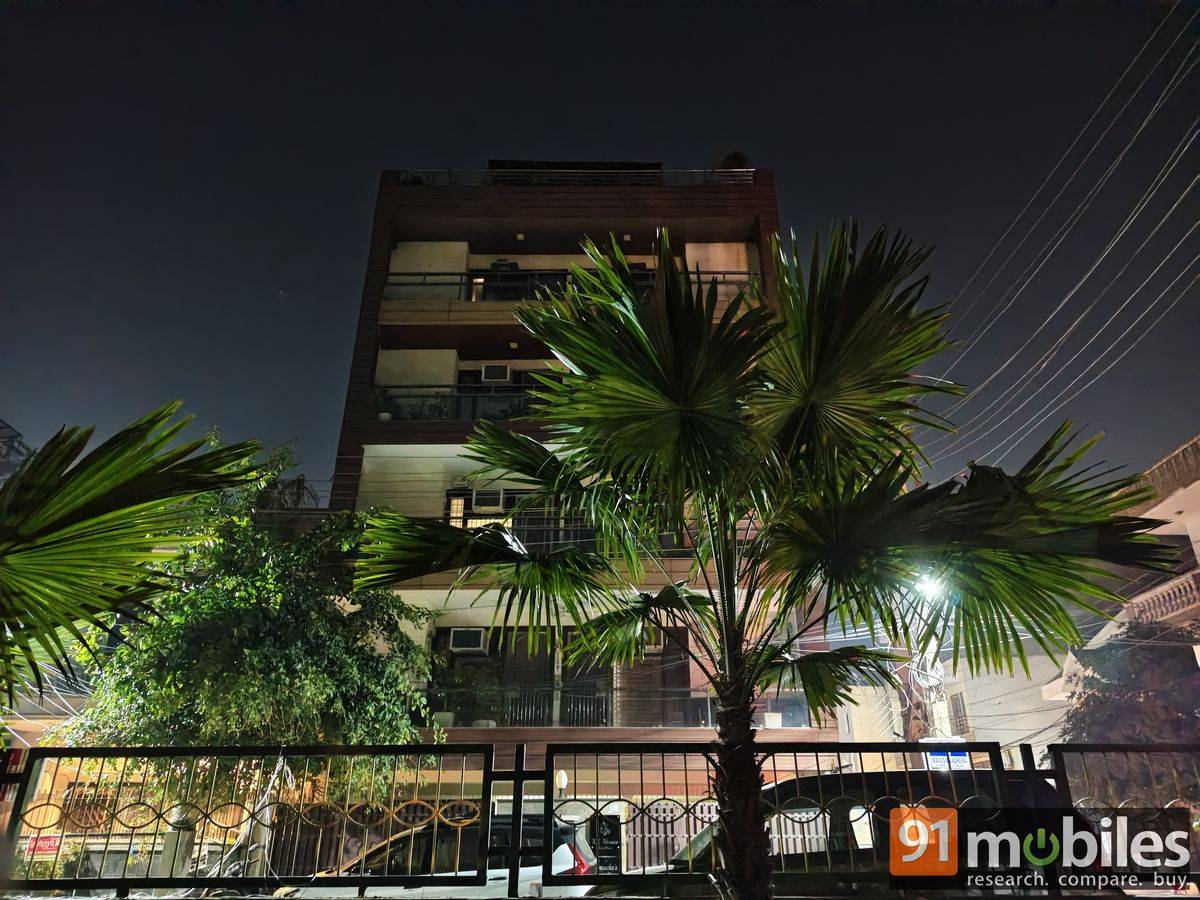
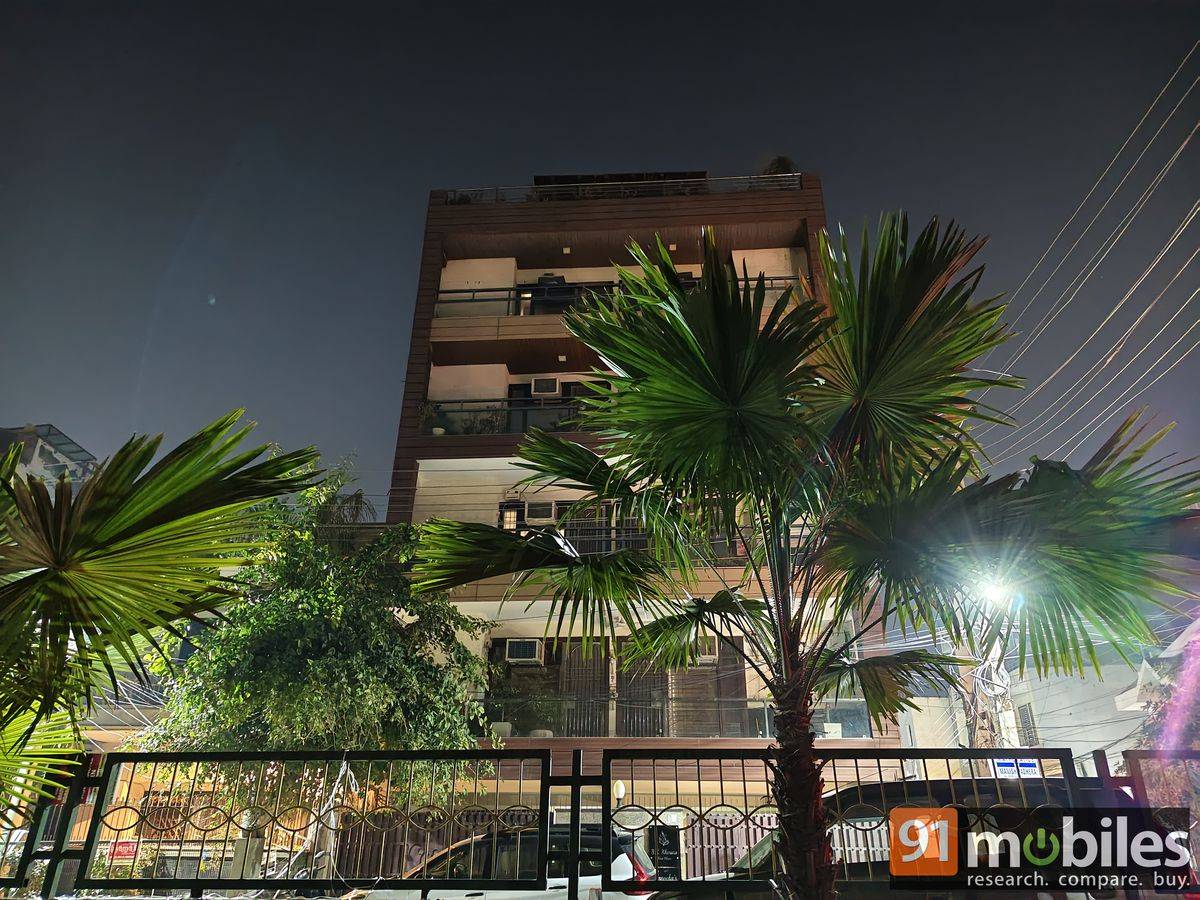








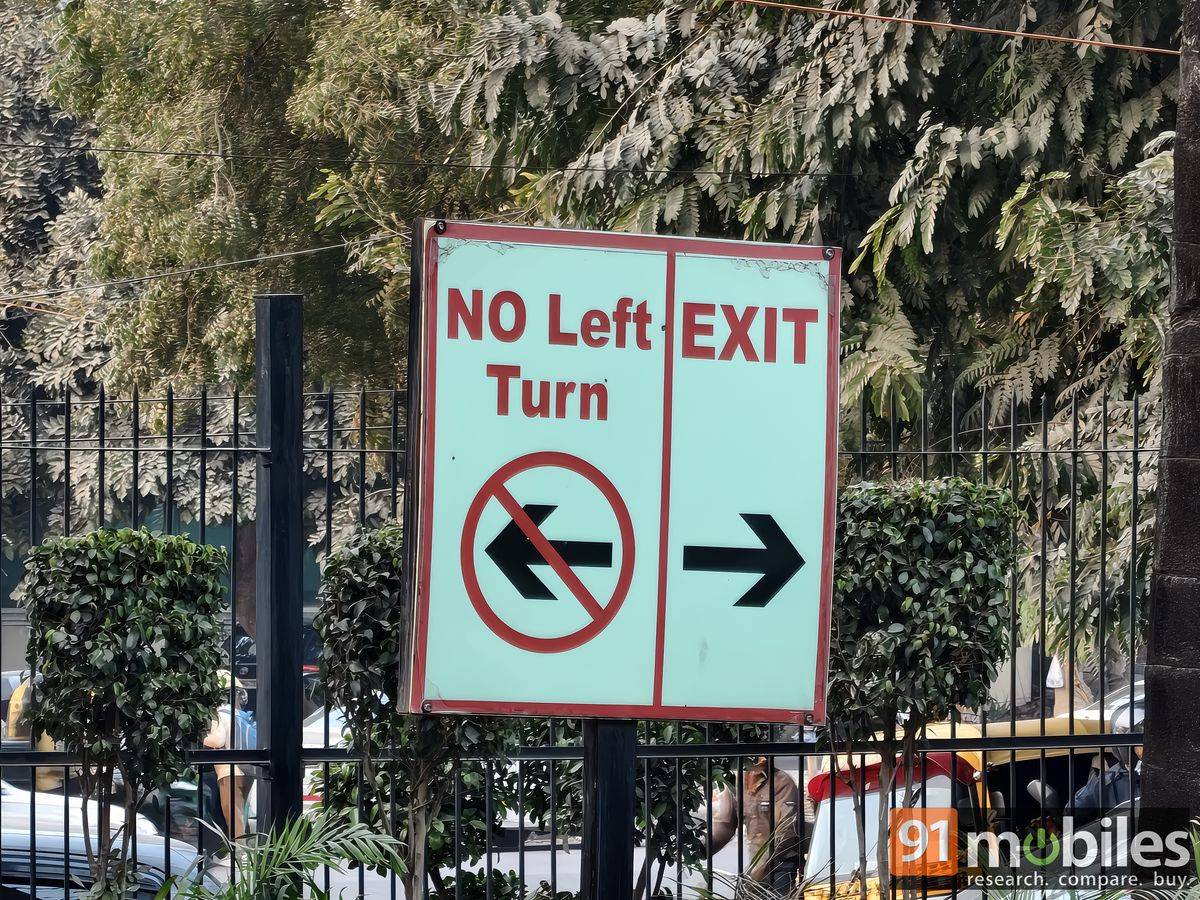




While the Vivo V70 Elite may take some time to process images, it holds a clear advantage over its closest rivals with a more versatile camera setup. The 8MP ultra-wide lens proves useful when you need to fit more into the frame, even though it may not be as capable as the primary and telephoto sensors. The smartphone also gives you more focal points for shooting portraits, resulting in a more natural depth of field, similar to a DSLR.
On the video front, all four cameras support 4K 60fps recording, though it may not be the default option. But it is a welcome move for those who enjoy capturing high-quality clips with smoother motion and crisp details.
Overall, the Vivo V70 Elite is a strong option for those who value a wide variety of camera modes and filters. However, it may not be the most capable choice if you prioritise detail and dynamic range in your photos.
Sensible step up in performance
With the Snapdragon 8s Gen 3 SoC powering the V70 Elite, Vivo has somewhat closed the performance gap. As it is, the chipset is sub-flagship, built on a 4nm process, with clock speeds reaching up to 3.0 GHz and paired with the Adreno 735 GPU. While it doesn’t quite match the raw muscle of the latest top-tier silicon, it still has enough juice to handle regular usage and a bit of gaming thrown its way.



I’ve been using the phone for almost a week now, and it feels consistently fluid, if not the fastest. Over the past week, I pushed it through routine multitasking, extended video streaming sessions, 4K video recording, and casual gaming, and it handled everything without noticeable slowdowns or stutters. App switching is quick, background apps stay active longer, and the overall experience feels stable.
The inclusion of LPDDR5X RAM and UFS 4.1 storage further strengthens the package. Applications launch almost instantly, large files transfer swiftly, and game loading times are reassuringly short. Thermals are cooled by a 2,800mm2 vapour chamber. While not the class-leading, it does a respectable job during short bursts of intensive use.
We played our usual BGMI and Call of Duty: Mobile sessions on the smartphone for 30 minutes each, and its temperature rose by just 9.3 degrees Celsius in total. This is lower than the OnePlus 13s, which offers a relatively faster chipset and a larger vapour chamber cooling system, yet its temperature increased by 14.6 degrees while playing the same games in similar conditions.
During extended gaming sessions, the Vivo V70 Elite does warm up slightly, but it remains within comfortable limits and doesn’t throttle aggressively. This was evident in our Burnout CPU Throttle test, where the smartphone performed 51.7 percent of its peak performance.
Sharper, Brighter display
The Vivo V70 Elite features a 6.59-inch OLED display with a centred punch-hole cutout, 1.5K resolution, 120Hz refresh rate, and 5,000-nit peak brightness. The display size is smaller than that of its predecessors, which I appreciate because it makes one-handed use easier for me. Vivo has also increased the pixel density (ppi) to 459, making the content richer and crisper than ever before. There was no pixelation, whether I was browsing articles, editing photos, or watching high-resolution videos.
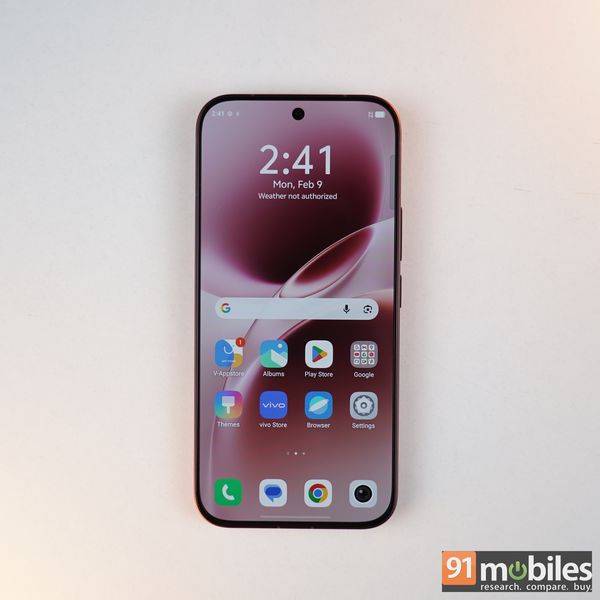
The colours remain punchy and vibrant, too. Vivo also provides colour calibration options. You can tone things down to a more natural palette if you prefer accuracy over vibrancy. Additionally, the high brightness level ensured the display remained legible outdoors under direct sunlight. The 120Hz refresh rate is consistently smooth across the interface and supported applications, making scrolling feel fluid and responsive. Animations appear seamless, and touch responsiveness feels precise.
HDR playback support via YouTube and other streaming platforms further enhances the viewing experience. Content benefits from deep blacks, strong contrast, and well-controlled highlights, which gives movies and shows a more dynamic and immersive look.
Promising battery life
The Vivo V70 Elite houses a 6,500mAh battery with 90W FlashCharge. This is an identical setup to the previous-gen Vivo V60 smartphone. However, it seems Vivo has optimised it well, resulting in a whopping 18 hours and 19 minutes of runtime on the PCMark battery test. Moreover, on our YouTube video streaming test, the handset consumed 4 percent battery after an hour, while 60 minutes of gaming depleted its battery by just 7 percent.
This is one of the most efficient battery optimisations we have seen in a smartphone during our internal testing within the segment. In day-to-day use, the Vivo V70 Elite’s endurance proved equally commendable. Over a mixed routine that included video streaming, 4K recording, web browsing, social media scrolling, and casual gaming, the handset consistently delivered more than six hours of screen-on time.
This makes the Vivo V70 Elite a reassuringly dependable companion that comfortably lasts a full day on a single charge, even under heavier usage. Speaking of charging, the handset takes just 43 minutes to go from 20 to 100 per cent using the bundled 90W charger.
Relatively cluttered, but feature-rich software
On the software front, the Vivo V70 Elite ships with OriginOS 6 based on Android 16 straight out of the box. The interface remains identical to that of other devices running the latest version of OriginOS, offering a familiar layout and feature set. For a deeper dive into the core experience, see our detailed roundup and hands-on articles.
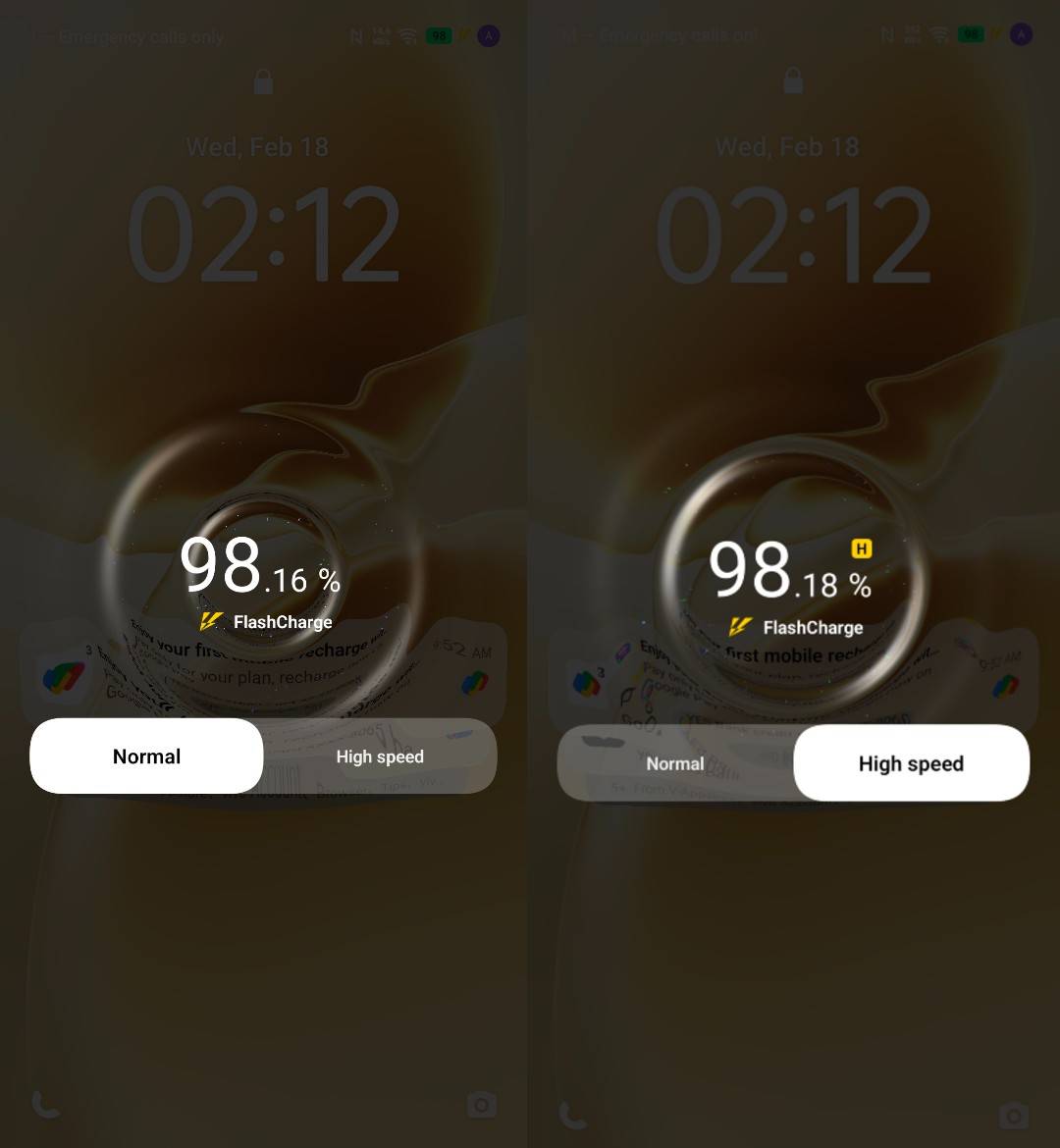
That said, the V70 series pre-installed apps are more than those in the flagship X-series lineup, making its app drawer slightly cluttered. Simultaneously, it also introduces a few additions of its own. One of the more practical upgrades is the ability to toggle between High Speed and Normal charging modes directly from the lock screen when connected to a compatible fast charger, giving users better control over charging behaviour.
Vivo has also introduced a new AI Visuals mode within Portrait mode in the camera app. Besides analysing the background and swapping it to different seasons, locations, and even time periods, the tool can now add elements to the images with a new mode called ‘Festival’. The mode currently has two filters:



- Floral blessings: Celebrating the festival of love, the Vivo V70 smartphones can add floral petals, limited to roses, to your images. The results appear pretty convincing, closer to reality than artificial, but much like other AI Visual modes, it requires an active internet connection and is quite slow at processing results.
- Holi: This is a limited-time India-exclusive filter, which adds a colour burst effect to showcase the rich Holi festival atmosphere. According to the company’s website, the filter will be available only from February 19th to March 15th, 2026. Hence, we couldn’t test it out just yet.
These are fun to use, and hopefully Vivo will continue adding filters for more festivals while also reducing processing time and increasing the limit to more than 10 photos at once. Vivo suggests that the images should be shot in well-lit and clutter-free environments for the best results.
The Vivo V70 Elite is promised to receive at least four major OS upgrades and six years of security updates, which is pretty standard for its price.
Final verdict
The Vivo V70 Elite has been priced in India starting at Rs 51,999, putting it in the same territory as the X200 FE (review), a compact alternative from Vivo that offers a slightly more powerful chipset and a capable camera system. Moreover, the V70 Elite doesn’t differentiate much from the standard Vivo V70, except for the chipset, on paper. We’ll soon publish our detailed Vivo V70 review on the website to see how different the phone is from its elder sibling in the real world. Stay tuned.
But, for now, if you’re not a specs nerd, the Vivo V70 Elite makes a strong first impression in real-world usage. The refreshed design feels lightweight yet premium, while the AMOLED display stands out with vibrant colours, strong brightness and an immersive viewing experience.
As for performance, it is well-optimised for daily tasks and casual gaming, offering smooth, fuss-free use. However, it will be interesting to see how this two-year-old Snapdragon 8s Gen 3 chipset ages over the years to come. Vivo has promised six years of software updates to keep the phone future-ready. We hope it addresses the concern about pre-installed apps in future updates.
The Vivo V70 Elite’s cameras are also something to boast about, offering respectable detail and a range of shooting modes, though the 8MP ultrawide remains the weak link. Completing the package is a dependable battery that is larger than that of the X200 FE and comfortably powers through a full day.
Editor’s rating: 8.4/10
Reasons to buy
- Premium flat-edge design
- Dependable performance
- Strong primary & telephoto cameras
- Excellent battery life
Reasons not to buy
- Average ultrawide camera
- Too many pre-installed apps