Review Summary
Expert Rating
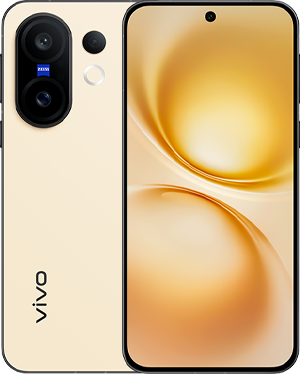
Compact phones have remained mainly a flagship-only affair, typically priced north of Rs 70,000, which makes them out of reach for a large section of smartphone users. The OnePlus 13s (review) was a step in the right direction by bringing the compact form factor to a more affordable price bracket, and now, the Vivo X200 FE is following suit. It carries the X series name well and offers good value, especially if you care about camera performance, battery life, and a sturdy, pocket-friendly design. I’ve been using the phone for a while now, and here’s my take on the experience and whether it justifies its price tag.
Table of Contents
Short verdict
The Vivo X200 FE makes a strong case for itself with excellent cameras, great battery life, and good durability in a compact form factor. Although it’s not the fastest phone in its segment, there are a few trade-offs, such as UFS 3.1 storage and a USB-C 2.0 port, but none of these are dealbreakers. If you’re looking for a compact flagship that delivers a balanced experience, the Vivo X200 FE is worth considering.
A compact, durable design
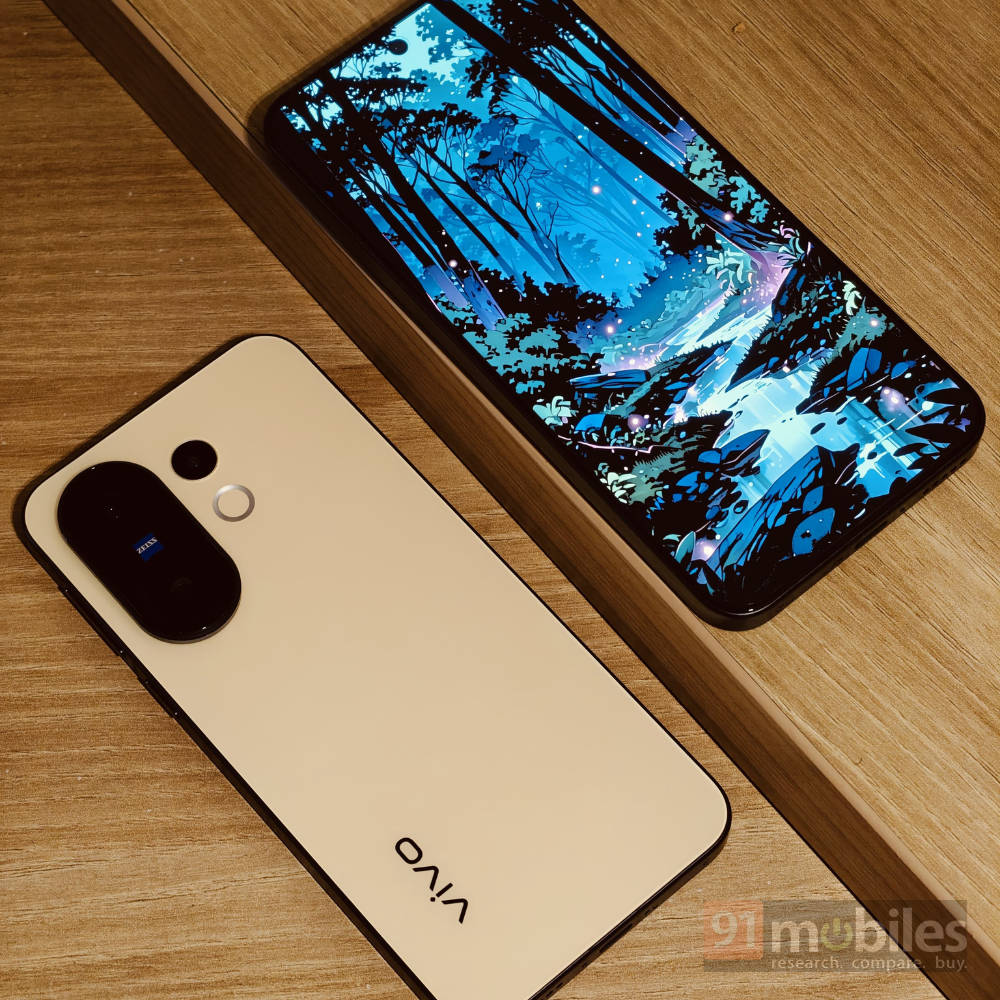
The Vivo X200 FE’s design is easily one of its biggest highlights. The compact size makes it incredibly comfortable to hold, and at just 186 grams, it is also on the lighter side. The phone is available in three colours, and I received the Amber Yellow variant. It has a soft pastel yellow rear panel with a matte finish that feels quite refined. The aluminium frame, finished in black, contrasts nicely and gives the phone a clean, distinctive look.
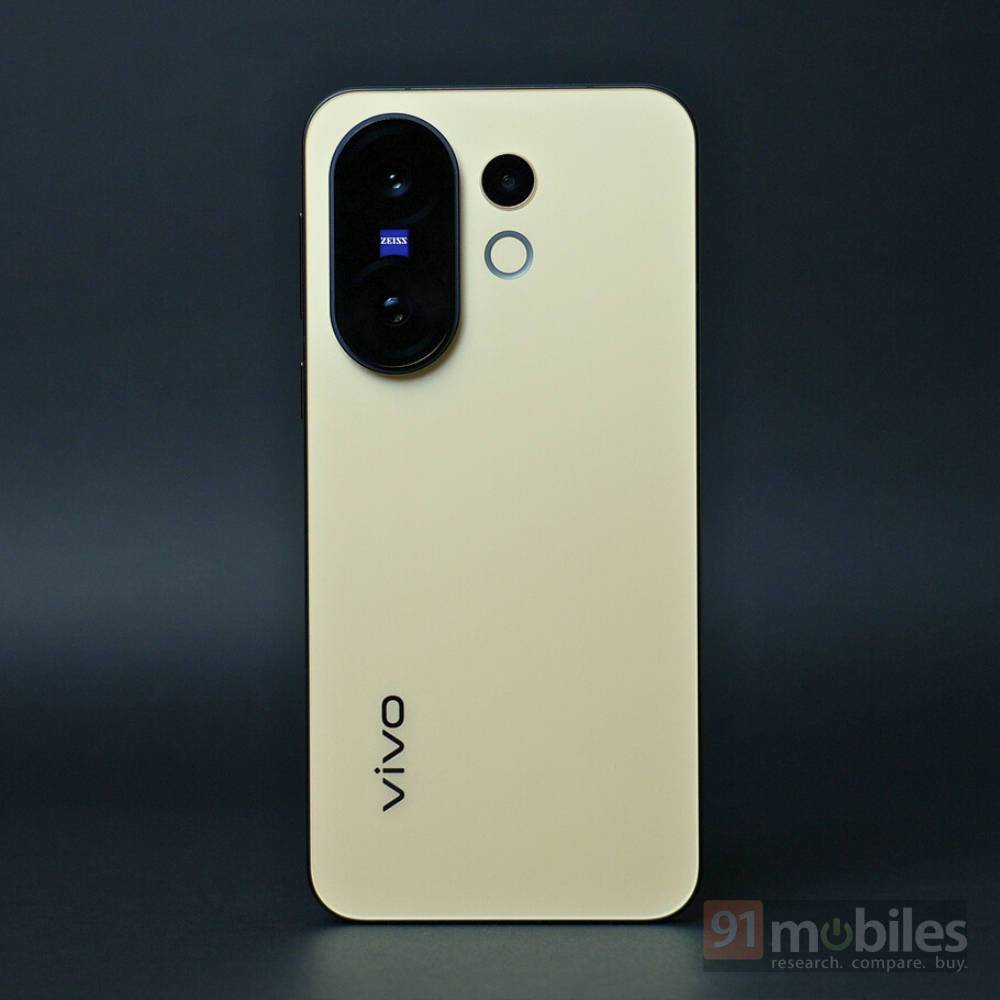
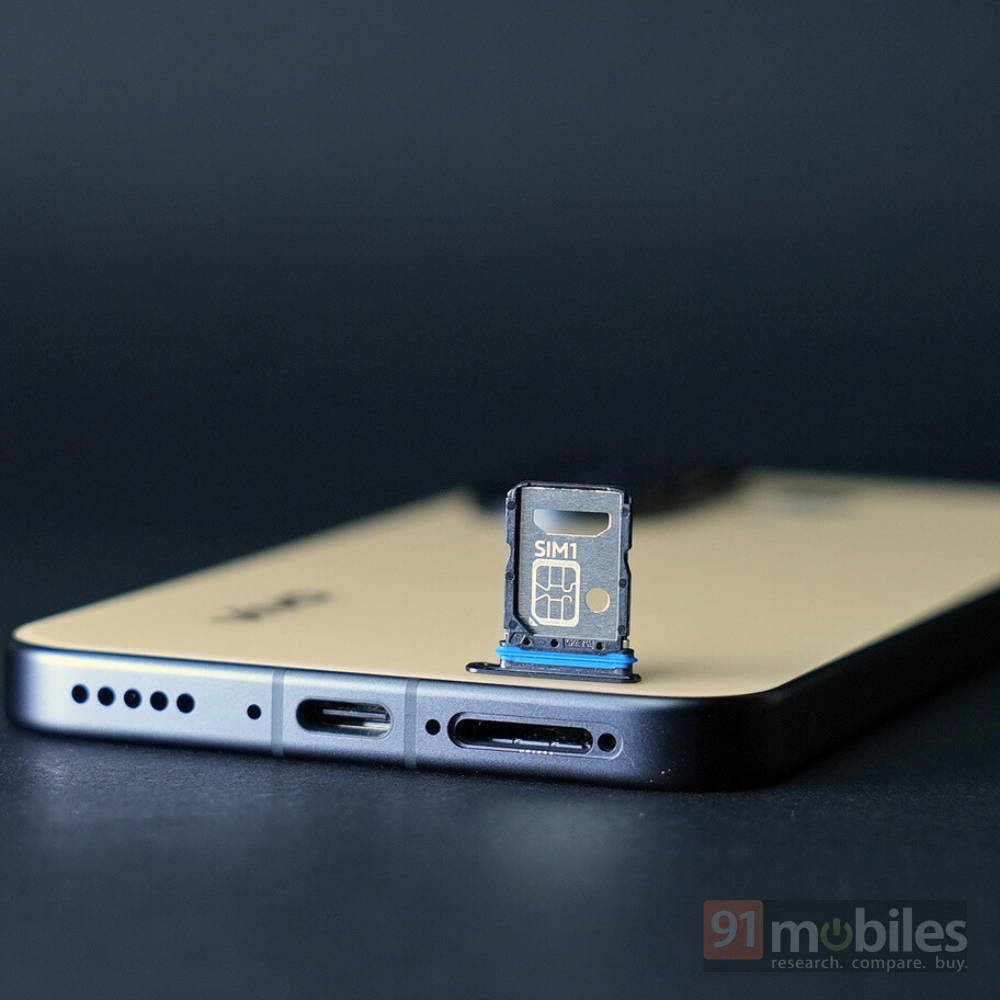
Worth mentioning that the phone is a little slippery without a cover. As for the essentials, you get a stereo speaker setup, a USB-C port at the bottom, and power and volume buttons on the right. There’s also an IP68 and IP69 rating, which means the phone is well-protected against dust and water.
The pocket-sized portrait king
Vivo’s X-series has long enjoyed a stellar reputation for camera performance, so it was only fair to expect the X200 FE to follow suit, and for the most part, it does. The rear camera setup includes a 50MP Sony IMX921 OIS primary sensor, a 50MP Sony IMX886 OIS periscope lens with 3x optical zoom, and an 8MP ultra-wide-angle lens. On the front, you get a 50MP autofocus selfie camera with a 20mm field of view. The hardware doesn’t leave much to be desired, though I would’ve preferred a higher-resolution wide-angle lens.
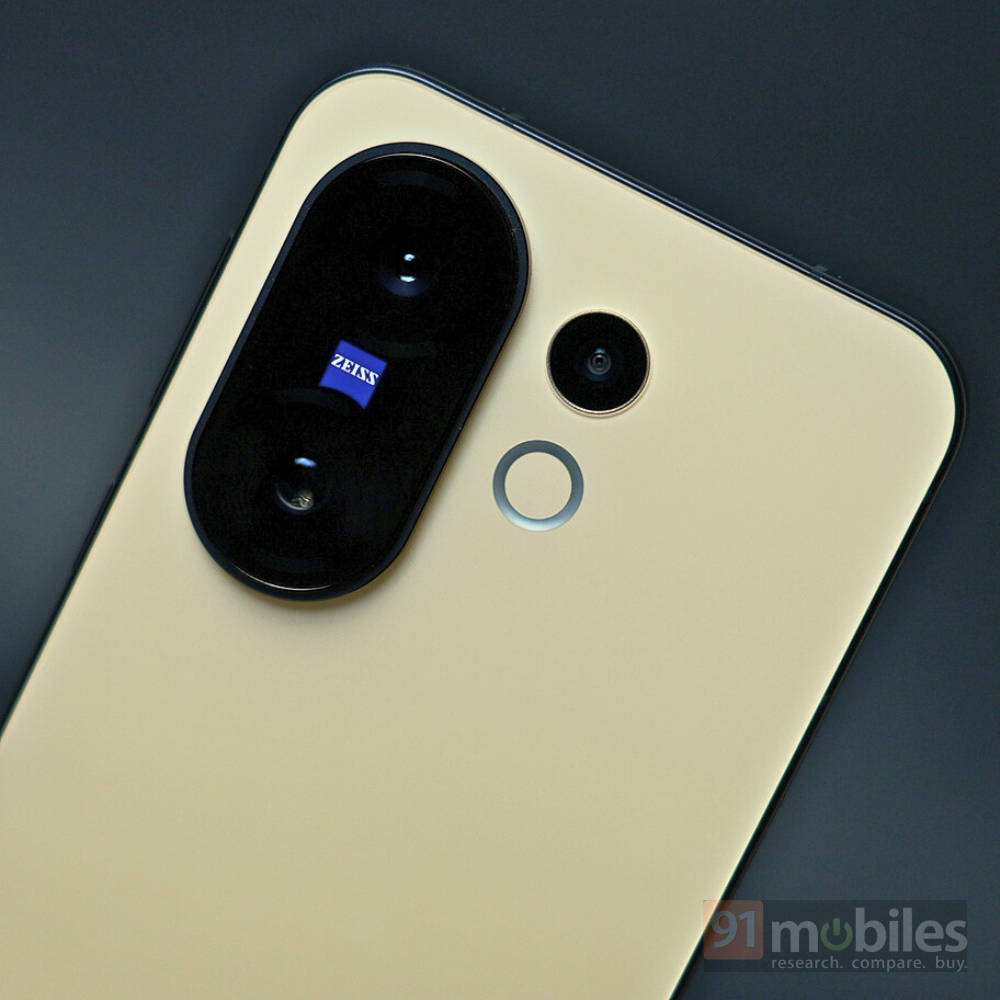
The wide-angle camera, as you’d expect, is a bit of an underperformer here. The images turn out perfectly usable, but they lack detail and clarity. Colours are still pretty good, and the post-processing helps a lot to improve on various aspects. The front camera performs well too, with a wide 20mm (0.8x) perspective that comes in handy when you want to capture more of your surroundings. The colours are pleasing, although facial details are a bit smoothed out and appear artificial, which might not please everyone.
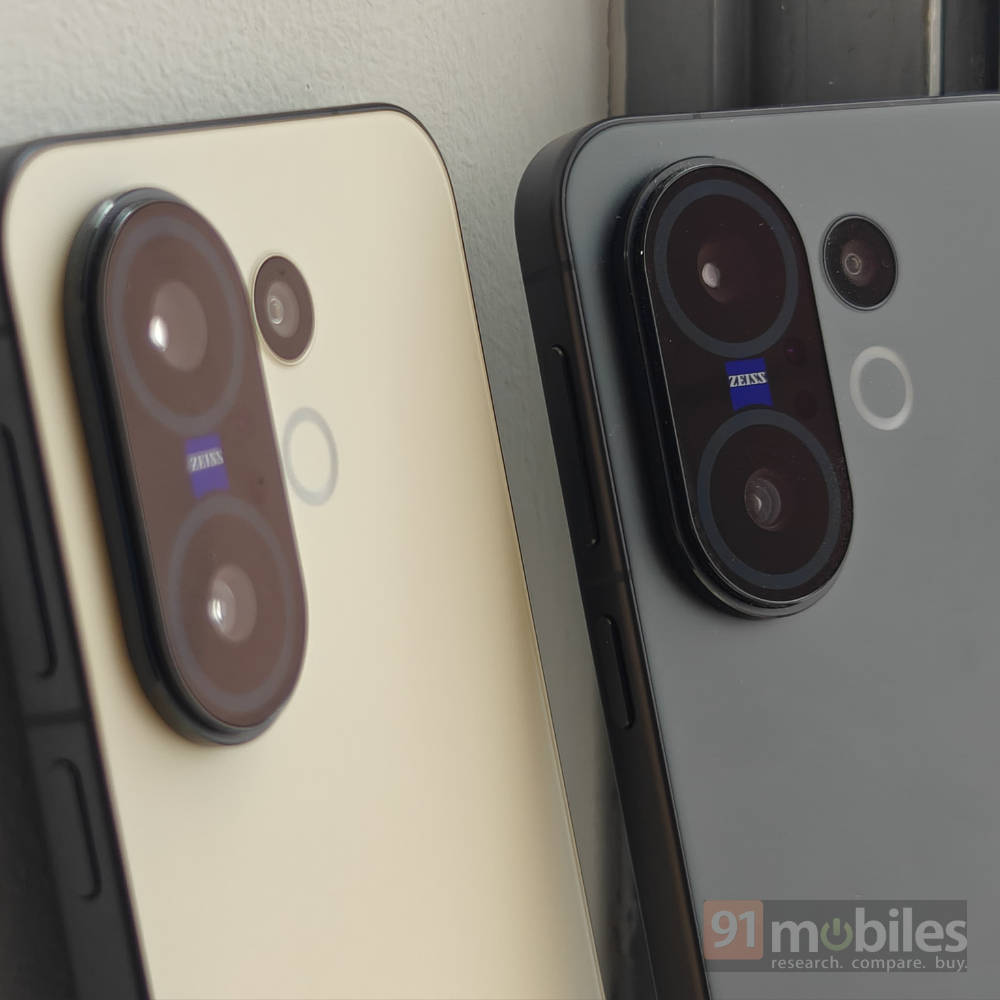
Low-light performance is excellent. It captures sharp details, and the exposure and stray light sources are managed well overall. Colours, however, might not appeal to everyone. I found them a bit too saturated for my liking, especially the night mode, which tends to turn the sky blue.
For videos, you get 4K 60fps support on all lenses except the wide-angle lens, which is capped at 1080p 30fps. The videos are pretty stable, and there’s EIS applied by default. You also get an ultra-stabilisation mode, but it only works with the primary lens and caps it to 1080p 60fps. I find the footage can sometimes appear oversharpened, but the colours are very pleasing.
Vivo also includes several helpful camera modes like Stage Mode for concerts or events, Food Mode that warms tones for appetising shots, and Micro-Movie mode with various preset styles for short-form content.
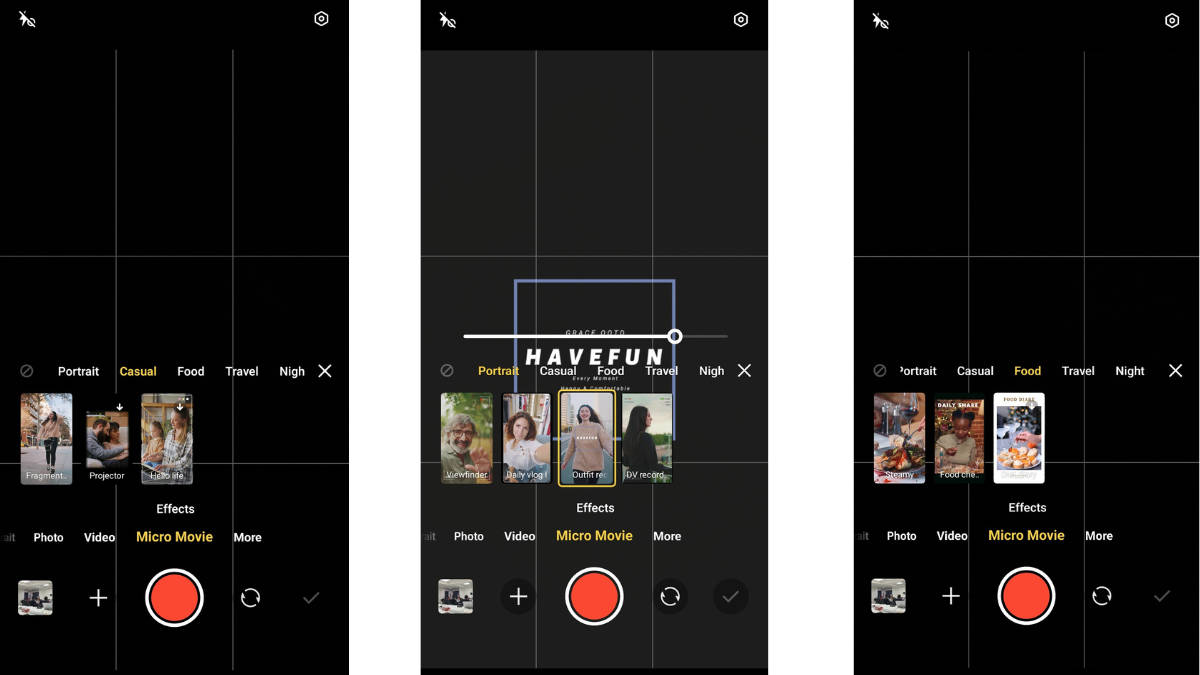
There are also AI camera features, such as AI Image expansion, AI Eraser, AI reflection remover, and AI Photo Enhance, which bolster the already capable camera setup. All things considered, Vivo hasn’t cut corners on the camera experience despite the phone’s compact size. In fact, the Vivo X200 FE’s imaging performance is easily one of its best features.


I compared the phone’s cameras against its close rivals, the OnePlus 13s (review) and Pixel 9a (review). Check it out below:
Daylight
When it comes to daylight shots, both the Vivo X200 FE and OnePlus 13s perform well, but they approach image processing very differently. Vivo leans toward punchier colours and higher contrast, which gives photos a livelier look, while the OnePlus 13s opts for a more natural and balanced tone. In terms of detail, both are evenly matched, though the Vivo X200 FE has a slight edge. Where Vivo really pulls ahead is in dynamic range and exposure control, which it handles noticeably better.


Another strong contender in this segment is the Google Pixel 9a, which holds its own in the camera department. Its daylight shots follow Google’s usual approach with true-to-life colours and excellent dynamic range, slightly better than what Vivo offers. However, the X200 FE maintains its lead in detail, capturing more texture and sharpness than the Pixel 9a in most scenarios.

Ultrawide
When it comes to ultrawide shots, the Vivo X200 FE’s performance is a bit underwhelming. While it’s consistent with the primary camera in terms of colour tuning, the details are very lacking and there’s not much sharpness. The Pixel 9a, in turn, does a better job of managing details and is the better ultrawide shooter.


Portrait
Portrait shots from the Vivo X200 FE are more vibrant and eye-catching compared to the OnePlus 13s. Both devices struggle a bit with colour accuracy, especially in skin tones, but Vivo has a clear lead when it comes to edge detection and background separation. The bokeh looks more refined, and subject isolation is nearly flawless. The OnePlus 13s, by comparison, tends to miss the mark around tricky edges.


Against the Pixel 9a, Vivo’s portraits show a different strength. The Pixel 9a captures colours more accurately, particularly in skin tones and backgrounds, making its results feel more natural. But when it comes to sharp facial details and precise edge detection, the Vivo X200 FE takes the win.


Selfie
The OnePlus 13s delivers good-looking selfies with relatively natural tones, though it slightly boosts the skin tone and adds a faint blush for a more polished look. Detail levels are solid and comparable to the Vivo X200 FE, but the 13s falls short in dynamic range, especially in high-contrast scenes.


The Pixel 9a, once again, keeps things true to life. Its selfies are more accurate in colour reproduction and handle highlights and shadows better than both competitors. The Vivo X200 FE, though, has an advantage in one area: facial detail. It consistently pulls out finer textures, giving it an edge when clarity matters.

Low light
With night mode enabled, both the Pixel 9a and Vivo X200 FE capture impressive low-light images. The Pixel delivers detailed shots and does a great job preserving the overall scene, but colours tend to look slightly washed out, and it struggles a bit with exposure and lens flares. The Vivo X200 FE, in comparison, manages those aspects better, with better control over highlights and more balanced colours, even if they’re a bit on the saturated side.


The OnePlus 13s has the best colour accuracy in low light among the three phones. It strikes a good balance, bringing out more of the scene without oversaturating like the Vivo X200 FE or dulling the colours like the Pixel 9a. However, it falls behind in details and has a harder time managing direct light sources and ambient light, areas where the Vivo X200 FE performs more consistently.

An immersive screen that fits in your pocket
On the front, you get a 6.31-inch 8T LTPO AMOLED screen with FHD+ resolution (2640 x 1216p) and 120Hz refresh rate. It is a bright panel with a peak of 5000 nits and an HBM value of 1800 nits, making it perfectly usable even under direct sunlight. The panel is 10-bit so the colours are quite vibrant and the contrast level is excellent, making the overall experience great for both streaming and gaming. There’s also HDR10+ support, and you get HDR playback on both Netflix and YouTube.
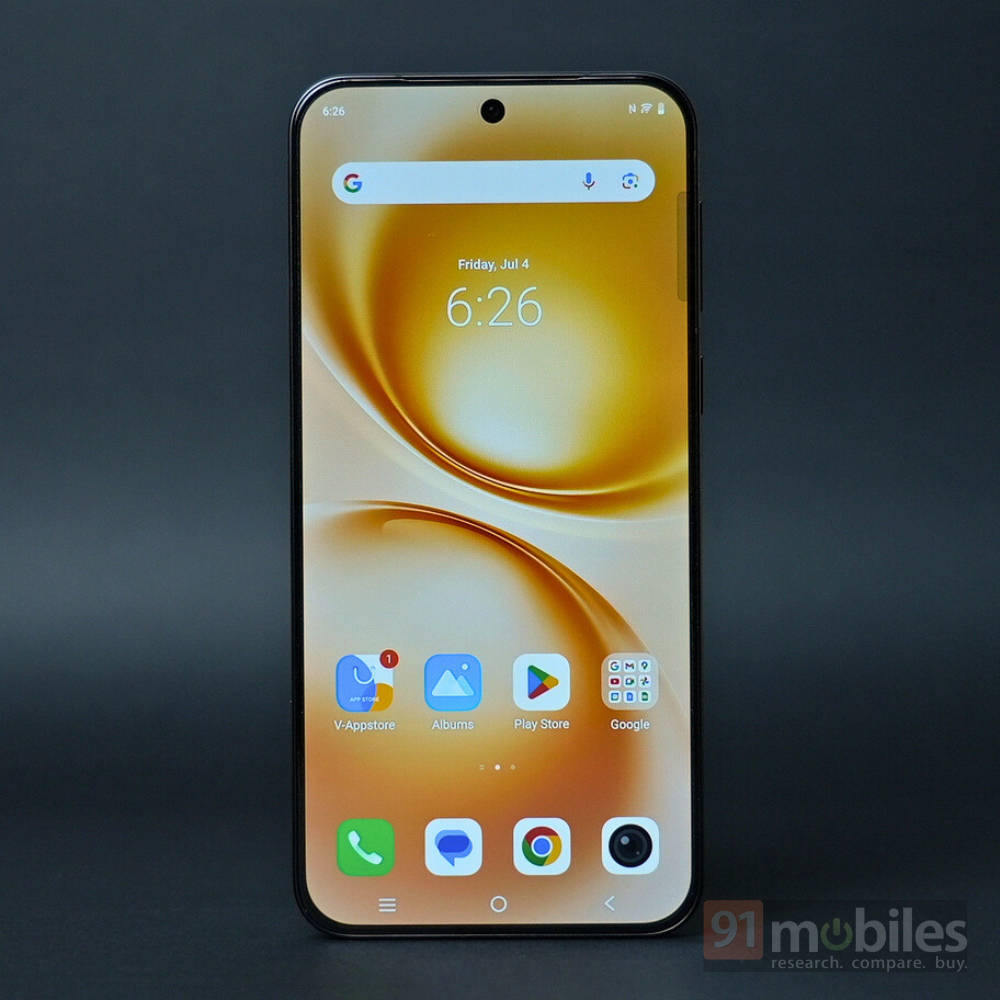
In our lab tests, the device output a peak brightness of 1024 nits which is higher compared to the segment average of 987 nits. The speakers similarly did a fantastic job at 81.9 dB, which is on par with the segment average. The display incorporates an optical sensor which is quite snappy and is protected against damage by the Schott Xensation Core cover glass.
All the power you actually need
The MediaTek Dimensity 9300+ powers the Vivo X200 FE and comes with up to 16GB of LPDDR5X RAM and 512GB of UFS 3.1 storage. It is an unusual mix of hardware, and the UFS 3.1 feels lacking at this price point, where UFS 4.0 has been the usual standard. Here are a few benchmark results captured by our internal testing team to give you a better picture of this phone’s performance:



Another strange hardware decision is the USB-C 2.0 port. Compared to the more standard USB 3.0, it diminishes transfer rates. The chipset itself is last year’s flagship SoC, so it trails behind newer processors like the Snapdragon 8 Elite found on the OnePlus 13s in terms of pure number crunching.
That said, performance in day-to-day use is still excellent. For everyday tasks and even demanding use cases, the Dimensity 9300+ handles things with ease. The performance gap isn’t something most users will notice outside of gaming or heavier workloads. Multitasking is fluid, with no lag, and feels snappy due to good memory management.
When it comes to gaming, though, the Vivo X200 FE performs surprisingly well. In Call of Duty: Mobile, at the highest graphical settings, the X200 FE maintained a stable 60fps over a 30-minute session. In BGMI, it delivered a steady 40fps at max settings, which is quite impressive. Thermals are great too, with an average increase of 6 degrees Celsius over 30 minutes of gaming.
Smooth and responsive OS
On the software front, the Vivo X200 FE runs FuntouchOS 15 based on Android 15 out of the box. The interface looks clean at first glance, with very few pre-installed apps. You can also disable app and search suggestions from Global Search, which helps streamline the experience even more. If you’ve used a Vivo phone before, the OS should look quite familiar. It may look a bit dated but the OS is optimised quite well, except for one minor annoyance. Vivo tends to add its widget section to the app drawer for some reason, which can be disruptive when you’re just hoping for the regular app drawer.
You get Gemini integration and functions like Circle to Search, Screen Translation, etc. Vivo has not held back on AI features either. The X200 FE includes useful tools like live call translation, an AI assistant in the Notes app, an AI Transcript Assist feature that can summarise spoken conversations, and the Vivo DocMaster, which makes converting and editing files much easier. There’s a lot of utility to the software experience.
Finally, a small phone with a giant battery
The Vivo X200 FE features a 6,500mAh silicon-anode cell, easily one of the largest batteries available in smartphones currently, all in a compact form factor. The battery comes with 90W fast charging support and a compatible charger included. It takes about 45 minutes to recharge from 20 to 100 percent, which is quite excellent given the size of the battery alone. Battery life is one of the key highlights of this phone. As a heavy user myself, I regularly clocked over 8 hours of screen time on multiple days, and still had charge left at the end of the day. This phone comfortably lasts a full day, even for the most demanding users.
| Smartphone | Battery Capacity | Charging Support | Charging time (20% to 100% ) |
| vivo X200 FE | 6500 mAh | 90W Flash Charging | 44m |
| OnePlus 13s | 5850 mAh | 80W Super VOOC Charging | 42m |
| Google Pixel 9A | 5100 mAh | 23W Fast Charging | 1h 22m |
The Vivo X200 FE also tends to generate heat during extended gaming sessions, which likely affects its overall battery management. Still, for a compact phone, you get more than enough battery life to power through daily use, and in my experience, it was more than sufficient. Hopefully, future OTA updates will bring improvements to battery efficiency.
Final Verdict
The Vivo X200 FE is priced at Rs 54,999 for the 12GB + 256GB variant and Rs 59,999 for the 16GB + 512GB variant. At this price point, it’s a direct competitor to the OnePlus 13s (review) and Pixel 9a (review). The OnePlus 13s is another compact flagship that offers better performance, comparable battery life and better software experience compared to the Vivo X200 FE. But the OnePlus 13s isn’t as durable and its cameras aren’t as capable. The Pixel 9a offers good cameras and a refined software experience but its display, battery life, and performance are lacking, and it doesn’t have a periscope lens, unlike the Vivo X200 FE.
The Vivo X200 FE comes across as a good all-rounder with not many weaknesses. The wide-angle camera is underwhelming, the UFS 3.1 storage is a disappointing choice at this price, and the USB-C 2.0 port is a drawback. It doesn’t top the performance charts either. That said, it is only marginally behind, and unless your workload involves sustained, demanding tasks or heavy gaming, you likely won’t notice the difference. Notably, its cameras are among the best in this segment, the battery life comfortably lasts beyond a day, and it is one of the most durable compact phones out there, thanks to IP68 and IP69 ratings.
If you’re in the market for a compact flagship at a relatively affordable price, the Vivo X200 FE is well worth considering.
Editor’s rating: 8.3 / 10
Reasons to buy:
- The phone is compact and lightweight, and has good durability with IP68/69 rating
- The multimedia experience is great, with a sharp display and good stereo speakers
- The cameras deliver impressive results, especially the main and periscope lenses
- Battery life is decent and will easily last a full day for most users.
Reasons not to buy:
- The ultrawide camera is average and doesn’t match the quality of the other sensors
- UFS 3.1 storage and a USB 2.0 port are disappointing choices for a flagship device
- There’s no support for wireless charging, which feels like a missed opportunity