Review Summary
Expert Rating
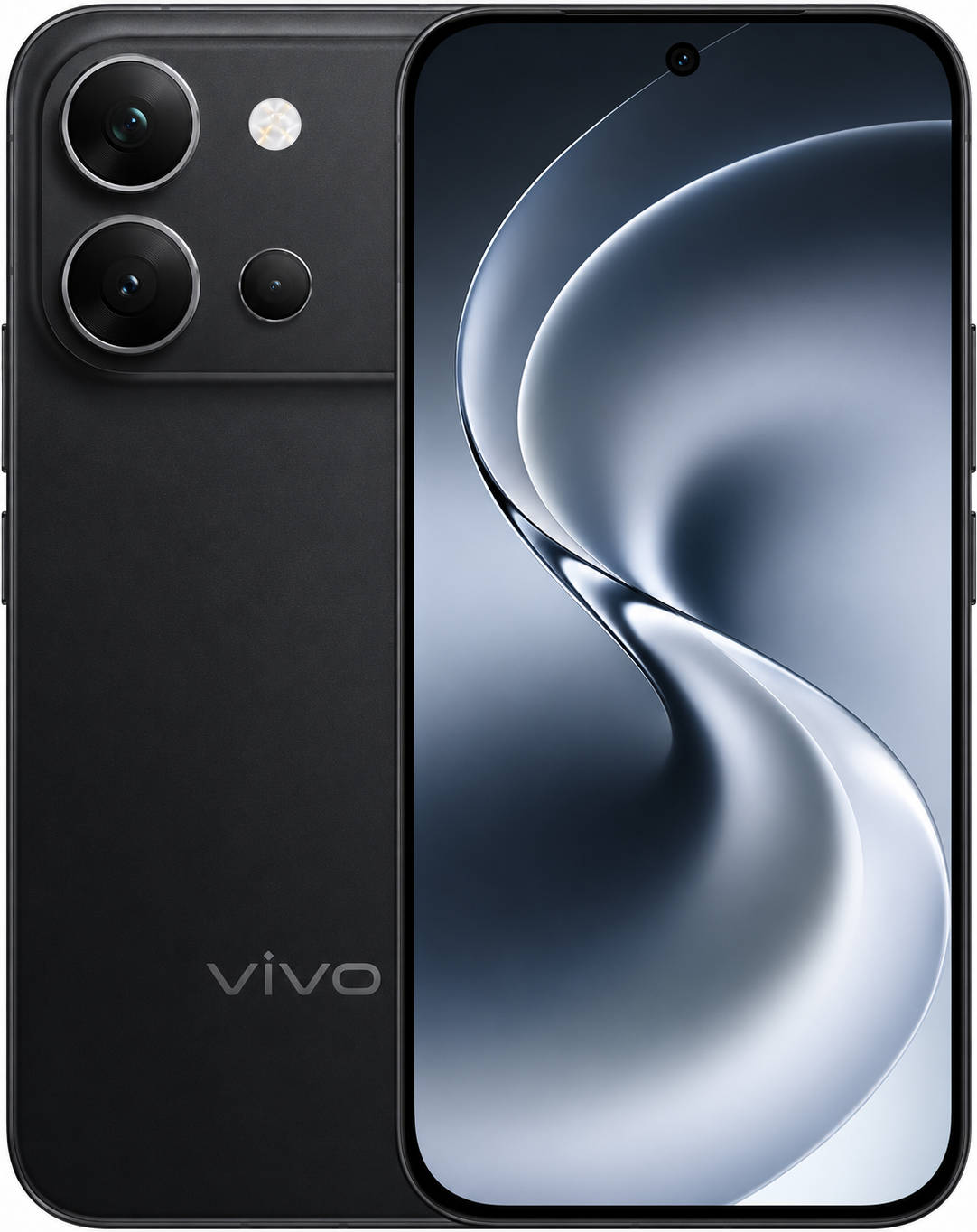
The Vivo V80 is the brand’s latest premium offering in India and builds on the Vivo V70 (review) with a refreshed design, a larger battery, and upgraded cameras. It also features the largest camera setup yet on a V-series smartphone. With the V80, Vivo continues its familiar approach of combining an attractive design with Zeiss optics, aiming to deliver a flagship-like experience at a more accessible price. We’ve spent considerable time using the Vivo V80, and here’s what we think about it.
Table of Contents
Verdict
The Vivo V80 gets key things right, from its premium design and excellent 144Hz AMOLED display to its versatile Zeiss camera setup and a large 7,200mAh battery. OriginOS 7 also adds plenty of personality and long-term software support. However, performance isn’t its strength, especially at Rs 62,999, where rivals offer more powerful hardware. If your priorities are design, cameras, battery life, and a polished display, the V80 is worth considering.
Design, display: refreshed look, still pretty!
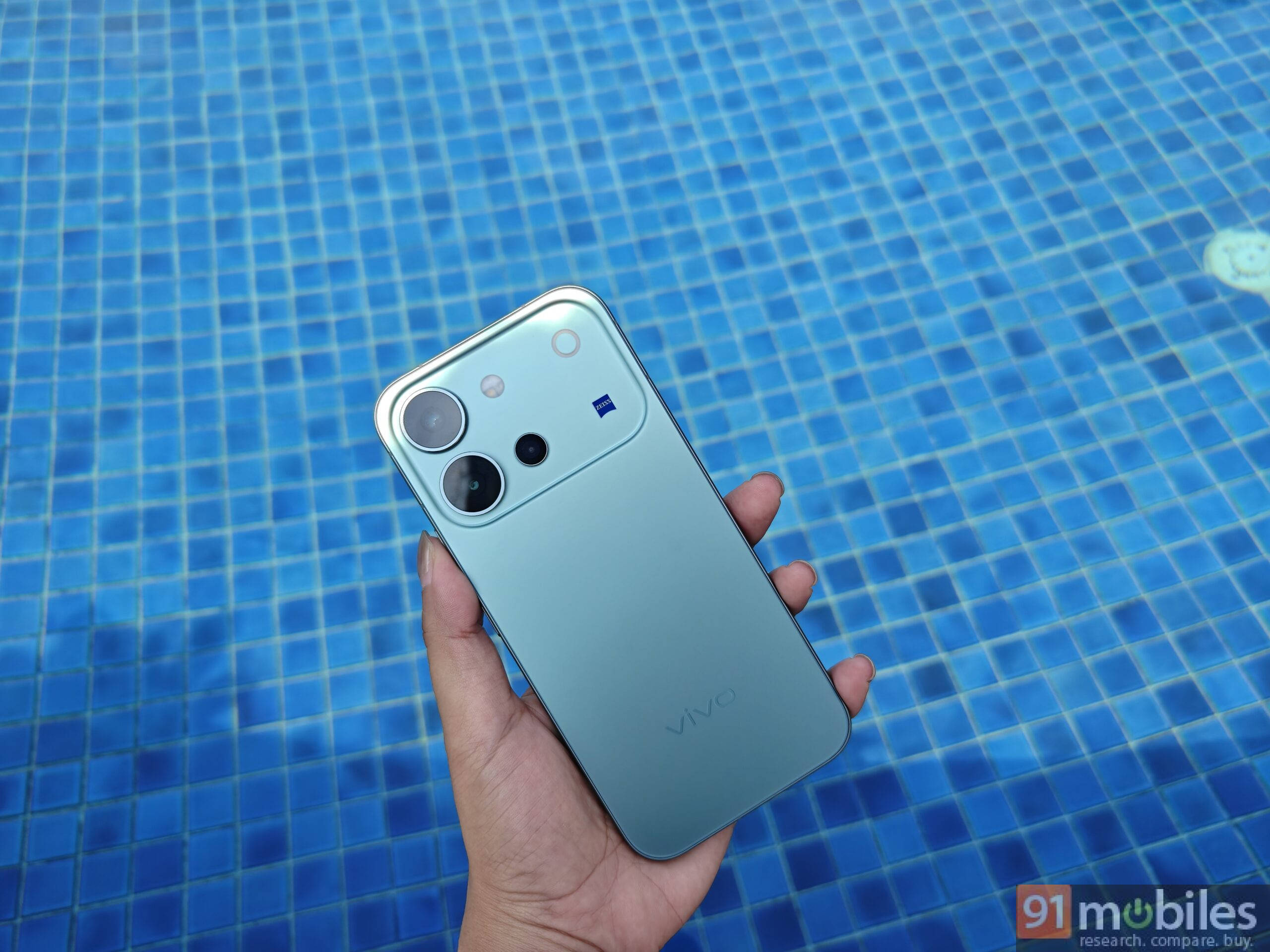
The Vivo V80 gets a refreshed design that the brand calls the ‘Floating Camera’ module. It features a large camera plateau with a transparent finish that adds to the phone’s premium appeal. Personally, I like the design, and it makes the V80 look more expensive than it is. The phone is available in three colours: Sunrise Anthem, Horizon Blue, and Stellar Black.
Despite the design changes, the V80 retains the relatively compact form factor of the V70, with rounded corners and a flat frame. This remains a sweet spot for those who want a more compact phone without compromising much on screen size. We have the Horizon Blue variant, which looks pleasingly appealing in person. The V80 is also built to withstand the elements, with IP68 and IP69 ratings for dust and water resistance, along with 360-degree all-round drop resistance certification.
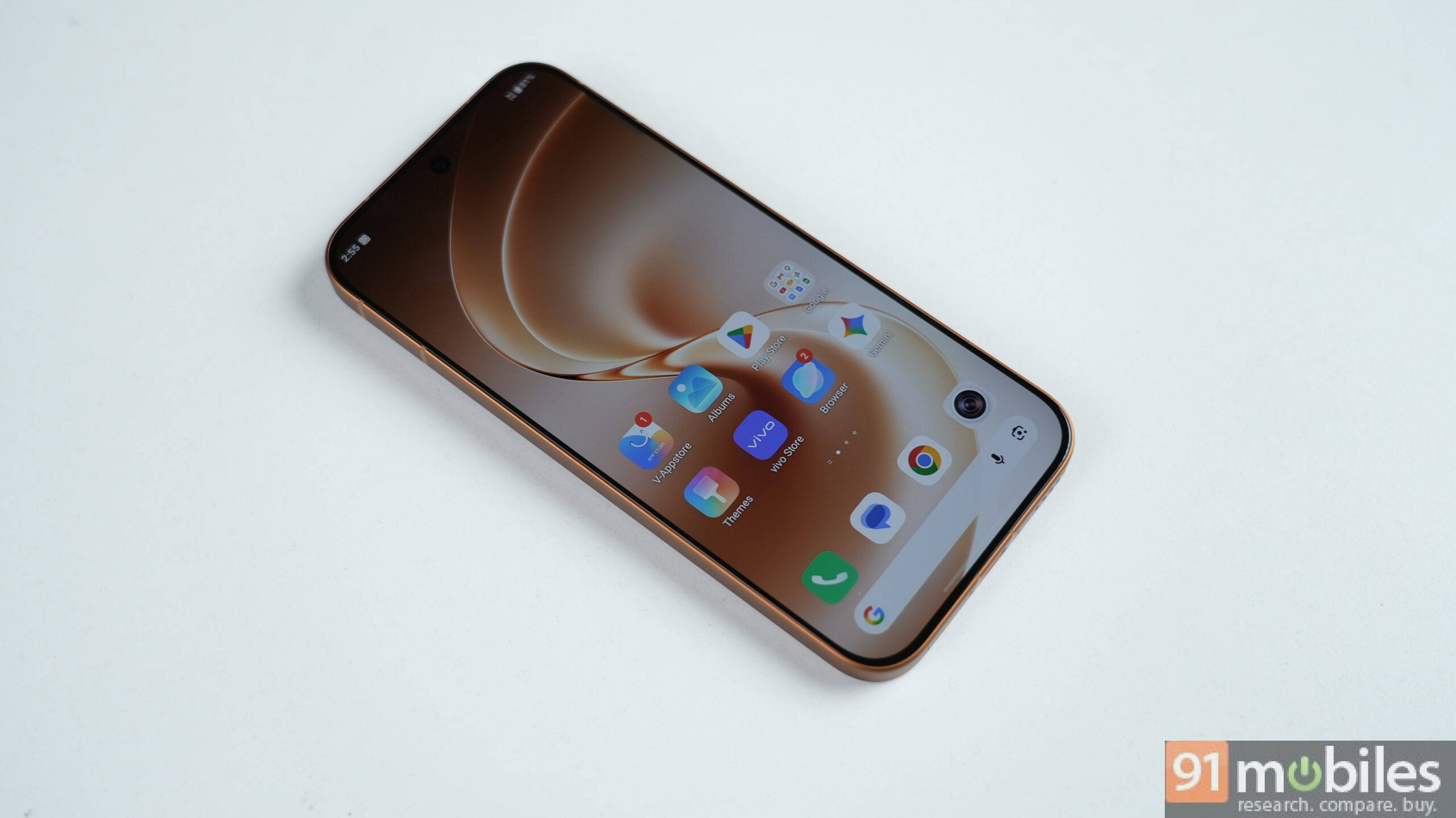
Up front, the V80 features a 6.59-inch 1.5K AMOLED display with a 144Hz refresh rate and up to 5,000 nits of peak brightness. The panel is crisp, vibrant, and smooth, making everyday scrolling and content consumption a pleasant experience. The refresh rate is an upgrade over the 120Hz panel on the V70, although the difference may not be very noticeable in day-to-day use. At the moment, even games such as Clash of Clans are among the few that can take advantage of the full 144Hz refresh rate. That said, the V80 still offers an excellent display that gets plenty bright and feels suitably premium for its segment.
Performance: capable, but not class-leading
The Vivo V80 runs on the Qualcomm Snapdragon 7 Gen 4, the same chipset as the V70. Interestingly, the V80 scored slightly lower than its predecessor on AnTuTu, and also trailed the OPPO Reno 16, which uses the same chipset. The gap becomes more noticeable against rivals such as the OnePlus 15R and iQOO 15R, which are priced lower while offering more powerful chipsets and better overall performance.



In everyday use, the V80 is generally capable, but I did notice occasional sluggishness, particularly while multitasking or opening certain apps such as the camera. This may be because the phone ships with OriginOS 7, making it the first Vivo smartphone to ship with the latest software version. Some of these minor performance quirks may be addressed in future updates, though they could also be specific to our review unit. For the most part, the V80 handles everyday tasks and gaming without major issues, but its performance isn’t quite as impressive as some of its more powerful rivals.
Cameras: versatile and feature-rich
The Vivo V80 features a Zeiss-branded triple-camera setup comprising a 50MP main camera, 50MP telephoto lens with 3x optical zoom, and an 8MP ultra-wide camera. For selfies, there’s a 50MP front camera. The hardware is largely unchanged from the V70, but Vivo has added several camera features, including cinematic styles for 4K video, multi-focal portrait modes, and AI Creative Camera, which lets you apply different styles such as Travel, Stage, and Anime. There’s also a new Diwali Portrait 2.0 feature.
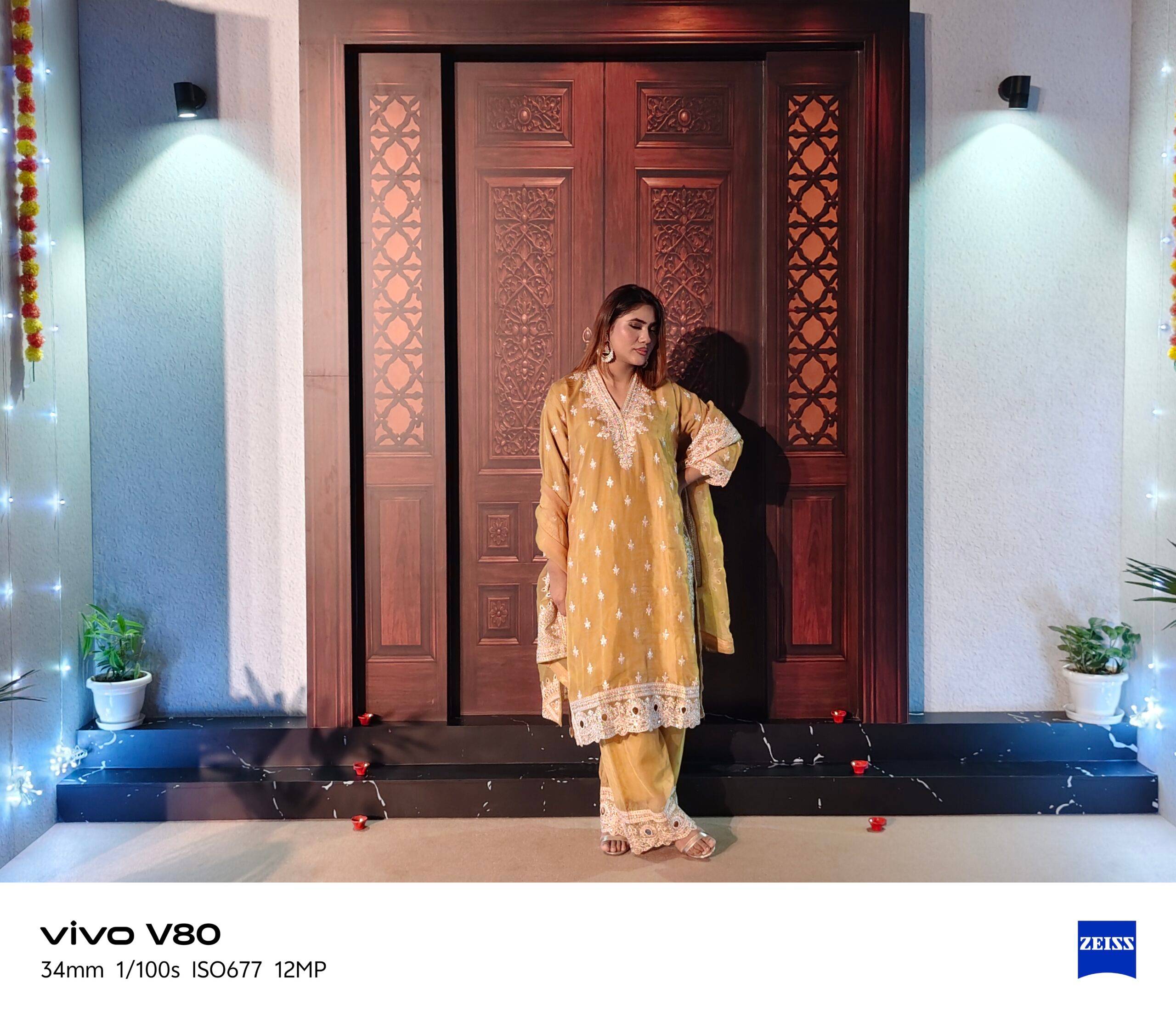
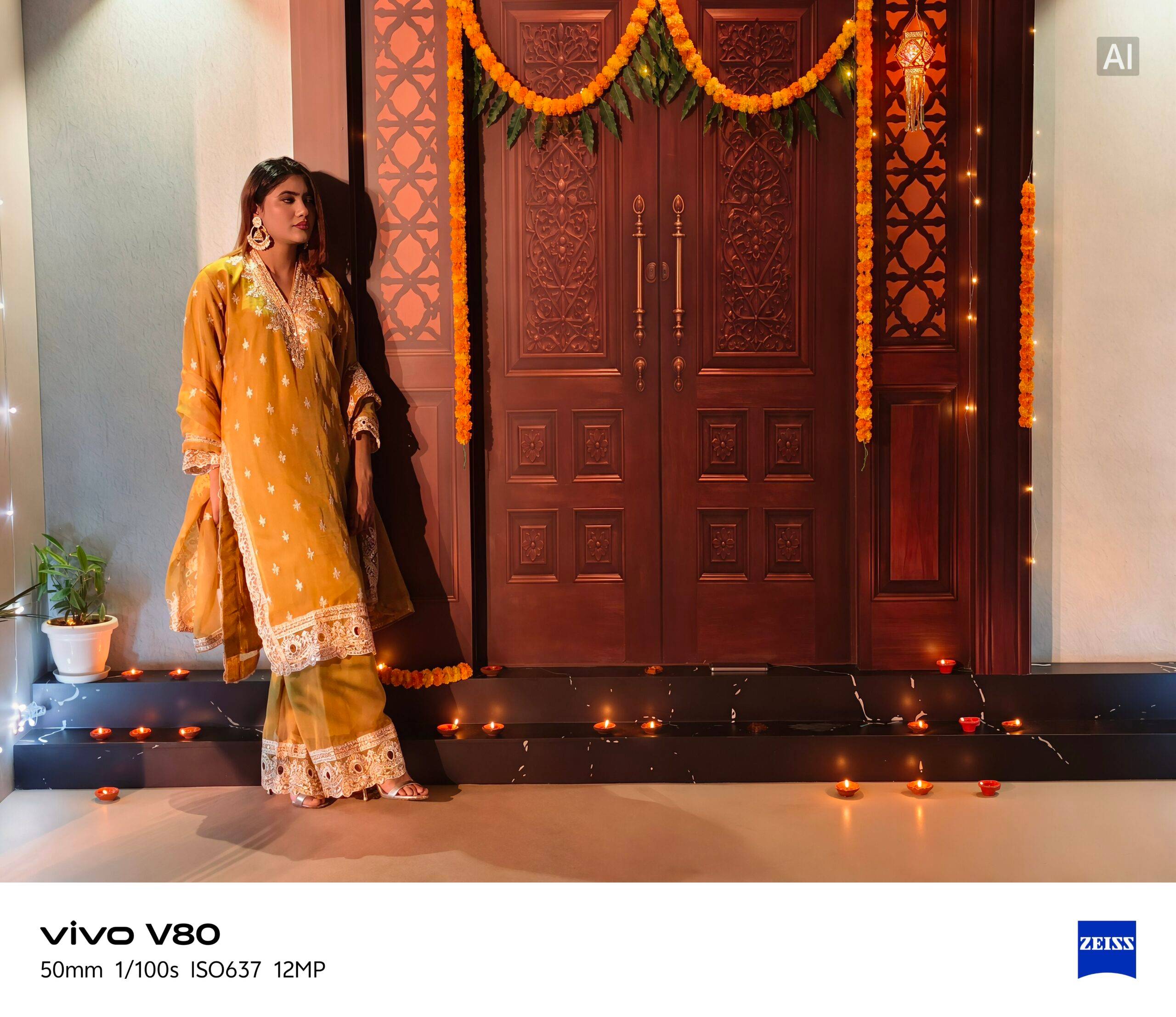
In everyday use, the V80 delivers a capable and versatile camera experience. The main camera produces detailed images with punchy colours and good contrast in well-lit conditions. The 3x telephoto camera is particularly useful for portraits and closer zoom shots with different focal lengths. However, the details may not be very good since it’s digital zoom. The Diwali Portrait 2.0 feature also helps by enhancing the subject and colours, giving it a more striking look.
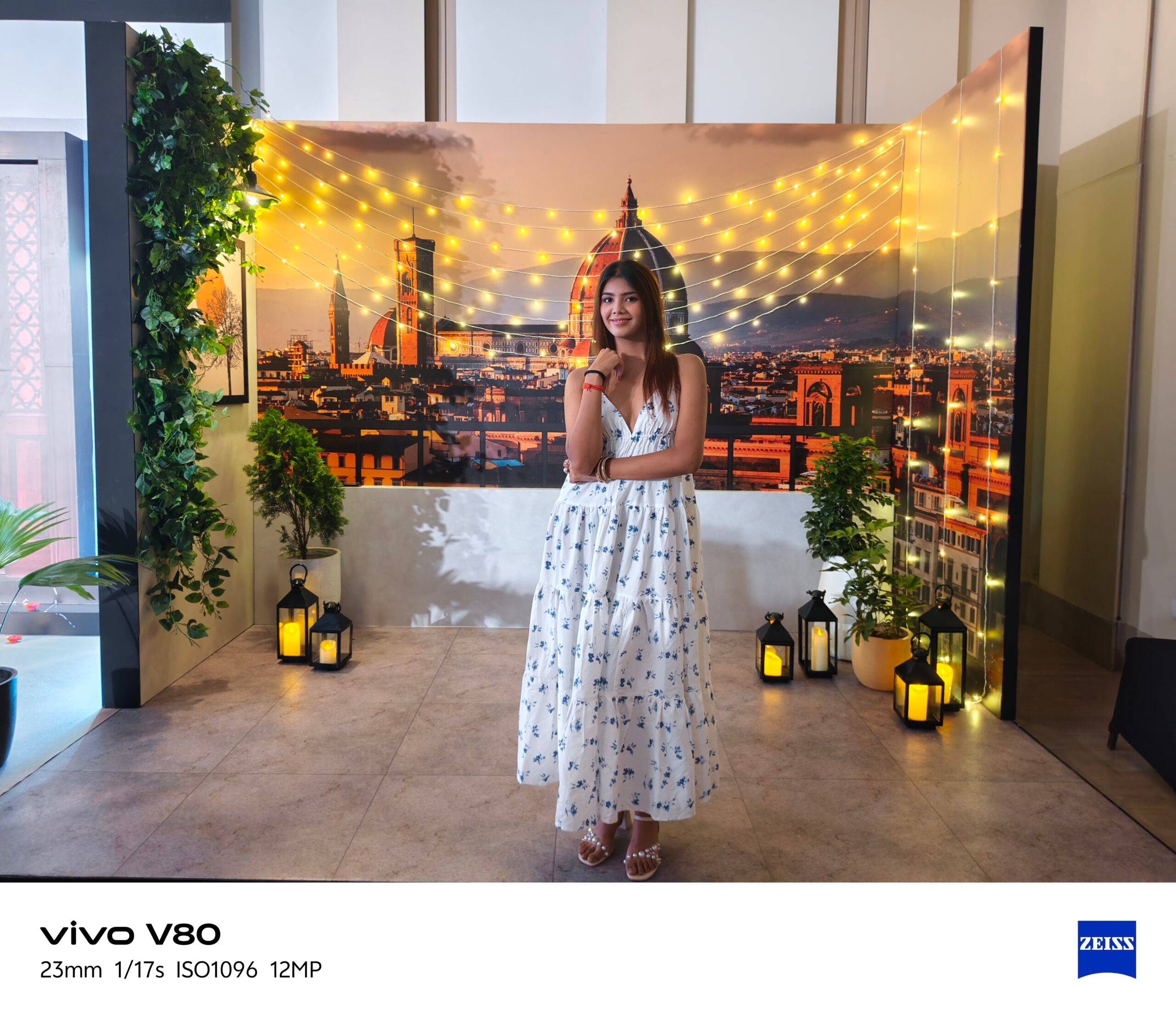
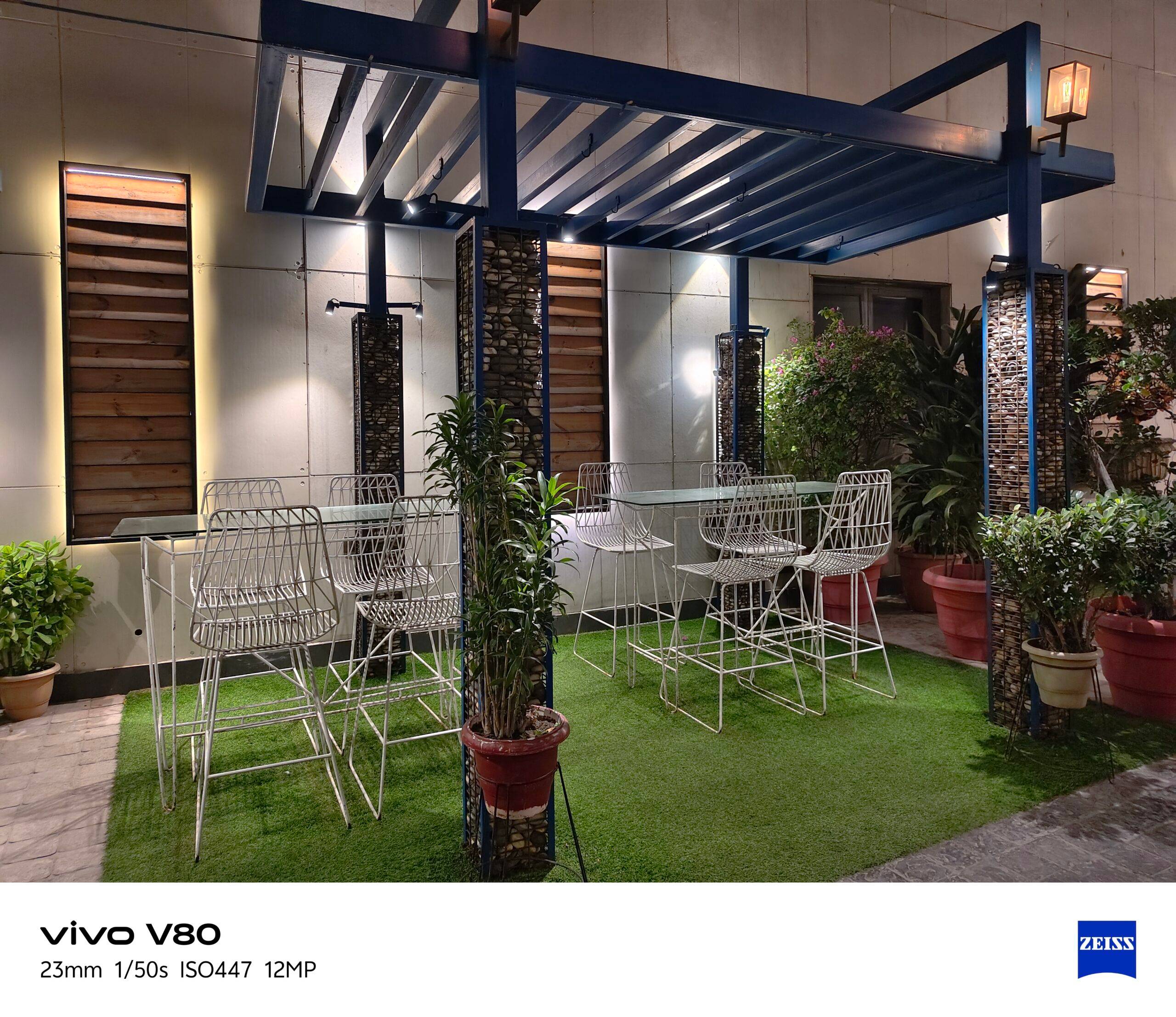
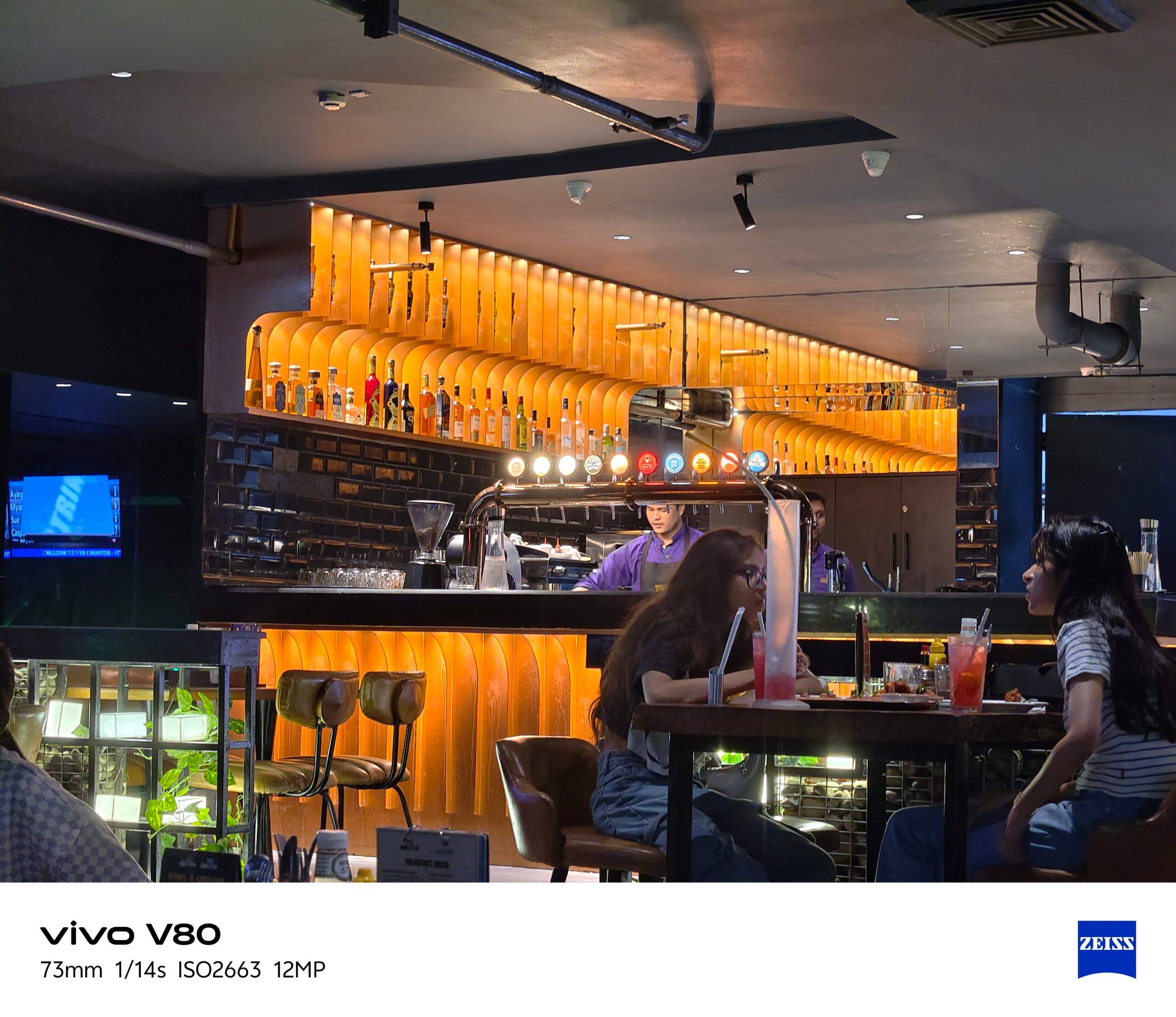
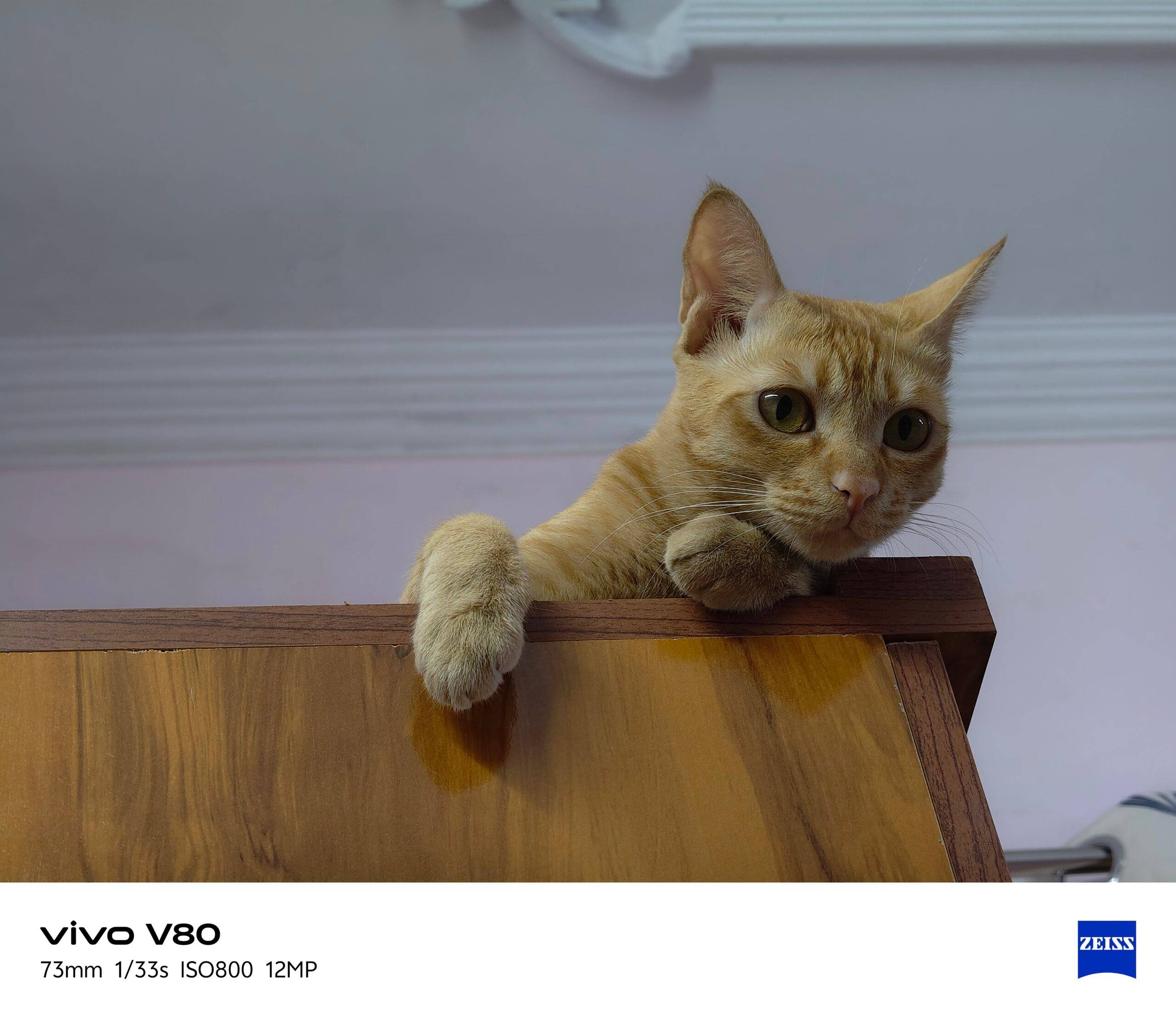
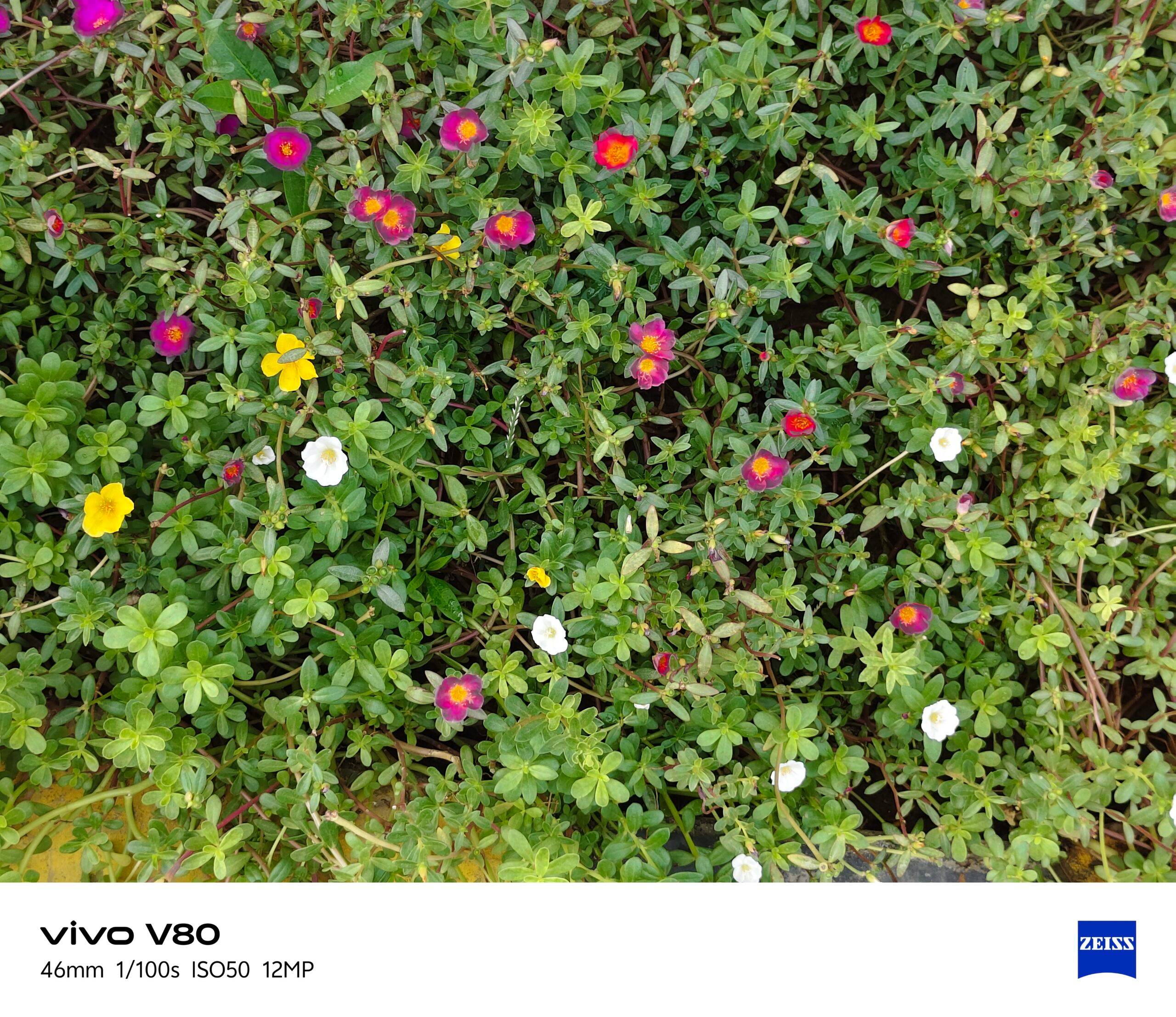
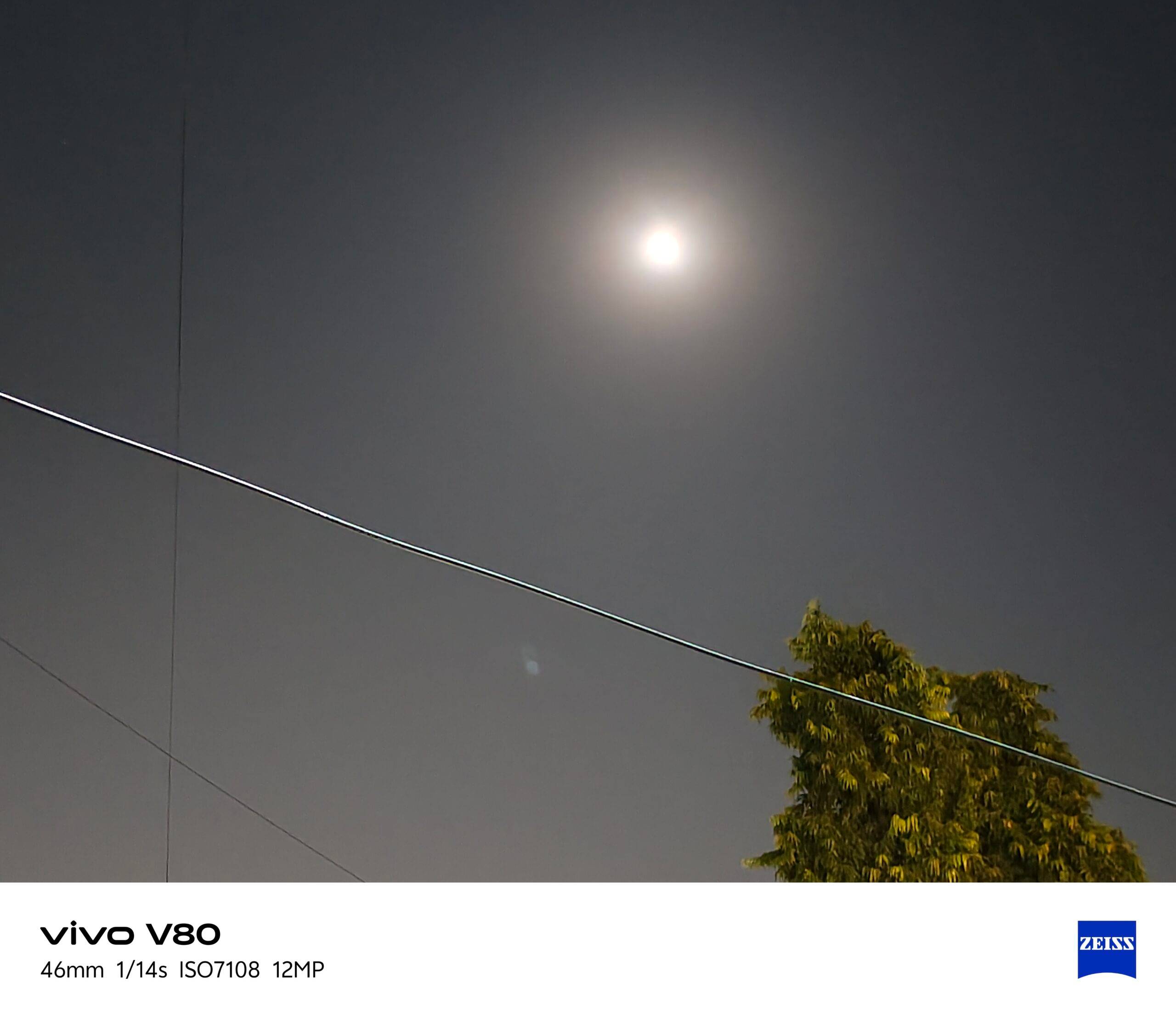
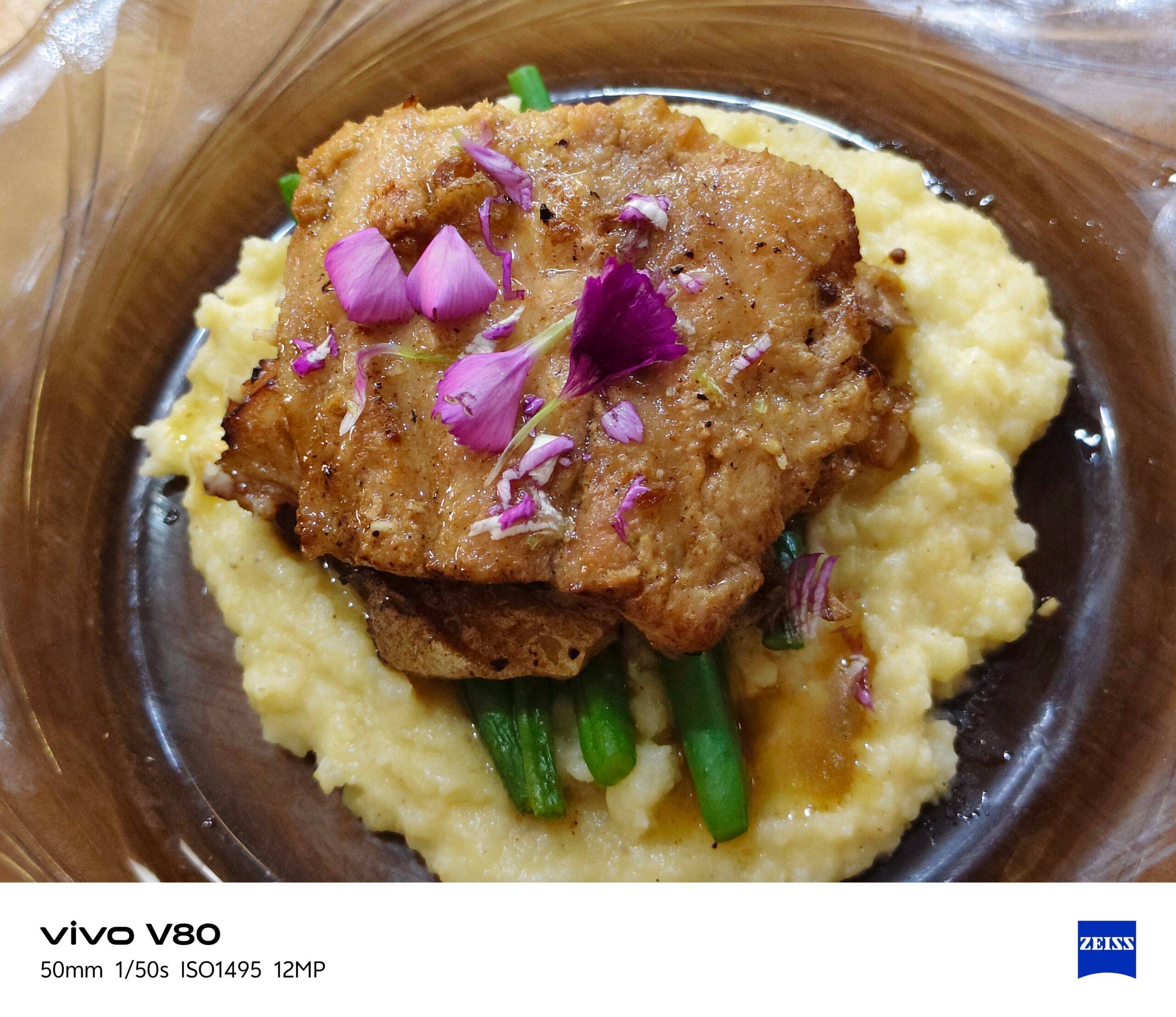
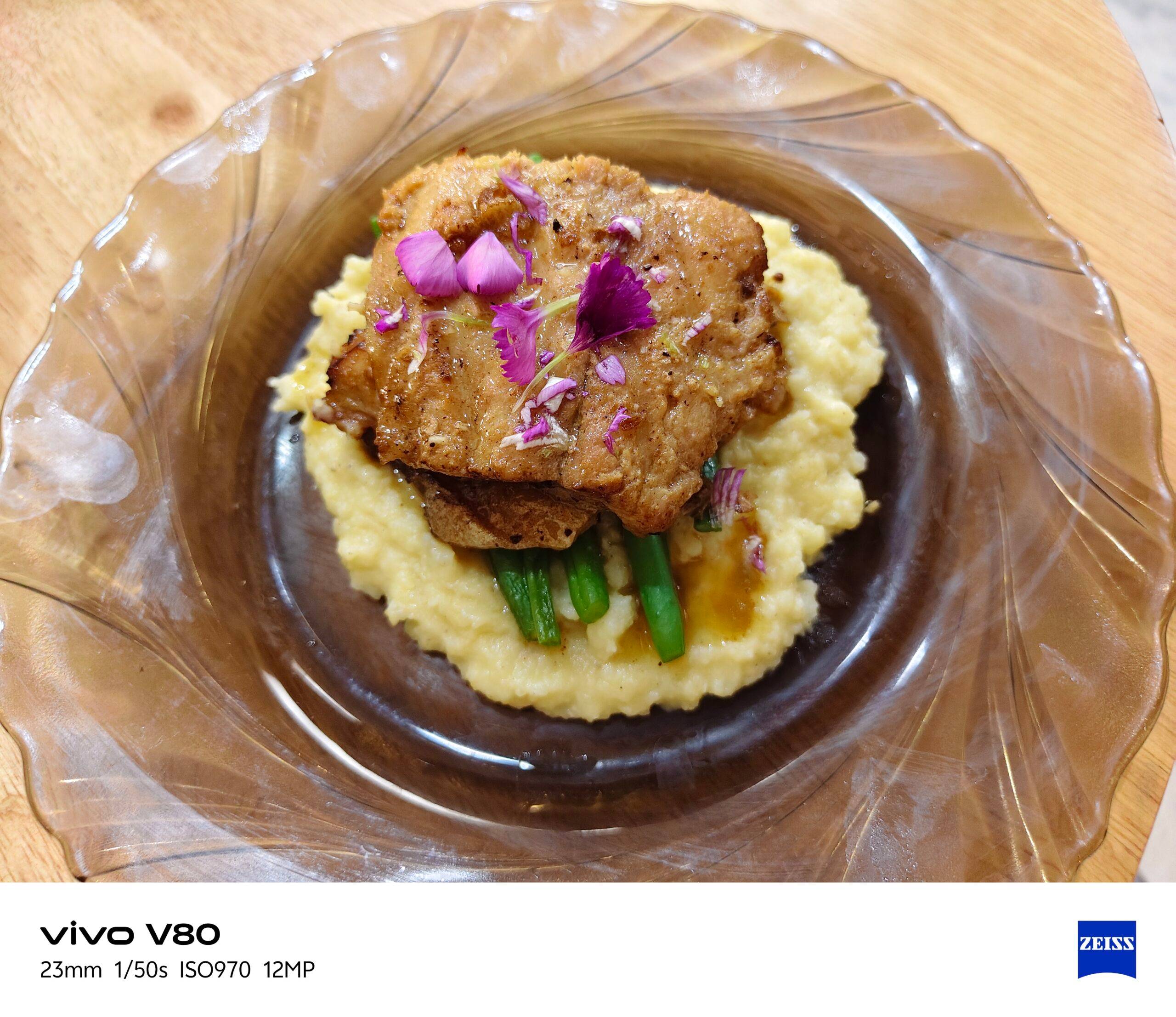
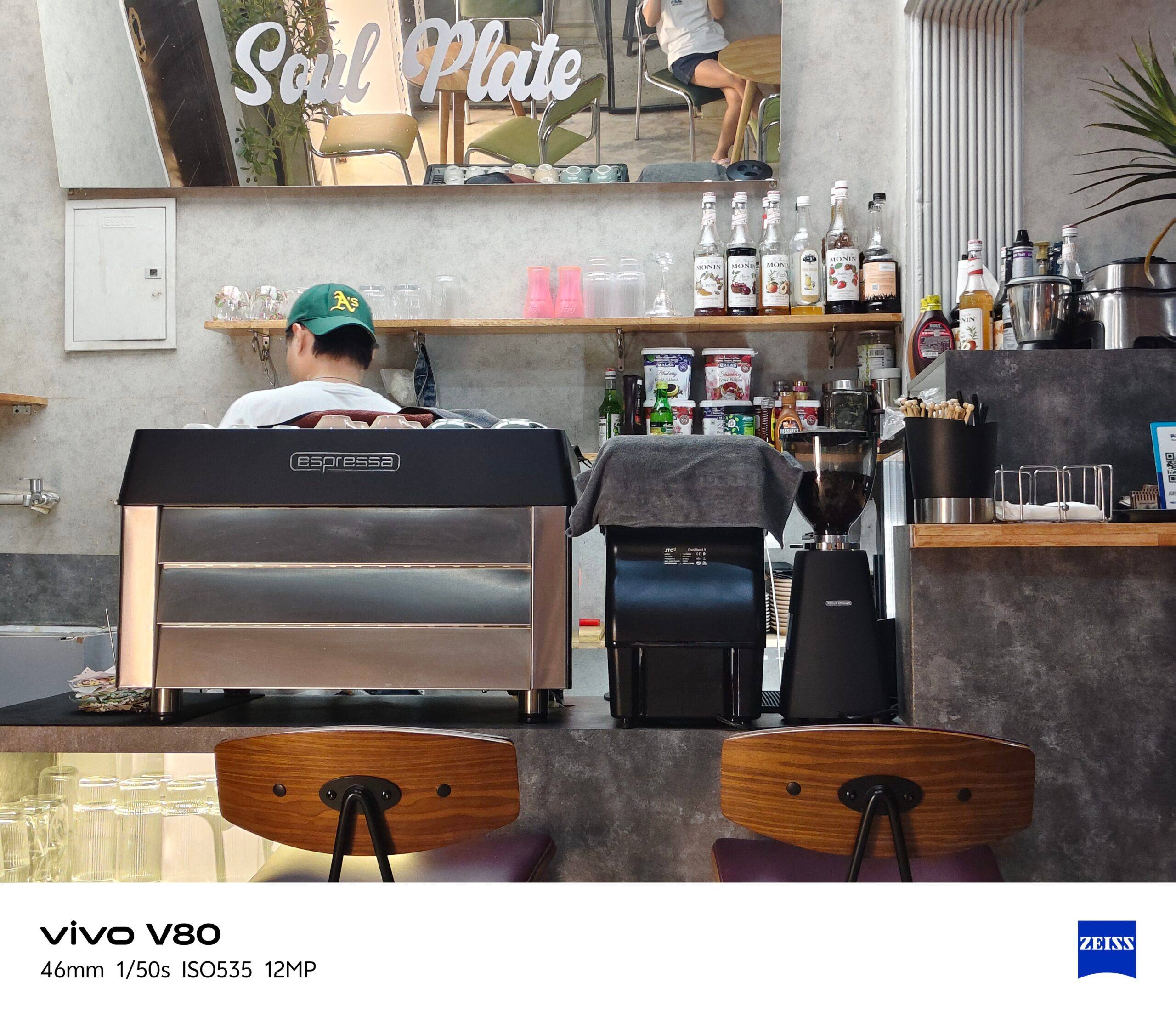
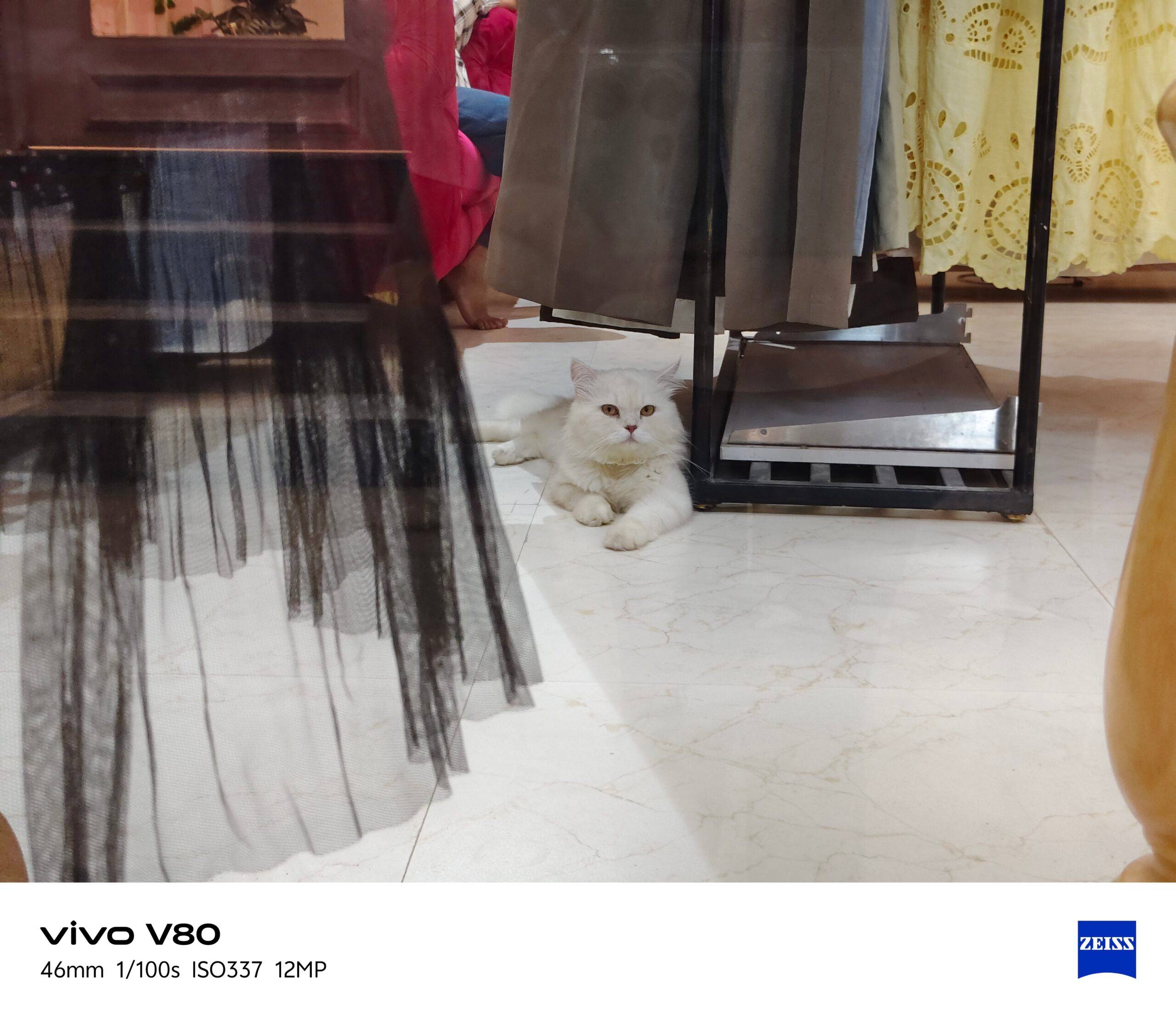
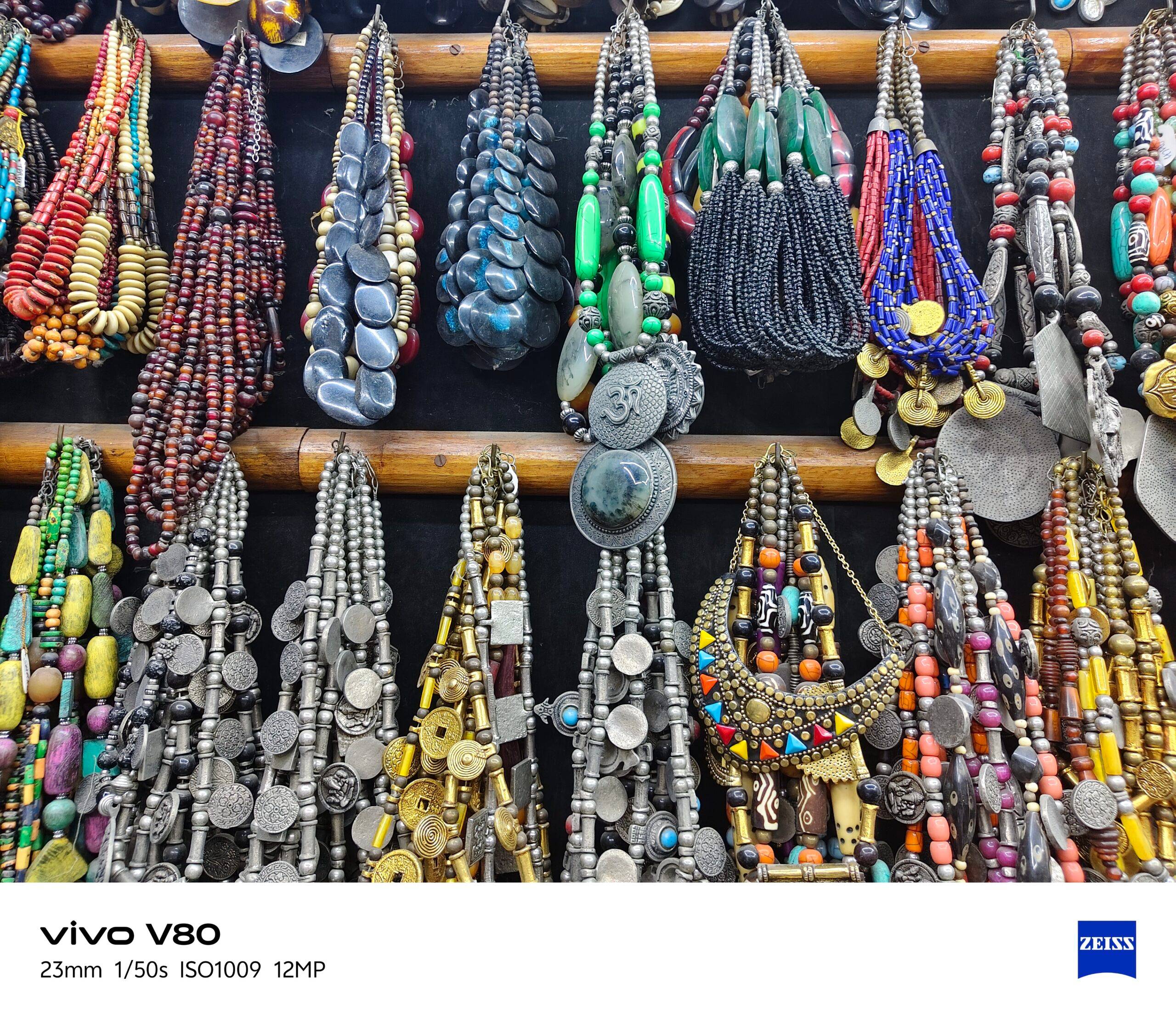
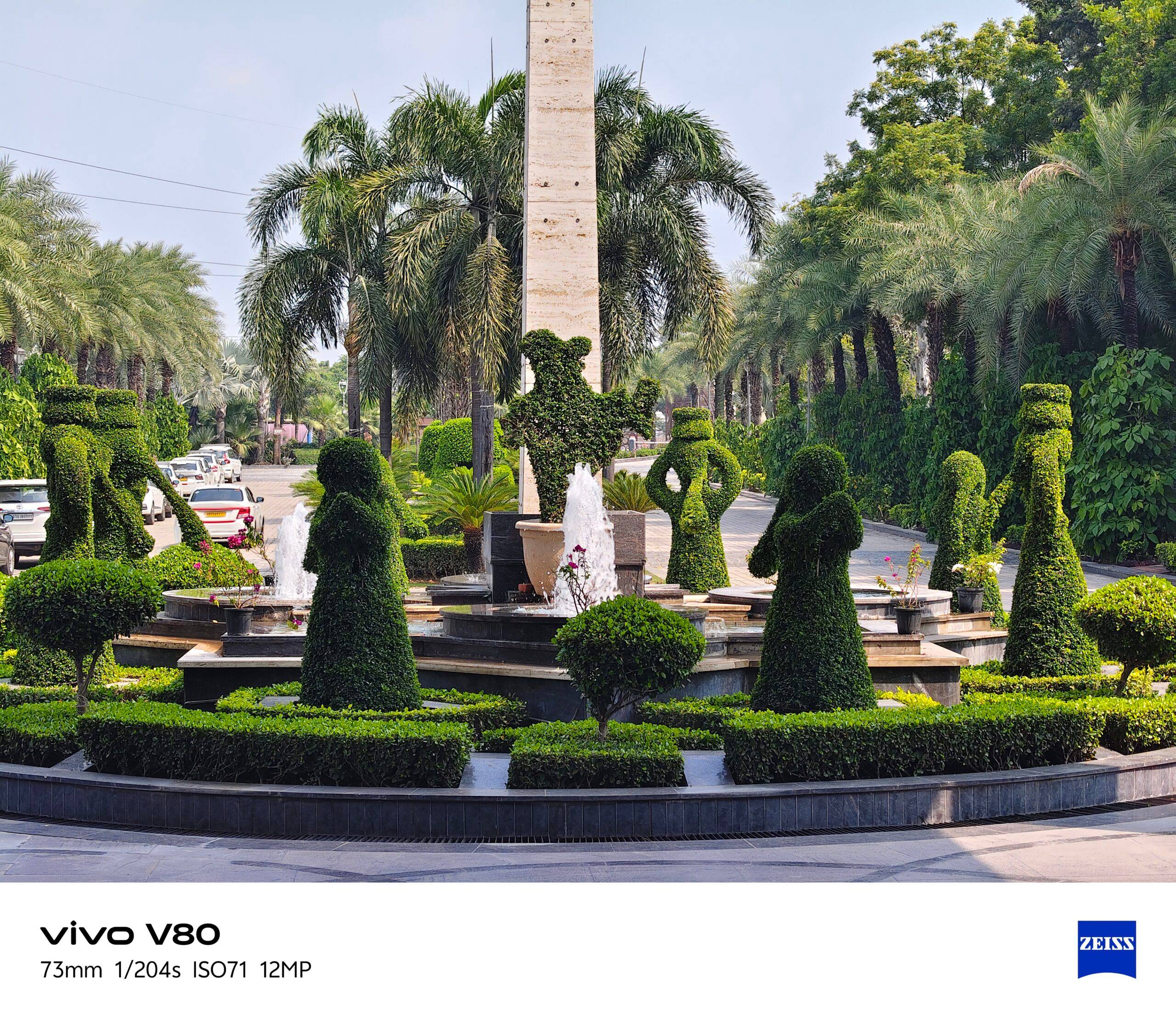
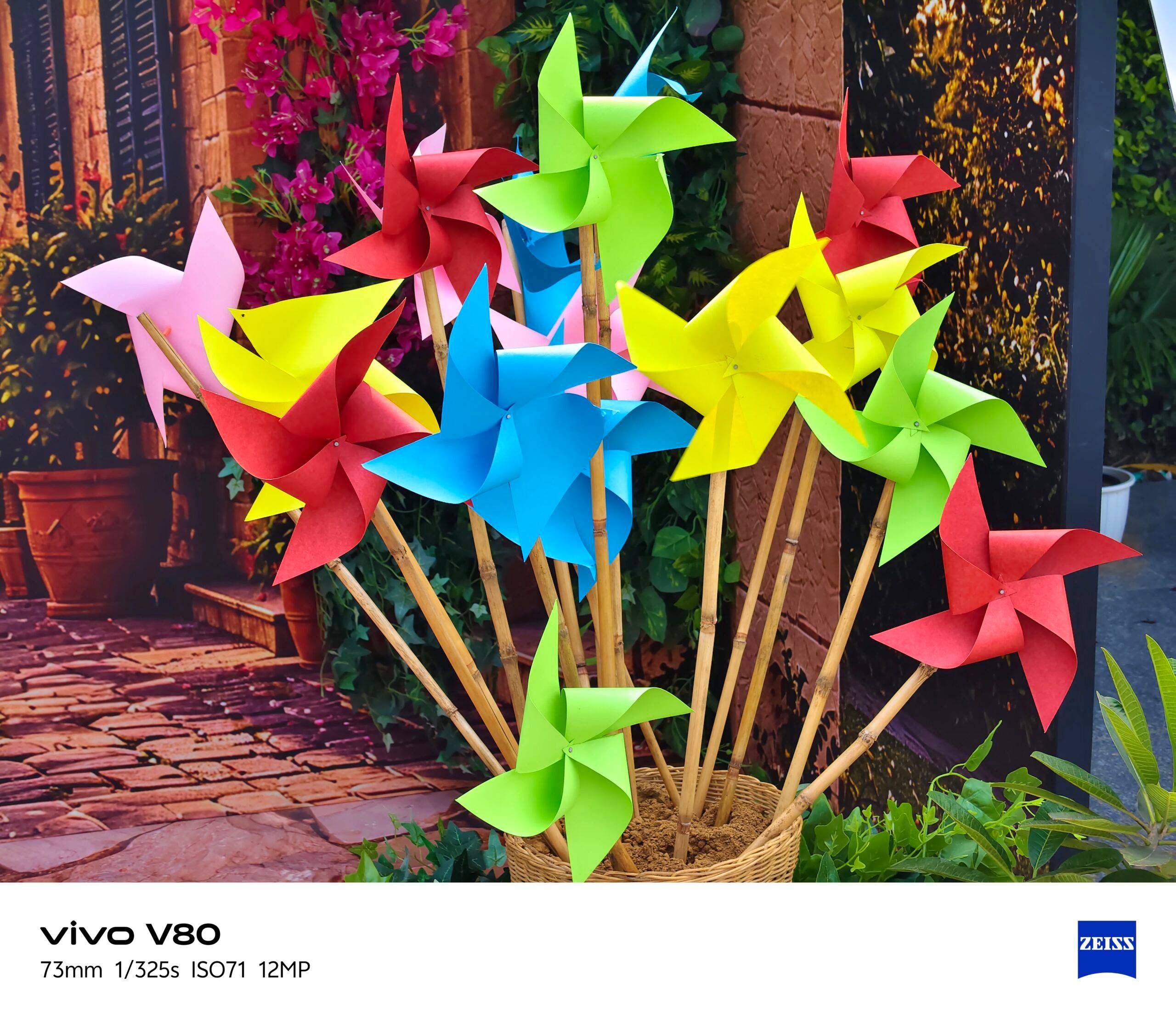
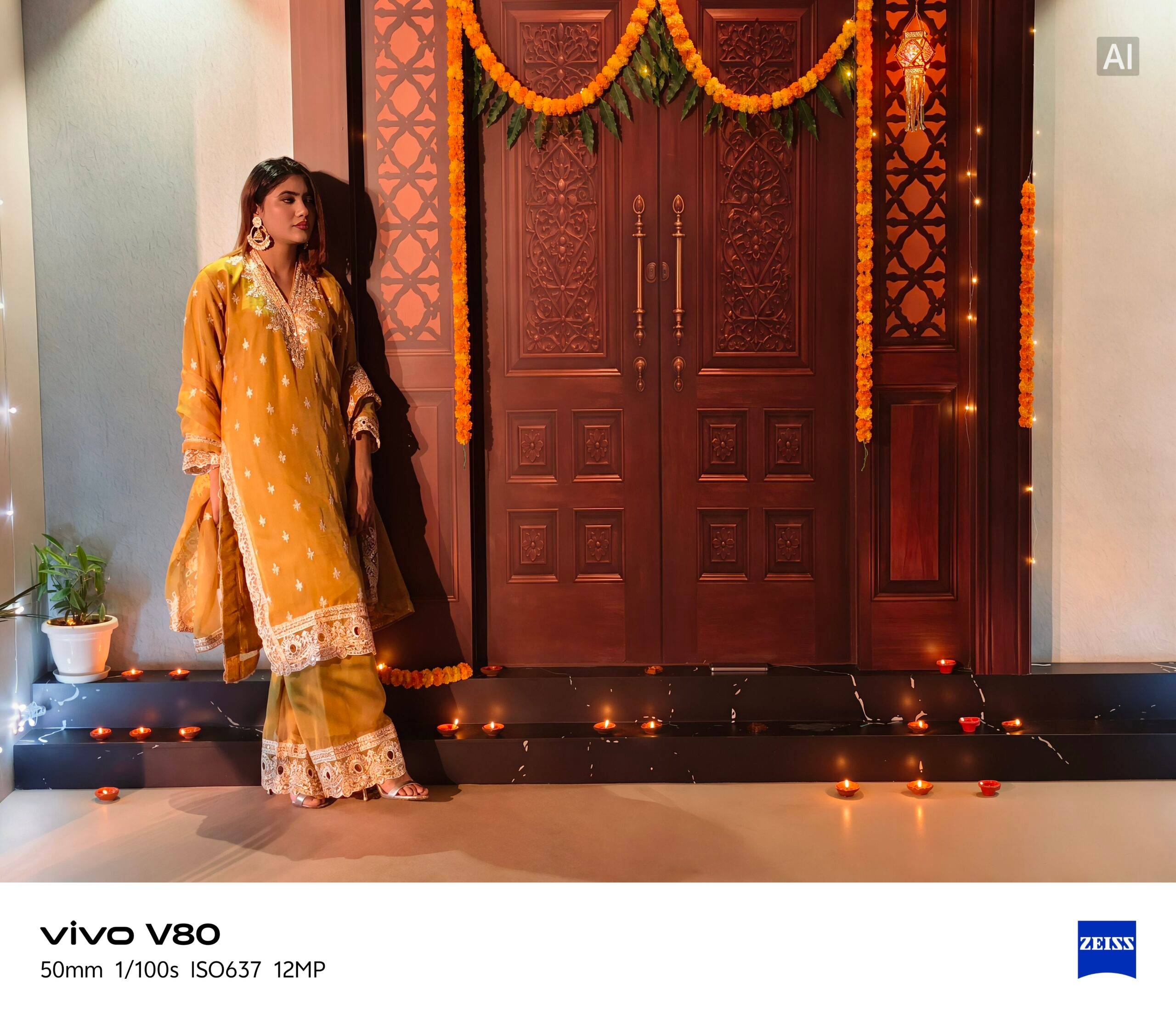
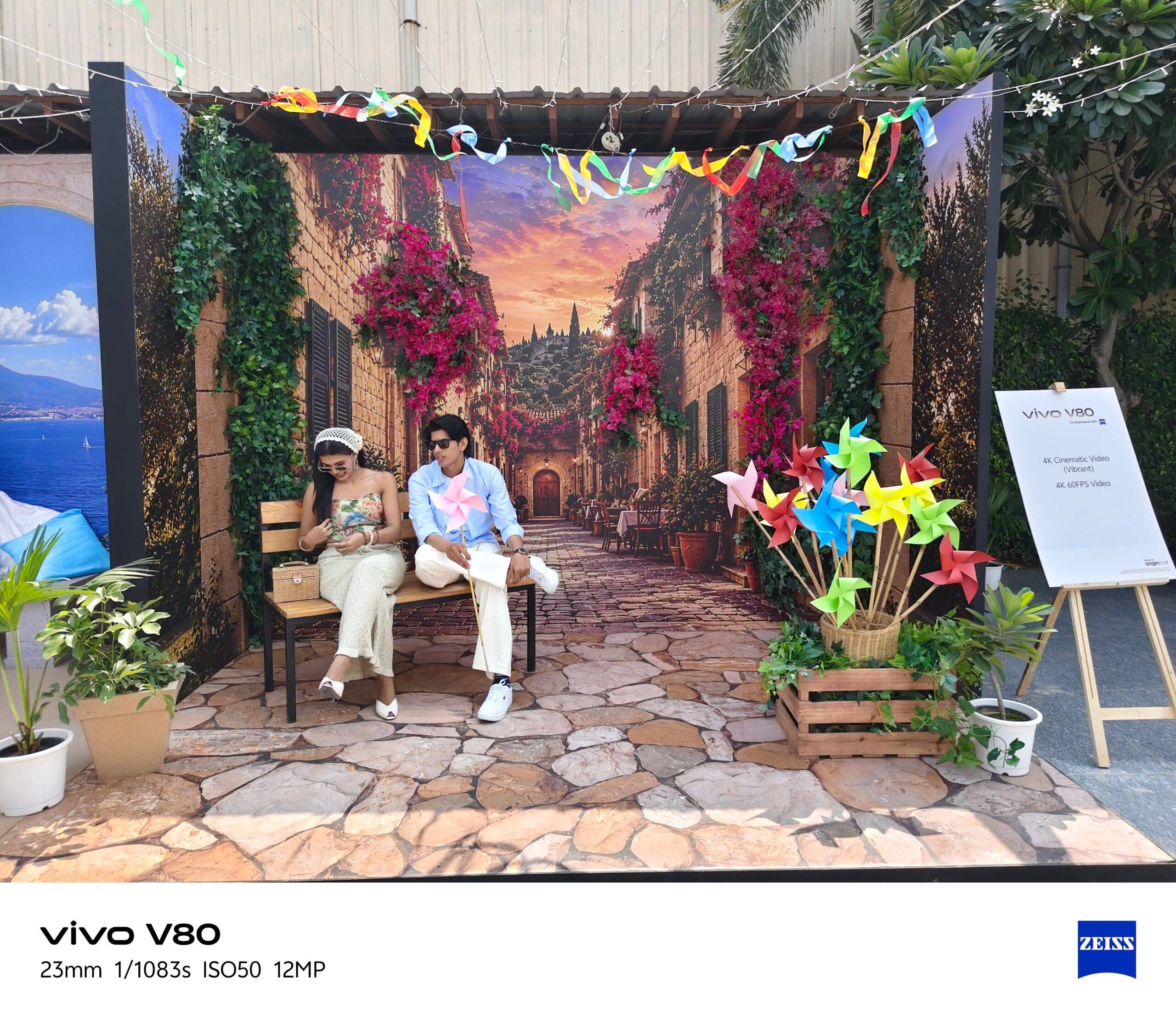


We put the Vivo V80’s cameras up against the OPPO Reno 16 to see how they compare.
Daylight
In daylight, both phones are fairly evenly matched, with each having an edge in different areas. The Reno 16 delivers better detail and sharpness, while the Vivo V80 produces more accurate colours and better contrast. The Reno 16 also has a slight advantage in dynamic range and exposure.


Ultra-wide
In ultra-wide shots, the Vivo V80 continues to deliver better colours and contrast, while the Reno 16 maintains its edge in detail. The Reno 16 also handles dynamic range and distortion better, giving it an overall advantage in this category.


Portraits
In portraits, the two phones take noticeably different approaches. The Reno 16 opts for a more natural look, while the Vivo V80 produces punchier colours. This gives the Reno 16 an edge in skin tones and overall colour accuracy. Both phones, however, do a good job of retaining the sunlight on the subject’s face. Details and clarity are closely matched, with the V80 holding a slight advantage. The Reno 16, meanwhile, delivers more natural bokeh and more precise edge detection.


Selfies
The same trend continues with selfies, with the Reno 16 delivering more natural skin tones and better colour accuracy. Both phones are closely matched in terms of detail and clarity, while the Reno 16 has a clear advantage in dynamic range.


Low-light
In low-light shots, the Vivo V80 does a better job of controlling light flares and exposure than the Reno 16. However, the V80 introduces more noise, while the Reno 16 captures sharper images with better detail retention. The Reno 16 also delivers more natural colours and overall realism, giving it the edge in this category.


Night mode
With Night Mode enabled, the Reno 16 shows a significant improvement in controlling light flares and exposure. It also captures better details with less noise, while the Vivo V80 sees only a marginal improvement. Colours remain largely similar on both phones with Night Mode enabled.
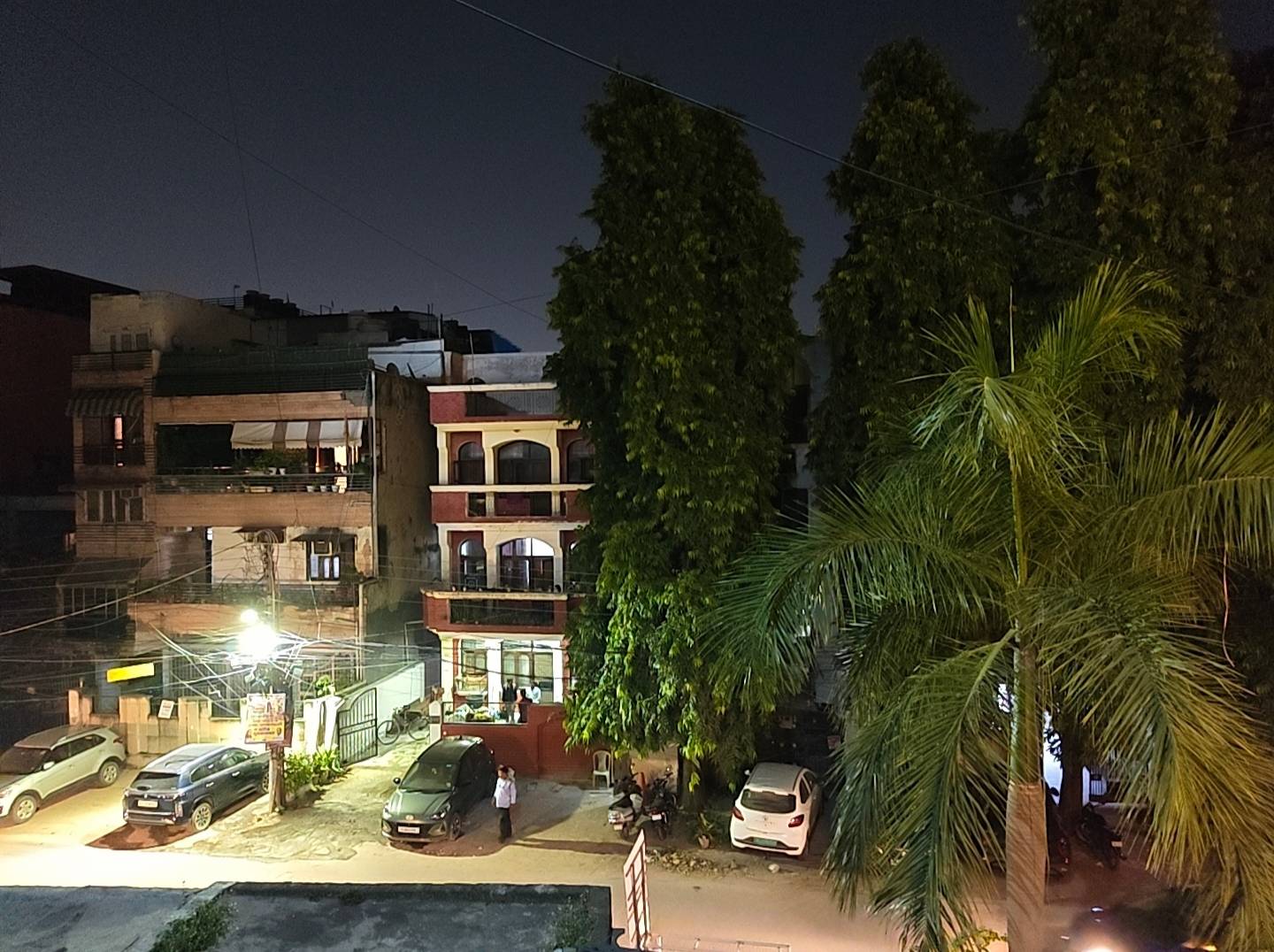

Overall, the Reno 16 has the edge in camera performance, particularly for detail, dynamic range, skin tones, portraits, and low-light photography. The Vivo V80, however, holds its own with better colour and contrast in daylight and ultra-wide shots, along with slightly better portrait detail. For those who prefer a more natural and consistent camera output, the Reno 16 is the better choice, while the V80 is worth considering if punchier colours and strong exposure control are higher on the priority list.
Battery life: a clear strength
The Vivo V80 packs a 7,200mAh battery, the largest yet on a V-series smartphone. Battery life is one of its strengths, comfortably lasting through a full day of regular use and leaving enough charge to stretch into the next day. This includes typical usage such as social media browsing, video streaming, and 5G connectivity.
The V80 also performed well in our PCMark battery test, lasting an impressive 18 hours and 36 minutes. A 30-minute YouTube session drained just 4 percent, which is fairly standard, while gaming resulted in a slightly faster drain compared to some rivals. It’s still nothing particularly concerning given the large battery capacity.

It supports 90W fast charging, among the fastest speeds in this segment. Overall, the V80’s battery endurance and charging capabilities make it well suited to both regular and heavy users, with little reason to worry about running out of charge during the day.
Software: fun, feature-packed
Vivo V80 runs OriginOS 7 out of the box. This is the latest software version, running Android 17 and the first Vivo phone to do so. The smartphone also gets 4 OS upgrades and six years of security updates, making it secure for the long term. OriginOS 7 brings subtle refinements like Dynamic Glow, which adds fluid animations that make touch elements bounce, stretch, and flow based on finger movement. The liquid, glass-like translucent material comes in three profiles—Real, Natural, and Soft—and lets users adjust elements such as the Quick Settings panel, navigation bars, and buttons from clear to tinted.
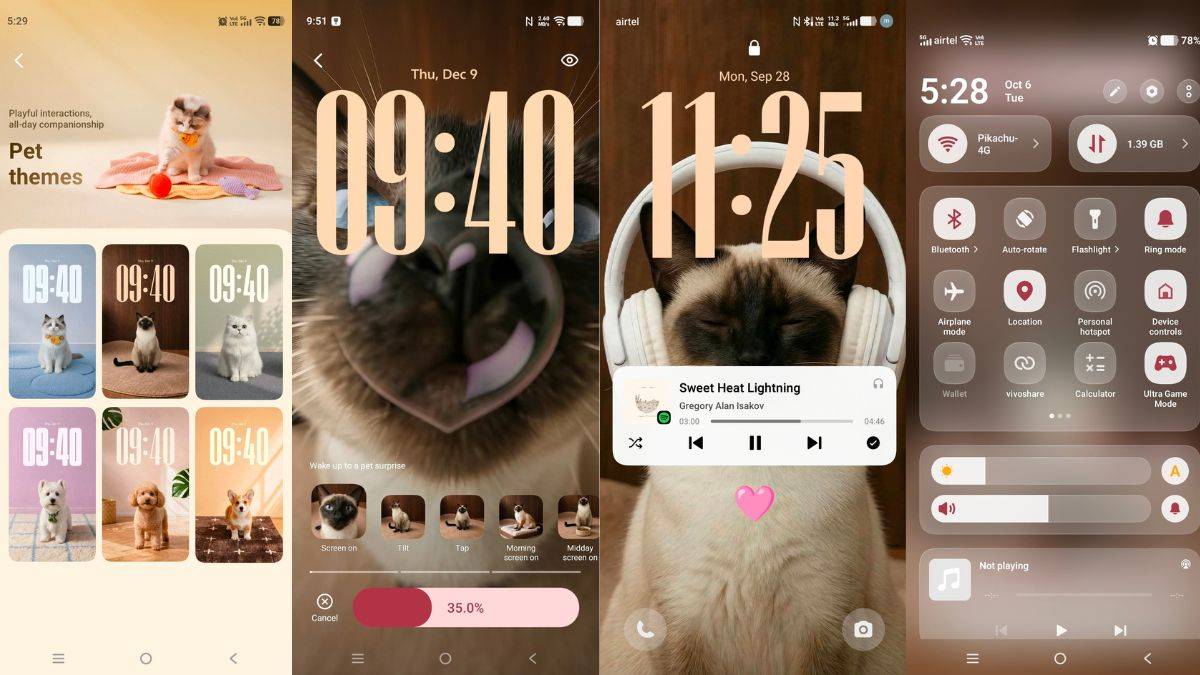
My favourite part of OriginOS 7 is the new Pet Pals themes. The series features three adorable cat and dog themes, with interactive elements that make the lock screen feel more lively. For instance, the pet blows a kiss when you unlock the phone and puts on headphones when you listen to music. Throughout the day, you may also spot it playing or eating. It’s a small but delightful touch that makes the overall experience more fun and engaging.
It’s worth mentioning, though, that OriginOS 7 is still fresh and new and might need refinement with more updates. We mentioned this in the performance section as we experienced noticeable stutters while navigating and multitasking on the phone.
Final Verdict
The Vivo V80 gets most of the important things right, combining a stylish and relatively compact design with a vibrant 144Hz AMOLED display, versatile Zeiss cameras, and excellent battery life. The 7,200mAh battery is a particular highlight, while OriginOS 7 adds plenty of customisation and fun features, backed by four OS upgrades and six years of security updates. The camera setup is also capable, especially for portraits and zoom shots, though the OPPO Reno 16 has an edge in detail, dynamic range, and low-light photography.
One drawback is performance, as the Snapdragon 7 Gen 4 doesn’t quite match what some similarly priced rivals offer, and occasional software stutter further detracts from the experience. At Rs 62,999, the Vivo V80 makes the most sense for buyers who prioritise design, cameras, battery life and display quality. However, if performance and gaming are higher on your priority list, alternatives such as the OnePlus 15R and iQOO 15R offer more powerful hardware and are worth considering.
Editor’s rating: 8/10
Reasons to buy
- The phone has a premium, good-looking design with a compact hand-feel.
- The 7,200mAh battery is reliable enough for regular and power users.
- It has a versatile, feature-rich Zeiss-branded triple-camera setup.
Reasons to skip
- Performance could have been better, as the chipset is slightly underwhelming for this price point.
- Its low-light performance isn’t great, and details can look grainy.