Review Summary
Expert Rating
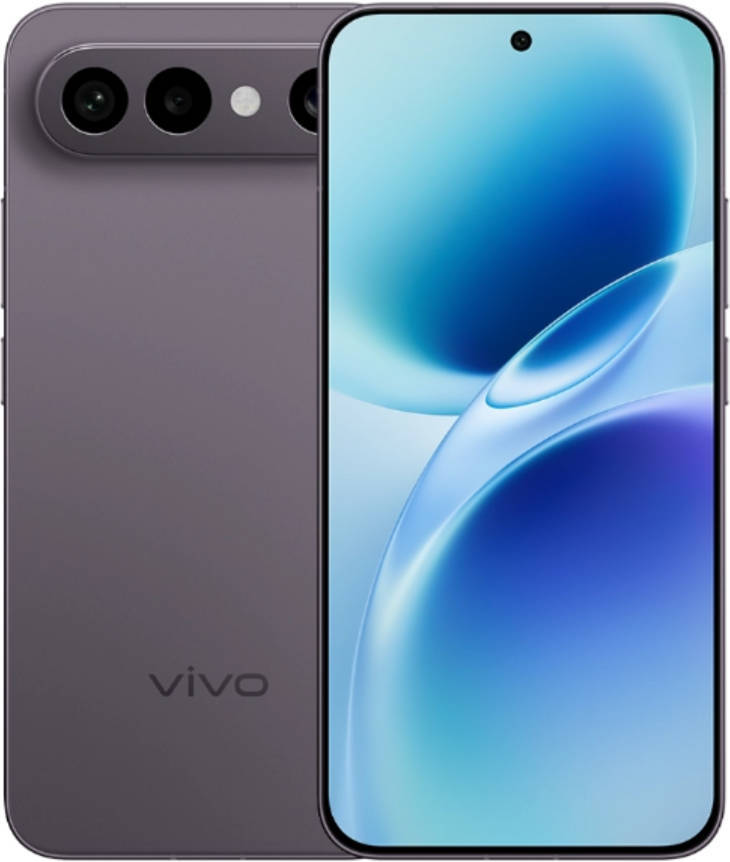
The Vivo X300 FE is an interesting proposition. Unlike its predecessor, the X200 FE (review), it’s no longer the only compact option in the company’s flagship X-series lineup. The Vivo X300 (review) is just as compact and offers more chipset and camera hardware – all for as low as Rs 75,999, making it cheaper than the X300 FE. That said, the FE, aka “Fan Edition”, carves out its own space with a bigger battery, Snapdragon 8 Gen 5, and support for the gen 2 telephoto extender lens.
Who exactly is the Vivo X300 FE meant for? Let’s break that down, along with the other key aspects of the smartphone, in this review.
Table of Contents
Verdict
The Vivo X300 FE makes sense for someone who wants a compact, camera-first smartphone with excellent battery life and dependable all-around performance, without paying top-tier flagship prices. The handset is not the most powerful or the most advanced, but it’s one of the more sensible and well-rounded choices in its segment.
Design has flair
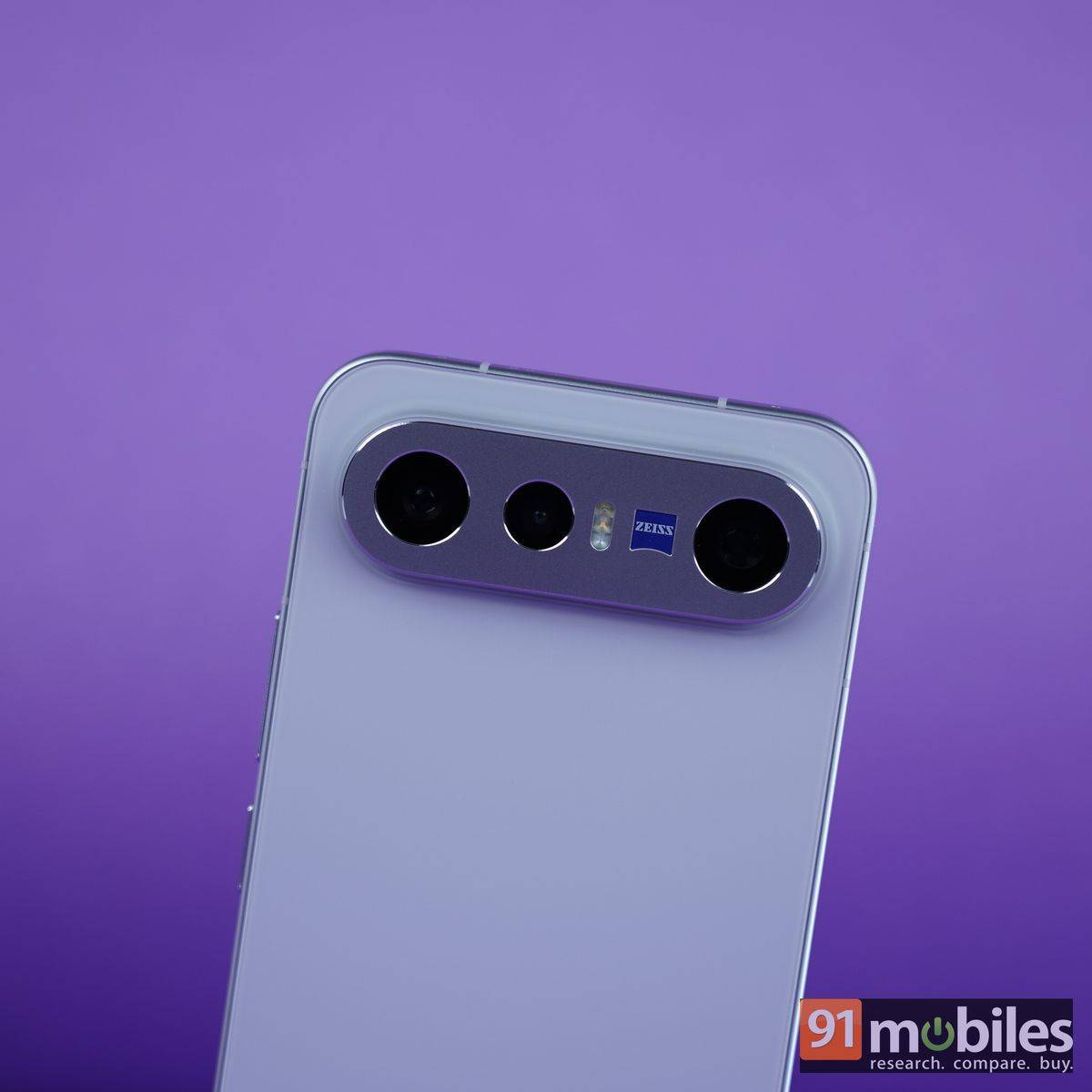
The Vivo X300 FE is designed to stand out not just within Vivo’s lineup but in a crowded market as well. Much of that comes down to its distinctive, elongated pill-shaped camera island on the rear, a look that subtly echoes the iPhone Air. Despite the visual shift, Vivo hasn’t strayed from its core strengths, retaining its focus on camera versatility alongside the familiar ZEISS branding.
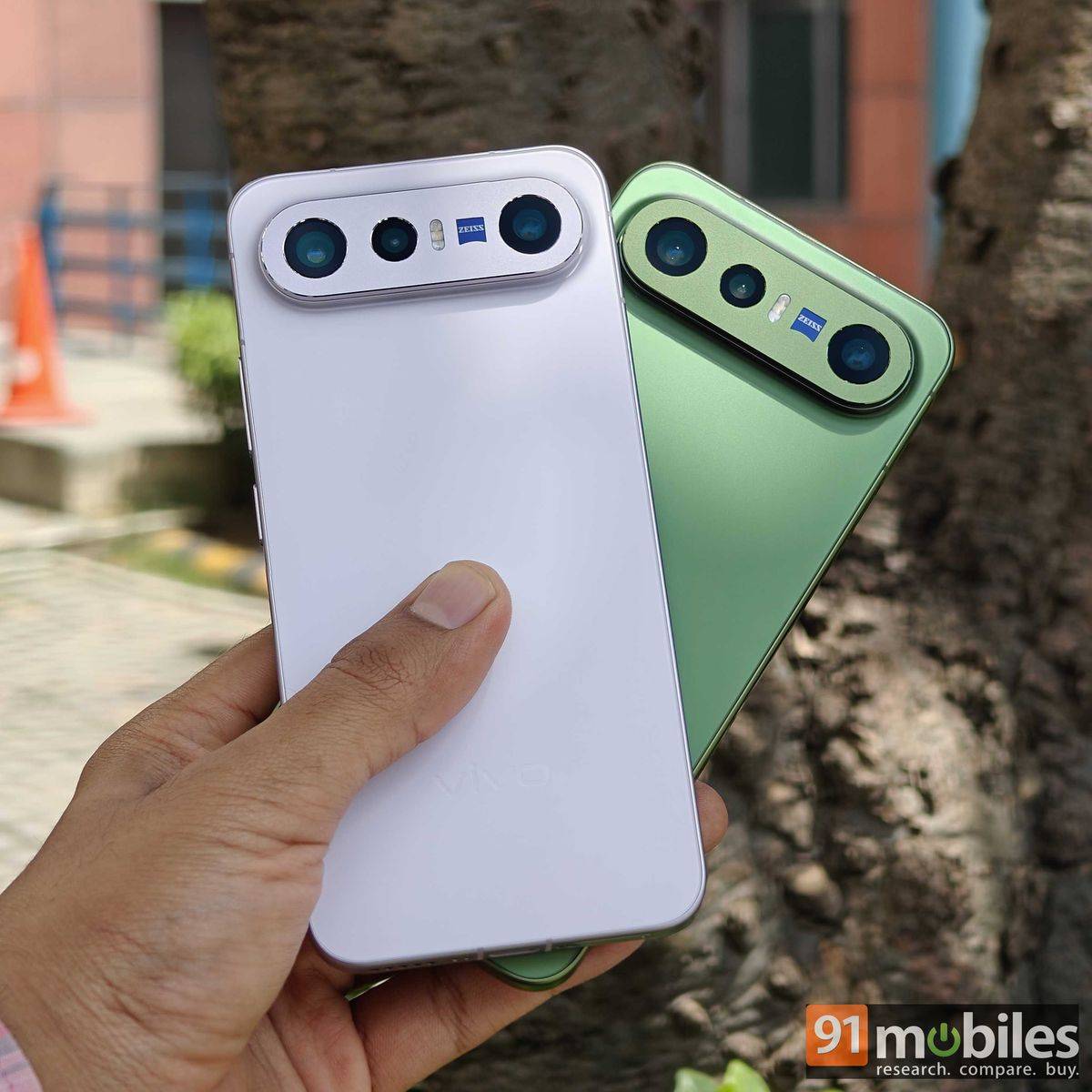
The camera island, protruding slightly yet keeping the phone stable when lying flat on the surface, blends seamlessly with the rest of the chassis, matching the phone’s finish across its new colour options: Urban Olive, Lilac Purple, and Noir Black. The Urban Olive variant offers a soft, matcha-like tone, giving it a fresh, distinctly Gen Z appeal. Personally, I’d lean more towards the understated Noir Black, while the Lilac Purple strikes a nice middle ground for anyone after something subtle yet a bit different.
The other aspects of the Vivo X300 FE are largely the same as those of the X200 FE. The handset remains compact, measuring 150.83mm × 71.76mm × 7.99 mm and weighing 190 grams. Additionally, the handset features a glass back with a matte finish, helping keep fingerprints and smudges at bay. The frame is an aluminium alloy grade with a matching paint job, ensuring a premium in-hand feel.
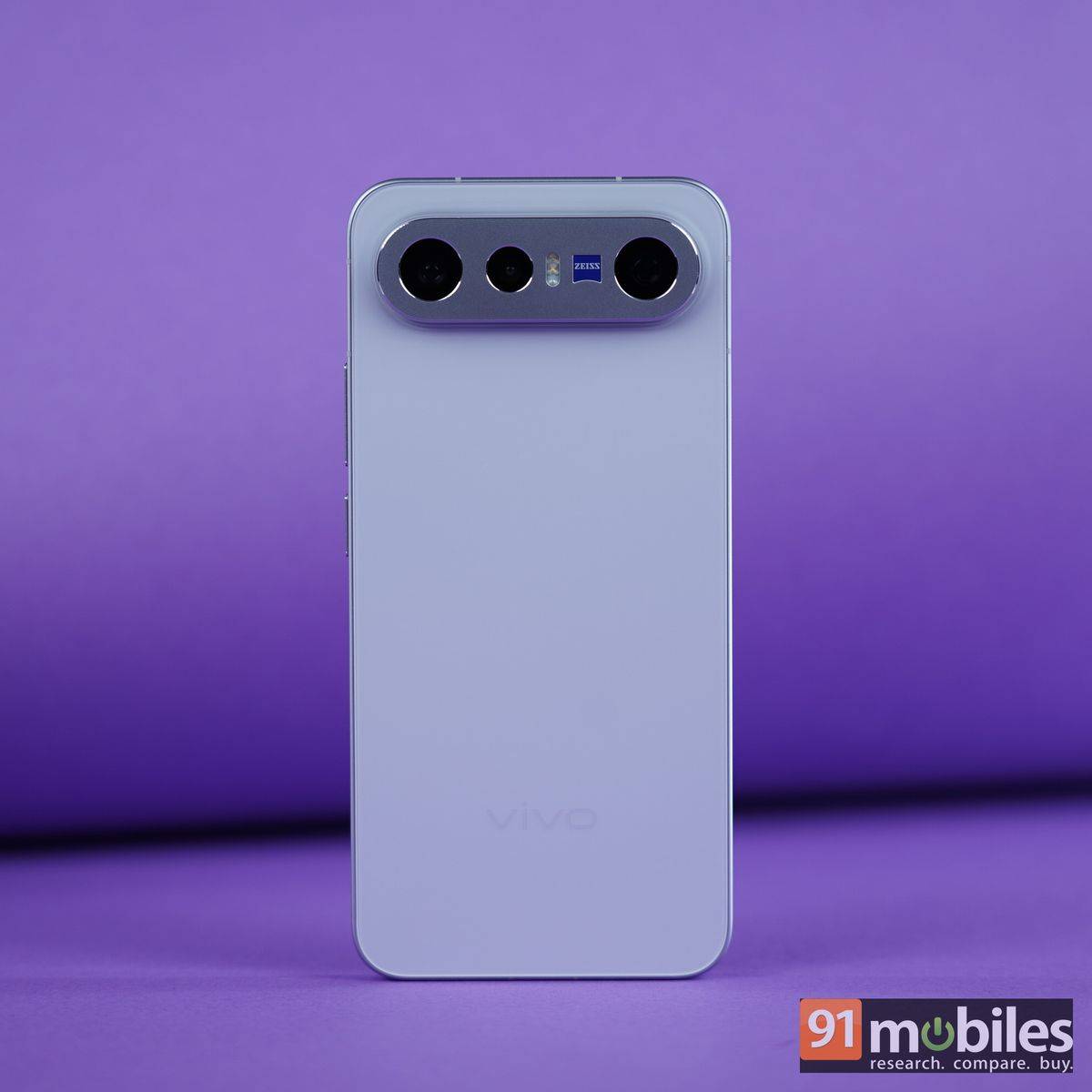
The Vivo X300 FE comes with both IP68 and IP69 ratings for water and dust resistance, adding a reassuring layer of durability. Vivo also bundles a colour-matched TPU case in the box for extra protection. In terms of I/O, there’s a USB Type-C port at the bottom, flanked by a speaker grille and SIM tray, while the volume rocker and power button sit neatly along the right edge.
The standout feature here, though, is the in-display fingerprint scanner. Vivo has upgraded from an optical unit to an ultrasonic sensor, positioned exactly where your thumb naturally rests. It’s quick, reliable, and unlocks the phone almost instantly, even with a light tap.
Performance goes beyond just cameras
Beyond the design, the Vivo X300 FE also shakes things up on the performance front by switching to a Qualcomm platform rather than MediaTek. Powering the device is the Snapdragon 8 Gen 5 SoC, paired with 12GB of LPDDR5X RAM and up to 512GB of UFS 4.1 storage. While the memory and storage setup is in line with what you’d expect from a modern flagship, the chipset itself sits a tier below true top-end silicon, similar to what we’ve seen on devices like the OnePlus 15R and iQOO 15R.



Both OnePlus and iQOO smartphones are performance-centric offerings. While factors like faster RAM and more robust cooling systems certainly play a role, the chipset proved more than capable, handling everyday tasks and demanding workloads smoothly on the smartphones. The experience on the Vivo X300 FE, which is more camera-centric, remains largely the same.
This is apparent in both synthetic benchmark and real-world tests. The phone scored nearly the same as the OnePlus 15R and iQOO 15R on AnTuTu and Geekbench tests. Moreover, the X300 FE’s performance under strenuous usage in the Burnout CPU Throttle test remained at a respectable 44 percent. The handset packs a roughly 4,000mm2 VC cooling system, which keeps its thermals in check even under demanding workloads.
We tested it with gaming, where the Vivo X300 FE heated up by roughly 11 degrees C after 30 minutes of BGMI and Call of Duty: Mobile sessions. The handset managed both games well, handling frame rates and sustained performance almost as well as a gaming-focused smartphone. Even during our field trip to Jaipur, capturing images in the peak heat of April, the handset didn’t get uncomfortably warm and kept things running smoothly.
Strong, reliable cameras with minor quirks
This has got to be an interesting one. The Vivo X300 FE hasn’t tweaked the camera setup from its predecessor, but has added a telephoto lens extender kit to enhance its imaging capabilities. We get to that in a bit, but first, let’s talk about the built-in cameras, which you are not paying extra for.
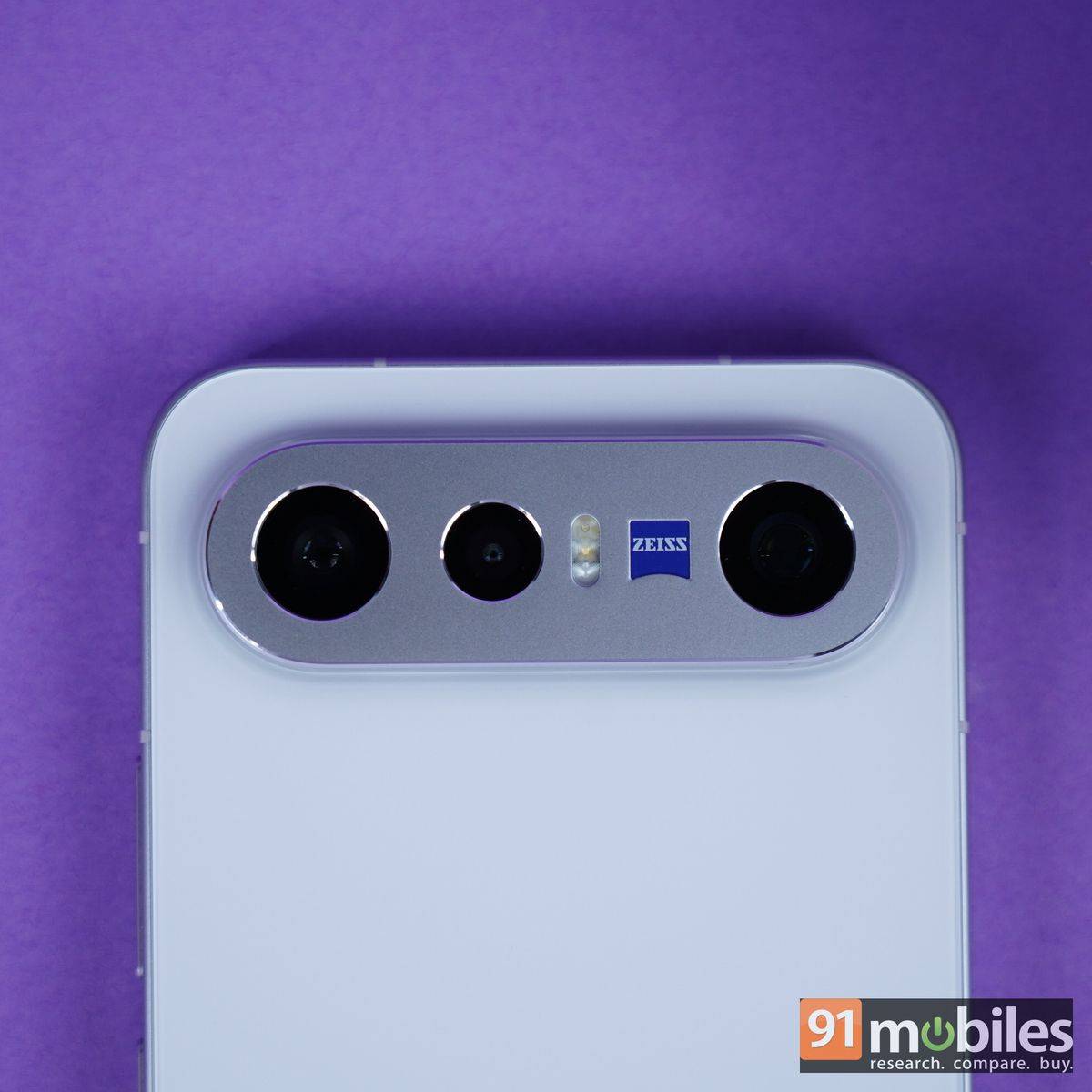
The handset features a triple Zeiss-backed rear camera setup, comprising a 50MP Sony IMX921 f/1.57 OIS sensor, an 8MP ultrawide lens, and a 50MP Sony IMX882 f/2.65 OIS telephoto lens that offers 3x optical zoom. The front camera also features a 50MP f/2.0 Zeiss lens for selfies and video calls in the punch-hole setup. The camera app is typical of a Vivo smartphone, filled with a variety of modes and filters, including AI Styles for different seasons and a new option for Animation.
While the breadth of features is impressive, I’ll reiterate that discoverability still needs work. A smarter, context-aware interface that suggests the right mode or filter based on the scene would go a long way, especially at a time when AI-driven guidance feels like a baseline expectation rather than a bonus. The software already recognises what’s in front of the lens and recommends the best mode for it, whether documents, portraits, or stage lighting. Vivo just needs to extend that intelligence to filters and other modes.
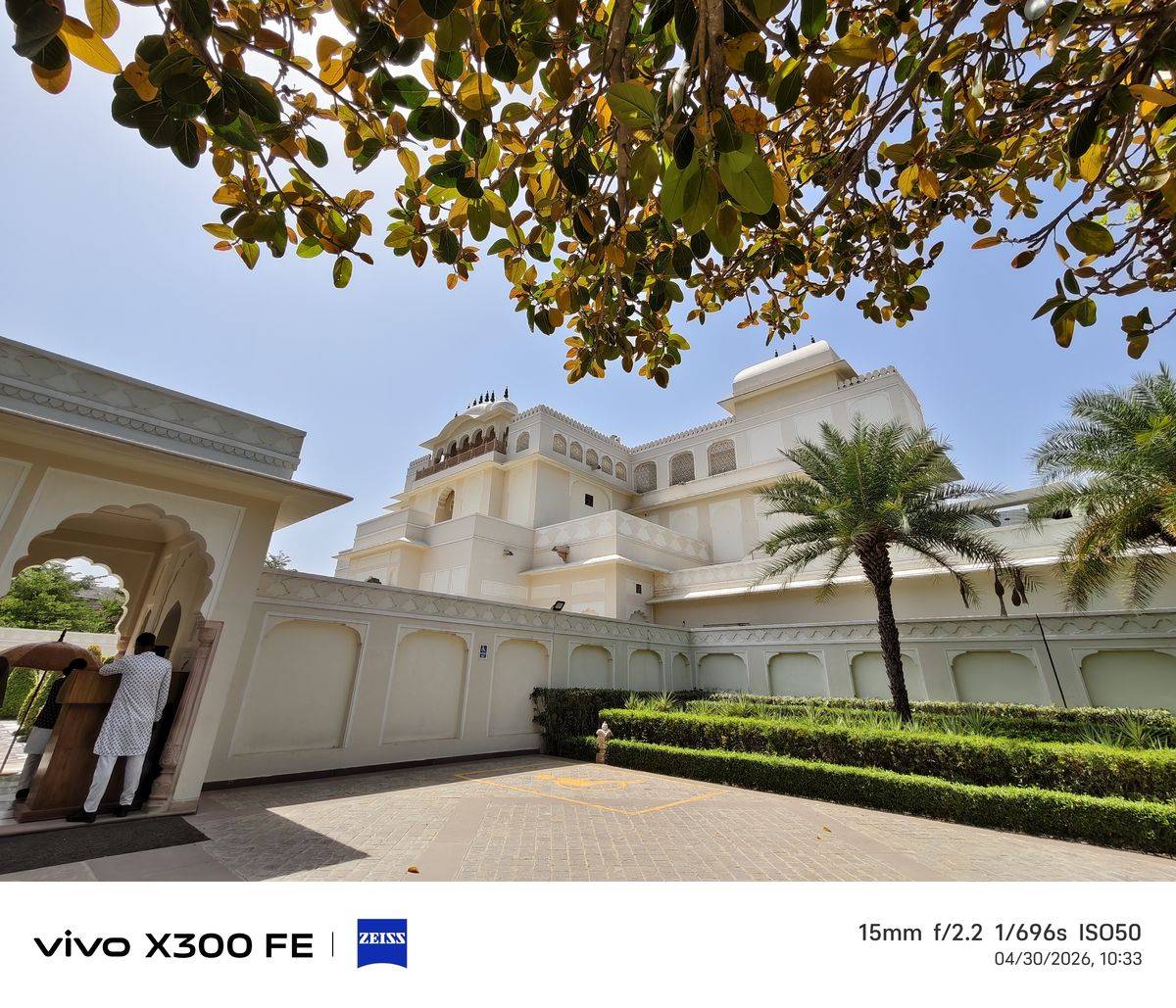







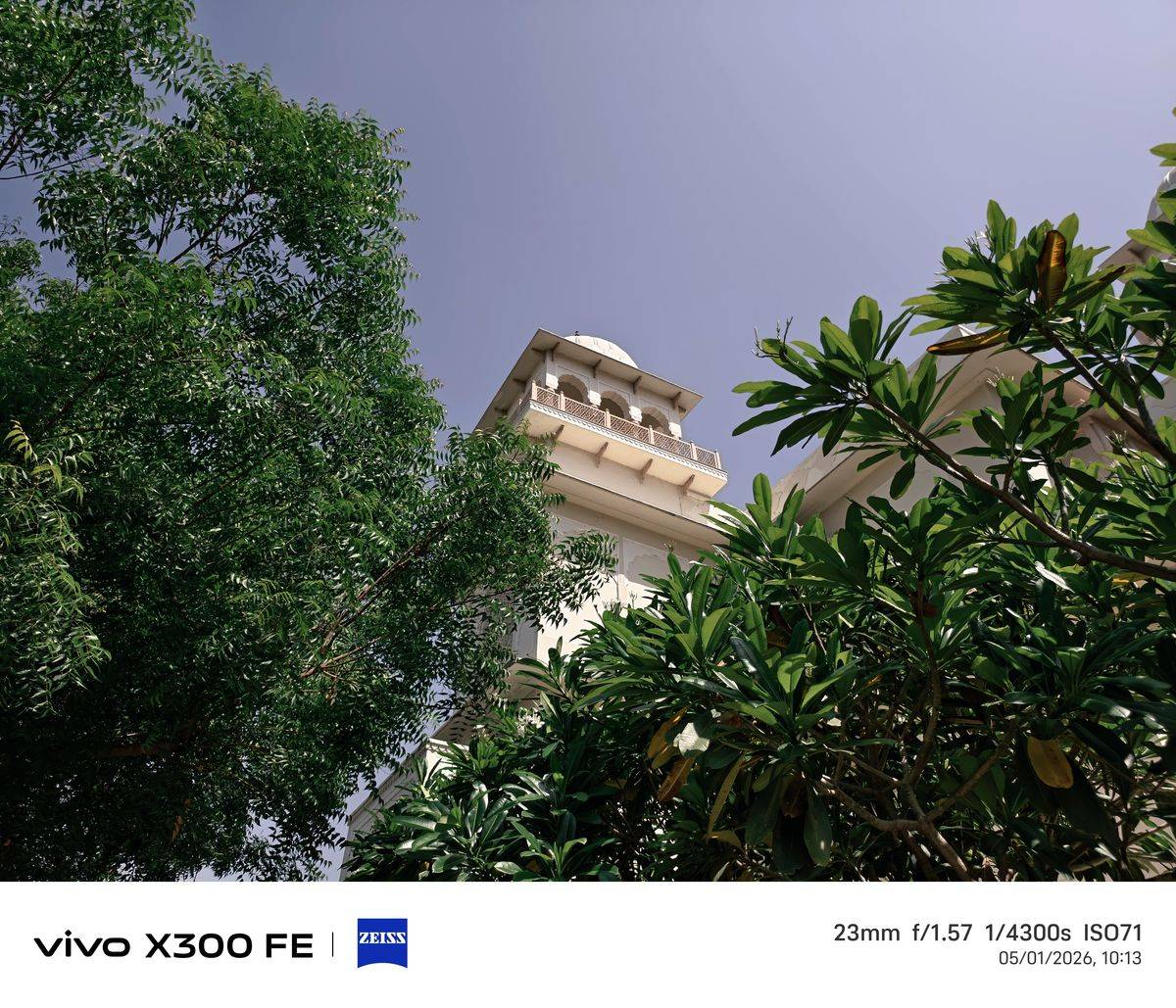





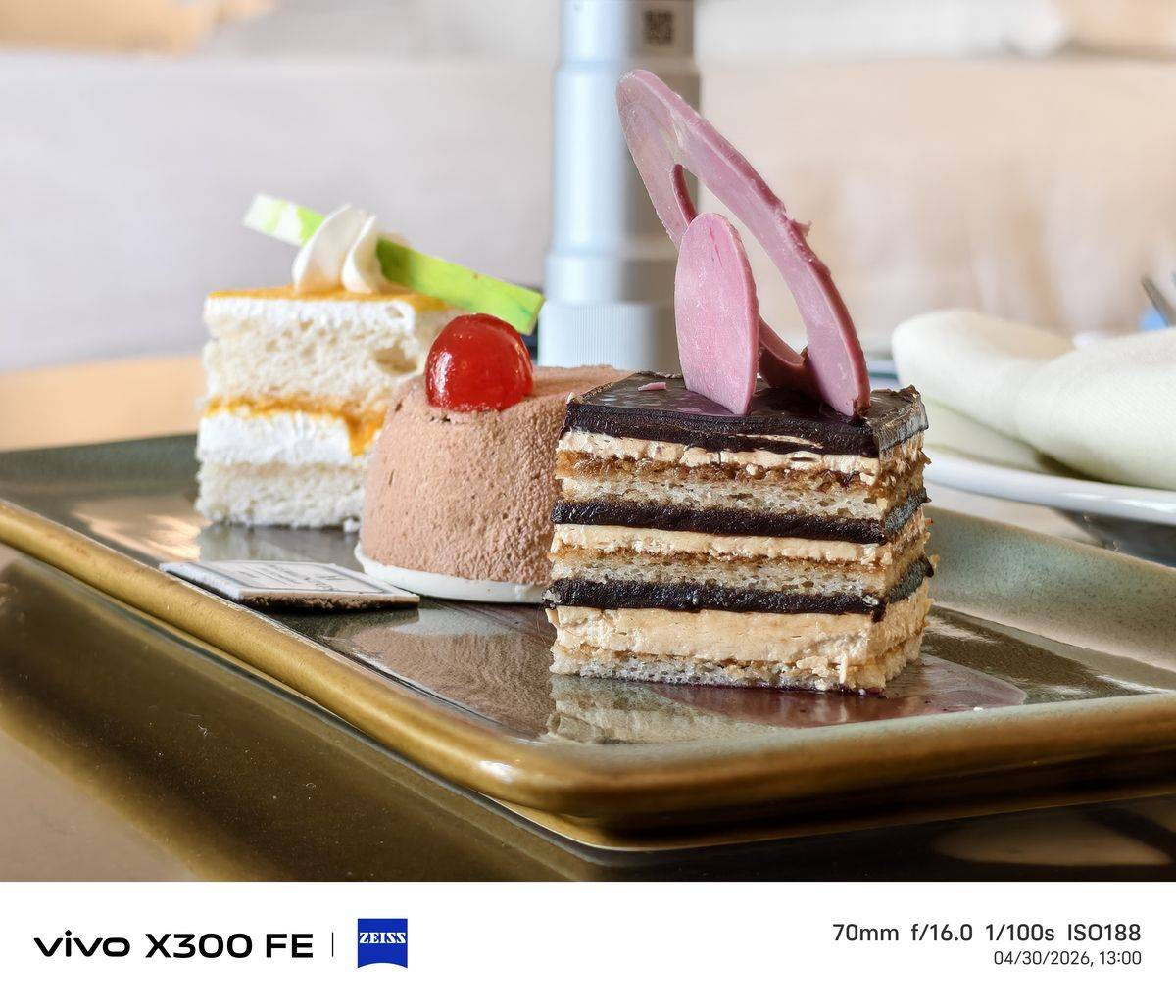



Aside from that, there’s little to fault with the Vivo X300 FE’s cameras. The handset delivers pleasing shots with solid detail and dependable dynamic range in most scenarios. Colours, however, can lean a bit off from true-to-life tones. That said, the punchier contrast and slightly oversaturated look will likely appeal to those who prefer images that pop on social media without any edits.
We didn’t have access to the Vivo X200 FE or the Vivo X300 for a direct comparison to fully assess how much the new chipset’s ISP contributes to image processing improvements. So we compared the X300 FE’s camera performance with the OnePlus 15, giving a clearer perspective on where it stands.
Daylight


In daylight, the Vivo X300 FE’s image appears oversaturated, but it is still closer to reality when compared to the OnePlus 15. The latter takes the lead in fine details, apparent when zoomed in, owing to its overexposed shot, but lacks dynamic range. The Vivo X300 FE does a better job at preserving the shadows and even the details.
Ultrawide


The ultrawide cameras on both phones hold up well against their respective primary sensors in terms of overall output. Thanks to its larger lens, the OnePlus 15 captures finer details, but it struggles to keep distortion in check. The Vivo X300 FE, on the other hand, does a better job controlling edge distortion while also maintaining colours that stay closer to natural tones.
Portraits


The Vivo X300 FE handsomely beats the OnePlus 15 in portraits. The handset’s telephoto lens not only excels in edge detection, but also keeps the skin tones close to accurate and preserves more facial details than its counterpart. The bokeh effect also looks pretty natural on the Vivo X300 FE.
Selfie


The selfies appear a bit soft on the Vivo X300 FE, but that’s also because the OnePlus 15 oversharpens its results. The OnePlus smartphone’s selfie also appears overexposed, resulting in slightly washed-out colours. The Vivo selfie, on the other hand, looks punchy, vibrant, and more appealing.
Low light (night mode)
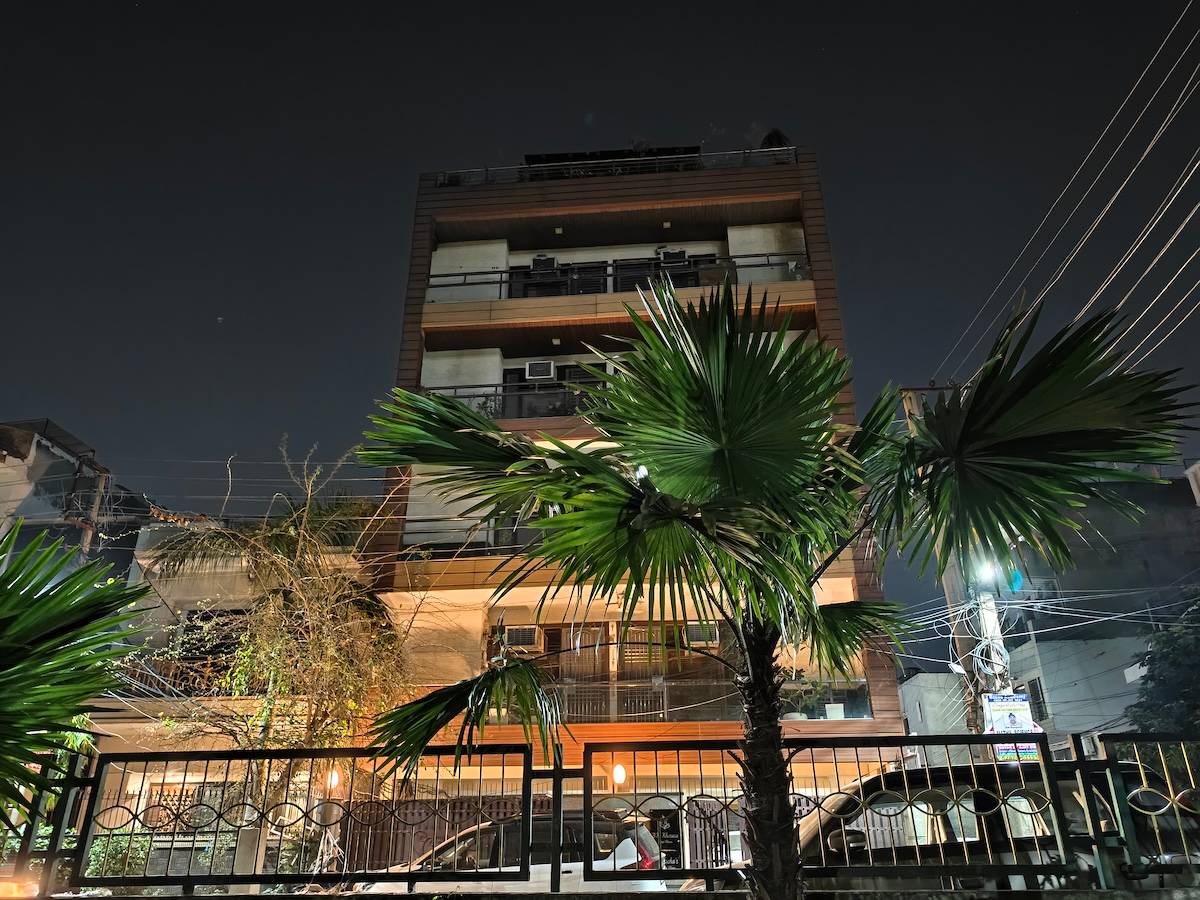
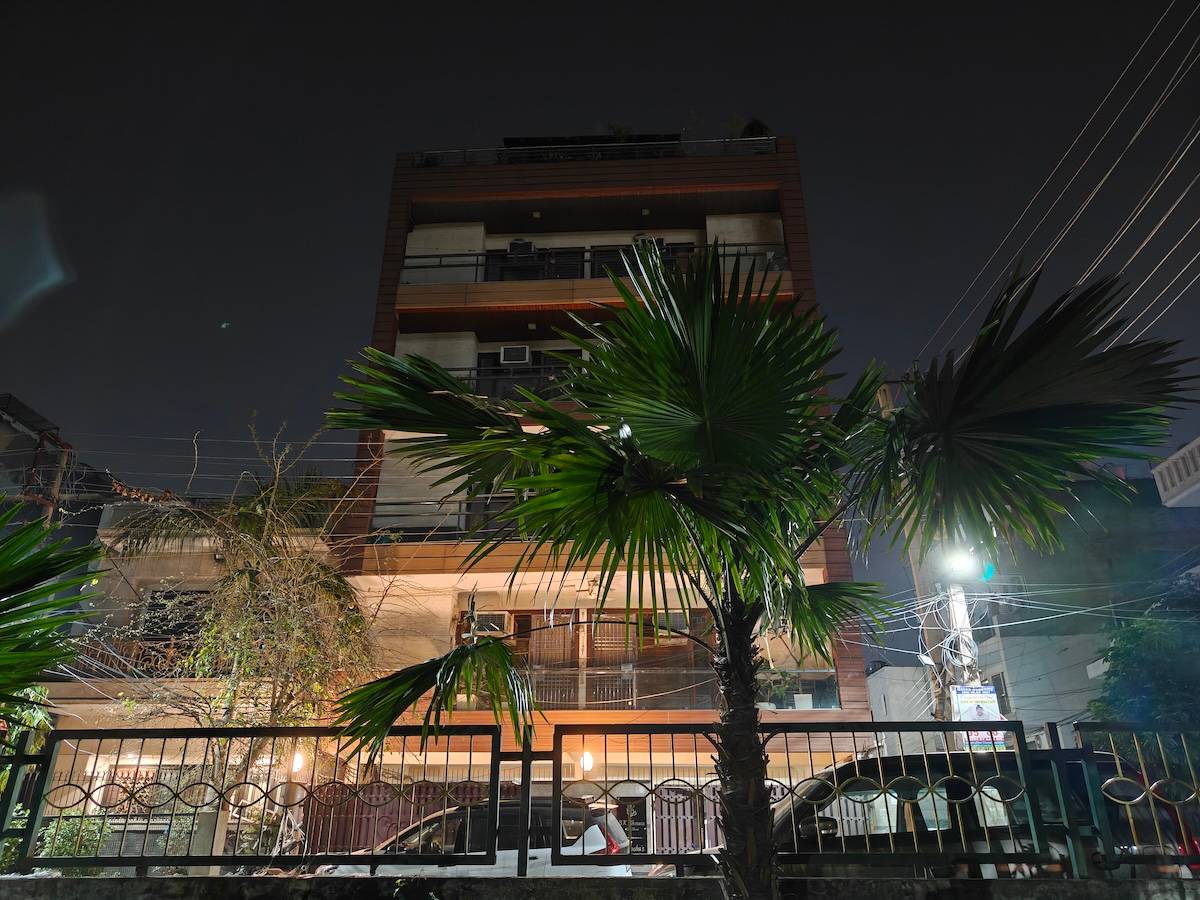
In low light, with and without night mode, the OnePlus 15 image looks more realistic. However, the Vivo X300 FE outshines with superior details, controlling the lens flare, and getting rid of that graininess, which can creep in when the sun goes down.
That sums up the smartphone’s point-and-shoot performance across a variety of scenarios. On the video front, the X300 FE can record up to 8K resolution at 30 fps using the primary camera. The telephoto and front cameras are capped at 4K 60fps, while the ultrawide lens is limited to 1080p recording. As a result, switching between lenses while maintaining a consistent resolution isn’t always possible, which can be a bit limiting.
There are also some inconsistencies to note. The telephoto camera, in particular, struggles with colour reproduction in video, often producing slightly washed-out footage compared to the other sensors.
Telephoto Extender Gen 2 lens
The Telephoto Extender Gen 2 could well be the biggest reason for X200 FE users to consider upgrading to the X300 FE. This Zeiss-backed accessory, sold separately, enhances the reach of the phone’s 50MP telephoto camera, making it far more capable for distant subjects. While similar in concept to the lens introduced with the Vivo X300 and X300 Pro, this iteration has been refined into a lighter, more compact form factor.
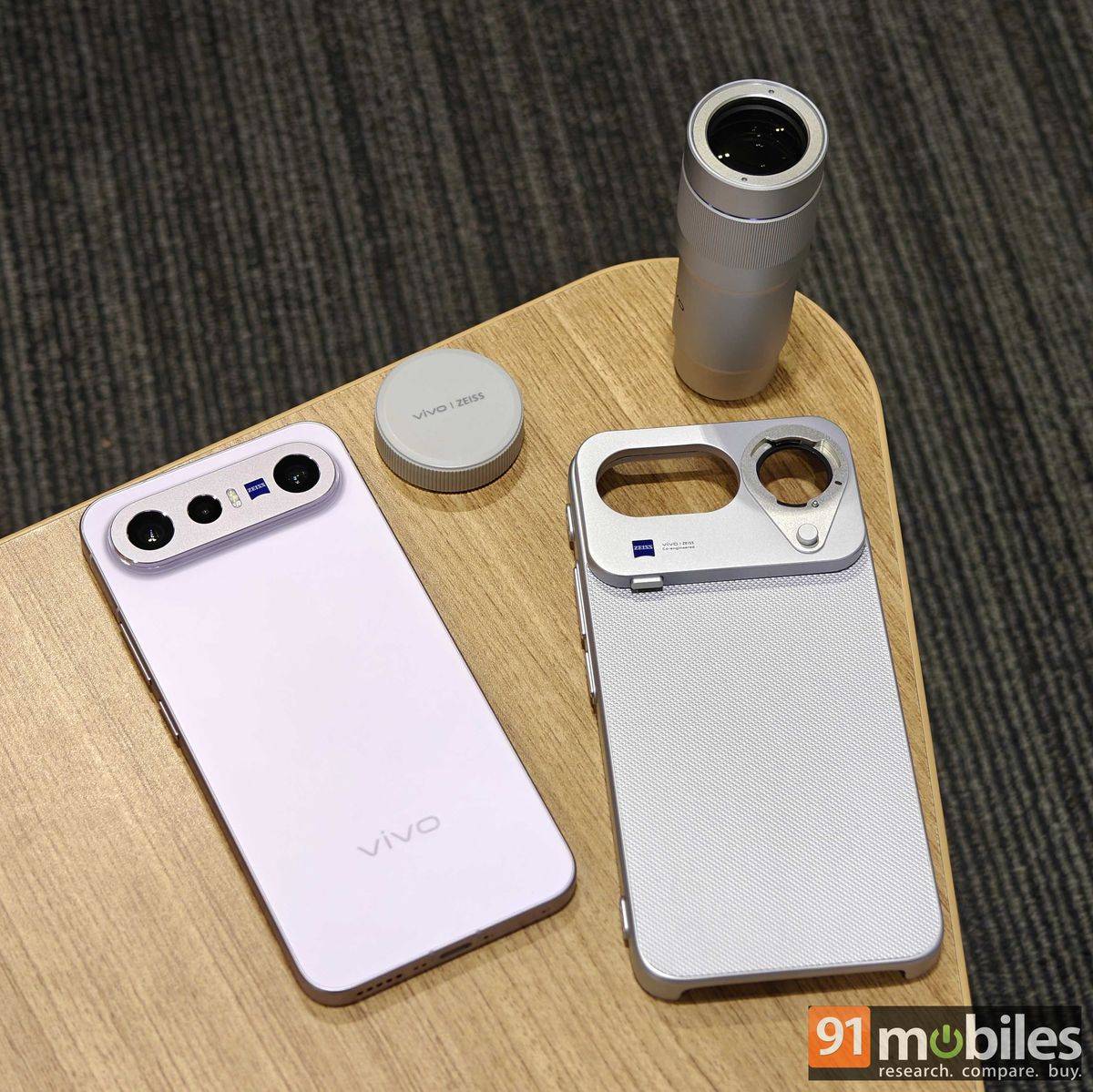
Weighing just 153 grams, the lens is easy to carry and small enough to slip into a jeans pocket with little fuss. It mounts directly over the telephoto camera using a specialised case and mounting accessory, adding 2.35x optical zoom, effectively pushing the focal length to around 200mm. However, attaching or removing the lens can be challenging because it involves several mechanical steps, which can cause you to miss spontaneous shots.
My colleague Ramneek carried the kit along on a day trip to Jaipur, and here’s what he makes of it.
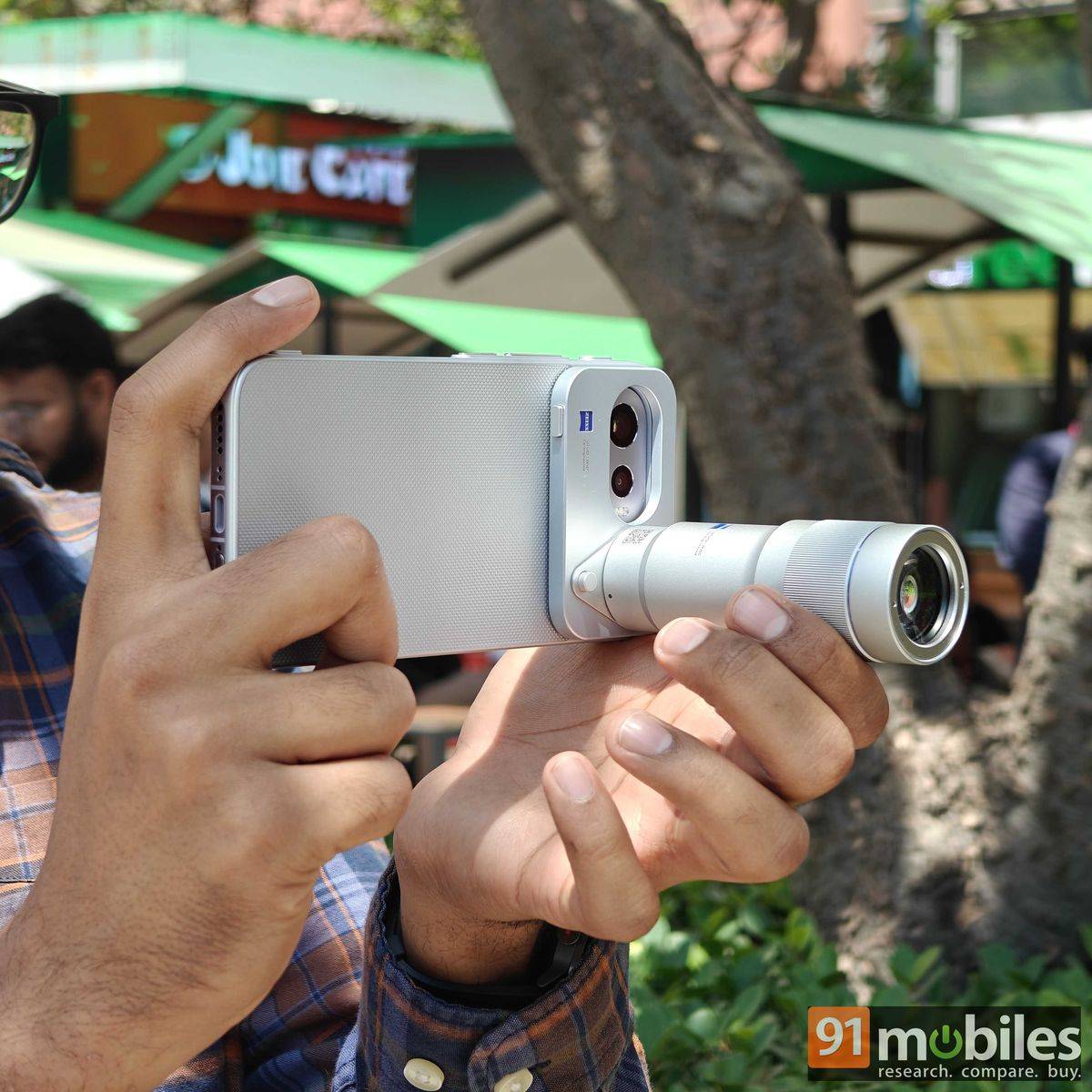
Images captured via the Vivo X300 FE’s telephoto extender kit output sufficient details and vibrant colours at an optical 200mm focal length across scenarios. Furthermore, thanks to its fast shutter speeds, I managed to capture decent-looking images of moving subjects from afar, such as animals or flowers on a windy day.
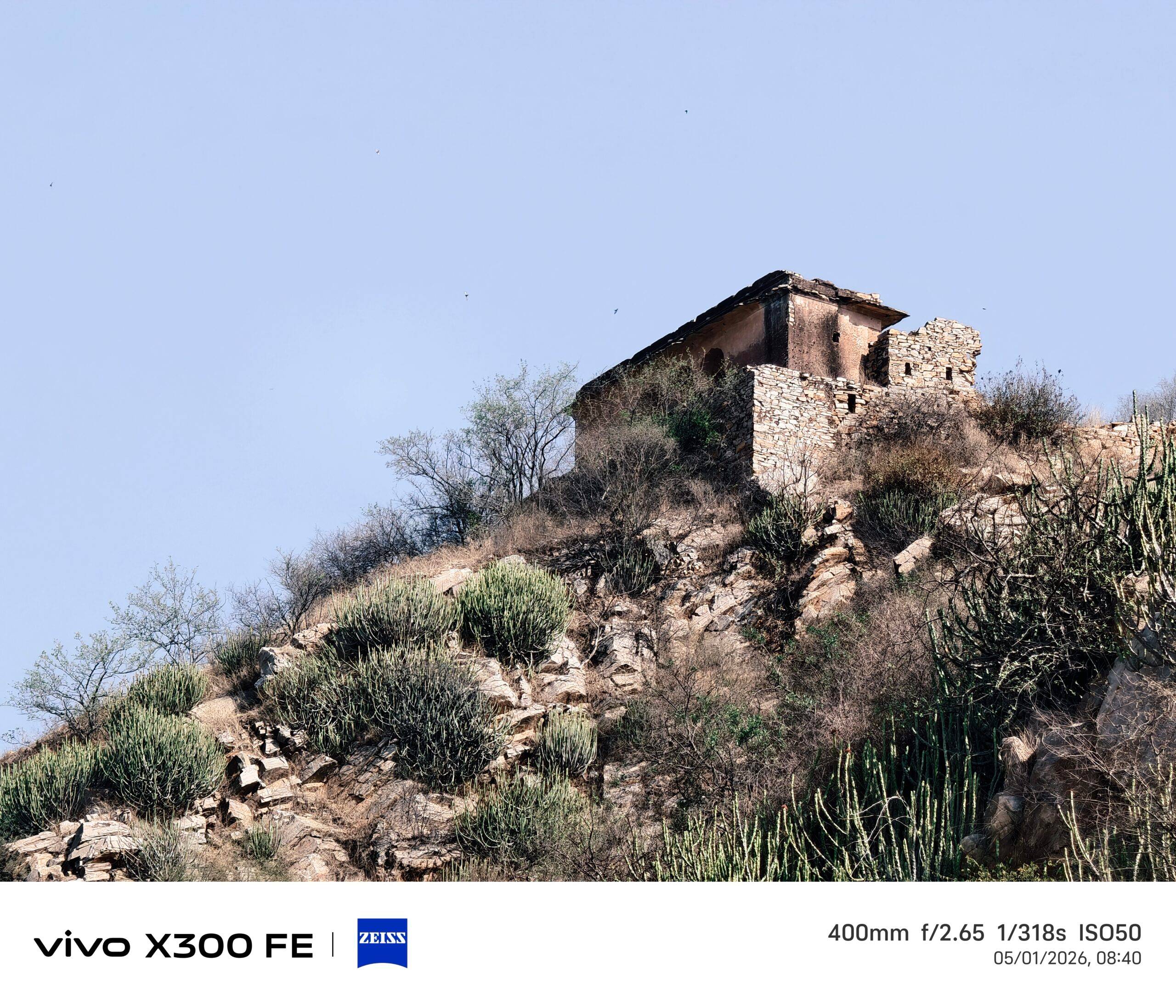

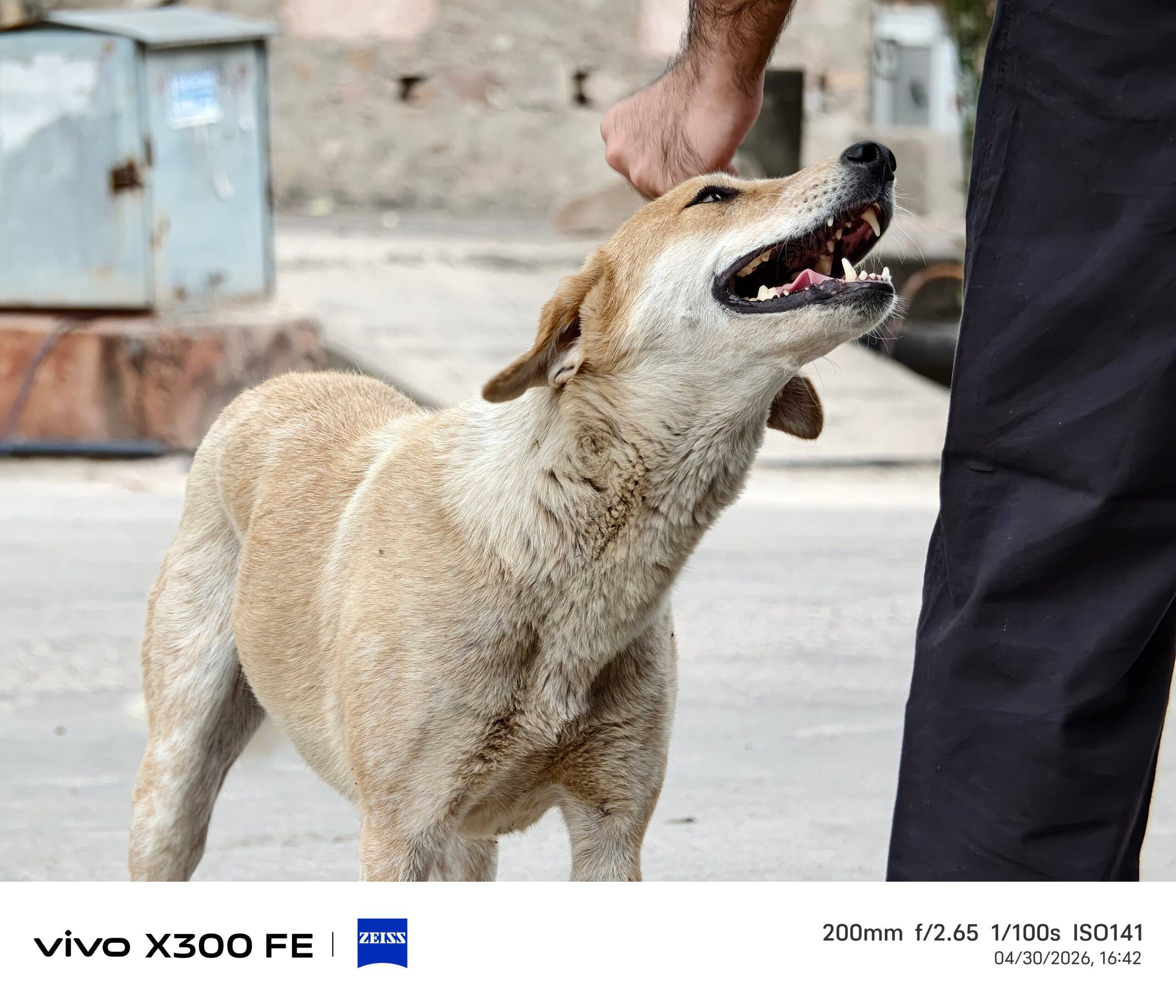


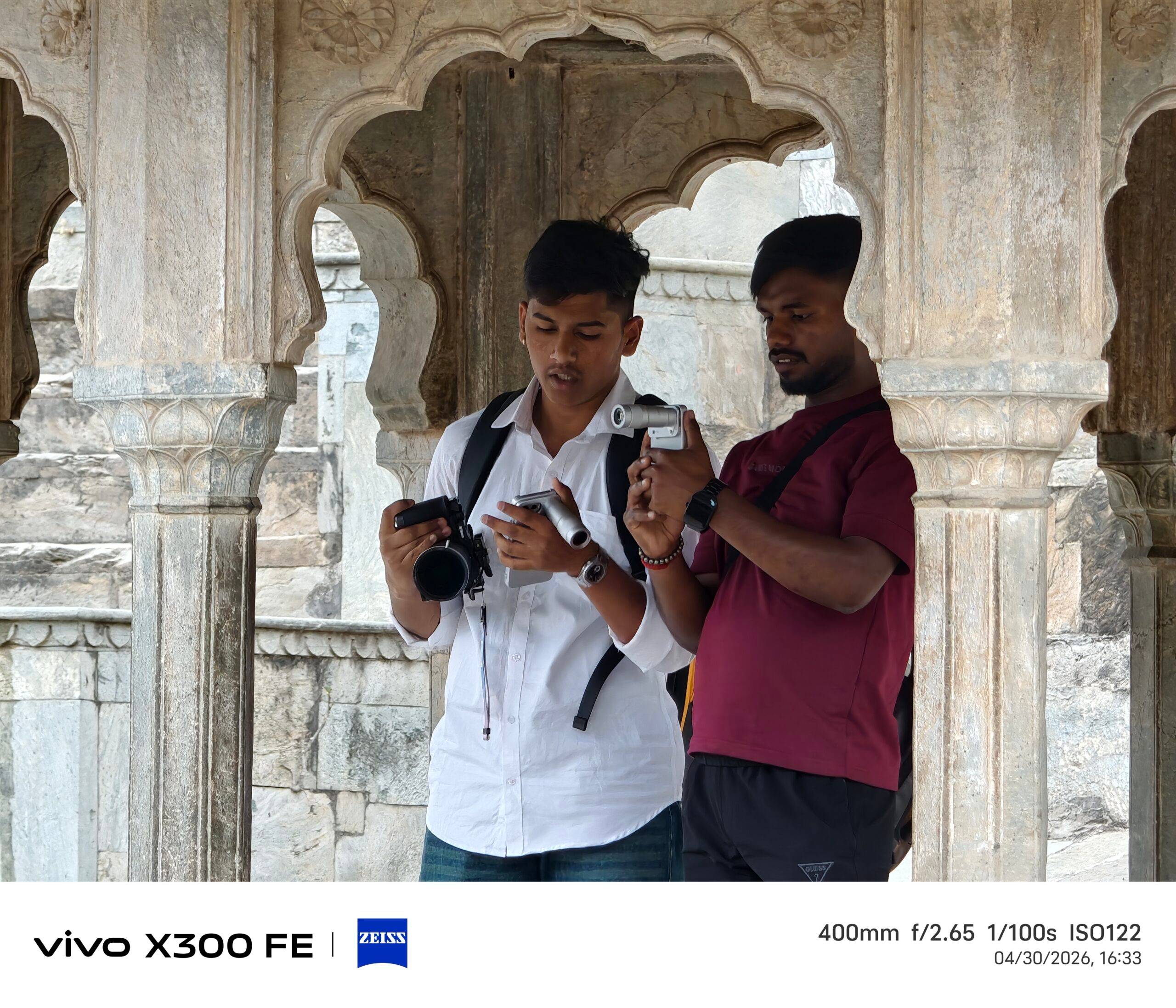

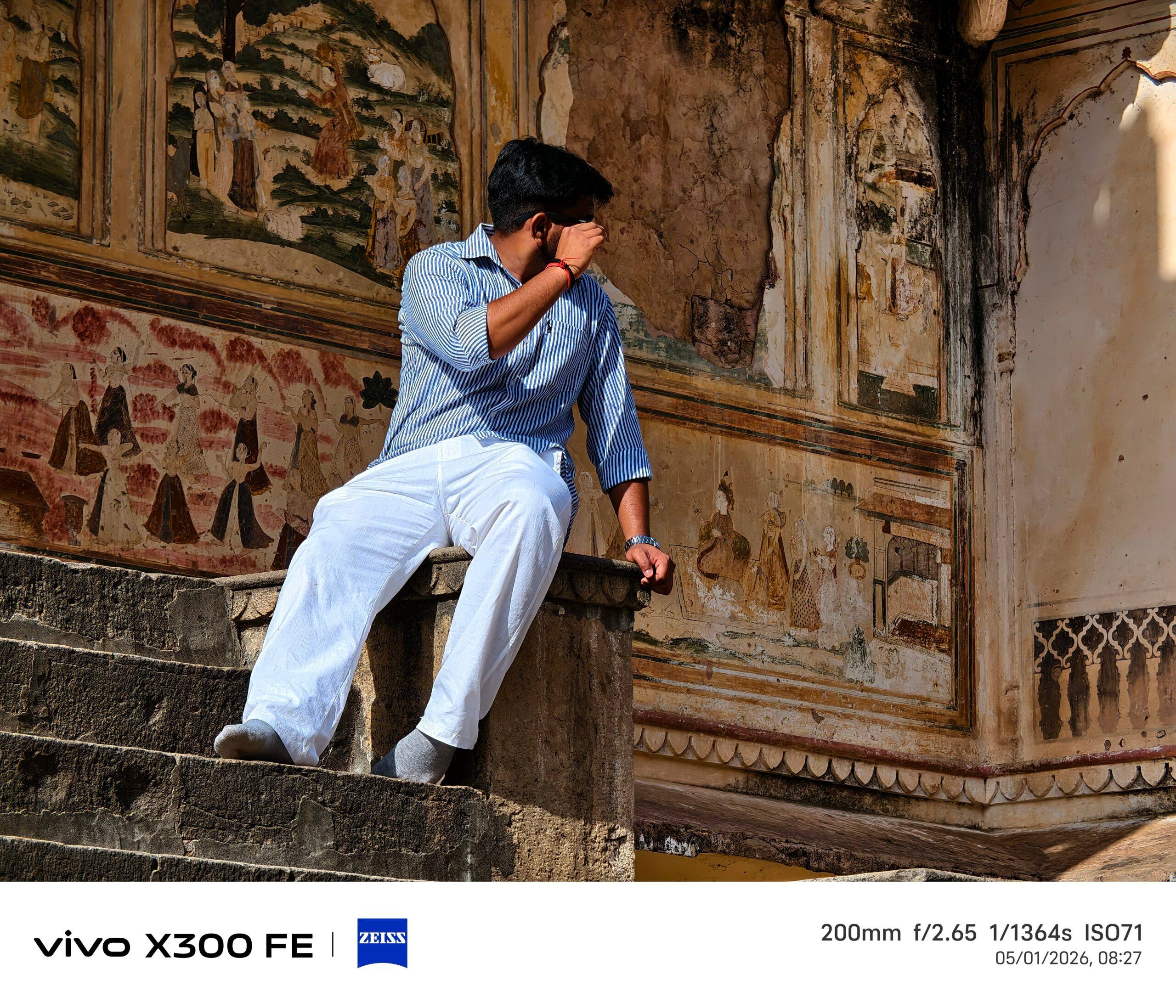


That said, image clarity takes a hit once you zoom in beyond 300mm or so. At around 600mm focal length, the AI enhancements kick in, which do their best to deliver a usable shot, but the images often end up looking artificial and smoothed, since they heavily try to improve the subject’s detail and edges.
Mature software, longer support
The Vivo X300 FE runs on Android 16-based OriginOS 6 out of the box. This is the same software that comes loaded with the rest of the X300-series smartphones and other Vivo smartphones launched in the past few months. The Vivo X300 FE doesn’t bring anything different to the experience. You get a highly customisable software experience, with a handful of preloaded apps and personalised lock screen features, along with Origin Island, One-Tap transfer, and Office Kit for seamless connection across Windows PCs/laptops, Macs, and iPads.
Overall, OriginOS 6 feels far more mature than FunTouchOS, and you can learn more about the software in our dedicated article, where we’ve covered all its features and changes extensively. The X300 FE goes a step further in terms of software support. Vivo has promised four major OS upgrades for the smartphone, which might be standard, but its seven years of security updates put it a step ahead of the Vivo X300 and other Android competitors.
Battery that goes a distance

The Vivo X300 FE packs a 6,500mAh battery – bigger than that of its elder sibling, the Vivo X300, and it actually delivers. The handset scores a solid 16 hours in the PCMark battery test, which speaks volumes about its endurance in everyday use. I can vouch for the smartphone’s over six hours of screen time, even with demanding usage. This easily ensures over a day and a half of usage for most users.
In our internal testing, the Vivo X300 FE dropped just 3 percent after an hour of YouTube video playback. During an hour-long gaming session, the battery drained by 9 percent. While it’s not the most efficient performer in its class, the phone still delivers reliability you can comfortably depend on throughout the day.
When it comes to top-ups, the Vivo X300 FE ensures both speed and convenience. The smartphone finally brings wireless charging, a feature missing on its predecessor. It also supports 90W wired FlashCharge, with a compatible charger included in the box. In our testing, it took roughly 41 minutes to go from 20 percent to a full charge, making top-ups quick and convenient. The smartphone also supports 40W wireless FlashCharge, which adds everyday practicality, whether it’s dropping the phone on a charging pad at your desk or topping it up in the car during your commute.
Display & audio that continue to impress
Things aren’t very different between the Vivo X300 FE and its predecessor when it comes to the display and audio experience. You get a 6.31-inch LTPO AMOLED panel with a 1.5K resolution (2640 x 1216), a 120Hz refresh rate, and 10-bit colour support. The panel peaks at an impressive 5,000 nits, with an HBM value of 1,800 nits, ensuring great visibility even under harsh sunlight.
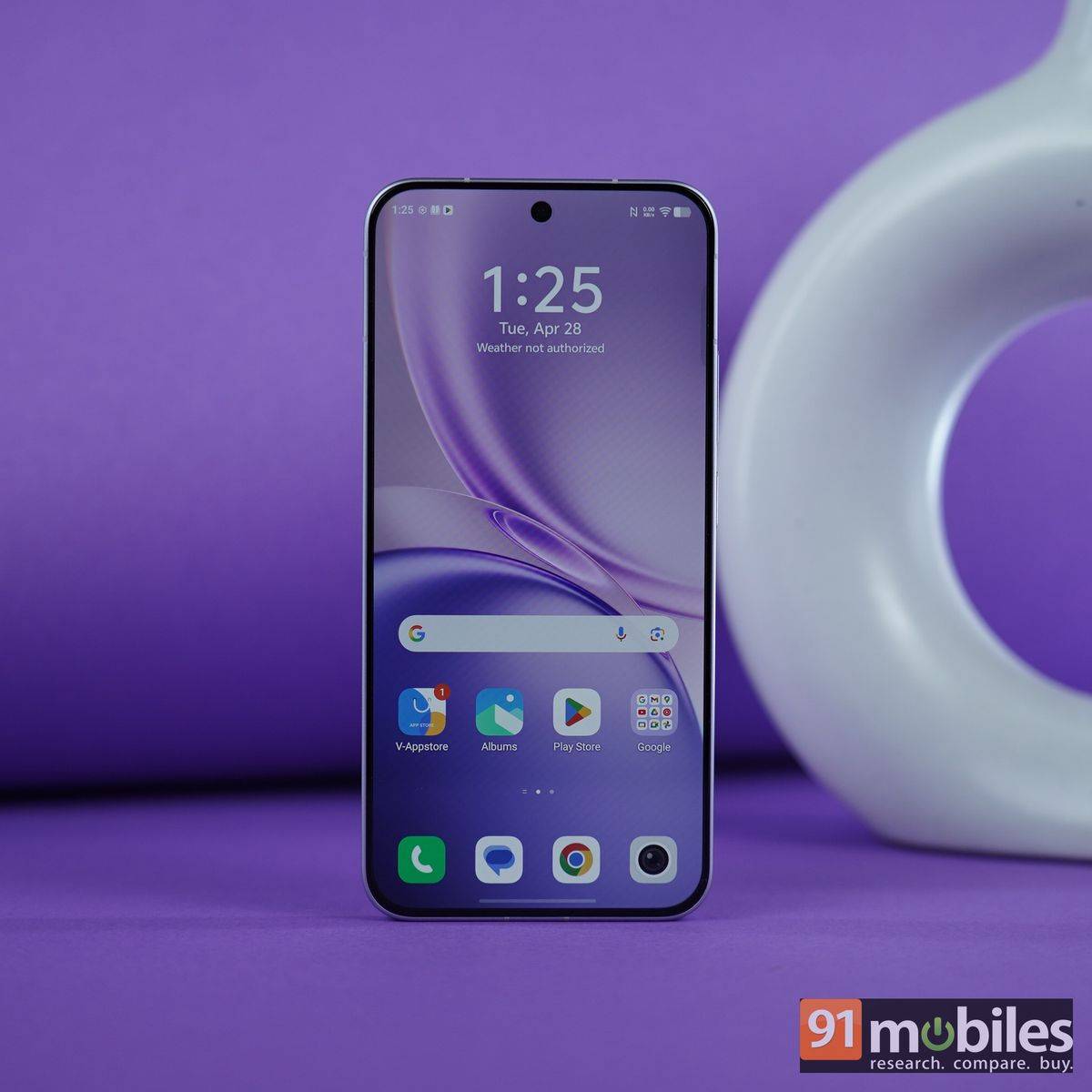
I don’t mind the same hardware, considering it was and continues to be an impressive setup. Colours are vibrant yet well-balanced, contrast is excellent, and the overall viewing experience feels immersive, whether you’re streaming content or gaming. There’s HDR10+ support as well, with HDR playback working seamlessly on platforms like Netflix and YouTube.
Being an LTPO panel, the refresh rate dynamically scales between 1Hz and 120Hz depending on the content. You can choose between Auto, High (120Hz), and Standard (60Hz) modes, and the transitions feel smooth and fluid in everyday use, whether scrolling through apps or watching high-frame-rate videos.
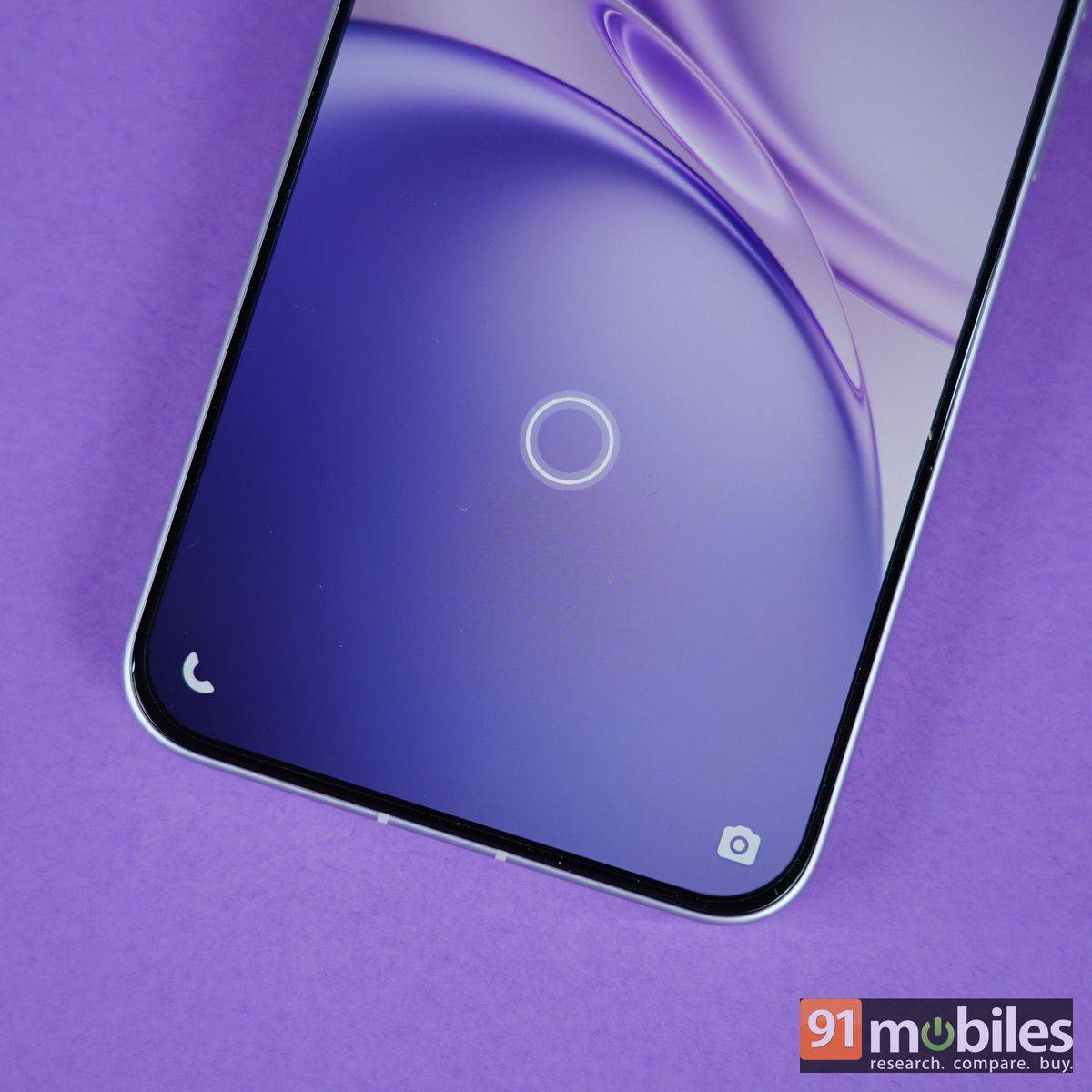
Vivo’s display tuning also deserves credit. You get multiple colour profiles, Standard, Professional, and Bright, with the Professional mode offering the most accurate, true-to-life colours. Blacks are deep, with minimal light bleed, making darker scenes look particularly good. The panel is also easy on the eyes, thanks to 2160Hz PWM dimming (expandable to 4320Hz via developer settings) and SGS Low Blue Light certification, which helps during extended usage. It’s protected by Schott Xensation Core glass for added durability.
The viewing experience is complemented by a stereo speaker setup that gets adequately loud while retaining clarity at higher volumes. There is a hint of distortion at the very top end, so it’s best to keep the volume around 80 percent for the most balanced listening experience.
Final verdict
The Vivo X300 FE is a sub-flagship offering from the OEM, priced in India starting at Rs 79,999. The smartphone doesn’t offer the absolute best chipset or camera hardware. Instead, Vivo has focused on delivering a well-balanced experience, built around practicality, subtle upgrades, and a camera-centric approach.
There are several positives for the smartphone, but its core audience remains content creators. This is attributed to its versatile, capable camera system, which delivers consistent, vibrant results, especially for portraits. However, video performance needs more consistency across lenses. Still, for casual shooting, the handset holds up well.
There are also a few compelling reasons for Vivo X200 FE users to consider upgrading. While both devices share plenty of similarities, the standout addition here is support for the telephoto extender kit. Exclusive to the X300 FE, it adds meaningful reach and versatility – just like the other X300 series lineup.
Performance, too, is dependable rather than class-leading. While there are more powerful options in this segment, such as the Realme GT 8 Pro (review), iQOO 15 (review), and OnePlus 15 (review), the X300 FE counters with a compact, premium design that few rivals match. This is further complemented by solid durability credentials and one of the more reliable biometric systems in its class.
Then there’s battery life, which emerges as one of the phone’s biggest advantages. The X300 FE comfortably outlasts most compact flagships, and with both fast wired and wireless charging onboard, it adds a layer of convenience that’s hard to overlook.
Rounding things off is long-term software support, which enhances the phone’s overall value, especially for users planning to keep their device for several years.
Overall, the Vivo X300 FE shapes up as a sensible flagship alternative.
Editor’s rating: 8.4/10
Reasons to buy
- Compact, premium design with IP68/IP69 durability.
- Excellent battery life with fast wired and wireless charging support.
- Reliable performance with good thermal management.
- Strong portrait photography and a versatile camera system.
Reasons not to buy
- The video recording on the smartphone can be inconsistent across lenses.
- The handset outputs images with oversaturated colours.