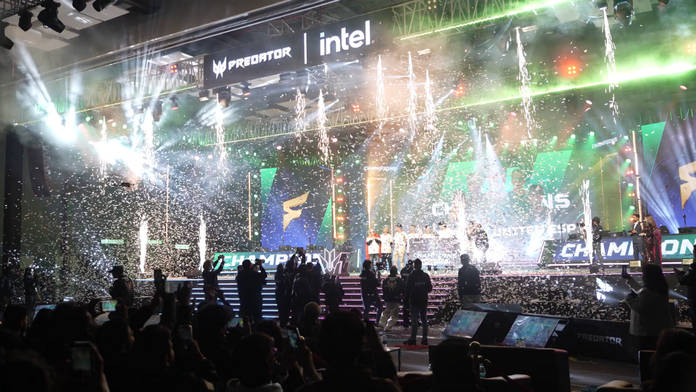
Esports in India hit a new milestone this week. Acer hosted the Predator League 2026 Asia Pacific Finale in New Delhi. It marked the first time the tournament’s regional finals were held in the country. Over two days, the event transformed the capital into the epicentre of competitive gaming in the Asia Pacific region. It brought together top-tier teams, thousands of fans, and a full-scale showcase of Acer’s latest gaming and consumer technology.
Table of Contents
A Global-Scale Setup, Built in India
What stood out immediately was the scale. This wasn’t just another tournament stop. It felt like a statement about how seriously Acer is taking India’s gaming market. It also reflected how central the country is becoming to the global esports ecosystem.
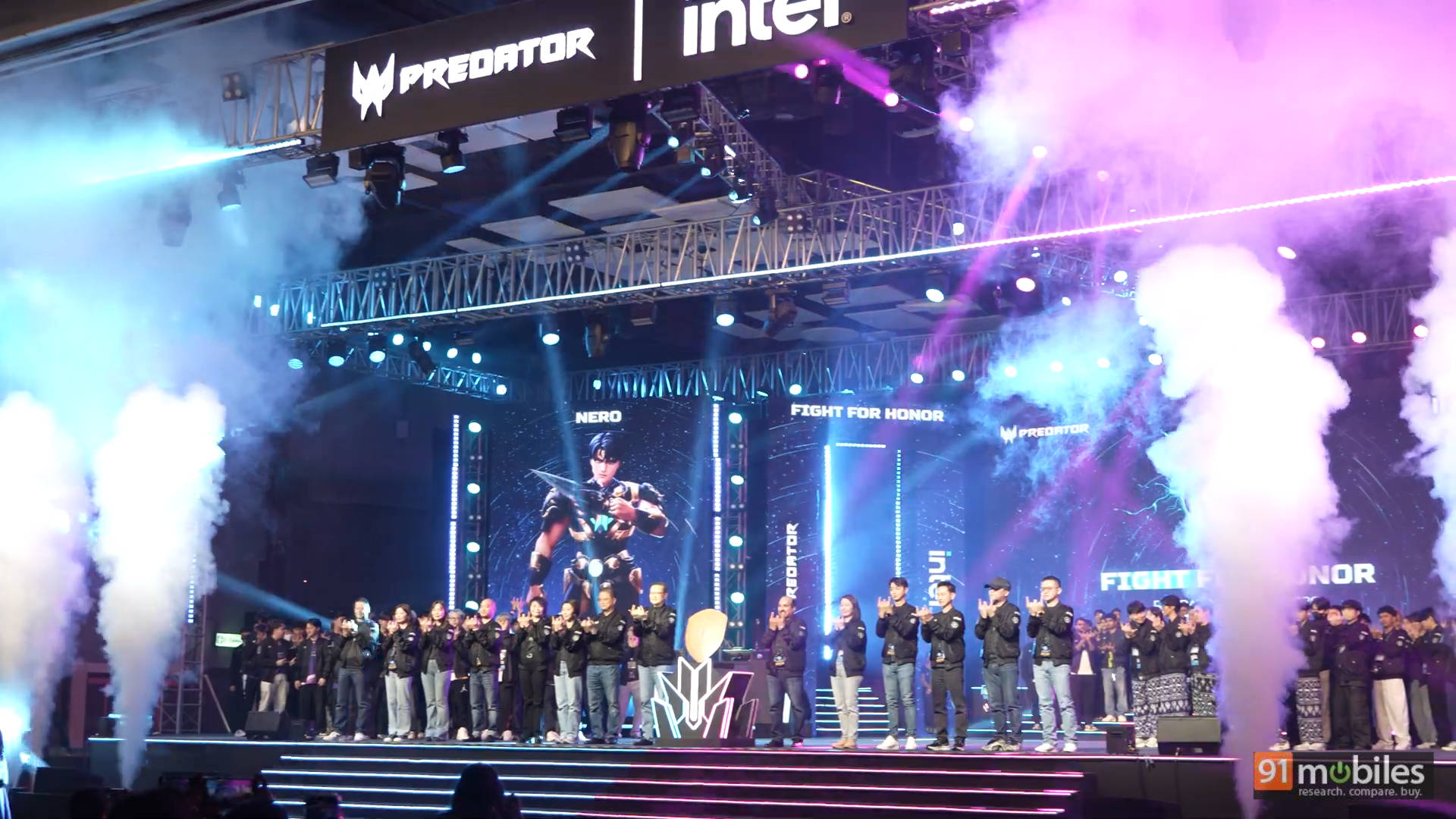
The venue itself, Bharat Mandapam, played a big role in shaping the experience. The space was transformed into a full-scale esports arena. It featured massive LED screens, broadcast-grade lighting, professional-stage player setups, and a live production. The environment totally matched international tournament standards.
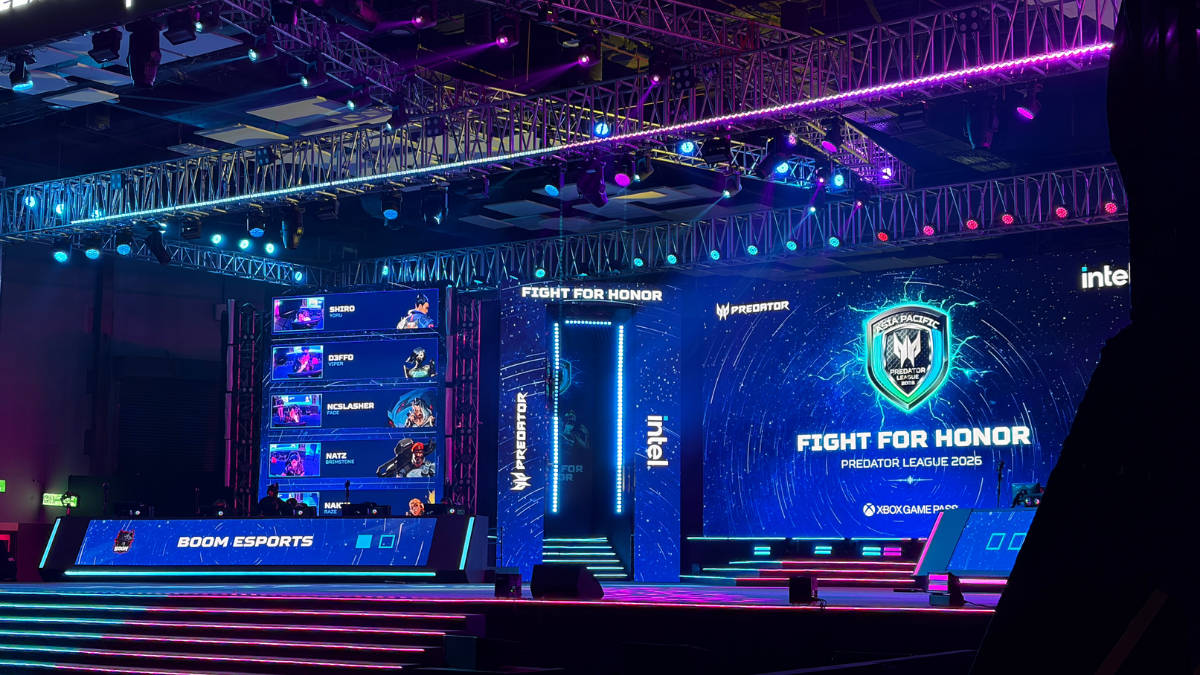
From the spectator seating to the player booths, everything felt designed for both performance and presentation. Acer clearly treated this not as a regional event, but as a global showcase hosted in India. The infrastructure reflected that ambition.
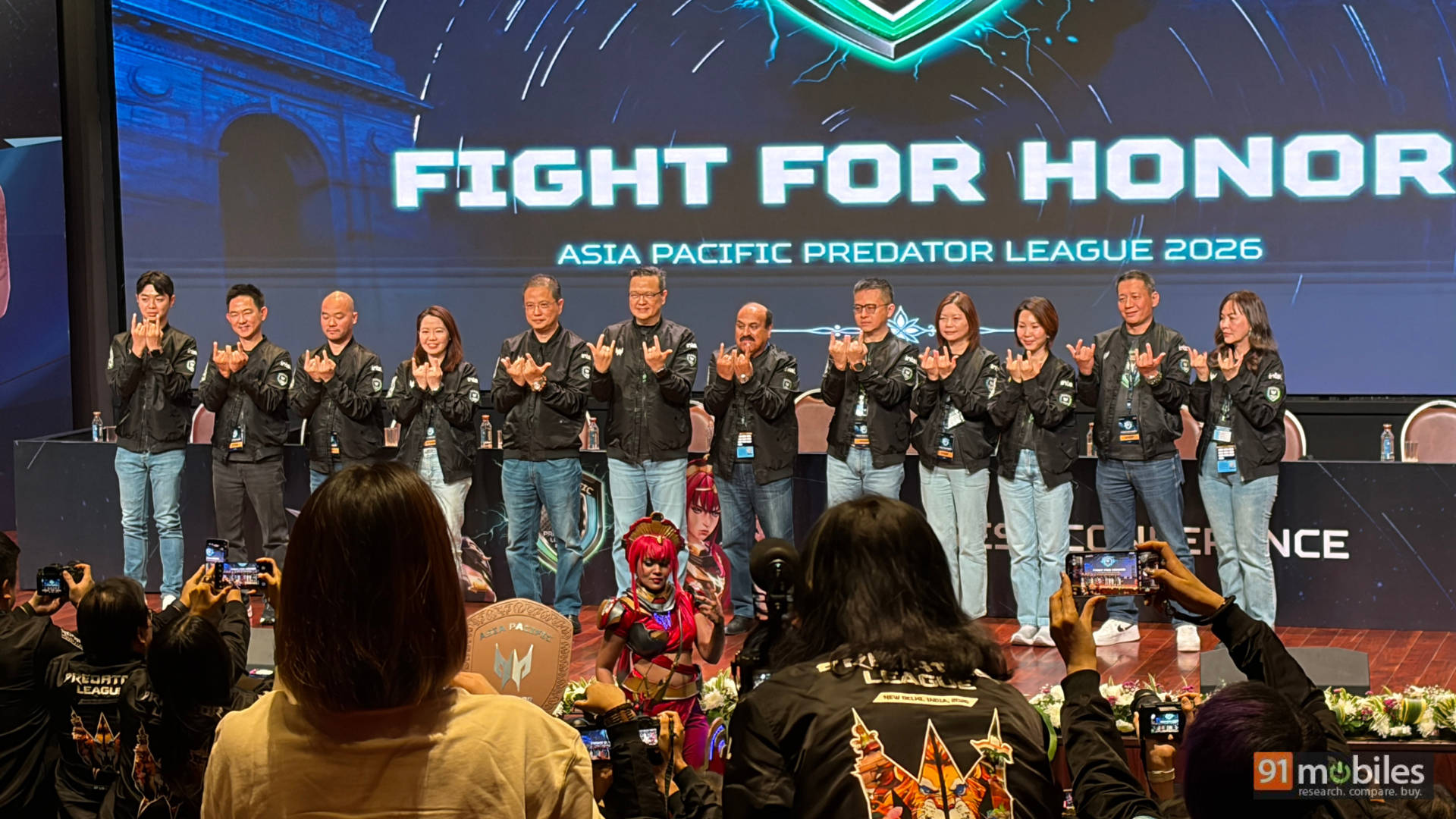
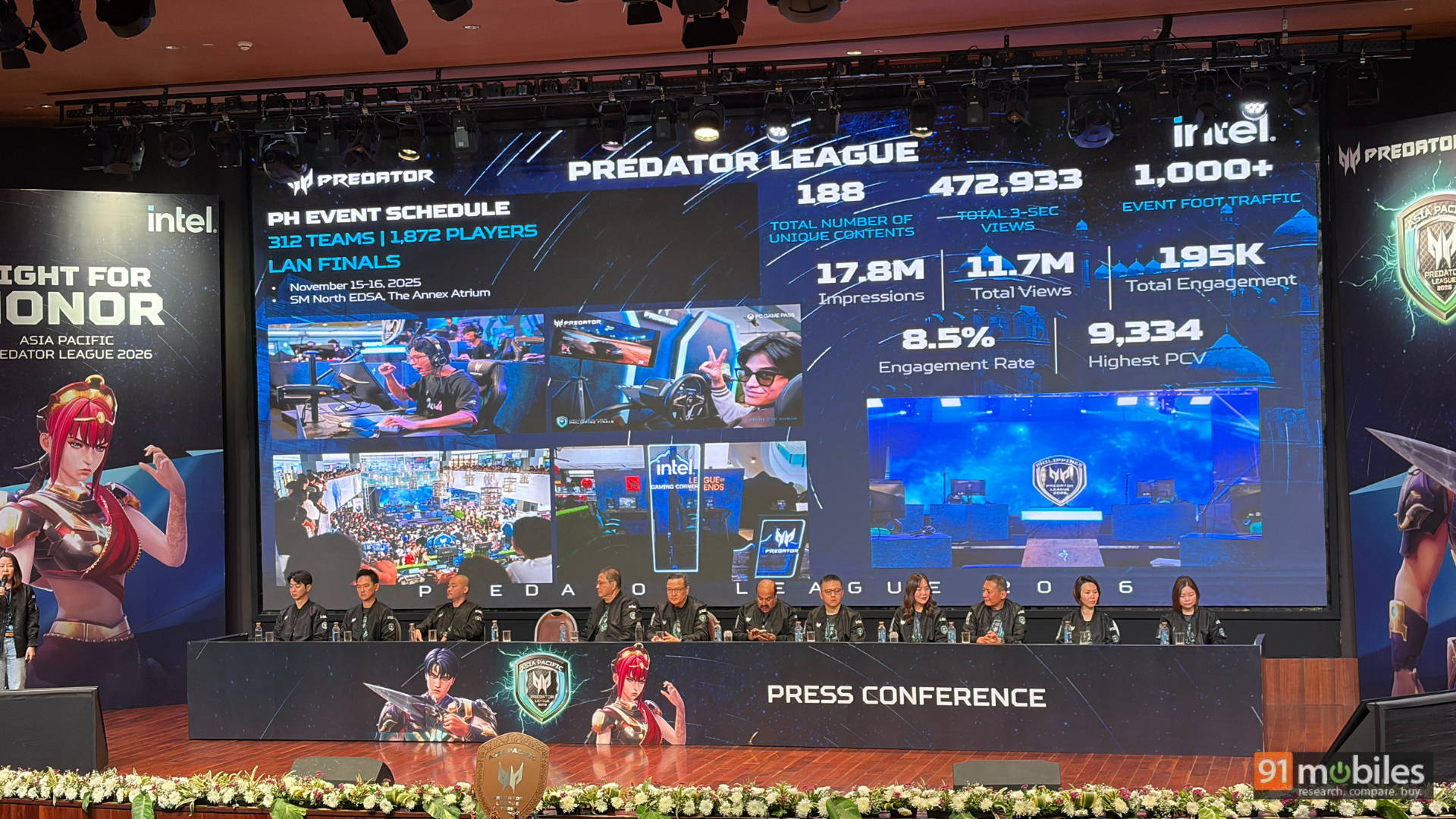
With teams and players representing 14 regions, the scale of the event was hard to miss. The on-site audience reached approximately 4,000 people over two days. Packed halls and sold-out ticket categories reflected the level of interest. Strong social media engagement further underscored how well the Predator League resonated with India’s rapidly growing esports audience.
Elite Teams, Two Flagship Titles, and High-Stakes Finals
At the heart of the event were the competitions themselves. The Predator League 2026 Finale featured the grand finals of two of the biggest esports titles in the world, Valorant and DOTA 2. Top teams flew in from across the Asia Pacific region to compete on stage.
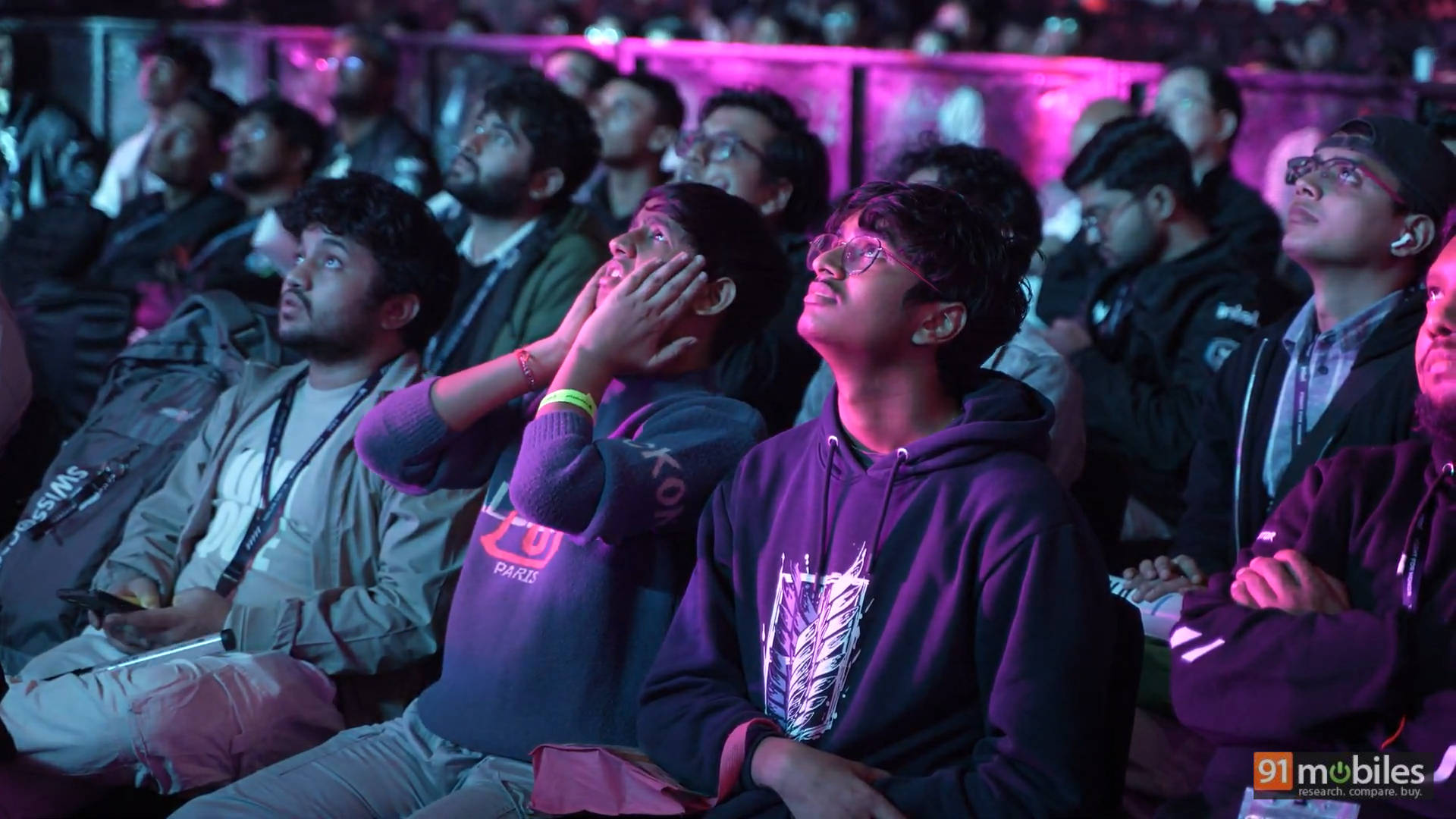
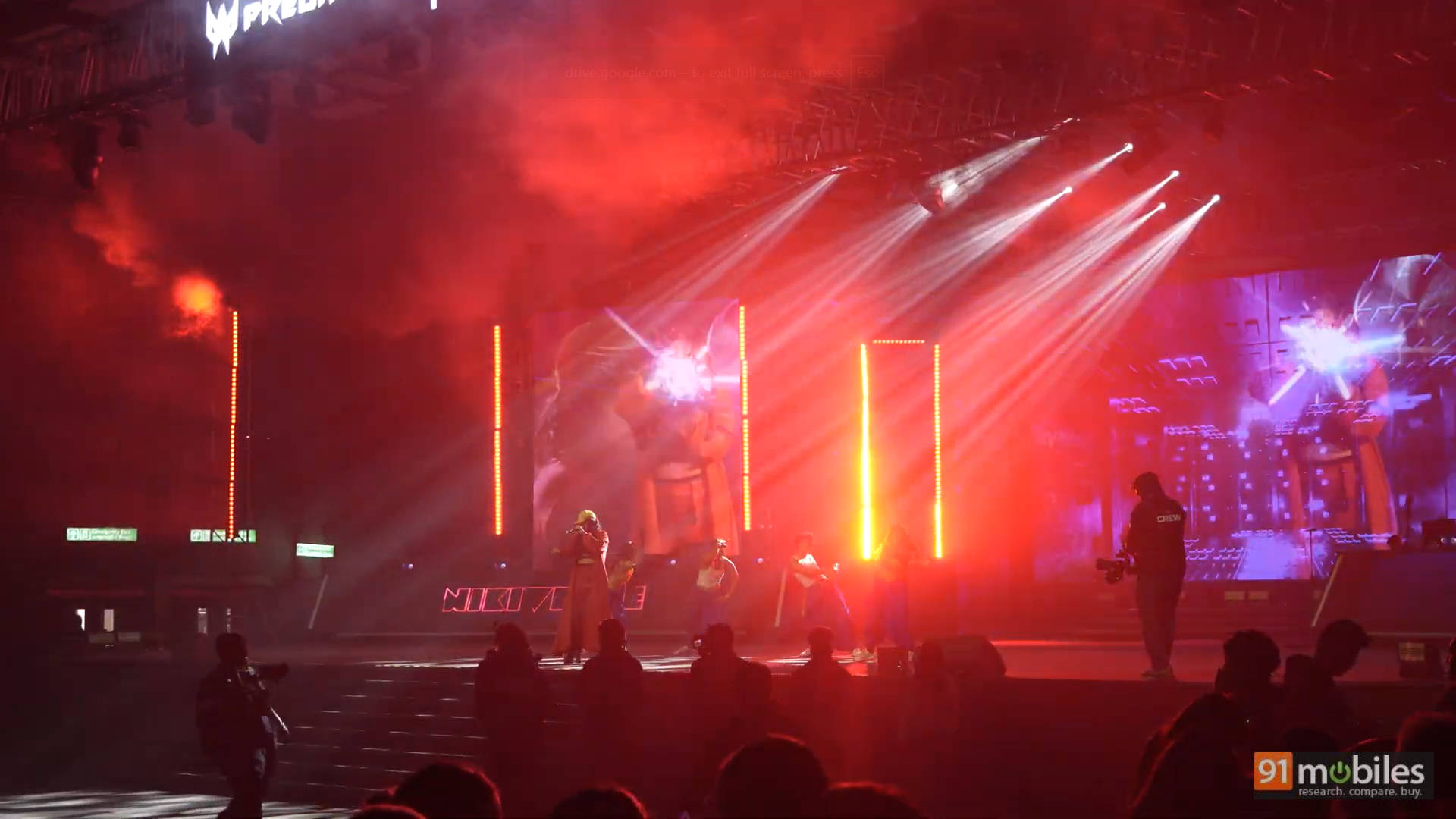
Day one was dedicated to Valorant. Teams battled it out in front of a packed audience throughout the day. The energy in the hall stayed high, helped along by live performances from Nikhita Gandhi and a closing set by KR$NA. This turned the finals into a blend of esports and live entertainment.
Day two shifted focus to DOTA 2. It brought a very different kind of intensity, slower, more tactical, and built around strategy and teamwork. The grand final wrapped up the competitive side of the event. It was followed by performances from Asees Kaur and Raftaar, closing out the weekend on a high note.
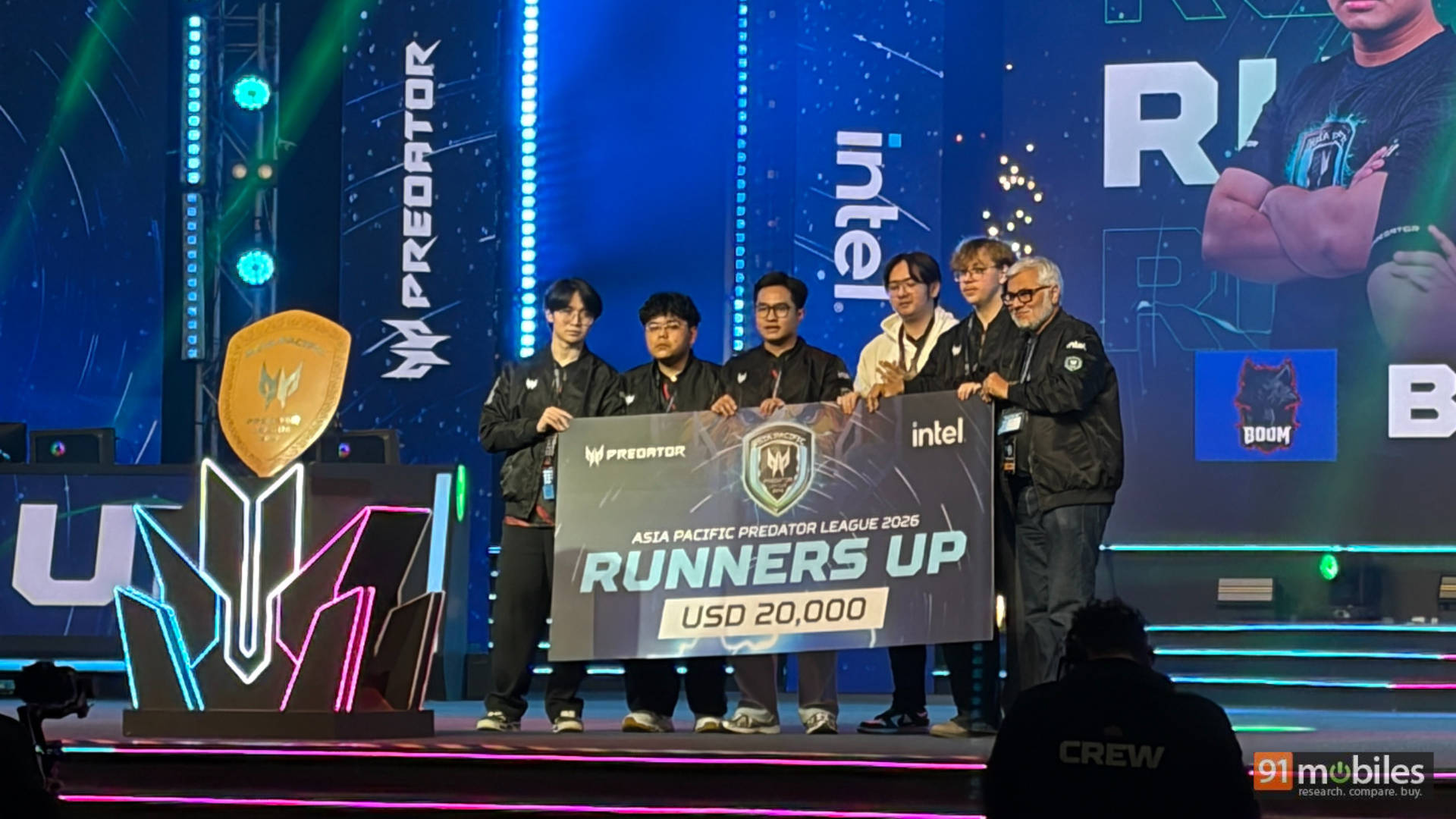
Finalists from 14 Asia Pacific regions competed across VALORANT and DOTA 2. Fancy United Esports won the VALORANT Grand Final, while Myth Avenue Gaming took the DOTA 2 title after closely fought matches. Boom Esports and Rekonix finished as runners-up in their respective finals. Individual honours went to Twilight (VALORANT) and egxrdemxn (DOTA 2), who were named MVPs for their standout performances.
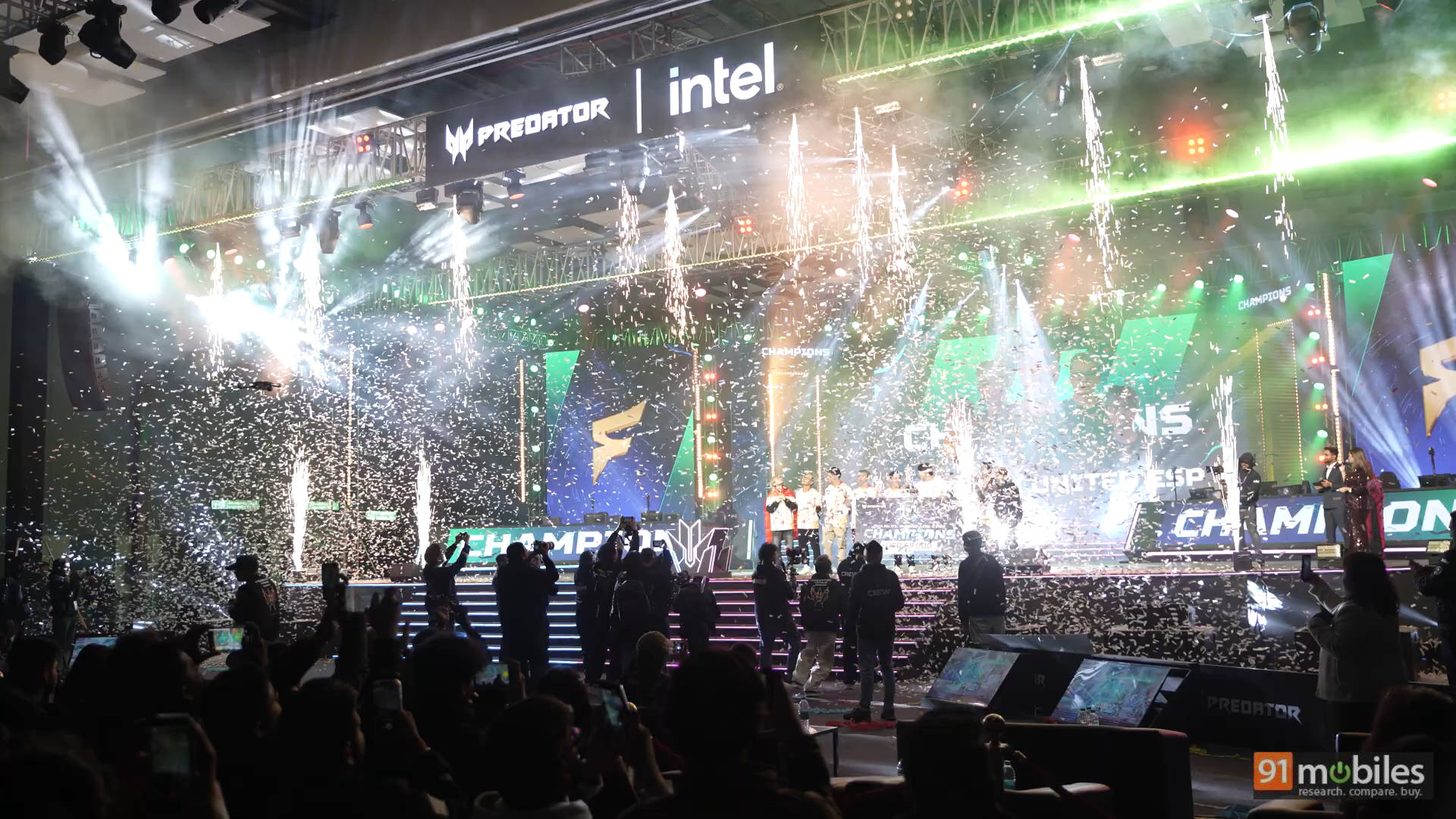
Each champion team earned USD 65,000, runners-up received USD 20,000, and the event featured a total prize pool of USD 400,000, underlining the scale and competitiveness of Predator League 2026. Together, the two days showcased not just the diversity of esports genres. They also highlighted how mainstream and mass-appealing competitive gaming has become in the region.
Experiences Beyond the Main Stage
Importantly, Predator League wasn’t just about watching matches. Acer designed the event as a full-day engagement space, with multiple experience zones running alongside the main tournament. Attendees could try out racing simulator setups with high-end steering wheel rigs. They could take part in mini esports challenges and aim-training booths. There was also a dancing screen for interactive, movement-based games.
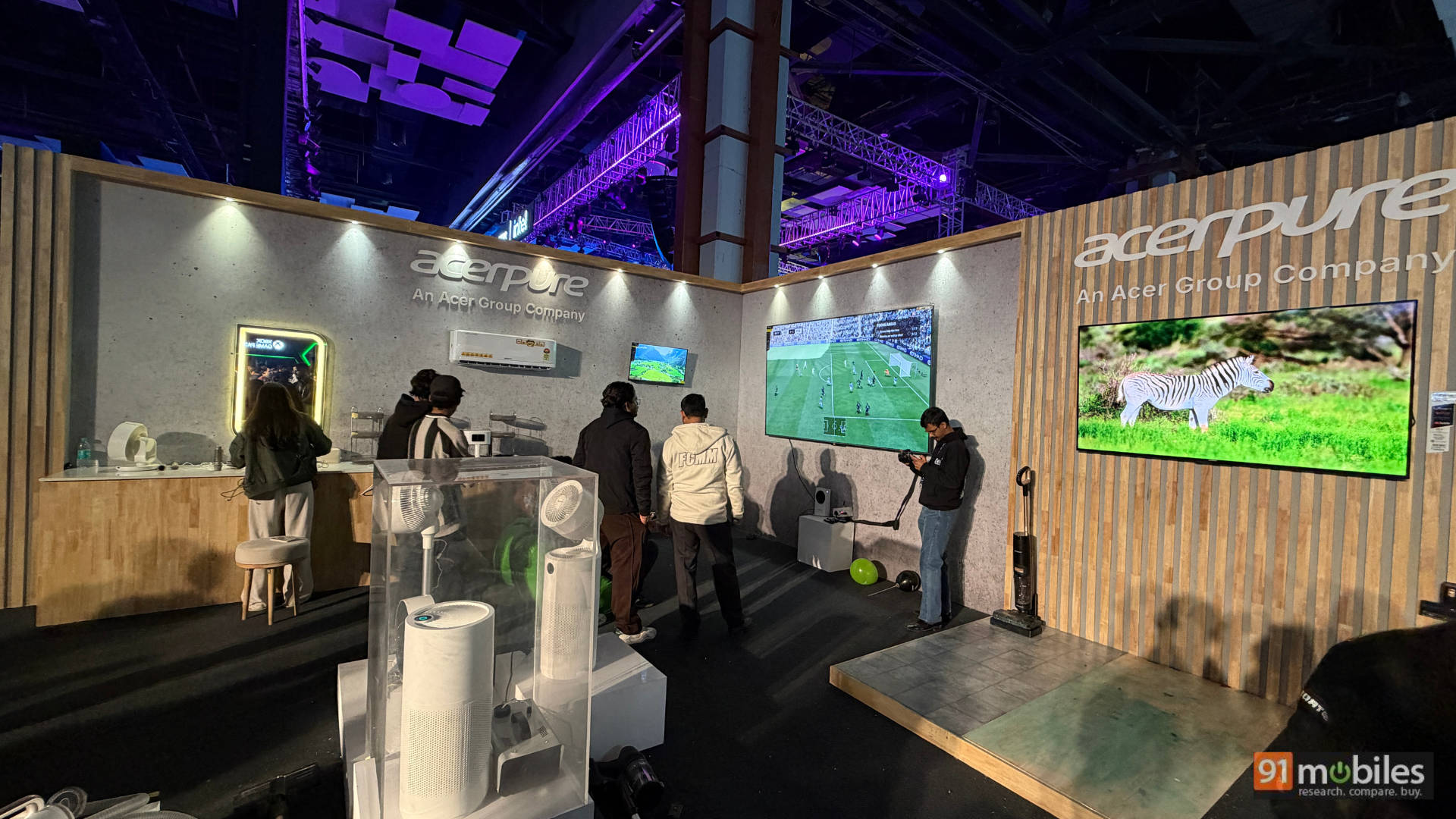
Visitors could explore a lifestyle zone featuring Acer TVs and air purifiers, and an interactive demo station. They could also participate in lucky draws and merchandise giveaways. Together, these zones made the event accessible even to non-hardcore gamers, families, and casual visitors. This helped turn Predator League into a broader tech-and-entertainment festival, rather than a niche competitive gathering.
A Mini CES on the Show Floor
One of the biggest highlights was Acer’s CES product showcase. It allowed visitors to get hands-on with the company’s newest hardware, much of which debuted at CES 2026.
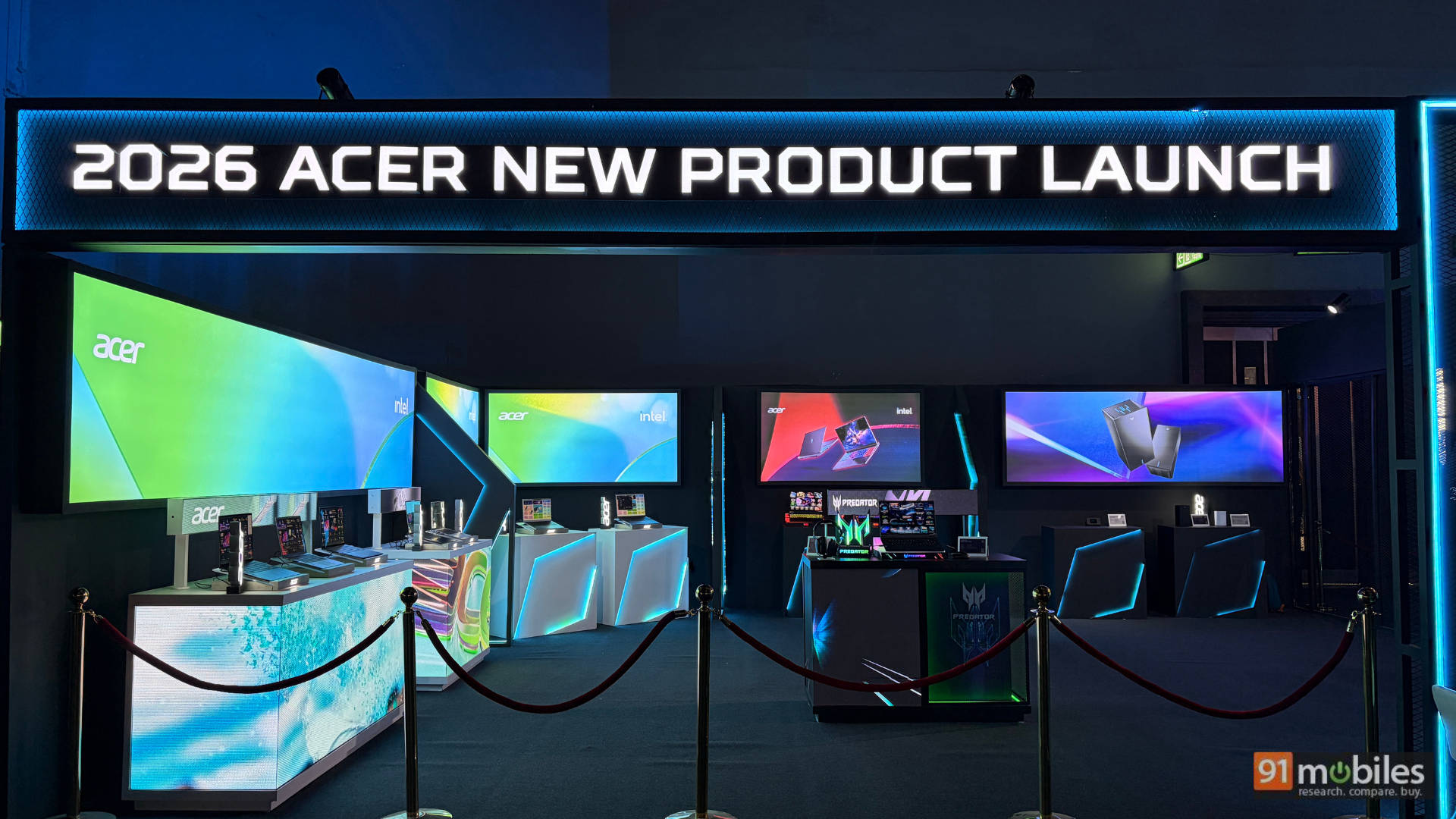
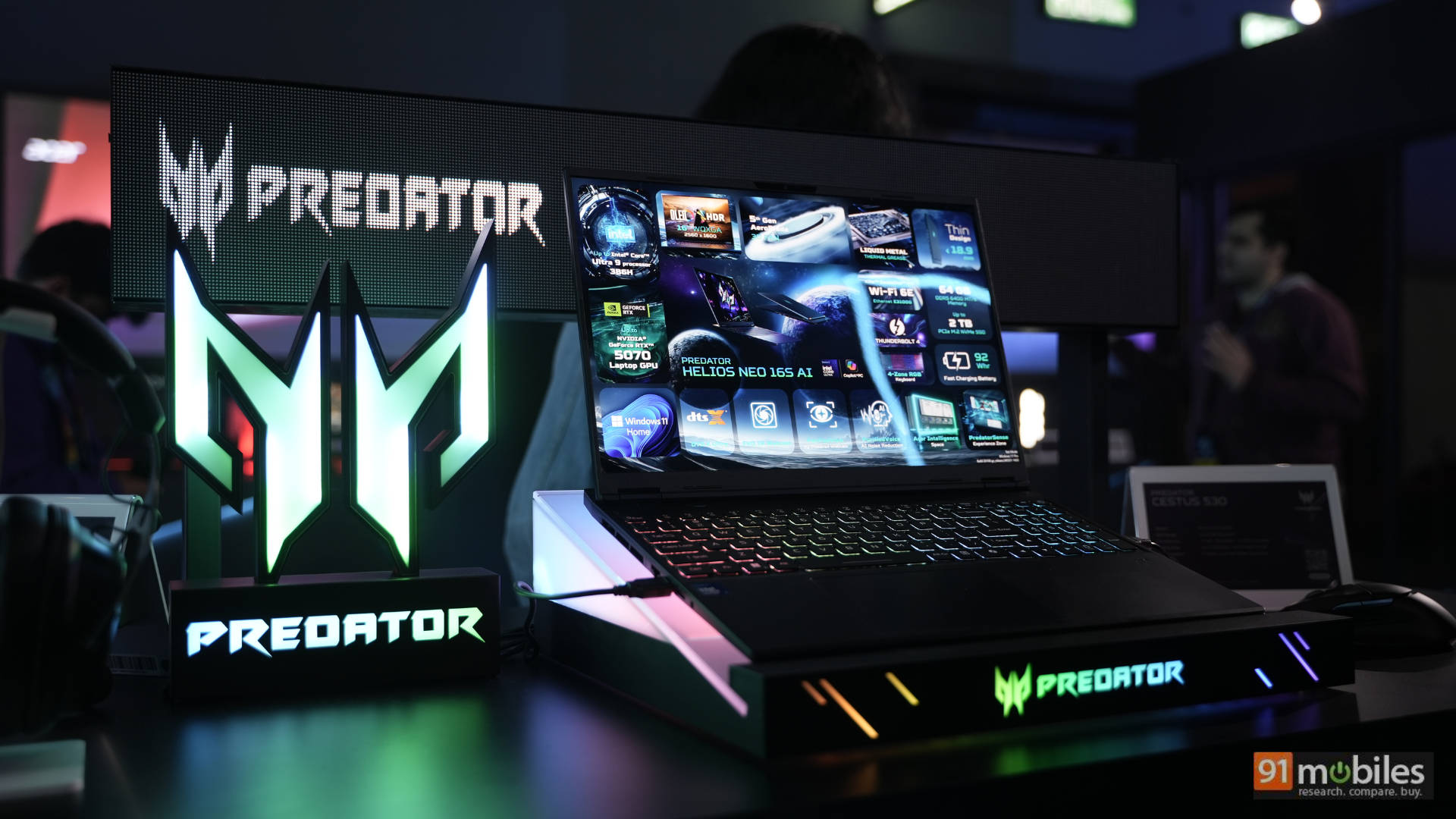
The showcase featured Predator gaming laptops aimed at high-performance gaming and content creation. These machines are powered by up to Intel’s latest Core Ultra 9 386H processors, paired with up to NVIDIA GeForce RTX 5070 Laptop GPUs.
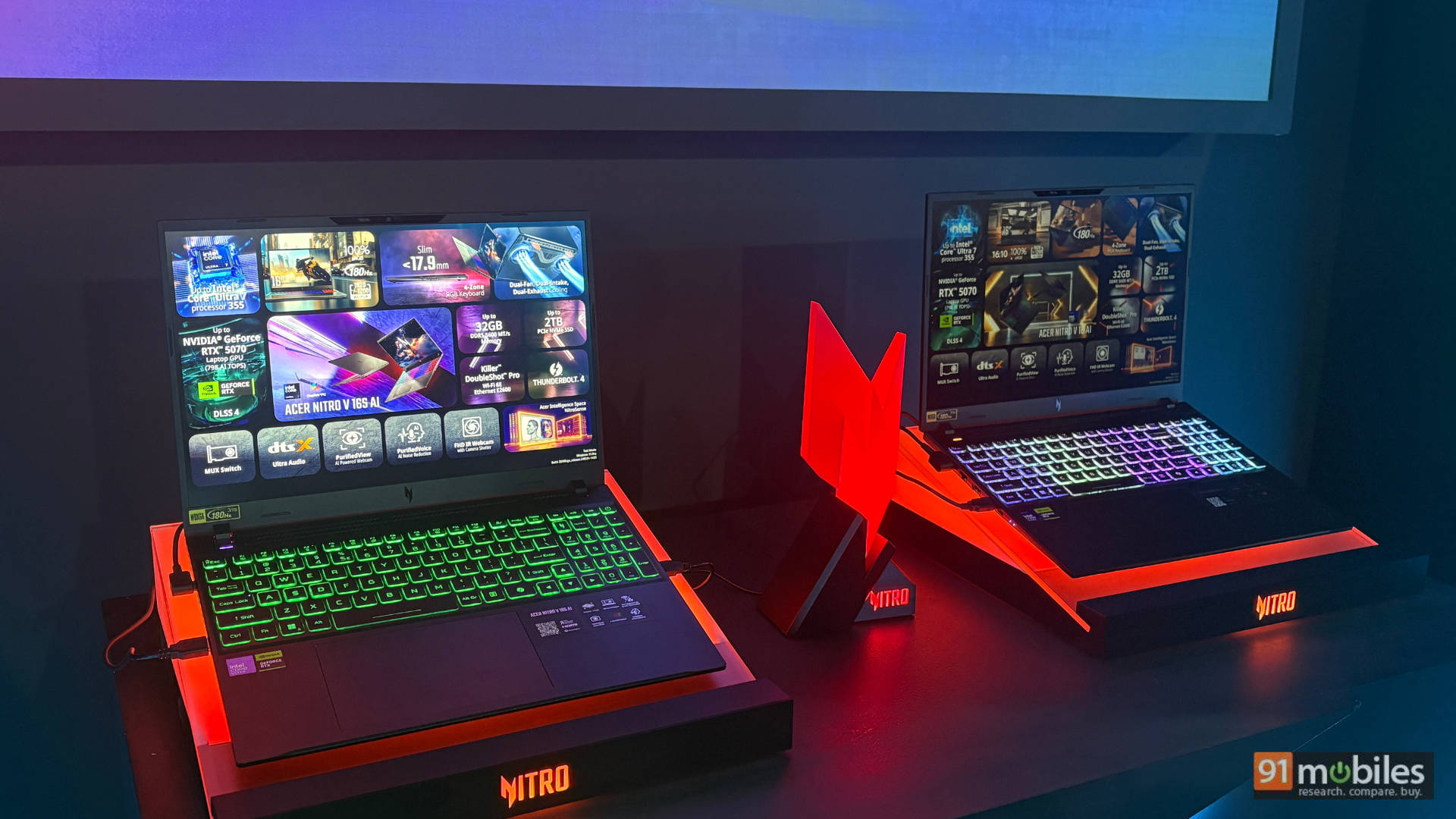
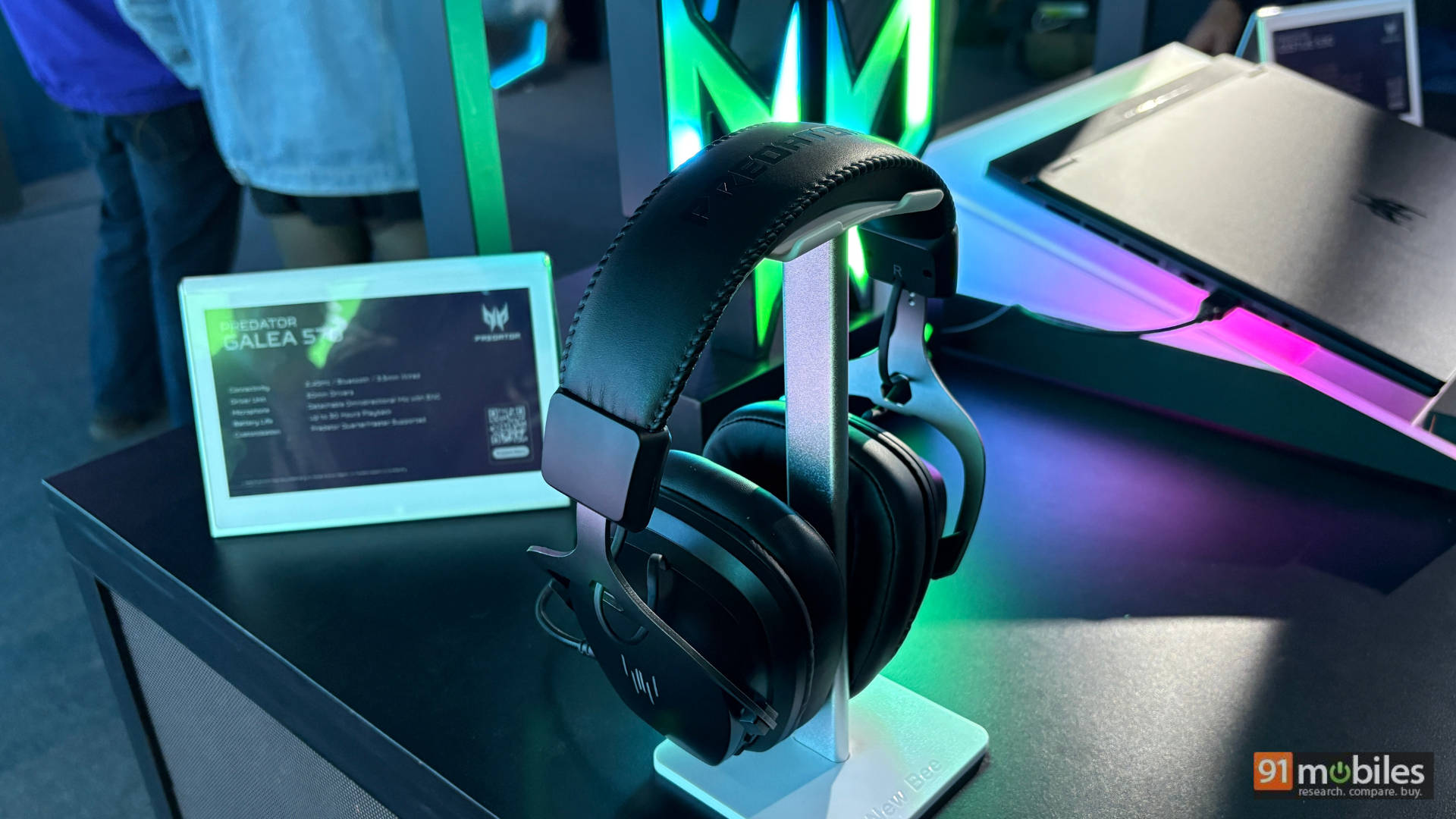
It also included the Nitro series, aimed at mainstream and budget gamers. Nitro models go up to Intel Core Ultra 7 355 processor. It offers up to NVIDIA GeForce RTX 5070 Laptop GPU as well. Alongside laptops, the CES booth also featured Acer Predator Galea 370 gaming headsets, which pack 50mm drivers for immersive audio.
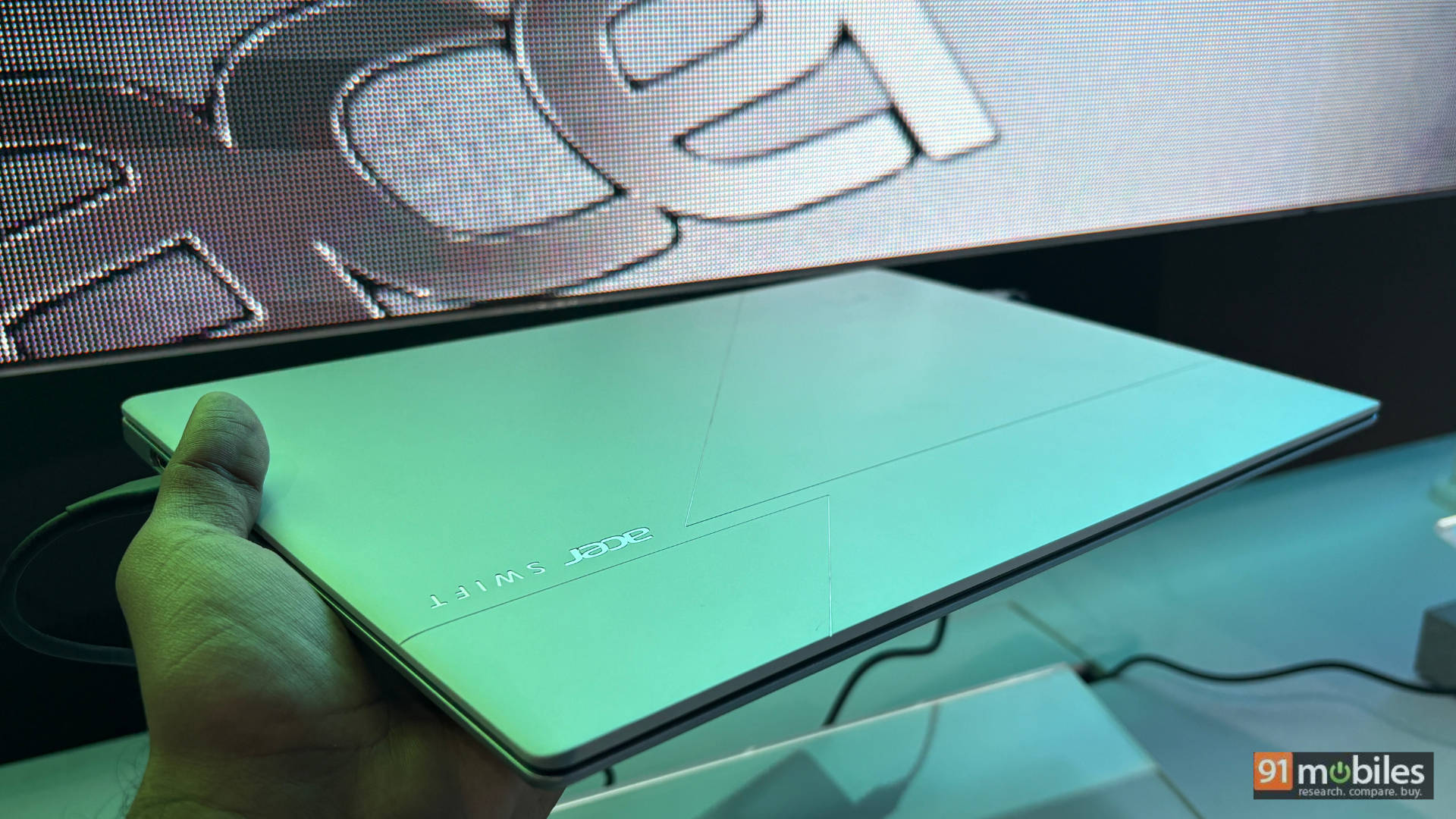
On the non-gaming side, Swift laptops were on display too, focused on thin-and-light productivity and creative work. The Swift lineup includes multiple options, from the Edge series to the Go series. What surprised me most about the Swift laptops was how incredibly light they felt; some models weigh under 1 kg. In terms of specifications, the Swift series offers 14-inch and 16-inch display options. It is powered by up to Intel Core Ultra X9 388H processors paired with Intel’s latest Arc B390 integrated graphics.
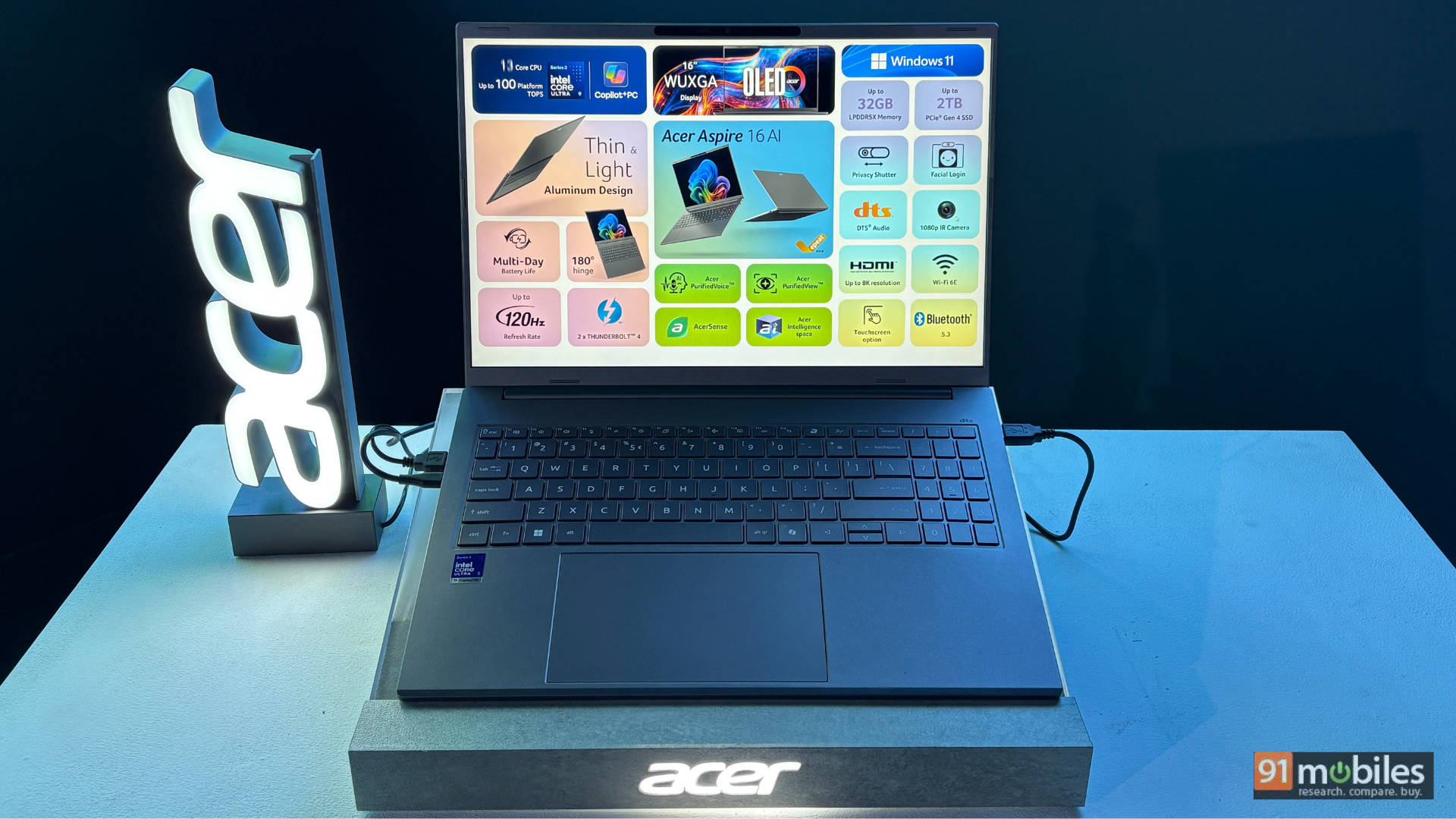
Meanwhile, there was also the Aspire lineup, which represents Acer’s everyday and student-focused laptops. These are available in 14-inch and 16-inch variants and are powered by up to Intel Core Ultra 9 386H processors. The event mostly focused on Intel-powered laptops. The same models are also expected to be available with AMD processors.
Alongside the laptops, Acer showcased gaming accessories and networking products. It includes routers and peripherals. This gave attendees a rare opportunity to see and use next-generation devices outside of a traditional retail or media-only environment.
By bringing its biggest regional esports property to New Delhi, Acer effectively positioned India as a core pillar of its Asia Pacific gaming strategy. Not just as a growing market, but as a destination for global-scale events, product launches, and community-building. From high-stakes competition and international production standards to hands-on tech experiences and mass-audience appeal.
The event showed what happens when esports, hardware, and community are brought together at scale. If this is what the Predator League looks like in its first year in India, the future of competitive gaming here looks not just bigger but genuinely global.
This is a promotional post done as part of a brand collaboration.