Buying a television has always been about the panel. Size, resolution, brightness, contrast. These are the numbers that drive decisions, and broadly speaking, they should. But in 2026, the panel is only half the product. The software running on top of it determines how fast the television responds, whether it actually learns how you use it, how long it stays relevant, and how secure it is against the threats that now extend to consumer electronics as naturally as they do to laptops and phones.
On that half of the equation, the gap between LG webOS 26 and every other smart TV operating system in the market is not marginal, and it is not closing. Other OS platforms are still catching up to where webOS was two generations ago, while webOS 26 has moved on. It is the difference between a television that works for the viewer and one that the viewer works around, and after eight consecutive years of holding the avforums Best Smart TV System award, LG has made that gap wide enough that it shows up in daily use for users who’ve come to love the LG experience.
Table of Contents
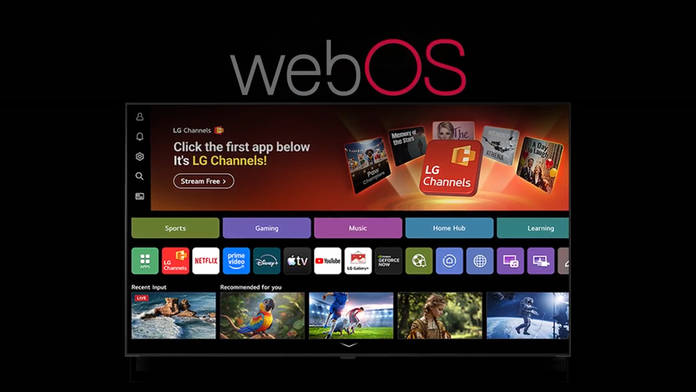
The home screen is where the gap starts
Turn on a television running a competing OS, and the home screen it shows is the same one it shows everyone. The same apps in the same order, the same content recommendations pulled from the same generic algorithm, the same layout regardless of whether the person holding the remote watches cricket every evening or has never seen a live match in their life. This is a design compromise that smart TV manufacturers have been shipping for a decade, and most viewers accept it the way they accept a slow lift – as a minor inconvenience that is simply part of the experience.
LG webOS 26 replaces that compromise with AI Voice ID and My Page. The system identifies who is speaking by voice before a button is pressed or a profile is selected, and loads a personalised home screen calibrated to that specific person. My Page brings together the streaming recommendations, live sports scores, weather, frequently used apps, and content that the individual viewer actually cares about, not the household average. In a home where multiple people share a television, this is not a small quality-of-life improvement. It is a fundamentally different relationship between the viewer and the screen. Other OS platforms offer profile switching that requires the viewer to remember to select their profile and rarely extends personalisation beyond content suggestions. AI Voice ID on webOS 26 removes the step entirely.
Search that understands what you mean
Smart TV search has been quietly broken for years, and the reason is structural. Other OS platforms built their voice interfaces on top of content databases, which means they work well when the viewer already knows exactly what they want. Ask for a film by title, and the system finds it. Ask for something based on a mood, a theme, or a half-remembered plot, and the system returns nothing useful, or worse, returns confident nonsense. This is not a bug. It is the architecture.
webOS 26 integrates Google Gemini and Microsoft Copilot directly into the search experience. The result is a voice interface that handles conversational queries rather than just title lookups. A viewer can ask for a film based on a genre and a mood, ask what the score is in a match currently being played, ask a question about the documentary playing on screen, and get a useful response in each case. Users can also search using plot details and easily request information on everyday topics such as seasonal recipes or travel ideas, even without the exact title, and interact with the AI fluidly while watching something.
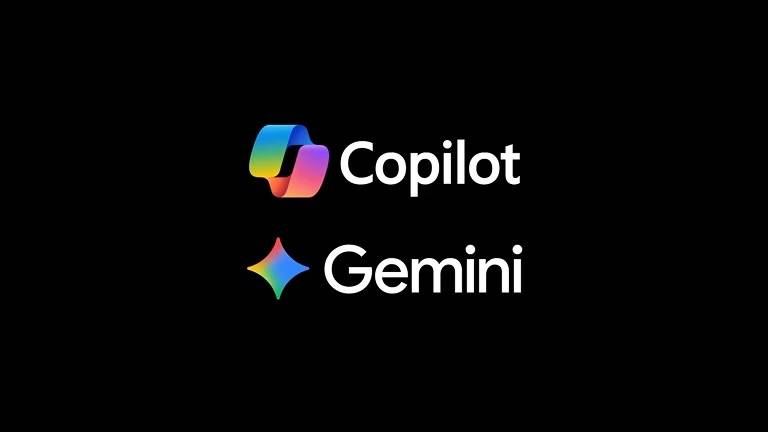
LG’s multi-AI architecture on webOS 26 received a CES 2026 Innovation Award Honoree recognition in Artificial Intelligence, one of two CES 2026 Innovation Awards webOS received that year, the other being in Cybersecurity. No other smart TV OS in the current market has brought both Gemini and Copilot into the same search interface. The difference in capability is immediately apparent the first time a viewer asks something that goes beyond a name.
Personalisation that runs deeper than a home screen
Other OS platforms let the viewer adjust picture settings through menus. webOS 26 makes the television learn what looks right. AI Picture Wizard presents pairs of images with subtle differences in colour, contrast, and brightness, and builds a picture profile from the viewer’s selections. That profile is stored per user and loads automatically via Voice ID every time that person is watching. LG’s AI Sound Wizard applies the same logic to audio, building a listening profile through a guided setup and applying it automatically. On competing platforms, these settings exist as global presets. Whoever adjusts them last determines what everyone else sees. On webOS 26, each person gets the picture and sound they calibrated, without having to touch a menu.
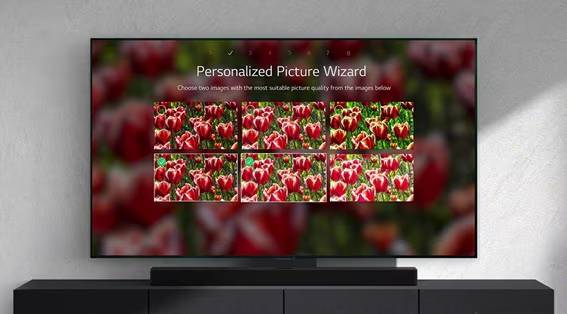
AI Concierge adds another layer by building content recommendations based on viewing history, time of day, search behaviour, and what is currently on screen. The In This Scene feature surfaces contextual information specific to the moment in a programme without requiring the viewer to pause, exit, and search separately. These are features that other OS platforms approximate through basic recommendation engines. The contextual awareness and depth of integration in webOS 26 fall into a different category from what competing platforms currently offer.
The remote as a direct line to the OS
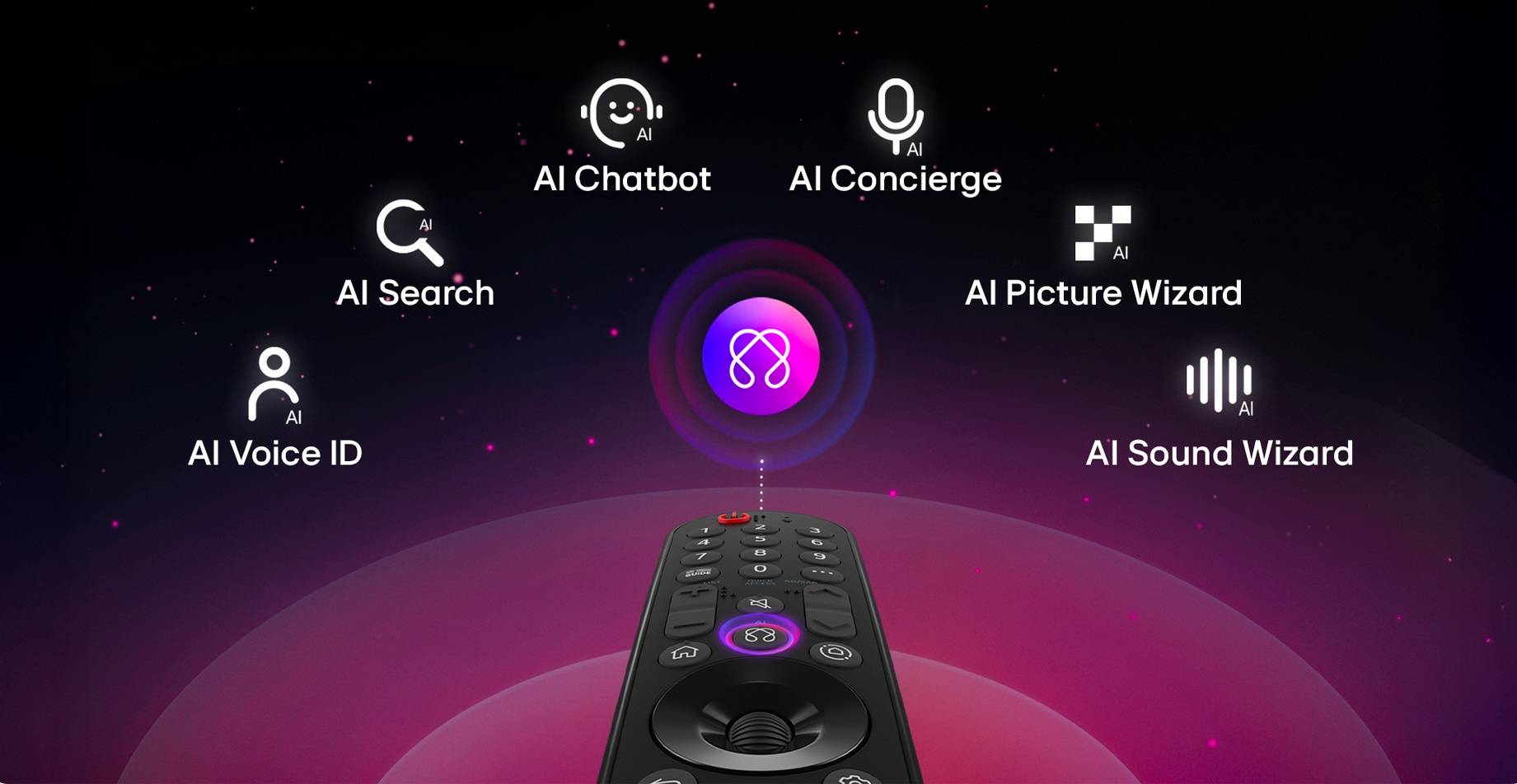
The AI Magic Remote on webOS 26 has a dedicated AI button that opens the AI Hub directly: Multi AI Search, AI Concierge, AI Voice ID with My Page, AI Picture Wizard, AI Chatbot, and AI Sound Wizard, accessible in one press from anywhere in the interface. The AI Chatbot is worth noting specifically because nothing comparable exists on other OS platforms.
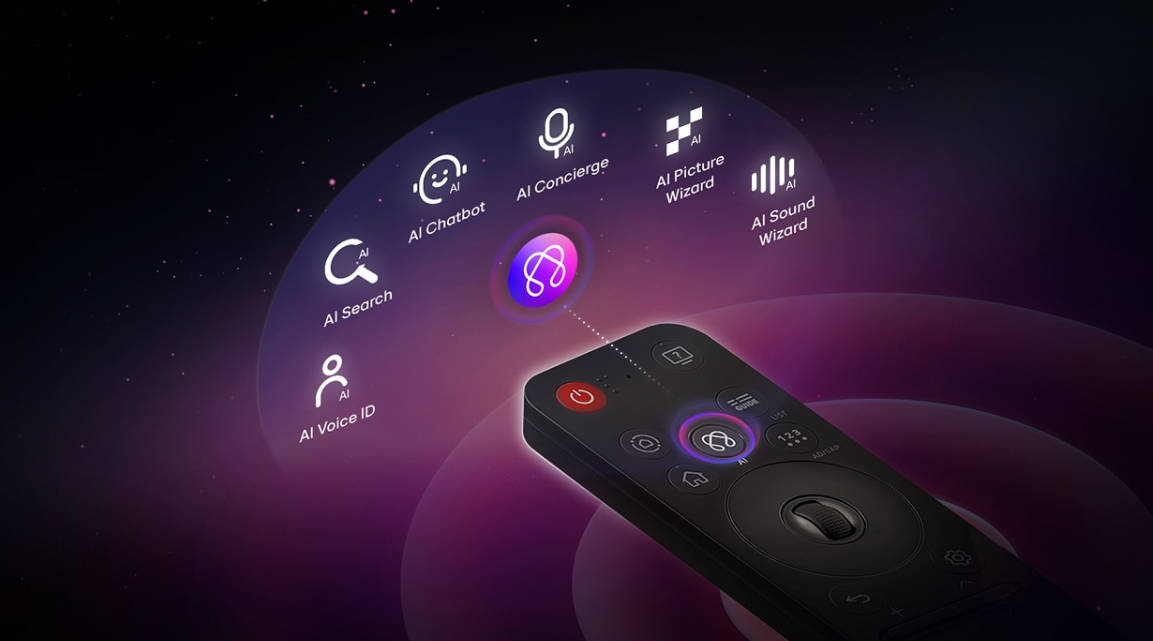
It proactively monitors system behaviour, identifies likely causes when something goes wrong, and surfaces guidance on screen without the viewer needing to look anything up. For issues that require human support, it connects directly to LG customer service from within the interface. On other OS platforms, a hardware problem typically ends with a QR code and a wait on a separate device.
The problem other OS platforms have never solved
Most smart TVs ship with a platform and largely stay there. Security patches arrive. Individual apps update. But the underlying OS and its feature set remain broadly static. A television bought in 2022, running a competing OS in 2026, is running a four-year-old platform with four years of feature gap accumulating between it and what current models offer. The panel continues to perform, but the software falls behind.
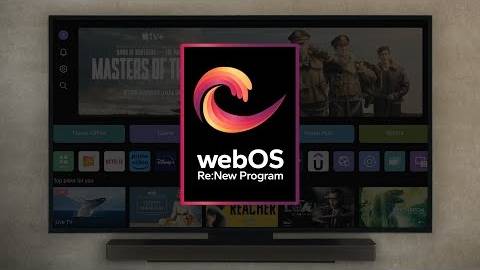
The webOS Re: New programme commits to platform upgrades for five years from purchase, meaning the AI features, personalisation tools, search capabilities, and security architecture all continue to develop on the same hardware. LG’s webOS smart TV platform earned dual recognition at CES 2026 with Innovation Awards in the Artificial Intelligence and Cybersecurity categories, reflecting the depth of investment in the platform rather than the hardware alone. LG webOS has held the avforums Best Smart TV System award for eight consecutive years. That is not a statistic about a single product cycle but speaks largely about a platform that has consistently improved while competing platforms have remained static or ceded ground by adopting third-party OS solutions entirely.
What this means when choosing a television
The TV panel determines how the picture looks, but the OS determines everything else about the experience of owning the television – how responsive it is, whether it learns the viewer’s preferences or ignores them, how long the software stays current, and how secure it is over years of daily use.
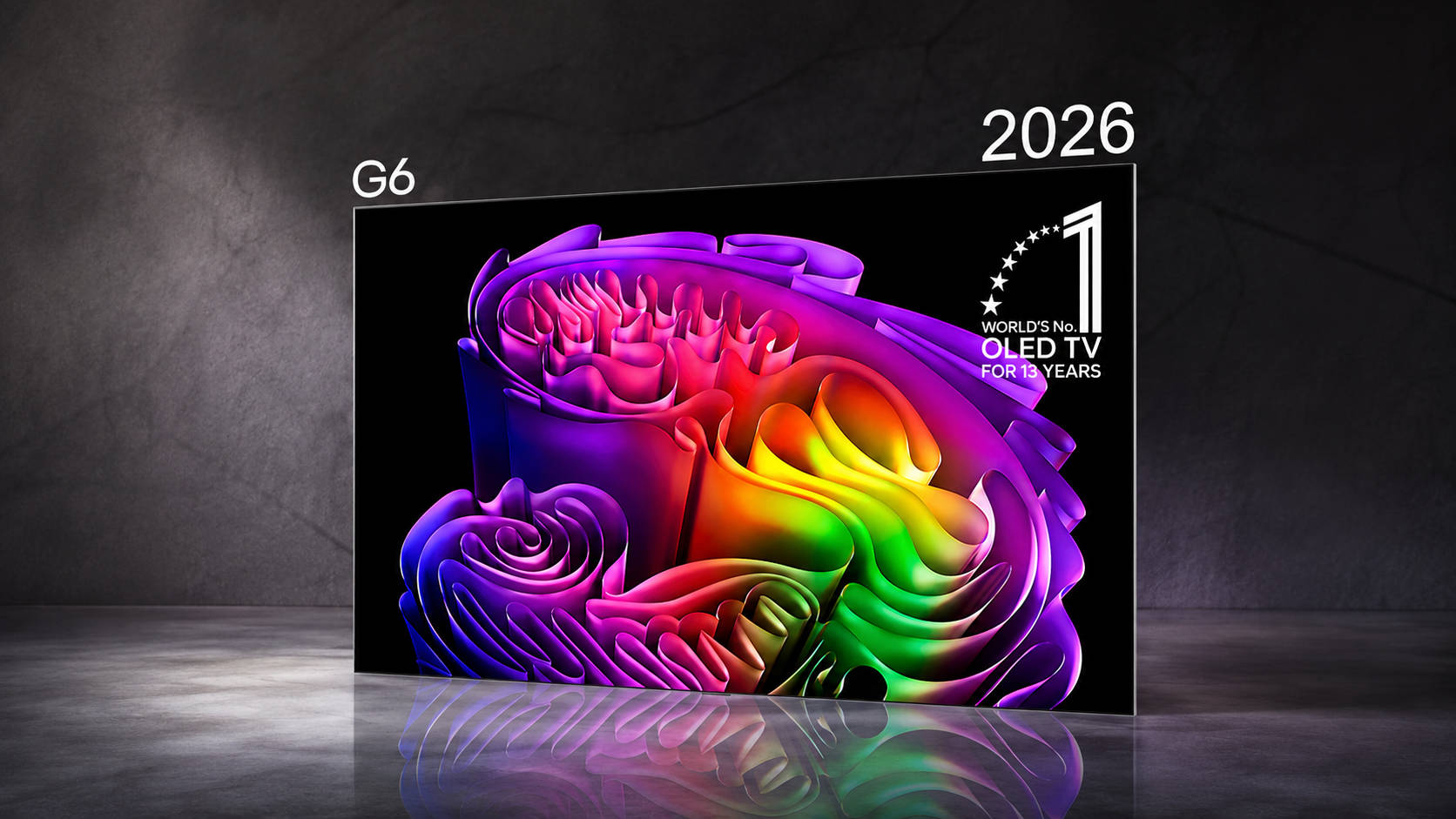
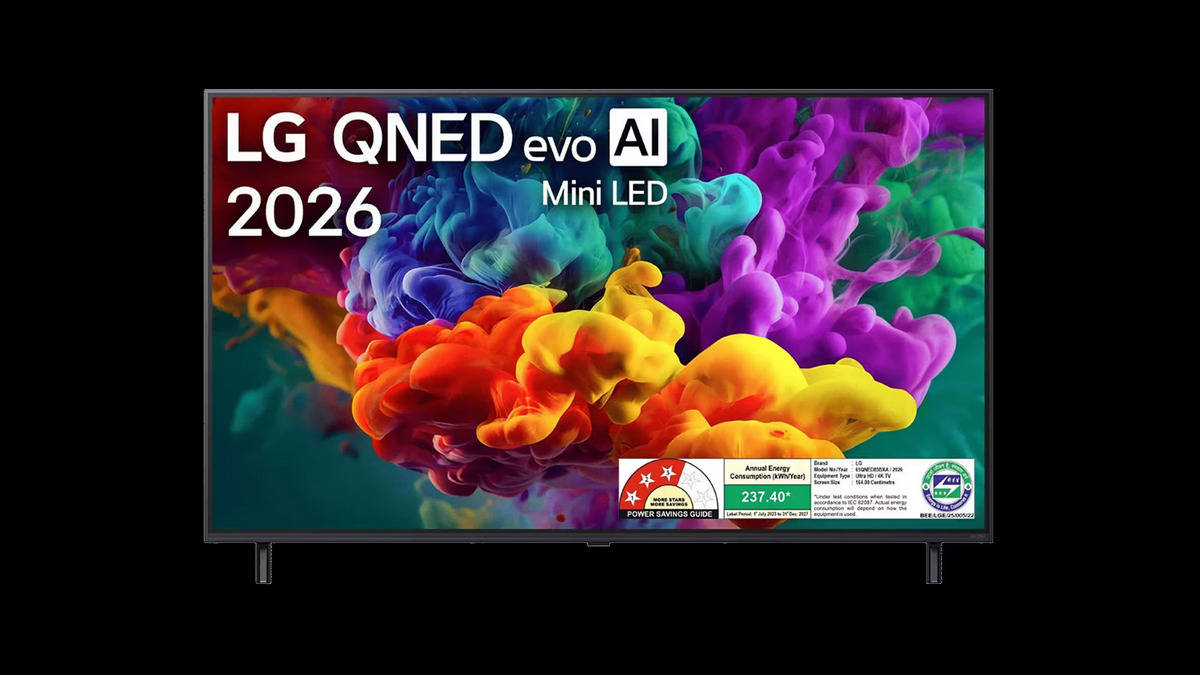
The LG OLED G6 and QNED85 are strong enough in terms of panel performance to merit consideration for picture quality alone. On software, webOS 26 makes the case without needing the hardware to do any of the heavy lifting. Most smart TV operating systems are content launchers with voice interfaces. webOS 26 is a platform that actively improves the experience for its users, gets better over time, and is designed to remain the best version of itself for years to come.
This is a promotional post done as part of a brand collaboration.