A smartphone built to last has to do more than just resisting scratches and surviving splashes. It has to continue feeling responsive, dependable, and easy to live with, even as everyday demands increase and expectations change. That shift has quietly changed what durability means. For years, durability was treated as a question of protection. How strong is the glass? Is it water resistant? Will it survive a fall? Those questions still matter, but they no longer define whether a phone actually lasts. Most people do not replace smartphones because they stop working. More often, they move on because the experience slowly changes because the performance begins to feel less responsive than it once did, battery life becomes less predictable, and software starts feeling older than the hardware. Users also feel small delays becoming normal. Essentially, what once felt effortless starts demanding more attention. The phone still works but no longer feels worth keeping.
That broader definition of durability is what shapes the Samsung Galaxy A57 5G. Samsung’s approach here is noticeably different from building a phone that simply survives accidents. Instead, the Galaxy A57 has been designed around long-term ownership. The hardware is built to stay protected, performance is designed to remain smoother over time, battery systems are built to age more intelligently, and software support stretches well beyond the usual upgrade cycle. The goal is not just longevity in theory, but a phone that continues to feel reliable in ways users actually notice.
Table of Contents
Protection that feels invisible until it matters
Physical durability still sets the foundation for everything else, and Samsung Galaxy A57 5G starts from a strong place without making protection feel like the entire identity of the phone. Samsung combines a premium metal frame with Corning® Gorilla® Glass Victus+ protection on both the front and back, bringing a level of material confidence that is not common in this segment. At the same time, Samsung avoids turning durability into bulk. At 6.9mm thin, the Galaxy A57 becomes the slimmest Galaxy A Series smartphone yet, creating a device that still feels refined and comfortable in everyday use.
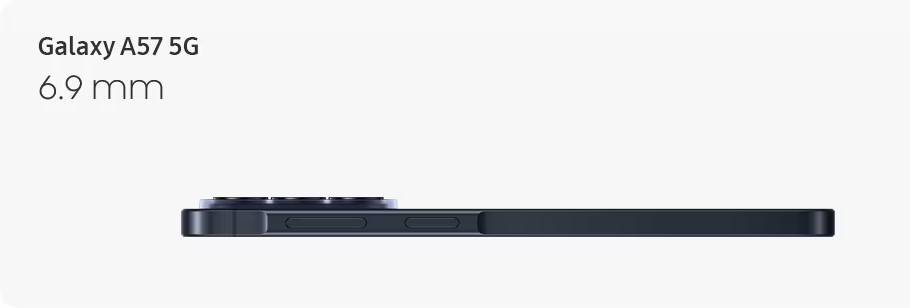
That balance matters more than it seems. Phones that feel too precious tend to be used more cautiously, and phones that feel too rugged often become harder to enjoy. Galaxy A57 sits in a zone where the protection exists in the background while the experience stays premium and uncomplicated.
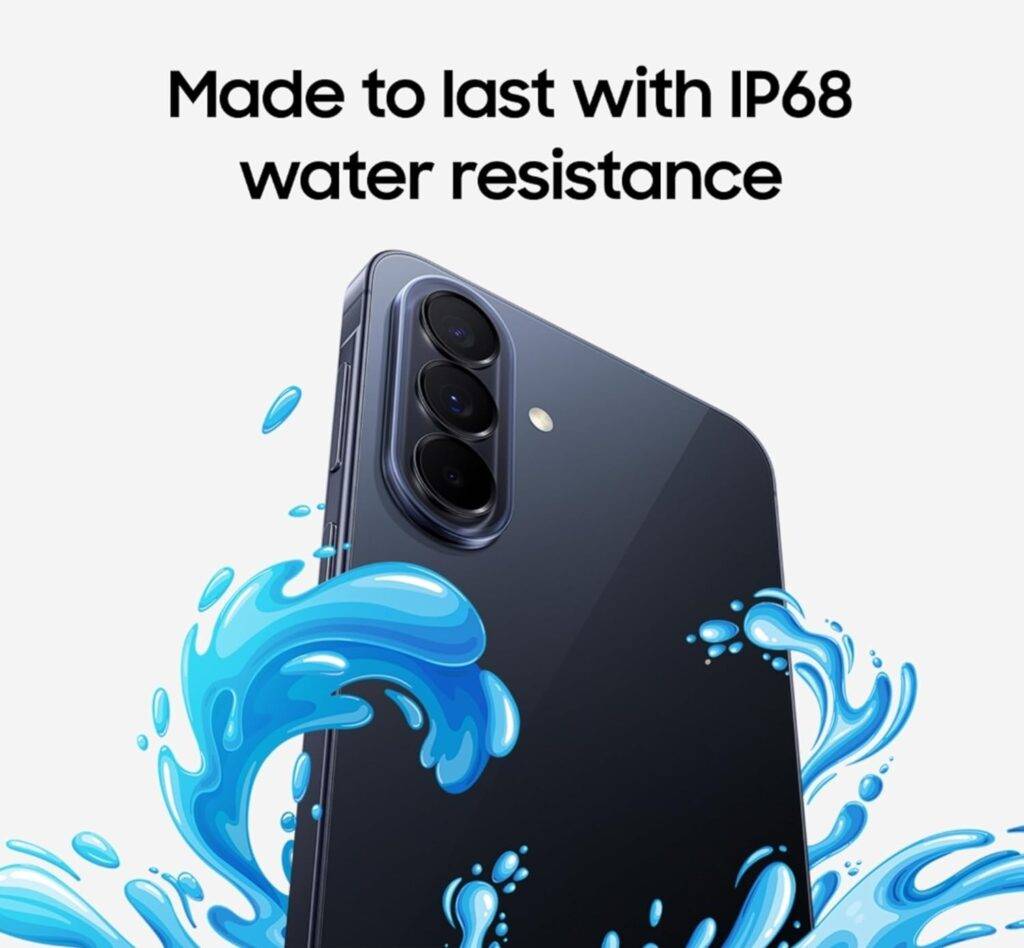
Samsung has also added IP68 water and dust resistance, supporting immersion of up to 1.5 metres for up to 30 minutes under tested conditions. In practice, this is less about underwater photography and more about peace of mind. Rain, spills, travel, outdoor use and everyday unpredictability become easier to ignore when the device is designed with those realities in mind. Good durability often goes unnoticed because users simply stop thinking about what might happen.
Performance durability may matter even more than physical durability
A phone that stays physically intact but begins feeling slow after a year is not a durable phone in any meaningful sense. That is why some of the most important durability decisions in the Samsung Galaxy A57 are hidden underneath the surface. At the centre of the experience is the Exynos 1680 processor, paired with improvements designed around maintaining responsiveness as usage evolves. Samsung highlights up to 15% faster CPU performance, 19% stronger GPU performance and a 162% improvement in NPU performance compared to the previous generation, creating more room for multitasking, AI-led experiences and sustained everyday performance.

Those gains are supported by up to 50% faster memory performance through LPDDR5 memory and UFS 3.1 storage, helping reduce friction across app launches, image processing, content loading and background activity. The significance of those upgrades is not that the phone feels dramatically faster for a week, it is that responsiveness becomes easier to preserve.
Phones rarely feel old because one thing fails. They feel old because small delays slowly accumulate until the experience becomes frustrating and fortunately, the Samsung Galaxy A57 5G feels designed to resist that pattern. Samsung reinforces that approach with a 13% larger flagship-level vapor chamber cooling system scaled up to 3,558 mm², helping maintain steadier thermal behaviour across longer sessions. Better cooling quietly contributes to smoother performance and more consistent behaviour over time. That is performance durability in its most practical form.
Long-term software support changes the ownership equation
Hardware durability matters, but software increasingly decides whether users keep a phone or outgrow it. Samsung has made a strong statement here with 6 generations of OS upgrades and 6 years of security updates, giving the Galaxy A57 one of the stronger long-term support commitments in the segment. That commitment becomes more meaningful when viewed through the lens of long-term ownership, a valuable factor for Indian buyers. Longer support means newer Android experiences continue arriving and security stays current while app compatibility stretches further. Users spend less time thinking about replacement and more time simply continuing to use the device.

The Samsung Galaxy A57 5G also runs One UI 8.5, which brings Samsung’s connected experience and expanded AI capabilities into everyday interactions. Samsung highlights more seamless actions across supported apps and stronger continuity across Galaxy devices, helping the experience stay familiar even as features evolve. Samsung also layers in Knox Vault with EAL5+ certification, adding hardware-backed protection for sensitive information because durability should not only preserve the device, it should preserve confidence in using it.
Battery health is one of the most overlooked forms of durability
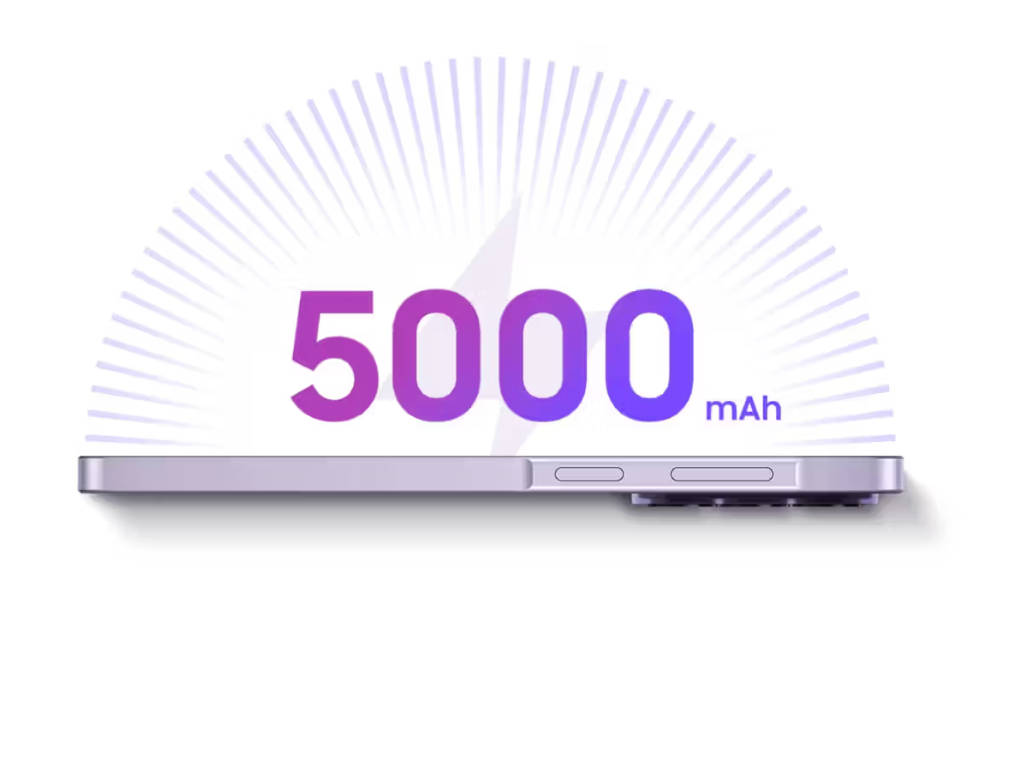
Battery life usually dominates conversations at launch while battery ageing shapes the experience much later. Galaxy A57 approaches this differently by treating battery health as part of the ownership experience instead of an afterthought. The phone combines a 5000mAh battery with support for up to 1200 charging cycles, creating a stronger foundation for long-term endurance. That specification becomes more meaningful because batteries are one of the first components users notice changing over time. Samsung supports this through Adaptive Battery, Deep Sleep Engine, Adaptive Display and Battery Health Protection, systems designed to manage background behaviour and reduce unnecessary battery strain.
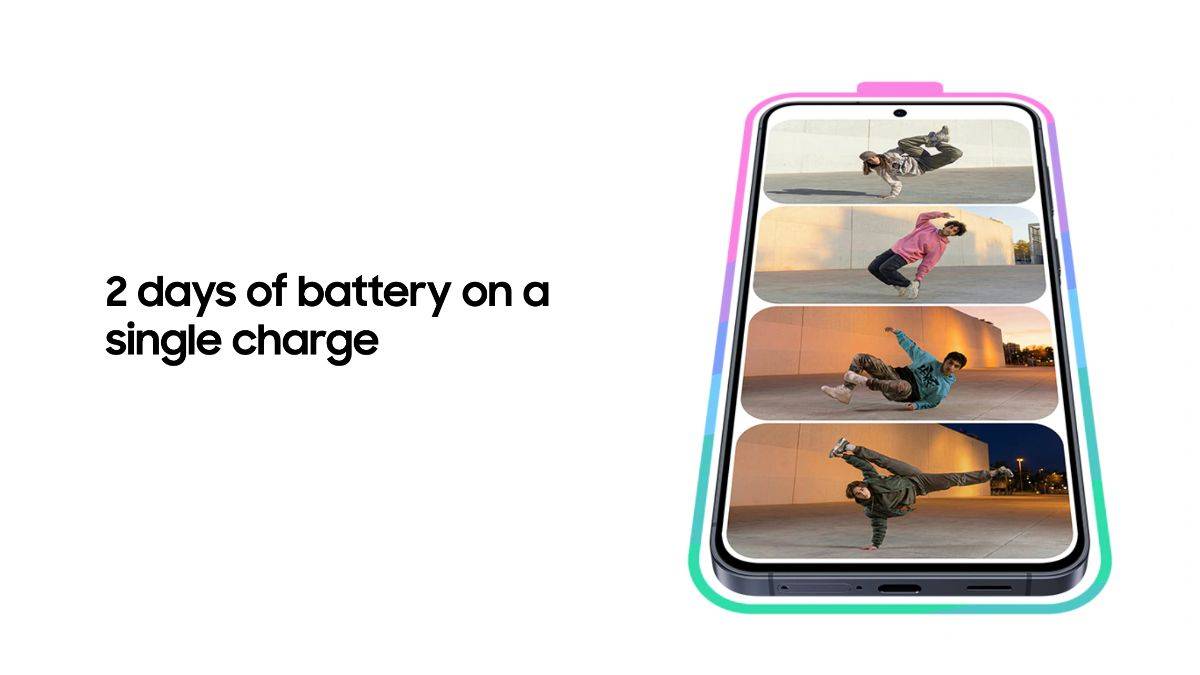
The Samsung Galaxy A57 is also rated for up to two days of battery life depending on usage conditions, which naturally reduces charging frequency and supports healthier battery behaviour over longer periods. When charging is needed, 45W Super Fast Charging supports up to 60% charge in around 30 minutes, making recovery quicker without turning battery management into a routine. The result is not just a battery that lasts but a battery experience designed to remain dependable.
Durability that lasts
What makes the Galaxy A57 compelling is not any one protection rating, benchmark improvement, or support promise. It is the way those decisions reinforce each other. Stronger materials matter more when the software remains current. Better battery health matters more when performance continues to hold up. Six years of security updates matter more when the hardware was built to last that long in the first place. Taken individually, these are useful upgrades. Taken together, they create something more meaningful: a phone designed to resist the reasons people replace phones in the first place.
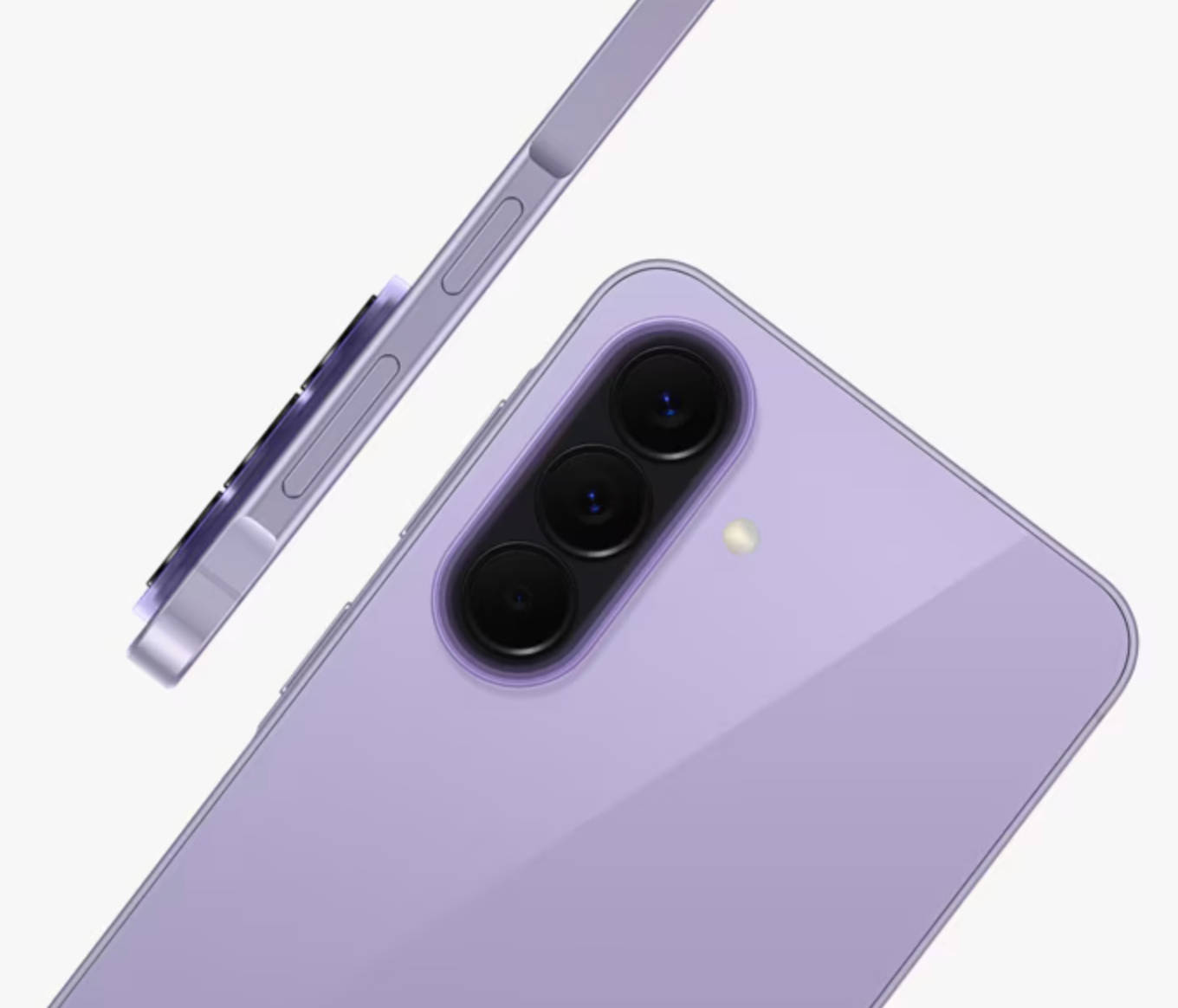
That is what makes the Galaxy A57 5G the smart choice for long-term use. Not because it asks buyers to compromise on design, performance, or experience to get durability, but because it delivers all of them as part of the same considered package. A year from now, the glass will still be Gorilla Glass Victus+. The software will still be receiving updates. The battery will still be cycling through its 1200-cycle rating. The phone will still feel like the same phone. That is durability in the only sense that actually matters.
This is a promotional post done as part of a brand collaboration.