Samsung has shared new details on the engineering that went into its eighth-generation Galaxy Z lineup, the Galaxy Z Fold8 Ultra, Galaxy Z Fold8, and Galaxy Z Flip8, launched last month on July 22. Sunghoon Moon, Executive Vice President and Senior Executive of Mobile R&D Office, Hardware, at Samsung’s Mobile eXperience (MX) Business, spoke about the company’s engineering approach behind the new devices.

According to Moon, Samsung’s foldable design philosophy is built around treating the device as “one connected system,” where changes to one component, such as making the device thinner, require redesigning the display, hinge, battery, thermal system, and internal architecture together.
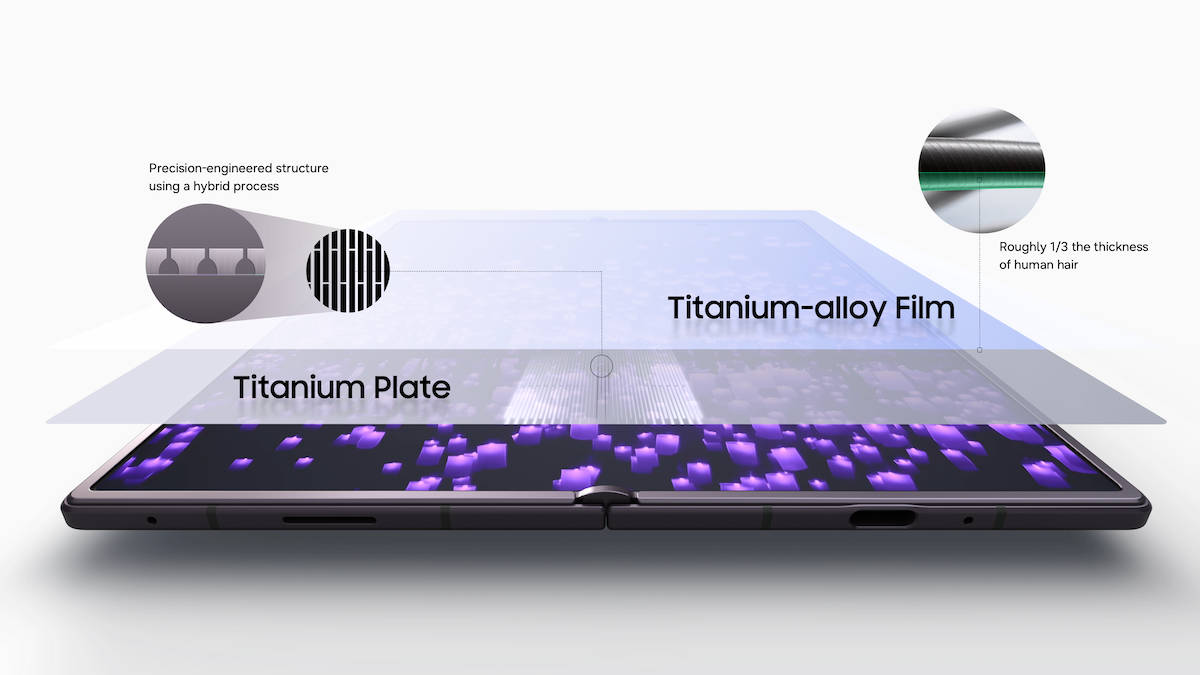
Central to this generation is Flex Titanium technology, which combines a titanium plate beneath the display for structural support with a precision-engineered lattice structure for flexibility, along with a titanium-alloy film beneath the display panel for added strength and elastic recovery through repeated folding. Samsung says this combination has reduced display module thickness by 10%, freeing up internal space for the battery, thermal system, and camera, while also cutting down on crease visibility.
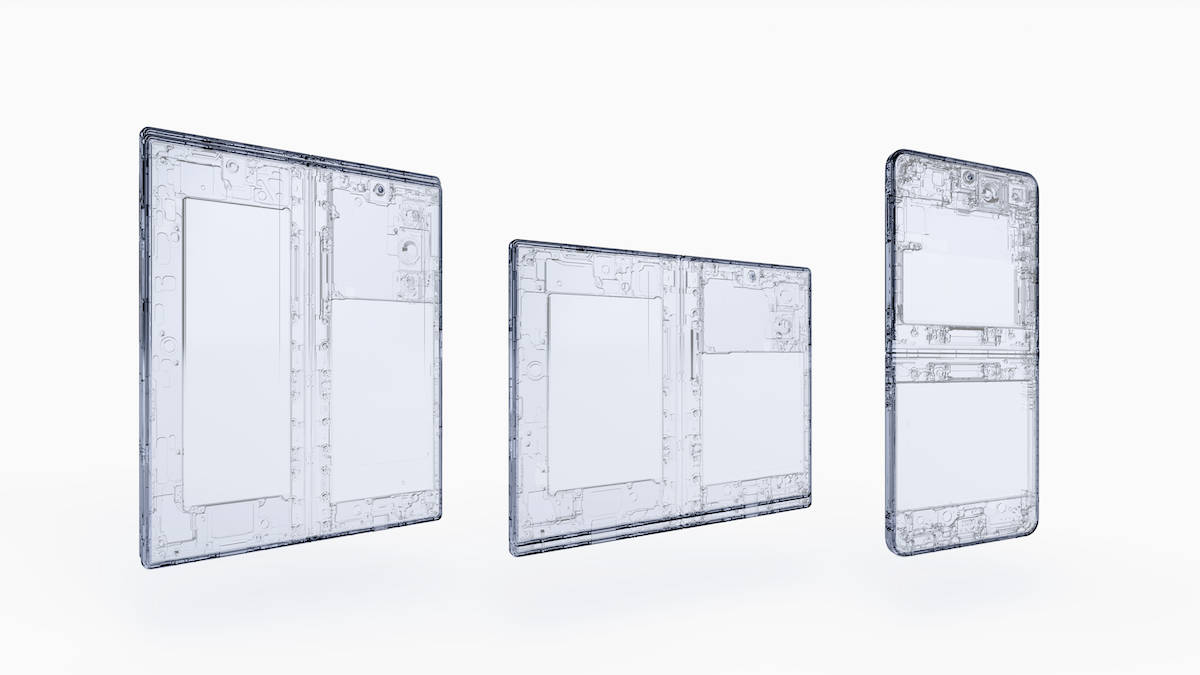
On the battery side, the Galaxy Z Fold8 Ultra gets a 5,000mAh battery built around a silicon-carbon anode for improved energy density. Samsung has also implemented a dual-path charging architecture on the Fold8 Ultra and Fold8, aimed at distributing power more efficiently across the battery system. This enables 45W fast charging on the Fold8 Ultra, which Samsung says takes the device from empty to 67% in 30 minutes.
Samsung also noted that the new Galaxy Z series has been put through over 100 reliability validation tests, covering conditions like drops, repeated folding, pressure, moisture, and debris.