On the eve of Unpacked 2026, JB Park, President and CEO of Samsung Southwest Asia, met with a group of Indian tech journalists to discuss the strategic direction of the new Galaxy S26 series. In a candid roundtable, Park detailed how Samsung is moving beyond simple AI features toward a world of Agentic AI, where the device anticipates needs and completes tasks autonomously in the background.
The discussion highlighted India’s pivotal role in this transition, not just as a massive consumer market with a tech-savvy youth population, but as a primary hub for the engineering and R&D that makes the Galaxy S26 series possible.
Key insights from the conversation
The shift to Agentic AI: The Galaxy S26 marks a “new direction” for Samsung. Rather than requiring users to learn specific commands, the device is designed to understand context and quietly handle multi-step tasks in the background.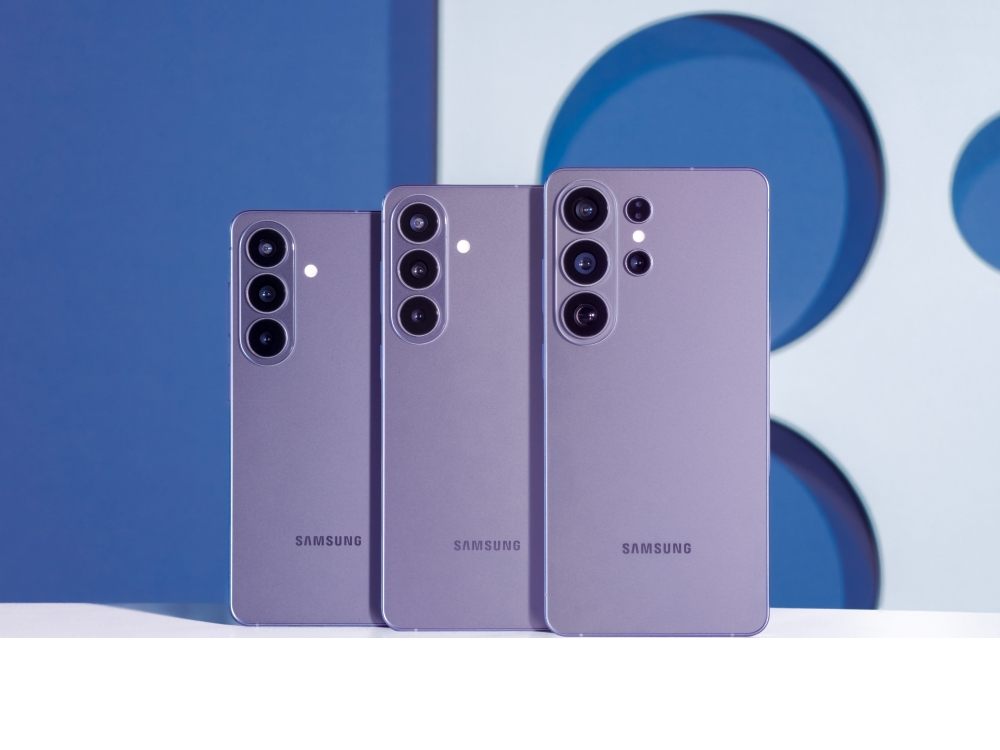
A “Multi-Agent” ecosystem: Samsung is embracing an open ecosystem by pre-installing partner AI agents, such as Perplexity, alongside existing tools like Google Gemini. Park noted that 80% of users already use two or more AI tools, and Samsung’s goal is to offer choice without adding complexity.
Privacy reimagined for the AI era: To address concerns about background AI processing, the S26 Ultra introduces a hardware-integrated Privacy Display that limits visibility from side angles. Additionally, Privacy Alerts now notify users if apps attempt to access sensitive data or device admin controls.
The “India Art” of engineering: While fundamental hardware (chips, panels) is developed in Korea, Park described the Bengaluru R&D centre as “brilliant” at the art of calibration. Indian engineers were instrumental in integrating third-party and in-house components to work seamlessly together, particularly for camera algorithms.
Monetisation strategy: Park clarified that while third-party partner services (like Gemini or Perplexity) may involve subscriptions, core Galaxy AI features provided by Samsung will remain free. He emphasised that on-device features are embedded in the product cost, stating, “This is not the philosophy of Samsung” to charge for standard hardware functions.
A connected “bespoke” future: Samsung’s vision extends beyond phones to an 800-million-device ecosystem where Galaxy AI (mobile), Vision AI (TVs), and Bespoke AI (appliances) are linked via the SmartThings platform. This allows the entire home environment to adjust proactively to a user’s daily behaviour.
Addressing hardware plateaus: In response to questions about stagnant design, Park argued that hardware innovation remains essential because AI cannot fix low-quality input. He pointed to the Galaxy Z TriFold as an example of Samsung’s continued focus on solving consumer “pain points” through new form factors.
Conclusion
As the Galaxy S26 series begins its rollout, it is clear that Samsung is betting on a future where the hardware is merely the vessel for a deeply personalised, proactive AI assistant. By balancing an open “multi-agent” approach with a strict Knox security framework, Samsung aims to turn AI from a buzzword into a seamless, invisible utility for the “enlightened” Indian consumer.