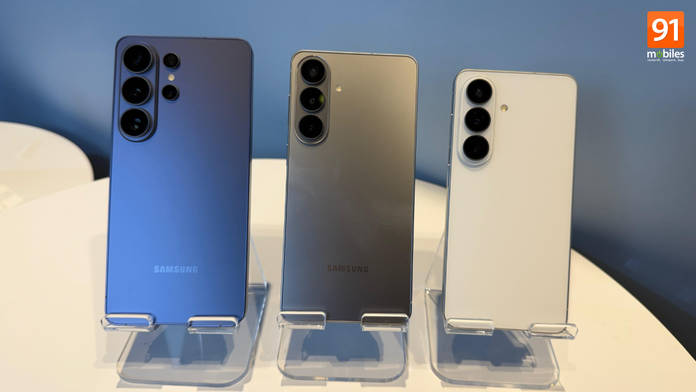
On the sidelines of the global Unpacked 2026 event in San Francisco, Samsung organised media roundtables with Joshua Cho and Han-gil Moon, who dove deep into the nitty-gritty for the S26 series’ cameras and the new TWS buds. For the record, Joshua Cho is the Executive Vice President and Head of Visual Solution Team, while Han-gil Moon is the Master and Head of Advanced Audio Lab, MX Business at Samsung Electronics. The two execs moved past the usual marketing speak to focus on the engineering behind the Galaxy S26 series and Buds4 Pro.
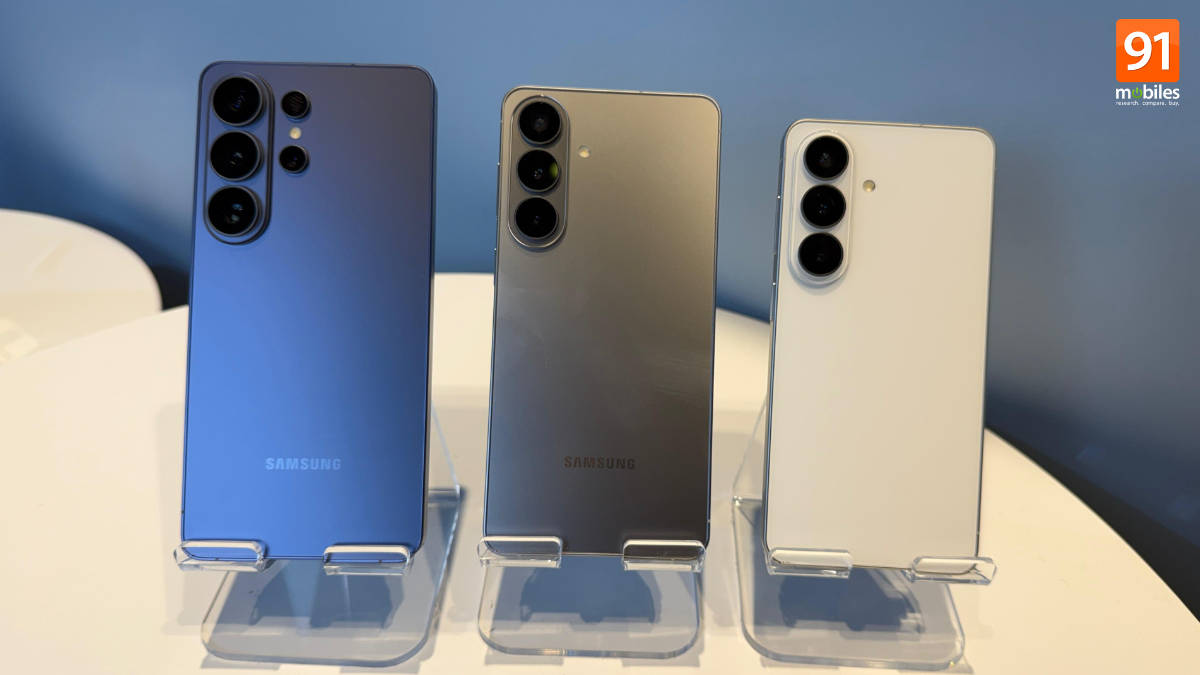
Here’s the breakdown of what’s actually changing in your pocket and your ears.
Table of Contents
Camera: F1.4 aperture and AI-driven selfies
Samsung’s “essence of life” philosophy for the S26 camera focuses on capturing moments exactly as they feel, whether in day or night.
Brighter glass: The wide sensor hits an F1.4 aperture, while the telephoto moves to F2.9.
Light intake: These changes allow 47% more light on the wide sensor and 37% more on the telephoto, aimed at reducing noise in nightography video.
Selfie upgrade: The selfie camera has transitioned from hardware-based ISP to a fully AI-based Image Signal Processing (ISP) for better consistency and smoothness.
Smart exposure: To prevent “exposure lag” during pans, Samsung trained an AI model on 1.3 million data points and synced it with real-time gyro data.
Creative Studio: multimodal editing
The new Creative Studio is a significant step up from the previous Drawing Assist, focusing on “Creative for All”.
Prompt rewriting: When you give a text command, such as “make it a snowy night,” Samsung’s engine rewrites the prompt based on 18 image categories to ensure the result looks natural.
Input flexibility: You can now use a mix of text, voice, and images to guide your edits.
Metadata safety: Samsung is using C2PA standards to watermark AI-generated content, ensuring a level of transparency for edited images.
Buds4 Pro: two-way drivers and real-world fit
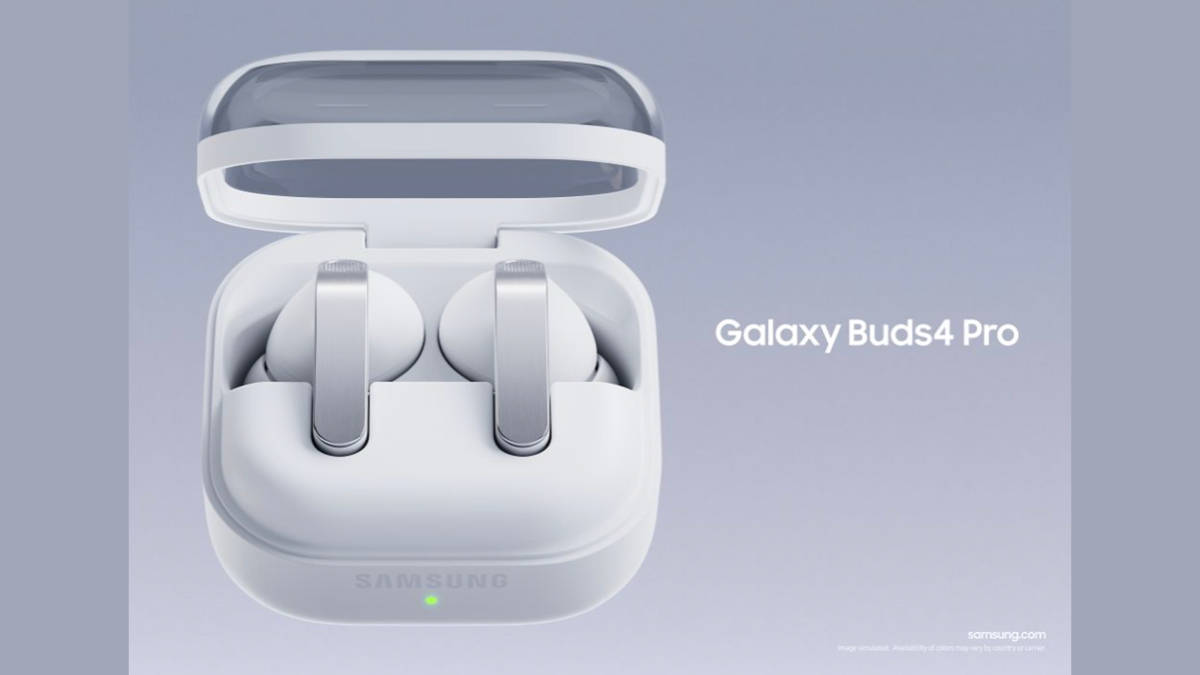
The Buds4 Pro design addresses “wearing barriers”, the idea that performance drops when you move or your fit isn’t perfect.
Dual amps: While many TWS use a single driver, Samsung maintains its two-way speaker architecture with a dedicated tweeter and woofer, each powered by independent amps.
Wide mezzanine: By refining the edge-mounting process, they expanded the effective vibration area by 20 percent without increasing the size of the casing.
UHQ audio: The Ultra High Quality (UHQ) codec remains “perceptually transparent,” focusing on reproducing the creator’s original intent via Bluetooth.
AI smart switching: The buds use voice and silent detection to automatically flip between ANC and Ambient mode, so you don’t miss safety signals or conversation cues.
Ecosystem: hybrid processing
Samsung’s strategy for “Uncompromised Hi-Fi” involves using the phone and buds as a team. For example, 360-degree audio is handled as a hybrid solution—the smartphone does the heavy multi-channel processing, while the buds handle the two-channel delivery. Additionally, the Buds4 Pro now support multiple AI agents, including Gemini, accessible via voice.
We’ll have more on the Galaxy S26 series and the Buds4 Pro very soon, and how they fare in real-life. Stay tuned.