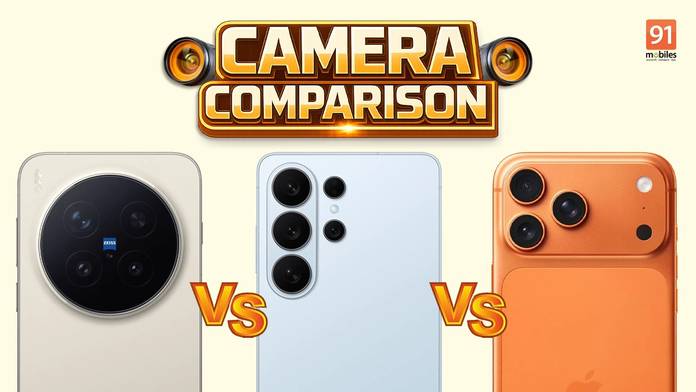
It’s 2026, and smartphone photography and videography have improved multifold over the last few years. Yet, there’s no sign of a slowdown soon, as brands are now taking it to the next level. Today we will be comparing three of the best camera smartphones currently in the market: the Samsung Galaxy S26 Ultra, the vivo X300 Pro, and the iPhone 17 Pro Max, and we’ll be pitting them against each other to compare their photography and videography prowess.
Before we dive into the camera analysis, here’s a quick look at the three phones’ camera systems.
Samsung Galaxy S26 Ultra | vivo X300 Pro | iPhone 17 Pro Max | |
Primary Camera | 200MP, f/1.4 with multi-directional PDAF, OIS | 50MP, f/1.6 with PDAF, OIS | 48MP, f/1.8 with Dual Pixel AF and sensor-shift OIS |
Secondary Camera | 50MP (5x periscope), f/2.9 with OIS | 200MP (3.7x periscope) f/2.7 with OIS | 48MP (4x periscope), f/2.8 sensor-shift OIS |
Tertiary Camera | 50MP (120˚ ultrawide) f/1.9 | 50MP (119˚ ultrawide) f/2.0 | 48MP (120˚ ultrawide) f/2.2 |
Quaternary | 10 MP (3x telephoto) f/2.4 with OIS | NA | TOF 3D LiDAR scanner (depth) |
Selfie Camera | 12MP f/2.2 with dual pixel PDAF | 50MP f/2.0 with AF | 18MP Multi-aspect f/1.9 PDAF |
Daylight
This daylight picture was captured during golden hour; it was a tricky shot to handle, even for flagship phones. Given the mix of elements, a lot of computational power is required to handle shadows, dynamic range, and more.
The picture captured from the iPhone 17 Pro Max is quite flat with minimal golden accents, and the overall look is dull. The vivo X300 Pro’s image has gone overboard with a contrasty look and artificial sharpness.

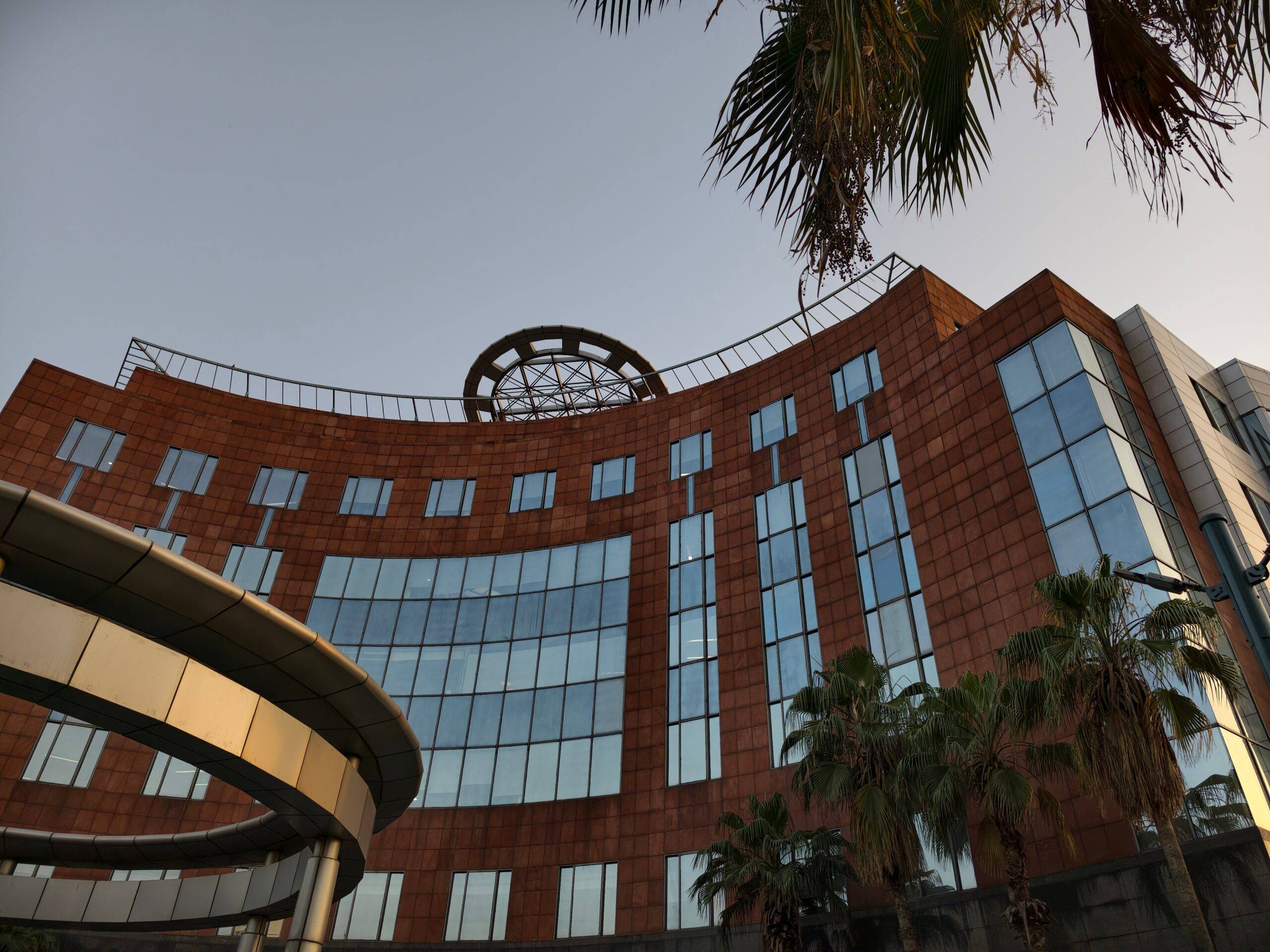
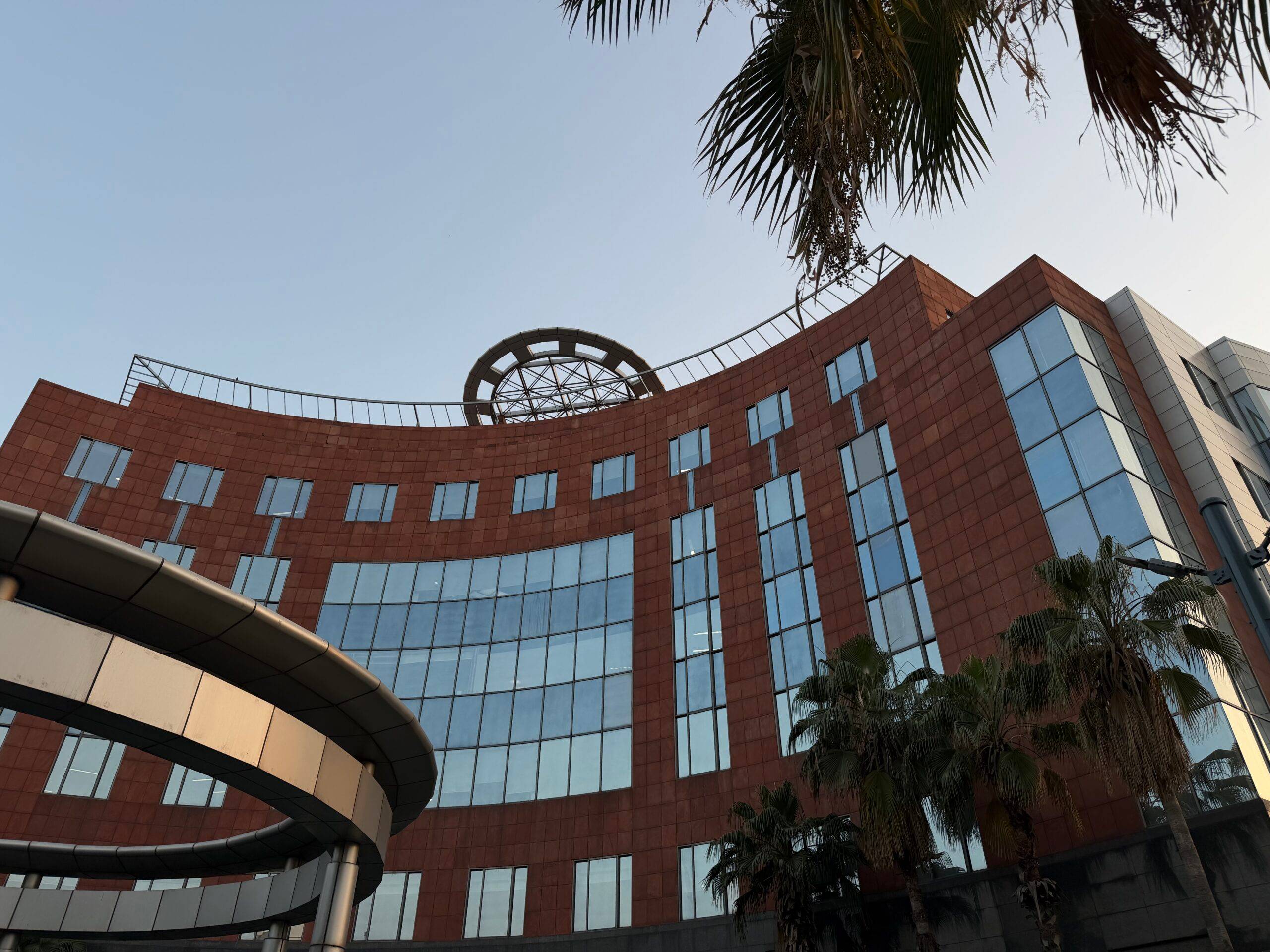
The Samsung Galaxy S26 Ultra did a great job with retaining how the scene looked to the human eye; the details aren’t oversharpened, and HDR processing is also better than the competition, with a clear distinction in shades of green and red.
Portrait
Moving over to portraits, the over-contrasty look with a cooler tone is present in vivo X300 Pro’s result, and artificial touch-ups can also be observed, like smoothening around facial features and sharpening the textual details on the tee.
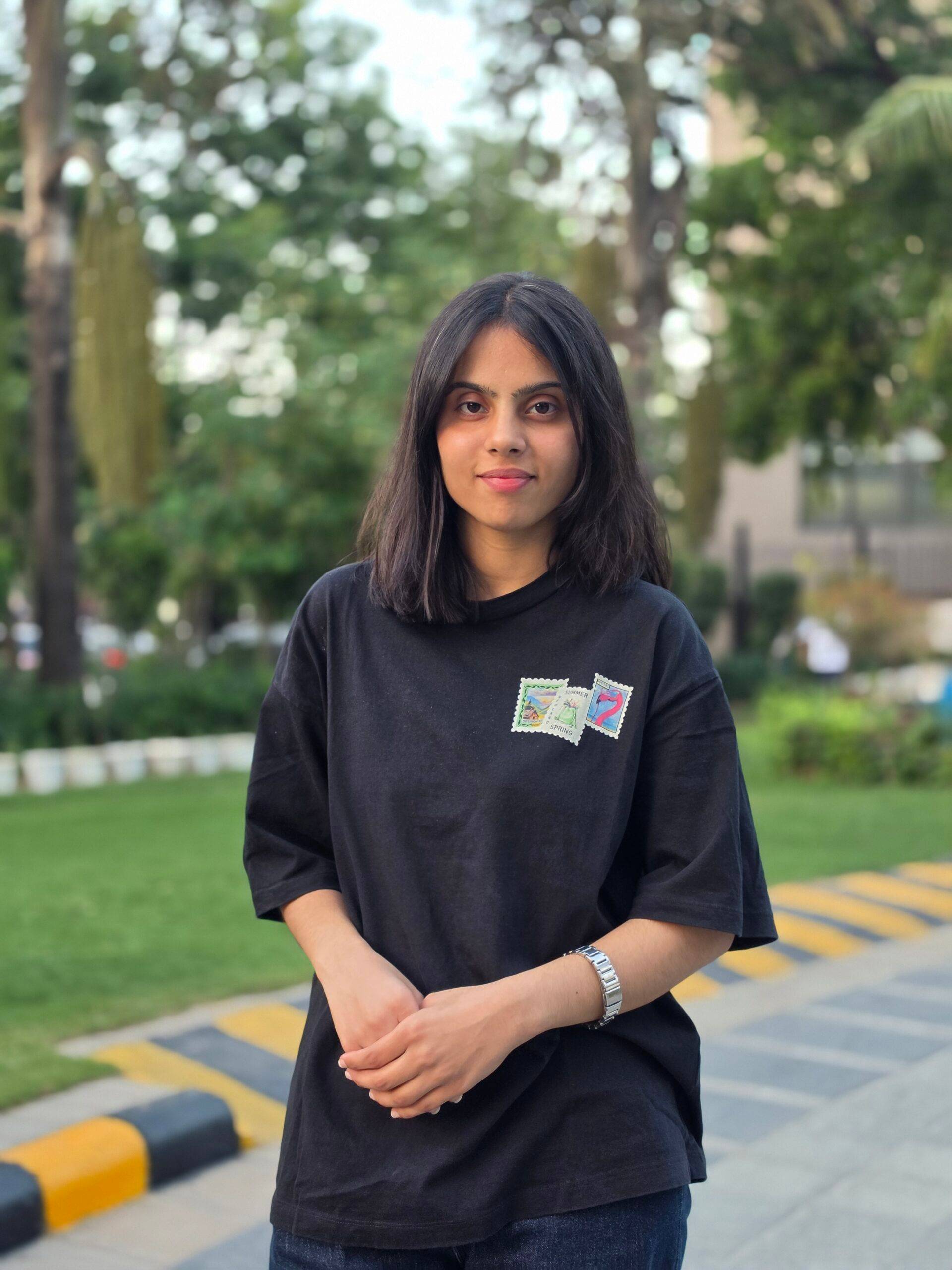
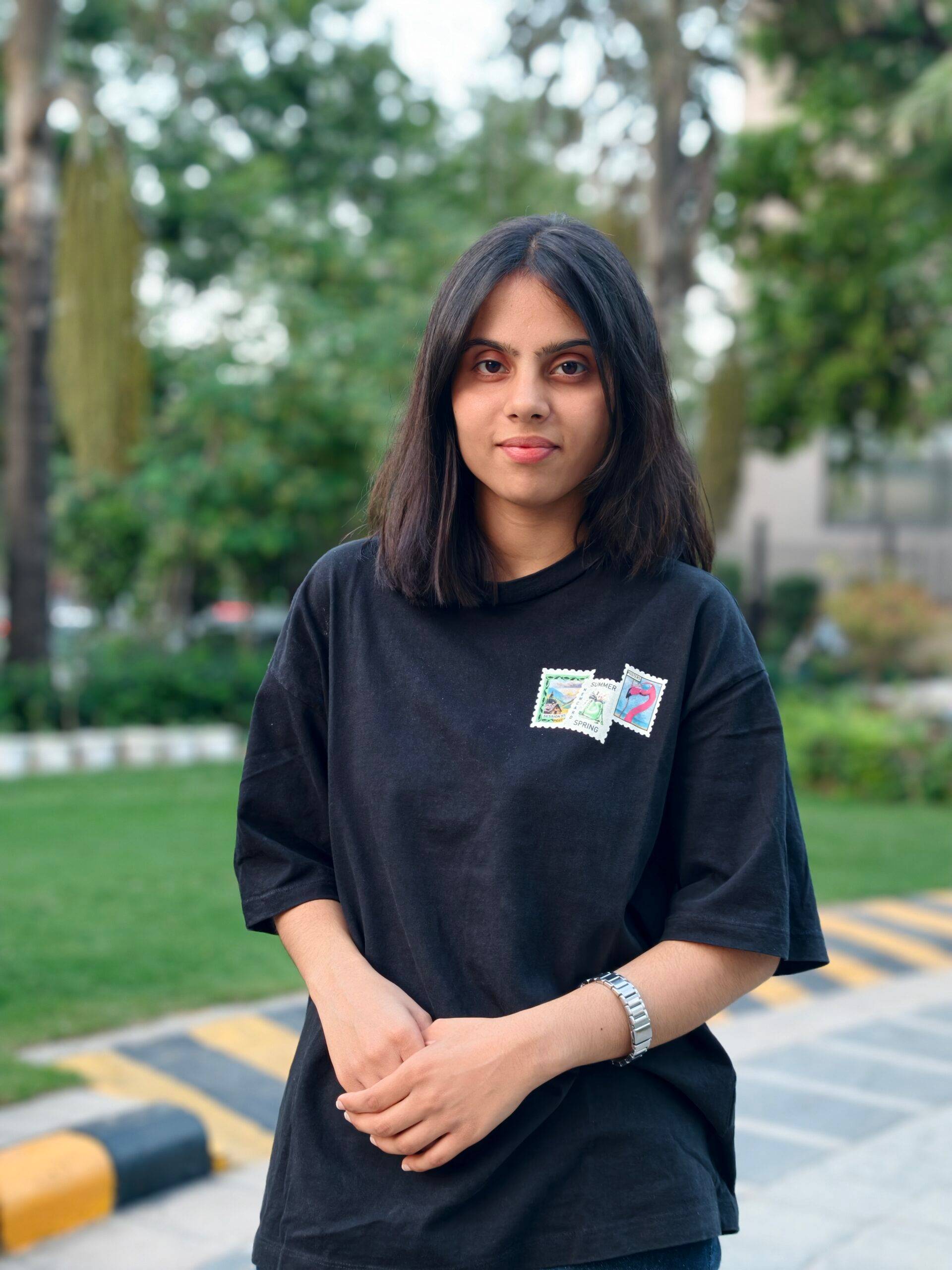
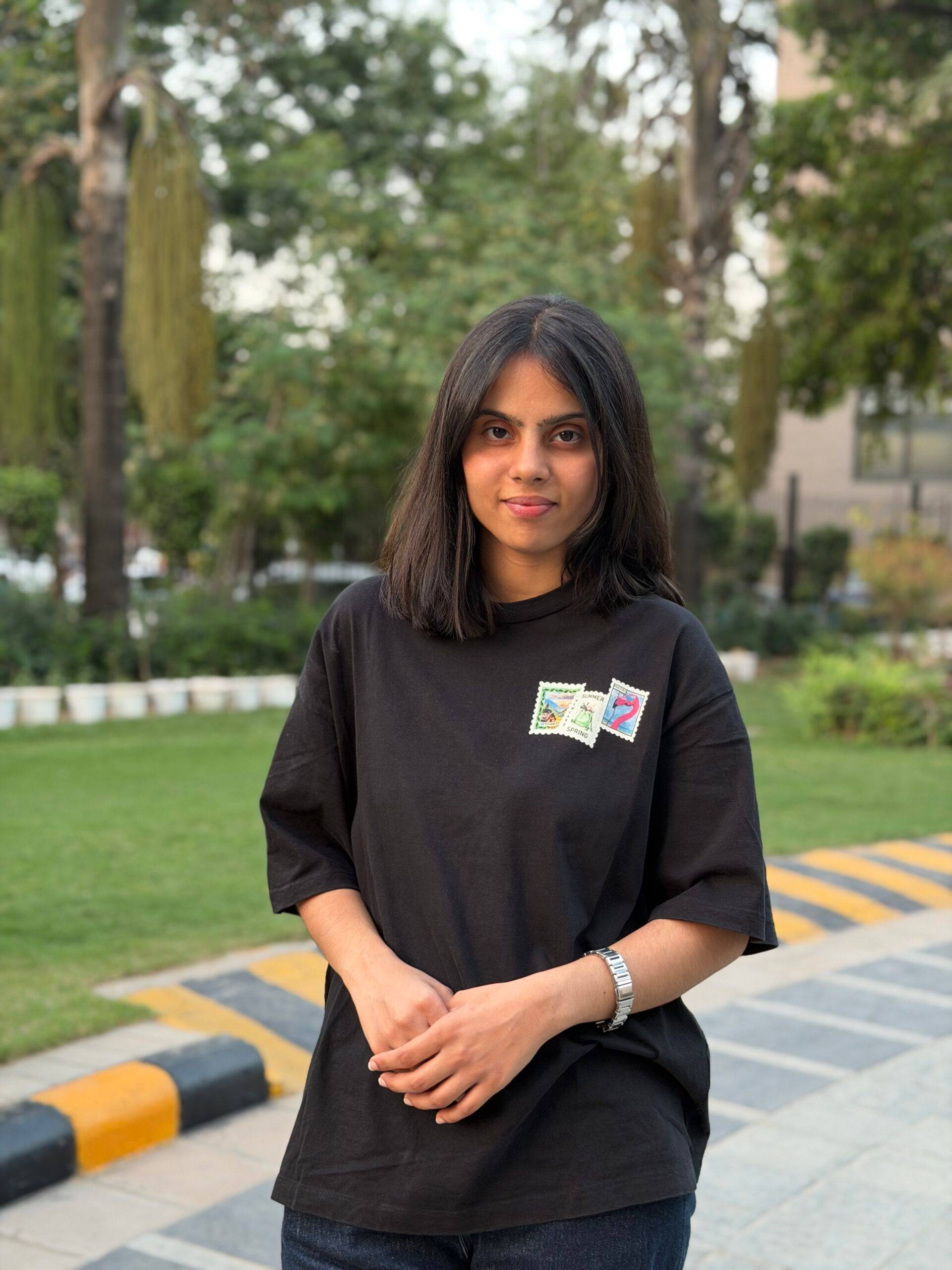
Left to right: Samsung Galaxy S26 Ultra, vivo X300 Pro, and iPhone 17 Pro Max
It’s a tough competition between the iPhone and Samsung. While the iPhone’s results have richer details, the overall picture has an aggressive warm tone, which is not how the actual scene was. Samsung’s result has a balance of warm and cool tones; the details look and colours are natural; and blacks aren’t aggressively boosted either.
Telephoto Zoom
At the 5x zoom level, the picture from the vivo X300 Pro looks heavily processed in terms of shadows, artificial details, and over-contrasty colours. The Samsung Galaxy S26 Ultra did a great job with details and a balanced colour profile; the shadows took a hit, though.



The iPhone 17 Pro Max handled shadows well but had an inconsistent colour profile, with reds muted and blues boosted. This again results in a tie between Samsung and iPhone.
Low-light
Night-time is when things get interesting, as it is here that computational photography takes centre stage. With less light entering the lens, the final outcome relies less on sensor data, and the phone’s true processing power kicks in. For this, we opted for a dynamic shot with a mix of landscape, greens, shadows, and texture.
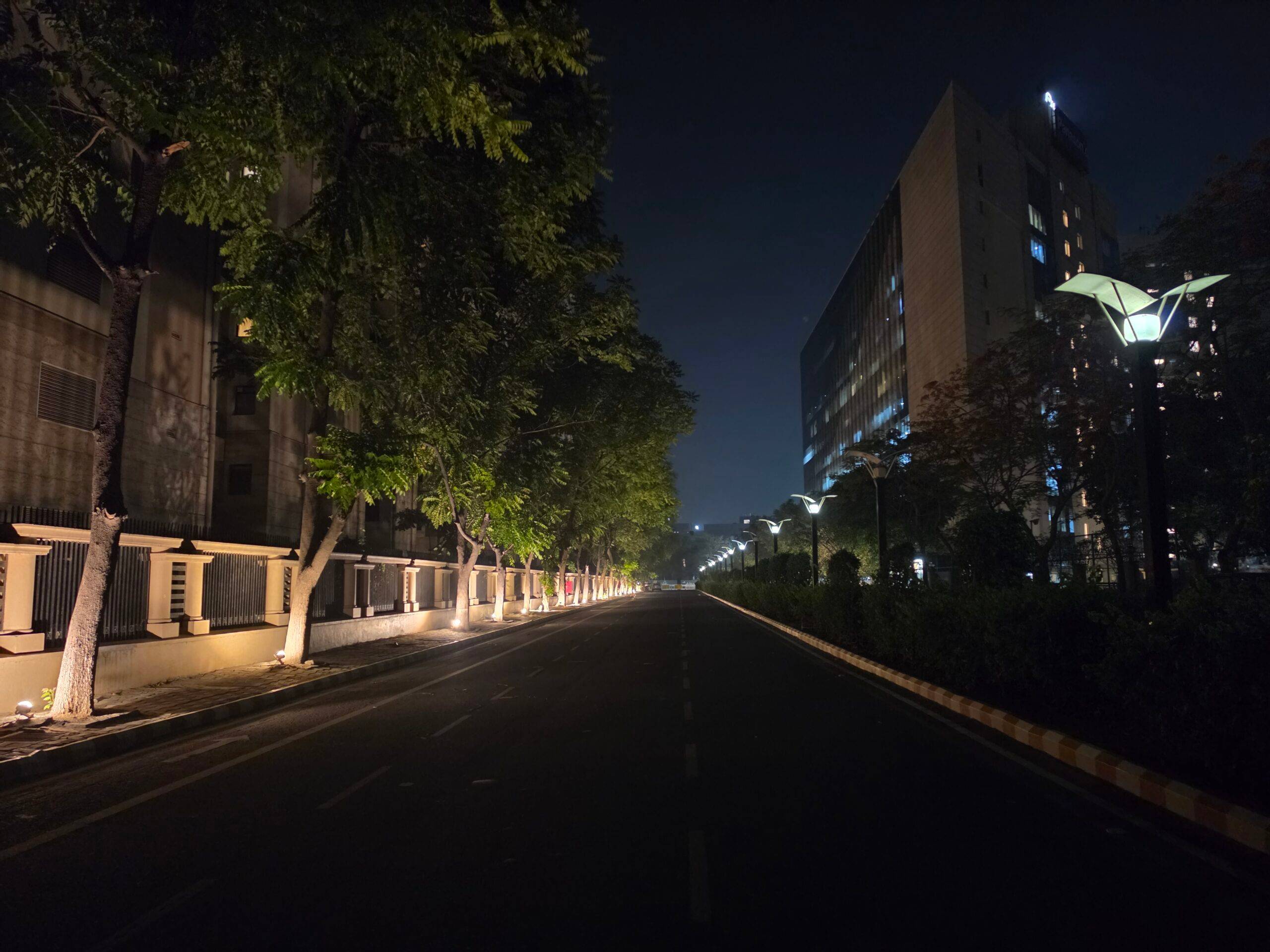
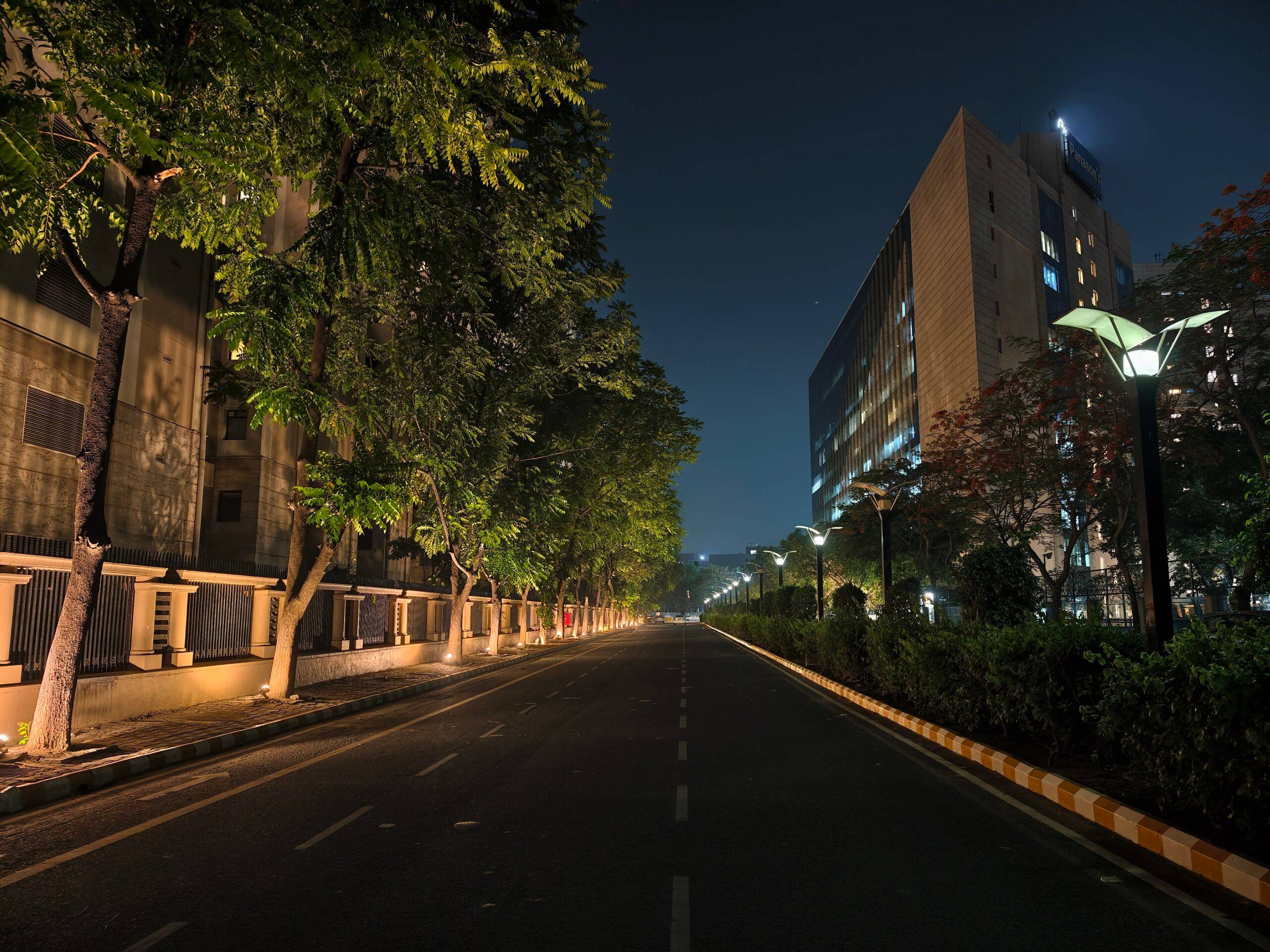
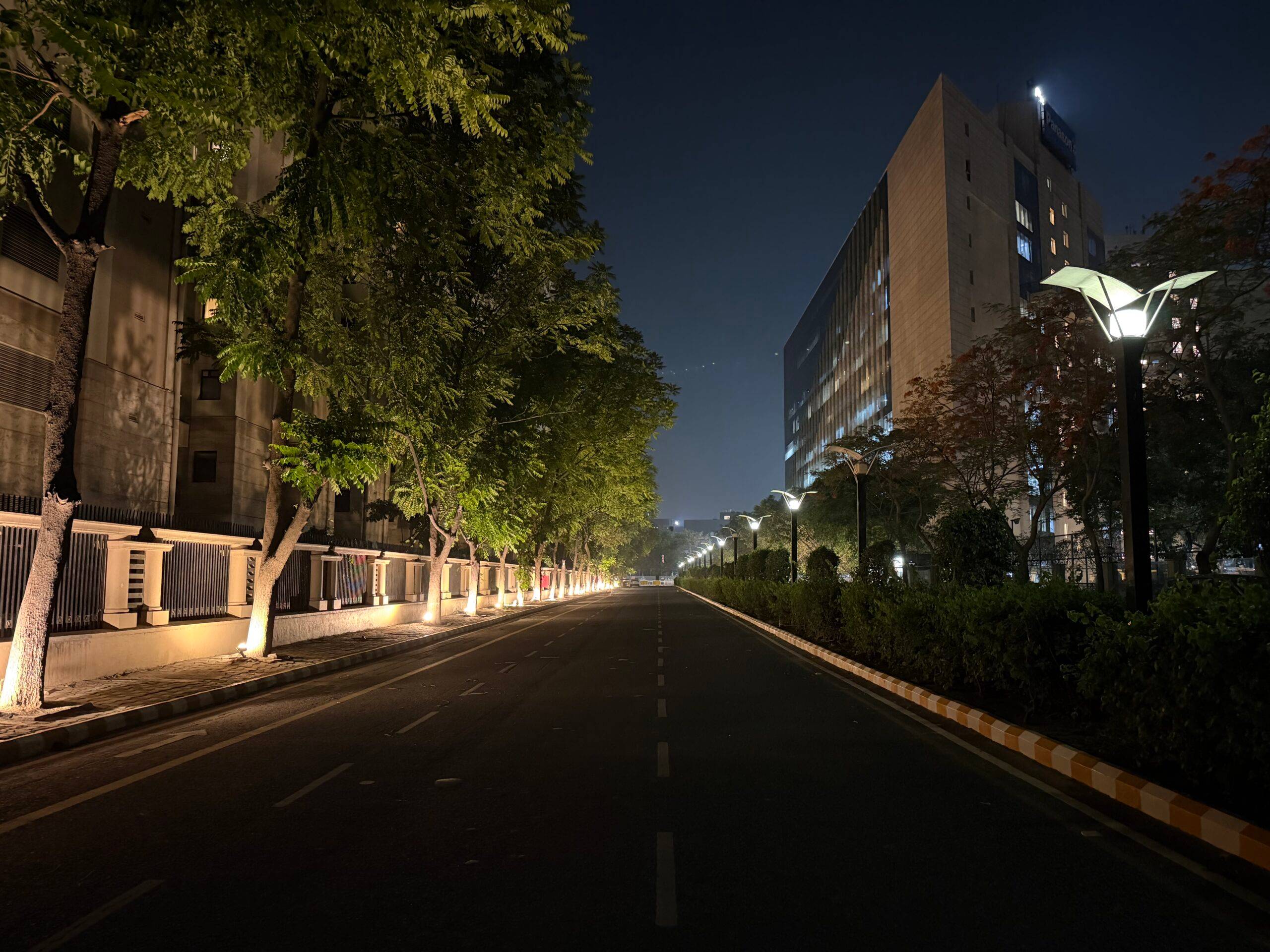
The picture from vivo X300 Pro has a strong denoising algorithm; colours are oversaturated, and shadows are killed, taking away the realism, with a heavily processed look. While the iPhone 17 Pro’s result looks eye-pleasing, it lacks details, has poor exposure control around light sources, and has a lens flare issue.
Instead of going for an eye-pleasing look, the Samsung S26 Ultra’s picture, with its balanced combination of detail and noise, looks realistic among the lot. It did the best job of balancing exposure around light sources without losing detail; shadows are also well preserved in dark areas.
Selfies
Moving to the selfies, the vivo X300 Pro again opts for an overcontrasty look with a cooler hue, resulting in boosted reds and darker shadows. The facial features and fabric details have been turned soft. The Samsung S26 Ultra preserves the golden hour look, has good details, and has the most natural skin tone, but the overall exposure is slightly on the higher side, killing shadows.

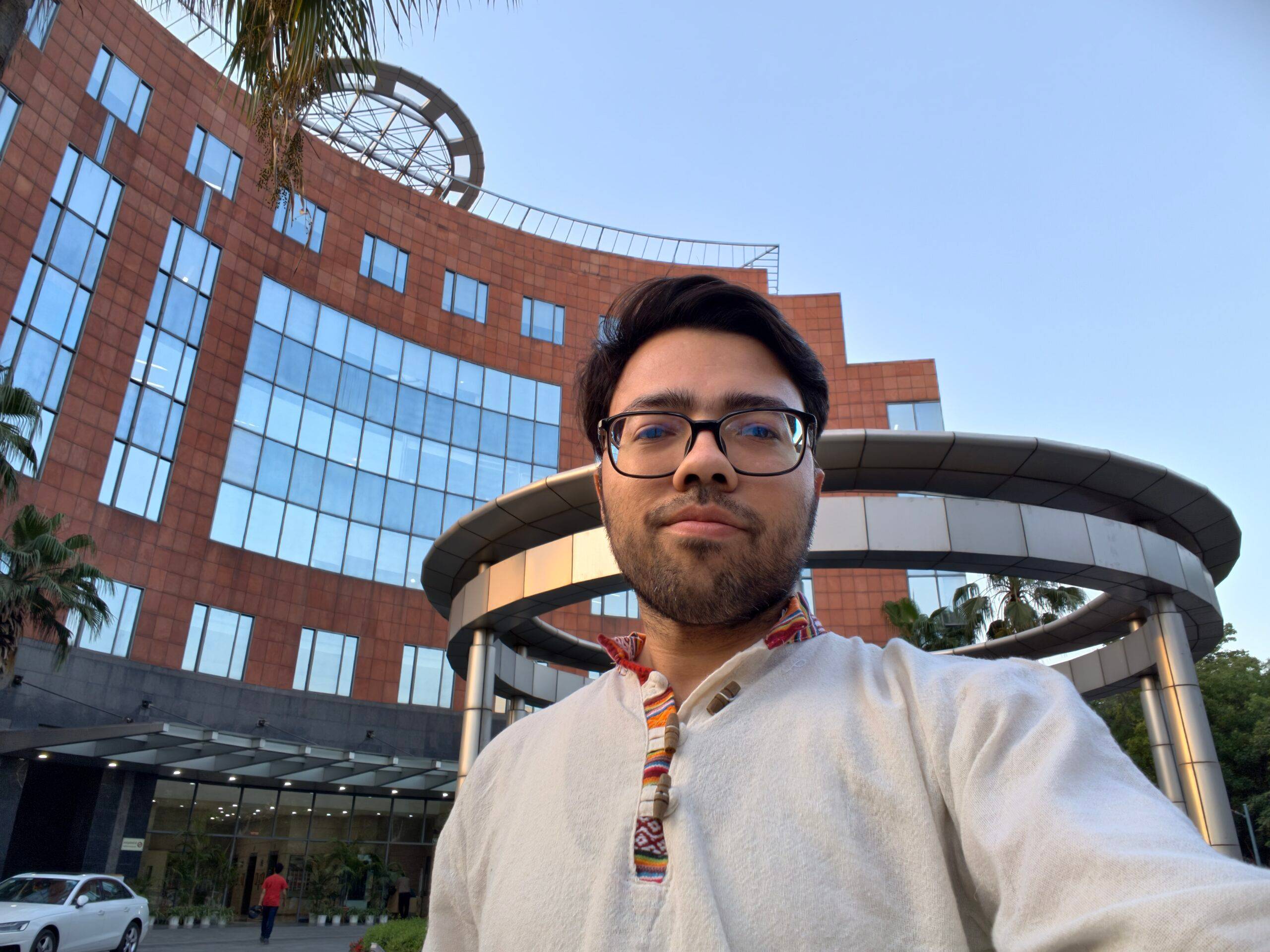
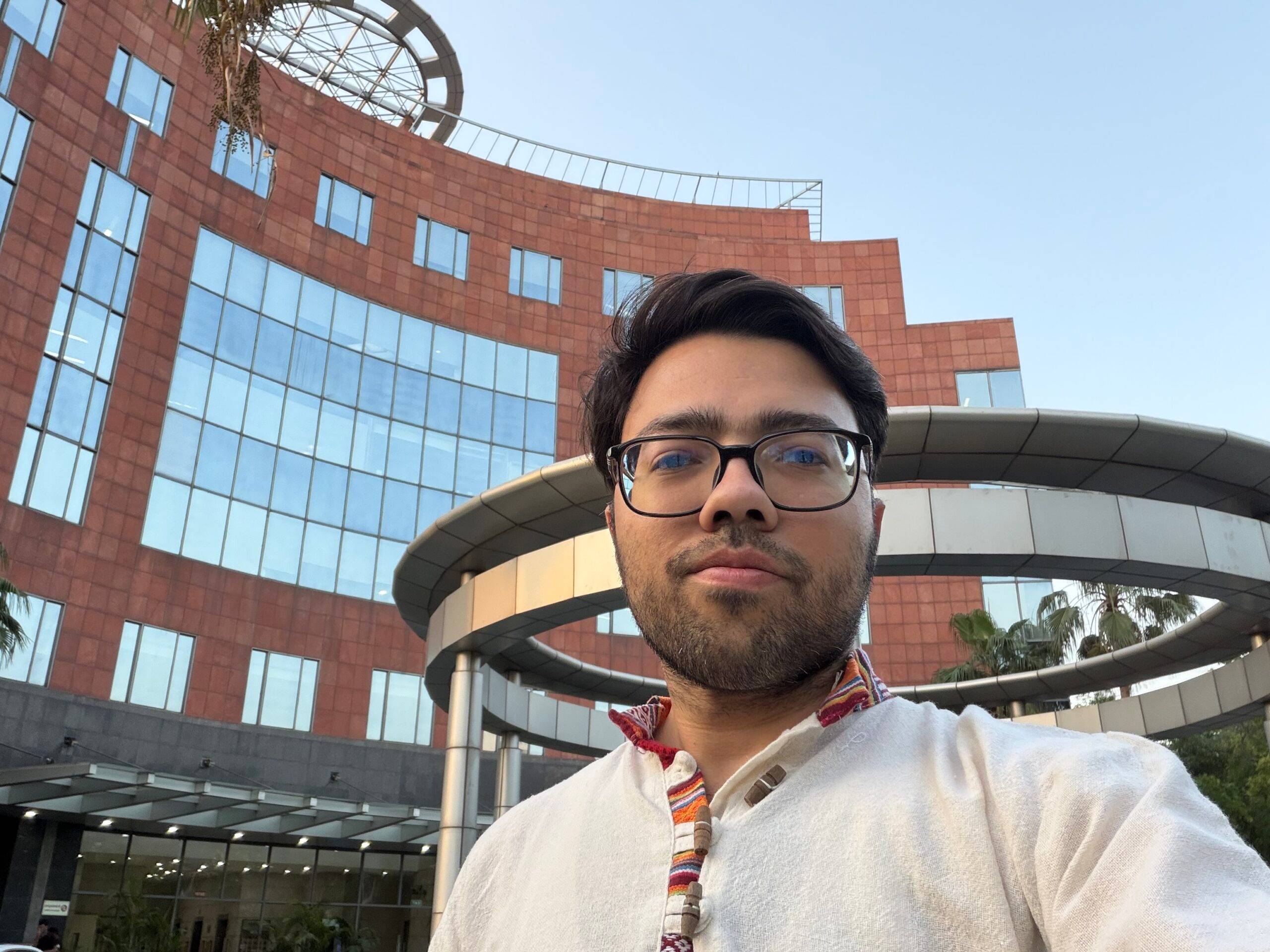
The selfie shot on the iPhone 17 Pro Max has the richest details, preserved shadows, and retains the golden-hour look. The red colour of the building came out best in the iPhone’s result.
Horizontal Lock
All three of these phones use OIS for video stabilisation, whereas the iPhone relies on the sensor-shift mechanism for its action mode stabilisation, and the vivo X300 Pro uses the CIPA 4.5 stabilisation. Samsung uses Super Steady with horizontal lock stabilisation as icing on the cake, which keeps the horizontal axis locked even if the phone’s orientation changes.
Here’s the side-by-side video stabilisation comparison of the three phones. The horizontal lock surely does the most impressive job here.
Nightography video
Moving on to the night-time videos, we opted for a scene featuring a mix of dark shadows, textures, vegetation, and sky. The same video sequence was recorded on each phone without any stabilisation kicking in, and when viewed side by side, here’s how the phones performed.
The results from vivo X300 Pro had an oversaturated and warm look; it messed up the sky’s colour profile, and a considerable amount of jitter and frame drops were present. The video shot on the iPhone 17 Pro Max retained natural colours, which some might prefer, but it looked dull and showed noticeable frame drops.
The Samsung Galaxy S26 Ultra’s video had neither any frame drops nor jitter. The overall stabilisation of the video was very smooth compared to the competition, and the colours were vibrant too. Overall, the Samsung Galaxy S26 Ultra performed best considering all parameters.
Video LUT application
Cinema-grade videography on a smartphone is something we’ve been hearing about lately. Even though all three smartphones are capable of recording log videos, that involves capturing a tonne of information, so the video retains details post-colour grading. However, it is not as easy as it seems.
While the iPhone 17 Pro Max is limited to recording log videos. The vivo X300 Pro and Samsung Galaxy S26 Ultra provide a live LUT preview during recording, giving an idea of how the video will turn out.
The vivo X300 Pro allows restoring the LUT used during preview. But things just don’t end here; the Samsung Galaxy S26 Ultra takes things to the next level. It not only gives you a LUT preview but also lets you test different LUT presets directly and apply them right from the default gallery app, something even the iPhone 17 Pro can’t do.
Verdict
This brings us to the end of our comparison. The Samsung Galaxy S26 Ultra, with its solid photography and exceptional videography aspects, leads this comparison. The images have realistic colour processing, natural details, and HDR processing in daylight shots, portraits, and low-light pictures and commendable results in 5x zoom shots and selfies. When it comes to videos, the horizontal lock and LUT application inside the gallery app on the Samsung Galaxy S26 Ultra are simply way ahead of the competition.
For night-time videos, it comes down to your personal preference between the Samsung Galaxy S26 Ultra and the iPhone 17 Pro Max. While the vivo X300 Pro produced social media-ready images, the high-contrast results may not be to everyone’s taste.