Samsung reclaims top spot in Indian smartphone market: Omdia report


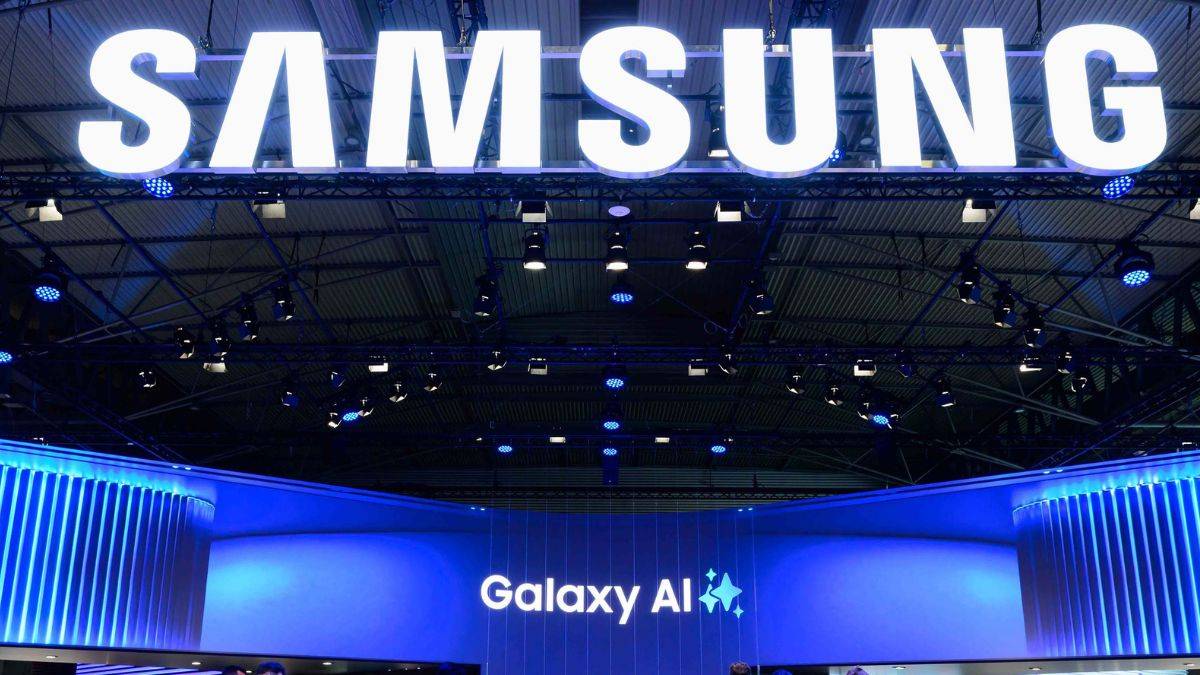
The Indian smartphone market has been in a slump, recording the lowest shipments, thanks to rampant price hikes due to a surge in RAM costs. According to Omdia’s latest report, smartphone shipments in India are seeing their lowest third-quarter volume since 2016, even with the festive season having just started. This has also caused some shifts in ranking, with Samsung reclaiming the top spot for the first time since the first quarter of 2024, beating Vivo’s long-term reign.
According to the report, Samsung shipped 6.7 million units in the third quarter (July-September) this year, with sales boosted by the budget Galaxy A07, Galaxy A17 and Galaxy A27 smartphones. In the premium segment, Samsung’s portfolio included the Galaxy S26 series, the Galaxy Z Fold8 lineup, and the S26 FE. Samsung also offered several financing options such as bank cashback, exchange benefits, and longer-tenure financing, which is said to have aided upgrades across price tiers.


Samsung managed to beat Vivo, which recorded the sharpest decline in shipments with 6.4 million units. The reason behind this is said to have been repeated price hikes. The Vivo Y11 5G and Y21 5G were the popular picks this time, with the Vivo S2 also contributing to the overall shipments.
The top five also includes OPPO, which ranked third with 4.9 million units shipped, followed by Xiaomi with shipments of 4.7 million units. Apple took the fifth spot with shipments of 3.9 million units, boosted by the iPhone 17 and 16 models, which continue to remain the popular picks.
According to Sanyam Chaurasia, Principal Analyst at Omdia, India’s smartphone market is shifting from festive online volume surges to selective, channel-driven growth. Weaker September shipments, caused by fewer exclusive launches, fewer budget options, and smaller discounts, eroded the online channel’s seasonal edge. As a result, Chinese OEMs saw their combined market share drop from 75 percent in Q3 2025 to roughly 68 percent in Q3 2026, while Samsung and Apple gained ground through strong premium portfolios, robust consumer demand, and solid channel partnerships.
Omdia predicts that pricing pressures will continue till the first half of 2026 at least. Chaurasia suggests that brands should now focus more on stronger channel partnerships, financing, trade-in and upgrade programs.