
vivo V50
+ Compare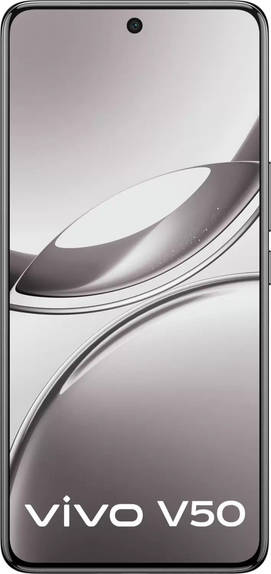








-
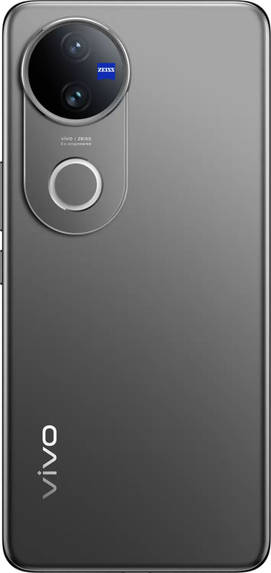
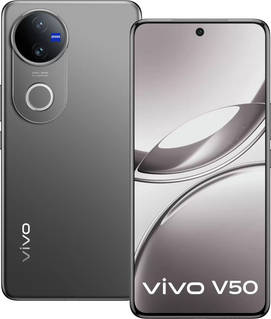
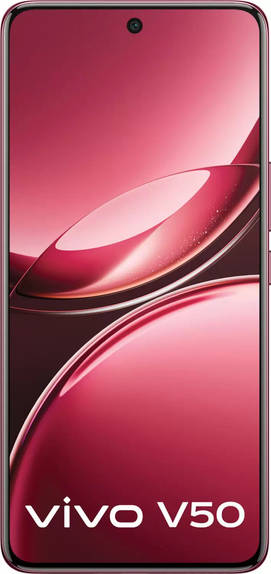
Design23

-
Rear Camera15

-
Front Camera4

-
360° View
![360° View]()
-
UI Screenshot17
![UI Screenshot]()
-
Videos1
![Videos]()



Key Specs
Performance
-
Qualcomm Snapdragon 7 Gen 3 -
Octa core (2.63 GHz, Single Core + 2.4 GHz, Tri core + 1.8 GHz, Quad core) -
8 GB / 12 GB RAM, LPDDR4X
Display
-
6.77 inches (17.2 cm); AMOLED (Curved Display) -
1080x2392 px (FHD+) -
120 Hz Refresh Rate -
Bezel-less with punch-hole display
Rear Camera
-
Dual Camera Setup - 50 MP Wide Angle Primary Camera
- 50 MP Ultra-Wide Angle Camera
-
Quad LED Flash -
4k @30 fps Video Recording
Front Camera
-
50 MP Wide Angle Lens -
4k @30 fps Video Recording
Battery
-
6000 mAh, Li-ion -
90W Flash Charging; USB Type-C port
General
-
SIM1: Nano, SIM2: Nano -
5G Supported -
128 GB / 256 GB / 512 GB internal storage, Non Expandable -
Dust Resistant, Water Resistant
vivo V50 Prices in India
 Flipkart
vivo V50 Compare Camera Samples









































vivo V50 Expert Review Summary
Expert Rating:
![Ashish Kumar]()
Verdict
The Vivo V50 stands out with its striking design, vibrant display, and feature-packed camera system optimised for wedding photography. Its enhanced durability, long-lasting battery, and refined software experience make it a strong contender in the mid-range segment. However, it faces tough competition from the OnePlus 13R and Motorola Edge 50 Pro, which have their respective strengths in areas like camera capabilities, raw performance, and charging speeds.
Pros
- Sleek and durable design
- Vibrant display
- Battery life
- Good selfie camera
Cons
- Ultrawide camera needs improvement
- Lags behind competitors in raw performance
Design and display
+
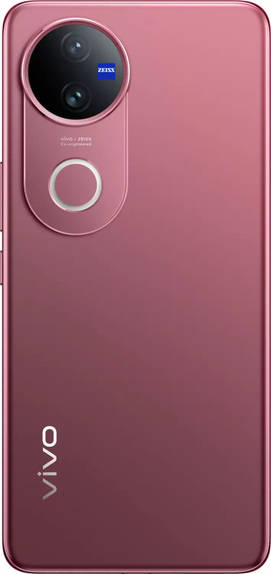
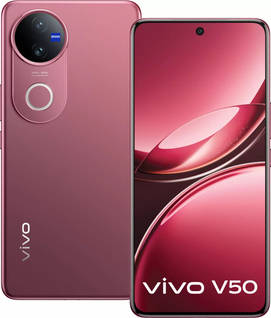
The Vivo V50 retains much of the design language of its predecessor, the V40, featuring a sleek form factor with curved edges and an elongated circular camera module. The key differentiator this time is the redesigned camera module, which now houses a larger Aura ring light without a dedicated auto-focus sensor. Vivo claims this enhancement improves low-light portrait photography. More on that in the dedicated camera section.SmartphoneThicknessIP ratingWeightVivo V507.39mm*IP69189 grams*OnePlus 13R8mmIP65206 gramsMotorola Edge 50 Pro8.19mmIP68186 grams*For the Titanium Gray colour variant.Vivo has also enhanced the V50's durability, equipping it with an IP69 water and dust resistance rating and a flatter display for added resilience. The screen features Advanced Shield Glass, a Custom Anti-Drop Protective Film, and shock-absorbing cushions at all four corners to minimise damage from accidental drops. Vivo states that the V50 has undergone over 70 rigorous tests, including drop and twist assessments, to ensure superior durability. I will still recommend using a protective case to avoid accidental damages.Besides these structural changes, Vivo has introduced the V50 in two new colour schemes: Starry Blue and Rose Red. The Rose Red variant features a matte finish, offering a more subtle aesthetic, while Starry Blue is more striking—making the V50 the first handset in India to feature stereoscopic holographic display technology. This technology creates a dynamic, light-based effect, shifting colours and revealing a starry design when light hits the surface.Vivo V50 is launching in India soon. Check out some design shots of the phone in Rose Red and Starry Night✨ pic.twitter.com/j5aV5jZmGe— 91mobiles (@91mobiles) February 6, 2025While visually captivating, the effect isn't as seamless even with a transparent case. Without one, however, the phone's glossy back becomes a magnet for fingerprints and smudges, somewhat diminishing its appeal. Be that as it may, the Starry Blue colour variant will be a good option for those who love to flaunt their smartphones.The Vivo V50 features an in-display fingerprint scanner, which takes a fraction of a second to unlock the smartphone and is quite reliable. As for I/O, the phone offers a USB Type-C port at the bottom edge for charging and data transfer. Audio performance is bolstered by stereo speakers, delivering an immersive listening experience with a maximum output of 80.1 decibels—matching industry competitors.SmartphoneDisplay sizePeak brightnessVivo V506.77-inch AMOLED4,500 nitsOnePlus 13R6.77-inch AMOLED4,500 nitsMotorola Edge 50 Pro6.7-inch pOLED1,600 nits
Read More
Cameras
+
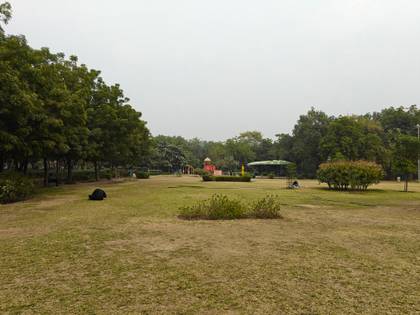
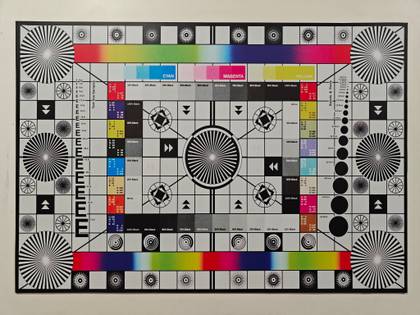
The Vivo V50's camera setup is unchanged from its predecessor. The handset sports Zeiss-powered dual rear cameras comprising 50MP OIS primary and 50MP 119-degree FoV ultrawide sensors. The front camera is also a 50MP shooter for selfies and video calling. The cameras have been optimised to deliver images with tonal accuracy and reduced noise. While the latter wasn't always the case in certain scenarios, the V50's colour science remained closer to reality during our testing.For enhanced photography compared to the previous iteration, the V50 includes image stabilisation for blur-free shots and introduces seven portrait styles, with new iterations including Distagon, Sonnar, and B-Speed. These additions refine the smartphone's wedding photography capabilities, offering unique bokeh effects. Distagon, at 23mm (1x), produces a hexagonal bokeh, B-Speed at 35mm (1.5x) creates a triangular bokeh, and Biotar at 50mm (2x) delivers a distinctive swirly bokeh effect. The Vivo V50 portraits and portrait styles can be appreciated for their edge detection and pleasing bokeh effect, but the facial details appear underwhelming.Additionally, the Vivo V50 introduces exclusive Film Camera modes with a dedicated wedding frame, which is customisable for easy posting on social media platforms. It also features AI Studio Light Portrait 2.0, which offers a 100 percent increase in light output area compared to its predecessor. This light boost ensures pleasing low-light portraits without any harsh glare.The overall Vivo V50 camera performance remains respectable with colour accuracy and dynamic range. But, how do the Vivo V50 cameras compare to competitors such as OnePlus 13R and Motorola Edge 50 Pro in various lighting conditions? Read on to find out.DaylightThe Vivo V50 captures daylight images with an impressive dynamic range, delivering accurate colours and well-preserved details. However, its sharpness falls slightly short compared to the OnePlus 13R. The OnePlus device subtly overexposes images to preserve those finer details, which can appear lost on the Vivo V50 when zoomed in at 100 percent. That said, the 13R's tendency to favour warm tones means it doesn't highlight shadows as effectively as the Vivo, a trait that may appeal more to social media enthusiasts.Compared to the Motorola Edge 50, the Vivo V50 offers more accurate colour representation but falls short in detail again. In contrast, Motorola enhances colours for a more vibrant and dramatic effect.Ultra-wideThe results are similar in ultrawide shots. Despite having a smaller 8MP ultrawide sensor, the OnePlus 13R captures finer details that are lost on the Vivo V50, which utilises a 50MP sensor. The OnePlus also produces brighter images with better focus around the edges. In contrast, the Vivo V50 delivers more contrast-heavy images with deeper shadows, making them visually striking compared to its counterpart.The Vivo V50 outshines the Motorola Edge 50 Pro with more consistent colour science when switching from the primary camera to the ultra-wide lens. Its tones appear more true to life, whereas the Edge 50 Pro excessively boosts colours. However, the Motorola device compensates with superior detail reproduction.PortraitThe OnePlus 13R's dedicated telephoto lens delivers superior facial details compared to the Vivo V50 in portraits. When captured at a 50mm focal length, the Vivo smartphone tends to smooth out facial details and overexpose images, resulting in inaccurate skin tones and clothing colours. That said, the Vivo device excels in producing a more natural-looking bokeh effect while its edge detection appears on par with the competition.These portraits were captured at a 35mm focal length on both smartphones. The Vivo V50 produces images with soft hues and crushed shadows, while the Motorola Edge 50 Pro delivers deeper tones and more accurate skin colours. However, the Vivo excels in edge detection and fine details, with a more visually pleasing bokeh effect.SelfieIn selfies, the Vivo V50 outshines the OnePlus 13R with its superior 50MP front-facing camera. It delivers better exposure for facial details and background elements, surpassing its rival. Additionally, the Vivo smartphone preserves shadows effectively and maintains true-to-life skin tones for a more natural look.The Vivo V50 also outperforms the Motorola Edge 50 Pro in selfies. While both smartphones capture similar facial details, the Motorola's colours appear slightly washed out. Additionally, the Vivo offers better exposure, preserving more background details.Low-lightThe cold tones of the Vivo V50 help it deliver better images than the OnePlus 13R in low light. The smartphone mimics the actual scene with slightly boosted colours along with well-preserved shadows and minimum light flare. The details also appear superior on the Vivo V50.In low light, the Motorola Edge 50 Pro manages light flare more effectively than the Vivo V50. It also smooths out images to reduce graininess, though this comes at the cost of some detail. In contrast, the Vivo V50 retains more detail but at the expense of increased noise.Night modeWith night mode enabled, the OnePlus 13R enhances images slightly but distortion is still noticeable across the frame. In contrast, the Vivo V50 excels at preserving details, though its night mode introduces some grain. Additionally, the device boosts colours, making images more visually appealing but less accurate in representing the scene.With Night Mode enabled, the Vivo V50 reduces graininess while boosting colours. In contrast, the Motorola Edge 50 Pro shows minimal change, maintaining a similar appearance to its standard low-light shots.
Read More
Performance and software
+
At the heart of the Vivo V50 is the Snapdragon 7 Gen 3 SoC, a dependable mid-range chipset that has powered several smartphones, including last year's Vivo V40. The device offers smooth, lag-free performance for everyday tasks and multitasking, thanks to well-optimised software. However, in synthetic benchmarks, it falls short compared to rivals like the OnePlus 13R, which achieves higher scores on both AnTuTu and Geekbench.That said, the Vivo V50 holds its own under sustained workloads, matching the OnePlus 13R in the same CPU Throttle test. Additionally, it offers better thermal efficiency and a more stable gaming experience, making it a solid choice for users prioritising sustained performance over peak benchmark numbers. At similar graphics and frame rate settings, the Vivo V50 heated up by 16.8 degrees Celsius on aggregate as opposed to 27.5 degrees on the OnePlus 13R while playing BGMI, Call of Duty, and Real Racing 3 for 90 minutes. The gameplay is also relatively smoother on the smartphone, although the difference may not be apparent.When it comes to software, the Vivo V50 runs Android 15-based FunTouch OS 15 out of the box. While the pre-installed apps are in number (51 to be exact), the third-party apps are limited to just five: Amazon, LinkedIn, PhonePe, Netflix, and Facebook. These are some of the most common smartphone apps and can be removed if necessary.The overall software experience remains pretty intuitive. There aren't significant changes to the UI from the previous iteration, but the phone provides a suite of AI features. While the features may not be unique to the device, they prove highly useful—whether you're effortlessly removing unwanted objects from an image with AI Eraser 2.0 or quickly searching the web for on-screen content using Circle to Search.SmartphonePre-installed appsOS updatesVivo V50513 years major + 4 years securityOnePlus 13R473 years major + 4 years securityMotorola Edge 50 Pro413 years major + 4 years security
Read More
Battery and charging
+
Like most new-gen Android devices, the Vivo V50 boasts a 6,000mAh battery, which is substantial enough to provide at least a day's backup and then some on regular usage. The PCMark battery test, which automates a series of tasks till the battery life drops below 20 percent from 100 percent, is a testimony to that. The handset lasted for a solid 16 hours and 16 minutes during the test, which is higher than both OnePlus 13R and Motorola Edge 50 Pro's score. During our video streaming test, the Vivo smartphone consumed a respectable 3 percent battery life after 30 minutes with 50 percent brightness and volume level.SmartphoneBattery and charging speedsCharging time (20-100 percent)Vivo V506,000mAh (90W)39 minutesOnePlus 13R6,000mAh (80W)47 minutesMotorola Edge 50 Pro4,500mAh (125W)16 minutes
Read More
Read full Review

Verdict
The Vivo V50 stands out with its striking design, vibrant display, and feature-packed camera system optimised for wedding photography. Its enhanced durability, long-lasting battery, and refined software experience make it a strong contender in the mid-range segment. However, it faces tough competition from the OnePlus 13R and Motorola Edge 50 Pro, which have their respective strengths in areas like camera capabilities, raw performance, and charging speeds.
- Sleek and durable design
- Vibrant display
- Battery life
- Good selfie camera
Pros
- Ultrawide camera needs improvement
- Lags behind competitors in raw performance
Cons
Design and display
+The Vivo V50 retains much of the design language of its predecessor, the V40, featuring a sleek form factor with curved edges and an elongated circular camera module. The key differentiator this time is the redesigned camera module, which now houses a larger Aura ring light without a dedicated auto-focus sensor. Vivo claims this enhancement improves low-light portrait photography. More on that in the dedicated camera section.SmartphoneThicknessIP ratingWeightVivo V507.39mm*IP69189 grams*OnePlus 13R8mmIP65206 gramsMotorola Edge 50 Pro8.19mmIP68186 grams*For the Titanium Gray colour variant.Vivo has also enhanced the V50's durability, equipping it with an IP69 water and dust resistance rating and a flatter display for added resilience. The screen features Advanced Shield Glass, a Custom Anti-Drop Protective Film, and shock-absorbing cushions at all four corners to minimise damage from accidental drops. Vivo states that the V50 has undergone over 70 rigorous tests, including drop and twist assessments, to ensure superior durability. I will still recommend using a protective case to avoid accidental damages.Besides these structural changes, Vivo has introduced the V50 in two new colour schemes: Starry Blue and Rose Red. The Rose Red variant features a matte finish, offering a more subtle aesthetic, while Starry Blue is more striking—making the V50 the first handset in India to feature stereoscopic holographic display technology. This technology creates a dynamic, light-based effect, shifting colours and revealing a starry design when light hits the surface.Vivo V50 is launching in India soon. Check out some design shots of the phone in Rose Red and Starry Night✨ pic.twitter.com/j5aV5jZmGe— 91mobiles (@91mobiles) February 6, 2025While visually captivating, the effect isn't as seamless even with a transparent case. Without one, however, the phone's glossy back becomes a magnet for fingerprints and smudges, somewhat diminishing its appeal. Be that as it may, the Starry Blue colour variant will be a good option for those who love to flaunt their smartphones.The Vivo V50 features an in-display fingerprint scanner, which takes a fraction of a second to unlock the smartphone and is quite reliable. As for I/O, the phone offers a USB Type-C port at the bottom edge for charging and data transfer. Audio performance is bolstered by stereo speakers, delivering an immersive listening experience with a maximum output of 80.1 decibels—matching industry competitors.SmartphoneDisplay sizePeak brightnessVivo V506.77-inch AMOLED4,500 nitsOnePlus 13R6.77-inch AMOLED4,500 nitsMotorola Edge 50 Pro6.7-inch pOLED1,600 nits
Read MoreCameras
+The Vivo V50's camera setup is unchanged from its predecessor. The handset sports Zeiss-powered dual rear cameras comprising 50MP OIS primary and 50MP 119-degree FoV ultrawide sensors. The front camera is also a 50MP shooter for selfies and video calling. The cameras have been optimised to deliver images with tonal accuracy and reduced noise. While the latter wasn't always the case in certain scenarios, the V50's colour science remained closer to reality during our testing.For enhanced photography compared to the previous iteration, the V50 includes image stabilisation for blur-free shots and introduces seven portrait styles, with new iterations including Distagon, Sonnar, and B-Speed. These additions refine the smartphone's wedding photography capabilities, offering unique bokeh effects. Distagon, at 23mm (1x), produces a hexagonal bokeh, B-Speed at 35mm (1.5x) creates a triangular bokeh, and Biotar at 50mm (2x) delivers a distinctive swirly bokeh effect. The Vivo V50 portraits and portrait styles can be appreciated for their edge detection and pleasing bokeh effect, but the facial details appear underwhelming.Additionally, the Vivo V50 introduces exclusive Film Camera modes with a dedicated wedding frame, which is customisable for easy posting on social media platforms. It also features AI Studio Light Portrait 2.0, which offers a 100 percent increase in light output area compared to its predecessor. This light boost ensures pleasing low-light portraits without any harsh glare.The overall Vivo V50 camera performance remains respectable with colour accuracy and dynamic range. But, how do the Vivo V50 cameras compare to competitors such as OnePlus 13R and Motorola Edge 50 Pro in various lighting conditions? Read on to find out.DaylightThe Vivo V50 captures daylight images with an impressive dynamic range, delivering accurate colours and well-preserved details. However, its sharpness falls slightly short compared to the OnePlus 13R. The OnePlus device subtly overexposes images to preserve those finer details, which can appear lost on the Vivo V50 when zoomed in at 100 percent. That said, the 13R's tendency to favour warm tones means it doesn't highlight shadows as effectively as the Vivo, a trait that may appeal more to social media enthusiasts.Compared to the Motorola Edge 50, the Vivo V50 offers more accurate colour representation but falls short in detail again. In contrast, Motorola enhances colours for a more vibrant and dramatic effect.Ultra-wideThe results are similar in ultrawide shots. Despite having a smaller 8MP ultrawide sensor, the OnePlus 13R captures finer details that are lost on the Vivo V50, which utilises a 50MP sensor. The OnePlus also produces brighter images with better focus around the edges. In contrast, the Vivo V50 delivers more contrast-heavy images with deeper shadows, making them visually striking compared to its counterpart.The Vivo V50 outshines the Motorola Edge 50 Pro with more consistent colour science when switching from the primary camera to the ultra-wide lens. Its tones appear more true to life, whereas the Edge 50 Pro excessively boosts colours. However, the Motorola device compensates with superior detail reproduction.PortraitThe OnePlus 13R's dedicated telephoto lens delivers superior facial details compared to the Vivo V50 in portraits. When captured at a 50mm focal length, the Vivo smartphone tends to smooth out facial details and overexpose images, resulting in inaccurate skin tones and clothing colours. That said, the Vivo device excels in producing a more natural-looking bokeh effect while its edge detection appears on par with the competition.These portraits were captured at a 35mm focal length on both smartphones. The Vivo V50 produces images with soft hues and crushed shadows, while the Motorola Edge 50 Pro delivers deeper tones and more accurate skin colours. However, the Vivo excels in edge detection and fine details, with a more visually pleasing bokeh effect.SelfieIn selfies, the Vivo V50 outshines the OnePlus 13R with its superior 50MP front-facing camera. It delivers better exposure for facial details and background elements, surpassing its rival. Additionally, the Vivo smartphone preserves shadows effectively and maintains true-to-life skin tones for a more natural look.The Vivo V50 also outperforms the Motorola Edge 50 Pro in selfies. While both smartphones capture similar facial details, the Motorola's colours appear slightly washed out. Additionally, the Vivo offers better exposure, preserving more background details.Low-lightThe cold tones of the Vivo V50 help it deliver better images than the OnePlus 13R in low light. The smartphone mimics the actual scene with slightly boosted colours along with well-preserved shadows and minimum light flare. The details also appear superior on the Vivo V50.In low light, the Motorola Edge 50 Pro manages light flare more effectively than the Vivo V50. It also smooths out images to reduce graininess, though this comes at the cost of some detail. In contrast, the Vivo V50 retains more detail but at the expense of increased noise.Night modeWith night mode enabled, the OnePlus 13R enhances images slightly but distortion is still noticeable across the frame. In contrast, the Vivo V50 excels at preserving details, though its night mode introduces some grain. Additionally, the device boosts colours, making images more visually appealing but less accurate in representing the scene.With Night Mode enabled, the Vivo V50 reduces graininess while boosting colours. In contrast, the Motorola Edge 50 Pro shows minimal change, maintaining a similar appearance to its standard low-light shots.
Read MorePerformance and software
+At the heart of the Vivo V50 is the Snapdragon 7 Gen 3 SoC, a dependable mid-range chipset that has powered several smartphones, including last year's Vivo V40. The device offers smooth, lag-free performance for everyday tasks and multitasking, thanks to well-optimised software. However, in synthetic benchmarks, it falls short compared to rivals like the OnePlus 13R, which achieves higher scores on both AnTuTu and Geekbench.That said, the Vivo V50 holds its own under sustained workloads, matching the OnePlus 13R in the same CPU Throttle test. Additionally, it offers better thermal efficiency and a more stable gaming experience, making it a solid choice for users prioritising sustained performance over peak benchmark numbers. At similar graphics and frame rate settings, the Vivo V50 heated up by 16.8 degrees Celsius on aggregate as opposed to 27.5 degrees on the OnePlus 13R while playing BGMI, Call of Duty, and Real Racing 3 for 90 minutes. The gameplay is also relatively smoother on the smartphone, although the difference may not be apparent.When it comes to software, the Vivo V50 runs Android 15-based FunTouch OS 15 out of the box. While the pre-installed apps are in number (51 to be exact), the third-party apps are limited to just five: Amazon, LinkedIn, PhonePe, Netflix, and Facebook. These are some of the most common smartphone apps and can be removed if necessary.The overall software experience remains pretty intuitive. There aren't significant changes to the UI from the previous iteration, but the phone provides a suite of AI features. While the features may not be unique to the device, they prove highly useful—whether you're effortlessly removing unwanted objects from an image with AI Eraser 2.0 or quickly searching the web for on-screen content using Circle to Search.SmartphonePre-installed appsOS updatesVivo V50513 years major + 4 years securityOnePlus 13R473 years major + 4 years securityMotorola Edge 50 Pro413 years major + 4 years security
Read MoreBattery and charging
+Like most new-gen Android devices, the Vivo V50 boasts a 6,000mAh battery, which is substantial enough to provide at least a day's backup and then some on regular usage. The PCMark battery test, which automates a series of tasks till the battery life drops below 20 percent from 100 percent, is a testimony to that. The handset lasted for a solid 16 hours and 16 minutes during the test, which is higher than both OnePlus 13R and Motorola Edge 50 Pro's score. During our video streaming test, the Vivo smartphone consumed a respectable 3 percent battery life after 30 minutes with 50 percent brightness and volume level.SmartphoneBattery and charging speedsCharging time (20-100 percent)Vivo V506,000mAh (90W)39 minutesOnePlus 13R6,000mAh (80W)47 minutesMotorola Edge 50 Pro4,500mAh (125W)16 minutes
Read MoreCompetitors For vivo V50
View Alternatives








Popular Comparisons
 vivo V50
 vivo V60
vivo V50
 vivo V40
vivo V50
 vivo T4 Ultra
vivo V50
 vivo T4 Pro
vivo V50
 vivo V70
vivo V50
 vivo V80 5G




vivo V50 Specifications
General |
|
|---|---|
| Launch Date | February 17, 2025 (Official) |
| Operating System | Android v15 |
| OS Updates | 3 Years |
| Security Updates | 4 Years |
| Custom UI | Funtouch OS |
Performance
(Very Good)
|
||||
|---|---|---|---|---|
| Chipset | Qualcomm Snapdragon 7 Gen 3 View Details | |||
| Processor | Octa core (2.63 GHz, Single core, Cortex A715 + 2.4 GHz, Tri core, Cortex A715 + 1.8 GHz, Quad core, Cortex A510) | |||
| Architecture | 64 bit | |||
| Fabrication | 4 nm | |||
| Graphics (GPU) | Adreno 720 | |||
| RAM | 8 GB / 12 GB | |||
| RAM Type | LPDDR4X | |||
| Cooling Technology | Vapor Chamber | |||
|
Gaming Test Results

* after 30 mins of gaming
|
||||
Benchmark Screenshots
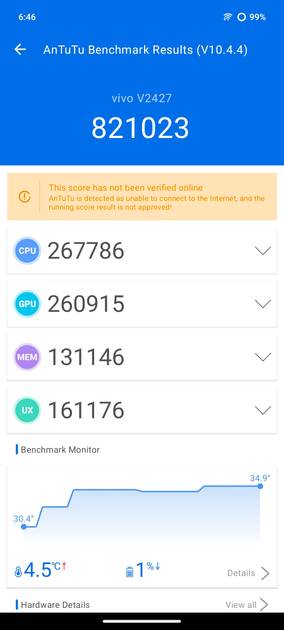
AnTuTu Benchmark
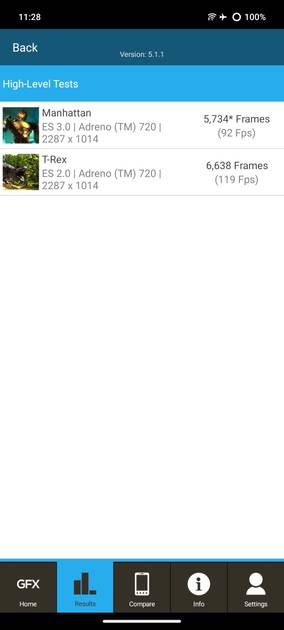
Graphics Benchmark
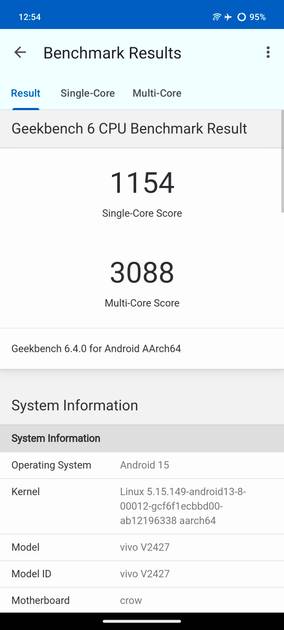
Geekbench6 Benchmark
|

Display
(Excellent)
|
|
|---|---|
| Display Type | AMOLED (Curved Display) |
| Screen Size | 6.77 inches (17.2 cm) |
| Resolution | 1080x2392 px (FHD+) |
| Peak Brightness | 4500 nits |
| HBM Brightness | 1300 nits |
| PWM Dimming | 3840 Hz |
| Refresh Rate | 120 Hz |
| Touch Sampling Rate | 480 Hz |
| Aspect Ratio | 20:9 |
| Pixel Density | 388 ppi |
| Screen to Body Ratio (calculated) | 88.33 % |
| Screen Protection | Yes |
| Bezel-less Display | Yes with punch-hole display |
| HDR 10 / HDR+ Support | Yes, HDR 10+ |
UI Screenshots

Lock Screen

Home Screen
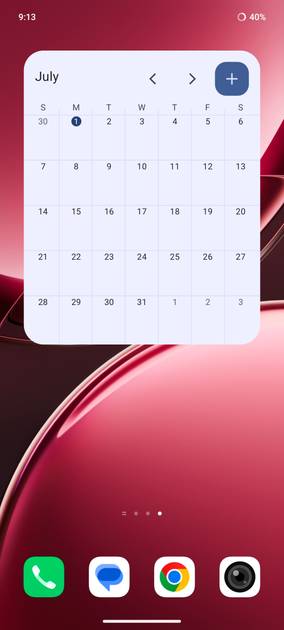
Screen With Widgets

Dialer Screen

App Drawer

Notification Panel
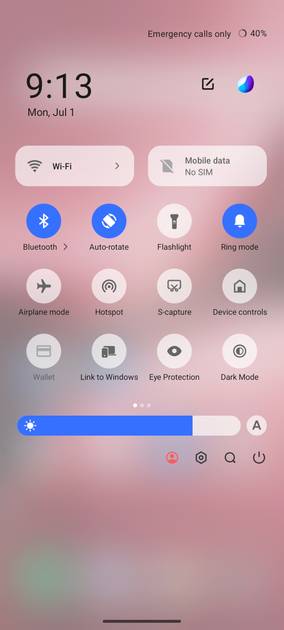
Quick Settings Panel
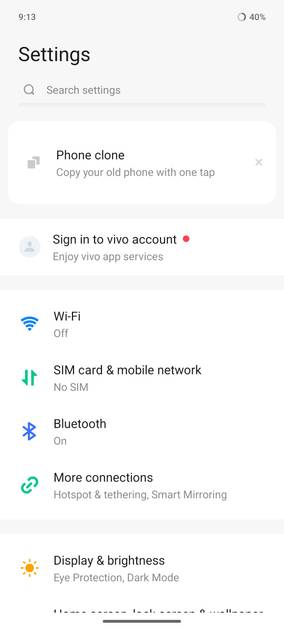
Settings Screen

OS Version
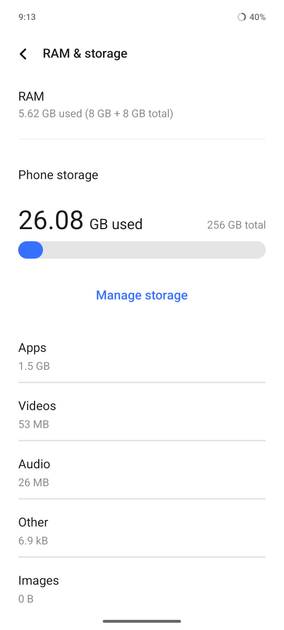
Storage
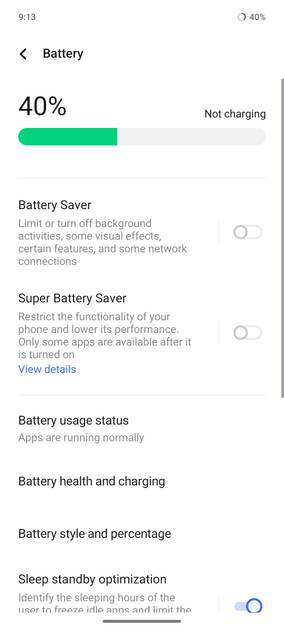
Battery

Camera On

Camera Options

Camera Modes
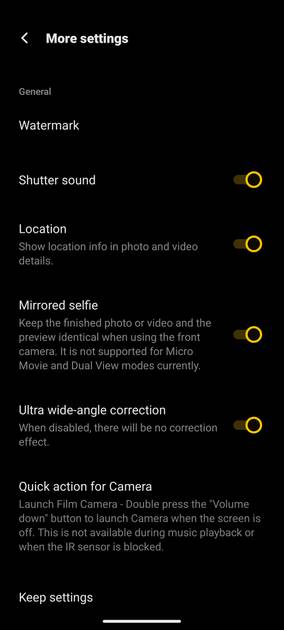
Camera Settings
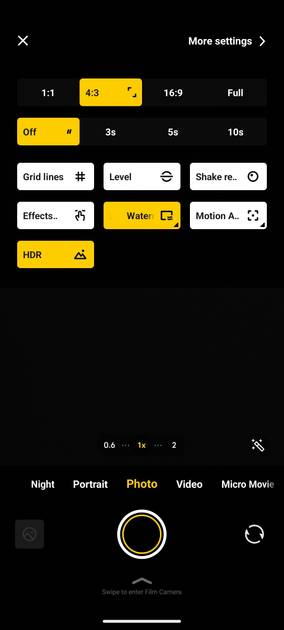
Picture Size Options
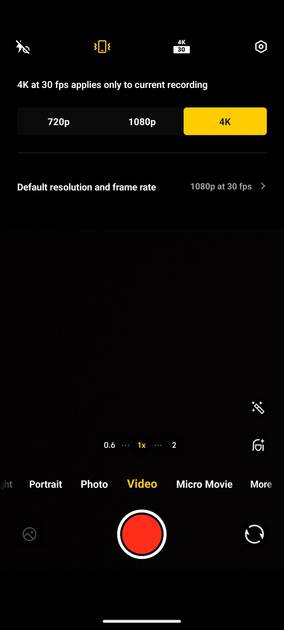
Video Size Options
|
Design |
|
|---|---|
| Height | 163.29 mm |
| Width | 76.72 mm |
| Thickness | 7.39 mm |
| Weight | 189 grams |
| Build Material | Back: Mineral Glass, Plastic |
| Water Resistance | Yes, Water resistant, IP68, IP69, (up to 30 minutes in a depth of 1.5 meter) |
| Ruggedness | Dust proof |
|
Click to View

|
Rear Camera
(Very Good)
|
||||||||||||||||||||||||
|---|---|---|---|---|---|---|---|---|---|---|---|---|---|---|---|---|---|---|---|---|---|---|---|---|
| Resolution | ||||||||||||||||||||||||
|
||||||||||||||||||||||||
| Autofocus | Yes | |||||||||||||||||||||||
| OIS | Yes | |||||||||||||||||||||||
| Flash | Yes, Quad LED Flash | |||||||||||||||||||||||
| Image Resolution | 8150 x 6150 Pixels | |||||||||||||||||||||||
| Settings | Exposure compensation, ISO control | |||||||||||||||||||||||
| Shooting Modes |
Continuous Shooting High Dynamic Range mode (HDR) SuperMoon |
|||||||||||||||||||||||
| Camera Features |
Digital Zoom Auto Flash Face detection Touch to focus |
|||||||||||||||||||||||
| Video Recording |
4k @30 fps Full HD @30 fps |
|||||||||||||||||||||||
| Video Recording Features |
Dual Video Recording Bokeh portrait video |
|||||||||||||||||||||||
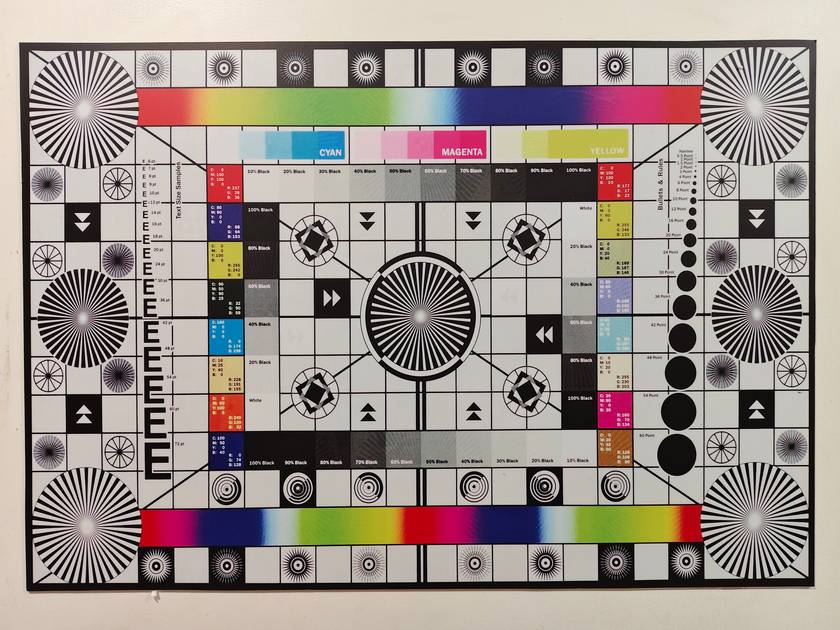
Rear Camera Samples

Daylight / HDR Auto

Wide Angle

Max Zoom Supported

Long Shot 10X

Long Shot 5X

Long Shot 3X

Long Shot 1X

High Res

Portrait Shot

Night Mode OFF

Night Mode ON

Close Up

Low Light

Low Light With Flash
Colour Variance
|
Front Camera
(Excellent)
|
||||||||||||||||
|---|---|---|---|---|---|---|---|---|---|---|---|---|---|---|---|---|
| Resolution | ||||||||||||||||
|
||||||||||||||||
| Autofocus | Yes | |||||||||||||||
| Video Recording |
4k @30 fps Full HD @30 fps |
|||||||||||||||
Front Camera Samples

Selfie

Selfie Portrait

Selfie Low Light

Selfie Low Light With Flash
|
Battery
(Very Good)
|
||||
|---|---|---|---|---|
| Capacity | 6000 mAh | |||
| Battery Type | Li-ion | |||
| Quick Charging | Yes, 90W Flash Charging | |||
| Reverse Charging | Yes | |||
|
Battery Test Results
|
Storage |
|
|---|---|
| Internal Storage | 128 GB / 256 GB / 512 GB |
| Storage Type | UFS 2.2 |
| Expandable Storage | No |
Network & Connectivity |
|
|---|---|
| SIM Slot(s) | Dual SIM |
| SIM Type | SIM1: Nano, SIM2: Nano |
| Network Support | 5G, 4G |
| VoLTE | Yes |
| SIM 1 |
5G bands, 4G bands
Expand
|
| SIM 2 |
5G bands, 4G bands
Expand
|
| SAR Value | Head: 0.99 W/kg, Body: 0.84 W/kg |
| Wi-Fi | Yes, Wi-Fi 5 (802.11 a/b/g/n/ac) 5GHz |
| Wi-Fi Features | Mobile Hotspot |
| Bluetooth | Yes, v5.4 |
| GPS | Yes with A-GPS, Glonass |
| NFC | No |
Multimedia |
|
|---|---|
| Stereo Speakers | Yes |
| Audio Jack | USB Type-C |
Sensors |
|
|---|---|
| Fingerprint Sensor | Yes |
| Fingerprint Sensor Position | On-screen |
| Fingerprint Sensor Type | Optical |
| Other Sensors | Light sensor, Proximity sensor, Accelerometer, Compass, Gyroscope |
vivo V50 User Reviews
vivo V50 Key Highlights
| Processor | Qualcomm Snapdragon 7 Gen 3 |
| RAM & Storage | 8 GB RAM + 128 GB 8 GB RAM + 256 GB 12 GB RAM + 512 GB |
| Display | 6.77", 1080 x 2392 Resolution |
| Rear Camera | 50 MP + 50 MP |
| Front Camera | 50 MP |
| Battery | 6000 mAh |

















vivo V50 Price In India
| Product Name | Store | Price |
|---|---|---|
| vivo V50 (8 GB + 128 GB) | Flipkart | ₹30,999 |
| vivo V50 (8 GB + 256 GB) | Flipkart | ₹34,991 |
| vivo V50 (12 GB + 512 GB) | Flipkart | ₹38,991 |
Popular Links
- All Upcoming Phones
- Upcoming vivo Phones
- vivo phones under 10k
- vivo phones under 20k
- OPPO F35 Pro
- OPPO F35
- Samsung Galaxy F70 5G
- Xiaomi Redmi 17C 5G
- HMD Vibe 2 Pro 5G
- Samsung Mobiles
- Motorola Mobiles
- vivo Mobiles
- OPPO Mobiles
- Tecno Mobiles
- realme Mobiles
- Xiaomi Mobiles