
Asus Zenfone 3
+ Compare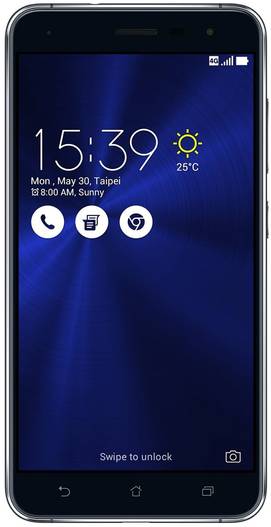




-
Design6

-
Rear Camera8

-
360° View

-
UI Screenshot17
![UI Screenshot]()
-
Benchmarks10
![Benchmarks]()
-
Videos10
![Videos]()



Key Specs
Performance
-
Qualcomm Snapdragon 625 -
Octa Core, 2 GHz -
3 GB RAM, LPDDR3
Display
-
5.2 inches (13.21 cm); IPS LCD -
1080x1920 px (FULL HD) -
Gorilla Glass 3 Protection
Rear Camera
-
Single Camera Setup - 16 MP Primary Camera
-
Dual-color LED Flash -
UHD @30 fps Video Recording
Front Camera
-
8 MP -
FHD @30 fps Video Recording
Battery
-
2650 mAh, Li-ion -
USB Type-C port
General
-
SIM1: Micro, SIM2: Nano (Hybrid) -
5G Not Supported -
32 GB internal storage, Expandable upto 2 TB
Asus Zenfone 3 Prices in India
 Flipkart
Asus Zenfone 3 Expert Review Summary
Expert Rating:
![Ketaki Bhojnagarwala]()
Verdict
Let s forget about price and specs for a moment. We ve been using the ASUS ZenFone 3 for a couple of weeks now, and we ve found it to be a very reliable daily driver. The eye-catching design aside, the smartphone is fast and smooth, capable of running multiple apps and heavy games without breaking a sweat. The cameras are good, and the battery life is highlight too. If you re worried that the smartphone doesn t feature a Snapdragon 820 SoC, which the competition like the Xiaomi Mi 5(review
Pros
- Smooth performance
- Gorgeous design
- Excellent battery life
- Good cameras
Cons
- Very slippery
- ZenUI is cluttered
- Expensive compared to the competition
Specs at a glance
+
Display
Read More
Design: glass with class Dimensions: 146.8 x 73.9 x 7.6 mmWeight: 144 grams
+
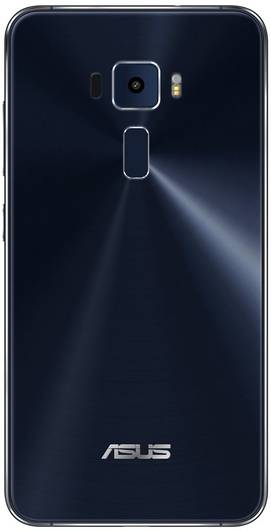
The ASUS ZenFone 3 is one of the best looking phones in its segment, rivalling even more premium options. Gone is the plasticky exterior of previous ZenFones, and in its place is a sleek metal and glass combo that oozes sex appeal. The lightweight metal frame measures 7.7mm in thickness, and is sandwiched between two layers of 2.5D glass. Both the front and rear feature Gorilla Glass protection to withstand against scratches and minor knocks. Our review unit was black, but you can also pick it up in gold, white and blue hues. The phone features ASUS’ trademark concentric circle design at the rear, making it stand out from other smartphones with similar designs. We should also mention that one of the key features of the ZenFone 3 (and the ZenFone 3 series as a whole) is that it doesn’t feature any antenna lines at the back. Instead, ASUS has been able to hide them from sight almost entirely, barring two strips at the top and bottom edges. The polished metal chamfers on the front and rear are a nice touch too. While the back panel is completely flat, the rounded edges make it comfortable to hold. The flip-side of the design is that the phone is slippery – we were terrified of dropping it, and we would recommend a case, which unfortunately would take away from the looks. While a glass rear panel does make phone’s more susceptible to smudges, on the ZenFone 3 they weren’t as visible as we’d expect. Coming to the port and button placement, the ZenFone 3 features the front camera, sensors, notification LED and earpiece above the display. A row of Android navigation keys are lined up below, but surprisingly don’t feature any LED backlighting, which we think is pretty stingy considering the phone’s price. The right edge is where you’ll find the power button and volume rocker, both featuring a textured finish that feels nice to the touch. The left spine is home to the SIM card tray, which accepts a micro-SIM and nano-SIM, with the latter doubling up as a microSD card slot. The bottom edge is arrayed with the USB Type-C port, primary microphone and loudspeaker grille, while at the top you’ll find the 3.5mm audio jack and secondary microphone.The rear panel gets the primary camera module, dual-LED flash, autofocus sensors and fingerprint sensor on top, and ASUS branding at the bottom. Our only real qualm with the ZenFone 3’s design is the protruding camera lens, which could get scratched over time. That’s another reason why we recommend using a case.
Read More
Display: curvy clarity Size: 5.2 InchResolution: Full HD (1080 x 1920 pixels)Display Type: IPS LCDPixel Density: 424 ppi
+
With a full HD resolution, the ZenFone 3’s 5.2-inch display offers crisp visuals and good clarity. It features high brightness levels of 600 nits, making it easy to view under bright sunlight. The viewing angles are also great, and watching videos and gaming on this phone was a treat. In the display settings, you can choose between Balance, Bluelight Filter (cuts out the blue light to become easier on the eyes), Vivid and Customised colour modes. The display is fluid and responsive, and you can also enable a Glove mode by going into Settings > ASUS customised settings. Our only gripe with the display – and this has to do more with the 2.5D curved glass, is that it gets easily activated when you’re holding it while watching videos, often taking you away from the app you’re currently using.
Read More
Cameras: consistently good Primary camera: 16 MPFlash: Dual-color LED FlashSecondary camera: 8 MP
+
The ASUS ZenFone 3 features a 16MP rear camera with f/2.0 aperture, a 6P lens and a tri-tech autofocus system which uses a combination of laser, phase detection and continuous autofocus. The smartphone also features four-axis OIS (optical image stabilisation), and adds EIS (electronic image stabilisation) for videos, which it can record in up to 4K resolution. The front camera on the other hand, hides an 8MP sensor that comes with f/2.0 aperture and views the world through an 85-degree wide-angle lens. As always, the ZenFone 3 comes with ASUS’ PixelMaster 3.0 tech that brings a range of hardware and software optimisations. Coming to the camera app first, you’re greeted by a viewfinder flanked by controls on either side. The app offers a range of shooting modes, which include Auto, Manual, HDR Pro, Beautification, Super Resolution, Children, Low Light, QR Code, Night, Depth of Field, Effect, Selfie, GIF Animation, Panorama, Miniature, Time Rewind, Smart Remove, All Smiles, Time Lapse and Slow Motion. On the viewfinder, you can easily toggle the HDR mode, and enable auto HDR if you prefer. You'll also find controls to access the flash, Manual mode and video mode. While the camera locks focus quickly, you can also long press on the viewfinder to lock the focus, exposure and white balance. When you do this, a slider pops up as well, letting you adjust the exposure further.The ZenFone 3’s primary camera delivers consistently good image quality – whether it’s close ups, landscapes or even low-light photos. In fact, low-light photography is one of the camera’s best features, and you can get some great, blur-free shots at night. We advise you stick to the auto mode for this though, because the low light mode tends to over expose brighter areas. While you can get decent macros in the auto mode, the Depth of Field mode can give you better results if you want a nice background blur. The front camera delivered surprisingly good results, both in daylight and low-light conditions. Selfies we captured with the snapper turned out sharp and detailed with natural skin tones. The Beautification mode on the ZenFone 3 is overkill though, letting you do everything from lighten your skin tone to thin your face.Here are some image samples taken with the ZenFone 3’s primary camera. You can also check out our ZenFone 3 camera review for more.
Read More
Software: not-so Zen Operating System: AndroidOS Version: 6.0, Marshmallow
+
The ASUS ZenFone 3 runs Android 6.0.1 Marshmallow with ZenUI 3.0 on top. ZenUI has come a long way since the ZenFone 5 days, and overall, the look is much closer to stock Android. The similarities end there though, because ZenUI 3.0 is packed with extra features, and unfortunately, a fair bit of bloatware too. ASUS has really gone to town with the pre-loaded apps, which include a range of third-party apps as well as native ones – over 20 in fact. While some of these you can uninstall, others you can merely disable.ZenUI 3.0 features an app drawer, and drop down notification bar and quick settings menu. One great feature in ZenUI is the inbuilt search, which you can activate by swiping down on the screen, iOS style. Apart from doing an online search, you can also view results of apps and contacts, and view frequently used apps as well. ZenUI offers touch gestures like double tap to wake and turn off the screen, and swipe the screen to wake it up from idle mode. You can also draw gestures when the screen is locked to launch specific apps, although you can’t customise which apps to access. There are also some motion gestures, like flipping the phone when you get an incoming call to enable silent mode, and lifting the phone to your ear to answer calls. You can enable a one-hand mode by double tapping the home key as well. From settings, you can enable both an Easy Mode and a Kids Mode. One feature we really liked in ZenUI was the ability to program the recents key to take a screenshot by tapping and holding it. You can enable this option in ASUS customised settings. ZenUI allows for a fair bit of customisation through the Themes app, with a broad range of themes across categories. You can also download icon packs and wallpapers.For gamers, ZenUI features something called Game Genie, which pops up automatically when you start playing game. You’ll see a small gaming controller icon on the side when you start playing a game, and you can tap on it to record your gameplay and broadcast it live on YouTube and Twitch, search for tips or boost performance.
Read More
Performance: plays smooth, lasts long CPU: Octa core, 2 GHz, Snapdragon 625GPU: Adreno 506RAM: 3 GBMemory: 32 GB + Up to 2 TBSIM Slots: Dual SIM , GSM+GSM
+
The ASUS ZenFone 3 is powered by a Snapdragon 625 processor, a 64-bit octa-core chipset clocked at 2.0 GHz. Now the Snapdragon 625 isn’t a flagship processor, but it’s the first mid-range chipset to be manufactured using the 14nm FitFET process, the same used on the flagship Snapdragon 820 chipset. This allows the processor to offer up to 35 percent less power consumption compared to previous gen chipsets.The ZenFone 3 model we’re reviewing is the 3GB RAM one, and in our experience, we found the smartphone to be zippy and smooth throughout. In fact, during our two week usage of the device we didn’t encounter any freezes or lags, and we think the ZenFone 3 is one of the most reliable phones in its segment. Whether running multiple apps, or playing games like Suicide Squad: Special Ops or Need for Speed: No Limits, the smartphone kept its cool and didn’t throw up any frame drops or overheating issues. Graphics render smoothly on this device, and it’s a great option if you’re looking for a smartphone for gaming or watching videos. The audio quality on this phone is crisp and loud enough that you won’t need to use headphones unless you want to. Our unit came with 32GB of storage, out of which around 23.5GB was available out of the box. If you opt for the 4GB RAM variant, you’ll get a higher 64GB of storage. The storage is expandable up to 256GB via microSD. Additionally, you also get 100GB of free Google Drive storage for two years with the smartphone, which is useful.The fingerprint sensor on the ZenFone 3 located at the rear works very well, and can unlock the phone from sleep. It rarely missed recognising our fingerprints, although the thin profile did result in a few misses when our fingers weren’t placed properly. Apart from unlocking the phone, you can also use the sensor to answer an incoming call (tap and hold to answer), launch the camera (double tap when the phone is unlocked) or take a photo (tap when the camera is on). The ZenFone 3 comes with a 2,600mAh battery (3,000mAh on the 4GB RAM variant), which on paper might look disappointing. In real life though, the ZenFone 3 offers impressive battery life, and this is a welcome change given that the previous-gen Intel-powered ZenFone models fared poorly in this department. We got an average of 5 hours of screen on time consisting of a few phone calls, using social media and messaging apps as well as streaming on Netflix. This result was based with both SIM slots in use, and data used only on Jio's 4G network. In real life, this means the smartphone can easily get you through the day with heavy use. In our video loop battery drain test lasted for just over 13 hours. However, the flipside is that the ZenFone 3 doesn’t support fast-charging, taking over two hours to charge from 0 to 100 percent.The connectivity options on offer include dual-SIM, 4G (Cat. 4), dual-band Wi-Fi 802.11ac, Wi-Fi Direct, Bluetooth 4.2, USB Type-C and GPS with A-GPS. In case you’re wondering, the ZenFone 3 comes with VoLTE support, so you will be able to make HD calls on Reliance Jio’s network.
Read More
Read full Review

Verdict
Let s forget about price and specs for a moment. We ve been using the ASUS ZenFone 3 for a couple of weeks now, and we ve found it to be a very reliable daily driver. The eye-catching design aside, the smartphone is fast and smooth, capable of running multiple apps and heavy games without breaking a sweat. The cameras are good, and the battery life is highlight too. If you re worried that the smartphone doesn t feature a Snapdragon 820 SoC, which the competition like the Xiaomi Mi 5(review
- Smooth performance
- Gorgeous design
- Excellent battery life
- Good cameras
Pros
- Very slippery
- ZenUI is cluttered
- Expensive compared to the competition
Cons
Specs at a glance
+Display
Read MoreDesign: glass with class Dimensions: 146.8 x 73.9 x 7.6 mmWeight: 144 grams
+The ASUS ZenFone 3 is one of the best looking phones in its segment, rivalling even more premium options. Gone is the plasticky exterior of previous ZenFones, and in its place is a sleek metal and glass combo that oozes sex appeal. The lightweight metal frame measures 7.7mm in thickness, and is sandwiched between two layers of 2.5D glass. Both the front and rear feature Gorilla Glass protection to withstand against scratches and minor knocks. Our review unit was black, but you can also pick it up in gold, white and blue hues. The phone features ASUS’ trademark concentric circle design at the rear, making it stand out from other smartphones with similar designs. We should also mention that one of the key features of the ZenFone 3 (and the ZenFone 3 series as a whole) is that it doesn’t feature any antenna lines at the back. Instead, ASUS has been able to hide them from sight almost entirely, barring two strips at the top and bottom edges. The polished metal chamfers on the front and rear are a nice touch too. While the back panel is completely flat, the rounded edges make it comfortable to hold. The flip-side of the design is that the phone is slippery – we were terrified of dropping it, and we would recommend a case, which unfortunately would take away from the looks. While a glass rear panel does make phone’s more susceptible to smudges, on the ZenFone 3 they weren’t as visible as we’d expect. Coming to the port and button placement, the ZenFone 3 features the front camera, sensors, notification LED and earpiece above the display. A row of Android navigation keys are lined up below, but surprisingly don’t feature any LED backlighting, which we think is pretty stingy considering the phone’s price. The right edge is where you’ll find the power button and volume rocker, both featuring a textured finish that feels nice to the touch. The left spine is home to the SIM card tray, which accepts a micro-SIM and nano-SIM, with the latter doubling up as a microSD card slot. The bottom edge is arrayed with the USB Type-C port, primary microphone and loudspeaker grille, while at the top you’ll find the 3.5mm audio jack and secondary microphone.The rear panel gets the primary camera module, dual-LED flash, autofocus sensors and fingerprint sensor on top, and ASUS branding at the bottom. Our only real qualm with the ZenFone 3’s design is the protruding camera lens, which could get scratched over time. That’s another reason why we recommend using a case.
Read MoreDisplay: curvy clarity Size: 5.2 InchResolution: Full HD (1080 x 1920 pixels)Display Type: IPS LCDPixel Density: 424 ppi
+With a full HD resolution, the ZenFone 3’s 5.2-inch display offers crisp visuals and good clarity. It features high brightness levels of 600 nits, making it easy to view under bright sunlight. The viewing angles are also great, and watching videos and gaming on this phone was a treat. In the display settings, you can choose between Balance, Bluelight Filter (cuts out the blue light to become easier on the eyes), Vivid and Customised colour modes. The display is fluid and responsive, and you can also enable a Glove mode by going into Settings > ASUS customised settings. Our only gripe with the display – and this has to do more with the 2.5D curved glass, is that it gets easily activated when you’re holding it while watching videos, often taking you away from the app you’re currently using.
Read MoreCameras: consistently good Primary camera: 16 MPFlash: Dual-color LED FlashSecondary camera: 8 MP
+The ASUS ZenFone 3 features a 16MP rear camera with f/2.0 aperture, a 6P lens and a tri-tech autofocus system which uses a combination of laser, phase detection and continuous autofocus. The smartphone also features four-axis OIS (optical image stabilisation), and adds EIS (electronic image stabilisation) for videos, which it can record in up to 4K resolution. The front camera on the other hand, hides an 8MP sensor that comes with f/2.0 aperture and views the world through an 85-degree wide-angle lens. As always, the ZenFone 3 comes with ASUS’ PixelMaster 3.0 tech that brings a range of hardware and software optimisations. Coming to the camera app first, you’re greeted by a viewfinder flanked by controls on either side. The app offers a range of shooting modes, which include Auto, Manual, HDR Pro, Beautification, Super Resolution, Children, Low Light, QR Code, Night, Depth of Field, Effect, Selfie, GIF Animation, Panorama, Miniature, Time Rewind, Smart Remove, All Smiles, Time Lapse and Slow Motion. On the viewfinder, you can easily toggle the HDR mode, and enable auto HDR if you prefer. You'll also find controls to access the flash, Manual mode and video mode. While the camera locks focus quickly, you can also long press on the viewfinder to lock the focus, exposure and white balance. When you do this, a slider pops up as well, letting you adjust the exposure further.The ZenFone 3’s primary camera delivers consistently good image quality – whether it’s close ups, landscapes or even low-light photos. In fact, low-light photography is one of the camera’s best features, and you can get some great, blur-free shots at night. We advise you stick to the auto mode for this though, because the low light mode tends to over expose brighter areas. While you can get decent macros in the auto mode, the Depth of Field mode can give you better results if you want a nice background blur. The front camera delivered surprisingly good results, both in daylight and low-light conditions. Selfies we captured with the snapper turned out sharp and detailed with natural skin tones. The Beautification mode on the ZenFone 3 is overkill though, letting you do everything from lighten your skin tone to thin your face.Here are some image samples taken with the ZenFone 3’s primary camera. You can also check out our ZenFone 3 camera review for more.
Read MoreSoftware: not-so Zen Operating System: AndroidOS Version: 6.0, Marshmallow
+The ASUS ZenFone 3 runs Android 6.0.1 Marshmallow with ZenUI 3.0 on top. ZenUI has come a long way since the ZenFone 5 days, and overall, the look is much closer to stock Android. The similarities end there though, because ZenUI 3.0 is packed with extra features, and unfortunately, a fair bit of bloatware too. ASUS has really gone to town with the pre-loaded apps, which include a range of third-party apps as well as native ones – over 20 in fact. While some of these you can uninstall, others you can merely disable.ZenUI 3.0 features an app drawer, and drop down notification bar and quick settings menu. One great feature in ZenUI is the inbuilt search, which you can activate by swiping down on the screen, iOS style. Apart from doing an online search, you can also view results of apps and contacts, and view frequently used apps as well. ZenUI offers touch gestures like double tap to wake and turn off the screen, and swipe the screen to wake it up from idle mode. You can also draw gestures when the screen is locked to launch specific apps, although you can’t customise which apps to access. There are also some motion gestures, like flipping the phone when you get an incoming call to enable silent mode, and lifting the phone to your ear to answer calls. You can enable a one-hand mode by double tapping the home key as well. From settings, you can enable both an Easy Mode and a Kids Mode. One feature we really liked in ZenUI was the ability to program the recents key to take a screenshot by tapping and holding it. You can enable this option in ASUS customised settings. ZenUI allows for a fair bit of customisation through the Themes app, with a broad range of themes across categories. You can also download icon packs and wallpapers.For gamers, ZenUI features something called Game Genie, which pops up automatically when you start playing game. You’ll see a small gaming controller icon on the side when you start playing a game, and you can tap on it to record your gameplay and broadcast it live on YouTube and Twitch, search for tips or boost performance.
Read MorePerformance: plays smooth, lasts long CPU: Octa core, 2 GHz, Snapdragon 625GPU: Adreno 506RAM: 3 GBMemory: 32 GB + Up to 2 TBSIM Slots: Dual SIM , GSM+GSM
+The ASUS ZenFone 3 is powered by a Snapdragon 625 processor, a 64-bit octa-core chipset clocked at 2.0 GHz. Now the Snapdragon 625 isn’t a flagship processor, but it’s the first mid-range chipset to be manufactured using the 14nm FitFET process, the same used on the flagship Snapdragon 820 chipset. This allows the processor to offer up to 35 percent less power consumption compared to previous gen chipsets.The ZenFone 3 model we’re reviewing is the 3GB RAM one, and in our experience, we found the smartphone to be zippy and smooth throughout. In fact, during our two week usage of the device we didn’t encounter any freezes or lags, and we think the ZenFone 3 is one of the most reliable phones in its segment. Whether running multiple apps, or playing games like Suicide Squad: Special Ops or Need for Speed: No Limits, the smartphone kept its cool and didn’t throw up any frame drops or overheating issues. Graphics render smoothly on this device, and it’s a great option if you’re looking for a smartphone for gaming or watching videos. The audio quality on this phone is crisp and loud enough that you won’t need to use headphones unless you want to. Our unit came with 32GB of storage, out of which around 23.5GB was available out of the box. If you opt for the 4GB RAM variant, you’ll get a higher 64GB of storage. The storage is expandable up to 256GB via microSD. Additionally, you also get 100GB of free Google Drive storage for two years with the smartphone, which is useful.The fingerprint sensor on the ZenFone 3 located at the rear works very well, and can unlock the phone from sleep. It rarely missed recognising our fingerprints, although the thin profile did result in a few misses when our fingers weren’t placed properly. Apart from unlocking the phone, you can also use the sensor to answer an incoming call (tap and hold to answer), launch the camera (double tap when the phone is unlocked) or take a photo (tap when the camera is on). The ZenFone 3 comes with a 2,600mAh battery (3,000mAh on the 4GB RAM variant), which on paper might look disappointing. In real life though, the ZenFone 3 offers impressive battery life, and this is a welcome change given that the previous-gen Intel-powered ZenFone models fared poorly in this department. We got an average of 5 hours of screen on time consisting of a few phone calls, using social media and messaging apps as well as streaming on Netflix. This result was based with both SIM slots in use, and data used only on Jio's 4G network. In real life, this means the smartphone can easily get you through the day with heavy use. In our video loop battery drain test lasted for just over 13 hours. However, the flipside is that the ZenFone 3 doesn’t support fast-charging, taking over two hours to charge from 0 to 100 percent.The connectivity options on offer include dual-SIM, 4G (Cat. 4), dual-band Wi-Fi 802.11ac, Wi-Fi Direct, Bluetooth 4.2, USB Type-C and GPS with A-GPS. In case you’re wondering, the ZenFone 3 comes with VoLTE support, so you will be able to make HD calls on Reliance Jio’s network.
Read MorePopular Comparisons
 Asus Zenfone 3
 Asus Zenfone 3 Ultra
Asus Zenfone 3
 ZTE Axon 7
Asus Zenfone 3
 Moto G4 Plus 32GB
Asus Zenfone 3
 Xiaomi Redmi Note 3 32GB
Asus Zenfone 3
 Asus Zenfone 3 Laser ZC551KL
Asus Zenfone 3
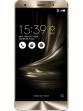 Asus Zenfone 3 Deluxe



Asus Zenfone 3 Specifications
General |
|
|---|---|
| Launch Date | August 17, 2016 (Official) |
| Operating System | Android v6.0 (Marshmallow) |
| Custom UI | Zen UI |
Performance
(Avg)
|
|
|---|---|
| Chipset | Qualcomm Snapdragon 625 MSM8953 |
| Processor | Octa core, 2 GHz, Cortex A53 |
| Architecture | 64 bit |
| Graphics (GPU) | Adreno 506 |
| RAM | 3 GB |
| RAM Type | LPDDR3 |
Benchmark Screenshots
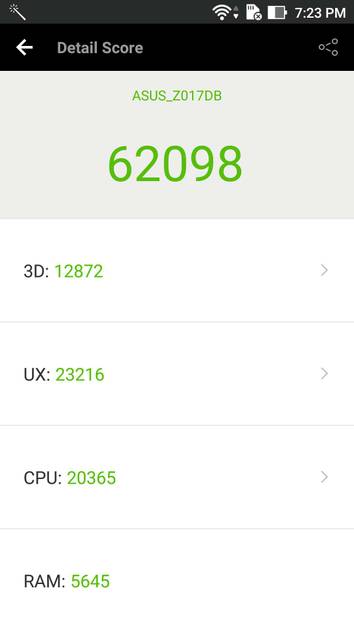
AnTuTu Benchmark
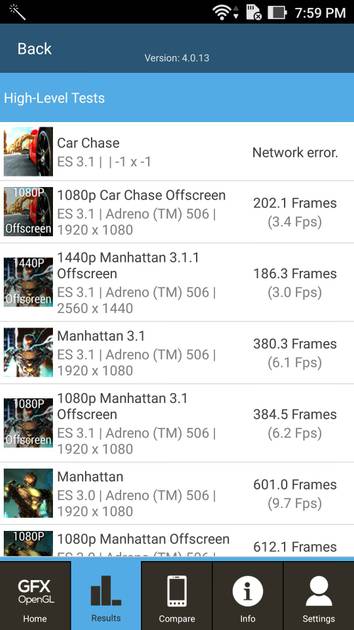
Graphics Benchmark
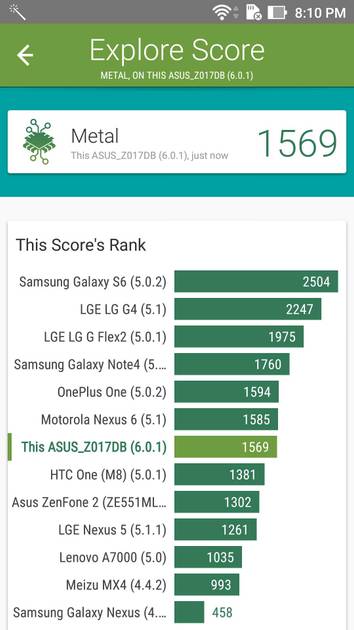
Vellamo Metal Benchmark
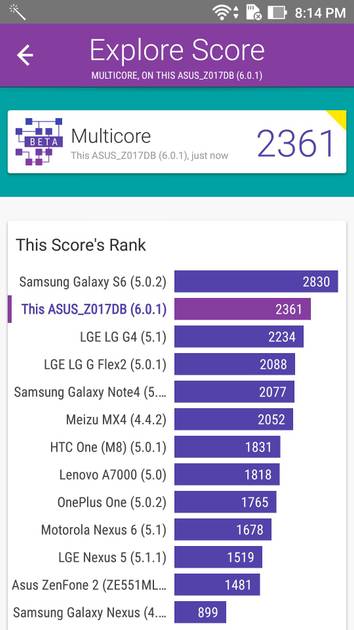
Vellamo Multicore Benchmark
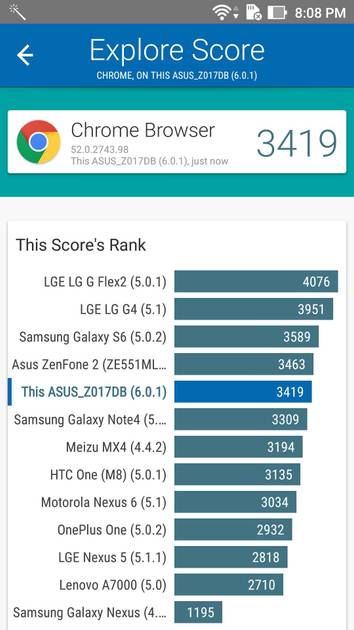
Vellamo Browser Benchmark
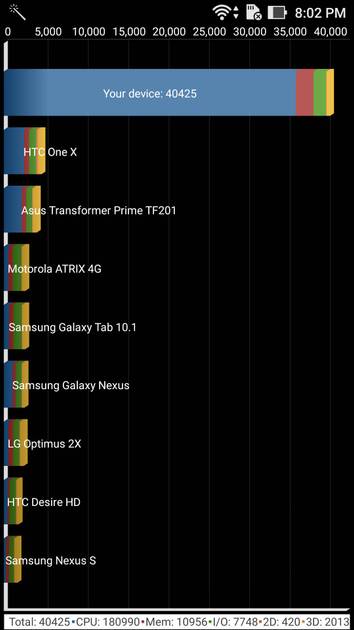
Quadrant Benchmark
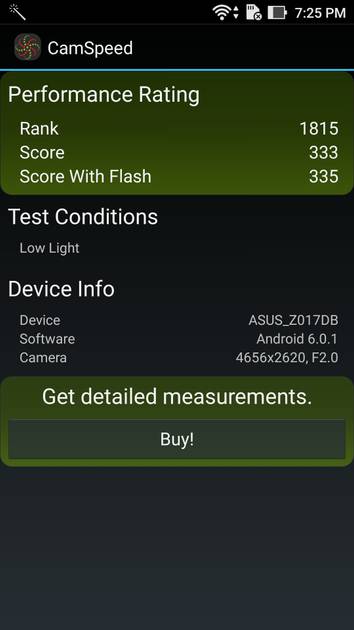
Camera Speed Benchmark
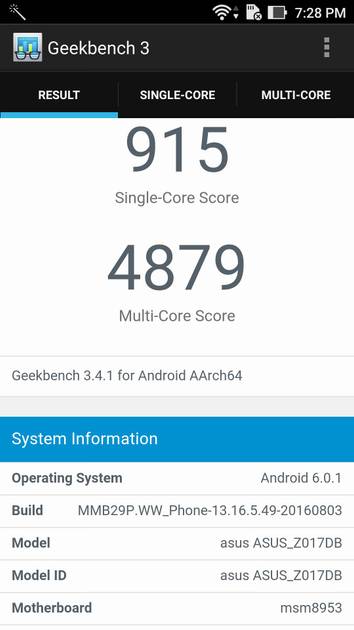
Geekbench3 Benchmark
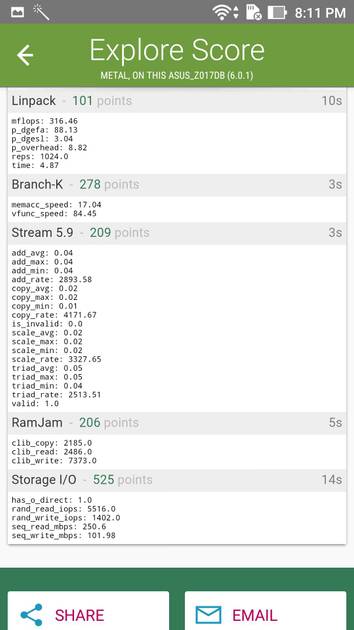
Linpack Benchmark
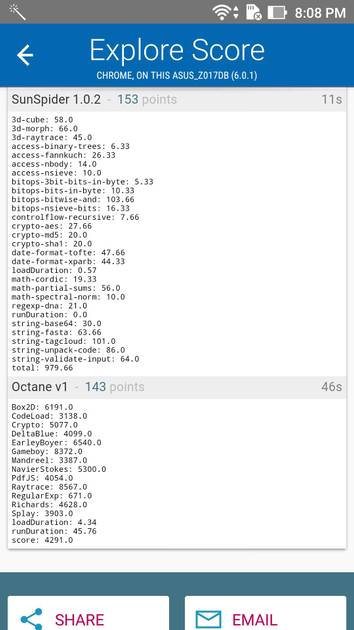
Sunspider Benchmark
|
Display
(Excellent)
|
|
|---|---|
| Display Type | IPS LCD |
| Screen Size | 5.2 inches (13.21 cm) |
| Resolution | 1080x1920 px (FULL HD) |
| Pixel Density | 424 ppi |
| Screen to Body Ratio (calculated) | 68.55 % |
| Screen Protection | Corning Gorilla |
UI Screenshots
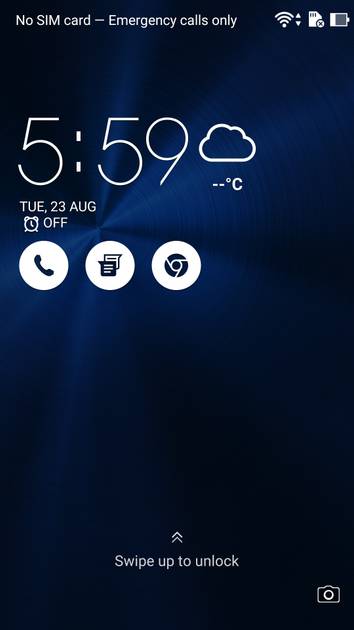
Lock Screen
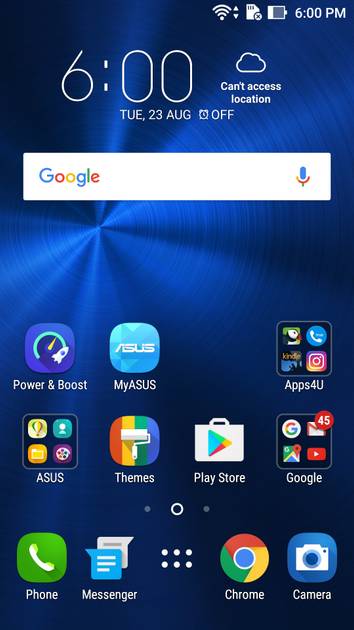
Home Screen
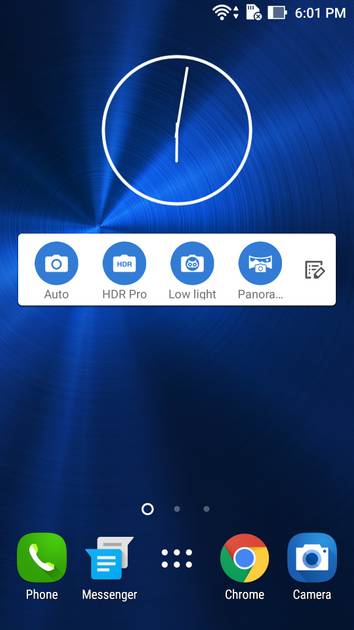
Screen With Widgets
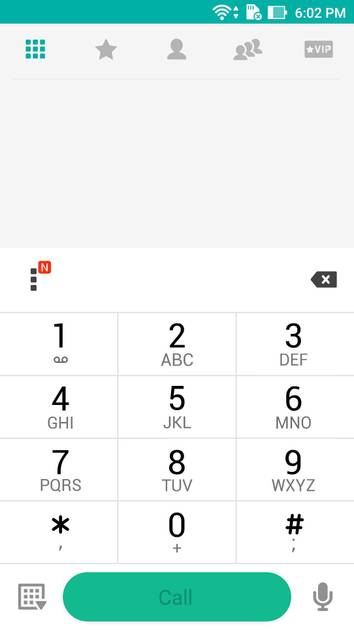
Dialer Screen
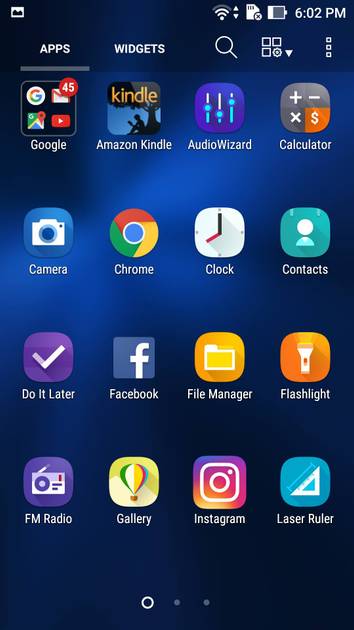
App Drawer
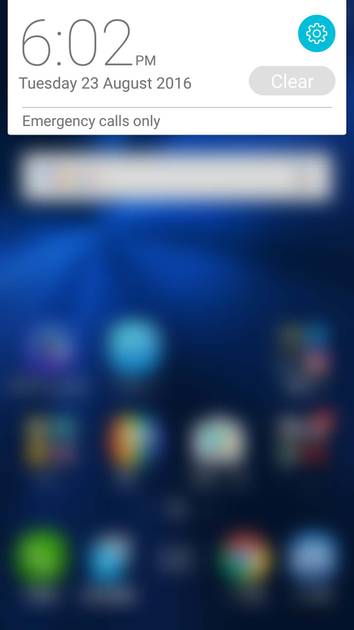
Notification Panel
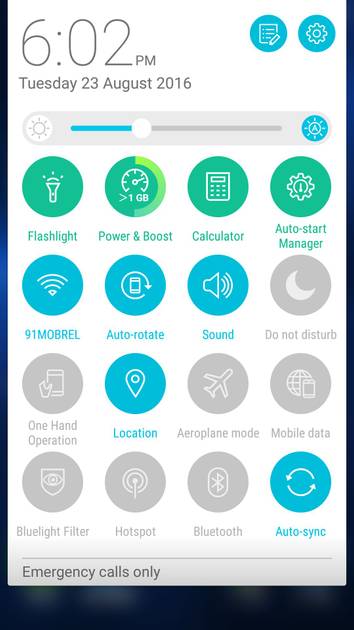
Quick Settings Panel
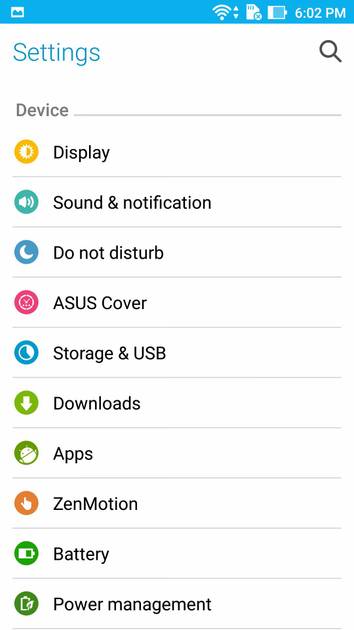
Settings Screen
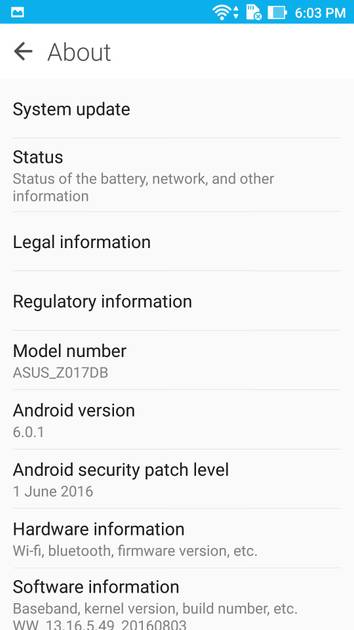
OS Version
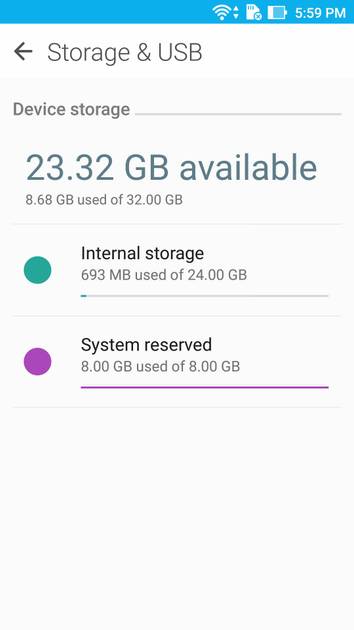
Storage
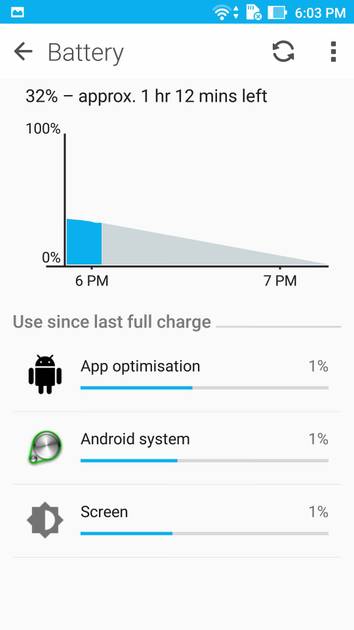
Battery
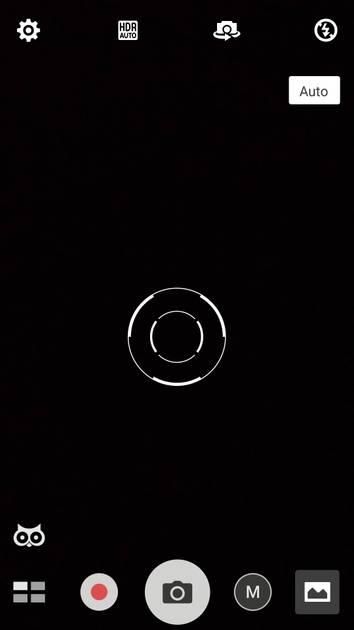
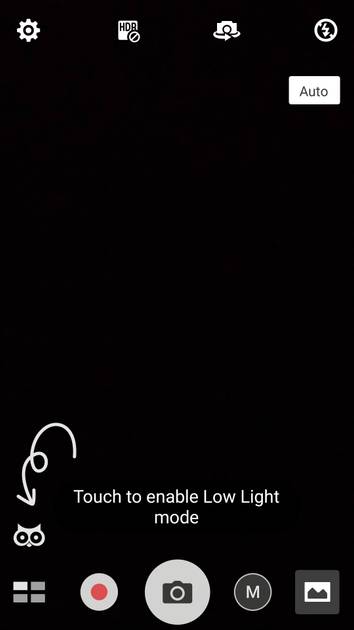
Camera On
Camera Options
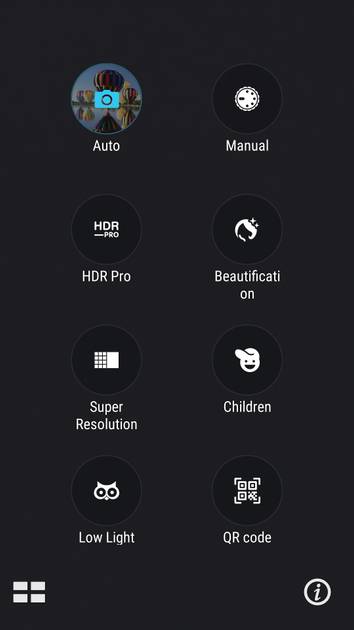
Camera Modes
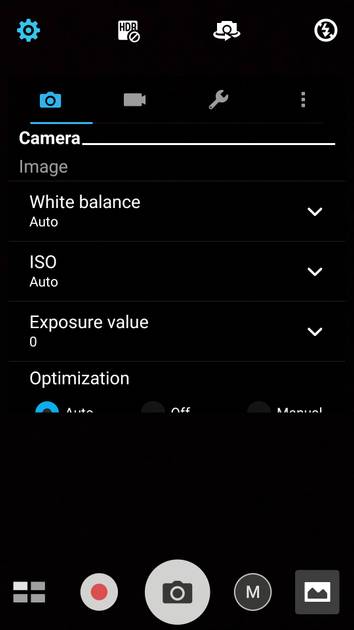
Camera Settings
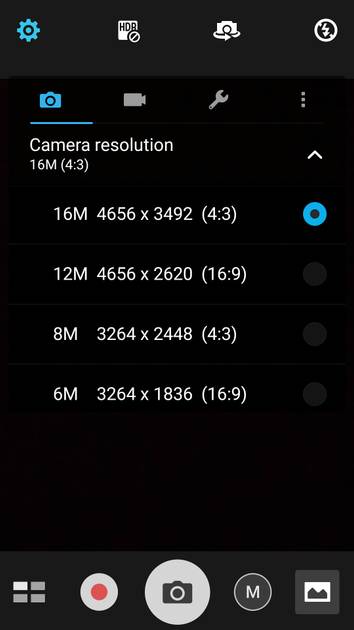
Picture Size Options
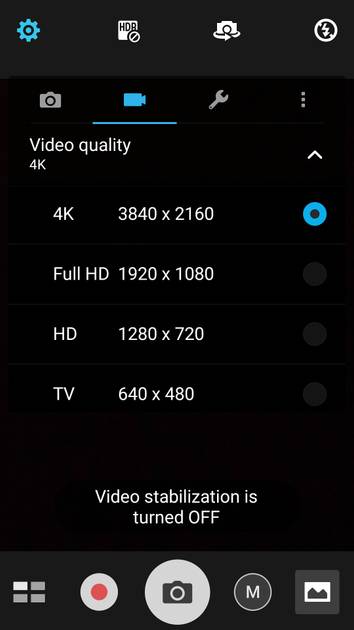
Video Size Options
|
Design |
|
|---|---|
| Height | 146.8 mm |
| Width | 73.9 mm |
| Thickness | 7.6 mm |
| Weight | 144 grams |
| Build Material |
Frame: Metal Back: Mineral Glass |
|
Click to View

|
Rear Camera
(Very Good)
|
||||||||||
|---|---|---|---|---|---|---|---|---|---|---|
| Resolution | ||||||||||
|
||||||||||
| Autofocus | Yes, Phase Detection Autofocus, Laser Autofocus | |||||||||
| OIS | Yes | |||||||||
| Flash | Yes, Dual-color LED Flash | |||||||||
| Image Resolution | 4616 x 3464 Pixels | |||||||||
| Settings | Exposure compensation, ISO control | |||||||||
| Shooting Modes |
Continuous Shooting High Dynamic Range mode (HDR) |
|||||||||
| Camera Features |
Digital Zoom Auto Flash Digital image stabilization Face detection Touch to focus |
|||||||||
| Video Recording |
UHD @30 fps FHD @30 fps HD @30 fps |
|||||||||
Rear Camera Samples

Close Up

Low Light

Low Light With Flash
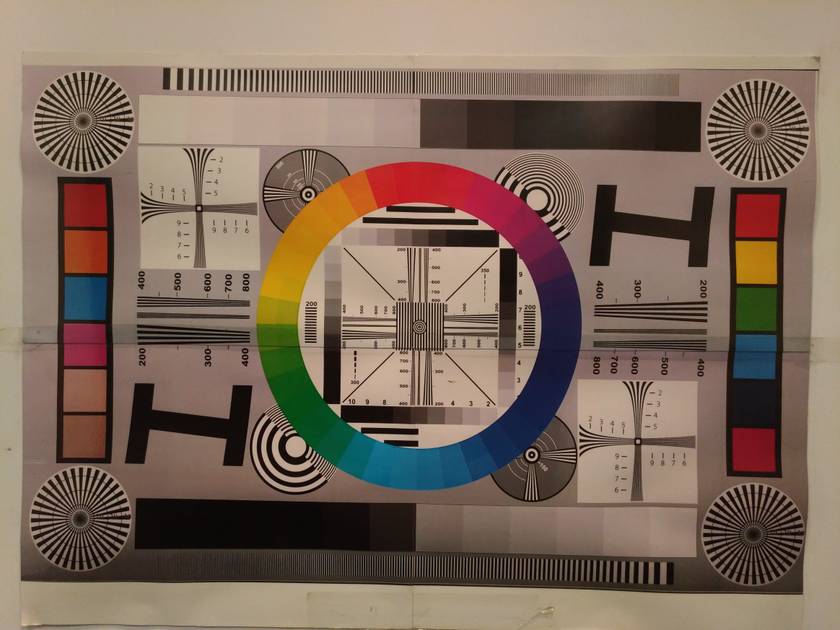
Colour Variance

Long Shot

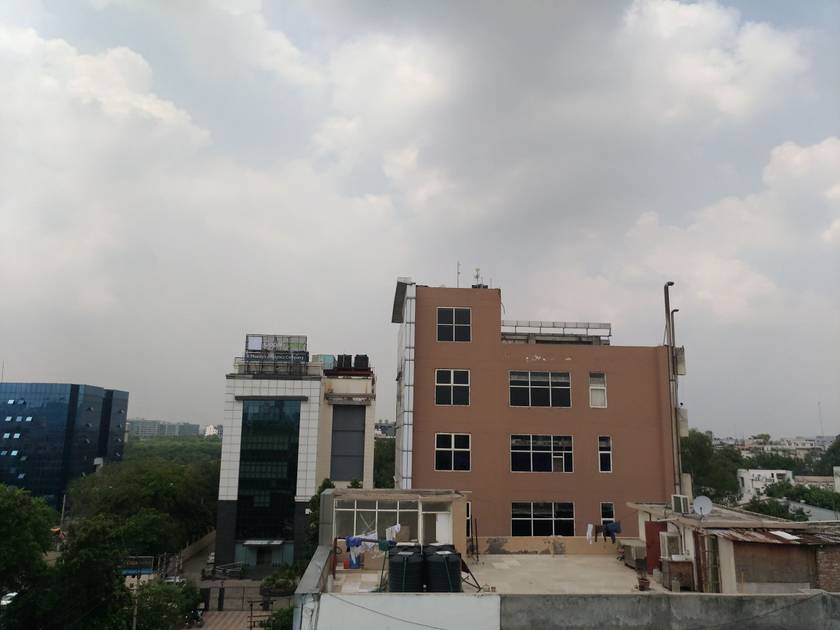
HDR Off
HDR On
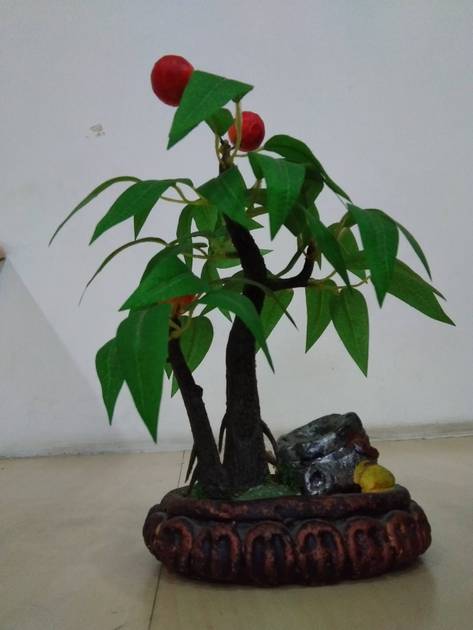
Front Shot
|
Front Camera
(Very Good)
|
||||||
|---|---|---|---|---|---|---|
| Resolution | ||||||
|
||||||
| Autofocus | No | |||||
| Flash | No | |||||
| Video Recording | FHD @30 fps |
Battery
(Very Good)
|
|
|---|---|
| Capacity | 2650 mAh |
| Battery Type | Li-ion |
Storage |
|
|---|---|
| Internal Storage | 32 GB |
| Expandable Storage | Yes, Up to 2 TB |
Network & Connectivity |
|
|---|---|
| SIM Slot(s) | Dual SIM |
| SIM Type | SIM1: Micro, SIM2: Nano (Hybrid) |
| Network Support | 5G Not Supported, 4G |
| VoLTE | Yes |
| SIM 1 |
4G bands, 4G Speed
Expand
|
| SIM 2 |
4G bands, 4G Speed
Expand
|
| Wi-Fi | Yes, Wi-Fi 5 (802.11 a/b/g/n/ac) 5GHz |
| Wi-Fi Features | Wi-Fi Direct, Mobile Hotspot |
| Bluetooth | Yes, v4.2 |
| GPS | Yes with A-GPS, Glonass |
| NFC | No |
Multimedia |
|
|---|---|
| Audio Jack | 3.5 mm |
Sensors |
|
|---|---|
| Fingerprint Sensor | Yes |
| Fingerprint Sensor Position | Rear |
| Other Sensors | Light sensor, Proximity sensor, rgbw sensor, Accelerometer, Compass, Gyroscope |
Recent Stories


Asus Zenfone 3 User Reviews
Asus Zenfone 3 Key Highlights
| Processor | Qualcomm Snapdragon 625 MSM8953 |
| RAM & Storage | 3 GB + 32 GB |
| Display | 5.2", 1080 x 1920 Resolution |
| Rear Camera | 16 MP |
| Front Camera | 8 MP |
| Battery | 2650 mAh |









Asus Zenfone 3 Price In India
| Product Name | Store | Price |
|---|---|---|
| Asus Zenfone 3 (3 GB + 32 GB) | Flipkart | ₹22,999 |
Popular Links
- All Upcoming Phones
- OPPO Find X10 Pro Max
- OPPO Find X10
- Infinix GT 50 Pro
- Tecno Spark 50s 5G
- Nothing Phone 4a
- Samsung Mobiles
- Motorola Mobiles
- vivo Mobiles
- OPPO Mobiles
- Tecno Mobiles
- realme Mobiles
- OnePlus Mobiles