
Movie
Disclaimer: All content and media belong to original content streaming platforms/owners like Netflix, Disney+ Hotstar, Amazon Prime Videos, JioCinema, SonyLIV etc. 91mobiles entertainment does not claim any rights to the content and only aggregate the content along with the service providers links.
1999
Outstanding News Talk or Information Special | 1999
Best Motion Picture Documentary | 1998 | Spike
Best Documentary | 1998
Best Informational Special | 1998
Best Documentary | 1998
Documentary | 1997 | Spike
National Film Preservation Board | 2017
Best Documentary | 2018 | Spike
Best Documentary Features | 1998 | Samuel D.
Best Director | 1998 | Spike
Best Documentary Picture | 1998 | Spike
Best NonFiction Film | 1998
Feature Documentaries | 1998 | Spike
Outstanding Sound Mixing for a NonFiction Program | 1998
Outstanding Sound Editing in NonFiction Program | 1998 | Glenfield
Outstanding Picture Editing for NonFiction Programming | 1998 | Samuel D.
Outstanding Cinematography for NonFiction Programming | 1998 | Ellen
Outstanding NonFiction Special | 1998 | Spike
Best Documentary Feature | 1997
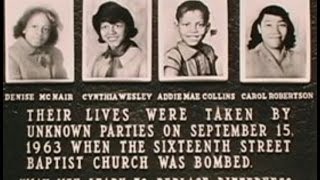
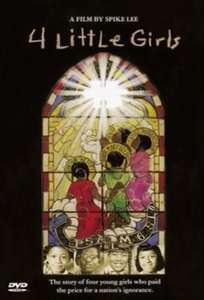
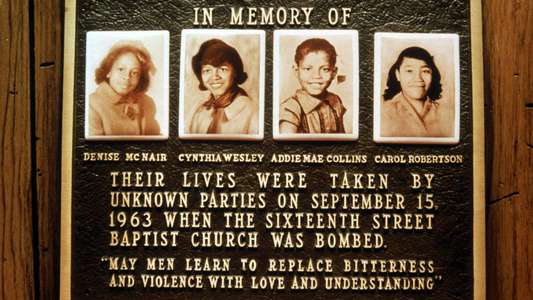
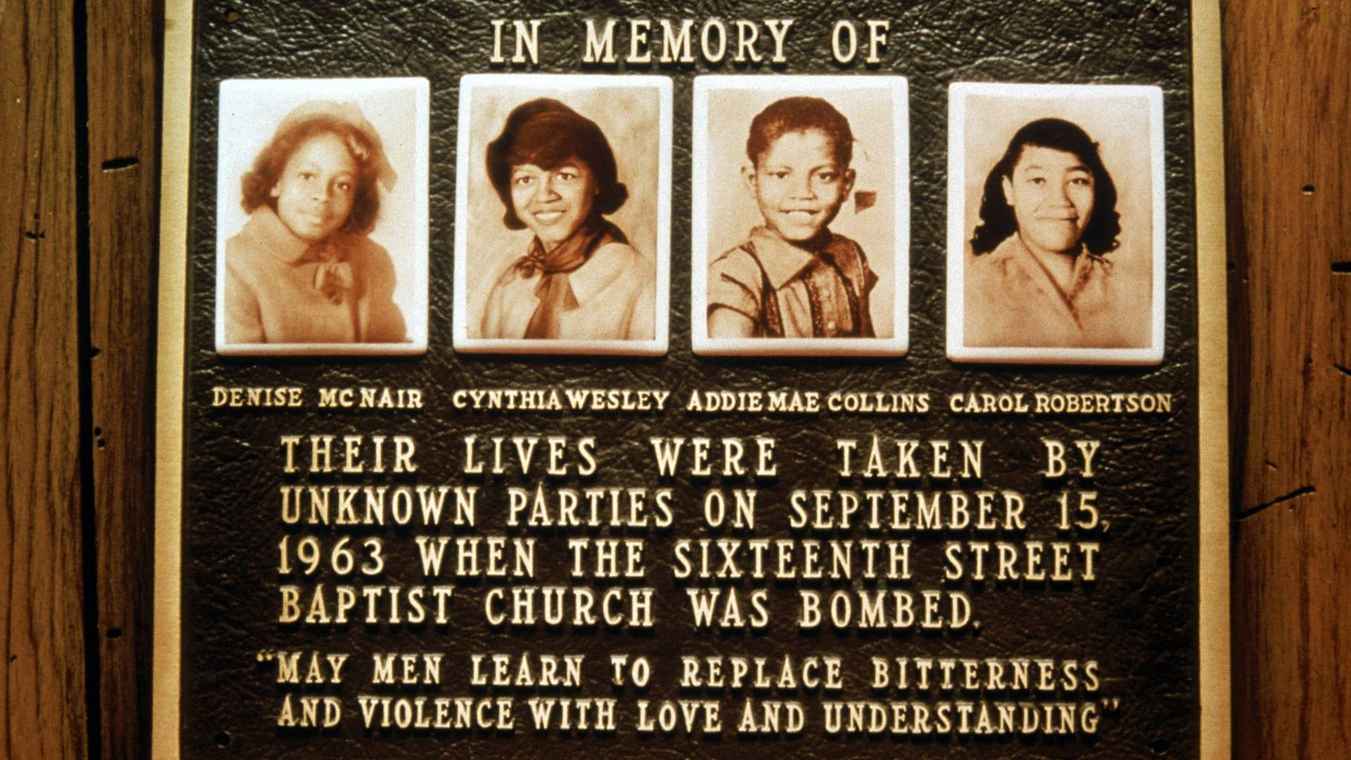
Denise McNair was a friend and classmate of future Secretary of State Condoleezza Rice.
Was inducted into the Library of Congress' National Film Registry on December 13, 2017, the day after Doug Jones, the US Attorney who prosecuted the trial, was elected to the Senate.
Spike Lee first became interested in making a film about the Birmingham bombing as a student at New York University in 1983. After reading a New York Times Magazine article about the incident, he was moved to write to Chris McNair, the father of Denise, one of the victims, asking for permission to tell her story on film. McNair turned down the young, aspiring filmmaker's offer. According to McNair, he changed his mind about supporting Lee's film idea due to learning about the depth and precision of Lee's research.
Spike Lee had first intended to create a dramatic reproduction of the incident before shifting to a documentary.
Spike Lee and his wife stayed at Birmingham's Tutwiler hotel while filming the documentary. It was once a nursing home for retired teachers, and is located 5 blocks from 16th Street Baptist Church.
"Howell Raines: A day in 1957, in the afternoon, the evening newscast, there's a piece of film of a gang of white men beating Fred Shuttlesworth, in the street outside of Phillips high school where he'd taken his children. With chains they beat him to the ground. And the reason it was riveting for me, I was fourteen years old, was that the police said they couldn't find the men who did it. And I recognized one of the men. I knew who he was. I'd seen him at Jack Cash's barbecue and I knew the police hung out at Jack Cash's barbecue and I knew they were lying."
"Wyatt Tee Walker: So we made the decision based on several things. Fred Shuttlesworth was fearless and courageous to the point of being almost insane; miraculously surviving a bombing of his home. Had taking his wife and two children trying to integrate a school with a mob of five or six hundred folks with chains and stuff like that; just an incredible human being in my view."