
Movie |
London, England | Photographer
Disclaimer: All content and media belong to original content streaming platforms/owners like Netflix, Disney+ Hotstar, Amazon Prime Videos, JioCinema, SonyLIV etc. 91mobiles entertainment does not claim any rights to the content and only aggregate the content along with the service providers links.


The character of "Harry Charms" was based on a real-life British manager and impresario of the period, Larry Parnes, who was famous for hiring unknown singers and giving them extravagant stage names (his most famous client was Billy Fury). In 1960 he hired an unknown Liverpool band called The Beatles to accompany one of his lesser stars, Johnny Gentle, on a tour of Scotland, but he decided not to take the Beatles on as clients because he was only interested in handling solo singers, not groups.
"That's Inspiration" ends with a close-up of a giant record of the song credited to a band called "The Hidden Persuaders." This is an in-joke reference to Vance Packard's book "The Hidden Persuaders," a late-1950's best-seller explaining how advertisers were hiring psychologists as consultants to make their pitches irresistibly appealing to basic human natures.
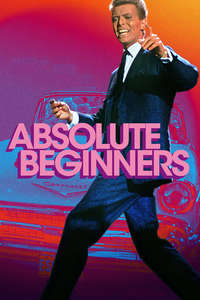
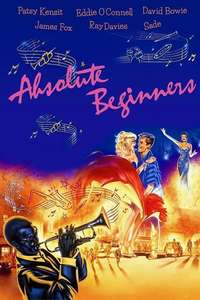
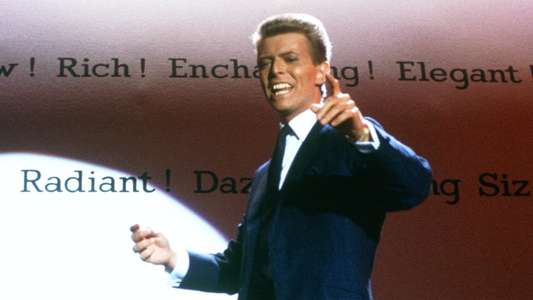
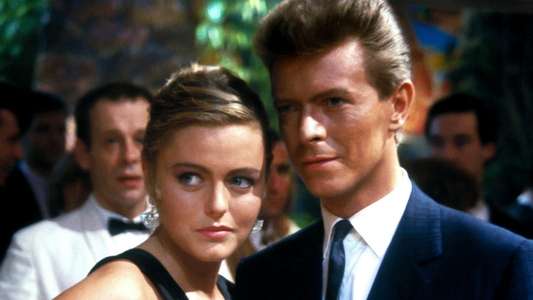
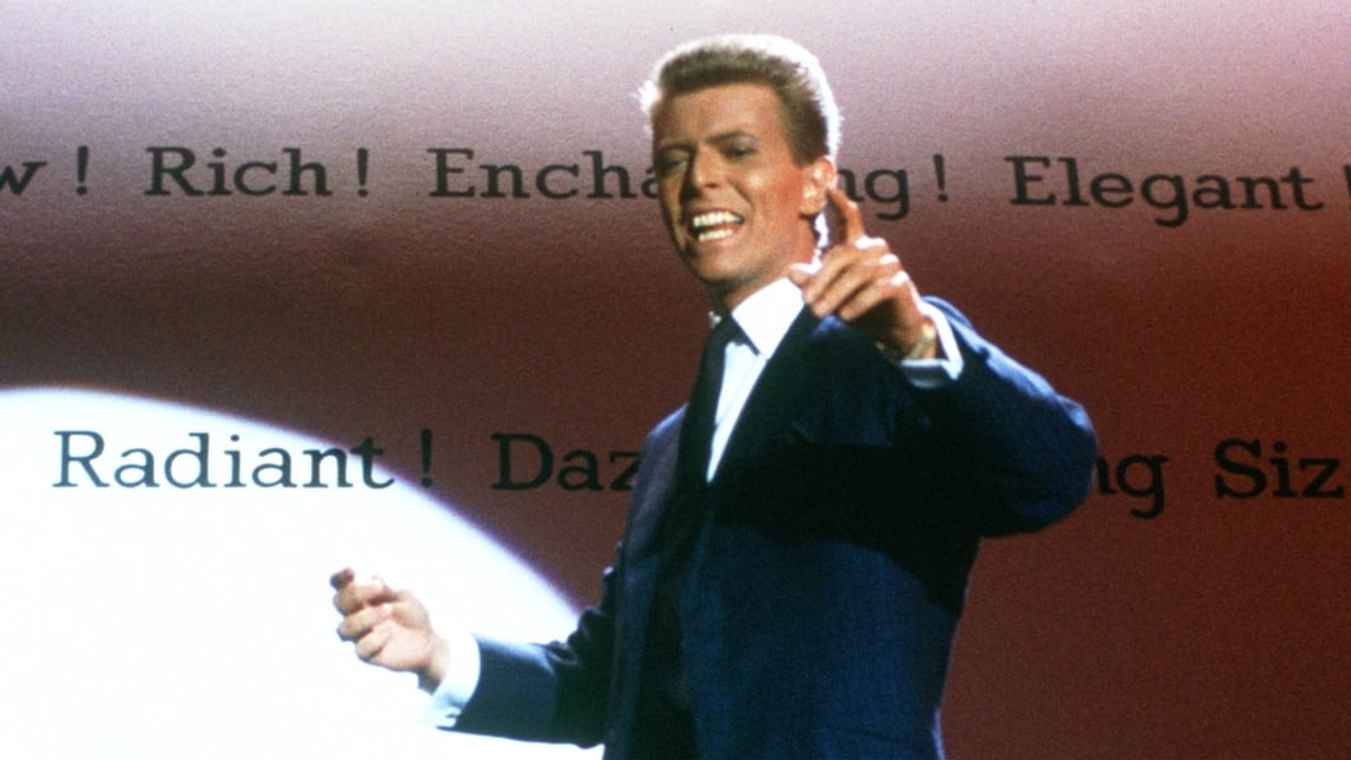
Julien Temple asked David Bowie to write music for the film. After reading the book and then the script, Bowie agreed to Temple's offer if he could also play the part of Vendice Partners.
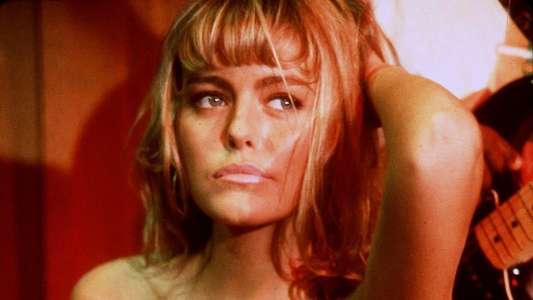
After submitting the film for a 15 certificate producer Stephen Woolley was contacted by the BBFC and told that Patsy Kensit had revealed a nipple in one of the film's scenes. Despite Woolley's assurance that this was not the case because Kensit had been insistent during filming about not revealing her body, UK censor James Ferman painstakingly trawled through the movie using a BBFC "freeze frame" machine until he was finally convinced that the original information was incorrect. Only then did he grant the film an uncut certificate.
Although the film was neither a commercial nor critical success, the theme song by David Bowie became one of his most popular 1980s singles in the UK, reaching number two in the charts. It has been described as Bowie's last big international hit, as it was also a top ten hit in Australia, Austria, West Germany, Netherlands, Norway, Sweden and Switzerland, as well as a number one in the Republic of Ireland and a minor hit in the United States. The music video was directed by the film's director, Julien Temple, who shot Bowie on location in London for black-and-white scenes reminiscent of a film noir, interspersed with clips from the film.
"Colin: What, selling things to people who don't want them? Vendice: Never things, Colin. We don't sell things. We sell dreams."
"Colin: It was England all right, but very un-English. Every class. Every income. Every kink. Boys. Girls. Black. White. Yellow. Bent. Versatile. All on equal terms."