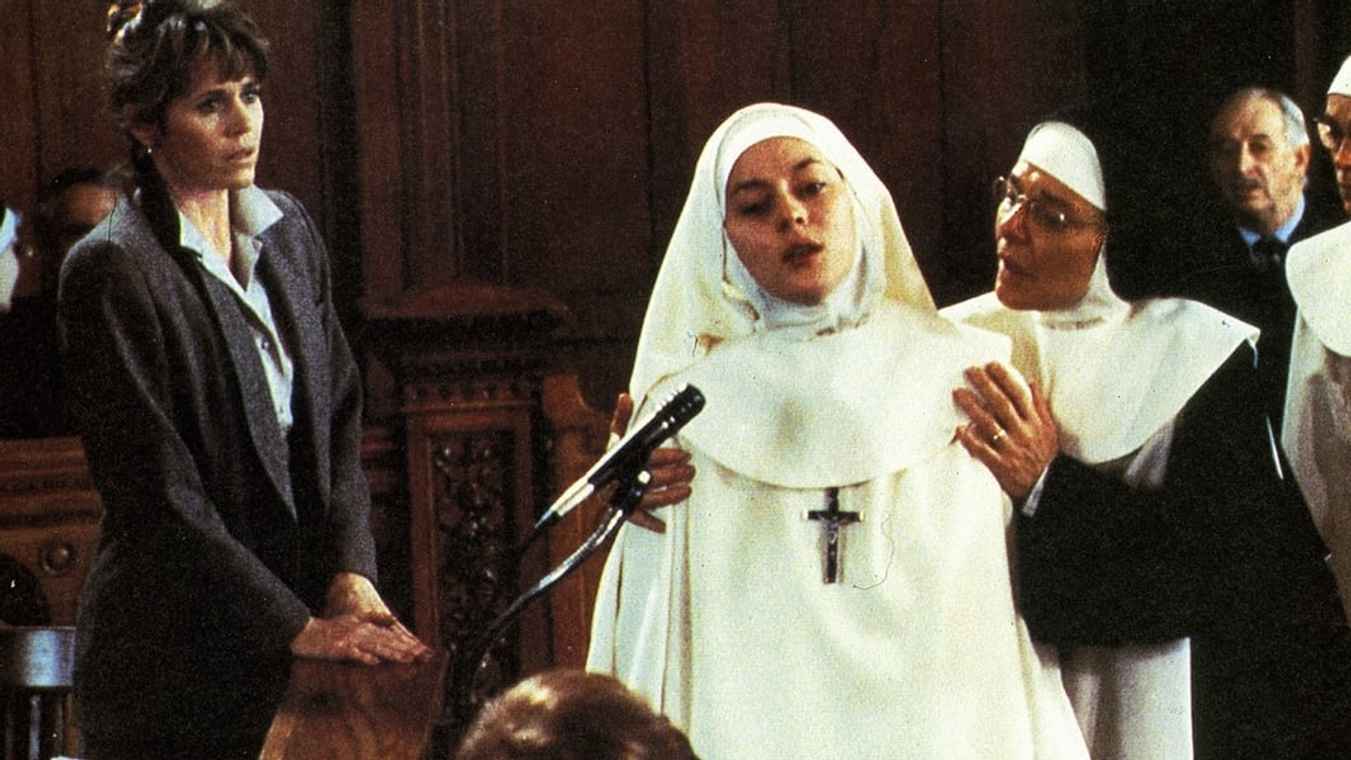

Movie |
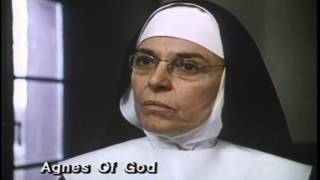
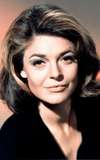
Mother Superior | Nun
Disclaimer: All content and media belong to original content streaming platforms/owners like Netflix, Disney+ Hotstar, Amazon Prime Videos, JioCinema, SonyLIV etc. 91mobiles entertainment does not claim any rights to the content and only aggregate the content along with the service providers links.

Best Performance by an Actress in a Supporting Role in a Motion Picture | 1986
Best Actress | 1986 | Meg
Best Music Original Score | 1986
Best Actress in a Supporting Role | 1986
Best Actress in a Leading Role | 1986
Best Performance by an Actress in a Motion Picture Drama | 1986
Best Screenplay Based on Material from Another Medium | 1986
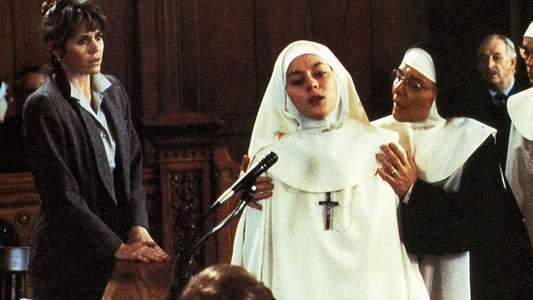
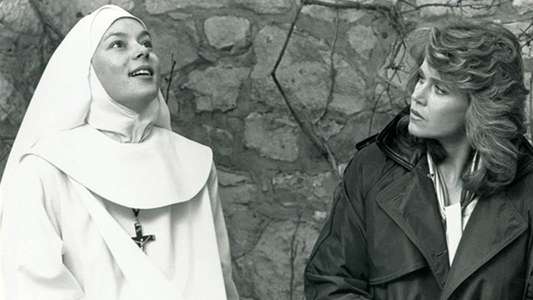
Meg Tilly said that her best film experience was working with director Norman Jewison and actresses Jane Fonda and Anne Bancroft on this picture.
Anne Bancroft said of the film's larger questions: "After seeing 'Agnes of God' I would like people who believe in God to think again and people who don't believe in God to think again, as well."
The role of the Mother Superior, Mother Miriam Ruth, was originated on Broadway by Geraldine Page; Page was passed over for the film version in favor of Anne Bancroft. Bancroft was Academy Award nominated for Best Actress in a Leading Role for this movie but, ironically, lost the Oscar to Page in The Trip to Bountiful (1985).
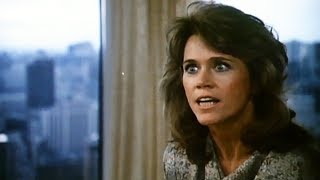
Despite the fact that her character is a chain-smoker, Jane Fonda had quit smoking ten years before she made this movie. For the role, she smoked reed cigarettes - non-toxic, tobacco-free cigarettes made from cattail reeds, which are sold in health stores to people who are trying to quit smoking.
Director Norman Jewison said of this film in his autobiography "This Terrible Business Has Been Good to Me" (2004) that the picture is about "the struggle between Freudian logic and Catholic faith. The film would test our ability to believe in miracles . . . I think most people, regardless of their religion, regardless of logic, want to believe in something outside of their everyday lives. Outside of themselves. Agnes of God (1985) gave me the opportunity to explore that timeless human conflict between believing what we can see and believing what we can't see or experience. It seemed to me then, as it does now, that the world is in dire need of angels."
"Mother Miriam Ruth: My dear, I don't think a Communion wafer has the recommended daily allowance of anything. Sister Agnes: [whispers] Of God..."
"Doctor Martha Livingston: Agnes, how do you feel about babies? Sister Agnes: Oh, they frighten me; I'm afraid I'll drop them. They have a soft spot on their heads, and if you drop them so they land on their heads, they become stupid. I was dropped on MY head; that's why I don't understand things. Doctor Martha Livingston: Like what? Sister Agnes: Numbers! You can spend your whole life counting 'em and never reach the end. Doctor Martha Livingston: I don't understand them, either... Do you 'spose I was dropped on my head? Sister Agnes: [concerned] I hope not... it's a terrible thing to be dropped on your head."