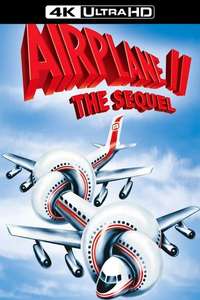

Movie |
Aftercreditsstinger | Moon
Disclaimer: All content and media belong to original content streaming platforms/owners like Netflix, Disney+ Hotstar, Amazon Prime Videos, JioCinema, SonyLIV etc. 91mobiles entertainment does not claim any rights to the content and only aggregate the content along with the service providers links.






Budget 15,000,000 USD
Box Office Collection 27,150,534 USD
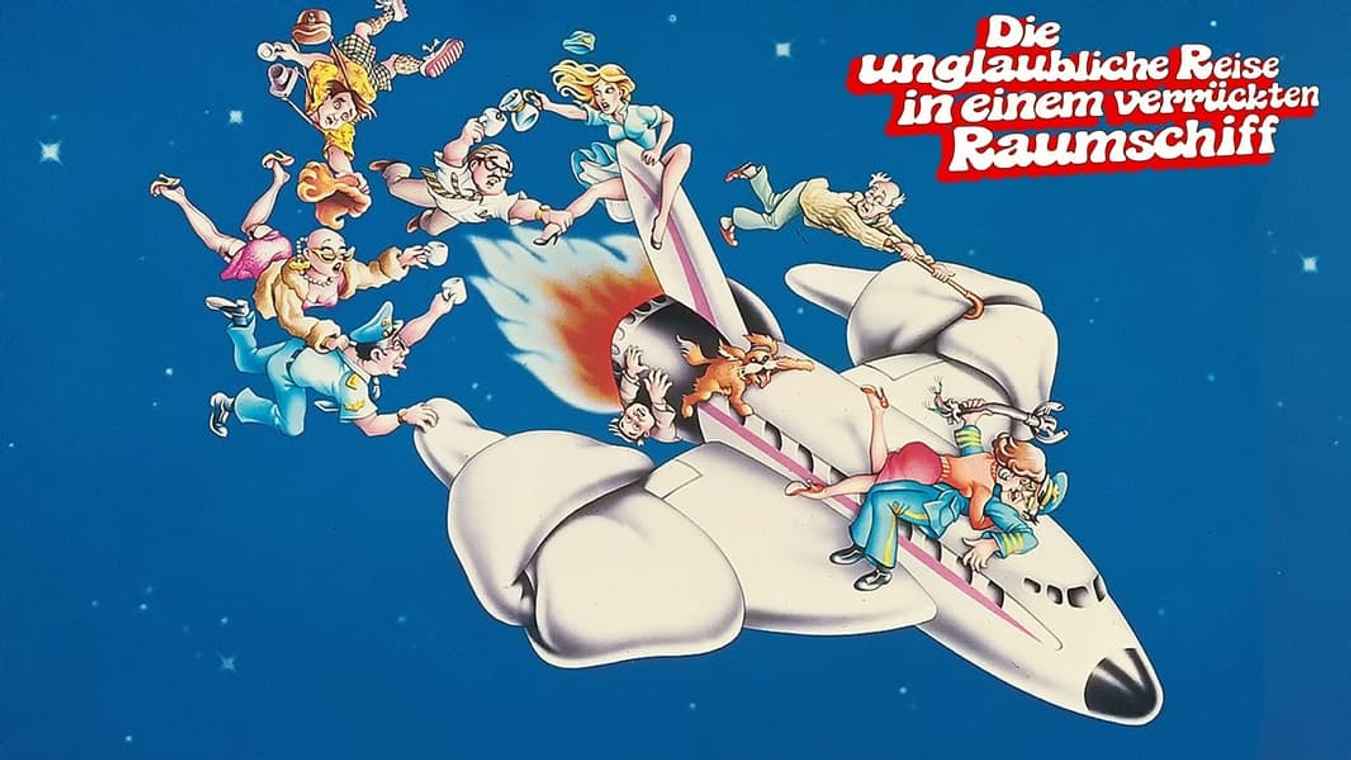
At one point, William Shatner looks into a periscope and sees the USS Enterprise from "Star Trek (1966)." This is the only time the original television version of the Enterprise appeared on the big screen. For the theatrical movies, it had been heavily modified.
At a pre-screening of this movie, the audience was given 3-D glasses as they entered the theater. After several minutes into the "blurry" film, distorted by the 3-D glasses everyone donned, the pre-screeners realized the film was not in 3-D. The audience had been duped, but it was unclear by whom. (Cincinnati, 1982)
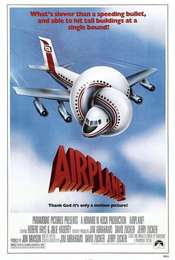
The Zucker-Abrahams-Zucker writing and directing trio (Jerry Zucker, David Zucker and Jim Abrahams) claim (on the DVD audio commentary of Airplane! (1980)) never to have seen this film. They initially agreed to a sequel, and then balked at the idea at a later date. The movie went ahead without their permission, and despite their protests - thus, they refused to watch a single frame of it upon its release - and still have not over twenty years later.
Leslie Nielsen turned down an offer to return as Dr. Rumack due to his commitment to the comedy series Police Squad! (1982), created by Zucker, Abrahams and Zucker, the creative team behind the original Airplane! (1980) movie. His character only appears in flashback sequences from the first film. His character was replaced by the character Dr. Stone, portrayed by John Vernon.
At the Alpha Beta base, a technician tells Buck Murdock that the piece of equipment he is working on has red lights that go back and forth, but no other apparent purpose. This piece of equipment has been seen in many science fiction films and television series (including Star Trek II: The Wrath of Khan (1982), The Last Starfighter (1984) and an episode of Star Trek: The Next Generation (1987)), but its function is never explained.
"Witness: Striker was the squadron leader. He brought us in real low. But he couldn't handle it. Prosecutor: Buddy couldn't handle it? Was Buddy one of your crew? Witness: Right. Buddy was the bombardier. But it was Striker who couldn't handle it, and he went to pieces. Prosecutor: *Andy* went to pieces? Witness: No. Andy was the navigator. He was all right. Buddy went to pieces. It was awful how he came unglued. Prosecutor: *Howie* came unglued? Witness: Oh, no. Howie was a rock, the best tailgunner in the outfit. Buddy came unglued. Prosecutor: And he bailed out? Witness: No. Andy hung tough. Buddy bailed out. How he survived, it was a miracle. Prosecutor: Then Howie survived? Witness: No, 'fraid not. We lost Howie the next day."
"Prosecutor: Dr. Stone, would you give the court your impression of Mr. Striker? Dr. Stone: I'm sorry, I don't do impressions... my training is in psychiatry."